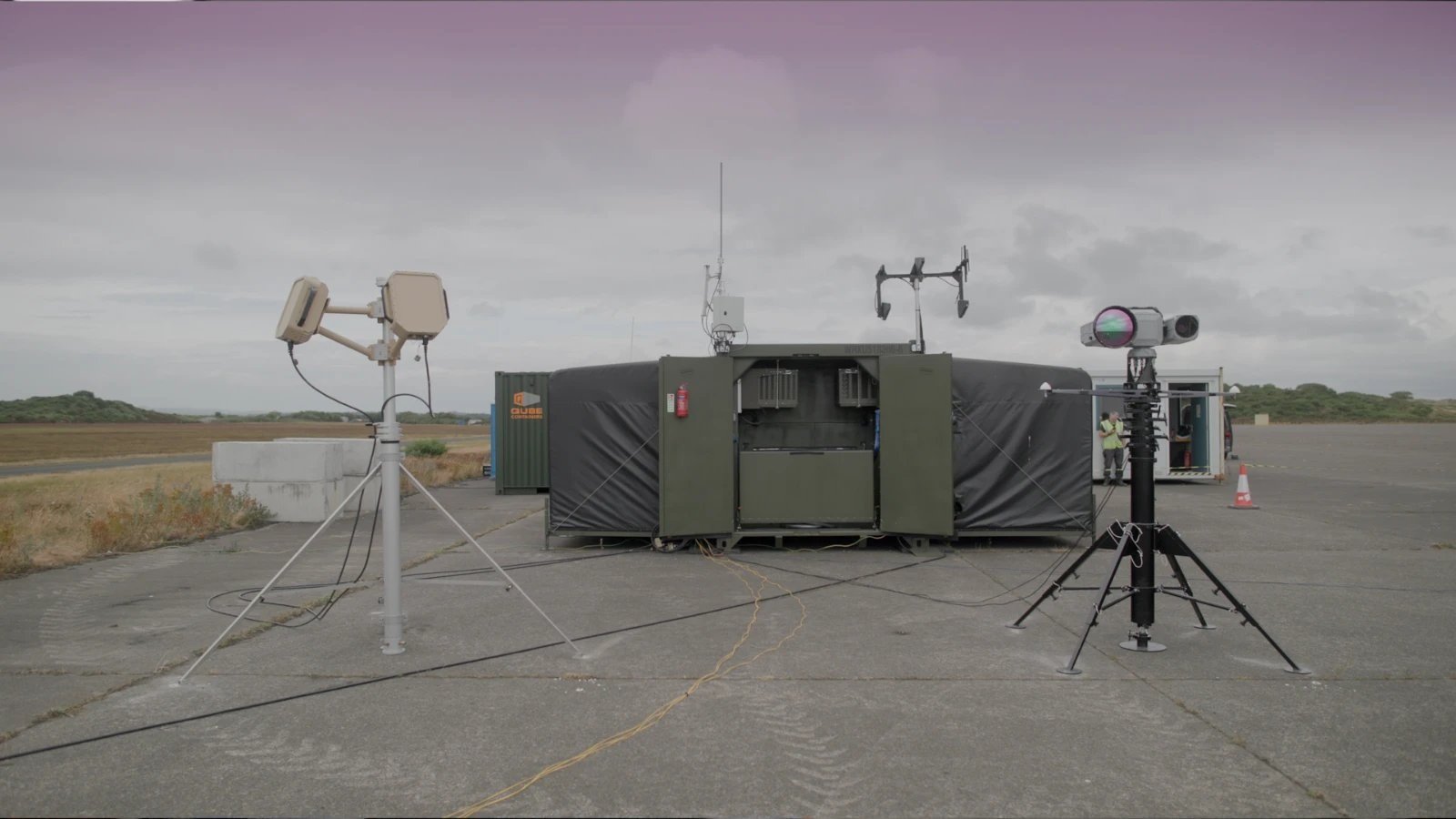
SCOTLAND — BAE Systems has successfully completed live field trials of its Anti Threat System (BATS) in Scotland, demonstrating the system’s ability to detect, identify and respond to uncrewed aerial threats through a unified command-and-control architecture.
The trials demonstrated the integration of electronic warfare and kinetic gun systems within BATS. BAE Systems said the testing validated the system’s ability to coordinate the detection of aerial threats and deliver an appropriate response through an integrated command-and-control system.
The development comes as governments increase spending on counter-drone capabilities following lessons from conflicts in Ukraine and the Middle East. BAE Systems said its team progressed BATS from the initial conceptual phase to field-based integration and deployment testing in eight months.
Three Scenarios Tested in Scotland
The live trials were designed around three scenarios to test different parts of the BATS operational process.
Detection and Situational Awareness
The first scenario tested BATS’ ability to combine information from multiple sensors into a common operational picture.
This allowed operators to detect, identify and track aerial objects while distinguishing potential threats from non-threatening activity.
Electronic Warfare Response
The second scenario focused on the system’s non-kinetic response capability.
BAE Systems tested the integration of electronic warfare and software-defined radio technologies, allowing operators to deploy electronic effects against targets that had been confirmed by operators in near real time.
Full Sense-to-Effect Chain
The third scenario tested the complete sense-to-effect chain in a more complex tactical environment.
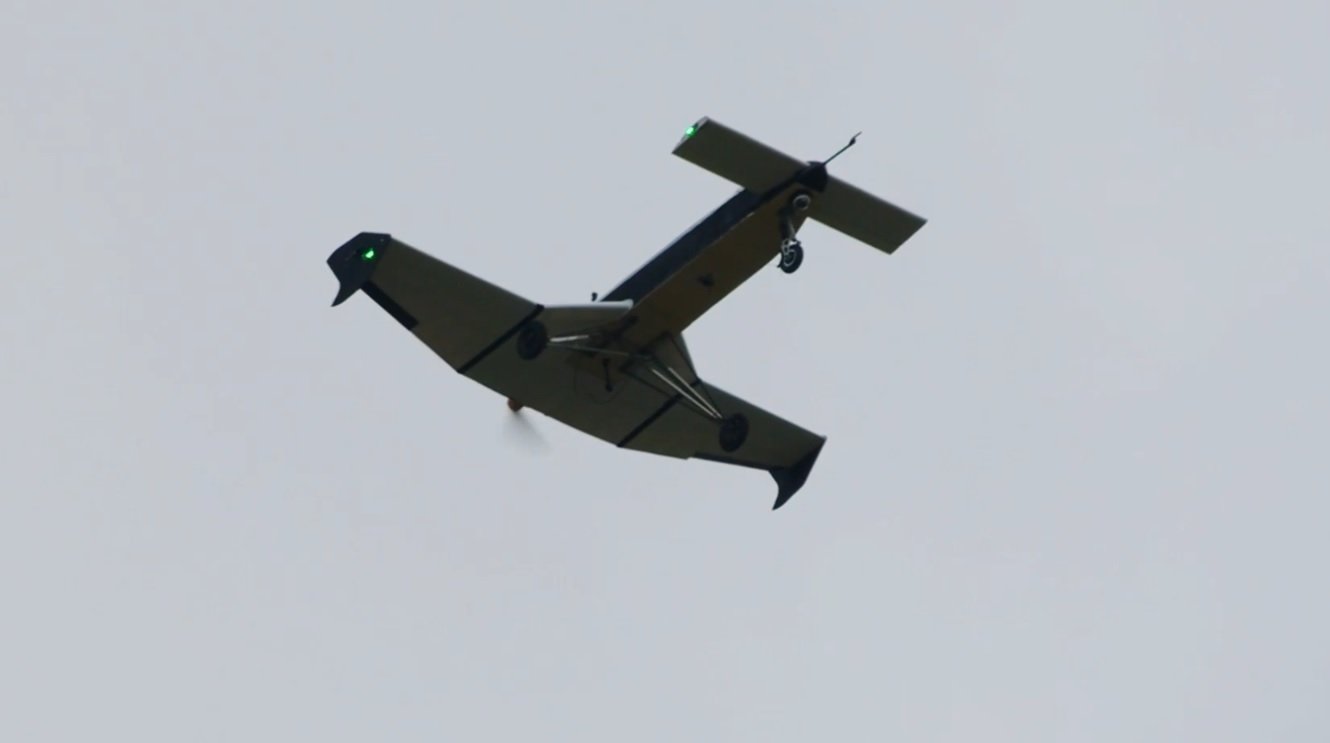
Operators identified different categories of drones and then deployed the appropriate countermeasure for each confirmed threat. The trial also demonstrated an integrated gun system alongside the electronic-warfare capability.
Designed for Mobile and Networked Operations
The trials also demonstrated the system’s scalability and mobility. BAE Systems said BATS can be rapidly deployed, dismantled and re-established at different locations to meet changing operational requirements.
The system is intended to provide layered protection for military forces, critical national infrastructure and other high-value assets.
BAE Systems also examined how BATS could support future networked operations, including the secure sharing of threat information between multiple locations.
“Throughout the trial, we also explored how BATS could support future networked operations, enabling threat information to be shared securely across multiple locations. This enables operators to build a broader understanding of the airspace, improving coordination and response across distributed sites,” said Louise Heywood, Head of Strategy at BAE Systems Digital Intelligence & Land.
The Scotland trials provide a field-based demonstration of BATS’ ability to combine sensor information, electronic warfare and kinetic effects under a unified command-and-control architecture.
——— End of Article ———