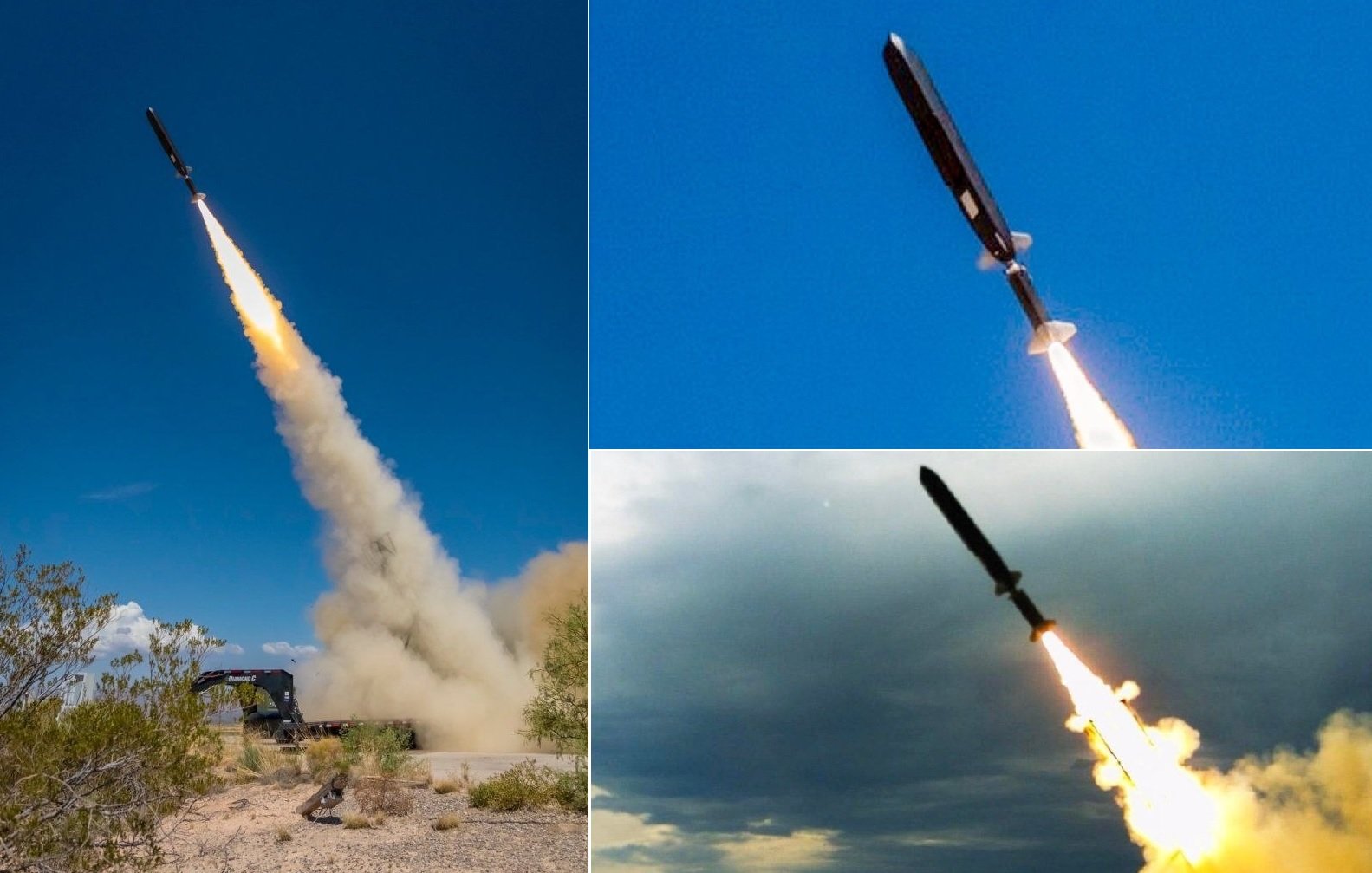
Pingtung County, Taiwan — Taiwan’s first domestically developed satellite launch vehicle failed during its maiden flight test on Wednesday, August 19, 2026, after veering off course shortly after liftoff. The solid-fuel rocket, developed by the National Chung-Shan Institute of Science and Technology (NCSIST), was launched from the Jiupeng Base in Pingtung County at around 6:00 a.m. local time.
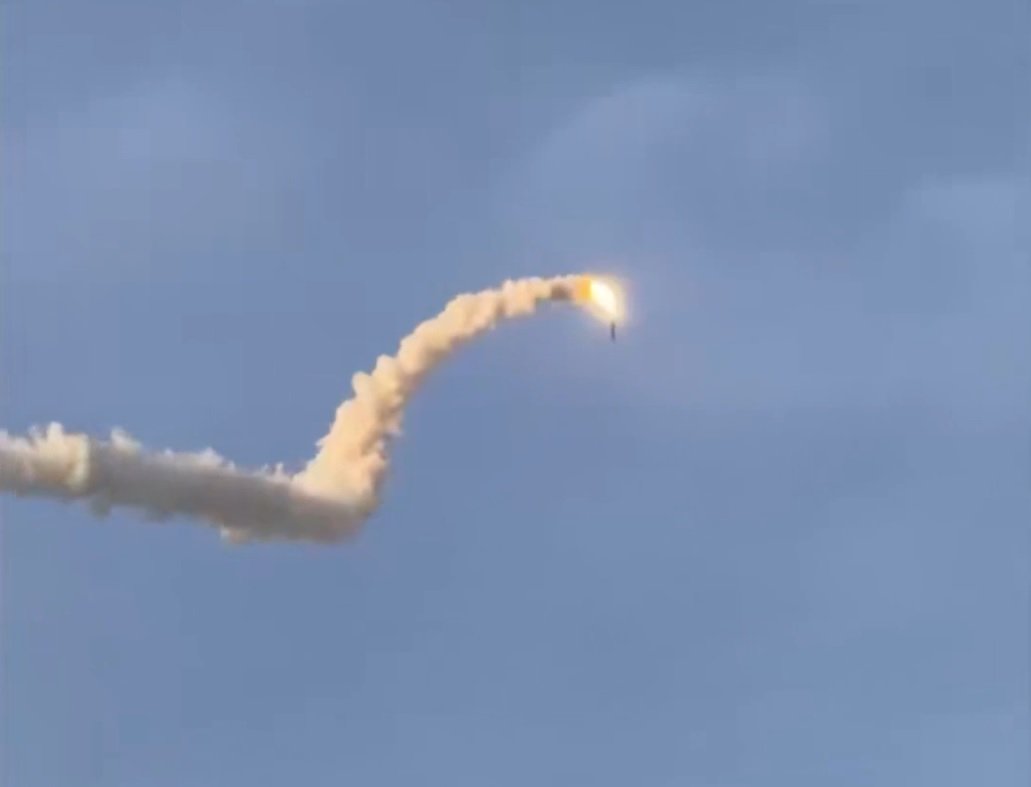
NCSIST said the rocket developed a trajectory anomaly during the initial stage of flight. Ground telemetry detected abnormal rotation and a deviation from the planned flight path, prompting operators to activate the vehicle’s pre-planned self-destruct system. The rocket and debris fell in an uninhabited mountainous area within the designated safety control zone. No injuries or property damage were reported.
Before the launch, authorities had established a safety exclusion zone covering a radius of 20 nautical miles (about 37 km) and extending to an altitude of 100,000 feet (about 30.48 km). NCSIST had also issued notices for sea and air firing activities at Jiupeng from August 19 to 21, 2026, including artillery and uncrewed aircraft system operations.
Residents near the base reported seeing the rocket briefly climb before turning away from the sea toward the mountains. Some initially believed they were seeing a missile. Videos shared online showed the vehicle changing direction before falling, with smoke rising from the hillside.
The Pingtung County Government called for further launch tests to be suspended and asked NCSIST to conduct a thorough review of its procedures. It also requested that future flight paths avoid Indigenous villages and other residential areas. NCSIST has sent personnel to the county government and the Mudan and Manzhou township offices to explain the safety measures and hear local concerns.
NCSIST said engineers will analyse the telemetry collected during the brief flight to determine the cause of the failure and make necessary design changes. Possible areas under investigation include the propulsion or gyroscope systems and weight distribution, although the exact cause has not yet been confirmed.
The project is a scientific research effort to develop a solid-fuel rocket capable of placing satellites into low Earth orbit. Project lead Lai Yu-hsuan said the work builds on NCSIST’s solid-rocket technology and has no other purpose. The program is separate from TASA’s liquid-fuel rocket program.
No satellite was carried during the test. The objective was to collect flight data and validate the vehicle’s systems. This was the first flight test of Taiwan’s domestically developed launch vehicle.
Taiwan has previously relied on foreign launch services for its satellites. Separately, the Taiwan Space Agency (TASA) is working toward domestic orbital launch capability, including plans for a rocket capable of carrying a 200-kilogram satellite into orbit by around 2034 and the establishment of a dedicated launch facility in Pingtung.
NCSIST said it will use the data from the August 19, 2026 flight to refine the vehicle before any further tests.
——— End of Article ———