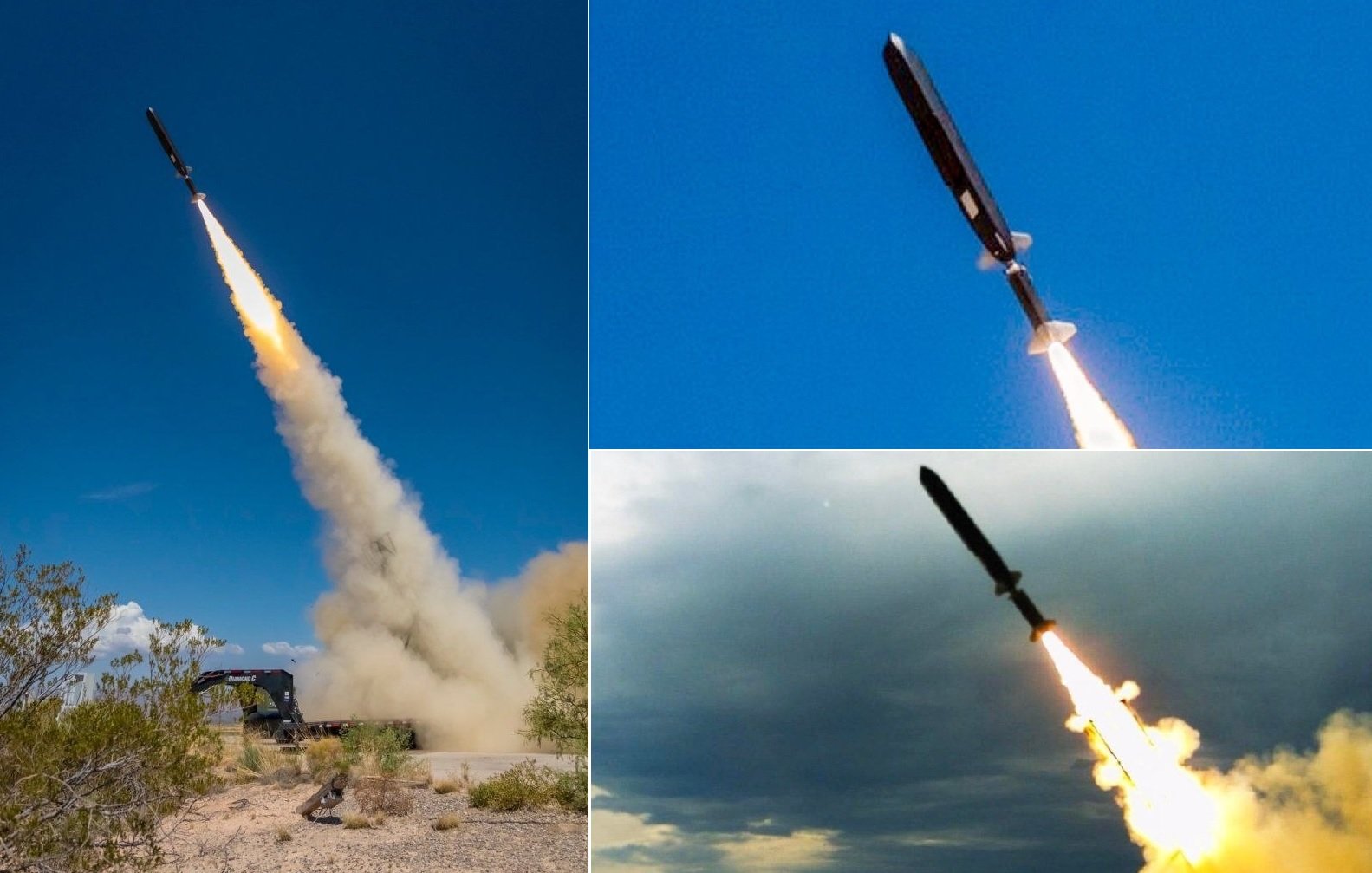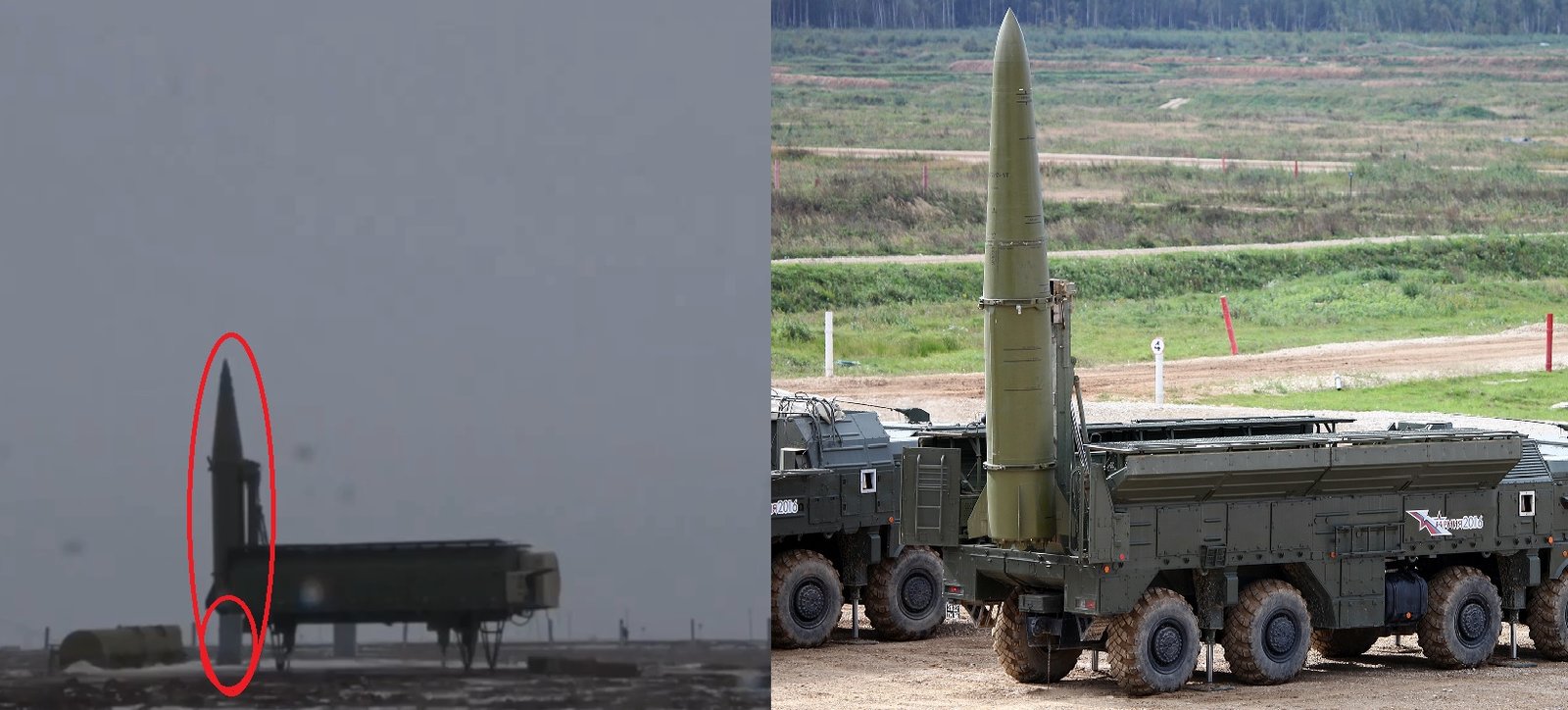
KYIV, Ukraine, — Russia used an upgraded 9M723-2 ballistic missile, informally known as the Iskander-1000, during a combined strike on Kyiv this summer, Ukraine’s Main Directorate of Intelligence (HUR) reported. It was the first reported combat use of the upgraded variant against the Ukrainian capital.
The missile is part of the Bora-M system. According to HUR, its larger engine required a larger launcher tube and increases the range to up to 550 kilometers (340 miles), compared with about 390 kilometers (240 miles) for the standard 9M723-1 used by the Iskander-M. HUR said the remaining missile components are identical to those of the 9M723-1.
The Iskander is a quasi-ballistic missile capable of maneuvering during flight, which makes it a difficult target for air-defense systems. Ukrainian aviation expert Kostiantyn Kryvolap said the difficulty of intercepting the upgraded version has not changed, while Ukraine continues to intercept Iskander missiles and target their launchers.
Development of the 9M723-2
Reports about a longer-range Iskander variant first appeared in July 2024, with claims that the missile could eventually reach up to 1,000 kilometers. Unofficial reports in December 2025 claimed tests at ranges of up to 800 kilometers. HUR’s latest assessment, however, gives the 9M723-2 a range of up to 550 kilometers.
In October 2025, Ukrainian sources published leaked Russian procurement documents showing an order for 18 missiles designated 9M723-2, providing evidence that the variant had entered production.
Foreign Components
HUR also released new information through its War&Sanctions portal on the production network for Russia’s 9M723 Iskander-M missiles. The data covers 140 identified components, 35 companies, and 108 officials and employees. The broader database also includes more than 170 components, 82 Russian and two Belarusian enterprises, and 121 items of foreign production equipment.
According to HUR, only about one-quarter of the 140 components are manufactured in Russia. 63 components come from U.S. manufacturers, while eight each come from Switzerland and Belarus, four each from Germany and Taiwan, and three from China. In one guidance-system unit that processes flight data from a laser gyroscope, only five of 43 components are Russian-made.
HUR has not disclosed the exact date of the summer strike, the number of 9M723-2 missiles used, or the specific targets hit. Russia continues to use ballistic missiles together with cruise missiles and drones in combined attacks against Ukrainian cities.
——— End of Article ———