KYIV, — Russia sharply increased its use of jet-powered attack drones against Ukraine in July, deploying five times more than in June, according to Yurii Ihnat, head of the Communications Department of Ukraine’s Air Force Command.
Speaking on August 31, Ihnat said Ukrainian forces recorded more than 1,500 drones over a recent four-day period, including about 800 jet-powered UAVs. Ukraine’s overall air-defense effectiveness remained around 90%, but jet-powered drones were intercepted less frequently than conventional Shahed-type drones.
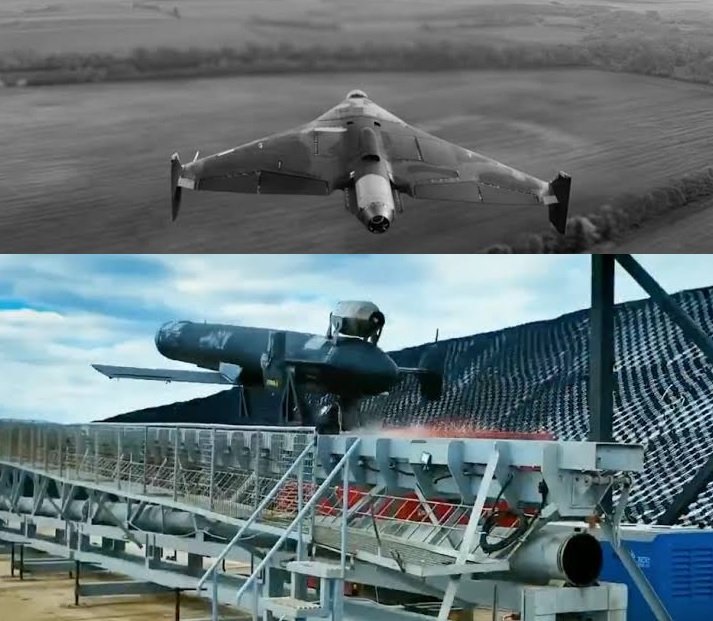
The shift includes jet-powered variants such as the Geran-3, Geran-4 and Geran-5, as well as the S8000 Banderol. Ukrainian officials say Russia has increased their use because conventional defenses have been highly effective against slower, piston-engine Shahed drones.
Speed and altitude challenge
Some of the new jet-powered UAVs can reach about 600 km/h, while Ukrainian interceptor drones currently reach roughly 300 km/h, making direct pursuit difficult. The UAVs can also operate at around 5 km altitude, putting them beyond the effective range of many mobile fire teams and portable air-defense systems.
Ihnat said countering the faster systems requires short-range surface-to-air missile systems, air-defense aviation and fighter aircraft equipped with air-to-air missiles. Ukraine is also developing faster interceptor drones.
Ukrainian researchers previously reported that Russia used about 1,400 jet-powered strike UAVs during the first months of 2026, compared with roughly 180 during all of 2025. Ukrainian assessments have also put production of Geran-4 and Geran-5 at around 3,000 units per month, with jet-powered drones accounting for about 15–25% of some recent attack packages.
S8000 Banderol
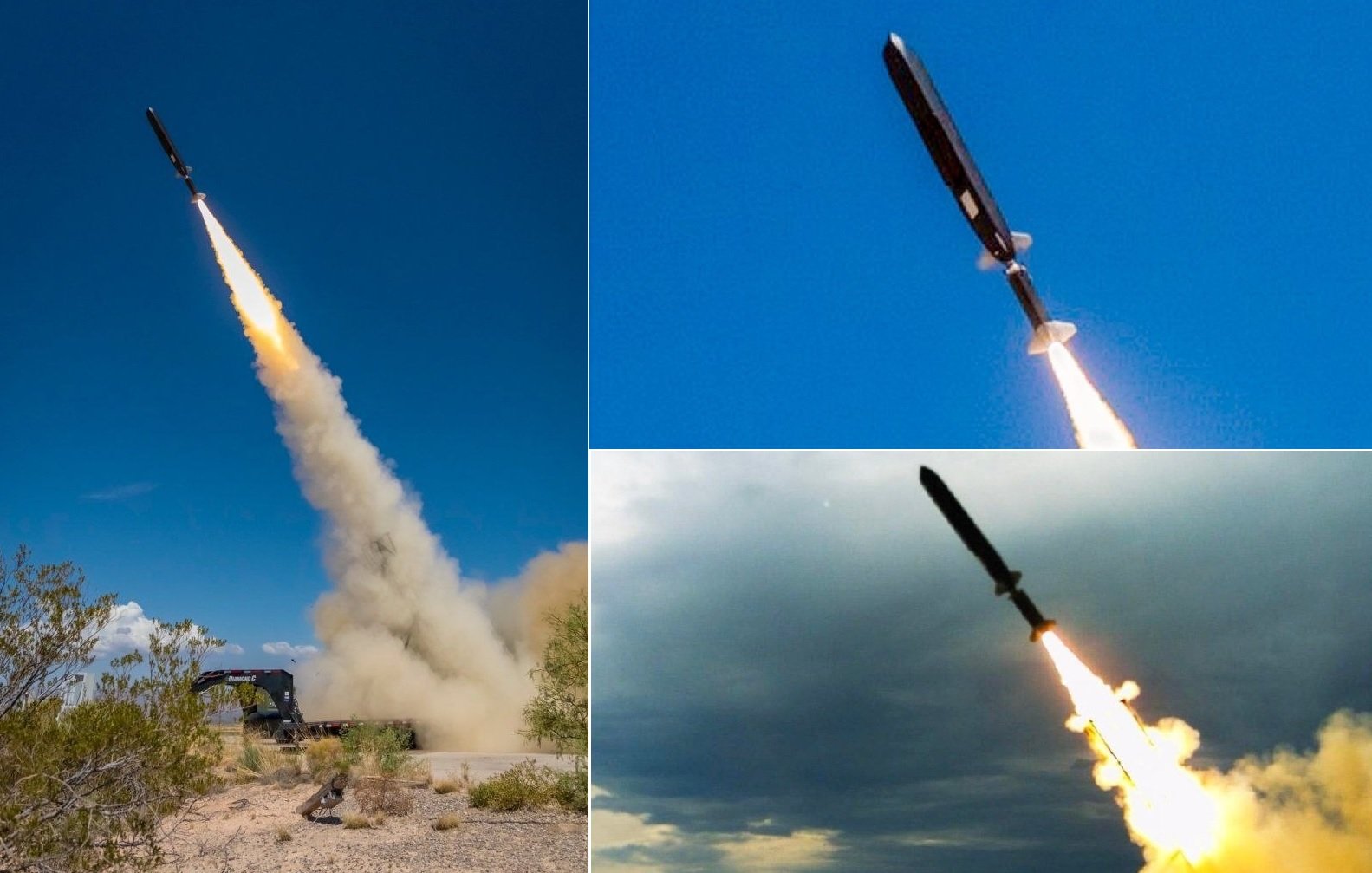
Russia has also expanded production and use of the S8000 Banderol, a system variously described as a missile, drone-missile, loitering munition or small cruise missile. Ukrainian reporting puts its production at about 80 units per month.
The Banderol is approximately 5 meters long, has a 30-centimeter fuselage diameter and folding wings and stabilizers spanning about 2.2 meters. Its maximum speed is listed at 620–650 km/h, cruising speed at 520–560 km/h, and range at about 500 km.
The system carries an OFBCh-150 warhead weighing about 114.3 kg, including 49.5 kg of explosives. Ukrainian intelligence has identified a Chinese SW800Pro-A95 turbojet engine among its components, along with other foreign-made electronics. The Banderol can be carried by the Orion UAV, while Ukrainian reporting has also identified planned use from the Mi-28N helicopter.
Its small diameter and composite construction reduce its radar cross-section, while low-altitude flight can make detection more difficult, particularly when terrain provides concealment.
Russia’s increased use of jet-powered UAVs and Banderol systems shows a shift toward faster aerial weapons that require Ukraine to use more specialized interception systems than those commonly employed against slower propeller-driven drones.
——— End of Article ———