MOSCOW, — Russia has begun serial production of the Volna Kupol Garant, an electronic warfare (EW) system designed to disrupt communications between Starlink terminals and satellites, according to a Russian defense-industry source cited by state news agency TASS on August 28.
The move follows Russian claims that the system has demonstrated effectiveness during testing and earlier deployments. The start of serial production marks a shift from limited production and deployment toward larger-scale manufacturing.
How the Volna Kupol Garant Works
The Volna Kupol Garant uses a different approach from conventional systems that directly jam communications equipment on the ground.
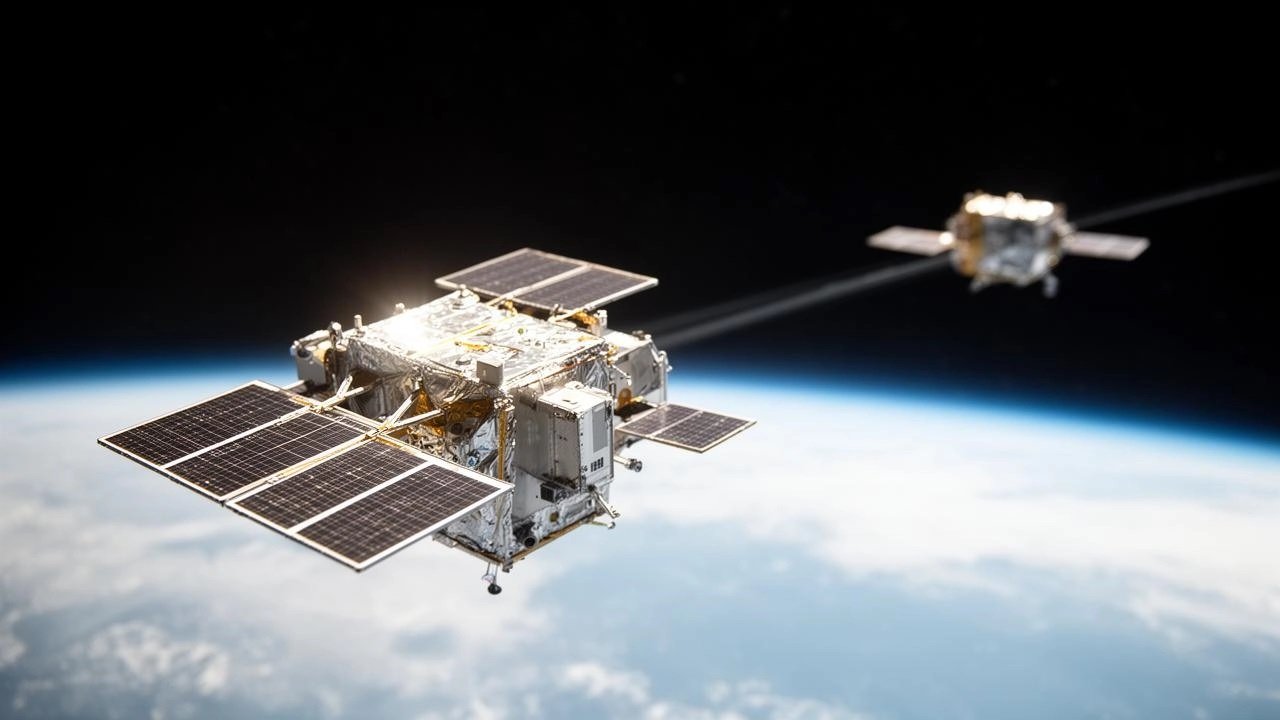
According to Ukrainian radio technology expert and presidential adviser Serhii “Flash” Beskrestnov, the system directs powerful radio-frequency interference toward Starlink satellites in low Earth orbit. The objective is to interfere with the satellites' ability to receive signals transmitted by Starlink terminals on the ground.
Beskrestnov said in June that Starlink terminals transmit toward satellites in the 14–14.5 GHz frequency range. He described eight data channels, each with a bandwidth of 62.5 MHz, that the Russian system is designed to interfere with.
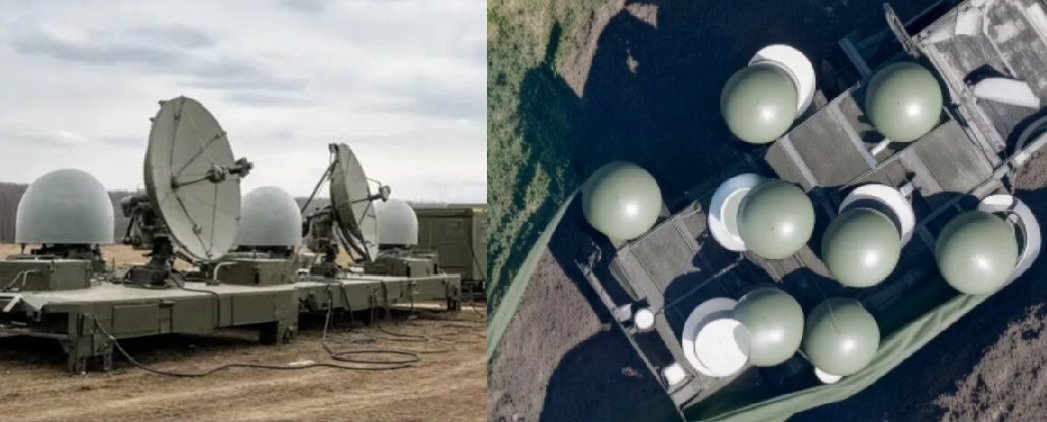
The system is mounted on six trailers, with two antennas per trailer, giving it a total of 12 antennas. The equipment uses steerable antennas to direct interference toward satellites passing over the area.
A single system has been reported to affect an area of approximately 20 square kilometers.
The system is manufactured by Rossiysky Kupol, also referred to as Russkii Kupol, a company based in Simferopol, Crimea, according to Ukrainian reporting on the system.
Starlink's Role in the War
Starlink has become an important communications system for Ukrainian forces, including for battlefield communications and unmanned systems.
Russia has been developing and deploying electronic warfare systems intended to interfere with Starlink communications. Ukrainian officials reported in June that Russian forces were using the Volna Kupol Garant against Starlink links.
The system's satellite-focused approach is intended to interfere with the connection before the communication reaches the ground terminal.
However, the effectiveness of such interference depends on several factors, including the satellite passing over the affected area and the ability of Starlink terminals to establish connections with other satellites.
The Institute for the Study of War's Critical Threats Project noted that the system reportedly engages satellites rather than individual ground terminals and that Starlink's large constellation and frequent satellite handovers can limit the duration and scale of disruption.
Russian Claims and Reported Limitations
The Russian defense-industry source quoted by TASS said the Volna Kupol Garant had proven effective and that production was being expanded. The source also claimed that multiple systems could be used to increase the area affected by interference.
Independent assessments, however, have highlighted limitations. The system is relatively large and requires significant power, while its reported coverage is limited to a specific area. Ukrainian officials have also reported that Russian Volna Kupol Garant systems have been identified and attacked.
The system's estimated cost has been reported at around $1.5 million per unit, although this figure is an estimate rather than an officially confirmed production price.
Ukrainian forces have previously released evidence of strikes against Volna Kupol Garant systems. Open-source reporting has also identified satellite imagery showing a destroyed system at Russian military unit No. 2156 in Gelendzhik, on Russia's Black Sea coast.
Russia Says Technology Could Be Supplied Abroad
The Russian defense-industry source cited by TASS also said that Russia retains the right to distribute the technology to other countries.
That statement indicates that Moscow sees the system as more than a battlefield electronic warfare capability. However, there is currently no confirmed public information establishing which foreign countries have ordered or received the Volna Kupol Garant.
The start of serial production nevertheless represents a further Russian effort to counter Starlink through electronic warfare. Its actual effectiveness at scale will depend on the number of systems deployed, their ability to remain operational, and Starlink's ability to maintain connectivity through its wider satellite network.
——— End of Article ———