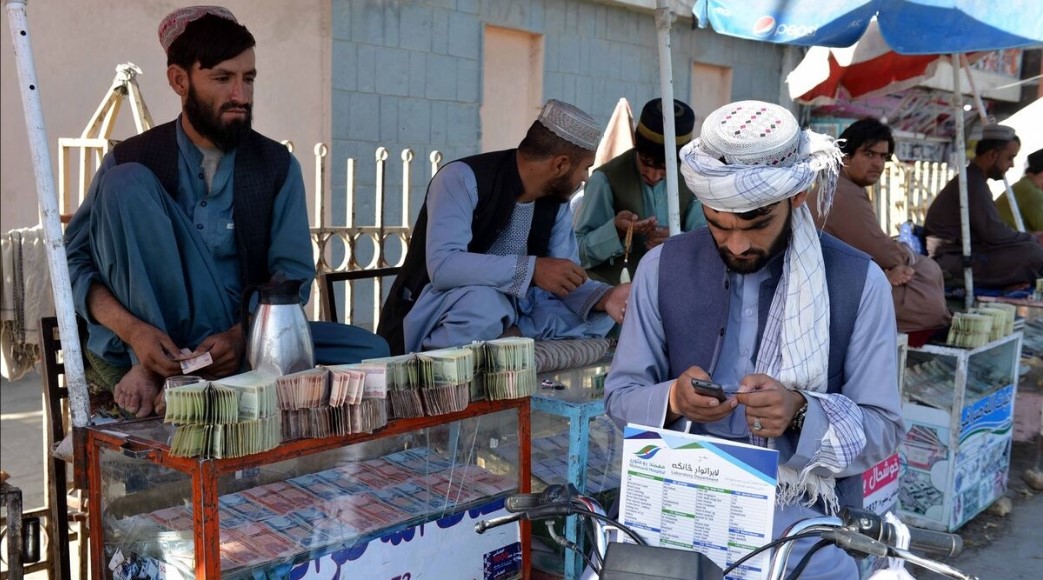
Defense News, Afganistan :- In a recent report, the Special Inspector General for Afghanistan Reconstruction (SIGAR) revealed that significant amounts of money, averaging $80 million per shipment, have been sent to Afghanistan in various deliveries over the last three months. These funds, according to SIGAR, are transported to Kabul every 10 to 14 days and are kept in private banks within the United Nations' accounts.
SIGAR's report also highlighted that the United Nations Development Programme (UNDP) disclosed that approximately 69% of Afghans are struggling to access sufficient resources for their basic needs. The economic downturn, with a 27% contraction since 2020, has left 7 out of 10 Afghans unable to meet essential requirements such as food, healthcare, and employment.
Contrary to concerns, the Taliban assured that the aid money received through the UN is allocated for education, health, and development projects. They emphasized their role as evaluators of the progress of aid organizations' activities, asserting that they do not derive any direct benefit from the funds.
Despite the conflicting narratives, economic analysts argue that international support is crucial for Afghanistan's fiscal stability and economic growth. The country has been grappling with a worsening humanitarian situation since the Taliban's return to power in August 2021, exacerbated by the Ukraine crisis leading to a surge in food prices.
While the intensity of sectarian conflict has reduced, persistent human rights violations, particularly against women and minorities, remain a serious concern. Women and girls, in particular, are disproportionately affected by the humanitarian crisis, facing challenges in accessing fundamental rights like non-discrimination, education, employment, public participation, and healthcare, as reported by Khaama Press.
——— End of Article ———