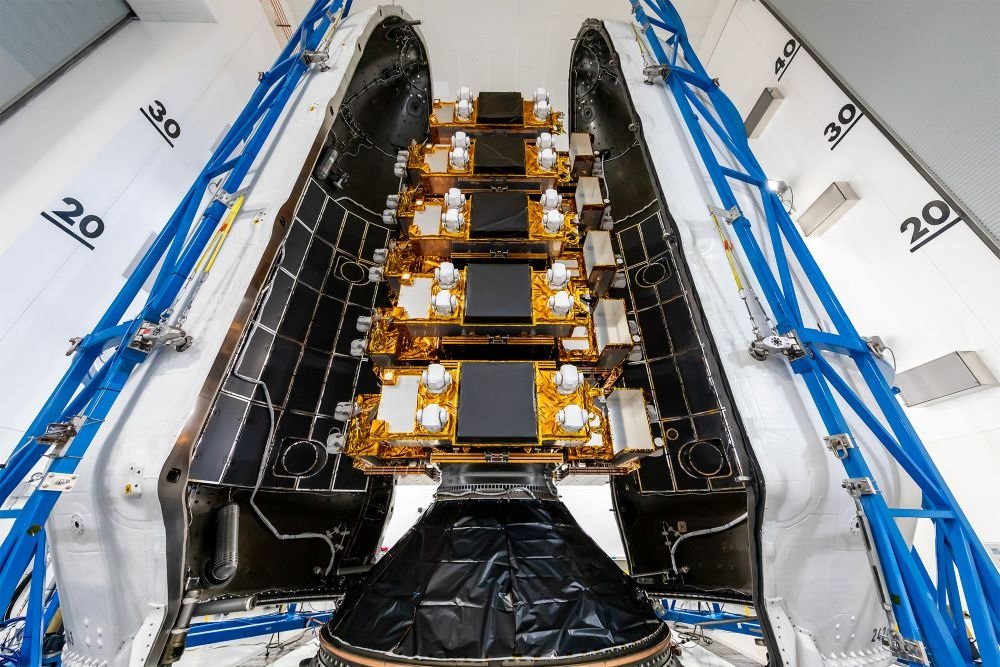
VANDENBERG SPACE FORCE BASE, Calif. — A SpaceX Falcon 9 rocket successfully launched 21 Northrop Grumman-built satellites into low Earth orbit for the U.S. Space Development Agency’s (SDA) Tranche 1 Transport Layer (T1TL), marking the company’s first deployment for the Pentagon’s Proliferated Warfighter Space Architecture (PWSA).
The Falcon 9 lifted off from Space Launch Complex 4 East at Vandenberg Space Force Base at 3:39 a.m. EDT (12:39 a.m. local time) after a five-day delay caused by a launch vehicle issue. The mission, designated T1TL-A, is the fourth of six planned Tranche 1 Transport Layer launches. The satellites arrived at Vandenberg on September 28.
Secure Communications in Low Earth Orbit
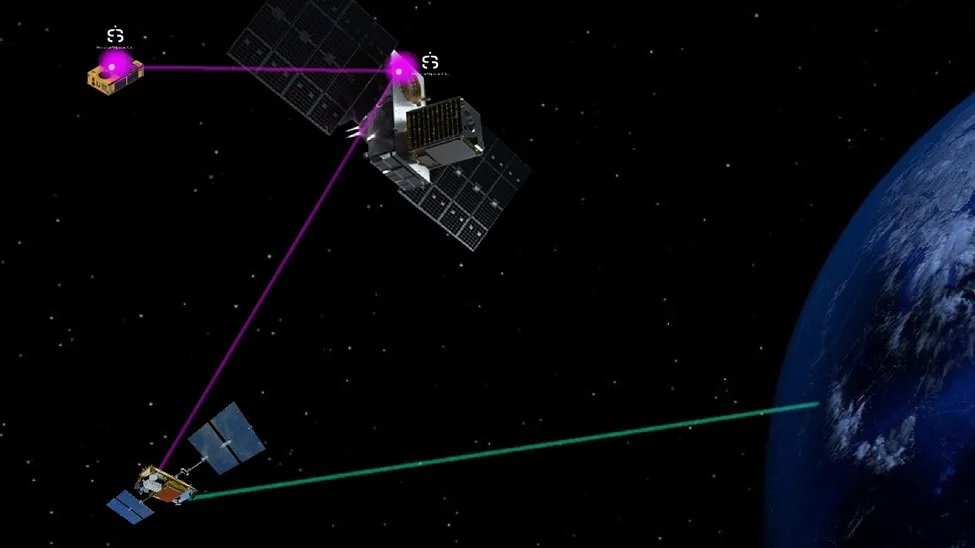
The 21 satellites are designed to provide secure, resilient and low-latency communications for warfighters. They carry optical inter-satellite links and Link 16 radios, extending the military’s secure, high-speed and jam-resistant tactical data network into space.
The interconnected satellites are designed to move tactical data between military users and missile-warning and tracking satellites, supporting global missile detection and tracking. Optical links allow data to move between spacecraft before reaching users through the wider network.
Multi-Vendor Transport Layer
The launch is also an important deployment for the SDA’s multi-vendor acquisition strategy. In July 2026, 21 Transport Layer satellites built by York Space Systems were deployed into orbit, while Lockheed Martin has also supplied Tranche 1 Transport Layer satellites.
The SDA plans for spacecraft from different manufacturers to operate together within the same network architecture, making interoperability between the satellites an important part of the program.
Northrop Grumman’s 21 satellites represent the first half of its 42-satellite Tranche 1 Transport Layer contract, valued at approximately $692 million.
Tranche 1 and Future Deployments
The Tranche 1 Transport Layer is planned to include 126 satellites, with Northrop Grumman, Lockheed Martin and York Space Systems each contracted to build 42 satellites. The wider Tranche 1 program also includes 28 missile-warning and tracking satellites, with initial warfighting capability targeted for 2027.
Northrop Grumman plans to launch a second orbital plane of 21 Transport Layer satellites, followed by several dozen additional PWSA spacecraft over the next six months.
The company is under contract to build approximately 150 satellites across PWSA Tranches 1, 2 and 3, as well as more than 30 space vehicles for the SDA’s missile-warning and tracking constellation.
Accelerating Satellite Production
Northrop Grumman is using advanced manufacturing systems, AI-enabled production tools and commercial technologies from industry partners to accelerate production. The company has about seven million square feet of manufacturing space dedicated to space programs, with dozens of additional satellites already fully integrated and undergoing final checks.
The October 10 deployment adds Northrop Grumman satellites to the expanding PWSA network. Future deployments, reliable data links, interoperability between satellites from different manufacturers and the network’s ability to operate in a contested space environment will be important to the system’s overall effectiveness.
——— End of Article ———