Defense News, North Korea :- North Korea announced on Sunday that it has agreed to enhance strategic and tactical cooperation with Russia, aiming to establish a "new multi-polarized international order." The collaboration comes as both nations face increasing tensions with the United States and seek to form a united front.
The North Korean Foreign Ministry disclosed the outcomes of meetings between North Korean Foreign Minister Choe Son Hui, Russian President Vladimir Putin, and Foreign Minister Sergey Lavrov in Moscow last week. Putin expressed his willingness to visit Pyongyang soon.
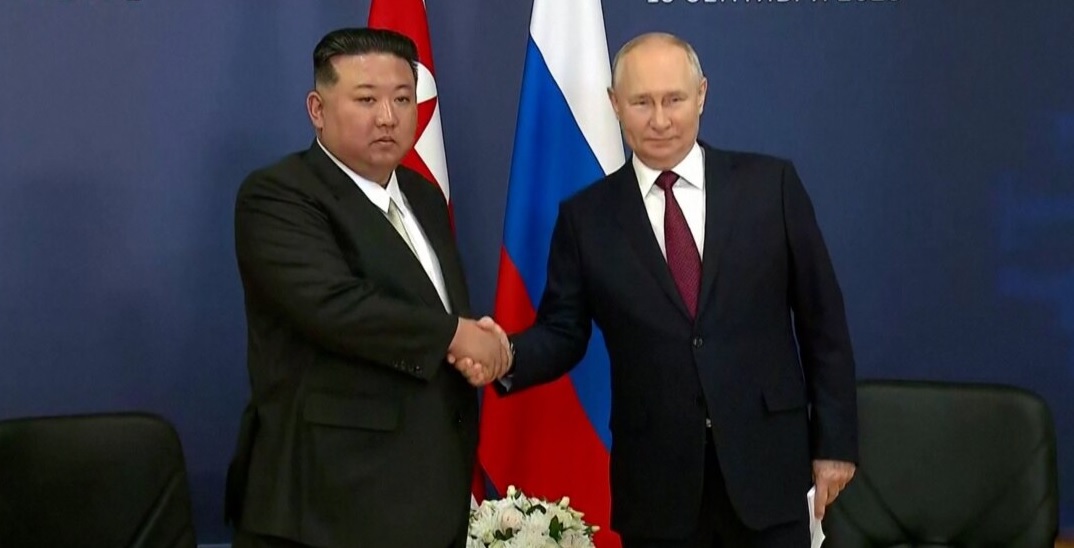
This move is part of North Korea's broader efforts to strengthen its relations with Russia, evident from leader Kim Jong Un's summit with Putin in September. Kim aims to break diplomatic isolation and fortify his position amidst escalating nuclear tensions involving Washington, Seoul, and Tokyo.
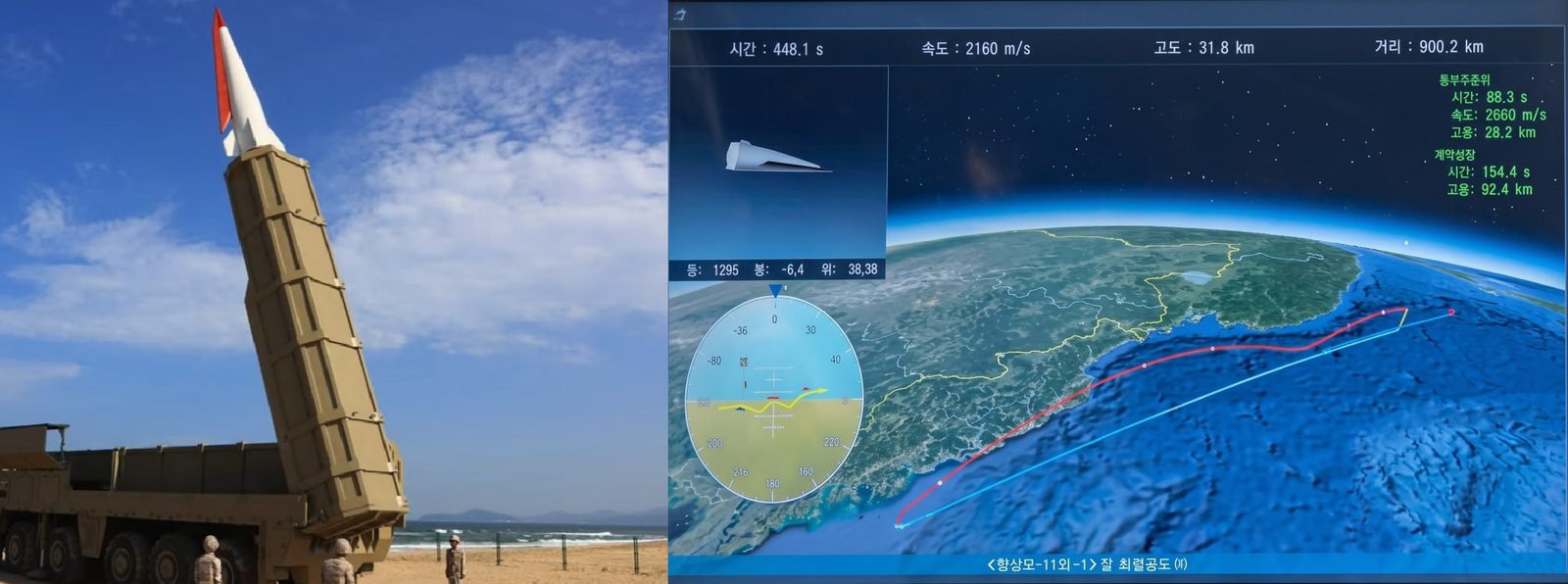
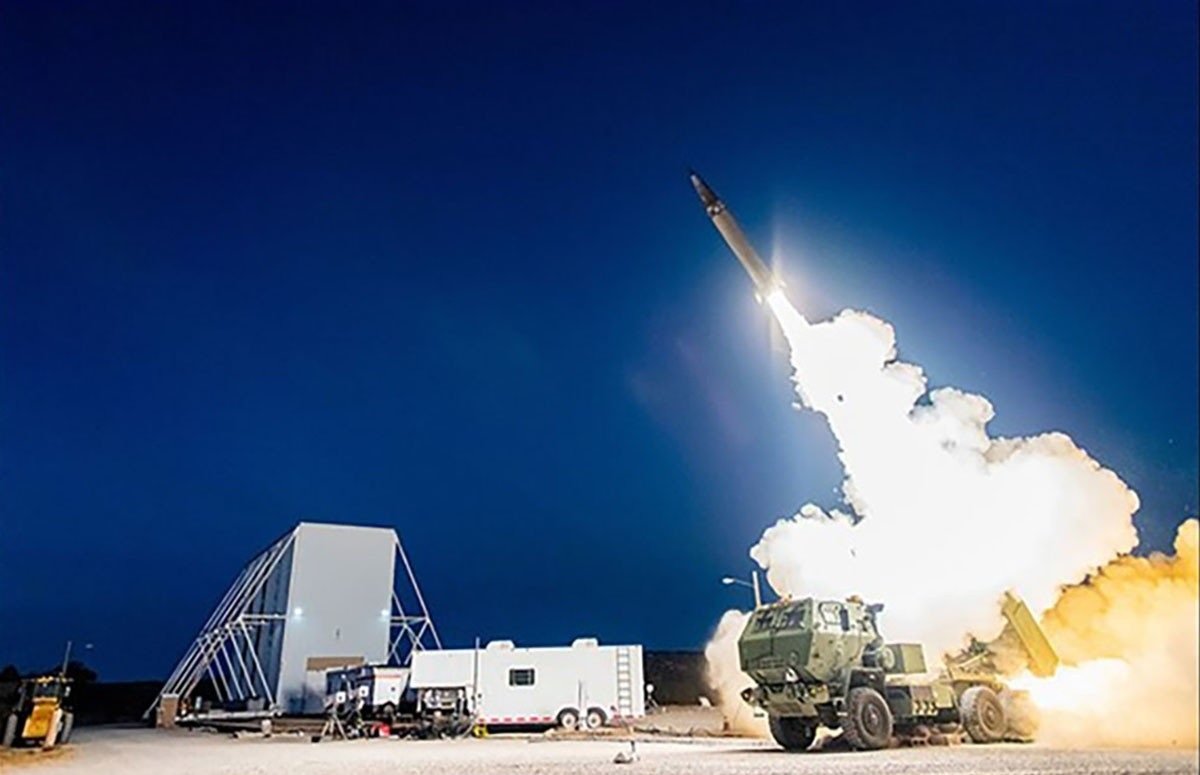
In a separate statement, North Korea criticized the U.N. Security Council for convening an emergency meeting regarding its recent ballistic test. The test, described as involving a new intermediate-range solid-fuel missile with a hypersonic warhead, was defended by North Korea as a regular activity to enhance defense capabilities, posing no threat to neighbors.
South Korea urged the Security Council to address North Korea's missile tests. However, Russia and China, permanent council members, have resisted U.S.-led attempts to increase sanctions on North Korea, revealing a broader division exacerbated by Russia's conflict with Ukraine.
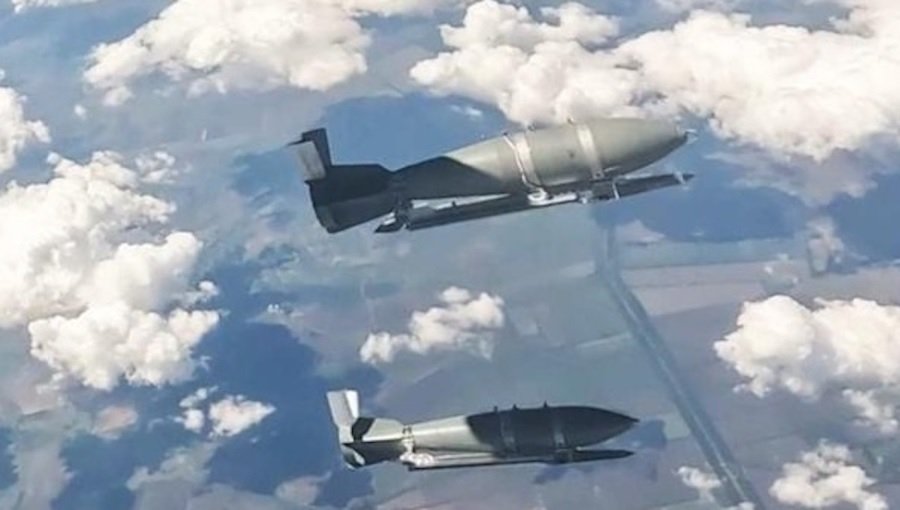
Concerns have been raised globally about potential arms cooperation between North Korea and Russia. Allegations suggest North Korea may provide munitions to aid Russia in Ukraine, potentially receiving economic aid and military assistance in return. Both nations deny accusations of North Korean arms transfers to Russia.
The joint statement from Choe and Russian officials emphasized their strong will to enhance strategic and tactical cooperation, defending their core interests and contributing to a new multi-polarized international order.
Russia thanked North Korea for its full support in the Ukraine conflict, expressing deep concern over expanding U.S. military cooperation with Asian allies. Tensions on the Korean Peninsula have escalated, with North Korea using Russia's Ukraine invasion as a pretext for increased weapons tests. The U.S., South Korea, and Japan have responded with joint military exercises, heightening deterrence against North Korean threats.
In the midst of these developments, North Korea conducted a test of an alleged nuclear-capable underwater attack drone in response to a naval exercise by the U.S., South Korea, and Japan. Choe's visit to Moscow coincided with Kim's use of domestic political events to issue nuclear conflict threats.
Kim's recent declaration at the Pyongyang parliament signals a shift in North Korea's goals, abandoning peaceful unification with South Korea. The North plans to rewrite its constitution, designating the South as its main adversary. Kim accused South Korea of being American "stooges" and reiterated the nuclear threat against the South.
Analysts suggest that North Korea's actions may aim to diminish South Korea's influence in the regional nuclear standoff, pushing for direct negotiations with Washington and solidifying its status as a nuclear weapons state.
——— End of Article ———