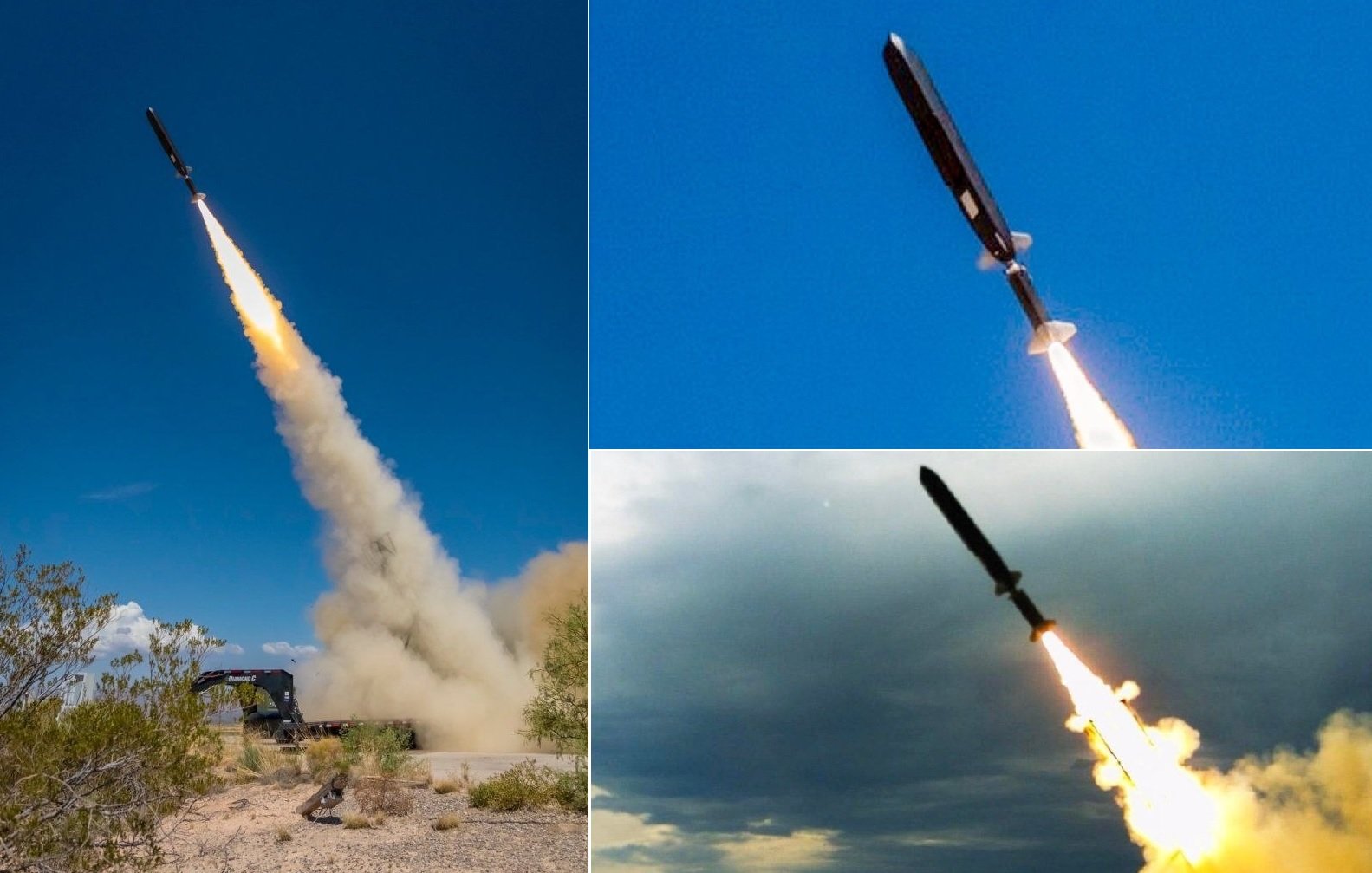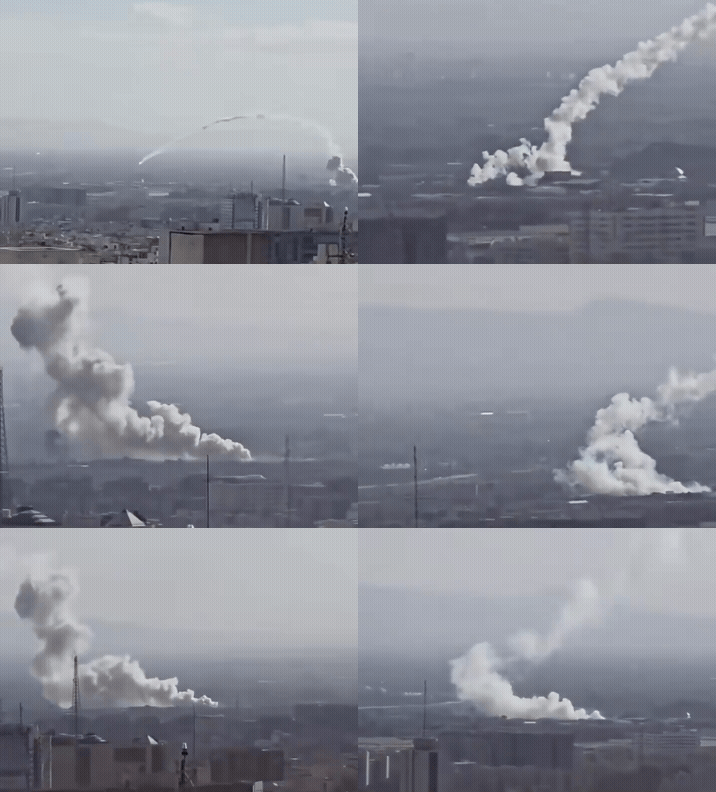
Iran — New footage circulating online appears to show an Iranian missile launch, while separate footage showing the aftermath of damage at a residential location has raised questions about what caused the destruction.
The footage has emerged amid renewed fighting between Iran and the United States and growing accusations from Tehran that U.S. strikes have caused civilian casualties.
The visible damage at the residential site appears limited compared with the destruction documented after some direct strikes involving larger U.S. munitions elsewhere in the conflict. This has led to questions over whether the damage could have resulted from a smaller weapon, falling debris, an air-defense interceptor or a malfunctioning projectile.
However, the available footage does not establish which weapon caused the damage or provide a complete sequence of events. Determining the cause would require independent analysis of the impact site, munition fragments, timing and other available evidence.
🚨 The Islamic Republic is rushing to blame the United States for the deadly wedding tragedy, but serious questions remain over what actually struck the house.
— The Iran Watcher (@TheIranWatcher) September 2, 2026
The reported U.S. target was a telecommunications tower roughly 130 meters from the wedding, placing military or… pic.twitter.com/Rp9Hf5HppZ
Iran: Iranian Missile Launch Footage
The emergence of the launch footage is significant because there have been previous reports and videos of Iranian missiles failing shortly after launch and falling back onto Iranian territory. Debris from air-defense interceptions has also been reported in populated areas.
Some online speculation has suggested that a smaller system, including a Shahed-type drone, could explain limited damage at the site. That remains unconfirmed, and the footage alone cannot establish that a drone was involved.
Iranian authorities have described the incident as an American “war crime” and attributed the civilian incident to the United States. The exact munition and sequence of events, however, remain matters requiring independent verification.
The new footage therefore raises questions about the basis for assigning responsibility before all available evidence has been examined.
Minab, Hormozgan Province: Earlier School Strike
The latest dispute has also revived debate over the February 28 strike near the Shajareh Tayyebeh elementary school in Minab, Hormozgan province.
Iranian authorities reported that approximately 156–175 people were killed, mostly schoolchildren and staff, with about 95 injured. The school was located next to an IRGC naval compound that was also struck.
Multiple investigations have examined the incident using videos and satellite imagery. The Washington Post reported that footage appeared to show a U.S. Tomahawk missile striking near the school and the adjacent IRGC facility. Bellingcat also geolocated footage showing a Tomahawk striking the IRGC compound.
Later analysis by Bellingcat identified two waves of strikes in the area and concluded that the school was impacted during the first wave. Bellingcat also identified munition remnants presented as being from the school as Tomahawk remnants, although it said it could not independently verify where the remnants were originally recovered.
The Washington Post separately reported that the school appeared on a U.S. target list and may have been mistakenly identified as a military site.
These findings make the Minab case different from the latest footage in one important respect: there is substantially more publicly available visual and forensic evidence linking the February strike to U.S. weapons.
Kuhestak, Sirik County: Questions Over Wedding Strike
A second incident under scrutiny occurred on September 1 in Kuhestak, Sirik County, where a wedding was taking place at a private residence.
Iranian officials and state media reported that the strike killed civilians and injured dozens. The Associated Press reported that four people were initially reported killed and more than 60 injured, while later reporting put the death toll at five.
Images and videos from the location show damage to the residential building and nearby structures. A telecommunications tower in the area was also struck. Weapons experts who examined fragments reported by the media identified components that could be associated with U.S.-manufactured guided weapons, with possible identification including JSOW or SLAM-ER.
The U.S. military has said it does not target civilians and has been reviewing reports concerning the incident.
Evidence Remains Important
The competing claims surrounding these incidents show why the identification of the munition and reconstruction of the sequence of events are important.
Iran has accused the United States of deliberately attacking civilians, while U.S. officials have said their operations are directed against military targets and have disputed deliberate targeting of civilians.
At the same time, the presence of Iranian military facilities near civilian locations, reports of failed Iranian launches and falling interceptor debris, and evidence from individual strike sites all need to be considered separately rather than treated as proof of responsibility for every incident.
The latest missile-launch footage does not, by itself, prove that an Iranian weapon caused the reported residential damage. Likewise, an accusation by either side cannot independently establish responsibility.
For the newest incident, further examination of high-resolution imagery, physical fragments, video geolocation, launch trajectories and timing would be needed to establish what weapon struck the location and how the incident occurred.
——— End of Article ———