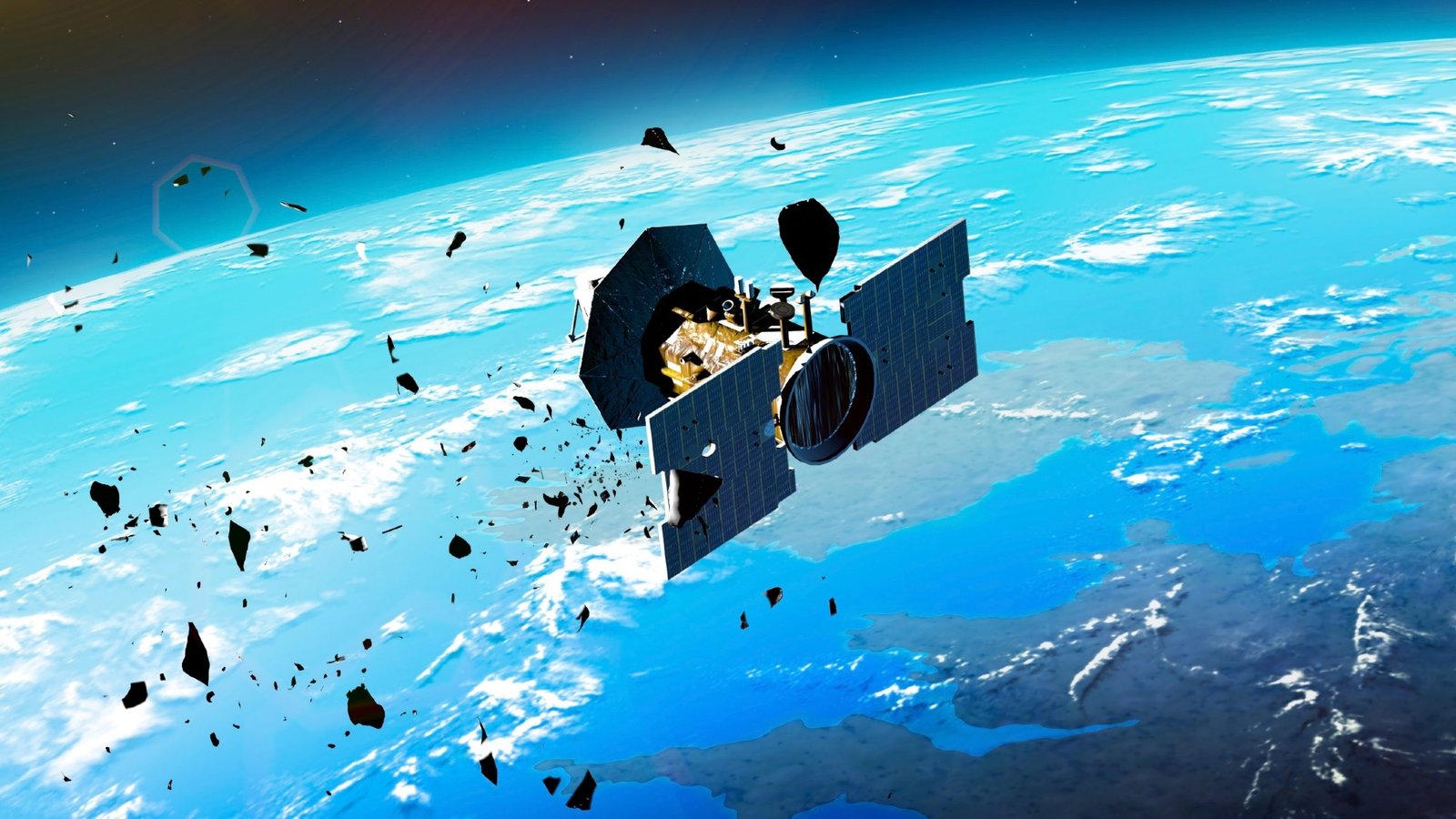
London, — Japanese space technology company Astroscale has proposed a fleet of “bodyguard” satellites to protect Western military and communications spacecraft from potentially threatening approaches by Russia and China. The company says it could prepare a defensive spacecraft for launch within three years by adapting technologies already demonstrated in orbit.
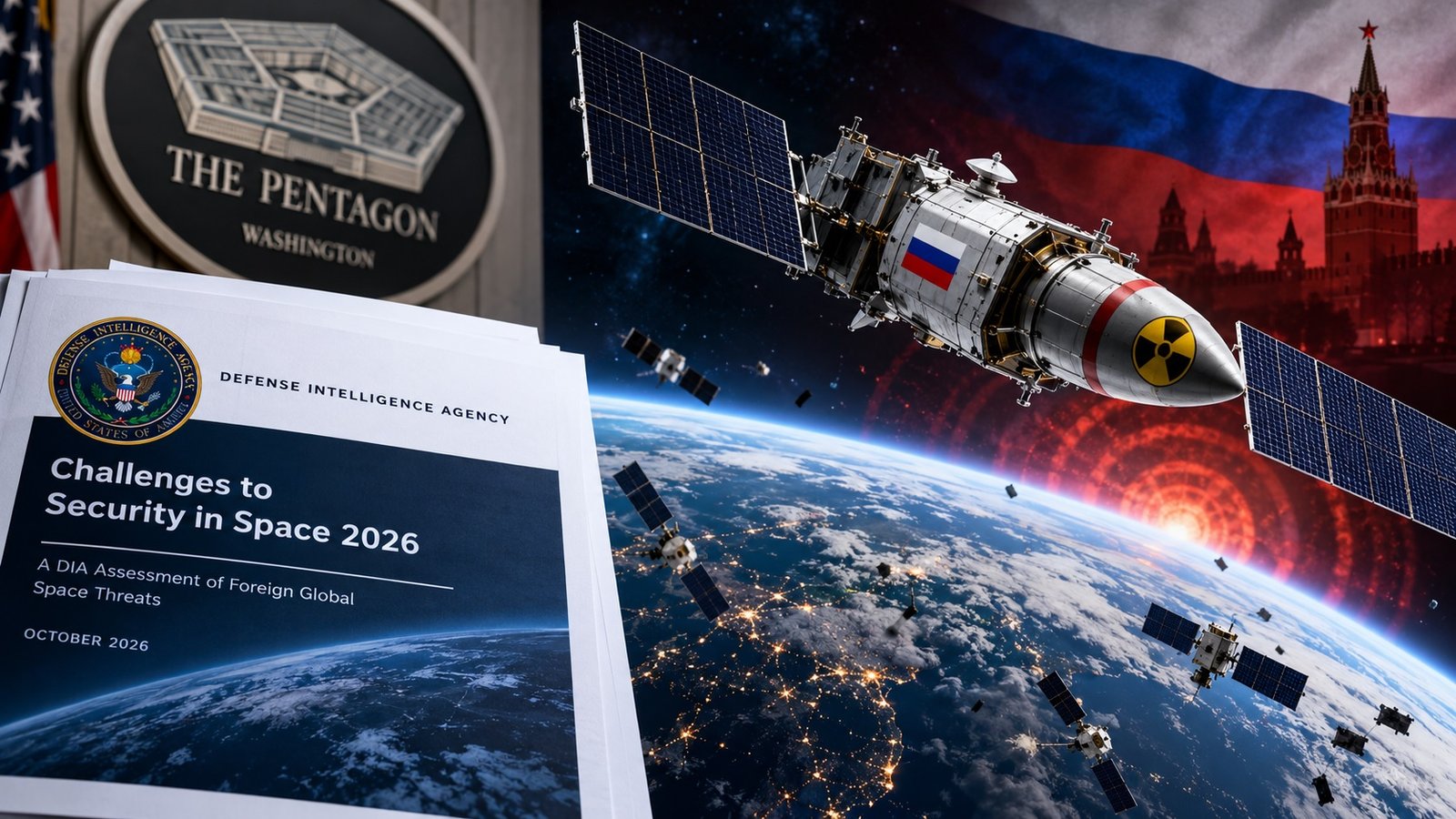
The proposal follows the October encounter between Russian military satellite Kosmos-2612 and ICEYE-X36, a commercial synthetic aperture radar (SAR) satellite providing high-resolution imagery to support Ukraine's military operations.
Orbital tracking data showed Kosmos-2612 approaching from hundreds of kilometers away before closing to within approximately 100 to 500 meters of ICEYE-X36. The Russian spacecraft reportedly maneuvered around the satellite before moving away. U.S. officials described the non-consensual approach as consistent with on-orbit weapons-related operations. Russia's Luch satellites have also previously operated near Western communications satellites in geostationary orbit.
Astroscale's Bodyguard Satellite Concept
Alex Godfrey, Astroscale's head of defense, outlined the concept during an event in London earlier this month. The proposed spacecraft would patrol near clusters of allied military and communications satellites, monitor surrounding space, detect approaching objects, and respond to potentially threatening maneuvers.
The concept is modeled on a naval carrier strike group, with smaller, lower-cost spacecraft protecting high-value satellites. Astroscale is also proposing a collaborative European approach in which the United Kingdom, France, and Germany could share responsibility for protecting satellite clusters in similar orbital locations.
Godfrey estimated that a bodyguard mission could cost around 1 percent of the value of a major military communications constellation. Using the UK's £8.4 billion Skynet programme as an example, he placed the estimated cost in the region of €100 million. A single spacecraft would not be sufficient to protect an entire constellation.
Existing Technology and Development Plans
Astroscale plans to adapt its existing orbital servicing and space debris removal technologies. Its ADRAS-J mission successfully inspected a discarded Japanese rocket stage in low Earth orbit in 2024, while its ELSA-d mission demonstrated orbital capture technologies.
These missions established the company's capabilities in rendezvous and proximity operations (RPO), which involve approaching, inspecting, and capturing objects in orbit. Godfrey noted that operating at greater distances than those required for docking or debris capture could make some defensive operations simpler.
The company is also working on related defense projects. These include a UK Ministry of Defence contract for the LEDA mission, focused on understanding RPO, and a Japanese Ministry of Defense prototype responsive space system with delivery targeted for 2028.
Customer Discussions and Future Development
Astroscale is discussing the bodyguard satellite concept with potential European customers and organizations, but no formal development contracts have been signed.
The UK government has indicated that funding for space control capabilities is planned from 2030 onward.
The proposed system would build on Astroscale's existing commercial technology rather than require entirely new spacecraft designs. The company aims to provide Western military and communications satellites with additional protection against potentially threatening approaches in orbit.
——— End of Article ———