WASHINGTON, D.C. — Lockheed Martin’s Skunk Works is expanding its Vectis Collaborative Combat Aircraft (CCA) program by building four additional airframes, bringing the total planned number to five.
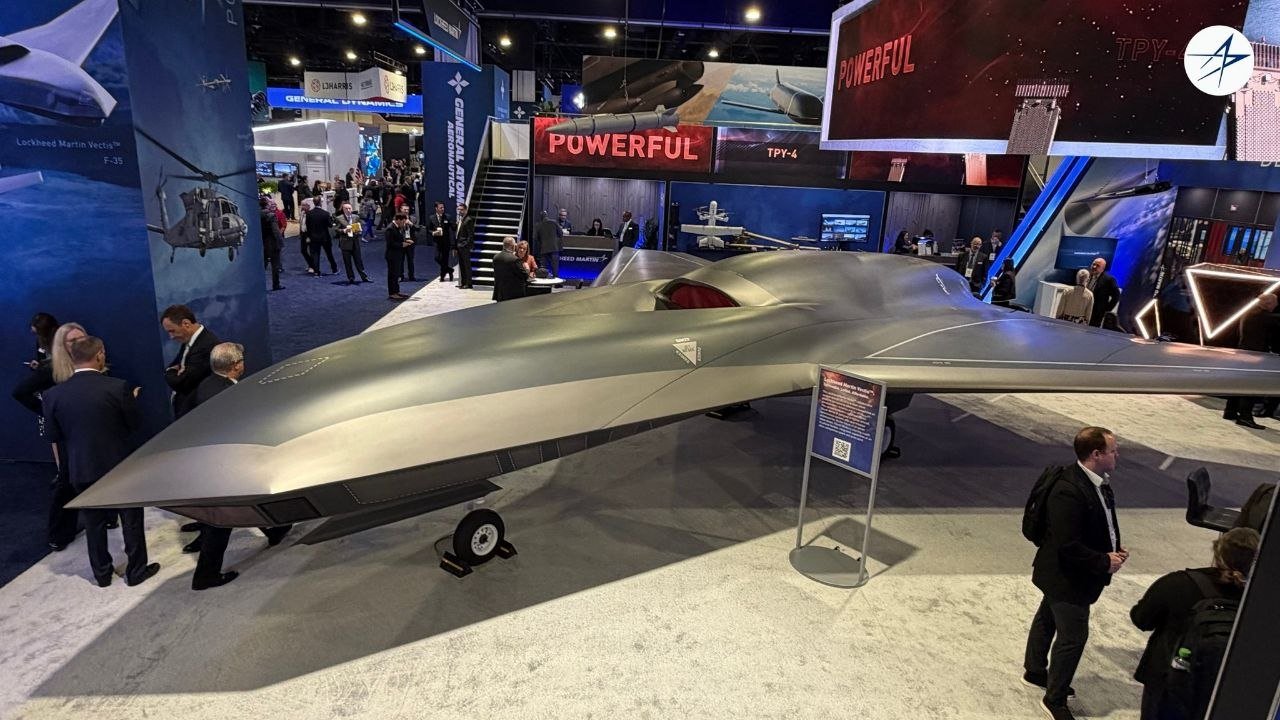
The company announced the expansion during the Air, Space & Cyber Conference near Washington, D.C., where a full-scale Vectis model was displayed publicly for the first time.
First Flight Remains Targeted for 2027
Ron Fehlen, vice president and general manager of Skunk Works, said development of the four additional aircraft is already underway.
The first Vectis prototype remains on track for its initial flight by the end of 2027. The additional airframes will support expanded testing and production-process validation. Experience gained from the first aircraft is expected to help later airframes be built and flown more quickly.
Vectis Aircraft Design
Vectis is a tailless, subsonic, multirole unmanned aircraft designed for the Collaborative Combat Aircraft role. It is intended to operate independently or alongside crewed fighters such as the F-35.
The aircraft is approximately:
- Length: 10.4 metres (34 feet)
- Wingspan: 11.6 metres (38 feet)
- Category: U.S. Group 5 unmanned aircraft
Group 5 covers unmanned systems weighing more than 599 kilograms (1,320 pounds) and operating above 5,486 metres (18,000 feet).
Vectis features a top-mounted submerged engine inlet, designed to reduce drag and lower the risk of debris entering the engine during operations from austere locations.
The aircraft has an internal weapons bay and an open systems architecture designed to support multiple missions, including air-to-air, air-to-ground, intelligence, surveillance and reconnaissance, and electronic warfare.
Engine and Development
Weapons, production-engine details and unit cost have not been disclosed.
The prototype will initially use a Williams International FJ44-4 turbofan producing more than 3,600 pounds of thrust. Lockheed Martin is examining higher-thrust options for later versions.
The company has said Vectis is being designed to meet a competitive CCA price point.
Lockheed Martin said the program progressed from the first design sketch to a wind-tunnel test in less than two months. The first digital build was completed in six months, while the first physical part was released in eight months.
The company said the rapid development has been supported by digital design and manufacturing methods developed through internal investment.
U.S. CCA Competition
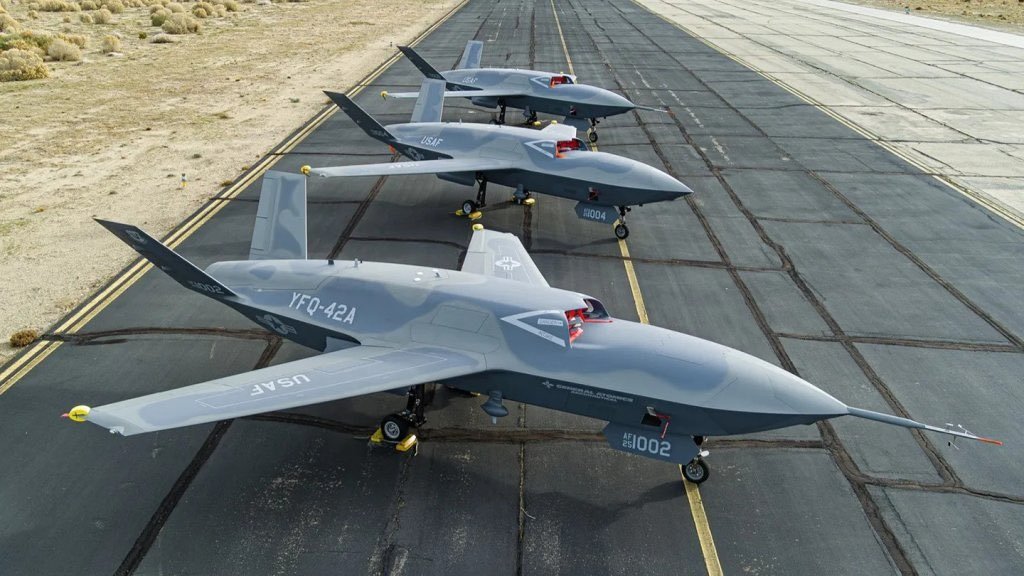
The U.S. Air Force selected General Atomics’ YFQ-42A and Anduril’s YFQ-44A for its first CCA increment.
The service has outlined a longer-term goal of acquiring around 1,000 CCAs, with a target cost of about $20 million per aircraft before sensors and mission systems.
Lockheed Martin is also discussing Vectis with potential U.S. Navy customers and international partners. The concept has previously been displayed at events including the Farnborough International Airshow.
The company has not specified exact roles for the four additional Vectis airframes beyond expanded testing and production validation.
——— End of Article ———