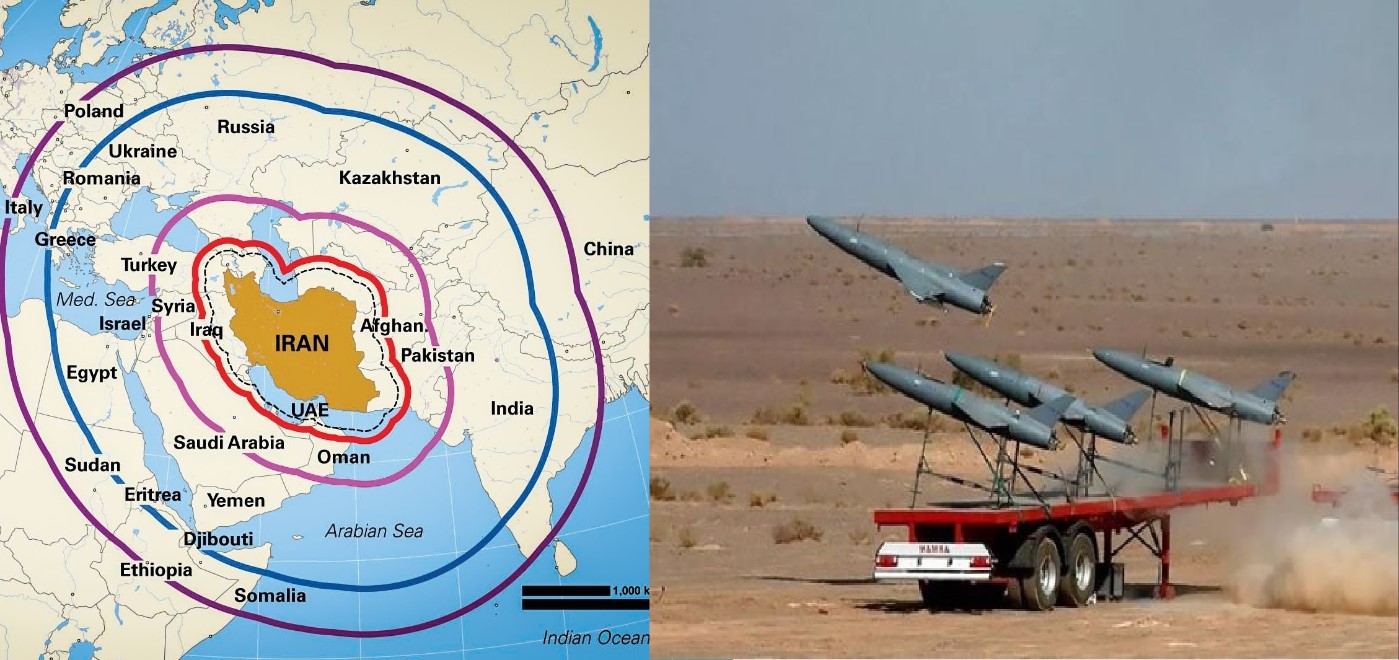
TEHRAN : Iran’s Islamic Revolutionary Guard Corps (IRGC) has laid out a detailed military and economic framework aimed at countering potential U.S. military action and limiting Washington’s influence across the Middle East, according to reports published by Tasnim News Agency. The strategy, attributed to senior IRGC officials, describes a coordinated approach combining rapid military escalation, cyber operations, maritime pressure, and the activation of allied armed groups across multiple regional theaters.
The framework is presented as a response to what Iranian officials describe as sustained military pressure, economic sanctions, and the risk of external strikes against Iranian territory or assets.
Immediate Military Response and Regional Expansion
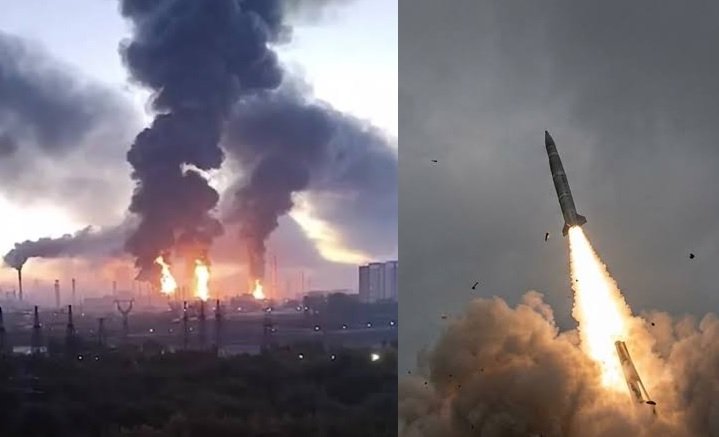
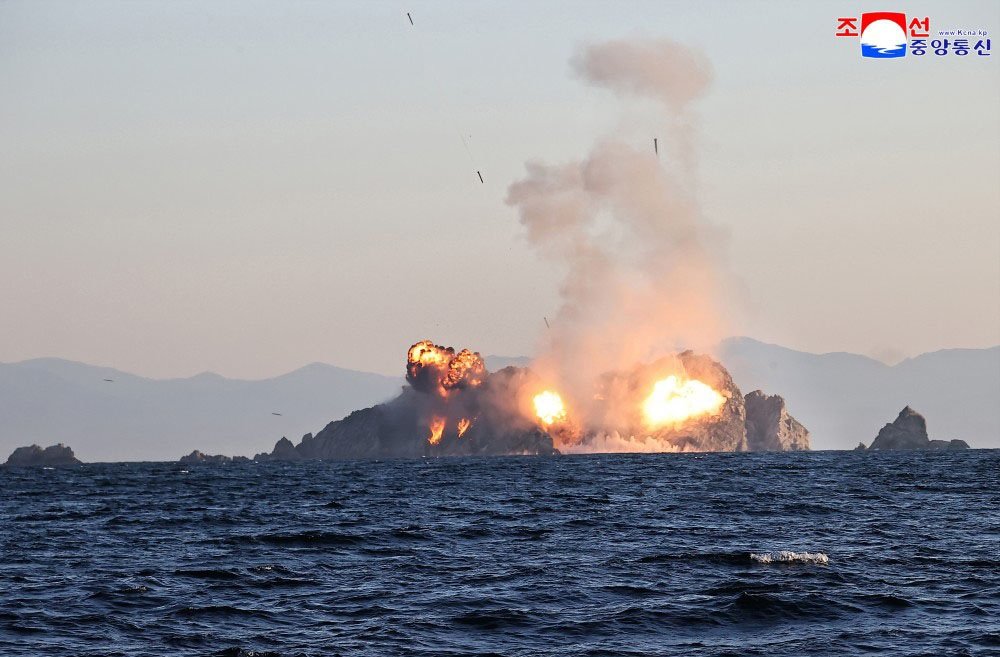
According to the reported doctrine, Iran would respond to any U.S. military strike within hours. The initial phase would involve coordinated launches of ballistic missiles and armed drones against U.S. military installations located across the Middle East. These targets would include bases and facilities in countries hosting American forces, with the stated objective of stretching U.S. defensive capabilities and increasing operational complexity.
Iranian planners emphasize that any confrontation would not remain confined to Iranian territory. By extending hostilities into neighboring states, Tehran aims to widen the conflict geographically, increasing political and security costs for Washington and for regional governments that provide basing or logistical support to U.S. forces.
Cyber Operations and Command Disruption
The strategy places significant emphasis on cyber warfare as a parallel line of effort alongside conventional military action. Iranian officials claim capabilities designed to disrupt U.S. military logistics by targeting digital supply chain systems, transportation coordination platforms, and support networks essential for sustaining forward-deployed forces.
Another focus is interference with command-and-control structures. Iranian cyber units would attempt to degrade communications between U.S. political leadership, regional commanders, and field units during the early stages of a conflict. Information operations are also described as a supporting tool, with the goal of spreading misleading or destabilizing narratives within countries allied to the United States, potentially complicating coalition decision-making and public support.
Naval Strategy and Energy Market Pressure
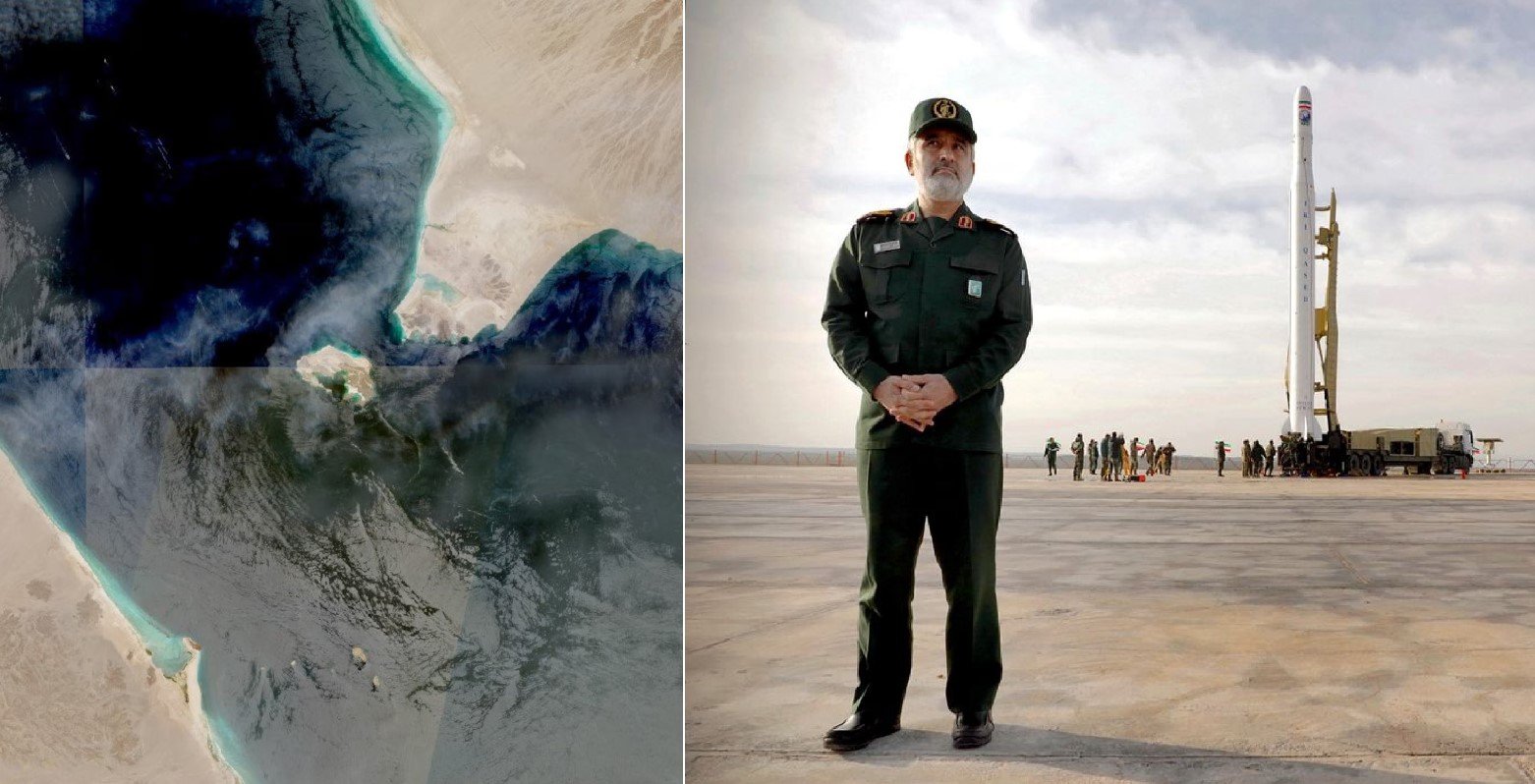
In the maritime domain, the IRGC’s naval forces are reported to have refined asymmetric tactics in the Persian Gulf. These include the use of large numbers of small, fast attack boats armed with rockets, missiles, and torpedoes. Operating in coordinated “swarm” formations, these vessels are intended to challenge larger naval platforms by exploiting speed, proximity, and numerical saturation rather than direct firepower parity.
A central economic component of the strategy involves renewed threats to restrict shipping through the Strait of Hormuz, a critical maritime corridor through which roughly one-fifth of global oil supplies transit. Hossein Shariatmadari, identified as a representative of Iran’s Supreme Leader, has stated that Tehran could selectively deny passage to vessels linked to the United States, Britain, France, and Germany.
Energy market analysts warn that even a partial disruption of traffic through the strait could sharply reduce global oil supply. Such a scenario could push crude prices above $200 per barrel, potentially triggering inflationary pressures and economic instability worldwide, while increasing domestic political pressure on governments dependent on stable energy markets.
Multi-Front Pressure Through Allied Groups
The broader objective of the strategy is described as the creation of sustained, multi-front pressure on U.S. forces. Iran plans to rely on its network of allied and aligned armed groups, often referred to by Iranian officials as the “Axis of Resistance,” to engage U.S. and allied interests across several regions simultaneously.
In Lebanon and Syria, this would involve coordination with Hezbollah and affiliated paramilitary formations. In Yemen, Iran-linked Houthi forces would be positioned to threaten shipping routes in the Red Sea and surrounding waterways. In Iraq, local militias aligned with Tehran could target U.S. military personnel, diplomatic facilities, and supply convoys.
By forcing the United States to defend dispersed bases, protect major shipping lanes, and reassure regional allies at the same time, Iranian planners appear to be seeking to raise the overall cost and complexity of any sustained military engagement.
Strategic Objective
Taken together, the framework outlines an approach designed to combine military, cyber, and economic pressure in a tightly coordinated manner. Iranian officials argue that by escalating rapidly, expanding geographically, and leveraging global energy vulnerabilities, Tehran could make prolonged confrontation costly and difficult for Washington to sustain, while preserving Iran’s ability to respond across multiple domains without relying solely on conventional force-on-force engagements.
——— End of Article ———