Defense News ,India :- The inaugural celebrations commemorating the birth of the Republic of India did not unfold on Rajpath (now Kartavya Path), the renowned avenue associated with the ceremony over time. Instead, it was the 1930s-era Irwin Amphitheatre that served as the venue for the festivities following the appointment of the country's first president. On the night of January 26, 1950, the capital city transformed into a mesmerizing "fairyland," with iconic public buildings, parks, and railway stations illuminated to mark the historic occasion.
As India marks its platinum jubilee, reflecting on its journey from gaining independence in 1947, it's worth revisiting the vibrant celebrations that ensued after Rajendra Prasad was sworn in as the nation's inaugural president. The first Republic Day function took place at Irwin Stadium, now known as the Irwin Amphitheatre.
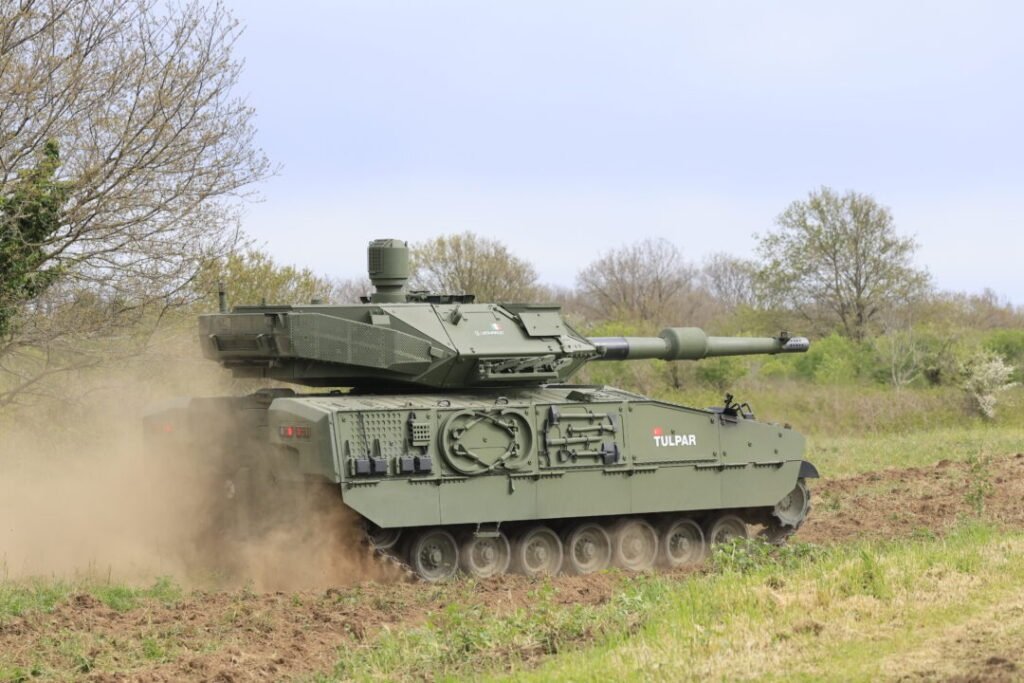
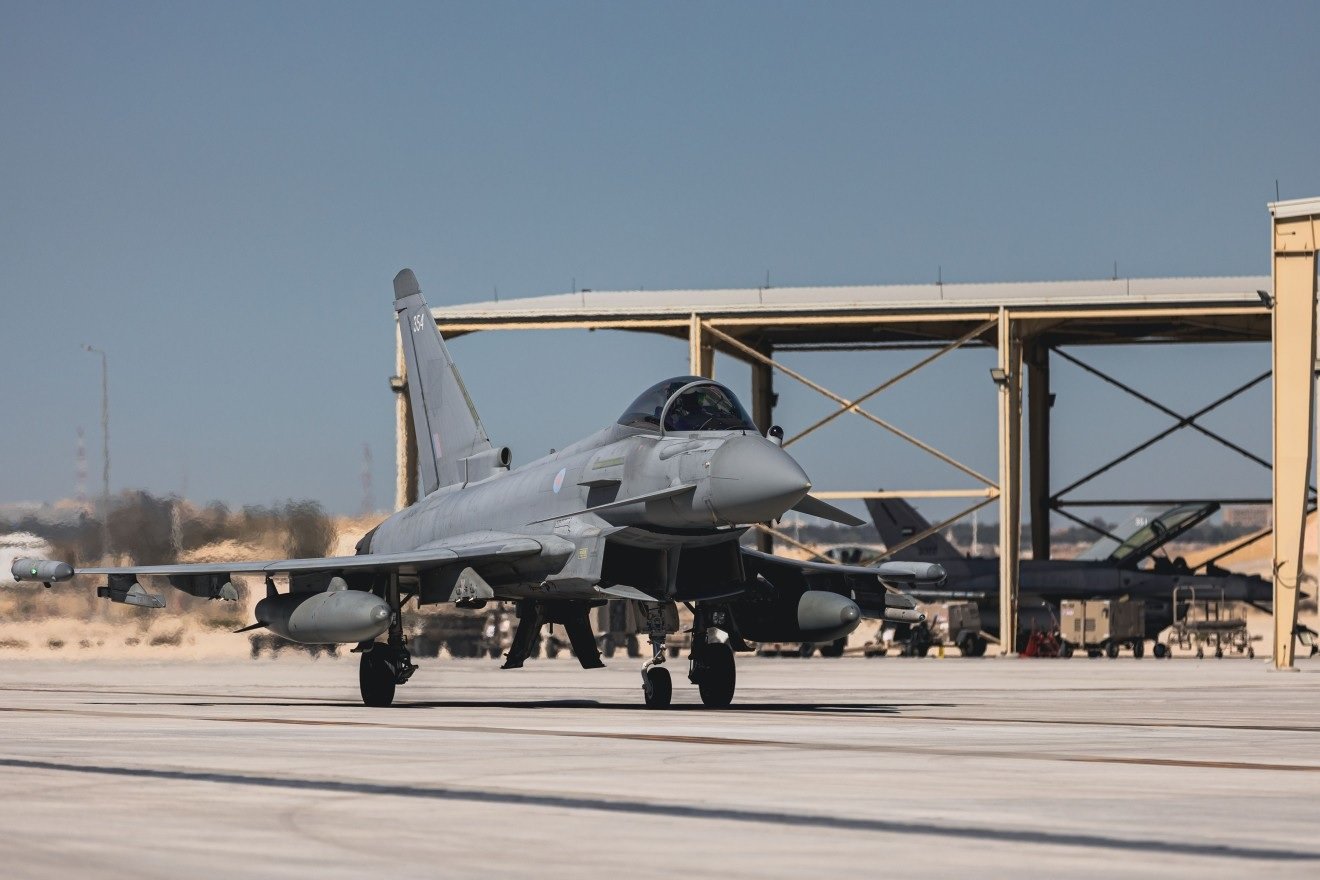
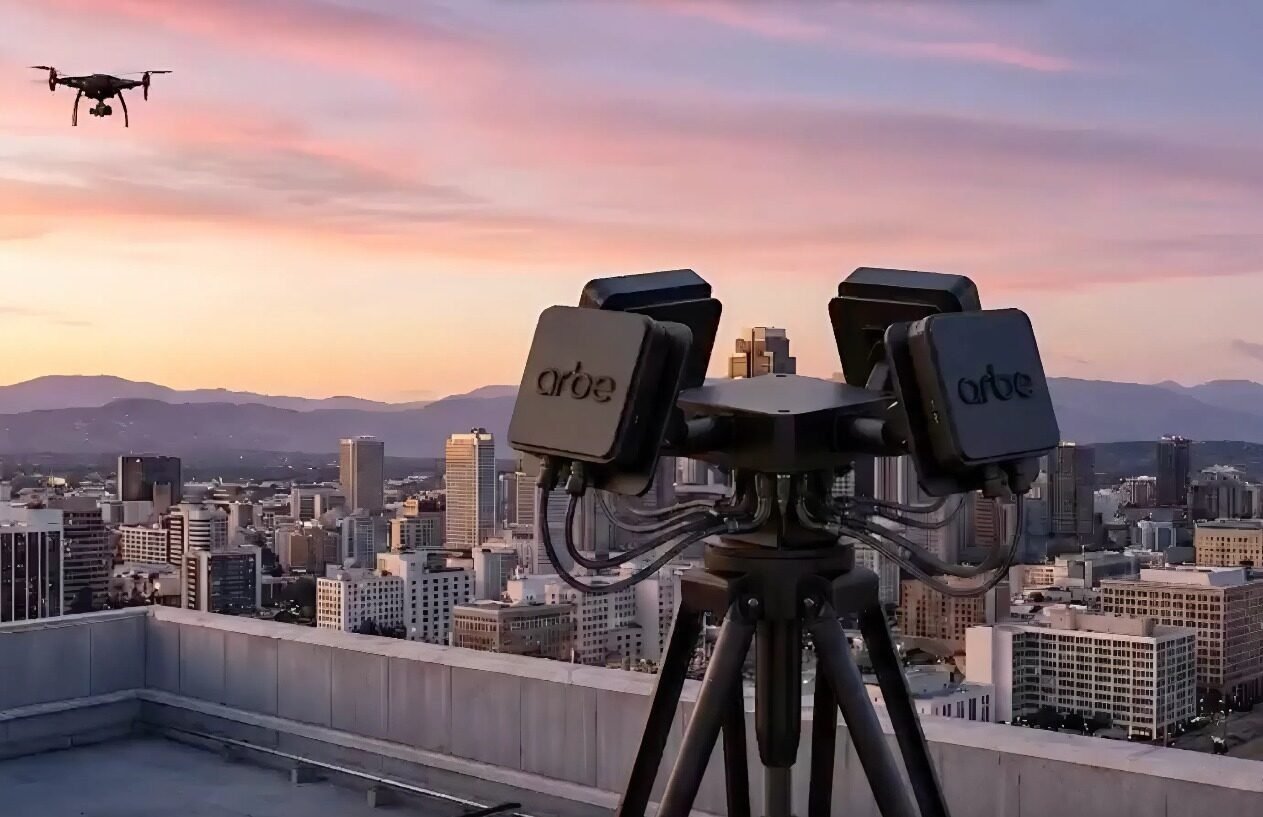
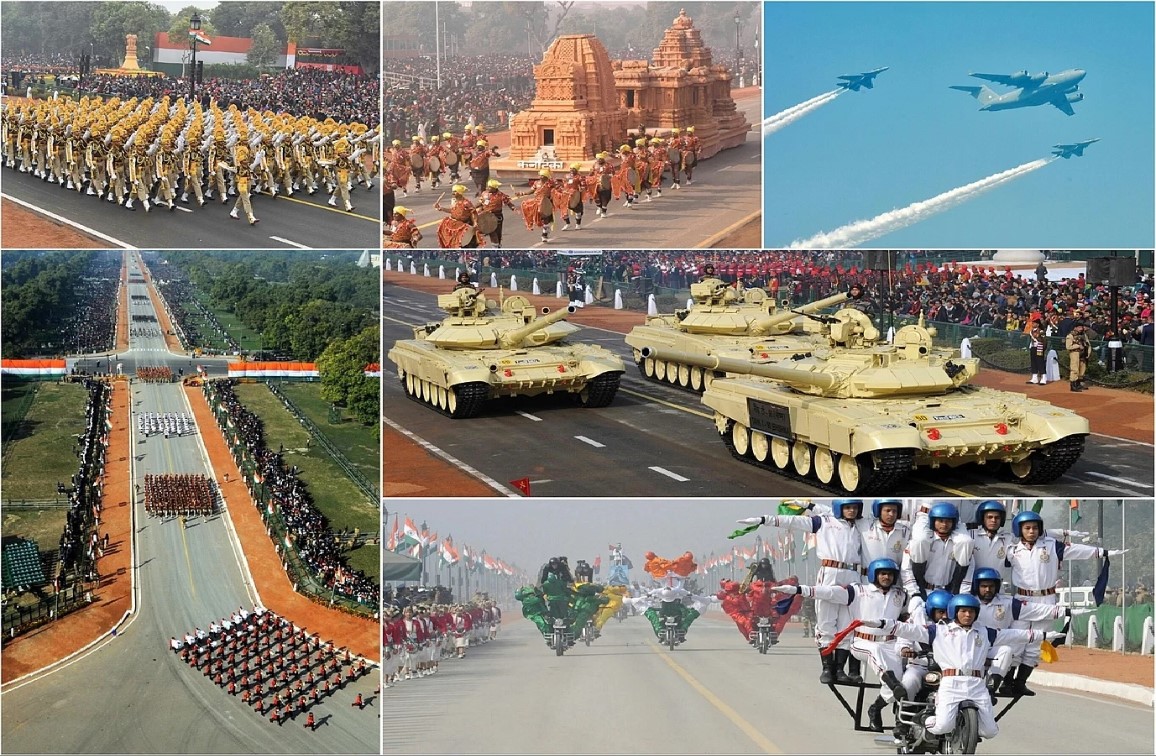
Fast forward to the present day, India celebrated its 75th Republic Day with a spectacular display of women power, rich cultural heritage, and military prowess. The grand event featured an impressive showcase, including missiles, warplanes, surveillance gadgets, and lethal weapon systems, with French President Emmanuel Macron as the distinguished chief guest.
The historical significance of Irwin Amphitheatre dates back to its construction in 1933 as a gift to Delhi from the Maharaja of Bhavnagar. Originally named after the former Viceroy of India, Lord Irwin, who inaugurated the new British capital 'New Delhi' in 1931, the amphitheatre underwent a transformation in 1951 when it was renamed the National Stadium just before hosting the Asian Games. In 2002, Major Dhyan Chand's name was added in honor of the legendary hockey player.
On the momentous day of January 26, 1950, India, having cast off the British colonial yoke in 1947, officially became a "Sovereign Democratic Republic" at a solemn ceremony held in the brilliantly lit Durbar Hall at Government House. Dr. Rajendra Prasad was sworn in as the president shortly after the declaration, accompanied by a salute of 31 guns.
In his historic speech, President Prasad expressed the significance of this moment in India's history, emphasizing the unity of the vast land under one Constitution and one Union. The ceremonial procession through the streets of Delhi symbolized the coming-of-age of the nation, resonating with the cheers of the jubilant crowds.
Although the venue for Republic Day celebrations shifted to Rajpath in 1951, the Irwin Amphitheatre, with its rich history, witnessed one of the most magnificent military parades in India's recent history on that memorable day in 1950. While Rajpath took over as the primary venue, the images of the Irwin Amphitheatre on that day remain etched in the annals of history.
In conclusion, India's Republic Day celebrations have evolved over the years, and as the nation commemorates its 75th anniversary, it's essential to acknowledge the historical significance of the Irwin Amphitheatre in shaping the early chapters of independent India's grand narrative.
——— End of Article ———