
India
In a significant stride towards enhancing India defense capabilities, DRDO Chief Dr. Samir V Kamat announced on Saturday that the engines for the LCA Mark 2 and the initial two squadrons of the homegrown Advanced Medium Combat Aircraft (AMCA) will be manufactured domestically. Speaking to ANI, Dr. Kamat stated, "The engines for LCA Mark 2 and the first two squadrons of the indigenous Advanced Medium Combat Aircraft would be produced within the country through a collaboration between American GE and Hindustan Aeronautics Limited, with all necessary clearances received from the US."The collaboration between HAL and GE from the US will see the joint production of these engines in a facility based in India.The Cabinet Committee on Security, on August 30, approved the development of the LCA Mark 2 fighter aircraft, slated to replace the Mirage 2000, Jaguar, and MiG-29 combat aircraft in the Indian Air Force (IAF)."The government has given the green light to the LCA Mark 2 fighter aircraft development project. This marks the initiation of the design phase for an advanced 17.5-tonne single-engine aircraft, with the development set to conclude by 2027," stated Girish Deodhare, Chief of Aeronautical Development Agency, referring to the project.He disclosed that prototypes would be developed, with the first one expected to roll out within a year. The comprehensive project, involving extensive flying trials and related work, is scheduled for completion by 2027.DRDO envisions the aircraft to be comparable to Rafale-class aircraft in terms of avionics and capabilities but with a lighter weight. The government has mandated that the engines used in the aircraft must be "Made in India" post the initial development phase.DRDO plans to equip the aircraft with a GE-414 engine, an advanced version of the GE-404s currently powering the existing LCAs in service and the upcoming 83 LCA Mark 1As set for induction into the IAF in the coming years.As of now, the IAF operates 30 LCAs, with two being utilized by HAL for the development of the Mark 1As. The proposal for the AMCA aircraft development, with a substantial focus on indigenous inputs, is pending government approval but is expected to receive the green light soon.
Read More → Posted on 2023-11-18 17:04:49
India
On Friday, the Central government announced the appointment of Alok Sharma, a 1991-batch Uttar Pradesh cadre Indian Police Service officer, as the Director of the Special Protection Group (SPG). The SPG is India premier force responsible for ensuring close security to the Prime Minister of India and their immediate family members.Currently serving as the Additional Director General in the SPG, Alok Sharma will assume the role of SPG Director from the date he takes charge, and this appointment will continue until further notice. The decision was endorsed by the Appointments Committee of the Cabinet, headed by Prime Minister Narendra Modi.According to a statement from the Ministry of Personnel, "The Appointments Committee of the Cabinet has approved the appointment of Alok Sharma, IPS (UP:1991), Additional Director General, SPG to the post of Director, Special Protection Group (SPG) from the date of assumption of charge of the post and until further orders."Alok Sharma, born in 1966 and hailing from Aligarh, Uttar Pradesh, is a Science graduate (B.Sc.) and joined the Indian Police Service in 1991. With significant experience in various crucial roles in Uttar Pradesh, Sharma assumed the position of Inspector General (IG) in the SPG in 2018, later progressing to his current role as Additional Director General in 2021.Established in 1988 through an Act of the Parliament of India, the SPG functions as a specialized operations force dedicated to providing immediate security to the Prime Minister and their immediate family members globally. Originally tasked with safeguarding former prime ministers as well, the SPG now focuses solely on the current Prime Minister and their immediate family members residing with them at the official residence, offering a high level of security cover.
Read More → Posted on 2023-11-18 16:51:22
India
On Saturday, Chief of Naval Staff Admiral R Hari Kumar expressed optimism about the significant expansion of the Indian Navy in the coming years. Plans are underway to augment the fleet size to approximately 165-170 ships and submarines by 2035, a notable increase from the current tally of 130 ships and around 220 aircraft.Admiral Kumar underscored the Navy pivotal role in safeguarding, conserving, advancing, and pursuing national interests. He assured that the Navy is well-equipped with the necessary funding and resources to support its ambitious growth agenda. Presently, the Navy is actively engaged in the construction of 67 ships and submarines across various sizes. Moreover, with the approval for the construction of an additional 45 ships and submarines, a substantial expansion of the Navy fleet is anticipated in the coming years.In addition to the emphasis on hardware expansion, Admiral Kumar shed light on the Navy strategic plans to integrate artificial intelligence (AI) into its operations. While acknowledging the projection of a complete AI takeover by 2045, the immediate focus lies on manned-unmanned teaming. A dedicated unmanned squadron has been established in Karwar, with significant developments in unmanned air assets, unmanned surface water vessels, and unmanned underwater vessels.The outlined growth trajectory of the Indian Navy mirrors its increasing significance in the Indo-Pacific region. The Navy evolving role as a guardian of India maritime interests and a guarantor of regional security underscores its escalating importance in the geopolitical landscape.
Read More → Posted on 2023-11-18 16:21:11
India
In Uttarkashi, Uttarakhand, the efforts to rescue 40 workers trapped inside the Silkyara tunnel faced a setback on Saturday when drilling operations were temporarily halted. According to Anshu Manish Khulko, the director of NHIDCL, the tunnel-making company, the drilling work reached a depth of 25 meters into the debris before being suspended. The workers have been stuck for six days since a section of the under-construction Silkyara tunnel collapsed on November 12.Khulko clarified that the pause in drilling was not due to any issues with the rescue machine. He explained that the focus had shifted to preparing for the insertion of a pipeline to extricate the trapped workers, a process that has been ongoing for the past three days with only 25 meters of the pipeline laid so far.The managing director of NHIDCL is expected to arrive at the incident site on Saturday to assess the ongoing rescue efforts and provide further details. Meanwhile, a heavy-duty drilling machine from Indore, Madhya Pradesh, is anticipated to reach the tunnel site later in the day.The collapsed tunnel, part of the Brahmakhal-Yamunotri national highway between Silkyara and Dandalgaon, occurred on November 12. The National Highways & Infrastructure Development Corporation Limited, responsible for the tunnel construction, reported progress in excavation and shotcreting (concrete spraying) for 40 meters of the collapsed tunnel. A cavity has formed 10 meters above the crown on both sides, and a chimney formation has started along the tunnel, according to a statement released on Friday. An additional shotcrete machine has been relocated to the work site from RVNL Package-lll.The Silkyara Tunnel, measuring 4531 meters, is a crucial component of the Chardham Project initiated by the Ministry of Road Transport and Highways. Intended to connect the Gangotri and Yamunotri axis under the Radi pass area, the tunnel is being constructed by NHIDCL through Navayuga Engineering Company Ltd at a cost of Rs 853.79 crore.
Read More → Posted on 2023-11-18 04:33:25
India
In Today counter-terrorism operations in Jammu and Kashmir, Indian security forces have employed an array of advanced technological weapons to effectively combat and neutralize terrorist threats, leading to the demise of five Lashkar-e-Taiba (LeT) terrorists and send them to hell.During today anti-terrorism mission in Samnu village within Kulgam district in south Kashmir, security forces utilized a diverse range of sophisticated weaponry and equipment:Drones: Real-time surveillance drones played a crucial role in monitoring the operational area, enabling security forces to track terrorist movements and plan strategic interventions accordingly.Night Vision Technology: The deployment of night vision goggles and related equipment facilitated effective nocturnal operations, a key necessity in the Samnu operation where terrorists sought refuge in dense forests.Sniper Rifles: Sniper rifles were instrumental in targeting terrorists from a safe distance, minimizing the risk of casualties among security personnel.Explosives: Strategic use of explosives aided in the destruction of terrorists hideouts and structures, preventing these locations from becoming bases for future operations.The integration of these technological weapons has significantly contributed to the success of anti-terror operations in Jammu and Kashmir, resulting in a decline in terrorist attacks and casualties. The enhanced security environment has fostered a safer atmosphere for the residents of the region.In addition to technological measures, Indian security forces have implemented various strategies to combat terrorism in Jammu and Kashmir:Intelligence Gathering: Security forces have prioritized intelligence gathering to understand and anticipate terrorist movements, enhancing the precision of their operations.Community Outreach: Building relationships with the local community has been a strategic focus, garnering support from the people and aiding in the identification of potential terrorist suspects.Economic Development: The Indian government initiatives to foster economic development in Jammu and Kashmir aim to address underlying issues such as poverty and unemployment, which can contribute to the breeding of terrorism.These multifaceted efforts have led to a significant improvement in the security situation in Jammu and Kashmir. The reduction in terrorist attacks and casualties reflects the success of these comprehensive strategies. The Indian security forces remain dedicated to utilizing the latest technological advancements and strategic approaches to ensure the ongoing safety and security of the region inhabitants.
Read More → Posted on 2023-11-17 15:37:14
India
A significant development unfolded as 29 additional Myanmarese soldiers sought refuge in Mizoram following the takeover of their camp by an anti-junta group, according to a senior police official. This brings the total number of Myanmar military personnel who have fled to Mizoram due to recent clashes with the People Defence Force (PDF) to 74. Notably, some of these soldiers had previously been repatriated.The latest group of 29 soldiers approached the police and Assam Rifles at Saikhumphai in Champhai district near the Tiau River, serving as the border between India and Myanmar, as revealed by Inspector General of Police (Headquarters) Lalbiakthanga Khiangte. These soldiers had abandoned their camp at Tuibual in Chin state, located just a few kilometers from the international border.An official from Assam Rifles stated that the fate of these 29 Myanmarese soldiers remains undecided, as they are yet to be repatriated to their country. In a related development, 45 soldiers who had fled to Mizoram after the PDF overran two military bases in Myanmar Chin state were handed over to Myanmar military government on Tuesday.Expressing concern over the escalating conflict, India called for a cessation of hostilities between Myanmar military and anti-junta groups along the international border. The ongoing unrest has resulted in a notable influx of Myanmarese individuals into Mizoram.Since February 2021, when the Myanmar military seized power in a coup, the country has been grappling with widespread protests demanding the restoration of democracy. The military junta has employed airstrikes against opposition forces and those engaged in armed resistance.Given the geopolitical significance of Myanmar as one of India strategic neighbors, the situation is closely monitored, particularly with a shared 1,640-kilometer border, including regions affected by militancy such as Nagaland and Manipur.The influx of Myanmarese nationals seeking shelter in Mizoram has been substantial, with over 31,000 individuals having arrived since the coup in February 2021, reflecting the complex humanitarian and diplomatic challenges posed by the ongoing crisis.
Read More → Posted on 2023-11-17 14:10:01
India
Indian authorities have resolved to persist with the utilization of the American Cummins engine for the entire Zorawar light tank project, which encountered a delay due to issues in the supply of German engines. Sources within the Defence Research and Development Organisation (DRDO) confirmed that despite the availability of German clearances and readiness from German firms to supply engines, the decision has been made to proceed exclusively with the Cummins engine for the entire program. Originally, the Zorawar light tank project was slated to utilize a German engine, but complications arising from a lack of German export control clearances, specifically the BAFA clearance, led to the decision to adopt the American engine. A collaborative effort between DRDO and the private sector firm Larsen and Toubro, the Zorawar light tank prototype, equipped with the Cummins engine, is nearing completion and is scheduled to undergo trials by the year end. Following internal trials, the main testing phase will commence in the desert sector before progressing to high-altitude regions such as Ladakh and the Sikkim sector. The tank, designed for versatile use across terrains, will undergo rigorous testing in diverse conditions. The impetus for developing the light tank emerged during the 2020 standoff with China when the People Liberation Army deployed agile light tanks along the Line of Actual Control, showcasing enhanced mobility compared to conventional tanks. Named after the esteemed General Zorawar Singh, renowned for leading successful victories in Tibet (now under Chinese control), the tank holds strategic significance. In response to the standoff, the Indian Army incorporated a significant number of T-72 and T-90 tanks into operational areas, capitalizing on tactical surprise and compelling the adversary into a defensive posture.
Read More → Posted on 2023-11-17 04:10:42
India
The Indian Navy recently conducted its second anti-piracy patrol in the Gulf of Guinea, a strategically vital region in the Atlantic Ocean that holds significant importance for India national interests and energy requirements.In an official statement, the Ministry of Defense highlighted that the deployment of INS Sumedha served a dual purpose – not only did it contribute to the Navy operational capabilities, but it also strengthened connections with regional naval forces.INS Sumedha is presently engaged in an Extended Range Operational Deployment in the Atlantic Ocean along the West Coast of Africa. The Ministry disclosed that during its 31-day stint in the Gulf of Guinea, INS Sumedha actively participated in the anti-piracy patrol, marking the second such mission by the Indian Navy in this critical maritime expanse. The inaugural Gulf of Guinea Anti-piracy patrol was carried out by INS Tarkash the previous year.The Ministry emphasized the significance of the Gulf of Guinea to India National Interests, given its role as a crucial source of the country energy needs. INS Sumedha deployment not only strengthened ties with regional navies such as Senegal, Ghana, Togo, Nigeria, Angola, and Namibia but also facilitated joint training exercises to enhance the capabilities of these partners.The deployment underscored India and the Indian Navy commitment to the principle of "Vasudhaiva Kutumbakam" (The World is One Family), as articulated by the Ministry. The mission aimed at supporting and collaborating with friendly nations, furthering the philosophy of unity in diversity.A noteworthy aspect of the deployment was INS Sumedha participation in the inaugural India-EU Joint Exercise in the Gulf of Guinea, showcasing collaborative efforts on an international scale.In conclusion, INS Sumedha operational deployment in the strategically vital Gulf of Guinea has not only fortified India National Interests but has also reinforced the nation commitment to fostering global unity and cooperation in maritime security.
Read More → Posted on 2023-11-17 03:38:20
India
Maritime Infrastructure Perspective Plan (2023-37): Envisioning a Stronger and Resilient Naval Infrastructure for India. The Indian Navy has unveiled its Maritime Infrastructure Perspective Plan (MIPP) for the period 2023-2037. This comprehensive plan aims to synchronize and harmonize the Navy infrastructure requirements over the next 15 years. It is aligned with the Government of India vision for sustainable infrastructure and adheres to broader policy directives such as the PM Gati Shakti Project, Disaster Resilience, and Transition to Net Zero. The MIPP is a roadmap for developing a robust and modern naval infrastructure that can meet the challenges of the 21st century. It focuses on enhancing operational efficiency, ensuring strategic deterrence, and promoting self-reliance in naval shipbuilding and infrastructure development. Key Features of the MIPP 2023-37Integrated approach to infrastructure developmentFocus on sustainability and environmental considerationsPromotion of self-reliance in naval shipbuilding and infrastructure developmentAdoption of modern technologies and innovationStrengthening of coastal defense and maritime securityObjectives of the MIPP 2023-37Enhance the operational capability and readiness of the Indian NavyStrengthen India maritime defense and security postureFoster self-reliance in naval shipbuilding and infrastructure developmentPromote sustainable and environmentally friendly naval infrastructureContribute to India economic growth and strategic interestsSignificance of the MIPP 2023-37The MIPP is a crucial step towards modernizing the Indian Navy infrastructure and enhancing its capabilities.It aligns with the Government of India vision for sustainable infrastructure and adheres to broader national policy objectives.The plan will promote self-reliance in naval shipbuilding and infrastructure development, contributing to India strategic autonomy.It will also contribute to India economic growth by creating employment opportunities and stimulating the development of maritime-related industries.The MIPP 2023-37 is a testament to the Indian Navy commitment to building a modern, robust, and self-reliant naval infrastructure that can safeguard India maritime interests and contribute to its strategic objectives.Additional InformationThe MIPP 2023-37 was released by the Minister of State for Defence, Ajay Bhatt, at the Naval Commanders Conference in February 2023.The plan was developed after extensive consultations with various stakeholders, including the Ministry of Defence, the Indian Navy, and industry experts.The MIPP is being reviewed periodically to ensure that it remains aligned with India evolving strategic requirements.ConclusionThe Maritime Infrastructure Perspective Plan 2023-37 is a bold and ambitious plan that will play a pivotal role in shaping India future maritime power. It is a testament to the Indian Navy vision and commitment to safeguarding the country maritime interests and contributing to its strategic objectives.
Read More → Posted on 2023-11-16 17:02:11
India
Indigenous aircraft carrier INS Vikrant achieved "fully operational status" on Diwali, Which is built by Cochin Shipyard Limited, marking its readiness for deployment, according to an anonymous source. This development is significant amid China maritime assertiveness in the Indian Ocean Region and joint maritime exercises with Pakistan.Commodore Anil Jai Singh (retired) highlighted the enhanced operational capability with two fully operational Carrier Battle Groups, reinforcing India maritime presence in the Indian Ocean Region. Singh noted that China, while observing these developments, is unlikely to provoke in these waters, recognizing the existing distance between China and India capabilities in the Indian Ocean.The construction of the 44,000-ton warship began in 2013, culminating in the operationalization of INS Vikrant, demonstrated by successful landings of indigenous Light Combat Aircraft (Navy) and MiG-29K in the Arabian Sea. The Indian Navy showcased multi-carrier operations in June 2023, integrating INS Vikramaditya and INS Vikrant with a diverse fleet of ships, submarines, and aircraft in the Arabian Sea.The significance of this accomplishment, comparable to the United States Navy, underscores the rarity of operating more than one aircraft carrier. Analysts, including Nick Childs from the International Institute for Strategic Studies (IISS), emphasized India unique position, joining the United Kingdom and China in commissioning a domestically built aircraft carrier in recent years.INS Vikrant commissioning in 2022 positioned India as one of the few nations with multiple aircraft carriers, with plans to maintain a three-carrier force for simultaneous deployment on both coasts. The aircraft carrier underwent four phases of rigorous trials, becoming a "floating sovereign airfield."Prime Minister Narendra Modi, during Vikrant induction on September 2, 2022, emphasized its symbolic significance, representing India hard work, talent, influence, and commitment in the 21st century. PM Modi highlighted Vikrant as a testament to India response to distant goals, long journeys, endless challenges, and the vastness of the ocean.
Read More → Posted on 2023-11-16 16:50:17
India
Armenia will receive a supply of 150,000 units of 30mm and 40mm grenades from India, facilitated by Munitions India Limited. As a strategic ally in the Caucasus region, India is considering further military equipment shipments to Armenia, building on the recent delivery of 5 million units of 7.62 mm caliber bullets by MIL.This initiative aims to enhance self-sufficiency, save over Rs 100 crore in imports, and ensure the availability of grenades for the military even in emergency situations. In a previous consignment, India provided Armenia with Pinaka multi-barrel rocket launchers, anti-tank missiles, rockets, and ammunition, with the supplies reportedly routed through Iran, which shares historical ties with Armenia. Azerbaijan protested the weapons transfer. Earlier in the year, India, Iran, and Armenia formed a trilateral to explore a transport corridor, fostering discussions on economic projects, regional communication channels, cultural exchanges, and trilateral cooperation. The use of the International North-South Transport Corridor (INSTC) was also considered as a regional connectivity initiative during their meeting in Yerevan in April.
Read More → Posted on 2023-11-16 16:26:25
India
MKU Limited has made a groundbreaking impact on the global defense industry by unveiling the Kavro Doma 360 at Milipol Paris. This innovative protective headgear is poised to revolutionize safety standards for military personnel, law enforcement officers, and security forces worldwide.The Kavro Doma 360, a pioneering rifle-rated ballistic helmet, has rapidly gained attention for its promise of unparalleled protection against the formidable firepower of rifles, particularly the AK-47. Here what sets the Kavro Doma 360 apart:The World First Uniform Rifle Protection Helmet: Leading the industry, this helmet uniformly protects against threats like the AK-47 MSC, M80 NATO BALL, and M193 rifle bullets. It has been proven through rigorous testing, with 5 rounds of bullets examined in 5 zones of the head (front, back, left, right, crown), eliminating the need for additional armor.The Only Boltless Rifle Protection Helmet: Distinguished as the first anti-rifle helmet without bolts or metal parts, the Kavro Doma 360 provides 40% more protection area against AK-47 assault rifles than standard helmets. The absence of bolts reduces the risk of penetration and strengthens overall impact resistance.20mm Back Face Signature (Blunt Impact Trauma): Setting a global precedent, this rifle-rated helmet maintains a Back Face Signature/Trauma of less than 20 mm against AK-47 bullets. This significant reduction in impact deformation minimizes the risk of injury due to resulting trauma to the wearer head.Advanced Harness System with Dynamic Impact Technology: Precision-engineered for additional protection from straight and rotational/angular impacts, the helmet features a top-to-chin and side-to-side harness adjustment for maximum stability and a snug fit.Weight Starting at 1.45 kgs: For HCH Small, the Kavro Doma 360 offers a lightweight design, enhancing user comfort.Maximum Compatibility (with MACS): The helmet seamlessly integrates with advanced head-mounted devices and combat equipment, including night vision devices, communication devices, masks, mandibles, torches, and other head-mounted gears.Mr. Neeraj Gupta, Managing Director of MKU, expressed the company unwavering commitment to providing superior protection for military and law enforcement personnel. The Kavro Doma 360 is the result of five years of relentless research and development, representing a transformative leap in protective headgear.Feedback from soldiers and police worldwide unanimously emphasizes that the Kavro Doma 360 is not merely an upgrade but a transformative leap in protective headgear for high-risk scenarios. This development is poised to render existing helmets obsolete, marking a standout achievement in defense equipment.About MKU:MKU Ltd. is a global defense and homeland security company dedicated to empowering heroes. As a leading solution provider for advanced optronic and ballistic protection solutions, MKU serves military, paramilitary, homeland security, police, and special forces in over 100 countries. With operations in India, Germany, and the UAE, MKU has provided protection to over 3 million soldiers and 3000+ platforms across 230 forces. Their Kavro protection solutions offer enhanced ballistic protection, modularity, and compatibility for missions, utilizing smart technologies, design, and functionality. The Netro range of smart optronic devices provides excellent aiming, airborne, surveillance, and situational awareness capabilities for handheld, weapon-mounted, or head-mounted usage.
Read More → Posted on 2023-11-16 15:42:34
India
The Indian Space Research Organisation (ISRO) announced the uncontrolled re-entry of the cryogenic upper stage of the LVM-3-M4 launch vehicle, responsible for successfully placing the Chandrayaan-3 spacecraft into orbit on July 14 this year. The re-entry, occurring within 124 days of launch, adhered to the "25-year rule" for low-Earth orbit objects, in accordance with guidelines from the Inter-Agency Space Debris Coordination Committee (IADC), as confirmed by ISRO.ISRO stated that the probable impact area was expected to be over the North Pacific Ocean, and the final trajectory avoided crossing over India, according to their released statement.The rocket component, part of the LVM-3-M4 launch vehicle, re-entered Earth atmosphere at approximately 14:42 IST. Post-Chandrayaan-3 injection, the upper stage underwent "passivation" to eliminate any remaining propellant and energy sources, aligning with space debris mitigation guidelines from the United Nations and IADC.In a statement, ISRO emphasized that the passivation and post-mission disposal of the rocket body, in compliance with internationally accepted guidelines, underscored India commitment to preserving the long-term sustainability of outer space activities.Chandrayaan-3, India third lunar mission, aimed for a soft landing on the moon surface for the second time. Departing from the Satish Dhawan Space Centre in Sriharikota on July 14, 2023, the spacecraft smoothly entered lunar orbit by August 5, 2023. The historic moment occurred when the lander flawlessly touched down near the lunar south pole on August 23, 2023.Key Objectives of Chandrayaan-3:Demonstrate a safe and soft landing on the lunar surface: This is a critical objective for Chandrayaan-3, as its predecessor, Chandrayaan-2, failed to land successfully. The Chandrayaan-3 lander is designed to use a combination of sensors and algorithms to achieve a precise and controlled landing.Demonstrate rover roving on the moon: Once the lander has successfully touched down on the lunar surface, it will deploy a rover named Pragyan. Pragyan will explore the moon surface and conduct a series of scientific experiments.Conduct in-situ scientific experiments: Pragyan will be equipped with a suite of scientific instruments that will allow it to study the moon geology, atmosphere, and environment. These experiments will help us to better understand the moon past and present, and to prepare for future lunar exploration.Significant Discoveries of Chandrayaan-3:Presence of Sulfur on the Lunar Surface: The Pragyan rover Laser-Induced Breakdown Spectroscope (LIBS) instrument has confirmed the presence of sulfur on the lunar surface near the south pole. Sulfur is a volatile element that is not generally expected to be found on the Moon, so this discovery is a major surprise. The presence of sulfur could have implications for our understanding of the Moon formation and evolution. Warm Temperatures at the Lunar South Pole: Chandrayaan-3 data has shown that the temperatures at the Moon south pole are significantly warmer than previously thought. The temperatures are too warm for water ice to be stable, which suggests that any water ice that may be present is likely to be buried deep beneath the surface.Composition of Lunar Soil: The Pragyan rover has analyzed the composition of the lunar soil at the landing site. The soil is found to be rich in iron, calcium, and aluminum, with traces of other elements such as silicon, magnesium, and titanium. This data is helping scientists to better understand the geological history of the Moon. Detection of Lunar Earthquakes: Chandrayaan-3 seismic sensors have detected several lunar earthquakes, providing evidence of ongoing geological activity on the Moon. These earthquakes are likely caused by the movement of tectonic plates deep within the Moon interior. Confirmation of Ejecta Distribution: Chandrayaan-3 has confirmed the distribution of ejecta, or material that was ejected during the impact that formed the South Pole- Aitken Basin (SPA). This data is helping scientists to better understand the impact history of the Moon. These are just a few of the significant discoveries that Chandrayaan-3 has made since its arrival on the Moon. The mission is expected to continue to make important contributions to our understanding of the Moon for many years to come.
Read More → Posted on 2023-11-16 08:55:46
India
Today, a Weapons and Ammunition display took place at the Infantry School in Mhow, featuring the live demonstration of Nagastra-1, a loiter munition developed by EEL, a 100% subsidiary of Solar Industries India Ltd., Nagpur.The Indian Army has officially ordered Nagastra-1, capable of carrying a 1 kg warhead with a range of 15 km. The munition, already in production at EEL under an Indian Army contract, possesses unique abort, recovery, and reuse features. An upgraded version has been developed, operating in Fire & Forget mode, with the capability to carry a 2.2 kg warhead up to a range of 30 km, while the current version in production maintains a 1 kg warhead with a range of 15 km.During the display, the newly developed Loiter Munition was launched from a pneumatic launcher, following a predefined trajectory before transitioning into a kamikaze mode to successfully destroy the target. Nagastra-1 (Fire & Forget) exhibited an impressive accuracy of 2 meters in hitting the target during this live demonstration, witnessed by the Chief of Army Staff and other senior officers from the armed forces, according to informed sources.Nagastra-1 stands as India inaugural indigenous loitering munition, designed and developed by Economics Explosives Ltd (EEL) in collaboration with Z-Motion, Bangalore, as per the order placed by the Indian Army.Key Specifications of Nagastra-1:Range: 15 km in man-in-the-loop mode and 30 km in autonomous modePayload: 1.5 kg explosive warheadAccuracy: Less than 2 metersLoiter time: 60 minutesMaximum Altitude: 4,500 metersEase of assembly: Easily assembled and launched from the groundThe Nagastra LM is well-suited for a wide range of operational scenarios, including:Operational Applications:Precision Strike Capability: The Nagastra LM high accuracy and ability to loiter over a target area make it ideal for precision strike operations against high-value targets.Real-time Target Tracking: The LM advanced sensors and communication systems enable real-time target tracking and engagement.Abort, Recover, and Reuse Capability: The Nagastra LM is unique in its ability to abort the mission, recover the munition, and reuse it for future operations. This feature sets it apart from other LM systems, which typically operate in a "kamikaze" mode.Silent Operation: The LM electric propulsion system enables silent operation, making it difficult to detect by enemy forces.Made in India: The Nagastra LM is a testament to India growing capabilities in developing advanced defense technologies.Key Features:Counter-terrorism operations: The LM ability to precisely engage targets in urban environments makes it a valuable asset in counter-terrorism operations.Border security: The LM can be deployed along borders to detect and intercept infiltrators and other illegal activities.Anti-tank operations: The LM high-explosive warhead can effectively penetrate and destroy armored vehicles.Intelligence, Surveillance, and Reconnaissance (ISR) missions: The LM can be equipped with ISR sensors to gather valuable intelligence on enemy positions and activities.A loitering munition, distinguished by its built-in munition (warhead), can linger around a target area until a target is identified, subsequently attacking by crashing into it. These munitions offer longer loitering durations compared to cruise missiles and exhibit more flexible flight characteristics.
Read More → Posted on 2023-11-16 08:35:12
India
The Defense Research and Development Organization (DRDO) made a significant impact at the Dubai Airshow, unveiling a series of cutting-edge Indian-made weapon systems, including the highly anticipated Short Range Surface-to-Air Missile (SR-SAM) Mobile Air Defence System. This debut represents a milestone moment, showcasing the SR-SAM system designed to provide robust inner-circle protection against aerial threats for both the Indian Army and the Indian Air Force.The SR-SAM, a truck-based air defense system, is derived from the Vertical Launch Short Range Surface-to-Air Missile (VL-SRSAM), originally developed for the Indian Navy to replace the Israeli Barak-I Point Defence Missile system on frontline warships. This initiative aligns with DRDO ongoing commitment to fortify India indigenous air defense capabilities.The VL-SRSAM system, serving as the foundation for the SR-SAM, is meticulously crafted to engage high-speed airborne targets within a range of 40 to 50 km, boasting a speed of 4.5 mach and an altitude capability of approximately 15 km. Drawing inspiration from the Astra missile, a Beyond Visual Range Air-to-Air missile, the system employs a fiber-optic gyroscope-based inertial guidance mechanism during mid-course flight and switches to active radar homing in the terminal phase. With lock-on before launch (LOBL) and lock-on after launch (LOAL) capabilities, the missile seamlessly receives mid-course updates via datalink.A noteworthy achievement in the development process occurred during the fourth test when DRDO and the Indian Navy successfully conducted a flight test of the VL-SRSAM from the Integrated Test Range (ITR) in Chandipur off the coast of Odisha on August 23, 2022. The test involved launching the missile from an Indian Naval Ship against a high-speed unmanned aerial target, demonstrating the system vertical launch capability. Equipped with an indigenous Radio Frequency (RF) seeker, the missiles exhibited remarkable accuracy by intercepting the target with precision.The showcased SR-SAM Mobile Air Defence System at the Dubai Airshow is anticipated to play a pivotal role in enhancing India air defense capabilities, presenting a versatile and effective solution against a diverse range of aerial threats. Notably, DRDO SR-SAM is poised to complement the existing Israeli Spyder short and medium-range mobile air defense systems developed by Rafael Advanced Defense Systems, with assistance from Israel Aerospace Industries, which are already in operation within the Indian Air Force. This collaborative effort underscores India commitment to staying at the forefront of technological advancements in the realm of air defense.
Read More → Posted on 2023-11-16 06:06:30Search
Top Trending in 24 Hours
-
 European Union Pays €7.88 Billion for Russian LNG in 2026 as Imports Rise Despite Sanctions
-
 Trump Announces Agreement with Russia to Supply Millions of Tonnes of Diesel to US and Global Markets
-
 Russia Unveils DF-3 Gadyuka Reusable Interceptor Drone Designed to Counter 20 UAVs per Sortie
-
 U.S. Army’s AI Warfare Push Faces Challenges During California Desert Exercise
-
 Lockheed Martin Unveils PAC-3 Edge Interceptor to Counter Hypersonic Threats for U.S. Army
-
 IAF Chief Clarifies No US Offer for F-35 Jets, Russian Su-57 Proposal Awaits Government Decision
-
 NATO and EU Urge Greece and Spain to Transfer Expiring Patriot Missiles to Ukraine
-
 Overland AI Unveils IBEX Autonomous Ground Vehicle for U.S. Marine Corps
Top Trending in 4 Days
-
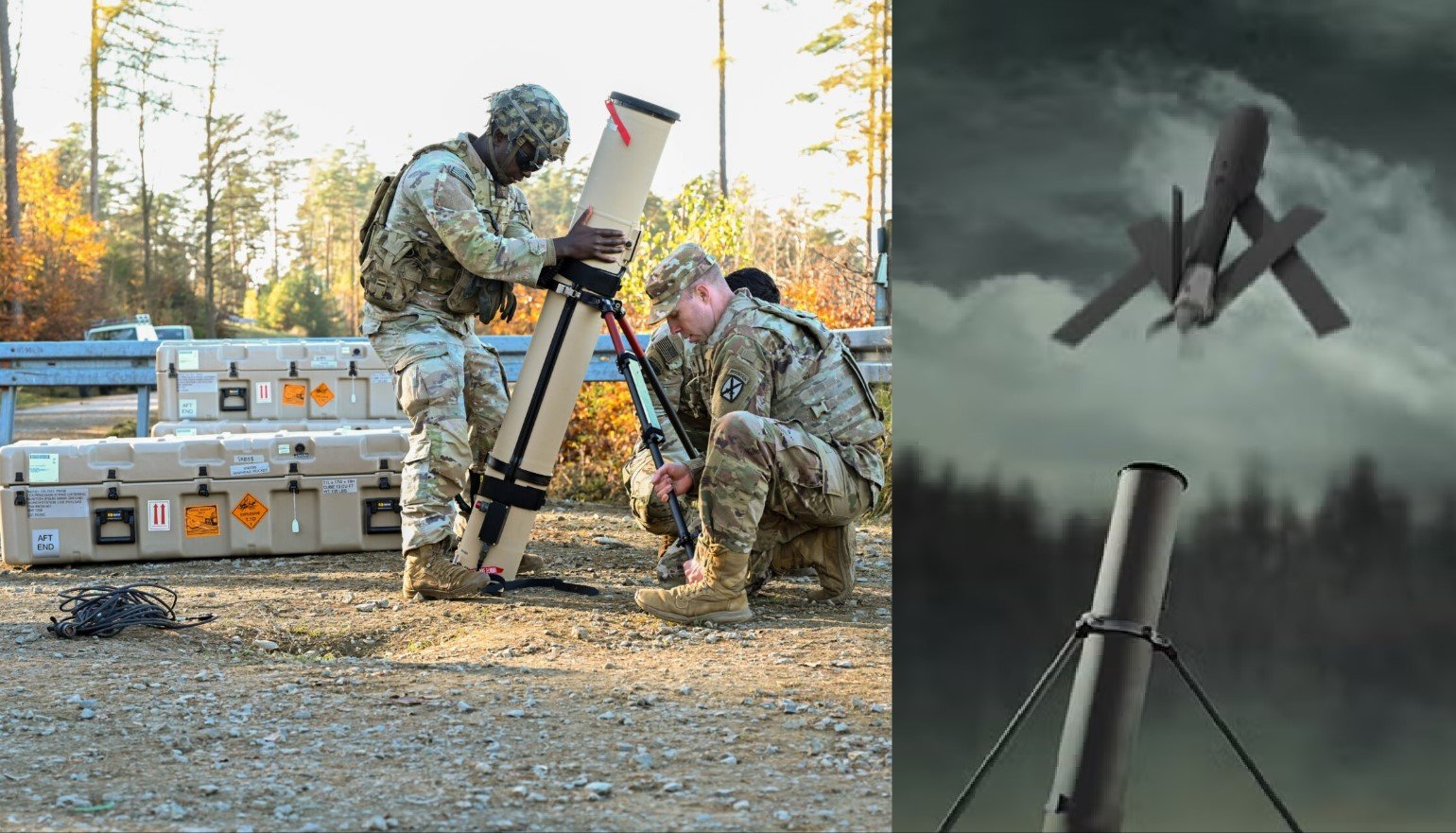 Lithuania Receives First Batch of U.S.-Made Switchblade 600 Loitering Munitions
-
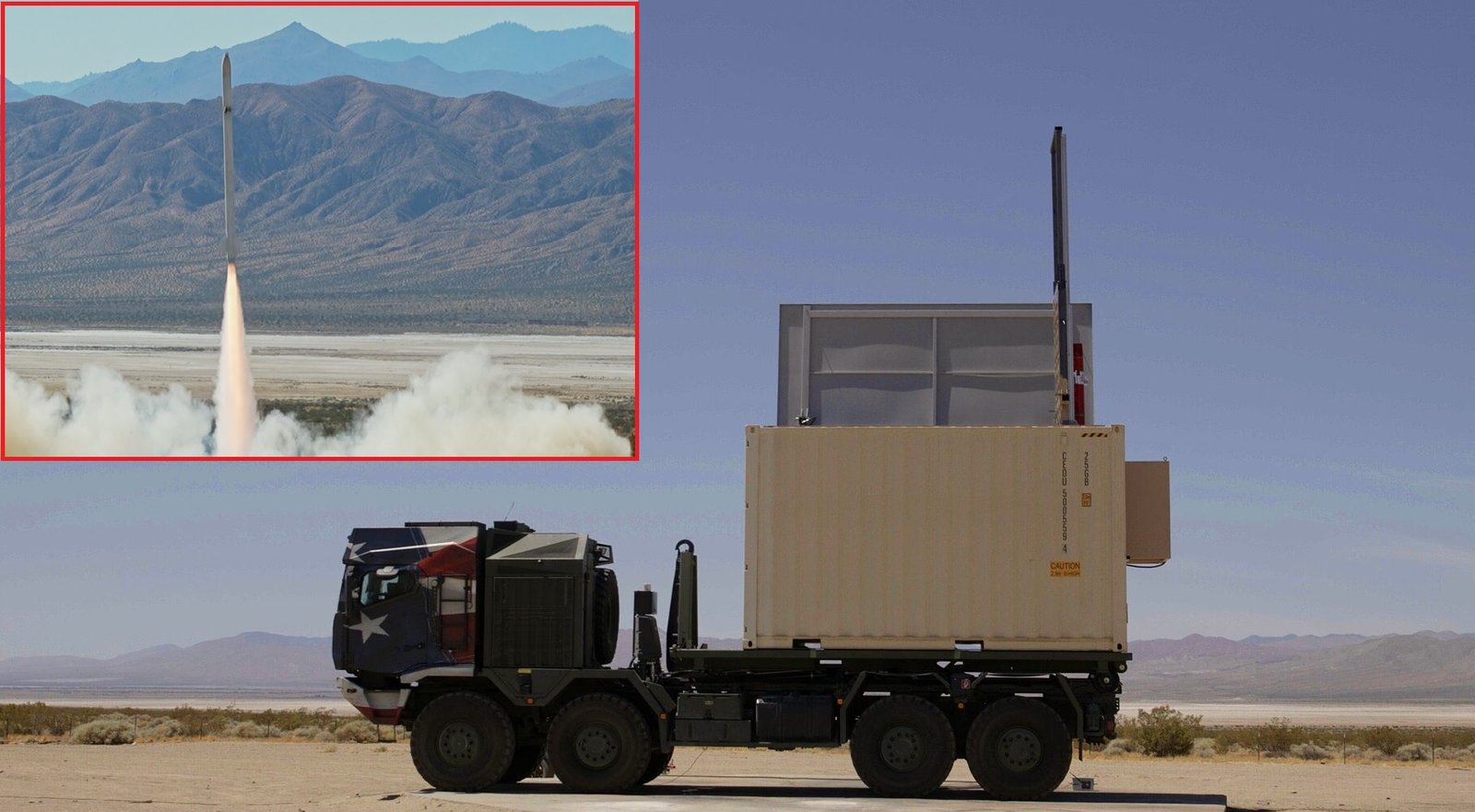 Furientis Secures $25 Million Funding and Department of War Contract for 100-Mile Interceptor
-
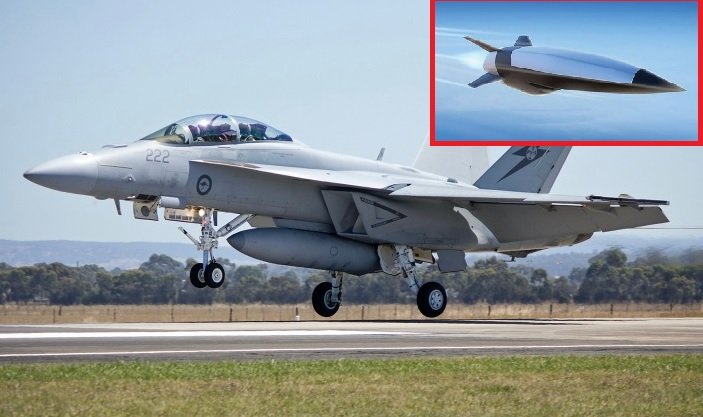 U.S. Air Force Conducts First Hypersonic Attack Cruise Missile Test in Australia
-
 Polish Satellite Images Reveal Likely Nuclear Reactor Compartments on China’s New Aircraft Carrier
-
 Raytheon Wins Up to $6.3 Billion Contract for SM-3 Block IB Interceptors
-
 Pakistan Denies Report of PAF Strikes on Houthis as Mecca Defence Pact Is Activated
-
 Anduril to Build $6.6 Billion Software-Defined Shipyard in Maryland for Virginia-Class Submarine Components
-
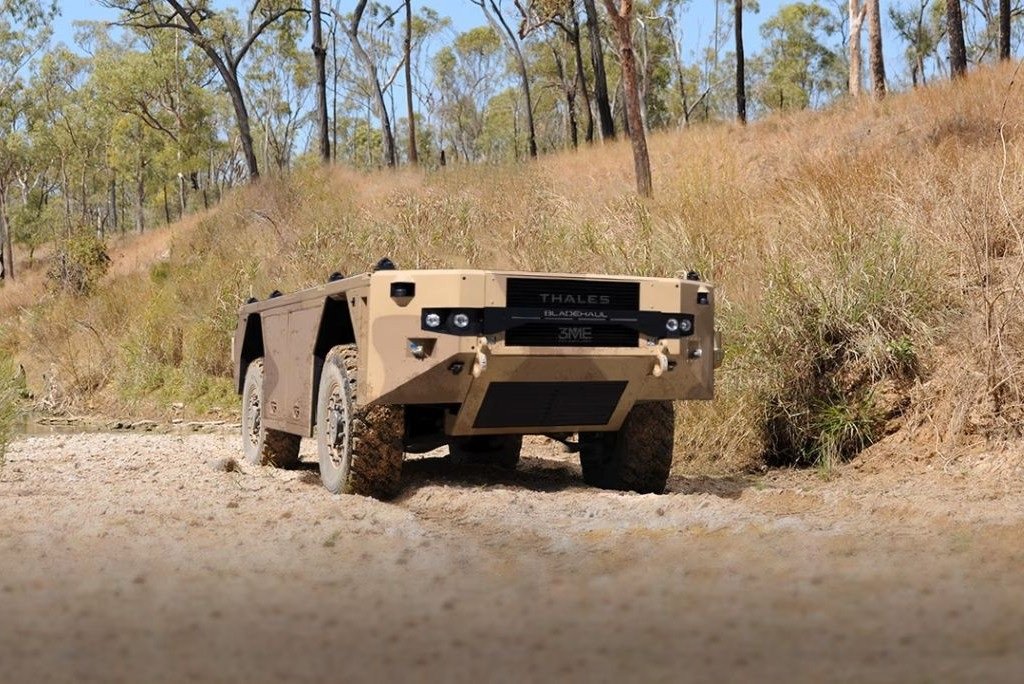 Thales Australia and 3ME Technology Unveil BladeHAUL XL-UGV at Land Forces 2026