The Indian Air Force (IAF) is intensifying efforts to develop and procure cost-effective missile systems designed to address the growing challenge of low-cost aerial threats, such as drones, loitering munitions, and subsonic cruise missiles. As these threats become increasingly prevalent, the IAF is looking for innovative solutions that strike a balance between effectiveness and affordability, particularly against swarm tactics that can overwhelm traditional air defense systems.
In the evolving battlefield, adversaries often deploy swarms of low-cost drones and loitering munitions in large numbers to exhaust surface-to-air missile (SAM) resources. This tactic not only strains the missile stockpile but also paves the way for deploying more sophisticated weapons. Given the prohibitive cost of using advanced SAMs against such low-budget threats, the IAF is prioritizing the development of an air-to-air missile solution that is both economical and efficient.
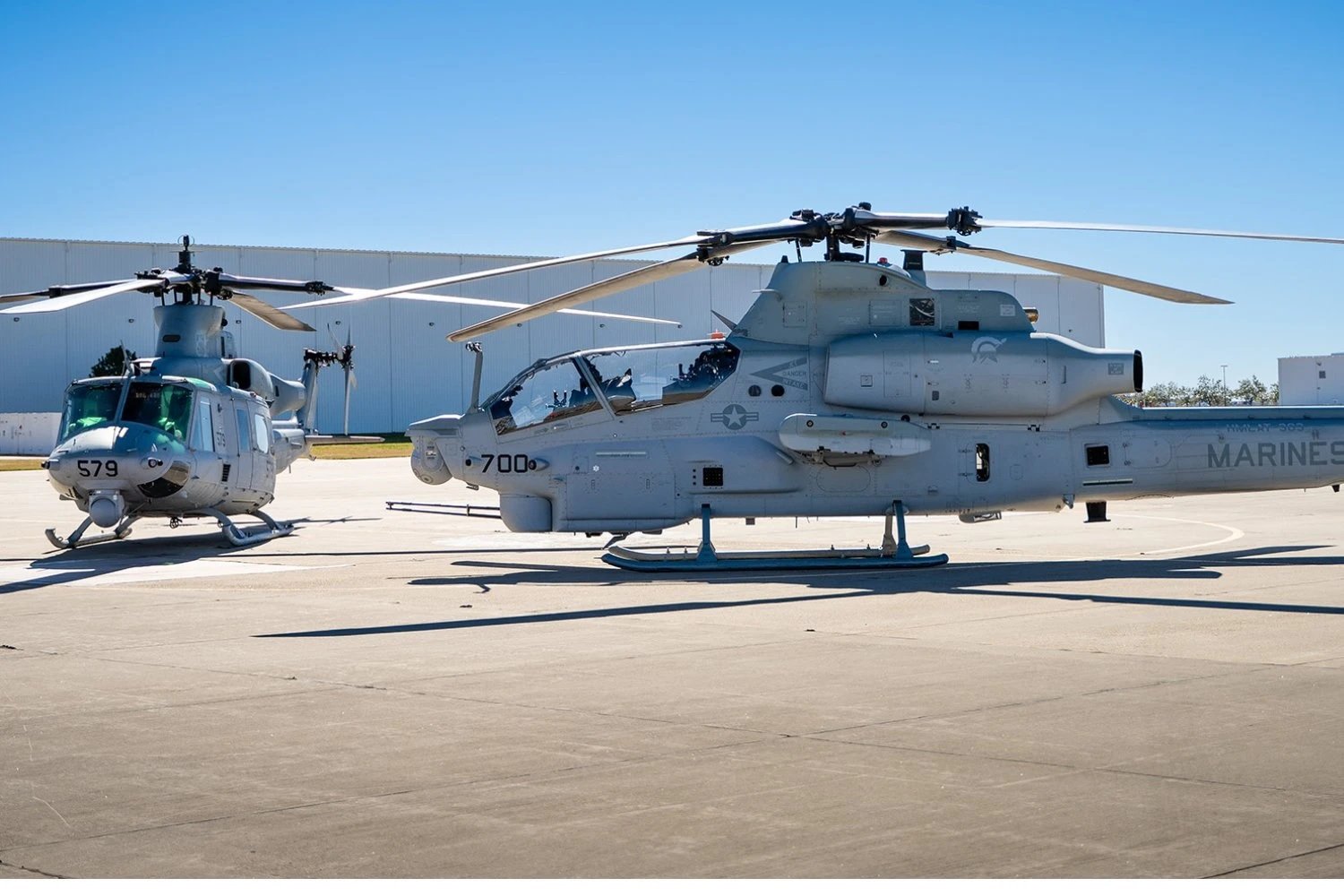
Currently, the IAF has systems like the VL-SRSAM (Vertical Launch Short-Range Surface to Air Missile) and VSHORADS (Very Short-Range Air Defence System) in its arsenal. While effective, these options are not feasible for mass production due to their high costs and lengthy manufacturing processes. In response, the Defence Research and Development Organisation (DRDO) is working on adapting the VSHORADS into an air-to-air variant suitable for attack helicopters. However, the IAF recognizes the need for a more scalable and versatile interceptor system.
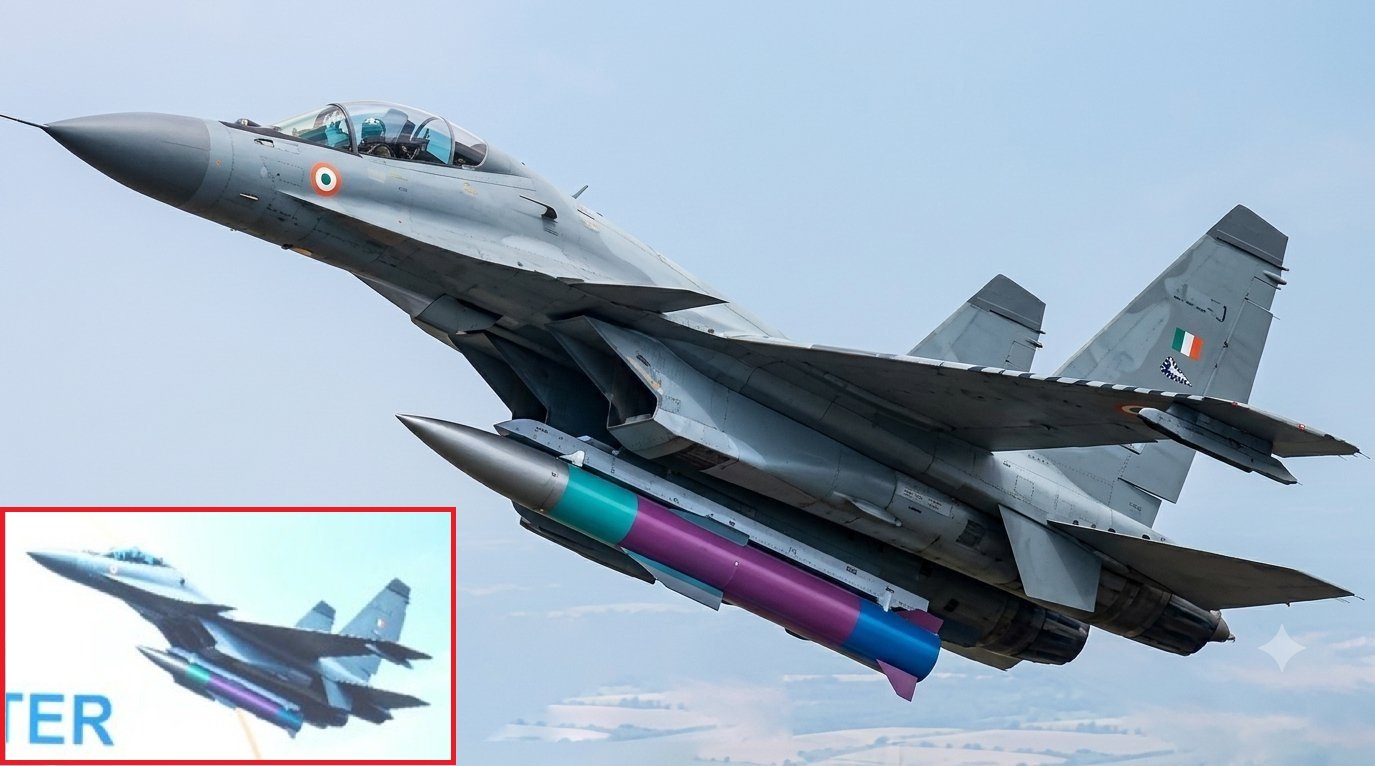
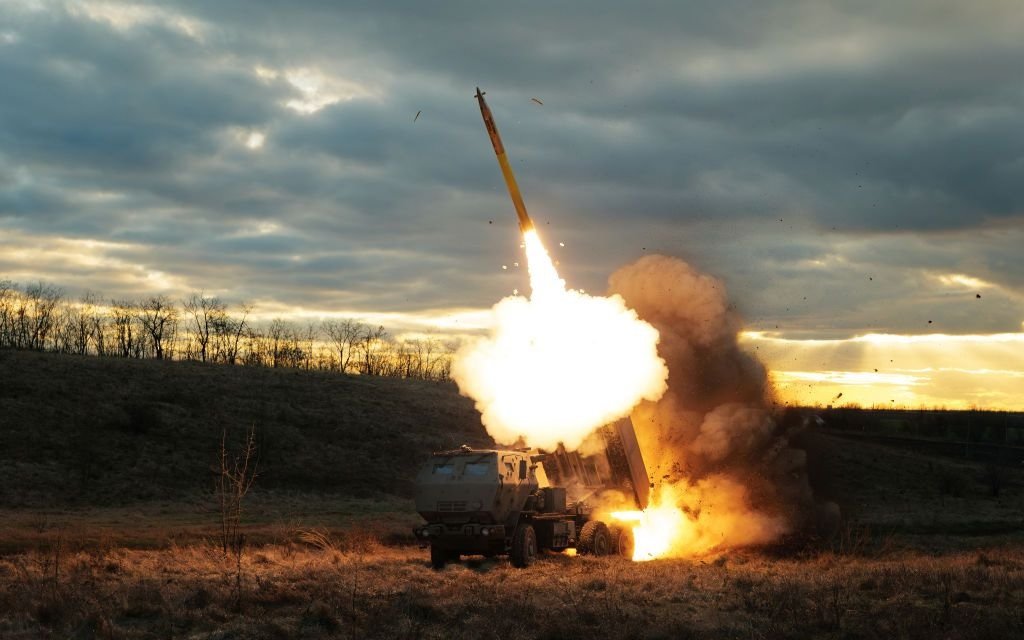
The IAF envisions a next-generation missile system deployable from multiple platforms, including trucks, helicopters, and fighter jets. This system would be designed for flexible operations, with a focus on low-cost, air-launched interceptors capable of neutralizing threats from a range of over 20-25 kilometers. To achieve this, the IAF is engaging with private Indian companies, emphasizing the need for indigenous development. Solar Industries India Limited has already proposed the Bhargavastra Weapons System as a potential solution for countering UAVs and loitering munitions, but the IAF remains focused on finding an air-launched interceptor with enhanced range and effectiveness.
Before formalizing the development program, the IAF is conducting consultations with various stakeholders and companies to define the technical specifications and identify the right partners for the project. This collaborative approach highlights the IAF’s commitment to creating a multi-layered defense system that can adapt to the increasingly complex and unpredictable nature of modern aerial threats.
As the IAF pushes forward, the pursuit of cost-effective solutions underscores the critical importance of staying ahead in an era where low-cost, high-impact threats can shift the balance on the battlefield.
——— End of Article ———