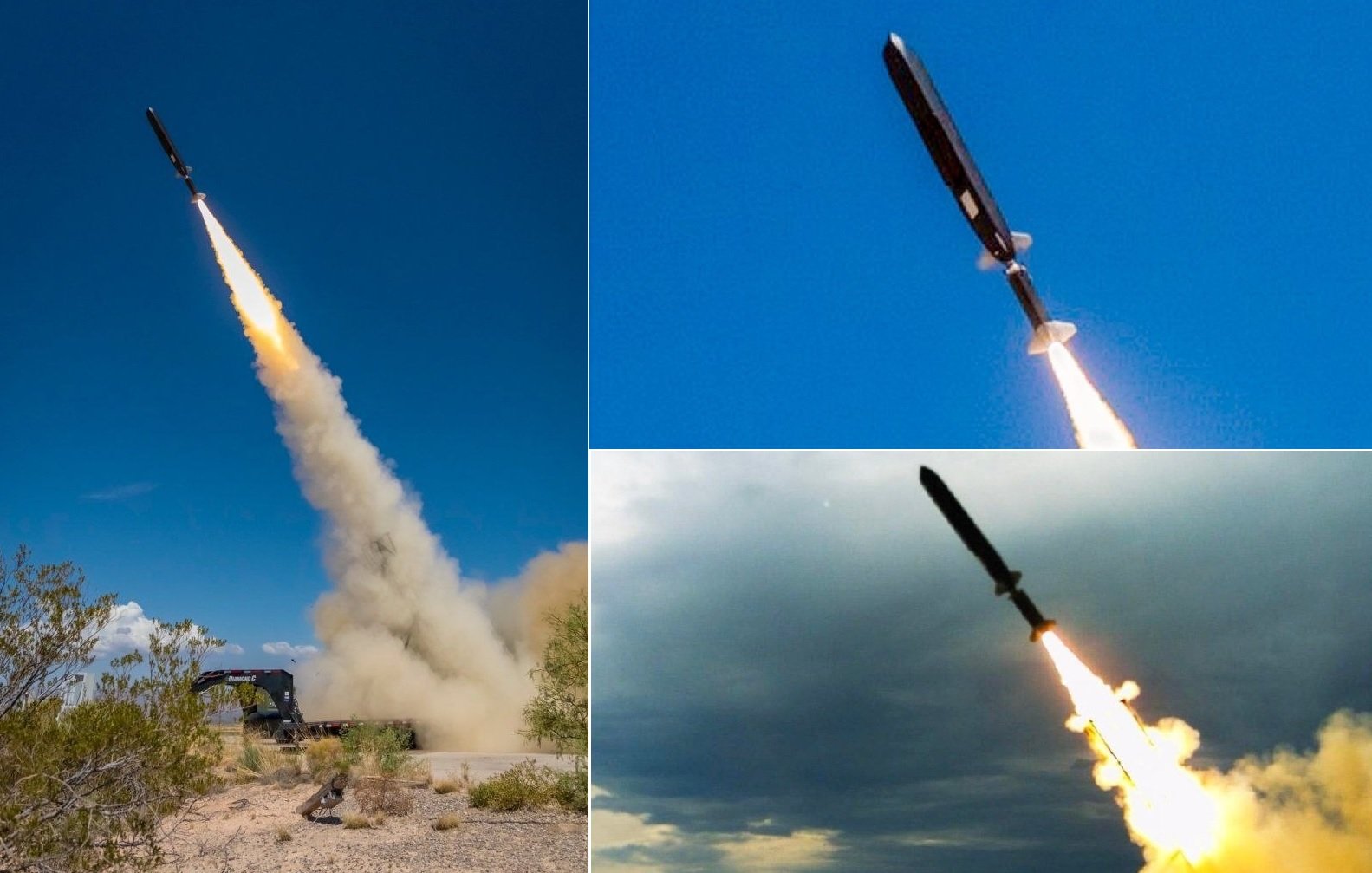
Israel’s tensions with Iran have reached a boiling point after a recent ballistic missile attack from Tehran. Israeli Defense Minister Yoav Gallant's response to the missile strikes was clear: Israel's retaliation will be "lethal, precise, and surprising." The stakes are high as both nations stand on the brink of escalating conflict, and Israel is now deliberating its next steps in response to the attack on October 1.
A Calculated Response: "Lethal and Surprising"
Gallant's remarks emphasized that Israel's retaliation will be swift and unpredictable, leaving Iran unsure of when and how it will come. The attack was in retaliation for Israel's assassination of a key Hezbollah leader, Hasan Nasrallah, marking a dangerous escalation between the two nations. While Iran likely intended the missile strike as a warning, Israel's response is expected to be far more devastating.
Netanyahu’s government has been in continuous discussions with military commanders and strategists, laying out possible courses of action. The overarching goal is clear: make Iran pay a heavy price without triggering a wider regional war. The use of precise airstrikes, cyber warfare, and even covert operations have all been floated as potential strategies. This approach aims to cripple Iran's ballistic missile capabilities and limit its proxy militias, like Hezbollah, which operates from Lebanon.
Coordination with the U.S. and Diplomatic Maneuvering
This crisis has also reignited U.S. involvement in the Israel-Iran conflict. Israeli Prime Minister Benjamin Netanyahu had his first conversation in weeks with U.S. President Joe Biden. The 30-minute call was seen as crucial for the Israeli side, given the high stakes of their potential military action. While Biden condemned Iran’s missile strike and reaffirmed Israel's right to defend itself, he also called for restraint, particularly in Lebanon. The U.S. fears that an Israeli military campaign similar to Gaza’s devastation could further destabilize the region.
The United States is concerned about minimizing civilian casualties, especially after seeing the fallout from Israel’s recent military campaigns in Gaza. U.S. officials, including Biden and State Department spokesperson Matthew Miller, have been urging Israel to avoid a similar military approach in Lebanon, where Hezbollah has launched rocket attacks into Israeli territory. The U.S. position is clear: military action against Iran’s proxies should not resemble the large-scale operations seen in Gaza.
Israeli Military Tactics: What Could Be on the Table?
Israel has several options at its disposal for retaliating against Iran, and these range from traditional airstrikes to more sophisticated measures like cyberattacks. A critical part of Israel’s strategic advantage is its air superiority, including F-35 stealth fighters, which could be used to target key missile installations in Iran. Israeli intelligence and its capability for covert strikes, possibly using elite units such as the Sayeret Matkal, also remain on the table.
In recent years, Israel has honed its precision-strike capabilities, particularly against hardened missile silos and underground facilities, which are often used by Iran to hide its missile technology. The Iron Dome and David’s Sling missile defense systems are also in place to intercept any counterattacks from Iran or its proxies, giving Israel an additional layer of protection. Israel's strike would likely involve the neutralization of missile launch sites, military installations, and command centers, with the aim of crippling Iran's offensive abilities without pushing the situation into full-blown war.
The Humanitarian Toll in Gaza and Lebanon
Meanwhile, the situation in Gaza continues to spiral as Israeli forces carry out operations against Hamas. The humanitarian toll has been catastrophic. More than 42,000 Palestinians have reportedly been killed, with 90% of the 2.3 million residents displaced. The destruction in Gaza has not only displaced residents multiple times but has also severely hindered humanitarian aid, leaving hospitals overwhelmed and resources strained. In the town of Jabaliya, the violence has trapped civilians amid relentless shelling.
Israel’s military operations have also extended into Lebanon, where Hezbollah’s attacks have triggered Israeli airstrikes, resulting in more civilian and militant deaths. Netanyahu warned that Lebanon could face the same fate as Gaza if it does not rein in Hezbollah, which many see as a precursor to a broader military campaign in the country. The fear of widespread destruction in Lebanon has prompted warnings from the U.S. to de-escalate and avoid further destabilization.
What’s Next: Military Action or Diplomacy?
Israel’s next move will be closely watched, not just by its allies like the U.S., but by the entire region. The country’s leadership is weighing the potential fallout of its military action against the need to neutralize Iran’s missile threat. Diplomatic channels remain open, but the window for a peaceful resolution is shrinking as both Israel and Iran appear to be locked in a cycle of retaliation.
As the conflict escalates, the world watches anxiously to see how Israel strikes back at Iran—and whether these actions will draw in even more players into an already volatile situation. While Gallant has promised a "surprising" response, the aftermath of such a strike could shape the future of Israel's security and its relations with neighboring nations for years to come.
——— End of Article ———