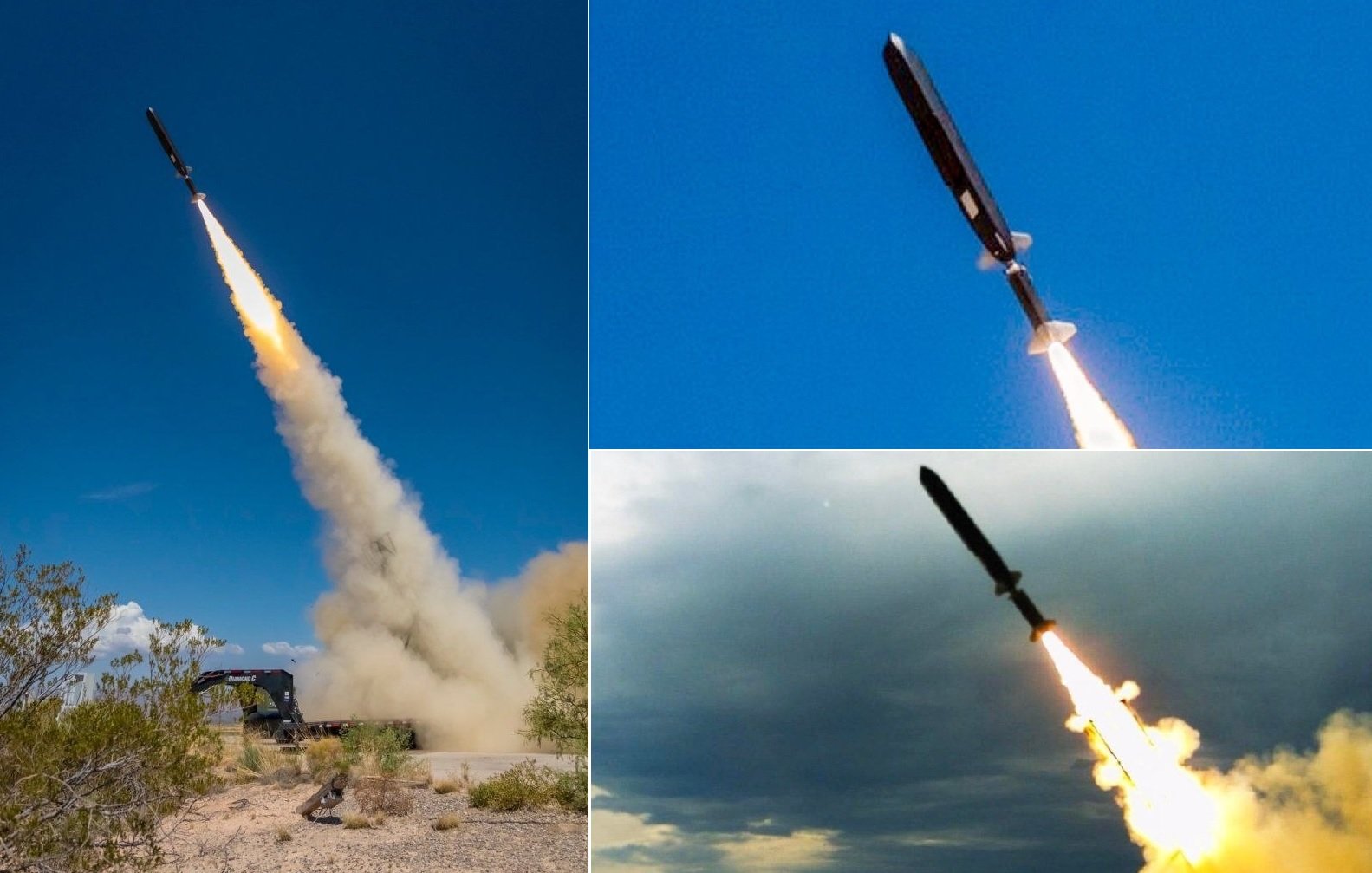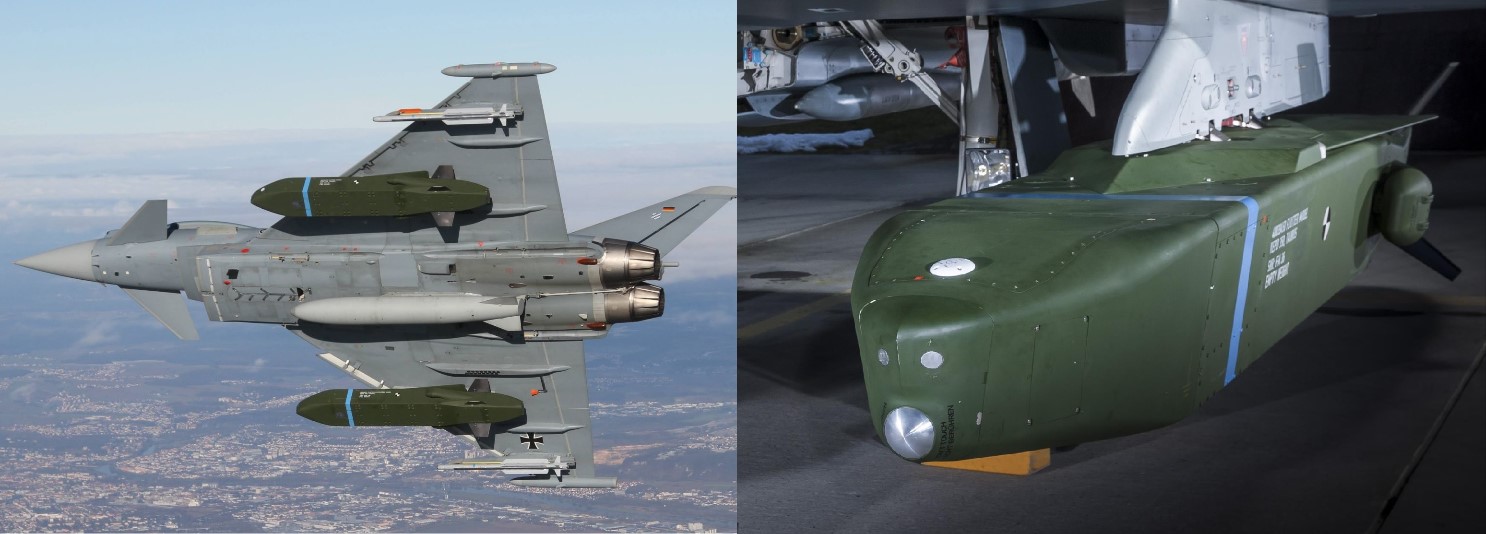
Germany and Sweden have formally concluded an agreement to jointly produce the upgraded Taurus NEO long-range cruise missile, marking a decisive step in Europe’s drive to modernize deep-strike capabilities and reinforce strategic autonomy in precision weapons.
The accord builds on decades of bilateral cooperation in missile technology and centers on the next-generation evolution of the combat-proven Taurus KEPD 350 family. The new Taurus NEO (New Enhancement & Optimization) variant is designed to counter modern, layered air-defense systems while delivering significantly improved lethality against hardened and deeply buried targets.
A Leap in Long-Range Strike Capability
The Taurus NEO program introduces a comprehensive package of upgrades over earlier variants. At its core is an enhanced multi-mode guidance architecture, combining advanced inertial navigation with satellite-aided correction and high-resolution terrain reference navigation. This allows the missile to fly complex, low-altitude profiles with extreme precision, even in GPS-denied or heavily jammed environments.
Survivability has been a central design focus. The missile incorporates improved electronic counter-countermeasures (ECCM), refined low-observable shaping, and upgraded onboard processing to dynamically adapt its flight path in response to threats. Together, these measures are intended to increase penetration probability against modern integrated air-defense systems deployed by peer adversaries.
Enhanced Penetration and Warhead Performance
A defining feature of the Taurus line—its ability to neutralize hardened targets—has been further strengthened. The Taurus NEO retains the dual-stage penetrating warhead concept, optimized to breach reinforced concrete, underground command bunkers, aircraft shelters, and critical infrastructure. The upgraded fuzing system allows programmable detonation timing, enabling the weapon to explode precisely after penetrating multiple layers of protection.
Defense sources familiar with the program indicate that improvements in target discrimination and impact-angle control significantly raise effectiveness against deeply buried facilities, a capability increasingly prioritized in European defense planning.
Key Technical Specifications (Reported / Program Targets)
While final configuration details remain classified, the Taurus NEO is expected to broadly align with the following performance parameters:
-
Type: Air-launched long-range cruise missile
-
Range: Over 500 km (class)
-
Guidance: INS + satellite navigation, terrain reference navigation, autonomous terminal guidance
-
Flight Profile: Low-altitude, terrain-hugging with adaptive routing
-
Warhead: Advanced dual-stage bunker-penetrating warhead
-
Accuracy: High-precision, sub-meter class CEP (reported)
-
Survivability: Low observable design, advanced ECCM, adaptive mission planning
MBDA at the Center of European Integration
The program is led by MBDA, underscoring the growing role of pan-European defense primes in delivering sovereign capabilities. Industrial participation is expected to be split across German and Swedish facilities, strengthening supply-chain resilience and ensuring long-term supportability within Europe.
Officials from both governments emphasized that the arrangement is not merely an upgrade program but a strategic industrial initiative, aimed at reducing long-term reliance on non-European strike systems while preserving freedom of action for European air forces.
Strategic Implications for Europe
The joint Taurus NEO production agreement arrives amid a broader reassessment of Europe’s deterrence posture. Long-range, air-launched precision strike is increasingly viewed as a critical pillar of conventional deterrence—capable of holding high-value targets at risk without escalation to other domains.
By pooling resources and aligning requirements, Germany and Sweden are positioning Taurus NEO as a cornerstone of continent-wide, interoperable strike capability, potentially opening the door for future adoption by additional European air forces.
Outlook
With production preparations now formally underway, the Taurus NEO program represents one of the most significant upgrades to Europe’s deep-strike arsenal in recent years. As testing and integration progress, the missile is expected to play a central role in shaping Europe’s next generation of long-range precision warfare—more autonomous, more resilient, and decisively European.
——— End of Article ———