World
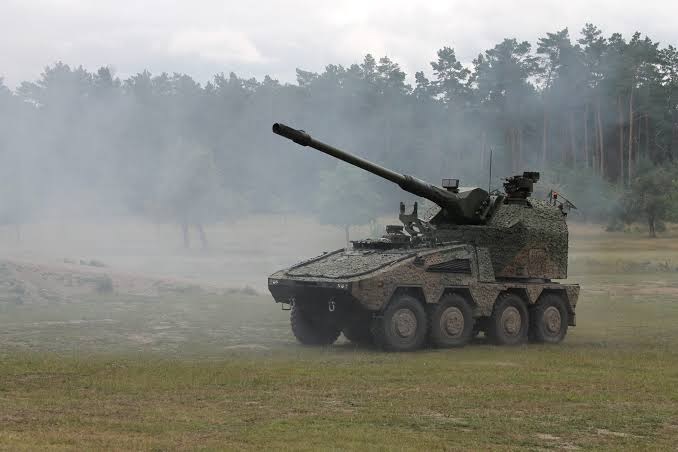
Berlin — The German-made RCH 155 self-propelled artillery system has officially achieved "combat proven" status following its operational use in Ukraine, according to Nicholas Drummond, an advisor to defense manufacturer KNDS. Drummond announced the milestone on the social media platform X, confirming that the system has successfully completed combat testing. I’m pleased to announce that two new words can now be used to describe the Boxer RCH155: “combat proven.” pic.twitter.com/isCWBlMjOk — Nicholas Drummond (@nicholadrummond) July 5, 2026 Although Drummond did not disclose where the testing took place, Ukraine is currently the only country operating the RCH 155 in an active conflict. Other customers, including Germany, the United Kingdom, Switzerland and Qatar, have placed orders for the system but are still awaiting deliveries. Ukraine first announced plans to acquire the RCH 155 in September 2022 with an initial order for 18 systems. The order was later expanded to 54 units, and production began in January 2023. While deliveries took longer than originally expected, KNDS used the additional time to introduce improvements based on operational feedback from Ukrainian forces using other Western artillery systems on the battlefield. Following these refinements, Germany officially handed over the first RCH 155 to Ukraine in January 2025, making Ukraine the launch operator of the system. The RCH 155 combines the GTK Boxer 8×8 wheeled armored vehicle with the fully automated Artillery Gun Module (AGM), which uses the same 155mm/L52 gun technology as the German PzH 2000 self-propelled howitzer. The unmanned turret significantly reduces crew requirements, allowing the system to operate with just two personnel—a commander and a driver/operator. The automated module carries 30 fused artillery rounds and 144 modular propellant charges. One of the RCH 155's key features is its ability to fire while moving. According to KNDS, it is the only artillery system currently capable of engaging targets without stopping, allowing crews to conduct rapid "shoot-and-scoot" operations and quickly change position to reduce the risk of counter-battery fire. The vehicle weighs just under 40 tonnes, including the 12.5-ton AGM module, and is powered by an 815-horsepower MTU diesel engine. It can exceed road speeds of 100 km/h, providing high operational mobility. The system can fire up to nine rounds per minute with a standard firing range of around 40 kilometers. Using Very Long Range Artillery Projectiles (V-LAP), its maximum range extends to approximately 54 kilometers. The RCH 155 is also compatible with precision-guided munitions such as VULCANO and EXCALIBUR, enabling more accurate engagement of long-range targets. The howitzer also supports Multiple Round Simultaneous Impact (MRSI), allowing up to five projectiles fired along different trajectories to strike the target at nearly the same time. This capability increases effectiveness against fortified positions and time-sensitive targets. The system's operational experience in Ukraine comes as several European countries move forward with large procurement programs. In late 2025, the German parliament approved a framework agreement for up to 500 RCH 155 systems, including a firm order for 80 units. In May 2026, the United Kingdom signed a contract worth nearly £1 billion to acquire 72 RCH 155 systems to replace older artillery platforms and strengthen the British Army's long-range fire support capabilities. The combat experience gained in Ukraine is expected to provide valuable operational data for KNDS as production continues for international customers. The company has stated that lessons learned from battlefield use have already been incorporated into the system's design, supporting further improvements before additional deliveries begin. Source: X
Read More → Posted on 2026-07-05 15:34:32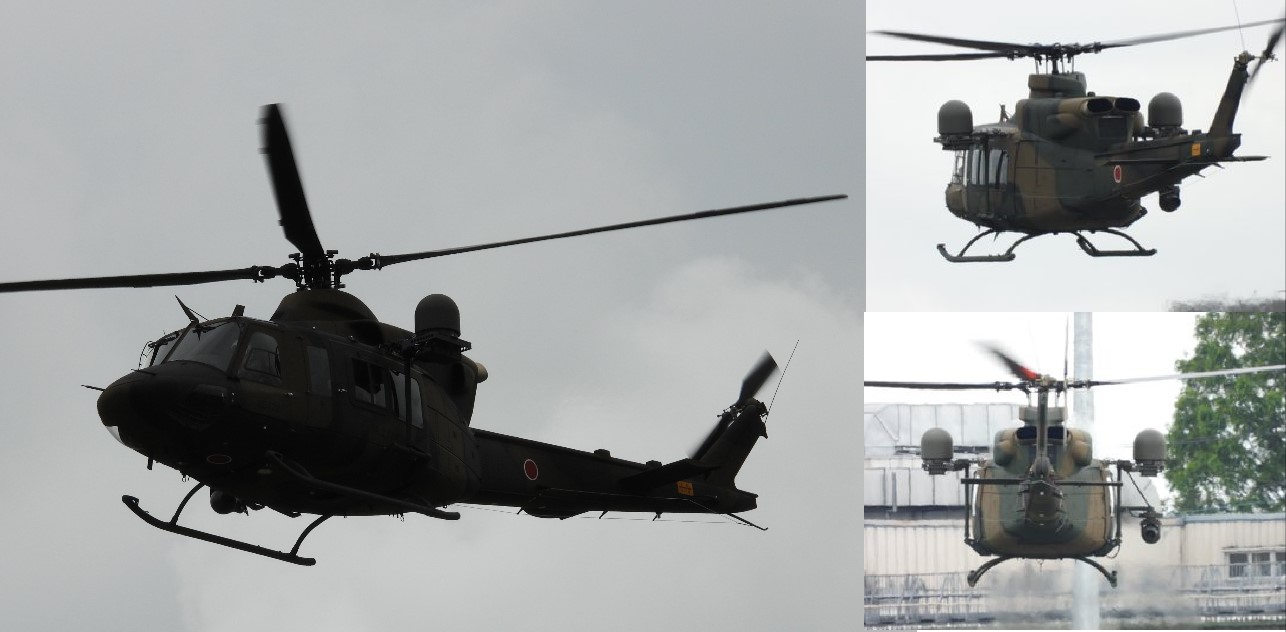
World
TOKYO — A Japan Ground Self-Defense Force (JGSDF) UH-2 utility helicopter has been photographed in flight with a previously unseen roof-mounted antenna configuration, drawing attention from military aviation observers and open-source analysts. The images, shared on the social media platform X by aviation photographer nobita0114, show the helicopter fitted with two large dome-shaped antennas mounted on top of the cabin. The configuration has not previously been seen on publicly photographed UH-2 flights, leading to discussion over the possible purpose of the modification. The exact role of the antenna system has not been confirmed. Aviation observers have suggested two possible explanations based on the aircraft's external appearance, but no official information has been released by Japanese authorities. One assessment is that the paired dome antennas could support a signals intelligence (SIGINT) role. Similar twin-antenna arrangements are used on some military aircraft to detect, locate and triangulate radar or radio transmissions by comparing signals received through antennas mounted at separate positions. Another view, shared within the Japanese aviation community, is that the modification is more likely intended for satellite communications or high-speed data relay rather than intelligence collection. Users posting under the X handles asura0998822 and chageimgur provided additional context after examining the photographs on July 4 and 5, 2026. According to asura0998822, the same UH-2 airframe had been photographed on the ground with the antenna installation in January 2026. The approximately six-month period between the initial ground sighting and the recent flight photographs suggests the equipment underwent an extended testing and certification process before airborne evaluation. chageimgur suggested the antenna domes could be part of a satellite communications and data relay system referred to as HeliSAT. According to the analysis, such a system could improve the transmission of aerial information collected during disaster response operations. The JGSDF currently operates a system known as HeliTele, which uses a stabilized sensor turret mounted beneath helicopters to capture live video over disaster areas. The footage can be transmitted to military commanders and, during major national emergencies, shared with civilian television broadcasters. If the newly observed antenna system is related to satellite communications, it could improve the range and reliability of those data links, although this has not been officially confirmed. The same analysis also noted that as unmanned aerial systems continue to mature, drones could increasingly perform aerial observation missions, allowing helicopters such as the UH-2 and UH-60JA to focus on transport, rescue and other missions requiring crewed aircraft. This remains an opinion expressed by the analyst and has not been announced as JGSDF policy. The UH-2 is the JGSDF's newest utility helicopter and is a military version of the Subaru Bell 412EPX, developed jointly by Subaru Corporation and Bell Textron. The aircraft is intended to replace Japan's aging fleet of UH-1J helicopters, which had an average service age of about 22 years when UH-2 deliveries began in 2022. Compared with the older UH-1J, the UH-2 features a four-blade composite main rotor instead of a two-blade rotor and is powered by twin Pratt & Whitney Canada PT6T-9 engines, providing improved payload capacity and flight performance. The helicopter is designed for utility transport, disaster relief and operations across Japan's mountainous terrain and remote islands. As of now, Japan's Ministry of Defense, the Japan Ground Self-Defense Force, and Subaru Corporation have not issued any official statement explaining the purpose of the newly installed antenna system. Because externally similar antenna housings can support different types of equipment, the function of the modification cannot be confirmed from photographs alone. The helicopter remains under observation by aviation analysts, and the purpose of the new antenna installation is expected to become clearer only if official information is released or additional details emerge during future testing. Source: defence-blog
Read More → Posted on 2026-07-05 15:05:27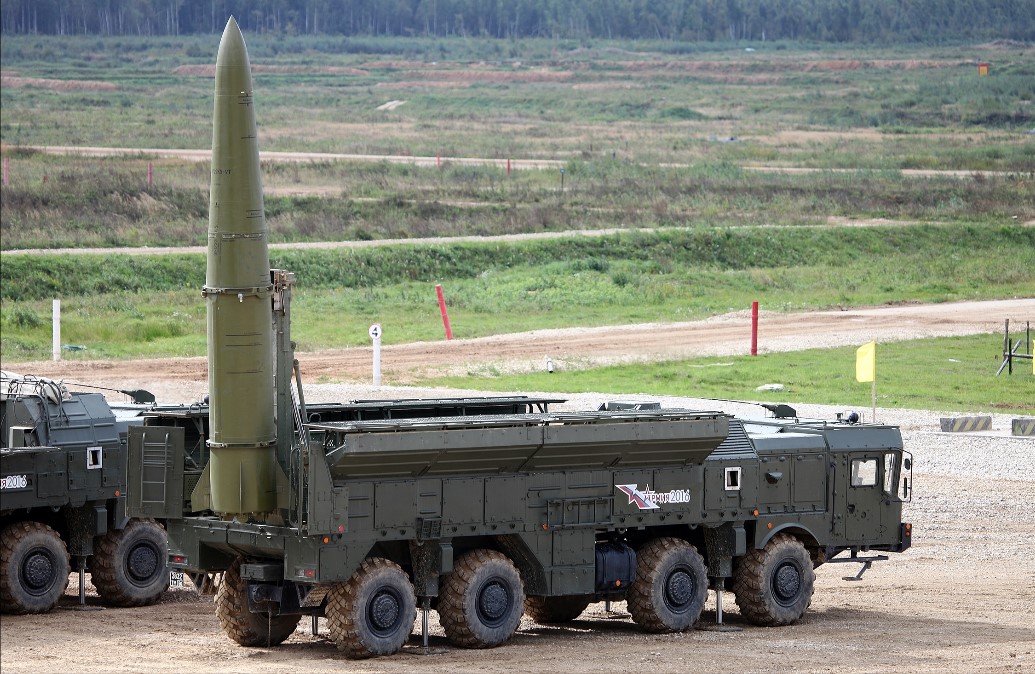
World
Moscow — Russia has equipped the 9M723 short-range ballistic missile used by the Iskander-M missile system with a new autonomous guidance system known as Kometa-M12R-VT, according to the Russian military monitoring Telegram channel "Colonel of the General Staff." The main upgrade is a 12-element multi-channel digital Controlled Reception Pattern Antenna (CRPA) installed in the missile's nose section. According to the report, the antenna receives satellite navigation data during the initial and mid-course stages of flight, improving navigation accuracy and increasing resistance to electronic warfare (EW) interference. Components of the Kometa-M12R-VT 12-element antenna system used on the 9M723 Iskander-M ballistic missile. Photo: Telegram/"Colonel of the General Staff". During the terminal phase of flight, the missile switches to the Kometa-R8 tail guidance system. This unit is fitted with two four-element heat-resistant ARP-4T antenna arrays designed to operate under the high-temperature conditions encountered during the final stage of the missile's flight. The report states that the previous version of the guidance system was designated Kometa-MP12, where "M" stands for "modernized" and "P" refers to "rocket." According to the author of the Telegram post, the new "VT" designation likely indicates a high-temperature or heat-resistant modification. The author also states that effectivealy suppressing the 12-element antenna system within its operating frequency range could require the simultaneous operation of more than 11 high-power electronic warfare systems, although this assessment has not been independently verified. Kometa Guidance Technology Used Across Multiple Weapons The Kometa guidance system is also used on several other Russian precision-guided weapons. In April 2024, reports indicated that Russia began upgrading Unified Planning and Correction Modules (UMPK) used on aerial glide bombs by fitting them with 12-channel Kometa CRPA antennas to improve resistance to Ukrainian electronic warfare. By March 2025, Russia had reportedly equipped domestically assembled Shahed-type kamikaze drones with larger 16-element CRPA antennas. The report also notes that Russian forces had previously used Chinese-made eight-element round CRPA antennas, which were identified in January 2025, as part of efforts to improve navigation performance in electronically contested environments. Ukraine Targets Kometa Production Facilities According to the report, Ukrainian Defense Forces have sought to counter these guidance systems not only by improving their own electronic warfare capabilities but also by targeting facilities involved in their production. One of those facilities is VNIIR-Progress in Cheboksary, located in Russia's Chuvash Republic. The plant manufactures GNSS receivers and antennas that support GLONASS, GPS and Galileo satellite navigation systems used by the Russian military. The report states that on June 10, 2026, Ukrainian forces launched an attack on the facility using FP-5 Flamingo cruise missiles. The continued introduction of Kometa guidance systems on ballistic missiles, glide bombs and drones reflects Russia's ongoing efforts to improve the resistance of its precision-guided weapons to electronic warfare, while Ukraine continues targeting the industrial facilities involved in producing these navigation components. Source: militarnyi
Read More → Posted on 2026-07-05 13:53:40
World
CAIRO — Egypt has officially inaugurated its new State Strategic Command Headquarters, known as "The Octagon," in the country's New Administrative Capital, with President Abdel Fattah el-Sisi leading the opening ceremony on Saturday. The ceremony was attended by senior military and civilian officials, including Defense Minister Lieutenant General Ashraf Salem Zaher and Chief of Staff Ahmed Khalifa. Wearing a military uniform, President Sisi signed the official charter and raised the Armed Forces flag to formally commission the new headquarters. The inauguration also featured an 11-gun salute, a motorcycle procession, and aerial demonstrations by the Egyptian Air Force. Defense Headquarters Compared With the Pentagon Egyptian officials describe The Octagon as the world's largest defense headquarters complex. According to official figures, the facility covers 22,000 acres with a total floor area of approximately 50.5 million square feet, making it substantially larger than the United States Pentagon, which occupies about 583 acres with approximately 6.5 million square feet of floor space. Feature The Octagon (Egypt) The Pentagon (United States) Land Area 22,000 acres 583 acres Floor Area 50.5 million sq ft 6.5 million sq ft Staff Capacity Significantly larger capacity across 13 integrated strategic and logistical zones Approximately 23,000 employees Located east of Cairo in the New Administrative Capital, the complex serves as the central headquarters for Egypt's Ministry of Defense and the country's strategic military command. Egypt UNVEILS WORLD’S LARGEST DEFENSE HQTHE OCTAGON bigger than the US PENTAGONPresident Abdel Fattah el-Sisi PERSONALLY inaugurates Strategic Command Center in military uniform pic.twitter.com/N8p0xsivdY — RT (@RT_com) July 4, 2026 Eight-Octagon Design The headquarters derives its name from its architectural layout, which consists of eight interconnected octagonal buildings surrounding two central ministerial structures. The outer buildings represent different branches of the Egyptian Armed Forces and sovereign state institutions, while the two central buildings serve as the main political leadership and strategic command centers. The complex is connected through secure corridors and fortified underground networks designed to support protected movement and uninterrupted operations. The architecture also incorporates Pharaonic-inspired pillars, reflecting elements of ancient Egyptian design. Integrated Strategic Command Center According to Egyptian officials, The Octagon is designed as a centralized strategic command center that coordinates military operations, government ministries, intelligence organizations, and other state institutions during national emergencies. The headquarters includes: Encrypted high-speed fiber-optic communications and secure fifth- and sixth-generation communication technologies. Artificial intelligence and cloud-enabled data systems for real-time operational information management. Independent power generation, water supply, cooling systems, and residential facilities designed to maintain operations during exceptional circumstances. Six specialized operational centers, including a unified strategic data center, a telecommunications network control center, and an emergencies and safety center. According to officials, the integrated design is intended to improve coordination between civilian and military institutions while supporting faster decision-making during security and crisis situations. Part of the New Administrative Capital Project During the inauguration, President Sisi said the new headquarters strengthens the state's ability to manage national challenges and exceptional circumstances while supporting stability. Defense Minister Lieutenant General Ashraf Salem Zaher said the headquarters integrates civilian governance, intelligence, and military command functions under a unified strategic framework to improve coordination on national security matters. The opening of The Octagon is part of Egypt's broader plan to relocate key government institutions and strategic facilities to the New Administrative Capital, a major development project east of Cairo that is intended to serve as the country's new administrative and governmental center.
Read More → Posted on 2026-07-05 13:37:02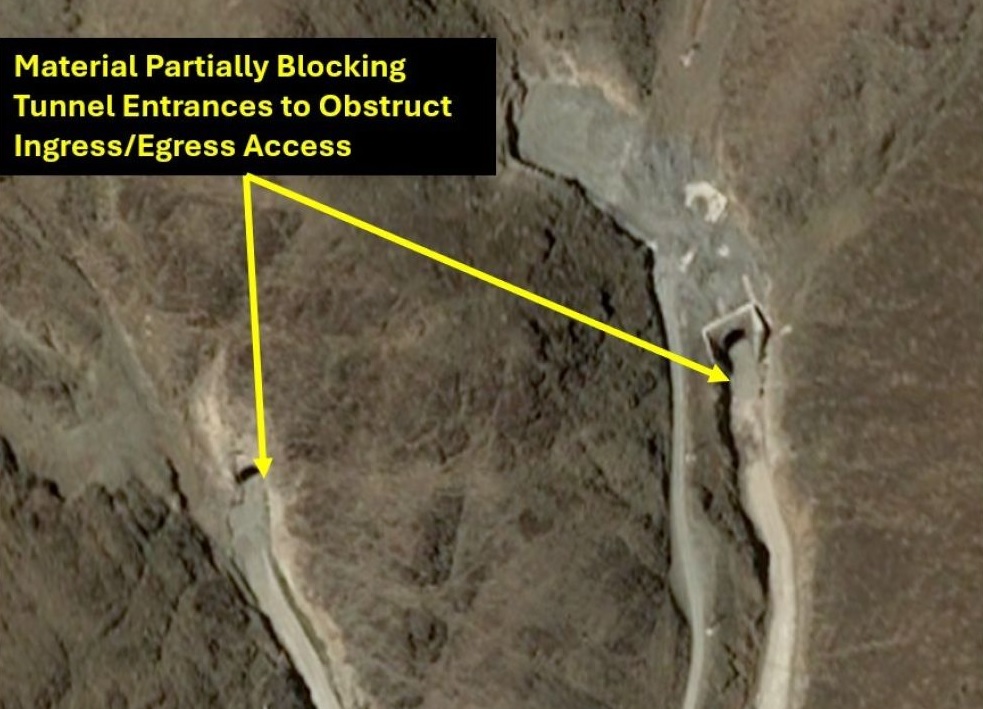
World
WASHINGTON — New satellite imagery indicates that construction activity has resumed at Iran's underground Pickaxe Mountain tunnel complex near the Natanz nuclear facility, while no major repair work has been observed at the country's main nuclear sites damaged during U.S. and Israeli strikes last year, according to a report by the Washington-based Institute for Science and International Security (ISIS). The latest imagery, provided by Vantor Tech in late June and analyzed by the institute, shows vehicles and construction crews working to reinforce tunnel entrances at the site, also known as Kuh-e Kolang Gaz La, located about one mile south of the main Natanz nuclear facility. According to the institute, the ongoing work appears inconsistent with the terms of the June 17 U.S.-Iran memorandum of understanding (MOU), which requires Iran to maintain the status quo of its nuclear program and refrain from construction at nuclear-related sites while negotiations continue. Recent satellite imagery from late June 2026, of the Natanz Nuclear Complex and the nearby Pickaxe Mountain facility, Fordow, and Esfahan, were provided to the Institute by @vantortech. At Natanz, little activity can be seen. The access points to the below ground enrichment… pic.twitter.com/on6isIGhNA — Inst for Science (@TheGoodISIS) July 2, 2026 No Major Repairs at Natanz, Fordo or Isfahan Despite the renewed activity at Pickaxe Mountain, the report found no evidence that Iran has started major repairs at the country's three principal nuclear facilities—Natanz, Fordo and Isfahan—which sustained heavy damage during the June 2025 conflict involving the United States and Israel. At Natanz, underground uranium enrichment halls remain inaccessible. Satellite images show damaged tunnel entrances, destroyed electrical infrastructure and cooling systems that have not yet been repaired. The report also found no significant reconstruction work at the Fordo uranium enrichment plant or the Isfahan Nuclear Technology Center. Tunnel entrances at both sites remain sealed with earth, indicating that large-scale restoration has not yet begun. Activity Continues at Pickaxe Mountain The Pickaxe Mountain complex has been under construction since at least 2020 and is built deep inside a granite mountain near Natanz. The International Atomic Energy Agency (IAEA) has never been granted access to the site, and its exact purpose has not been officially confirmed. ISIS analysts, including senior fellow Spencer Faragasso, assess that the underground complex is large enough to potentially house a new uranium enrichment facility, although no independent verification has confirmed that assessment. Satellite imagery indicates that construction activity has continued since the April ceasefire that halted the U.S.-Israeli conflict with Iran. Recent images show workers reinforcing tunnel entrances, while some portals have been partially filled with dirt to restrict vehicle access. A smaller internal tunnel complex has also been completely sealed. The institute said the contents of the sealed tunnels remain unknown, noting they could potentially contain equipment or material relocated from other nuclear facilities, although there is no public confirmation of what is stored inside. Most of the Pickaxe Mountain complex does not appear to be operational, according to the analysis. Defensive Measures at Fordo The report also noted that Iran has introduced additional defensive measures at the Fordo facility. Satellite images taken in May show earthen and rocky barriers constructed near blocked tunnel entrances. Defense analysts believe these obstacles are intended to make potential ground operations against the site more difficult. According to the IAEA's previous assessments, most of Iran's approximately 440-kilogram stockpile of uranium enriched to 60% is believed to be stored at the Isfahan facility, with smaller quantities located at Natanz and Fordo. Missile Infrastructure Also Being Restored Alongside activity at nuclear-related sites, Iran has continued rebuilding parts of its underground missile infrastructure damaged during the 2025 conflict. According to previous defense assessments cited in the report, Iran has restored access to 50 of 69 tunnel entrances across 18 underground missile facilities since the April ceasefire. Damaged access roads have also been repaired to restore logistical movement. Peace Talks Continue The latest satellite findings come as the United States and Iran continue negotiations under the June 2026 memorandum of understanding aimed at reducing regional tensions and maintaining the current status of Iran's nuclear program. Israel is not a party to the agreement and has publicly criticized the diplomatic framework, arguing that it does not provide sufficient guarantees regarding the permanent dismantling of Iran's nuclear program. The Institute for Science and International Security said continued satellite monitoring remains an important tool for assessing developments at Iran's nuclear facilities, particularly at locations where international inspectors have not been granted access. Source: timesofisrael / isis
Read More → Posted on 2026-07-05 12:23:30
India
CANBERRA — Australia is set to conclude two major international agreements this week as Prime Minister Anthony Albanese advances the country's strategic and economic engagement across the Indo-Pacific. The agreements include a new security pact with Fiji and the finalization of a commercial uranium export arrangement with India. The initiatives are expected to strengthen Australia's regional security partnerships while expanding cooperation in the energy sector with one of its key Indo-Pacific partners. Australia and Fiji to Sign 'Vuvale Union' Security Pact Prime Minister Albanese is scheduled to travel to Fiji on Monday for talks with Fijian Prime Minister Sitiveni Rabuka, where the two leaders are expected to formally sign the Vuvale Union security agreement. The treaty builds on the bilateral partnership launched in 2019 and follows a preliminary framework agreed by both countries in May 2026. Australian officials have described the agreement as one of the most comprehensive security arrangements between the two nations and comparable in scope to Australia's recently implemented mutual defence treaty with Papua New Guinea. The Vuvale Union is designed to expand cooperation across several areas, including regional security, economic resilience and people-to-people ties. Under the agreement, Australia and Fiji will work together on addressing transnational organised crime, strengthening cybersecurity, improving policing cooperation, enhancing maritime interdiction capabilities, and protecting critical infrastructure. The pact also includes cooperation in health, trade, labour mobility and economic security. The agreement supports Fiji's "Ocean of Peace" vision, promoted by Prime Minister Rabuka and endorsed by Pacific leaders in 2025, which seeks to strengthen regional stability through Pacific-led partnerships and cooperation. Australia has also expanded defence and policing partnerships in recent years with several Pacific neighbours, including Tuvalu, Nauru and Indonesia, as part of its broader engagement across the region. Australia and India to Finalize Uranium Export Deal Later this week, Albanese is expected to return to Melbourne to host Indian Prime Minister Narendra Modi, where both leaders are expected to finalize an agreement allowing the commercial export of Australian uranium to India. Although Australia and India signed a civil nuclear cooperation agreement in 2014, commercial uranium exports have been delayed for years because of technical safeguards related to nuclear non-proliferation. Officials from both countries have now reportedly resolved the remaining technical issues, clearing the way for exports to begin. The agreement will allow Australian uranium producers to supply fuel for India's civilian nuclear power programme under strict safeguards ensuring the material is used only for peaceful energy generation. India is expanding its civilian nuclear energy capacity to help meet growing electricity demand while reducing carbon emissions. The country is also seeking to diversify its nuclear fuel supply, making Australia—home to some of the world's largest known uranium reserves—a significant long-term supplier. Indian officials have also expressed interest in securing reliable uranium supplies as part of broader economic and defence cooperation between the two countries. Strengthening Australia's Indo-Pacific Strategy The two agreements reflect Australia's broader strategy of strengthening partnerships across the Indo-Pacific through both security cooperation and economic engagement. The Vuvale Union is expected to deepen Australia's long-term relationship with Fiji by enhancing cooperation on security, law enforcement, infrastructure and regional stability. At the same time, the uranium export agreement with India is expected to expand bilateral energy cooperation while supporting India's civilian nuclear power programme under agreed international safeguards. Prime Minister Albanese's meetings with Prime Minister Rabuka and Prime Minister Narendra Modi this week are expected to mark important steps in advancing Australia's regional partnerships and foreign policy priorities across the Pacific and Asia. Source: bloomberg
Read More → Posted on 2026-07-05 12:06:55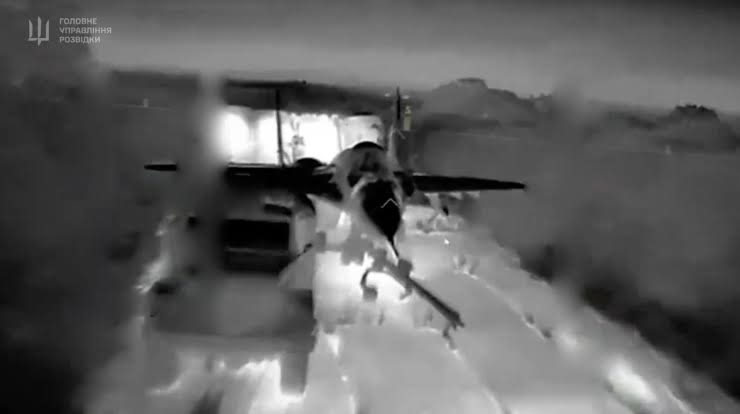
World
Kyiv — Ukraine's Main Directorate of Intelligence (GUR) says its Unmanned Systems Department carried out a drone strike on Belbek Airfield near Sevastopol in occupied Crimea during the night of June 25–26, 2026. According to the agency, the operation destroyed a MiG-29 fighter jet and a ground support vehicle that was servicing the aircraft at the time. The GUR released video footage of the strike and estimated the damage at tens of millions of dollars. The reported losses have not been independently verified, and Russia has not publicly commented on the incident. Aircraft Reportedly Originated From Ukraine's Pre-2014 Fleet While the GUR identified the destroyed aircraft as a Russian MiG-29, information from historical records indicates the fighter was originally part of the Ukrainian Air Force before Russia's annexation of Crimea in 2014. The aircraft was identified as a MiG-29 Izdeliye 9-13 that had served with Ukraine's 204th Tactical Aviation Brigade, which was based in Crimea before the peninsula came under Russian control. According to available information, the fighter was among several aircraft seized by Russian forces after the annexation. The aircraft, along with three L-39 trainer aircraft, was never returned to Ukraine. Reports indicate the MiG-29 had remained grounded for approximately 12 years. At the time it was seized in 2014, the aircraft had reportedly been on Quick Reaction Alert duty and was still armed with two R-27ER1 air-to-air missiles. Some reports have suggested that many of the Ukrainian drone operators involved in today's Unmanned Systems Forces were children when Crimea was annexed in 2014 and therefore may not have known the aircraft had originally belonged to Ukraine's own air force. Belbek Remains a Key Russian Air Base Belbek Airfield is one of Russia's main military aviation bases in Crimea. It is home to the 38th Fighter Aviation Regiment, which primarily operates Su-27SM and Su-27SM3 fighter aircraft. Since late 2023, the base has also hosted MiG-31 interceptor aircraft. Located about 300 kilometers (186 miles) from Ukraine's mainland coast, the airfield has repeatedly been targeted by Ukrainian long-range drone and missile strikes despite Russian efforts to strengthen its defenses through hardened aircraft shelters and camouflage. The MiG-29, known by NATO as the Fulcrum, is a Soviet-designed twin-engine fighter that remains in Russian service for air defense and patrol missions. BREAKING: Due to a strategic mistake, the Ukrainian Unmanned Systems Forces targeted and destroyed the MiG-29s of the Ukrainian Air Force's 204th Tactical Aviation Brigade at Belbek AB, Crimea. These MiG-29s alongside three L-39s had been seized by Russians after take-over of… pic.twitter.com/k617GsEXW4 — Babak Taghvaee - The Crisis Watch (@BabakTaghvaee1) July 4, 2026 Part of a Continuing Campaign Against Military Targets in Crimea The latest strike is part of Ukraine's continuing campaign targeting Russian military infrastructure across occupied Crimea. Previous reported attacks on Belbek include: December 17–18, 2025: Ukraine's Security Service (SBU) said it destroyed a weapons-loaded MiG-31, two Nebo-SVU early-warning radars, a 92N6 radar, and a Pantsir-S2 air defense system. Ukraine estimated the damage at around $300 million, although the figures were not independently verified. December 19–20, 2025: The SBU reported another strike on Belbek that damaged two Su-27 fighters and destroyed one aircraft that was fully armed while positioned on a taxiway before a planned combat sortie. Other Operations Across Crimea Belbek is one of several military sites targeted by Ukrainian forces in Crimea. In December 2025, the GUR reported striking a MiG-29 at Kacha Airfield together with an Irtysh radar complex near Simferopol. However, independent aviation analysts questioned that claim, noting that Kacha has historically operated helicopters and amphibious aircraft rather than MiG-29 fighters. Some analysts suggested the aircraft may have been a decoy placed to attract attacks, although this has not been confirmed. Unlike Kacha, Belbek has long served as an operational fighter base, although the exact extent of damage from the June 2026 strike has not been independently verified. Continued Pressure on Russian Military Infrastructure Ukraine has continued targeting military facilities across Crimea throughout 2026. Satellite imagery released in early July showed damage to six of seven hardened aircraft shelters at Saky Airfield. Ukrainian strikes have also targeted bridges linking Crimea with mainland Russia and fuel infrastructure, contributing to reported fuel supply disruptions on the peninsula. Russian forces have responded by conducting military exercises that simulated a possible Ukrainian amphibious landing in Crimea. However, many military analysts consider a large-scale amphibious assault unlikely because of the significant personnel, equipment, and logistical support such an operation would require. The latest operation at Belbek reflects Ukraine's continuing effort to target aircraft, radar systems, air defense assets, and support infrastructure at Russian military bases in Crimea. Ukrainian officials say these operations are intended to reduce Russia's ability to conduct air operations from the peninsula, while independent verification of specific battlefield damage remains limited. Source: defence-blog / pravda
Read More → Posted on 2026-07-05 11:42:18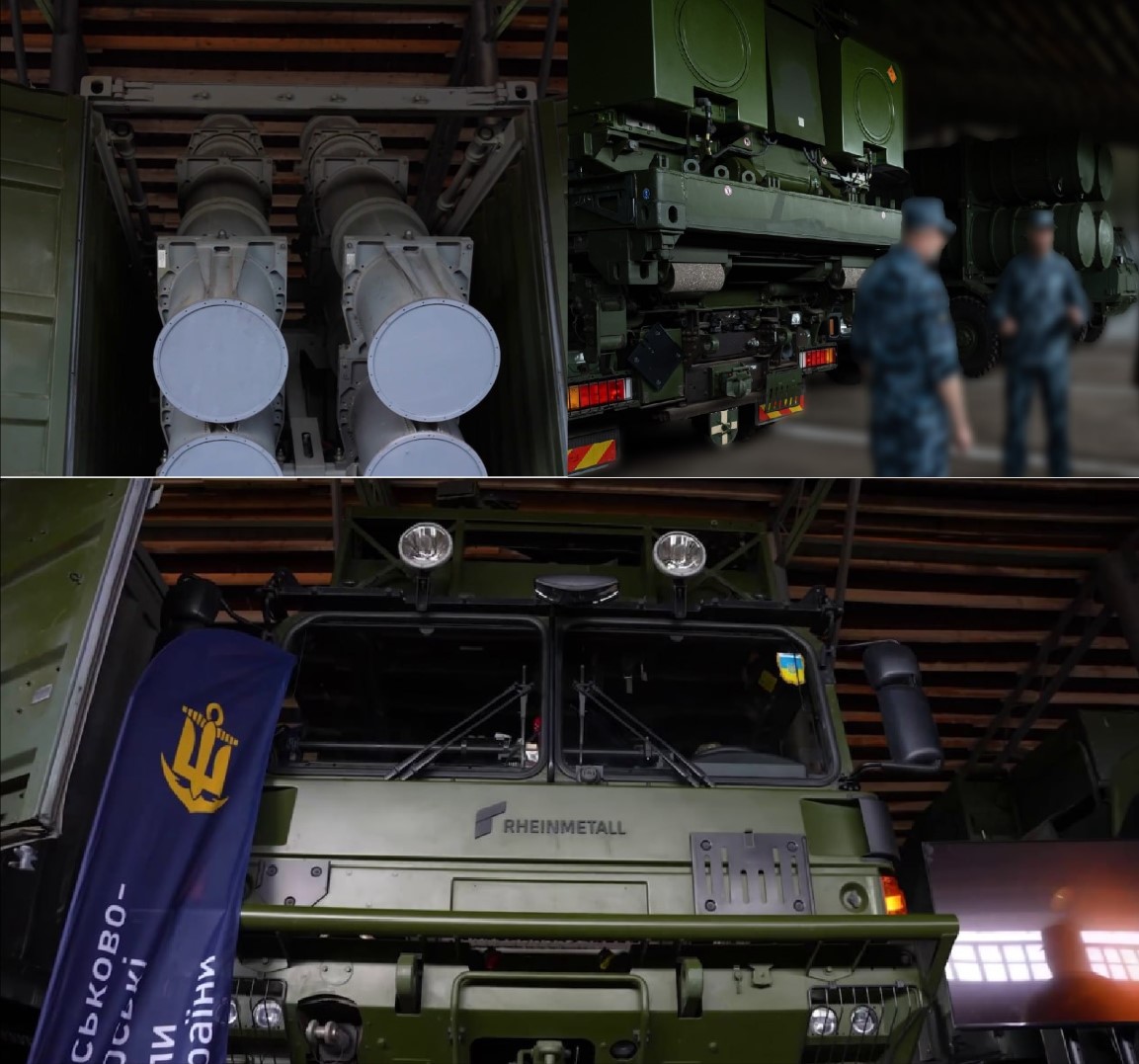
Ukraine Displays Harpoon and NSM Coastal Missile Launchers for First Time During Navy Event in Odesa
World
Odesa, Ukraine — Ukraine has publicly displayed its Harpoon, Naval Strike Missile (NSM), RBS-15, and domestically produced Neptune coastal missile systems during President Volodymyr Zelenskyy's working visit to Odesa Oblast, providing the first official visual confirmation of several Western-supplied launchers in Ukrainian service. The missile systems appeared in official photos and video released following Zelenskyy's coordination meeting with the command of the Ukrainian Navy on July 4. During the meeting, Zelenskyy and senior Navy commanders discussed regional security, protection against Russian missile and drone attacks, maritime threats in the Black Sea, and Ukraine's long-range strike capabilities. Harpoon Coastal Launcher Displayed Publicly Ukraine publicly revealed its land-based Harpoon coastal defense launcher for the first time. The footage shows a containerized launcher configuration with four transport-launch canisters mounted inside a standard shipping container on a truck chassis. The United States and Denmark announced the transfer of Harpoon anti-ship missiles to Ukraine in the spring of 2022, and the system entered operational service later that year. However, the launcher configuration had not previously been shown publicly. The Harpoon, developed by Boeing, continues to receive upgrades. In 2025, Boeing completed testing of the Harpoon Block II Update, designed to extend the missile's service life and improve its operational capabilities. NSM Makes First Official Appearance The official footage also showed the Naval Strike Missile (NSM) coastal defense launcher for the first time. Developed by Norway's Kongsberg Defence & Aerospace, the NSM had been the subject of media reports since 2022, but Ukrainian authorities had not officially confirmed receiving or operating the system before its appearance during the Odesa visit. The launcher shown in the footage is painted solid green and mounted on a truck equipped with a multilift hook-loading system. This differs from the camouflaged Jelcz truck chassis used by the Polish Navy, which operates the only other NSM Coastal Defense System in Europe. Ukrainian officials have not confirmed which country supplied the system. The NSM is a precision-guided subsonic cruise missile with a reported range of 200 to 300 kilometers. It uses an inertial navigation system with GPS updates and an imaging infrared seeker to engage both naval and land targets. RBS-15 and Neptune Also Shown The display also included the RBS-15 coastal anti-ship missile system, marking its first public appearance in Ukrainian service. The launcher identified in the footage is mounted on a Sisu SK242 truck chassis previously used by the Finnish Navy. Earlier this year, the Ukrainian Navy confirmed that the RBS-15 was used during an April 2026 strike against the Russian Syvash offshore drilling platform, marking the missile system's combat debut. Launchers for Ukraine's domestically developed Neptune anti-ship missile were also displayed. The Neptune has a reported range of 280 kilometers and remains part of Ukraine's coastal defense force. Diverse Coastal Defense Arsenal The public display confirms that the Ukrainian Navy is operating a range of coastal anti-ship missile systems, including the Harpoon, NSM, RBS-15, and Neptune. The systems include both Western-supplied and domestically developed weapons used for coastal defense operations in the Black Sea region. Ukrainian authorities did not disclose the number of launchers or missiles in service. However, the official footage provided the first public view of several coastal missile launchers that had not previously been shown by Ukraine. Source: militarnyi
Read More → Posted on 2026-07-05 11:22:55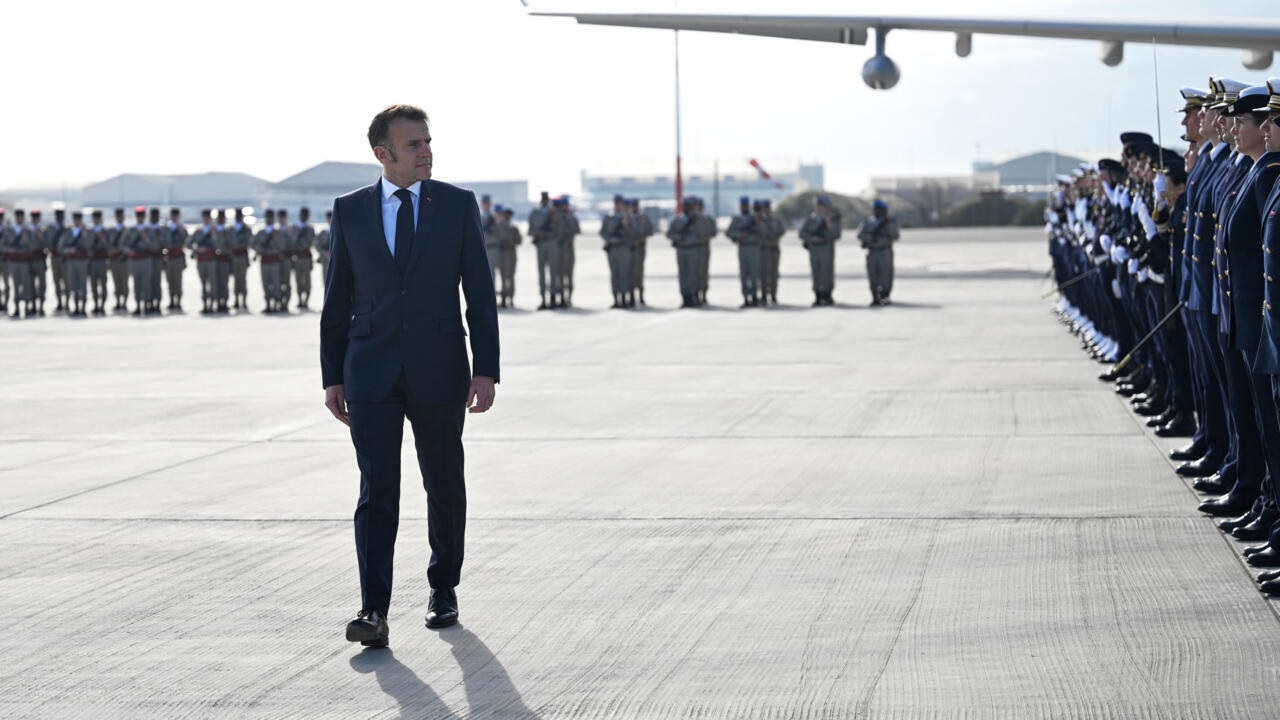
World
Brussels — France has secured approval for €15.1 billion in loans from the European Union's €150 billion Security Action for Europe (SAFE) defense fund, falling €1.1 billion short of the €16.2 billion it requested after several projects involving British participation failed to meet the program's eligibility requirements. The SAFE lending mechanism, adopted by the European Union in 2025 under the ReArm Europe initiative, is designed to strengthen Europe's defense industrial base by providing low-cost, long-term loans for joint defense procurement and capability development. The program aims to help EU member states increase defense production and address capability gaps through cooperative investments. The funding shortfall is linked to eligibility rules that France strongly supported during negotiations over the SAFE program. Under those rules, at least 65% of the value of a funded defense project must originate from the EU single market, Norway, Iceland, or Ukraine. Companies from other countries can contribute up to 35% unless their home country has both a security and defense partnership with the EU and has agreed to make a financial contribution to the SAFE program. At present, Canada is the only non-EU country that satisfies both conditions. The rules significantly affected projects involving the United Kingdom. Although London signed a security and defense partnership agreement with the EU last year, negotiations over a financial contribution to the SAFE program failed. France had initially pushed for the UK to contribute more than €6 billion to participate fully in the scheme. The proposed contribution was later reduced to around €2 billion, but no agreement was reached, leaving the UK outside the program's full eligibility framework. As a result, the European Commission excluded several UK-linked projects from France's approved funding package. Among the affected programs are projects involving MBDA, the European missile manufacturer jointly owned by Airbus, the UK's BAE Systems, and Italy's Leonardo. The company jointly produces the Storm Shadow/SCALP long-range cruise missile through its British and French operations. The missile has been supplied to Ukraine and remains one of Europe's key jointly developed precision-strike weapons. Defense companies including MBDA and Thales had previously argued for greater flexibility in the SAFE rules, noting that many advanced European defense programs rely on integrated supply chains that include British technology and industrial expertise. British officials also proposed that pan-European defense companies be treated as EU entities for the purposes of SAFE eligibility, but the proposal was not adopted. Despite the reduction in approved funding, French officials have maintained support for the procurement criteria. According to officials, the SAFE program was created to strengthen Europe's defense industry by prioritizing European manufacturers and production within the eligible countries. A senior EU diplomat said the outcome demonstrates the challenge of balancing the EU's goal of strengthening its strategic industrial base with the practical realities of multinational defense manufacturing, where many major programs depend on long-established cross-border partnerships. The case highlights the interconnected nature of Europe's defense industry, particularly in projects developed jointly by EU and UK companies following Brexit. It also underscores the policy trade-offs involved in applying strict local-content requirements while maintaining collaboration on major defense programs. France remains one of the largest beneficiaries of the SAFE program despite the €1.1 billion reduction, with its approved €15.1 billion allocation representing a significant share of the defense fund. More broadly, 18 EU member states initially expressed interest in SAFE loans totaling approximately €127 billion, reflecting growing European efforts to expand defense investment, increase industrial capacity, and improve military readiness through joint procurement. Source: Financial Times
Read More → Posted on 2026-07-05 10:53:45
Space & Technology
Hong Kong — Hong Kong has become the primary gateway for semiconductor shipments entering China, with the city handling more than half of the mainland's chip imports during the first five months of 2026 as demand for artificial intelligence (AI) infrastructure continues to reshape regional trade. A review of official trade data by Bloomberg found that Hong Kong accounted for over half of China's $239 billion in semiconductor imports between January and May 2026. The city re-exported about $124 billion worth of chips to mainland China, representing around 52% of the country's total semiconductor imports during the period. A decade ago, Hong Kong handled only about one-third of China's chip imports, highlighting its growing role in the regional technology supply chain. Official figures released in late June also showed that trade between Hong Kong and mainland China increased by nearly 50% in May compared with the same month last year. According to Bloomberg, this marked the fastest annual growth since 1992, excluding the pandemic period. Hong Kong's position is supported by its free-port status, where imports are not subject to tariffs and capital controls are less restrictive than on the mainland. Combined with one of the world's busiest air cargo networks, the city has become an important transit point for semiconductors, which are high-value, lightweight, and time-sensitive products. Gary Ng, Senior Economist at Natixis, said Hong Kong's logistics network allows semiconductor companies to transport chips on frequent and reliable schedules while also providing flexibility to store products before re-exporting them. The city's growing importance reflects a broader expansion in AI-related trade across Asia. Economists at HSBC estimate that AI trade within the region nearly doubled from pre-pandemic levels to almost $2 trillion in 2025, driven by increased investment in semiconductors, data centres, and AI infrastructure. According to Oxford Economics, Hong Kong exported nearly $159 billion worth of AI-related products in 2025, making it the fifth-largest exporter of such goods in Asia and placing it ahead of Japan. Oxford Economics economist Yongshi Mai said Hong Kong's strength lies in facilitating the movement of AI-related products rather than manufacturing them. Research from the Hong Kong Trade Development Council (HKTDC) shows AI-related electronic products accounted for 57% of the city's exports, up from 44% in 2024, while Barclays estimates the share could be as high as 70%. Citing continued demand for AI technologies, the HKTDC more than doubled its 2026 export growth forecast for Hong Kong to over 20%. The increase in technology exports contributed to Hong Kong's economy expanding 5.9% in the first quarter of 2026, its fastest pace in nearly five years. Despite the growth, Hong Kong's position also places it at the center of ongoing U.S.-China technology tensions. During President Donald Trump's first administration, the United States ended Hong Kong's special customs treatment and began treating the city as part of China for trade purposes. Since Trump's return to office, Washington has introduced additional restrictions on China's access to advanced U.S. semiconductor technology. Although trade data does not identify specific chip models, Bloomberg reported that Hong Kong has increased imports of U.S.-made semiconductors sourced through third countries. Authorities in the United States and Taiwan have also increased scrutiny of Asian transshipment routes following investigations into the alleged smuggling of Nvidia chips through the region. Financial services also contribute to Hong Kong's role in semiconductor trade. Stanford University research scholar and former Hong Kong lawmaker Charles Mok said mainland companies often use Hong Kong intermediaries because payments and foreign currency transactions are easier to manage than dealing directly with overseas suppliers. The geopolitical environment has encouraged Hong Kong to expand trade with other regions. Chief Executive John Lee has led trade missions to the Middle East, Central Asia, and Southeast Asia. During his June visit to Kazakhstan and Uzbekistan, Hong Kong signed 96 agreements valued at more than $1.65 billion. Supply chain data indicates that around 40% of the semiconductors passing through Hong Kong originate from mainland China, while approximately 20% come from Taiwan, with Singapore and South Korea also serving as major suppliers. Bloomberg's analysis suggests Hong Kong has now become Taiwan's largest export market for semiconductors. China's semiconductor exports also recorded strong growth, rising 111% year-on-year in May to $36 billion, the fastest increase since 2013. In the same month, Hong Kong imported more than $40 billion worth of Chinese goods, the highest monthly value since 2015. Chinese customs data showed semiconductors accounted for more than one-third of those exports. While mainland ports such as Shanghai, Ningbo, and Shenzhen now handle much of China's direct ocean freight, Hong Kong continues to play an important role in high-value technology trade. Industry experts say the city's legal system, financial services, and established logistics infrastructure continue to make it an attractive location for handling products with significant intellectual property value. University of Hong Kong economics professor Heiwai Tang said Hong Kong continues to offer institutional advantages, including quality assurance, standards verification, and intellectual property protection for technology products. Michael Li Chi Fung, vice chairman of the Nam Pak Hong Association, added that Hong Kong's aviation hub provides advantages for moving electronic products that face stricter air transport controls on the mainland. Hong Kong continues to play an important role as a semiconductor trading and logistics hub in Asia's technology supply chain. Source: bloomberg
Read More → Posted on 2026-07-05 04:44:20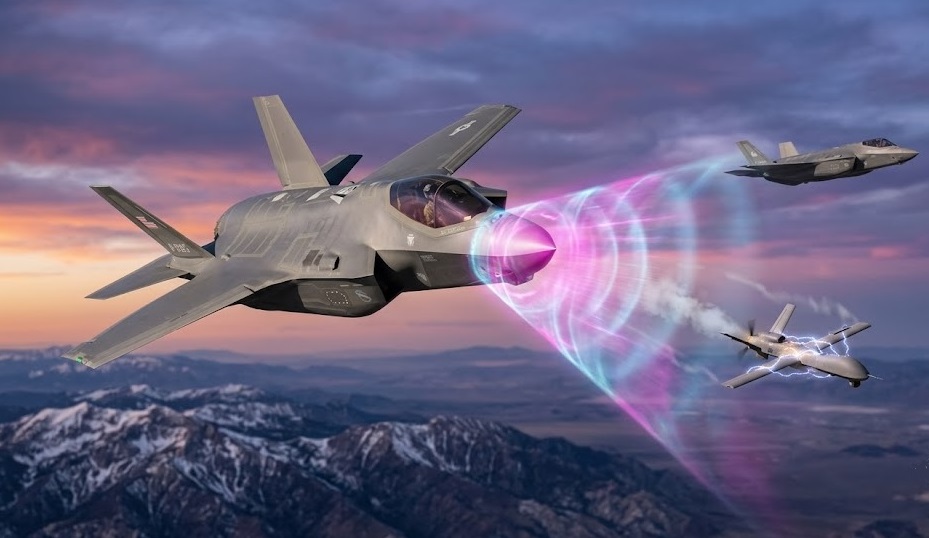
World
WASHINGTON — The U.S. military's F-35 Lightning II is set to receive a major sensor upgrade under the aircraft's Block 4 modernization program, with the introduction of the AN/APG-85 active electronically scanned array (AESA) radar. Developed by Northrop Grumman, the new radar is expected to improve detection range, target tracking, processing power, and electronic warfare capabilities compared with the current AN/APG-81. Recent discussions surrounding the radar have also raised the possibility that it could support high-power microwave (HPM) functions, allowing it to perform more than traditional radar missions. While U.S. officials have not confirmed such a capability, several defense analysts say the system's unusually high power and cooling requirements could indicate the potential for directed-energy applications. Analysts Point to High-Power Microwave Potential The AN/APG-85 uses gallium nitride (GaN) semiconductor technology, which is more efficient than previous radar technologies and allows operation across a wider range of frequencies while generating greater power output. These characteristics improve radar performance but could also support advanced electronic warfare functions. According to analysts, including assessments published by the Australian Strategic Policy Institute (ASPI), the radar may be capable of operating in a high-power microwave (HPM) mode. In such a role, the system could direct concentrated bursts of radio-frequency energy toward enemy systems. Instead of relying on kinetic weapons, high-power microwave energy could be used to jam, disrupt, or potentially damage electronic components in aircraft, air-defense systems, communications equipment, or missile seekers by overwhelming sensitive circuits. Such effects would occur at the speed of light and could provide an additional non-kinetic option during combat operations. Although similar concepts have previously been discussed regarding the existing APG-81 radar, analysts believe the APG-85's increased power output and GaN-based design could significantly expand those capabilities. How GaN-Based AESA Radars Could Support High-Power Microwave Functions The AN/APG-85 is built using gallium nitride (GaN) technology, which offers higher power output, greater efficiency and better heat tolerance than older gallium arsenide (GaAs)-based radar systems. These characteristics allow modern Active Electronically Scanned Array (AESA) radars to generate stronger and more flexible radio-frequency signals. Defense analysts note that a GaN-based AESA radar could, in theory, support high-power microwave (HPM) functions if designed for that role. Rather than simply scanning for targets, thousands of individual transmit/receive modules within the radar can electronically coordinate their output and direct concentrated radio-frequency energy toward a specific target. In such a mode, the radar could perform electronic attack by transmitting powerful microwave energy to interfere with or overwhelm enemy radar, communications equipment, or missile seekers. Some analysts also suggest that, at relatively short distances and with sufficient power, concentrated microwave energy could potentially damage unprotected electronic circuits in drones, missiles or other military systems. However, there has been no official confirmation that the AN/APG-85 includes this capability. Potential Capabilities and Operational Limits Analysts emphasize that even if the APG-85 supports a high-power microwave mode, it would differ significantly from dedicated directed-energy weapons such as high-energy lasers (HELs). High-power microwave systems are designed to disrupt or damage electronic components, rather than physically destroying a target. Unlike lasers, they do not burn through aircraft structures, armor or other materials. Range is another important limitation. While an AESA radar can detect and track targets at long distances, the microwave energy needed to permanently damage electronics is generally effective only over much shorter ranges. At greater distances, the energy is more likely to provide electronic attack effects such as jamming or disrupting sensors rather than causing permanent damage. Power generation and heat management also remain major engineering challenges. Operating a GaN-based AESA radar at very high power levels produces substantial heat, requiring advanced cooling systems to prevent overheating. This is consistent with the significantly higher cooling requirements identified for the AN/APG-85 during recent U.S. Senate hearings, where officials said the radar will require between 62 kW and 80 kW of cooling capacity, compared with approximately 30 kW in the current F-35 configuration. Although analysts believe these requirements could support future high-power microwave functions, the U.S. Department of Defense and the F-35 Joint Program Office have not publicly confirmed that the AN/APG-85 is intended to operate as a directed-energy weapon. Most technical details of the radar remain classified. Power and Cooling Requirements Raise Questions Much of the speculation about the radar's possible directed-energy role comes from its power and thermal management requirements. During recent hearings before the U.S. Senate Armed Services Committee, officials outlined the engineering challenges associated with integrating the APG-85 into the F-35 fleet. The current F-35 cooling system is designed to manage approximately 30 kilowatts (kW) of heat. However, officials said the APG-85 will require between 62 kW and 80 kW of cooling capacity to operate at full capability. Defense analysts note that this represents a substantial increase over existing requirements. They argue that such a large jump appears greater than what would normally be expected for radar sensing alone, leading to suggestions that the additional power could support high-power microwave functions alongside conventional radar operations. Despite these assessments, the U.S. military has not officially confirmed that the APG-85 includes an operational HPM attack mode, and many of the radar's performance details remain classified. Radar Delays Affect F-35 Deliveries The rollout of the AN/APG-85 has also faced development and production delays. During a June 2026 Senate hearing, Marine Corps Lt. Gen. Gregory Masiello, Executive Officer of the F-35 Joint Program Office, confirmed that the U.S. military had accepted at least six F-35B aircraft for the Marine Corps without radar systems installed. Because the APG-85 uses different mounting hardware than the older APG-81, the aircraft cannot simply be fitted with the previous radar as a temporary solution. Instead, the radar compartment is fitted with ballast to maintain the aircraft's balance until the new radar becomes available. Officials also indicated that similar radar-less deliveries are expected for Air Force and Navy variants. These aircraft remain flyable and can receive information through networked data links from other platforms, but they do not have their full onboard sensor capability and are not considered fully mission-capable in that configuration. The first production batch of the AN/APG-85 is currently expected to be delivered in April 2028. Additional Aircraft Upgrades Required Installing the new radar is only one part of the Block 4 modernization effort. To fully support the APG-85's electrical and thermal demands, the F-35 will also require the Engine Core Upgrade (ECU) and an upgraded Power and Thermal Management System (PTMS). These improvements are intended to provide the additional electrical power and cooling needed not only for the radar but also for future avionics, mission computers, sensors, and electronic warfare systems. Current plans place these upgrades in the early 2030s. The F-35's cooling capacity has long been identified as one of the aircraft's technical limitations, making thermal management a key element of the Block 4 program. Part of a Broader Shift in Military Aviation Modern combat aircraft increasingly require greater electrical power to support advanced sensors, electronic warfare equipment, secure communications, and onboard data processing. As a result, power generation and heat management have become major design priorities for next-generation fighter aircraft. The APG-85 is expected to strengthen the F-35's sensor and electronic warfare capabilities as part of this broader trend. U.S. officials have described it as an advanced multifunction radar designed to address current and future air and surface threats. While analysts believe the radar's technical characteristics could support high-power microwave operations, there has been no official confirmation that the AN/APG-85 will function as a directed-energy weapon. Its full capabilities are expected to become clearer as the Block 4 modernization program progresses and supporting aircraft modifications are introduced over the coming years. Source: militarywatchmagazine / scmp
Read More → Posted on 2026-07-05 04:23:32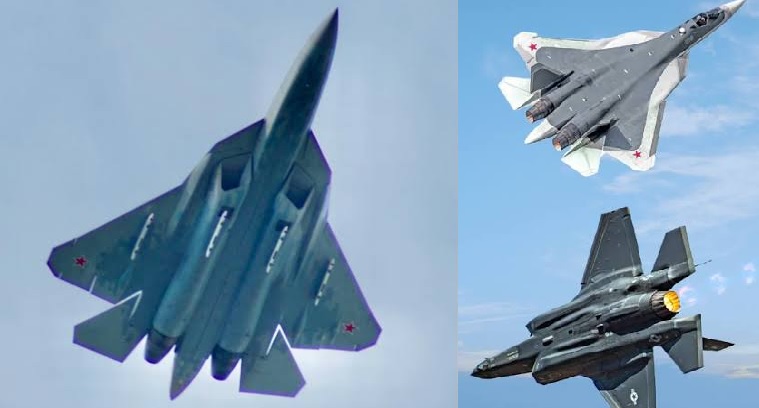
World
Moscow — Newly released footage from July 3 shows a Russian Aerospace Forces Su-57 fifth-generation fighter operating with an expanded air-to-air missile load, carrying four externally mounted R-77 series beyond-visual-range (BVR) missiles. The configuration indicates a shift toward homeland air defence missions, where increased firepower is prioritised over maintaining the aircraft's full stealth characteristics. The Su-57 is designed to carry weapons inside its internal weapons bays to preserve its low radar signature. It is estimated to accommodate up to six R-77M air-to-air missiles internally. With four additional R-77 missiles mounted externally, the aircraft's total BVR missile load reaches ten. Using external weapon stations increases the aircraft's missile capacity but also reduces its stealth advantage by increasing its radar signature. Military analysts say this configuration is more suitable for operations over Russian-controlled territory, where the aircraft is less likely to face long-range air-to-air threats and can focus on defending Russian airspace. The aircraft is considered well suited for intercepting cruise missiles and one-way attack drones because of its advanced sensor suite and long endurance. The Su-57 is equipped with the N036 Belka radar system, which includes five distributed Active Electronically Scanned Array (AESA) radars, along with an infrared search-and-track (IRST) system. These systems allow the fighter to detect and track low-observable aerial targets while remaining on patrol for extended periods. The footage does not clearly identify which version of the R-77 missile is being carried externally. Russia currently operates both the newer R-77M and the older R-77-1 variants. The R-77M was developed specifically for the Su-57 and features cropped control fins that allow it to fit inside the aircraft's internal weapons bays. It has a reported engagement range of up to 200 kilometres, supported by a dual-pulse solid rocket motor and aerodynamic improvements. The missile also incorporates an AESA radar seeker with an active phased-array antenna, improving resistance to electronic jamming. The older R-77-1 has a shorter reported range of about 110 kilometres and is generally carried externally on the Su-57 because its larger fin design is not compatible with the internal weapons bay. Although it offers lower performance than the R-77M, it is believed to be less expensive to produce, making it a practical option for external carriage during missions where stealth is not the primary requirement. The Su-57 has gradually expanded its operational role since entering combat-related service. According to a January 2023 assessment by the British Ministry of Defence, the aircraft had been launching long-range stand-off missiles into Ukraine since at least June 2022. Reports have also indicated that Su-57 fighters, together with MiG-31 interceptors, have employed the R-37M long-range air-to-air missile against Ukrainian aircraft while remaining inside Russian airspace. The latest configuration comes as Russia continues to strengthen its homeland air defence against long-range strike threats, including cruise missiles and drones targeting military facilities deep inside the country. Over the past three years, the Russian Aerospace Forces have increased the number of production-standard Su-57 fighters in service and continued to develop new operational concepts for the aircraft. The latest sighting suggests that, alongside its traditional stealth role, the Su-57 is also being employed as a heavily armed air defence platform capable of carrying a significantly larger beyond-visual-range missile load when mission requirements allow. Source: militarywatchmagazine
Read More → Posted on 2026-07-04 16:01:22
World
ANKARA — Turkish defense company Roketsan has successfully tested its Tayfun Block-3 ballistic missile against a moving unmanned surface vessel (USV) in the Black Sea, marking a significant milestone in Türkiye's missile development program. According to Türkiye's Presidency of Defense Industries (SSB) and Roketsan, the live-fire test demonstrated the missile's ability to detect, track and destroy a freely maneuvering maritime target using an integrated seeker head. Defense officials said the achievement represents the first successful engagement of a moving sea target by a Turkish ballistic missile. The test involved a seven-meter unmanned surface vessel designed to simulate a small, fast-moving fishing boat. Equipped with a live warhead, the Tayfun Block-3 locked onto the target during the terminal phase of flight and struck it directly after reaching hypersonic speed, destroying the vessel. The SSB said the trial marked the first time a Turkish ballistic missile had engaged and destroyed a freely maneuvering target at sea. It also confirmed the first successful integration of a seeker head into a Turkish ballistic missile, allowing it to track and engage moving maritime targets rather than relying only on pre-programmed land coordinates. Defense officials noted that only a limited number of countries have demonstrated similar ballistic missile seeker technology capable of engaging moving ships at sea. SSB President Haluk Görgün said the Block-3 version of the domestically developed Tayfun missile had expanded Türkiye's long-range precision strike capability. "The Block-3 version of the domestically developed Tayfun missile once again proved its success in the field by hitting a moving target with pinpoint accuracy. The Tayfun missile will make important contributions to our security architecture as one of the strategic capabilities strengthening our country's deterrence," Görgün said. Roketsan Chief Executive Murat İkinci said the successful test highlighted the company's progress in missile guidance technology. "Our Tayfun Block-3 missile, which hit a moving target at long range with a direct hit, once again showed the level our engineering capabilities have reached with seeker head integration. I thank all my colleagues who contributed to this critical success, which is a first in our country and has only a handful of examples in the world," İkinci said. In a statement posted on X, Roketsan said the Tayfun Block-3 combines hypersonic terminal speed with high strike precision and that the company will continue improving the capabilities of its missile systems to strengthen Türkiye's strategic deterrence. The Tayfun missile system is designed for long-range precision strikes against strategic targets. According to Roketsan, the system features a short launch preparation time, allowing rapid deployment and relocation of launch units to improve survivability on the battlefield. The company also said the missile has strong resistance to electronic warfare, including GPS jamming, and is capable of operating day and night in all weather conditions due to its low environmental sensitivity. Because the Tayfun Block-3 maintains hypersonic speed during the final phase of its flight while using an advanced seeker to track moving targets, it presents a more challenging target for conventional naval air defense systems. The successful Black Sea trial represents another step in Türkiye's effort to expand its indigenous missile capabilities and enhance the operational performance of the Tayfun missile family. Officials said the test validates both the missile's seeker integration and its ability to engage moving maritime targets under realistic operational conditions. Source: turkiyetoday
Read More → Posted on 2026-07-04 15:50:24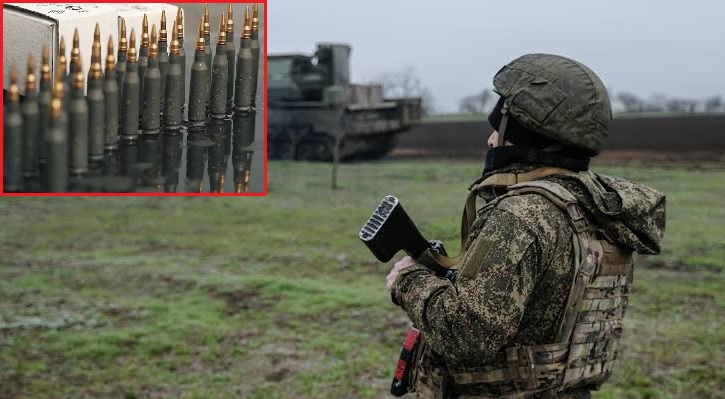
World
Moscow — Russia's state-owned defense conglomerate Rostec has announced that its subsidiary, High Precision Systems (Vysokotochnie Kompleksy), has started delivering a new anti-drone cartridge known as Mnogotochie to frontline military units. The announcement was made on July 3, with the company confirming that the first experimental batches are already being used by troops while full-scale serial production is now underway. The new ammunition is designed to improve the ability of infantry soldiers to engage small, fast-moving unmanned aerial vehicles (UAVs), including first-person view (FPV) drones, using standard-issue rifles already in service. According to Rostec, the project was developed to provide troops with an anti-drone capability without requiring dedicated interceptor weapons or changes to existing firearms. Mnogotochie is produced in two standard Russian military calibers. The SC 226 cartridge is chambered in 5.45×39mm for standard assault rifles, while the SC 228 version uses 7.62×54mm ammunition for machine guns and sniper rifles. Both cartridges are compatible with existing AK-pattern weapons and other standard platforms without modifications. They also function with rifles fitted with muzzle brakes and suppressors. The defining feature of the cartridge is its three-element projectile. Made from a special bronze-like alloy, the stacked elements separate evenly after leaving the barrel while continuing to spin due to the rifle's rifling. This provides greater aerodynamic stability than conventional shotgun buckshot, allowing the projectiles to spread in a controlled pattern while maintaining accuracy. According to Rostec, the multi-element design increases the probability of hitting an FPV drone by approximately 2.5 times compared with a conventional single-projectile rifle cartridge. The company states that the 5.45mm SC 226 is effective at distances between 100 and 150 meters, while the 7.62mm SC 228 can engage targets at ranges of up to 300 meters. To evaluate its effectiveness, the manufacturer carried out penetration tests intended to simulate the structure of commercial drones. Rostec said the 5.45mm cartridge penetrated a 25-millimeter pine board backed by a 0.8-millimeter steel plate at 50 meters, while the 7.62mm version achieved the same result at 100 meters. Bekhan Ozdoev, Industrial Director of the Rostec Armaments Cluster, said the ammunition received positive feedback following combat use and that production has now entered the serial manufacturing stage. One of the project's main objectives was to simplify production and military logistics. The cartridges use standard cartridge cases and conventional propellant, allowing them to be manufactured on existing ammunition production lines without significant retooling. This enables large-scale production while remaining compatible with weapons already issued to Russian forces. Rostec also said the ammunition was designed with urban operations in mind. Because each projectile separates into three lighter elements, they lose energy more quickly than a standard rifle bullet after traveling long distances. According to the company, the elements lose most of their damaging capability beyond 500 meters, reducing the potential risk to people and infrastructure when engaging drones over populated areas. By comparison, a conventional 7.62mm rifle round can retain dangerous kinetic energy for two to three kilometers. The introduction of Mnogotochie reflects the growing focus on countering small drones that have become a common feature of modern battlefields. Rather than relying solely on specialized air defense systems, militaries are increasingly developing ammunition that allows individual soldiers to engage low-flying UAVs with their standard service rifles. Russia is not the only country pursuing this approach. The U.S. Army has also developed and tested comparable multi-projectile anti-drone ammunition for 5.56mm and 7.62×51mm NATO rifles. In April 2026, soldiers from the XVIII Airborne Corps trained with the ammunition using unmodified M4 carbines, highlighting a similar effort to improve infantry protection against small drones without introducing new weapon systems. With serial production now underway, the Mnogotochie cartridge is expected to provide Russian frontline units with an additional option for countering low-flying UAVs while continuing to use their existing rifles and ammunition infrastructure. Source: sputniknews
Read More → Posted on 2026-07-04 14:35:50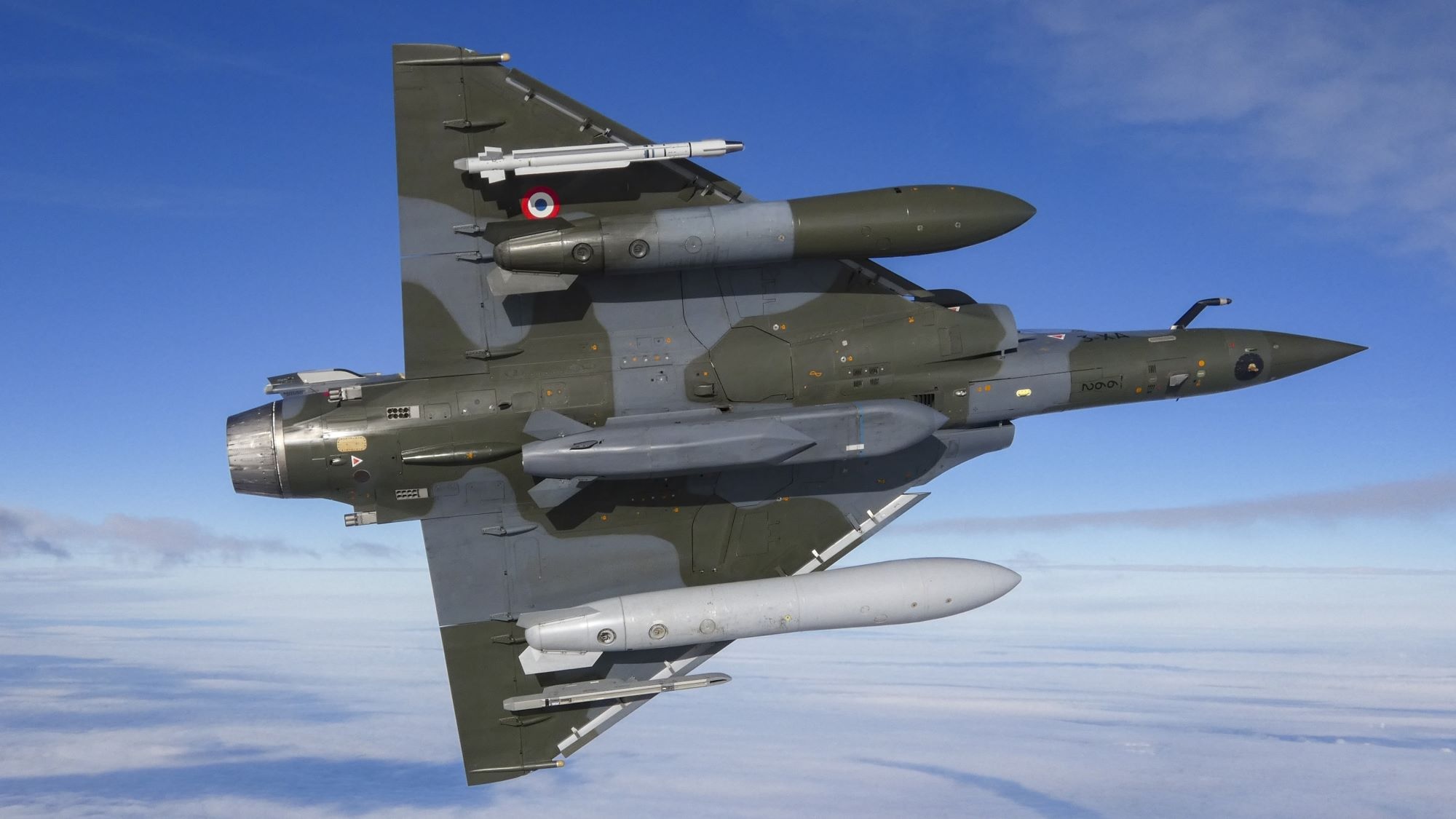
World
Paris — France has completed the mid-life modernization of its Mirage 2000D fighter-bomber fleet after the Directorate General of Armaments (DGA) delivered the 50th and final upgraded aircraft to the French Air and Space Force on June 16. The delivery marks the completion of the RMV (Rénovation Mi-Vie) program, which was launched in 2015 to extend the operational life of the strike aircraft until at least the mid-2030s. The RMV program upgraded 50 operational Mirage 2000D aircraft, while two additional aircraft were modernized as test platforms for the DGA Flight Test Centre. The program was designed to ensure the Mirage 2000D remains an effective strike platform as France continues expanding its Rafale fighter fleet. Dassault Aviation developed the upgrade kits and carried out the modernization of the first two prototype aircraft. The remaining aircraft were upgraded by the French Air Force's Industrial Aeronautics Service (SIAé) at the Clermont-Ferrand Aeronautical Industrial Workshop (AIA). The modernization work was coordinated with scheduled maintenance periods to reduce aircraft downtime and maintain fleet availability. The Mirage 2000D entered French service in the 1990s as a dedicated ground-attack aircraft and has supported operations in Afghanistan, Libya, the Sahel, and the Middle East. The RMV upgrade introduces several improvements to enhance its performance in modern operational environments. One of the main changes is a new digital cockpit equipped with multifunction displays, providing pilots with improved situational awareness and easier access to mission information. The aircraft's onboard electronics have also been upgraded to an open-architecture system, increasing computing power, improving data processing, and allowing better integration with command and control networks. Older equipment that had become difficult to maintain has also been replaced. The aircraft's self-defense capability has been strengthened through the replacement of the legacy MAGIC II air-to-air missiles with the newer MICA IR infrared-guided missiles. For ground attack missions, the upgraded Mirage 2000D can carry the CC422 gun pod fitted with a 30 mm DEFA 550 F3 cannon, providing additional capability for close air support and operations against lightly protected targets. The modernization also expands the aircraft's precision-strike options with the integration of GBU-48 and GBU-50 guided bombs, while retaining compatibility with the SCALP cruise missile. These additions provide greater flexibility across a wider range of strike missions. For targeting and reconnaissance, the upgraded aircraft now operates with the TALIOS targeting pod, replacing the older DAMOCLES system, and can also carry the ASTAC electronic reconnaissance pod for intelligence collection. Improvements have also been made to communications, mission planning, and data exchange systems. Following completion of the RMV program, all 50 upgraded Mirage 2000D aircraft are being based at Air Base 133 Nancy-Ochey. Consolidating the fleet at a single operating base is intended to simplify maintenance and operational management while supporting France's strike capabilities during the continued transition to the Rafale. In addition to upgrading the aircraft, the RMV program included modernization of simulators and mission planning tools used for pilot training and operational preparation. Although the RMV modernization program has now been completed, the French Air and Space Force is studying additional software and hardware improvements to address emerging threats, including drone swarms and loitering munitions. Future upgrades under consideration include the integration of low-cost precision weapons and artificial intelligence-assisted systems to maintain the Mirage 2000D's operational effectiveness through the remainder of its planned service life. With the completion of the RMV program, France has modernized its entire operational Mirage 2000D fleet, ensuring the aircraft will continue to provide strike and support capabilities alongside the growing Rafale fleet for years to come. Source: zona-militar
Read More → Posted on 2026-07-04 14:03:02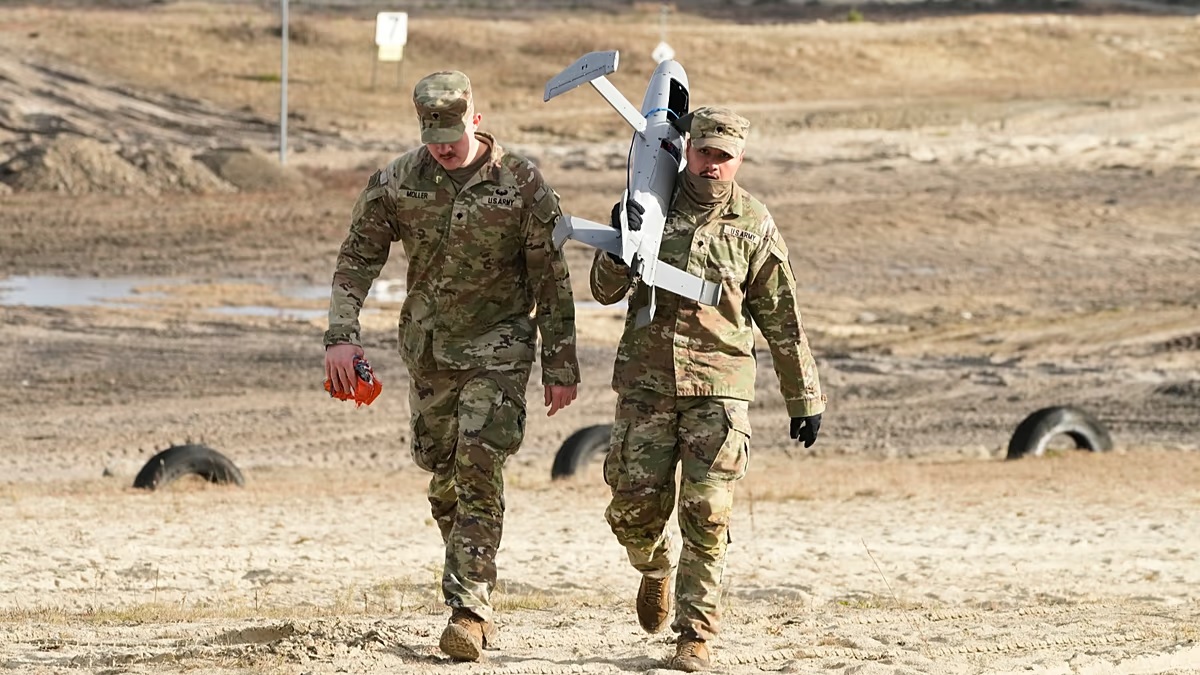
World
Ramstein Air Base, Germany — NATO is stepping up efforts to develop more affordable and effective ways to defend its airspace against the growing threat of uncrewed aerial systems (UAS). The issue was a key focus at the second AIRCOM Industry Day, held at Ramstein Air Base in Germany on June 30 and July 1, where military officials met with representatives from around 35 defence companies to discuss new counter-drone technologies. The discussions reflected NATO's growing concern over the increasing use of low-cost drones in modern warfare and the need to counter them without relying on expensive air defence measures. The event aimed to strengthen cooperation between the military and the defence industry to accelerate the development of practical and affordable counter-UAS capabilities. Recent incidents have highlighted the challenge. A drone crashed into a house in Romania, another entered Lithuanian airspace, and suspected drone activity temporarily disrupted operations at Munich Airport. These incidents have increased the alliance's focus on improving its counter-UAS capabilities. When a drone enters NATO airspace, the alliance activates Operation Eastern Sentry, which can involve scrambling fighter aircraft to identify, monitor and, if necessary, intercept the threat. While the response is operationally effective, it is also expensive. Many attack drones can be produced for less than €100,000, whereas a typical interception mission involving two fighter jets can cost more than €85,000 before any missiles are launched. Opening the event, Lieutenant General Guillaume Thomas, Deputy Commander of NATO's Allied Air Command (AIRCOM), said the large-scale use of drones in Russia's war against Ukraine has created new collective challenges for the alliance. He said NATO must stay ahead in three key areas: cost, by developing interceptors that are cheaper than the targets they destroy; production, by expanding manufacturing capacity to match large-scale drone deployments; and innovation, by speeding up the development and acquisition of new technologies. A major theme throughout the event was learning from Ukraine's battlefield experience. Dr. Ulrike Franke, Senior Policy Fellow at the European Council on Foreign Relations, said drones have fundamentally changed modern warfare by bringing mass to the battlefield. She said NATO must focus on affordable, large-scale solutions instead of relying on expensive systems to defeat low-cost drones. Franke also described close cooperation with Ukraine as a requirement for improving NATO's counter-drone capabilities. Providing frontline experience, Senior Lieutenant Oleksandr Vorobiov, deputy chief of air defence for Ukraine's 3rd Army Corps, identified radar detection as one of the biggest operational challenges. He said most radar systems currently used in Ukraine were designed to detect aircraft or monitor weather rather than identify small drones. As a result, small unmanned aircraft can disappear from radar screens for several seconds, making fully autonomous interceptor drones unreliable and requiring operators to take manual control during those periods. Vorobiov said improving reliable radar detection remains one of the most important requirements for future counter-drone systems. Although only defence companies from NATO member countries participated in the exhibition, Ukraine's combat experience remained a central reference throughout the event. Around 35 companies showcased technologies ranging from advanced radar systems and interceptor drones to artificial intelligence software and specialised counter-drone missiles. Among the exhibitors were MBDA, Hensoldt, Alta Ares, and Aselsan. MBDA presented a cost-effective counter-drone missile designed to defend against mass attacks by Shahed- and Geran-type drones. The missile is being integrated into Rheinmetall's Skyranger 30 air defence system, with the first systems planned for Germany's brigade in Lithuania. Deliveries are expected between 2027 and 2028. The Skyranger 30 uses a layered defence approach. Each vehicle carries nine interceptor missiles, allowing a six-vehicle battery to field 54 ready-to-fire interceptors. Smaller Class 1 drones, including quadcopters, are engaged using the system's 30 mm cannon, while the interceptor missile is designed to defeat larger threats such as Shahed-type drones. French company Alta Ares demonstrated AI-powered intelligence software together with two interceptor systems. One version is designed for short- and medium-range engagements with a range of up to 15 kilometres, while the second can engage targets at distances of up to 40 kilometres. Company representatives said their founders worked closely with Ukrainian military units during the early stages of the war to better understand operational requirements and develop AI-based solutions for drone operations. Alta Ares recently signed a memorandum of understanding with German drone manufacturer Quantum Systems to further develop these capabilities. Turkish defence company Aselsan highlighted reliability and the use of artificial intelligence as key lessons from the war in Ukraine. Company representatives said modern drone attacks leave only a few seconds for operators to react, making AI-assisted systems important for shortening decision-making time and improving response speed. Lieutenant Colonel Steffen Bott, project manager for the event, said the purpose of AIRCOM Industry Day is to connect military operational requirements with rapidly evolving technologies. He noted that while NATO and the military do not directly establish contracts with defence companies during the event, the military identifies operational needs and shares them with industry. He added that counter-UAS technologies are evolving much faster than traditional defence procurement processes, making closer cooperation between armed forces, start-ups and established defence companies increasingly important. The discussions at Ramstein Air Base reflected NATO's broader effort to work more closely with industry to develop affordable, reliable and effective counter-drone technologies. Military officials said faster cooperation between frontline operators and defence companies will be essential as drone threats continue to evolve and become more widespread. Source: euronews
Read More → Posted on 2026-07-04 13:42:45
World
DOURDAN, France — Thales has introduced a new generation Search & Landing Light (SLL) for helicopters, designed to improve visibility and crew coordination during military, security, civil aviation, and search-and-rescue (SAR) operations. The new onboard illumination system uses a high-power LED optical unit and provides continuous 360-degree swiveling coverage while maintaining a compact, flush-mounted design that minimizes aerodynamic drag. According to Thales, the design allows helicopter crews to maintain full illumination around the aircraft without creating blind spots. The SLL features a software-defined, connected architecture that allows operators to configure the system for different mission requirements. It is designed to integrate with existing onboard avionics, including Forward-Looking Infrared (FLIR) sensors, multifunction displays, and helmet-mounted displays, helping improve situational awareness during complex operations. The lighting system can be controlled by the pilot, co-pilot, or hoist operator, depending on the phase of the mission. This flexible control arrangement allows different crew members to manage the lighting as operational needs change. For search-and-rescue (SAR) missions, particularly at night or in difficult terrain such as mountains, forests, or snow-covered areas, the SLL's 360-degree coverage allows crews to continuously illuminate survivors, rescue personnel, and landing zones without repeatedly repositioning the helicopter. This can help crews maintain visual contact throughout the rescue operation. During hoist operations, including maritime recovery and medical evacuation missions, the system provides stable and focused lighting over the rescue area. The hoist operator can independently adjust the light in real time to follow the movement of personnel or equipment, supporting operations in degraded visual conditions. For military night operations, including infiltration, exfiltration, and special operations, the SLL includes a dedicated covert mode. This operating mode is designed to reduce the helicopter's visual and infrared signature while still providing sufficient illumination for the crew to carry out the mission. Thales said the system has been developed to support a broad range of helicopter platforms used by military, security, emergency response, and civil aviation operators. Its software-based architecture also allows operators to tailor system functions to specific mission profiles without requiring major hardware changes. The company manages the complete development and production process for the SLL at its facility in Dourdan, France, including the design of the high-power LED optical unit, system integration, assembly, and final testing. "Helicopter crews operate in some of the most demanding environments, often making critical decisions in seconds and under extremely challenging conditions. Our new Search & Landing Light was developed with those operators in mind, giving them greater flexibility, enhanced mission effectiveness and the ability to adapt to a wide range of operational scenarios from a single system. It illustrates our commitment to delivering solutions that evolve with our customers' missions." said Nicolas Bonleux, Vice President of Aerospace Communications at Thales. According to Thales, the new Search & Landing Light (SLL) combines compact installation, full 360-degree illumination, integration with modern cockpit systems, and multiple operating modes in a single system intended to support demanding helicopter missions across military, emergency response, security, and civil aviation sectors. Source: thalesgroup
Read More → Posted on 2026-07-04 12:46:55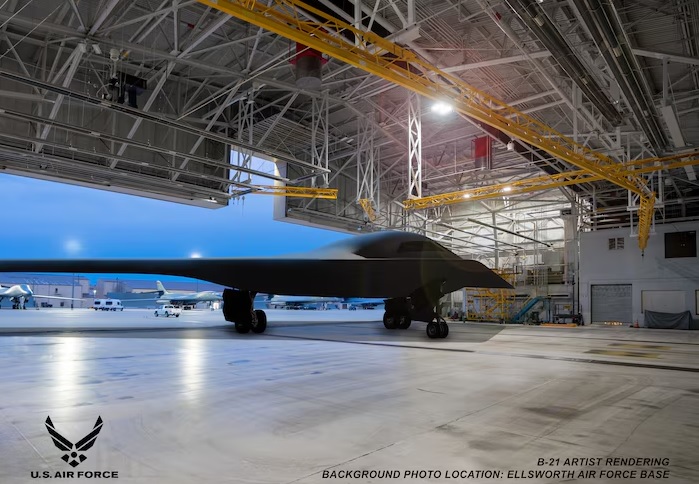
World
ELLSWORTH AIR FORCE BASE, S.D. — The U.S. Air Force has taken another step toward introducing the B-21 Raider into operational service after formally accepting the first two facilities built specifically for the next-generation stealth bomber at Ellsworth Air Force Base during a visit by Secretary of the Air Force Troy Meink on June 30 and July 1, 2026. During the visit, Meink reviewed the 28th Bomb Wing's ongoing B-1B Lancer operations and inspected progress on the base's transition to the B-21 Raider. Ellsworth has been selected as the Air Force's first main operating base and formal training unit for the new bomber and is undergoing an infrastructure modernization program valued at approximately $2 billion while continuing to support active B-1B missions. A key milestone during the visit was the official acceptance of the first completed B-21 support facilities: the $161 million Low Observable Restoration Facility and the $81 million Wash Rack and General Maintenance Hangar. These are the first completed projects in the larger construction effort designed to support future B-21 operations. "Taking ownership of these facilities is a step toward fielding advanced capabilities at scale," Meink said. "The infrastructure completed today is truly innovative, allowing us to preserve the technological edge and deliver the long-range deterrence our nation depends on." The Low Observable Restoration Facility has been designed to maintain the B-21 Raider's stealth characteristics. The climate-controlled building allows maintenance personnel to inspect, clean and repair the aircraft's radar-absorbent materials in a controlled indoor environment, helping reduce maintenance downtime while preserving its low-observable capabilities. The adjacent Wash Rack and General Maintenance Hangar will support routine inspections, aircraft washing, servicing and general maintenance required to keep the bomber ready for operations. Following the formal handover, teams from the 28th Bomb Wing began fitting out both facilities by installing secure information technology systems, communications equipment, furnishings and mission support equipment needed before the arrival of the first production B-21 aircraft. While preparing for the new bomber, Ellsworth continues to operate its fleet of B-1B Lancer aircraft. During the visit, Meink received updates on current B-1B operations and the challenges of maintaining today's long-range strike missions while building the infrastructure for the Air Force's future bomber force. Col. Jonathan Keller, commander of the 28th Bomb Wing, said the base is managing both missions simultaneously. "The base is actively flying the B-1 globally while simultaneously building the infrastructure for the next generation of airpower," Keller said. "Accepting the keys to our first B-21 facilities is exciting for our Airmen, our civil engineer teams and the community partners who support our long-range strike mission." Continuing B-1B operations during the transition is part of the Air Force's effort to avoid any gap in long-range strike capability as the B-21's infrastructure, training and sustainment systems are established. Developed by Northrop Grumman under the Long Range Strike Bomber program, the B-21 Raider is the Air Force's next-generation strategic stealth bomber. The engineering and manufacturing development contract, valued at $21.4 billion, was awarded in October 2015. The program uses digital engineering and advanced manufacturing techniques intended to reduce development risks and simplify future software and hardware upgrades. The Air Force plans to acquire at least 100 B-21 Raiders, which will gradually replace the B-1B Lancer and B-2 Spirit fleets while operating alongside the modernized B-52J Stratofortress. The aircraft is designed to penetrate heavily defended airspace and features open mission systems architecture, secure network connectivity and the ability to integrate with other military platforms, including fifth-generation fighters, collaborative combat aircraft and space-based systems. According to recent program updates, the first B-21 aircraft is expected to arrive at Ellsworth in 2027, with one of the test aircraft currently flying at Edwards Air Force Base planned to relocate there to support testing and early operational activities. Ellsworth is the first installation in the Air Force's phased B-21 basing plan. After South Dakota, future main operating bases are planned at Whiteman Air Force Base, Missouri, and Dyess Air Force Base, Texas. The completion of the first dedicated B-21 facilities marks an important stage in preparing Ellsworth for the aircraft's arrival while ensuring the Air Force can continue current B-1B operations during the transition to its next-generation strategic bomber fleet. Source: af.mil
Read More → Posted on 2026-07-04 12:39:25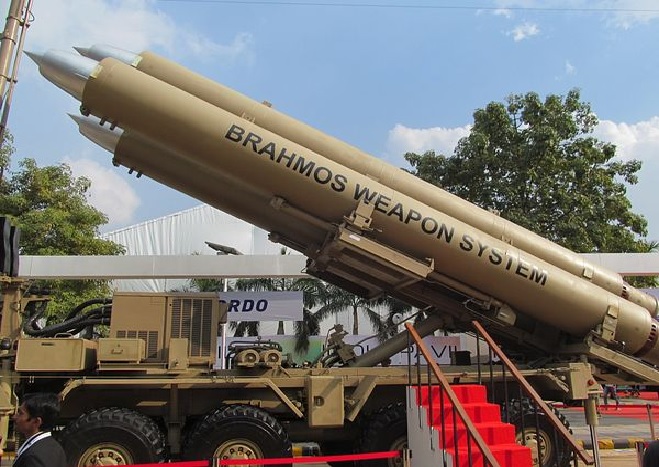
World
NEW DELHI — Indonesia has approached India to procure a second battery of the BrahMos supersonic cruise missile system, expanding on the agreement reached earlier this year for the purchase of one battery. Jakarta has also requested a favourable line of credit from New Delhi to support the proposed acquisition. According to reports, the potential defence deal is estimated to be worth around $300 million (approximately ₹2,500 crore) and is expected to be one of the key issues discussed during Prime Minister Narendra Modi's visit to Indonesia from July 6 to 8. The visit will be Modi's first bilateral trip to Indonesia since the two countries upgraded their relationship to a Comprehensive Strategic Partnership in 2018. After holding talks with Indonesian President Prabowo Subianto in Jakarta, the Prime Minister will continue his three-nation tour with visits to Australia and New Zealand, concluding on July 11. During a media briefing in New Delhi, Rudrendra Tandon, Secretary (East) in India's Ministry of External Affairs (MEA), said defence cooperation remains an important part of bilateral relations but declined to comment on the status of the proposed missile deal. "Defence cooperation is an important part of the relationship with Indonesia. But I don't think we need to get into the details of this at this juncture, particularly because we have not departed from here and all these are at preparatory stages," Tandon said. Indonesia confirmed its first BrahMos missile agreement with India in March 2026 as part of its military modernisation programme aimed at strengthening maritime defence. The initial contract covered one missile battery, including launchers, radars and missiles, with estimates placing its value between $200 million and $350 million, depending on the final configuration. The agreement made Indonesia the second export customer for the BrahMos missile after the Philippines. The BrahMos missile is jointly developed by India's Defence Research and Development Organisation (DRDO) and Russia's NPO Mashinostroyeniya under a partnership established in 1998. The export version has a range of about 290 kilometres and travels at Mach 3, making it the world's only operational supersonic cruise missile available for export. It is designed for coastal defence, anti-ship missions and ground attack operations, and can be launched from land, sea, air and submarine platforms. In May 2026, Defence Secretary Rajesh Kumar Singh said the BrahMos agreement with Indonesia was in its final stages, while India had already signed a separate BrahMos export deal with Vietnam. These developments reflect increasing interest among Southeast Asian countries in strengthening their defence capabilities through the Indian missile system. Apart from defence, economic cooperation is expected to feature prominently during Prime Minister Modi's visit. Government sources said both countries are likely to sign several Memorandums of Understanding (MoUs) covering healthcare, pharmaceuticals, education, space cooperation, critical minerals and natural resources. One of India's main priorities is securing long-term access to critical minerals by establishing joint ventures with Indonesian companies to develop nickel processing facilities. Indonesia holds some of the world's largest nickel reserves, making it an important supplier for stainless steel production and electric vehicle (EV) battery manufacturing. India currently imports more than 80% of its ferronickel requirements from Indonesia and relies entirely on imports for EV battery-grade materials. Securing additional supplies has become increasingly important as India expands its clean energy and electric mobility sectors. At present, Chinese companies control around 75% of Indonesia's nickel refining capacity, making diversification of supply chains a strategic priority for New Delhi. According to the International Energy Agency's Global Minerals Outlook 2024, global nickel demand is expected to increase from around 3 million metric tonnes in 2023 to 5–6 million metric tonnes by 2040, driven by growing demand for electric vehicles and clean energy technologies. Indonesia is projected to account for 44% of global refined nickel production by 2040, further strengthening its importance in global supply chains. India and Indonesia currently have bilateral trade worth around $23 billion, and both governments are working to expand trade and investment through stronger economic cooperation and discussions on a preferential trade agreement. Officials are also expected to discuss maritime security and broader strategic cooperation in the Indo-Pacific region during the upcoming meetings. The proposed acquisition of a second BrahMos missile battery, along with planned agreements on critical minerals and technology cooperation, reflects the continued expansion of India-Indonesia strategic and economic ties. Source: theprint
Read More → Posted on 2026-07-04 12:12:42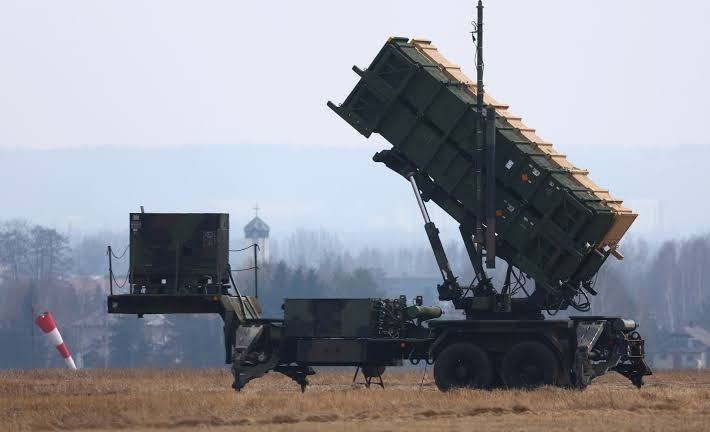
World
KYIV — Ukraine has begun the process of purchasing about 100 U.S.-made Patriot interceptor missiles through a European Union-backed loan worth around $1 billion, the Ministry of Defence said on July 2, as Kyiv works to replenish stocks used against continuing Russian missile attacks. The purchase will be financed through an EU loan mechanism and forms part of Ukraine's effort to secure a longer-term supply of Patriot interceptors instead of relying only on emergency transfers from partner countries. Officials said maintaining stocks of anti-ballistic missiles has become increasingly difficult after repeated large-scale Russian strikes. The issue became more pressing following the overnight attack on July 1-2, when Russian forces launched nearly 500 strike drones and 77 missiles, including 25 ballistic or hypersonic missiles, at targets across Ukraine. Ukrainian air defence units intercepted more than 90% of the cruise missiles and Shahed-type drones, the ministry said, but added that shortages of Patriot interceptors continue to limit the country's ability to engage ballistic missiles. Ukraine is also seeking immediate deliveries while the new procurement moves forward. Defence Minister Mykhailo Fedorov has sent official letters to nearly 40 partner nations requesting transfers of Patriot missiles from their active inventories this month. Under the proposal, countries providing missiles now would later receive replacements through future deliveries already contracted by Kyiv. "The protection of Ukrainian skies depends on fast decisions," the ministry said, urging partners to use existing international procurement and financing mechanisms, including the Prioritized Ukraine Requirements List (PURL) and JUMPSTART, to speed up deliveries. The planned purchase adds to agreements signed earlier this year. In April, Ukraine concluded what the ministry described as a record contract for hundreds of PAC-2 Patriot missiles with German support. Deliveries under that agreement are scheduled over the coming years. Ukraine has also started receiving Patriot missiles directly from European partner stockpiles for the first time this year, rather than depending only on U.S. deliveries. The ministry said operational changes based on NATO's "After Action Review" standard have more than doubled the effectiveness of Patriot batteries against highly manoeuvrable Russian Iskander ballistic missiles, though it did not provide further operational details. President Volodymyr Zelenskyy has said Ukraine is seeking licences to manufacture Patriot systems domestically or through joint ventures with European defence companies. Discussions with the United States on local production have continued, while Ukrainian officials are also seeking decisions on air-defence financing, additional system allocations and production arrangements ahead of the upcoming NATO summit. No delivery timeline for the new batch of roughly 100 Patriot interceptors has been announced. Source: businessinsider.
Read More → Posted on 2026-07-04 11:43:19Search
Top Trending in 24 Hours
-
 Boeing Wins $20 Billion U.S. Navy Contract for F/A-XX Sixth-Generation Fighter
-
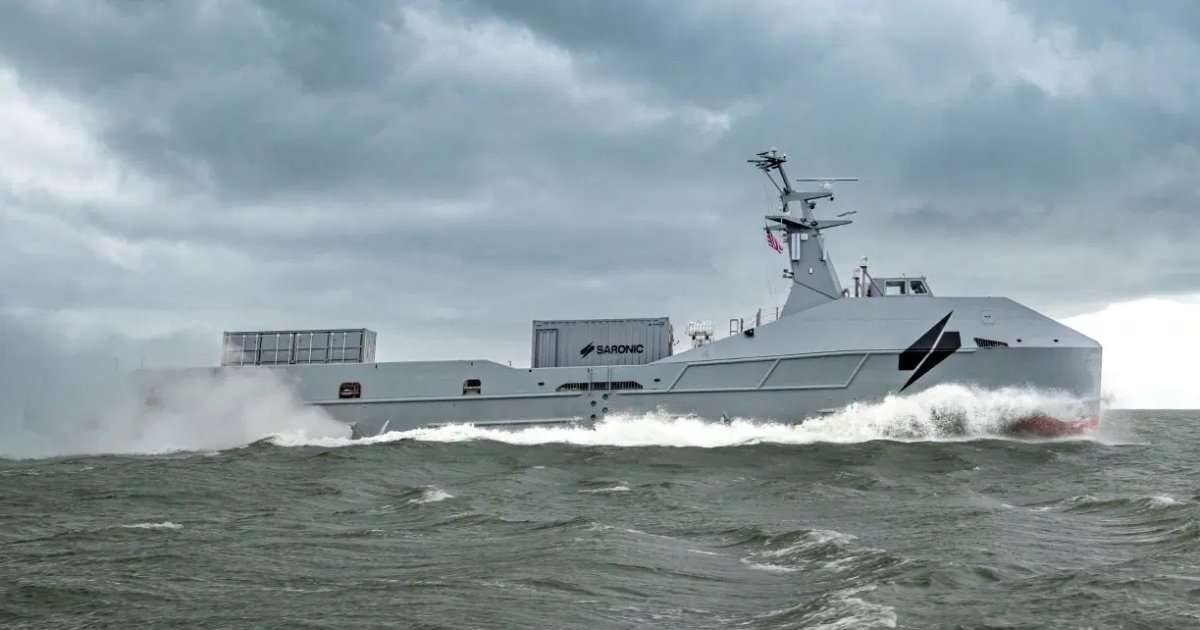 U.S. Navy Awards Production Agreements for 30 Medium Unmanned Surface Vessels, Including 10 Saronic Marauders
-
 NASA Adds Blue Origin’s Upgraded New Glenn 9×4 to Launch Services Contract
-
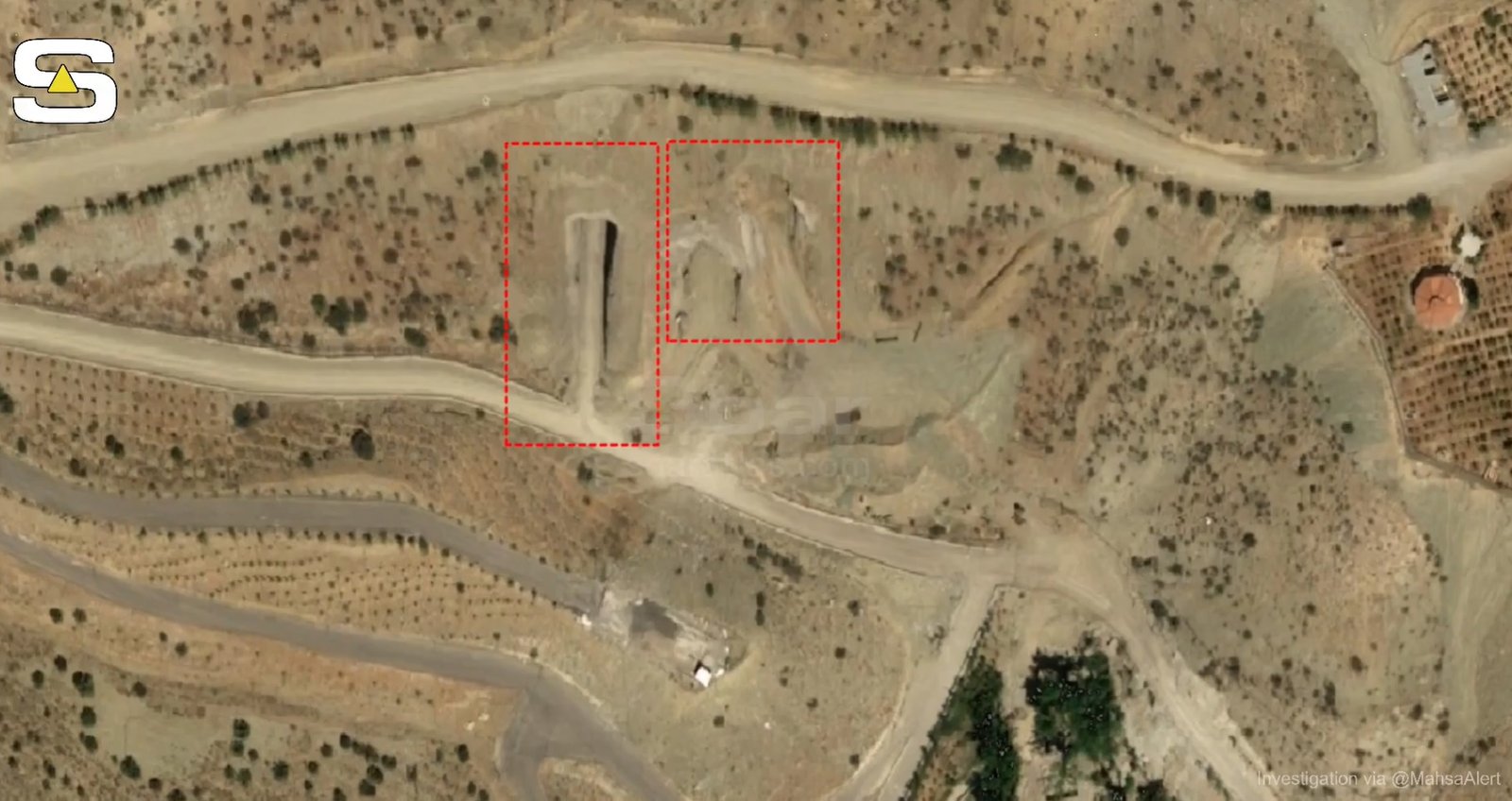 Satellite Imagery Shows Construction Changes at Hillside Site Linked to Iran’s Supreme National Security Council
-
 Flydubai Flight to Israel Diverted to Saudi Arabia After Possible Attempted Terror Attack in Cockpit
-
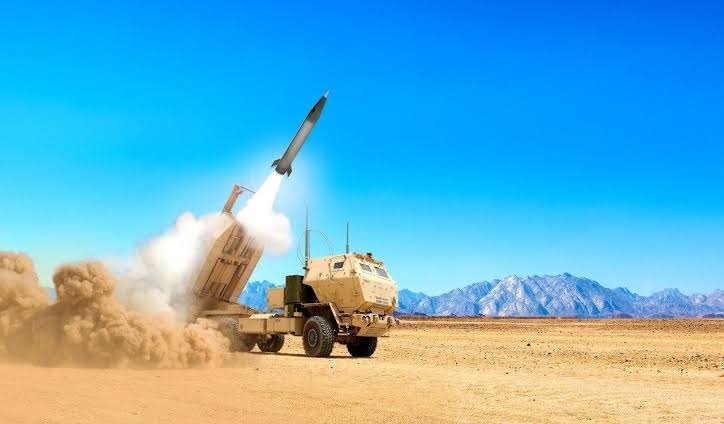 U.S. Army Selects Five Companies to Develop 1,000-Km Precision Strike Missile Prototypes
-
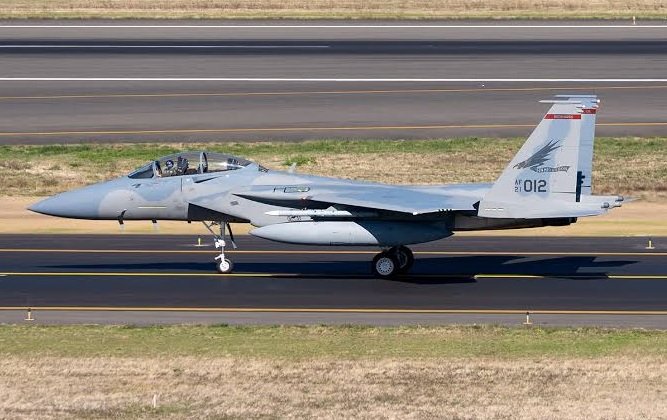 U.S. Air Force Awards Boeing $2.38 Billion Contract for 22 F-15EX Fighter Jets
-
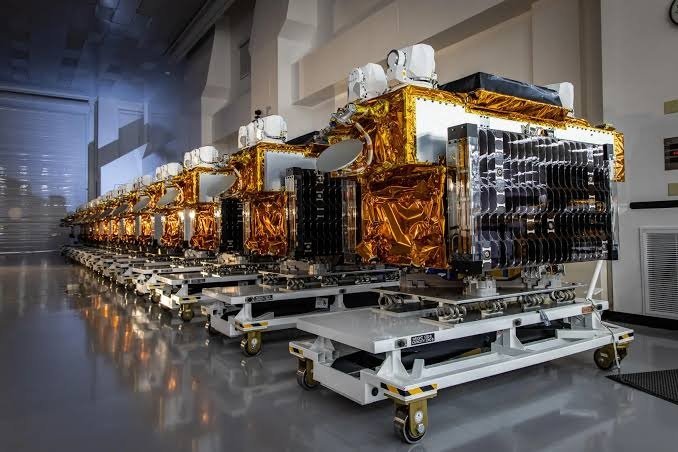 Northrop Grumman Delivers First 21 Satellites for Pentagon’s Next-Generation Military Network
Top Trending in 4 Days
-
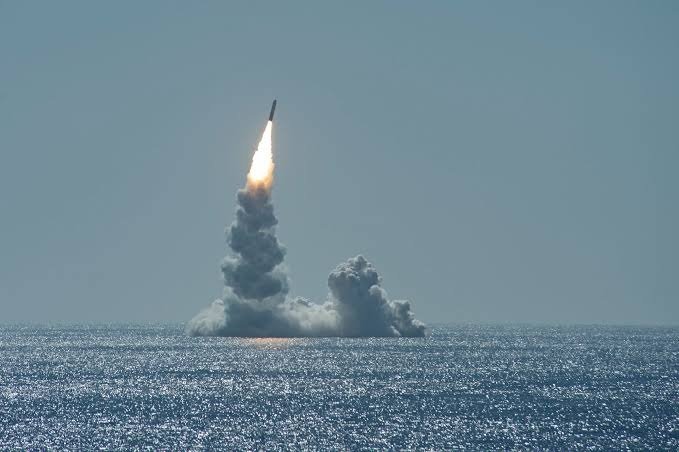 UK Offers Nuclear Deterrence for Its Northern European Defence Partners
-
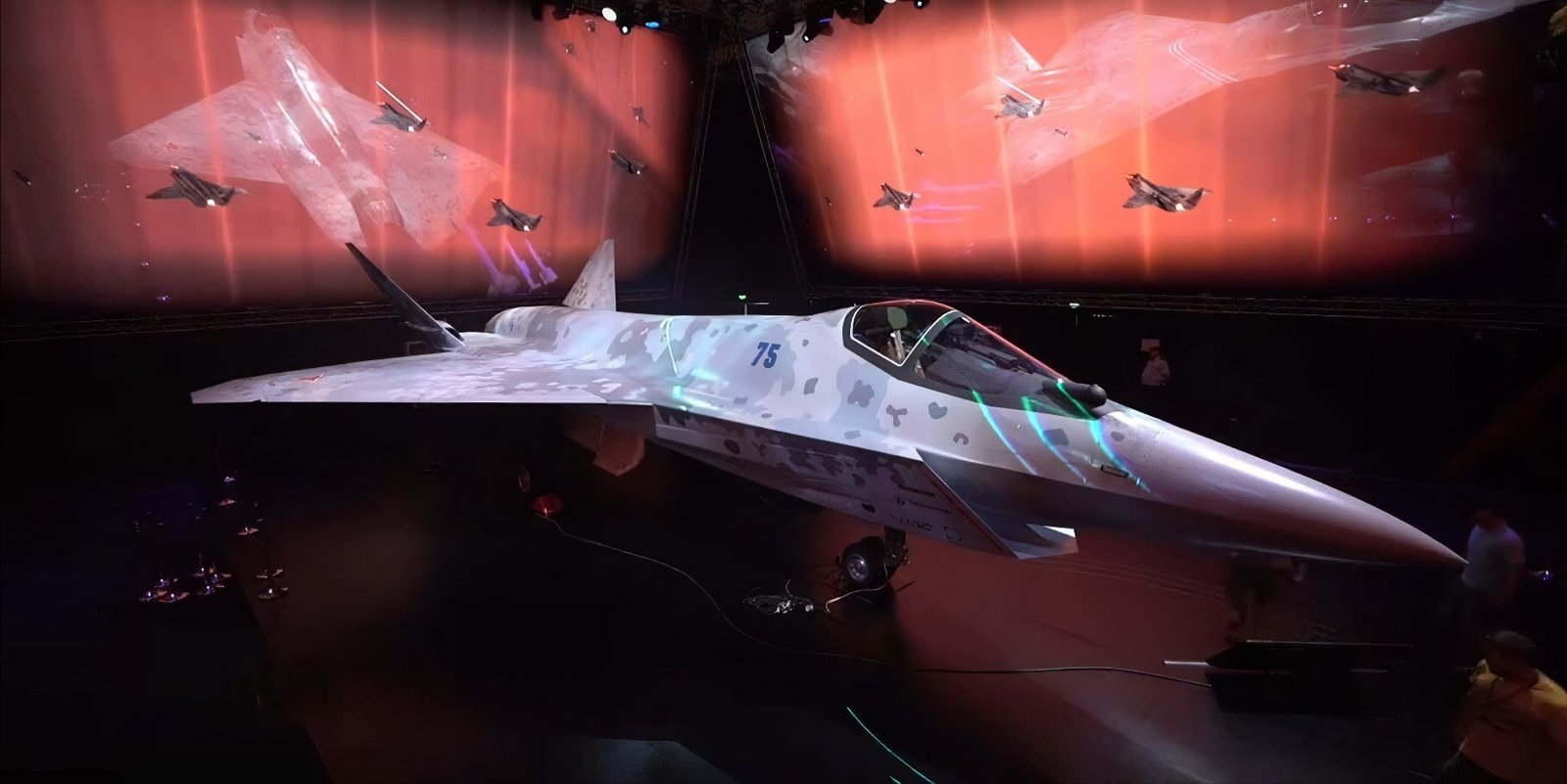 Russia Says Su-75 Checkmate Could Cost Just $25–30 Million, Flight-Hour Costs 6 Times Lower Than F-35
-
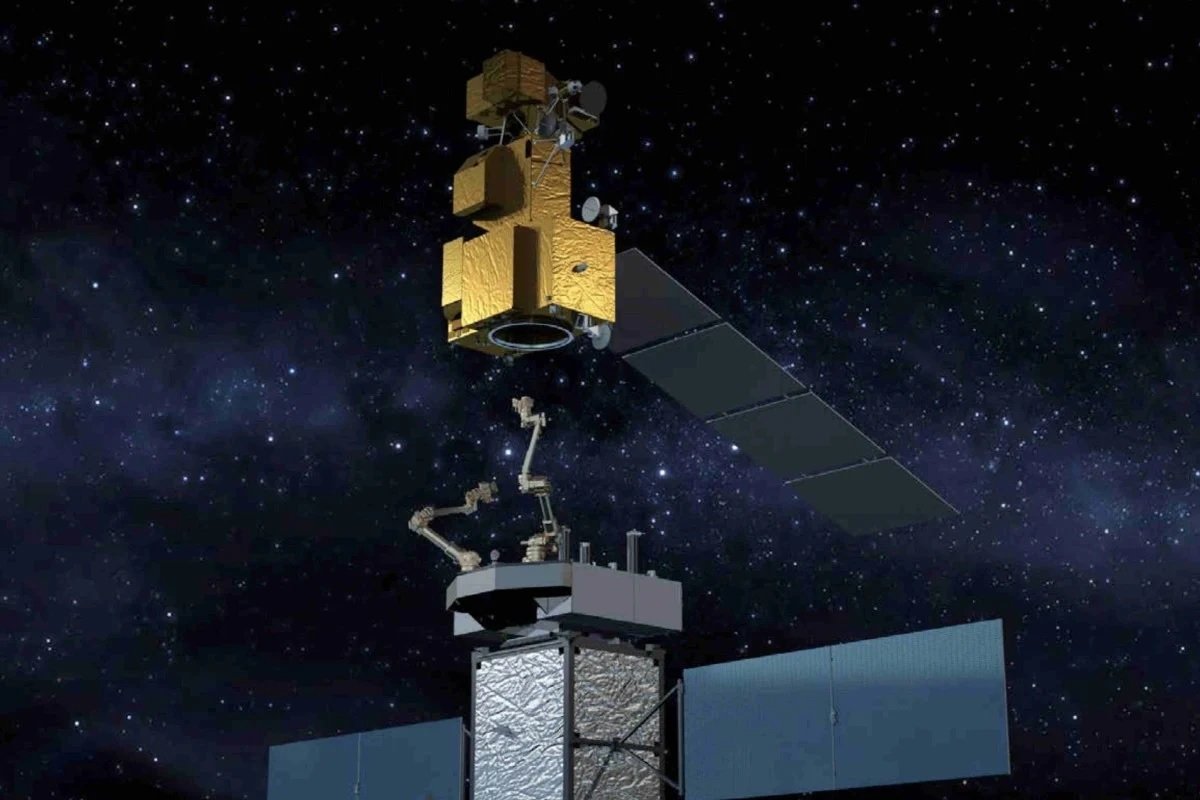 China Reports First High-Orbit Refueling of BeiDou Satellite, but Tracking Data Raise Questions
-
 Eight U.S. Marines Injured in Iranian Missile Strike on U.S Vessel in Strait of Hormuz
-
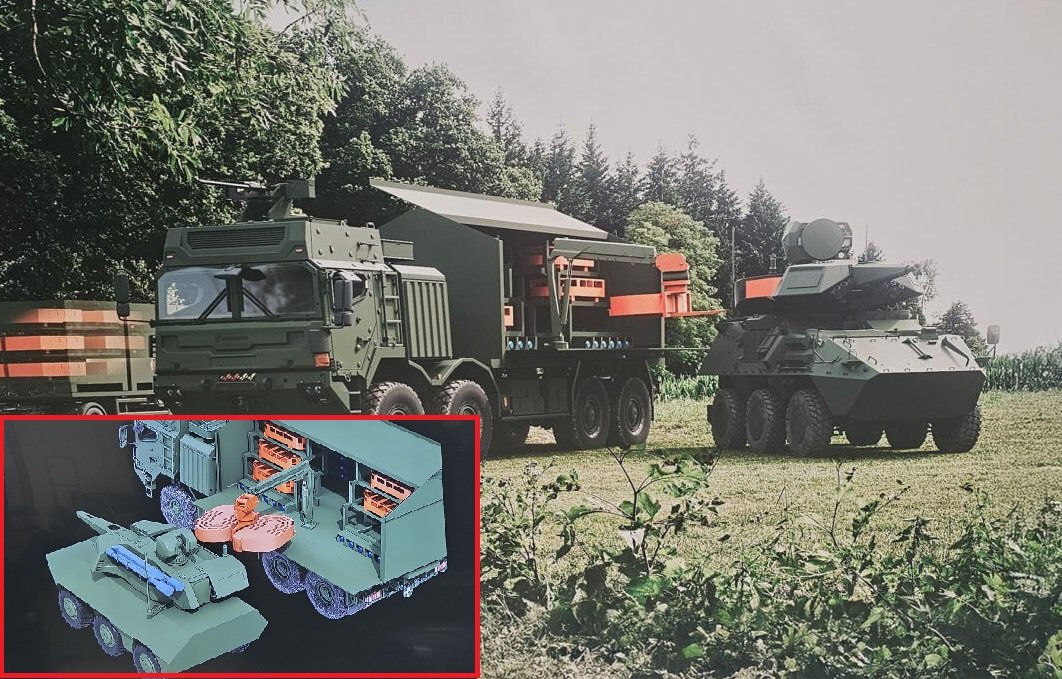 Rheinmetall Develops Automated Reloader for Austrian Skyranger Air Defense System
-
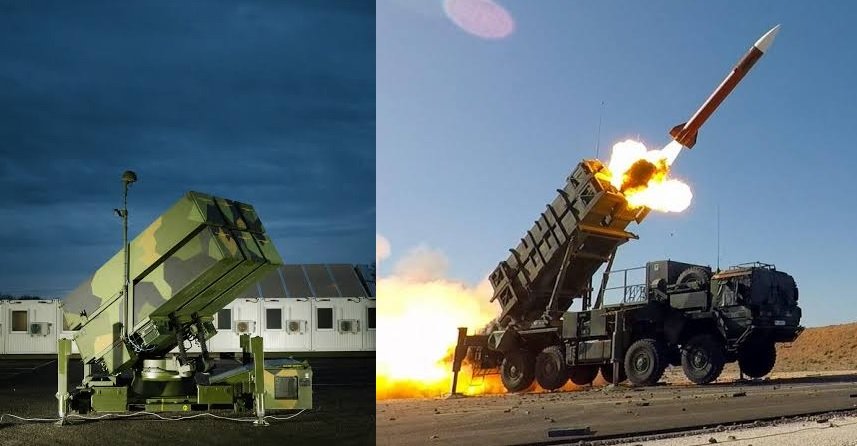 Ukraine Receives New NASAMS Air Defense System and Interceptor Missiles From U.S. and Norway
-
 HII Expands Massachusetts Unmanned Systems Facility by 25 Percent to Support U.S. Navy Lionfish Production
-
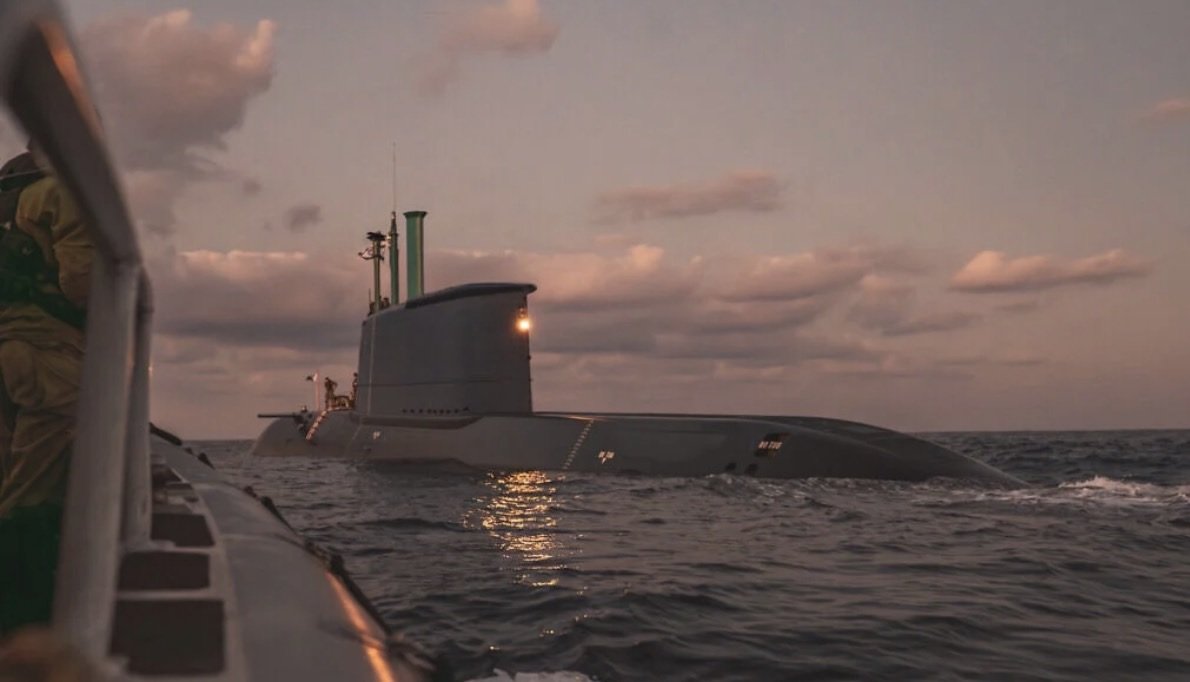 Israel’s Largest Submarine, INS Drakon, Arrives in Haifa After 23-Day Voyage From Germany
