World
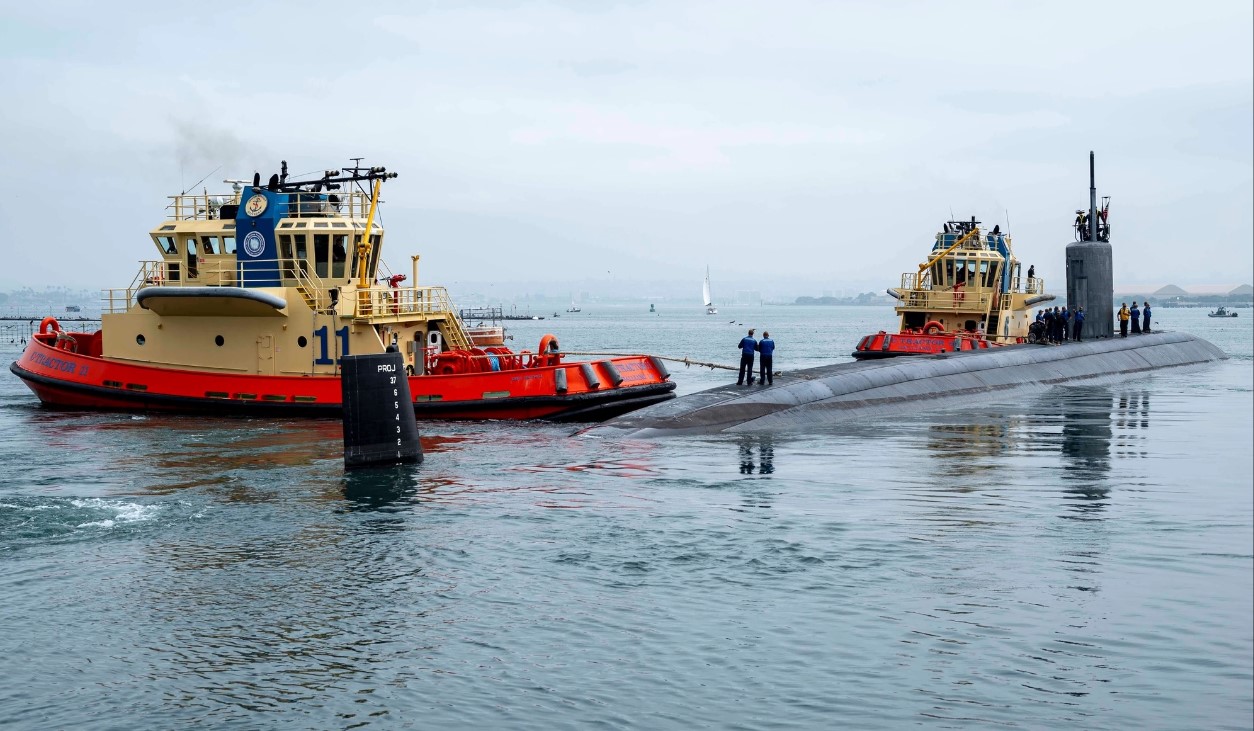
SAN DIEGO, July 1, 2026 — The United States Navy has held an inactivation ceremony for the USS Alexandria (SSN-757), marking the end of 35 years of service for the Improved Los Angeles-class fast-attack submarine. The ceremony took place on June 29 at Naval Base Point Loma in San Diego, exactly 35 years after the submarine was commissioned on June 29, 1991. The submarine is scheduled to be formally decommissioned on August 4, 2026, before beginning a multi-year dismantlement and nuclear recycling process at the Puget Sound Naval Shipyard and Intermediate Maintenance Facility in Washington. Navy Honors 35 Years of Service The ceremony brought together current and former crew members, including original "plankowners" from the 1991 commissioning crew. Attendees included Rear Adm. Todd Weeks, Director of In-Service Submarines and Industrial Base and a former commanding officer of Alexandria; Capt. Phillip Sylvia Jr., Commander of Submarine Squadron 11; and Cmdr. Donald Coomes, the submarine's 14th and final commanding officer. Eight former commanding officers and several former Chiefs of the Boat also attended, including retired Capt. Paul Normand, the submarine's first commanding officer, and retired Master Chief Machinist's Mate Douglas Muller, its first Chief of the Boat. Navy officials recognized the submarine's operational readiness and the service of its crews throughout its career. Global Operational History Named after Alexandria, Virginia, and Alexandria, Louisiana, the submarine served under the motto "Twice as Strong." During its career, USS Alexandria traveled more than one million nautical miles, completed 14 overseas deployments, and operated across four geographic combatant command areas. Its first major deployment came in 1993 in support of Operation Sharp Guard, the NATO maritime enforcement mission in the Adriatic Sea during the conflicts in the former Yugoslavia. The submarine later supported Operations Enduring Freedom and Iraqi Freedom, conducting intelligence collection, surveillance, and Tomahawk strike missions in the U.S. Fifth Fleet area. USS Alexandria also conducted extensive Arctic operations through Ice Exercises (ICEX), testing under-ice navigation, acoustic performance, and surfacing procedures in polar conditions. In 2004, it became the first Improved Los Angeles-class submarine to complete a global circumnavigation, sailing through the Arctic, Pacific, U.S. Central Command, and European operating areas. The deployment also included the first visit by a U.S. nuclear-powered submarine to Goa, India. Indo-Pacific Operations In 2015, USS Alexandria shifted its homeport from Naval Submarine Base New London, Connecticut, to Naval Base Point Loma, San Diego, supporting the Navy's growing operational focus on the Indo-Pacific. Operating under Submarine Squadron 11, the submarine participated in exercises with the Republic of Korea Navy, the Japan Maritime Self-Defense Force, and the USS Carl Vinson Carrier Strike Group. Its final seven-month deployment in the Western Pacific concluded on May 15, 2025, followed by local operations off Southern California until early 2026. Submarine Design USS Alexandria was the 46th Los Angeles-class nuclear-powered attack submarine built for the U.S. Navy and one of the 23 Improved Los Angeles (688i) subclass boats. The improved design featured quieter machinery, retractable bow planes, and reinforced structures for under-ice operations. The submarine measured 110.3 meters in length, displaced approximately 6,930 tonnes while submerged, and was powered by a General Electric S6G nuclear reactor driving two steam turbines. It could achieve submerged speeds of more than 25 knots. Decommissioning and Recycling Following its decommissioning, USS Alexandria will move to the Puget Sound Naval Shipyard and Intermediate Maintenance Facility for dismantlement under the Navy's Ship-Submarine Recycling Program. Before reactor defueling begins, personnel will remove operational systems, including Mk 48 ADCAP heavyweight torpedoes, Tomahawk and Harpoon missile systems, mine warfare equipment, classified mission systems, cryptographic equipment, and sonar processors. The submarine's S6G pressurized-water reactor will then be defueled, propulsion systems deactivated, and the reactor compartment separated from the pressure hull in accordance with Naval Reactors procedures. Because nuclear-powered submarines require specialized dismantlement, the process involves radiological controls, dry-dock facilities, regulatory oversight, and skilled shipyard personnel over several years. Fleet Modernization The retirement of USS Alexandria leaves 23 Los Angeles-class submarines in active U.S. Navy service and supports the Navy's ongoing fleet modernization effort. As the Los Angeles-class fleet is gradually retired, it is being replaced by Virginia-class attack submarines equipped with improved stealth, advanced sensors, enhanced strike capabilities, and greater operational flexibility for future undersea missions.
Read More → Posted on 2026-07-01 13:12:37
World
ZAGREB, Croatia, July 1, 2026 — German defense company Rheinmetall has completed the acquisition of a 51 percent majority stake in Croatian unmanned ground vehicle (UGV) developer DOK-ING, finalizing a transaction that was originally signed in March 2026 after receiving all required regulatory approvals. The acquisition establishes a new joint venture operating under the name Rheinmetall Unmanned Vehicles d.o.o., strengthening Rheinmetall's position in the rapidly expanding market for autonomous land systems. Under the terms of the agreement, DOK-ING founder Vjekoslav Majetić retains a 49 percent ownership stake in the company, while Rheinmetall holds the majority share. The companies have not disclosed the financial value of the transaction. Following confirmation that the acquisition had been completed, Rheinmetall's shares rose nearly 5.5 percent on the Frankfurt Stock Exchange, reflecting positive investor sentiment toward the company's expansion in autonomous military technologies. The acquisition establishes Croatia as a key center for Rheinmetall's autonomous ground vehicle activities. According to Dr. Björn Bernhard, Chief Executive Officer of Rheinmetall Vehicle Systems Europe, the new joint venture will serve as a competence center for heavy autonomous vehicles while maintaining DOK-ING's engineering and development capabilities in Zagreb. The partnership also provides Rheinmetall with direct access to Croatia's defense industry and engineering expertise. The collaboration combines Rheinmetall's experience in integrating tactical military vehicle systems with DOK-ING's specialization in unmanned ground platforms. At the center of the partnership is DOK-ING's Komodo platform, a modular heavy-duty hybrid unmanned ground vehicle capable of carrying payloads exceeding 8.5 tonnes. Rheinmetall plans to enhance the Komodo platform by integrating advanced mission modules and equipment packages, including autonomous driving capabilities, reconnaissance sensors, logistics support systems, direct and indirect fire modules, as well as mine-clearing and mine-laying equipment. Originally designed for operations in hazardous environments, including nuclear, biological and chemical scenarios, the Komodo platform provides a flexible foundation for a wide range of military and engineering missions. The companies are also jointly developing a new unmanned armed support system known as Wingman, designed to operate alongside main battle tanks (MBTs) and infantry fighting vehicles (IFVs). The system is intended to provide reconnaissance, forward observation, and fire support while reducing risks to personnel during high-threat operations. Rheinmetall plans to integrate the Wingman concept with several of its existing armored vehicle platforms, including the Panther KF51 main battle tank, the Büffel armoured recovery vehicle, and the AEV 3 Kodiak armoured engineer vehicle. The company expects these autonomous support vehicles to expand the operational capabilities of armored formations by conducting reconnaissance, combat support, engineering, and logistics missions. Founded in 1991 and headquartered in Zagreb, DOK-ING has built a strong reputation in robotic mine-clearing systems and unmanned vehicles for hazardous environments. Before joining Rheinmetall, the company had delivered approximately 500 remotely operated platforms to customers in more than 40 countries. Its unmanned demining systems are currently being used in Ukraine, where they have supported mine clearance operations in areas affected by the ongoing conflict. The acquisition follows earlier cooperation between the two companies, including a memorandum of understanding signed in late 2024, and reflects growing European investment in autonomous land systems and robotic combat support technologies. For Rheinmetall, the acquisition supports its broader strategy of expanding its portfolio of uncrewed and autonomous military systems. The company, which generated €9.8 billion in revenue during 2024 and employs approximately 44,000 people worldwide, has increasingly invested in next-generation land warfare technologies to meet evolving defense requirements. Both Rheinmetall and DOK-ING stated that the partnership is based on a fully European supply chain, ensuring that research, development, manufacturing, and key technologies remain within European Union and NATO member states. Majetić said the partnership will provide DOK-ING with greater industrial capacity and global market access while preserving the company's engineering expertise and development activities in Croatia.
Read More → Posted on 2026-07-01 11:51:47
World
WASHINGTON, July 1, 2026 — The Trump administration is considering reducing the U.S. military presence in Saudi Arabia following a dispute over access to Saudi military bases and airspace during Project Freedom, a U.S.-led operation launched earlier this year to secure commercial shipping through the Strait of Hormuz, according to a report by The Wall Street Journal. The discussions follow a period of heightened tensions between Washington and Riyadh, prompting a broader review of military cooperation between the two long-standing security partners. Project Freedom Halted After Saudi Restrictions Project Freedom was launched by President Donald Trump in early May 2026 to ensure the safe passage of commercial vessels through the Strait of Hormuz after Iran's actions disrupted maritime traffic during the ongoing regional conflict. The operation involved more than 100 U.S. military aircraft preparing to operate from bases and warships across the Middle East. Saudi Arabia's military bases and airspace were considered essential to the mission because of their strategic location. According to U.S. officials familiar with the matter, Saudi Arabia temporarily denied the United States access to its military facilities and airspace, forcing the Trump administration to suspend Project Freedom only hours after it began. Officials said only a limited number of commercial vessels were able to transit the Strait of Hormuz before the operation was halted. U.S. Response and Diplomatic Fallout In response, the Trump administration warned that it could suspend deliveries of air-defense interceptors to Saudi Arabia, which relies on the systems to defend against Iranian drone and missile attacks. Following high-level discussions, including phone conversations between President Trump and Saudi Crown Prince Mohammed bin Salman, Riyadh lifted the restrictions and restored U.S. access to its military facilities. Although the immediate dispute was resolved, U.S. officials said the incident exposed challenges in coordinating regional military operations and led the administration to begin reviewing the future size of the American military presence in Saudi Arabia. The disagreement also affected diplomatic engagement. U.S. Secretary of State Marco Rubio did not visit Riyadh during a recent Gulf trip, while Crown Prince Mohammed bin Salman declined to attend the recent G7 summit, reportedly reflecting Saudi dissatisfaction over broader regional issues linked to the conflict with Iran. Review of U.S. Military Presence The administration is now examining options to adjust its force posture in Saudi Arabia as part of a wider assessment of U.S. security arrangements across the Gulf region. Officials said the review will evaluate future troop deployments, logistics support, and military cooperation with regional partners to ensure operational flexibility during future contingencies. Strategic Importance of the Strait of Hormuz The Strait of Hormuz remains one of the world's most important maritime chokepoints, carrying about 20% of global seaborne oil trade. Disruptions to shipping earlier this year affected international energy markets and commercial maritime traffic, prompting the United States and its partners to pursue measures aimed at maintaining freedom of navigation. The dispute surrounding Project Freedom has highlighted the importance of regional cooperation for military operations in the Gulf and has prompted Washington to reassess aspects of its long-term security partnership and force posture in Saudi Arabia.
Read More → Posted on 2026-07-01 11:39:48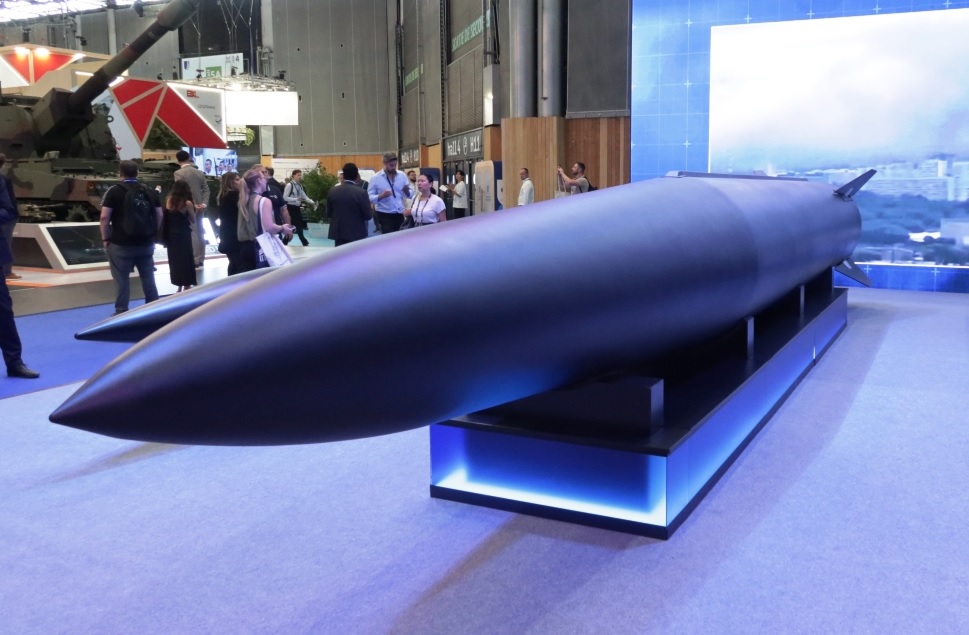
World
KYIV, July 1, 2026 — A large-scale Ukrainian aerial attack targeting Russia's Moscow Oblast on June 30 has prompted speculation that Ukraine may have conducted the first operational launch of its domestically developed FP-9 heavy ballistic missile toward the Russian capital region. While neither Ukrainian nor Russian authorities have officially confirmed the use of a ballistic missile, open-source intelligence (OSINT) analysis and observations from Russian military monitoring channels have fueled discussion about the possibility. According to the Russian Ministry of Defense, air defense forces intercepted 50 Ukrainian drones during the attack, while operations at Domodedovo and Zhukovsky airports were temporarily suspended due to the aerial threat. During the attack, Russian air defense systems reportedly engaged an object flying at an unusually high altitude. Pro-Russian military Telegram channel Voyennyy Osvedomitel reported that S-300 and S-400 air defense systems were activated against a target whose flight profile differed from that of a typical drone or cruise missile. The channel also reported a large crater at the interception site and suggested the object may have been a Ukrainian ballistic missile, while noting that the available information was insufficient for confirmation. Ukrainian OSINT groups also analyzed the incident. Exilenova+ assessed that the crater indicated a much larger warhead than those typically carried by long-range drones, while CyberBoroshno geolocated the impact site near the village of Yudanovka along the Warsaw Highway southwest of Moscow. The reported impact location is more than 800 kilometers (approximately 497 miles) from the Ukrainian border, a distance consistent with the range of a long-range ballistic missile. Analysts note that Ukrainian cruise missiles and attack drones rarely reach this depth into Russian territory without being intercepted earlier. Focus Turns to the FP-9 Ballistic Missile Analysts have pointed to Ukraine's FP-9 heavy ballistic missile, developed by the private defense company Fire Point, as the most likely candidate. Although no official confirmation has been provided, the missile's reported characteristics broadly align with the observed flight profile and crater size. The FP-9 is reported to be 9.5 meters long and 1.1 meters in diameter, making it larger than Russia's Iskander-M ballistic missile. It has a stated maximum range of 855 kilometers (531 miles), carries an 800-kilogram warhead, and reportedly reaches terminal speeds exceeding Mach 7. Fire Point says the missile uses carbon composite materials to reduce its radar cross-section compared with conventional aluminum-bodied ballistic missiles, with an estimated production cost of slightly more than $500,000 per unit. The reported incident also coincides with recent comments by Fire Point co-founder and chief designer Denys Shtilerman, who said testing of the FP-9's solid-fuel engine was nearing completion. He stated that following a successful test flight, a subsequent launch could be directed toward Moscow, identifying early summer 2026 as the expected timeframe. Fire Point develops missiles and drones using domestically produced Ukrainian components, reducing reliance on foreign suppliers. The company has also reportedly reached an estimated valuation of nearly $6 billion. Strategic Implications If the object intercepted near Yudanovka was indeed an FP-9 ballistic missile, it would represent a significant advancement in Ukraine's indigenous long-range strike capability. However, it remains unclear whether the object was successfully intercepted by Russian air defenses or failed to reach its intended target for another reason. Neither Moscow nor Kyiv has officially confirmed a ballistic missile launch, and current assessments remain based on radar observations, crater analysis, geolocated imagery, and information shared by Russian and Ukrainian open-source intelligence communities. If confirmed, the incident could mark the first known operational use of the FP-9 and prompt a reassessment of Russia's air defense posture against emerging long-range Ukrainian ballistic missile capabilities.
Read More → Posted on 2026-07-01 11:27:11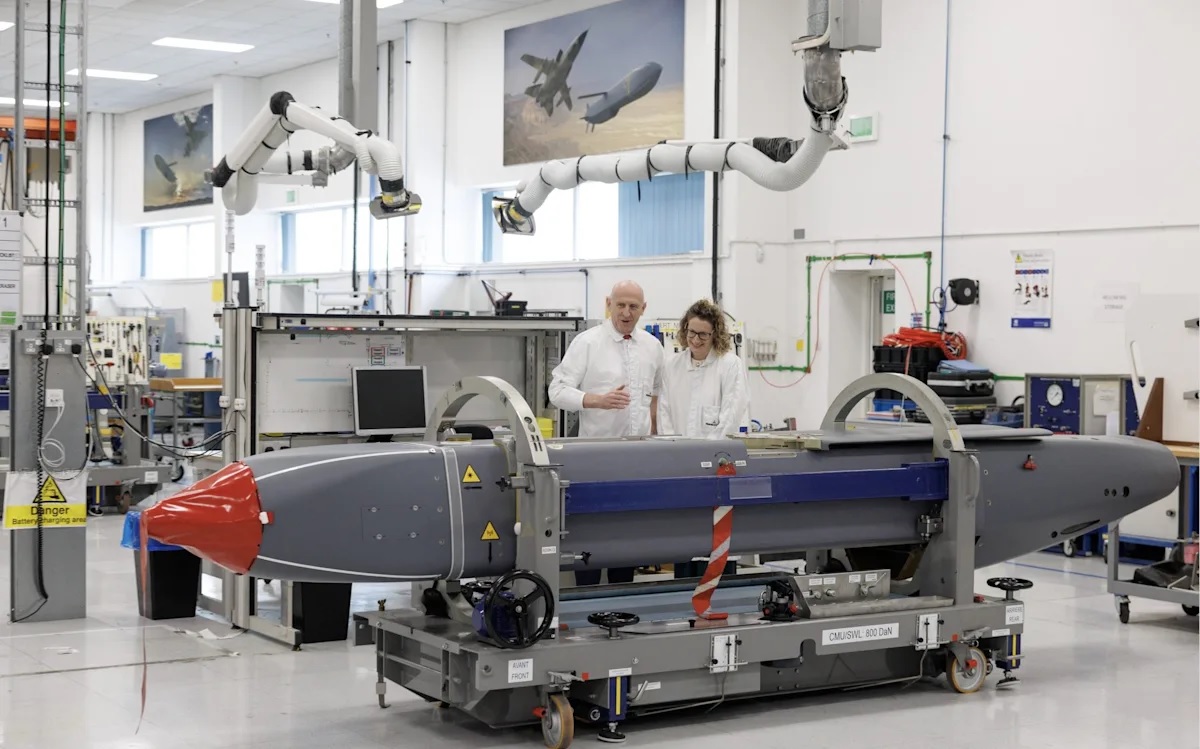
World
LONDON, July 1, 2026 — The UK Ministry of Defence (MoD) has announced plans to gradually end procurement of the Storm Shadow cruise missile under its newly published Defence Investment Plan, shifting its long-range strike strategy toward a combination of advanced complex weapons and lower-cost, mass-produced precision strike systems. The new approach is based on lessons from the war in Ukraine, where large numbers of expensive long-range missiles have been expended at a rapid pace. The strategy aims to increase the UK's stockpile of long-range strike weapons while reducing procurement costs and improving production capacity. To support the transition, the Ministry of Defence has allocated an initial £300 million to develop and procure affordable long-range strike systems. Each new low-cost effector is expected to cost around £400,000 per unit, excluding the warhead, nearly half the cost of a Storm Shadow missile. The systems are also designed for faster production, enabling the UK to replenish inventories more quickly during future conflicts. Project Brakestop Advances with Three British Prototypes A key element of the strategy is Project Brakestop, a rapid-development programme to field an affordable ground-launched long-range strike weapon. Three British companies have completed flight testing of their prototypes in Scotland and have each been awarded £15 million follow-on contracts to continue development. The Ministry of Defence requires candidate systems to strike targets beyond 500 kilometres, carry a minimum 225-kilogram warhead, exceed 600 km/h in speed, and be capable of producing at least 20 missiles per month shortly after a production contract is awarded. The competing designs include: MBDA UK's Crossbow, a modular vehicle-launched missile using commercially available components with a planned range exceeding 800 kilometres. MGI Engineering's TigerShark, which incorporates advanced composite materials and 3D-printed components inspired by the company's Formula 1 engineering experience. It is designed to reach speeds of approximately 750 km/h, strike targets up to 1,000 kilometres away, and carry a payload of up to 300 kilograms. Rotron Aerospace's SkyLance, powered by a Wankel rotary engine driving a propeller. Although slower than jet-powered designs, it offers an operational range of approximately 1,200 kilometres. The Ministry of Defence plans to select the winning Project Brakestop design before the end of 2026. ITAR-Free Design for Greater Export Flexibility Project Brakestop requires the exclusive use of British or other non-U.S. components. By avoiding American parts and navigation technologies, the missiles will not fall under the United States' International Traffic in Arms Regulations (ITAR). This gives the UK full control over production and export decisions, allowing potential transfers to allied countries, including Ukraine, without requiring prior U.S. approval. Stratus to Succeed Storm Shadow Alongside Project Brakestop, the Ministry of Defence is continuing development of the Stratus programme as the long-term replacement for Storm Shadow. Stratus is being designed in multiple variants, including land-attack versions for both aircraft and surface platforms, as well as a dedicated anti-ship variant for the Royal Navy. The programme is intended to provide a next-generation long-range precision strike capability for operations against heavily defended targets while complementing the UK's expanding inventory of lower-cost weapons. Ukraine Seeks SCALP Production Licence As the UK reduces future Storm Shadow procurement, Ukraine is pursuing domestic production of similar long-range cruise missiles. According to recent reports, Kyiv is negotiating with France to obtain a licence to manufacture the SCALP cruise missile—the French equivalent of Storm Shadow—within Ukraine to support its long-term strike capability.
Read More → Posted on 2026-07-01 11:15:38
World
KYIV, Ukraine, July 1, 2026 — Ukraine has signed a contract with Swedish defense company Saab for the purchase of 16 Gripen E multirole fighter aircraft in a deal valued at approximately 24.6 billion Swedish kronor ($2.54 billion). The agreement includes the aircraft, spare parts, technical support, training equipment, and related systems as part of Ukraine's ongoing effort to modernize its air force. The procurement represents one of Ukraine's largest recent defense acquisitions and forms part of a broader long-term plan to build a fleet of 100 to 150 Gripen fighter aircraft. The acquisition is also intended to strengthen the country's ability to integrate modern Western combat aircraft alongside other platforms already being introduced into service, including the General Dynamics F-16 Fighting Falcon. Delivery Schedule According to Saab, deliveries of the 16 newly manufactured Gripen E fighters are scheduled for 2029–2030. The aircraft will first be delivered to the Swedish Defence Materiel Administration (FMV) before being transferred to Ukraine. Separately, Ukrainian President Volodymyr Zelenskyy confirmed that Sweden will donate 16 Gripen C/D fighter aircraft under an earlier agreement with Swedish Prime Minister Ulf Kristersson. Deliveries of the donated aircraft are expected to begin in early 2027, providing Ukraine with an interim capability before the arrival of the Gripen E fleet. Contract Includes Training and Support The $2.54 billion contract includes a comprehensive support package covering spare parts, maintenance support, pilot and ground crew training, technical assistance, and associated equipment. Saab President and CEO Micael Johansson said the company remains committed to supporting Ukraine's acquisition while assisting Swedish authorities in replacing aircraft donated from Sweden's existing Gripen fleet. He added that the Gripen E will enhance the operational capabilities of the Ukrainian Air Force and strengthen the country's air defense. Training for Ukrainian pilots and maintenance personnel on the Gripen C/D aircraft is already underway in Sweden and is expected to expand later this year ahead of the 2027 deliveries. Gripen E Capabilities The Saab JAS 39 Gripen E is the latest variant of the Gripen family and is designed to conduct dispersed operations with relatively low logistical requirements. Developed with an emphasis on operating from temporary airfields and road bases, the aircraft can continue missions even when conventional airbases are unavailable. Compared with earlier Gripen variants, the Gripen E features a larger fuselage that carries approximately 30% more internal fuel, increasing its operational range and endurance. The fighter is powered by a General Electric F414 turbofan engine and features 10 external hardpoints capable of carrying a wide range of NATO-standard weapons, including the Meteor, AIM-120 AMRAAM, and IRIS-T air-to-air missiles. The aircraft is also designed for rapid maintenance and rearming by small mobile teams, enabling high sortie generation rates. It incorporates advanced sensors, network-centric warfare capabilities, and high operational availability for missions in contested airspace. Expanding Sweden–Ukraine Defense Cooperation The fighter aircraft agreement forms part of expanding defense cooperation between Ukraine and Sweden. During a meeting in Kyiv, President Zelenskyy and Swedish Defense Minister Pål Jonson discussed implementation of the Gripen deliveries, preparations for a joint drone initiative, and continued cooperation on anti-ballistic missile defense capabilities. The acquisition, combined with Sweden's donation of Gripen C/D aircraft and the associated training and support package, marks another step in Ukraine's long-term air force modernization and its transition to Western combat aircraft.
Read More → Posted on 2026-07-01 10:59:27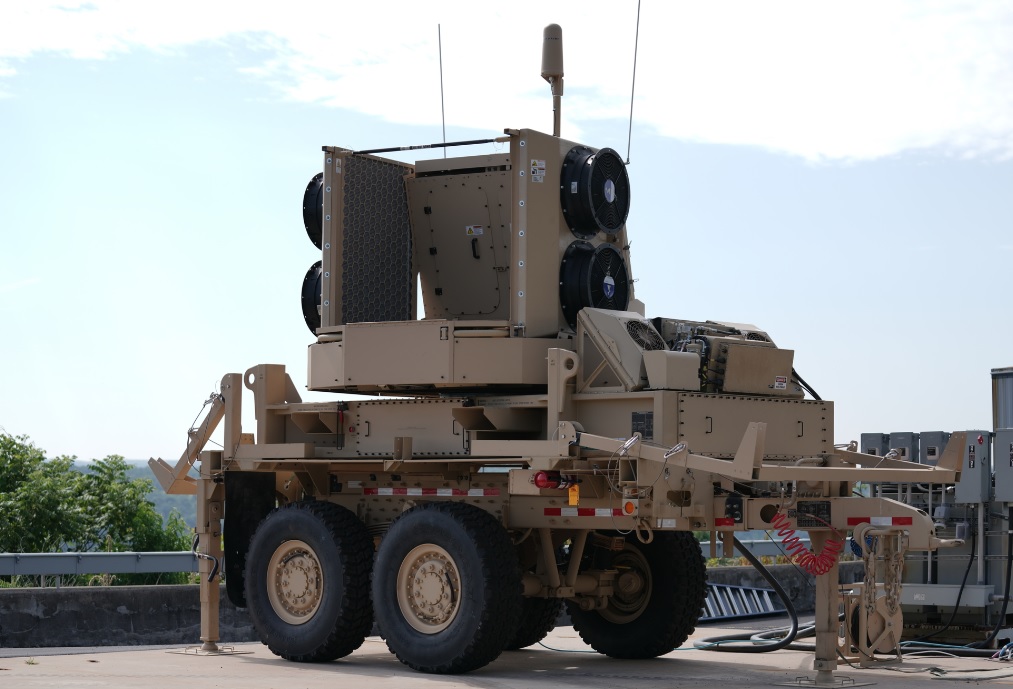
Lockheed Martin Wins $3 Billion U.S. Army Contract for Next-Generation Sentinel A4 Air Defense Radar
World
WASHINGTON, D.C., July 1, 2026 — Lockheed Martin has been awarded a $2.99 billion contract by the U.S. Army to produce the next-generation Sentinel A4 air and missile defense radar and provide associated engineering services. The award supports the Army's ongoing modernization of its air defense capabilities to address an expanding range of aerial threats. The contract, awarded by the Army Contracting Command–Redstone Arsenal in Alabama, includes fixed-price-incentive, cost-plus-fixed-fee, and cost-no-fee elements. Work is scheduled to continue through June 29, 2031, while funding allocations and work locations will be determined through individual task orders. Next-Generation Air Defense Radar The Sentinel A4 is the U.S. Army's next-generation tactical air and missile defense radar, replacing the legacy Sentinel A3 (AN/MPQ-64A3) system previously developed by Raytheon and Thales. Built around a digital Active Electronically Scanned Array (AESA) using Gallium Nitride (GaN) technology, the radar provides greater power efficiency, improved reliability, and more than a 75% increase in detection range compared with its predecessor. It also offers full 360-degree coverage without a "cone of silence," enabling continuous surveillance of the surrounding airspace. The system is capable of detecting and tracking cruise missiles, unmanned aircraft systems (UAS), rotary-wing aircraft, fixed-wing aircraft, and electronic warfare threats. It also detects Rocket, Artillery, and Mortar (RAM) attacks by calculating both the point of origin and projected point of impact, providing early warning to help protect personnel and critical assets. Its open-architecture, software-defined design enables future capability upgrades and integration with the Army's Integrated Battle Command System (IBCS) and the National Advanced Surface-to-Air Missile System (NASAMS). Program Development Lockheed Martin's work on the Sentinel A4 program began in 2019, when it received a $281.1 million contract to develop and produce the first 18 radar systems. The contract was awarded following competition with two other bidders and was primarily performed at the company's facility in Liverpool, New York. The company completed the first Sentinel A4 radar five months ahead of schedule using an agile development approach. In 2021, the Army ordered five additional radar systems for operational testing, which were delivered in June 2022 to evaluate radar performance, mobility, and logistics. In early 2026, Lockheed Martin delivered the first Sentinel A4 radar from the Low-Rate Initial Production (LRIP) 2 phase. The program is now progressing toward full-rate production, planned to begin in 2026 with more than 200 radar units expected to be produced. The first operational deployment is planned for the National Capital Region to strengthen air defense around Washington, D.C. Long-Term Air Defense Modernization The Sentinel A4 will support the Army's short-range air defense mission by improving detection of low-altitude and fast-moving threats while enhancing interoperability with existing air and missile defense networks. The new contract ensures continued production and engineering support for the Sentinel A4 through 2031, making the radar a central component of the U.S. Army's long-term air and missile defense modernization efforts.
Read More → Posted on 2026-07-01 10:54:27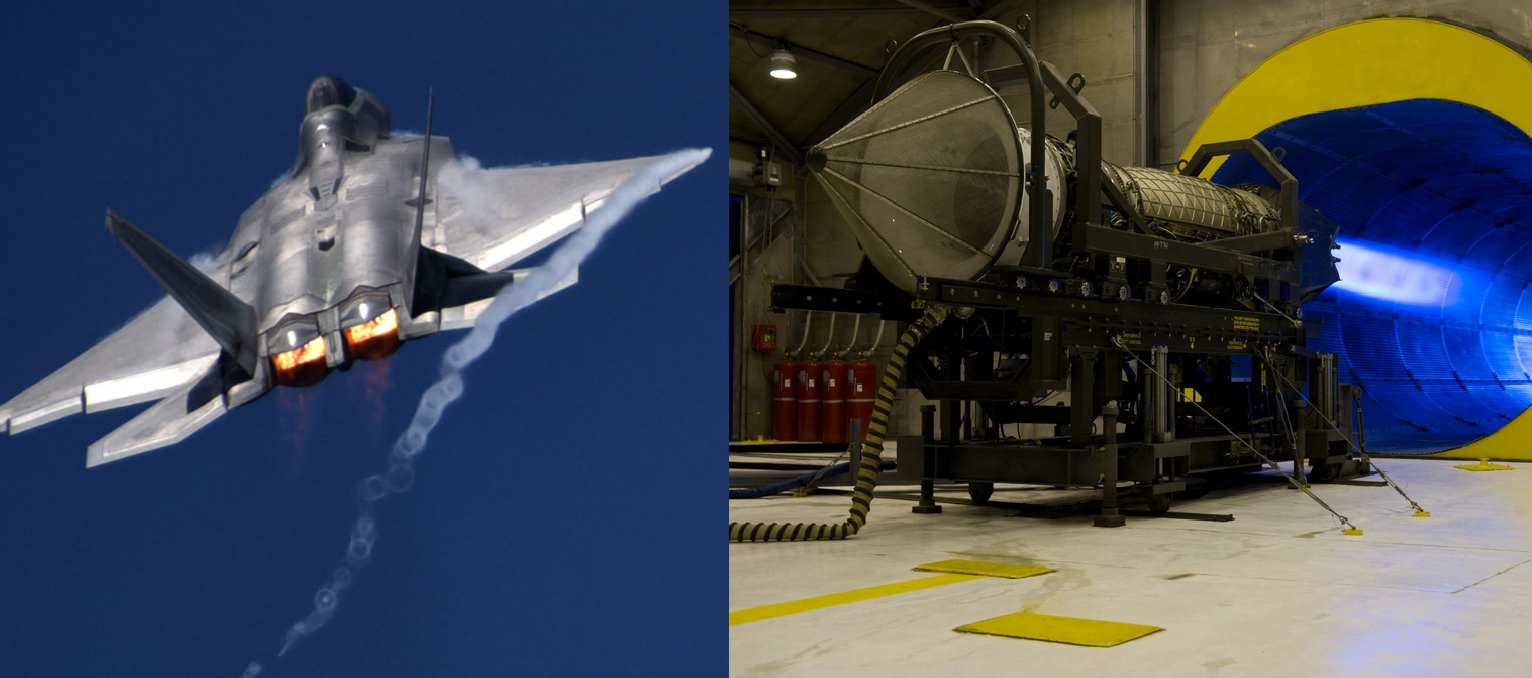
World
EAST HARTFORD, Conn., July 1, 2026 — Pratt & Whitney, an RTX business, has announced that its F119 engine has officially surpassed one million cumulative flight hours while powering the U.S. Air Force's Lockheed Martin F-22 Raptor fleet. The milestone highlights the engine's long-term operational performance and its continued contribution to the Air Force's air superiority mission more than two decades after the F-22 entered service. The F119 is the world's first operational fifth-generation fighter engine. Each F-22 Raptor is powered by two F119-PW-100 engines, providing the aircraft with advanced propulsion capabilities that combine high thrust, stealth integration, and exceptional maneuverability. The engine delivers thrust in the 35,000-pound class and features two-dimensional thrust-vectoring nozzles capable of directing exhaust flow by up to ±20 degrees in the pitch axis. Combined with integrated stealth technologies and a Full-Authority Digital Engine Control (FADEC) system, these features enhance the aircraft's agility, precision, and overall combat performance. A key capability of the F119 is supercruise, which enables the F-22 to sustain supersonic flight at speeds of up to approximately Mach 1.8 without using afterburners. This improves fuel efficiency, extends operational range, and reduces the aircraft's infrared signature. "The F119 engine plays a critical role in maintaining air dominance for the U.S. Air Force, as it enables the F-22 mission," said Jill Albertelli, president of Military Engines at Pratt & Whitney. "Having powered the F-22 Raptor since it launched over 20 years ago, the engine continues to provide unmatched capability, safety and readiness rates. This milestone demonstrates Pratt & Whitney's commitment to delivering for our customers." Sustainment and Fleet Modernization Production of the F119 concluded in 2013 after 507 engines were built. Pratt & Whitney continues to support a global fleet of more than 400 operational engines through depot maintenance, sustainment services, and modernization programs. In February 2025, RTX secured a contract valued at up to $1.5 billion to improve F119 fleet readiness while reducing long-term lifecycle costs. The effort supports the U.S. Air Force's objective of maintaining the F-22 fleet into the 2040s. Current modernization initiatives include Usage-Based Lifing (UBL), which uses real-time flight data and component wear information to optimize maintenance schedules, and Model-Based Systems Engineering (MBSE), which employs digital engineering tools to predict component life and improve long-term durability. Pratt & Whitney is also introducing software updates, including enhancements to the FADEC system, to improve engine performance and operational efficiency. Foundation for Future Fighter Engines The F119 also served as the technological foundation for Pratt & Whitney's F135 engine, which powers the F-35 Lightning II. Technologies and engineering experience gained through the F119 program contributed directly to the development of the next-generation fighter engine. With continued sustainment, modernization, and component upgrades, the F119 remains a key element of the U.S. Air Force's F-22 fleet, supporting operational readiness and long-term combat capability.
Read More → Posted on 2026-07-01 10:46:59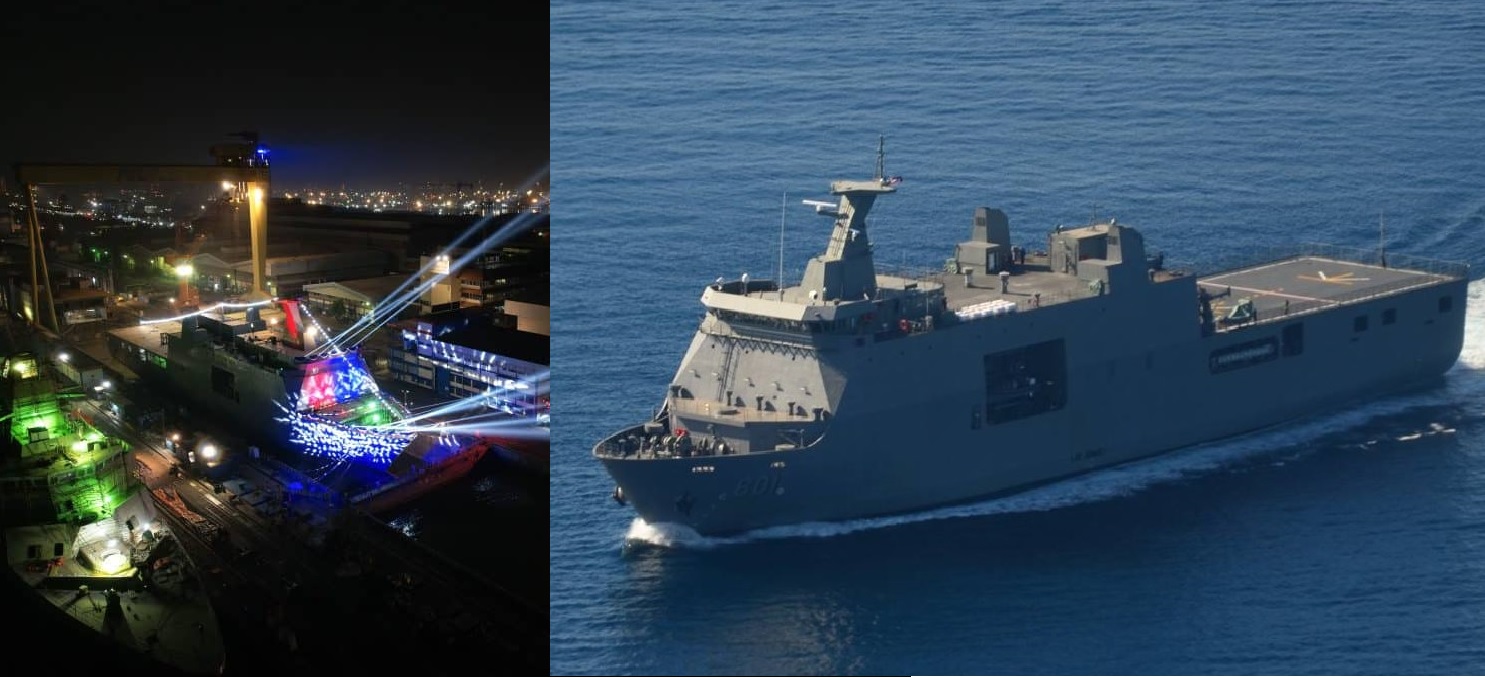
World
SURABAYA, Indonesia, July 1, 2026 — Indonesian state-owned shipbuilder PT PAL Indonesia has launched the Philippine Navy's third Tarlac-class Landing Platform Dock (LPD), marking another milestone in the Armed Forces of the Philippines (AFP) modernization program. The vessel, designated LD-603 and expected to be commissioned as BRP Ilocos Norte, was launched on June 30 at PT PAL's shipyard in Surabaya, East Java. It is the first of two improved Tarlac-class LPDs ordered under a follow-on contract signed between the Philippines and Indonesia in 2022. Construction of the two vessels began during 2023 and 2024, while the fourth ship, expected to be named BRP Leyte (LD-604), is scheduled for launch later this year. The new vessel builds on the design of the original Tarlac-class ships, BRP Tarlac and BRP Davao del Sur, which entered Philippine Navy service in 2016 and 2017. The latest ships incorporate several improvements developed from years of operational experience with the first two vessels. Improved Design for Amphibious Operations LD-603 features structural modifications requested by the Philippine Navy to improve operational efficiency. Compared to the earlier ships, it has a larger side ramp door and an expanded vehicle deck, allowing faster embarkation and disembarkation of troops and equipment while enabling the transport of larger and heavier military vehicles. The ship will also carry two Indonesian-built Landing Craft Utility (LCU) vessels housed in its floodable well deck, providing additional capability for transporting personnel, vehicles, and equipment during amphibious operations. Its flight deck is designed to accommodate two 10-ton helicopters, expanding support for air-to-sea operations, logistics missions, and humanitarian assistance. LD-603 Specifications Length: 124 meters Beam: 21.8 meters Standard displacement: 7,200 tons Maximum speed: 16 knots Operational range: 9,360 nautical miles Endurance: 30 days Personnel capacity: Up to 680 personnel These capabilities allow the vessel to support amphibious warfare, military transport, humanitarian assistance and disaster relief (HA/DR), and logistics operations across the Philippine archipelago and beyond. Supply Chain Challenges During Construction During the launching ceremony, PT PAL President Director and CEO Kaharuddin Djenod said construction of the new LPDs experienced schedule adjustments due to global supply chain disruptions linked to recent geopolitical developments. Despite these challenges, the successful launch keeps the program moving toward delivery and reflects continued defence-industrial cooperation between Indonesia and the Philippines. Philippine Military Highlights Operational Role Senior military officials from both countries attended the ceremony, including Philippine Navy Flag Officer-in-Command Vice Admiral Jose Maria Ambrosio Quiatchon and AFP Vice Chief of Staff Lieutenant General Rommel P. Roldan. Vice Admiral Quiatchon said the improved LPD will significantly strengthen the Philippine Navy's ability to transport troops, military equipment, and logistics while supporting amphibious operations, humanitarian assistance and disaster relief (HA/DR) missions, and power projection, including operations beyond Philippine waters. He also praised the performance of the Philippine Navy's existing Indonesian-built LPDs and expressed interest in expanding future cooperation with PT PAL. Regarding the ship's defensive capabilities, Quiatchon said the Philippine Navy has not yet finalized the selection of sensors and weapon systems. However, the current design includes provisions for the future installation of a 76mm main gun and Close-In Weapon Systems (CIWS) to support the vessel's multi-mission operational requirements. Lieutenant General Roldan described the launch as an important step in the AFP modernization program, noting that the additional landing platform docks will help meet growing operational demands while strengthening defence cooperation between the Philippines and Indonesia and supporting regional peace and stability. Delivery Scheduled Later This Year Following the launch, LD-603 will remain at PT PAL's Surabaya shipyard for final outfitting, harbor acceptance tests, and sea acceptance trials before being delivered to the Philippine Navy later in 2026. Construction of the fourth vessel, BRP Leyte (LD-604), is continuing and is expected to reach its launch milestone in the near future. Once both ships enter service, they will further expand the Philippine Navy's amphibious transport fleet with improved capacity and operational flexibility based on lessons learned from the first two Tarlac-class vessels.
Read More → Posted on 2026-07-01 10:26:55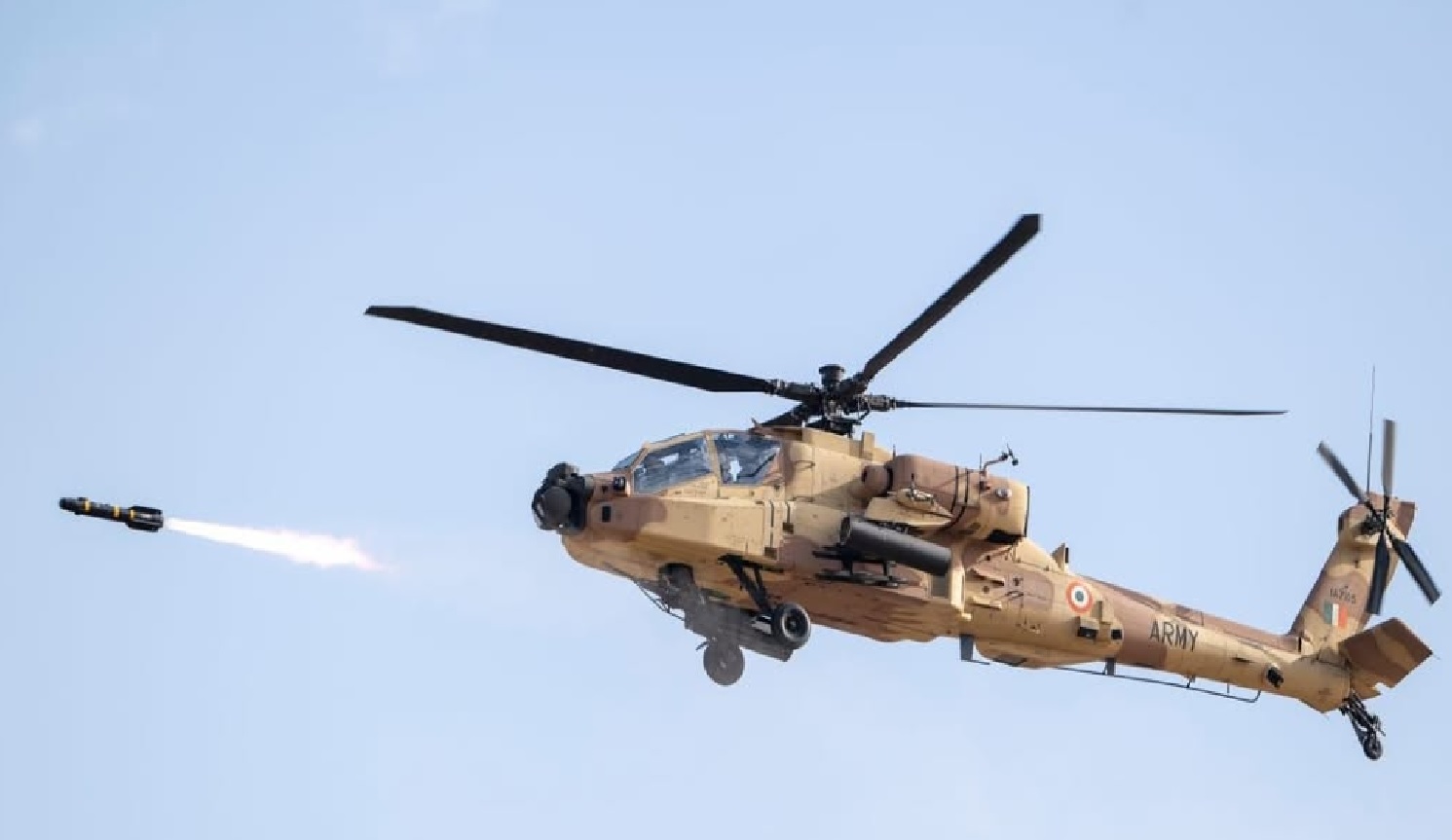
World
WASHINGTON, D.C., July 1, 2026 — The U.S. Department of State has approved a possible Foreign Military Sale (FMS) to Singapore valued at $22.3 million, covering 67 AGM-114R Hellfire II precision-guided missiles and related logistics, technical, and sustainment support for the Republic of Singapore Air Force (RSAF). The approval was announced on June 30, 2026, through a notification by the U.S. Bureau of Political-Military Affairs. According to the notification, the package includes an additional 24 AGM-114R Hellfire missiles added to a previously implemented case, bringing the total covered under the current approval to 67 missiles. The proposed sale is intended to sustain the RSAF's existing precision-strike capability and support the continued operation of its AH-64D Apache Longbow attack helicopters, which are used for close air support and anti-armour missions. Sustainment and Support Package Beyond the missiles, the package includes a range of support measures designed to maintain operational readiness, including: Five years of spare parts Technical and training manuals M299 launcher reprogramming Software verification and calibration Repair and maintenance support Chaff and flare countermeasures U.S. government and contractor engineering, technical, logistics, and program support The principal contractor is Lockheed Martin Corporation of Orlando, Florida. No offset agreement has been proposed. AGM-114R Hellfire II Capability The AGM-114R Hellfire II is a semi-active laser-guided precision missile that combines the capabilities of earlier Hellfire variants into a single multi-purpose configuration. It is designed to engage armored vehicles, fortified positions, air-defense systems, small maritime targets such as patrol boats, and personnel. The missile supports both Lock-On Before Launch (LOBL) and Lock-On After Launch (LOAL) modes and can receive laser designation from either the launching aircraft or an external designator. It also features improved tracking through dust, smoke, water vapor, and sea spray, automatic target reacquisition, and a maximum engagement range of up to 8 kilometers. The missile weighs approximately 49.4 kilograms (109 pounds), measures 163 centimeters in length, and has a 17.8-centimeter diameter. Supporting Singapore's Apache Fleet The RSAF operates the AH-64D Apache Longbow as its primary attack helicopter. Each aircraft can carry up to 16 Hellfire missiles in addition to a 30 mm M230 chain gun and Hydra 70 rockets, while its Fire Control Radar enables target detection and engagement in day, night, and adverse weather conditions. The inclusion of launcher reprogramming, software support, and spare parts indicates the sale is focused on sustaining Singapore's existing Apache fleet rather than introducing new weapon systems or expanding force structure. Strategic Significance Singapore's location along key maritime routes makes precision-guided weapons an important part of its defence posture. The AGM-114R provides operational flexibility by allowing crews to engage different target types with a single missile configuration while reducing the need to change loadouts before missions. According to the U.S. government, the proposed sale supports the security of a key partner in the Indo-Pacific, strengthens interoperability between the U.S. and Singaporean armed forces, and is not expected to alter the regional military balance. The approval allows the sale to proceed through the Foreign Military Sales (FMS) process, with implementation subject to final contractual arrangements between the two governments.
Read More → Posted on 2026-07-01 10:15:35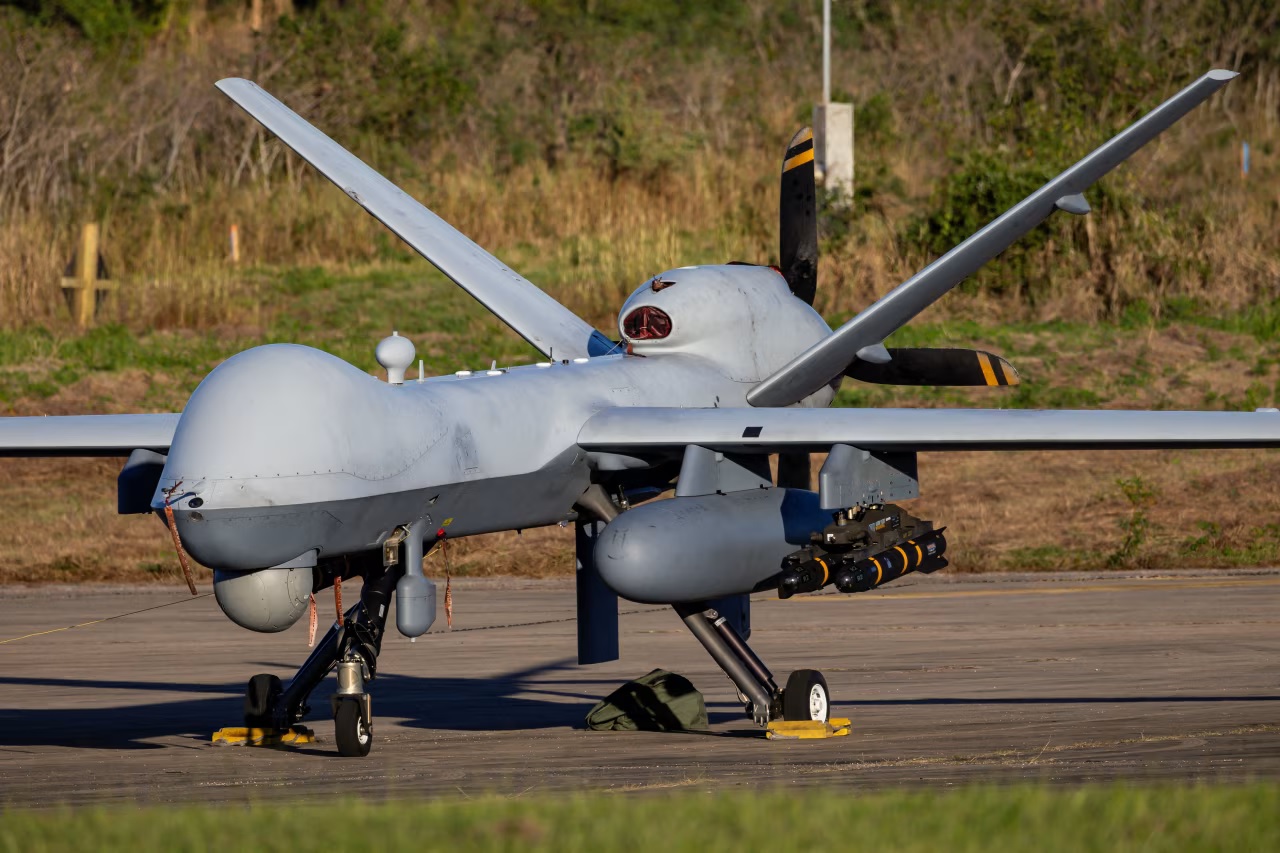
World
PARIS, July 1, 2026 — The French Air and Space Force has expanded the operational role of its MQ-9 Reaper uncrewed aerial vehicles (UAVs) and military helicopters to intercept and destroy hostile strike drones, introducing an interim capability to address the growing threat posed by low-cost, long-range unmanned systems. According to French daily Le Monde, which reported the initiative on June 29, the move is intended to strengthen France's layered air defense by adapting existing aircraft and weapons while dedicated counter-drone systems continue to be developed. The decision follows lessons from recent conflicts in Ukraine and the Middle East, where mass attacks using one-way attack drones, including the Iranian-designed Shahed family, have exposed the limitations of traditional air defense systems and raised security concerns across Europe and the Gulf region. MQ-9 Reaper Assigned Counter-Drone Mission France operates 12 MQ-9 Reaper UAVs with the 33rd Surveillance, Reconnaissance and Attack Wing at Cognac 709 Air Base. Previously used for intelligence, surveillance, reconnaissance, and precision strike missions—including counterterrorism operations in the Sahel—the aircraft are now being assigned to intercept drones at low and medium altitudes. The new capability is based on the AGM-114 Hellfire missile, originally designed for ground targets but adapted for aerial engagements. The integration was completed in approximately three months by the French Defence Procurement Agency (DGA) and the Military Air Expertise Center (CEAM). Initial testing took place in early April 2026 at the Île du Levant firing range, where an MQ-9 Reaper successfully destroyed a Banshee target drone simulating a hostile UAV. The capability was later presented to media representatives on June 12 at Cognac 709 Air Base. The Reaper's long endurance enables extended patrols, while its advanced electro-optical and thermal sensors support the detection and identification of airborne threats. Each aircraft is operated by a four-person ground crew comprising a pilot, sensor operator, intelligence officer, and imagery analyst. Helicopters Also Evaluated for Drone Intercepts The French Air and Space Force has also tested Fennec and Caracal helicopters in counter-drone operations. Trials conducted on June 2, 2026, from Cazaux 120 Air Base evaluated existing helicopter weapons and observation systems against UAV targets. Caracal helicopters, equipped with EOS thermal imaging systems, successfully intercepted two Shahed-class target drones using door-mounted 7.62 mm MAG58 and 12.7 mm M3M machine guns. The Fennec helicopter employed a Trakka electro-optical observation system paired with a fixed 20 mm cannon mounted on a fuselage pylon, demonstrating the effectiveness of integrating existing sensors and weapons for aerial engagements. Interim Layered Air Defense Solution French defense officials describe the adapted MQ-9 Reapers and helicopters as an interim capability that complements ground-based air defense systems such as MAMBA and VL MICA, as well as fighter aircraft. By repurposing existing platforms and munitions, France aims to rapidly field a cost-effective counter-drone capability while purpose-built counter-drone systems continue to enter operational service. The initiative reflects the French military's effort to adapt current assets to the evolving threat posed by large-scale drone attacks.
Read More → Posted on 2026-07-01 09:47:48
World
JERUSALEM, Israel, June 30, 2026 — Israel has officially confirmed that it is developing space-based laser capabilities for potential military applications, marking a major expansion of its directed-energy weapons program and its long-term military space strategy. The announcement was made by Israeli Defense Minister Israel Katz during a briefing with military reporters on June 29, representing the first public confirmation by a senior Israeli official that Israel is pursuing space-deployable laser technologies. Katz said Israel aims to become one of the world's top three military space powers by developing advanced offensive and defensive capabilities beyond Earth's atmosphere. "One of the central goals that the prime minister and I set is that we are recruiting the best minds," Katz said. "As of today, no country has the ability to mount attacks in space. We must be the leading country in the world with this capability." Building on Existing Laser Programs Israel has invested in directed-energy technologies for several years. Its Iron Beam high-power laser air defense system is designed to intercept rockets, artillery shells, mortars, and drones, complementing existing missile defense systems including Iron Dome and Arrow 3. Israeli defense company Elbit Systems is also developing laser systems for fighter aircraft. The new initiative extends these efforts into space. According to Katz, the Defense Ministry has allocated significant funding to recruit leading scientists and support research into advanced technologies that are not yet operational anywhere in the world. Driven by Regional Security Concerns The initiative comes amid continued regional tensions, particularly with Iran. During the 2026 conflict, Israeli forces reportedly struck multiple Iranian space-related facilities, including sites linked to anti-satellite capabilities. Israeli defense officials believe maintaining an advantage in space is essential because satellites support intelligence, surveillance, reconnaissance, communications, and navigation. They argue that losing these assets could significantly affect military operations. Katz said space superiority will become an important part of Israel's broader security strategy alongside artificial intelligence, cyber warfare, and multi-layered missile defense. "If we achieve this, it will ensure the advantage of deterrence, of the ability to attack, destroy, and all of the other matters, versus our enemies with large resources," he said. Potential Military Applications Space-based laser weapons are viewed as a potential alternative to kinetic anti-satellite missiles, which destroy targets through direct impacts and create large amounts of orbital debris. Defense analysts note that Russia and China have previously demonstrated anti-satellite capabilities by destroying their own satellites during missile tests, producing debris that continues to threaten spacecraft in orbit. If successfully developed, orbital laser systems could potentially disable, blind, damage, or destroy satellites without generating significant debris. Such systems could also have future applications in intercepting ballistic missiles outside Earth's atmosphere or reducing existing space debris, although these capabilities remain under development. Israel already operates the Arrow 3 missile defense system for exo-atmospheric interceptions, and the development of space-based laser technology reflects the country's broader effort to strengthen its military capabilities in the increasingly important space domain.
Read More → Posted on 2026-06-30 14:14:51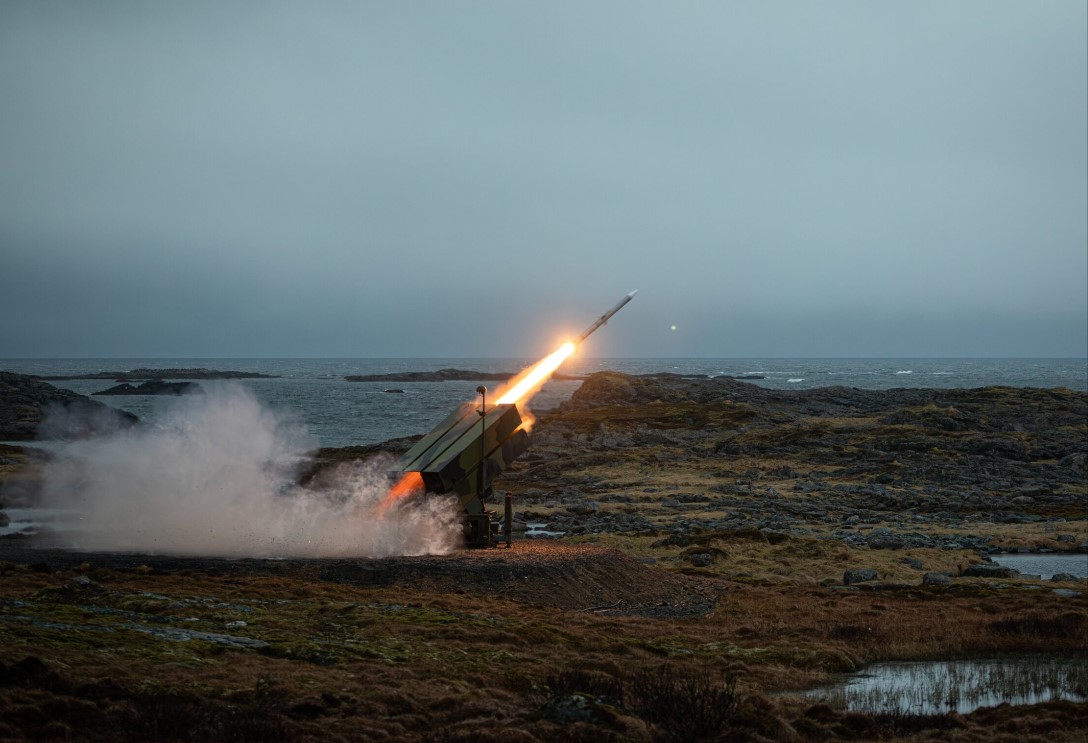
World
OSLO, Norway, June 30, 2026 — Kongsberg Defence & Aerospace has signed a contract valued at approximately $400 million with U.S.-based Raytheon to supply the National Advanced Surface-to-Air Missile System (NASAMS) to Kuwait. The agreement, announced on June 30, forms part of Kuwait's ongoing efforts to modernize its integrated air defense capabilities through the U.S. Foreign Military Sales (FMS) program. The contract represents Kongsberg's share of a broader $1.02 billion NASAMS contract awarded by the U.S. Army to Raytheon in May 2026. Under the agreement, Kongsberg will manufacture and deliver NASAMS fire units, with production and deliveries scheduled to continue through May 2031. Strengthening Kuwait's Layered Air Defense Kuwait is acquiring NASAMS to strengthen its existing layered air defense architecture by providing medium-range protection between short-range and long-range air defense systems. The system is intended to enhance the country's ability to protect its population, critical infrastructure, military facilities, and strategic assets against a broad range of aerial threats, including aircraft, cruise missiles, helicopters, and unmanned aerial vehicles (UAVs). NASAMS System Overview Jointly developed by Kongsberg Defence & Aerospace and Raytheon, NASAMS is a modular short- to medium-range ground-based air defense (GBAD) system designed to detect, track, and engage fixed-wing aircraft, helicopters, cruise missiles, and drones. The system has been adopted by multiple countries and is designed with a network-centric architecture that enables integration with existing air defense systems and command-and-control networks. A standard NASAMS configuration includes: Fire Distribution Center (FDC): Developed by Kongsberg, the command post manages target detection, engagement, and weapon assignment. AN/MPQ-64F1 Sentinel 3D Radar: Manufactured by Raytheon, the radar provides three-dimensional surveillance and target tracking. Passive Electro-Optical and Infrared (EO/IR) Sensors: Used for passive target detection and tracking. Missile Launchers: Modular canister launchers capable of firing interceptor missiles. The primary interceptor used by NASAMS is the AIM-120 Advanced Medium-Range Air-to-Air Missile (AMRAAM). The ground-launched AMRAAM used by NASAMS is the same missile employed by fighter aircraft worldwide, allowing common logistics and support across operators. Modular Architecture NASAMS is built with an open and modular architecture that allows the integration of new sensors, interceptors, and other technologies as operational requirements evolve. This approach enables future capability upgrades while maintaining compatibility with existing air defense networks and supporting flexible deployment in different operational environments. Long-Term Program The contract supports the production and delivery of NASAMS fire units for Kuwait under the U.S. Foreign Military Sales (FMS) framework. Work is scheduled to continue through May 2031. The agreement expands the long-standing cooperation between Kongsberg and Raytheon on NASAMS production and supports Kuwait's ongoing modernization of its national air defense capabilities.
Read More → Posted on 2026-06-30 14:09:49
World
WARSAW, Poland, June 30, 2026 — Polish defense company MBF Group S.A., in partnership with Turkey's Shark Aviation Dynamics, has successfully completed live-fire testing of the IRYDA+ X1 autonomous swarm unmanned aerial vehicle (UAV) system, demonstrating approximately one-meter strike accuracy against a designated ground target. According to the company, telemetry and field data confirmed that the IRYDA+ X1 initiated a detonation at a height of five meters above the target, producing an effective coverage area of approximately 30 meters in diameter. The capability is intended for engaging personnel and lightly protected vehicles. MBF Group has also published footage of the precision strike on its official X (formerly Twitter) account. The successful tests mark the transition of the IRYDA+ X1 from the research and development phase to a commercially ready platform. Swarm UAV Capabilities The IRYDA+ X1 is a modular swarm UAV system that enables a single operator to control multiple unmanned aircraft during coordinated missions. It features real-time data sharing, adaptive autonomous behavior, formation keeping, and the ability to operate in contested electromagnetic environments, including GPS-denied areas. Verified performance specifications include an operational speed exceeding 30 km/h, a range of more than 20 kilometers, endurance of over 60 minutes, and a payload capacity of 300 grams. The system is packaged in a compact carrying case for rapid deployment. Leadership Statement and Investment Colonel (Ret.) Janusz Czarnecki, President of the Management Board of MBF Group S.A. and a former Polish Armed Forces officer, said the one-meter precision achieved during live testing demonstrates the system's readiness for evaluation by armed forces and security agencies. He added that the platform's open architecture will support future capability upgrades. The program has also received additional financial backing. Former Polish national football representative Radosław Majdan invested between 910,000 PLN and 1.3 million PLN, supporting the project's commercial development and dual-use applications for military and critical infrastructure protection. International Debut and Commercialization The IRYDA+ X1 will be officially unveiled during the first half of July 2026 in Turkey, where MBF Group and Shark Aviation Dynamics will conduct technical demonstrations of the platform's AI-supported loitering swarm capabilities. Following the event, the first demonstration packages, consisting of eight UAV pairs and their Ground Control Systems (GCS), will be delivered to Warsaw. MBF Group plans to launch commercialization activities with demonstrations for the Polish Armed Forces, the Armaments Agency, the Border Guard, and specialized police units. The company is also open to international partnerships covering technology integration, co-development, licensing, and direct procurement, and plans to showcase the IRYDA+ X1 at major defense exhibitions across Europe in the coming months.
Read More → Posted on 2026-06-30 14:05:28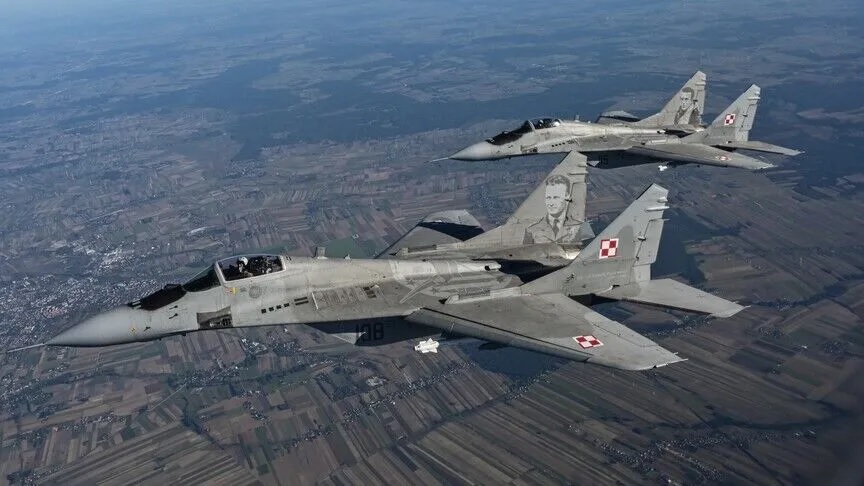
World
WARSAW, June 30, 2026 — Poland has suspended plans to transfer its remaining Soviet-era MiG-29 fighter jets to Ukraine after a proposed agreement to exchange the aircraft for Ukrainian drone technology failed to materialize, Polish Defense Minister Władysław Kosiniak-Kamysz confirmed. The proposal, first outlined under a bilateral security agreement signed in July 2024 and further discussed in late 2025, involved the transfer of at least 14 remaining Polish MiG-29 fighter jets in exchange for access to Ukraine's drone technology, production expertise, and battlefield experience in unmanned systems. According to Polish officials, Ukraine initially agreed to the arrangement but later did not proceed with the reciprocal technology-sharing component. Deputy Defense Minister Cezary Tomczyk had previously stated on June 15 that the aircraft would only be transferred once the drone technology agreement was finalized. Poland has already supplied 14 MiG-29 fighter jets to Ukraine during earlier stages of the conflict. The remaining aircraft are scheduled to be retired as Warsaw continues modernizing its air force with Western platforms, including the F-35 stealth fighter, F-16 multirole fighter, and South Korean FA-50 light combat aircraft. The collapse of the agreement highlights the growing importance of drone capabilities in modern warfare. Ukrainian drone industry representatives have previously noted that unmanned aerial system technology evolves every three to six months, making a one-time transfer of technical documentation insufficient without continuous cooperation and joint production. Earlier discussions on a joint "Drone Armada" manufacturing project between the two countries have also not progressed into an operational program. The suspension of the fighter jet transfer comes amid broader political and historical tensions between Warsaw and Kyiv, despite Poland remaining one of Ukraine's largest military and logistical supporters. Kosiniak-Kamysz has said future defense cooperation should be based on mutual benefits while also linking Ukraine's future European Union membership to the resolution of historical disputes, including issues surrounding the legacy of the Ukrainian Insurgent Army (UPA) and the Volhynian massacres of 1943–1944. For now, Poland will continue retiring its remaining MiG-29 fleet as planned, while the proposed transfer to Ukraine will remain suspended unless both countries reach a new agreement on drone technology cooperation.
Read More → Posted on 2026-06-30 13:58:52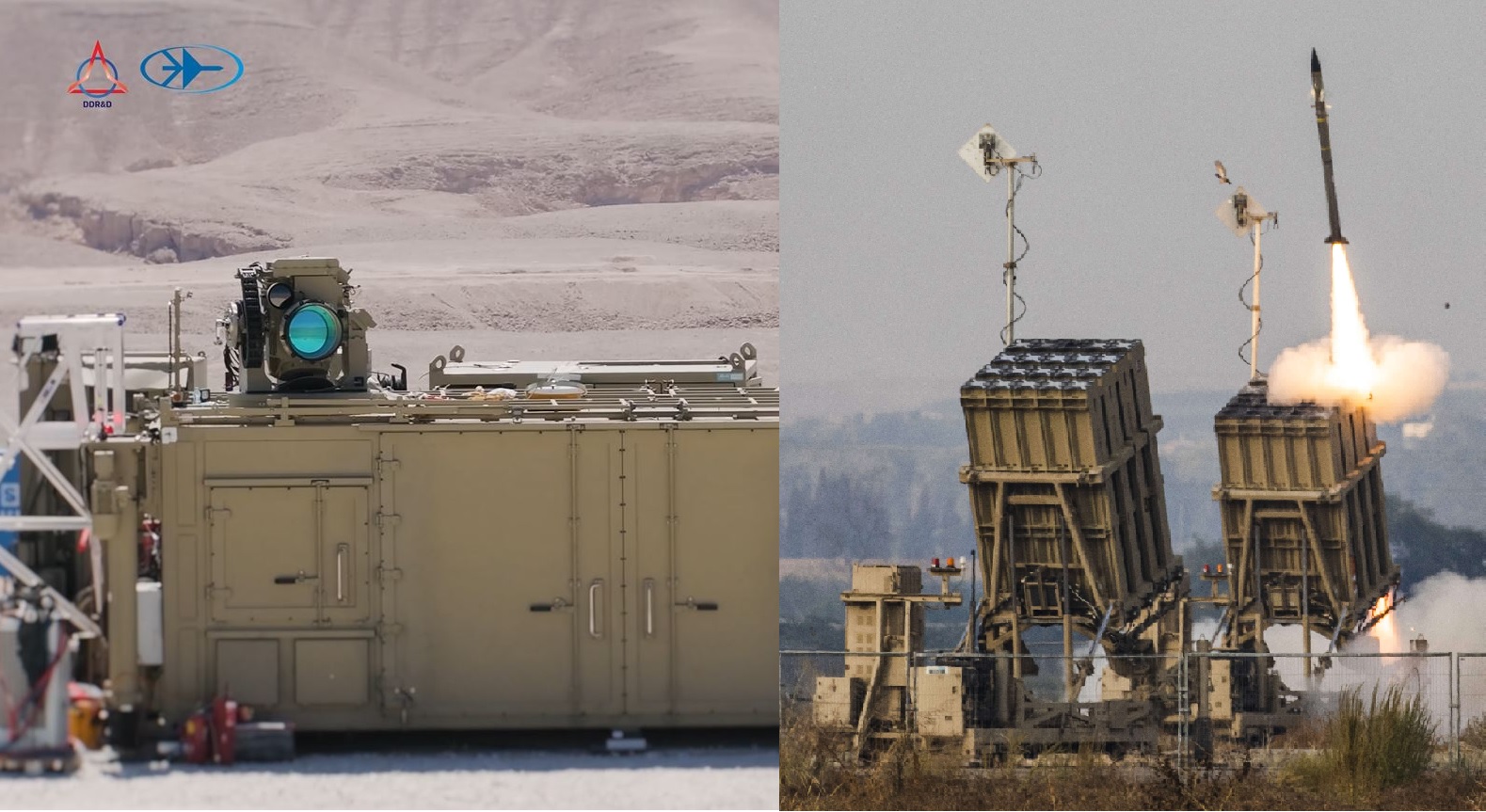
World
TEL AVIV, Israel, June 30, 2026 — The Israel Ministry of Defense (IMOD) and Rafael Advanced Defense Systems have successfully completed an extensive series of integrated tests combining the newly developed Iron Beam high-energy laser weapon system with the operational Iron Dome short-range air defense system. The trials were led by the Ministry's Directorate of Defense Research & Development (DDR&D) in cooperation with Rafael. During the tests, Iron Beam and Iron Dome operated together from the Iron Dome command center, engaging a variety of advanced aerial threats, including rockets, cruise missiles, and unmanned aerial vehicles (UAVs). Operational Upgrades Based on Recent Combat According to the Defense Ministry, the test series incorporated operational lessons learned during recent combat operations, including the ongoing war and recent operations involving Iran. The upgrades were designed to improve the systems' ability to counter evolving threats, including saturation attacks and cluster munitions delivered by ballistic missiles. The integrated command system was able to assess incoming threats in real time and assign the most appropriate and cost-effective interceptor, allowing the two systems to operate as a coordinated air defense network. Iron Beam Complements Iron Dome Iron Beam is a 100-kilowatt-class High Energy Laser Weapon System (HELWS) developed to complement Israel's existing missile defense architecture, which also includes David's Sling and the Arrow systems. Unlike Iron Dome, which intercepts targets using radar-guided kinetic missiles, Iron Beam uses a directed-energy laser supported by adaptive optics to engage targets at ranges of up to 10 kilometers. The combination enables Iron Beam to counter short-range rockets, mortars, and drone threats, while Iron Dome remains focused on heavier rockets, artillery projectiles, cruise missiles, and other more complex targets. The laser system also offers significant operational and economic advantages. While Iron Dome relies on interceptor missiles that cost tens of thousands of dollars per launch and are limited by available missile stocks, Iron Beam uses electrical power, resulting in a negligible cost per intercept and the ability to continue operating as long as power is available. This allows the military to preserve interceptor missiles for higher-priority threats during prolonged conflicts. Strengthening Israel's Air Defense Rafael President and CEO Yoav Tourgeman and Moshe Patel, head of the Israel Missile Defense Organization (IMDO) under the DDR&D, said integrating Iron Beam with the proven Iron Dome system strengthens Israel's ability to counter both existing and emerging aerial threats. The Ministry of Defense described the successful tests as a significant step toward improving readiness for future security challenges while maintaining the Israel Defense Forces' (IDF) qualitative advantage. Following the completion of combat-configuration testing, Iron Beam is continuing its transition into serial production and broader operational deployment within the IDF's air defense units.
Read More → Posted on 2026-06-30 13:45:23
World
FORT NOVOSEL, Ala., June 30, 2026 — The U.S. Army and Boeing have successfully completed a 12-month operational maintenance exercise demonstrating that a diagnostic system originally developed for ground combat vehicles can significantly improve maintenance efficiency for the AH-64E Apache attack helicopter. The initiative showed that advanced diagnostics performed directly on the flightline can reduce repair time, improve aircraft readiness, ease supply chain demands, and lower sustainment costs. The exercise introduced the first-ever Aviation Test Program Set on the Next Generation Automatic Test System (NGATS) Pathfinder, expanding the system's capabilities beyond ground combat vehicles and into Army aviation maintenance. Expanding NGATS from Ground Vehicles to Aviation The NGATS Pathfinder is a mobile, modular diagnostic platform used by the U.S. Army to identify faults in electronic line-replaceable units. It has previously supported maintenance for major ground combat platforms, including the M1 Abrams main battle tank, Bradley Fighting Vehicle, and Stryker combat vehicle. Boeing Global Services upgraded NGATS last year by developing its first Aviation Test Program Set, allowing maintainers to perform advanced diagnostics on Army aircraft. The objective was to bring diagnostic capability directly to the point of maintenance, enabling technicians to identify faults without sending components to centralized repair facilities whenever possible. Focus on the Apache Aircraft Interface Unit The operational exercise was conducted at the U.S. Army Aviation Center of Excellence at Fort Novosel, where Army sustainment personnel worked alongside Boeing and onsite maintenance partner M1 to evaluate new fault diagnostic procedures for the Apache's Aircraft Interface Unit (AIU). The AIU is a key electronic component that enables communication between the helicopter's avionics and mission systems. During the exercise, maintainers used the NGATS Pathfinder to diagnose AIU-related issues directly on the flightline rather than removing the unit for depot-level testing. More Than $1 Million in Cost Avoidance The maintenance exercise generated more than $1 million in cost avoidance on the Aircraft Interface Unit alone, exceeding initial projections of several hundred thousand dollars. The savings were primarily achieved by quickly confirming "no fault found" conditions at the point of maintenance. Previously, components suspected of malfunctioning were routinely removed from aircraft and shipped to centralized Army depots for additional testing. In many cases, testing later confirmed that the components were fully functional, resulting in unnecessary transportation, repair processing, and maintenance delays. By performing diagnostics on the flightline, Army maintainers were able to immediately return serviceable components to operation while replacing only those that required repair. This approach reduced unnecessary logistics activity, eased pressure on the global supply chain, and shortened aircraft downtime. Improving Readiness Through Field-Level Diagnostics Conducting diagnostics closer to the aircraft allows maintenance personnel to isolate faults more quickly, reduce unnecessary component replacements, improve aircraft readiness, and lower long-term sustainment costs by reducing repair turnaround times and improving maintenance efficiency. Fort Novosel Provides an Ideal Test Environment The maintenance exercise was carried out at the U.S. Army Aviation Center of Excellence, which operates an aircraft fleet equivalent to five combat aviation brigades and conducts approximately 40% of the Army's total aviation flight hours. Its high operational tempo provided an effective environment for evaluating the new maintenance procedures under operational conditions. The Army expects the maintenance improvements validated at Fort Novosel to be expanded across the wider Army aviation fleet to improve readiness and field-level repair capabilities. Expansion Planned for Other Army Platforms Following the successful Apache demonstration, Boeing and the Army plan to expand NGATS aviation capabilities to additional platforms. Future Aviation Test Program Sets are expected to support the UH-60 Black Hawk utility helicopter and the CH-47 Chinook heavy-lift helicopter. Boeing also plans to extend the technology to unmanned aircraft systems (UAS) and Army watercraft, creating a common diagnostic framework across multiple operational domains. The expanded use of NGATS is expected to further improve maintenance efficiency, reduce sustainment costs, and increase operational readiness across a broader range of Army platforms. Supporting Long-Term Sustainment Efficiency The successful completion of the 12-month exercise demonstrates how adapting an existing diagnostic system from ground combat vehicles to aviation can improve maintenance without requiring entirely new infrastructure. By enabling faster fault isolation, reducing unnecessary depot-level testing, lowering logistics requirements, and improving aircraft availability, the U.S. Army and Boeing aim to strengthen sustainment performance and reduce operational costs across multiple military platforms.
Read More → Posted on 2026-06-30 13:25:35
World
TAMPA, Fla., June 30, 2026 — U.S. Special Operations Command (USSOCOM) has awarded L3Harris Technologies a $614 million indefinite-delivery/indefinite-quantity (IDIQ) contract to provide long-term contractor logistics support for the AN/ALQ-211 Suite of Integrated Radio Frequency Countermeasures (SIRFC), a critical airborne electronic warfare system that protects military aircraft from radar-guided air defense threats. The contract, announced on June 29, 2026, combines firm-fixed-price and cost-reimbursement elements, allowing USSOCOM to order support services as operational requirements evolve. At the time of award, the command obligated approximately $40.7 million using fiscal year 2025 and 2026 procurement funds together with fiscal year 2026 operations and maintenance funding. The contract was awarded on a sole-source basis because L3Harris is the original developer of the AN/ALQ-211 and retains the intellectual property and technical expertise required to sustain and modernize the system. Sustainment Scope The agreement provides comprehensive lifecycle support for the AN/ALQ-211 fleet, including: Program management and technical engineering support. Contractor logistics support and material procurement. System repair, overhaul, and spare parts provisioning. Deployment of field service representatives. Continuous software upgrades and electronic threat library updates. The award represents a significant increase in sustainment funding compared with previous years. In 2024, USSOCOM awarded approximately $48.7 million for SIRFC components and related services. The new $614 million contract ceiling reflects a long-term investment in maintaining the system against evolving electronic warfare threats. AN/ALQ-211 SIRFC Capabilities The AN/ALQ-211 SIRFC functions as an aircraft's integrated electronic warfare management system, providing protection across radio frequency, infrared, and laser threat environments. The system continuously scans for hostile radar emissions and determines whether an aircraft has entered the engagement range of radar-guided surface-to-air missiles or anti-aircraft weapons. When a threat is detected, it automatically initiates defensive measures, including radio frequency jamming and the controlled deployment of chaff and flares to disrupt enemy weapon guidance. SIRFC also fuses information from onboard and off-board sensors to provide aircrews with a consolidated, real-time picture of the threat environment, reducing pilot workload during combat missions. The system is designed to counter multiple radar types, including: Pulse radar Pulse-Doppler radar Continuous wave radar Monopulse radar commonly used by modern surface-to-air missile systems These capabilities enable aircraft to operate more effectively in complex air defense environments where legacy and modern radar systems may operate simultaneously. Aircraft Integration Originally developed in the early 1990s as a U.S. Army electronic warfare modernization program, the AN/ALQ-211 was later focused on Special Operations aviation following development and software integration improvements. Today, the system is integrated on several U.S. Special Operations aircraft, including: CV-22 Osprey tiltrotor aircraft. MH-47G Chinook helicopters. MH-60M Black Hawk helicopters. Internationally, the AN/ALQ-211 has also been integrated on F-16 fighter aircraft operated by Chile, Poland, Pakistan, Turkey, and Oman, as well as NH90 helicopters operated by Norway. Supporting Readiness Against Emerging Threats Modern air defense systems continue to evolve with advanced radar technologies, including frequency-agile, low-probability-of-intercept, and electronic counter-countermeasure capabilities. Maintaining the effectiveness of the AN/ALQ-211 requires regular software updates and revised electronic threat libraries to recognize newly identified radar signatures and counter emerging missile threats. Through long-term logistics support, engineering services, maintenance, repairs, and software modernization, the contract will help ensure USSOCOM aircraft remain equipped with an effective electronic warfare capability throughout future operations.
Read More → Posted on 2026-06-30 13:11:45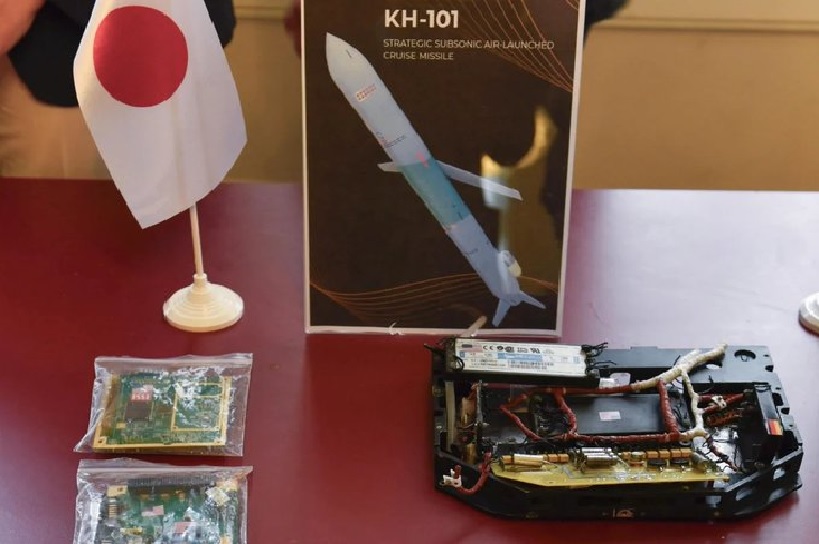
World
KYIV, Ukraine, June 30, 2026 — Ukrainian officials have stated that electronic components manufactured by Japanese companies have been identified in approximately 90% of the ballistic missiles, cruise missiles, and drones used by Russian forces during the ongoing war, according to internal Ukrainian government documents. The findings were presented by Vladyslav Vlasiuk, Ukrainian President Volodymyr Zelenskyy's Commissioner for Sanctions Policy, who said the components are primarily civilian electronic parts that have been diverted into Russia's defense industry through third-country supply networks rather than direct exports from Japan. According to the documents, Ukrainian investigators have identified components from 13 Japanese semiconductor and electronics manufacturers in a range of Russian weapon systems recovered from the battlefield. The parts have been traced in the Kh-101 long-range cruise missile, which reportedly contains more than 100 foreign-made components, as well as Lancet loitering munitions, Iranian-designed Shahed attack drones, and Mohajer-6 reconnaissance drones used by Russian forces. The Ukrainian government said the components involved are standard commercial electronic parts designed for civilian applications rather than military use. Because these products are widely available on the global market, authorities say monitoring their final destination remains a significant challenge for export control agencies. According to Ukrainian officials, Russia is obtaining these dual-use components through a network of intermediaries that re-export commercially available electronics into the country. Investigations indicate that many of the parts are routed through Central Asian countries and China, allowing Russian defense manufacturers to bypass existing international sanctions and export restrictions. The findings have renewed Kyiv's calls for tighter international controls on dual-use technologies. Vlasiuk urged the Japanese government to strengthen export oversight, improve end-user verification, and increase monitoring of indirect exports that could ultimately reach Russia's military-industrial sector. He stated that Russia continues to exploit the complexity of global supply chains and the difficulty of tracking civilian electronic products after export, enabling the country to maintain production of missiles and unmanned aerial systems despite international sanctions. The issue highlights broader challenges facing governments attempting to restrict the transfer of commercially available microelectronics that can serve both civilian and military purposes. While many advanced weapons rely on specialized components, a significant portion of their electronic systems also use standard semiconductors, processors, sensors, and integrated circuits that are commonly available in international markets. Japanese news agency Kyodo News contacted the 13 companies identified in the Ukrainian documents for comment. Their responses varied. Five manufacturers said they were unable to confirm whether the identified components originated from their supply chains because of limited visibility into downstream distribution. One company indicated that a product manufactured by one of its subsidiaries may have been repurposed after sale. Another company stated that the component identified in the report was produced by a different manufacturer. The remaining six companies did not respond to requests for comment. Ukraine has previously documented the presence of foreign-made electronic components from multiple countries in Russian weapons recovered during the conflict. However, Ukrainian officials said the latest assessment indicates that Japanese-made components appear in an estimated 90% of the missiles and drones examined, drawing renewed attention to the role of global commercial supply chains in the production of military equipment. Japan has remained a consistent supporter of Ukraine since the start of Russia's full-scale invasion, imposing sanctions on Russia while providing financial assistance, humanitarian support, and non-lethal defense aid, including drone detection systems and other security-related equipment. Ukrainian officials said the latest findings demonstrate that, despite extensive international sanctions, preventing the diversion of widely available civilian electronics into military supply chains continues to be one of the most difficult aspects of sanctions enforcement. They argue that closer international coordination, stronger export controls, and improved monitoring of intermediary trade routes will be necessary to reduce the flow of dual-use components into Russia's weapons manufacturing sector. Japanese authorities had not issued an immediate public response to Ukraine's latest claims at the time of reporting.
Read More → Posted on 2026-06-30 12:59:39
World
QUANTICO, Virginia, June 30, 2026 — The U.S. Marine Corps has awarded Seattle-based Overland AI a production contract worth approximately $20 million to accelerate the fielding of fully autonomous ground vehicles (AGVs) in support of Marine air defense operations. The agreement marks the first time a ground autonomy company has served as the prime contractor for a production contract involving autonomous ground vehicles with the U.S. military. The contract, valued at $19.74 million, was awarded through the Accelerate the Procurement and Fielding of Innovative Technologies (APFIT) program under an Other Transaction Authority (OTA) agreement. The effort is managed by the Office of the Under Secretary of Defense for Research and Engineering in partnership with the Marine Corps' Program Manager for Ground Based Air Defense (PM GBAD). The production contract includes procurement of more than a dozen autonomous military ground vehicles, Overland AI's OverDrive autonomous driving software, OverWatch command-and-control system, spare parts, training, and support services. Initial deliveries are scheduled to begin in early 2027, approximately nine months after the contract award. The award represents an important step in the Department of Defense's broader effort to transition autonomous ground systems from experimental programs into operational military service. Supporting Marine Air Defense Operations The autonomous vehicles will be integrated into the Marine Air Defense Integrated System (MADIS), the Marine Corps' mobile short-range air defense platform designed to counter drones, helicopters, and other low-flying aerial threats. MADIS is currently mounted on Joint Light Tactical Vehicles (JLTVs) and combines surveillance sensors, electronic warfare equipment, 30mm cannons, and Stinger missiles to provide mobile air defense capabilities for Marine units. Rather than replacing the manned JLTV-based systems, the autonomous vehicles will initially serve as force multipliers by providing logistics support, resupply missions, and intelligence, surveillance, and reconnaissance (ISR) capabilities. Future operational roles may expand as the technology is further integrated into Marine Corps air defense formations. The integration of autonomous resupply vehicles is expected to extend the operational reach of Marine air defense units while reducing personnel exposure during support missions. ULTRA Vehicle and Autonomous Technology For the contract, Overland AI will provide its ULTRA unmanned ground vehicle, an attritable off-road tactical platform designed for military operations in challenging environments. The vehicle weighs approximately 2,500 pounds and can carry payloads of up to 1,000 pounds. It features large off-road tires, long-travel suspension, and an open-architecture payload deck that allows different mission equipment to be installed depending on operational requirements. The ULTRA operates using Overland AI's OverDrive autonomy software, which enables the vehicle to navigate difficult terrain without continuous human control. The system uses onboard sensors to perceive its surroundings, plan routes, avoid obstacles, and make real-time driving decisions while a remote operator can supervise missions through the OverWatch command-and-control system. According to the company, the platform is designed to operate across diverse environments and is not limited to any specific geographic region or theater of operations. Military Transition to Operational Deployment The production award reflects the U.S. military's transition from testing autonomous ground vehicles to fielding operational systems for frontline units. The contract demonstrates growing confidence in autonomous technologies for logistics, reconnaissance, and support missions. Uncrewed ground vehicles are intended to reduce the need for personnel to operate close to potential threats while increasing operational flexibility across different mission environments. Demand for autonomous ground systems has grown as the U.S. military continues integrating unmanned technologies into its future operational concepts. The increasing use of uncrewed ground vehicles in recent conflicts has also highlighted their value for logistics, reconnaissance, and force protection missions. Experience Across Multiple Military Programs Overland AI has previously supported several U.S. military modernization programs and field exercises. The company's autonomy software is already integrated into platforms including General Dynamics' Small Multipurpose Equipment Transport (S-MET), Textron's Ripsaw M5, and systems evaluated by the Defense Advanced Research Projects Agency (DARPA). The company has also participated in the Marine Corps' ROGUE Fires program, which focuses on autonomous missile-launching capabilities. During recent multinational exercises, including Agile Spirit and African Lion 2026, Overland AI supplied autonomous vehicles to the U.S. Army's 173rd Airborne Brigade and 7th Engineer Brigade for missions involving coordinated breaching operations, fire support, logistics, and defensive obstacle emplacement. Additionally, the 82nd Airborne Division employed the company's autonomous vehicles for intelligence, surveillance, and reconnaissance (ISR) missions during a six-month training rotation at Fort Polk, Louisiana. Expanding Autonomous Capability The Marine Corps continues to expand its use of autonomous and unmanned systems as part of its modernization strategy for distributed operations, particularly in contested environments such as the Indo-Pacific region. Integrating autonomous ground vehicles into air defense units is expected to improve logistics support, extend operational range, reduce personnel exposure to threats, and enhance overall mission effectiveness. With deliveries beginning in early 2027, the Overland AI contract marks the Marine Corps' transition from evaluating autonomous ground vehicle technology to fielding production systems intended for operational military use.
Read More → Posted on 2026-06-30 11:31:25Search
Top Trending in 24 Hours
-
 Boeing Wins $20 Billion U.S. Navy Contract for F/A-XX Sixth-Generation Fighter
-
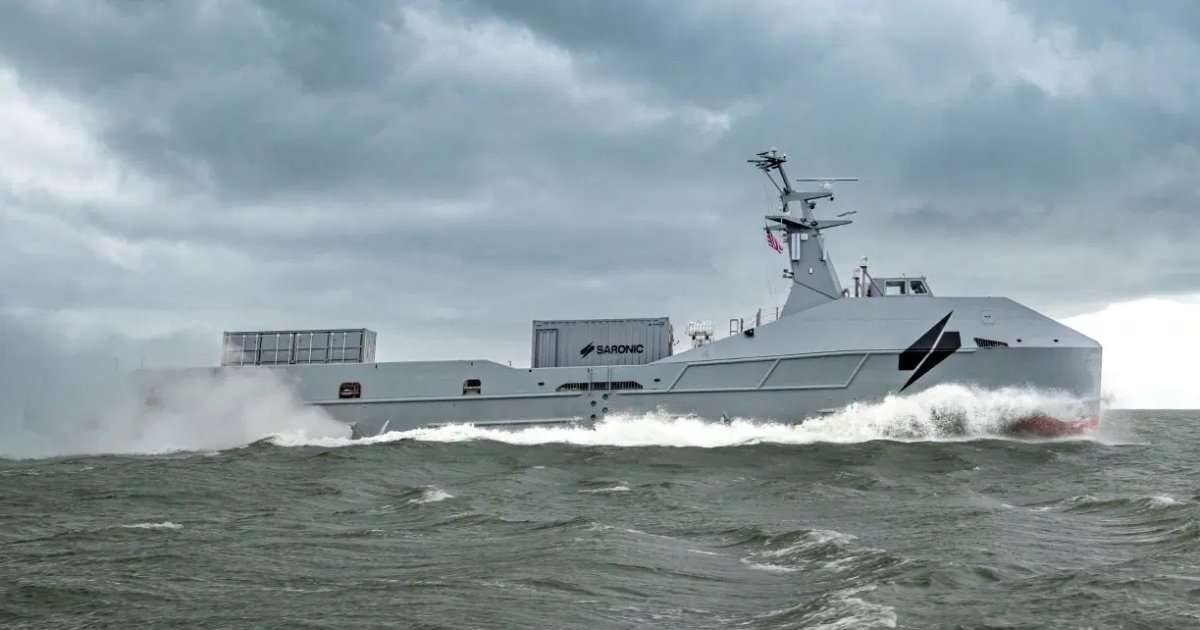 U.S. Navy Awards Production Agreements for 30 Medium Unmanned Surface Vessels, Including 10 Saronic Marauders
-
 NASA Adds Blue Origin’s Upgraded New Glenn 9×4 to Launch Services Contract
-
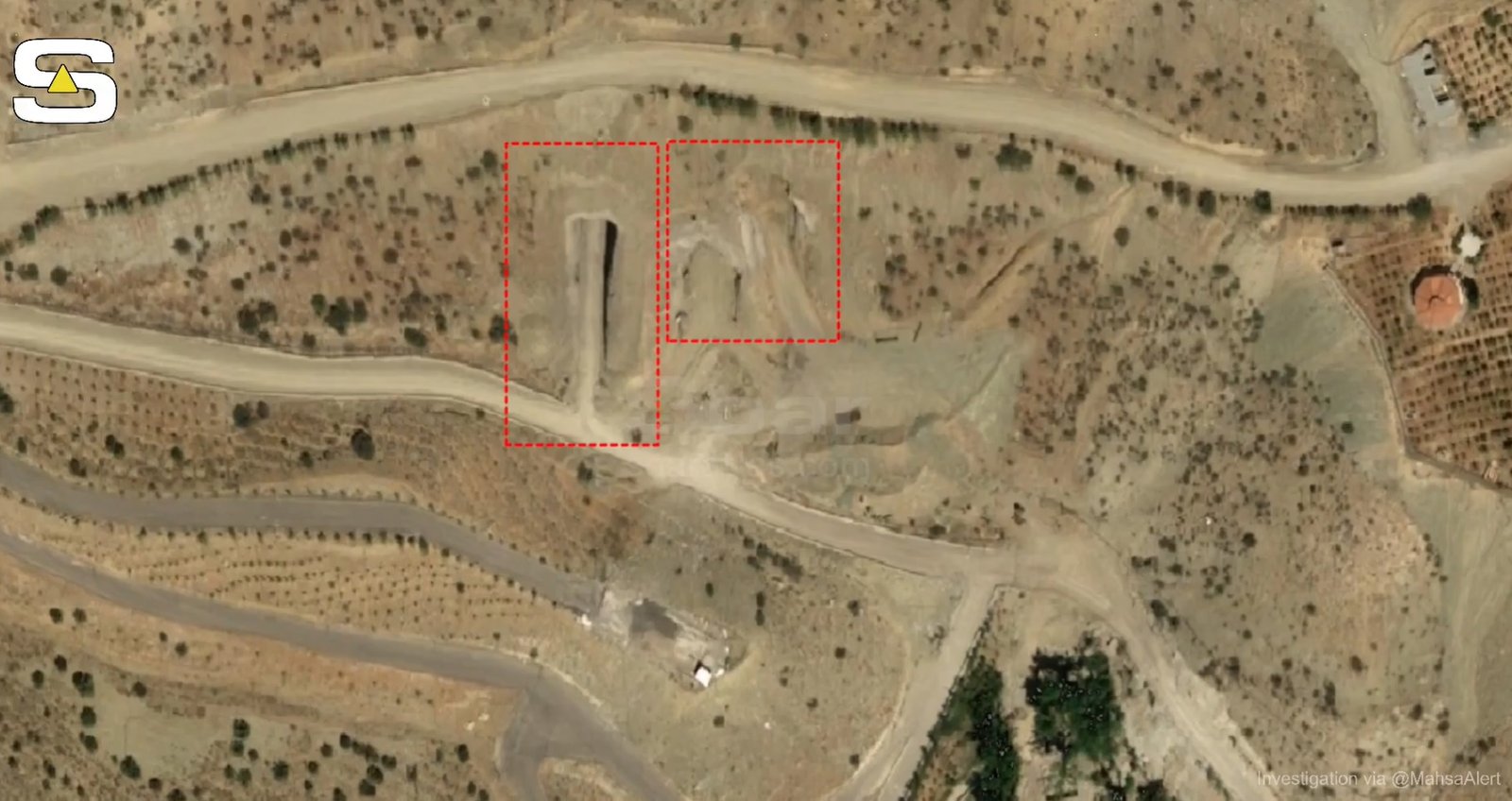 Satellite Imagery Shows Construction Changes at Hillside Site Linked to Iran’s Supreme National Security Council
-
 Flydubai Flight to Israel Diverted to Saudi Arabia After Possible Attempted Terror Attack in Cockpit
-
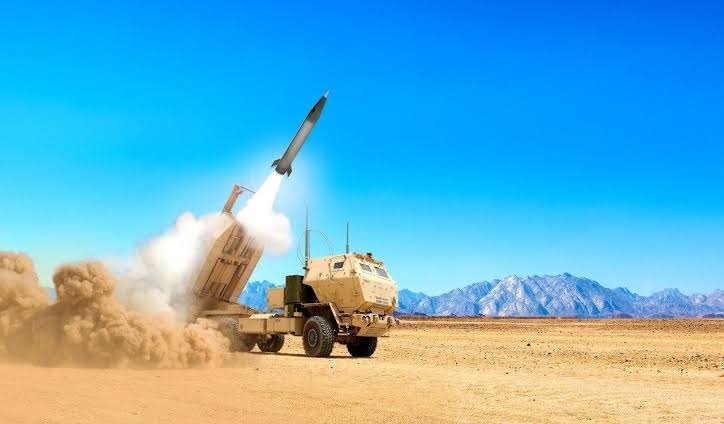 U.S. Army Selects Five Companies to Develop 1,000-Km Precision Strike Missile Prototypes
-
 Northrop Grumman Delivers First 21 Satellites for Pentagon’s Next-Generation Military Network
-
 U.S. Air Force Awards Boeing $2.38 Billion Contract for 22 F-15EX Fighter Jets
Top Trending in 4 Days
-
 UK Offers Nuclear Deterrence for Its Northern European Defence Partners
-
 Russia Says Su-75 Checkmate Could Cost Just $25–30 Million, Flight-Hour Costs 6 Times Lower Than F-35
-
 China Reports First High-Orbit Refueling of BeiDou Satellite, but Tracking Data Raise Questions
-
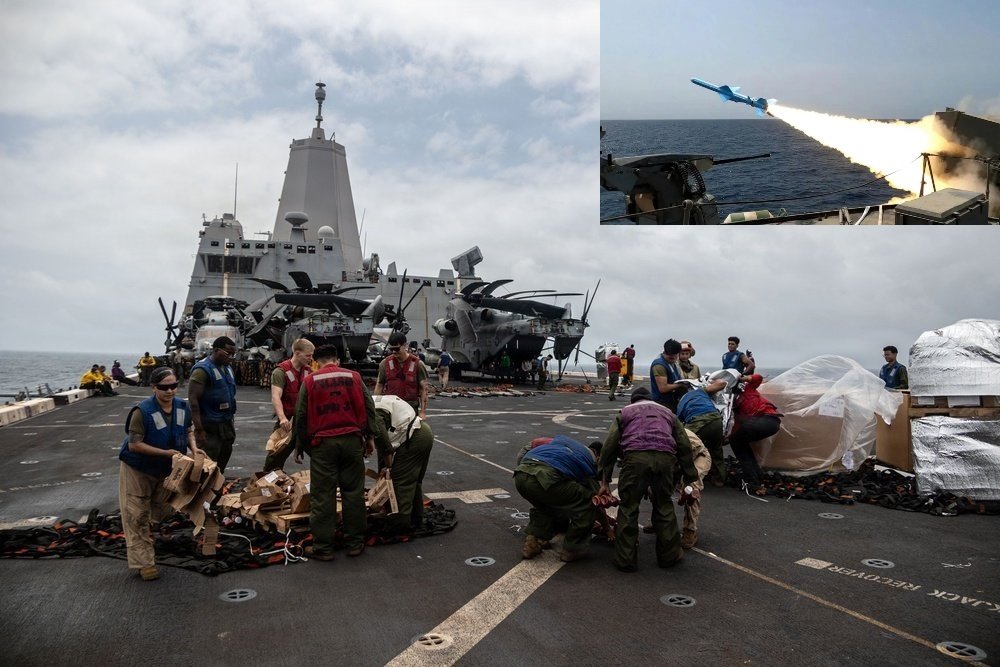 Eight U.S. Marines Injured in Iranian Missile Strike on U.S Vessel in Strait of Hormuz
-
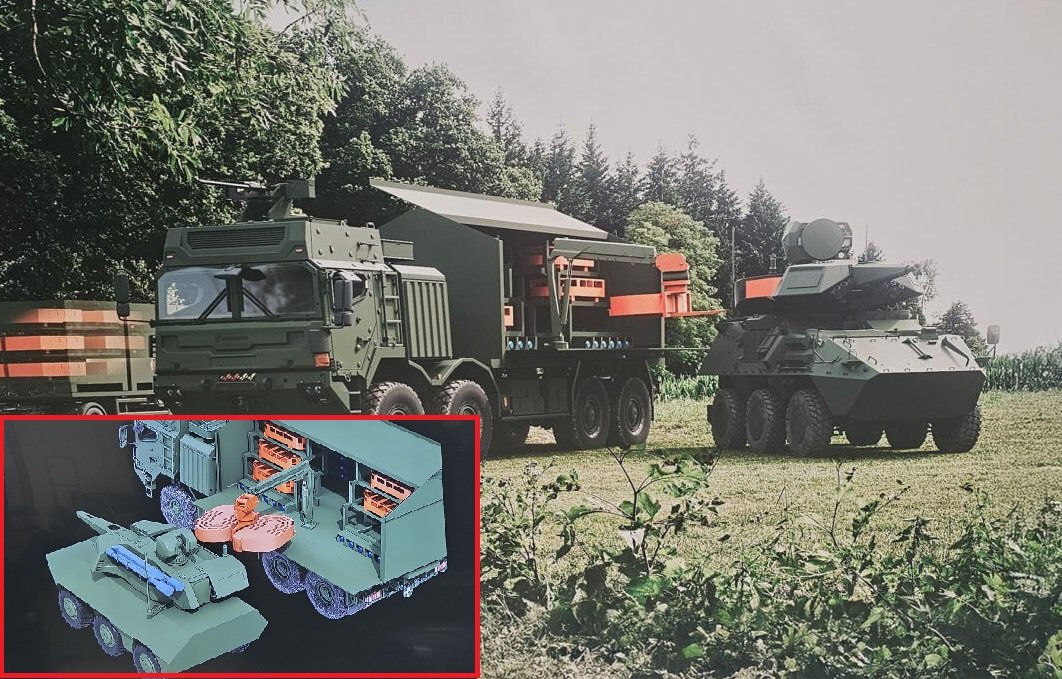 Rheinmetall Develops Automated Reloader for Austrian Skyranger Air Defense System
-
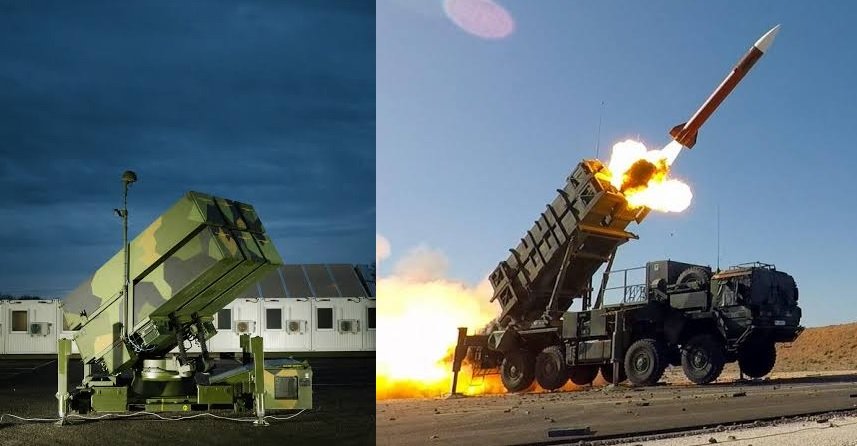 Ukraine Receives New NASAMS Air Defense System and Interceptor Missiles From U.S. and Norway
-
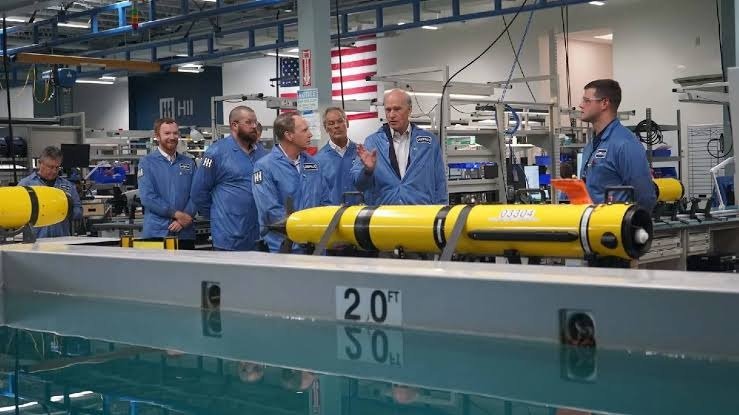 HII Expands Massachusetts Unmanned Systems Facility by 25 Percent to Support U.S. Navy Lionfish Production
-
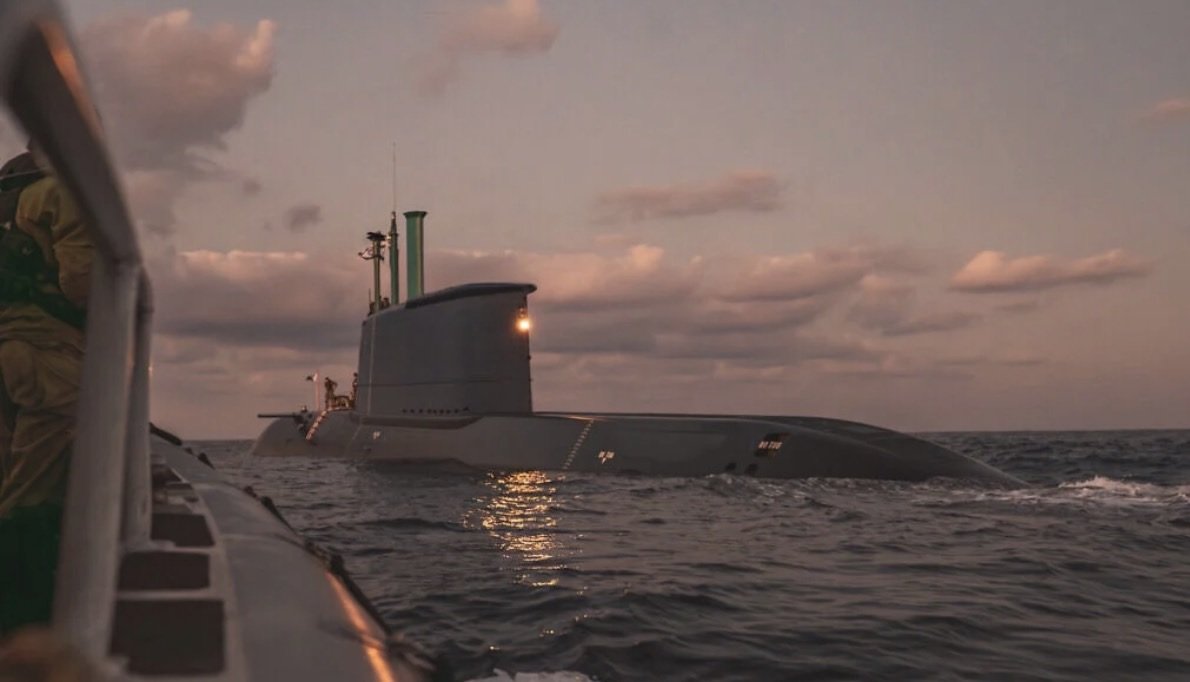 Israel’s Largest Submarine, INS Drakon, Arrives in Haifa After 23-Day Voyage From Germany
