Europe
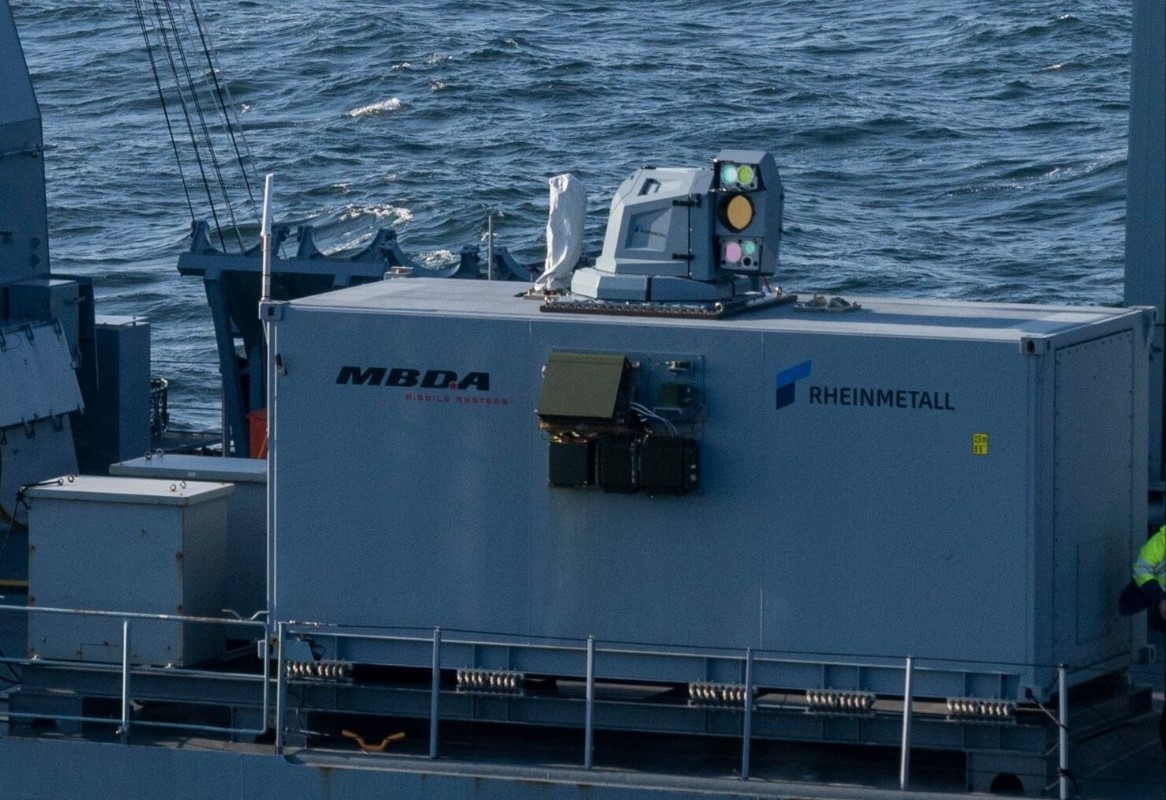
BERLIN — Germany has awarded a contract to MBDA Deutschland and Rheinmetall Waffe Munition to develop a high-energy laser weapon system for the German Navy, marking a major step in the country's efforts to strengthen its future naval defense capabilities with directed-energy technology. Germany's Federal Office of Bundeswehr Equipment, Information Technology and In-Service Support (BAAINBw) signed the contract on July 9, 2026, with the High-Energy Laser Naval Demonstrator Working Group (ARGE HEL). The ARGE HEL consists of MBDA Deutschland and Rheinmetall Waffe Munition, with the two companies currently establishing a joint venture to carry out the program. The laser weapon system is expected to become operational by 2029. The contract is valued in the mid three-digit million-euro range and covers the development of a complete maritime laser weapon system, including the entire operational chain from reconnaissance and target tracking to engagement. According to the companies, the joint venture will place particular emphasis on German supply chains and domestic systems expertise during development to help secure Germany's national sovereignty in this key technology. Complete System for the German Navy The laser weapon system is being developed to meet the operational requirements of the Bundeswehr and strengthen the German Navy's defense capabilities against airborne, maritime, and land-based targets. Roman Koehne, Head of Rheinmetall's Weapon and Ammunition Division, said the project demonstrates the technological maturity achieved by combining the complementary capabilities of Rheinmetall and MBDA into a complete system. He said the laser weapon system will provide significantly greater protection for personnel deployed aboard German naval vessels, particularly against drone threats. Koehne added that series production will largely take place in Germany, creating new training and employment opportunities. Demonstrator Successfully Completed Extensive Trials The development program builds on the successful High-Energy Laser Naval Demonstrator jointly developed by MBDA and Rheinmetall. In March 2026, the demonstrator repeatedly showcased its capabilities to senior German military delegations at the Bundeswehr Technical Centre for Weapons and Ammunition (WTD 91) in Meppen. Before those demonstrations, the system had already spent more than one year aboard the German Navy frigate SACHSEN, covering approximately 28,000 nautical miles across the North Sea, Baltic Sea, and Mediterranean Sea while demonstrating its effectiveness under operational conditions, including adverse weather. During more than a year of testing and operational use at sea and at WTD 91, the demonstrator successfully fired more than 1,000 shots against airborne, maritime, and land-based targets while also completing numerous target-tracking activities. Precision Laser Technology According to Rheinmetall, the system's refined beam quality and tracking capability allow the laser power to be focused with extreme precision, including against moving targets. The laser can concentrate its energy onto an area measuring just a few centimetres, creating a very high energy density that enables targets to be engaged more quickly, more precisely, and more effectively while using less laser power. Rheinmetall is responsible for the laser weapon station, beam guidance system, cooling system, and the integration of the complete system into its containerized platform. Domestic Production and Future Applications The companies said series production will largely take place in Germany, supporting domestic supply chains while strengthening national expertise in directed-energy technology. Thomas Gottschild, Managing Director of MBDA Deutschland and Executive Vice President Strategy & Future Growth at MBDA, said the laser weapon system is a flagship technology project designed specifically to meet the Bundeswehr's operational requirements. He said the system will significantly strengthen the German Navy's defense capabilities against airborne, maritime, and land-based targets. He also noted that the containerized laser effector could provide a cost-efficient solution for port security as well as other stationary and mobile land-based applications. Operational Goal by 2029 MBDA Deutschland and Rheinmetall have been cooperating on high-energy laser technology for several years, and the new contract moves the program from the demonstrator phase toward an operational capability. With development now underway, the German Navy is expected to receive the high-energy laser weapon system by 2029, providing a new directed-energy capability for maritime operations while supporting Germany's domestic defense industrial base. Source: rheinmetall
Read More → Posted on 2026-07-10 12:06:24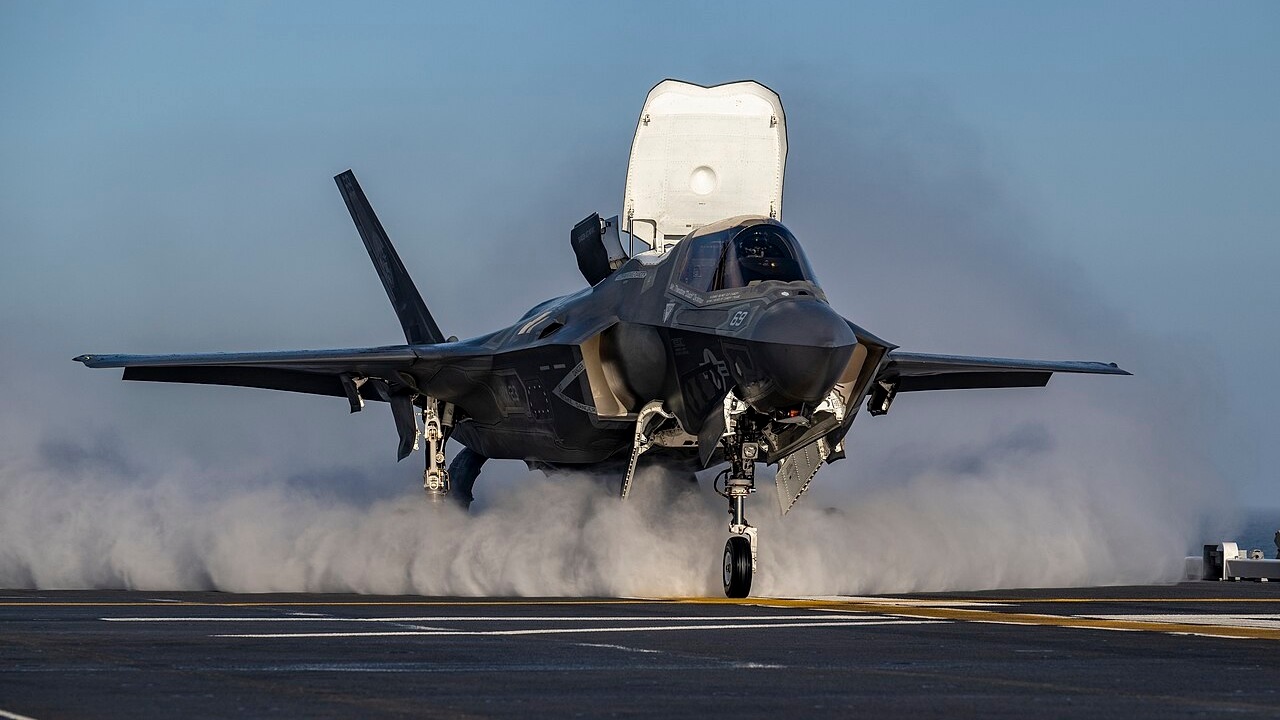
U.S
WASHINGTON — The U.S. Navy is seeking a field-deployable cleaning system to address a recurring maintenance issue affecting the U.S. Marine Corps' F-35B Lightning II fighter jets. On July 9, the U.S. Naval Air Warfare Center Aircraft Division (NAWCAD) issued a sources sought notice requesting information from industry on commercial off-the-shelf (COTS) cleaning equipment that can be adapted to remove hardened deposits known as "clutch sludge" from the aircraft's lift fan clutch cooling system. The notice, identified as N6833526RFI0521, requests responses by July 16, 2026, giving industry seven business days to submit information. The short response period indicates the priority the F-35 Joint Program Office (JPO) is placing on finding a practical maintenance solution. Clutch Sludge in the F-35B Lift System The F-35B is the short takeoff and vertical landing (STOVL) version of the F-35 Lightning II, designed to operate from short runways and amphibious assault ships. Its vertical landing capability is provided by the Rolls-Royce LiftSystem, which works with the Pratt & Whitney F135 engine. The LiftSystem includes a vertically mounted LiftFan positioned behind the cockpit that produces approximately 20,000 pounds of upward thrust. During vertical landings and short takeoffs, a mechanical clutch connects the LiftFan to the engine's driveshaft, allowing the fan to operate alongside the engine's downward-vectoring exhaust nozzle. According to the Navy's notice, a mixture of carbon fiber dust from the clutch system and synthetic oil gradually builds up inside the clutch cooling exhaust ductwork and vent panel screens. Over time, this material hardens into what is referred to as clutch sludge, creating a maintenance challenge that requires periodic removal. Issue Dates Back to Early Development The clutch system has been monitored since the F-35B's early testing phase. In 2011, Pratt & Whitney identified that clutch plates within the LiftFan system were making unexpected contact during normal forward flight. The additional contact generated more heat than the clutch had originally been designed to handle. To manage the issue, Lockheed Martin introduced additional temperature sensors and operating procedures requiring pilots to descend below 10,000 feet if clutch temperatures exceeded specified limits, allowing cooler air to reduce temperatures. These operational measures have remained in use, while maintenance personnel continue dealing with sludge accumulation inside the cooling system. Navy Looking for Existing Commercial Technology Rather than developing an entirely new cleaning system, the F-35 Joint Program Office's Propulsion Support Equipment Sustainment Manager is looking for existing commercial equipment that can be modified for the F-35B. According to the notice, the requested system must: Precisely control water temperature, pressure, and water quality to remove hardened sludge without damaging nearby aircraft components. Safely collect and recover wastewater and removed contaminants to meet environmental requirements. Include a custom connection that fits the F-35B clutch cooling hardware. Be portable enough for maintenance crews to transport and operate at Marine Corps air stations and other operating locations. Technical evaluation of proposed systems will be conducted by the F-35 JPO Propulsion LST In-Service Engineering Team. Focus on Field-Level Maintenance The Navy's requirement for a deployable cleaning system is intended to improve maintenance efficiency and aircraft availability. Currently, extensive maintenance on propulsion components often requires aircraft or major assemblies to be sent to depot-level maintenance facilities. A portable cleaning system would allow maintainers to remove clutch sludge directly at the squadron level, reducing maintenance time and minimizing the period aircraft remain unavailable for training or operational missions. The notice emphasizes finding a solution that can be used wherever Marine Corps F-35Bs are deployed, supporting expeditionary operations as well as routine maintenance. Previous Sustainment Improvements The F-35B sustainment network has continued to expand in recent years. In 2023, Fleet Readiness Center East (FRCE) became the first U.S. Department of Defense facility outside Rolls-Royce's LiftWorks facility in Indianapolis to assemble an F-35B LiftFan clutch. The additional repair capability increased in-house maintenance capacity as the Marine Corps' F-35B fleet continued to grow. Information Request Only The July 9 notice is a sources sought request, not a formal procurement solicitation. Companies responding are asked to provide information on their existing products, cleaning methods, system specifications, and whether their solutions are commercial, modified-commercial, or another type of capability. The Navy has limited submissions to five pages, and the information will be used to evaluate available technologies that could support future maintenance requirements for the F-35B fleet. As the Marine Corps continues expanding its fleet of F-35B aircraft, maintaining the reliability of the LiftSystem and its clutch assembly remains an important part of sustaining aircraft readiness for training, shipboard operations, and expeditionary missions. Source: highergov
Read More → Posted on 2026-07-10 11:40:00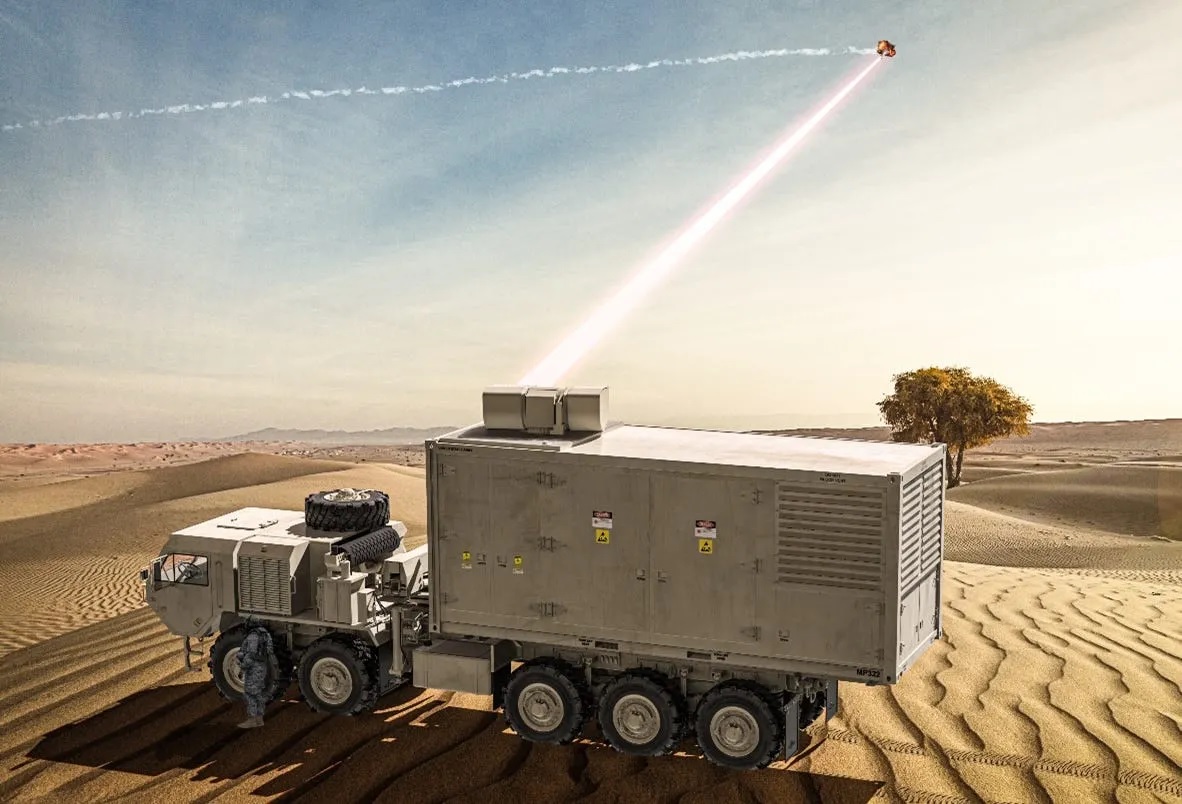
U.S
WASHINGTON — The U.S. Department of War has awarded two Other Transaction Authority (OTA) agreements worth a combined $86 million to nLIGHT Defense and Lockheed Martin Aculight under the Joint Laser Weapon System (JLWS) program. The initiative is intended to accelerate the development of high-energy laser weapons designed to counter cruise missiles and unmanned aerial systems (UAS). The agreements are being managed through the Scaled Directed Energy (SCADE) Critical Technology Area (CTA) under the Office of the Under Secretary of War for Research and Engineering (OUSW(R&E)). While the initial award totals $86 million, the overall JLWS program has a ceiling value of $847 million, reflecting the Department's long-term investment in directed energy technologies. Developing Field-Ready Laser Weapons The JLWS program is focused on transitioning directed energy systems from demonstration prototypes into production-oriented, operational platforms. The Department plans to develop containerized high-energy laser weapons that can be rapidly deployed and integrated across multiple military platforms. According to the Department, these laser systems are intended to provide several operational advantages over conventional missile-based interceptors. They can engage threats at the speed of light, support repeated engagements without carrying large numbers of interceptor missiles, and significantly reduce the cost per engagement. These characteristics are considered particularly valuable for defending against large drone swarms and increasingly capable cruise missile threats. Initial 150 kW Systems to Scale Up The first JLWS prototypes will be built with an output of approximately 150 kilowatts (kW). Future versions are planned to increase power into the 300–500 kW range, which the Department considers necessary for effective cruise missile defense. In parallel, the program will also develop a 500 kW integrated laser weapon system using a laser source developed through the High Energy Laser Scaling Initiative (HELSI). Both the scalable laser systems and the 500 kW integrated system will use a containerized design, allowing modular installation on both ground vehicles and naval platforms. This approach is intended to simplify deployment across different geographic combatant commands. Accelerated Development Through OTA Agreements The Department said it selected the Other Transaction Authority (OTA) acquisition model to speed development by avoiding some of the longer timelines associated with traditional defense procurement. The OTA framework allows rapid prototyping, closer collaboration with industry, and iterative development based on changing operational requirements, helping move promising technologies toward production more quickly. "We must actively defend the homeland against emerging threats," said Emil Michael, Under Secretary of War for Research and Engineering. "We are partnering with industry to rapidly deliver deep magazine directed energy capabilities to the Joint Force that can be seamlessly deployed across multiple domains." Building on Earlier Directed Energy Programs The JLWS program will build on technologies and lessons learned from previous U.S. directed energy efforts. Among them is the U.S. Navy's High Energy Laser with Integrated Optical-Dazzler and Surveillance (HELIOS) system, currently installed aboard the USS Preble, an Arleigh Burke-class guided missile destroyer. The program also draws on experience from the U.S. Army's Indirect Fire Protection Capability–High Energy Laser (IFPC-HEL) prototype. Lockheed Martin has served as the prime contractor for both HELIOS and IFPC-HEL. Industry Experience Both companies selected for JLWS bring previous experience in high-energy laser development. nLIGHT Defense has been a key participant in the HELSI program. The company previously developed a 300 kW laser weapon using its coherent beam combining (CBC) architecture and later received expanded funding to advance laser source technology beyond the megawatt-class level. Lockheed Martin Aculight has contributed to multiple U.S. Army and U.S. Navy directed energy programs, including earlier laser weapon demonstrations and operational prototypes. Role in Future Air and Missile Defense The Department said the JLWS program is intended to provide combatant commanders with scalable and cost-effective options for defeating both asymmetric threats, such as drone swarms, and more advanced threats, including cruise missiles. The effort also supports broader U.S. homeland defense initiatives, including the "Golden Dome for America" missile defense concept, which aims to strengthen protection against evolving aerial threats through advanced technologies. Budget documents previously submitted by the Department include approximately $675.93 million in planned research and development funding for JLWS over the next five years, indicating continued investment in expanding directed energy capabilities across the U.S. military. The award of the OTA agreements marks the next phase of the JLWS program as the Department moves toward testing, integration, and eventual fielding of high-energy laser systems for operational use. Source: war.gov
Read More → Posted on 2026-07-09 16:13:51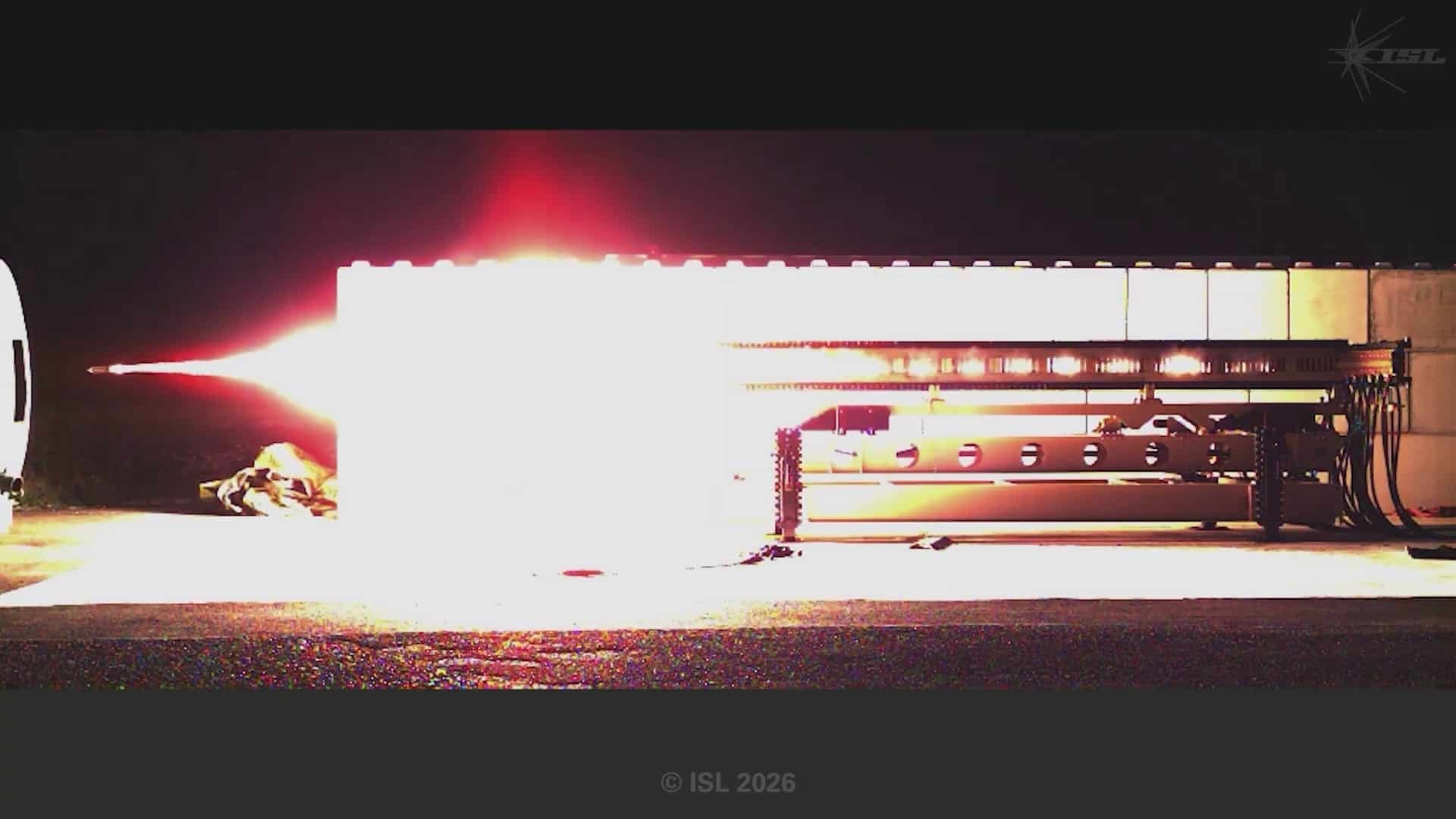
Europe
Saint-Louis, France — The French-German Research Institute of Saint-Louis (ISL) has successfully conducted the first outdoor firing test of its domestically developed electromagnetic railgun. The test took place on June 29, 2026, at the institute's proving ground in Baldersheim, France, marking an important step in moving the technology from laboratory research to open-range testing. The firing was carried out under ISL's Railgun Free Flight Facility programme, which was launched two years ago to advance electromagnetic launcher research beyond controlled laboratory conditions. The programme brings together specialists from different scientific fields within the institute to support the development and testing of the technology. A railgun uses electrical energy, rather than chemical propellants, to accelerate a projectile along two parallel rails. Conducting tests in an open-range environment allows researchers to study projectile performance and flight behaviour under conditions that are closer to real-world use than laboratory experiments. According to ISL, the new facility enables gradual increases in launch energy across multiple firing tests, studies of projectile behaviour over longer distances, research on launcher integration, and the development of munitions specifically designed for electromagnetic launch. These capabilities represent the next stage in the institute's long-running electromagnetic acceleration research. The railgun is designed to propel projectiles using electricity, eliminating the need for propellant powder. According to ISL, the system is designed to achieve a muzzle velocity of more than 2,000 metres per second (m/s) while offering the potential for lower mission costs compared with conventional gun systems. ISL also highlighted several potential operational advantages of the technology, including an extended firing range of more than 200 kilometres, reduced flight time that could improve air defence response, enhanced lethality due to the projectile's high impact speed, and increased ammunition storage capacity because the system does not require propellant charges. ISL has been conducting research on electromagnetic launchers for decades, with previous work focused on laboratory-scale testing. The new outdoor facility expands those capabilities and strengthens European research in advanced electromagnetic launcher technology. The technology has attracted long-term interest for possible future defence applications, including countering hypersonic threats. However, ISL said significant additional research, higher-energy testing, system integration, and qualification will be required before the technology could be considered for operational use. ISL is a joint French-German defence research institute funded by the French Agency for Defence Innovation (AID) and the German Ministry of Defence. The institute plans to continue testing by increasing energy levels, extending firing distances, and carrying out further integration studies as part of its long-term research programme. Source: navalnews / defense.gouv.fr
Read More → Posted on 2026-07-09 16:04:39
World
GORGAN, Iran — United States forces carried out an overnight cruise missile strike on the Aq Tekeh Khan railway bridge in Iran's northeastern Golestan province, targeting a key section of the country's overland transport network connecting Iran with China and Russia. According to Iranian state media and the Islamic Revolutionary Guard Corps (IRGC) Neynava Corps, the bridge in the Aqqala district was hit by a US cruise missile. Iranian officials reported no casualties, while emergency teams were deployed to assess the damage. The strike marks a notable change in the current US military campaign against Iran. Since the collapse of the recent ceasefire, most US operations had focused on military facilities in southern Iran near the Strait of Hormuz. The attack on the Aq Tekeh Khan bridge, located close to the Turkmenistan border, extends operations deep into northern Iran and targets infrastructure with significant logistics and transportation value. Key Transport Link for China and Russia The Aq Tekeh Khan railway bridge is part of the China–Kazakhstan–Turkmenistan–Incheh Borun railway corridor, an important overland route linking the Chinese city of Xi'an with Tehran. The railway also forms part of the broader International North-South Transport Corridor (INSTC) and supports China's Belt and Road Initiative. The corridor has become increasingly important for trade between Iran, China, and Russia. Over the past year, at least 65 freight trains traveled from China to Iran along this route. Rail traffic increased significantly after the US Navy blockade of Iranian Gulf ports earlier this year, with Iranian authorities relying more heavily on land transportation to reduce dependence on maritime routes through the Strait of Hormuz. Russia has also used the same railway corridor for cargo shipments to Iran since late October 2025, making the route strategically important for regional trade and logistics. Passenger Rail Services Affected Following the strike, passenger rail services between Tehran and the northeastern city of Mashhad were disrupted. Iranian authorities redirected stranded passengers to road transportation while damage assessments and recovery work continued. The IRGC's Neynava Corps confirmed the attack and stated that no deaths or injuries were reported. Change in US Military Operations The attack represents one of the deepest reported US strikes inside Iranian territory during the current conflict. Before this operation, US Central Command had stated that its military actions were aimed at reducing Iran's ability to threaten maritime navigation around the Strait of Hormuz by targeting military facilities in southern Iran. The latest strike, however, focused on transportation infrastructure that plays a major role in Iran's international trade network. The renewed fighting follows the collapse of a ceasefire agreement reached last month. After the ceasefire ended, US President Donald Trump announced that the agreement was over, while the United States revoked a license that had allowed Iranian oil sales. US Central Command has since reported conducting strikes against more than 90 Iranian targets. In response, Iran's IRGC said it carried out retaliatory attacks against US military bases in Kuwait and Bahrain. Previous Railway Infrastructure Strikes Iran's railway network has faced similar attacks in recent months. During strikes on April 7, US and Israeli forces targeted six railway bridges across Tehran, Alborz, Qom, Isfahan, Zanjan, and East Azerbaijan provinces. Iranian authorities restored several of those damaged crossings within days. The Yahyaabad railway bridge in Kashan reopened three days after the attack, while another railway bridge near Qom was repaired in less than 40 hours. Iranian officials have indicated that repair work on the Aq Tekeh Khan bridge is expected to begin quickly based on previous restoration efforts. Strategic Importance The Aq Tekeh Khan bridge serves as a critical connection for rail freight moving between Iran, China, Russia, and Central Asia. As maritime routes have faced increasing disruption during the conflict, the railway has become an important alternative for international cargo transport. Damage to the bridge is expected to affect rail logistics on one of Iran's main overland trade corridors while authorities continue to assess the full impact on freight operations and passenger services. Source: timesofisrael
Read More → Posted on 2026-07-09 15:33:32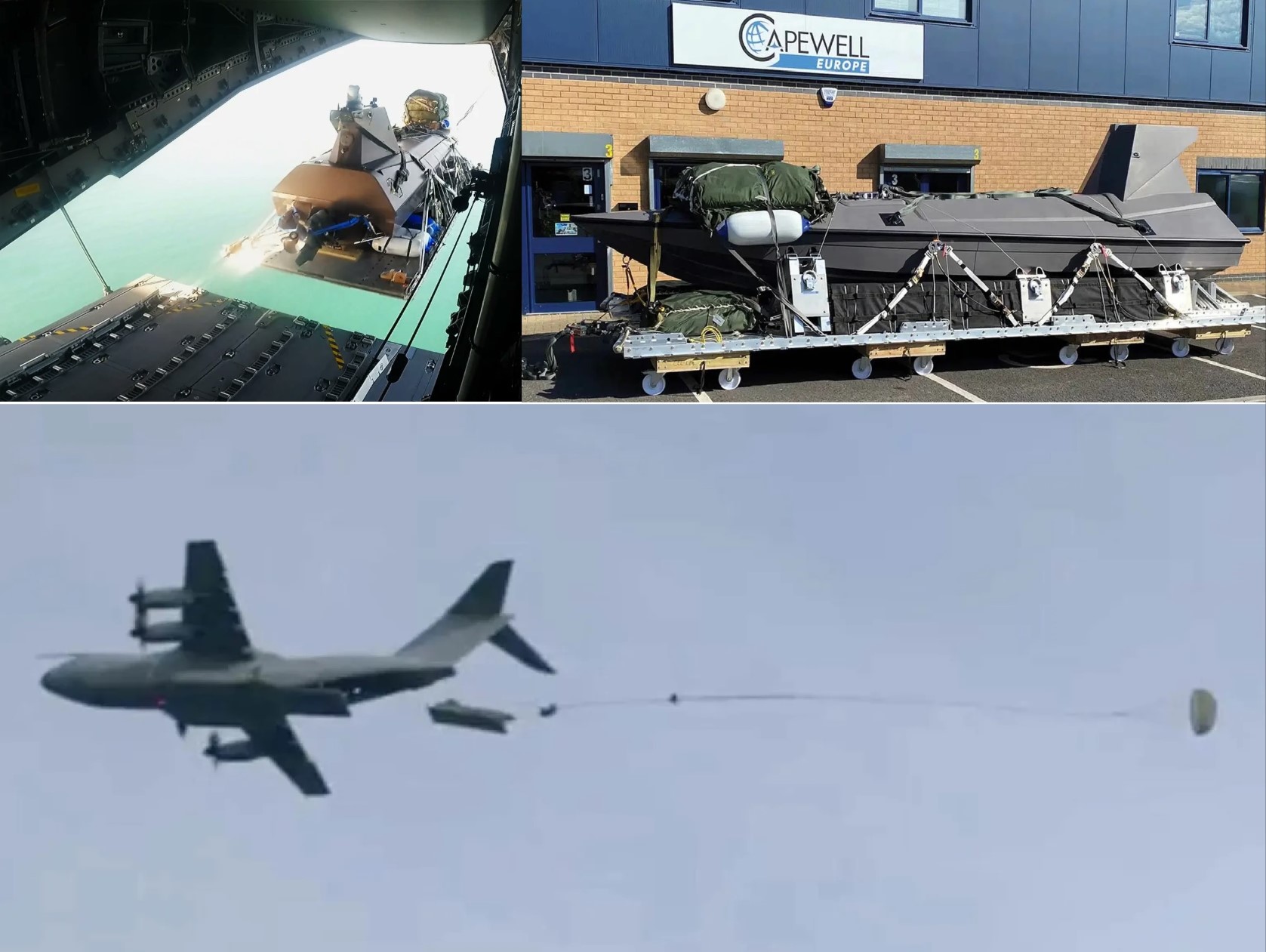
Europe
LONDON — The United Kingdom has successfully completed the world's first extracted-load airdrop of an uncrewed surface vessel (USV) from a military transport aircraft, demonstrating a new method of rapidly deploying autonomous maritime systems directly into operational waters. The trials were conducted over the North Sea by the Royal Navy in partnership with British maritime autonomy company Kraken Technology Group and aerial delivery specialist Capewell under the Royal Navy's Project Beehive. During the six-day trial campaign, a Project Beehive-configured K3 SCOUT USV was successfully deployed four times from an Airbus A400M Atlas transport aircraft flying at an altitude of 1,300 feet. The vessel was dropped into Sea State 4 conditions, where waves can reach up to approximately 2.5 metres (8 feet), and successfully transitioned into operational mode after entering the water. The demonstration validated a new capability that allows autonomous maritime systems to be deployed directly into contested or difficult-to-access waters without relying on nearby ports, naval vessels, or other supporting infrastructure. New Aerial Delivery System Validated For the trials, the K3 SCOUT was equipped with Kraken Technology Group's optional airdrop kit and mounted on Capewell's Universal Maritime Craft Aerial Delivery System (UMCADS), a reconfigurable Type V parachute-based platform designed to deliver maritime craft into military operating areas. The extracted-load process involves pushing the USV, mounted on the UMCADS platform, from the aircraft's cargo bay before parachutes slow its descent into the sea. The campaign also successfully tested the new electro-mechanical IN-Release system, which synchronizes the separation of the delivery platform and the vessel immediately before water entry. According to the companies, the configurable mechanism can support a range of aerial and maritime deployment applications. The trials demonstrated that the K3 SCOUT could withstand the impact of the airdrop, remain operational in rough sea conditions, and begin its mission shortly after landing in the water. Supporting Rapid Maritime Operations The new deployment method provides military forces with the ability to position autonomous surface vessels hundreds of miles from friendly bases using strategic airlift aircraft such as the Airbus A400M. According to the Royal Navy, this capability offers commanders an additional option for rapidly deploying uncrewed systems in areas where conventional naval access may be delayed, denied, or considered too high risk. Potential missions include intelligence gathering, surveillance, force protection, and precision strike operations. Captain Adam Ballard, who is involved with Project Beehive, said the capability represents a change in how maritime power can be deployed. While navies have traditionally launched air power from ships, he noted that autonomous maritime capability can now also be delivered directly from the air. Project Beehive and the Hybrid Navy The trials form part of the Royal Navy's Project Beehive, which is supporting the integration of autonomous systems into the UK's future "Hybrid Navy" concept that combines crewed and uncrewed platforms within the Surface Flotilla. Earlier this year, the UK Ministry of Defence awarded Kraken Technology Group a £12.3 million contract to deliver 20 K3 SCOUT uncrewed surface vessels over a 12-month period. The vessels will support operational deployments, tactical development, and training activities. K3 SCOUT Specifications The K3 SCOUT is an approximately 8.4-metre composite-hulled autonomous surface vessel featuring a low-signature design. It has a maximum speed of 55 knots, can carry payloads of up to 600 kilograms, and offers an endurance of up to 30 days, depending on mission requirements. The platform is designed for missions including surveillance, reconnaissance, force protection, precision strike, and casualty evacuation. Company Expansion The successful trials come as Kraken Technology Group continues to expand its operations. Founded in 2020 by Mal Crease, the company recently completed a $175 million Series B funding round backed by investors including the NATO Innovation Fund and the British Business Bank. According to the company, the investment values Kraken at more than $1 billion and will support international manufacturing expansion and the further development of its autonomous platforms. Commenting on the trials, Mal Crease, Founder and CEO of Kraken Technology Group, said the partnership with Capewell and the Royal Navy demonstrated that the K3 SCOUT could be rapidly deployed from a military transport aircraft into contested or difficult-to-access waters ready for operation. He added that the company will continue working with its partners to develop modular autonomous systems for future operational requirements. Mark Lavender, Director of Business Development and Training at Capewell, said the campaign validated the integration of the K3 SCOUT with the UMCADS platform and demonstrated the flexibility of the delivery system. He noted that the team completed four live airdrops in six working days using the same boat and delivery platform, highlighting the system's ability to support different mission requirements. The successful demonstration marks a practical step in expanding the Royal Navy's ability to deploy autonomous maritime systems rapidly from the air while reducing dependence on conventional naval deployment methods. Source: navylookout
Read More → Posted on 2026-07-09 14:48:45
Europe
ZAKYNTHOS, Greece — A Hellenic Air Force F-16C Fighting Falcon made a successful emergency belly landing at Zakynthos International Airport on Thursday after experiencing a technical malfunction during a routine training flight. The pilot was uninjured and exited the aircraft safely. The aircraft belonged to the 335th Squadron of the 116th Combat Wing and had taken off from Araxos Air Base in the northwestern Peloponnese for a scheduled training mission. During the flight, the pilot reported an unspecified technical problem and diverted the aircraft to Zakynthos International Airport, located about 100 kilometers south of Araxos. According to the Hellenic Air Force, the emergency landing took place at around 1:45 p.m. local time. Initial reports suggested a possible engine fire or fuel leak, but visual evidence indicated that the aircraft's landing gear failed to deploy, forcing the pilot to carry out a wheels-up belly landing. The F-16 landed directly on its fuselage and slid along the runway. Friction between the aircraft and the runway caused a fire beneath the fuselage. Airport firefighters, who had been positioned along the runway in preparation for the emergency, responded immediately and used water and firefighting foam to extinguish the flames within seconds. The rapid response prevented the fire from spreading to the fuel tanks or causing further structural damage. The pilot did not use the ejection seat and left the aircraft normally after it came to a stop. Hellenic Air Force spokesperson Lieutenant Colonel Konstantinos Gravalos confirmed that the pilot was "in good health." The incident led to the temporary closure of Zakynthos International Airport, which operates a single runway. Emergency crews secured the area and removed the damaged aircraft before flight operations resumed. The closure disrupted commercial air traffic, with several incoming flights, including services operated by British Airways, TUI, and easyJet, diverted to airports in Athens, Corfu, and Thessaloniki, while some departing flights were delayed. The Hellenic Air Force has launched an official investigation to determine the cause of the mechanical failure. The F-16 Fighting Falcon remains one of the main combat aircraft of the Hellenic Air Force. Greece operates one of the largest F-16 fleets in Europe and has continued to modernize the aircraft through upgrade programs to maintain its operational capabilities. Source: OSINTdefender
Read More → Posted on 2026-07-09 14:41:36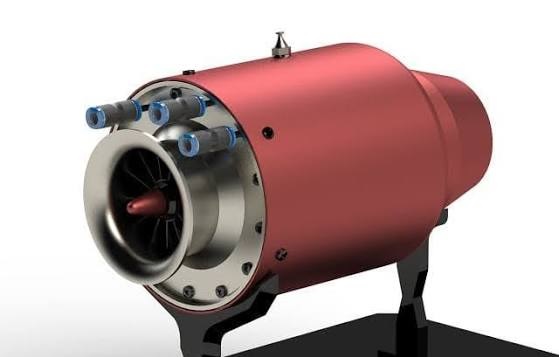
India
BENGALURU — Bengaluru-based aerospace startup Vayuvya Defence has signed two Memorandums of Understanding (MoUs) to integrate its indigenous micro jet engines into unmanned aerial vehicles (UAVs), expanding both domestic collaboration and international opportunities for Indian aerospace technology. The agreements were signed with Bengaluru-based Kshatra Labs and California-based Avalonch. The partnerships focus on integrating Vayuvya Defence's micro jet engines into UAV platforms for future applications. Under the agreement with Kshatra Labs, the two companies will collaborate on the co-development, customization, and integration of indigenous micro jet engines into advanced UAV platforms. Kshatra Labs develops autonomous defence systems, including high-speed interceptor UAVs, and the partnership aims to develop propulsion solutions tailored to mission requirements. The second MoU was signed with California-based Avalonch to integrate Vayuvya Defence's micro jet engines into next-generation UAVs and other advanced unmanned systems. If the collaboration progresses to commercial deliveries, it would mark India's first export of domestically developed micro jet engines to the United States. Recognized as a startup by the Department for Promotion of Industry and Internal Trade (DPIIT), Vayuvya Defence develops small turbine engines with high thrust-to-weight ratios for UAVs and other tactical aerospace platforms. The company says its propulsion systems are designed and manufactured in India to reduce dependence on foreign technologies. Vayuvya Defence has also completed the full assembly of its 4kN-class single-spool axial-flow turbojet prototype. The 40-kg engine features a four-stage axial compressor and is intended for integration into drones, UAVs, and other defence systems. The company has previously introduced the Vayu-500N, a 3D-printed micro jet engine developed for lightweight unmanned platforms. According to the company, its propulsion systems have been presented to the Defence Research and Development Organisation (DRDO), while technical validation activities have been carried out by the Gas Turbine Research Establishment (GTRE). Vayuvya Defence has also reported that its Vayu-500 series engines have been cleared for UAV integration, with deliveries for Indian applications beginning in 2026. The two MoUs are currently in the early stages of collaboration. Details regarding project timelines, specific engine variants, and commercial terms have not been disclosed. The agreements represent another step in India's efforts to strengthen indigenous aerospace propulsion capabilities while creating opportunities for both domestic UAV programs and future defence exports. Source: IADN
Read More → Posted on 2026-07-09 14:17:36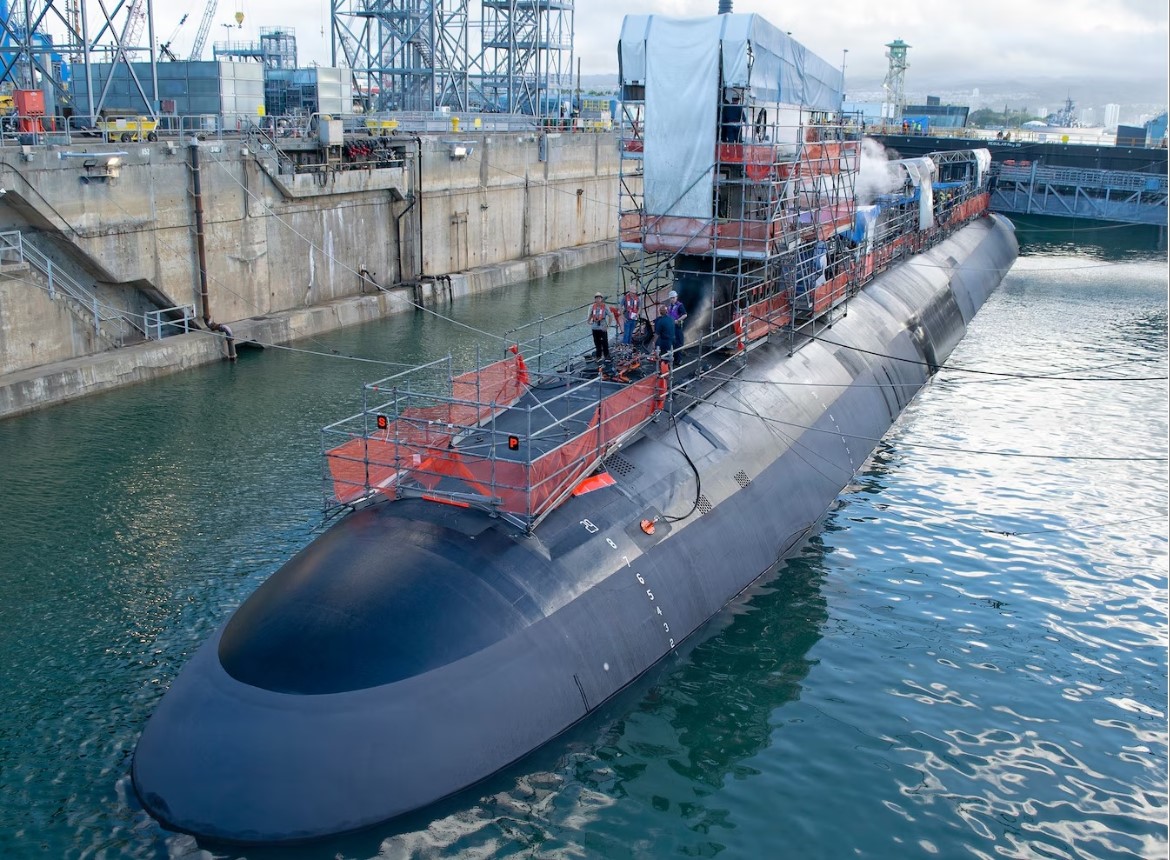
U.S
PEARL HARBOR, Hawaii — The U.S. Navy's Virginia-class fast-attack submarine USS Illinois (SSN-786) has completed an extended scheduled maintenance period at the Pearl Harbor Naval Shipyard and Intermediate Maintenance Facility, undocking from Dry Dock 2 on June 24, 2026, and moving into the next phase of testing before returning to operational service. Photographs released by the U.S. Navy show the submarine leaving the dry dock after the overhaul. According to open-source analysis, USS Illinois has become the second confirmed Virginia-class submarine equipped with the Large Vertical Array (LVA), an advanced hull-mounted sonar system developed under the Navy's long-running Acoustic Superiority program. Although the U.S. Navy has not officially confirmed the installation of the LVA on USS Illinois, open-source analysts have linked the submarine's maintenance timeline with the documented rollout of the sonar upgrade. Large Vertical Array Improves Underwater Detection The Large Vertical Array (LVA) is a hull-mounted acoustic sensor designed to improve a submarine's ability to detect and track other vessels at greater distances. It complements the six Lightweight Wide Aperture Arrays already installed along the sides of every Virginia-class submarine. By combining data from multiple sonar arrays, the system helps the crew develop a clearer picture of surrounding underwater contacts. This improves situational awareness and supports operational decisions such as maneuvering, avoiding threats, or tracking other submarines and surface ships. The LVA has been under development for nearly two decades as part of the U.S. Navy's effort to maintain an advantage in undersea warfare against increasingly quieter submarines operated by potential adversaries, including Russia and China. Developed Through Navy and Industry Cooperation The sonar system was developed through joint work between the U.S. Navy and General Dynamics Electric Boat, with production beginning in 2017 at RTX's Jacksonville, Florida, facility. RTX was previously known as United Technologies Aerospace Systems before becoming part of the company's current structure. The LVA forms one element of the Navy's broader Acoustic Superiority program, which combines improved sonar technology with submarine quieting measures to enhance both detection capability and survivability. First Demonstrated on USS South Dakota The first submarine publicly associated with the LVA was USS South Dakota (SSN-790) under the Navy's South Dakota Insertion Program. During its post-shakedown availability beginning in 2018, USS South Dakota received the new sonar array along with upgraded hull coatings and machinery quieting improvements. The submarine completed at-sea testing of these systems in 2019. According to publicly available Navy briefing materials, the program represented the most significant upgrade to Virginia-class sonar arrays and hull treatments since the class entered service. Expansion Across the Fleet Open-source reporting indicates the U.S. Navy plans to install the Large Vertical Array (LVA) as standard equipment on Block V Virginia-class submarines currently under construction. Earlier Block III and Block IV submarines, including USS Illinois, can receive the system during extended maintenance periods through retrofit programs. Naval analyst H.I. Sutton has also reported that at least one Ohio-class ballistic missile submarine, USS Tennessee (SSBN-734), has received the LVA, suggesting the technology is gradually being introduced across different submarine classes. However, the U.S. Navy has not publicly confirmed the full scope of deployment. About USS Illinois USS Illinois was commissioned on October 29, 2016, becoming the 13th Virginia-class submarine and the third U.S. Navy vessel to bear the name of the state of Illinois. As a Block III submarine, it features a redesigned bow equipped with two large-diameter Virginia Payload Tubes, replacing the earlier arrangement of individual vertical launch tubes. The design retained the submarine's Tomahawk land-attack missile capacity while reducing construction costs by an estimated $400 million per submarine. USS Illinois is designed to perform a wide range of missions, including anti-submarine warfare, anti-surface warfare, land-attack strike operations, intelligence, surveillance and reconnaissance (ISR), and support for special operations forces. Improved sonar capability directly supports these missions by enhancing underwater detection and contact tracking. Pearl Harbor's Strategic Role The maintenance work was carried out at the Pearl Harbor Naval Shipyard and Intermediate Maintenance Facility, one of the U.S. Navy's primary repair centers in the Indo-Pacific region. Located roughly midway between the U.S. West Coast and the Western Pacific, the shipyard enables forward-deployed submarines and surface ships to undergo major repairs and modernization without returning to the continental United States. This reduces transit time and helps maintain operational availability in the Pacific. According to the U.S. Navy, the undocking operation required approximately 10 to 12 hours and involved coordinated efforts by shipyard personnel, engineers, tugboat crews, and the submarine's crew. Following the undocking, USS Illinois will complete final testing and certification before returning to the Pacific Fleet. Capt. Ryan McCrillis, commander of the Pearl Harbor Naval Shipyard and Intermediate Maintenance Facility, described the completion of the maintenance period as an important step in supporting fleet readiness. While the U.S. Navy continues to keep detailed information about submarine sensor systems classified, open-source analysis strongly indicates that USS Illinois has joined a small group of U.S. submarines equipped with the Large Vertical Array (LVA), further expanding the Navy's Acoustic Superiority modernization program. Source: defence-blog / navsea.navy.mil / navalnews
Read More → Posted on 2026-07-09 13:52:42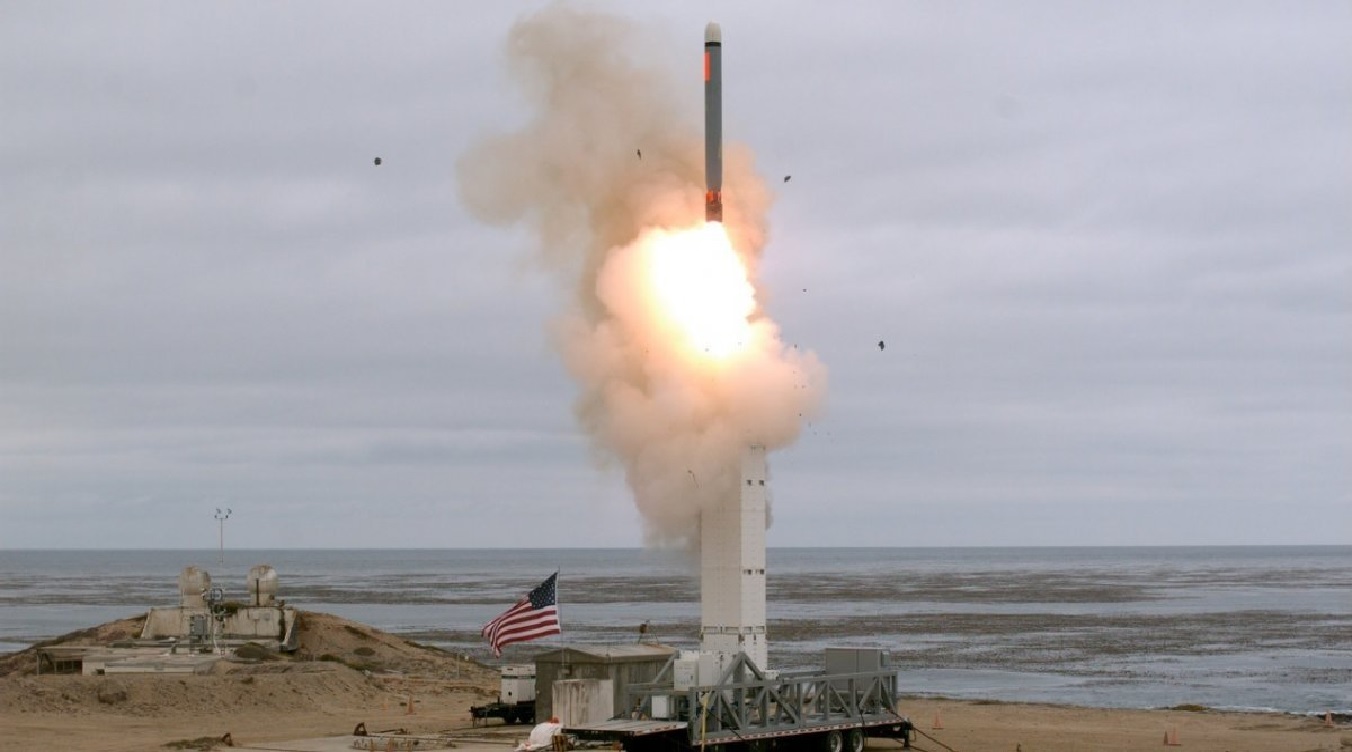
Europe
BERLIN — Germany has finalized an agreement with the United States to purchase Tomahawk long-range cruise missiles and Typhon ground-based launchers, Chancellor Friedrich Merz announced on Thursday, marking a significant step in strengthening the country's long-range defense capabilities. Merz said the agreement was concluded with the U.S. government during bilateral meetings held on the sidelines of this week's NATO summit in Ankara, Turkey. Addressing lawmakers in the Bundestag, he said the discussions with U.S. officials on Tuesday and Wednesday had exceeded his expectations. "We are closing a critical strategic gap in our defence, while simultaneously working to develop our own European systems and station them in Europe," Merz told lawmakers. Germany to Station Tomahawk Missiles on Its Own Territory Under the agreement, Germany will station the Tomahawk missile systems on German territory. The acquisition marks a change in Germany's defense approach, shifting from relying on planned U.S. deployments toward building its own long-range strike capability. The procurement follows changes to an earlier plan announced in 2024 under which the United States intended to temporarily deploy a battalion equipped with Tomahawk missiles in Germany beginning in 2026. That plan was largely abandoned after U.S. President Donald Trump announced in May that the United States would reduce its military presence in Germany. Instead of relying on a U.S.-operated deployment, Germany has now chosen to purchase the systems directly. According to German government sources, Washington signed a letter of intent on Tuesday committing to approve Germany's procurement of the Tomahawk missiles and Typhon launchers in August. The number of missiles and launchers to be acquired has not been disclosed because the information is classified. Typhon Launchers Provide Ground-Based Capability The Tomahawk missiles will be paired with the Typhon launcher system, a mobile ground-based platform capable of launching both Tomahawk cruise missiles and SM-6 missiles. The acquisition will provide Germany with a ground-based long-range strike capability that currently does not exist elsewhere in Europe. While the United Kingdom operates Tomahawk missiles launched from submarines and France fields sea-based long-range cruise missiles while developing a ground-based version, no European country currently operates a comparable ground-based Tomahawk system. Longer Range Than Germany's Taurus Missile Germany currently manufactures the Taurus cruise missile, which has an operational range of approximately 500 kilometers (311 miles). The U.S.-made Tomahawk has a range of up to 2,500 kilometers, providing Germany with a strike capability roughly three to five times greater than that of the Taurus. German officials consider the Tomahawk and Typhon combination an interim capability while Europe develops its own next-generation long-range weapons. Part of Broader European Defense Plans Merz said Germany has significantly increased defense spending since the start of the war in Ukraine, with €124 billion allocated for defense in 2026. At the same time, Germany continues to invest in developing an independent European long-range strike capability. Berlin is working with the United Kingdom and other partners through the European Long-Range Strike Approach (ELSA) initiative, which aims to develop a European cruise missile with a range exceeding 2,000 kilometers. The planned U.S. purchase is expected to provide Germany with an immediate long-range strike capability while European partners continue development of indigenous systems. The agreement also aligns with the U.S. administration's policy of encouraging European NATO members to strengthen their own defense capabilities, including through the purchase of American military equipment. The final U.S. approval for the sale is expected in August, while details of the procurement remain classified. Source: Reuters
Read More → Posted on 2026-07-09 12:42:15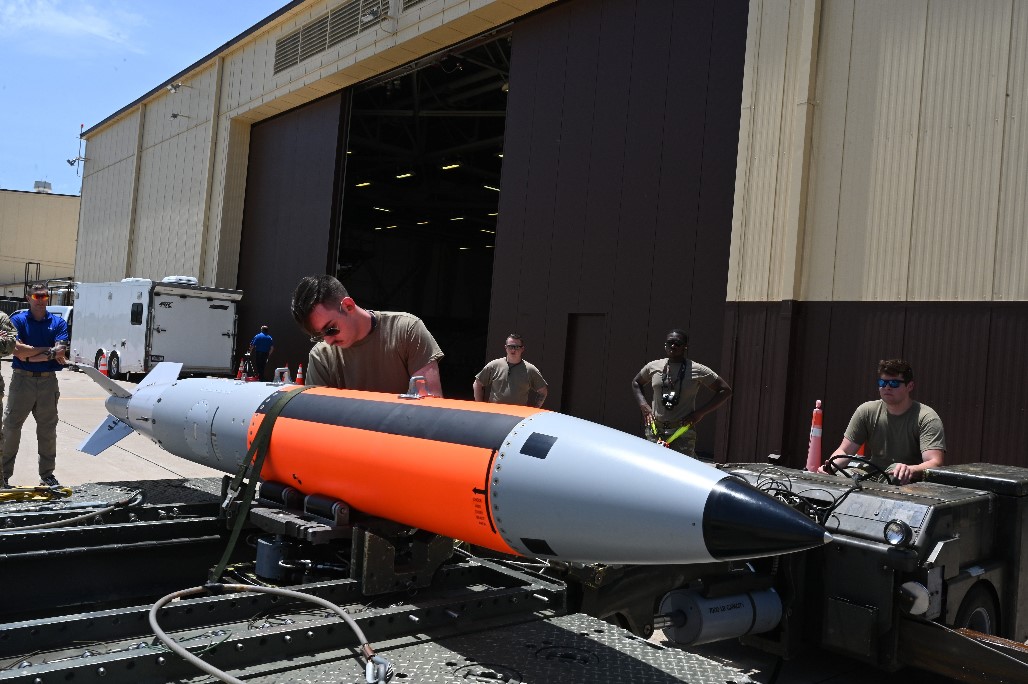
U.S
WASHINGTON — The U.S. Department of Energy's National Nuclear Security Administration (NNSA) has completed a key manufacturing milestone for the B61-13 nuclear gravity bomb, finishing production of all planned canned subassemblies (CSAs) for the current fiscal year three months ahead of schedule at the Y-12 National Security Complex in Oak Ridge, Tennessee. The completed components have undergone the NNSA's "diamond stamping" certification process, which confirms they meet all technical, safety, and quality requirements for "war reserve" status. This certification allows the components to be integrated into the U.S. nuclear stockpile for operational use. The B61-13 is the latest version of the B61 nuclear gravity bomb, the longest-serving and one of the most versatile nuclear weapons in the U.S. arsenal. It is being developed as part of a joint effort between the NNSA and the U.S. Department of Defense to provide an updated capability against hardened and deeply buried military targets. The weapon is planned for delivery by U.S. strategic bomber aircraft, including the B-2 Spirit and the future B-21 Raider. Early Production Milestone The latest achievement follows another major milestone reached in May 2025, when the NNSA completed the first production unit of the B61-13 nearly a year earlier than originally planned. The program reached that point less than two years after it was publicly announced in late 2023, making it one of the fastest-developed U.S. nuclear weapon programs since the end of the Cold War. NNSA Administrator Brandon Williams said the program reflects the agency's ability to deliver modernization efforts on an accelerated timeline. "The progress on the B61-13 program demonstrates the Nuclear Security Enterprise's ability to respond to evolving geopolitical requirements with speed and precision," Williams said. He added that completing the 2026 baseline deliverables ahead of schedule demonstrates operational discipline and supports the modernization of the United States' nuclear deterrent. What Diamond Stamping Means In a modern two-stage thermonuclear weapon, the nuclear explosive package consists of a primary stage and a secondary stage. The canned subassembly contains the secondary stage capsule and related components sealed inside a thin stainless steel or aluminum alloy container. The "diamond stamping" process certifies that each component has successfully passed the NNSA's inspection and certification standards. Components receiving this designation are approved as "war reserve" quality and are authorized for deployment within the U.S. nuclear stockpile. B61-13 Builds on the B61-12 The B61-13 incorporates the same modern safety, security, and precision guidance features introduced under the B61-12 Life Extension Program, which the NNSA completed in January 2025. Unlike the B61-12, however, the B61-13 has a higher nuclear yield designed for use against certain hardened, deeply buried, and larger-area military targets. According to the NNSA, the weapon is intended to provide the U.S. President with additional nuclear response options while using existing production capabilities developed for the B61-12 program. Officials have also stated that production of the B61-13 will involve a limited number of weapons, with adjustments to B61-12 production to maintain the overall size of the U.S. nuclear stockpile rather than increase it. Part of Broader Nuclear Modernization The B61-13 is one of six active warhead modernization programs currently managed by the NNSA to maintain the long-term safety, security, reliability, and effectiveness of the U.S. nuclear deterrent. According to the agency, all six modernization programs are currently meeting or exceeding their planned schedules, continuing the NNSA's record of delivering warhead modernization projects on time or ahead of schedule throughout this decade. The latest milestone at the Y-12 National Security Complex represents another step in the ongoing modernization of the U.S. nuclear stockpile through coordinated work across the Nuclear Security Enterprise, including facilities such as Y-12, Pantex Plant, Los Alamos National Laboratory, Sandia National Laboratories, and the Kansas City National Security Campus. Source: energy.gov
Read More → Posted on 2026-07-09 11:43:03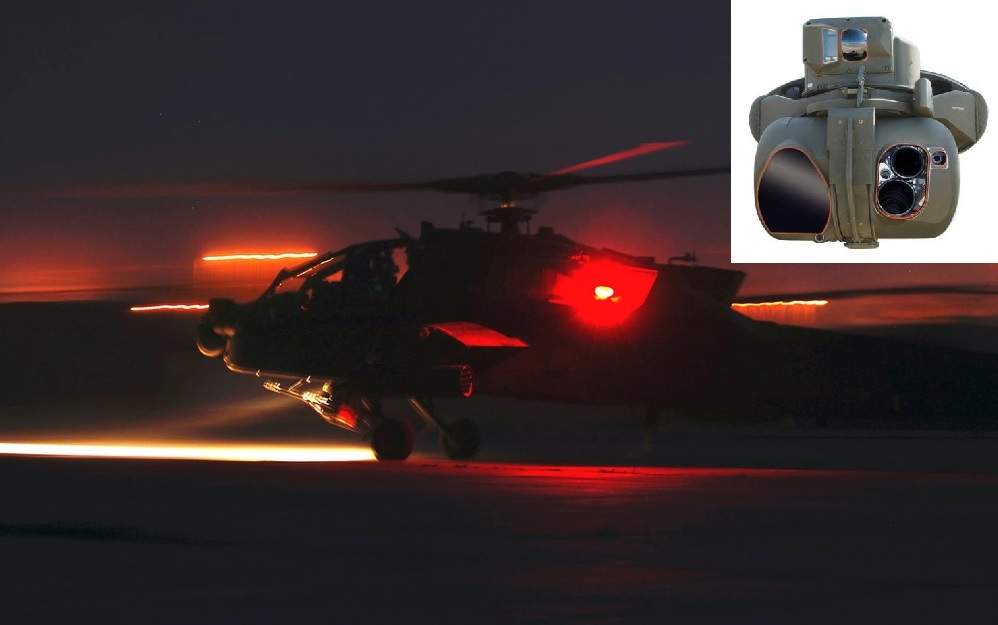
U.S
ORLANDO — The U.S. Army has awarded Lockheed Martin a $502.38 million contract to provide long-term sustainment and support for the Modernized Target Acquisition Designation Sight/Pilot Night Vision Sight (M-TADS/PNVS) system used on the AH-64 Apache attack helicopter fleet. The contract, managed by the Army Contracting Command at Redstone Arsenal, Alabama, provides up to five years of post-production support for the M-TADS/PNVS system, commonly known as Arrowhead. The agreement runs through July 5, 2031, and covers both U.S. Army Apache helicopters and international Apache fleets operating under the U.S. Foreign Military Sales (FMS) program. Rather than funding new production, the contract focuses on maintaining, repairing, refurbishing, and updating systems already in service to ensure they remain operational throughout their service life. Arrowhead Sensor System The M-TADS/PNVS is the Apache helicopter's primary targeting and night vision system. It enables crews to detect, identify, track, and engage targets during day and night operations and in adverse weather conditions such as smoke, rain, or low visibility by using forward-looking infrared (FLIR) technology that detects heat signatures instead of visible light. The system consists of two major components. The upper section contains the Pilot Night Vision Sight (PNVS), which links an infrared camera to the pilot's helmet movements. As the pilot turns their head, the camera follows the same direction, providing a natural view of the surroundings during night operations. The lower section houses the Target Acquisition Designation Sight (TADS). It includes high-resolution sensors, a laser rangefinder, and a laser designator that allow Apache crews to accurately identify and designate targets for the helicopter's onboard weapons or for other friendly aircraft. Contract Details The Army awarded the contract as a sole-source acquisition, with Lockheed Martin submitting the only bid. The company originally developed the Arrowhead system and has supported its upgrades and sustainment since its introduction. The agreement uses a combination of cost-no-fee, cost-plus-fixed-fee, and firm-fixed-price contract structures under contract number W58RGZ-26-D-0052. Individual task orders issued during the contract period will determine specific funding amounts and work locations. Long Service History The original Target Acquisition Designation Sight/Pilot Night Vision Sight system entered service with the Apache in 1983. Lockheed Martin later developed the modernized Arrowhead version to improve performance, reliability, and maintainability. By 2011, the Army had completed fleet integration of the upgraded system and marked the delivery of its 1,000th Arrowhead unit. The system equips approximately 700 AH-64 Apache helicopters, and since 2005, more than 1,240 Arrowhead systems have been delivered to U.S. and international customers. Upgrades and Sustainment Over the years, the Arrowhead system has received several upgrades aimed at improving operational capability and reducing maintenance requirements. The modernized design introduced modular, quick-replace components that allow faster repairs in the field. The Army has previously estimated that these improvements could reduce maintenance time and generate nearly $1 billion in savings over the system's planned service life. Additional upgrades have included replacing monochrome cockpit displays with high-resolution color displays to improve long-range target identification, as well as replacing older spinning-mass gyroscopes with modern inertial measurement units to improve reliability and extend system life. Lockheed Martin also continues to support the fleet through refurbishment of electro-optical components and other system enhancements as required. Supporting Apache Readiness The AH-64 Apache has served as the U.S. Army's primary attack helicopter since the 1991 Gulf War and remains a key platform for precision attack and reconnaissance missions. Its effectiveness during day and night operations depends heavily on the performance of the M-TADS/PNVS system. By funding continued maintenance, repairs, and modernization of these sensors, the new contract is intended to help keep Apache helicopters mission-ready for U.S. and allied operators through the end of the decade. Source: defence-blog / lockheedmartin
Read More → Posted on 2026-07-09 11:30:55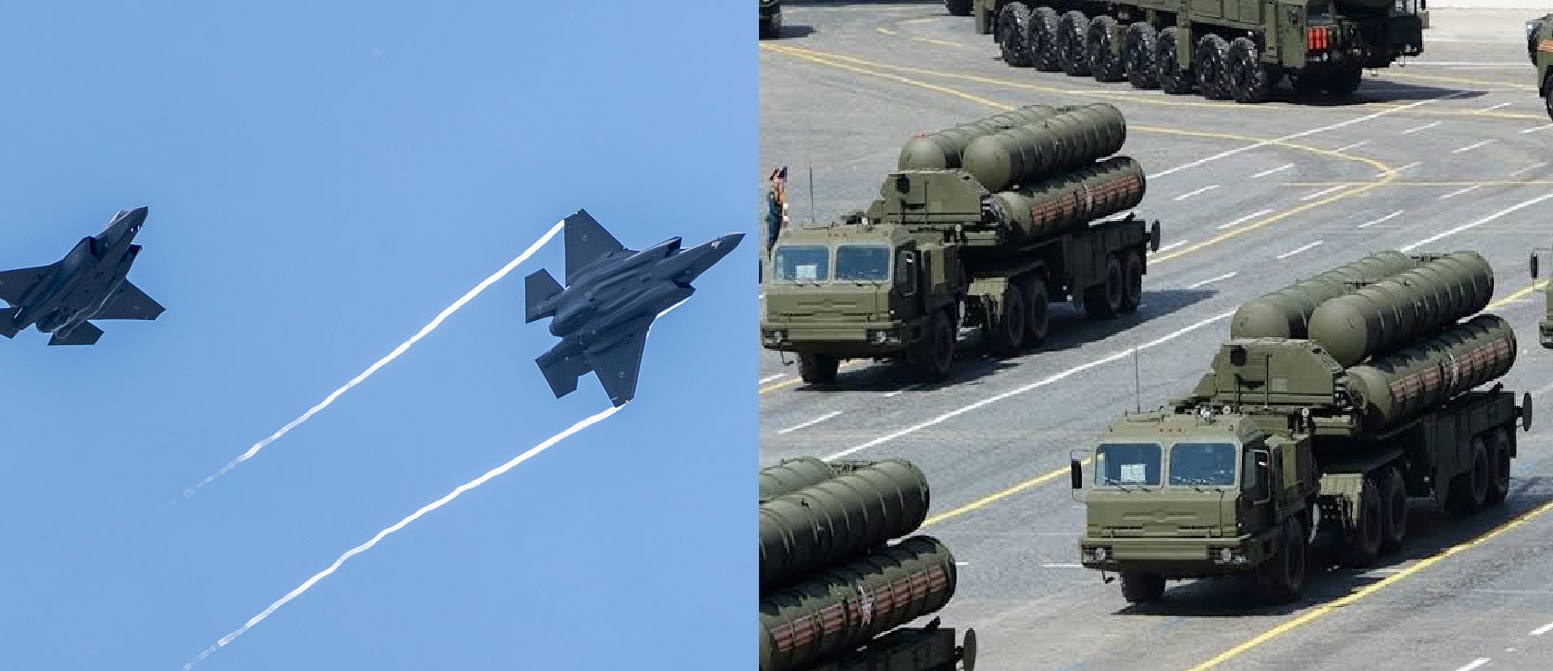
World
ANKARA — Turkish President Recep Tayyip Erdoğan has dismissed objections from Israel and Greece over Turkey's possible return to the F-35 fighter jet program, saying such concerns will not influence Ankara's defense decisions as negotiations with the United States continue. Speaking to reporters after the NATO summit, Erdoğan said opposition from Israeli Prime Minister Benjamin Netanyahu and Greek Prime Minister Kyriakos Mitsotakis "has no place in my world," making clear that Turkey's defense policies will be determined by its own national interests. His remarks come as Turkey is in line to receive an initial batch of six F-35A stealth fighter jets if U.S. President Donald Trump approves lifting the 2019 ban on F-35 sales to Ankara. The aircraft are the same six jets that were originally built for Turkey before the country was removed from the F-35 program. Turkey was suspended from the multinational F-35 program in 2019 after acquiring Russia's S-400 air defense system. The United States argued that operating the S-400 alongside the F-35 could pose risks to the aircraft's sensitive technology, leading to Turkey's removal from the program and the suspension of aircraft deliveries. A key issue in the ongoing negotiations remains the future of Turkey's S-400 system. Asked whether Ankara would give up the Russian-made air defense system to secure the F-35 deal, Erdoğan declined to provide a direct answer. Instead, he told reporters to "keep watching" as discussions with Washington continue. The proposed transfer would mark Turkey's return to the F-35 program if approved. During the NATO summit, Trump said he was taking a positive approach toward reconsidering the sale and indicated that the United States was prepared to review the restrictions imposed on Turkey. However, the deal still faces significant legal and political hurdles in Washington. U.S. officials, including Vice President JD Vance and Defense Secretary Pete Hegseth, are reviewing the proposed sale to ensure it complies with U.S. law. Even if the White House supports the move, the proposal is expected to face opposition in Congress, where lawmakers have previously raised national security concerns over Turkey's defense relationship with Russia. Israel has also continued to oppose Turkey's return to the F-35 program. Israeli officials have argued that supplying advanced stealth fighters to Turkey could affect the regional military balance. Turkey has rejected those concerns, with its Foreign Ministry describing Israel's campaign against the proposed sale as disinformation. Turkey was originally one of the international partners in the F-35 program and had planned to acquire more than 100 aircraft. Its participation ended after the S-400 purchase triggered U.S. sanctions and its removal from the program. Despite the remaining obstacles, Erdoğan expressed confidence that the negotiations could lead to an agreement. He said he hopes that once the F-35s are delivered to Turkey, it will demonstrate that the United States has fulfilled its commitment. For now, no final decision has been announced on lifting the restrictions or completing the transfer of the six aircraft, and the outcome will depend on the ongoing negotiations and the required approvals in Washington. Source: saudigazette / timesofisrael
Read More → Posted on 2026-07-09 10:49:01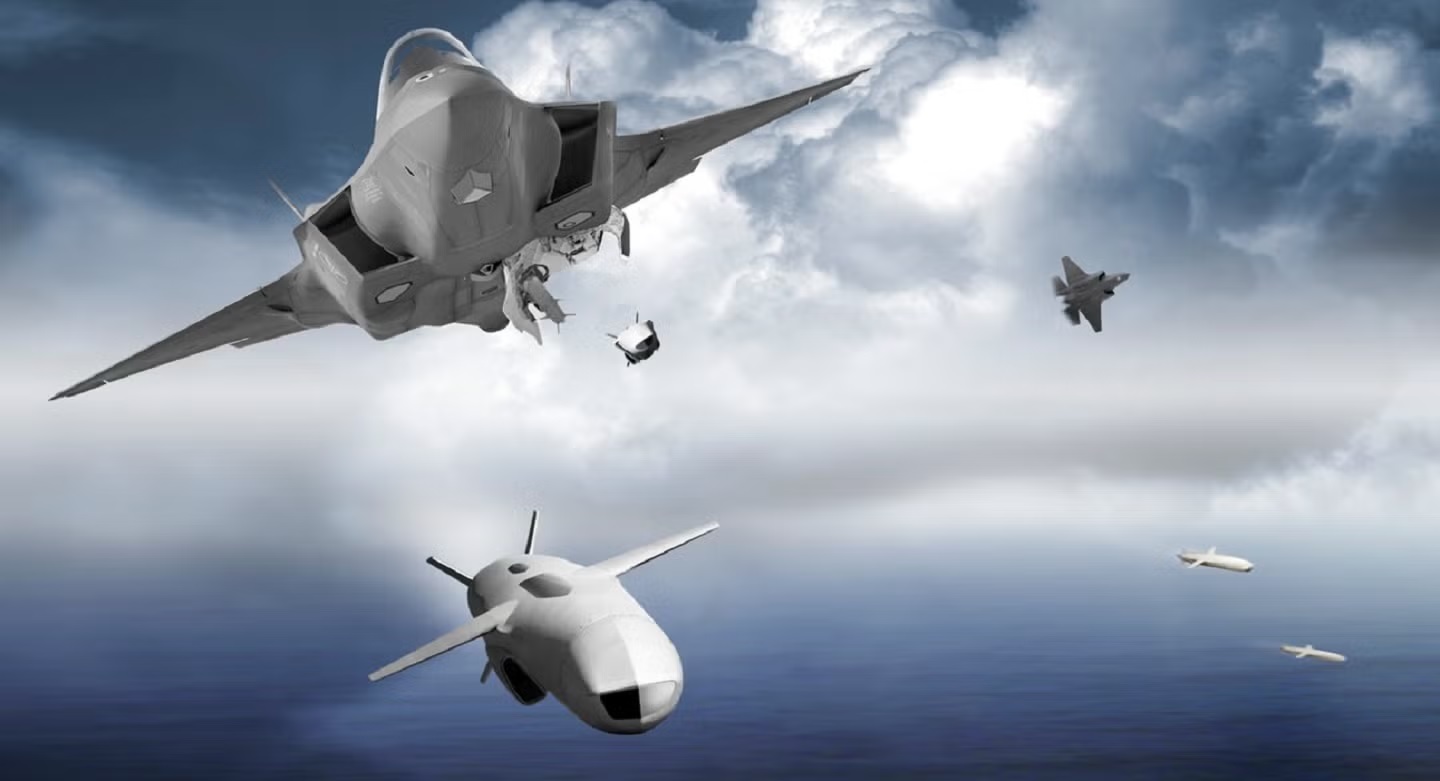
World
OTTAWA — On July 8, 2026, Canada has officially confirmed the acquisition of Kongsberg Defence & Aerospace's Joint Strike Missile (JSM) under an approximately CAD 800 million contract, making it the sixth country to select the advanced air-to-surface missile for its fighter fleet. Prime Minister Mark Carney announced the procurement during the 2026 NATO Summit in Ankara, Türkiye, stating that the long-range missiles will be integrated into the Royal Canadian Air Force's (RCAF) future F-35A Lightning II fighter aircraft as part of Canada's ongoing air force modernization program. Canada Confirmed as Previously Undisclosed Customer The announcement resolves the identity of the customer behind a NOK 4.7 billion (approximately USD 480 million / CAD 680 million) contract that Kongsberg announced on June 30, 2026. At that time, the Norwegian company revealed it had signed an agreement with a new sixth international customer, but did not disclose the country's name or the number of missiles included in the order. With Canada's confirmation, the Joint Strike Missile (JSM) has now been selected by Norway, Japan, Australia, Germany, the United States, and Canada. Designed for the F-35A The Joint Strike Missile (JSM) is a long-range, stealth air-to-surface precision-guided missile developed by Kongsberg Defence & Aerospace. It is specifically designed to fit inside the internal weapons bay of the F-35A Lightning II, allowing the aircraft to retain its low-observable characteristics during missions. The missile is derived from Kongsberg's Naval Strike Missile (NSM) and is designed to engage both land and maritime targets while providing extended stand-off strike capability in contested environments. Internal carriage allows F-35 operators to carry the missile without increasing the aircraft's radar signature. Supporting Canada's Future Fighter Fleet Canada is acquiring the JSM to equip its future F-35A fleet under the Future Fighter Capability Project, strengthening the Royal Canadian Air Force's (RCAF) long-range precision strike capability. In a statement released by Kongsberg, Eirik Lie, Chief Executive Officer of KONGSBERG, said: "We are pleased to welcome Canada as the sixth country to select the JSM. The acquisition of the Joint Strike Missile can fundamentally improve the operational range and effectiveness of Canada's fighter fleet. In addition to delivering world-class defence technology, KONGSBERG is committed to contributing to industrial growth in the country." Industrial Benefits for Canada Alongside the missile procurement, Kongsberg announced that it will make investments in Canada under the country's Industrial and Technological Benefits (ITB) Policy. According to the company, these investments are intended to build long-term industrial capacity by supporting job creation, developing dual-use technologies, and strengthening Canada's defence industry through collaboration between industry and academic institutions. Part of Broader Defence Modernization The missile purchase forms part of Canada's wider defence modernization efforts announced during the NATO Summit. Along with the JSM acquisition, the Canadian government outlined several new defence initiatives, including progress on its future submarine program and additional investments aimed at strengthening Canada's military capabilities and meeting NATO commitments. Prime Minister Carney stated that the JSM contract will provide the Royal Canadian Air Force with a modern long-range strike capability for its future fighter fleet while supporting Canada's broader defence objectives within NATO. Delivery Details Yet to Be Announced While Canada has confirmed the acquisition, neither the Canadian government nor Kongsberg has disclosed the number of Joint Strike Missiles (JSMs) included in the contract or the delivery schedule. Kongsberg has already begun serial deliveries of the missile to earlier customers, including Norway and Japan, while Canada's missiles are expected to be integrated as the Royal Canadian Air Force receives its future F-35A aircraft. Source: pm.gc.ca / kongsberg
Read More → Posted on 2026-07-09 10:32:42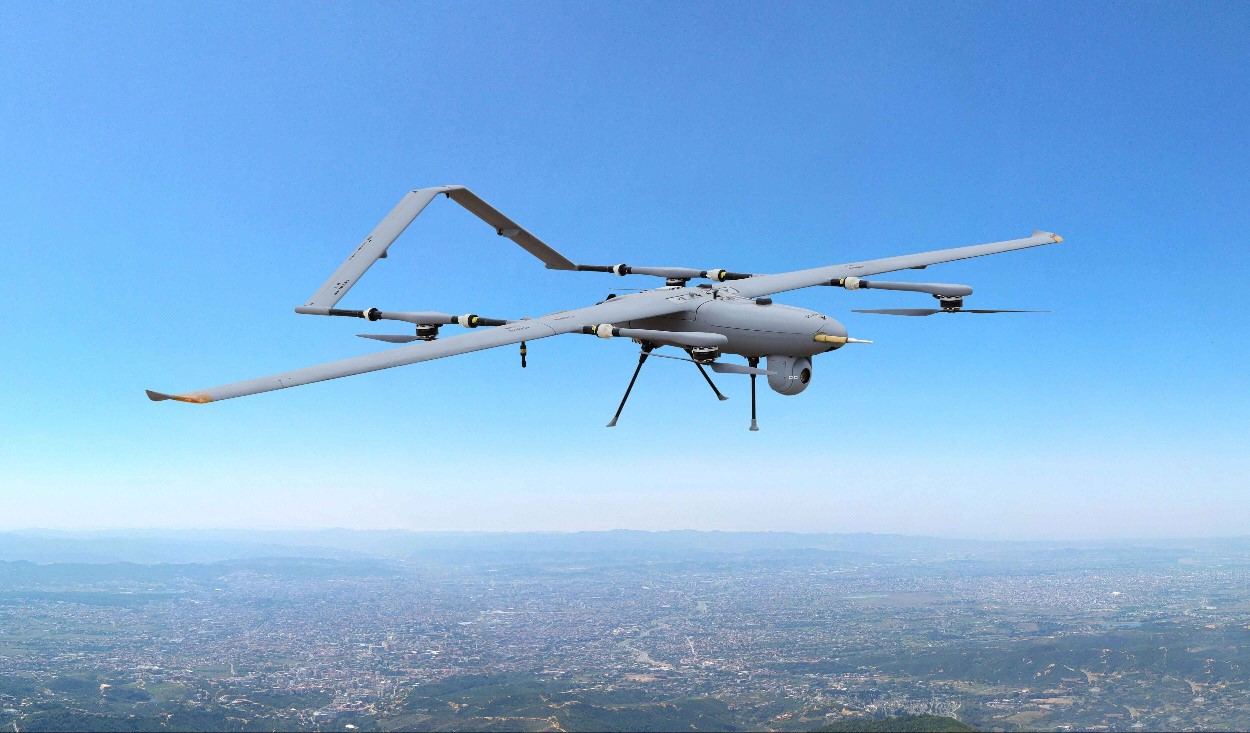
India
New Delhi — Tata Advanced Systems Limited (TASL) and Nibe Defence have emerged as the lowest bidders for the Indian Army's ₹1,600 crore procurement of 840 long-range loitering munitions under a fast-track acquisition process. Following the completion of technical evaluations, commercial bids were opened recently. TASL secured the lowest bidder (L-1) position, while Pune-based Nibe Defence was ranked as the second-lowest bidder (L-2). Out of all participating companies, only TASL, Nibe Defence, and A-Vision successfully cleared the technical trials. Under the procurement plan, Tata Advanced Systems will supply 64% of the total order, valued at around ₹1,000 crore, while Nibe Defence will deliver the remaining 36%, worth approximately ₹600 crore. The Indian Army will now begin price negotiations with both companies before finalizing the contract. Deliveries are expected to begin within six months of contract signing. The loitering munitions are designed to strike targets at ranges exceeding 100 km and are required to operate in electronically contested environments with resistance to jamming and spoofing. During technical trials conducted earlier this year, Nibe Defence's Vayuastra-1 demonstrated the ability to hit targets 100 km away with a 10 kg warhead. The system also achieved over 90 minutes of endurance, operated at altitudes above 14,000 feet, and demonstrated anti-armour night strike capability using infrared guidance. The procurement forms part of the Indian Army's ongoing artillery modernization programme, which includes raising dedicated drone units for precision strike operations. The Army also plans additional drone procurements across different range categories over the next 12 to 18 months, including a separate ₹1,500 crore tender for 36 jet-powered drones, while continuing to expand the use of indigenous unmanned systems. Source: ANI
Read More → Posted on 2026-07-09 10:17:45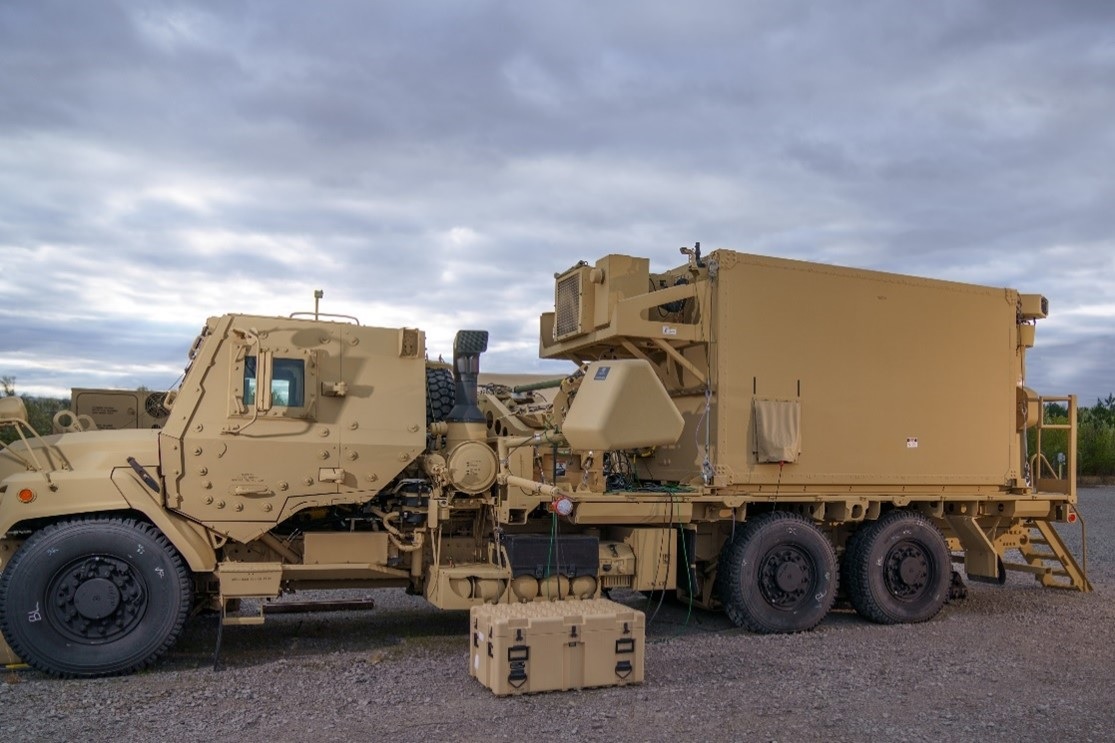
U.S
White Sands Missile Range, New Mexico — The U.S. Army, in partnership with Northrop Grumman, has successfully completed the 34th consecutive missile flight test and the 44th successful target intercept of the Integrated Battle Command System (IBCS), further demonstrating the system's ability to support integrated air and missile defense operations. The live-fire events were conducted in late April 2026 at White Sands Missile Range, New Mexico. The demonstrations evaluated IBCS' ability to operate with multiple air and missile defense systems, including the Indirect Fire Protection Capability (IFPC) and the Lower Tier Air and Missile Defense Sensor (LTAMDS) radar. Successful Integration with IFPC and LTAMDS During the IFPC demonstration, IBCS successfully connected with the Sentinel A4 high-performance surveillance radar to detect and track incoming targets. The IFPC is a ground-based air defense system designed to defeat threats such as cruise missiles, uncrewed aircraft systems (UAS), and other airborne targets. In a separate live-fire event, IBCS integrated with the LTAMDS radar. During the test, the system successfully detected, classified, engaged, and intercepted the designated target, demonstrating reliable coordination between the radar and the battle management network. The tests validated IBCS' ability to integrate different sensors and weapon systems into a unified command-and-control network, allowing operators to respond more effectively to complex air and missile threats. Networked Air and Missile Defense IBCS is designed to connect existing and future air and missile defense systems regardless of manufacturer, military service, or operational domain. Its network-enabled, modular, open, and scalable architecture combines data from multiple sensors into a single, real-time picture of the battlespace. By providing fire-control quality data, the system enables accurate target engagement while helping preserve interceptor inventory and reducing the risk of friendly fire incidents. The integrated battlespace picture also gives military operators more time to assess threats and coordinate defensive responses. The latest demonstrations further confirmed the system's ability to integrate multiple sensors and effectors into a single operational network, supporting coordinated air and missile defense operations. Operational Deployment IBCS has entered full-rate production and is being fielded as part of the U.S. Army's integrated air and missile defense modernization program. The system is already operational in Poland, where it supports the WISŁA medium-range air defense program. Poland became the first NATO ally to declare an IBCS-equipped WISŁA air defense system fully combat-ready in late 2025. The U.S. Army has also fielded IBCS to U.S. Combatant Commands in Europe and the Indo-Pacific, expanding its role in integrated air and missile defense missions alongside allied forces. Production and Manufacturing To support increasing production demand, Northrop Grumman manufactures IBCS at its Enhanced Production and Integration Center (EPIC) in Madison, Alabama. The facility uses advanced manufacturing technologies, including additive manufacturing and precision laser systems, to increase production capacity and support deliveries for the U.S. Army and allied customers. Expanding Integrated Air and Missile Defense IBCS has undergone years of development and testing, including successful integration with Patriot missile systems, LTAMDS, Sentinel radars, IFPC, and other air defense assets. Its open architecture allows additional sensors, radars, and interceptor systems to be integrated as operational requirements evolve. The latest successful flight tests continue to demonstrate the U.S. Army's transition toward a networked air and missile defense architecture, enabling multiple sensors and weapon systems to operate together through a single battle management system. Source: defence-industry
Read More → Posted on 2026-07-09 10:04:26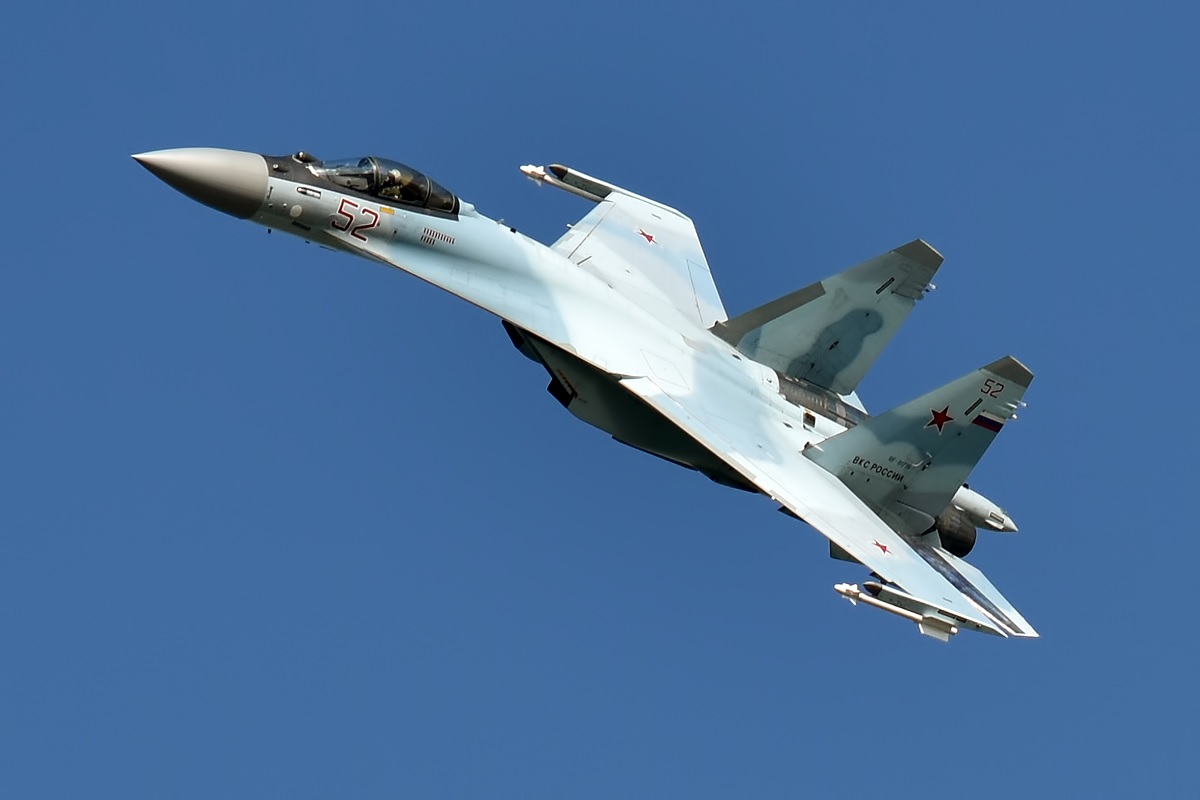
World
KYIV, Ukraine — The Ukrainian Air Force said Ukrainian defenders shot down a Russian Su-35 multirole fighter jet on Tuesday, July 8. The announcement was made on the Ukrainian Air Force's official X account, which posted: "Today we took down yet another russian air terrorist! Glory to Ukraine! Stay tuned!" The Air Force did not disclose the location of the incident or provide additional operational details. Following the Ukrainian announcement, Russian military commentators also acknowledged the reported loss. Oleksii Zemtsov, who runs the Voevoda Veshchaet Telegram channel, identified the downed aircraft as a Su-35. He claimed the pilot survived, evaded capture, and returned to Russian-held positions. According to Zemtsov, the pilot is expected to receive a new Su-35. Some open-source intelligence (OSINT) monitoring channels initially debated whether the downed aircraft was a Su-34 fighter-bomber. However, subsequent reports aligned with the Ukrainian Air Force's assessment that the aircraft was a Su-35. The Sonyashnyk Telegram community, which is closely associated with Ukrainian military aviators, described the downed pilot as a "persistent thorn" in Ukraine's defense operations. The Su-35 is a Russian 4++ generation multirole fighter developed as an advanced modernization of the Su-27 family. It is designed for air superiority, escort missions, and strikes against ground and naval targets. The aircraft is equipped with thrust-vectoring engines for high maneuverability and can reach speeds of up to Mach 2.25 (about 2,400 km/h). It is capable of carrying air-to-air missiles, air-to-surface missiles, and guided aerial bombs. Russia has regularly used Su-35 fighters during its full-scale invasion of Ukraine, including for missile and guided bomb strikes. Ukraine has previously reported downing Su-35 aircraft, including one in Russia's Kursk region on June 7 last year.
Read More → Posted on 2026-07-08 16:14:42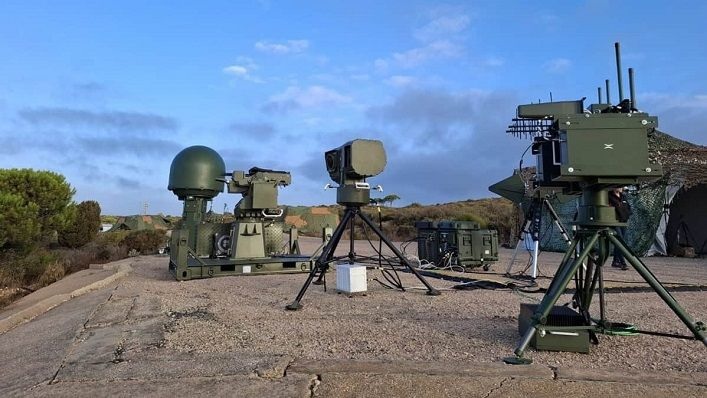
World
KYIV, Ukraine — Ukraine's nationwide Pokrova electronic warfare (EW) network is now powered predominantly by the domestically developed Lima electronic warfare system, according to a senior commander from the country's Night Watch EW unit. In an interview with the Ukrainian defense publication Militarnyi, the commander, known by the call sign "Alkhimik," said the integration of Lima systems into the Pokrova network has increased rapidly over the past two years. "By the end of 2024, Lima accounted for 85%. By the beginning of 2025 — 95%," Alkhimik said. He added that in some frontline sectors facing heavy Russian unmanned aerial vehicle (UAV) activity, Lima systems now represent as much as 98% of the electronic warfare coverage. Pokrova Electronic Warfare Network Pokrova is Ukraine's nationwide strategic electronic warfare system, which became operational in early 2024. The network supports all branches of the Ukrainian Armed Forces and is designed to counter aerial threats using electronic warfare rather than relying solely on conventional air defense interceptors. The system primarily operates through GPS and GLONASS spoofing, interfering with the satellite navigation signals used by Russian drones and missiles. By transmitting false navigation data, Pokrova causes incoming weapons to lose accurate positioning, deviate from their intended flight paths, crash in open areas, or turn back before reaching their targets. This electronic warfare layer complements traditional air defense systems by disrupting threats before kinetic interception becomes necessary. Lima Forms the Core of the Network The Lima electronic warfare system, developed by Ukrainian defense company Cascade Systems, serves as the primary component of the Pokrova network. According to the manufacturer, Lima differs from conventional electronic warfare stations that rely mainly on broad radio-frequency jamming. Instead, it combines multiple digital techniques, including: Active signal jamming GPS and GLONASS spoofing Targeted cyberattacks against navigation receivers These methods are intended to interfere with the guidance systems used by drones, cruise missiles, and other precision-guided weapons. When Lima successfully disrupts a weapon's satellite navigation, the munition is supplied with false coordinate data, causing it to calculate an incorrect position and steer away from its intended target. Response to Russian Navigation Upgrades Ukraine has continued upgrading Lima as Russian forces introduced more resistant navigation systems. In early 2025, Russian forces began equipping drones and UMPK-guided glide bombs with 12-element Kometa Controlled Reception Pattern Antenna (CRPA) systems designed to reduce the effects of conventional jamming by filtering interference. Images of the antenna were published in April 2025 by the Colonel GSh Telegram channel. According to Ukrainian sources, Cascade Systems responded by developing Lima Quant, an upgraded version that combines standard spoofing techniques with additional high-frequency signals intended to disrupt the newer Kometa antennas. Deployment of Lima systems began in July 2024, while expansion to help protect civilian infrastructure started in October 2025. Cascade Systems has delivered more than 400 Lima units, according to the company. Reported Operational Performance Cascade Systems reported that during the first quarter of 2026, Lima systems diverted 33 cruise missiles and more than 10,000 drones. Alkhimik also stated that in areas protected by Lima, the system has successfully neutralized 58 of 59 Russian Kh-47M2 Kinzhal aeroballistic missiles launched at those locations since deployment. He further said that Lima has neutralized more than 98% of Russian guided aerial bombs entering its protected coverage areas. These figures are based on statements from Ukrainian military officials and the system's manufacturer and have not been independently verified. How GPS Spoofing Reduces Accuracy Weapons that rely on satellite navigation continuously receive GPS or GLONASS updates to maintain flight accuracy. When those satellite signals are disrupted or replaced with false coordinates, the weapon must rely on its internal Inertial Navigation System (INS). While INS allows continued flight, its accuracy gradually decreases without satellite corrections, causing navigation errors to accumulate over longer distances. As a result, drones or missiles may miss their intended targets by significant margins. Lower-Cost Layer of Air Defense According to Ukrainian officials, each Lima unit costs approximately 3 million hryvnia (around €58,000, or about US$68,000, depending on exchange rates and system configuration). Protecting a major city may require 30 to 100 units, a cost significantly lower than maintaining comparable coverage using interceptor missiles alone. Ukrainian military officials describe the Pokrova network as an additional defensive layer that allows expensive air defense interceptors to be reserved for threats that cannot be disrupted electronically. Alkhimik's latest comments indicate that Lima has become the dominant electronic warfare system within Ukraine's Pokrova network, making up more than 90% of the nationwide capability and forming a central part of the country's approach to countering Russian drones and precision-guided weapons through electronic warfare. Source: militarnyi
Read More → Posted on 2026-07-08 14:36:42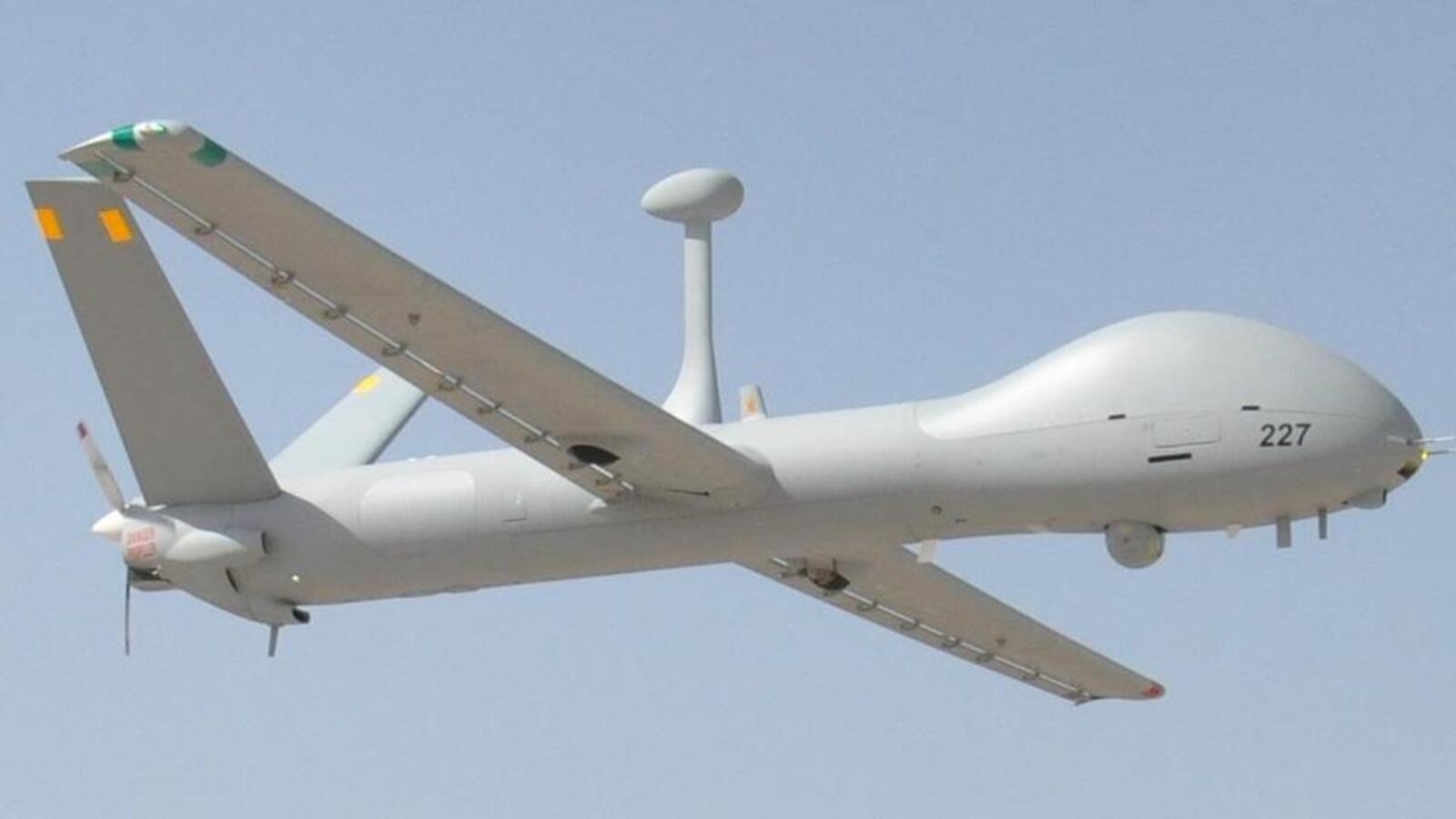
India
PORBANDAR, Gujarat — An Indian Navy Drishti-10 Uncrewed Aerial Vehicle (UAV) crashed off the Porbandar airfield in Gujarat on Wednesday afternoon during a routine training sortie, the Navy confirmed. According to the Indian Navy, the drone went down in a coastal area near the airfield. No injuries, loss of life, or damage to civilian infrastructure were reported. Authorities have secured the site, and an investigation has been launched to determine the cause of the incident. "Uncrewed Aerial Vehicle Drishti-10 crashed off Porbandar airfield during a training sortie this afternoon. No injury or loss of life has been reported on ground. The cause of the incident is being investigated," the Navy said in a statement. The Drishti-10, India's version of the Hermes 900 Starliner, is a medium-altitude long-endurance (MALE) UAV assembled by Adani Defence and Aerospace in Hyderabad under a technology transfer agreement with Israel's Elbit Systems. The platform is used for intelligence, surveillance, and reconnaissance (ISR) missions, particularly over maritime areas. This is the second Drishti-10 crash linked to the Indian Navy. In January 2025, another Drishti-10 crashed into the Arabian Sea off the Porbandar coast during pre-acceptance trials before it was formally inducted into service. The Drishti-10 can remain airborne for up to 36 hours, operate at altitudes of around 30,000 feet, and carry a payload of up to 450 kilograms. The Indian Army and Indian Navy each ordered two UAVs under emergency procurement to strengthen long-range surveillance capabilities. Recovery efforts are underway, and the Navy's investigation will examine the circumstances that led to the loss of the aircraft.
Read More → Posted on 2026-07-08 14:18:59
World
ANKARA — U.S. President Donald Trump privately assured NATO leaders that the United States intends to remain a member of the alliance during a closed-door meeting at the NATO summit in Ankara on Wednesday, according to a source familiar with the discussions. The private remarks contrasted with several public statements Trump made earlier in the day regarding defense spending, Spain, Iran, and Greenland. According to the source, who spoke to Reuters on condition of anonymity, Trump told NATO leaders, "We want to remain with you." The source also said Trump told allied leaders that the United States is prepared to continue selling weapons to NATO member countries regardless of how those weapons are ultimately used. The White House did not immediately comment on Trump's remarks during the private meeting. Different Tone Behind Closed Doors During the closed-door session, Trump did not repeat several issues that had featured prominently in his public comments earlier on Wednesday. According to the source, he did not renew his criticism of NATO member Spain, did not discuss the termination of an interim ceasefire arrangement with Iran, and did not raise the issue of Greenland, which has previously caused disagreements within the alliance. The meeting brought together leaders of NATO member states as part of the NATO summit in Ankara, where discussions focused on collective security, defense spending, and other strategic issues. Public Remarks Earlier in the Day Before the private leaders' session, Trump publicly criticized Spain over its defense spending and its position on the conflict involving Iran. He described Spain as a "terrible partner" and said he had instructed U.S. Treasury Secretary Scott Bessent to halt trade ties with the country. Trump also said earlier that an interim ceasefire understanding with Iran was "over" and indicated that additional U.S. military strikes could take place later on Wednesday. In separate remarks, he again stated that Greenland should be under U.S. control because of its strategic importance, an issue that has previously created tensions between the United States and Denmark, a NATO ally. Defense Spending Remains a Key Summit Issue Defense spending remained one of the central topics at the Ankara summit. Trump has repeatedly argued that the United States carries a disproportionate share of NATO's defense burden and has called on European allies to increase their military spending. NATO leaders have continued discussions on strengthening the alliance's defense capabilities and increasing investment in military readiness as member states work to address shared security challenges. The summit continues with further meetings among alliance leaders on regional security, defense cooperation, and future NATO priorities. Source: reuters
Read More → Posted on 2026-07-08 14:06:20Search
Top Trending in 24 Hours
-
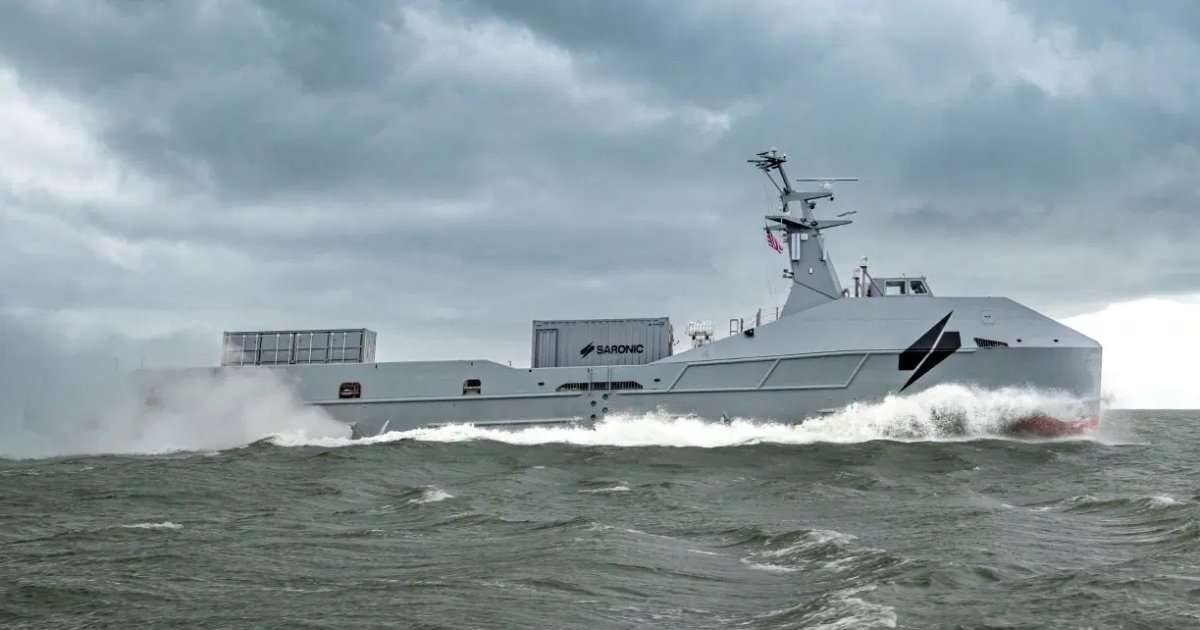 U.S. Navy Awards Production Agreements for 30 Medium Unmanned Surface Vessels, Including 10 Saronic Marauders
-
 Boeing Wins $20 Billion U.S. Navy Contract for F/A-XX Sixth-Generation Fighter
-
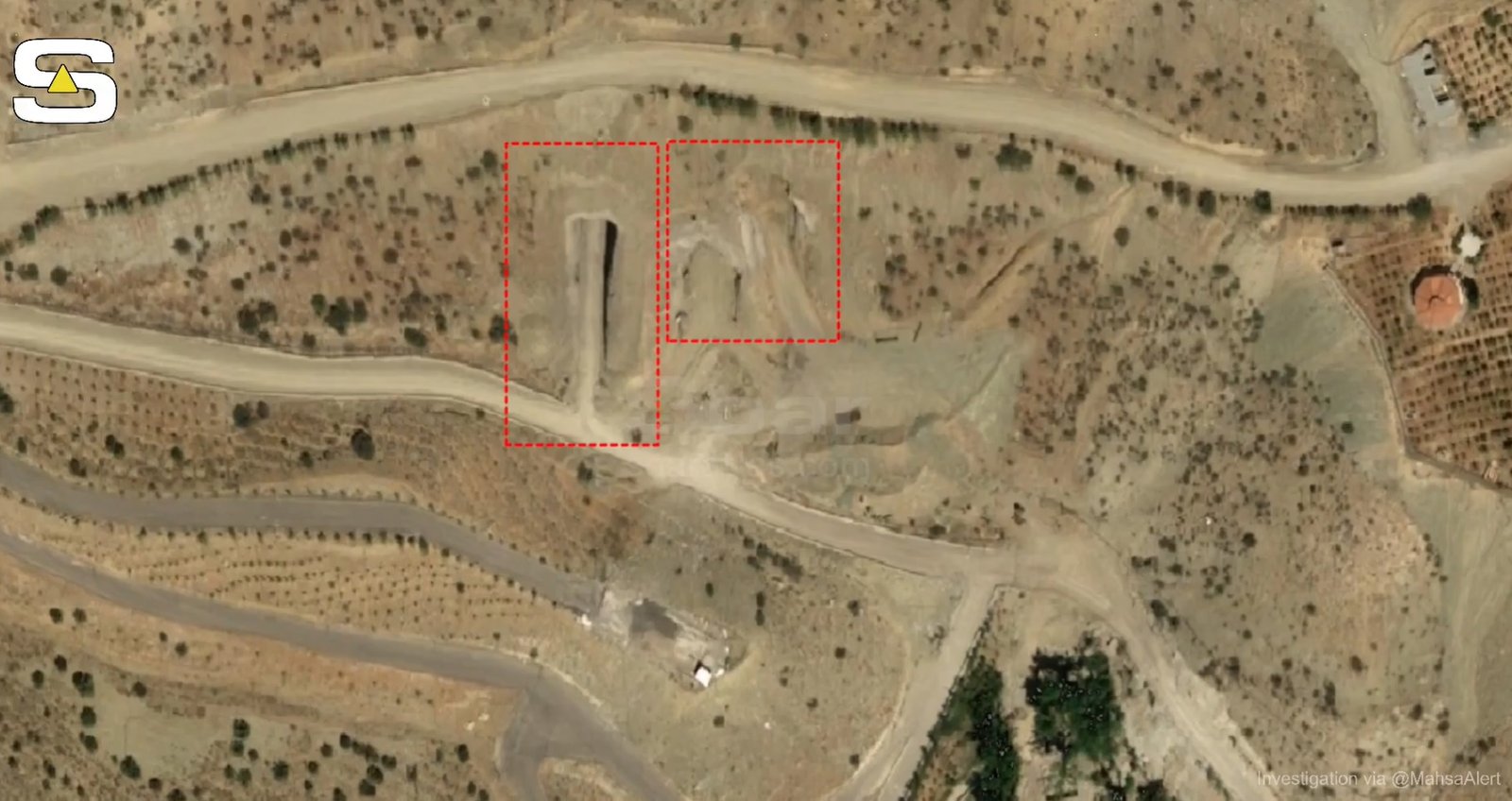 Satellite Imagery Shows Construction Changes at Hillside Site Linked to Iran’s Supreme National Security Council
-
 Flydubai Flight to Israel Diverted to Saudi Arabia After Possible Attempted Terror Attack in Cockpit
-
 NASA Adds Blue Origin’s Upgraded New Glenn 9×4 to Launch Services Contract
-
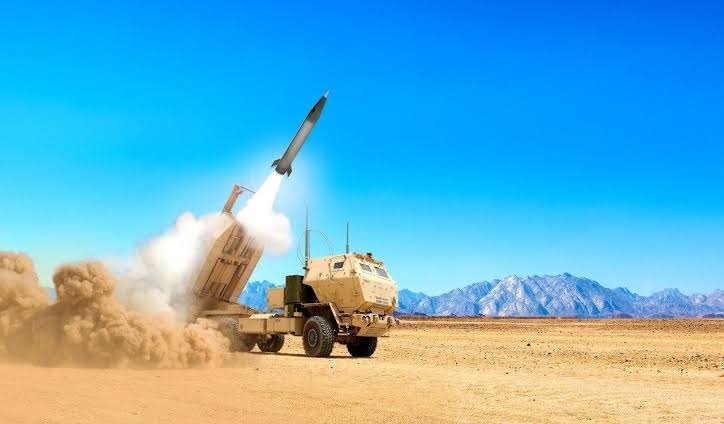 U.S. Army Selects Five Companies to Develop 1,000-Km Precision Strike Missile Prototypes
-
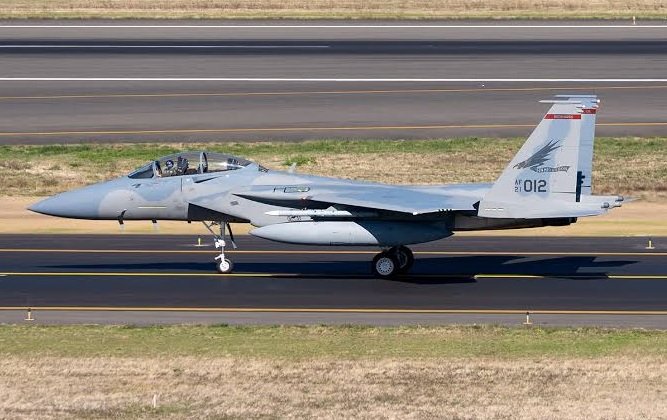 U.S. Air Force Awards Boeing $2.38 Billion Contract for 22 F-15EX Fighter Jets
-
 Northrop Grumman Delivers First 21 Satellites for Pentagon’s Next-Generation Military Network
Top Trending in 4 Days
-
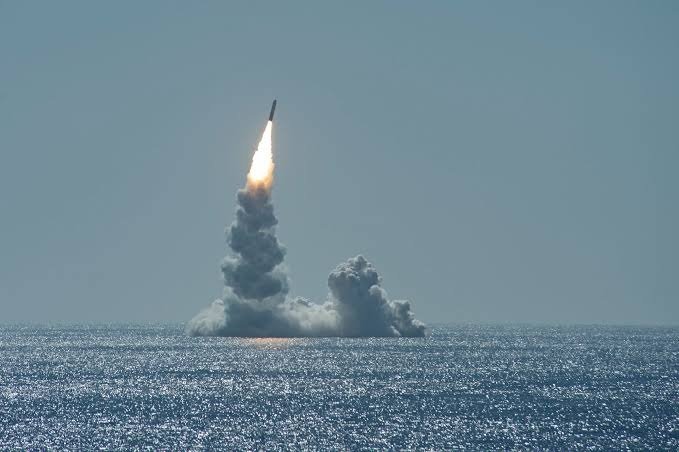 UK Offers Nuclear Deterrence for Its Northern European Defence Partners
-
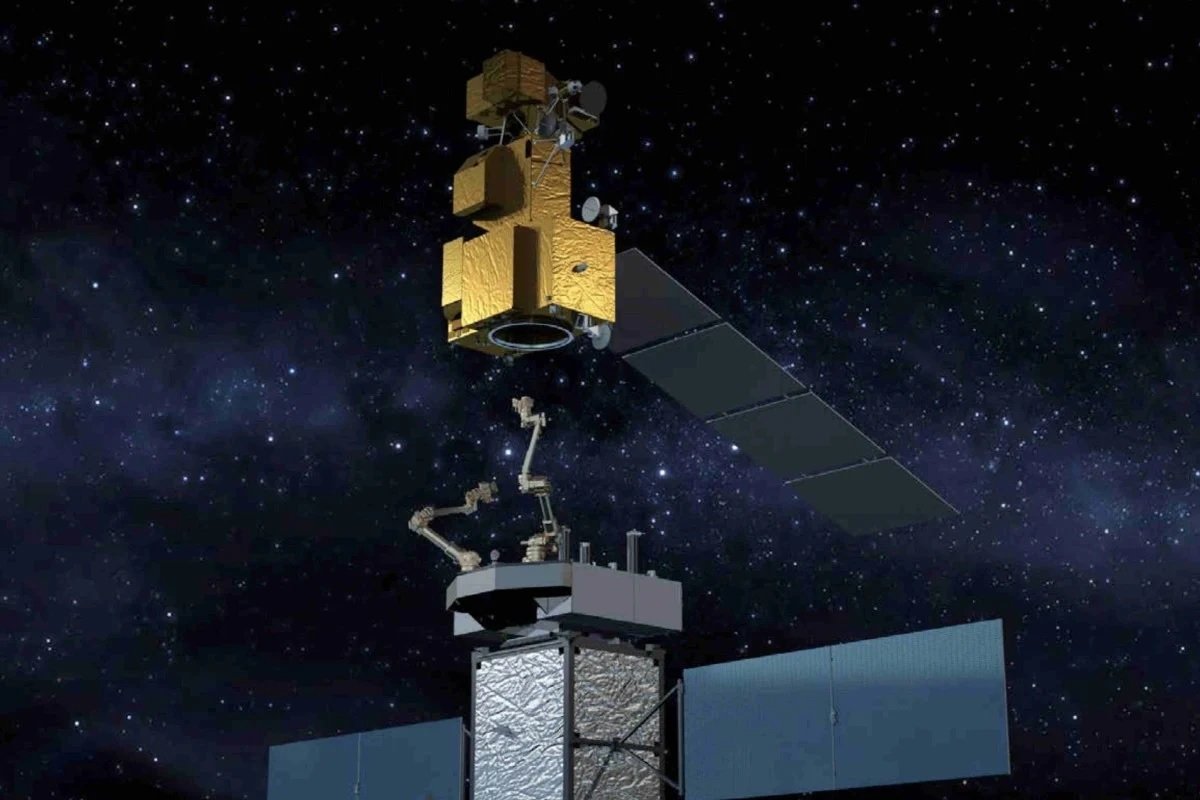 China Reports First High-Orbit Refueling of BeiDou Satellite, but Tracking Data Raise Questions
-
 Russia Says Su-75 Checkmate Could Cost Just $25–30 Million, Flight-Hour Costs 6 Times Lower Than F-35
-
 Eight U.S. Marines Injured in Iranian Missile Strike on U.S Vessel in Strait of Hormuz
-
 U.S. and Russia Remove Human-Review Rules From Draft UN AI Weapons Framework
-
 U.S. Navy Begins Flight Testing Blackbeard Hypersonic Missile on F/A-18 Super Hornet
-
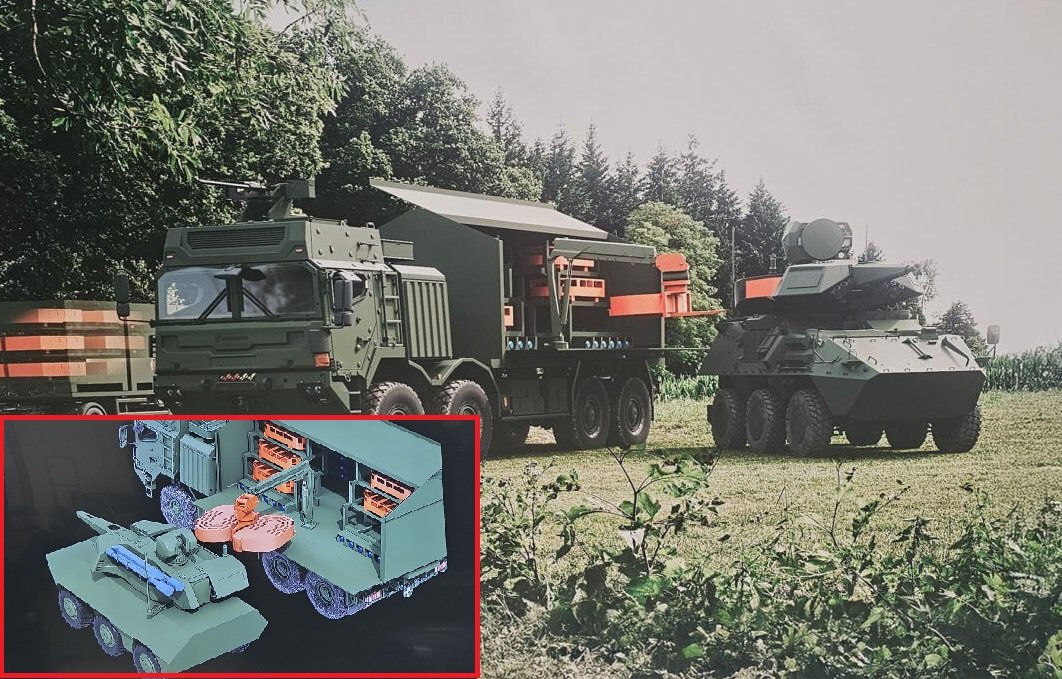 Rheinmetall Develops Automated Reloader for Austrian Skyranger Air Defense System
-
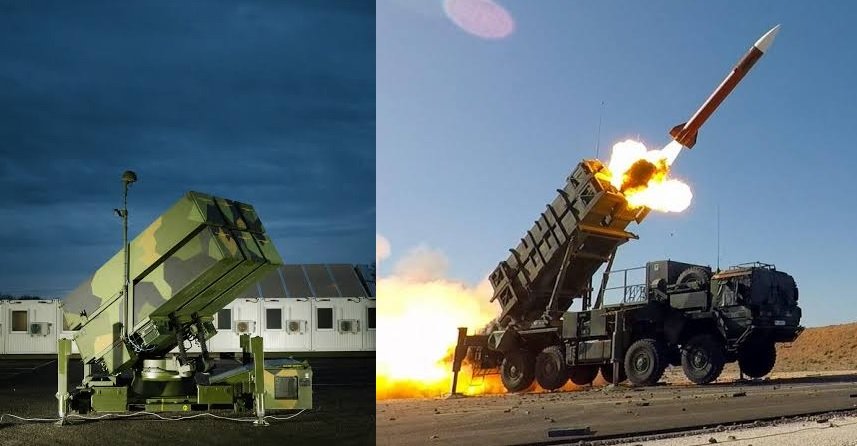 Ukraine Receives New NASAMS Air Defense System and Interceptor Missiles From U.S. and Norway
