
World
WASHINGTON — The United States has expanded its military air campaign against Iran for a sixth consecutive night, carrying out strikes on transportation infrastructure, energy facilities, and maritime-related targets across southern Iran. The latest operations mark a broader phase of the campaign, extending beyond earlier attacks on air defenses, radar systems, and missile sites. According to Iranian state and semi-official media, U.S. forces struck at least five bridges in Hormozgan Province, including the Kehvarstan (Kahurestan) Bridge, Gariveh Bridge, and the Bandar Abbas–Shiraz Bridge near Bandar Khamir. The reported damage disrupted traffic along the Bandar Abbas–Kehvarstan–Lar corridor and forced the closure of additional highways linking Bandar Abbas with neighboring provinces. The strikes were reportedly conducted using precision-guided munitions launched by aircraft, drones, and naval platforms under the direction of the U.S. Central Command (CENTCOM). While CENTCOM has confirmed strikes against military targets, it has not specifically listed the bridges among the targets in its official statements. Campaign Expands to Logistics and Transport Networks The latest wave reflects a shift in U.S. operations from primarily targeting Iran's coastal air defense systems, missile positions, and maritime assets to also focusing on transportation infrastructure that supports military logistics. Bandar Abbas is Iran's largest commercial port and also hosts major naval facilities used by both the Iranian Navy and the Islamic Revolutionary Guard Corps (IRGC) Navy. The city's road and rail network serves as an important route for transporting fuel, military equipment, ammunition, and mobile missile systems toward Iran's southern coastline. Military analysts note that damage to bridges and transport routes can slow the movement of military supplies and create logistical bottlenecks. However, Iran still retains alternative road networks and the ability to establish temporary crossings where required. Chabahar Port and Other Locations Also Hit The campaign also expanded geographically during the latest operations. Iranian reports said a U.S. airstrike destroyed a maritime surveillance tower at Chabahar Port, Iran's only major deep-water port on the Gulf of Oman. The port provides direct access to the Indian Ocean without passing through the Strait of Hormuz, making it strategically important for both commercial shipping and regional maritime activities. Reports indicated that the strikes also damaged the maritime traffic control tower, two marine piers, including the Shahid Beheshti dock, and nearby port facilities. Power outages affected parts of Chabahar after three electricity transmission lines were reportedly damaged, although Iranian authorities later said some electricity services had been restored. Additional explosions were reported near Iranshahr Airport, a railway station in Bandar Khamir, and in the areas of Qeshm Island, Sirik, Bushehr, and Ahvaz. Iran's Energy Ministry urged residents to reduce electricity consumption and limit air conditioning use after damage to parts of the regional power grid during a period of high summer temperatures. Naval Blockade Continues The expanded air campaign comes alongside the renewed U.S. naval blockade of Iranian ports, which resumed on July 14 after the collapse of a temporary ceasefire. According to CENTCOM, U.S. forces disabled the Curaçao-flagged oil tanker M/T Belma after the vessel allegedly ignored repeated warnings while attempting to sail toward Iran's Kharg Island oil export terminal. U.S. officials said aircraft fired Hellfire missiles into the ship's smokestack to stop its movement. CENTCOM also reported that U.S. Marines boarded one vessel suspected of attempting to breach the blockade, redirected three additional commercial ships, and neutralized another vessel during enforcement operations. Washington says the blockade is intended to protect commercial shipping and maintain freedom of navigation in the Strait of Hormuz, one of the world's most important maritime trade routes through which a significant share of global oil exports passes. President Donald Trump said U.S. military operations would continue as Washington seeks what he described as a permanent settlement following the breakdown of the ceasefire. Casualties Reported Iranian state broadcaster IRIB reported that strikes near Bandar Khamir killed seven people and injured nine, while another strike in a residential area of Bandar Abbas left one person dead and eight others injured. Hossein Kermanpour, spokesperson for Iran's Health Ministry, said that at least 38 people have been killed and more than 400 injured across the country during several days of U.S. strikes. These casualty figures have not been independently verified. Iran Responds with Regional Attacks Iran has continued retaliatory operations following the U.S. strikes. Iranian military officials claimed they targeted U.S. logistics facilities in Kuwait and a special operations command center at al-Tanf in Syria. Iranian forces also reported launching drone and missile attacks against U.S. military facilities in Bahrain and Jordan. Independent verification of these claims remains limited. Sirens were also activated in Qatar and Bahrain amid the regional security situation following the latest exchanges. Regional Situation Remains Tense The United States maintains more than 50,000 military personnel across the Middle East. The latest combination of infrastructure strikes, attacks on maritime facilities, and naval interdiction reflects an effort to disrupt Iran's military logistics supporting operations around the Strait of Hormuz. The exchanges have continued since the reported collapse of a temporary ceasefire, with both Washington and Tehran maintaining military operations. While the United States says its actions are intended to reduce threats to commercial shipping and regional security, Iranian officials have described the strikes as an escalation and continue repair work on damaged infrastructure where possible. The situation remains fluid, and many battlefield claims from both sides have not been independently verified. International observers continue to monitor developments closely because of their potential impact on regional security, global shipping, and energy markets.
Read More → Posted on 2026-07-17 14:42:56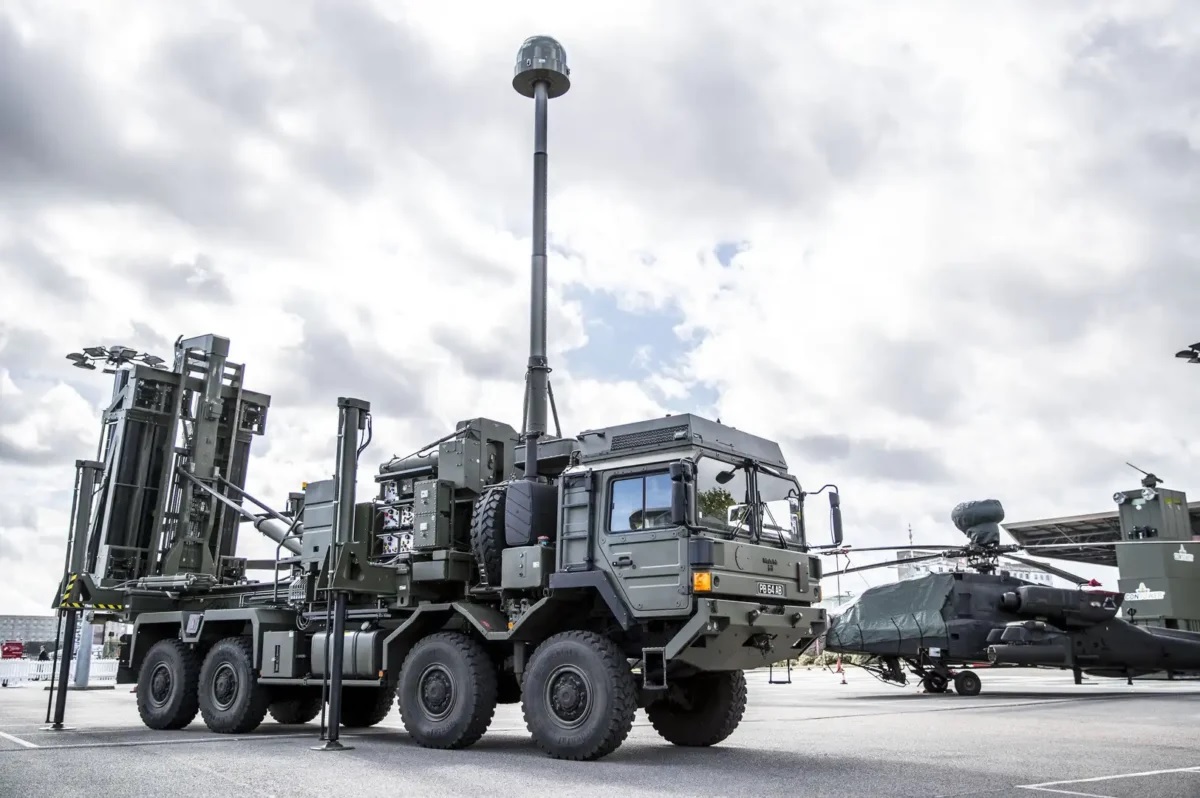
Europe
LONDON — The UK Ministry of Defence (MoD) has confirmed that its programme to double the British Army's fleet of deployable Sky Sabre air defence systems remains on schedule. Under the current timeline, new operating centres will be delivered by the end of 2026 and are expected to enter active service in 2027. The expansion is part of the £350 million Capability Uplift Package 1 (CUP1) under the wider Land Ground Based Air Defence (LGBAD) Programme. Alongside the new operating centres, the package includes additional Land Ceptor launchers and associated support vehicles, all of which are contracted for delivery in 2027. The update was provided by Defence Minister Luke Pollard in a written parliamentary response to Conservative MP Stuart Anderson, who had asked when the government's commitment to double the Army's operational Sky Sabre systems would be completed. Pollard said the Defence Investment Plan commits more than £350 million to increase the number of deployable Sky Sabre missile systems operated by the British Army. "The Defence Investment Plan commits over £350 million to double the number of deployable Sky Sabre air defence missile systems operated by the Army. Together, these investments will double the number of deployable Sky Sabre systems operated by the Army," Pollard stated. He also said the Ministry of Defence is examining additional improvements to the Sky Sabre capability beyond the current expansion. However, he did not provide further details, citing ongoing commercial negotiations. Sky Sabre Air Defence System Sky Sabre entered service with the British Army in 2021, replacing the Rapier air defence system that had been in service for more than four decades. It serves as the UK's primary medium-range ground-based air defence system and is designed to counter a wide range of aerial threats, including combat aircraft, helicopters, drones and cruise missiles. The system combines three main components: Saab Giraffe Agile Multi-Beam (AMB) 3D radar, which provides 360-degree surveillance at ranges of up to 120 kilometres. Surface to Air Missile Operations Centre (SAMOC) command-and-control system supplied by Rafael, enabling real-time information sharing with Royal Navy ships, Royal Air Force (RAF) aircraft and NATO allies through tactical data links. MBDA Land Ceptor launchers armed with Common Anti-Air Modular Missiles (CAMM), capable of reaching speeds of around Mach 3 (approximately 2,300 mph) and engaging targets at ranges of up to 25 kilometres. One of Sky Sabre's key capabilities is its ability to track multiple targets simultaneously and guide up to 24 missiles against 24 separate targets at the same time, improving its effectiveness against complex aerial attacks. Expansion to Strengthen Air Defence Capability The planned expansion is intended to increase the British Army's ability to deploy medium-range air defence systems both within the UK and during overseas operations. Additional launchers, operating centres and support vehicles will provide greater operational flexibility and increase the number of deployable units available for military missions. Sky Sabre has already been used in operational deployments. Following the start of the Russia-Ukraine conflict in 2022, personnel and Sky Sabre systems from the 16th Regiment Royal Artillery were deployed to Poland to help strengthen NATO's eastern flank and support the alliance's integrated air defence mission. The investment also forms part of the UK's broader effort to modernise its ground-based air and missile defence capabilities under the Land Ground Based Air Defence (LGBAD) Programme. In addition to expanding the Sky Sabre fleet, the Defence Investment Plan includes wider initiatives to improve air defence readiness, including investment in counter-drone capabilities and upgrades to existing systems. With deliveries of the new operating centres due by the end of 2026 and additional launchers and support vehicles scheduled for 2027, the Ministry of Defence said the programme remains on track to achieve its objective of doubling the British Army's deployable Sky Sabre air defence systems. Source : ukdefencejournal
Read More → Posted on 2026-07-17 14:26:59
U.S
BROWNSVILLE, Texas — Defense technology and autonomous maritime systems company Saronic has selected Brownsville, Texas, as the location for its new advanced shipyard, Port Alpha, a $3.24 billion project designed to expand U.S. shipbuilding capacity and modernize maritime manufacturing. The announcement follows a year-long nationwide site selection process that evaluated locations across the East, West, and Gulf Coasts. Brownsville was chosen based on its existing infrastructure, workforce availability, large development area, and multimodal transportation network, including access to deepwater shipping channels, rail, highways, and port facilities. Construction of Port Alpha is expected to begin in 2026, with the shipyard scheduled to become operational in 2028. Expanding U.S. Shipbuilding Capacity Saronic said Port Alpha is being designed to introduce software-defined production to American shipbuilding, allowing advanced digital manufacturing processes to improve production efficiency and scale. The shipyard will initially occupy 835 acres at the Port of Brownsville, with room for future expansion to nearly 4,400 acres. During its first phase, the facility will be capable of building vessels up to 850 feet in length. Future expansion plans could enable construction of ships exceeding 1,200 feet. Although Saronic is best known for developing autonomous surface vessels, the company has also outlined plans to build fully crewed warships equipped with advanced technologies as part of its long-term strategy. Saronic Co-Founder and CEO Dino Mavrookas said the investment is intended to strengthen America's industrial and shipbuilding capabilities. "America's maritime future depends on our ability to build again," Mavrookas said. "Built from the ground up to deliver ships at a speed and scale not seen since World War II, this investment is about more than constructing a shipyard. It is about rebuilding the industrial capacity, workforce, and manufacturing advantage required to ensure American maritime leadership for decades to come." Economic Impact and Job Creation Port Alpha is expected to become one of the largest economic development projects in modern Texas history. According to Saronic, the project could create up to 10,000 direct jobs over the next decade. Employment opportunities will include skilled trades such as welding, machining, and fabrication, along with positions in robotics, software engineering, naval architecture, advanced manufacturing, and other technical fields. Texas Governor Greg Abbott said the shipyard is expected to provide approximately $750 million in annual payroll for Texas workers once the facility reaches full capacity. To secure the investment, the State of Texas approved an $80 million grant through the Texas Enterprise Fund, along with a $78,000 Veteran Created Job Bonus. Separately, Cameron County officials approved a $211 million tax incentive package for the project. Saronic estimates that over a 10-year period, Port Alpha could generate approximately $160 billion in regional economic impact for Cameron County and $264.5 billion for the State of Texas. The company also plans to work with Texas universities, regional technical colleges, and local educational institutions to establish workforce training and apprenticeship programs. Saronic has stated that at least 35 percent of the workforce is expected to be hired locally, supporting long-term employment opportunities in South Texas. Supporting National Maritime Goals The announcement comes as the United States continues efforts to strengthen its domestic shipbuilding industry. Port Alpha aligns with recent federal initiatives, including the SHIPS for America Act, the Maritime Action Plan, and the Executive Order on Restoring America's Maritime Dominance, which aim to increase U.S. commercial and defense shipbuilding capacity, strengthen the maritime industrial base, and reduce dependence on foreign shipbuilding. The new shipyard is intended to support both autonomous and conventional vessel production while expanding the nation's manufacturing capacity for future commercial and defense requirements. Building on Existing Manufacturing Operations Port Alpha expands Saronic's growing manufacturing network. Earlier in 2025, the company acquired a shipyard in Franklin, Louisiana, supported by a $300 million investment to add 300,000 square feet of production space. That facility is focused on manufacturing Saronic's 180-foot Marauder autonomous surface vessel, which the company said was designed and launched in less than one year. The Brownsville shipyard will complement the Louisiana facility by significantly increasing overall production capacity and supporting larger vessel construction. Community Response Local economic development officials welcomed the investment, describing it as a major opportunity for job creation and regional economic growth. Gilberto Salinas, President and CEO of the Greater Brownsville Economic Development Corporation, said projects of this scale help create long-term employment opportunities and contribute to economic development in the region. At the same time, some residents and community organizations have raised concerns about the project's environmental impact and the expansion of defense manufacturing in South Texas. Groups including the South Texas Environmental Justice Network have called for careful review of environmental considerations associated with the development. Saronic has stated that it will work with educational institutions, local partners, suppliers, and regional stakeholders as development of Port Alpha moves forward. Once operational, Port Alpha is expected to become one of the largest advanced shipbuilding facilities in the United States, supporting the production of autonomous vessels, future crewed ships, and expanded domestic maritime manufacturing capacity. Source : Saronic
Read More → Posted on 2026-07-17 14:01:38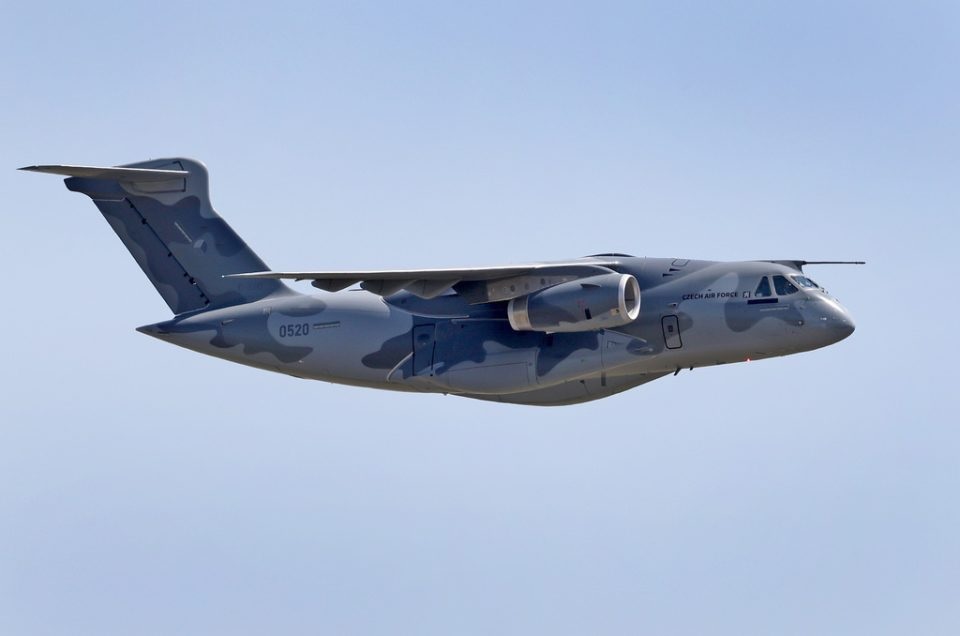
Europe
PRAGUE, Czech Republic — The Czech Air Force has officially inducted its first Embraer C-390 Millennium multi-mission transport aircraft during a handover ceremony held at Prague Kbely Air Base on July 16, marking a significant modernization of the country's military airlift capability. The delivery comes just 20 months after the Czech Republic signed the acquisition agreement in October 2024, reflecting the rapid execution of the procurement program. The aircraft arrived in Czech airspace several days before the ceremony after a ferry flight from Embraer's production facility in Brazil and was escorted by two Czech JAS 39 Gripen fighter jets. The official handover ceremony was attended by Czech Minister of Defence Jaromír Zůna, Chief of the General Staff General Miroslav Hlaváč, Czech Air Force Commander General Petr Tománek, and Bosco da Costa Junior, President and CEO of Embraer Defense & Security. The Czech Republic ordered two C-390 Millennium aircraft under a contract valued at approximately CZK 11.3 billion (around $508 million or €450 million). The agreement includes pilot and maintenance training, initial spare parts, ground support equipment, air-to-air refueling kits, and the MAFFS II aerial firefighting system. The second aircraft is scheduled for delivery in 2027. Expanding Airlift and Multi-Mission Capabilities The arrival of the C-390 Millennium marks a transition from the Czech Air Force's older and smaller transport aircraft to a modern medium airlift platform capable of supporting a wide range of military and humanitarian missions. Designed as a next-generation military transport aircraft, the twin-engine C-390 Millennium can carry up to 26 tonnes of payload, transport 80 troops or 64 fully equipped paratroopers, and reach speeds of up to 470 knots. It is also capable of operating from temporary or unpaved runways, increasing its flexibility during military deployments and disaster response operations. The aircraft is designed to perform multiple missions using a single platform, including: Cargo and troop transport Equipment and personnel airdrops Medical evacuation (MEDEVAC) Search and rescue (SAR) Humanitarian assistance Aerial firefighting using the MAFFS II system When equipped with its removable air-to-air refueling (AAR) kit, the C-390 can also serve as both an aerial tanker for fighter aircraft and a receiver for in-flight refueling. Czech Military Highlights Operational Benefits Minister of Defence Jaromír Zůna described the delivery as an important milestone for the Czech Armed Forces. He said the aircraft will significantly improve the military's ability to transport personnel, equipment, and humanitarian assistance while supporting both national missions and operations alongside NATO allies. According to the minister, the new aircraft will enhance the readiness, flexibility, and operational effectiveness of the Czech Armed Forces for years to come. Brigadier General Jaroslav Falta, Commander of the 24th Air Transportation Base, where the aircraft will be stationed, said the C-390 provides the Czech Air Force with an important strategic airlift capability. He noted that the aircraft will enable the transport of heavy and oversized cargo over long distances while strengthening support for NATO missions and emergency response operations within the Czech Republic. Falta also emphasized that the effectiveness of the new capability depends on the professionalism and dedication of Czech Air Force personnel. Czech Aerospace Industry Plays a Key Role The C-390 program also strengthens cooperation between Embraer and the Czech aerospace industry. Czech aircraft manufacturer Aero Vodochody produces the wing leading edges, rear fuselage sections, cargo ramp, and all aircraft doors for every C-390 built worldwide, making the company an important supplier across the global production line rather than only for aircraft delivered to the Czech Republic. Meanwhile, state-owned aerospace company LOM Praha will provide in-country maintenance and lifecycle support for the Czech Air Force's C-390 fleet. Bosco da Costa Junior said the Czech Republic has been an important partner in the C-390 program from its early stages and highlighted the long-term contribution of Czech industry to the aircraft's development and production. He added that Embraer will continue supporting the Czech Air Force throughout the aircraft's operational service. Growing International Fleet With the delivery of its first aircraft, the Czech Republic joins a growing group of C-390 Millennium operators and customers that are increasing cooperation in training, maintenance, and logistics. In addition to the Brazilian Air Force, the aircraft has been selected by Portugal, Hungary, the Netherlands, Austria, the Republic of Korea, Sweden, the United Arab Emirates, Slovakia, Lithuania, and Uzbekistan. For the Czech Armed Forces, the introduction of the C-390 Millennium improves interoperability with NATO partners while providing a modern transport aircraft capable of supporting military operations, humanitarian missions, disaster relief, and international deployments. Military officials have also indicated interest in expanding the fleet beyond the current order of two aircraft in the future. Source : edrmagazine
Read More → Posted on 2026-07-17 13:51:50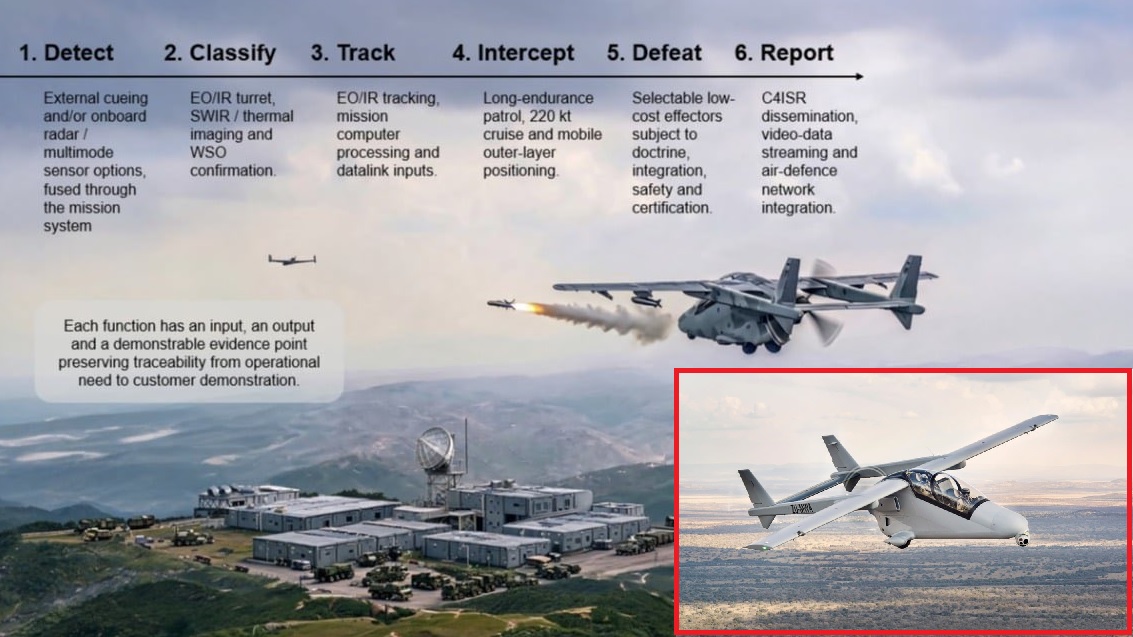
World
PRETORIA, South Africa — Paramount Aerospace Industries has unveiled a dedicated counter-unmanned aerial system (C-UAS) configuration for its Mwari aircraft, introducing an airborne solution designed to detect, track, and engage one-way attack drones targeting critical infrastructure. The announcement, made on July 16, 2026, comes as low-cost attack drones increasingly threaten military bases, power plants, ports, and other strategic facilities. Unlike conventional air defense systems that rely on fixed ground-based radar networks, the Mwari can conduct airborne surveillance and intercept threats while on patrol, making it suitable for areas with limited radar coverage. Addressing the Growing Drone Threat One-way attack drones, also known as kamikaze drones or loitering munitions, are inexpensive and can be launched in large numbers, creating a significant challenge for conventional air defense systems that often rely on costly interceptors. The widespread use of these drones in conflicts such as Ukraine and the Middle East has highlighted the growing need for affordable and flexible counter-drone solutions. The threat has also expanded beyond battlefields, prompting governments and infrastructure operators to seek better protection for critical facilities. Paramount Aerospace Industries CEO Lee Connolly said the rapid proliferation of low-cost one-way attack drones has created new vulnerabilities for defense forces and infrastructure operators while placing increasing pressure on existing air defense networks. He said the Mwari addresses one of the biggest operational challenges by conducting airborne patrols to detect drones before they reach protected areas. Once a target is identified, the aircraft can immediately transition from surveillance to interception. Connolly also noted that the aircraft's modular architecture allows it to be configured according to each customer's existing air defense systems and operational requirements. Human-in-the-Loop Operations The counter-UAS configuration is operated by a two-person crew using advanced electro-optical sensors for day and night surveillance. The system enables operators to visually identify and track suspected drone targets before engagement, ensuring that human decision-making remains part of the process. According to Paramount, recent upgrades also enable the platform to engage Medium Altitude Long Endurance (MALE) drones operating between 20,000 and 30,000 feet, expanding its capability against a broader range of unmanned aerial threats. Aircraft Capabilities Originally developed as the Advanced High Performance Reconnaissance Light Aircraft (AHRLAC), the Mwari first flew near Pretoria in July 2014. It is regarded as the first fully indigenous military aircraft developed in Africa since Denel's Rooivalk attack helicopter. Paramount later partnered with Boeing to develop the aircraft's mission systems. The aircraft is powered by a Pratt & Whitney PT6A-66B turboprop engine producing 950 horsepower (710 kilowatts). It has a maximum cruise speed of approximately 500 km/h (311 mph), a service ceiling of 9,450 meters (31,000 feet), and a ferry range approaching 3,700 kilometers (2,300 miles). For long-endurance patrol missions, the Mwari can loiter at 110 knots and remain airborne for up to 10 hours with external fuel tanks. It requires only 550 meters for takeoff, allowing operations from remote or unprepared airstrips while maintaining an operating cost of under $1,200 per flight hour. A key feature of the aircraft is its Interchangeable Mission System Bay (IMSB), which enables crews to replace sensors and mission equipment in less than two hours. The aircraft also has six wing-mounted hardpoints that support different mission payloads. For counter-drone operations, the Mwari can carry 20mm rapid-fire cannon pods with an engagement range of approximately 800 meters, while guided rockets or new-generation multi-role air-to-air missiles provide engagement ranges of up to 4,000 meters. Its open-architecture design also allows integration of weapons and mission systems from multiple suppliers. Flexible Counter-Drone Solution Paramount designed the Mwari to complement existing air defense systems rather than replace them. The aircraft provides airborne detection and interception for locations where permanent radar infrastructure is unavailable or limited. Its modular design also allows operators to integrate existing weapons, sensors, and future technologies without replacing the aircraft itself. According to the company, this approach enables the platform to adapt as drone threats and counter-UAS technologies continue to evolve while supporting different operational and procurement requirements. Source : edrmagazine
Read More → Posted on 2026-07-17 12:17:47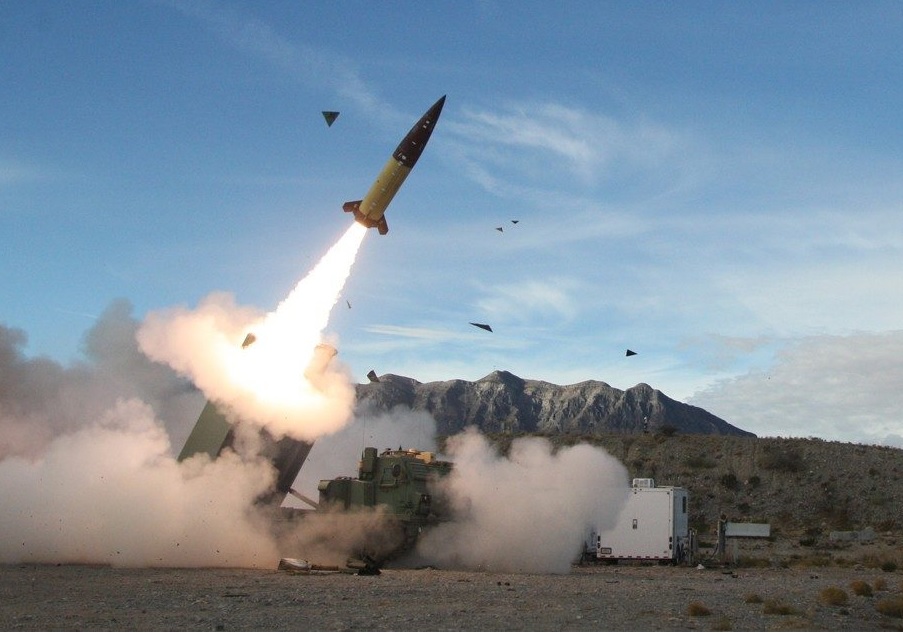
U.S
Washington — The U.S. Department of War has finalized a $439.4 million production contract with Lockheed Martin to supply MGM-140 Army Tactical Missile System (ATACMS) short-range ballistic missiles to Taiwan under the Foreign Military Sales (FMS) program. The agreement is fully funded at the time of signing, allowing production to proceed immediately without waiting for additional budget approvals. The missiles and related operational equipment will be delivered to Taiwan through February 28, 2031. Although the initial production contract is valued at $439.4 million, U.S. financial documents indicate the overall acquisition value for the ATACMS guided missiles and launch assemblies is expected to reach approximately $896.7 million. The contract is being managed by the U.S. Army Contracting Command at Redstone Arsenal, Alabama. The initial payment was made using Foreign Military Sales funds designated for Taiwan, the U.S. government program that enables allied and partner nations to purchase American-made defense equipment under Washington's oversight. Under this arrangement, Taiwan is funding the acquisition. ATACMS to Equip Taiwan's HIMARS Fleet The missiles are intended for use with the M142 High Mobility Artillery Rocket System (HIMARS) launchers that Taiwan has been receiving from the United States since October 2024. ATACMS is a precision-guided short-range ballistic missile capable of striking targets at distances of up to 300 kilometers. It is designed to engage high-value military targets such as command centers, air defense systems, logistics hubs, and other critical military infrastructure. The missile is launched directly from the mobile HIMARS platform, allowing rapid deployment and repositioning. Despite releasing the contract's financial details and delivery schedule, U.S. officials have not disclosed how many ATACMS missiles Taiwan will receive. The Department of War and the State Department have followed their usual practice of withholding missile quantities in Taiwan-related arms sales for operational security reasons. Part of a Larger Taiwan Weapons Package The production contract follows a broader U.S. arms package approved in December 2025, when the Trump administration authorized what was described as the largest U.S. weapons sale to Taiwan, valued at more than $11 billion. That package included 420 M57 ATACMS missiles, including newer longer-range variants, 82 additional HIMARS launchers, and more than 1,200 precision-guided rockets. The approval significantly expanded Taiwan's planned long-range strike capability. The earlier phase of Taiwan's HIMARS program included 29 HIMARS launchers and hundreds of guided rockets. Much of that equipment has already been delivered, providing Taiwan with an operational HIMARS capability that will be expanded further through the new ATACMS production contract. Taiwan Continues Defense Modernization Taiwan has continued to modernize its armed forces through investments in missile systems, artillery, and other defense equipment. Officials in Taipei have described these acquisitions as part of a broader effort to strengthen the island's defensive capabilities. The combination of HIMARS launchers and ATACMS missiles provides Taiwan with a mobile, precision long-range strike capability that can engage military targets at significant distances while allowing launchers to relocate quickly after firing. Regional Security Environment The contract comes amid continued military tensions across the Taiwan Strait. Beijing considers Taiwan a breakaway province and has repeatedly opposed U.S. arms sales to the island. At the end of December 2025, the People's Liberation Army (PLA) conducted large-scale military exercises around Taiwan. During the drills, Chinese state broadcaster CCTV aired footage highlighting Taiwan's HIMARS launchers during a simulated strike scenario. According to Taiwan's Central News Agency, military analysts said Beijing views Taiwan's expanding HIMARS and ATACMS inventory as a significant capability because the missiles could conduct precision strikes against military infrastructure, including rocket force positions and logistics facilities. Researchers from Taiwan's Institute for National Defense and Security Research also noted that ATACMS launched from Taiwan's outlying islands could reach much of China's Fujian Province. Deliveries Scheduled Through 2031 With funding already committed and the production contract now finalized, Lockheed Martin will manufacture the missiles in the United States, with most production work taking place in Texas. Deliveries of the missiles and associated equipment are scheduled to continue until February 28, 2031. The agreement represents another step in ongoing U.S.-Taiwan defense cooperation and will further expand Taiwan's long-range precision strike capability as it continues integrating new HIMARS launchers and supporting missile systems into its armed forces. Source : war.gov
Read More → Posted on 2026-07-17 12:06:12
World
TEHRAN, Iran — On July 17, Iran's Energy Ministry has asked citizens across the country to reduce air conditioner use to help stabilize electricity supplies after recent power disruptions in southern Iran, where infrastructure serving the Bandar Abbas region was reportedly damaged. The ministry has urged residents to switch off air conditioners for at least one hour during peak electricity demand, generally between 10–11 a.m. and 4–5 p.m., as well as during evening hours. Officials said the measure is intended to reduce pressure on the national power grid while repair work continues. The appeal comes as southern Iran faces extreme summer temperatures. According to Iranian state media, some areas have recently recorded temperatures exceeding 120 degrees Fahrenheit (about 49°C), increasing electricity demand for cooling. Authorities said electricity has been restored in parts of the affected region, but power disruptions continue in locations where transmission lines and other infrastructure sustained damage. The Energy Ministry said reducing electricity consumption nationwide could help maintain a more stable supply for southern provinces. Iran's electricity network frequently experiences heavy demand during the summer, when air conditioning accounts for a significant share of power consumption. In previous years, officials have used public conservation campaigns, scheduled outages, and restrictions on some industrial users to reduce pressure on the grid during periods of high demand. Bandar Abbas, located on the Strait of Hormuz, is one of Iran's most important port cities and a key transportation and commercial hub. Recent reports of damage to infrastructure in the area have contributed to ongoing electricity supply challenges. The ministry said the nationwide conservation effort is intended to support regions still experiencing intermittent power as restoration work continues. Source : foxnews
Read More → Posted on 2026-07-17 11:35:37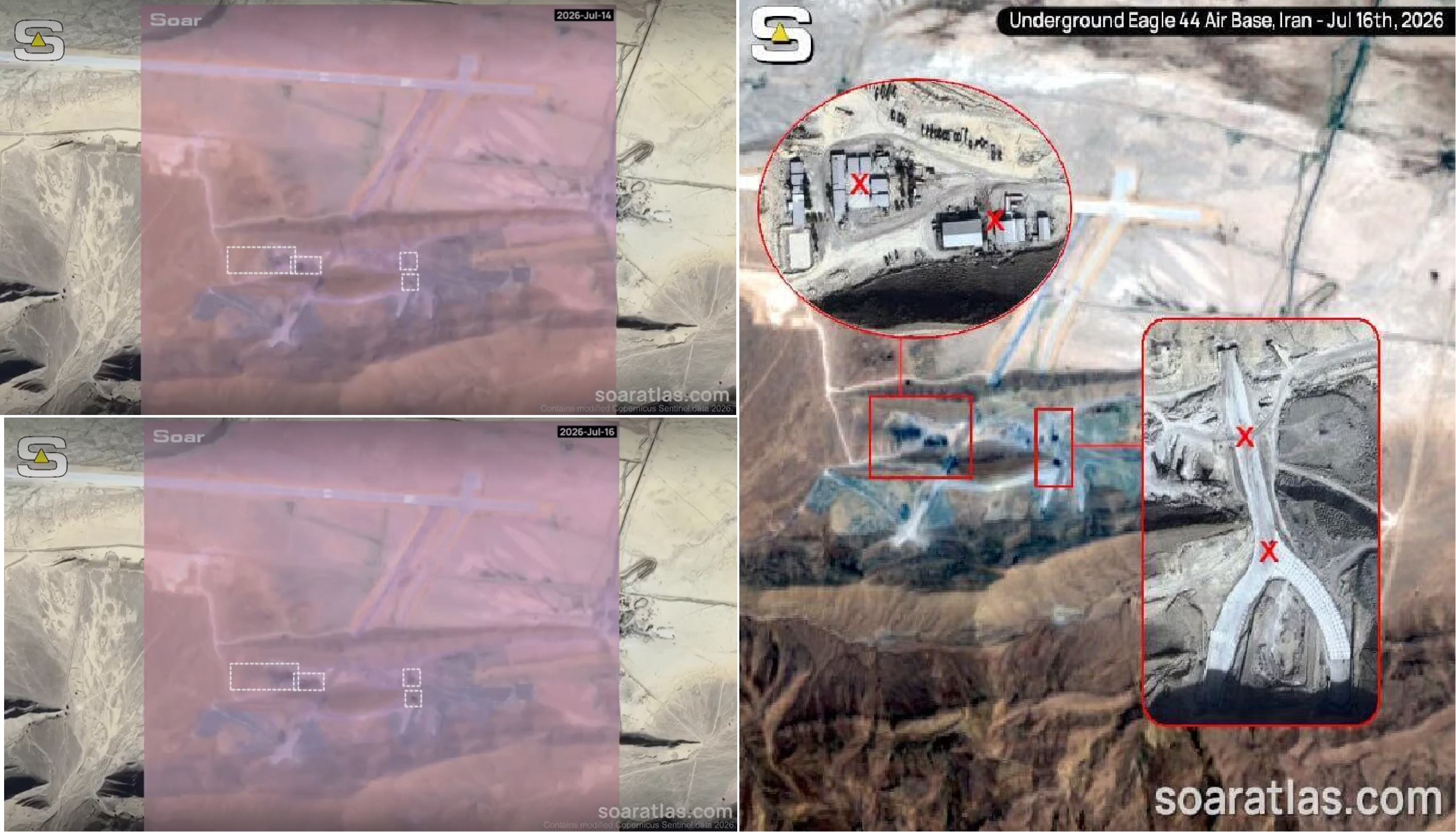
World
New satellite imagery released by Soar Atlas confirms that Oghab 44, the underground emergency support base of the Iranian Air Force's 9th Tactical Fighter Base, was struck by the U.S. military in the early hours of July 16, 2026. The imagery provides visual evidence of damage at the military facility near Bandar Abbas in southern Iran. According to the released images, two impact sites are visible along the taxiway connecting the underground tunnel complex to the runway, while two additional strikes hit nearby infrastructure. Several buildings belonging to the base's construction unit were damaged, and the imagery also shows impacts affecting taxiways and tunnel entrances used to access the underground complex. Oghab 44 is believed to house the last three or four operational F-4E Phantom II fighter aircraft still in service with the Iranian Air Force, although the exact number of aircraft at the site has not been independently confirmed. Underground Base Designed for Protected Air Operations Located in Hormozgan Province, about 160 kilometers (100 miles) north of the Strait of Hormuz, Oghab 44 is the first tactical underground air base built by the Iranian Air Force to accommodate fighter aircraft, bombers, and unmanned aerial systems. Construction of the underground facility began in mid-2013, while work on its surface runway started approximately eight years later. Iran officially revealed the existence of the base in February 2023, when state media released footage showing fighter aircraft, including F-4 Phantom jets, and drones operating inside the underground complex. The facility was named Oghab 44 (Eagle 44) because it was unveiled 44 years after the 1979 Islamic Revolution. The underground base was designed to improve the survivability of Iran's air assets by protecting aircraft and support infrastructure from potential air attacks. It includes aircraft hangars, maintenance and repair facilities, command posts, navigation equipment, fuel storage areas, and an alert section for rapid operations. According to information released by Iranian authorities when the base was unveiled, aircraft can also be equipped inside the underground complex with electronic warfare systems and precision-guided munitions, including Yasin, Qaem, and Asef missiles. Satellite Images Show Damage to Key Infrastructure The latest Soar Atlas imagery highlights damage to infrastructure supporting aircraft movement between the underground tunnel network and the runway. The visible strike locations include: Two impact sites along the taxiway linking the tunnel complex to the runway. Two additional strikes on surrounding infrastructure. Damage to construction unit buildings. Impacts affecting taxiways and tunnel entrances. The released imagery provides visual confirmation of physical damage to parts of the base, although the full operational impact on the facility has not been independently assessed. Part of Broader Military Operations The strike on Oghab 44 comes amid renewed military hostilities following the breakdown of a regional ceasefire agreement. Earlier this month, U.S. Central Command (CENTCOM) reported carrying out airstrikes against approximately 80 Iranian military targets, including air defense systems, coastal radar sites, and military facilities in the Bandar Abbas region. U.S. officials said those operations were intended to reduce Iran's ability to threaten commercial shipping routes through the Strait of Hormuz. Earlier satellite imagery released during spring 2026 had also indicated previous damage near tunnel entrances at Oghab 44, including impact craters that affected access between the underground complex and the runway. The latest imagery provides additional evidence of further strikes at the facility. Iran has not released an official damage assessment or casualty figures related to the July 16 strike, and no independent verification of personnel losses has been reported. However, the newly released satellite imagery offers the clearest visual confirmation so far that multiple areas of the underground air base were hit during the operation.
Read More → Posted on 2026-07-17 10:46:23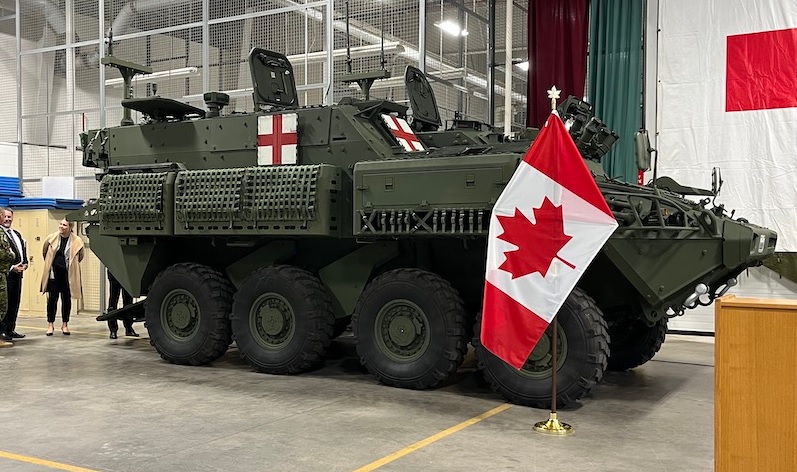
World
OTTAWA — The Canadian government has announced a nearly $2 billion investment to procure 190 additional Armoured Combat Support Vehicles (ACSVs) under a new strategic partnership with General Dynamics Land Systems-Canada (GDLS-Canada). The four-year program is aimed at modernizing the Canadian Armed Forces (CAF) while strengthening Canada's domestic defence industry and supply chain. Prime Minister Mark Carney announced the investment on July 16 in London, Ontario, alongside Defence Minister David McGuinty. The agreement makes GDLS-Canada the first company selected as a Strategic Partner under Canada's newly introduced Defence Industrial Strategy Strategic Partnership Framework. Canadian Army to Expand ACSV Fleet The procurement will increase the Canadian Armed Forces' ACSV fleet from 360 to 550 vehicles. The additional vehicles will mainly support training activities at military bases across Canada, helping prepare personnel before operational deployments. The new vehicles will gradually replace the Canadian Army's aging LAV II Bison and M113 tracked vehicle fleets. They are built on the Light Armoured Vehicle 6.0 (LAV 6.0) platform, allowing multiple vehicle variants to share the same chassis. Using a common platform simplifies maintenance, reduces training requirements, lowers long-term sustainment costs, and improves fleet availability. The new fleet will include eight mission-specific variants: Ambulance Command post Troop and cargo transport Electronic warfare Maintenance and recovery Mobile repair team Fitter/cargo Engineer The ACSVs are equipped with advanced armour protection designed to withstand mines, improvised explosive devices (IEDs), and direct enemy fire while maintaining the mobility needed to operate alongside front-line combat units. Long-Term Strategic Partnership The agreement establishes a long-term framework for Canada's Armoured Combat Vehicle-Wheeled program, covering vehicle delivery, sustainment, modernization, and future fleet development. Under the Defence Industrial Strategy's Strategic Partnership Framework, selected companies commit to investing in Canadian research and development, expanding domestic supply chains, and supporting Canadian jobs. In return, the federal government serves as an anchor customer, providing long-term procurement certainty that can reduce acquisition risks, accelerate project approvals, and support future export opportunities. Domestic Manufacturing and Economic Impact The government said all 190 vehicles will be designed, sourced, and assembled in Canada. Production will take place at GDLS-Canada's facility in London, Ontario, using Canadian engineering expertise and domestically supplied materials. Officials estimate the partnership will create or sustain more than 6,000 high-paying jobs each year over the next eight years. The production program will involve a network of more than 600 Canadian suppliers located across over 100 communities. Major contributors include: InterPro in Regina, supplying the raw steel used for armoured vehicle hulls. Thales Canada in Saint-Laurent, providing thermal imaging systems. IMP Aerospace & Defence in Enfield, manufacturing specialized operational components. The government said the partnership is intended to strengthen Canada's sovereign defence manufacturing capability by supporting domestic production and expanding local industrial capacity. Part of Canada's Defence Modernization The procurement forms part of Canada's broader effort to modernize the Canadian Armed Forces and increase defence spending. According to the government, Canada is reaching NATO's target of spending 2% of GDP on defence for the first time since the end of the Cold War. The ACSV fleet already supports Canadian military operations. Existing vehicles are currently deployed with the Canadian-led NATO Multinational Brigade in Latvia as part of Operation REASSURANCE. Canada has also provided military assistance to Ukraine through the ACSV program. The government has previously donated 89 Armoured Combat Support Vehicles to Ukraine and announced an additional 35 vehicles during the 2026 NATO Summit in Turkey earlier this month. The newly announced procurement is expected to provide the Canadian Armed Forces with additional modern support vehicles for training and operational requirements while reinforcing Canada's long-term domestic defence industrial base. Source : pm.gc.ca
Read More → Posted on 2026-07-17 10:24:14
Space & Technology
New Delhi — Reliance Jio has received a major boost for its satellite communications ambitions after India's space regulator found its proposal for a constellation of around 1,600 Low Earth Orbit (LEO) satellites to be technically sound, according to government officials familiar with the matter. The assessment was carried out jointly by the Indian National Space Promotion and Authorisation Centre (IN-SPACe), the Indian Space Research Organisation (ISRO), and the Wireless Planning and Coordination (WPC) wing of the Department of Telecommunications. The technical clearance marks an important step toward establishing India's first large-scale indigenous non-geostationary (NGSO) LEO satellite constellation, which is expected to expand broadband connectivity, improve digital infrastructure, and strengthen India's long-term space and communications capabilities. Technical Review Opens Door for Next Regulatory Steps Following the technical evaluation, the government can now support Reliance Jio in securing international approvals required for the project. One of the key next steps will be coordination with the International Telecommunication Union (ITU) to obtain orbital slots and spectrum rights while ensuring compatibility with other satellite operators worldwide. These filings are necessary to prevent interference between satellite networks and enable global coordination for satellite operations. As of now, neither IN-SPACe nor Reliance Jio has publicly commented on the latest regulatory developments. Planned Network Offers High Data Capacity According to officials, Jio's proposed satellite network is designed to provide 4.5 to 5 terabits per second (Tbps) of total data capacity over India, making it the highest planned satellite capacity for the Indian market so far. The satellites are expected to operate at an altitude of approximately 650 kilometres, with around 32 satellites visible over India at any given time, allowing continuous coverage across the country. The proposed constellation is intended to support both: Fixed Satellite Services (FSS), including broadband internet and cellular backhaul for remote telecom towers. Mobile Satellite Services (MSS), including direct-to-device connectivity that would allow compatible smartphones to connect directly to satellites in areas without terrestrial mobile coverage. To support operations, Reliance Jio plans to establish 20 to 22 ground stations across India. Comparison with Other Satellite Operators The proposal places Jio among the largest planned satellite communication projects focused on the Indian market. For comparison: SpaceX's Starlink, which operates more than 10,000 satellites globally, has approval for around 600 gigabits per second (Gbps) of capacity over India. Amazon's Project Kuiper plans to provide approximately 3 Tbps of capacity but is still awaiting full regulatory authorisation from IN-SPACe. If implemented as planned, Jio's network would offer significantly higher planned capacity within India than either of these proposed services. Supporting India's Strategic and Sovereign Communications Officials said the project is expected to contribute to India's efforts to build sovereign satellite communication capabilities and reduce dependence on foreign satellite networks for critical connectivity. The proposal has gained importance as governments worldwide increasingly focus on secure communications, strategic control of data infrastructure, and resilient satellite networks. Initial discussions within the government have also explored the possibility of integrating defence-related payloads on some satellites in the future. If approved, these payloads could support military communications, surveillance, and secure data transmission for strategic operations. IN-SPACe's assessment also noted that the constellation's orbital architecture has been designed to allow coexistence with future Indian satellite constellations, providing room for further domestic expansion in the sector. Investment and Long-Term Plans Industry estimates suggest that building and deploying a constellation of this scale could require an investment of $10 billion to $15 billion (approximately ₹95,000 crore to ₹1.42 lakh crore). Reliance Jio has already secured a Global Mobile Personal Communications by Satellite (GMPCS) licence and other preliminary approvals for satellite services. The company is currently following a dual strategy by leasing satellite capacity from existing global operators for near-term services while simultaneously developing its own indigenous satellite network for long-term operations. Once deployed, the constellation is expected to improve broadband access in remote villages, islands, border regions, and other underserved areas where conventional terrestrial networks remain limited. The project also aligns with India's broader push to expand domestic capabilities in satellite communications, digital infrastructure, and space technology while supporting both commercial connectivity and strategic national interests. Source : economictimes
Read More → Posted on 2026-07-17 10:09:10
World
TEL AVIV, Israel — Israel Aerospace Industries (IAI) has introduced HYPNOSIS, a navigation warfare system designed to counter drone swarms and other Global Navigation Satellite System (GNSS)-guided aerial threats using electronic warfare instead of direct kinetic interception. The system has been developed as a "soft-kill" defense layer that disrupts and deceives satellite navigation signals used by drones and guided munitions. By targeting their navigation systems rather than destroying them with interceptor missiles, HYPNOSIS is intended to strengthen multi-layered air defense while reducing reliance on costly kinetic interceptors. Designed to Counter Large Drone Swarms Large-scale drone swarm attacks have become an increasing concern for military planners, as dozens or even hundreds of low-cost drones can be launched simultaneously against strategic infrastructure, military facilities, and critical civilian assets. Such attacks can overwhelm traditional missile-based air defense systems and rapidly consume interceptor stockpiles. HYPNOSIS has been developed to address this challenge by disrupting the satellite navigation links that many modern drones rely on for positioning and guidance. Instead of engaging every incoming drone with a missile, the system interferes with their navigation, causing them to lose their intended flight path before reaching their targets. How HYPNOSIS Works The system exploits the dependence of many unmanned aerial systems and guided munitions on continuous GNSS data, including GPS and other satellite navigation constellations. HYPNOSIS combines electronic jamming and spoofing techniques to interfere with navigation signals. Jamming blocks or overpowers satellite signals received by the drone. Spoofing transmits false navigation information, causing the drone to calculate an incorrect position or course. Once these navigation signals are disrupted or replaced with false data, the affected drone can no longer accurately identify or reach its designated target. Rather than physically destroying incoming threats, the system neutralizes them by disrupting their navigation capabilities. Networked and Autonomous Architecture HYPNOSIS is built around a network of mobile jamming and spoofing stations that can be deployed around high-value locations, including military bases, energy infrastructure, air defense sites, and other strategic facilities. These stations are connected to a central Command and Control (C2) center, which continuously analyzes incoming threats and coordinates the response across the network. According to IAI, the system can operate autonomously, allowing the C2 center to detect, track, and respond to multiple threats approaching from different directions simultaneously. This machine-speed operation reduces the need for continuous manual operator intervention during high-volume drone attacks. The mobility of the stations also allows operators to position the system according to operational requirements and the protection needs of specific locations. Integration with Existing Air Defense Systems HYPNOSIS is designed to complement existing multi-layered air defense architectures rather than replace traditional hard-kill systems. The system can be integrated with radar networks, electro-optical sensors, command-and-control systems, and kinetic interceptor systems, allowing operators to combine electronic warfare with conventional air defense measures. By neutralizing a significant number of incoming threats electronically, military forces can preserve interceptor missiles for drones or missiles that are not affected by electronic countermeasures. This approach helps improve the efficiency of air defense operations while reducing the cost of defending against large numbers of low-cost aerial threats. Strategic Role in Modern Air Defense The increasing use of commercial and military drones in recent conflicts has highlighted the need for additional layers of protection beyond traditional interceptor-based systems. Large drone swarms can saturate missile defenses, making electronic warfare an increasingly important component of modern air defense strategies. HYPNOSIS provides a non-kinetic option that focuses on disrupting navigation rather than physically destroying incoming threats. When used alongside radar, surveillance systems, and interceptor missiles, it adds another layer of protection for military installations, energy infrastructure, air defense sites, and other critical assets. Navigation warfare technologies such as jamming and spoofing are gaining importance as many unmanned aerial systems continue to rely on satellite-based positioning and timing for accurate navigation. By targeting these signals, defense forces can reduce the effectiveness of GNSS-guided threats while conserving interceptor missiles for more complex or higher-priority targets. The introduction of HYPNOSIS reflects the broader trend toward integrated, networked, and layered air defense systems that combine detection, electronic warfare, and kinetic interception to counter evolving aerial threats, particularly the growing use of low-cost, mass-produced drones. Source : calcalistech
Read More → Posted on 2026-07-17 09:41:58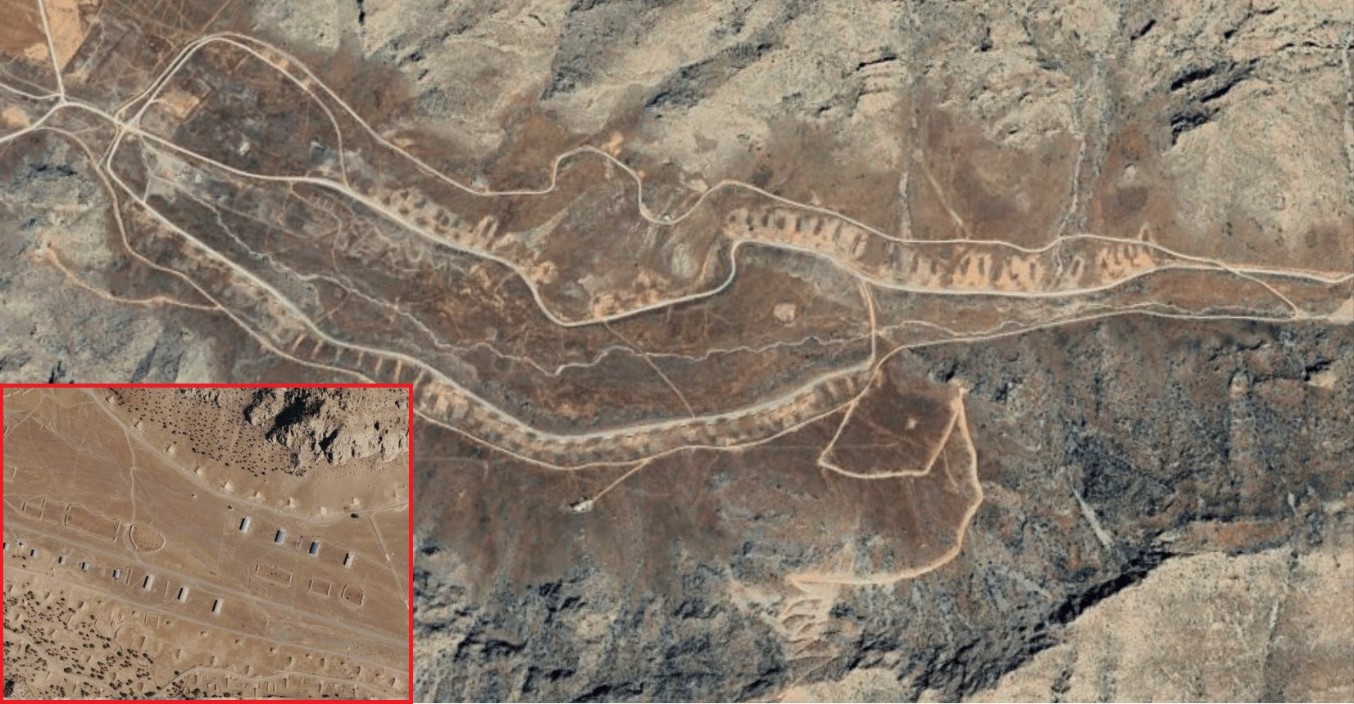
World
KHORRAMABAD, Iran — The U.S. Air Force and Air National Guard reportedly carried out overnight airstrikes against military targets in western Iran, with the Islamic Revolutionary Guard Corps (IRGC) Aerospace Force's Imam Ali Missile Base near Khorramabad in Lorestan Province appearing to be among the primary targets. According to numerous eyewitness accounts, the strikes were conducted in at least two separate waves, with the first explosions reported at approximately 03:47–03:48 local time and a second round of strikes occurring around 03:55–03:57. Residents across Khorramabad reported powerful explosions that shook buildings throughout the city. Several witnesses said the first blast occurred at around 03:47, while others described repeated explosions shortly afterward, suggesting multiple munitions struck the target area during the opening phase of the operation. Explosions Reported Across Multiple Cities The effects of the strikes were also reported outside Khorramabad. In the nearby city of Borujerd, residents said they heard exceptionally loud detonations between 03:48 and 03:50. Some witnesses described hearing a roaring sound in the sky before a powerful explosion, while others believed the sounds were caused by military aircraft or missile activity. One resident said the noise was louder than thunder and unlike anything previously experienced. A second wave of explosions was later reported. Witnesses in Borujerd said another powerful blast occurred at approximately 03:55, while residents in Khorramabad confirmed another major explosion at around 03:57, describing it as the second significant detonation of the night. Further reports came from Alisht in Lorestan Province's Selseleh County, where residents heard two separate loud detonations at approximately 03:47 and 03:56. Local witnesses noted that missile-related activity has previously been associated with the area but said they could not determine whether the sounds came from missile launches or incoming strikes. Timeline of Reported Events 03:47 – First powerful explosions reported in Khorramabad. 03:48 – Additional heavy explosions heard across Khorramabad, with residents reporting buildings shaking. 03:48–03:50 – Residents in Borujerd reported loud detonations and roaring sounds in the sky. 03:55 – Another major explosion reported near Borujerd. 03:56 – Additional loud detonations reported in Alisht, Lorestan Province. 03:57 – Second major wave of explosions reported in Khorramabad. The eyewitness reports indicate the overnight operation involved at least two distinct waves of strikes separated by roughly ten minutes. Imam Ali Missile Base The Imam Ali Missile Base, located near Khorramabad in the Zagros Mountains, is one of the IRGC Aerospace Force's major missile facilities. The installation is built into the mountainside and is widely reported to include underground tunnels, storage bunkers, operational facilities, and missile launch infrastructure designed to protect strategic assets. The base has been associated with Iran's ballistic missile program, including the Shahab-3 medium-range ballistic missile, which has an estimated range of about 1,300 kilometers and is capable of carrying a payload of approximately 800 to 1,200 kilograms. Open-source satellite imagery and previous defense analyses have also identified underground tunnel networks, storage areas, and positions for mobile transporter erector-launchers (TELs) at the site. Damage Assessment Remains Unclear As of now, there has been no official confirmation regarding the extent of damage to the Imam Ali Missile Base or other military facilities in western Iran. It also remains unclear whether underground missile storage areas or launch infrastructure were affected. Based on eyewitness reports from Khorramabad, Borujerd, and Alisht, the overnight operation appeared to involve sustained strikes against military targets in western Lorestan Province while broader military operations were reportedly taking place elsewhere in Iran. Independent verification of the reported impacts and a full battle damage assessment have not yet been released. Source : X
Read More → Posted on 2026-07-16 16:35:02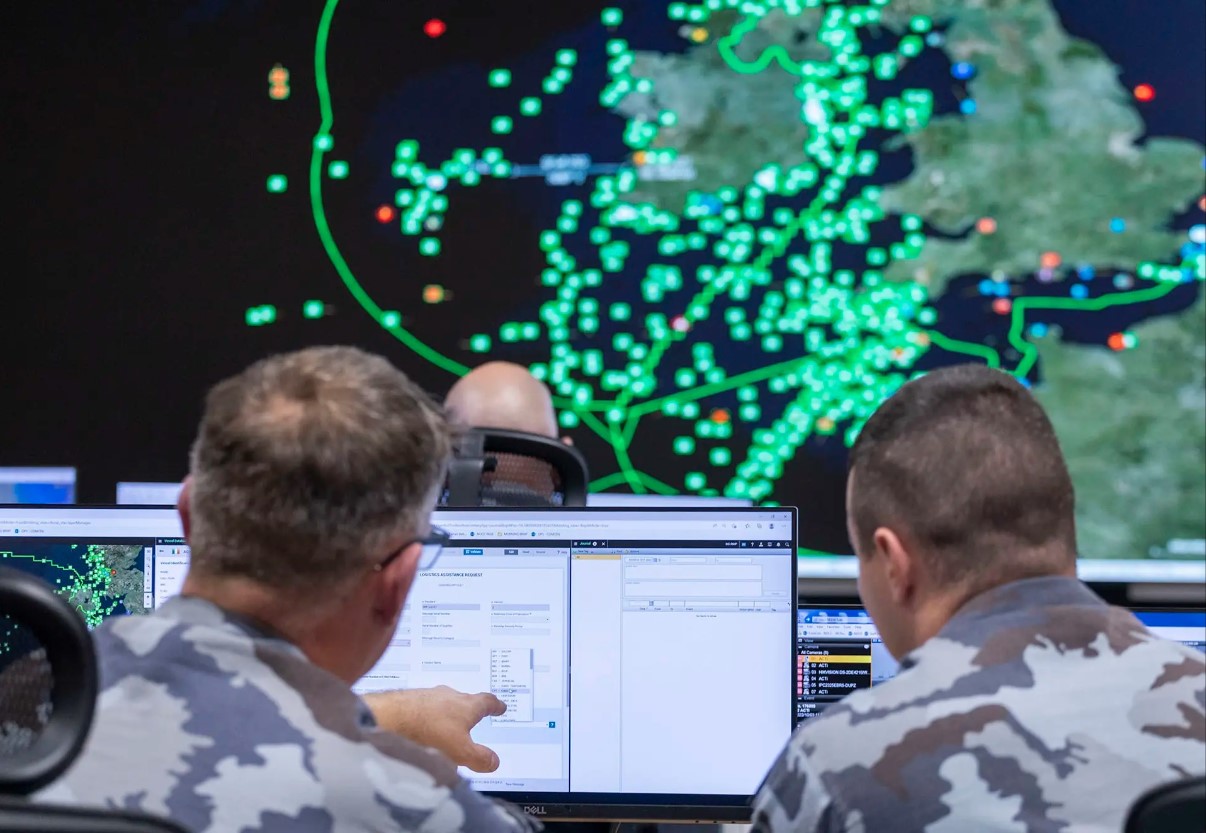
U.S
WASHINGTON — The U.S. Department of the Navy has officially approved its Strategy to Weaponize Data and Artificial Intelligence, establishing a roadmap to build a data-ready, AI-enabled Navy and Marine Corps capable of accelerating decision-making and maintaining maritime superiority. The strategy, signed by Acting Secretary of the Navy Hung Cao, takes effect immediately and reflects more than a year of collaboration led by the Department of the Navy Chief Data and AI Officer (DON CDAO), working alongside artificial intelligence communities across both the Navy and the Marine Corps. According to the Department of the Navy, the strategy is designed to transform how data and artificial intelligence are used across the service, enabling commanders to process information more quickly and make better operational decisions in increasingly complex maritime environments. Building an AI-First Force The new roadmap positions artificial intelligence as a core element of future naval operations rather than simply a supporting technology. The Department said the strategy will help turn data into a practical warfighting advantage by integrating AI into mission planning, operational decision-making, and digital modernization efforts. “This strategy positions the Department of the Navy to out-learn and out-fight any adversary by rapidly deploying data and artificial intelligence,” Acting Secretary Hung Cao said. “It is our roadmap to building an ‘AI-first’ Fleet, one that turns information into warfighting advantage and enables faster, better decisions.” The Department said the overall objective is to reduce the time needed to collect, process, analyze, and act on operational information while improving the speed and quality of military decision-making. Five-Step Bits2Effects Cycle A key element of the strategy is the introduction of the Bits2Effects Cycle, described by the Navy as a five-step digital adaptation framework. The framework is intended to integrate data and artificial intelligence for mission impact, allowing the Department to rapidly learn, adapt, and improve during both peacetime and wartime operations. Officials said the framework will help transform digital information into operational capability, enabling the Navy and Marine Corps to respond more effectively to evolving operational requirements. Six Strategic Priorities The strategy identifies six major priorities that will guide implementation across the Department of the Navy. Accelerating Operational AI The Department will identify the most promising artificial intelligence projects, rapidly evaluate their performance, and expand successful capabilities for full-scale implementation across the fleet. Improving Data Readiness The strategy calls for standardizing, simplifying, and scaling data management practices so mission-relevant information can be easily discovered, accessed, and securely shared across commands. Optimizing Data and AI Infrastructure The Navy plans to develop reliable, secure, and modular digital environments that include the hardware, software, and data required to support the full range of artificial intelligence capabilities. Streamlining Data and AI Governance The Department will modernize governance processes to speed innovation, simplify organizational decision-making, and move risk determinations to the lowest appropriate operational level. Building a Data and AI-Ready Workforce The strategy emphasizes recruiting, training, and qualifying personnel with the technical skills needed to meet operational requirements and keep pace with the rapid evolution of artificial intelligence technologies. Strengthening Partnerships and Collaboration The Department will continue working with industry, academic institutions, federal stakeholders, allies, and international partners to accelerate the development and delivery of advanced data and AI solutions. Aligning Existing Innovation Efforts Barry Tanner, performing the duties of the Chief Information Officer for the Department of the Navy, said the strategy brings together ongoing innovation efforts under a single vision. “This strategy formalizes the direction the Department has already been moving,” Tanner said. “Every day, our Sailors, Marines, civilians, and industry partners are finding new ways to leverage data and artificial intelligence to solve operational challenges. This strategy aligns those efforts under a common vision, accelerates innovation, and ensures we continue to outpace our competitors in an increasingly data-driven battlespace.” Supporting Future Naval Operations According to the Department of the Navy, the strategy represents a significant step in strengthening warfighting effectiveness in the digital era. By combining artificial intelligence, high-quality data, and modern digital technologies, the Department aims to accelerate learning, improve operational effectiveness, and provide commanders with faster, more informed decision-making tools. Officials said the efficiencies generated through improved use of data and AI are expected to return valuable resources—including time, funding, and personnel—to mission priorities while supporting the long-term goal of maintaining U.S. maritime superiority. The strategy is effective immediately and will serve as the Department of the Navy's roadmap for integrating data and artificial intelligence across future naval and Marine Corps operations. Source : navy.mil
Read More → Posted on 2026-07-16 16:25:28
Europe
LONDON — The United Kingdom has officially named its new autonomous Collaborative Combat Aircraft (CCA) programme StormFighter, marking a significant step in the Royal Air Force (RAF)’s future air combat strategy. The announcement was made by Minister for Defence Readiness and Industry Luke Pollard during his keynote speech at the Global Air and Space Chiefs’ Conference in London on July 16. StormFighter is part of a £300 million investment in collaborative combat aircraft outlined in the UK's Defence Investment Plan, published on July 2, 2026. The programme aims to develop autonomous aircraft capable of operating alongside the RAF's crewed fighter fleet, including the Eurofighter Typhoon, F-35 Lightning II, and the future Tempest fighter under the Global Combat Air Programme (GCAP). Autonomous Aircraft to Support Crewed Fighters According to Luke Pollard, StormFighter will be designed to work in close coordination with crewed combat aircraft, providing additional protection and offensive capabilities during future air operations. "We are maximising our air power in the eye of the storm of future combat," Pollard said during the conference. He added that the programme is intended to help transform the Royal Air Force into Europe's first sixth-generation air force. He also described the autonomous aircraft as serving as both a "guardian angel" and an "attack dog" for crewed fighters, supporting operations in increasingly complex combat environments where drones, sixth-generation aircraft, and advanced electronic warfare systems are expected to operate together. Builds on Earlier UK Autonomous Programmes StormFighter expands on previous UK efforts to integrate autonomous systems into air operations. One of these is Storm Shroud, an uncrewed electronic warfare system introduced in 2025 to operate alongside Typhoon aircraft by disrupting and suppressing enemy radar systems. The programme also follows Project Vanquish, which has been testing jet-powered autonomous aircraft in support of F-35B operations. These projects are part of the UK's broader effort to develop Collaborative Combat Aircraft capable of working as force multipliers for crewed platforms. Several defence companies, including BAE Systems and Boeing, have already expressed interest in participating in the StormFighter programme. A formal set of programme requirements is expected to be issued by the UK government. Part of Wider Defence Investment Plan StormFighter forms part of the UK's £298 billion Defence Investment Plan, which includes £31 billion for air and space capabilities over the next four years. Within that investment, the government has increased overall funding for drones and advanced uncrewed systems to £5 billion, reflecting a greater focus on autonomous military technologies. Other major air and space investments announced under the plan include: £8.6 billion for the design and testing phase of the Global Combat Air Programme (GCAP). £1.1 billion to upgrade and sustain the Typhoon fleet into the 2040s. Funding to support future F-35A capabilities. More than £4.5 billion for transport aircraft fleets, including the A400M Atlas, Voyager, and C-17 Globemaster III. £360 million to modernise the UK's military jet training system, including future aircraft for the Red Arrows. Pollard said the investments are intended to build a hybrid, digitally integrated and AI-enabled air force, combining crewed and autonomous aircraft to strengthen future operational capabilities. Focus on Future Air Combat Collaborative Combat Aircraft (CCA) are increasingly becoming a priority for several air forces as they seek to integrate autonomous systems with manned aircraft. These aircraft are designed to perform missions such as reconnaissance, electronic warfare, decoy operations, and strike support while remaining under the supervision of human operators. The United Kingdom's StormFighter programme reflects this approach by developing autonomous aircraft that can operate as part of a networked force alongside existing and next-generation fighter aircraft. The announcement was made during the Global Air and Space Chiefs' Conference, which brings together military leaders, defence industry representatives, and experts to discuss developments in air and space power. This year's conference focused on topics including space operations, nuclear capabilities, integrated air and missile defence, and future air combat technologies. Source : gov.uk
Read More → Posted on 2026-07-16 15:23:34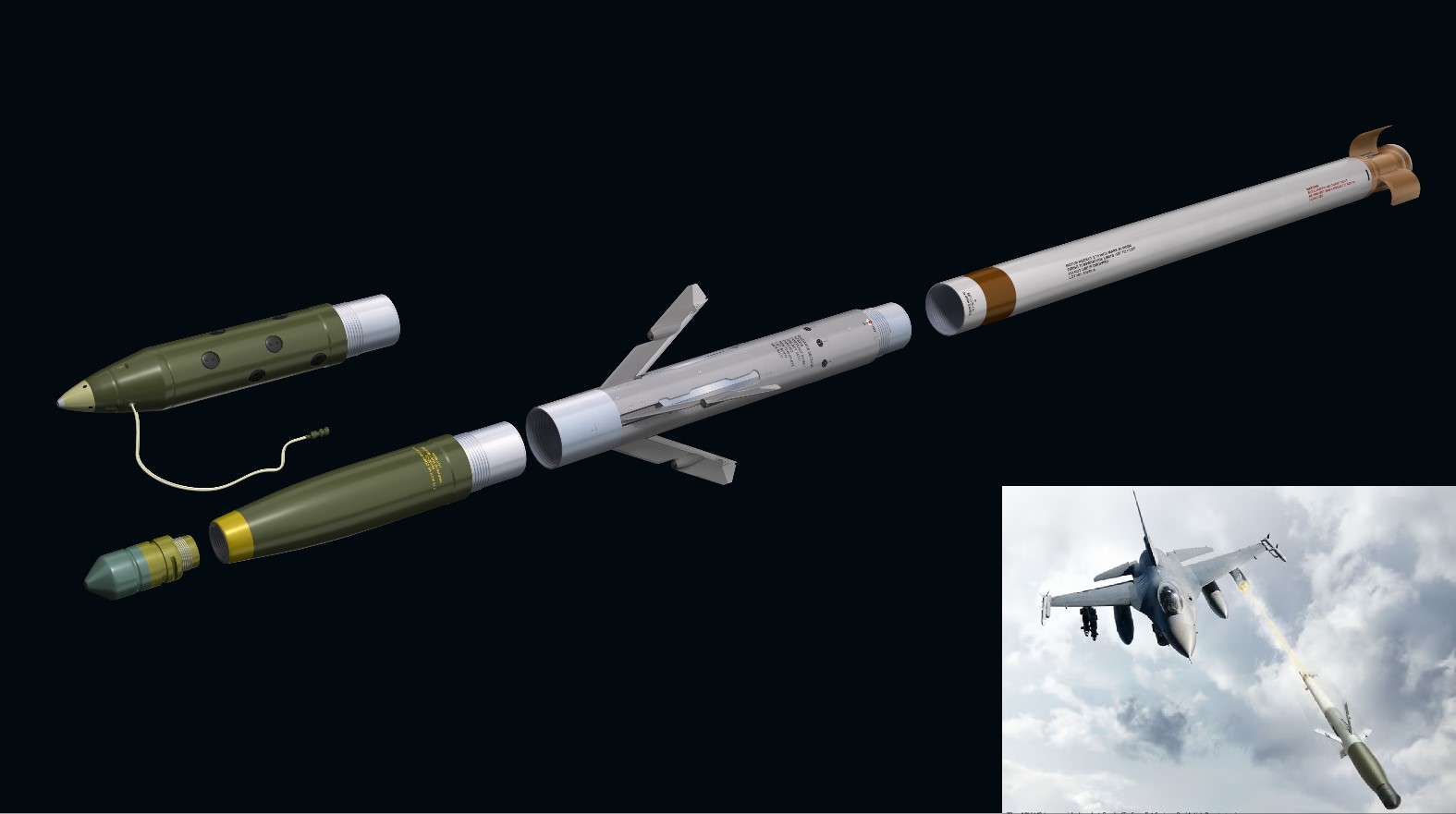
U.S
WASHINGTON — The U.S. Department of State has approved a possible Foreign Military Sale (FMS) to the Kingdom of Saudi Arabia for Advanced Precision Kill Weapon Systems (APKWS II) and related equipment, with an estimated total value of $1.96 billion. The proposed sale is intended to strengthen Saudi Arabia's homeland defense, improve interoperability with U.S. and allied forces, and enhance its air-to-air and air-to-ground self-defense capabilities. The U.S. government said the proposed sale supports its foreign policy and national security objectives by improving the security of Saudi Arabia, a Major non-NATO Ally, which it described as a force for political stability and economic progress in the Gulf region. Package Includes 20,000 APKWS II Guidance Sections Saudi Arabia has requested the purchase of up to 20,000 APKWS II laser-guided guidance sections, consisting of: Up to 10,000 APKWS II air-to-air guidance sections Up to 10,000 APKWS II air-to-ground guidance sections The proposed package also includes a range of non-major defense equipment and support items, including: LAU-131 A/A launchers Mk-152 high-explosive warheads MK66 rocket motors Inert MK66 rocket motors Proximity fuzes WTU-1/B practice warheads Test support equipment Launch and employment equipment Spare and repair parts Publications and technical documentation Personnel training, training equipment, and support equipment Transportation U.S. Government and contractor engineering, technical, logistics, and program support services The principal contractor for the proposed sale is BAE Systems, based in Nashua, New Hampshire. APKWS II Converts Standard Rockets into Precision Weapons The Advanced Precision Kill Weapon System II (APKWS II) is a laser-guidance kit that converts standard 70 mm (2.75-inch) Hydra rockets into precision-guided weapons. Instead of using a completely new missile, the system installs a laser guidance section between the rocket motor and the warhead, allowing existing rockets to strike targets with greater accuracy. The system is designed for both air-to-air and air-to-ground missions and provides a lower-cost precision engagement option compared with larger guided missiles. Its accuracy helps reduce collateral damage while engaging drones, lightly armored vehicles, and other designated targets. APKWS II has been integrated on multiple fixed-wing aircraft and helicopters operated by the U.S. military and international partners. Strengthening Saudi Arabia's Defense Capabilities According to the U.S. State Department, the proposed sale will improve Saudi Arabia's ability to deter current and future threats by strengthening homeland defense. It will also augment the kingdom's operational aircraft and enhance both its air-to-air and air-to-ground self-defense capabilities. U.S. officials stated that Saudi Arabia will have no difficulty absorbing the equipment and services into its armed forces because it already operates compatible aircraft and weapon systems. The package also includes training, maintenance assistance, and logistics support to ensure effective operation and sustainment of the systems. Program Support and Implementation Implementation of the proposed sale will require the assignment of 15 additional U.S. Government representatives and 15 U.S. contractor representatives to Saudi Arabia for an extended period. Their responsibilities will include program oversight, technical reviews, training, and in-country maintenance support. The U.S. government also stated that it is not aware of any offset agreement associated with the proposed sale. Any such agreement would be negotiated separately between Saudi Arabia and the contractor if required. Congressional Review Required The Defense Security Cooperation Agency (DSCA) has notified the U.S. Congress of the proposed Foreign Military Sale in accordance with U.S. law. The notification begins the congressional review process and does not constitute a final contract. Final terms, delivery schedules, and implementation timelines will be determined if the sale proceeds following the review period. The U.S. government further stated that the proposed sale will not alter the basic military balance in the region and will have no adverse impact on U.S. defense readiness. Source : state.gov
Read More → Posted on 2026-07-16 15:09:28
U.S
WASHINGTON — US Vice President JD Vance has alleged that certain elements within the Israeli government supported a well-funded influence campaign aimed at undermining Washington's diplomatic negotiations with Iran. Vance made the remarks during an interview on The Joe Rogan Experience podcast released on Wednesday. Vance claimed the campaign sought to shape American public opinion against a recently negotiated US-Iran memorandum of understanding (MOU). Citing a Time magazine report and filings under the Foreign Agents Registration Act (FARA), he said former Trump campaign manager Brad Parscale and his firm, Clock Tower X, were hired through an advertising agency working on behalf of the Israeli government. According to Vance, the campaign was officially presented as an effort to combat online antisemitism but was instead used to influence opinion against the negotiations. He also alleged that some individuals involved in the campaign personally targeted him because of his role in the administration's diplomatic efforts with Iran. Speaking on the podcast, Vance described the effort as a "very discreet, extremely well-funded campaign" intended to derail the negotiations. He said his responsibility was to act in the interests of the American people, despite criticism directed at him during the talks. Brad Parscale rejected the allegations, stating that claims he worked against the administration or the US-Iran negotiations were false. He maintained that the campaign's purpose was to strengthen support for Israel among younger Americans and not to interfere with US diplomacy. Israeli officials had not issued an immediate public response to Vance's comments. Earlier this week, Vance also said that criticism from some hardline Israeli cabinet members was based on what he described as misinformation. The remarks come as US-Iran negotiations continue alongside renewed military tensions. Although President Donald Trump recently ordered the resumption of coordinated airstrikes against Iran, Vance said diplomatic efforts remain active. He reiterated that the administration's priorities are preventing Iran from acquiring a nuclear weapon and ensuring the continued free flow of global energy supplies through the Strait of Hormuz. Source : timesofindia
Read More → Posted on 2026-07-16 14:50:38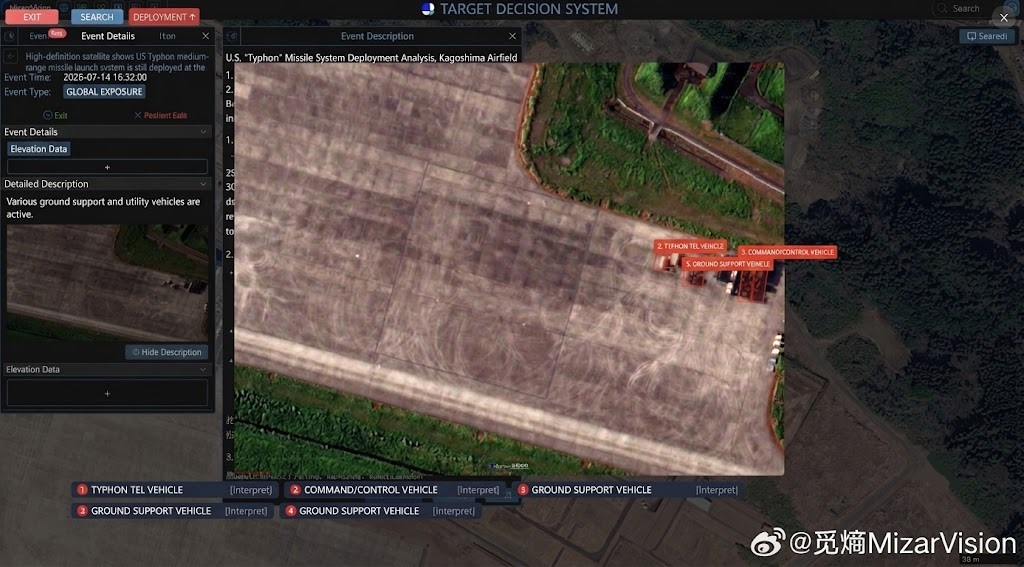
World
TOKYO — Newly published satellite imagery has confirmed the deployment of elements of the U.S. Army's Typhon Mid-Range Capability missile system to Kanoya Air Base in Japan, providing visual confirmation of a deployment that had been announced earlier by U.S. and Japanese authorities. The images, released by Chinese satellite analysis firm MizarVision, show equipment consistent with the Typhon missile battery at the Japan Maritime Self-Defense Force's Kanoya Air Base in Kagoshima Prefecture on the southern island of Kyushu. The deployment is part of a temporary U.S.-Japan military cooperation program focused on joint training and interoperability. Satellite Imagery Confirms Deployment According to MizarVision's analysis, the satellite images identify several components associated with the Typhon system, including truck-mounted launchers, a battery operations center, and supporting equipment. While the deployment itself had already been publicly announced, the newly released imagery provides visual confirmation that the system has arrived at the base. The Typhon system was transported to Japan by the U.S. Army's 3rd Multi-Domain Task Force, based at Fort Shafter, Hawaii, under plans announced by Japan's Ministry of Defense in May 2026. Typhon Missile System Capabilities The Typhon Mid-Range Capability is a mobile, ground-based missile system designed to launch both Tomahawk land-attack cruise missiles and SM-6 multipurpose missiles. The Tomahawk cruise missile has an operational range of approximately 1,600 kilometers (994 miles), enabling long-range precision strikes against land targets. The SM-6 missile is designed for multiple missions, including intercepting aircraft, incoming missiles, while also being capable of engaging maritime and ground targets. Military analysts note that the Typhon system was developed to provide the U.S. Army with long-range precision strike capabilities after the United States withdrew from the Intermediate-Range Nuclear Forces (INF) Treaty in 2019, allowing the development and deployment of ground-launched missiles previously restricted under the agreement. Joint Exercises in Japan The Typhon deployment supports a series of U.S.-Japan military exercises aimed at improving operational coordination in the Western Pacific and East China Sea. The system participated in Valiant Shield 2026, a biennial multinational exercise conducted from June 22 to July 1 across Japan, Hawaii, Guam, and surrounding waters. Following that exercise, the Typhon battery is expected to remain in Japan for Orient Shield, the annual U.S.-Japan ground forces exercise scheduled for September. Japanese officials have stated that no live firing of either the Typhon system or the High Mobility Artillery Rocket Systems (HIMARS) will take place while they are stationed at Kanoya Air Base. After the training activities conclude, the Typhon system is scheduled to be moved to a U.S. military facility in Japan for storage by mid-October. This marks the system's second temporary deployment to Japan. During its first visit in September 2025, the Typhon battery was stationed at Marine Corps Air Station Iwakuni for the Resolute Dragon exercise before being withdrawn from the country several months later. Strategic Significance The deployment has drawn attention because of the Typhon system's long-range strike capability. According to Chinese military analyst Fu Qianshao, speaking to the South China Morning Post, the Tomahawk missile's approximately 1,600-kilometer range means that, if launched from Kyushu, it could theoretically reach major Chinese coastal areas, including Shanghai and parts of Fujian and Zhejiang provinces. Although the deployment is temporary and intended for military exercises, it reflects broader efforts by the United States and Japan to strengthen joint operational capabilities and deterrence in the Indo-Pacific region. Regional Response China and Russia have repeatedly criticized the deployment of U.S. land-based missile systems in the Indo-Pacific. Following the announcement of the Typhon deployment, China's Foreign Ministry described the system as a "strategic offensive weapon," arguing that its presence could affect regional security and increase the risk of an arms race. The deployment comes as the United States continues expanding the operational use of the Typhon system in the region. Earlier this year, the U.S. Army used the system to launch a Tomahawk missile during the Balikatan military exercises in the Philippines. Japan is also preparing to receive its own Tomahawk cruise missiles later this year as part of its plans to strengthen long-range strike capabilities under its updated national defense strategy. The temporary deployment of the Typhon missile system to Kanoya Air Base highlights the continuing expansion of U.S.-Japan defense cooperation, with both countries emphasizing improved interoperability and preparedness through joint training while confirming that no live missile launches are planned during the current deployment. Source : MizarVision
Read More → Posted on 2026-07-16 14:33:19
World
TEL AVIV, Israel — Israeli defense technology company Axon Vision has officially launched ForceField, a new artificial intelligence-powered counter-drone system designed to protect maneuvering military forces, tanks, armored vehicles, and other ground units from the growing threat of first-person-view (FPV) drones. The company said ForceField has been developed specifically to counter fiber-optic-controlled FPV drones, a type of drone that cannot be neutralized using conventional electronic warfare systems because it does not rely on radio-frequency communications. Designed to Counter Fiber-Optic FPV Drones FPV drones have become an increasingly common threat on modern battlefields because they allow operators wearing video goggles to guide small drones directly onto targets with high precision. Their relatively low cost and ability to damage expensive military equipment have made them a significant concern for armed forces. A newer generation of FPV drones uses fiber-optic cables instead of wireless radio links to communicate with the operator. Since these drones do not transmit radio signals, traditional electronic warfare jammers cannot disrupt their control systems. This has created a need for new defensive technologies capable of detecting and defeating such threats without relying on electronic jamming. ForceField was developed to address this operational challenge. AI-Based Detect, Understand and Respond Process ForceField is built around Axon Vision's EDGE AI technology, which the company has developed over several years through programs with Israel's Ministry of Defense. The system follows a three-stage operational process: Detect: Passive sensors continuously search for incoming drone threats during both day and night without emitting radar or other active signals that could reveal the location of friendly forces. Understand: Artificial intelligence analyzes and classifies detected objects in real time to determine whether they pose a threat. Respond: The system operates under a Man-on-the-Loop framework, where AI assists with detection and targeting while a human operator retains final authority to approve or stop weapon engagement. Uses Standard Military Ammunition Instead of relying on electronic jamming or laser weapons, ForceField defeats incoming drones using an integrated kinetic response, firing physical projectiles to intercept the target. The system is designed to use standard weapons and ammunition already available in military inventories, eliminating the need for specialized interceptors. This approach helps reduce procurement costs and simplifies logistics by allowing armed forces to use existing ammunition supplies. ForceField functions as a self-contained protective system that can be installed on existing armored vehicles without extensive modifications to onboard electronics. It also operates independently without requiring continuous communication with command centers or external radar networks. Successfully Tested in Live-Fire Trials ForceField completed development following a series of live-fire trials conducted under operationally representative conditions. During the testing, the system successfully detected, tracked and intercepted actual FPV drone targets in real time. In addition to offering ForceField as a complete counter-drone solution, Axon Vision is also making its modular EDGE AI and detection technology available for integration into existing remote weapon stations and defense platforms developed by other manufacturers. Company Expanding International Presence Founded in 2017 by veterans of elite Israeli military technology units, Axon Vision previously raised approximately $26 million through its initial public offering on the Tel Aviv Stock Exchange to support international expansion. The company is currently conducting evaluations of ForceField with customers in Israel and international markets. Its international expansion follows a strategic cooperation agreement signed with Leonardo DRS in late 2025 to introduce AI-enabled counter-drone technologies to the U.S. market. Under that partnership, Leonardo DRS placed a $350,000 order in January 2026 for demonstrator systems that are currently undergoing evaluation by U.S. defense and homeland security agencies. Earlier this year, Axon Vision also announced that its EDGE ClearSky drone detection system successfully completed operational evaluations with an unnamed defense force. ForceField expands the company's portfolio of AI-based defense technologies as militaries seek new methods to counter increasingly capable FPV drone threats, including fiber-optic-controlled systems that cannot be defeated using conventional electronic warfare. Source : unmannedairspace
Read More → Posted on 2026-07-16 14:13:55
World
MELBOURNE, Fla. — L3Harris Technologies and Shield AI have successfully completed the first live flight test integrating L3Harris' Distributed Spectrum Collaboration and Operations (DiSCO™) electromagnetic battle management ecosystem with Shield AI's Hivemind mission-autonomy software, marking a significant step forward in autonomous electronic warfare capabilities. The flight demonstration was conducted using an L3Harris Green Wolf unmanned aircraft system (UAS). It follows a hardware-in-the-loop simulated demonstration completed in February 2026, advancing the technology from simulation to live flight testing. During the test on a live flight range, the unmanned aircraft systems detected, analyzed and responded to electromagnetic threats without human intervention. The Green Wolf, equipped with Hivemind autonomy software, used threat information generated by the DiSCO system to autonomously make flight decisions and reroute follow-on unmanned aircraft through a safe operating zone in real time. According to L3Harris, the demonstration validated the ability of autonomous systems to sense unknown electromagnetic threats, share information across connected platforms, and coordinate responses without requiring direct operator control. The mission also featured the Deceptor™ electronic warfare payload, a compact software-defined system deployed on multiple unmanned aircraft. During the exercise, the payload detected and characterized unknown threats before sharing the information through the DiSCO network. Hivemind then used that data to coordinate the movement of additional unmanned systems through a safe flight path. Lauren Barnes, President of Spectrum Superiority, Communications & Spectrum Dominance at L3Harris, said the demonstration showed how rapidly new technologies can transition into operational capability. "This successful demonstration shows how quickly we can transform concepts into operational capability for the joint force. By pairing autonomous decision-making with advanced spectrum battle management, we're giving warfighters the resilience and speed they need to stay ahead of rapidly evolving threats." Christian Gutierrez, Senior Vice President of Hivemind at Shield AI, said integrating DiSCO with Hivemind created capabilities beyond what either system could achieve independently. "L3Harris brings some of the most advanced electronic warfare capabilities in the world, and pairing DiSCO with Hivemind onboard Green Wolf produced something neither system could deliver alone. This flight test proved Hivemind can compress the sensor-to-decision cycle in real time, enabling autonomous systems to sense, share, and act on spectrum threats faster than ever before." The demonstration also validated the Green Wolf platform as a multi-mission launched effects system capable of supporting distributed and networked electronic warfare operations. During the test, the aircraft was equipped with advanced threat detection and electronic attack capabilities, demonstrating its ability to operate as part of a coordinated unmanned force. Electronic warfare has become increasingly important in modern military operations as armed forces rely heavily on the electromagnetic spectrum for communications, radar, navigation and command-and-control systems. Autonomous technologies are being developed to help military platforms detect, process and respond to rapidly changing spectrum threats faster than human operators can manage in highly contested environments. L3Harris and Shield AI said they will continue expanding the system's mission applications through an open architecture approach, with further development focused on autonomous electronic warfare capabilities at the tactical edge. The companies aim to enhance coordination between unmanned systems while improving their ability to operate in complex electromagnetic environments. Source : shield.ai
Read More → Posted on 2026-07-16 14:01:17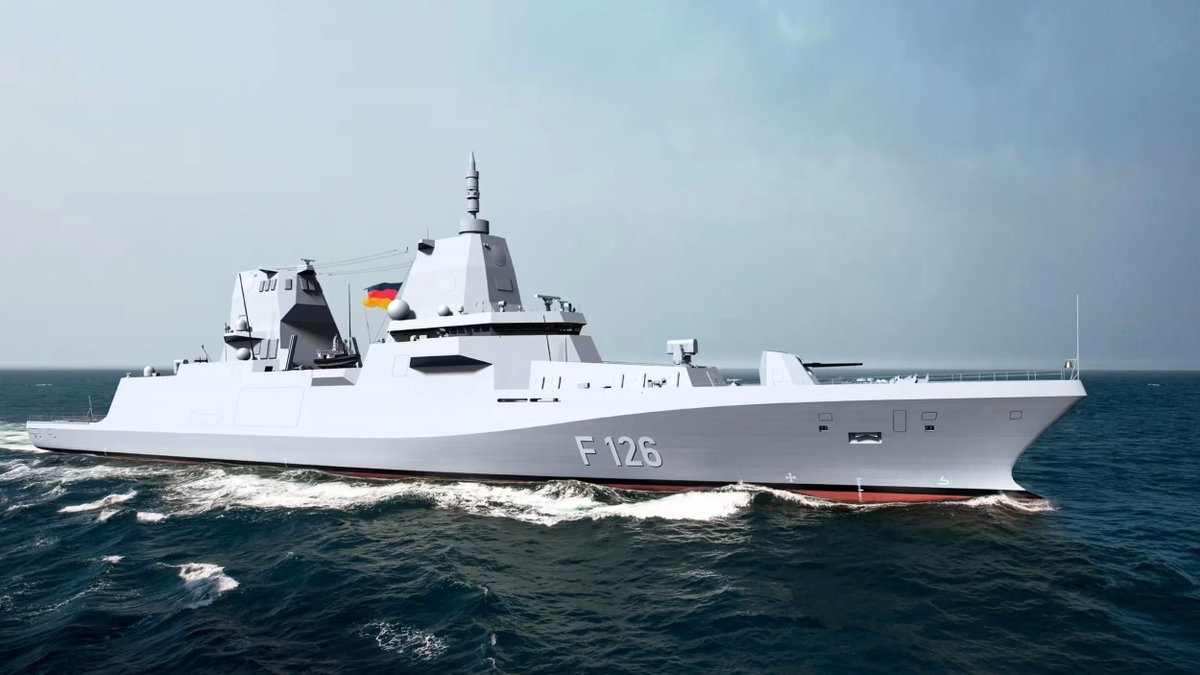
Germany Selects Saab to Supply $830 Million Worth of Combat Systems for Four New MEKO A-200 Frigates
Europe
STOCKHOLM — Swedish defense company Saab has secured a contract worth approximately SEK 8.7 billion (around US$830 million) from thyssenkrupp Marine Systems (TKMS) to supply and integrate combat systems, sensors, and composite structures for the German Navy's new MEKO A-200 DEU class frigates. Under the agreement, Saab will provide equipment for four frigates that will be built in Germany, with TKMS serving as the prime contractor for the program. Saab's deliveries are scheduled to take place between 2029 and 2032. The contract also includes an option to equip additional frigates if Germany expands the program in the future. Contract Supports German Navy Modernization The order is part of Germany's broader effort to modernize its naval fleet and strengthen its capabilities in air, surface, and underwater warfare. The new MEKO A-200 DEU frigates are expected to improve the German Navy's operational readiness while supporting interoperability with NATO partner navies through modern combat management and command-and-control systems. Saab said the integrated combat systems will help simplify joint operations and information sharing with allied naval forces that operate compatible command-and-control networks. Commenting on the contract, Micael Johansson, President and CEO of Saab, said the agreement reflects the company's long-standing partnership with Germany and the Bundeswehr. "It is with great pride that we continue to build on our long and strong relationship and commitment to Germany and the Bundeswehr, while together with TKMS strengthening the German Navy. These deliveries will significantly enhance the Navy's anti-air-, anti-submarine- and anti-surface warfare capabilities," Johansson said. Saab to Deliver Combat Systems, Radars and Composite Structures As part of the contract, Saab will equip the frigates with its 9LV Combat System, which combines a Combat Management System (CMS) and a Fire Control System (FCS). Together, these systems manage sensor data, coordinate weapons, and support command decisions during naval operations. The sensor package includes: Sea Giraffe 4A Fixed Face, a long-range Active Electronically Scanned Array (AESA) surveillance radar capable of detecting targets at distances of up to 400 kilometers and tracking more than 1,000 targets simultaneously. Sea Giraffe 1X, a lightweight multi-mission radar designed to detect low-flying aircraft, unmanned aerial systems, fast attack craft, and sea-skimming missiles at ranges of up to 75 kilometers. Passive sensor systems, which conduct electronic surveillance and detect threats without transmitting signals, helping improve situational awareness while reducing the vessel's electronic signature. Composite Superstructures to Reduce Weight and Radar Signature In addition to the combat systems and sensors, Saab will manufacture composite superstructures for the new frigates. Compared with conventional steel structures, composite materials reduce overall ship weight, improve corrosion resistance and structural durability, and help lower the vessels' radar signature. The lighter structures are also expected to improve operational efficiency, support long-term maintenance, and enhance survivability in modern maritime environments. Cooperation Between Saab and TKMS The project combines Saab's naval combat-system technology with TKMS's shipbuilding expertise. While the frigates will be constructed in Germany, Saab will integrate the ships' combat systems and mission equipment during the delivery period from 2029 to 2032. The agreement also provides an option to equip additional frigates beyond the initial four ships, allowing flexibility for future expansion of the German Navy's fleet. The MEKO A-200 DEU program is expected to become an important element of Germany's naval modernization strategy over the coming decade by introducing updated combat systems, advanced surveillance capabilities, improved survivability, and enhanced interoperability for future national and NATO maritime operations. Source : saab
Read More → Posted on 2026-07-16 13:02:05Search
Top Trending in 24 Hours
-
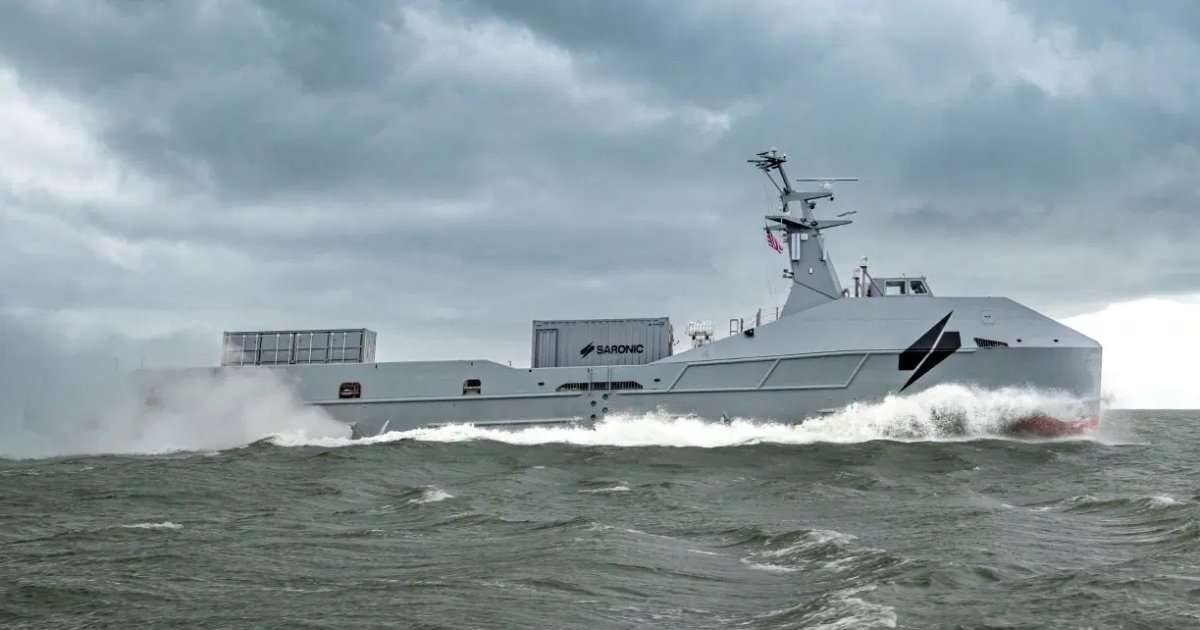 U.S. Navy Awards Production Agreements for 30 Medium Unmanned Surface Vessels, Including 10 Saronic Marauders
-
 Boeing Wins $20 Billion U.S. Navy Contract for F/A-XX Sixth-Generation Fighter
-
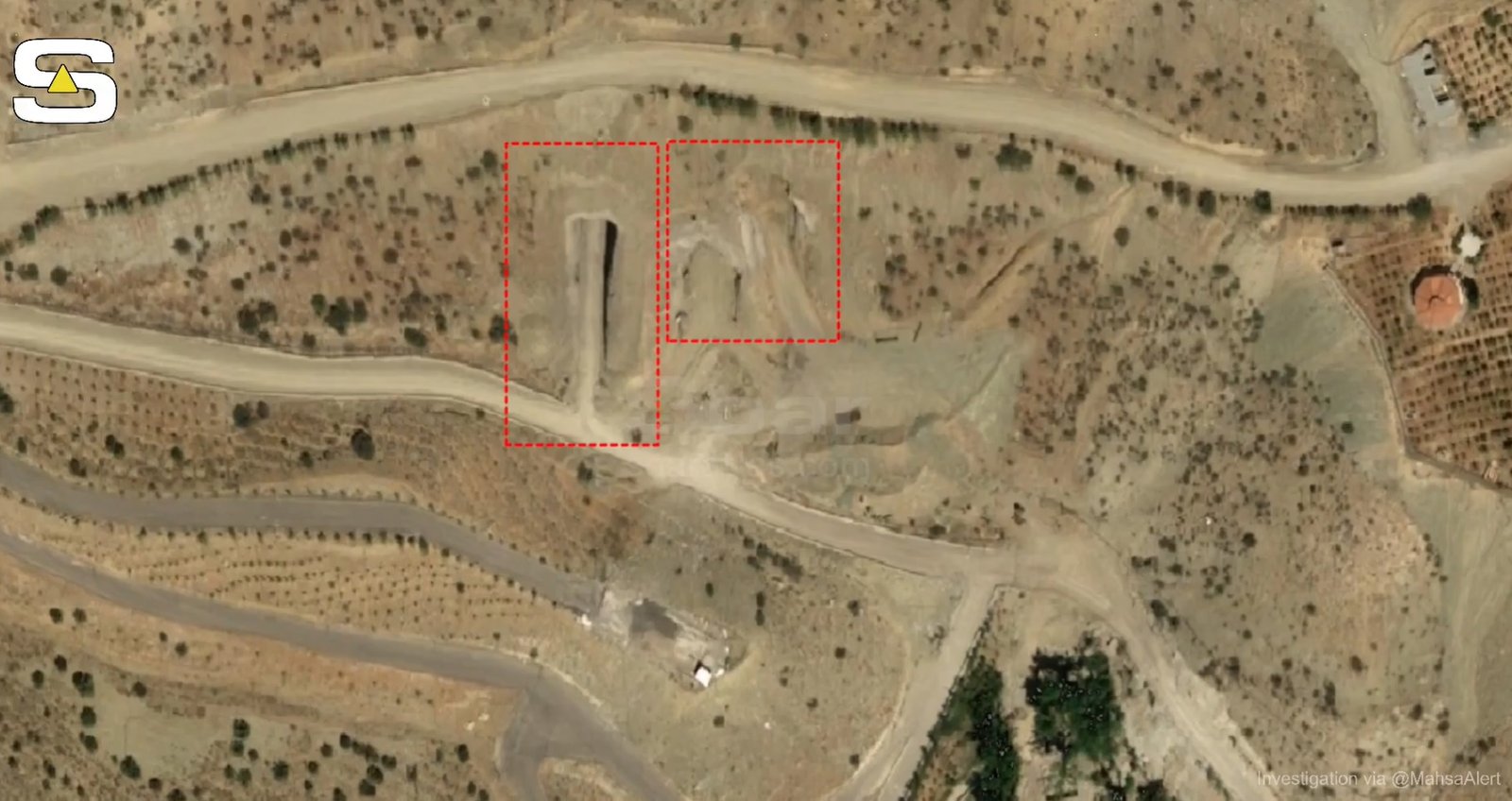 Satellite Imagery Shows Construction Changes at Hillside Site Linked to Iran’s Supreme National Security Council
-
 Flydubai Flight to Israel Diverted to Saudi Arabia After Possible Attempted Terror Attack in Cockpit
-
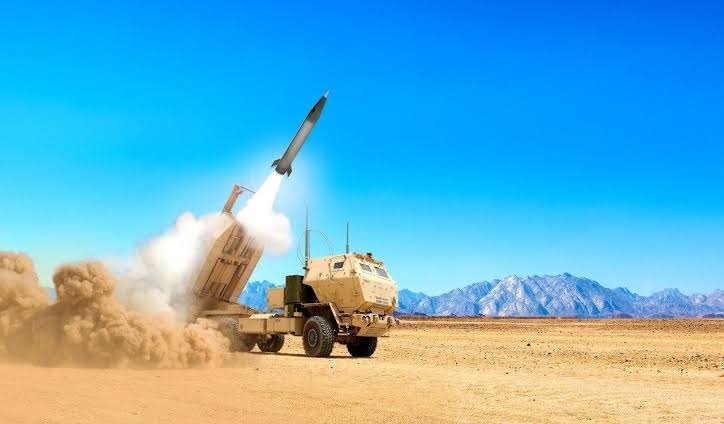 U.S. Army Selects Five Companies to Develop 1,000-Km Precision Strike Missile Prototypes
-
 NASA Adds Blue Origin’s Upgraded New Glenn 9×4 to Launch Services Contract
-
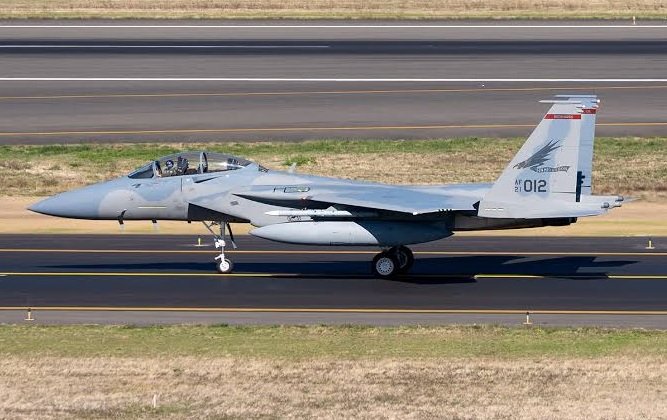 U.S. Air Force Awards Boeing $2.38 Billion Contract for 22 F-15EX Fighter Jets
-
 U.S. Army Awards Heaviside Industries $99 Million Contract for MOTH RF Spectrum Analyzers
Top Trending in 4 Days
-
 Russia Says Su-75 Checkmate Could Cost Just $25–30 Million, Flight-Hour Costs 6 Times Lower Than F-35
-
 China Reports First High-Orbit Refueling of BeiDou Satellite, but Tracking Data Raise Questions
-
 Eight U.S. Marines Injured in Iranian Missile Strike on U.S Vessel in Strait of Hormuz
-
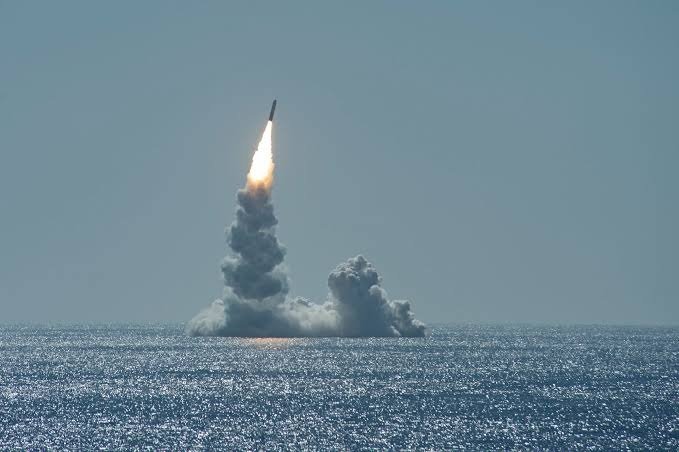 UK Offers Nuclear Deterrence for Its Northern European Defence Partners
-
 U.S. and Russia Remove Human-Review Rules From Draft UN AI Weapons Framework
-
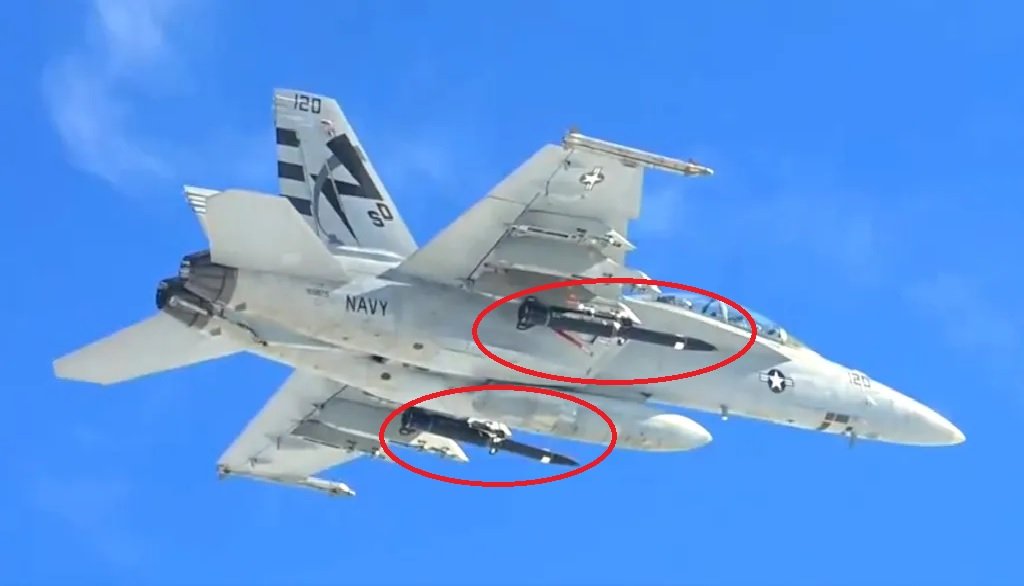 U.S. Navy Begins Flight Testing Blackbeard Hypersonic Missile on F/A-18 Super Hornet
-
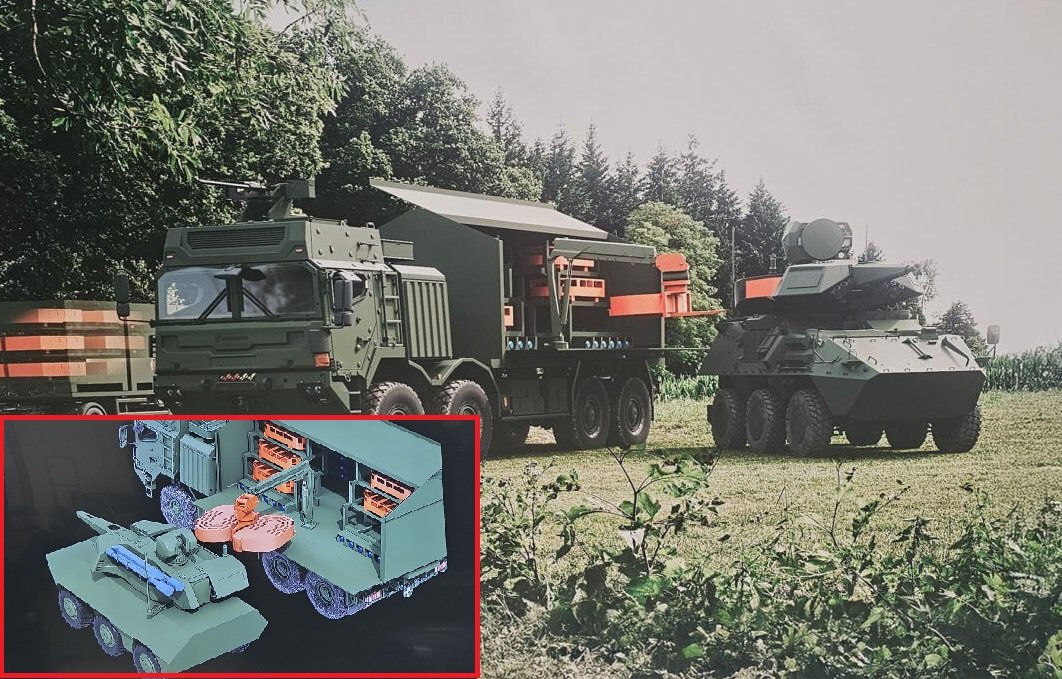 Rheinmetall Develops Automated Reloader for Austrian Skyranger Air Defense System
-
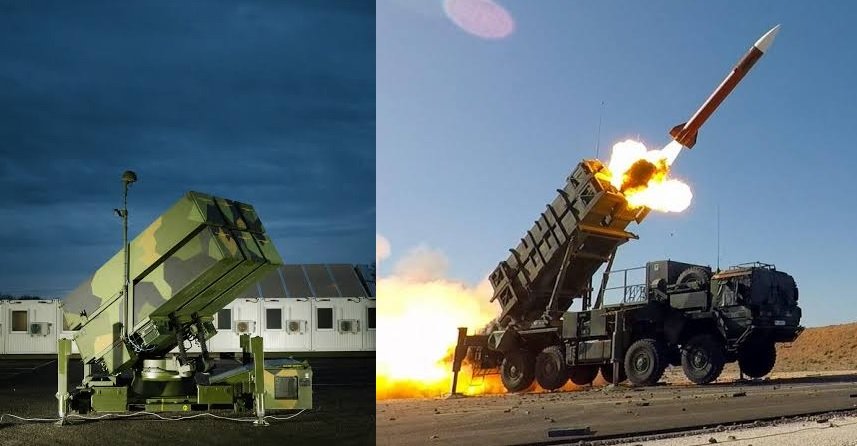 Ukraine Receives New NASAMS Air Defense System and Interceptor Missiles From U.S. and Norway
