World
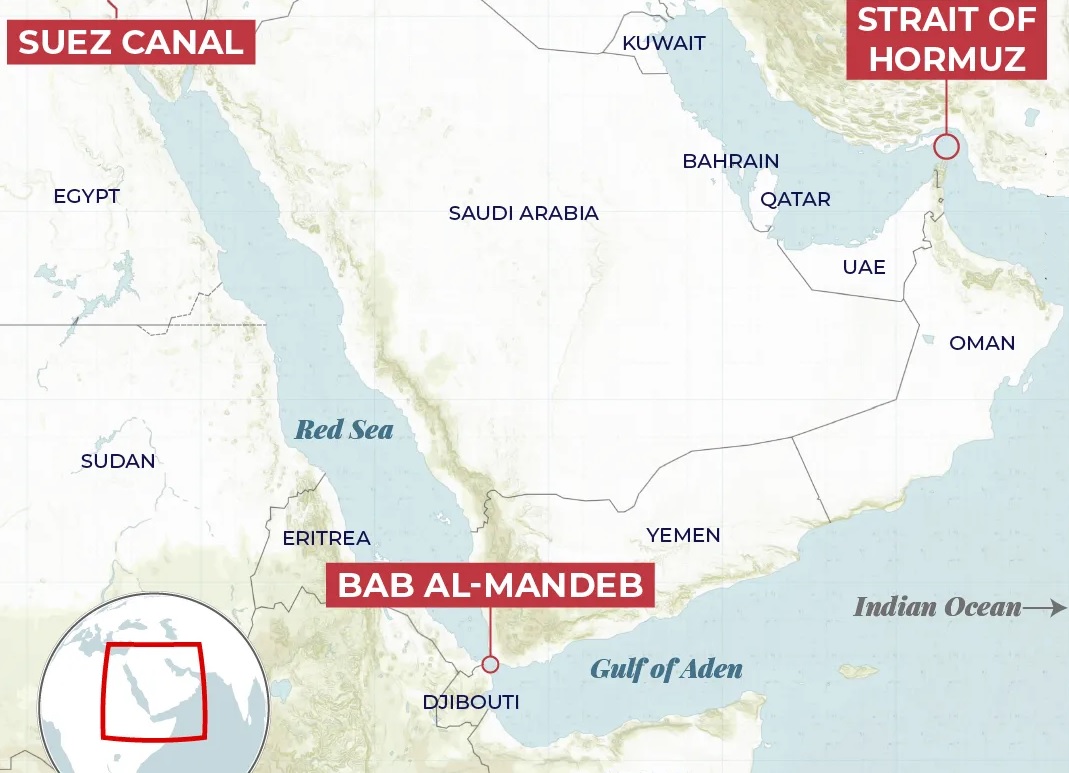
DUBAI — Iran has asked Yemen's Houthi movement to prepare to close the Bab el-Mandeb strait, the southern gateway to the Red Sea, if the United States launches strikes on Iranian power infrastructure, according to three regional sources familiar with the matter. The request comes as tensions between Tehran and Washington continue to rise. According to two senior Iranian sources and one regional official, Iran's leadership has discussed the plan internally and recently informed the Houthis to remain ready for possible action. The sources spoke on condition of anonymity because of the sensitivity of the issue. The reported move follows U.S. President Donald Trump's warning earlier this week that the United States could target Iran's power grid. Regional sources said Iran is treating the possibility seriously and views the threat of disrupting another major global shipping route as a potential deterrent. Iran's Foreign Ministry and Houthi representatives did not immediately respond to requests for comment. Houthis Reportedly Ready to Act A source close to the Houthis said the group has already positioned drones and missiles in Yemen near the Gulf of Aden and around areas overlooking the Bab el-Mandeb strait, including the vicinity of the port of Hodeidah. According to the source, the weapons are ready and the group is awaiting further instructions before targeting commercial shipping. The same source said representatives of Iran's Islamic Revolutionary Guard Corps (IRGC) currently in Yemen would decide when any operation should begin. Risk of Disruption at Two Major Maritime Chokepoints The latest development comes after Iran's closure of the Strait of Hormuz earlier this year during the ongoing regional conflict. Before the conflict, the Strait of Hormuz handled about 20% of global energy supplies, making it one of the world's most important oil transit routes. Since the Hormuz closure, Saudi Arabia has redirected a significant portion of its oil exports through pipelines to the Red Sea port of Yanbu. Regional sources estimate that around 70% of Saudi energy exports are now moving through the Red Sea, which currently carries approximately 7% of global energy supplies. If the Bab el-Mandeb strait were also blocked, two of the Middle East's most important oil export routes would be disrupted at the same time, creating additional pressure on global energy markets. Global Trade Could Face Major Disruptions The Bab el-Mandeb strait connects the Gulf of Aden with the Red Sea and serves as a critical gateway to the Suez Canal. Under normal conditions, the Red Sea route carries between 12% and 15% of global maritime trade and approximately 30% of the world's container shipping traffic. A simultaneous disruption of both the Strait of Hormuz and the Bab el-Mandeb would force many commercial vessels to avoid the Red Sea and instead sail around the Cape of Good Hope at the southern tip of Africa. The alternative route typically adds 10 to 15 days to shipping times while increasing fuel costs, freight rates, and marine insurance premiums. Europe would likely face delays in imports of manufactured goods from Asia as well as higher transportation costs for energy supplies from the Gulf. Egypt could also experience significant economic losses because of reduced traffic through the Suez Canal, an important source of foreign currency revenue. Major Asian economies, including India and China, could also experience longer delivery times and higher shipping costs for trade with Europe. Countries in East Africa that depend heavily on imported grain from Europe and the Black Sea region could face additional supply challenges. Saudi Arabia Monitoring Situation Regional sources said Saudi Arabia is taking the reported Iranian-Houthi coordination seriously, particularly after recent Houthi missile attacks on Saudi territory ended a four-year truce. The Houthis said those attacks followed Saudi airstrikes on an airport under their control. Analysts say any expansion of the conflict into Red Sea shipping would increase pressure on energy markets and international trade. Torbjorn Solvedt, Principal Middle East Analyst at Verisk Maplecroft, said that if the conflict spreads to Red Sea export infrastructure and commercial shipping, it would threaten the region's main alternative route for oil exports following the closure of the Strait of Hormuz. One Iranian source said disrupting shipping through the Bab el-Mandeb would not necessarily require advanced military capabilities, adding that even relatively simple attacks could interrupt commercial maritime traffic. Wider Regional Implications The Houthis have not formally entered the current Iran-U.S. conflict but remain closely aligned with Tehran as part of the "Axis of Resistance," a regional network that also includes Lebanon's Hezbollah and Iraqi Shi'ite armed groups. The United States has repeatedly accused Iran of supplying the Houthis with weapons, funding and military training, including support through Hezbollah. Tehran has consistently denied those allegations, saying Washington continues to destabilize the region. Analysts note that any attempt to block both the Strait of Hormuz and the Bab el-Mandeb would significantly affect global energy supplies and international trade. Such a move could increase pressure for coordinated international efforts to secure the two strategic waterways while also raising concerns over further escalation across the Middle East. The situation remains fluid, and there has been no official confirmation from either Iran or the Houthis regarding the reported plan. Source : reuters
Read More → Posted on 2026-07-16 12:37:45
Europe
SHEFFIELD, United Kingdom — The United Kingdom has delivered the first British-made artillery barrel forgings to Ukraine in almost 20 years, marking the start of a £61 million programme awarded by the UK Ministry of Defence (MoD) to BAE Systems. The programme will provide a total of 150 artillery barrel forgings to support Ukraine's artillery capability. The programme, which was announced by Ukrainian President Volodymyr Zelenskyy last year, marks the return of a manufacturing capability that had not existed in the UK for nearly two decades. First Deliveries Sent for Testing The first shipment includes four development forgings for 105mm and 155mm artillery gun barrels. These initial units have been sent to Ukraine to allow local industry partners to test and validate their manufacturing and integration processes before full-scale production begins. The barrel forgings are manufactured in South Yorkshire before being transported to Ukraine, where they undergo final machining, finishing, and integration into operational artillery systems. Production is currently running at eight barrel forgings per month, with deliveries expected to continue as manufacturing expands under the contract. Rebuilding a Key UK Defence Manufacturing Capability The barrel forgings are being produced at Sheffield Forgemasters, an MoD-owned company employing around 780 skilled workers. The programme restores a sovereign defence manufacturing capability that the UK had relied on overseas suppliers for over the past 20 years. To strengthen domestic heavy engineering and steel production, the UK government invested more than £420 million in Sheffield Forgemasters last year. The programme also coincides with the opening of BAE Systems' new £25 million artillery manufacturing facility in Sheffield. The 94,000-square-foot facility is expected to support around 100 highly skilled engineering and manufacturing jobs, reinforcing Sheffield's role as a centre for UK howitzer production. More than 60 companies across the UK supply chain are also expected to benefit from the programme through manufacturing, engineering, and component production. Defence Secretary Highlights Industrial and Security Benefits UK Defence Secretary Dan Jarvis MBE MP visited Sheffield Forgemasters to meet employees and representatives from BAE Systems as the first deliveries were prepared. "The barrels produced here in South Yorkshire – the first made in Britain in almost two decades – will help Ukraine on the battlefield, while creating valuable skilled jobs in the UK," Jarvis said. He added that the government's £298 billion Defence Investment Plan is designed to strengthen national security, support allies, and expand defence manufacturing across the United Kingdom. BAE Systems: Long-Term Investment Restores Critical Capability Giles Ambrose, Engineering, Technology and Strategy Director for BAE Systems Weapon Systems UK, described the restart of artillery barrel production as an important step for both the company and the UK's defence industry. "Restarting British artillery barrel production in Sheffield is a significant milestone for both BAE Systems and Sheffield Forgemasters," Ambrose said. "It demonstrates the importance of long-term investment in sovereign defence capability." He added that the programme reflects the UK's ability to rebuild critical industrial skills and manufacturing capacity through cooperation between BAE Systems, Sheffield Forgemasters, and suppliers across the country. Supporting Ukraine While Strengthening UK Industry Artillery remains one of the most heavily used weapon systems in the war in Ukraine, with sustained operations placing significant wear on gun barrels. Regular replacement of barrels is necessary to maintain the accuracy, safety, and operational readiness of artillery systems. Under the programme, the UK will continue delivering the remaining 150 artillery barrel forgings as production increases. Alongside supporting Ukraine's defence requirements, the project strengthens the UK's domestic defence manufacturing base, expands industrial capacity, and helps rebuild a strategic capability that had been absent for nearly two decades. Source : baesystems
Read More → Posted on 2026-07-16 12:08:23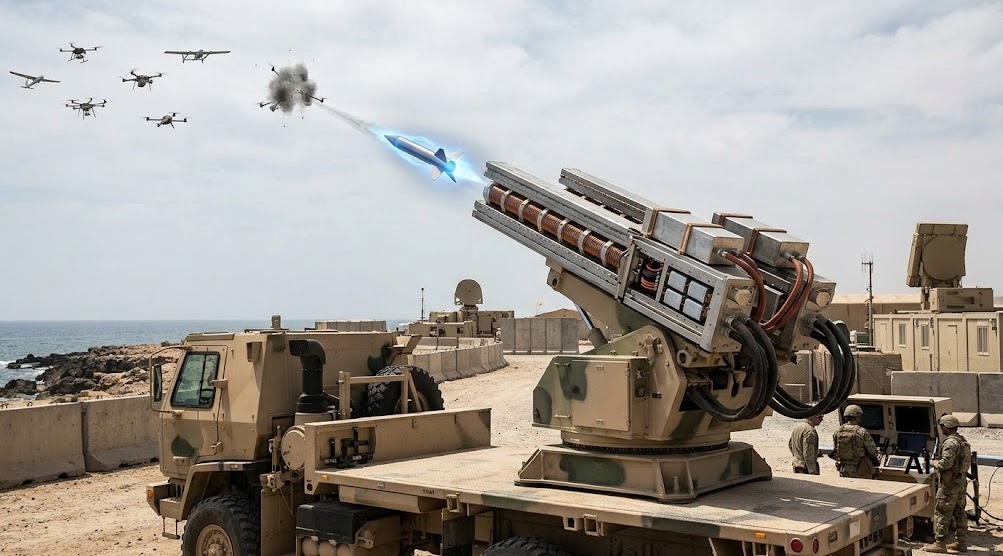
U.S. Army Partners With Auriga Space to Develop Electromagnetic Interceptor System for Drone Threats
U.S
California, United States — The U.S. Army has signed a three-year Cooperative Research and Development Agreement (CRADA) with California-based startup Auriga Space to explore the use of electromagnetic launch technology for counter-drone defense. The research will be carried out in partnership with the Army's Combat Capabilities Development Command Armaments Center (DEVCOM AC), based in New Jersey, United States, to evaluate whether magnetic propulsion can provide an alternative to conventional chemical-propellant interceptor systems. The agreement focuses on developing electromagnetic accelerators capable of launching counter-drone interceptors without relying on traditional rocket motors. The effort comes as the U.S. military looks for more affordable and rapidly deployable solutions to counter the growing threat posed by large numbers of low-cost unmanned aerial systems. Addressing the Cost of Countering Drone Swarms Modern air defense systems rely heavily on conventional interceptors that are effective but costly and time-consuming to manufacture. In contrast, many drones can be produced at a much lower cost, creating an economic challenge for air defense operations. The issue was highlighted during recent U.S. military operations involving Iran, where American forces reportedly fired more than 1,000 Patriot interceptors. According to an analysis by the Center for Strategic and International Studies (CSIS) in Washington, D.C., only 172 interceptors were replenished during the same period. With each PAC-3 Patriot interceptor costing about $4 million, CSIS estimates that U.S. stockpiles may not fully recover from the deficit until at least 2029. Production of conventional missiles also faces supply chain constraints. Many U.S. interceptor systems, including the Patriot and Terminal High Altitude Area Defense (THAAD), use solid rocket motors that depend on ammonium perchlorate, the primary oxidizer for these motors. The United States currently relies on a single domestic producer of this material, limiting the ability to rapidly increase missile production regardless of additional funding. Electromagnetic Launch Technology Auriga Space's approach eliminates the need for solid rocket motors by using electromagnetic propulsion. The technology accelerates projectiles along a launch track using electricity and precisely controlled magnetic fields, based on principles similar to those used in magnetic levitation (maglev) trains. Because the launch process does not rely on chemical propellants or explosions, it reduces mechanical wear on the launcher and removes the dependence on ammonium perchlorate. This allows the launcher to be reused for thousands of engagements while enabling operators to reload and fire again within seconds. The company says the lower operating cost means that, after the launcher is deployed, each engagement primarily involves the cost of the interceptor's warhead and guidance components rather than an entire rocket propulsion system. This rapid reloading capability is intended to provide what the defense industry refers to as a "deep magazine," allowing continuous engagement of multiple aerial targets. Hermes Counter-Drone Platform Auriga's primary counter-drone system, known as Hermes, is a transportable, containerized electromagnetic launch platform designed for deployment in a variety of operational environments. The modular system is intended for use at forward operating bases, aboard naval vessels, and at fixed infrastructure sites requiring protection against drone attacks. Following laboratory validation, Auriga plans to conduct the first outdoor flight test of the Hermes platform later this summer. The demonstration is expected to evaluate the system's performance under operational field conditions. Winnie Lai, founder and CEO of Auriga Space, said the partnership addresses one of the most significant challenges in modern air defense. "Attritable drones cost adversaries far less and are far easier to deploy and replenish than present interceptors, and it's one of the most timely and urgent challenges in modern warfare," Lai said. "Electromagnetic propulsion solves for the structural issues with economics and cadence. It's a working technology we at Auriga are already actively testing, and partnering with DEVCOM AC on further research will bring it that much closer to a deployable capability." Role of the CRADA The collaboration is being conducted under a Cooperative Research and Development Agreement (CRADA), a framework that allows U.S. government laboratories and private companies to share technical expertise, facilities, and research without exchanging funding. Such agreements are commonly used by the Department of Defense, headquartered in Arlington, Virginia, to evaluate emerging technologies before considering future procurement programs. Auriga's Ongoing Defense Programs In addition to the Army partnership, Auriga Space is involved in several U.S. defense research efforts. The company has received a research award from the Missile Defense Agency and a $1.25 million Small Business Innovation Research (SBIR) grant through the U.S. Air Force's innovation organization, AFWERX. Auriga also operates two hypersonic ground-testing systems: Thor, an outdoor electromagnetic test track, and Prometheus, an indoor accelerator. These facilities are used to evaluate how materials and components perform under extremely high-speed conditions. Founded in 2022 by Winnie Lai, formerly a vice president at launch company SpinLaunch, Auriga Space operates a vertically integrated research and development facility in Southern California, where it designs and manufactures its own hardware. The company has raised more than $12 million through venture capital investment and defense-related grants to support the development of its electromagnetic propulsion technologies. Source : interestingengineering
Read More → Posted on 2026-07-16 12:00:32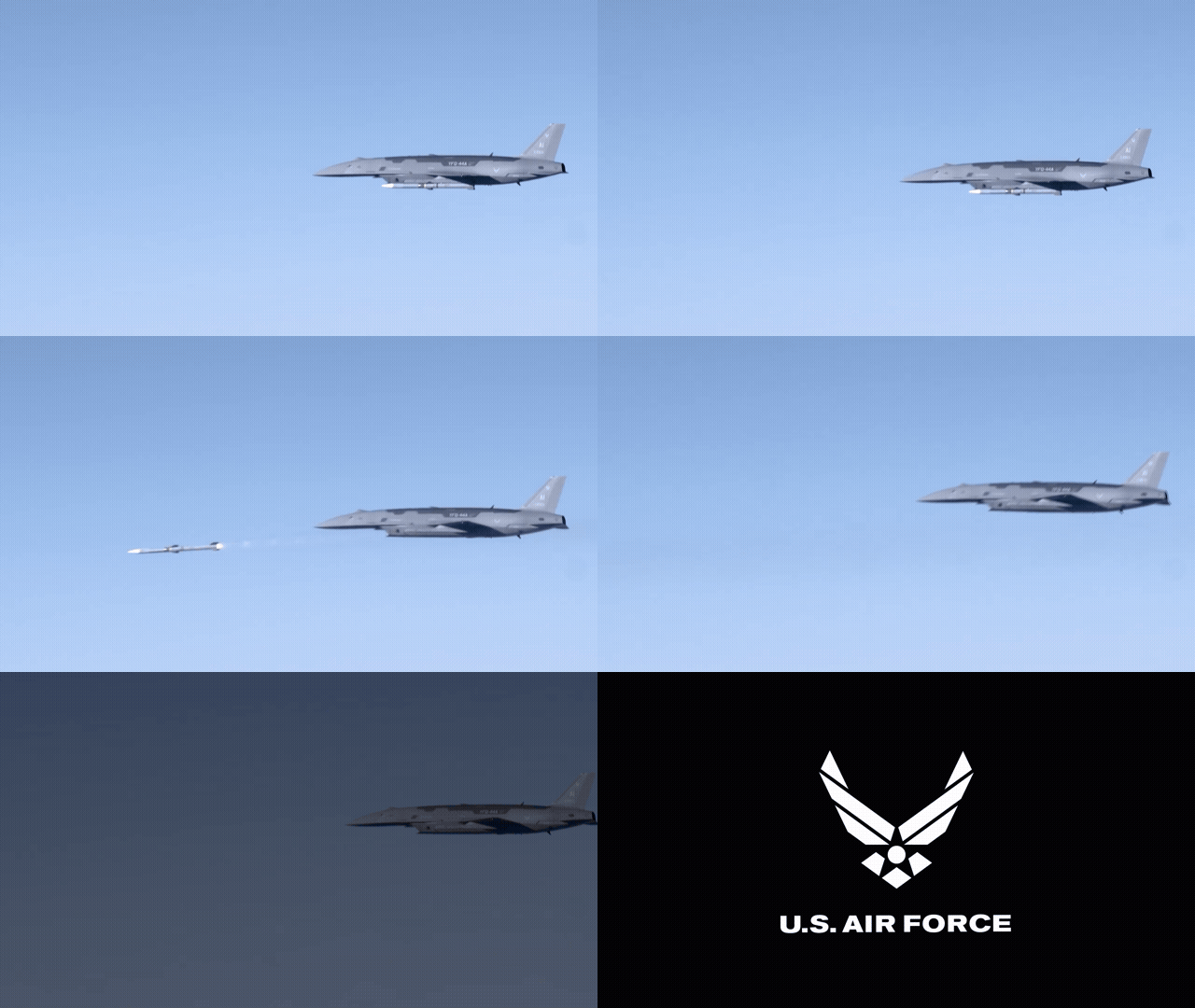
U.S
EDWARDS AIR FORCE BASE, Calif. — The U.S. Air Force has successfully completed the first live missile launch from an unmanned Collaborative Combat Aircraft (CCA), marking a major milestone in the service's effort to develop autonomous wingman drones for future air operations. The test took place over a restricted training range in the Mojave Desert using the YFQ-44A "Fury", an unmanned aircraft developed by Anduril Industries. During the demonstration, the drone launched a live AIM-120 Advanced Medium-Range Air-to-Air Missile (AMRAAM) against a digital target in an end-to-end, beyond-line-of-sight engagement. According to the Air Force, the YFQ-44A operated from Edwards Air Force Base and received target tracking information through Anduril's Lattice software platform, which processed the data before the engagement. Air Force Chief of Staff Gen. Kenneth Wilsbach confirmed that the AIM-120 successfully tracked the target immediately after launch. The live-fire event represents the first successful weapons test by an aircraft in the Air Force's Collaborative Combat Aircraft (CCA) program, which is intended to introduce unmanned aircraft capable of operating alongside crewed fighter jets. Human Operator Controlled the Weapon Release Although the YFQ-44A is designed with advanced autonomous flight and maneuvering capabilities, the Air Force emphasized that the aircraft is not authorized to make autonomous decisions to use lethal force. During the test, a human operator received the target track, evaluated the engagement, and issued the command to launch the missile. The drone fired the AIM-120 only after receiving direct authorization, maintaining human oversight throughout the weapon employment process. Gen. Kenneth Wilsbach described the demonstration as an important step in the CCA program. "This live-fire test is an important next step in the development of Collaborative Combat Aircraft. We're one step closer to delivering capabilities to the warfighter," he said. Mark Shushnar, Anduril's Vice President of Autonomous Airpower, said the demonstration validated the complete operational sequence rather than simply releasing a weapon. According to him, the test confirmed the aircraft's ability to receive target data, process operator instructions, and execute the engagement as intended. Test Followed Months of Development The successful missile launch was the result of a phased testing campaign conducted over several months. Earlier in 2026, the YFQ-44A carried an inert (non-explosive) AIM-120 missile during captive-carry flights to evaluate the aircraft's handling characteristics and aerodynamic performance with the weapon attached. Following those flights, engineers verified the communication links between the aircraft and the missile system in simulated environments to ensure commands from the operator would be transmitted and executed correctly before progressing to a live-fire event. The final missile launch was coordinated by the 412th Test Wing's Air Dominance Combined Test Force, which includes active-duty military personnel, government civilians, and defense contractors responsible for evaluating new air combat systems. Gen. Dale White, the Pentagon's portfolio manager for Critical Major Weapon Systems, said transitioning from inert weapon carriage to an actual missile launch provides valuable flight data that helps validate the program's digital integration models. Part of the Collaborative Combat Aircraft Program The YFQ-44A "Fury" is one of two aircraft selected for Increment 1 of the Air Force's Collaborative Combat Aircraft (CCA) program. The second design is the YFQ-42A, developed by General Atomics. The YFQ-44A completed its first flight on October 31, 2025, and continues to undergo testing as the Air Force moves toward operational deployment. The CCA program aims to field relatively affordable autonomous aircraft that can fly alongside crewed fighters such as the F-35, F-22, and the future F-47. These robotic wingmen are intended to carry additional sensors and weapons, perform higher-risk missions, extend the reach of crewed aircraft, and increase the combat capability available to a single pilot. Rather than replacing human pilots, the aircraft are designed to support crewed operations while keeping human operators responsible for decisions involving the use of weapons. To enable large-scale procurement, the Air Force plans to acquire Collaborative Combat Aircraft at approximately one-third the cost of an F-35A, which has a unit cost of about $83 million. Further Testing Planned The Air Force has already approved production contracts for the first phase of the CCA program. While Anduril's YFQ-44A has now completed the program's first live-fire demonstration, General Atomics is expected to conduct a similar live missile test with its YFQ-42A "Dark Merlin" later this fall. The United States is not alone in developing autonomous combat aircraft. Similar loyal wingman programs are also progressing internationally, including Australia's MQ-28 Ghost Bat and Turkey's Kızılelma, both of which have recently conducted weapon-related testing as countries continue developing unmanned aircraft designed to operate alongside manned fighter fleets. Source : Anduril Industries
Read More → Posted on 2026-07-16 11:32:31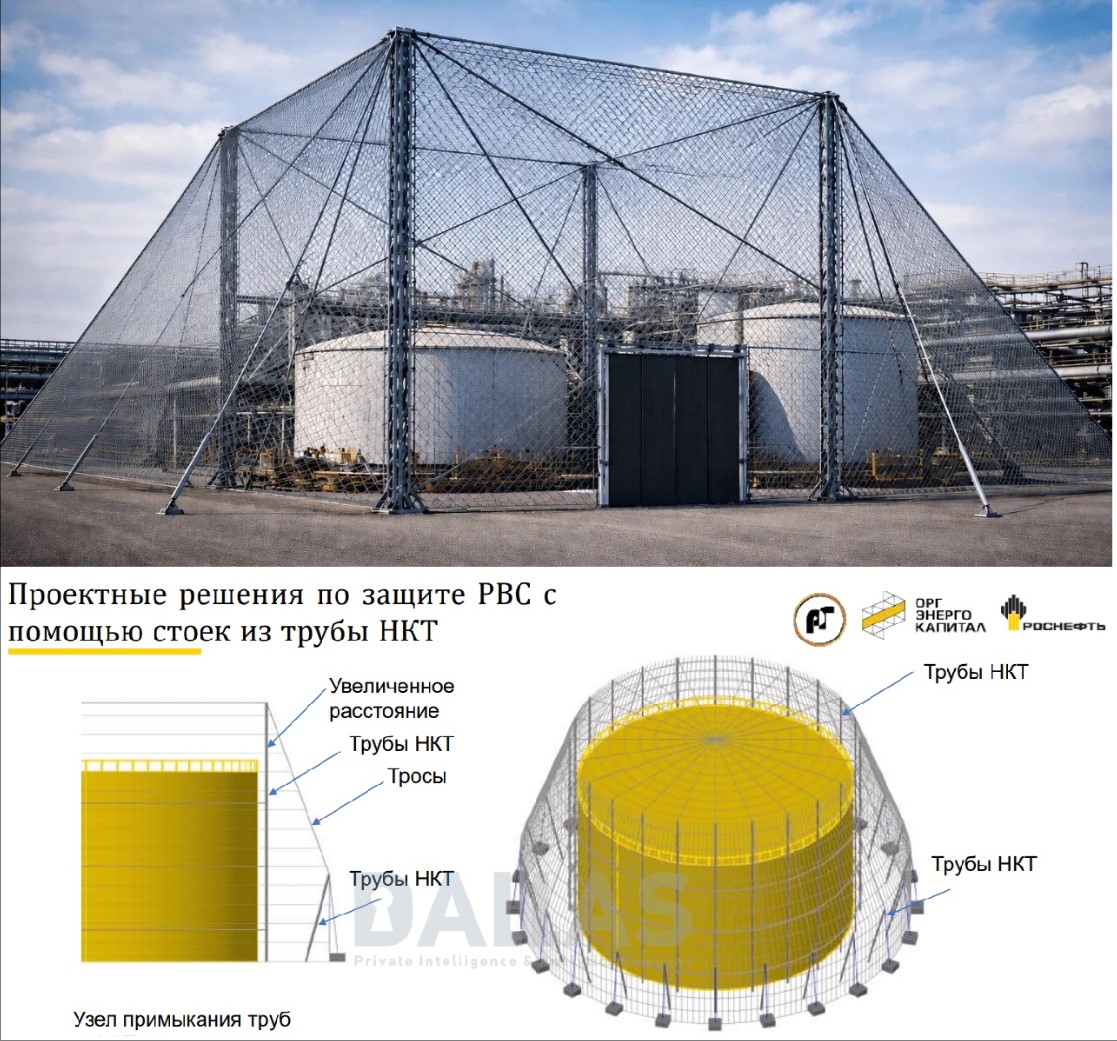
World
MOSCOW — Russia's state-owned defense and technology corporation Rostec has unveiled a new modular protection system called "Pautina" (Web), designed to help protect critical industrial and energy infrastructure from unmanned aerial vehicle (UAV) attacks. The system was developed by RT-Project Technologies, a subsidiary of Rostec, in partnership with Standard Electric. It was presented during a regional mission of the state corporation in the Tver Region. According to the developers, the Pautina system is currently undergoing trial operation at several facilities in Russia's fuel and energy sector to evaluate its performance under real-world conditions. Designed to Protect Critical Infrastructure Rostec said the Pautina system is intended to protect a wide range of facilities, including oil storage sites, fuel terminals, electrical substations, warehouses, and other critical industrial infrastructure. The modular design allows the system to protect facilities of any surface area and structures more than 25 meters high, enabling it to be adapted for different industrial sites. Structure and Installation The Pautina system consists of load-bearing columns, a high-strength mesh, and support structures that together form a continuous protective barrier around a facility. According to Rostec, the structure is assembled entirely using bolted connections, eliminating the need for on-site welding. This installation method allows the system to be deployed in confined spaces and high-fire-risk environments, such as fuel storage facilities. The company said the approach improves installation safety while reducing construction time and overall project costs. All metal components receive factory-applied hot-dip galvanizing, providing long-term protection against corrosion and increasing the durability of the structure. Protection Capabilities According to Rostec, the standard configuration of the Pautina system creates a continuous high-strength protective mesh around a facility that is designed to intercept incoming drones. The company states that the basic version can withstand the impact of a drone weighing up to 200 kilograms traveling at speeds of up to 250 kilometers per hour. Rostec also said the system's protective capabilities can be further enhanced without requiring a complete redesign, although the company did not provide additional technical details. Testing and Deployment The company said the structure has successfully completed field tests for seismic stability. Testing to evaluate its effectiveness against different types of drones is continuing as part of ongoing trial operations at several fuel and energy facilities. Rostec has not released detailed performance data or disclosed how many sites are currently participating in the trial program. Integrated Counter-Drone Protection Alexander Nazarov, Deputy Chief Executive Officer of Rostec State Corporation, said the Pautina system is designed to create a continuous protective barrier capable of stopping many long-range drones used against industrial facilities. He added that the system is intended to operate alongside other Rostec counter-drone technologies, including electronic jamming systems and kinetic interception systems, providing an additional layer of protection for critical civilian infrastructure. Broader Infrastructure Protection Efforts The introduction of the Pautina system comes as Russia continues efforts to strengthen the physical protection of key energy and industrial infrastructure against long-range drone attacks. Earlier this year, leaked confidential documents from the Russian energy company Rosneft highlighted the engineering challenges involved in protecting large industrial facilities from long-range, GPS-guided drones. The documents described the limitations of conventional passive protective measures, including steel cable nets, scaffolding, and shipping containers, which can face structural constraints and regulatory requirements associated with permanent construction. The modular design of Pautina offers an alternative approach by allowing protective structures to be installed more quickly and adapted to different industrial sites without extensive permanent construction. As trial operations continue, the system may see wider deployment across Russia's fuel, energy, and other critical infrastructure sectors if it meets operational requirements during ongoing evaluations. Source : Rostec
Read More → Posted on 2026-07-16 11:22:51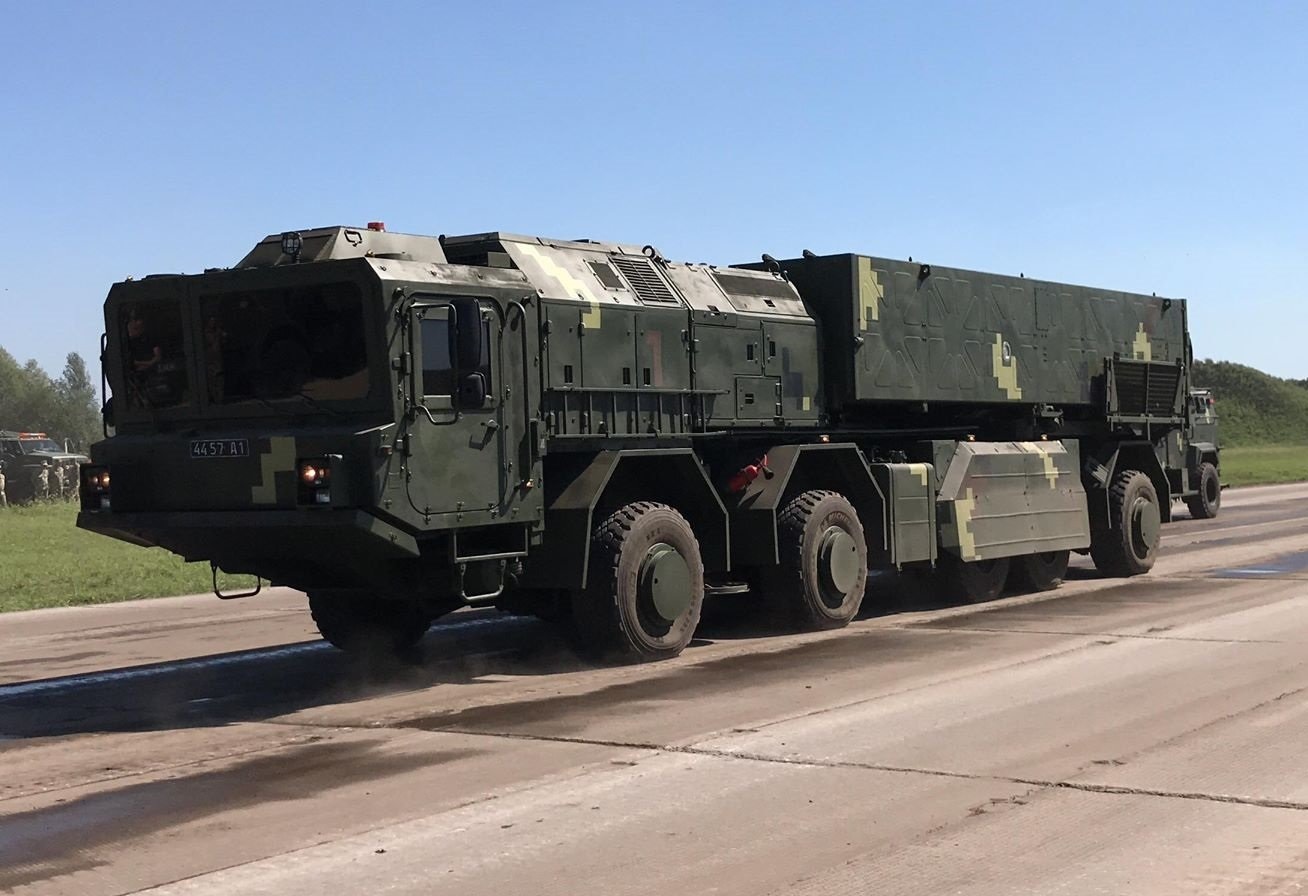
Europe
KYIV — Ukraine has successfully tested a domestically developed ballistic missile, marking a significant step in the country's efforts to strengthen its indigenous missile capabilities. The successful launch took place on July 14, the same day President Volodymyr Zelenskyy’s government was dismissed as part of a cabinet reshuffle. The announcement was made by outgoing Defence Minister Mykhailo Fedorov in a farewell message reflecting on his seven-month tenure at the Ministry of Defence. Fedorov confirmed that the missile program was developed under the ministry's responsibility and described the timing of the successful test as symbolic, as it coincided with the government's dismissal. According to Fedorov, the development team made several key improvements during the program, including revising the missile's technical requirements, increasing its targeting accuracy, and reducing overall production costs by 30 percent. He did not identify the missile by name but said the project represented an important advancement for Ukraine's domestic missile industry. Ballistic Missile Marks New Capability The successful test represents an important development in Ukraine's long-range strike capability. Unlike drones and cruise missiles, which fly relatively low and are powered throughout most of their flight, ballistic missiles follow a different trajectory. They are launched by rocket propulsion on a steep ascent before following a high-speed arc toward their target, reducing the time available for air defence systems to respond. Ukraine has increasingly focused on expanding its domestic missile production as part of broader efforts to reduce dependence on foreign military supplies while strengthening its defence industry during the ongoing war. Analysts Point to Sapsan Missile System Although Fedorov did not disclose the missile's identity, Ukrainian defence publication Militarnyi assessed that the tested system is likely the 1KR1 Sapsan operational-tactical ballistic missile system, also known by its export designation Hrim-2. Analysts noted that Fedorov specifically described the program as a Ministry of Defence project, making it unlikely to be the privately developed FP-7 or FP-9 ballistic missiles produced by Ukrainian company Fire Point. The Sapsan missile system, developed by the state-owned KB Pivdenne design bureau, reportedly entered serial production and systematic operational use in 2025. According to publicly available information, the missile can carry a 480 to 500-kilogram warhead to ranges of up to 500 kilometers, with reported speeds between Mach 5.2 and Mach 7. Procurement Reforms and Lower Production Costs Fedorov linked the missile program's achievements to wider procurement reforms introduced during his time as Defence Minister. He has promoted greater competition in defence procurement by expanding the use of open tenders instead of traditional closed purchasing processes. Earlier, Fedorov said a competitive tender for 155 mm artillery shells reduced the unit price by approximately $1,000 per shell, generating total savings of around $100 million for Ukraine. It remains unclear whether the reported 30 percent reduction in ballistic missile production costs resulted from procurement reforms, engineering improvements, or a combination of both. Long-Term Missile Production Plans Ukraine has accelerated investment in domestic missile production over the past two years. President Volodymyr Zelenskyy previously confirmed progress toward mass production of the Sapsan missile system in 2025. In March 2026, Ukraine's Defence Procurement Agency signed long-term contracts with domestic manufacturers covering both cruise missiles and ballistic missiles. Initial deliveries are expected to begin this year, with additional deliveries scheduled through 2027. Earlier in June 2026, Fedorov also stated that funding for Ukraine's ballistic missile development program had been fully secured, describing long-range missile capabilities as an important part of the country's defence strategy. Test Coincides With Political Transition The missile launch occurred during a major political transition in Kyiv. Parliament voted to dismiss the government, leading to the resignation of the entire cabinet, including Fedorov. Following the reshuffle, lawmakers approved Serhii Koretskyi, the former head of state energy company Naftogaz, as Ukraine's new prime minister. The cabinet changes have triggered protests in central Kyiv and added political pressure on President Volodymyr Zelenskyy's administration as the war continues. Despite the leadership transition, the successful ballistic missile test indicates that Ukraine's domestic defence development programs are continuing under long-term procurement and production plans. Officials have not released additional technical information about the missile's performance, range during the test, or operational deployment timeline, citing security considerations. Source : Social Post
Read More → Posted on 2026-07-16 10:59:34
U.S
WASHINGTON — The United States has granted the United Arab Emirates (UAE) expanded access to advanced artificial intelligence (AI) chips and other sensitive technologies after the Gulf nation supported recent U.S. military operations against Iran. The policy change, confirmed by the U.S. Commerce Department, removes many licensing requirements for exports of advanced AI chips, military equipment, commercial satellites, and other dual-use technologies to the UAE. According to The Wall Street Journal, the decision follows the UAE's military support during the recent U.S. campaign against Iran, known as Operation Epic Fury. During the operation, the UAE reportedly carried out dozens of airstrikes against Iranian targets, including a strike on a refinery located on Iran's Lavan Island. Emirati forces also intercepted hundreds of Iranian missiles and helped maintain the safe movement of commercial shipping through the Strait of Hormuz, one of the world's most important energy trade routes. UAE Moved to Highest U.S. Export Category Under the new policy, the U.S. Commerce Department has reclassified the UAE into its highest export tier, placing it alongside close American partners such as European countries, South Korea, and India. Previously, the UAE was subject to stricter export controls that limited access to advanced U.S. technologies. The updated classification allows many sensitive technologies to be exported without the standard licensing process. The decision enables the UAE's state-backed artificial intelligence companies, G42 and Core42, to purchase advanced semiconductors from U.S. manufacturers, including Nvidia, more easily. It also removes regulatory barriers for major American technology companies such as Amazon, Apple, Google, Meta, Microsoft, and OpenAI, allowing them to move forward with plans to build large-scale AI data centers in the UAE. The UAE is currently the only country in the Middle East to receive this level of unrestricted access to U.S. technology. Part of UAE's Technology Strategy The expanded access supports the UAE's long-term strategy to diversify its economy beyond oil by investing in artificial intelligence, cloud computing, and digital infrastructure. The Wall Street Journal also reported that G42 is taking steps toward becoming a U.S. company as part of its broader effort to strengthen technology cooperation with the United States. The Commerce Department's decision follows earlier approvals that allowed shipments of thousands of advanced AI chips to support AI infrastructure projects in the UAE. Companies including Microsoft previously received authorization to supply high-performance Nvidia GPUs for data center projects in the country. Access to advanced processors is expected to support AI model development, expansion of data centers, and other technology initiatives across the UAE. Political and Security Questions Raised The decision has also drawn attention from some members of the U.S. Congress, who have questioned both its timing and potential national security implications. Critics have pointed to financial links between UAE leadership and President Donald Trump's family. Before Trump's second inauguration, Sheikh Tahnoun bin Zayed Al Nahyan, the UAE's National Security Advisor and chairman of G42, directed a $500 million investment to acquire a 49% stake in World Liberty Financial, a cryptocurrency venture launched by the Trump family. Senator Elizabeth Warren said the investment generated significant financial benefits for President Trump shortly before the Commerce Department approved license-free technology exports to the UAE. Representative Sydney Kamlager-Dove has also questioned whether the policy change could represent an improper exchange of financial and political benefits. National security experts have raised separate concerns over the protection of advanced U.S. technology. U.S. intelligence agencies had previously expressed concerns that G42 provided technology to China that could benefit the People's Liberation Army. G42 has denied those allegations. Some former U.S. officials have also argued that hosting some of the world's largest AI data centers outside the United States could increase the risk of unauthorized access to sensitive technologies. U.S. and UAE Defend the Agreement Both the White House and the UAE have rejected allegations of any conflict of interest related to the technology agreement. Jeffrey Kessler of the U.S. Commerce Department described the regulatory change as "one of the most significant achievements of the administration." The department said the UAE has implemented strong security measures designed to prevent sensitive American technology from being diverted or misused. UAE Ambassador to the United States Yousef Al Otaiba welcomed the decision, saying the expanded access strengthens decades of close cooperation between the two countries. U.S. officials have also described the policy as recognition of the UAE's long-standing cooperation on regional security, including its role during recent operations against Iran. The agreement further strengthens bilateral ties while expanding opportunities for U.S. technology companies operating in the Gulf region. Source : wsj
Read More → Posted on 2026-07-15 15:26:07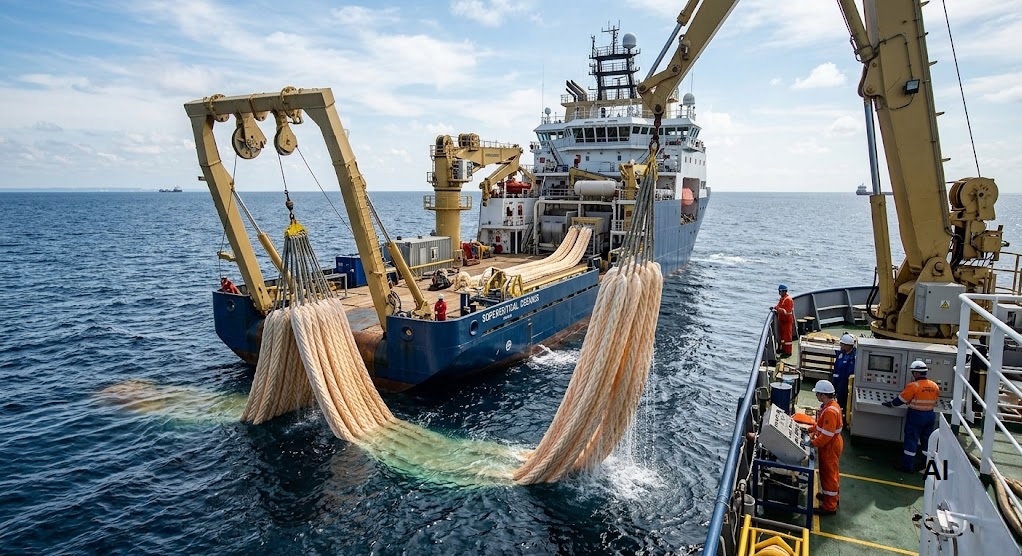
U.S
AUSTIN, Texas — SuperCritical Materials, an Austin-based nuclear fuel infrastructure company, has secured an exclusive license from the U.S. Department of Energy (DOE) to commercialize a patented technology that extracts uranium directly from seawater. The agreement, announced on July 14, gives the company exclusive rights to manufacture and deploy the technology at an industrial scale in the United States, with plans to expand into allied countries in the future. The licensed technology was developed through the DOE's Office of Nuclear Energy, with research led by scientists at the Pacific Northwest National Laboratory (PNNL). It is designed to help strengthen long-term domestic nuclear fuel supplies as the United States expands the use of advanced nuclear reactors and works to reduce dependence on imported uranium. Technology Designed to Recover Uranium From Seawater Although uranium exists in seawater at extremely low concentrations of about 3.3 parts per billion, the world's oceans contain an estimated 4.5 billion metric tons of dissolved uranium. According to the DOE, this is more than 1,000 times the world's identified land-based uranium reserves, making it a potential long-term source of nuclear fuel if extraction can be carried out economically. The patented process uses specially treated acrylic fibers coated with proprietary adsorption materials. These fibers are placed in seawater, where they selectively capture dissolved uranium ions and certain other strategic metals. Once the fibers become saturated, they are brought back onshore, where the captured materials are removed through chemical processing. The fibers can then be reused in future extraction cycles. After recovery, the uranium enters the conventional nuclear fuel cycle, including conversion, enrichment, and fuel fabrication before it can be used in nuclear power plants. Commercial Production Plans SuperCritical Materials plans to build its first commercial facility in Texas, although the company has not yet made a final investment decision. The proposed plant is expected to produce approximately 1.85 million pounds (839,150 kilograms) of uranium annually and operate for at least 40 years. According to the company, that level of production could provide enough nuclear fuel to generate electricity for about four million households each year. SuperCritical expects commercial uranium production could begin in 2030 or 2031, subject to project approvals and development. The company said deployment in Texas will require coordination with multiple regulatory agencies, including the Texas Commission on Environmental Quality, the Texas Railroad Commission, and the U.S. Coast Guard. To support its commercialization plans, SuperCritical has raised $4.5 million in private funding and is preparing to seek a public listing on the Nasdaq later this year. Supporting U.S. Nuclear Fuel Security The project comes as the United States seeks to strengthen its domestic nuclear fuel supply chain. The country currently imports much of its enriched uranium from foreign suppliers, including Russia, France, and Germany. In recent years, the U.S. has enacted legislation banning imports of Russian uranium, although temporary waivers remain available until 2028. Alexander Canon Bryan, founder and Chief Executive Officer of SuperCritical Materials, said the company's long-term objective is to strengthen the domestic nuclear fuel industry. "Our long-term goal is to transform the U.S. from a net importer to a net exporter of uranium and nuclear fuels." Bryan said a reliable domestic nuclear fuel supply will be important as electricity demand continues to grow from industries such as artificial intelligence, advanced manufacturing, and robotics. DOE Highlights Long-Term Potential The Department of Energy said laboratory-scale research has already demonstrated that uranium can be extracted from seawater, and continued development could help improve long-term fuel security. Ted Garrish, Assistant Secretary of Nuclear Energy, said: "Uranium extraction from seawater has been demonstrated at lab scale. DOE has invested in proving that this extraction process works. As the United States accelerates advanced nuclear energy deployment, ensuring reliable domestic sources of nuclear fuel becomes increasingly important. This technology represents a potentially significant contribution to America's long-term fuel security and industrial competitiveness." Potential Beyond Uranium In addition to uranium, the adsorption technology can also capture certain strategic and critical minerals dissolved in seawater. SuperCritical said future commercial operations could include recovering these materials alongside uranium, supporting broader U.S. efforts to strengthen domestic supply chains for critical minerals and reduce reliance on foreign sources. While the technology has been successfully demonstrated at the laboratory level, large-scale commercial deployment remains the next step. If successfully developed, seawater uranium extraction could become an additional long-term source of nuclear fuel alongside conventional uranium mining, helping diversify future nuclear fuel supplies as demand for nuclear energy continues to grow. Source : nucnet
Read More → Posted on 2026-07-15 15:09:48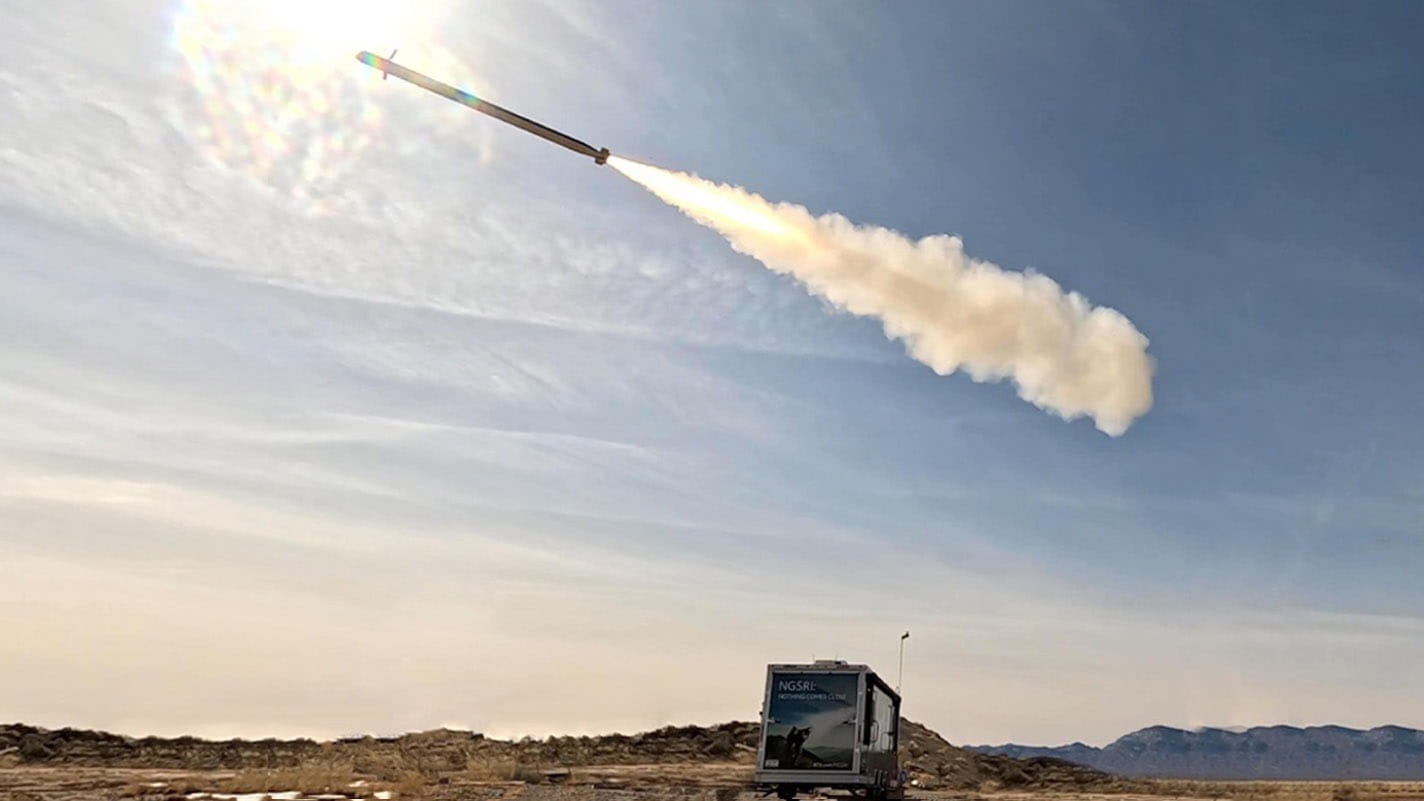
U.S
DUGWAY PROVING GROUNDS, Utah — Raytheon, an RTX business, has successfully completed a key technology demonstration of its Next Generation Short Range Interceptor (NGSRI), a new surface-to-air missile being developed for the U.S. Army as the future replacement for the long-serving Stinger missile. The demonstration took place on July 15, 2026, at Dugway Proving Grounds in Utah, where Raytheon launched multiple guided missiles using its soldier-portable Command Launch Assembly (CLA). According to the company, every launch successfully detected, tracked, and intercepted Army-simulated aerial threats, achieving direct hits and target destruction. The successful demonstration marks another milestone in the Army's effort to modernize its short-range air defense capabilities against evolving aerial threats, including aircraft, helicopters, and unmanned aerial systems. Advanced Optics and Rocket Motor Improve Performance Raytheon said the NGSRI's improved performance comes from a combination of advanced technologies integrated into both the launcher and the missile. The system uses precision optics in the Command Launch Assembly (CLA) and the missile's seeker, allowing faster target detection and tracking. These sensors are paired with a highly loaded grain solid rocket motor (SRM) developed by Northrop Grumman, which provides greater propulsion and extends the missile's engagement range beyond current legacy systems such as the Stinger. The NGSRI is designed as a fire-and-forget interceptor, allowing operators to launch the missile without continuous guidance after firing. It is being developed for use from both shoulder-mounted launchers and vehicle-mounted platforms, providing flexibility for different operational requirements. Raytheon Highlights Improved Capability Tom Laliberty, President of Land and Air Defense Systems at Raytheon, said the demonstration showed significant improvements over the current Stinger system. "Raytheon's NGSRI saw farther and locked faster, demonstrating superior target acquisition, longer range and greater lethality than Stinger—which is already the world's most in-demand shoulder-fired air defense system." He added that the new interceptor is designed to be easier to manufacture and deploy, making it a more capable, affordable, and rapidly producible weapon for future military requirements. Program Progress Over the past year, Raytheon has carried out several company-funded tests to refine and mature the NGSRI design. In addition, the company has completed two incremental demonstrations under contract with the U.S. Army. Raytheon also confirmed it has previously completed 10 successful subsystem demonstrations, validating key technologies including the missile seeker, solid rocket motor, Command Launch Assembly, warhead, tracking, guidance, aerodynamic control, fuzing, and safety systems. These demonstrations are intended to reduce technical risk as the program moves toward future production decisions. Part of the Army's Air Defense Modernization The NGSRI is being developed under the U.S. Army's Maneuver Short-Range Air Defense (M-SHORAD) Increment 3 program. The objective is to replace the Stinger missile with a modern interceptor capable of countering current and emerging aerial threats while maintaining portability for frontline soldiers. The missile is designed to engage rotary-wing aircraft, fixed-wing aircraft, and Group 2 and Group 3 unmanned aerial systems. It is also engineered for compatibility with existing Stinger infrastructure, including the Stinger Vehicle Universal Launcher used on platforms such as the Sgt. Stout. As the original manufacturer of the Stinger missile and its launchers, Raytheon said it is ensuring full interoperability between the NGSRI and both existing and future mounted platforms. Modular Design for Faster Production Drawing on more than 60 years of air defense experience, Raytheon is incorporating modular system architecture and automated manufacturing processes into the NGSRI program. According to the company, these manufacturing approaches are intended to accelerate development timelines, simplify production, and support higher manufacturing rates if the system enters full-scale production. Army Plans Future Procurement The U.S. Army has indicated that it plans to procure the next-generation interceptor in significant numbers. A recent Request for Information (RFI) outlined potential acquisition of up to 11,000 NGSRI missiles and 2,200 Command Launch Assemblies over a ten-year period, with initial low-rate production expected to begin in fiscal year 2028. Raytheon's NGSRI is one of two competing designs under the program, with Lockheed Martin also developing a competing proposal. The Army aims to select a system that can be fielded around 2028 to strengthen short-range air defense against increasingly advanced aerial threats. The Stinger missile, first introduced in the early 1980s, has served as the U.S. military's primary shoulder-fired air defense weapon for decades and has been widely supplied to allied nations. The NGSRI is intended to build on that capability by providing longer range, improved target acquisition, enhanced performance against modern threats, and compatibility with both portable and vehicle-mounted launch systems. Source : rtx
Read More → Posted on 2026-07-15 14:51:26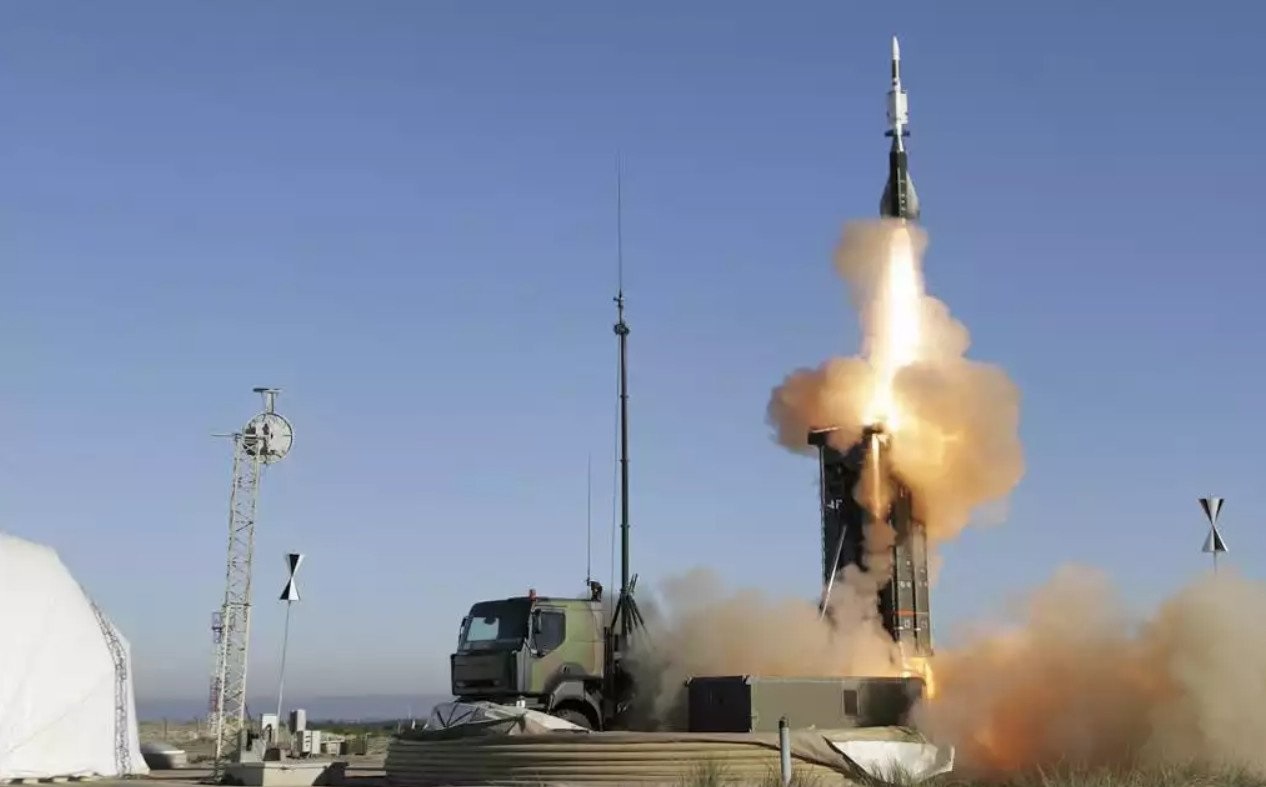
Europe
PARIS, France — France has agreed to strengthen Ukraine's air defense capabilities by supplying two additional SAMP/T air defense batteries this year and accelerating deliveries of Aster 30 interceptor missiles. The announcement follows talks between Ukrainian President Volodymyr Zelenskyy and French President Emmanuel Macron as both countries expanded their long-term defense cooperation. Under the agreement, France will transfer two current-generation SAMP/T air defense batteries before the end of 2026 to reinforce Ukraine's air defense network. France and Italy will also speed up the delivery of Aster 30 interceptor missiles, with additional shipments expected by October 2026 to support the systems already in service. The SAMP/T (Surface-to-Air Missile Platform/Terrain) is a long-range air defense system jointly developed by France and Italy. It is designed to intercept a range of aerial threats, including aircraft, cruise missiles, drones, and certain types of ballistic missiles. A standard SAMP/T battery includes a multifunction radar, command post, and mobile launchers armed with Aster 30 missiles. Depending on the target profile, the Aster 30 missile has an interception range of up to 120 kilometers. Ukraine first received a SAMP/T battery from France and Italy in 2023. The system has since been used to help defend Ukrainian cities and critical infrastructure against aerial attacks. As of July 2026, the operation of at least one SAMP/T battery in Ukraine has been officially confirmed. Ukraine to Become First Operator of SAMP/T NG As part of the broader defense agreement, Ukraine has placed an order for four SAMP/T NG (New Generation) air defense systems, making it the first country scheduled to receive and operate the upgraded version. The SAMP/T NG features improved sensors, upgraded command-and-control capabilities, and compatibility with the Aster 30 Block 1 New Technology (B1 NT) interceptor missile, which offers enhanced performance against certain ballistic missile threats. According to the agreement, the two current-generation SAMP/T batteries being delivered this year will provide additional air defense coverage while production of the SAMP/T NG systems is completed. Once the new systems are delivered and become operational, the temporary batteries are expected to be returned to France. France Grants Missile and Bomb Production Licenses The agreement also marks a significant expansion of defense-industrial cooperation between the two countries. France has granted Ukraine licenses to manufacture several advanced French weapon systems domestically, including: SCALP long-range air-launched cruise missiles. AASM (Hammer) precision-guided air-to-ground bombs. Aster 30 air defense interceptor missiles. The licensed production is intended to strengthen Ukraine's domestic defense industry, reduce reliance on imported stockpiles, and support long-term sustainment of key weapon systems. Cooperation on FREYJA Missile Defense Program France will also participate in Ukraine's FREYJA anti-ballistic missile defense program, providing industrial cooperation and technical support through French defense companies and the French Directorate General of Armaments (DGA). The cooperation aims to accelerate the development of Ukraine's domestic missile defense capabilities against ballistic missile threats. Broader Defense Partnership The agreement reflects a broader expansion of military and technological cooperation between France and Ukraine. Alongside additional air defense systems and accelerated missile deliveries, the partnership focuses on strengthening Ukraine's long-term defense production capacity through local manufacturing and joint industrial projects. The combination of new SAMP/T batteries, future deployment of the SAMP/T NG, accelerated Aster 30 missile deliveries, domestic production of advanced French weapons, and cooperation on the FREYJA program is intended to enhance Ukraine's air and missile defense capabilities while supporting the development of its defense industry. Source : newsukraine
Read More → Posted on 2026-07-15 14:42:25
World
JERUSALEM — Israel has lifted a temporary restriction that blocked additional U.S. aerial refueling aircraft from landing at Ben Gurion Airport after senior American military officials raised concerns over the decision. The issue was resolved following discussions between U.S. and Israeli officials, allowing U.S. military operations to continue while introducing measures to reduce pressure on civilian airport operations. The dispute began when Israel's Transport Ministry, led by Transport Minister Miri Regev, introduced a directive limiting the number of U.S. aerial refueling aircraft parked at Ben Gurion Airport to 20. At the time, between 33 and 34 American tanker aircraft were stationed at the airport. According to Israeli authorities, the restriction was intended to address a shortage of aircraft parking stands ahead of the peak summer travel season. The Israel Airports Authority warned that the continued presence of additional military aircraft could create significant parking constraints, potentially affecting civilian operations and placing up to 50,000 passenger flight bookings at risk of cancellation. The proposed limit prompted an immediate response from senior officials at U.S. Central Command (CENTCOM), who asked Israel to reverse the decision. U.S. officials said the refueling aircraft remain essential for supporting ongoing regional operations and maintaining deterrence capabilities amid continued tensions involving Iran. American officials also emphasized that Ben Gurion Airport remains the preferred operating location for these aircraft because of its advanced infrastructure, established logistics support, and proximity to hotels and other facilities required by flight crews. The U.S. position received support from the Israel Defense Forces (IDF). A senior Israeli military official described the tanker fleet as a strategic asset that plays an important role in joint U.S.-Israel military preparations and said the aircraft should be allowed to operate according to U.S. operational requirements. Following discussions between the two governments, Transport Minister Miri Regev cancelled the landing restriction on July 15, just one day after it was reportedly introduced. Israeli officials said the disagreement did not represent a broader dispute between the allies, and Prime Minister Benjamin Netanyahu also discussed the matter directly with U.S. representatives to ensure continued coordination. As part of the agreed solution, U.S. refueling operations will continue without interruption. However, to reduce congestion at Ben Gurion Airport, only around 20 tanker aircraft will remain parked there. The remaining U.S. aircraft will be relocated to Israeli Air Force bases and other military facilities in coordination with Israel's Defense Ministry. The large U.S. military presence at Ben Gurion Airport dates back to the regional military buildup that began before the conflict with Iran in February 2026. At its peak, approximately 75 U.S. refueling and cargo aircraft were stationed at the airport to support American operations and regional contingency planning. Earlier this month, the United States began returning some of those aircraft to their home bases after diplomatic efforts temporarily reduced regional tensions. However, the Pentagon recently paused further withdrawals following renewed regional escalation, keeping the refueling fleet in Israel to maintain rapid response capability if required. The agreement allows Israel to address growing civilian aviation demands during the busy summer travel season while ensuring that U.S. military aircraft continue to support operational requirements. The outcome also reflects the close coordination between Washington and Jerusalem in balancing civilian airport operations with ongoing defense cooperation. Source : israelnationalnews
Read More → Posted on 2026-07-15 14:07:51
Space & Technology
New Delhi — The Defence Research and Development Organisation (DRDO) has successfully completed military field trials of an indigenous fiber-based Quantum Key Distribution (QKD) system, marking an important step in strengthening India's secure communication capabilities against future cyber threats. The system was developed in collaboration with Bengaluru-based Taqbit Labs and is designed to provide a scalable and practically secure method of protecting highly sensitive military communications. According to DRDO, the successful field trials demonstrate that the technology is ready for deployment in real-world military environments. Indigenous Quantum Communication Technology The newly tested QKD system builds on earlier laboratory demonstrations and has now been validated under military field conditions. DRDO and Taqbit Labs said the technology has been productized to integrate with existing fiber-optic communication networks, reducing the need for major infrastructure changes. Officials said the successful trials establish the foundation for developing large-scale, multi-hop quantum communication networks capable of securing critical defence and national infrastructure communications. As the system has been designed and developed indigenously, it also strengthens India's efforts toward self-reliance in advanced defence technologies while providing an additional security layer for strategic communication networks. What is Quantum Key Distribution? Quantum Key Distribution (QKD) is an advanced encryption technology that uses the principles of quantum physics to securely exchange encryption keys between two users. Unlike conventional encryption, which depends on complex mathematical algorithms, QKD transmits encryption keys using individual light particles (photons) through optical fiber. Under the laws of quantum mechanics, any attempt to intercept or measure these photons changes their quantum state. This immediately alerts the communicating parties that the transmission has been compromised, allowing them to discard the affected key. Because its security is based on the laws of physics rather than mathematical complexity, QKD is considered resistant to future attacks from powerful quantum computers that could potentially break many existing encryption methods. Benefits for Defence Communications The successful field trials demonstrate several advantages of the indigenous QKD system for military use: Secure exchange of encryption keys using quantum physics. Immediate detection of any interception or eavesdropping attempts. Integration with existing fiber-optic communication infrastructure. Support for longer-distance communication and future multi-hop quantum networks. Enhanced protection for command networks, defence data links, and other sensitive communications. A scalable architecture for expanding secure quantum communication across critical infrastructure. These capabilities are expected to help safeguard India's strategic communication systems against emerging cyber and quantum-related threats. Part of India's Quantum Technology Progress The achievement also supports the objectives of India's National Quantum Mission, launched in 2023 to accelerate research and deployment of quantum technologies across strategic sectors. The military field trials represent a transition from laboratory research to practical deployment, demonstrating the maturity of India's indigenous quantum communication technology. Former DRDO Chairman G. Satheesh Reddy has previously described such developments as important for strengthening India's long-term strategic communication capabilities in the emerging quantum era. India's Position in Global Quantum-Secure Communications With the successful completion of these military field trials, India joins a limited group of countries advancing quantum-secure communication technologies. China is currently regarded as the global leader in Quantum Key Distribution deployment, operating large-scale fiber-optic QKD networks spanning thousands of kilometers and the dedicated Micius quantum communication satellite. The United States and several European countries have established QKD research networks and pilot projects. While many Western defence organizations are also investing heavily in Post-Quantum Cryptography (PQC)—mathematical encryption designed to resist quantum computing attacks—the European Union continues to develop the EuroQCI quantum communication infrastructure. Other countries, including Japan, South Korea, Switzerland, and Australia, have also deployed QKD systems for government, financial, and research applications. Although fully operational military QKD networks remain limited worldwide, India's successful field trials place it among the countries actively moving toward deployable quantum-secure defence communications.
Read More → Posted on 2026-07-15 13:53:21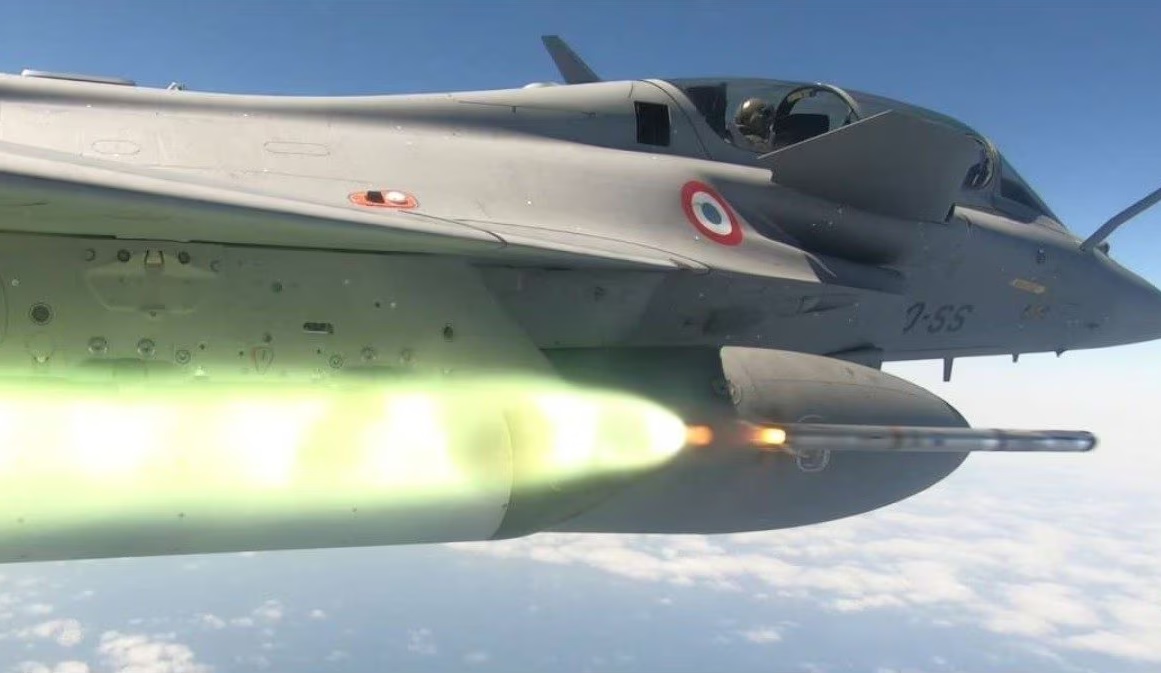
Europe
Paris, France — France has officially integrated a new low-cost anti-drone weapon system onto its Dassault Rafale fighter jets, providing the French Air and Space Force with a more economical way to intercept unmanned aerial vehicles (UAVs). The French Ministry of the Armed Forces and the Directorate General of Armaments (DGA) confirmed the successful completion of the testing campaign for the LADAC (Lutte Anti-Drone sur Avion de Combat) system on July 7, 2026. The new capability equips Rafale fighters with 68-mm Aculeus LG laser-guided rockets, allowing the aircraft to engage drones without relying solely on expensive air-to-air missiles. The system was developed in response to the increasing use of low-cost attack drones, including Iranian-designed Shahed-136-type UAVs, which have been widely used in recent conflicts. A More Cost-Effective Approach to Drone Interception The LADAC program was launched to address the growing cost imbalance in modern air defense operations. During recent missions in the Middle East, air forces frequently used advanced interceptor missiles to destroy relatively inexpensive one-way attack drones. A French MICA air-to-air missile is estimated to cost between $1 million and $2 million per round, while a Shahed-type drone is believed to cost around $50,000 to produce. By comparison, the Thales Aculeus LG 68-mm laser-guided rocket is estimated to cost between $20,000 and $40,000, providing a significantly more affordable option for countering drone threats. The new system is intended to preserve high-value air-to-air missile inventories while improving the sustainability of drone interception missions. How the LADAC System Operates The LADAC system combines existing Rafale sensors and targeting equipment with new guided rocket launchers. The engagement process begins with the Rafale's RBE2 AESA radar, which detects and tracks an incoming drone. After the target is identified, the aircraft's TALIOS targeting pod locks onto it and continuously illuminates it with a laser. The pilot then launches the Aculeus LG laser-guided rockets from JF12/TELSON launcher pods, manufactured by Thales. The rockets follow the reflected laser energy to the target until impact. Each JF12/TELSON launcher carries 12 rockets, allowing a single Rafale to engage multiple drones during one mission without quickly exhausting its primary air-to-air missile inventory. Rapid Development Following Operational Requirements The LADAC program moved from requirement to operational readiness within a relatively short period. Following urgent operational needs identified in late 2025, the DGA awarded the contract and began flight testing in February 2026. The development and evaluation involved several French defense organizations, including the Directorate General of Armaments (DGA), the Center for Military Aviation Expertise (CEAM), Dassault Aviation, and Thales. Testing covered the full operational cycle, including radar detection, target tracking, live launches against drone targets, assessment of the launcher pods' impact on Rafale flight performance, and system reliability in electronic warfare environments. Following the successful validation campaign, the system has reached initial operational readiness. Thales has started preparations for serial production of the LADAC kits, with the first launcher pods expected to be delivered to French Air and Space Force operational units by the end of July 2026. Part of a Wider Shift in Counter-Drone Operations France joins several other countries that have adopted lower-cost precision-guided rockets for air-to-air drone interception. The United States and the United Kingdom have integrated 70-mm APKWS (Advanced Precision Kill Weapon System) laser-guided rockets onto fighter aircraft, including the F-15E Strike Eagle, F-16 Fighting Falcon, and Eurofighter Typhoon. These systems have been used during operations in the Middle East to intercept Iranian drones, demonstrating a broader shift toward using affordable precision-guided weapons against low-cost aerial threats instead of relying exclusively on expensive interceptor missiles. Although the LADAC system is currently intended for the French military, defense officials have indicated that the capability could eventually be made available to international operators of the Rafale fighter jet. The integration of LADAC expands the Rafale's air-to-air capabilities by adding a practical and cost-effective option for countering unmanned aerial threats while making use of the aircraft's existing radar, targeting, and weapons systems. Source : timesofindia
Read More → Posted on 2026-07-15 13:37:27
Space & Technology
WASHINGTON, D.C. — Northrop Grumman's SpaceLogistics subsidiary is preparing to launch its Mission Robotic Vehicle (MRV) and three Mission Extension Pods (MEPs) aboard a SpaceX Falcon 9 rocket no earlier than 5:15 p.m. ET on Tuesday, July 21, 2026. The mission will lift off from Space Launch Complex 40 (SLC-40) at Cape Canaveral Space Force Station, Florida. SpaceX has scheduled a four-hour launch window for the mission, with a backup launch opportunity available on Wednesday, July 22, at the same opening time if weather or technical conditions require a delay. The Mission Robotic Vehicle (MRV) is being developed through a collaboration between Northrop Grumman's SpaceLogistics, the Defense Advanced Research Projects Agency (DARPA), and the U.S. Naval Research Laboratory (USNRL). It is designed as the nation's first privately owned multi-mission robotic spacecraft capable of servicing satellites already operating in space. Robotic Servicing for Geosynchronous Satellites The centerpiece of the spacecraft is the Robotic Servicing of Geosynchronous Satellites (RSGS) payload. The U.S. Naval Research Laboratory (USNRL) designed and built the spacecraft's two highly maneuverable robotic arms, while DARPA funded the development of the RSGS Integrated Robotic Payload. Once the MRV reaches geosynchronous Earth orbit (GEO), approximately 22,236 miles (35,786 kilometers) above Earth, it will be able to perform a range of on-orbit servicing tasks. These include detailed satellite inspections, mechanical repairs, hardware upgrades, and resolving certain anomalies affecting commercial and government spacecraft. Satellites operating in GEO have traditionally been difficult to service after launch. When they run out of fuel or experience minor mechanical issues, they are often retired even though many of their onboard systems remain operational. The MRV is intended to provide a new option by allowing these satellites to receive maintenance while remaining in orbit. Mission Extension Pods to Increase Satellite Lifespan In addition to the robotic servicer, the Falcon 9 will carry three Mission Extension Pods (MEPs), commonly described by project engineers as "satellite jetpacks." After deployment from the launch vehicle, the MRV and each of the three MEPs will independently travel to geosynchronous orbit using onboard solar-electric propulsion systems. Once in position, the MRV will use its robotic arms to capture each Mission Extension Pod and attach it to client satellites that are running low on propellant. The attached pods provide additional propulsion, allowing satellites to continue operating without relying solely on their original fuel supply. Each Mission Extension Pod is designed to support satellites weighing up to about 4,400 pounds (2,000 kilograms) and can extend their operational life by up to eight years. Building on Previous Satellite Servicing Missions The Mission Robotic Vehicle builds on Northrop Grumman's Mission Extension Vehicle (MEV) program, which demonstrated that servicing satellites in orbit is technically feasible. Unlike the MEV, the MRV adds robotic servicing capabilities that can support inspection, maintenance, repairs, and hardware upgrades in addition to mission extension. The spacecraft is also refuelable and includes available data and power interfaces that can support future payloads, providing additional flexibility for future in-space servicing missions. Before launch, the robotic arms underwent extensive testing, including operations inside a cryogenic thermal vacuum chamber, to verify their performance under the extreme temperatures and vacuum conditions found in space. Launch Configuration Because the mission requires placing a heavy payload on a trajectory toward geosynchronous transfer orbit, the Falcon 9 will fly in an expendable configuration, meaning the first-stage booster will not attempt a landing after launch. According to mission officials, this will be the 32nd and final flight for the booster supporting the mission. The MRV mission is expected to demonstrate new capabilities for on-orbit satellite servicing and life extension, supporting commercial, civil, and national security spacecraft while reducing the need to replace satellites that remain functional but have exhausted their onboard propellant or require limited maintenance. Mission updates, including any changes to the launch schedule, are expected as final preparations continue ahead of the July 21 launch. Source : Northrop Grumman
Read More → Posted on 2026-07-15 13:18:20
Europe
PARIS — Five European aerospace and defense companies have agreed to establish a new industrial consortium, Bliksem EXO, to develop Europe's first sovereign exo-atmospheric interceptor designed to destroy medium- and intermediate-range ballistic missiles before they re-enter the Earth's atmosphere. The consortium was announced after Thales, Airbus Defence and Space, MBDA Deutschland, Safran Electronics & Defense, and aerospace startup Destinus signed a letter of intent in Paris on July 14. The signing took place at the French Ministry for Europe and Foreign Affairs in the presence of Dutch Prime Minister Rob Jetten. According to Thales, the initiative is intended to strengthen Europe's upper-layer ballistic missile defense capability by developing an interceptor that can engage threats during the midcourse phase of flight, when ballistic missiles travel through space after launch and before re-entering the atmosphere. The future system is designed to counter medium-range ballistic missiles (MRBM) and intermediate-range ballistic missiles (IRBM), including advanced threats such as Russian Oreshnik-class ballistic missiles equipped with separable and maneuverable re-entry warheads. Unlike traditional interceptors that use explosive warheads, Bliksem EXO will employ a kinetic hit-to-kill approach. In this method, the interceptor destroys its target through direct impact rather than carrying an explosive payload, a technology widely used in modern exo-atmospheric missile defense systems. Industry Roles Divided Among Consortium Members Under the preliminary agreement, Destinus will serve as the consortium lead and prime contractor. The company will oversee overall system integration and develop the Exo-atmospheric Kill Vehicle (EKV), the component responsible for intercepting the target in space. The remaining responsibilities have been assigned to the participating companies: MBDA Deutschland will develop the interceptor missile's booster, launch system, and canister. Safran Electronics & Defense will provide the EKV's homing seeker, guidance, navigation, and control systems. Airbus Defence and Space will be responsible for command and control, along with battle management (BMC4I). Thales will supply the complete sensor chain, including radars for early warning, target tracking, and fire control. A mock-up of the related HYDIS2 hypersonic interceptor was also displayed during the Paris Air Show, highlighting ongoing European work on advanced missile interception technologies. Development Schedule The companies plan to sign a binding consortium agreement within the next three months. Joint engineering work is scheduled to begin in August 2026, with the consortium targeting an Exo-atmospheric Kill Vehicle (EKV) space test in 2027. The current letter of intent outlines the companies' intention to cooperate but does not legally commit the participants to funding, procurement, or production of the final interceptor system. Lessons From Ukraine's Missile Defense Experience The consortium said the design, testing, and evaluation of Bliksem EXO will draw on Ukraine's operational experience defending against large-scale Russian missile and air attacks. According to the partners, this operational knowledge will help shape the interceptor's development and testing as Europe works to improve its ability to counter increasingly advanced ballistic missile threats. Linked to Europe's New Anti-Ballistic Missile Initiative The Bliksem EXO announcement came one day after the launch of the Integrated Anti-Ballistic Missile Coalition in Paris on July 13. The coalition includes Ukraine, Denmark, France, Germany, Italy, the Netherlands, Norway, Spain, Sweden, and the United Kingdom. The participating countries aim to build a shared European ballistic missile defense architecture and develop more affordable European alternatives to existing systems such as the U.S. Patriot air defense system. European governments have increased their focus on ballistic missile defense as Ukraine continues to face frequent Russian missile attacks, highlighting the need for stronger regional missile interception capabilities. Once developed, Bliksem EXO is expected to integrate with NATO's Integrated Air and Missile Defense (IAMD) network and operate alongside lower-tier European air defense systems, forming part of a layered missile defense architecture for the continent. Source : thalesgroup
Read More → Posted on 2026-07-15 12:30:20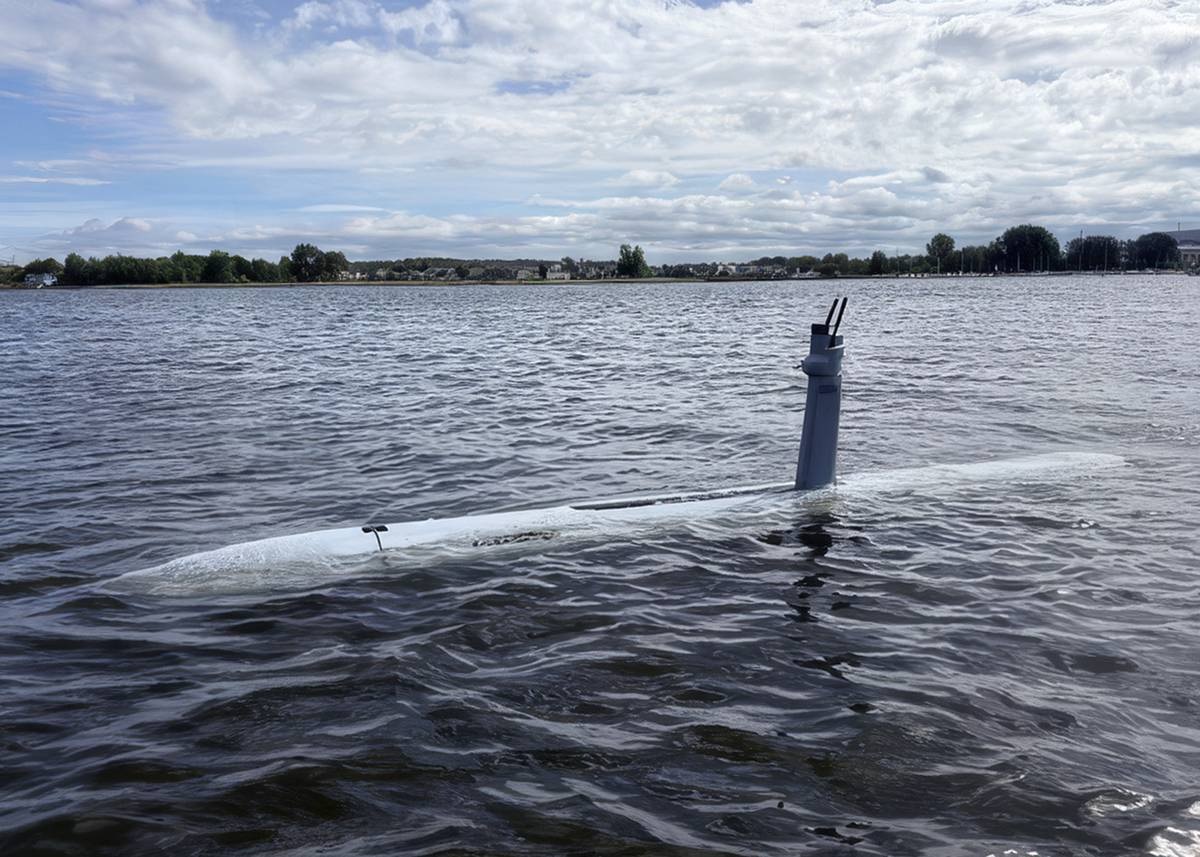
Europe
LÜBECK and ROSTOCK, Germany — German submarine systems company GABLER and defense technology firm FLANQ have successfully completed the Sea Acceptance Test (SAT) of their Torpedo-Tube-Launched Uncrewed Surface Vessel (TTL USV) capability demonstrator, marking a key milestone in the development of autonomous maritime systems for future naval operations. The capability demonstrator, named Ranger, completed sea trials in northern Germany during June 2026, where engineers validated the integration and operation of its core technologies. According to the companies, the trials confirmed the vessel's seaworthiness, while performance data collected during testing verified the system's maturity at the current stage of development. The successful completion of the SAT also marks the end of the proof-of-concept phase. The project is being jointly developed by GABLER and FLANQ under a partnership that formally began in 2025. The collaboration combines GABLER's more than six decades of experience in submarine systems and mission-critical defense manufacturing with FLANQ's expertise in artificial intelligence-enabled autonomy, maritime mission software, open capability architectures, and rapid development of autonomous systems. Designed for Covert Submarine Operations The Ranger is designed to be launched directly from a standard 21-inch (533 mm) submarine torpedo tube, allowing submarines to deploy the vessel without diver assistance. After launch, the vehicle autonomously reaches the surface and carries out intelligence, surveillance, and reconnaissance (ISR) missions. The platform measures 4.5 meters in length and uses a common hull rated for depths of up to 300 meters. To fit inside a standard torpedo tube, it features a folding keel and a collapsible sensor mast. The vessel is powered by an electric drivetrain and includes a mission-configurable payload bay, allowing it to support different mission requirements. The companies said the Ranger is intended to provide naval forces with an autonomous platform that can be deployed discreetly from submarines while expanding operational options during maritime missions. The platform is also being developed with the potential for submarines to deploy and recover uncrewed systems while remaining covert. Strike Variant Also Under Development Alongside the reusable Ranger designed for ISR missions, GABLER and FLANQ are also developing a one-way attack (OWA) version known as Strike, which was previously introduced under the project name Raider. The Strike variant is intended for single-use missions and will carry a user-supplied effector payload in its forward compartment. The concept is designed to allow naval forces to engage high-value targets while reducing the exposure of crewed submarines and other naval platforms to hostile environments. Both Ranger and Strike are based on the same hull design, enabling a common platform for different operational roles. Partnership Progress Since 2025 The cooperation between GABLER and FLANQ was first announced during DALO Industry Days in Denmark in August 2025. One month later, in September 2025, GABLER publicly presented initial concepts for the torpedo-tube-launched uncrewed surface vehicles during an industry event. Following the successful Sea Acceptance Test, GABLER will continue leading the program's commercialization, integration with host platforms, and delivery to naval customers, while FLANQ remains responsible for system design, autonomous technologies, mission software, and rapid manufacturing. Development of the Ranger capability demonstrator will continue toward operational deployment for naval customers, including European and NATO partner forces. Expanding Future Naval Operations Marine autonomous systems are becoming increasingly important in modern naval operations. Uncrewed platforms launched from submarines or surface ships can expand operational flexibility by supporting intelligence gathering, surveillance, force protection, and other maritime missions while reducing risks to personnel. The Ranger project reflects the broader effort to integrate autonomous systems with existing naval platforms. By combining conventional submarines with next-generation uncrewed surface vehicles, naval forces can increase operational capability without requiring major changes to existing fleet structures. The completion of the Sea Acceptance Test provides technical validation as the program moves toward future operational use. Source : marinetechnologynews
Read More → Posted on 2026-07-15 12:20:42
U.S
EDWARDS AIR FORCE BASE, Calif. — The U.S. Air Force is seeking input from the domestic aerospace industry on advanced propulsion technologies that could power the next generation of high-speed missiles by combining the launch power of a rocket with the long-range efficiency of a jet engine. On July 14, 2026, the Air Force Research Laboratory (AFRL) Rocket and Space Propulsion Division at Edwards Air Force Base issued a Request for Information (RFI) focused on Rocket-Based Combined Cycle (RBCC) propulsion systems. Companies have until August 10, 2026, to submit responses. The RFI is not a contract solicitation. Instead, it is intended to help the Air Force evaluate current industry capabilities, available technologies, manufacturing readiness, and the challenges involved before deciding whether to launch a formal acquisition program. Air Force Focuses on Rocket-Based Combined Cycle Technology The AFRL is looking at propulsion systems that combine two different types of engines into a single design. In an RBCC system, a missile would launch using a rocket engine, which provides the high thrust needed from a standstill. After reaching higher speeds, the propulsion system would transition to an air-breathing jet engine, which consumes atmospheric oxygen instead of carrying all of its oxidizer onboard. This approach can improve fuel efficiency during cruise and increase the overall range of the missile. By switching from rocket propulsion to jet-powered flight, future missiles could require smaller onboard fuel supplies than conventional rocket-powered weapons, allowing more space for payload or extended range. Rotating Detonation Rocket Engine at the Center of the Program The Air Force has asked industry to develop concepts based on Rotating Detonation Rocket Engine (RDRE) technology. Unlike conventional rocket engines that rely on continuous combustion, an RDRE uses a continuous supersonic detonation wave that travels around a ring-shaped combustion chamber. This process generates higher chamber pressure and can produce greater thrust from a compact engine. AFRL has been studying rotating detonation propulsion for several years. Since 2021, the laboratory has completed approximately 300 hot-fire tests using methane and oxygen propellants to better understand the technology's performance and operating characteristics. The Air Force now aims to integrate RDRE technology with an air-breathing propulsion system capable of operating across multiple phases of flight. Shift Toward Storable Propellants One of the key objectives outlined in the RFI is replacing cryogenic propellants with storable, non-cryogenic propellants. Earlier RDRE demonstrations relied on liquid oxygen and liquid hydrogen, which require continuous refrigeration and specialized handling. While suitable for space launch systems, these fuels are less practical for military weapons that may remain stored inside aircraft or launch platforms for extended periods. To improve operational readiness, AFRL is requesting concepts that use storable oxidizers such as High Test Peroxide (HTP) together with standard jet fuel or other compatible fuels. Using storable propellants could simplify logistics by allowing future systems to integrate more easily with existing military fuel infrastructure. Technical Requirements for Industry The Air Force outlined several technical priorities that companies must address in their proposals. The propulsion system should: Be suitable for affordable, large-scale production. Avoid reliance on exotic materials, complex manufacturing methods, or difficult supply chains. Maintain a compact size and low weight so it can fit within standard missile or aircraft configurations. Demonstrate a reliable transition from rocket-powered acceleration to air-breathing cruise without engine instability, including preventing inlet unstart during the change in operating mode. Use the air-breathing engine as the primary source of thrust during cruise, while the rocket system provides additional performance support when required. These requirements are intended to improve operational practicality while keeping production costs manageable. Part of Broader U.S. Defense Propulsion Research The AFRL initiative is part of a broader Department of Defense effort to advance rotating detonation propulsion for future missile systems. In January 2026, GE Aerospace and Lockheed Martin announced successful testing of a liquid-fueled rotating detonation ramjet designed for hypersonic missile applications. Conducted at a test facility in Niskayuna, New York, the demonstration showed the engine could ignite at speeds below Mach 3, potentially reducing the size of booster rockets required for future missiles. At the same time, the Defense Advanced Research Projects Agency (DARPA) is supporting similar research through its Gambit program in partnership with RTX. The program aims to develop a mass-producible, high-supersonic standoff missile for air-to-ground missions using rotating detonation engine technology. Industry Survey to Guide Future Development The latest RFI represents another step in the Air Force's effort to assess how ready the U.S. aerospace industry is to support advanced combined-cycle propulsion technologies. While the announcement does not authorize a development program or award contracts, the information collected from industry will help AFRL determine the maturity of available technologies, identify manufacturing capabilities, and shape future research and acquisition decisions. The Air Force has not announced any contract awards or development timeline. Responses received by August 10, 2026, will be used to evaluate the feasibility of advancing Rocket-Based Combined Cycle (RBCC) propulsion for future high-speed missile programs. Source : sam.gov
Read More → Posted on 2026-07-15 11:39:15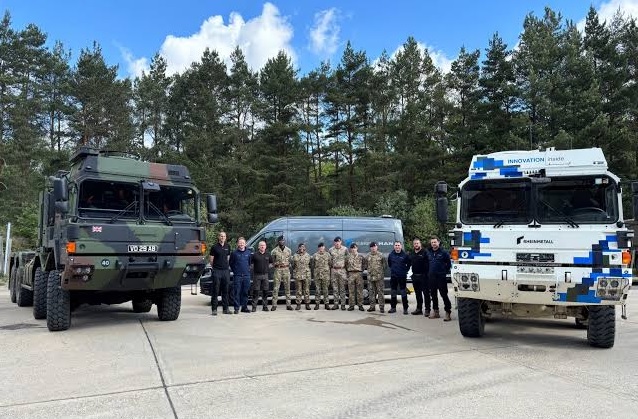
Europe
ALDERSHOT, UK — The British Army has completed its first autonomous HX convoy following a two-week training programme conducted in partnership with Rheinmetall and the UK Ministry of Defence (MoD). The milestone marks another step in evaluating autonomous technologies for future military logistics operations. The training was held at the Combat Service Support Trials and Development Unit (CSS TDU) in Aldershot and involved personnel from 8 Squadron, 27 Regiment Royal Logistic Corps (RLC). The programme aimed to develop the skills needed to plan, manage, and operate autonomous supply vehicles, helping reduce the need to place personnel in high-risk environments while maintaining military logistics. Two Weeks of Practical Training The course was delivered by Rheinmetall specialists from the United Kingdom, Austria, and Canada. During the programme, soldiers trained in key roles including Convoy Commander, Lead Vehicle Driver, and Safety Driver. The exercises progressed from basic vehicle operations to complex convoy missions on both roads and off-road terrain. Training scenarios included blocked routes, simulated disabled vehicles, and dynamic convoy management, reflecting conditions that could be encountered during future operations. The programme concluded with British soldiers successfully operating the UK's first HX autonomous convoy. HX2 "White Pony" Equipped with PATH Autonomous Kit Training was conducted using Rheinmetall's HX2 development vehicle, known as "White Pony." The vehicle was equipped with the PATH Autonomous Kit (A-Kit), developed through the UK Advanced Land Autonomy Centre of Excellence (ALACoE). The platform-agnostic PATH A-Kit can be integrated into existing military vehicle fleets, allowing conventional vehicles to operate autonomously. It combines advanced sensors, AI-enabled navigation, and robotic control software. Unlike systems that rely entirely on satellite navigation, the PATH A-Kit uses LiDAR, cameras, and onboard sensors to map its surroundings in real time, allowing the vehicle to continue operating even in GPS-denied environments where signals are unavailable, jammed, or blocked. Preparing for Project Convergence Capstone 6 The Aldershot training forms part of Project MAIA, the British Army's programme to evaluate autonomous systems for future logistics missions. The experience gained will support the Army's participation in Project Convergence Capstone 6 (PCC6), a multinational military exercise scheduled to take place at Fort Irwin, California. The exercise will provide an opportunity to further assess how autonomous technologies can support military supply operations in realistic operational environments. Rheinmetall on the Training Christoph Müller, CEO of Rheinmetall MAN Military Vehicles, said: "Autonomous technologies are transforming the future of military logistics. Through our collaboration with the UK Ministry of Defence and colleagues across Rheinmetall, we are helping British Army personnel develop the skills and confidence to operate next-generation autonomous capabilities." He added that the milestone demonstrates the value of collaboration between industry and the military and said Rheinmetall looks forward to supporting the British Army during Project Convergence Capstone 6. Broader Focus on Military Autonomy The training reflects a wider effort to explore autonomous logistics across European armed forces. These systems are intended to improve supply operations while reducing the exposure of personnel to hazardous areas. Rheinmetall recently demonstrated the capability of its autonomous logistics technology by securing first place in the "Convoy Scenarios" category at the 2026 European Land Robot Trial (ELROB) in Switzerland. The successful completion of the UK's first HX autonomous convoy provides the British Army with practical experience as it continues evaluating autonomous logistics systems for future military operations. Source : rheinmetall
Read More → Posted on 2026-07-15 11:15:51
World
Seoul, South Korea — South Korea is expanding its airborne electronic warfare capabilities with the procurement of two Bombardier Global 6500 aircraft that will be converted into dedicated electronic warfare platforms for the Republic of Korea Air Force (ROKAF). Bombardier Defense announced on July 14, 2026, that Korean Air has formalized the purchase of the Canadian-built business jets. The aircraft will be extensively modified to carry advanced electronic warfare systems for Stand-Off Jammer (SOJ) missions, allowing them to disrupt enemy radar, communications, and other electromagnetic systems while operating outside hostile airspace. Part of South Korea's Block-I Electronic Warfare Program The acquisition is a key element of South Korea's Defense Acquisition Program Administration (DAPA) Block-I Electronic Warfare System Development Project, which aims to introduce the new electronic warfare aircraft into service by 2034. In wartime operations, the aircraft will support air missions by suppressing or disrupting adversary air-defense networks, creating safer operating conditions for friendly aircraft entering defended airspace. South Korean defense company LIG Nex1 is serving as the program's prime contractor and system integrator under a contract worth approximately 1.56 trillion won (about $1.1 billion). The company will develop and integrate the aircraft's specialized electronic warfare mission systems, including high-performance antennas capable of transmitting powerful radio-frequency jamming signals. According to program details, the jamming systems are expected to provide an operational range of at least 200 kilometers (124 miles), allowing coverage across the Korean Peninsula during missions. Korean Air will carry out the structural modifications to the Global 6500 aircraft and oversee the installation of LIG Nex1's mission equipment before delivery to the Republic of Korea Air Force. Selection Followed Competitive Evaluation The Global 6500 was selected after a competitive bidding process. The Bombardier Defense team, working with Korean Air and LIG Nex1, was chosen over a competing proposal submitted by Korea Aerospace Industries (KAI) and Hanwha Systems. Following the selection, Korean Air became responsible for purchasing the aircraft from Bombardier and managing their conversion into operational electronic warfare platforms. Global 6500 Selected for Special Mission Operations Bombardier Defense says the Global 6500 is well suited for military special mission roles because of its combination of range, endurance, speed, and operating altitude. The aircraft can fly above normal commercial airline traffic while maintaining high cruising speeds and an endurance exceeding 10 hours, making it suitable for long-duration electronic warfare operations. Its airframe is also designed to accommodate major structural modifications required for installing large mission systems, external sensors, antennas, and specialized electronic equipment. Michael Anckner, Vice-President of Worldwide Sales at Bombardier Defense, said: "The Global 6500 aircraft is in demand around the world because of its performance and versatility, and we're extremely proud that it was chosen for two very advanced, yet different defense missions in South Korea." He added that the aircraft's structure is highly adaptable for integrating advanced external sensors required for specialized military missions. Beyond electronic warfare, the Global 6500 family has been adapted for a range of defense roles, including airborne early warning and control (AEW&C), intelligence, surveillance and reconnaissance (ISR), multi-role special missions, medical evacuation, and head-of-state transport. The aircraft platform has also been used as the basis for systems such as Saab's GlobalEye airborne surveillance aircraft. Common Platform with AEW&C Fleet The latest procurement builds on South Korea's earlier decision to select the Global 6500 for its Airborne Early Warning & Control (AEW&C) program in October 2025. That separate program involves four Global 6500 aircraft being modified by an international team led by L3Harris Technologies, with participation from Israel Aerospace Industries (IAI) ELTA Systems, Bombardier, and Korean Air. With both the AEW&C and electronic warfare programs using the same aircraft platform, the Republic of Korea Air Force is expected to benefit from greater fleet commonality. Operating a common airframe can simplify pilot training, maintenance training, reduce logistical requirements, and improve long-term sustainment compared with maintaining different aircraft types for separate missions. Expanding South Korea's Airborne Electronic Warfare Capability The addition of the two Global 6500 electronic warfare aircraft represents another step in South Korea's broader military modernization efforts. Once operational, the aircraft will provide the Republic of Korea Air Force with dedicated stand-off electronic attack capabilities designed to disrupt enemy radar and communication networks while remaining outside heavily defended airspace. Combined with the upcoming AEW&C fleet based on the same platform, the Global 6500 will become an important part of South Korea's growing special mission aircraft capability. Further details regarding the modification schedule and delivery timeline have not been publicly released, although the Block-I Electronic Warfare Project is expected to field the aircraft by 2034. Source : bombardier
Read More → Posted on 2026-07-15 11:07:25
U.S
WASHINGTON, D.C., July 15, 2026 — The U.S. Navy has launched a new effort to develop advanced carrier-based unmanned aircraft as part of its long-term modernization plans, seeking industry proposals for autonomous drones capable of conducting a wide range of combat and support missions from aircraft carriers. On July 14, 2026, the Portfolio Acquisition Executive for Aviation within Naval Air Systems Command (NAVAIR) issued a Sources Sought notice, also known as a Request for Information (RFI), inviting defense companies to submit concepts for a new family of carrier-based unmanned aircraft. The notice is intended to gather information on available technologies and industry capabilities before any formal acquisition program begins. Companies have until August 13, 2026, to submit their responses. The initiative is part of the Navy's Air Wing of the Future program, which aims to reshape carrier aviation by integrating advanced autonomous aircraft alongside manned fighters. The effort also supports the broader Golden Fleet modernization initiative under the Trump administration, which focuses on accelerating the development and fielding of new naval platforms. Eight Mission Requirements The Navy is seeking either a single multi-role unmanned aircraft or a modular family of systems capable of performing multiple missions from aircraft carriers. According to the RFI, the proposed platforms should be able to carry out: Strikes against land targets Strikes against surface ships Air-to-air combat against enemy aircraft and missiles Anti-submarine warfare (ASW) Electronic warfare (EW) Intelligence, surveillance, and reconnaissance (ISR) Aerial refueling Resupply missions for naval task forces For strike missions, the aircraft must have a minimum combat radius of 1,000 nautical miles (approximately 1,852 kilometers or 1,151 miles) without requiring aerial refueling. The requirement reflects the Navy's need to operate carriers farther from hostile coastlines due to the increasing range of modern anti-ship missile systems. High Level of Autonomy Required The Navy expects the new aircraft to perform complex flight and mission tasks with a high degree of autonomy. Proposed systems should be capable of independently handling carrier landing patterns, deck taxiing, dynamic mission retasking, threat avoidance, and automated aerial refueling. The aircraft must also integrate with the Navy's existing Unmanned Carrier Aviation control architecture rather than requiring a separate command system, allowing future platforms to operate within the current infrastructure. Compatible with Existing Aircraft Carriers The new unmanned aircraft must be fully compatible with the launch and recovery systems used aboard both Nimitz-class and Ford-class nuclear-powered aircraft carriers, including catapults and arresting gear. At the same time, the Navy expressed interest in Vertical Takeoff and Landing (VTOL) concepts. Such designs could expand operations beyond aircraft carriers to other naval platforms, including guided missile destroyers (DDGs) and Expeditionary Sea Bases (ESBs), increasing operational flexibility. Flight Deck Space Remains a Key Consideration Carrier flight decks have limited space, making aircraft size and storage an important factor. The Navy is asking companies to explain the "spot factor" of their designs, which measures how much deck space an aircraft occupies compared with the combat capability it provides. Proposals are expected to demonstrate greater combat effectiveness than current fourth-generation aircraft, such as the F/A-18 Super Hornet, while making efficient use of available carrier deck space. Focus on Cost and Production Capacity In addition to operational performance, the Navy is placing significant emphasis on affordability and manufacturing capability. Companies responding to the RFI must describe how they would rapidly increase production during a conflict, provide plans to control unit recurring flyaway costs and long-term sustainment expenses, reduce maintenance requirements, and ensure compatibility with existing Navy logistics and supply chains. The Navy also requested information on planned capital investments, internal research and development efforts, and realistic development schedules. Respondents are expected to outline timelines from initial design through first flight, the first successful arrested carrier landing, and eventual initial operational capability. Building on Existing Unmanned Programs The new effort builds on experience gained through several ongoing Navy unmanned aviation programs. One of them is the MQ-25A Stingray, developed by Boeing, which serves as an unmanned aerial refueling tanker. The aircraft completed its first operational test flight in April 2026 and is progressing toward deployment aboard Nimitz-class and Ford-class carriers. The Navy is also drawing lessons from the Collaborative Combat Aircraft (CCA) program, which is developing lower-cost autonomous "loyal wingman" aircraft designed to operate alongside crewed fighters. Companies including Anduril, Boeing, General Atomics, and Northrop Grumman are developing carrier-capable concepts, while Lockheed Martin is responsible for software architecture that enables a single operator to coordinate multiple unmanned aircraft. Supporting the Future Carrier Air Wing The Sources Sought notice highlights the Navy's long-term objective of reducing reliance on fourth-generation aircraft by introducing a more balanced mix of fifth-generation, sixth-generation, and autonomous unmanned platforms. At this stage, the notice does not represent a contract award or procurement commitment. Instead, it is intended to help the Navy assess available technologies, industry readiness, production capacity, and cost before deciding on the next phase of the program. The information collected through this market survey will help shape future acquisition decisions for the next generation of carrier-based unmanned aircraft designed to support U.S. Navy operations in the coming decades. Source : sam.gov
Read More → Posted on 2026-07-15 10:56:47Search
Top Trending in 24 Hours
-
 U.S. Navy Awards Production Agreements for 30 Medium Unmanned Surface Vessels, Including 10 Saronic Marauders
-
 Boeing Wins $20 Billion U.S. Navy Contract for F/A-XX Sixth-Generation Fighter
-
 Satellite Imagery Shows Construction Changes at Hillside Site Linked to Iran’s Supreme National Security Council
-
 Flydubai Flight to Israel Diverted to Saudi Arabia After Possible Attempted Terror Attack in Cockpit
-
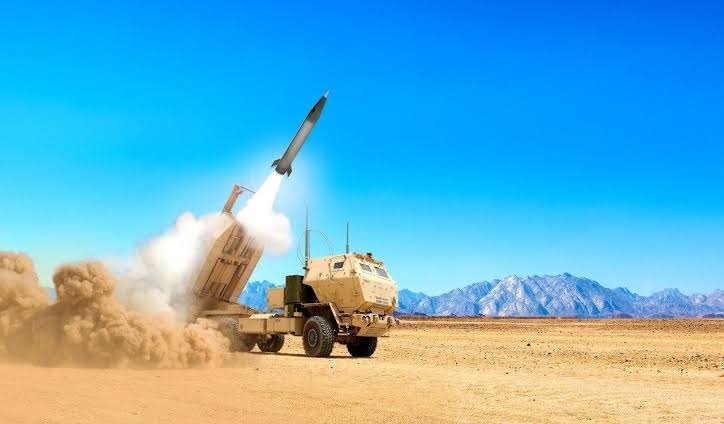 U.S. Army Selects Five Companies to Develop 1,000-Km Precision Strike Missile Prototypes
-
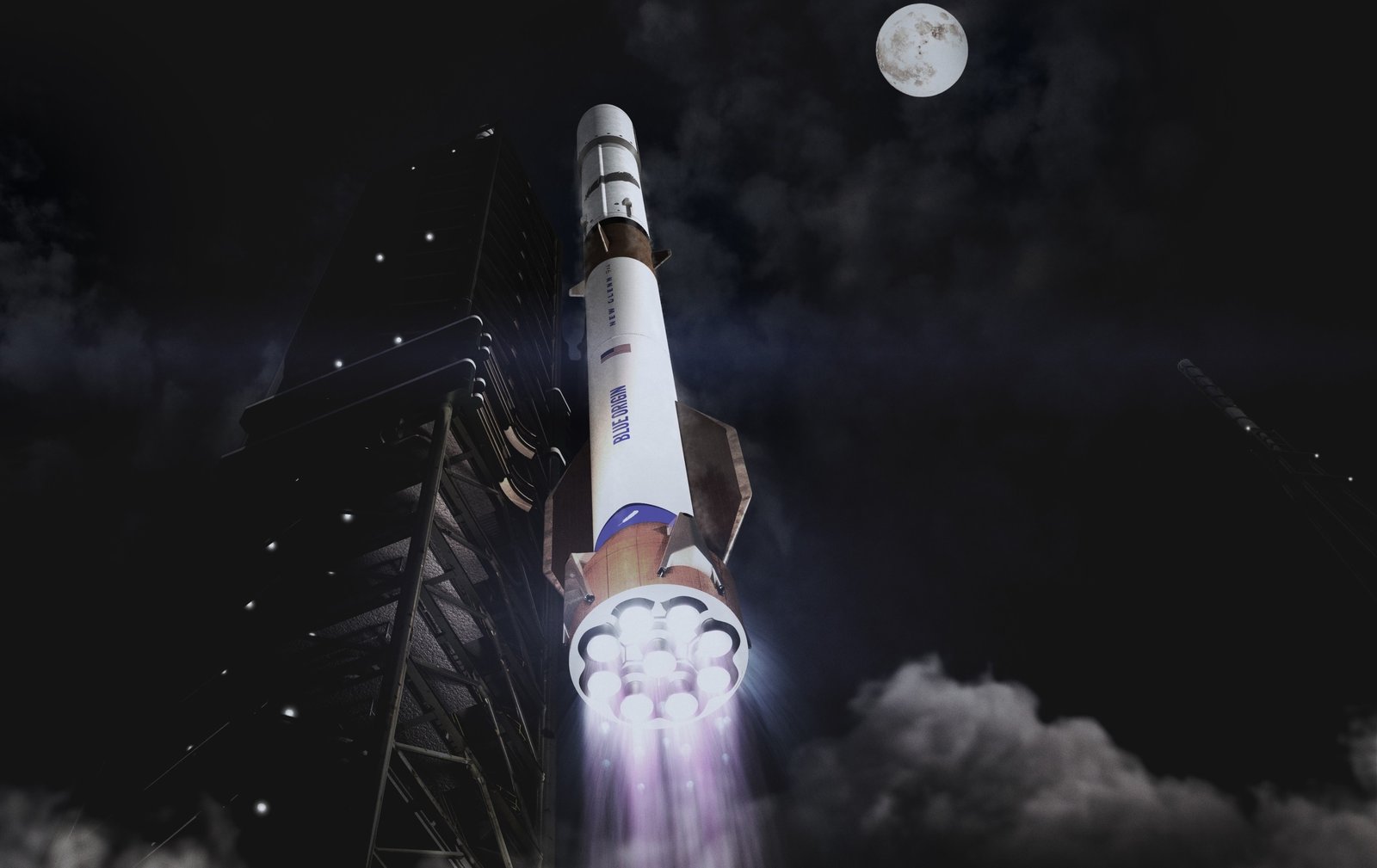 NASA Adds Blue Origin’s Upgraded New Glenn 9×4 to Launch Services Contract
-
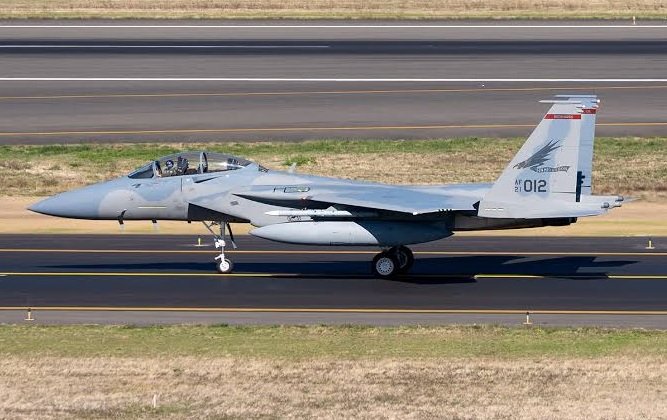 U.S. Air Force Awards Boeing $2.38 Billion Contract for 22 F-15EX Fighter Jets
-
 U.S. Army Awards Heaviside Industries $99 Million Contract for MOTH RF Spectrum Analyzers
Top Trending in 4 Days
-
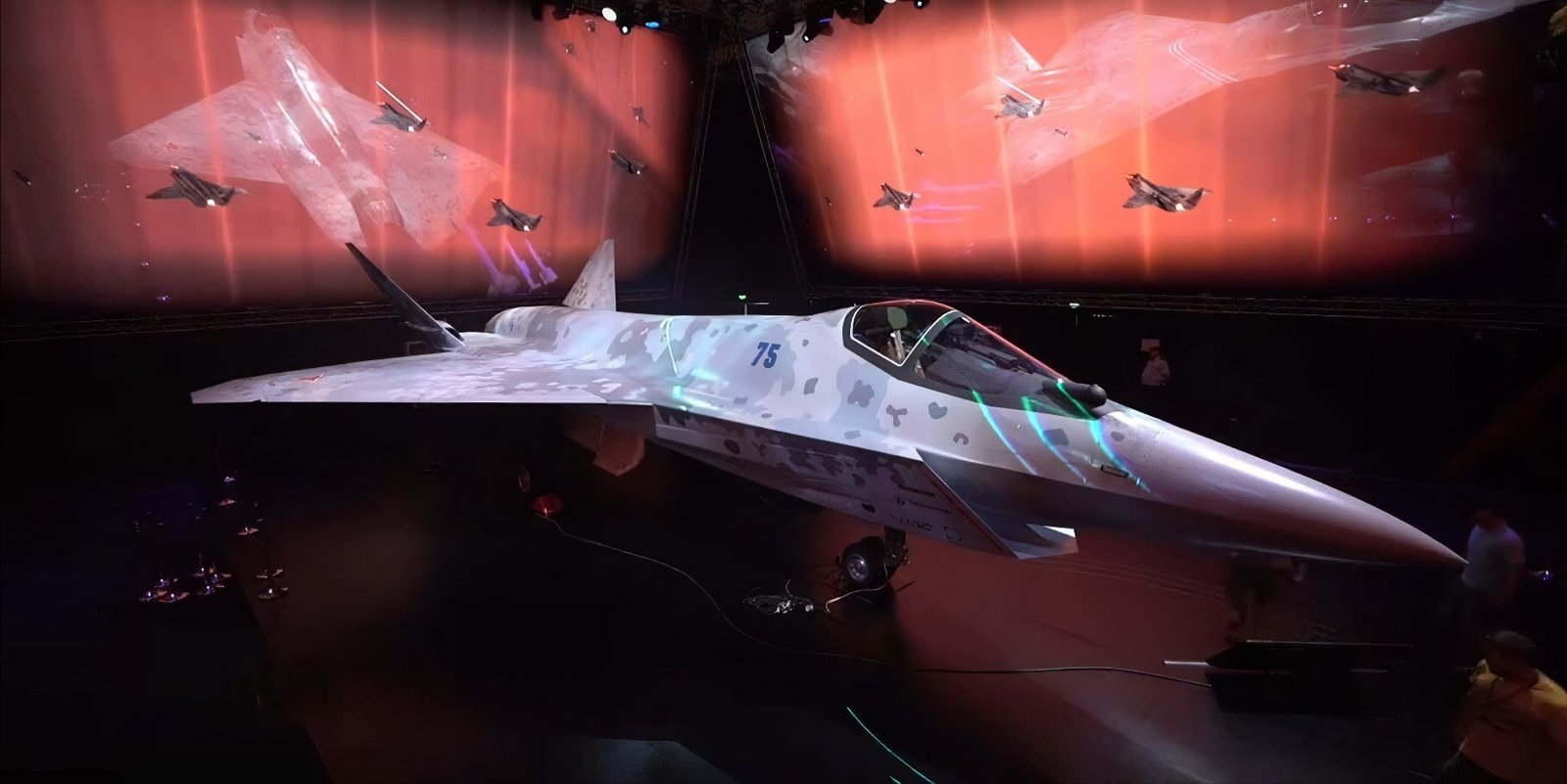 Russia Says Su-75 Checkmate Could Cost Just $25–30 Million, Flight-Hour Costs 6 Times Lower Than F-35
-
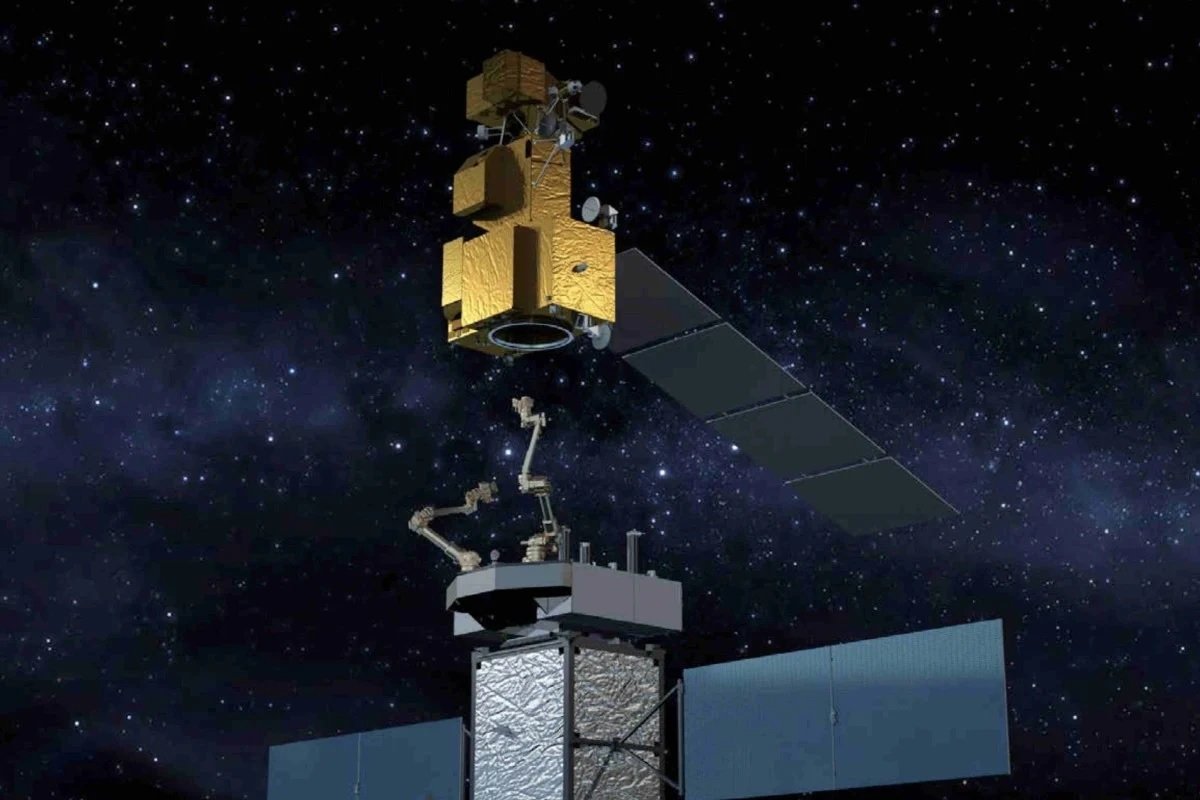 China Reports First High-Orbit Refueling of BeiDou Satellite, but Tracking Data Raise Questions
-
 Eight U.S. Marines Injured in Iranian Missile Strike on U.S Vessel in Strait of Hormuz
-
 UK Offers Nuclear Deterrence for Its Northern European Defence Partners
-
 U.S. and Russia Remove Human-Review Rules From Draft UN AI Weapons Framework
-
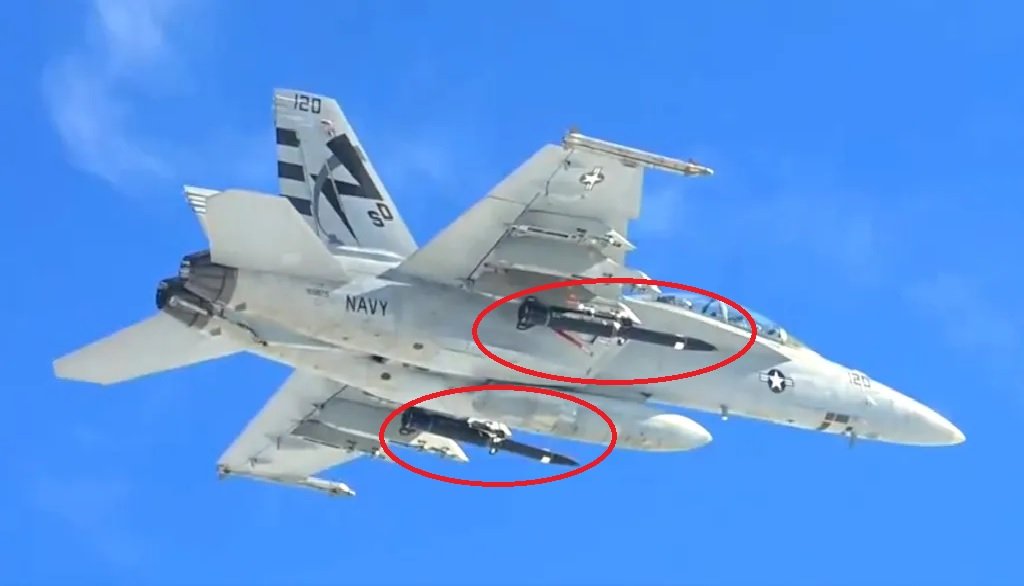 U.S. Navy Begins Flight Testing Blackbeard Hypersonic Missile on F/A-18 Super Hornet
-
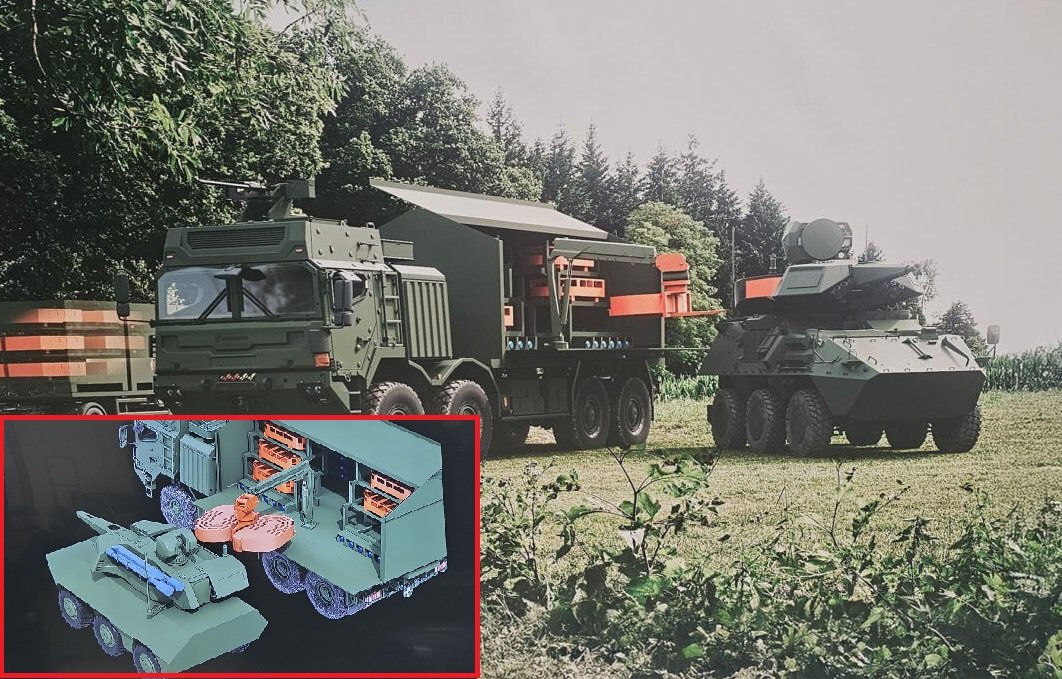 Rheinmetall Develops Automated Reloader for Austrian Skyranger Air Defense System
-
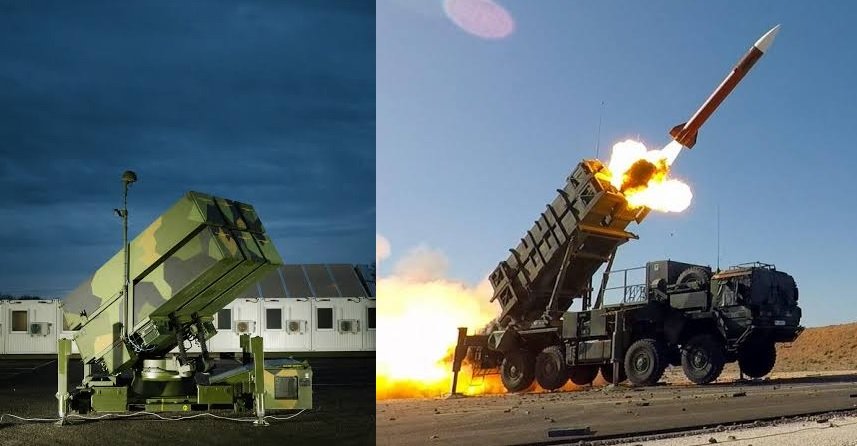 Ukraine Receives New NASAMS Air Defense System and Interceptor Missiles From U.S. and Norway
