Europe
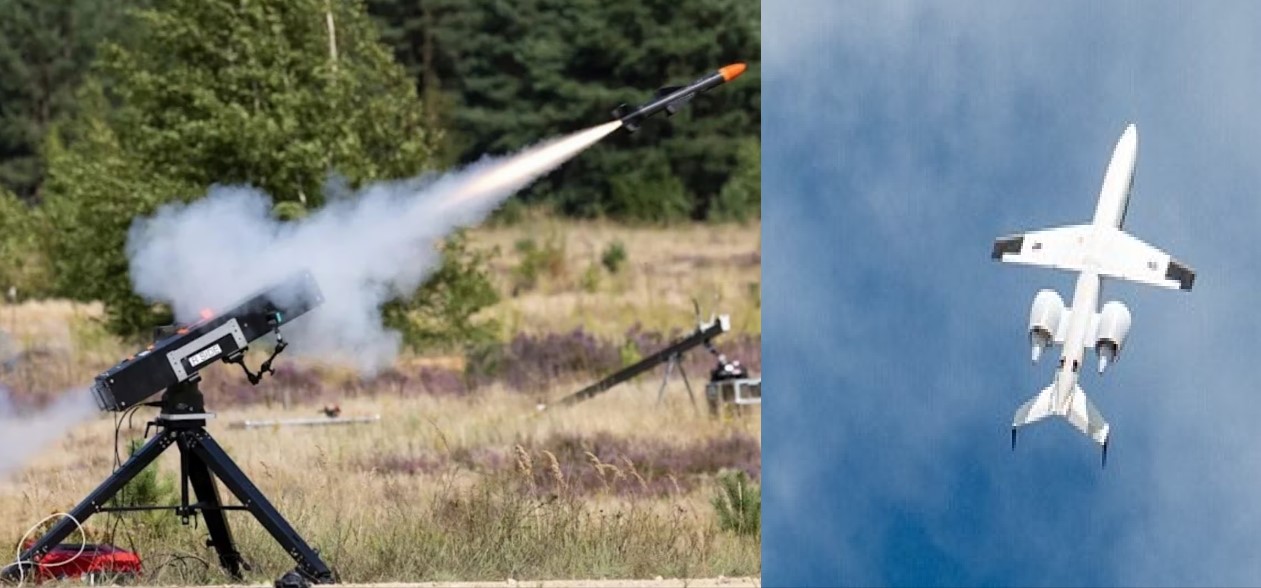
LONDON, United Kingdom — The UK Ministry of Defence (MOD) has awarded £3.16 million in contracts to Frankenberg Technologies, Greenjets, and Cambridge Aerospace to develop low-cost interceptors capable of countering drones and other airborne threats. The contracts are part of the Low-Cost Air Defence Effectors (LCADE) programme, managed by the National Armaments Director (NAD) Group, and mark the UK's first awards under the multinational Low-Cost Effectors and Autonomous Platforms (LEAP) initiative. LEAP is a joint programme involving the UK, France, Germany, Italy, and Poland to develop affordable interceptors and autonomous defence systems. Each country is running its own national competition before moving to a multinational phase, where the most promising designs will be selected for large-scale production across the partner nations. The programme responds to the growing challenge posed by low-cost, mass-produced drones, which can overwhelm traditional air defence systems that are often expensive to operate and slower to replace. The MOD noted that Russia launched the equivalent of more than 200 drones per day into Ukraine during March 2026, highlighting the need for more cost-effective air defence solutions. The three selected companies, all UK-based SMEs, will now develop and test their interceptor designs while expanding domestic manufacturing capabilities. The investment is expected to support jobs in Cambridge, Milton Keynes, Bristol, and Stevenage, with Cambridge Aerospace becoming one of the newer companies to join MOD programmes. The contracts were delivered by Commercial X, a specialist team within the NAD Group that focuses on accelerating defence procurement and increasing participation from smaller companies. The team has previously supported rapid contracting for programmes involving hypersonic weapons and directed energy systems. The UK says the LCADE programme will strengthen national air defence capabilities while supporting the domestic defence industry. Following the development and testing phase, successful designs will be considered for production at scale under the wider LEAP programme to provide affordable air defence systems for allied forces. Source : gov.uk
Read More → Posted on 2026-07-13 13:56:33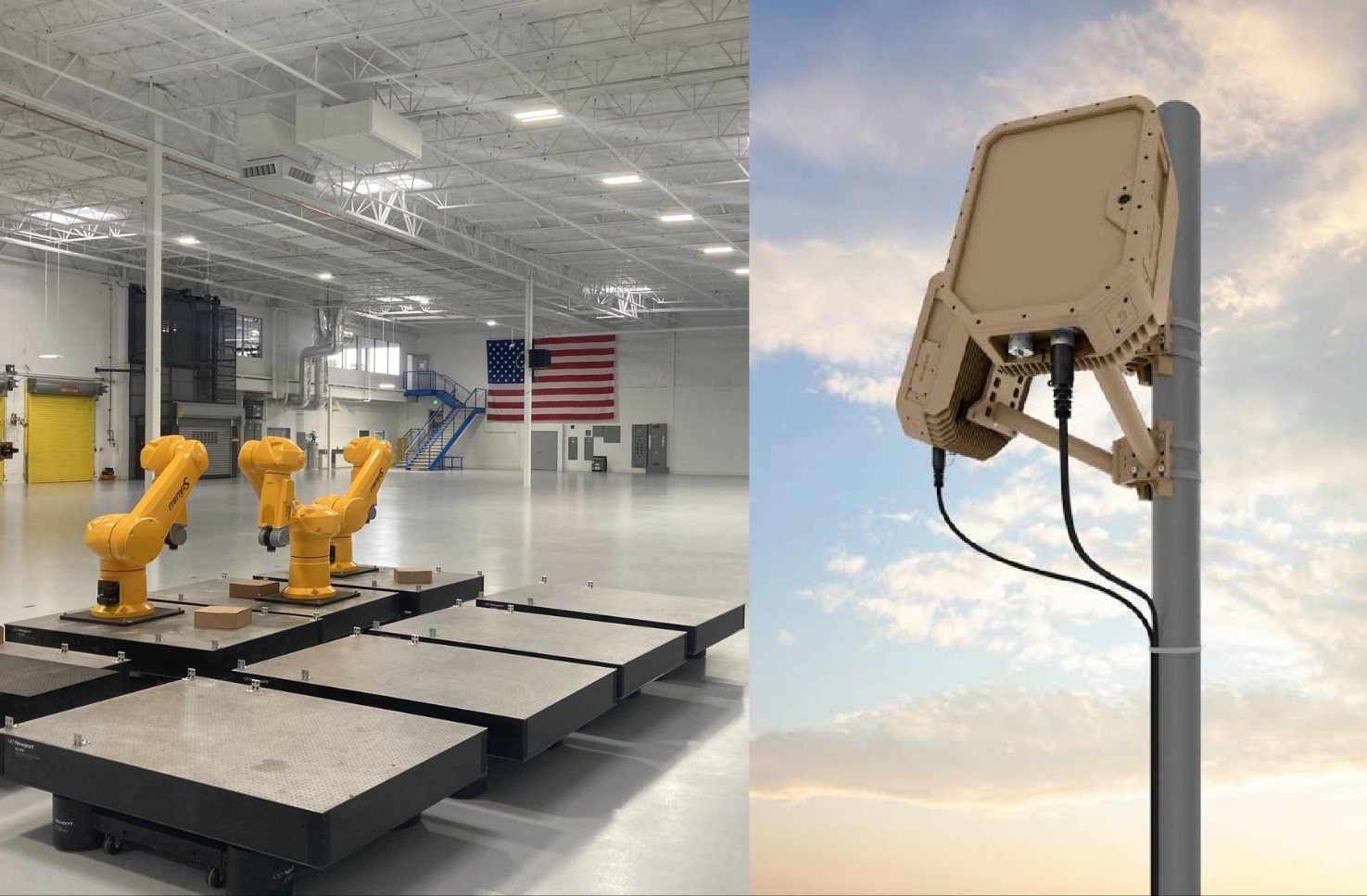
U.S
WOODINVILLE, Wash. — Echodyne has officially opened a new $40 million advanced radar manufacturing facility in Woodinville, Washington, significantly expanding its production capacity to meet increasing demand for counter-unmanned aircraft systems (C-UAS), short-range air defense, and other radar applications from the United States and allied customers. The new 86,350-square-foot facility will serve as Echodyne's dedicated manufacturing and operations hub, enabling end-to-end radar production. Once operating at full capacity, the site will be capable of producing more than 2,500 radars per month, equivalent to over 30,000 radar systems annually. The company said it will gradually transfer all manufacturing operations from its current headquarters in Kirkland to the new Woodinville facility over the coming months. Facility Designed for High-Volume Production The new manufacturing site includes approximately 74,350 square feet dedicated to production and 12,000 square feet for warehousing. According to the company, the layout is designed to support flexible manufacturing across multiple radar models while allowing future expansion for additional product lines. The investment is expected to create more than 100 new jobs initially, with the workforce potentially growing to around 200 positions as production increases. Echodyne currently employs about 260 people across the company. The facility is intended to strengthen domestic manufacturing capacity while supporting long-term production requirements from military, security, and commercial customers. Rising Demand for Counter-Drone Radar Demand for advanced radar systems has increased as drones are being used more widely in both military and civilian applications. Echodyne said its radar systems are seeing growing interest for missions including: Counter-UAS (C-UAS) Short-range air defense Force protection Border security Intelligence, surveillance, and reconnaissance (ISR) Critical infrastructure protection Beyond visual line of sight (BVLOS) operations for autonomous systems Recent conflicts, including the war in Ukraine, have demonstrated how low-cost drones can affect military operations, increasing the need for reliable sensors capable of detecting and tracking small aerial threats. At the same time, commercial drone operations such as infrastructure inspection, emergency response, and future delivery services are driving additional demand for airspace monitoring technologies. CEO Highlights Need for Scalable Manufacturing Commenting on the new facility, Eben Frankenberg, Chief Executive Officer of Echodyne, said growing global demand requires not only high-performance radar systems but also the ability to manufacture them in large numbers. "Our global customer base is demanding more radar to be delivered as fast as possible. Drones are driving significant change in both enabling a drone economy and in defending against nefarious drone use. While radar performance will always be the dominant consideration, product availability both now and in a predictable and consistent manner over time is quickly becoming a requirement for any global supplier. The only way to defend against mass is with mass. That requires not just high-performance economical radars, but the ability to manufacture them at scale." MESA Radar Technology Echodyne's radar systems are based on its patented Metamaterials Electronically Scanned Array (MESA®) technology. Unlike conventional electronically scanned array radars that rely on thousands of phase shifters, the MESA architecture uses a simplified approach to electronically steer radar beams. The design allows the company to manufacture radar systems using standard materials and commercial production processes. According to Echodyne, this approach results in radar systems that are: Smaller and lighter Lower in power consumption Less expensive to manufacture Easier to export Capable of maintaining high radar performance The company said its manufacturing process follows the same principles of simplicity and scalability, using modular production methods that allow output to be adjusted according to customer requirements while maintaining consistent product quality. Expanding Role in Defense Programs Echodyne's radar technology is already integrated into systems developed by several major defense companies, including Anduril, Axon, Moog, and Northrop Grumman. The company was also recently selected as the primary radar supplier for Trust Automation's Small UAS Detection System (SUADS). The system is being delivered under a $490 million indefinite-delivery/indefinite-quantity (IDIQ) contract awarded by the U.S. Air Force. Founded in 2014 after being spun out from Intellectual Ventures, Echodyne has focused on developing compact electronically scanned radar systems for defense, security, and commercial markets. Strengthening U.S. Radar Manufacturing With the opening of its new Woodinville manufacturing hub, Echodyne is increasing domestic production capacity for advanced radar systems while preparing to meet growing demand from military, security, and commercial operators. The company expects to continue expanding its workforce and manufacturing output as production ramps up and customer requirements increase. Source : echodyne
Read More → Posted on 2026-07-13 13:09:50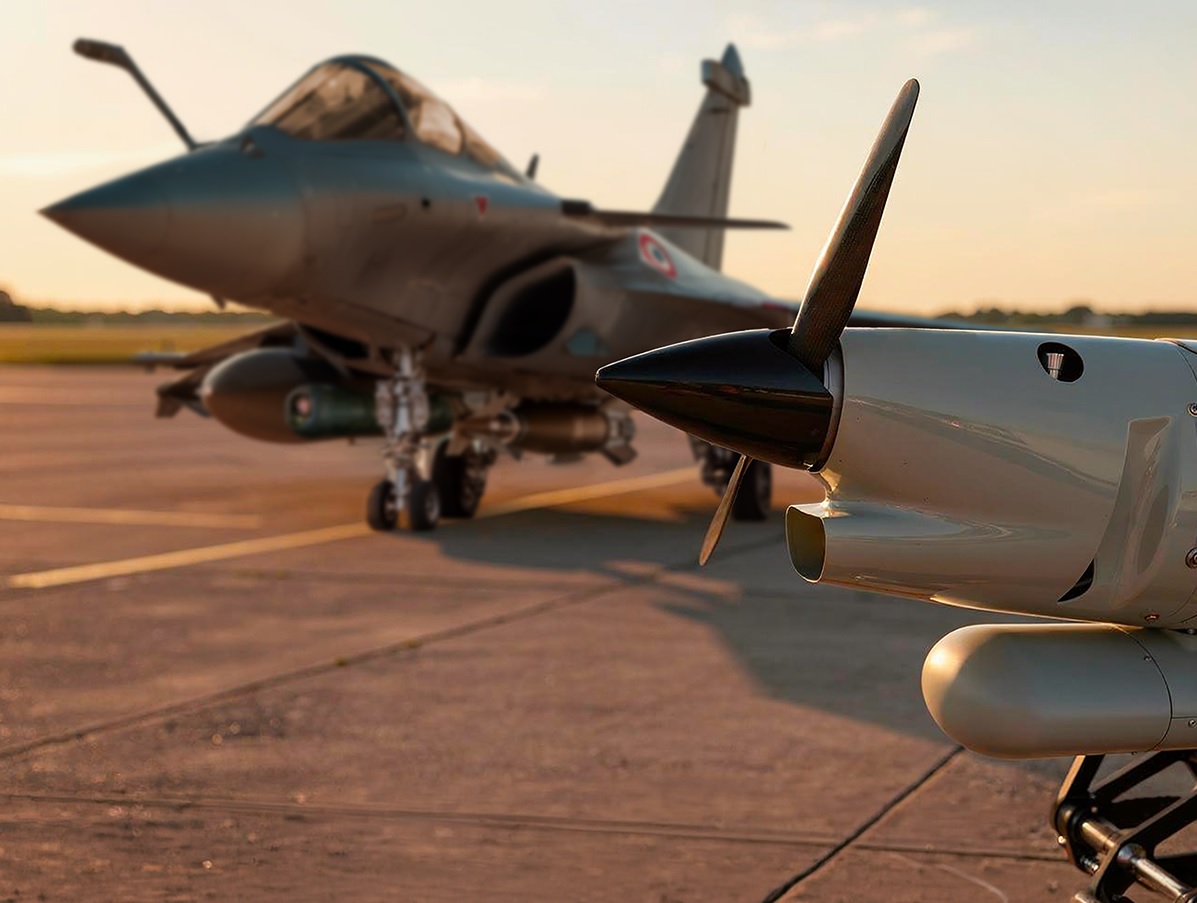
Europe
PARIS — Dassault Aviation and Harmattan AI have successfully completed an in-flight demonstration of the new NAMIB electronic warfare payload, showing how an unmanned aerial system (UAS) can work alongside a Rafale F4 fighter during a collaborative combat mission. The flight test, announced by the two French companies on Monday, demonstrated the integration of the jointly developed NAMIB payload with the Rafale F4. The system is designed to detect, identify, and geolocate electromagnetic emissions, particularly those generated by enemy air defense systems. During the demonstration, a drone equipped with the NAMIB payload detected and accurately geolocated a radar located several dozen kilometers away without revealing its position. The unmanned system then transmitted the target's coordinates to the Rafale F4, which used the information to carry out a simulated strike on the radar site. The test demonstrated how unmanned systems can provide electronic warfare and targeting support to crewed combat aircraft during military operations. NAMIB has been designed for use on multiple drone platforms, including lightweight tactical quadcopters and longer-endurance fixed-wing unmanned aircraft. This flexibility allows the payload to be deployed across different mission profiles depending on operational requirements. Development of the NAMIB payload began in January 2026 as part of a strategic partnership between Dassault Aviation and Harmattan AI. The collaboration focuses on integrating advanced autonomy and artificial intelligence into future air combat systems while improving cooperation between crewed and uncrewed platforms. Eric Trappier, Chairman and CEO of Dassault Aviation, said the demonstration confirmed the Rafale F4's collaborative combat capabilities across multiple operational domains. "This flight demonstrates the Rafale's real and tangible multi-domain collaborative combat capabilities. The F4 standard architecture enables seamless communication with a very broad range of operational assets, including ground forces, allowing it to effectively leverage new capabilities, such as NAMIB's electromagnetic detection and geolocation functions," Trappier said. He added that the demonstration also showed the Rafale's continued adaptation to changing operational requirements through a "high-low mix," combining advanced combat aircraft with autonomous and expendable systems. Mouad M'Ghari, Co-Founder and CEO of Harmattan AI, said electronic warfare has become increasingly important in modern military operations. "Electronic warfare has become a decisive factor in achieving operational superiority. Through NAMIB, we are demonstrating that these capabilities can now be deployed on lightweight autonomous systems operating close to the threat. This achievement highlights the complementary strengths of Dassault Aviation and Harmattan AI, combining decades of experience in air combat systems with our expertise in autonomy and embedded intelligence. Together, we are demonstrating that it is possible to accelerate the integration of disruptive technologies for the benefit of the armed forces and lay the groundwork for the collaborative combat architectures of tomorrow." The NAMIB program is part of broader efforts to enhance cooperation between manned fighters and autonomous systems in future military operations. Such collaborative concepts are intended to improve situational awareness, electronic warfare capabilities, and targeting efficiency while reducing risk to crewed aircraft. Founded in 2024, Harmattan AI develops autonomous robotic defense systems for missions including air defense, intelligence, surveillance and reconnaissance (ISR), strike, electronic warfare, and command and control. The company develops technologies for operations in contested environments and works with partners in the United States, Europe, the Middle East, and Africa. Dassault Aviation has more than 110 years of aerospace experience and has delivered over 10,000 military and civil aircraft to customers in more than 90 countries. Its product portfolio includes the Rafale fighter aircraft, Falcon business jets, military unmanned systems, and space programs. In 2025, the company employed approximately 15,000 people and reported €7.4 billion in revenue. The successful demonstration marks another step in integrating unmanned electronic warfare systems with crewed combat aircraft, supporting the development of collaborative combat capabilities for future air forces. Source : harmattan
Read More → Posted on 2026-07-13 12:11:33
U.S
RESTON, Va. — SES Space & Defense has been awarded a five-year Blanket Purchase Agreement (BPA) by the U.S. Space Force's Space Systems Command to provide managed Ku-band satellite communications services for the U.S. Department of Defense. The agreement is intended to simplify and speed up the procurement of secure satellite connectivity for military operations worldwide. Under the BPA, all branches of the U.S. military will be able to access managed Ku-band satellite communications for operations in remote and challenging environments where traditional cellular or terrestrial communication networks are unavailable. The agreement enables military users to obtain secure, high-speed satellite connectivity through a streamlined purchasing process. The services will operate over Ku-band satellites, which are widely used for broadband communications because of their broad geographic coverage, reliable performance, and ability to support high-speed data transmission across long distances. Managed Services Included Under the Agreement The contract provides military customers access to SES Space & Defense's managed Flex portfolio, which includes services designed for different operational requirements. FlexMove provides satellite connectivity for personnel operating on the move as well as those working from temporary or fixed locations in areas without conventional communications infrastructure. FlexGovSecure delivers protected government communications by incorporating Transmission Security (TRANSEC) technology. TRANSEC is designed to conceal communication signals, reducing the risk of signal detection, tracking, interception, or unauthorized access during sensitive operations. FlexAir is an aviation-focused satellite communications service developed in partnership with Satcom Direct Government (SDG), a Gogo company. Under the agreement, SDG will provide inflight connectivity using its proprietary Gogo Plane Simple Ku-band antenna terminals for military aircraft. Supporting Military Communications The BPA reflects the U.S. government's continued use of commercially managed satellite communication services to support defense operations. Instead of building and maintaining dedicated satellite communication infrastructure, military organizations can access commercial satellite networks that are already operational. This approach allows the Department of Defense to obtain satellite connectivity more quickly while reducing the costs and complexity associated with operating proprietary communication systems. David Broadbent, President and CEO of SES Space & Defense, said managed services such as Flex give military customers access to advanced SATCOM capabilities without the expense and operational burden of maintaining their own infrastructure. "Managed services like Flex provide access to advanced SATCOM capabilities without the cost and complexity of maintaining proprietary infrastructure," Broadbent said. "The managed service allows our customers to focus on mission objectives while leveraging industry speed, innovation, and efficiency." Hayden Olson, Head of SDG, said the partnership will support reliable communications for military aviation missions. "Our Plane Simple Ku-band antennas and extensive understanding of military expectations and requirements position us to support SES in delivering seamless, resilient, high-speed global connectivity to support mission-driven solutions," Olson said. SES Space & Defense's Role SES Space & Defense is a wholly owned subsidiary of global satellite operator SES and operates under a proxy board that enables it to manage classified projects and develop secure satellite network solutions for the U.S. government. The company has supported U.S. government satellite communications programs for nearly 60 years. Its parent company, SES, is headquartered in Luxembourg and operates a fleet of more than 70 satellites in geostationary (GEO) and medium Earth orbit (MEO), providing data connectivity and video services worldwide. The newly awarded five-year BPA positions SES Space & Defense to continue supplying secure, resilient, and high-speed satellite communications for U.S. military personnel conducting operations in remote locations and during mobile deployments around the world. Source : satellitetoday
Read More → Posted on 2026-07-13 12:02:42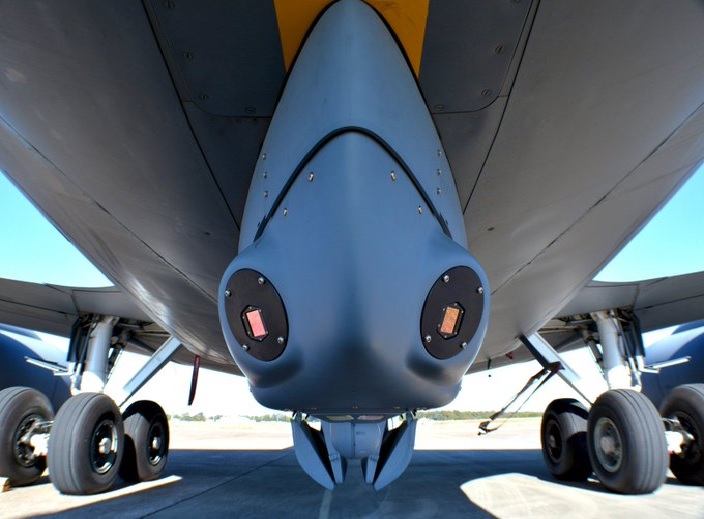
U.S. Air Force Awards Northrop Grumman $60.4 Million Contract to Develop Advanced LAIRCM ODIN Sensor
U.S
ROLLING MEADOWS, Ill. — Northrop Grumman Systems Corporation has received a $60.4 million U.S. Air Force contract to develop an advanced sensor for the Large Aircraft Infrared Countermeasures (LAIRCM) system, expanding the defensive capabilities of military aircraft against evolving airborne and battlefield threats. The $60,438,241 cost-plus-fixed-fee task order was awarded by the Air Force Life Cycle Management Center (AFLCMC) at Wright-Patterson Air Force Base, Ohio. Under the contract, Northrop Grumman will develop the Optical Detection and Identification Node (ODIN), an upgraded sensor designed for the AN/AAQ-24(V) LAIRCM system. The development, integration, and testing work will be carried out at the company's facility in Rolling Meadows, Illinois, with the project scheduled for completion by April 30, 2029. ODIN to Expand LAIRCM Defensive Capabilities The AN/AAQ-24(V) LAIRCM is a Directional Infrared Countermeasure (DIRCM) system used on large transport aircraft and rotary-wing platforms. It combines an Infrared Missile Warning System (MWS) with an infrared laser jammer to automatically detect, track, and defeat incoming infrared-guided missiles, improving aircraft survivability in hostile environments. Under the new contract, Northrop Grumman will upgrade the existing infrared missile warning sensor into the production-ready Optical Detection and Identification Node (ODIN). The upgraded sensor will add three new capabilities to the current system: Hostile Fire Indication (HFI): Detects and alerts aircrews to incoming small-arms fire and anti-aircraft artillery. Laser Warning (LW): Detects when an aircraft is being illuminated or targeted by laser-guided weapon systems. Counter Small Unmanned Aerial Systems (C-SUAS) Detection: Identifies and tracks small unmanned aerial systems, including drone threats. These additions are intended to improve situational awareness and provide aircrews with earlier warning against a broader range of threats beyond infrared-guided missiles. Cost-Type Contract Selected for Development Work The U.S. Air Force awarded the program as a cost-plus-fixed-fee contract because of the engineering complexity involved in integrating the new capabilities into the existing LAIRCM sensor architecture. Government contracting documents stated that uncertainties associated with the development process made it difficult to accurately estimate costs under a fixed-price arrangement. The award was issued as a sole-source acquisition, reflecting Northrop Grumman's long-standing role as the developer and manufacturer of the LAIRCM system. At the time of contract award, the U.S. Air Force obligated $11.2 million in Fiscal Year 2026 Research, Development, Test and Evaluation (RDT&E) funding to begin the project. Long-Service Aircraft Protection System Northrop Grumman has supported the LAIRCM program for many years. According to the company, its DIRCM systems protect more than 1,500 aircraft across fixed-wing, rotary-wing, and tilt-rotor platforms. The LAIRCM system is installed on several U.S. military aircraft, including the C-17 Globemaster III, C-130 Hercules, C-5 Galaxy, and various military helicopters. Its modular design allows integration across different aircraft types while providing protection against infrared-guided missile threats. In many configurations, the system uses directed infrared laser energy to defeat incoming missiles without relying on pyrotechnic flares. The new ODIN sensor development is expected to further strengthen the LAIRCM system by expanding its ability to detect missile launches, hostile gunfire, laser targeting, and small unmanned aerial threats, supporting aircraft survivability in increasingly complex operational environments. Source : highergov
Read More → Posted on 2026-07-13 11:51:07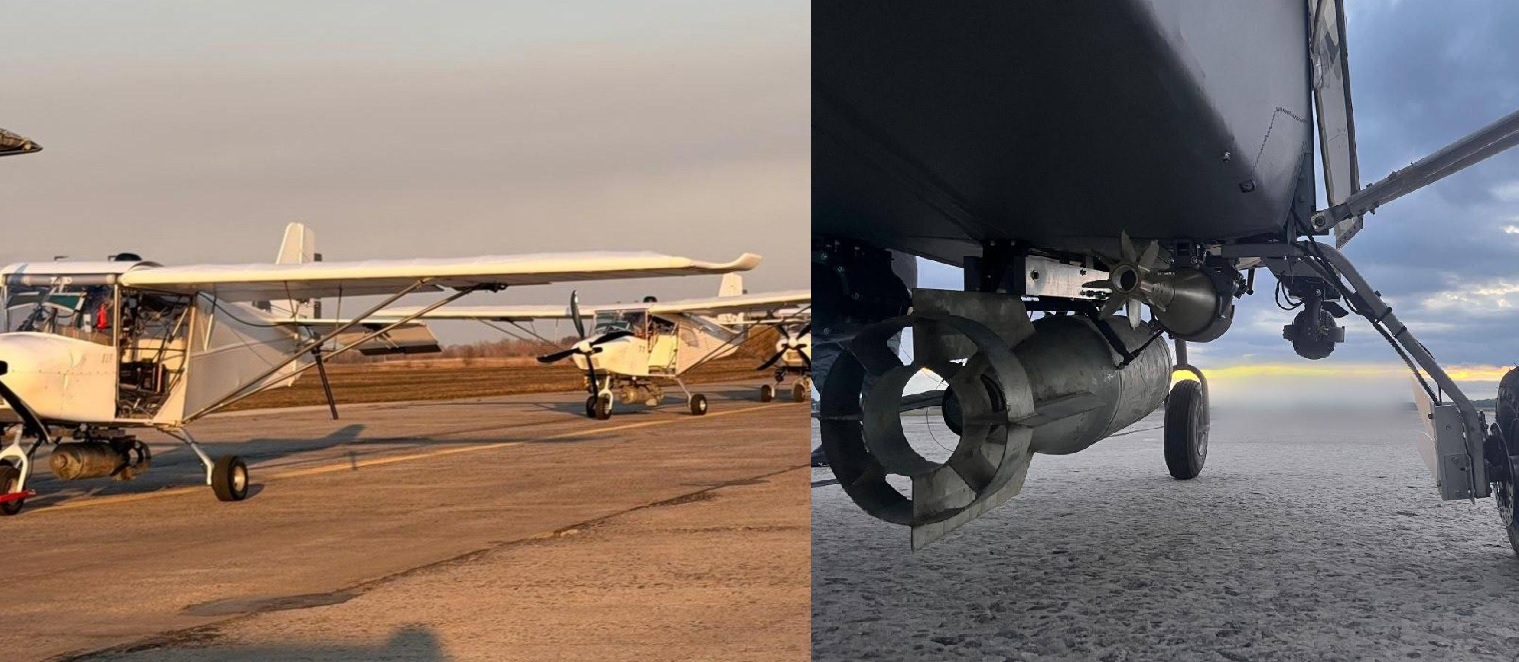
World
KYIV — Ukraine has reportedly carried out its first coordinated mass strike using a squadron of converted civilian light aircraft operating as remotely piloted bombers, targeting an underground Russian logistics facility in the occupied Crimean city of Armyansk. The operation was disclosed by Serhii Sternenko, a Ukrainian civil activist who advises Ukraine's Defense Ministry on drone warfare. Sternenko shared photographs showing at least ten modified aircraft equipped with Soviet-designed high-explosive bombs and described the images as historic. "Tonight the planes flew and bombed an underground logistics hub in Armyansk, that is, Crimea," Sternenko wrote while posting the photographs. Neither Ukraine's military nor the Defense Ministry has officially confirmed the operation, the number of aircraft involved, or the extent of the reported damage. Independent battle damage assessments have also not been released. Underground Logistics Hub Targeted The reported strike targeted an underground logistics facility in Armyansk, a city located near the Perekop Isthmus, the narrow land corridor connecting Crimea with mainland territory controlled by Russian forces. The area plays an important role in Russian military logistics, serving as a key route for transporting troops, fuel, ammunition, and military equipment into Crimea. Its importance has increased after repeated Ukrainian strikes damaged other transport links, including the Kerch Bridge. Underground logistics sites are designed to protect military supplies from aerial surveillance and conventional air attacks by placing storage and distribution facilities below ground. Civilian Aircraft Converted Into Remote-Controlled Bombers The aircraft used in the reported operation are based on the Skyranger Swift and Nynja ultralight aircraft, both of which are normally sold as commercial kits for recreational aviation. To convert them for military use, Ukrainian engineers remove the cockpit controls and install camera systems, communication equipment, and remote-control electronics. The modifications allow operators on the ground to fly the aircraft remotely while carrying aerial bombs beneath the fuselage. Unlike smaller commercial drones, these aircraft can transport much heavier payloads over longer distances while remaining significantly cheaper than purpose-built military strike drones. Aircraft Capabilities The Skyranger family is typically powered by Rotax 912 engines producing either 80 or 100 horsepower. Depending on configuration, the aircraft can carry payloads of up to approximately 330 kilograms (730 pounds). Models fitted with larger fuel tanks are capable of flying for around three hours at speeds approaching 160 kilometers per hour (100 mph). Commercial kits for these aircraft cost tens of thousands of dollars, making them a relatively low-cost platform compared with military unmanned aircraft systems that can cost several million dollars. Program Expanded From Individual Missions Ukraine has been using converted civilian light aircraft for long-range strike missions since at least April 2024. During that period, images emerged showing a downed Skyranger-based aircraft carrying an OFAB-100-120 bomb, a Soviet-designed 100-kilogram aerial bomb originally developed for combat aircraft such as the Su-25 and MiG-29. The weapon contains approximately 42 kilograms of high explosive. Around the same time, a modified Aeroprakt A-22 Foxbat light aircraft configured for one-way attack missions was reportedly used to strike a military production facility in Russia's Tatarstan region. Over the following two years, the program evolved from one-way attack aircraft into reusable remotely piloted bombers. By early 2025, Ukrainian units were reportedly using the aircraft for nighttime strikes, dropping payloads of up to 250 kilograms against Russian infrastructure, including oil pumping facilities in the Bryansk region. According to reports from Ukrainian units, some aircraft are capable of carrying combinations of aerial bombs and mortar shells on multiple hardpoints before returning to base after completing their missions. Larger Coordinated Operations Previous confirmed sightings of these converted bomber aircraft generally involved a single aircraft operating independently. The appearance of at least ten modified aircraft in photographs shared after the reported Armyansk strike suggests Ukraine has expanded production and assembly of the platforms and may now be capable of conducting coordinated squadron-level operations using converted civilian aircraft. While Ukrainian authorities have not officially confirmed operational details, the reported strike reflects Ukraine's continued use of commercially available technology adapted for military purposes. The approach aims to provide long-range strike capability at significantly lower cost than conventional military aircraft or advanced unmanned systems. Source : Valhalla / defence-blog
Read More → Posted on 2026-07-13 11:43:12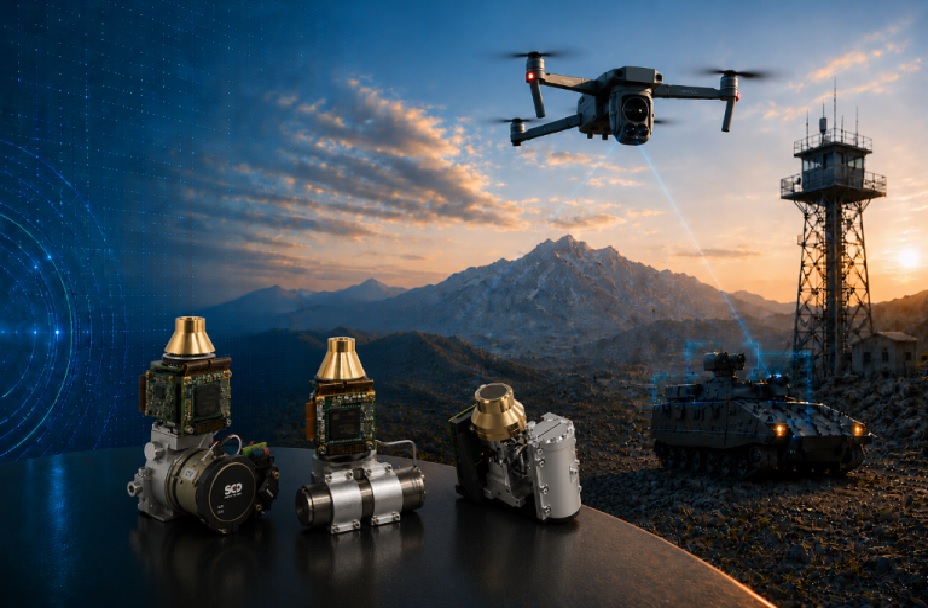
World
Haifa, Israel — Israeli infrared technology company Semi Conductor Devices (SCD) has secured three multi-million-dollar contracts from international defense customers for the supply of its High Operating Temperature (HOT) High-Definition (HD) Mid-Wave Infrared (MWIR) detectors. The detectors will be integrated into a range of defense and security systems, including next-generation counter-unmanned aerial systems (C-UAS), long-range surveillance platforms, border protection networks, homeland security systems, armored fighting vehicles (AFVs), and critical infrastructure protection. The new contracts reflect growing demand for advanced infrared sensing technologies that support continuous operation, long-range target detection, and reliable performance in demanding environments. HOT MWIR Technology Reduces Cooling Requirements SCD's fourth-generation HOT MWIR technology enables infrared detectors to operate at higher temperatures while maintaining high thermal sensitivity and image quality. Operating at higher temperatures reduces the cooling requirements of the detector, allowing system designers to develop lighter and more efficient payloads while improving overall reliability and operational availability. When combined with long-life cooling systems and integrated detector assemblies, the technology provides a longer mean time between failures and lowers maintenance requirements. These advantages are particularly important for platforms that require continuous operation, such as counter-drone systems, armored vehicles, border surveillance networks, and infrastructure protection systems. The high-definition MWIR detectors also provide improved capability to detect, classify, and track small or distant targets under challenging operating conditions, supporting faster and more accurate situational awareness. Vertically Integrated Manufacturing Supports Large Programs SCD manufactures its infrared detectors through a fully integrated production process that includes semiconductor manufacturing, detector fabrication, Dewar packaging, optical integration, cooled detector assembly, and long-life cooling technologies. According to the company, this manufacturing approach enables it to produce and deliver thousands of cooled MWIR detectors every month, providing the production capacity required for large-scale defense programs while maintaining supply continuity. SCD, headquartered at Leshem Industrial Park near Misgav in northern Israel, has more than four decades of experience in infrared detector technology and serves defense, homeland security, and industrial customers worldwide. The company also operates a U.S. subsidiary in Colorado Springs. CEO Highlights Demand for Reliable Production Kobi Zaushnizer, Chief Executive Officer of SCD, said customers are increasingly evaluating manufacturers not only on technical performance but also on their ability to provide stable, long-term production. "These orders reflect the growing demand for mature, production-ready HOT MWIR technology. Today's customers are looking beyond detector performance. They need a trusted partner with the proven ability to deliver advanced technology at scale, while maintaining the quality, reliability, and supply continuity required for long-term defense programs." Zaushnizer added that the new contracts strengthen SCD's position as a technology and manufacturing leader in the global infrared detector market. Recent Business Activity The latest contracts follow several recent developments for the company. Earlier this month, SCD signed a separate multi-million-dollar agreement with an Asian government space agency to supply space-qualified short-wave infrared (SWIR) and MWIR detectors for satellite imaging payloads. In June 2026, the company also expanded its infrared sensing portfolio with new modules designed for guided weapons, autonomous systems, and loitering munitions operating in highly dynamic environments. The latest orders further expand SCD's role in supplying infrared detector technologies for defense, surveillance, border security, and homeland security applications worldwide. Source : edrmagazine
Read More → Posted on 2026-07-13 11:25:48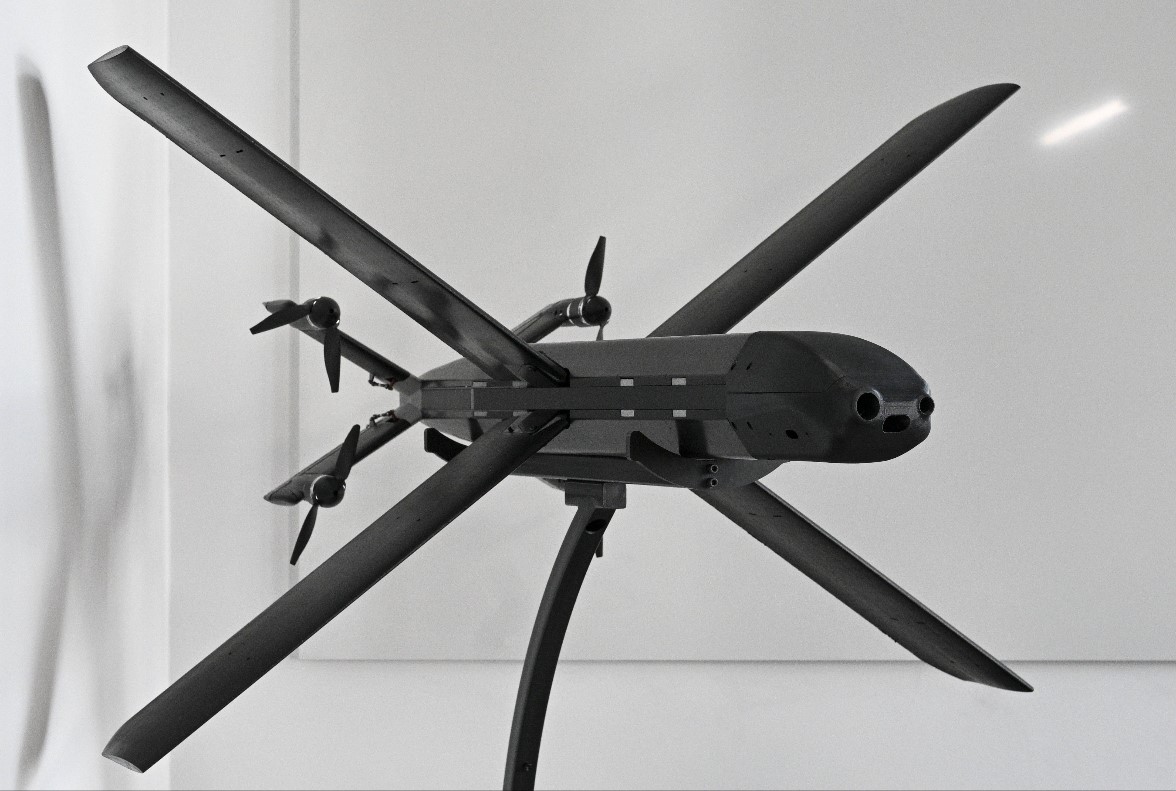
World
MUNICH — German defense technology company Helsing SE is mass-producing artificial intelligence-powered strike drones for Ukraine at a highly secured and undisclosed manufacturing facility in southern Germany, reflecting Europe's growing focus on software-driven and autonomous defense systems. According to a report published by The New York Times on July 11, the factory operates under strict security due to concerns over potential sabotage. The exact location has not been made public, and the site carries no company branding. Employees undergo extensive background checks, sign non-disclosure agreements (NDAs), and many previously worked in Germany's automotive industry. The facility is designed as a "Resilience Factory," allowing production to continue even under security threats. Helsing says the factory can be dismantled and relocated within 24 hours if necessary. HX-2 AI Strike Drone The factory's primary product is the HX-2 loitering munition, also known as the HX-2 Karma. The lightweight drone weighs about 12 kilograms (26 pounds) and is built using rigid black foam and composite materials. Designed for precision strikes, the HX-2 carries an armor-penetrating warhead capable of engaging heavy artillery, armored vehicles, and other military targets. Each drone costs approximately €17,500, making it significantly less expensive than many traditional precision-guided weapons. The HX-2 can travel at speeds exceeding 200 km/h and has an operational range of up to 100 kilometers. AI Navigation Designed for Electronic Warfare A key feature of the HX-2 is its onboard artificial intelligence system. Integrated with Helsing's Altra reconnaissance-strike software, the drone uses machine vision, visual image recognition, and stored terrain maps to navigate without relying on GPS. This enables the drone to continue operating in environments where GPS signals and communications are disrupted by electronic warfare systems. Although the drone can independently navigate toward its target, a human operator remains responsible for authorizing the final strike. Helsing says soldiers typically require about one week of training to operate the system. The Altra software also supports coordinated swarm operations, allowing a single operator to manage multiple drones during a mission. Production Expanding for Ukraine The Resilience Factory has an initial production capacity of more than 1,000 HX-2 drones per month. Thousands of Helsing drones have already been delivered to Ukraine and have reportedly been used in combat since late 2024. In addition to earlier deliveries, Helsing agreed in early 2025 to supply 6,000 additional HX-2 drones to Ukraine. The agreement followed previous deliveries of around 4,000 HF-1 loitering munitions, a related lower-cost drone developed in cooperation with Ukrainian manufacturers. Germany has funded many of these systems. Helsing co-founder and co-CEO Gundbert Scherf, a former adviser to Germany's Defense Ministry, said the HX-2 has achieved a mission success rate of around 70% during operations in Ukraine. Battlefield video collected after missions is used by engineers to improve the drone's software and adapt it to evolving battlefield conditions. A Different Approach to Defense Manufacturing Founded in Munich in 2021, Helsing was established by Torsten Reil, Gundbert Scherf, and Niklas Köhler. The company initially focused on artificial intelligence software for military applications before expanding into the design and production of autonomous defense systems. Helsing states that it supplies its products only to democratic governments. The company has expanded rapidly with venture capital backing. It raised a major funding round led by Prima Materia, the investment firm founded by Spotify co-founder Daniel Ek, and has since been reported to be valued at around $18 billion following a $1.2 billion funding round. Its workforce includes engineers and specialists recruited from technology companies including Apple, Tesla, and Palantir. Shift Toward AI and Autonomous Systems Helsing's production model reflects a broader change in defense procurement, where governments are increasingly investing in lower-cost, software-defined autonomous systems alongside traditional military platforms. Instead of relying solely on long development programs for expensive aircraft, tanks, and other major weapons, companies such as Helsing are focusing on rapidly produced systems that can be continuously updated using operational data. The Russia-Ukraine war has accelerated demand for these technologies, with battlefield feedback helping developers improve software performance through regular updates. The trend is also reflected in government spending. The United States has proposed significant funding for AI-enabled and unmanned military capabilities as part of its future defense planning, while the European Union has launched programs supporting artificial intelligence defense technologies. Future Development Beyond the HX-2, Helsing is developing the CA-1 Europa, an autonomous unmanned combat aerial vehicle (UCAV) intended to operate as an AI-enabled combat aircraft. The carbon-fiber aircraft is expected to have an operational range of up to 1,800 kilometers, with deployment targeted around 2029. The company also plans to establish additional production facilities across Europe as demand for autonomous defense systems continues to grow. Source : nytimes
Read More → Posted on 2026-07-12 15:31:53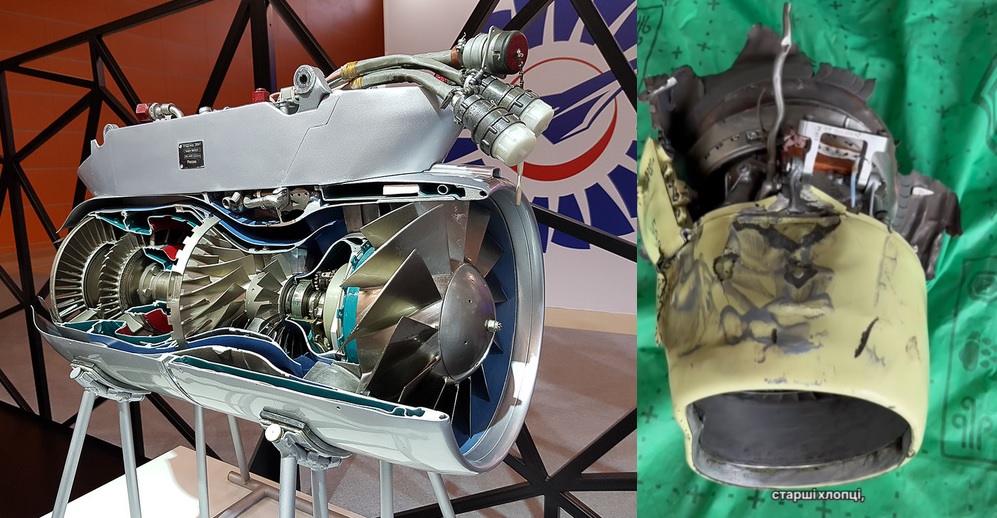
Europe
KYIV — Russia appears to have begun equipping its Kh-101 long-range cruise missiles with a new propulsion system that includes components produced using single-crystal 3D metal printing technology, according to recent analysis of recovered missile fragments. The latest findings are based on an engine fragment reportedly manufactured in late 2025. A video overview of the component was recently published by facebook user Zampotekh Omelyanovich. Specialists are expected to examine the recovered turbine blades to determine the manufacturing process used and assess how the technology was implemented. Advanced Engine Technology The reported engine incorporates single-crystal turbine blades produced through advanced metal 3D printing. Unlike conventional turbine blades, single-crystal components eliminate grain boundaries within the metal, improving structural strength, heat resistance, and corrosion resistance. These properties allow jet engines to operate at higher temperatures and with greater efficiency, extending service life and improving overall performance. Historically, single-crystal turbine blade technology has been associated with a limited number of aircraft engine manufacturers, including U.S.-based General Electric and the UK's Rolls-Royce. Analysts cited in the assessment suggest that the upgraded propulsion system could allow the Kh-101 to regain a maximum flight range of up to 5,500 kilometers while continuing to carry a heavier warhead. Engine Upgrade Linked to Heavier Warhead The reported engine upgrade follows significant modifications made to the Kh-101 missile since early 2024. Russia has been equipping some Kh-101 missiles with a dual tandem warhead, increasing the explosive payload from approximately 450 kilograms to around 800 kilograms. The larger warhead required engineers to reduce the missile's internal fuel capacity, lowering its estimated operational range from about 5,500 kilometers to roughly 2,500 kilometers. The additional weight also affected the missile's speed and flight performance. The new propulsion system is therefore viewed as an effort to offset these performance losses by providing greater engine efficiency and restoring long-range strike capability while accommodating the increased payload. Development Dates Back to 2017 Russia's interest in applying single-crystal technology to cruise missile engines is not new. Reports published in 2017 indicated that Russian industry planned to introduce the technology into the TRDD-50 family of small turbofan engines, including the TRDD-50A and TRDD-50AT variants used in the Kh-55, Kh-555, and Kh-101 cruise missiles. The research and development work has been linked to NPO Salyut and the All-Russian Institute of Aviation Materials (VIAM). Previous Production Challenges The reported introduction of the new engine also follows earlier indications of production difficulties. During 2024, analysts reported that some Kh-101 missiles had been fitted with older Soviet-era R-95-300 engines instead of the standard Russian-built TRDD-50A engines. The first documented case was recorded following a missile strike on November 17, 2024, when recovered debris showed a modern Kh-101 equipped with the legacy Soviet engine. The use of older engines was viewed by analysts as a possible indication of temporary production shortages affecting standard missile propulsion systems. Other Recent Kh-101 Upgrades Recovered missile debris from 2024 through 2026 indicates that the Kh-101 has undergone several additional upgrades alongside the reported engine changes. According to available analyses, newer missiles feature an updated radar-absorbing coating on the fuselage intended to reduce radar detection range. They have also been fitted with the SP-504 active protection system, which automatically deploys thermal decoys and dipole reflectors when the missile detects approaching air defense threats. In addition, the missile is reported to use an improved passive optoelectronic navigation system that relies on satellite imagery, helping maintain navigation accuracy in environments affected by electronic warfare and satellite navigation interference. The reported engine development, together with the heavier warhead and other system upgrades, reflects continued modifications to the Kh-101 cruise missile based on analyses of recovered missile components and publicly available information. Independent technical examination of the newly recovered engine parts is expected to provide further insight into the manufacturing methods used. Source : militarnyi
Read More → Posted on 2026-07-12 14:49:00
World
MOSCOW, Russia — A Russian mobile air defense training exercise involving a repurposed YakB-12.7 heavy machine gun ended with the operator losing control of the weapon after it was fired from an improvised rotating mount, according to recently circulated video footage. The footage shows the YakB-12.7, originally designed for the Mi-24 "Hind" attack helicopter, being used in a ground-based anti-drone role. Moments after firing begins, the weapon and its mount rotate violently, causing the operator to lose control while nearby personnel move away from the area. There has been no official confirmation of fatalities or injuries resulting from the incident. Aircraft Weapon Repurposed for Ground Defense The Yakushev-Borzov YakB-12.7 is a four-barreled, gas-operated rotary heavy machine gun chambered in 12.7×108mm ammunition. Developed by the Soviet Union in 1973, it was designed specifically for the Mi-24 attack helicopter and is capable of firing between 4,000 and 5,000 rounds per minute. The weapon forms the primary armament of the USPU-24 (Unified Machine Gun Installation) mounted beneath the nose of the Mi-24. In helicopter service, it is installed in the specially engineered VSPU-24 turret, which is designed to absorb the weapon's significant recoil and firing forces while maintaining stability during operation. Russian mobile air defense groups have increasingly adapted helicopter-mounted weapons such as the YakB-12.7 for use on trucks and static firing positions as part of efforts to counter Ukrainian FPV and kamikaze drones. Improvised Mount Lost Stability During Firing Analysis of the training footage indicates that the machine gun was installed on a rotating turret with the weapon positioned offset from the turret's axis of rotation. Such a configuration left the firing platform unable to properly counter the forces generated by the weapon. The YakB-12.7 produces extremely high recoil and torque because of its high cyclic firing rate. Once the trigger was pulled, the uneven distribution of force caused the entire mount to rotate rapidly, pulling the weapon out of the operator's control. The improvised mounting system lacked several features normally required for weapons of this class, including: A heavily stabilized base A locking mechanism to prevent rotation Recoil dampening equipment Proper counterweights to balance the system Without these engineering measures, the rotating stand acted as a pivot instead of a stable firing platform. Frontline Adaptation Reflects Equipment Challenges The incident highlights the engineering difficulties involved in adapting aircraft weapons for ground combat roles. Military analysts have noted that Russian frontline units have increasingly relied on locally produced or improvised equipment to meet operational requirements. Reported shortages of standardized machine gun mounts have led mechanics, engineers and military personnel to assemble field-built solutions designed to fill immediate tactical needs. While such adaptations can provide additional capabilities against drone threats, they may not always incorporate the engineering standards required to safely manage high-recoil weapon systems. Historical Examples Show Importance of Stabilization Military engineering has previously demonstrated that off-center weapon placement can be successful when supported by dedicated stabilization systems. One Cold War-era West German experimental tank project featured an off-center main gun, but engineers incorporated a turret locking mechanism that secured the turret before firing. The vehicle's crew was also positioned in a separate protected capsule isolated from the rotating components. By comparison, the improvised Russian mounting system shown in the training exercise did not include comparable locking mechanisms, stabilizers or counterbalancing measures, resulting in the loss of control when the YakB-12.7 was fired. The incident highlights the importance of proper mounting design, recoil management, and stabilization when adapting high-rate-of-fire aircraft weapons for ground-based anti-drone operations. Source : Btvt
Read More → Posted on 2026-07-12 14:28:41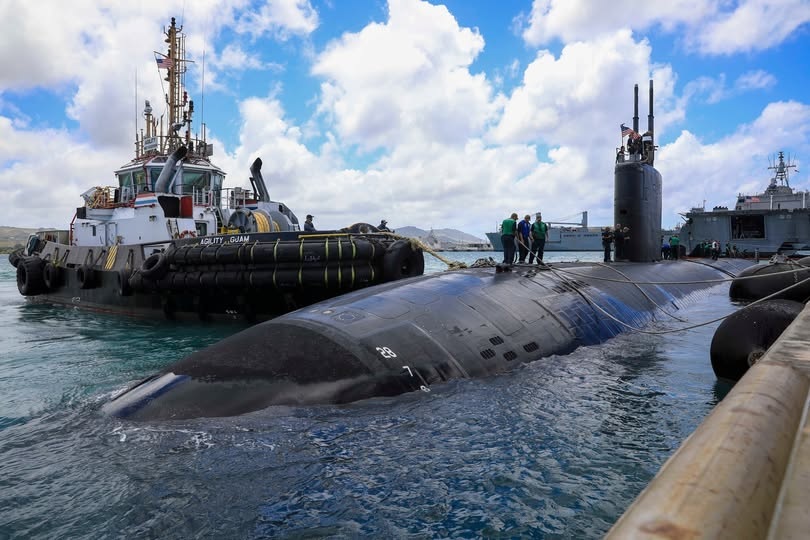
U.S
NAVAL BASE GUAM — The Los Angeles-class fast-attack submarine USS Tucson (SSN 770) officially arrived at Naval Base Guam on July 10, 2026, completing its homeport shift as part of the U.S. Navy’s ongoing effort to strengthen its forward-deployed submarine presence in the Indo-Pacific region. The arrival of USS Tucson adds another mission-ready fast-attack submarine to Guam, a key U.S. military hub in the Western Pacific that supports undersea operations across the region. The move is part of the Navy’s Strategic Laydown Plan, which positions advanced naval assets closer to areas of operation while balancing maintenance, modernization, and future fleet requirements. Following its arrival, USS Tucson was assigned to Commander, Submarine Squadron 15, headquartered at Polaris Point, Naval Base Guam. With Tucson joining the command, the squadron now oversees four forward-deployed fast-attack submarines operating from the island. The submarine's crew completed mooring operations after reaching its new homeport. "The entire crew is honored and excited to arrive in Guam," said Cmdr. Vince Bove, commanding officer of USS Tucson. "Tucson brings an exceptional crew of Sailors who represent the very best of our submarine force. We are proud to join the forward-deployed team, strengthen warfighting readiness, and support U.S. strategic objectives across the region. We also look forward to becoming part of the Guam community that plays such a vital role in enabling our mission." The Navy's Strategic Laydown Plan is designed to improve the readiness of forward-deployed forces while ensuring long-term sustainment of the fleet. By stationing attack submarines closer to operational areas, the Navy provides combatant commanders with rapidly available assets capable of supporting maritime security, deterrence, and regional stability throughout the Western Pacific and the broader Indo-Pacific. Capt. Christopher Carter, commander of Submarine Squadron 15, welcomed the submarine and its crew to Guam, highlighting the island's strategic importance. "I would like to extend a warm welcome and Hafa Adai to the Sailors and families of Tucson," Carter said. "Naval Base Guam remains a strategic outpost in the Western Pacific and plays a vital role in maintaining regional stability and deterrence. Tucson brings a proud legacy of strength, resilience, and warfighting excellence to our forward-deployed undersea force and arrives at a time when forward presence and readiness matter. Their service will strengthen our posture and enhance deterrence across the region. We are excited to welcome the crew to the team and look forward to the impact they will have while serving at the tip of the spear." USS Tucson's arrival follows several recent changes to the Navy's submarine force in Guam. In 2024, USS Minnesota became the first Virginia-class fast-attack submarine to be forward-deployed to the island. More recently, USS Jefferson City shifted its homeport from Guam to Pearl Harbor, Hawaii, with USS Tucson now taking its place as part of the forward-deployed force. The U.S. Navy describes its fast-attack submarines stationed in Guam as critical assets for undersea operations in the Indo-Pacific. These submarines are valued for their speed, endurance, stealth, and mobility, enabling them to conduct a wide range of missions, including intelligence gathering, surveillance, anti-submarine warfare, anti-surface warfare, strike operations, and support for joint and allied naval forces. Their forward deployment helps maintain a continuous undersea presence in the region and supports the Navy's objective of promoting a free and open Indo-Pacific. Commissioned on September 19, 1995, USS Tucson is the 59th Los Angeles-class fast-attack submarine to enter U.S. Navy service and the 20th submarine of the Improved 688 (688i) variant. It is also the second U.S. Navy ship named after the city of Tucson, Arizona. With its homeport now established at Naval Base Guam, USS Tucson becomes part of the Navy's permanently forward-deployed submarine force supporting operations across the Western Pacific. Source: dvidshub
Read More → Posted on 2026-07-12 14:19:25
World
Russian forces have begun painting military logistics vehicles with bold black-and-white zebra-like patterns in an effort to reduce detection by artificial intelligence-assisted Ukrainian strike drones, reflecting the growing role of AI and counter-AI technologies in the war. Recent images shared on social media show Ural and KAMAZ military trucks operating in Russian-held areas of Ukraine with high-contrast striped and swirling paint schemes. The vehicles have been seen as Ukraine continues to expand drone strikes against Russian logistics targets located as far as 200 kilometers behind the front line. The camouflage is based on the concept of "dazzle camouflage," a technique designed to interfere with visual recognition rather than conceal an object completely. Designed to Confuse AI Target Recognition According to defense experts, many AI-assisted drone targeting systems rely on computer vision models trained using large databases of labeled images of military equipment. These systems identify vehicles by recognizing common visual features such as shape, color, markings, and structural details. The unusual black-and-white patterns are intended to alter the vehicle's visual appearance enough that it no longer matches the images the AI was trained to recognize. Todd E. Humphreys, an aerospace and AI expert at the University of Texas at Austin, said the camouflage pushes the vehicle "out of distribution," meaning its appearance falls outside the data used to train the AI model. Branka Marijan of the Centre for International Governance Innovation explained that the contrasting paint breaks up the vehicle's outline and edges, making it more difficult for computer vision systems to classify it correctly. Geert De Cubber, an autonomous systems specialist at the Military Academy of Belgium, also noted that if the camouflage pattern is unfamiliar to the AI system, it can reduce recognition performance until the software is updated with new training data. Ukrainian Drones Continue to Target Logistics Routes Ukraine has increasingly targeted Russian logistics vehicles using long-range attack drones, including the U.S.-made Hornet loitering munition. The drone reportedly costs around $6,000 per unit and uses an AI-assisted targeting system during the final stage of flight. Under its operating process, a human operator selects the target before launch, after which the onboard AI helps maintain target lock during the terminal attack phase. Ukrainian officials have emphasized that human operators remain responsible for authorizing final strikes. James Patton Rogers, a drone warfare researcher at Cornell University, said logistics vehicles remain among the most important targets in the conflict because they transport ammunition, fuel, and other supplies needed to support frontline operations. Experts Say the Benefit May Be Temporary While the new camouflage may initially affect AI recognition systems, experts believe its effectiveness could decline as drone software is updated. Humphreys said human operators can still recognize the disguised vehicles without much difficulty, while AI systems can be retrained using thousands of new images of zebra-painted trucks. Once those images become part of the training database, the camouflage is likely to lose much of its advantage. Experts also note that the paint scheme mainly affects optical recognition. Nick Reynolds, a research fellow in land warfare at the Royal United Services Institute, said the camouflage offers little protection against drones equipped with thermal imaging because it does not hide the vehicle's engine heat signature. A spokesperson for Ukraine's Brave1 defense technology initiative said Russian forces continue testing new camouflage methods, but Ukrainian developers are adapting their systems in response to maintain targeting effectiveness. A Century-Old Camouflage Technique The concept behind dazzle camouflage dates back to 1917 during World War I. British artist Norman Wilkinson developed the technique for naval ships, using bold geometric patterns to make it harder for German submarine commanders to estimate a vessel's speed, direction, and distance through periscopes. Unlike traditional camouflage, the purpose was not to hide ships but to confuse observers. Today, the same principle is being adapted to challenge machine-learning algorithms instead of human vision. Part of Russia's Broader Deception Efforts The zebra-style paint is the latest example of Russia using low-cost visual deception during the conflict. In 2023, satellite imagery showed Russian strategic bombers at Engels-2 Air Base covered with automobile tires. Former U.S. Central Command Chief Technology Officer Schuyler Moore said the altered appearance could affect computer vision systems used by autonomous weapons. Russia has also painted two-dimensional outlines of aircraft and submarines on airfield surfaces in an effort to mislead image-recognition systems and draw attacks away from actual military assets. Experts say the continued use of such methods reflects the ongoing competition between AI-enabled targeting systems and countermeasures designed to reduce their effectiveness. As both sides introduce new technologies and update existing systems, visual camouflage is expected to remain one element of a broader effort to improve survivability on the battlefield. Source : twz / rferl
Read More → Posted on 2026-07-12 14:05:13
Space & Technology
WASHINGTON — The U.S. Federal Communications Commission (FCC) has approved the launch of Eärendil-1, the first satellite designed to test the ability to reflect sunlight onto selected areas of Earth during nighttime. The demonstration mission is being developed by California-based startup Reflect Orbital and is scheduled to launch later in 2026. The FCC's authorization allows Reflect Orbital to operate the satellite's radio communications for a two-year period as part of the technology demonstration. The approval covers a single test satellite and does not authorize the company's proposed future constellation. Demonstration Satellite to Test Space-Based Sunlight Reflection Eärendil-1 is a 142-kilogram spacecraft, about the size of a dormitory refrigerator. Once in low Earth orbit at an altitude of about 600 to 650 kilometers, it will deploy a thin-film square reflector measuring approximately 18 meters by 18 meters. The satellite's steerable mirror is designed to redirect sunlight toward specific locations on Earth for several minutes at a time. During the demonstration, the reflected light is expected to illuminate a targeted area roughly 5 kilometers (3 miles) wide, allowing the company to evaluate the performance and control of the system in orbit. Reflect Orbital previously tested the concept using a balloon-based mirror and says the orbital mission will provide real-world data on the technology's effectiveness. Company Plans Larger Satellite Network Although Eärendil-1 is only a demonstration mission, Reflect Orbital has outlined long-term plans to significantly expand the system. The company has proposed launching up to 1,000 larger satellites between 2026 and 2028, increasing the constellation to around 5,000 satellites by 2030, and eventually deploying up to 50,000 satellites by 2035. Future versions of the reflectors could be substantially larger than the first test satellite. According to the company, the system is intended to provide temporary illumination where it is needed rather than continuously lighting large regions. SpaceX has been selected as the launch provider for the company's initial missions. Proposed Applications Reflect Orbital says the technology could provide temporary lighting for several civilian and commercial uses. One proposed application is extending operating hours for solar farms by reflecting sunlight before sunrise or after sunset to increase electricity generation. The company also sees potential uses for search-and-rescue operations, disaster response, construction projects, agriculture, and other outdoor activities conducted at night. The company has stated that customers could eventually request temporary illumination for approved locations through an application-based service. Concerns Raised by Scientists and Environmental Groups The project has drawn criticism from astronomers, environmental researchers, and environmental organizations. Astronomers have warned that reflected sunlight from a large constellation of mirror-equipped satellites could interfere with telescope observations by increasing sky brightness and creating unwanted reflections in astronomical images. Researchers associated with observatories, including the Vera C. Rubin Observatory, have expressed concerns that such systems could make it more difficult to observe faint celestial objects. The European Southern Observatory (ESO) has also warned that a full constellation of tens of thousands of reflective satellites could significantly increase background sky brightness at its observatories. Environmental experts have raised additional concerns that artificial nighttime illumination could affect the natural day-night cycles of plants, animals, and ecosystems. Some critics have also questioned whether bright reflections could create visibility issues for pilots or others observing the sky. The FCC received nearly 1,900 public comments on Reflect Orbital's application, with many expressing concerns about the project's potential impacts. FCC Says Approval Covers Communications License Only In its approval order, the FCC said its review was limited to authorizing the satellite's use of radiofrequency spectrum and communications systems. The agency stated that broader questions regarding impacts on astronomy and the environment fall outside the scope of its licensing authority. The commission said authorizing the single demonstration satellite supports testing of new space technologies while limiting the approval to one spacecraft. Reflect Orbital has also said it plans to work with NASA, the National Science Foundation, and the wider astronomical community to address concerns and develop operational safeguards. The Eärendil-1 mission is expected to provide data on whether controlled reflection of sunlight from orbit can be used for practical nighttime applications while helping regulators, scientists, and industry better understand the technology's potential benefits and challenges. Source: spacenews
Read More → Posted on 2026-07-12 13:18:05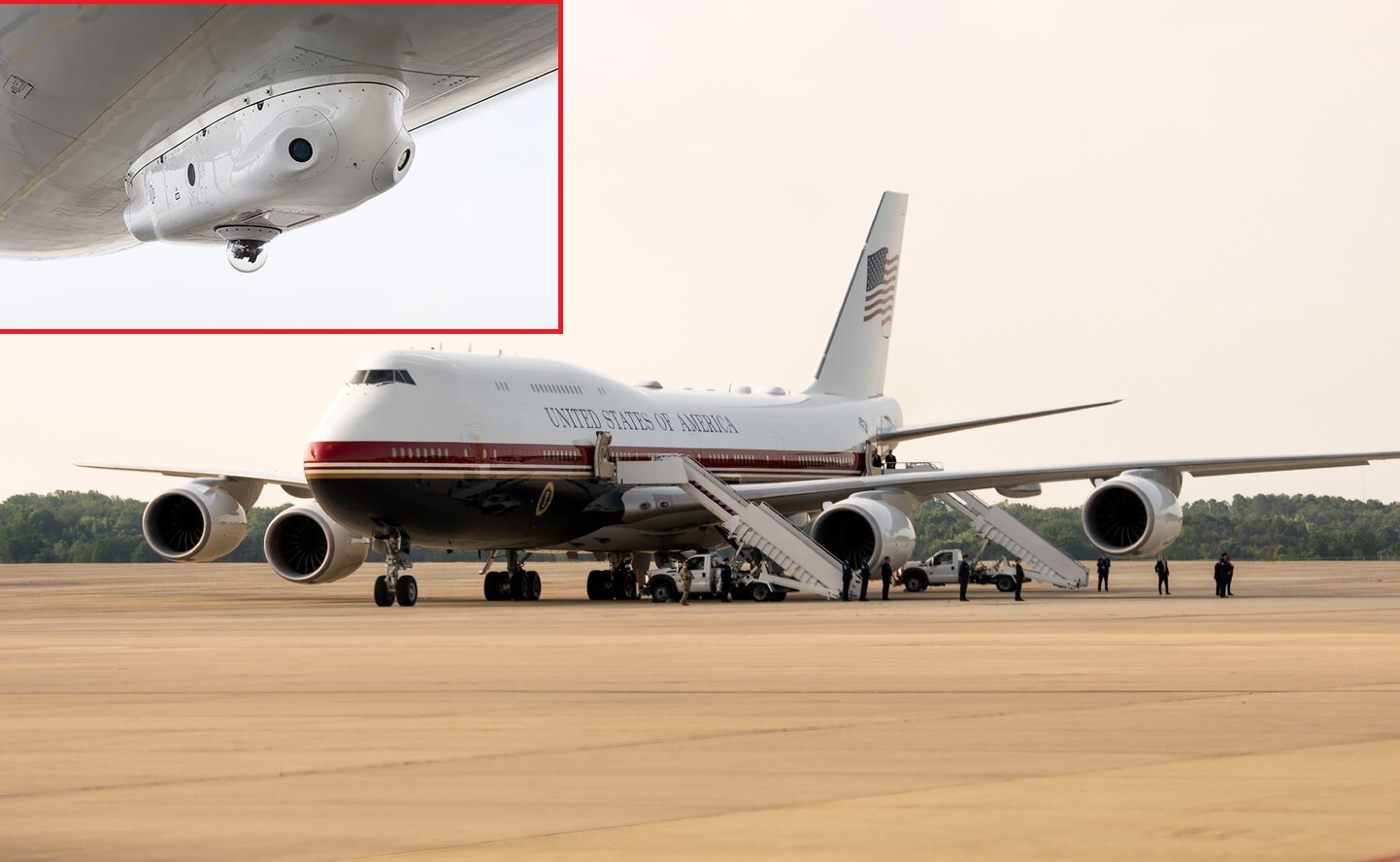
U.S
Washington, D.C. — The Boeing 747-8 Business Jet currently serving as the interim C-25B Bridge aircraft for President Donald Trump does not have sufficient self-protection systems against air-to-air and surface-to-air missile threats, according to an Israeli government source. The aircraft, tail number 25-3300, is a former Qatari government Boeing 747-8 BBJ that was gifted to the United States and modified to serve as a temporary presidential transport until the new VC-25B aircraft enter service. According to the Israeli source, the absence of complete defensive systems was one of the main reasons Israel advised against using the aircraft for President Trump's return flight from Ankara, Turkey, to Washington, D.C., following a recent NATO summit. Instead, President Trump returned aboard an older VC-25A aircraft that is equipped with the full range of presidential defensive systems. The Israeli government has also offered to help equip the interim aircraft with appropriate self-protection systems to improve its security during international missions. Aircraft Serving as a Temporary Presidential Transport The Boeing 747-8 BBJ was originally built for the Qatar Amiri Flight in 2012. In 2025, Qatar's royal family gifted the aircraft to the U.S. government to serve as an interim presidential aircraft while the U.S. Air Force continues work on the next-generation VC-25B fleet. The aircraft underwent a rapid retrofit carried out by defense contractor L3Harris. The modifications were intended to prepare the aircraft for presidential missions while the permanent VC-25B replacements remain under development. Despite the retrofit, the aircraft has not yet received all of the defensive equipment normally found on Air Force One aircraft. Defensive Systems Still Incomplete Presidential aircraft are typically equipped with advanced self-protection systems designed to defend against missile threats. These systems can include radar jamming equipment, chaff dispensers that interfere with radar-guided missiles, and flare systems designed to counter infrared-guided missiles. They also feature hardened communications and other mission-specific security capabilities. According to the Israeli government source, the interim C-25B Bridge aircraft currently lacks adequate protection against both air-to-air and surface-to-air missile threats. As a result, the aircraft is considered unsuitable for certain international missions in its current configuration. The source said this security concern led to the recommendation that President Trump use a different aircraft for the flight from Ankara back to Washington. Security Concerns During Ankara Trip The issue became significant during President Trump's return from the NATO summit in Ankara. Intelligence and security officials reportedly recommended using the older VC-25A because of the interim aircraft's incomplete defensive capabilities. Journalists traveling aboard the replacement VC-25A were reportedly instructed to keep their window shades closed during departure, a security measure sometimes used during flights from areas considered to have elevated security risks. Questions Over Retrofit Program The aircraft's modification program has also attracted political attention in Washington. The interim C-25B Bridge has undergone upgrades funded by millions of dollars in U.S. taxpayer money. However, despite those expenditures, the aircraft still lacks the complete defensive systems required for presidential international travel, according to the Israeli government source. The aircraft was intended to provide a temporary solution until two purpose-built VC-25B presidential aircraft are delivered later this decade. Senate Democrats have requested information from the U.S. Air Force and L3Harris regarding the retrofit program, raising questions about the project's cost and whether security capabilities received sufficient priority during the conversion process. The U.S. Air Force has previously stated that the modifications focused on essential mission requirements and that no unacceptable security risks were taken. However, former military officials have noted that converting a civilian aircraft into a presidential transport presents significant challenges and may not fully match the capabilities of aircraft designed from the outset for the Air Force One mission. For now, the interim C-25B Bridge continues to serve as a temporary presidential aircraft, while additional work remains necessary before it can provide the same level of protection as the U.S. Air Force's fully equipped presidential fleet. Source: X
Read More → Posted on 2026-07-12 12:24:14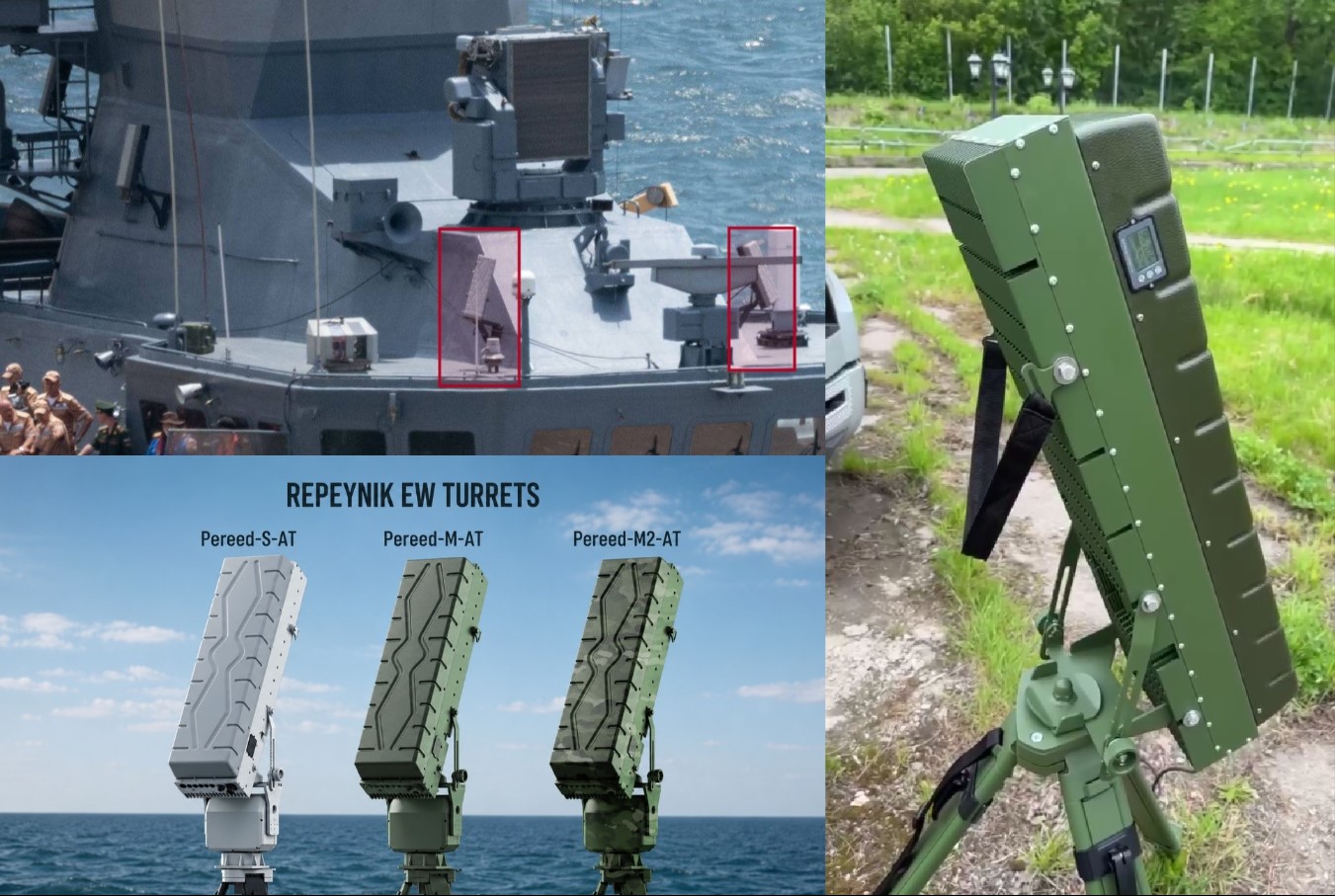
World
Moscow — The Russian Navy has started equipping several surface warships with the Pereyed-M electronic warfare (EW) system as part of efforts to strengthen protection against the growing threat posed by small unmanned aerial vehicles (UAVs). Recent images shared on Russian military-affiliated social media channels show the Pereyed-M system installed on four warships: the Project 1164 guided-missile cruiser Varyag, the Project 20380 corvette Steregushchiy, the Project 1155 large anti-submarine ship Udaloy, and the Project 11540 guard ship Neustrashimy. The installations indicate that the Russian Navy is expanding the use of dedicated counter-drone electronic warfare systems across different classes of surface combatants. Designed to Counter Small UAV Threats The Pereyed-M complex is designed to defend ships against small drones, including first-person view (FPV) drones and reconnaissance quadcopters. The system combines target detection with automated electronic jamming to disrupt incoming UAVs before they can reach a vessel. At the center of the system is the Repeynik radar, a compact radar that was first introduced in 2022. According to available technical information, the radar can detect small radar cross-section targets, including commercial quadcopters, at ranges of up to 15 kilometers and altitudes of up to 5,000 meters. The radar provides 360-degree coverage and can track targets moving at speeds of up to 200 kilometers per hour. Once a drone is detected, the system automatically directs a self-aiming electronic warfare turret toward the target. The turret jams the drone's control and video transmission links at ranges of approximately 2.5 kilometers. The jammer operates across a broad range of frequencies, including bands that have reportedly been used to avoid standard electronic countermeasures. Adaptation for Naval Operations The Repeynik radar was originally developed as a portable system for ground forces. Earlier descriptions of the equipment stated that it could be carried by a single soldier in modular sections and assembled in about five minutes using battery power. The installations on Russian warships suggest that the system has been adapted for naval use. While the exact modifications have not been publicly detailed, the shipboard version appears to be integrated into the vessels' superstructures and is likely connected to onboard power systems rather than relying on portable batteries. Response to Increasing Drone Threats The deployment of the Pereyed-M system comes as Russia continues to adapt its naval defenses to counter the increasing use of drones in maritime operations. During 2026, Ukrainian forces have expanded the use of both airborne UAVs and unmanned surface vessels in long-range attacks against Russian naval assets, including operations conducted far from the front line. One reported incident involved a drone strike on the Project 20380 corvette Boiky while the vessel was undergoing repairs near St. Petersburg, highlighting the vulnerability of ships to small drone attacks. Conventional naval air-defense systems are primarily designed to intercept aircraft and missiles, making smaller, low-flying drones more difficult to engage. Electronic warfare systems such as Pereyed-M are intended to complement existing defenses by detecting and disrupting these smaller aerial threats. The appearance of the Pereyed-M system on multiple ship classes suggests that the Russian Navy is introducing dedicated counter-drone electronic warfare capability as part of a broader effort to improve the protection of its surface fleet against unmanned aerial threats. Source: defence-blog
Read More → Posted on 2026-07-12 12:12:43
Space & Technology
AKITA, Japan — The Japan Aerospace Exploration Agency (JAXA), in partnership with Mitsubishi Heavy Industries, has successfully completed the first flight test of its experimental RV-X reusable rocket at the Noshiro Rocket Testing Center in Akita Prefecture. The low-altitude test marks an important step in Japan's effort to develop reusable launch technology aimed at reducing future space launch costs. The test took place on Saturday, July 11, with the prototype completing a controlled flight lasting approximately 40 seconds. During the demonstration, the rocket lifted off vertically, reached an altitude of 11 meters (36 feet), moved 16 meters (52 feet) horizontally while maintaining an upright position, and then safely returned to the landing pad under controlled descent. According to JAXA, the primary objective of the flight was to verify the vehicle's ability to perform vertical takeoff, controlled flight, and precision landing while collecting engineering data for future development. JAXA Confirms Successful Test Speaking during an online press briefing after the flight, Takashi Ito, JAXA's reusable rocket project manager, said the mission achieved its planned objectives. "The flight test went well. I feel relieved. We completed the test flight properly and obtained data that we had wanted." JAXA officials said the collected flight data will be analyzed and used to improve future test flights and support the development of larger reusable launch systems. RV-X Designed for Reusable Launch Technology The Reusable Vehicle eXperiment (RV-X) is an experimental rocket developed to demonstrate technologies required for reusable launch vehicles. The prototype measures 7.3 meters in length and 1.8 meters in diameter. It is powered by a liquid hydrogen engine and is equipped with four shock-absorbing landing legs designed to withstand the impact of vertical landings. Before the first flight, JAXA carried out extensive ground qualification testing. The rocket engine successfully completed 165 combustion tests, helping engineers verify its durability and performance before flight operations. Next Goal: 100-Meter Flight Following the successful hop test, JAXA's next objective is to increase the rocket's flight altitude to 100 meters in future demonstrations. The agency also plans to use data gathered during the RV-X program to support the development of Callisto, a larger reusable rocket demonstrator being jointly developed by Japan, France, and Germany. The Callisto vehicle is currently scheduled for a launch campaign in French Guiana during fiscal year 2026. Reusability Seen as Key to Lower Launch Costs The RV-X program forms part of Japan's broader strategy to develop reusable launch technology as the global space industry increasingly shifts toward rockets capable of multiple flights. Japan currently relies on the H3 rocket for orbital missions. While the H3 provides modern launch capability, it is an expendable launch vehicle, meaning each rocket is used only once. Developing reusable systems is expected to reduce the cost per launch and improve the competitiveness of Japan's commercial launch services. Regional Developments in Reusable Rockets Japan's successful test comes as reusable launch technology continues to gain attention across Asia. One day before the RV-X flight, Chinese state media reported that China had successfully recovered the first stage of a rocket after launch, reflecting ongoing efforts to expand reusable launch capabilities. In contrast, South Korea's Nuri rocket remains an expendable launch vehicle, while research on reusable rocket technology is still in the early stages. Japan's successful RV-X flight places it among the countries actively conducting physical flight demonstrations of reusable launch systems. JAXA said additional flight tests are planned as engineers continue refining the technology and evaluating the data collected during the successful first flight. Source: japannews.yomiuri
Read More → Posted on 2026-07-12 11:58:34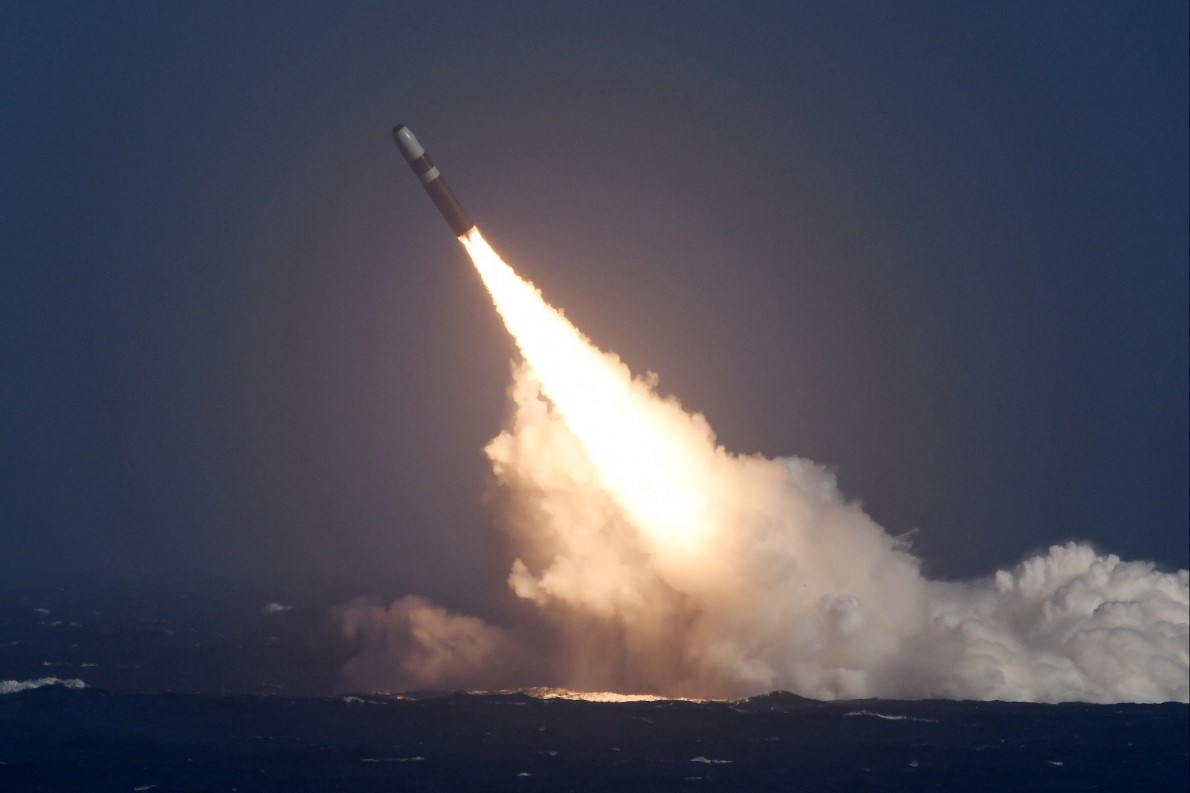
U.S
TITUSVILLE, Fla. — Lockheed Martin has received an $850 million contract modification from the U.S. Navy to continue the design and development of the Trident II D5 Life Extension 2 (D5LE2) program. The award, which was originally announced by the U.S. Department of War in April 2026, supports the long-term modernization of one of the United States' most important strategic missile systems. The Trident II D5 is a three-stage, solid-fueled submarine-launched ballistic missile (SLBM) that serves as the sea-based leg of the U.S. nuclear triad. According to Lockheed Martin, this component accounts for approximately 70 percent of the United States' deployed strategic deterrent capability, alongside land-based intercontinental ballistic missiles (ICBMs) and nuclear-capable bombers. Originally developed in the 1980s, the Trident II D5 is designed for long-range strategic missions. The missile has an operational range of approximately 2,500 to 11,500 kilometers and can carry up to eight multiple independently targetable reentry vehicles (MIRVs). It has remained in service for decades due to its accuracy, reliability, and operational performance. The missile previously underwent a major life extension program that was completed in 2017. The new D5LE2 effort focuses on replacing aging components, incorporating updated technologies, and ensuring the system remains operational and effective into the 2040s and beyond. The Trident II D5 is deployed aboard the U.S. Navy's Ohio-class ballistic missile submarines and the United Kingdom's Vanguard-class submarines. Because these submarines operate while concealed at sea, the sea-based deterrent provides high survivability, continuous global presence, and operational flexibility. The system's reliability has continued to be demonstrated through regular testing. Most recently, the Trident II D5 completed its 197th successful test launch during a flight conducted off the coast of Florida. Commenting on the contract award, Eric Scherff, Vice President of Lockheed Martin's Fleet Ballistic Missile Program, said the company remains committed to supporting the mission as the program enters its next phase. "Lockheed Martin is fully committed to the mission as we move forward into this next phase. This award marks another important step along the way as we continue delivering a credible and resilient deterrent for the American forces and allies." The D5LE2 program is also intended to ensure the missile system remains compatible with the U.S. Navy's future Columbia-class ballistic missile submarines, which are being developed to replace the current Ohio-class fleet over the coming decades. Work under the $850 million contract modification will be carried out at Lockheed Martin facilities in Colorado, Florida, Utah, Washington, Georgia, and the National Capital Region. To support the long-term requirements of the program, the company is expanding its workforce and recruiting engineers, technicians, and other skilled professionals for positions related to national security and advanced defense technologies. The latest contract continues the long-running partnership between the U.S. Navy and Lockheed Martin on the Fleet Ballistic Missile program. By modernizing the Trident II D5 through the D5LE2 program, the Navy aims to maintain a reliable sea-based strategic deterrent while supporting future submarine platforms and extending the missile system's operational life well into the next two decades. Source: Lockheedmartin
Read More → Posted on 2026-07-12 11:40:10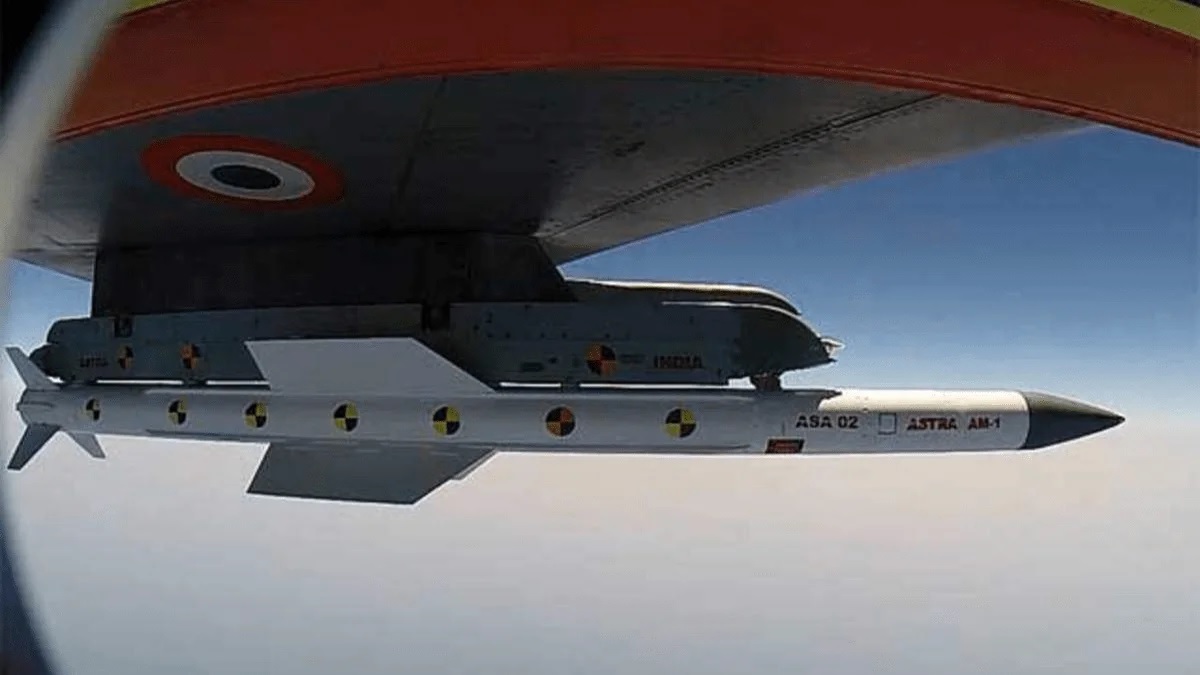
India
New Delhi — The Indian government is preparing to introduce one of the biggest policy changes in the country's defence manufacturing sector by allowing private Indian companies to develop and manufacture advanced missile systems. The first programme expected to be opened under this initiative is the Defence Research and Development Organisation (DRDO)'s Astra Mk-2 beyond-visual-range (BVR) air-to-air missile. According to reports, the Ministry of Defence is expected to issue a Request for Proposal (RFP) in the coming weeks, inviting eligible domestic private companies to participate in the production of the Astra Mk-2 missile. The move marks a major shift from India's long-standing approach, where strategic missile production has largely been handled by state-owned defence companies. Major Indian defence manufacturers expected to participate in the bidding process include Tata Group, Mahindra Group, Adani Defence, Bharat Forge, and ICOMM. Expanding India's Missile Production Capacity For decades, strategic missile manufacturing in India has been dominated by Bharat Dynamics Limited (BDL), which has produced several missile systems developed by DRDO. However, increasing procurement requirements from the Indian Armed Forces and growing international interest in Indian-made missile systems have created additional pressure on existing production capacity. By opening missile manufacturing to the private sector, the government aims to expand production capacity, reduce delivery timelines, strengthen the domestic defence industrial base, and improve the country's ability to meet both military requirements and export commitments. The policy also supports the government's broader objective of increasing indigenous defence manufacturing under the "Aatmanirbhar Bharat" initiative. Astra Mk-2 to Lead the Initiative The Astra Mk-2 is an indigenous beyond-visual-range air-to-air missile developed by DRDO. The missile is reported to have a strike range of approximately 180–200 kilometres and is intended to provide the Indian Air Force with an advanced long-range air combat capability. The missile has been designed to counter modern beyond-visual-range threats, including China's PL-15E missile. Once inducted, the Astra Mk-2 is planned for integration with several fighter aircraft, including: Tejas Mk-1A MiG-29 Su-30MKI Rafale Marine The missile has also attracted interest from friendly foreign countries. Indonesia has been reported as one of the nations interested in procuring the Astra missile, reflecting growing export opportunities for India's indigenous defence products. Pralay Missile Could Be Next According to the report, the Pralay tactical ballistic missile could become the next indigenous missile programme to be opened for private-sector manufacturing and development. Pralay has an operational range of around 500 kilometres and can reportedly travel at speeds approaching Mach 6. The missile is expected to form part of India's Integrated Rocket Force alongside other indigenous long-range strike systems, including the Long-Range Land Attack Cruise Missile (LRLACM), the next-generation BrahMos missile, and the extended-range Pinaka rocket system. Lessons from Operation Sindoor The policy shift is also linked to operational lessons from Operation Sindoor, which highlighted the increasing importance of stand-off precision strike weapons and maintaining adequate missile inventories. The government is now focused on expanding domestic production of missiles and rockets to ensure that future operational requirements can be met more rapidly while strengthening India's long-term defence preparedness. Strengthening India's Air Defence Network Alongside efforts to increase missile production, India is continuing to strengthen its air defence architecture. Current initiatives include the development of a long-range naval surface-to-air missile jointly with Israel and the expansion of a multi-layered anti-drone and anti-missile defence network. The report also states that the fifth S-400 air defence system is expected to be delivered in November. In addition, the government is reportedly considering the procurement of five more S-400 systems from Russia as part of its ongoing efforts to enhance the country's air defence capabilities. The planned opening of strategic missile manufacturing to private industry represents a significant change in India's defence production policy. If implemented, the initiative is expected to broaden the country's manufacturing base, support faster production of indigenous missile systems, and help meet increasing domestic as well as export demand. Source: Economictimes
Read More → Posted on 2026-07-12 11:30:43
World
WASHINGTON — U.S. Central Command (CENTCOM) announced that American forces carried out a third round of military strikes against Iranian military targets on the night of July 11, following an attack by Iran's Islamic Revolutionary Guard Corps (IRGC) on the Cyprus-flagged commercial container ship M/V GFS Galaxy in the Strait of Hormuz. According to CENTCOM, U.S. forces struck approximately 140 Iranian military targets during the latest operation. The strikes were conducted using precision-guided munitions launched from land- and sea-based fighter aircraft, uncrewed aerial systems, and U.S. naval vessels. CENTCOM said the operation was intended to hold Iranian forces accountable for the attack on the commercial vessel and reduce Iran's ability to target civilian mariners and merchant ships operating in the Strait of Hormuz. M/V GFS Galaxy Attacked in Strait of Hormuz The M/V GFS Galaxy, a Cyprus-flagged container ship, was attacked while transiting the Strait of Hormuz. According to CENTCOM, the vessel suffered an onboard fire and sustained significant damage to its engine room, leaving it unable to continue its scheduled voyage. India's Ministry of External Affairs said the ship had 11 Indian crew members on board. Ten of them were rescued in a joint operation coordinated with Omani authorities, while one civilian crew member remains missing. Iranian state media said the IRGC targeted the vessel because it allegedly traveled through an unapproved route and switched off its tracking systems, which Iran claimed endangered maritime security. Following the incident, Iran announced that the Strait of Hormuz was closed until further notice and warned against further retaliation. Military Targets Hit CENTCOM said the latest operation targeted military infrastructure linked to Iran's capability to conduct attacks against commercial shipping. According to the command, the strikes hit: Missile and drone launch sites Naval capabilities and military assets Ammunition storage facilities Military communication networks Coastal surveillance locations The U.S. military said the strikes were limited to military targets and were intended to degrade capabilities used in attacks against civilian shipping in the Strait of Hormuz. More Than 300 Targets Struck This Week The July 11 operation marked the third round of U.S. strikes against Iranian military infrastructure this week. CENTCOM stated that across the three nights of operations, more than 300 Iranian military targets have been struck at the direction of the Commander in Chief. The command said the operations were aimed at reducing Iran's ability to threaten commercial vessels and civilian mariners navigating the strategic waterway. CENTCOM also noted that Iran had been given another opportunity to comply with a previously established Memorandum of Understanding but did not do so. Commercial Shipping Continues Despite the recent military exchanges and Iran's declaration regarding the Strait of Hormuz, CENTCOM said commercial shipping through the international maritime corridor is continuing. According to the command, U.S. forces have supported the safe transit of more than 800 commercial vessels through the strait since early May. Those transits included the movement of approximately 400 million barrels of crude oil. The Strait of Hormuz remains one of the world's most important maritime routes, with roughly one-fifth of globally traded oil and natural gas passing through the waterway. Diplomatic Efforts Continue The latest military actions came shortly after diplomatic discussions between the foreign ministers of Iran and Oman, who met on Saturday to discuss the administration and security of the Strait of Hormuz. As of CENTCOM's latest update, no information has been released regarding Iranian casualties from the strikes. The command said commercial vessel transits are continuing and that U.S. forces remain engaged in supporting the safe movement of international shipping through the region. Source: Centcom.mil / Centcom on x
Read More → Posted on 2026-07-12 11:20:54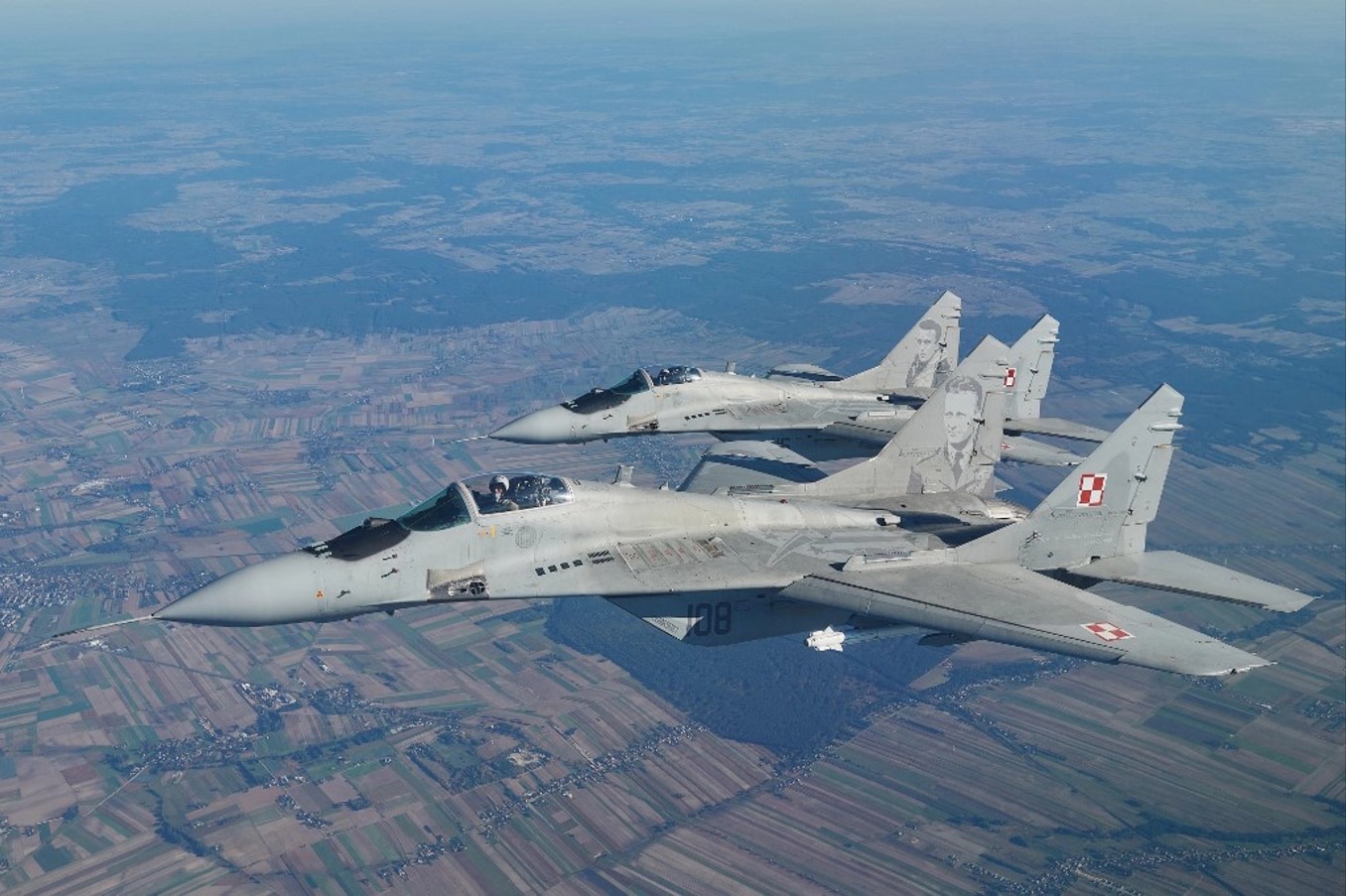
Europe
WARSAW — Poland has confirmed it is ready to help modernize and repair MiG-29 fighter jets for Ukraine, but said the cost of the work must be covered by the Ukrainian government or international partners. The announcement comes as Warsaw and Kyiv have resumed negotiations over the transfer of Poland's remaining Soviet-era MiG-29 aircraft. Speaking during a briefing in Olyka in Ukraine's Volyn region, Polish Minister of National Defence Władysław Kosiniak-Kamysz said Poland is willing to provide technical assistance but cannot finance the refurbishment of the aircraft. "We can help as much as possible here, but the funding must come from the Ukrainian government or allied countries willing to cover these costs," Kosiniak-Kamysz said. Repairs Required Before Delivery The modernization issue gained attention after a Ukrainian delegation inspected Poland's remaining MiG-29 fleet at the 22nd Tactical Air Base in Malbork, where the aircraft are currently stationed. According to the inspection, the fighters are in poor technical condition after years without comprehensive maintenance. The aircraft, which have served with the Polish Air Force since 1989, would require significant repairs before they could be safely returned to operational service. Aviation specialists reportedly identified the landing gear as one of the key areas requiring attention. Ukraine had requested that Poland carry out a complete overhaul of the aircraft at the military aviation maintenance facility Wojskowe Zakłady Lotnicze Nr. 2 before delivery. However, Warsaw declined, stating that financing such extensive refurbishment was not included in Poland's current defense budget. PGZ Assessing Support for Ukrainian Aircraft Poland's state-owned defense company Polska Grupa Zbrojeniowa (PGZ) is evaluating its ability to support the repair and maintenance of Ukrainian military aircraft. The assessment includes both MiG-29 fighters and Ukraine's growing fleet of F-16 aircraft, potentially expanding long-term defense-industrial cooperation between the two countries. Transfer Linked to Technology Cooperation Discussions over the transfer of Poland's remaining MiG-29s began late last year after Poland's Ministry of National Defence and the General Staff announced plans to retire the aircraft as the country transitions to newer Western fighters, including the F-35 and South Korean FA-50. As part of the initial proposal, Poland offered to transfer the MiG-29s in exchange for access to Ukrainian combat drone technologies and operational experience gained during the war. The negotiations stalled in June 2026 after Ukraine expressed reservations about sharing its unmanned systems technology. At the time, Polish Deputy Minister of Defence Cezary Tomczyk said the aircraft would only be transferred once the technology-sharing issue was resolved. Talks Resume on Remaining MiG-29s Negotiations resumed in July 2026 over the possible transfer of up to nine remaining MiG-29 fighter jets. Kosiniak-Kamysz said discussions have returned to the table and expressed hope that an agreement can be finalized. "A clear proposal is being discussed: MiGs in exchange for drones. The Ukrainians said yes, then began having second thoughts. Now they are back in negotiations – and that is good. I hope this proposal will be successfully finalised," he said. Reports from diplomatic sources have also indicated that the two sides have reached an agreement in principle, although no final deal has been officially announced. Importance for Ukraine For Ukraine, the Polish MiG-29s remain valuable because they can be integrated into the Ukrainian Air Force without the lengthy pilot conversion process required for many Western aircraft. Ukrainian President Volodymyr Zelensky has previously emphasized that Ukrainian pilots are already trained to operate the MiG-29. He has also noted that Ukraine's challenge is not simply obtaining more aircraft but ensuring enough trained pilots are available to fly them. Poland previously transferred 14 MiG-29 fighter jets to Ukraine in 2023, becoming one of the first countries to provide fighter aircraft following Russia's full-scale invasion. The current negotiations focus on Poland's remaining MiG-29 fleet, which is scheduled for retirement as newer aircraft enter service. While both countries continue discussions, the future transfer will depend on resolving issues related to funding for aircraft repairs, the technical condition of the jets, and the broader technology cooperation framework between Warsaw and Kyiv. Source: defence24
Read More → Posted on 2026-07-11 16:20:29Search
Top Trending in 24 Hours
-
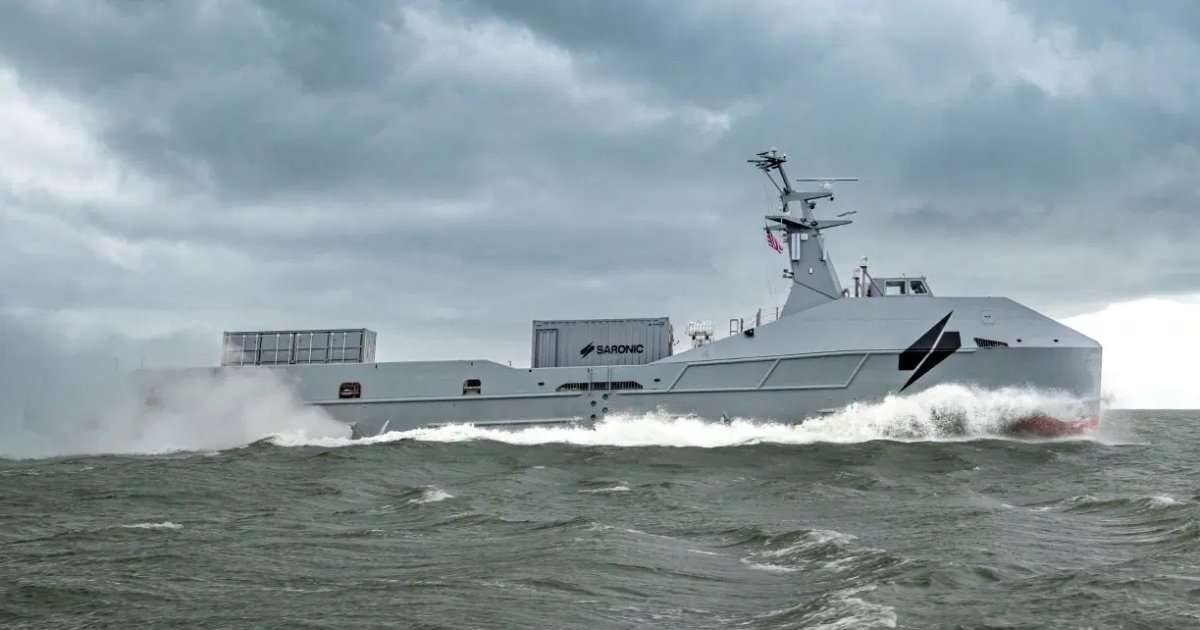 U.S. Navy Awards Production Agreements for 30 Medium Unmanned Surface Vessels, Including 10 Saronic Marauders
-
 Boeing Wins $20 Billion U.S. Navy Contract for F/A-XX Sixth-Generation Fighter
-
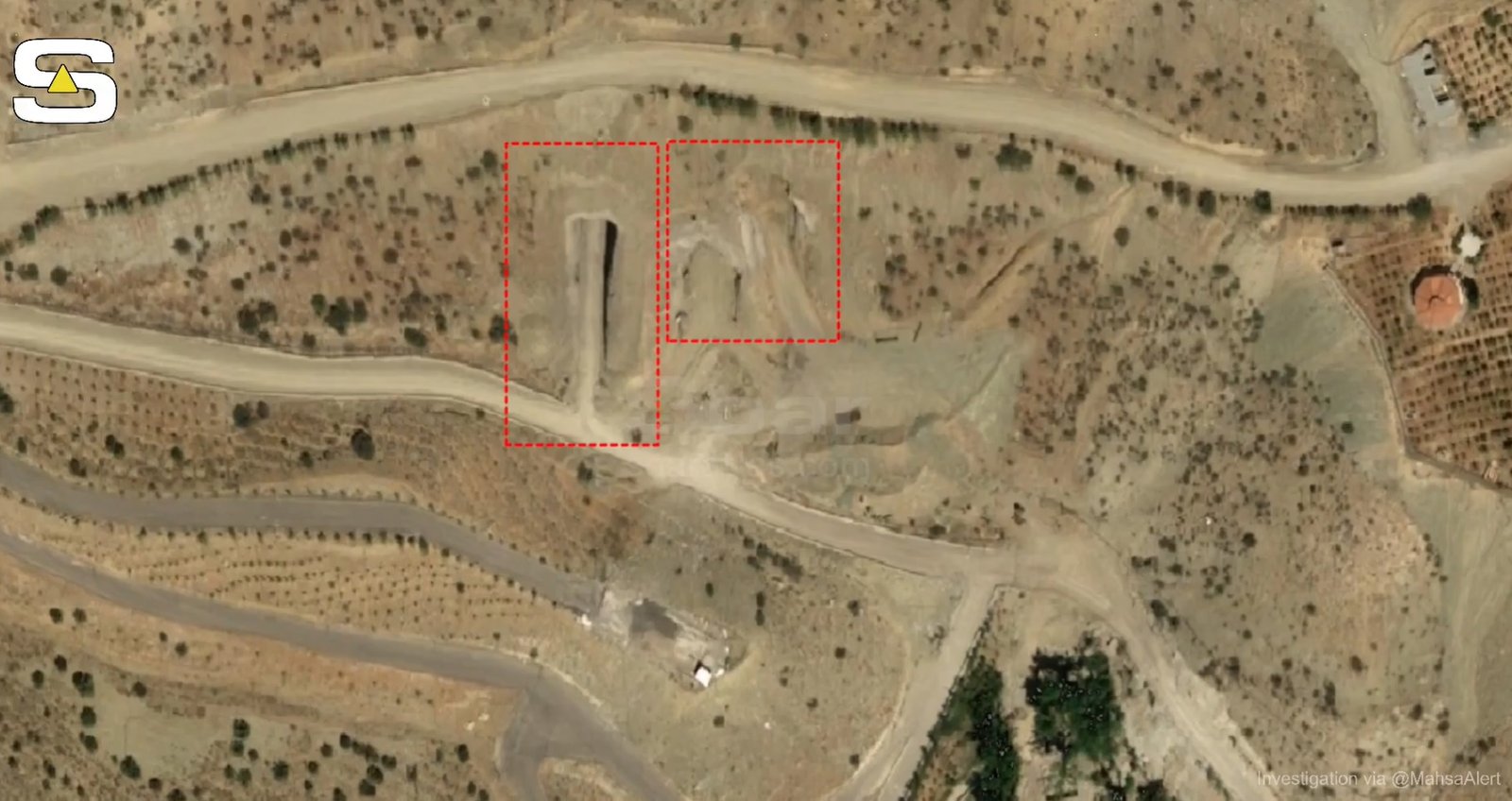 Satellite Imagery Shows Construction Changes at Hillside Site Linked to Iran’s Supreme National Security Council
-
 Flydubai Flight to Israel Diverted to Saudi Arabia After Possible Attempted Terror Attack in Cockpit
-
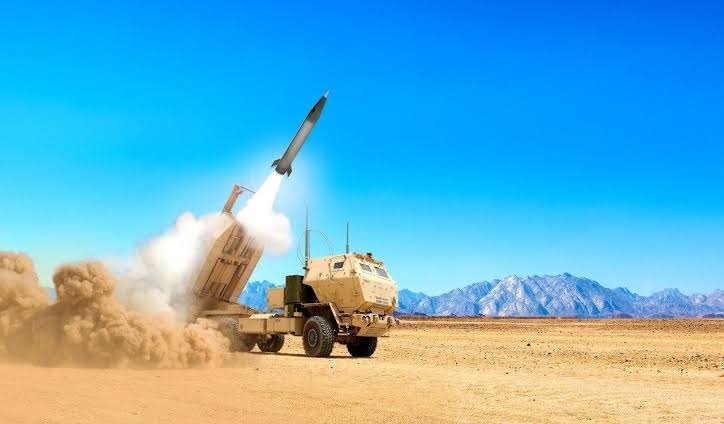 U.S. Army Selects Five Companies to Develop 1,000-Km Precision Strike Missile Prototypes
-
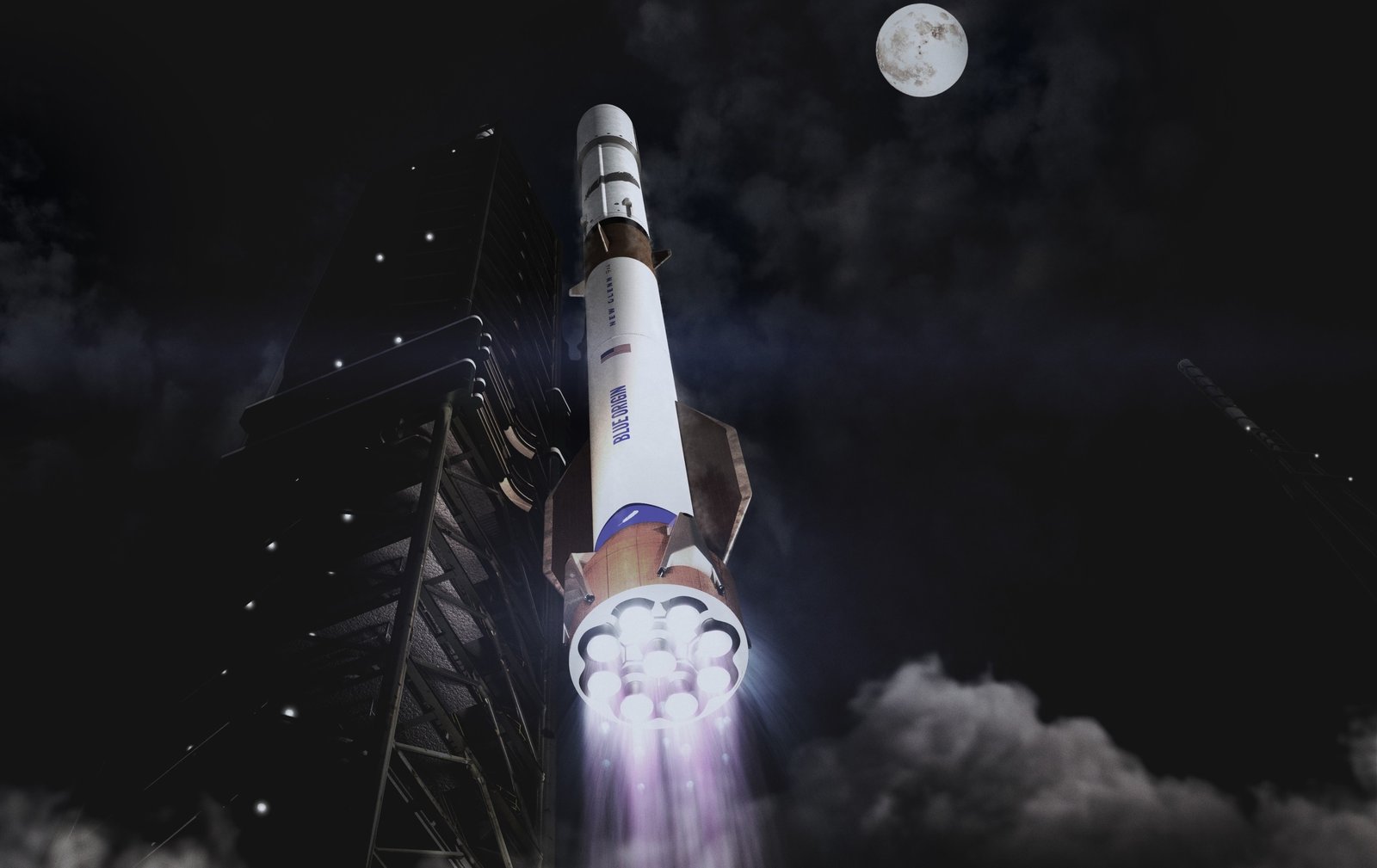 NASA Adds Blue Origin’s Upgraded New Glenn 9×4 to Launch Services Contract
-
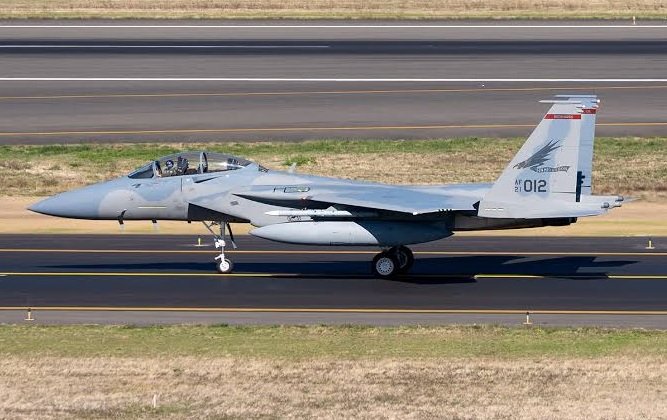 U.S. Air Force Awards Boeing $2.38 Billion Contract for 22 F-15EX Fighter Jets
-
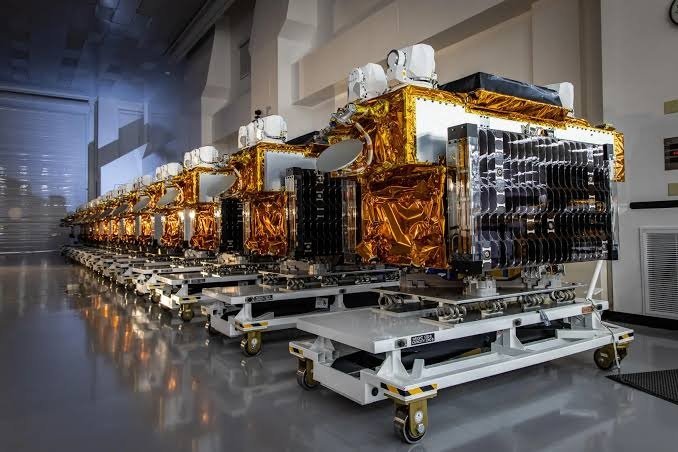 Northrop Grumman Delivers First 21 Satellites for Pentagon’s Next-Generation Military Network
Top Trending in 4 Days
-
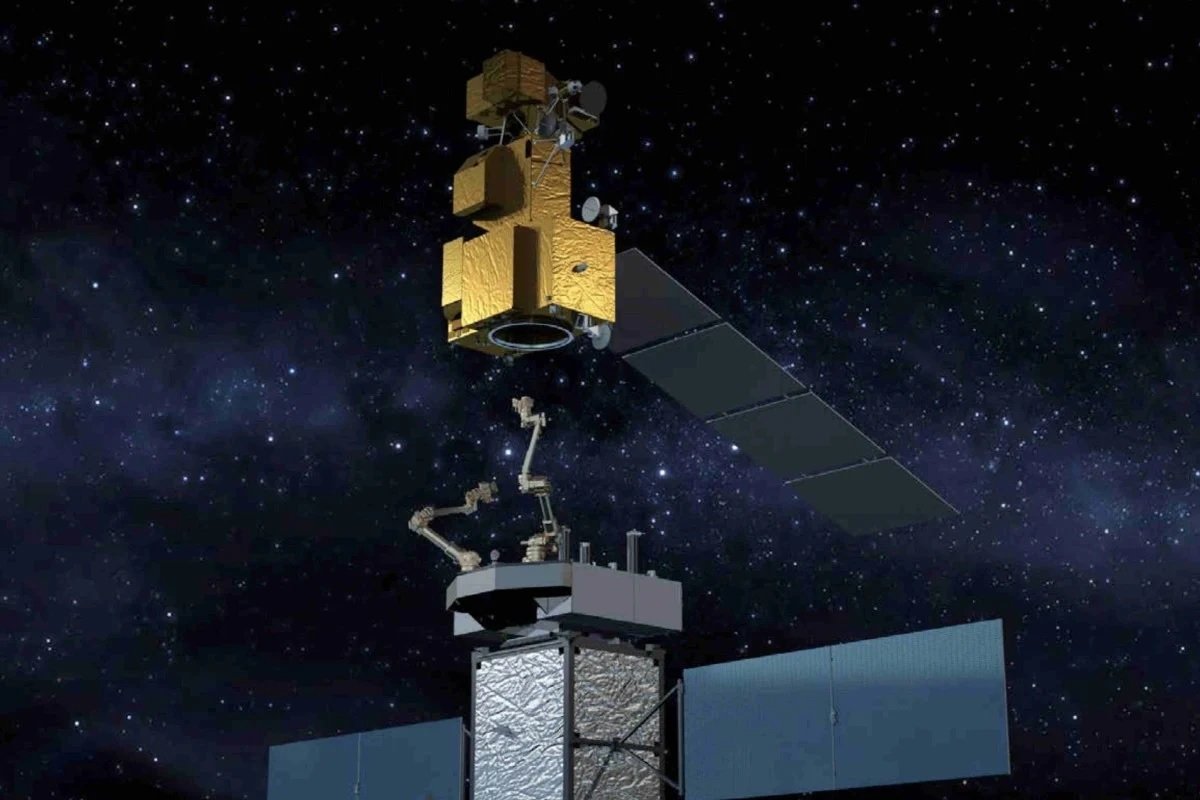 China Reports First High-Orbit Refueling of BeiDou Satellite, but Tracking Data Raise Questions
-
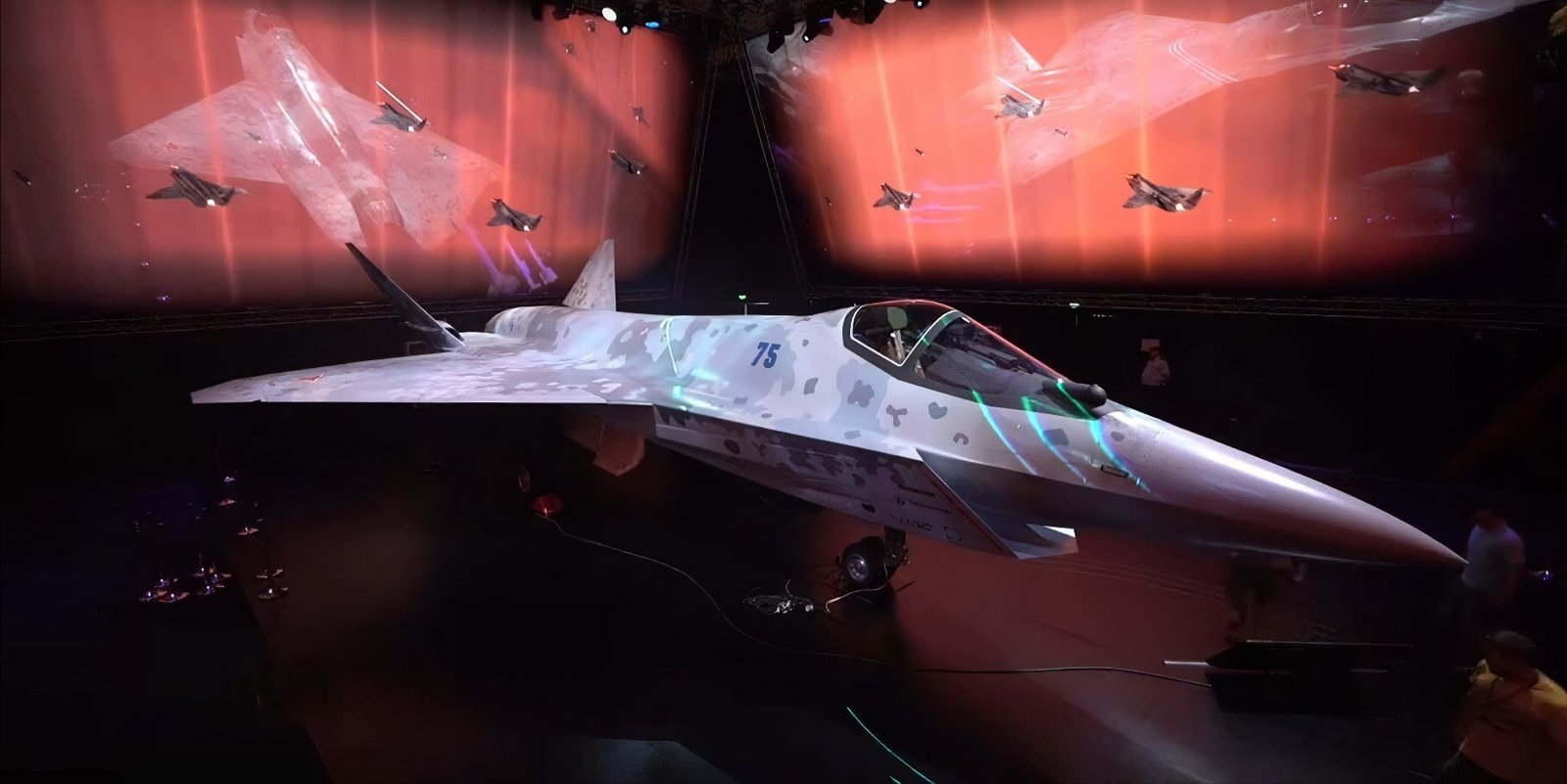 Russia Says Su-75 Checkmate Could Cost Just $25–30 Million, Flight-Hour Costs 6 Times Lower Than F-35
-
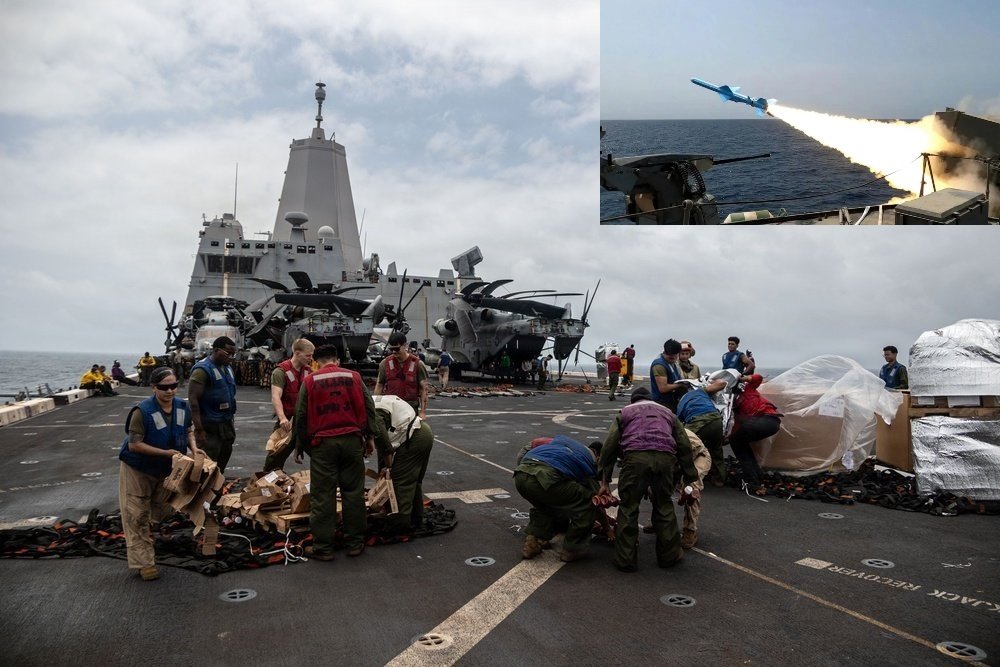 Eight U.S. Marines Injured in Iranian Missile Strike on U.S Vessel in Strait of Hormuz
-
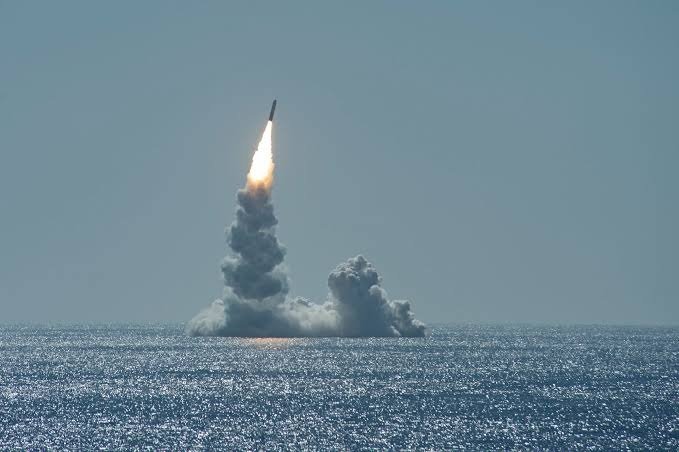 UK Offers Nuclear Deterrence for Its Northern European Defence Partners
-
 U.S. and Russia Remove Human-Review Rules From Draft UN AI Weapons Framework
-
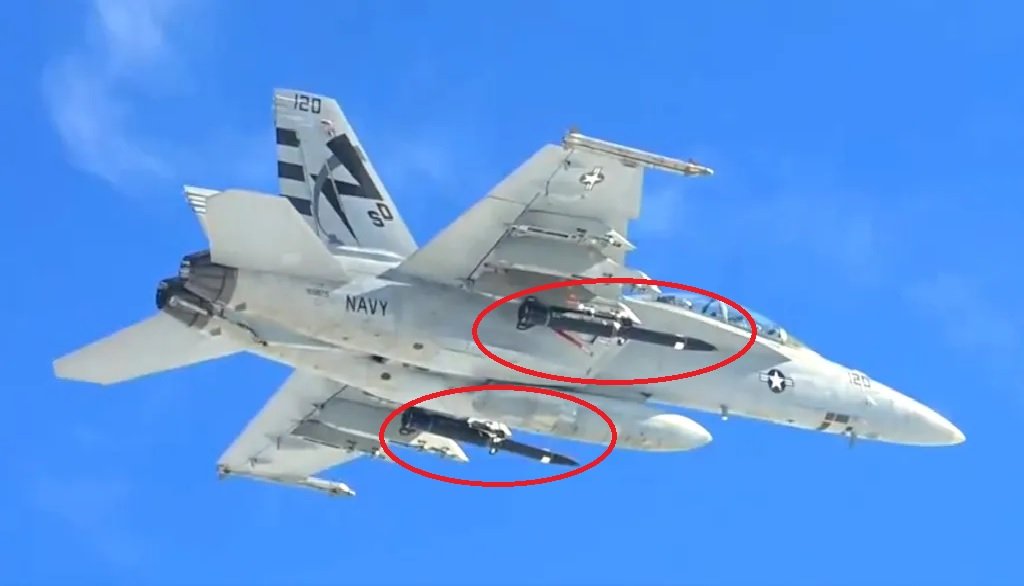 U.S. Navy Begins Flight Testing Blackbeard Hypersonic Missile on F/A-18 Super Hornet
-
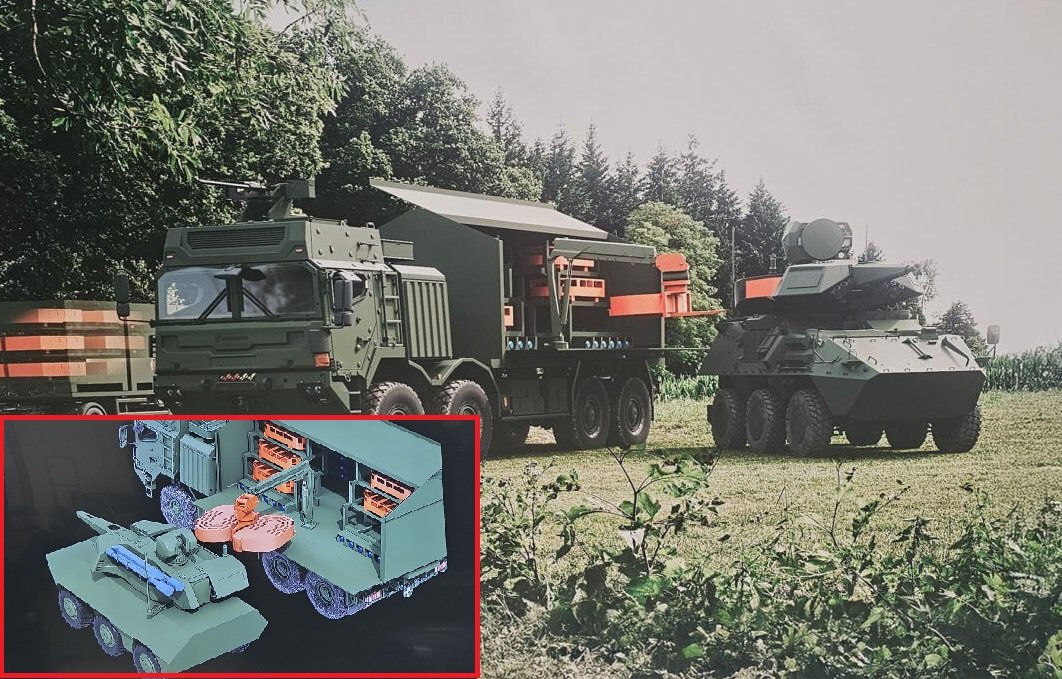 Rheinmetall Develops Automated Reloader for Austrian Skyranger Air Defense System
-
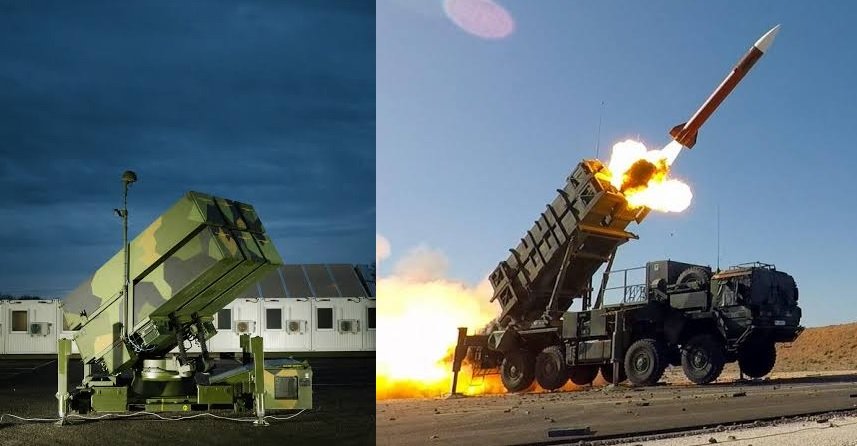 Ukraine Receives New NASAMS Air Defense System and Interceptor Missiles From U.S. and Norway
