
World
In response to growing security concerns in the Arctic, the US Army has activated a specialized aviation command to enhance its operational capabilities in the strategically crucial region. The newly formed Arctic Aviation Command, stationed at Fort Wainwright, Alaska, is a key component of the US military’s evolving posture in the Arctic, an area where global tensions are increasingly evident.Strengthening Arctic DefenseThe Arctic Aviation Command will be home to two active-duty battalions from the 25th and 52nd Aviation Regiments, both of which were previously under the command of Joint Base Lewis-McChord in Washington and Fort Shafter in Hawaii. These units have now been reassigned to report exclusively to the new local command in Alaska, allowing for more direct coordination and responsiveness to the unique challenges presented by the Arctic environment.Colonel Russ Vanderlugt, who heads the new command, emphasized the significance of maintaining a robust presence in the region, stating, “The Arctic is obviously a strategically important region for the US. You have to be in the Arctic to understand the Arctic.”Addressing Emerging ThreatsThe creation of this command comes amid increased military activity by Russia and China in the Arctic. In July, American and Canadian warplanes intercepted two Russian and two Chinese bombers near Alaska, which led to a joint patrol by Moscow and Beijing over the North Pacific. Although both nations claimed they stayed within international airspace, the incident underscored the heightened tensions in the region.The US Department of Defense has raised concerns over the growing cooperation between Russia and China in the Arctic, both militarily and commercially. Deputy Secretary of Defense Kathleen Hicks highlighted this collaboration, noting, “We’ve seen growing cooperation between [China] and Russia in the Arctic commercially, with [China] being a major funder of Russian energy exploitation in the Arctic.”Enhancing Capabilities in the ArcticWith the establishment of the Arctic Aviation Command, the US Army aims to better position itself to respond to the unique challenges of the region. By having its leadership and key resources stationed directly in Alaska, the Army can enhance its training programs, streamline support for Arctic operations, and improve overall readiness.The presence of this command will also facilitate the deployment of specialized equipment suited to the harsh Arctic conditions, ensuring that US forces are well-prepared for any contingencies that may arise in the region. As global interest in the Arctic continues to grow, the activation of this command represents a critical step in bolstering US defense capabilities in one of the world’s most strategically important and increasingly contested areas.
Read More → Posted on 2024-08-21 15:20:47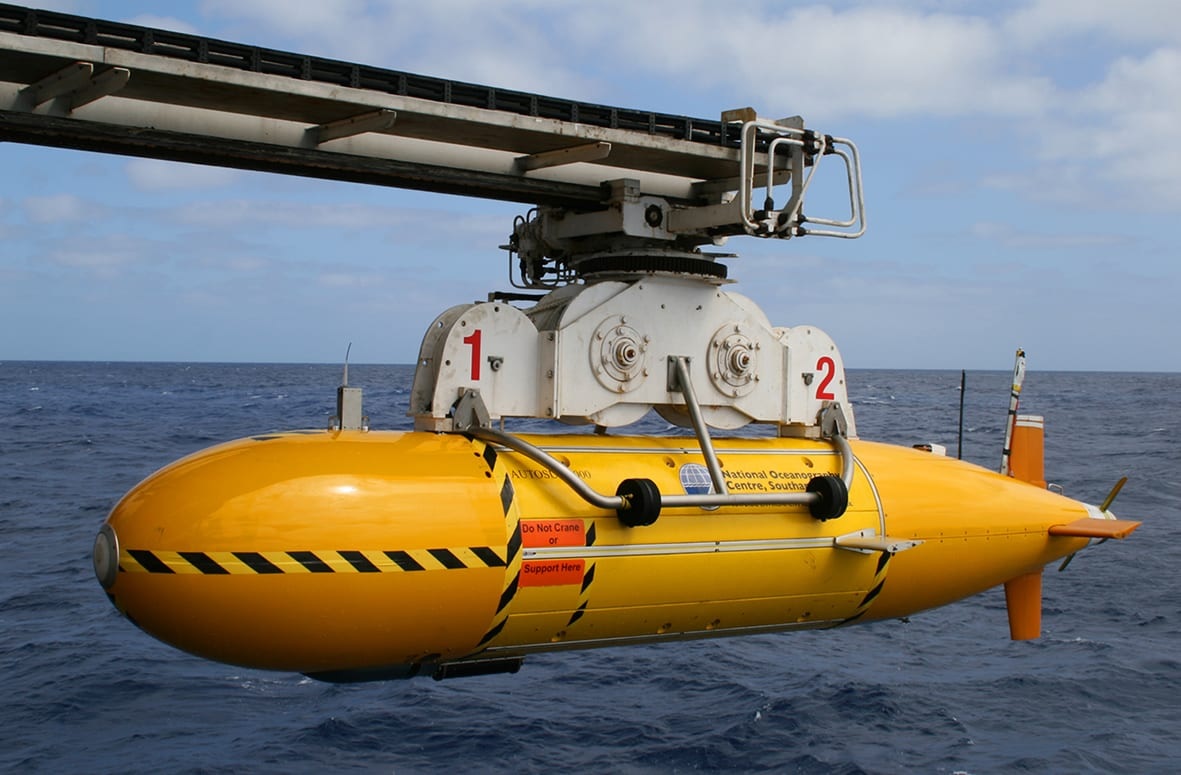
India
Rekise Marine Private Limited, based in Hyderabad, has secured a major contract to build the cutting-edge 'Jalkapi' Autonomous Underwater Vehicle (AUV) for the Indian Navy. The project is part of the iDEX Aditi 1.0 Challenge, a prestigious initiative designed to foster innovative defense technologies in India. This AUV is envisioned as a game-changer in underwater operations, boasting advanced specifications that cater to modern naval requirements.The ‘Jalkapi’ AUV: A Detailed OverviewThe ‘Jalkapi’ AUV is specifically engineered for prolonged underwater survey and surveillance missions. Measuring approximately 10 meters in length and 2 meters in diameter, this robust platform is designed for extended deployment in the deep sea, capable of operating autonomously for up to 45 days without needing resupply.Key Features and Specifications1. Extended Endurance and Power Management: One of the most striking features of the Jalkapi is its onboard diesel generator. This generator allows the AUV to recharge its batteries while at sea, effectively extending its operational range and endurance. This capability makes it suitable for long-term missions without requiring surface support.2. Advanced Sensor Suite: The AUV is equipped with a wide range of sensors to ensure precise data collection. These include Electro-Optical/Infrared (EO/IR) cameras, multi-beam echo sounders, and sonar systems, enabling the vehicle to perform detailed underwater mapping, object detection, and environmental monitoring. 3. Navigation and Obstacle Avoidance: To ensure safe operations, the Jalkapi incorporates advanced navigation systems, including inertial navigation units and GPS, alongside obstacle avoidance technology. This makes it highly reliable even in complex underwater terrains.4. Operational Depth and Mission Versatility: The Jalkapi is capable of diving to depths exceeding 300 meters, making it versatile for a range of underwater tasks. Whether it’s underwater reconnaissance, mine detection, or scientific data gathering, the AUV is built to deliver in challenging conditions.Collaborative Design and DevelopmentRekise Marine will closely collaborate with the Indian Navy’s Directorate of Naval Design (DND(SDG)) to finalize the development and integration of this high-tech AUV. The project’s successful execution under the iDEX initiative underscores Rekise Marine’s growing reputation as a significant player in underwater defense technology.Strengthening India’s Naval CapabilitiesThe introduction of the Jalkapi AUV marks a significant step forward in India’s maritime strength. By integrating indigenous technologies with advanced design, the Indian Navy is poised to enhance its underwater operational capabilities, ensuring greater security and surveillance in the nation’s waters.Rekise Marine’s success in the iDEX Aditi 1.0 Challenge is a testament to India’s drive toward self-reliance in defense technologies. As this project progresses, it will not only boost India’s strategic capabilities but also pave the way for future innovations in the country’s defense sector.
Read More → Posted on 2024-08-21 15:17:37
Space & Technology
Finnish company Kuva Space has taken a significant step forward in its mission to improve Earth’s sustainability with the successful launch of its first commercial hyperspectral microsatellite, Hyperfield-1. The satellite was launched aboard SpaceX’s Falcon 9 smallsat rideshare mission from Vandenberg Space Force Base in California. The company confirmed that first contact with the satellite has been made, marking a critical milestone in its ambitious plan to build a large constellation aimed at daily and gapless subdaily global monitoring.Hyperfield-1: A Game-Changer in Hyperspectral ImagingHyperfield-1 is a commercial microsatellite designed to deliver advanced hyperspectral imaging capabilities, providing unique insights through a patented hyperspectral camera. This camera distinguishes Earth’s materials and environmental conditions by analyzing their distinct spectral signatures. The satellite’s data is processed through Kuva Space’s AI-powered analytics platform, automatically converting raw hyperspectral data into decision-ready insights within just 15 minutes.The platform’s capabilities include monitoring and identifying crop species, growth stages, biomass health, forecasting yields, analyzing water quality, detecting illegal maritime activities, and assessing biodiversity. By offering near real-time, cost-effective insights, Kuva Space aims to revolutionize how organizations use spaceborne data to make informed decisions across industries such as agriculture, aquaculture, and environmental management.Kuva Space’s Vision: AI-Driven Insights-as-a-ServiceUnlike traditional pay-per-use models for satellite data, Kuva Space offers an insights-as-a-service subscription model. The company’s vision is to make spaceborne solutions accessible to organizations beyond the space industry, helping them to implement effective ESG strategies, enhance security, and optimize resource management. The automated AI-driven platform eliminates the high costs and accessibility challenges that have traditionally limited the use of satellite data.Kuva Space’s Hyperfield constellation is designed for flexibility, offering customizable in-orbit tuning to meet the specific needs of different industries. The company plans to scale up rapidly, aiming to deploy 100 satellites by 2030 to achieve continuous global monitoring.Future Developments and InnovationsHyperfield-1 is the first step in Kuva Space’s larger vision. The company collaborated with the VTT Technical Research Centre of Finland to co-develop the satellite’s camera technology. The second satellite, Hyperfield-1B, is scheduled for deployment in early 2025 under the European Space Agency’s InCubed program. This second generation of satellites will feature enhanced specifications, including in-orbit edge computing and satellite-to-satellite communication to improve processing efficiency and reduce latency for delivering insights.Kuva Space is currently offering early access to a select group of customers, particularly those in agriculture and aquaculture, to test and refine the service. The company invites businesses and public organizations to sign up and explore how hyperspectral data can enhance their operations and resilience.Conclusion: A Leap Toward Sustainable Earth MonitoringThe successful launch of Hyperfield-1 is a landmark moment for Kuva Space as it continues to push the boundaries of satellite technology and AI-powered analytics. By integrating cutting-edge hyperspectral imaging with automated AI processing, the company is set to provide industries worldwide with accessible, timely, and precise insights, ultimately contributing to better resource management and climate resilience.As Kuva Space moves forward with its constellation plans, its unique approach to gapless monitoring and rapid data processing could set new standards in Earth observation, making advanced spaceborne insights a practical tool for everyday decision-making across industries.
Read More → Posted on 2024-08-20 16:31:28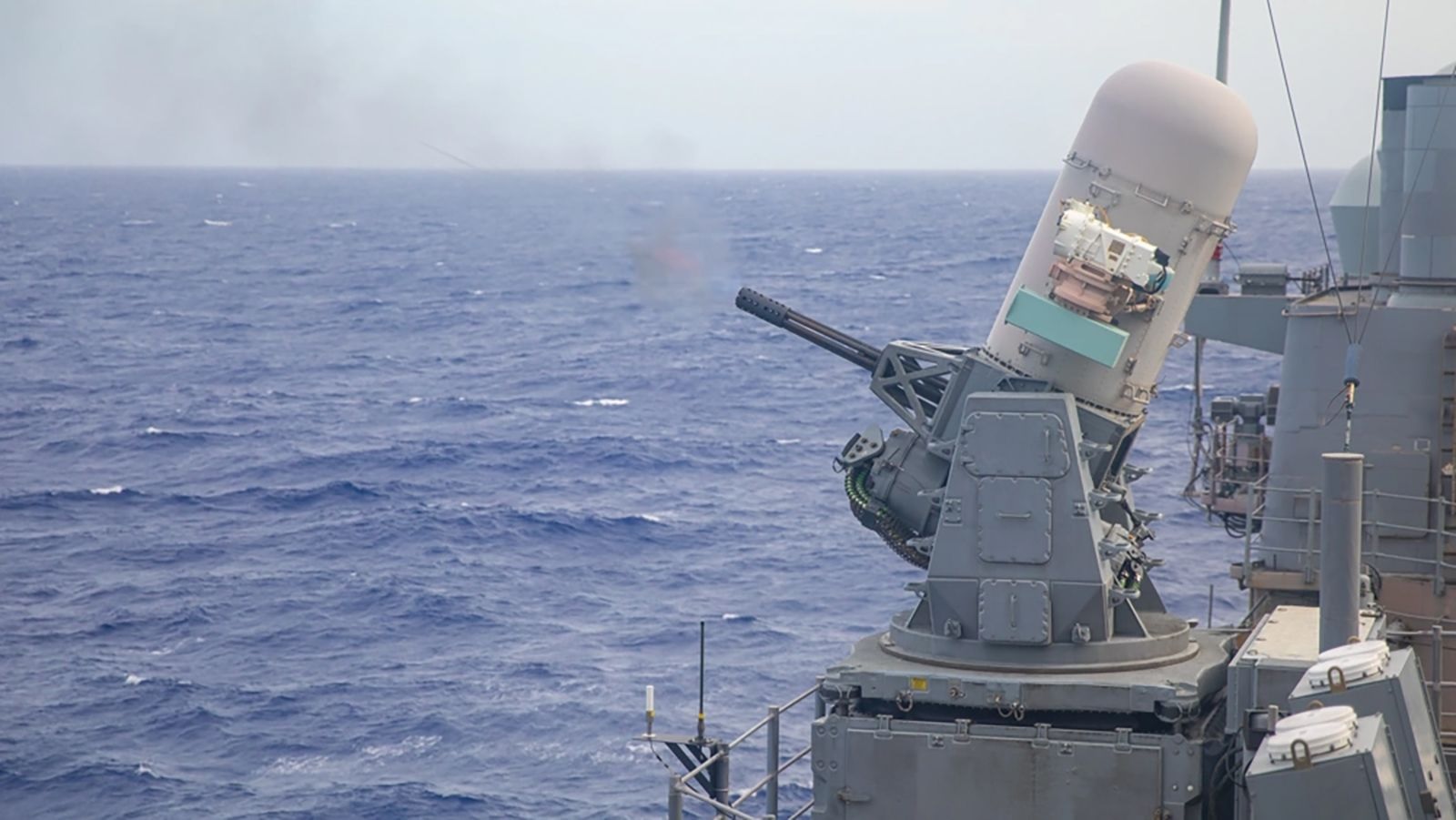
Taiwan Navy Enhances Warships with Upgraded Phalanx Close-In Weapons Amid Growing Threats from China
World
The Taiwanese Navy is taking decisive steps to upgrade its maritime defense by installing the latest variant of the Phalanx Close-In Weapon System (CIWS) on its primary surface combatants. This move is seen as a crucial enhancement in the face of growing tensions with China, which has increased its naval activities around the island.Upgrading Naval DefenseAmong the warships receiving the upgraded Phalanx Block 1B system are Taiwan’s Keelung-class destroyers, Tuo Chiang-class corvettes, and Kang Ding-class frigates. The Block 1B variant offers a substantial improvement in defensive capability, featuring a stabilized electro-optic sensor that enables better engagement against asymmetric threats like high-speed boats, drones, and low-flying aircraft. The system is capable of firing up to 4,500 rounds per minute, making it an effective countermeasure against incoming missiles and other close-range threats that may slip past the ship’s primary defenses.In addition to these installations, Taiwan is upgrading eight Block 1A CIWS units in the US, which are expected to be delivered by next year. These upgraded systems will be integrated into the navy’s newer platforms, including the Yushan-class landing platform docks and next-generation light frigates currently under construction.Strengthening the "Last Line of Defense"The Phalanx CIWS is often referred to as a ship’s “last line of defense” because it is the final barrier against incoming threats that get too close for longer-range interceptors. Its rapid-fire capability and quick response time are vital for neutralizing high-speed missiles or other threats in close proximity. The upgraded Block 1B version brings a significant advantage by enhancing targeting precision and extending the range of engagement, making it a key element in Taiwan’s strategy to counter potential attacks.Earlier this year, the importance of CIWS was underscored in the Red Sea when a Houthi missile was intercepted just one nautical mile away from a US warship. This incident highlighted the critical role that close-in weapons play in modern naval combat, where milliseconds can make the difference between survival and disaster.Preparing for Potential ConflictThe decision to invest in these upgrades comes as Taiwan faces increasing pressure from China, which has been conducting frequent military drills near the island. Many analysts believe these activities are rehearsals for a possible blockade or amphibious assault on Taiwan. In response, Taiwan has been enhancing its naval capabilities, including conducting exercises focused on repelling amphibious landings by the People’s Liberation Army (PLA).With a reported budget of over 10 billion New Taiwan dollars (approximately $313 million), these upgrades are part of Taiwan’s broader strategy to fortify its defenses against a possible Chinese invasion. The deployment of the advanced Phalanx CIWS systems is just one element of Taiwan’s effort to ensure its naval forces remain capable of defending the island nation in a worst-case scenario.ConclusionTaiwan’s move to bolster its naval capabilities with these advanced close-in weapons systems reflects the island’s growing concern over China’s aggressive posture. The enhanced Phalanx Block 1B systems provide a critical edge in protecting Taiwan’s warships and ensuring they can effectively respond to various threats. As Taiwan continues to modernize its military assets, these upgrades are a clear signal of its determination to defend its sovereignty in increasingly challenging geopolitical conditions.
Read More → Posted on 2024-08-20 16:20:16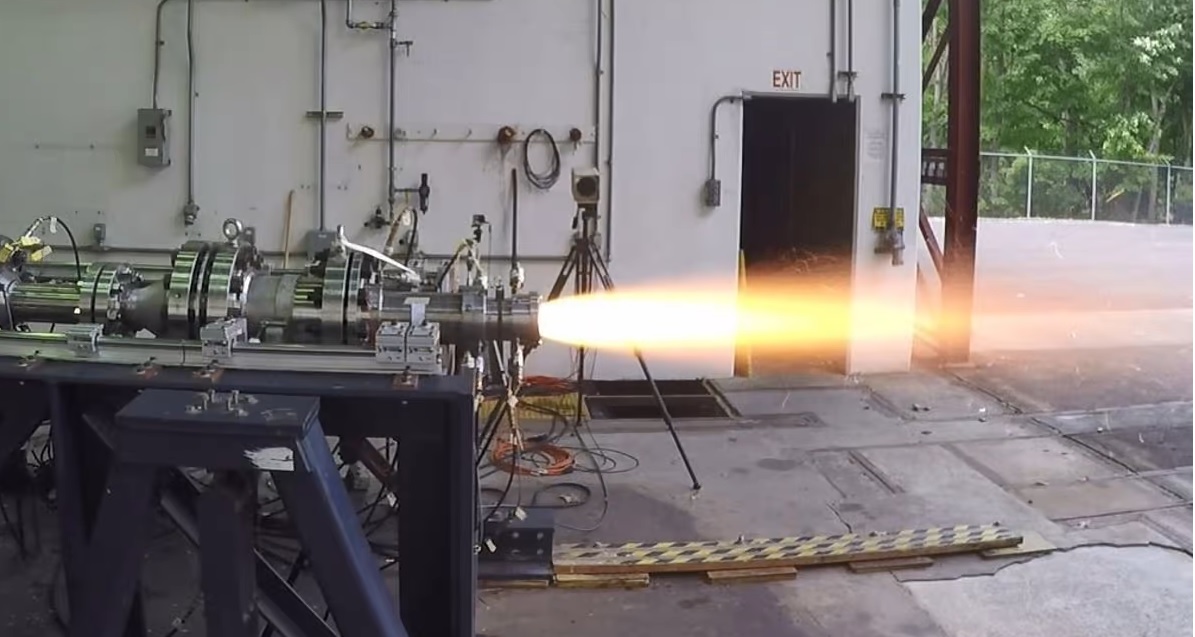
India
Raphe mPhibr, a pioneering Indian aerospace start-up, has secured a critical contract with the Indian Navy under the ADITI (Advanced Defence Innovation Technology Incubator) Challenge to develop an indigenous high supersonic to hypersonic "Ramjet" propulsion system. This system will be designed for fixed-wing aerial platforms like missiles and aircraft, marking a significant step in India’s pursuit of self-reliance in cutting-edge defence technology.Raphe mPhibr: An OverviewRaphe mPhibr has made a name for itself as a truly self-reliant, high-tech manufacturing start-up with a focus on innovation. With a team of over 130 world-class engineers and scientists, the company specializes in designing advanced aerospace technologies, including drones with superior power-to-weight ratios and autonomous capabilities. Raphe’s drones are already in use by various branches of the Indian Armed Forces, including the Indian Army, Navy, and paramilitary units like the CRPF and BSF.The company’s capabilities extend far beyond product development into manufacturing innovations as well. For example, Raphe mPhibr boasts an in-house carbon fiber and composites facility, a cutting-edge additive manufacturing unit, and a sophisticated engine and electronics manufacturing setup. These facilities allow the company to rapidly transform ideas into fully operational products, significantly shortening the development timeline for mission-critical technologies.The Hypersonic Propulsion System ProjectThe contract with the Indian Navy involves designing a hypersonic propulsion system, specifically a "Ramjet" engine, capable of powering next-generation missiles and high-speed aircraft. Hypersonic technology, which refers to speeds greater than Mach 5 (five times the speed of sound), is a key focus area for modern military forces, and India is keen to develop these capabilities domestically.Ramjet engines are particularly suited for high-speed operations and are simpler than traditional rocket engines, relying on air compression during flight to sustain combustion. This makes them ideal for long-range, high-speed missions where efficiency and sustained speeds are crucial.Technological Innovations at Raphe mPhibrRaphe mPhibr’s technological advancements are a testament to its commitment to innovation. Some of the standout features of its research and manufacturing capabilities include:1. Carbon Fiber and Composites Manufacturing: Raphe’s facility is capable of producing high-strength, lightweight components entirely in-house, making it easier to tailor designs to specific defence needs.2. Additive Manufacturing Facility: Raphe operates India’s largest 3D printing facility for defence applications, capable of handling materials like aluminum, titanium, copper, and steel. This flexibility allows the company to quickly design and produce complex components for drones and propulsion systems.3. Engine Manufacturing and Testing: Raphe’s in-house engine manufacturing unit uses a combination of metal additive manufacturing and traditional machining techniques to create engines tailored for long-range, high-endurance operations.4. Electronics Manufacturing: With India’s first PCB line for MIL-grade electronics, Raphe can produce high-reliability electronics crucial for both drone and hypersonic propulsion technologies.Strategic Importance and Future ProspectsThe development of a hypersonic propulsion system aligns closely with India’s strategic objectives of enhancing domestic defence capabilities and reducing reliance on foreign technologies. By engaging local start-ups like Raphe mPhibr, the Indian government is fostering a robust ecosystem for indigenous innovation.This contract not only strengthens India’s naval capabilities but also positions Raphe mPhibr as a key player in the future of aerospace and defence technology in India. The successful development of this propulsion system could lead to further collaborations and contracts, propelling both the company and the nation’s defence industry to new heights.In summary, Raphe mPhibr’s partnership with the Indian Navy is a pivotal development in India’s drive for self-sufficiency in advanced defence technology. The hypersonic propulsion system project underscores the growing role of indigenous innovation in national security, signaling a bright future for homegrown aerospace start-ups in the country.
Read More → Posted on 2024-08-20 16:15:50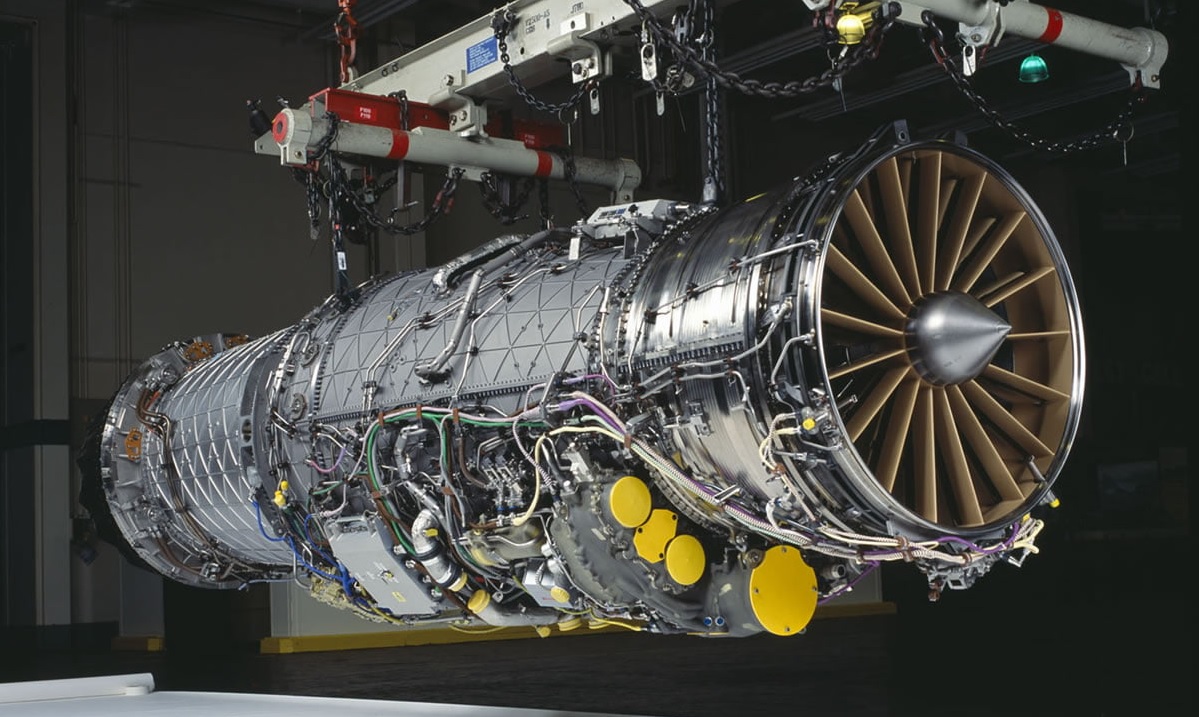
India
India's quest to strengthen its indigenous fighter jet program has encountered significant hurdles, particularly in the supply chain for F-404 engines. Hindustan Aeronautics Limited (HAL) is responsible for producing the Tejas Mk1A fighter jets, which require these engines. However, India's lack of Transfer of Technology (ToT) for the F-404 engines has resulted in challenges that could delay production and impact the Indian Air Force’s (IAF) combat readiness. South Korea’s successful approach with the FA-50 jet program provides a clear example of how ToT can secure supply chains and ensure high production rates.The Growing Challenges of India’s F-404 Engine DealIndia’s agreement with General Electric (GE) for the supply of 99 F-404 engines has been plagued by delays and disruptions. Supply chain bottlenecks, coupled with a shrinking global order book for the engine, have raised concerns over the timely delivery of engines critical to the Tejas Mk1A project. The Tejas Mk1A, a modernized version of India’s indigenous fighter jet, is vital for the IAF's fleet expansion plans. The IAF’s recent decision to procure additional Tejas jets further compounds the need for a reliable engine supply.These concerns highlight the risk of over-reliance on external sources for crucial components. Without ToT, India remains dependent on international suppliers, making the entire production process vulnerable to delays, geopolitical issues, and cost escalations. Learning from South Korea’s FA-50 SuccessSouth Korea’s FA-50 light combat aircraft program, which also uses the F-404 engine, offers valuable insights. Unlike India, South Korea secured ToT for the engine, enabling it to establish an indigenous production line. This move ensured a steady and timely supply of engines, allowing South Korea to ramp up production without being hindered by supply chain issues. The country’s ability to produce the engines domestically not only accelerated the FA-50 program but also reduced its dependence on foreign suppliers.By acquiring ToT, South Korea achieved greater autonomy in its aerospace industry, while securing a strategic advantage in maintaining a consistent production rate.The Urgent Case for ToT in IndiaIndia’s growing engine requirements, driven by the IAF’s future expansion plans, make ToT for the F-404 engine even more critical. As Tejas Mk1A jets enter service, the need for engine replacements over the aircraft’s lifespan must also be considered. An indigenous production capability, facilitated by ToT, would provide HAL with control over the manufacturing process, reducing potential delays in engine deliveries and boosting overall production efficiency.While ToT requires an upfront investment, the long-term benefits far outweigh the initial costs. Developing domestic engine production capabilities would not only secure the Tejas program but also position India as a leader in aerospace manufacturing. The ability to produce engines locally would enhance India’s strategic autonomy and reduce its dependence on foreign technology, aligning with the country’s broader goal of self-reliance in defense.Conclusion: A Strategic Move for India’s Aerospace FutureThe ongoing challenges in securing F-404 engines underscore the necessity for India to pursue ToT. By acquiring this technology, India can mitigate the risks of supply chain disruptions, ensure timely production of its Tejas jets, and take a decisive step towards self-sufficiency in advanced aerospace technologies. South Korea’s experience with the FA-50 program serves as a compelling example of how ToT can transform a nation’s defense capabilities, and India should seize this opportunity to strengthen its position as a global aerospace power.
Read More → Posted on 2024-08-20 16:09:56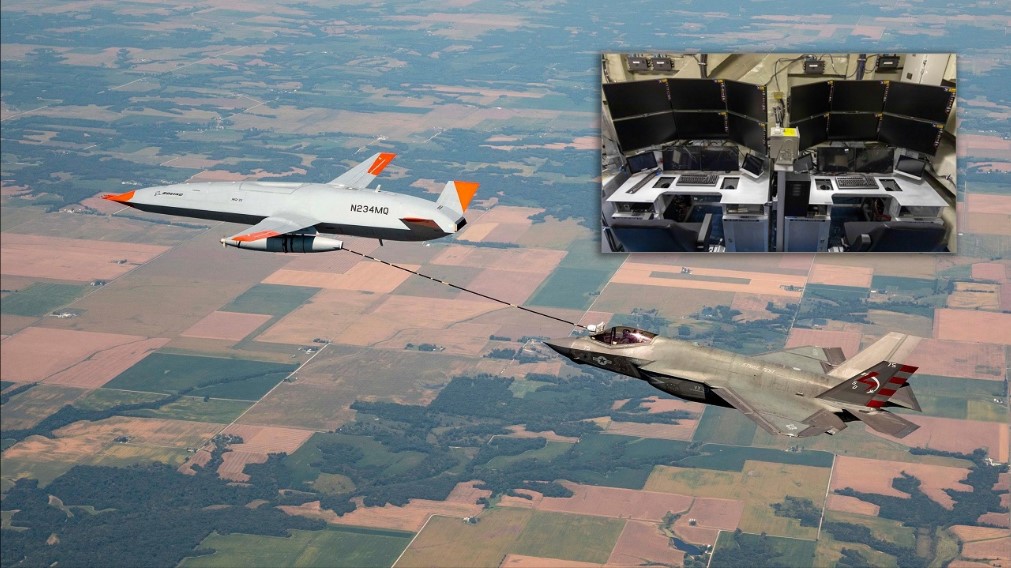
World
The US Navy has achieved a significant milestone by installing the world’s first carrier-based drone control center aboard the USS George HW Bush (CVN 77). This cutting-edge development represents a major step in integrating unmanned systems into carrier operations, starting with the control of the future MQ-25 Stingray uncrewed air refuelers.The new Unmanned Air Warfare Center (UAWC) is a specialized facility where air vehicle pilots will manage drone operations. Initially, the center will control the MQ-25 Stingray, which is designed to provide aerial refueling to enhance the range and endurance of manned aircraft. Eventually, the UAWC will be capable of managing future carrier-based unmanned platforms like the Collaborative Combat Aircraft (CCA), designed for various combat missions.Expanding Capabilities Across Carrier FleetsThe US Navy’s long-term vision includes outfitting all Nimitz and Ford-class nuclear-powered aircraft carriers with UAWCs. This system is expected to redefine how the Navy integrates unmanned aerial vehicles (UAVs) into its carrier strike groups.Captain Daniel Fucito, Unmanned Carrier Aviation Program Manager, emphasized the significance of this development, stating, "CVN 77’s UAWC lays the foundation for how the US Navy will operate and control unmanned aircraft, and perhaps other unmanned vehicles, with UMCS (Unmanned Carrier Aviation Mission Control System)."Advanced Technology and IntegrationThe heart of the UAWC’s capabilities lies in the Unmanned Carrier Aviation Mission Control System (UMCS), a complex network of software and hardware. The UMCS is a system-of-systems that includes the MD-5E Ground Control Station, ship and shore-based infrastructure modifications, and integration with command, control, communications, computers, and intelligence (C4I) systems. Developed by Lockheed Martin’s Skunk Works, the MD-5E Ground Control Station is central to this capability, offering multi-domain combat system integration and cutting-edge technology for mission execution.The UAWC’s advanced systems allow for seamless control and command of unmanned platforms, ensuring operational efficiency and mission success. The center’s capability extends beyond the control of UAVs, with potential future applications for managing various unmanned vehicles.Preparing for Operational TestingThe development and installation of the UAWC involved years of coordination, integrating it into the ship’s operational schedule and multiple ship availability periods. The first significant test of the UAWC’s operational networks is planned for early next year. This follows initial testing in January, conducted with a simulated Ground Control Station aboard the USS Abraham Lincoln (CVN 72).The upcoming trials will mark the first time that air vehicle pilots from Unmanned Carrier-Launched Multi-Role Squadron 10 will operate the MD-5E from an aircraft carrier. During the tests, pilots will use actual GCS hardware and software aboard the USS George HW Bush to communicate with a simulated air vehicle in a lab at the Naval Air Station Patuxent River.A New Era in Carrier OperationsThe UAWC’s installation marks a pivotal moment in the evolution of carrier operations. As the US Navy continues to push the boundaries of unmanned aviation, this system sets the stage for more autonomous capabilities in future naval warfare. By integrating the UAWC across its carrier fleet, the Navy is enhancing its ability to maintain operational superiority in an increasingly complex and contested maritime environment.This significant advancement underscores the Navy’s commitment to leveraging cutting-edge technology to ensure readiness and adaptability in future conflicts.
Read More → Posted on 2024-08-20 16:07:05
India
India finds itself delicately navigating global tensions as Prime Minister Narendra Modi prepares for a pivotal visit to Ukraine, underscoring the country’s complex foreign policy dynamics. The visit, which marks a historic first, highlights India’s diplomatic tightrope as it maintains ties with both Russia and Ukraine while advocating for peace and stability in the region.Modi’s meeting with Ukrainian President Volodymyr Zelenskyy is expected to focus on expanding bilateral cooperation in critical areas like defense, agriculture, health, and education. However, the backdrop of the visit reveals a deeper balancing act: India’s enduring defense relationship with Russia amidst growing scrutiny from Western nations.Recently, Russian Navy Chief Admiral Aleksandr Moiseyev visited India, reinforcing ongoing naval cooperation between the two nations. This collaboration is set to deepen with the impending delivery of two guided-missile frigates from Russia to India. These developments reflect the strength of India-Russia defense ties, which remain crucial for India's strategic interests despite global pressures.Western countries have increasingly urged India to distance itself from Russia due to the ongoing conflict in Ukraine. However, New Delhi has steadfastly maintained its neutral stance, advocating for diplomacy and dialogue as the path to resolving the crisis. India’s position is rooted in its policy of strategic autonomy, allowing it to engage with both Moscow and Kyiv without compromising its national interests.The visit is expected to see India reiterate its call for a peaceful, negotiated settlement to the conflict while seeking ways to boost cooperation with Ukraine in various sectors. Modi’s engagement with Zelenskyy could pave the way for enhanced ties, even as India continues to balance its historical relationship with Russia and its expanding partnerships with Western powers.For India, the stakes are high. The global community is closely monitoring how New Delhi will manage its diplomatic relations amid conflicting expectations from its diverse partners. As India positions itself as a key player in global geopolitics, its ability to maintain strategic autonomy while promoting peace will be tested.Ultimately, India’s approach to the Russia-Ukraine conflict reflects its broader foreign policy goals: pursuing its national interests, advocating for stability, and playing a constructive role in resolving international disputes. The outcome of Modi’s visit to Ukraine could offer important insights into how India intends to navigate the complex challenges of a multipolar world.
Read More → Posted on 2024-08-20 16:02:45
World
The U.S. State Department has approved the sale of 5,832 Northrop Grumman M1156 Precision Guidance Kits (PGKs) to Denmark in a deal valued at approximately $85 million. The package includes a range of logistical and program support services such as compatibility testing, firing tables, technical assistance, and equipment training, aimed at improving Denmark’s military precision capabilities.The M1156 PGK transforms conventional unguided 155mm artillery rounds into GPS-guided munitions, boosting accuracy by more than five times. This technology is critical in modern warfare, where precision is key to neutralizing threats while minimizing collateral damage. The sale is intended to enhance Denmark's ability to address current and emerging security challenges, allowing its brigades to increase their first-strike accuracy in various operational environments.Northrop Grumman, the principal contractor for the sale, has developed the PGK to offer reliability even in contested environments. To counter adversaries' GPS jamming tactics, Northrop Grumman partnered with CAES in 2023 to incorporate advanced M-Code GPS antennae into the PGKs. This upgrade allows the kit to operate effectively even in GPS-degraded or denied conditions.The latest version of the kit, known as the PGK-Extended Range (PGK-ER), extends its usability to more advanced artillery systems, including future 58-caliber cannons currently under development by the U.S. Army. The PGK-ER offers enhanced performance, making it adaptable for both current and next-generation artillery platforms.This sale underscores Denmark’s commitment to modernizing its defense capabilities. As regional and global security dynamics evolve, precision-guided systems like the M1156 PGK are becoming increasingly vital for NATO allies, ensuring their forces can respond swiftly and accurately to emerging threats.The Defense Security Cooperation Agency emphasized that the sale will significantly enhance Denmark's operational effectiveness, contributing to the collective security of NATO while maintaining regional stability. Contract negotiations will determine any offsets linked to the deal, shaping the final terms of the agreement.
Read More → Posted on 2024-08-19 16:16:33
India
In a recent announcement at the International Military-Technical Forum "Army-2024" in Russia, the next-generation BrahMos-NG (Next Generation) air-launched cruise missile has been officially rebranded as BrahMos-MA (Small Aircraft). Alexander Maksichev, the co-director of the BrahMos joint venture, confirmed the name change as the missile's development progresses toward compatibility with smaller aircraft, enhancing its adaptability across multiple platforms.The Shift to BrahMos-MAThe rebranding to BrahMos-MA reflects the missile's tailored design for integration with compact fighter jets like the Tejas, MiG-29, and even advanced UAVs. This adjustment aims to expand the operational reach of the BrahMos series, which has traditionally been associated with larger platforms such as the Sukhoi Su-30MKI. The smaller, more agile BrahMos-MA is poised to deliver precision strikes at high speeds, making it a valuable addition to India's air combat capabilities.Revised Testing Timeline and Strategic ImportanceThe testing timeline for the BrahMos-MA has been adjusted, with initial trials now expected by mid-2026. This is a year later than the original projection from the Indian side, which had anticipated testing by 2025. Despite the delay, the missile remains a priority for the Indian Air Force (IAF), which views it as a crucial upgrade in maintaining air superiority and enhancing long-range precision strike capabilities.IAF Chief, Air Chief Marshal Vivek Ram Chaudhari, has highlighted the significance of precision weaponry, especially as regional security tensions remain high. The ongoing standoffs with China and Pakistan underscore the need for advanced systems like the BrahMos-MA, which can offer rapid and accurate responses to evolving threats.Specifications and CapabilitiesThe BrahMos-MA retains many of the defining features of its predecessor, the BrahMos-NG, while introducing improvements aimed at boosting efficiency and stealth. Key specifications include:Range: Up to 290 kilometers.Speed: Supersonic speeds reaching Mach 3.5, ensuring a swift impact with minimal detection.Size and Weight: The missile's reduced size and weight make it compatible with a broader range of aircraft, offering enhanced deployment flexibility.Guidance System: The BrahMos-MA is equipped with a cutting-edge inertial navigation system (INS) and GPS guidance, enabling precise targeting even in challenging environments.Warhead: The missile can carry various warhead types, from conventional explosives to specialized payloads for strategic missions.Future Prospects and Strategic EdgeThe BrahMos-MA's successful induction will be a game-changer for the Indian armed forces, particularly in scenarios requiring rapid deployment of precision strikes. With its compact design and advanced capabilities, it will play a vital role in strengthening India's deterrence posture, especially in high-altitude conflicts or maritime operations.The delay in testing is a minor setback given the missile's long-term strategic value. The collaboration between India and Russia on this project continues to enhance the credibility of the BrahMos series as one of the world’s most formidable supersonic missile systems.As the BrahMos-MA heads toward final development and testing phases, both the Indian and Russian sides remain committed to delivering a weapon that not only meets operational requirements but also adapts to the dynamic nature of modern warfare.
Read More → Posted on 2024-08-19 16:14:18
India
Prime Minister Narendra Modi is set to embark on a historic visit to Ukraine on August 23, marking the first time an Indian Prime Minister has traveled to the war-torn country since the establishment of diplomatic relations between the two nations over 30 years ago. The visit comes at the invitation of Ukrainian President Volodymyr Zelenskyy and is seen as a significant diplomatic move amid the ongoing Russia-Ukraine conflict, which began in February 2022.The Ministry of External Affairs (MEA) emphasized that this visit underscores India's long-standing position that dialogue and diplomacy are the only paths to lasting peace. MEA Secretary (West) Tanmaya Lal highlighted that India’s relations with both Russia and Ukraine are based on independent and substantive partnerships that are not influenced by the dynamics of the ongoing war.Diplomatic Significance and India's Neutral StancePM Modi's trip to Ukraine follows his recent visit to Russia in July, where he met with President Vladimir Putin, sparking controversy and criticism from Ukraine. President Zelenskyy expressed disappointment over the timing of Modi’s Russia visit, coinciding with a tragic incident where a Russian strike allegedly killed 37 people at a children’s hospital in Kyiv. Despite this, India has maintained its stance of engaging with both sides to push for a peaceful resolution.India's approach has been consistent in advocating for diplomacy and dialogue. The MEA reiterated that “India is ready to provide all possible support” in seeking a peaceful solution to the conflict, emphasizing that a durable peace can only be achieved through options acceptable to both Russia and Ukraine. Over the past year, PM Modi has held several discussions with both President Zelenskyy and President Putin, reflecting India’s strategic balancing act.Humanitarian Aid and Bilateral CooperationIndia has already extended significant humanitarian aid to Ukraine, with the MEA confirming that 16 aid packages totaling 135 tons, including medical supplies and power generators, have been delivered since the conflict began. During the upcoming visit, discussions will also focus on deepening bilateral cooperation, with several agreements expected to be signed between the two countries.The visit coincides with Ukraine's National Flag Day, adding symbolic importance to the occasion. The Ukrainian Presidential Office has confirmed that both leaders will engage in talks addressing bilateral and multilateral cooperation. The visit aims to bolster ties between India and Ukraine, highlighting New Delhi’s growing role in global diplomacy.Strategic ImplicationsPM Modi’s visit to Ukraine is expected to have significant strategic implications. India’s balanced approach in maintaining relations with both Russia and Ukraine could pave the way for broader diplomatic engagements, influencing global efforts to mediate peace. Additionally, the visit sends a strong signal of India’s independent foreign policy, emphasizing that its partnerships are based on its own strategic interests.The world will be closely watching the outcomes of this landmark visit, as it holds the potential to impact the ongoing geopolitical dynamics surrounding the Russia-Ukraine conflict.
Read More → Posted on 2024-08-19 16:03:45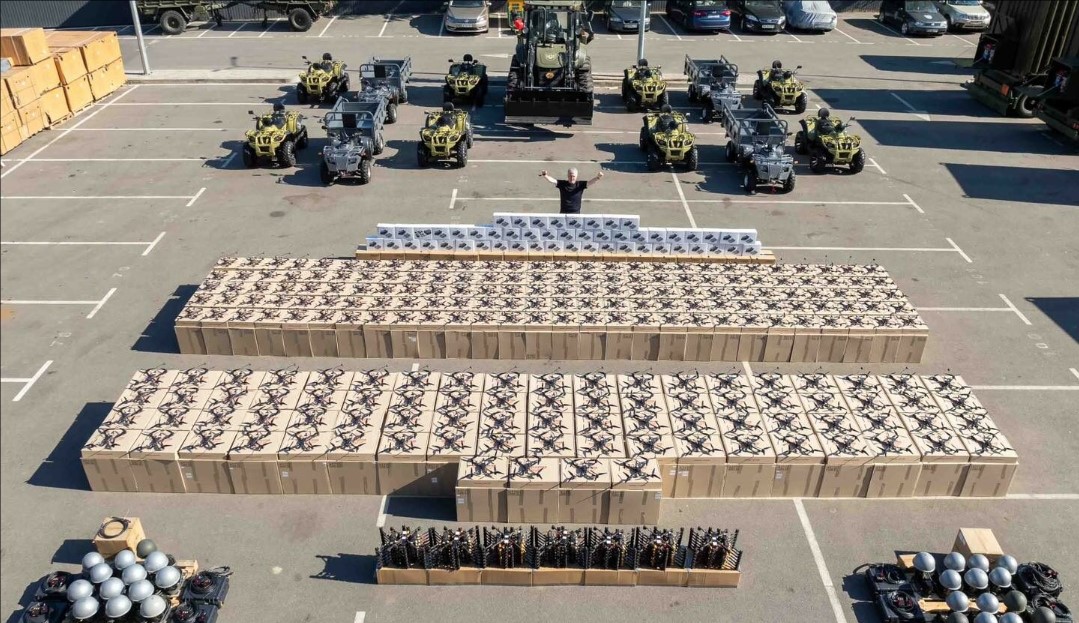
World
Ukraine has received a significant boost in its cross-border operations against Russia with the delivery of a range of advanced equipment, including all-terrain vehicles (ATVs), drones, and electronic warfare (EW) systems. Former Ukrainian president and current parliament member Petro Poroshenko handed over the large batch of volunteer aid to Ukrainian Defense Forces operating inside Russia’s Kursk region, aiming to strengthen their ongoing incursion.Key Equipment DeliveredThe aid package includes an impressive array of technology designed to enhance the effectiveness of Ukrainian forces:1,205 First-Person View (FPV) Attack Drones: These drones provide real-time video feedback, allowing operators to engage targets with precision. The FPV drones are expected to play a critical role in disrupting Russian positions.DJI Mavic Drones: A total of 68 DJI Mavic drones—51 daytime and 17 nighttime versions—were delivered. These commercially available drones have become vital in surveillance and targeting operations due to their adaptability and ease of use.Shatro 50-1M Electronic Warfare Systems: Nine Shatro 50-1M systems were included to protect Ukrainian troops from Russian kamikaze drones. These systems create a protective dome of radio frequency interference with a radius of up to 250 meters (820 feet) by emitting 50 watts of power. This capability disrupts enemy drone communications and guidance systems, increasing the survivability of Ukrainian forces.Twelve ATVs: The donated ATVs are intended for assault troops and can be used for rapid deployment, reconnaissance, and the evacuation of wounded soldiers from conflict zones.Additional Support Equipment: Ukrainian units also received a new excavator, a Foden truck, and makeshift shower facilities, enhancing their logistical capabilities during extended operations.Strategic Importance of the Kursk IncursionThe equipment was sent to support Ukrainian forces engaged in a surprise offensive in the Kursk region of western Russia. This incursion, launched earlier in August, has been marked by the effective use of drones and jamming devices, which allowed Kyiv’s forces to disrupt Russian surveillance systems and push forward into enemy-held territory. According to the Institute for the Study of War, Ukraine managed to capture over 800 square kilometers (308 square miles) and gain control of several Russian towns within a week of launching the operation.President Volodymyr Zelenskyy emphasized that this offensive aims to create a "buffer zone" to prevent further Russian strikes against Ukraine. The focus remains on sustaining pressure in border regions, with Ukrainian forces looking to secure additional gains in the coming weeks.Poroshenko’s Call for Continued SupportPoroshenko, who played a key role in organizing the aid, stressed the importance of continued support for Ukraine’s frontline troops. He reiterated that while the specifics of ongoing operations cannot be disclosed, the supply of necessary equipment remains a priority. "All this equipment will do its job for the advancement of our troops," he stated, highlighting the critical nature of this aid for Ukraine’s broader war effort.As Ukraine continues to engage Russian forces across the border, the delivery of these drones, ATVs, and electronic warfare systems underscores Kyiv’s commitment to maintaining momentum and advancing its strategic objectives.
Read More → Posted on 2024-08-19 15:59:50
World
Two German warships, the frigate Baden-Wuerttemberg and the replenishment ship *Frankfurt am Main*, are awaiting orders from Berlin that could see them become the first German naval vessels in decades to sail through the sensitive Taiwan Strait. The potential passage, expected to take place next month, highlights Germany's growing role in the Indo-Pacific and could inflame tensions with Beijing, which claims sovereignty over the strait.Rear Admiral Axel Schulz, the commander of the naval task group, confirmed that no final decision has been made yet, as weather conditions will also be considered. If approved, it would mark Germany’s first transit through the strait since 2002, joining a growing list of nations like the United States, Canada, and others that have recently sent warships through the region to assert their stance on international maritime freedom.The Taiwan Strait, a narrow 180-kilometer-wide waterway, lies between China and the self-governed island of Taiwan. Beijing insists the strait falls under its jurisdiction, while Taiwan, supported by the U.S. and its allies, maintains that it is an international waterway, allowing free passage under international law."We are showing our flag here to demonstrate our commitment to our partners and friends, to the rules-based order, peaceful resolution of territorial disputes, and free, secure shipping lanes," Schulz stated, emphasizing that the mission is not meant to provoke but to uphold these principles.Before considering the passage, the German task group will visit Tokyo and then make stops in South Korea and the Philippines. They are also scheduled to participate in joint exercises involving several regional and Western powers, including France, Japan, the United States, and others. These drills underscore the increasing international focus on security and stability in the Indo-Pacific as concerns grow over Beijing’s assertive actions, including its military activities around Taiwan.Germany’s decision to increase its naval presence in the region is part of a broader shift seen among Western nations in recent years. In 2021, a German warship sailed through the South China Sea for the first time in nearly 20 years, signaling Berlin’s intent to play a more active role in ensuring the rules-based order in Asia.Despite the potential geopolitical ramifications, Admiral Schulz downplayed the security risks, describing the strait as a "normal passage" similar to navigating the English Channel. Still, he expects close monitoring by Chinese forces, possibly including navy, coastguard, or maritime militia vessels, which is standard practice in the area.The increasing frequency of foreign naval operations in the Taiwan Strait, especially by the U.S., has consistently drawn sharp reactions from Beijing, which accuses such missions of undermining regional peace. Germany's balanced trade relationships with both China and Taiwan add another layer of complexity, making this a significant diplomatic and strategic decision for Berlin.As the world watches, the next steps in Germany’s evolving Indo-Pacific strategy will be closely scrutinized, especially given the growing competition between global powers in the region.
Read More → Posted on 2024-08-19 15:55:56
India
The North Eastern Council (NEC) recently found itself in a sensitive situation after an error in its draft "Vision Plan 2047" document led to widespread criticism. The issue arose when the draft mentioned that the Kuki community migrated from the “Chin State of Manipur.” This error led to a significant backlash, particularly from Manipur Chief Minister N. Biren Singh, who addressed the issue publicly through a Facebook post.The NEC’s "Vision Plan 2047," a comprehensive 664-page document, aimed to outline the developmental aspirations for the eight northeastern states until 2047, when India marks its 100th year of independence. However, a factual error in Chapter 3, titled “Art, Culture, Natural Heritage,” incorrectly stated that the Kukis migrated from the “Chin State of Manipur.” This misrepresentation conflated the Chin State of Myanmar with Manipur and incorrectly categorized the Kukis' origins.In response to this error, Chief Minister Biren Singh brought the matter to the attention of Jyotiraditya Scindia, the Union Minister for the Development of North Eastern Region (DoNER). Following this intervention, the NEC swiftly withdrew the document.The Kuki Community and Regional ContextThe Kuki, Zomi, Chin, and Hmar communities are indigenous to Manipur and other parts of the northeastern region. These communities share ethnic, cultural, and traditional ties with the Mizos of Mizoram, as well as groups in Myanmar and Bangladesh. The contentious statement in the document highlighted the complex interplay of identities and migration histories in the region, making the error particularly sensitive.Chin State, located in Myanmar, shares an international border with Manipur and Mizoram. The draft document’s incorrect mention sparked concerns, as the region's history and ethnic diversity are delicate topics. The northeastern region is home to more than 200 ethnic and tribal communities, with over 35% of Manipur’s 2.72 million population being tribal. These 34 different communities, comprising both tribal and non-tribal groups, contribute to the region's rich cultural tapestry.The North Eastern Council’s RoleThe NEC, established under the North Eastern Council Act of 1971, is a statutory advisory body that came into existence on November 7, 1972. Headquartered in Shillong, Meghalaya, the NEC plays a pivotal role as the nodal agency for the socio-economic development of the northeastern states—Arunachal Pradesh, Assam, Manipur, Meghalaya, Mizoram, Nagaland, Sikkim, and Tripura. The Union Home Minister serves as the ex-officio Chairman, while the DoNER Minister is the ex-officio Vice-Chairman of the council.The draft “Vision Plan 2047” was intended to guide development policies and strategies for the northeastern states over the next few decades. However, the misrepresentation regarding the Kukis highlights the importance of accuracy and cultural sensitivity when discussing the region’s diverse communities.The withdrawal of the document serves as a reminder of the complexities involved in planning for such a culturally rich and diverse region. As the NEC works towards revising the vision plan, it is expected that more attention will be given to historical and cultural details to avoid such controversies in the future.
Read More → Posted on 2024-08-19 15:52:42
World
The UK Ministry of Defence has successfully launched its first dedicated military satellite, marking a significant leap in the country’s defense capabilities. Named “Tyche,” the satellite was sent into orbit aboard SpaceX’s Falcon 9 rocket from Vandenberg Space Force Base in California. This advanced space asset is set to enhance the UK’s intelligence, surveillance, and reconnaissance (ISR) operations, offering vital support for both military and governmental initiatives.Tyche: A New Era in UK Space DefenseTyche, operated by the UK Space Command, is designed to capture high-resolution daytime imagery and videos of the Earth’s surface. Weighing 150 kilograms (about 330 pounds) and roughly the size of a washing machine, the satellite will play a crucial role in monitoring potential adversaries, gathering strategic intelligence, and supporting broader national security objectives. Additionally, it is expected to contribute to non-military missions such as tracking natural disasters and assessing the effects of climate change globally.Paul Russell from Defence Equipment & Support (DE&S) emphasized the importance of this milestone, stating, “To see Tyche – the first of a new generation of UK military capabilities – delivered into orbit is an incredibly proud moment and a tribute to everyone’s commitment to this key project.”Details of the Tyche Satellite ProgramTyche is part of a 22-million-pound ($29-million) initiative between the UK’s DE&S and Surrey Satellite Technology Limited, a company based in Guildford. The satellite is designed for a five-year mission in Low Earth Orbit (LEO), where it will provide timely and critical space-based imagery. The launch comes in the wake of increased recognition of the importance of space-based military assets, particularly highlighted during Russia’s ongoing invasion of Ukraine. The conflict has underscored the strategic advantages provided by space surveillance, prompting the UK to invest in such capabilities.Defense Procurement Minister Maria Eagle remarked, “Tyche will provide essential intelligence for military operations as well as supporting wider tasks across government.” She also noted that the launch demonstrates the UK’s commitment to embracing innovation in defense technologies.A Key Step Toward Future Military Space CapabilitiesThe Tyche satellite not only boosts the UK’s defense ISR capabilities but also represents the country’s broader ambitions in space. As global powers increasingly rely on space assets for military and security purposes, the UK’s entry into this domain underscores its determination to remain at the forefront of modern defense technologies. Tyche’s successful launch and early signal confirmation mark the beginning of a new chapter for the UK’s space defense strategy.
Read More → Posted on 2024-08-19 15:49:24
India
The satellite launch market in India is on the brink of a major growth spurt, with projections estimating its value will surge from ₹6,035 crores in 2022 to a staggering ₹29,400 crores by 2033. This significant rise is driven by the increasing demand for small satellite launches, as companies look to deploy satellites swiftly to meet the needs of applications like internet connectivity and earth observation.India’s space ecosystem is witnessing a transformative phase with both government and private players gearing up to meet this demand. The Indian Space Research Organisation (ISRO) recently introduced the Small Satellite Launch Vehicle (SSLV), its latest satellite launch vehicle, which is designed specifically for commercialisation. Joining ISRO in this competitive space race are emerging private firms like Skyroot Aerospace and Agnikul Cosmos. Skyroot’s ‘Vikram’ and Agnikul’s ‘Agnibaan’ rockets are expected to vie for market share, offering rapid and cost-effective options for launching small satellites into orbit.Lt. Gen. A K Bhatt (Retd.), Director General of the Indian Space Association, highlighted how the shift towards small satellite launch vehicles aligns perfectly with market needs. “Larger launch vehicles are available, but with the growing number of satellites being deployed, companies are looking for quicker and more flexible options. Small launch vehicles are tailor-made for this purpose,” Bhatt noted.In this rapidly evolving market, Indian start-ups are playing a pivotal role. Companies like Pixxel and Satsure have ambitious plans to deploy constellations of small satellites. Pixxel, for instance, is looking to launch six hyperspectral satellites this year, with three set to be launched via SpaceX and the remaining three using ISRO’s launch vehicles. The small satellite market is expected to open up significant opportunities for home-grown launch solutions, offering a competitive alternative to global giants like SpaceX.On the technical front, Skyroot Aerospace has made significant strides with the successful test of the Stage 2 engine, Kalam-250, which will power the Vikram-1 rocket. This engine will propel the launch vehicle from atmospheric space into the deep vacuum of outer space. Meanwhile, Agnikul Cosmos, incubated at IIT-Madras, is preparing to launch its orbital rocket, Agnibaan, next year.ISRO’s SSLV program marks a crucial step towards mass-producing small rockets in India. Following the successful launch of the SSLV on August 16, ISRO Chairman S. Somanath announced that the development phase is now complete, and the rocket is ready for technology transfer to private industries for large-scale production. The Indian National Space Promotion and Authorization Center (IN-SPACe) is spearheading efforts to identify industry consortiums that can take up this technology transfer and scale the production of SSLVs over the next two years.Somanath emphasized that the knowledge transfer goes beyond manufacturing and includes training private players in the processes and techniques involved in rocket building. “We are teaching them how to build the rocket,” he explained, adding that industries will have to pay a technology transfer fee and meet criteria such as manufacturing capability, facilities, and financial strength.The Indian space sector’s rapid growth, supported by innovative start-ups and the strong foundation laid by ISRO, is set to position India as a formidable player in the global satellite launch market. As small satellites become the go-to solution for a range of applications, India’s launch vehicles are gearing up to capture a significant share of this expanding market.
Read More → Posted on 2024-08-19 15:45:37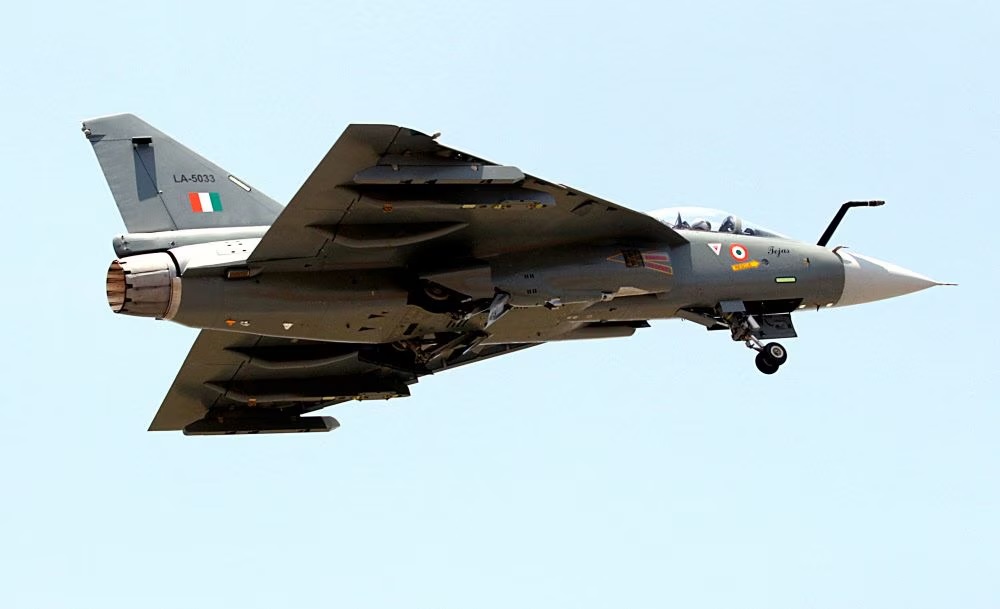
India
The Indian Air Force's (IAF) much-anticipated induction of the Tejas Mk-1A Light Combat Aircraft (LCA) is facing a new hurdle due to delays in engine deliveries from General Electric (GE). Hindustan Aeronautics Limited (HAL), the manufacturer of the Tejas jets, is now considering the use of reserved engines as a temporary measure, potentially affecting the planned delivery timeline.The Defence Ministry had signed a ₹48,000 crore deal in February 2021 for 83 LCA-Mk1A fighters, followed by a $716 million contract with GE Aviation in August 2021 for 99 F404-IN20 engines. However, none of these engines have been delivered yet. According to a defence official, “Not a single engine has been received so far. They are now expected to be delivered from September onwards.” As a stopgap, HAL and the IAF have devised a plan to equip the initial batch of LCA-Mk1A jets with used engines, labeled as Category-2, until the new F404 engines arrive.This delay is a significant concern, given the critical role the LCA-Mk1A plays in the IAF’s fleet rejuvenation plans. The LCA is seen as vital for stabilizing the declining fighter squadron strength and ultimately expanding it. The original delivery schedule called for three LCA-Mk1A jets by February 2024, with 16 aircraft to be delivered annually over the following five years.While the manufacturing of the aircraft continues smoothly at HAL, the engine delay remains the primary bottleneck. Despite the setbacks, officials are optimistic that deliveries can begin soon after the engines start arriving. HAL hopes to deliver at least one LCA-Mk1A by the end of 2024, with eight to nine jets expected by the end of the fiscal year.The situation highlights ongoing challenges in global supply chains. GE Aerospace acknowledged the "unprecedented supply chain pressures" affecting the industry and assured that they are working closely with HAL and other suppliers to resolve the constraints. These pressures have delayed the timely delivery of the F404 engines, essential for the LCA-Mk1A’s performance.The Tejas Mk-1A is equipped with the F404-IN20 engine, which is a more advanced variant of the F404 series. The engine offers 85 kN of thrust with afterburner and is designed for optimal reliability and efficiency, making it ideal for single-engine fighter aircraft like the Tejas. Its sophisticated Full Authority Digital Engine Control (FADEC) ensures precise control and adaptability in varied flight conditions.The delay in engine deliveries has also affected the timeline for the broader Tejas program. Alongside the 83 Mk1A jets, the IAF has received preliminary approval to procure an additional 97 Mk1A aircraft, taking the total order to 180 jets. The LCA Mk-1 variant is expected to complement the newer Mk1A models, with around 220 Mk1 jets envisioned as part of the fleet.Meanwhile, HAL and the IAF are looking ahead to the development of the more advanced LCA-Mk2, powered by the GE F-414 engine. The F-414 engine offers increased thrust and better performance, making it suitable for the Mk2 variant, which will have expanded capabilities, including enhanced avionics and weapons integration. A deal for manufacturing the F-414 engines in India is nearing finalization, paving the way for the production of around 120 LCA-Mk2 aircraft.The ongoing delays have added pressure on HAL and GE, as the timely delivery of the LCA-Mk1A is crucial to the IAF’s modernization efforts. While the use of reserved engines may enable some early deliveries, the long-term success of the program depends heavily on resolving these supply chain issues and maintaining a steady flow of engines for the Tejas fleet.
Read More → Posted on 2024-08-18 15:10:02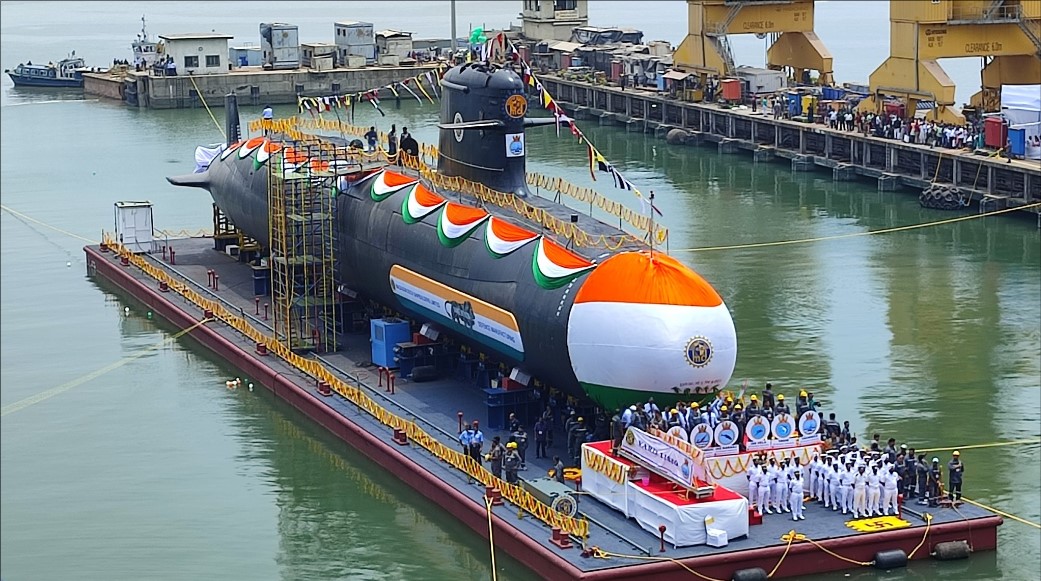
India
The Indian Navy's much-anticipated INS Vagsheer, the final submarine in the Kalvari-class, has hit a delay in its commissioning. Initially planned for early 2024, the submarine’s induction is now expected between November and December this year. This postponement has drawn attention due to the significant role the submarine is expected to play in strengthening India’s underwater defense capabilities.INS Vagsheer, the sixth and last vessel in the Kalvari-class, is based on the Scorpène design from France’s Naval Group. Built by Mazagon Dock Shipbuilders Limited (MDL), it is equipped with advanced stealth features, cutting-edge sonar systems, and long-range torpedoes. However, what sets Vagsheer apart from its predecessors is the integration of indigenous technology, which is now seen as a key factor in the delay.According to sources, the incorporation of Indian-made systems, replacing some of the original equipment, has led to additional testing and validation requirements. These systems need to meet stringent operational standards, especially given the critical nature of a submarine’s role. Integrating and validating these new technologies within the complex environment of a submarine is a demanding process that requires rigorous trials.The Kalvari-class submarines are known for their stealth and precision, with the ability to carry both torpedoes and Exocet anti-ship missiles. Vagsheer, with its indigenous enhancements, aims to push these capabilities further. Despite the delay, the situation underscores India’s growing self-reliance in defense technology. Successfully integrating homegrown systems into such an advanced platform is a significant milestone in India’s defense manufacturing sector.The delay, while disappointing, highlights the importance of ensuring that every system performs flawlessly. The Indian Navy’s commitment to quality and performance over speed is crucial, especially given the high stakes involved in underwater operations. When finally commissioned, INS Vagsheer will serve as a potent addition to India’s naval fleet, enhancing its operational depth and versatility.Defense observers and naval enthusiasts are now eagerly awaiting further updates as the submarine moves closer to induction. The successful integration of indigenous technology within INS Vagsheer not only strengthens India’s defense capabilities but also marks a significant leap in the country’s journey toward greater defense self-reliance.
Read More → Posted on 2024-08-18 15:03:27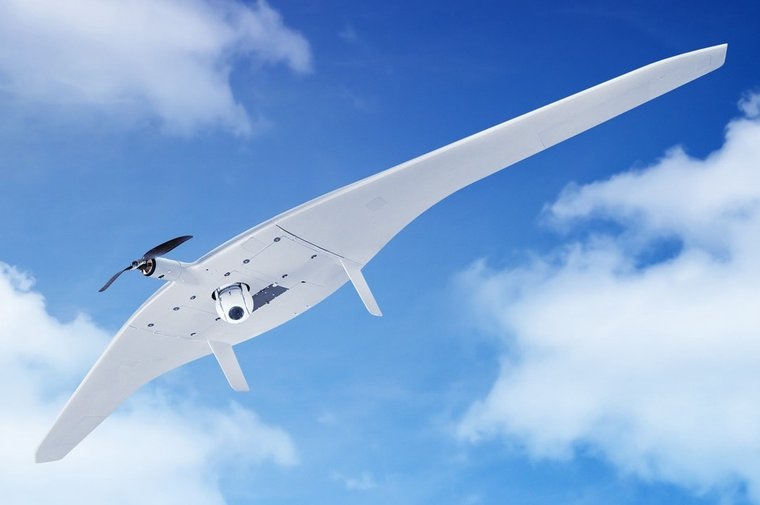
World
Pakistan has taken a significant step in enhancing its surveillance and reconnaissance capabilities with the acquisition of the advanced Supercam S350 drones from Russia. This move underscores the country's commitment to strengthening its aerial monitoring assets for both military and civilian applications. With these state-of-the-art unmanned aerial vehicles (UAVs), Pakistan gains a versatile tool designed to meet the diverse needs of modern-day surveillance and monitoring tasks.The Supercam S350 is a highly capable Russian-made UAV known for its extensive flight endurance, advanced data transmission range, and high-speed operations. One of its standout features is its impressive seven-hour flight time, allowing it to perform prolonged surveillance missions without frequent interruptions. The drone’s robust data transmission system, which extends up to 100 kilometers, ensures that real-time information is relayed swiftly and accurately to command centers, providing crucial situational awareness in dynamic scenarios.In terms of speed, the Supercam S350 can reach up to 120 kilometers per hour, enabling it to cover vast areas rapidly. This capability is particularly beneficial for border patrol, crisis management, and other time-sensitive operations. Equipped with a sophisticated optical system, the drone is capable of capturing high-resolution images and videos, even under challenging environmental conditions. The versatility of the Supercam S350 is evident in its wide range of payload options, which can include thermal imaging devices, radiation detectors, gas analyzers, and laser scanners. This modular design allows the UAV to adapt to a variety of missions, from disaster response to environmental monitoring and infrastructure inspections.The drone’s adaptability extends beyond military applications. Its capabilities make it a valuable asset for civilian purposes as well, such as disaster management, border security, and facility monitoring. With a 4.5-hour flight duration dedicated to civilian tasks, the Supercam S350 ensures reliable performance in diverse scenarios.Another key feature of the Supercam S350 is its modular construction using composite materials. This design enables quick assembly and easy maintenance, ensuring operational efficiency. The drone’s flexible configuration is supported by interchangeable payloads and a unified gyro-stabilized gimbal system, allowing seamless switching between mission-specific equipment. Additionally, the wing panels are designed to detach safely during landing, minimizing the risk of damage and prolonging the UAV’s operational lifespan.The procurement of the Supercam S350 drones marks a strategic investment for Pakistan, enhancing its aerial monitoring and reconnaissance capabilities. Whether for military surveillance, environmental monitoring, or disaster management, these advanced UAVs position Pakistan to better manage security challenges and optimize civilian operations. The Supercam S350’s sophisticated features and versatile applications make it a critical asset in Pakistan’s growing drone fleet.
Read More → Posted on 2024-08-18 15:00:36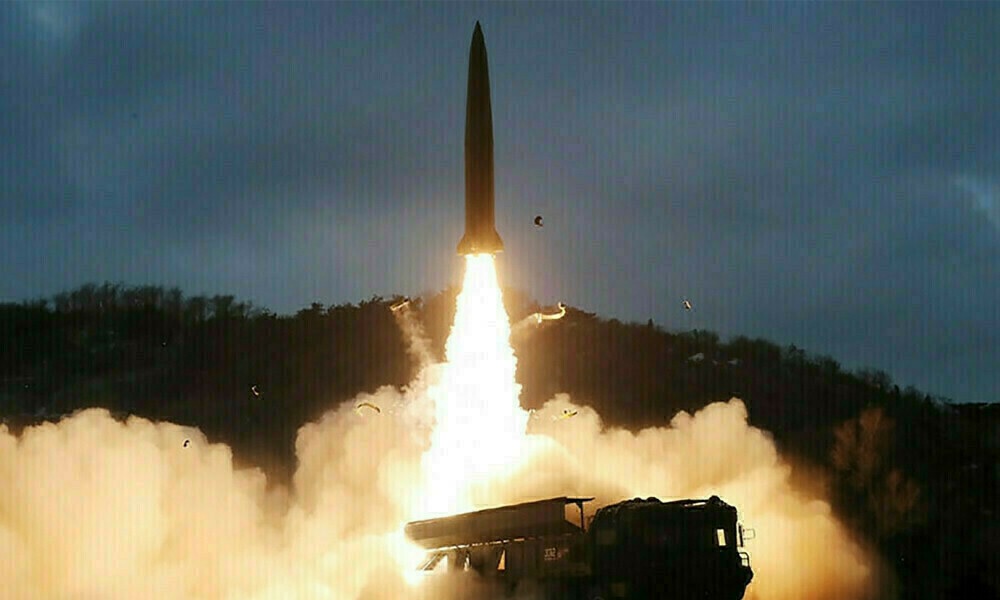
World
In what has become a recurring threat this month, Russia launched its third ballistic missile strike on Kyiv in August, marking another attempt to target Ukraine's capital. According to the Kyiv military administration, the missile attack took place early on Sunday, and all incoming air weapons were reportedly intercepted and destroyed before reaching the city. This attack follows a concerning pattern, as the previous strikes also occurred exactly six days apart.Serhiy Popko, head of Kyiv’s military administration, took to Telegram to confirm the details. He stated, “This is already the third ballistic strike on the capital in August, with exact intervals of six days between each attack.” Popko also suggested that the missiles used in these attacks might have been supplied by North Korea, adding a new layer of geopolitical complexity to the ongoing conflict.The attack wasn’t limited to ballistic missiles alone. Ukrainian air defense units also managed to destroy several drones launched by Russia in tandem with the missile assault. Although the precise scale of the attack remains unclear, initial reports indicate that there were no immediate casualties or significant damage.Reuters, which has been closely monitoring the situation, noted that while they couldn’t independently verify the exact type of missiles used, witnesses in Kyiv reported hearing loud blasts that resembled the sounds of air defense systems in action. As the situation unfolded, fresh air raid alerts were issued for Kyiv and surrounding regions, indicating the potential threat of additional missiles.While the ballistic missile strikes seem to have been neutralized by Ukraine’s defense systems, the persistent nature of these attacks highlights the ongoing tension and volatility in the region. Ukrainian authorities remain on high alert as the possibility of further strikes looms.As the conflict between Russia and Ukraine drags on, the repeated targeting of Kyiv underscores Russia’s determination to weaken Ukraine’s defensive capabilities while testing the resilience of its air defense systems. With reports suggesting North Korean involvement in supplying ballistic missiles, the international dimension of this war continues to widen, drawing in actors from beyond the immediate conflict zone.Despite the intensity of these repeated strikes, Ukraine’s ability to intercept the missiles reflects the growing sophistication of its defense strategies, even as it faces relentless pressure from Russian forces. As both sides continue to adapt and evolve their tactics, Kyiv remains a focal point of this conflict, bearing the brunt of these high-stakes confrontations.
Read More → Posted on 2024-08-18 14:58:03Search
Top Trending in 24 Hours
-
 Unitree Unveils H2-X ‘Kung Fu Legend: Guardian’ Humanoid Robot for Security and Rescue
-
 US Firm Heaviside Unveils 2.3-Kg TYR Loitering Munition With 40-Km Range at AUSA 2026
-
 Ukraine Reveals Technical Details of Russia’s New Filin Cruise Missile
-
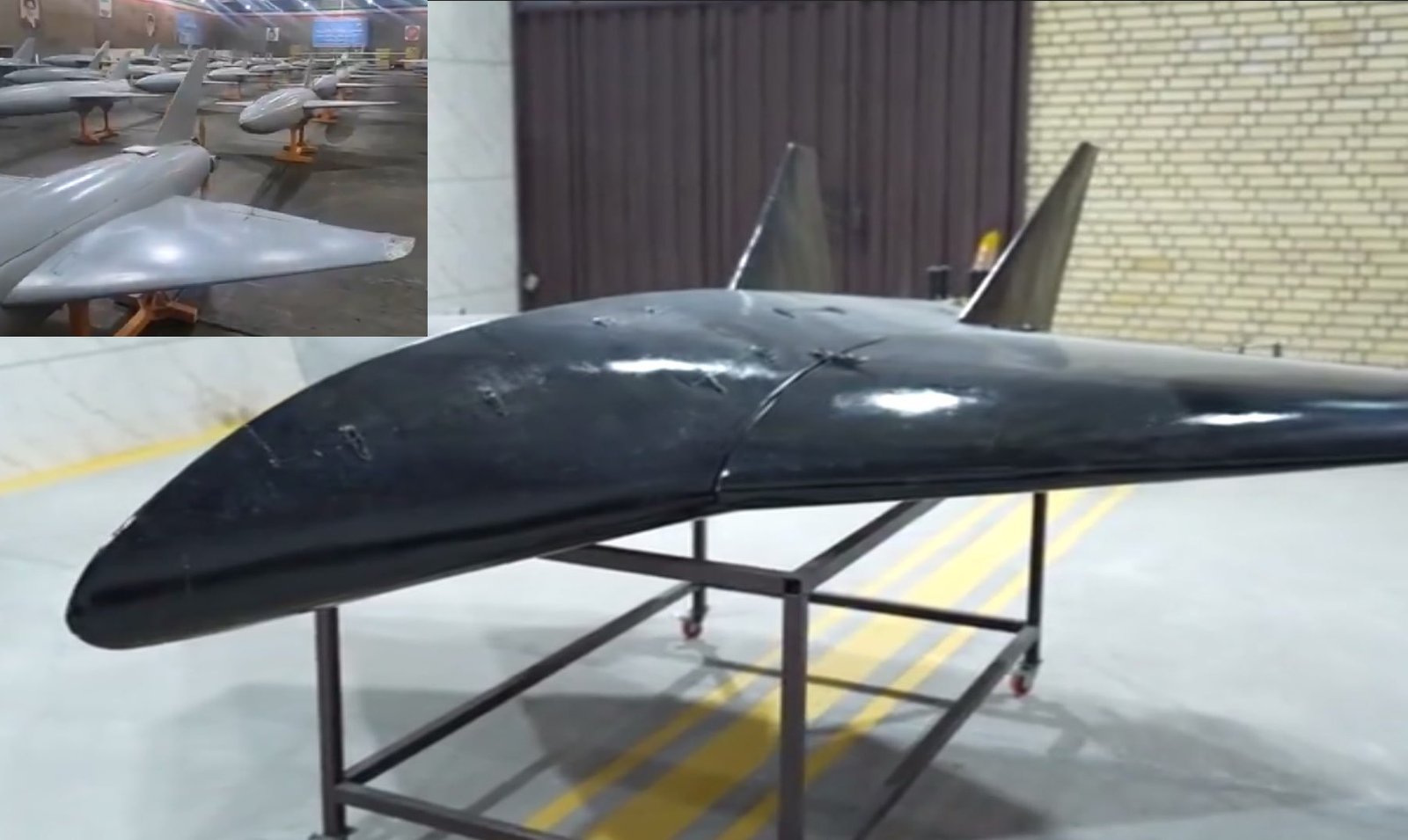 Iran Showcases Upgraded Arash-3 Drone with 100 kg Warhead, AI Targeting and GPS-Independent Navigation
-
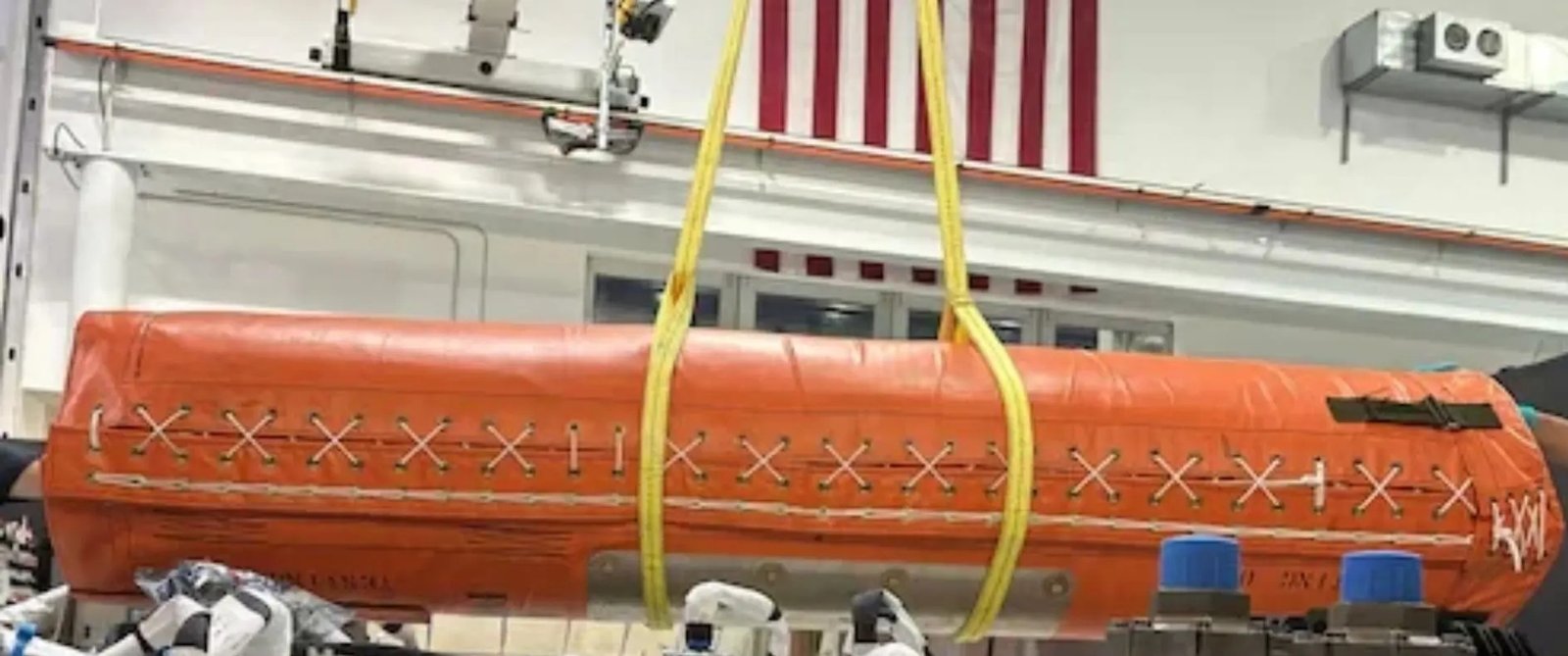 U.S. Air Force Tests SpaceX Starfall Capsule for Rapid Global Military Cargo Delivery
-
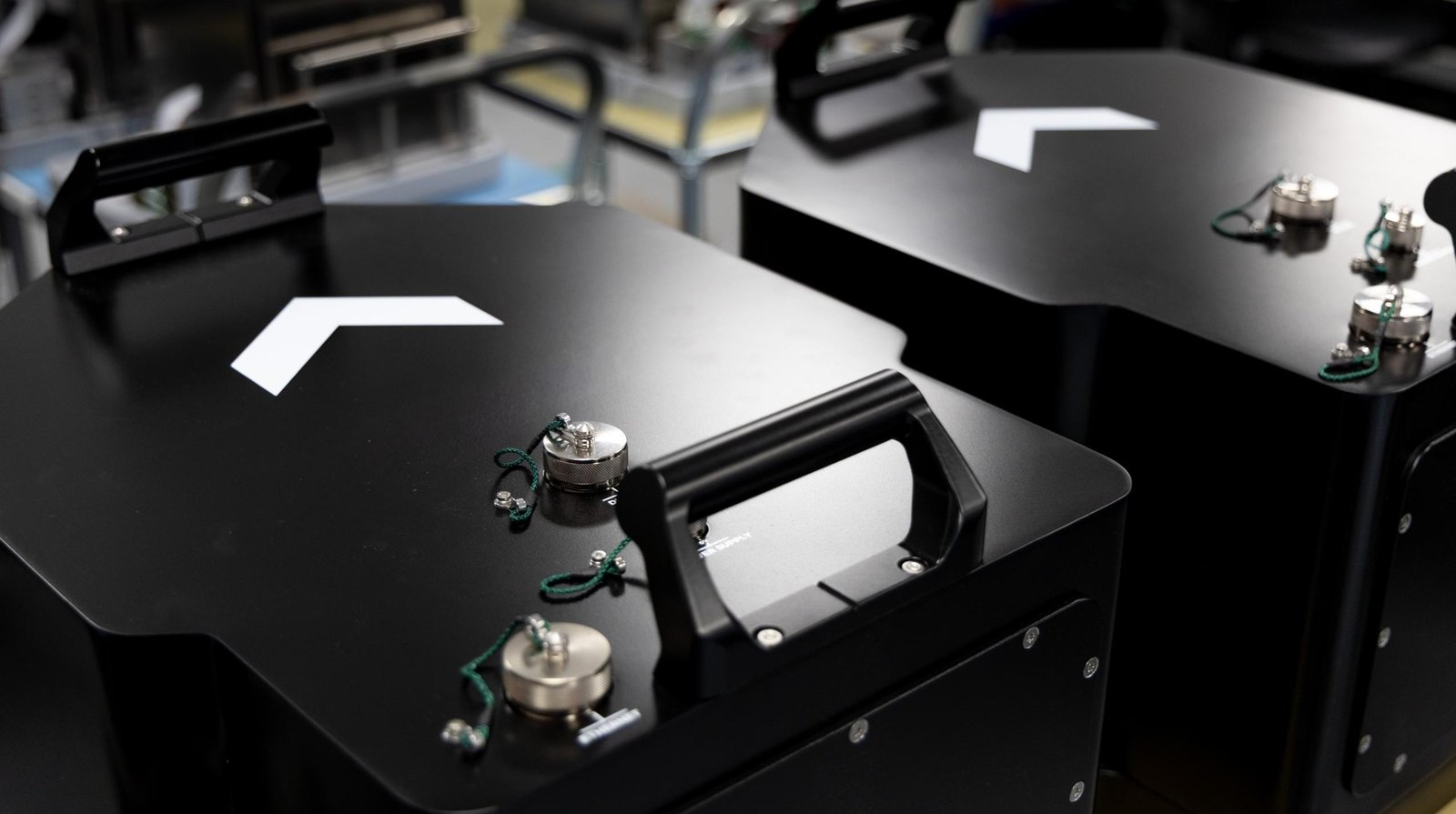 Exail Wins Major Contract to Equip Entire Fleet of Uncrewed Surface Vessels with Marins Inertial Navigation Systems
-
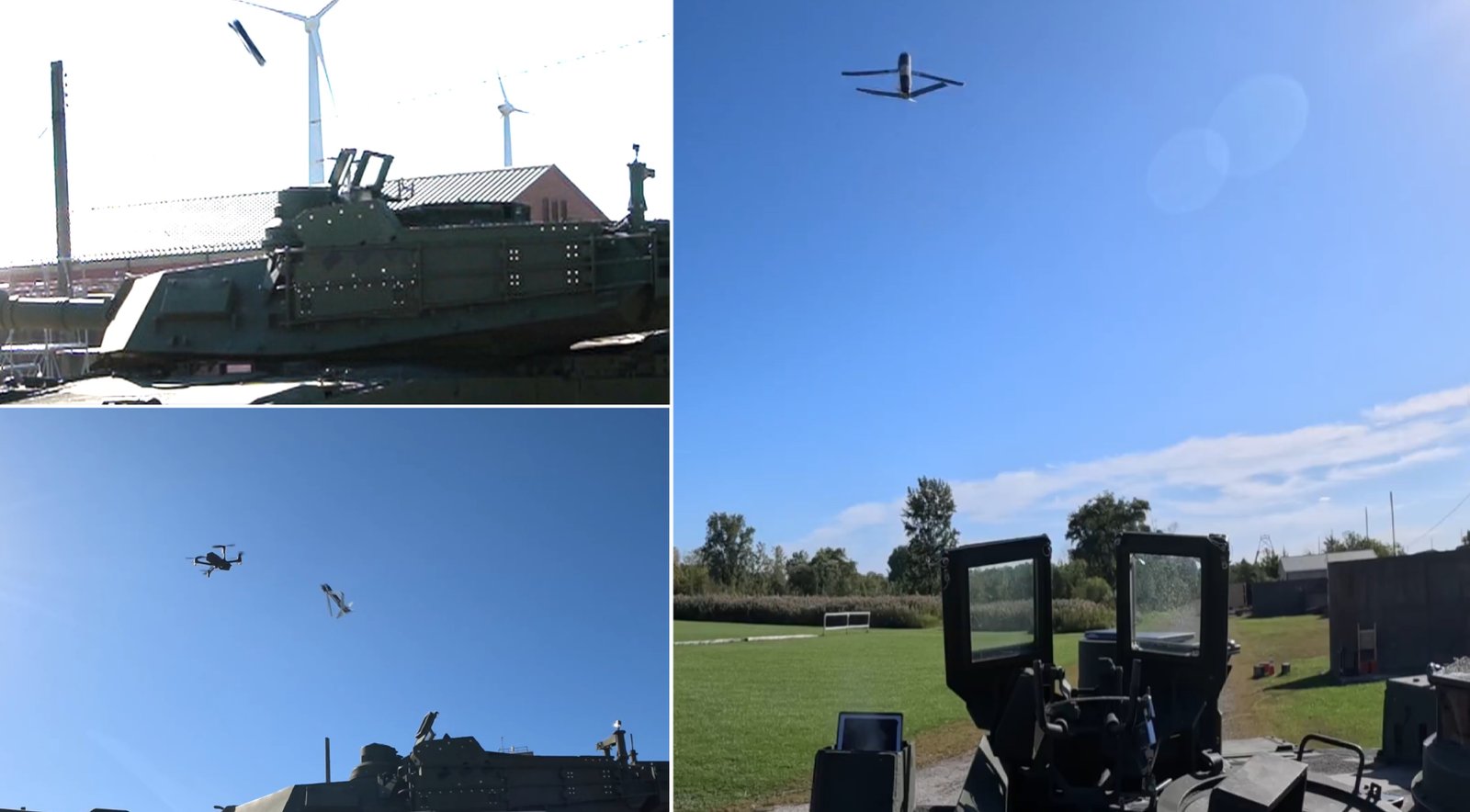 General Dynamics Unveils PERCH 2.0 Drone System for Abrams Tanks and Stryker Vehicles
-
 Voyant Demonstrates Satellite-Free Navigation Technology for UK Ministry of Defence
Top Trending in 4 Days
-
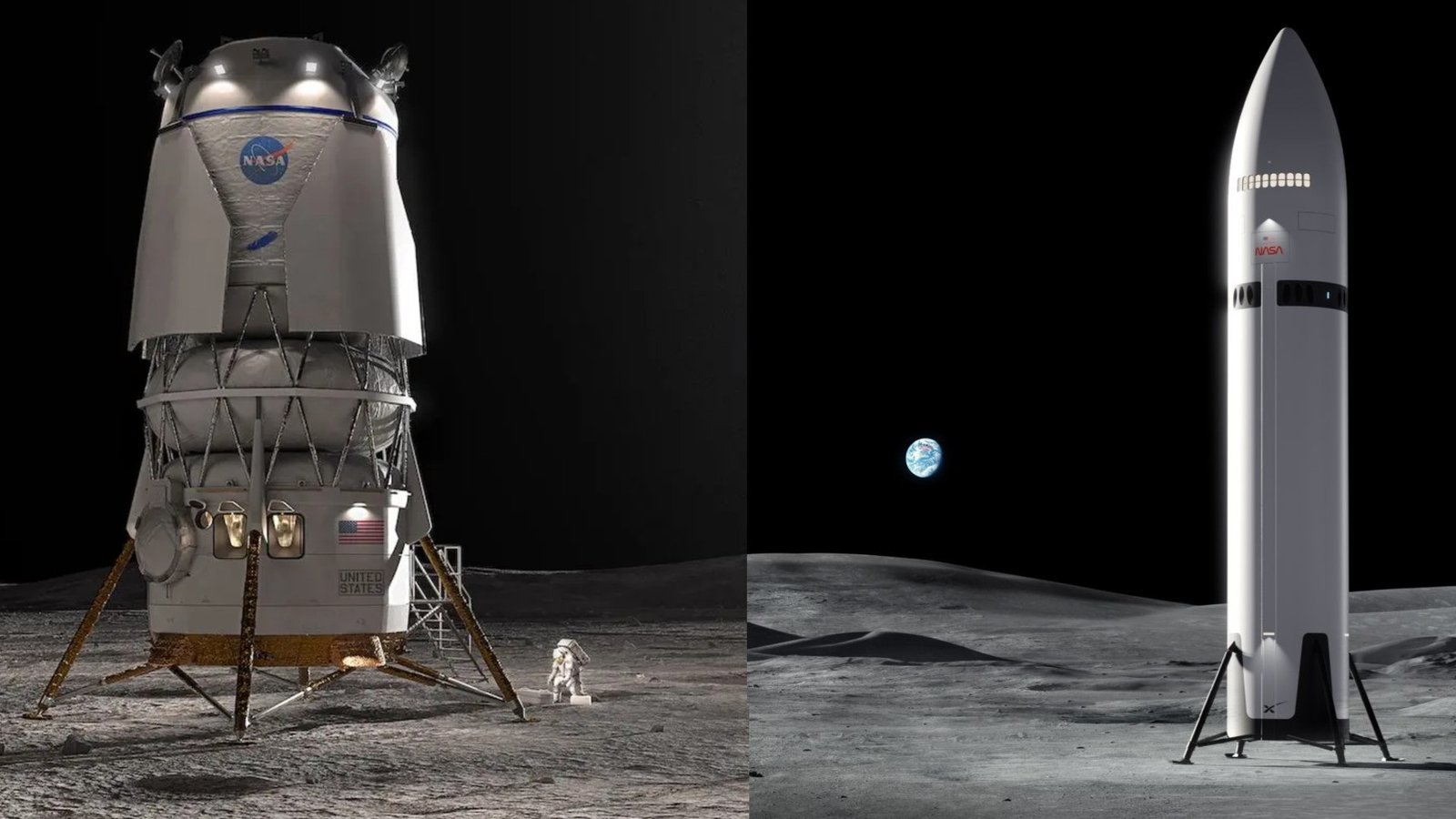 NASA Sets New Artemis Milestones as SpaceX and Blue Origin Target Moon Landings in 2027–2028
-
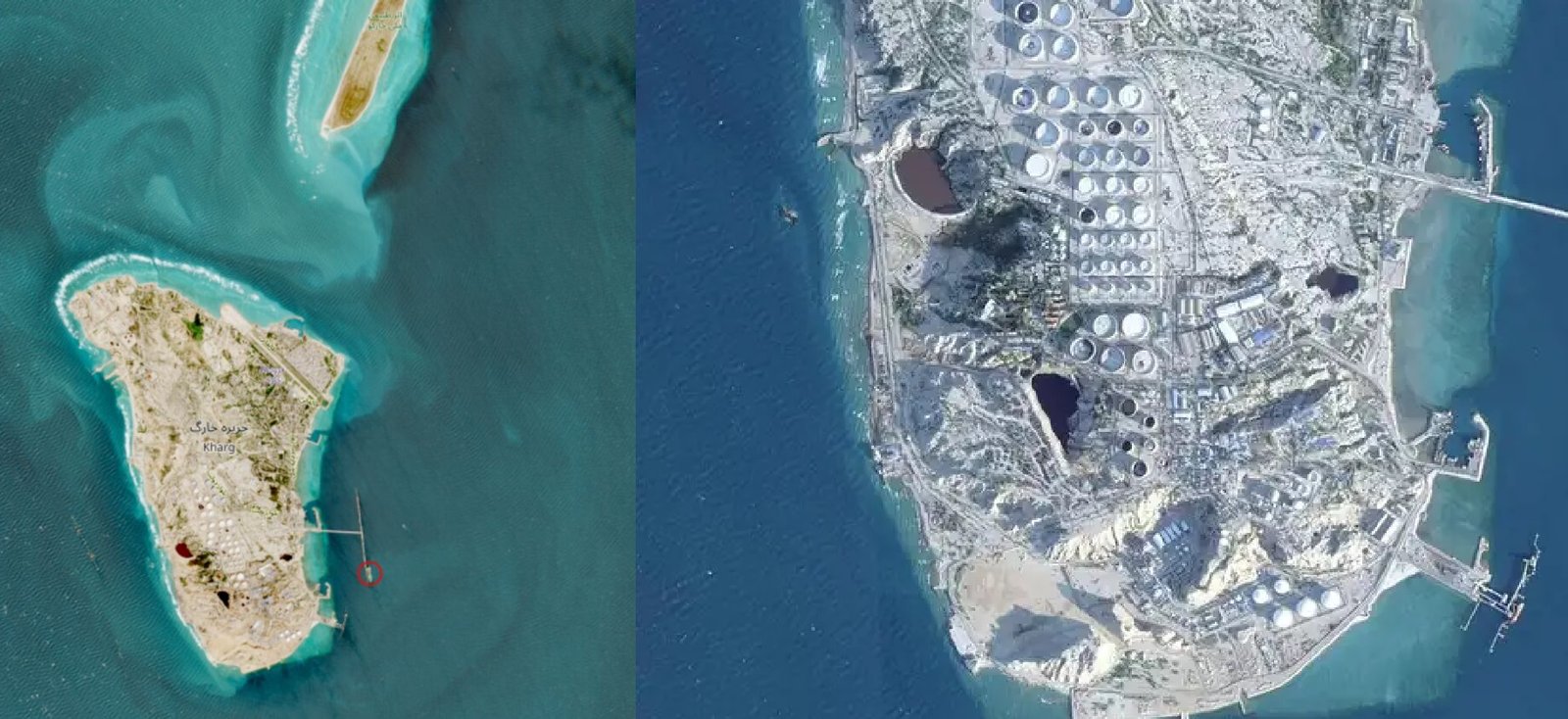 US Weighs Strikes on Iran’s Kharg Island Oil Hub Ahead of Midterm Elections
-
 U.S. Air Force Awards HII Subsidiary Enlighten IT $332.8 Million Cyber Defense Contract
-
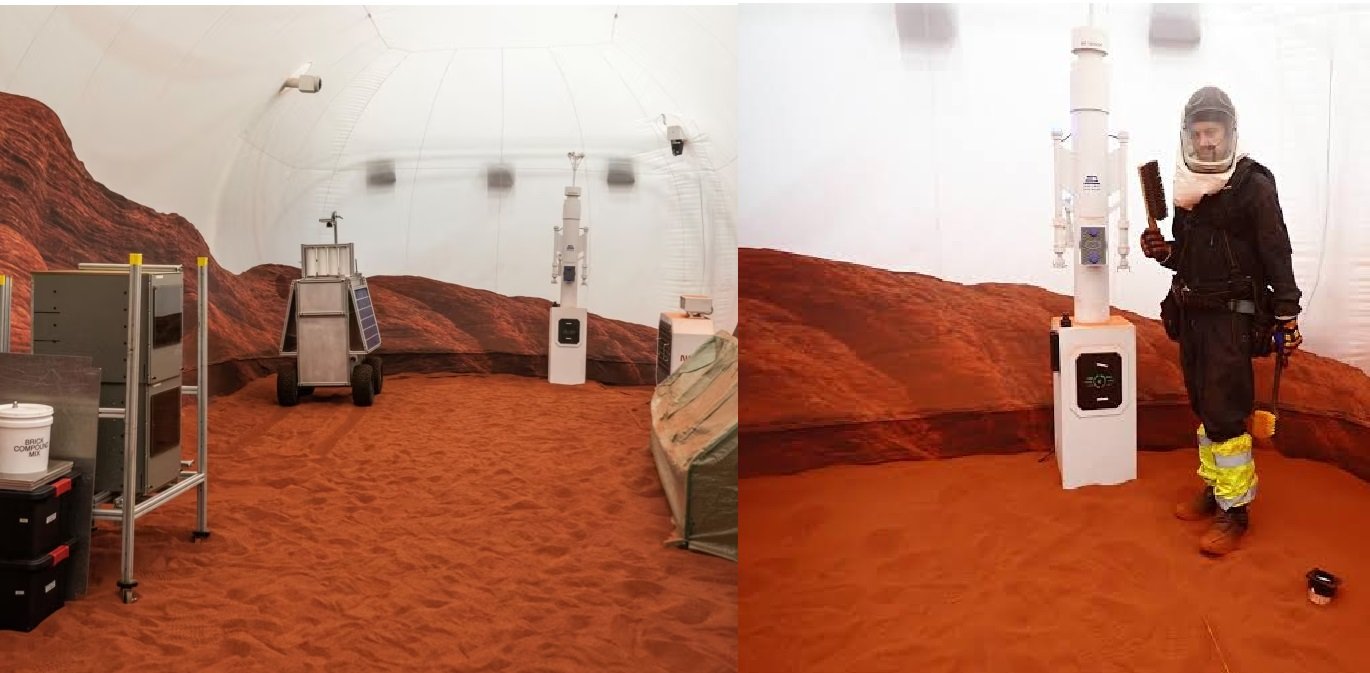 Four NASA Volunteers Mark One Year in Simulated Mars Habitat
-
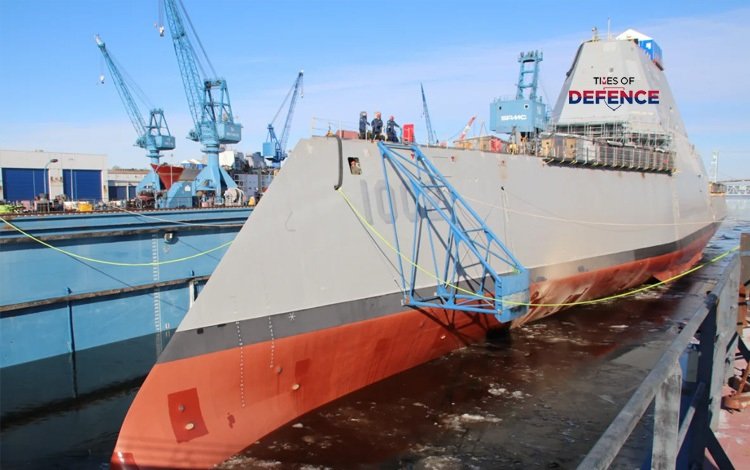 U.S. Navy Awards HII $99.1 Million Contract Modification for Zumwalt-class Destroyer USS Lyndon B. Johnson Sea Trials
-
 Australia Unveils Ghost Shark Autonomous Submarine’s Mine, Drone and Logistics Capabilities
-
 L3Harris Opens ‘Arsenal of Freedom’ Rocket Motor Plant in Arkansas to Double Production Capacity
-
 Russia Reportedly Offers Su-35 Fighters and S-400 Air Defence System to Protect Tehran
