
World
In a significant blow to the remnants of the Islamic State group, the United States military has announced the capture of a senior ISIS leader during a series of coordinated operations across Iraq and Syria. These missions, conducted between May 21 and May 27, were aimed at disrupting the group's ability to regroup and plan attacks. According to US Central Command (CENTCOM), a total of six operations were carried out—five in Iraq and one in Syria. These resulted in the detention of two individuals, including a high-ranking ISIS leader, and the deaths of two other operatives. In addition, multiple weapons were seized, highlighting the ongoing threat the group still poses in the region. General Michael Erik Kurilla, Commander of CENTCOM, emphasized the importance of these operations in maintaining pressure on ISIS. He said such missions demonstrate the steadfast commitment of the US and its international partners to ensure the enduring defeat of the terrorist organization. Most of the Iraqi operations took place in the northern parts of the country, where isolated ISIS cells continue to operate and launch sporadic attacks against security forces. Despite having been militarily defeated in 2017 after the fall of its so-called caliphate, ISIS maintains a foothold in rural areas of Iraq and northeast Syria, frequently targeting Kurdish-led forces. The once-powerful group had declared a “caliphate” in 2014 after capturing vast territories in both Iraq and Syria. Its rule was marked by brutal atrocities and strict ideological enforcement. Since its territorial defeat, ISIS has shifted its strategy to low-level insurgency, especially in regions with limited government control. The United States currently has about 2,500 troops stationed in Iraq. These forces primarily serve in a support and advisory role, helping Iraqi forces maintain security and prevent any resurgence of extremist elements. In a strategic shift, the US and Iraq have agreed to gradually end the international coalition’s military mission in Iraq. The mission is expected to conclude by late 2025 in federal Iraq, and by September 2026 in the Kurdistan region. Amid these developments, an unexpected diplomatic move emerged. During a Gulf tour, US President Donald Trump reportedly met Syria’s interim President, Ahmed al-Sharaa, in Saudi Arabia. In a surprising announcement, Trump declared the lifting of US sanctions on Syria—signaling a potential shift in Washington's Middle East policy. While the core of ISIS has been shattered, the group’s lingering presence remains a serious concern. With continued support from its international partners, the US aims to prevent ISIS from regaining strength and once again threatening regional or global security.
Read More → Posted on 2025-06-05 11:49:13
World
The U.S. Air Force has successfully tested a new generation of advanced navigation systems designed to operate reliably even when GPS signals are jammed, spoofed, or unavailable. In partnership with industry leaders like Integrated Solutions for Systems (IS4S), AEVEX Aerospace, and Northrop Grumman Corporation, a series of test flights were conducted between 3 and 7 February to demonstrate these capabilities. Why Resilient Navigation Matters In modern warfare, position, navigation, and timing (PNT) data are critical for everything from guiding aircraft to launching precision weapons and coordinating troop movements. Today, most systems rely on Global Positioning System (GPS) signals for this information. However, adversaries have developed technologies to jam or spoof GPS signals, leaving aircraft and military units vulnerable. That’s where resilient navigation systems come in — technologies designed to maintain reliable navigation information even when GPS is compromised. What Was Tested During the demonstration, two major systems were showcased: 1. R-EGI (Resilient-Embedded GPS/INS) Developed by IS4S, the R-EGI system combines a GPS receiver with an Inertial Navigation System (INS). Even when GPS is denied, the INS uses internal sensors like accelerometers and gyroscopes to estimate position by tracking the aircraft’s movements. What made this test special was the integration of AEVEX Aerospace’s LynxVBN Vision-Based Navigation System — a system that uses onboard cameras and image recognition to determine the aircraft’s location by comparing real-time visuals with stored maps or imagery. Thanks to its Modular Open Systems Architecture (MOSA), R-EGI was able to rapidly integrate this third-party visual navigation system in a ‘plug and play’ manner, successfully maintaining positioning accuracy in simulated GPS-denied conditions. Example of Resilient Navigation:Imagine a fighter jet flying over a battlefield where enemy jammers block GPS signals. The aircraft’s INS continues to track movement, while the Vision-Based Navigation system identifies landmarks like mountain ranges or rivers to cross-check its location — keeping the pilot aware of their position without relying on satellite signals. 2. EGI-M (Embedded GPS/INS Modernization) Northrop Grumman’s EGI-M program tested three different types of navigation units — the LN-300, LN-351, and LN-251. These systems evaluated several navigation modes: Hybrid Navigation: Uses GPS and INS together Free Inertial Navigation: Uses only INS when GPS is lost GPS-Only Navigation: When no interference is present For the first time, NAVWAR Blended Navigation Assurance (BNA) functionality was integrated, providing an added layer of security against GPS threats. One of the major achievements was that even without GPS, the Free Inertial Navigation solution maintained positional accuracy within the set performance limits — a significant milestone for navigation resilience in contested environments. What This Means for the Future These successful tests prove that open-architecture, modular systems can quickly adopt new technologies, allowing military platforms to evolve and stay ahead of emerging threats. It also highlights how collaboration between the military and private industry can accelerate the delivery of mission-critical solutions. As emphasized by U.S. Air Force leaders involved in the program, these breakthroughs are essential for ensuring that American warfighters can operate effectively even in highly contested, GPS-denied battlefields of the future. Final Thoughts The demonstrations not only showed the strength of these new navigation systems but also reflected a broader strategy: to build flexible, open, and adaptable technology ecosystems for the U.S. military. This ensures forces can integrate new capabilities quickly and maintain operational superiority in any environment.
Read More → Posted on 2025-06-05 11:36:26
India
India is on the brink of a major breakthrough in its defence capabilities as Hindustan Aeronautics Limited (HAL) awaits final government approval to kick-start the development of a next-generation stealth High Altitude Long Endurance (HALE) unmanned aerial vehicle (UAV). This ambitious project, once cleared, is expected to greatly enhance the Indian Air Force’s (IAF) ability to conduct wide-area surveillance and high-precision strikes in contested environments. The stealth HALE UAV, still in the proposal stage, is being designed as a turbojet-powered aircraft capable of flying at high altitudes for prolonged periods. This would allow Indian defence forces to monitor large regions continuously, a critical need in modern-day strategic operations. What makes this platform particularly noteworthy is HAL's plan to develop two variants — a surveillance-centric HALE UAV and a more aggressive, combat-ready version that functions as an Unmanned Combat Aerial Vehicle (UCAV). The UCAV variant is attracting serious attention due to its ability to carry precision-guided munitions internally. By housing weapons in an internal bay, rather than on external pylons, the UAV will maintain a reduced radar cross-section, making it harder for enemy radars to detect. Combined with a carefully designed S-shaped engine exhaust to minimize heat emissions, the UAV is expected to achieve a high level of stealth — a crucial feature for surviving in hostile, heavily defended airspace. HAL’s design philosophy for this UAV has reportedly drawn inspiration from the American MQ-20 Avenger, a leading-edge stealth drone known for its operational flexibility and strike capabilities. However, HAL aims to deliver a system tailored to India’s unique operational requirements, such as persistent ISR (intelligence, surveillance, and reconnaissance) along its vast and sensitive borders. Internally, the project is being seen as a long-term strategic investment. HAL has outlined a development roadmap that includes prototype rollout within five years of approval, followed by extensive testing and refinement over the next four to five years. While such timelines are ambitious given the technical complexity, HAL’s confidence is rooted in its growing experience in indigenous aircraft development and its expanding R&D capabilities. The stealth HALE UAV program stands to be a game-changer not just for the IAF but also for India's broader defence posture. It aligns with the national goal of achieving technological self-reliance in key military domains, reducing dependency on foreign UAV platforms, and ensuring operational secrecy and strategic surprise. Once operational, the surveillance variant will allow for continuous monitoring of adversarial activities across mountainous terrain, maritime zones, and sensitive border areas, while the UCAV version will offer precision strike capabilities against high-value targets — all without risking the lives of human pilots. In sum, HAL’s proposed stealth HALE UAV is more than just another military drone — it is a symbol of India's evolving defence ecosystem, its technological ambition, and its readiness to tackle emerging threats with indigenous innovation.
Read More → Posted on 2025-06-05 11:23:07
India
In a landmark development for India’s defence and aerospace industry, French aerospace giant Dassault Aviation has partnered with Tata Advanced Systems Limited (TASL) to establish a dedicated facility for manufacturing Rafale fighter aircraft fuselages in Hyderabad. This collaboration marks the first time in history that Rafale fuselages will be manufactured outside of France, positioning India as a key player in the global Rafale supply chain. A Strategic Leap in Indo-French Defence Cooperation The agreement reflects a deepening of the long-standing Indo-French defence relationship, particularly following the Indian Air Force's procurement of 36 Rafale jets, and increasing momentum around a likely second order for 26 Rafale Marine variants for the Indian Navy. The Hyderabad facility is envisioned not just as a local assembly line but as a full-fledged global manufacturing hub that will cater to India's defence needs and Dassault’s export customers worldwide. Key Highlights of the Project Dedicated Facility in Hyderabad: A state-of-the-art, purpose-built manufacturing unit will be constructed under the partnership, bringing advanced aerospace technologies to India. Scope of Work: Lateral shells of the rear fuselage Complete rear section Central fuselage Front fuselage section Production Capacity: Starting in 2028, the facility will have the capacity to roll out 2 complete Rafale fuselages per month, reflecting a high level of automation, skilled manpower, and quality control to match Dassault’s global standards. Workforce Development: The project is expected to generate hundreds of high-skilled jobs in Telangana and significantly contribute to India's aerospace ecosystem through knowledge transfer, tooling precision, and local component sourcing. Make in India Boost: The move is seen as a major boost to the ‘Make in India’ initiative and aligns with India’s ambitions to become a global defence manufacturing hub. This facility will likely attract auxiliary suppliers and subcontractors, further developing local industry. Exports Beyond India: The fuselage components manufactured in Hyderabad will not be limited to Indian orders. They will be integrated into Rafale jets destined for international buyers, strengthening India’s role in the global supply chain. A Foundation for Future Aerospace Projects This venture is not Dassault’s first partnership with Tata. The two companies already collaborate under the Dassault Reliance Aerospace Limited (DRAL) joint venture in Nagpur, which produces parts for the Falcon business jet. However, the Hyderabad plant represents a significant upscale in complexity and strategic relevance, as it involves manufacturing key structural components of a frontline combat aircraft. Industry experts view this partnership as a springboard for future aircraft programs, including potential collaborations on next-generation fighter jets such as the AMCA (Advanced Medium Combat Aircraft) or export variants of the Rafale. It could also catalyze talks around deeper joint ventures in avionics, weapons integration, and MRO (Maintenance, Repair, and Overhaul) capabilities.
Read More → Posted on 2025-06-05 11:18:41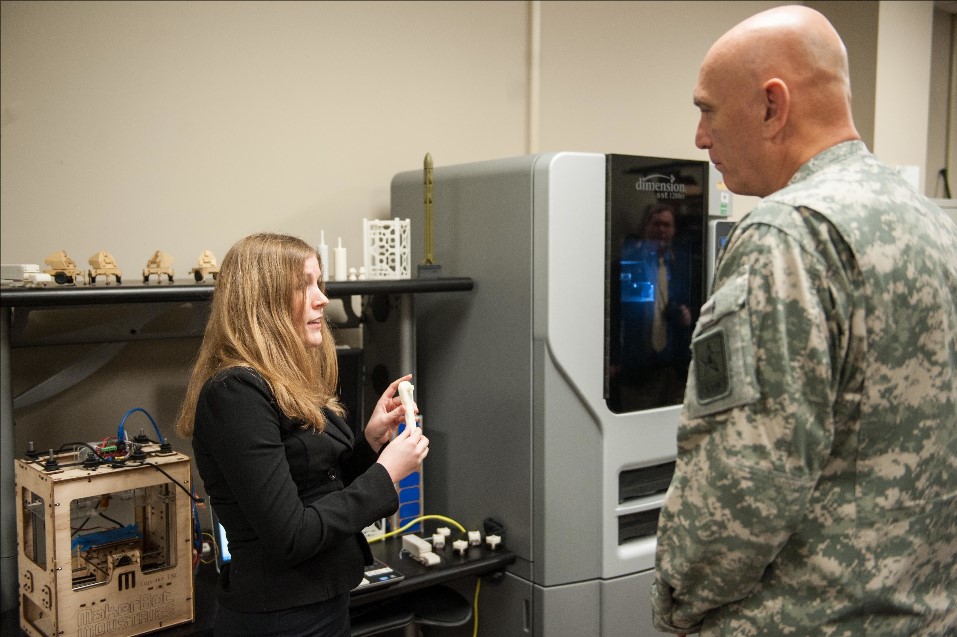
World
In a bold step toward futuristic battlefield healthcare, the US Army has teamed up with the University of Hawaii to explore the life-saving potential of 3D-printed skin and lab-grown tissues. This breakthrough effort could dramatically improve how wounded soldiers are treated in remote and dangerous environments, especially those suffering from chemical, biological, or severe burn injuries. The project focuses on "bioprinting"—a cutting-edge process that uses specialized 3D printers to create living tissues such as human skin. These bioprinters can build complex tissue layers from living cells, offering a promising alternative to traditional skin grafts or treatment methods that can be hard to access during combat. Researchers at the University of Hawaii's John A. Burns School of Medicine (JABSOM) are developing advanced tissue models and "organ-on-a-chip" systems. These small, lab-made devices mimic how human organs and tissues respond to hazardous substances like poisonous gases, chemical agents, or drug-resistant bacteria. By better understanding these reactions, scientists hope to fast-track treatments and tailor medical solutions to meet the unique injuries faced on the battlefield. The project is particularly significant for troops stationed across the Indo-Pacific, a region known for its vast distances and logistical challenges. Starting in Hawaii, the team aims to bring this technology closer to the action. Portable bioprinters and manufacturing tools will be deployed to create pop-up medical labs capable of producing skin and other tissues on demand—right where they are needed most. In its second phase, the project will go beyond skin printing. The team will explore how advanced manufacturing can be used to improve the military’s supply chains and repair capabilities. This means faster equipment fixes, stronger logistical support, and increased resilience in isolated locations—all crucial in today’s fast-moving security landscape. Sam Shomaker, Dean of JABSOM, highlighted the wider impact of the effort. He emphasized that these innovations won’t just help soldiers—they could save civilian lives during disasters or health crises around the world. By turning once-futuristic tech into practical field tools, the Army is not only enhancing its battlefield capabilities but also building a foundation for medical care that adapts quickly to the most extreme conditions. This collaboration is a powerful example of how defense and science can come together to transform military medicine. If successful, 3D-printed skin could become a standard tool in frontline trauma care, marking a major leap forward in how the U.S. treats and protects those who serve.
Read More → Posted on 2025-06-05 11:13:16
India
Hindustan Aeronautics Limited (HAL) has strongly denied recent media claims that its negotiations with General Electric (GE) over the production of GE414 engines have come to a halt. The company called the reports “fake news” and confirmed that discussions are very much on track, with no deviation from the original plan agreed upon between both parties. In a clear and detailed statement, HAL emphasized that it is not exploring alternative engine suppliers for the TEJAS MK-2 fighter jet program, directly rejecting speculation suggesting otherwise. “The report is inaccurate and misleading. We are not in talks with any other manufacturer for the TEJAS MK-2 engines,” the company said. This rebuttal comes amid rumours that HAL might be shifting its focus away from GE due to delays or issues in negotiations. However, HAL clarified that the partnership with GE remains a critical component of India’s future in defence aviation, and any reports hinting at a breakdown are completely unfounded. The background to this deal dates back to June 2023, when an agreement was signed during Prime Minister Narendra Modi’s visit to the United States. Under this deal, GE and HAL are to jointly manufacture GE’s advanced F414 engines in India. These engines will power the TEJAS MK-2 fighter jets, a next-generation variant of India’s indigenous combat aircraft that is central to the Indian Air Force’s fleet modernisation efforts. One of the most significant aspects of this agreement is its promise of deep technology transfer. HAL aims to locally produce up to 80% of the engine’s components, marking a huge step forward for India’s ‘Make in India’ and self-reliant defence goals. The transfer of critical jet engine technology from GE to India is expected to create long-term industrial benefits, particularly in the aerospace sector. The F414-GE-INS6 engine, which is at the core of this agreement, is a high-thrust, modern powerplant tailored to meet the advanced performance needs of the TEJAS MK-2. It is expected to provide improved thrust, endurance, and efficiency compared to earlier versions, allowing the Indian Air Force to deploy more capable and versatile aircraft. HAL also stated that the final contract with GE is on track to be concluded by March 2025. If all proceeds according to schedule, the first batch of Indian-built F414 engines will be rolled out from HAL’s facility in Bangalore by April 2028. Beyond the TEJAS MK-2, this engine manufacturing partnership is expected to play a vital role in powering future Indian fighter aircraft, such as the Advanced Medium Combat Aircraft (AMCA) and the Twin Engine Deck Based Fighter (TEDBF), both of which are currently in development stages. HAL concluded its statement by cautioning against the spread of misinformation in the sensitive area of defence. The company urged media outlets to verify facts through official sources, especially when reporting on strategic national defence initiatives. In short, HAL has made it clear: the GE414 engine deal is alive and progressing as planned. Far from stalling, it remains a pillar of India’s efforts to build a world-class, self-reliant aerospace ecosystem.
Read More → Posted on 2025-06-05 11:07:51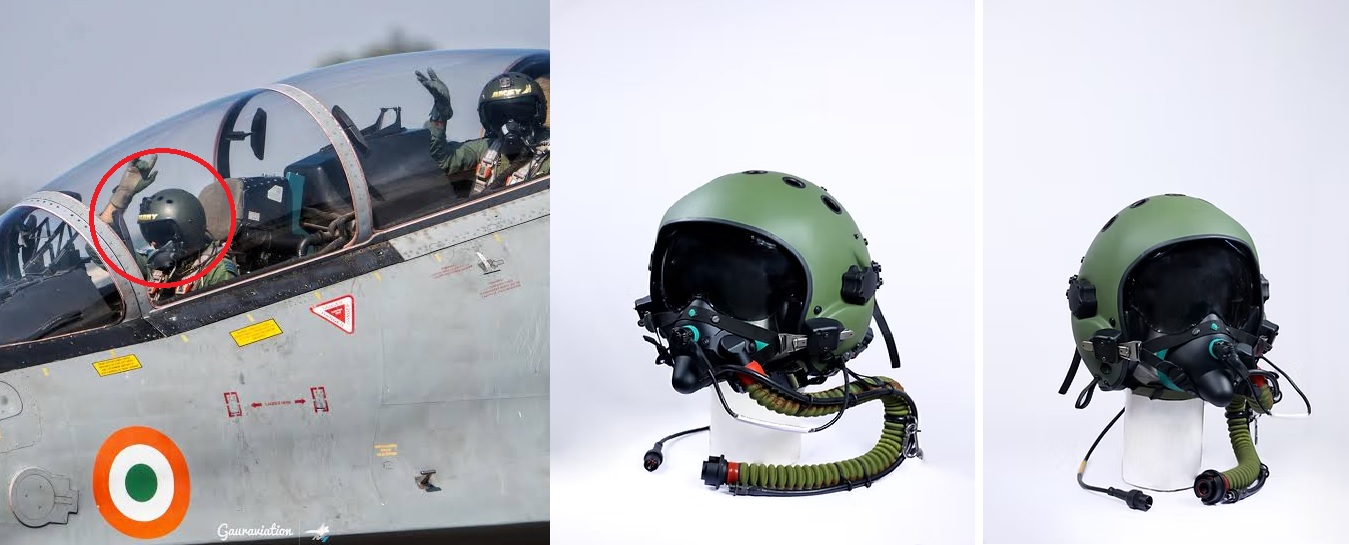
India
In what could be a silent but significant leap toward aerospace self-reliance, a new Indian-made aircrew helmet has surfaced—potentially replacing legacy Russian and Israeli models in frontline fighter fleets. Recent images of Indian Navy pilots operating MiG-29K fighters have sparked curiosity within the defense aviation community, suggesting the induction of a new domestically-produced helmet, reportedly manufactured by Vega Aviation, a firm based in India. Observer ( Rishav Gupta ) was quick to notice that this helmet is unlike the Russian ZSh-7 typically used on the Su-30MKI and MiG-29UPG, or the French TopSight HMDS flaunted by MiG-29K pilots since their induction. The key giveaway? The shape and alignment of the ventilation holes, the distinct visor edge design, and the absence of the conventional external helmet features of imported variants. A Closer Look: Helmet Specifications The Indian aircrew helmet, if confirmed to be from Vega Aviation, brings promising specifications tailored for modern high-speed aerial warfare: Shell Composition: Built using Para-Aramid fibre and Epoxy resin composite, the helmet ensures high strength with reduced weight. Windblast Protection: Rated to withstand up to 600 KEAS, making it suitable for high-speed ejections. Audio Interface: Integrated earphones with an impedance of 300 ± 20% Ohms, optimized for high-fidelity communication in the cockpit. Visor System: Features a dual internal retractable visor system—clear and tinted—crafted from optical-grade polycarbonate for clear vision and high impact resistance. Sizes: Offered in Small, Medium, and Large, ensuring custom fits for different pilots. Integrated Breathing Mask Complementing the helmet is a Pressure Breathing Oxygen Mask, critical for high-altitude operations. Its construction also adheres to aerospace-grade standards: Face Piece Material: Soft yet durable Silicon Rubber. Exoskeleton: Made of Glass-reinforced Polyamide Nylon, balancing flexibility and rigidity. Microphone Specs: Offers a DC Resistance of 105 ± 20% Ohms and Impedance of 300 ± 20% Ohms, meeting aviation communication norms. Available Sizes: Small to Large, ensuring compatibility across aircrew profiles. A Shift in India's Aerospace Ecosystem? If confirmed, the Indian Navy becomes the first branch of the Indian Armed Forces to induct an indigenously produced aircrew helmet into its fighter operations—a milestone given India’s long-standing reliance on foreign helmet systems. The Indian Air Force (IAF) currently uses a mix of Russian ZSh-7 helmets and Israeli DASH HMDS in different aircraft, and has yet to make a visible transition toward homegrown aircrew gear. This development, though not officially confirmed, represents a crucial advancement in India’s drive for defense indigenization under the Atmanirbhar Bharat initiative. It not only reduces dependency on foreign suppliers but also fosters indigenous capability in critical aerospace life-support systems. While an official announcement or certification by the Ministry of Defence or the Navy is awaited, the visual evidence and product specifications already point to an exciting chapter in India’s journey to self-reliance in aircrew protection systems. What's Next? Whether this is a full fleet replacement or a trial run remains to be seen. However, if successful, this could pave the way for the Indian Air Force to also adopt Vega Aviation’s helmet, especially for platforms not currently equipped with Helmet Mounted Display Systems (HMDS). More importantly, it reflects a growing maturity in India's aerospace ecosystem—where not just platforms, but even pilot-centric gear, is being developed in-house. As more details emerge, the aviation community will be watching closely. For now, the silent shift in helmet design on the heads of MiG-29K pilots tells its own story.
Read More → Posted on 2025-06-04 15:35:13
World
In a troubling case of biological smuggling, the FBI has arrested two Chinese nationals, Yunqing Jian (33) and Zunyong Liu (34), for illegally importing a dangerous agricultural pathogen into the United States. The biological agent in question is Fusarium graminearum, a notorious fungus responsible for causing head blight—a devastating disease that affects key staple crops such as wheat, barley, maize, and rice. This pathogen not only threatens food security but also poses indirect health risks to both humans and livestock, making the case a national biosecurity concern. What is Head Blight? Head blight, also known as Fusarium head blight (FHB), is one of the most destructive crop diseases worldwide. Caused by Fusarium graminearum, the pathogen spreads rapidly under humid conditions, rotting the heads of cereal plants and severely reducing grain quality and yield. Even more concerning is its ability to produce mycotoxins—specifically deoxynivalenol (DON), also called "vomitoxin." These toxins contaminate grain and can cause severe illness in humans and animals when ingested. In humans, consumption of contaminated grain may lead to nausea, vomiting, abdominal pain, and immune system suppression. In livestock, particularly swine and poultry, the toxin has been linked to growth retardation, reduced feed intake, and reproductive issues. The Plot Unfolds According to U.S. authorities, Jian and Liu smuggled samples of this fungus into the U.S. through the Detroit Metropolitan Airport. Liu, after initially denying any wrongdoing, later admitted to bringing the pathogen in for unauthorized research purposes. Both individuals were conducting or intending to conduct studies on Fusarium graminearum at the University of Michigan—without proper disclosure or authorization from U.S. biosecurity or customs officials. Investigators revealed that Yunqing Jian had previously expressed loyalty to the Chinese Communist Party (CCP) and had received direct funding from the Chinese government for similar work involving this pathogen while in China. Her boyfriend, Zunyong Liu, currently works at a university in China where he also researches Fusarium graminearum. This connection to Chinese government funding has raised red flags among federal investigators, who fear the act could be part of a broader effort to acquire and manipulate agricultural or dual-use biotechnologies with strategic implications. Strategic and Economic Threat The deliberate smuggling of this pathogen into the U.S. cannot be dismissed as mere academic misconduct. Fusarium graminearum is on the radar of many agricultural biosecurity agencies due to its: High contagion and environmental persistence Ability to devastate crop yields Impact on food safety and animal health Economic ramifications: estimated global losses run into billions of dollars annually The U.S. Department of Agriculture (USDA) classifies this fungus as a serious plant pest. An outbreak within domestic farmlands could cripple U.S. cereal production and require years to fully contain. National Security Concerns This case arrives at a time of heightened concern over foreign espionage in U.S. research institutions. In recent years, federal agencies have been increasingly vigilant about safeguarding sensitive agricultural, medical, and technological research from covert foreign influence or theft. While there is no direct evidence yet that Jian and Liu intended to sabotage American agriculture, the unauthorized transport and research of such a potent pathogen—along with links to Chinese government-sponsored projects—has cast a long shadow over their intentions. Current Legal Action Both Jian and Liu are now facing federal charges for smuggling biological material without proper declaration and for conducting unapproved research involving a regulated agricultural pathogen. They are being held under suspicion of violating the Plant Protection Act and potentially other statutes related to biosecurity and foreign influence. The FBI and the U.S. Department of Agriculture continue to investigate the full scope of the incident, including whether there were any other accomplices or institutions involved, either in the U.S. or abroad. This incident underscores the complex intersection of biological research, international relations, and national security. As biological materials become easier to transport and manipulate, the risk of their misuse—deliberate or negligent—rises. The arrest of Jian and Liu serves as a stark reminder of the importance of stringent oversight in the global scientific community, especially in fields dealing with pathogens that can cause mass agricultural disruption and human health risks.
Read More → Posted on 2025-06-04 15:24:45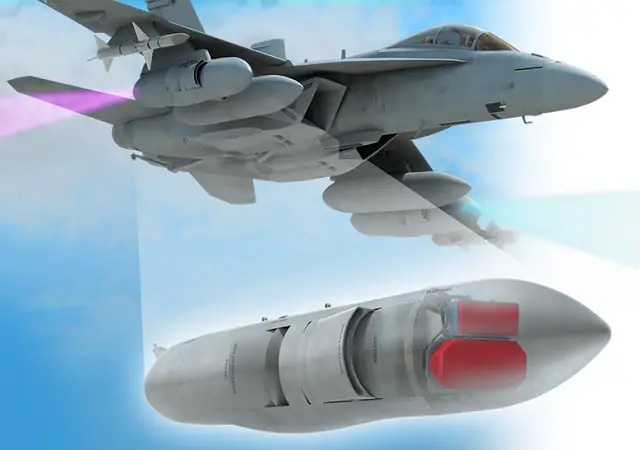
World
Honeywell has been chosen by L3Harris Technologies to support the development of the U.S. Navy’s Next Generation Jammer Low Band (NGJ-LB) system, a crucial step in modernising America’s airborne electronic warfare capabilities. This collaboration marks an important advancement in the Navy’s efforts to stay ahead of evolving global threats in the electromagnetic battlespace. The NGJ-LB program is being developed for the EA-18G Growler, the Navy’s primary electronic attack aircraft. The new jamming system is intended to replace the aging AN/ALQ-99 Tactical Jamming System, which has served for decades. By introducing cutting-edge technologies such as active electronically scanned array (AESA) antennas and advanced software-driven systems, the NGJ-LB will offer significantly improved capabilities in detecting, disrupting, and neutralising enemy communications, air defence radars, and low-frequency threat emitters. In September 2024, Honeywell expanded its expertise in this domain by acquiring CAES Systems Holdings, LLC, a move that strengthened its portfolio in electromagnetic defensive solutions. The company will carry out its contributions to the NGJ-LB program at its Lansdale, Pennsylvania facility, a site with a long-standing track record in developing reliable electronic warfare technologies. The U.S. Navy awarded a $587.4 million contract to L3Harris Technologies for the engineering and manufacturing development (EMD) phase of the jammer system. As part of this effort, Honeywell will be responsible for delivering specialised, high-performance components critical to the system’s operation. These components will support the system’s ability to adapt to fast-changing threat environments and provide enhanced protection for U.S. and allied forces. Brad Westphal, president of Electromagnetic Defensive Solutions at Honeywell Aerospace Technologies, remarked, “Our advanced manufacturing capabilities and specialised expertise position us to deliver reliable, mission-critical solutions. We’re proud to support L3Harris and the U.S. Navy as they push the boundaries of airborne electronic warfare.” Adding to this, Clayton McClain, general manager of the Mission Systems division at Honeywell Aerospace Technologies, noted that the Lansdale site has consistently proven its value in delivering dependable electronic warfare systems and is proud to contribute to this important national security initiative. The Next Generation Jammer Low Band system is part of a broader, multi-band approach to electronic warfare, complementing existing mid-band jammers and future high-band systems. Together, these technologies will allow the Navy to counter a wide spectrum of threats, ensuring air superiority and operational security in contested environments. With decades of experience in developing electronic warfare technologies and a growing portfolio of modern solutions, Honeywell continues to play a key role in supporting some of the most demanding defence programs in the world.
Read More → Posted on 2025-06-04 15:08:07
World
Raytheon has landed a significant $536 million contract from the United States Navy to expand the deployment of its advanced SPY-6 radar systems. This new agreement covers a wide range of services, including engineering support, shipboard installation, system integration, training, and software updates, all aimed at enhancing the radar's performance and maintaining its cutting-edge capabilities. The contract extends through 2026 and underscores the growing importance of SPY-6 radars in modern naval warfare. These state-of-the-art systems are being installed on more US Navy vessels each year, with two ships already operating them and three more installations underway. Over the next decade, the Navy plans to equip more than 60 ships with SPY-6 radars, significantly upgrading its fleet’s defense capabilities. Barbara Borgonovi, president of Naval Power at Raytheon, emphasized the radar's strategic value, calling SPY-6 "the most advanced radar in the US naval fleet." She noted that the contract reflects the radar’s central role in the Navy’s long-term modernization roadmap. At the heart of the SPY-6 system is its scalable and modular design, built around Radar Modular Assemblies (RMAs). Each RMA is a self-contained radar unit housed in a compact cube roughly two feet on each side. By combining multiple RMAs, Raytheon can tailor different radar configurations to suit the mission and size of various ship classes. There are four main variants in the SPY-6 radar family: SPY-6(V)1 is the most powerful configuration, used on the latest DDG 51 Flight III destroyers. It has four fixed radar faces, each with 37 RMAs, providing full 360-degree coverage and robust defense against cruise missiles, ballistic missiles, and even hypersonic threats. SPY-6(V)4, a slightly scaled-down version with 24 RMAs per face, offers similar full-spectrum coverage and is designed for ships like amphibious assault vessels and Nimitz-class aircraft carriers. SPY-6(V)2 is a single-face rotating radar with 9 RMAs. This version focuses on self-defense and air traffic control and is ideal for platforms requiring a smaller radar footprint. SPY-6(V)3 offers the same functions as the (V)2 but comes with three fixed radar faces instead of a rotating one, and is being installed on Ford-class aircraft carriers and the new Constellation-class frigates. All SPY-6 variants provide 360-degree situational awareness and are designed to detect and track a wide range of threats, including air, surface, and electronic warfare attacks. The system’s flexibility and adaptability make it a cornerstone of the Navy’s future surface fleet strategy. This $536 million investment not only reinforces Raytheon's leadership in advanced radar systems but also demonstrates the Navy's commitment to preparing its fleet for the complex threat environment of the future.
Read More → Posted on 2025-06-04 15:05:26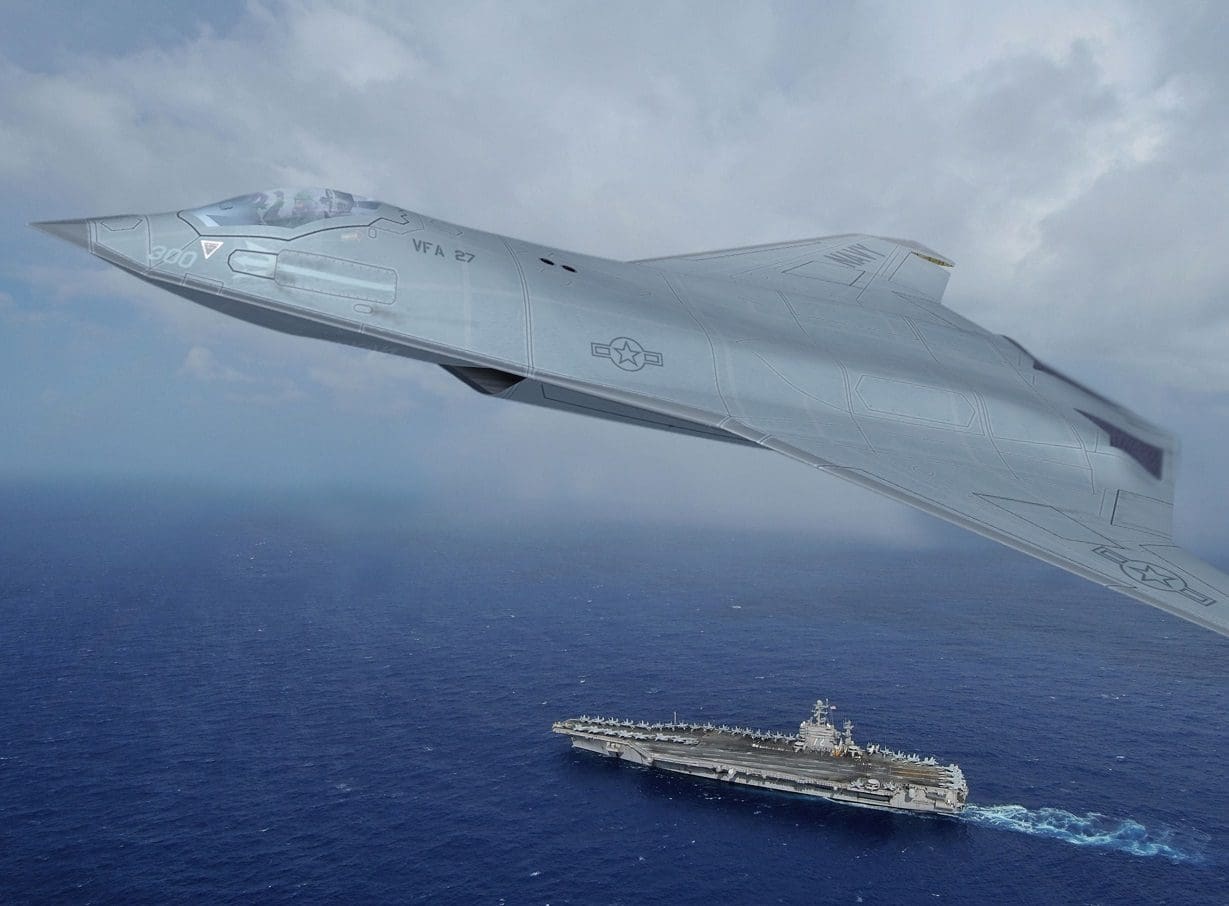
World
The United States Navy’s ambitious sixth-generation fighter project, known as the F/A-XX, has taken an important step forward. The advanced fighter jet program has officially moved into Operational Test and Evaluation (OT&E) and Live Fire Evaluations (LF&E), marking a new phase in its development journey. This shift brings the fighter closer to an eventual contract award, even as debates continue about its future within the Pentagon and Congress. From Development to Operational Testing Between December 2024 and April 2025, the F/A-XX transitioned from its long-running Developmental Test (DT) phase to a combination of Developmental Testing, Operational Testing, and Live Fire evaluations. These tests are being overseen by the Director, Operational Test and Evaluation (DOT&E), a critical office that ensures new military equipment performs as intended under realistic combat conditions. Despite earlier rumors of possible cancellation or delays, U.S. Navy officials confirmed during an April 2025 House Armed Services Committee hearing that the program remains on track. It has now entered a source selection environment, with Northrop Grumman and Boeing as the final two contenders. Notably, Lockheed Martin, the company behind the F-35, was eliminated from the competition earlier this year after its proposal failed to meet program expectations. What Will the F/A-XX Offer? Designed to replace and complement existing Navy fighters like the F/A-18E/F Super Hornet and F-35C, the F/A-XX promises significant improvements in range, survivability, and networked warfare capabilities. According to Rear Admiral Michael Donnelly, the new aircraft will offer a 25% increase in range compared to current tactical aircraft, a crucial upgrade for operations in the vast Pacific theater. The F/A-XX will also be purpose-built to fly alongside unmanned combat drones, using a “man-on-the-loop” control concept. This means the pilot will oversee and guide autonomous aircraft, enhancing the Navy’s ability to conduct complex, multi-platform missions without relying entirely on human pilots. Funding Boost Amid Pentagon Disagreements As the program advanced into its new testing phase, Congress provided a notable funding boost. According to the latest defense budget figures, the F/A-XX program is receiving $750 million in new funding to speed up development. However, this increase hasn’t been universally welcomed. Reports indicate the Pentagon expressed reservations about the extra funding, reflecting broader debates within military leadership about balancing future modernization with immediate operational needs. Despite this, many lawmakers remain firmly in favor of pushing the F/A-XX forward. Ken Calvert (R-CA), chairman of the House Appropriations Subcommittee on Defense, voiced strong support during a May 2025 oversight hearing. He warned that any delay could leave the Navy dangerously vulnerable, particularly in a potential conflict with China. “We need sixth-generation fighters. The U.S. Navy needs sixth-generation fighters. Hesitation now could leave us outmatched in a China fight,” Calvert emphasized. Why It Matters The F/A-XX is part of the Navy’s vision for a future carrier air wing capable of surviving and prevailing in contested, high-threat environments — especially in the Indo-Pacific region, where Chinese military power is rapidly expanding. A cancellation or delay would repeat the setback the Navy experienced with its Hypersonic Air Launched Offensive (HALO) missile program, which was recently shelved despite being considered critical for future operations. While there’s still no final contract awarded, and Northrop Grumman and Boeing remain tight-lipped about the details, the program’s current momentum signals a serious effort to modernize U.S. naval aviation. As the F/A-XX continues through Operational and Live Fire testing, its performance and reliability under realistic conditions will play a major role in determining whether it secures full production approval — and whether it becomes the cornerstone of the Navy’s next-generation airpower.
Read More → Posted on 2025-06-04 14:29:15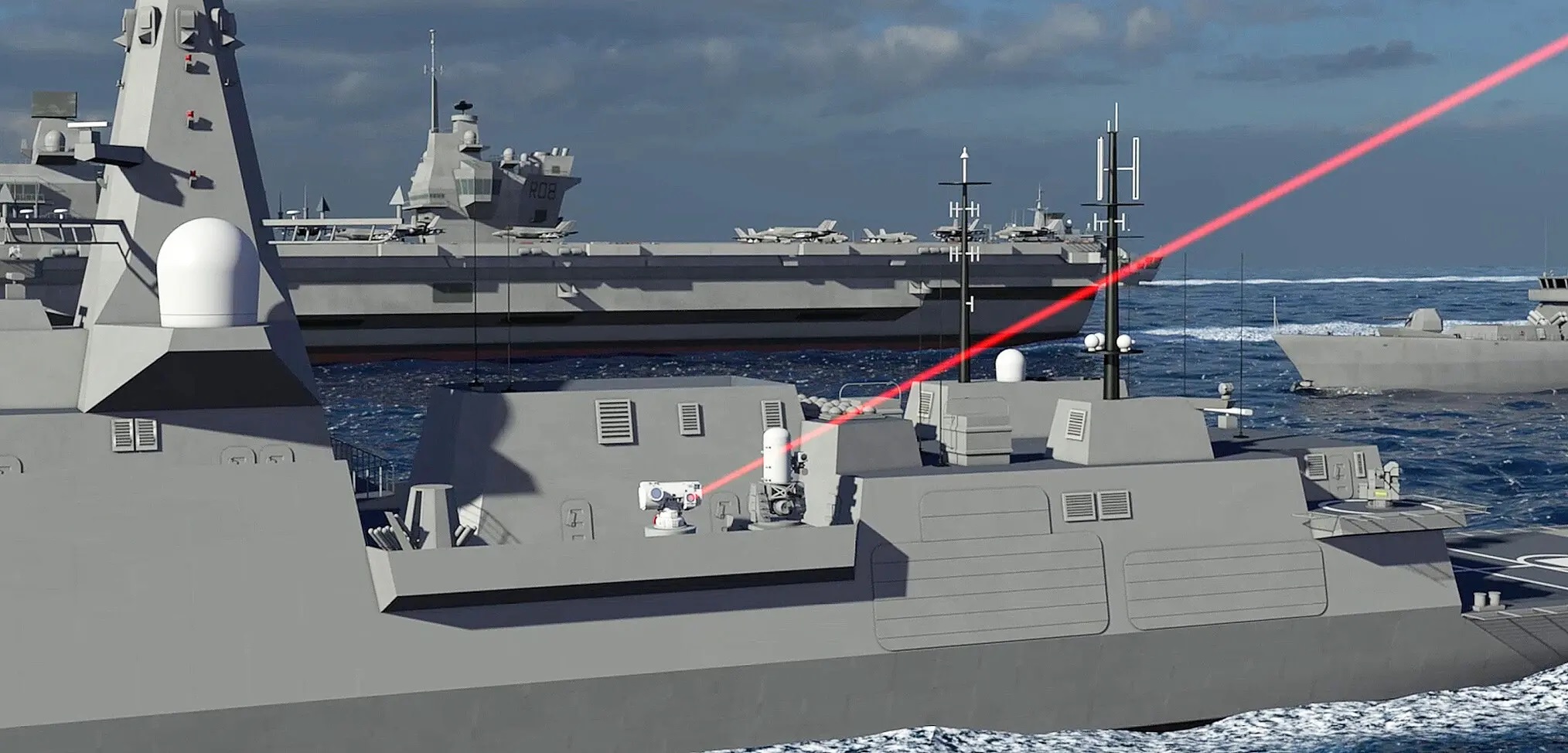
World
In a landmark move to modernise its armed forces, the United Kingdom has announced a £1 billion investment into Directed Energy Weapons (DEW), spearheaded by the advanced DragonFire laser system. This initiative is part of a wider £5 billion defence technology plan outlined in the latest Strategic Defence Review (SDR), which focuses on preparing British forces for modern warfare. The DragonFire laser weapon will be the first of its kind to be deployed by a European nation and is set to be installed on a Royal Navy Type 45 destroyer by 2027. Designed to target aerial threats such as drones with precision and speed, this high-powered laser fires at the speed of light, offering a revolutionary alternative to traditional missile systems. Unlike conventional arms, laser weapons promise reduced operational costs, near-instant engagement, and minimal collateral damage. Beyond the Navy, the UK Ministry of Defence also plans to introduce a similar system for the British Army later this decade. These developments are part of a new approach to layered air defence—combining traditional systems with cutting-edge energy weapons to respond faster and more efficiently to threats across land, sea, and air. Defence Secretary John Healey hailed the project as the biggest leap in UK military technology in decades. “These investments will ensure our Armed Forces are equipped with the tools they need to tackle a rapidly changing world,” he stated, underlining the strategic importance of innovation in modern combat. The DragonFire laser system is expected not only to enhance UK combat readiness but also to reduce dependency on expensive ammunition and long logistics chains—an issue that has become more pressing following lessons from the ongoing war in Ukraine. By focusing on digital warfare, drone defence, and data-driven operations, the UK aims to keep pace with the evolving nature of global conflict. Chancellor of the Exchequer Rachel Reeves emphasized the economic and industrial significance of the move. “A strong economy needs a strong national defence,” she said. “That’s why we are delivering the biggest sustained defence investment since the Cold War—placing innovation at the heart of our national security.” This defence upgrade will also generate 300 new high-skilled jobs across the country, adding to the 200 already sustained by previous DEW-related efforts. It marks a decisive shift toward future-focused military strategy, reinforcing the UK’s role as a leading force within NATO and ensuring its defences are robust both at home and abroad.
Read More → Posted on 2025-06-04 11:25:38
World
In recent months, a controversial plan proposed by former U.S. President Donald Trump has stirred serious tensions around the world. Called the Golden Dome, this ambitious missile defense system aims to place advanced sensors and interceptors in space by 2029, creating a shield against nuclear missiles. But this bold move has alarmed many countries — not just rivals like Russia, China, and North Korea, but also experts and diplomats around the world. Critics warn that this project could turn outer space into a nuclear battlefield, violating international agreements that have kept space free of weapons of mass destruction for decades. Why Is Everyone Worried About the Golden Dome? China, Russia, and now North Korea have publicly condemned the Golden Dome plan. They argue that this would dangerously increase the risk of a space arms race — a competition among nations to control space using powerful weapons, including nuclear devices. China’s Foreign Ministry even called it a move that could "shake the international security system" and push nations to develop new weapons to counterbalance America’s advantage in space. Russia, meanwhile, accused the U.S. of rejecting the principle that offensive and defensive weapons are inseparably connected — meaning, a powerful defense system can provoke others to build more powerful weapons to overcome it. But is the fear of a nuclear war in space realistic? To answer that, we need to look back at history. When the World Already Exploded Nukes in Space Though it sounds like a science fiction nightmare, nuclear weapons have already been detonated in space — not during war, but as part of experiments. Between 1958 and 1962, both the U.S. and Soviet Union conducted several nuclear explosions above Earth’s atmosphere to study their effects. One of the most famous was Operation Starfish Prime in July 1962. The U.S. detonated a nuclear bomb 250 miles above the Pacific Ocean, roughly the altitude of today’s satellites. The results were shocking: A surge of electrical energy knocked out about 300 streetlights in Hawaii. Auroras lit up the night sky in strange colors. About a third of the satellites in orbit at that time were damaged or destroyed. High-energy particles remained trapped in Earth’s magnetic field for years, harming satellites and electronics. These experiments revealed that a nuclear blast in space would be different from one on Earth. There’s no air to carry a shockwave or fireball. Instead, the explosion would release massive amounts of electromagnetic radiation, X-rays, and gamma rays. It would instantly disable any satellite nearby and create a radiation belt that could damage other satellites for years. That’s why, in 1967, the U.S. and Soviet Union led the creation of the Outer Space Treaty, banning the placement of nuclear weapons in orbit or on celestial bodies like the Moon. Why This Treaty Is Being Tested Today The Outer Space Treaty has largely held for over half a century. But in recent years, major powers have been quietly testing the limits of space warfare: The U.S. withdrew from key arms control treaties like the INF Treaty in 2019 and the Open Skies Treaty in 2020. In 2023, Russia suspended the New START Treaty, the last major nuclear agreement between Washington and Moscow. Both Russia and China have developed anti-satellite weapons, including missiles and orbiting satellites capable of disabling or destroying other spacecraft. In 2022, Russia launched the Cosmos 2553 satellite, suspected of being a test platform for a nuclear warhead in orbit. In 2024, the U.S. accused Russia of developing a nuclear-tipped missile capable of attacking satellites. Meanwhile, China is advancing its Fractional Orbital Bombardment System (FOBS), an orbiting missile system potentially capable of carrying nuclear warheads. Now, with Trump’s Golden Dome project aiming to deploy U.S. weapons and defenses in space, other countries fear it could force them to respond in kind — igniting a dangerous new phase of the space arms race. What Would Happen If a Nuke Explodes in Space Today? If a nuclear bomb were detonated in space today, the consequences could be even more devastating than in 1962. Back then, only about two dozen satellites were in orbit. Now, there are more than 10,000 active satellites, essential for everything from GPS navigation, weather forecasting, banking transactions, internet services, and global communications. A space-based nuclear explosion would: Instantly destroy or disable any satellites within its line of sight. Create radiation belts that could damage other satellites for years. Knock out essential services like GPS, communication networks, and weather systems. Potentially trigger misunderstandings or retaliatory strikes on Earth, escalating into a global crisis. Are Only the U.S. Making Nuclear Moves in Space? While much of the spotlight is on the Golden Dome, it’s not just the U.S. pushing military programs in space. Russia and China have been aggressively developing space-based and anti-satellite weapons. Russia’s Oreshnik intermediate-range hypersonic missile, launched at Ukraine last year, was capable of carrying a nuclear warhead. China’s suspected FOBS missile tests suggest Beijing is also preparing for space-based nuclear delivery systems. These developments show that space is no longer a neutral territory — and the line between conventional and nuclear weapons in orbit is becoming dangerously thin. A Shared Responsibility for a New Space Race The growing space arms race is not the result of one country’s actions alone. Over the last decade, Russia, China, the U.S., and even North Korea have contributed to this risky situation. The Golden Dome plan, while bold and potentially transformative for U.S. missile defense, threatens to shatter the hard-won global consensus against weaponizing space. If one country takes the first step to militarize orbit with nuclear-capable systems, others will likely follow. Without urgent new agreements and international cooperation, the risk of a nuclear detonation in space — accidental or deliberate — is now higher than it has been since the Cold War.
Read More → Posted on 2025-06-04 11:20:34
India
During the recent military tensions between India and Pakistan, a lesser-known but critical dimension unfolded beyond the borders and skies—in space. While China's military support to Pakistan with equipment and technology was no surprise, it was the use of Chinese military satellites for real-time Intelligence, Surveillance, and Reconnaissance (ISR) that deeply concerned Indian defense planners. This satellite-powered assistance allegedly allowed Pakistan to identify Indian positions and even contributed to the alleged downing of Indian fighter jets. China’s Silent Eye in the Sky China currently has over 5,300 satellites, out of which a significant number are military or dual-use. Most of these include the Yaogan series—a fleet of powerful reconnaissance satellites designed for optical imaging, radar tracking, and signals intelligence. One such satellite, Yaogan-41, launched in December 2023 into geostationary orbit, offers continuous surveillance over the Indo-Pacific, including India, Taiwan, and beyond. Although officially described as a civilian earth-observing satellite, Western analysts believe it has high-resolution capabilities enabling it to track even small vehicles across wide areas. These satellites form part of China’s complex and layered space surveillance network, comprising low-earth orbit (LEO) satellites for high-resolution imaging and geostationary (GEO) satellites for continuous monitoring. China’s LEO satellites quickly orbit the earth, capturing sharp images, while the GEO satellites remain fixed on regions of strategic interest, such as India, offering uninterrupted data flow. According to experts, China operates 30 to 40 reconnaissance satellites, and possibly more, as many are kept confidential. The Yaogan satellites are believed to support the People’s Liberation Army Rocket Force by offering targeting data for ballistic and cruise missiles. Pakistan’s Advantage, India’s Setback During the India-Pakistan standoff, Pakistan reportedly utilized Chinese ISR support to establish a near-real-time “kill chain” by tracking Indian positions and air assets. Despite this advantage, the satellites failed to detect India’s high-value S-400 air defense systems, thanks to their stealthy deployment and mobile configurations. While China offered this strategic edge to Pakistan, India struggled with a significant satellite gap. New Delhi has around 218 satellites, of which only a fraction are military-grade. This disparity made Indian forces heavily dependent on mobilizing all available civilian and military space assets during the conflict. One major setback was the failure to correctly position the NVS-02 navigation satellite, launched on January 29, 2025. Intended to strengthen the NavIC (Navigation with Indian Constellation) system, the onboard thruster failure meant a missed opportunity to improve India’s regional positioning accuracy—vital during military operations. India’s Awakening in Space Warfare India first realized the significance of space in military operations during the 1999 Kargil War, when the denial of U.S. GPS support hampered movement and targeting. But the real institutional push came only after 2019, with the establishment of the Defence Space Agency—a precursor to India’s Space Command. Now, India aims to build a constellation of 52 military satellites within five years and expand that to over 100 in the next 7–8 years, including small, agile platforms. The Indian Air Force is upgrading its Integrated Air Command and Control System (IACCS) into the Integrated Air and Space Command and Control System (IASCCS) to integrate these new capabilities. ISRO and DRDO have already launched EMISAT, India’s first dedicated electronic intelligence satellite, and the Kautilya satellite, which detects and geolocates enemy radars by sensing their electromagnetic emissions. These satellites, launched into orbits as high as 749 km, have given India the ability to monitor Chinese positions in Tibet and elsewhere. India is also enhancing its radar imaging satellite fleet. The RISAT series—especially RISAT-2B and RISAT-2BR1—offers very high-resolution radar imagery, essential for spotting enemy movements and infiltrations. These satellites can see through clouds and at night, giving India crucial all-weather surveillance capabilities. India Brings in Private Players In 2024, India enlisted private industry to develop military-grade reconnaissance satellites. The first, built by Tata Advanced Systems, was launched in April 2024. These new satellites, operating from 500 km altitude, are expected to provide near-real-time battlefield intelligence. This shift reduces India’s dependence on U.S. commercial vendors for satellite imagery and helps shorten decision loops during conflict. Ground control stations in Bengaluru will handle the imaging data, marking India’s move toward self-reliant and responsive space-based military operations. The Beidou vs. NavIC Divide China’s Beidou-3 Navigation Satellite System, completed in 2020 with 35 satellites, plays a dual role—serving civilians and bolstering PLA’s strategic autonomy from the U.S. GPS. It provides China with global targeting capabilities for its missiles and aircraft. India’s NavIC, though operational regionally, is still catching up. The recent NVS-02 failure underscores the need for reliability in satellite deployment. However, the government has resolved to reduce launch windows and improve satellite readiness, aiming to bulletproof India’s defense systems. The Future: AI-Driven Space Surveillance India’s strategic thinkers are now calling for AI-powered satellites that can quickly analyze incoming data and alert analysts to threats without delay. This automation will allow India to match or outpace adversaries like China, especially during short-notice conflicts. Experts like Col. Vinayak Bhatt emphasize the importance of higher temporal resolution (frequent imaging) and more data-downloading stations to keep India ahead in the game.
Read More → Posted on 2025-06-04 11:13:22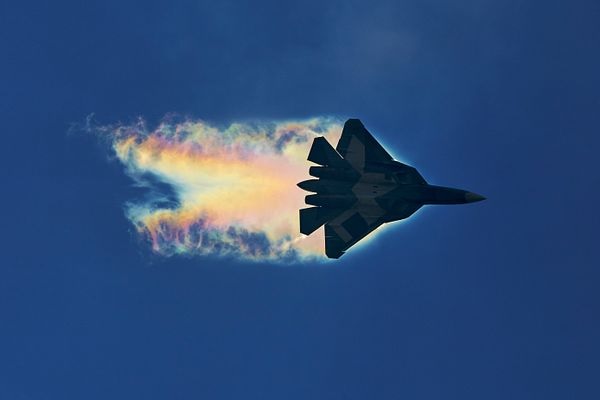
India
In a dramatic move that could reshape India’s future air combat capabilities, Russia has proposed to supply its most advanced fifth-generation stealth fighter, the Su-57E, to India—along with full access to its source code. The offer, made on June 4, 2025, by Russia’s United Aircraft Corporation, has caught the attention of India’s defence and strategic circles, especially due to its unmatched level of technological transparency. If accepted, the deal would allow India to embed its own home-grown systems into the fighter, from mission computers to indigenous weapons, in alignment with the country’s "Atmanirbhar Bharat" and "Make in India" initiatives. This development comes at a crucial time as New Delhi weighs its options for next-generation fighters, with the United States pushing its F-35A as a counter-offer. However, U.S. and European platforms have typically been rigid in allowing Indian-designed modifications due to restrictions on source code and deep system access. In contrast, Russia’s willingness to share the Su-57E’s software architecture marks a significant break from traditional arms export practices, giving India an opportunity to fully integrate its own technologies and weapons. The Su-57E, developed by Sukhoi and produced by UAC, is Russia’s flagship stealth fighter for the export market. Designed with features like low radar visibility, supercruise capability, and advanced sensor fusion, it is a direct response to American and Chinese fifth-generation fighters such as the F-22, F-35, and J-20. The export variant offered to India will include a cutting-edge AESA radar built with Gallium Nitride technology and an Indian-developed mission computer, creating deeper synergy with India’s ongoing upgrades to the Su-30MKI fleet under the Super-30 program. A key advantage lies in the Su-57E’s compatibility with Indian weaponry. This fighter could seamlessly carry Indian-developed missiles like the Astra Mk1 and Mk2, Rudram anti-radiation missiles, and various home-grown precision-guided bombs. That reduces India's reliance on foreign weapons systems and allows more control over maintenance and future upgrades. Compared to India’s current fleet of French Rafale jets, where lack of source code access has limited deeper Indian customisation, Russia’s offer stands out for its flexibility and long-term value. Historically, India and Russia attempted a similar joint effort under the Fifth Generation Fighter Aircraft (FGFA) project, which eventually fell through. However, the new Su-57E offer comes with improved alignment to India’s defence goals, allowing the country to co-produce and co-develop without compromising on control and sovereignty. From a strategic viewpoint, the offer arrives as India faces mounting security challenges in the Indo-Pacific, including the rise of China’s stealth-capable J-20 fighter fleet. Having an Indian-customized Su-57E could balance the equation, giving the Indian Air Force a potent counter in both technology and numbers. On the Russian side, this potential deal opens a critical export channel during a time when sanctions and isolation from Western markets have pressured Moscow to diversify its defence customers. Though no official contract has been signed yet, reports suggest that serious negotiations are underway. Hindustan Aeronautics Limited (HAL) and several Indian private companies are being considered for co-production, which would strengthen domestic aerospace manufacturing. If the deal moves forward, India would become the most important export customer for the Su-57E, surpassing even Algeria, which has also shown interest in the aircraft. In conclusion, Russia’s offer to India is not just about selling a fighter jet—it represents a deeper strategic partnership, a shift in the global defence landscape, and a potential leap in India's journey toward self-reliance in aerospace and defence.
Read More → Posted on 2025-06-04 11:09:59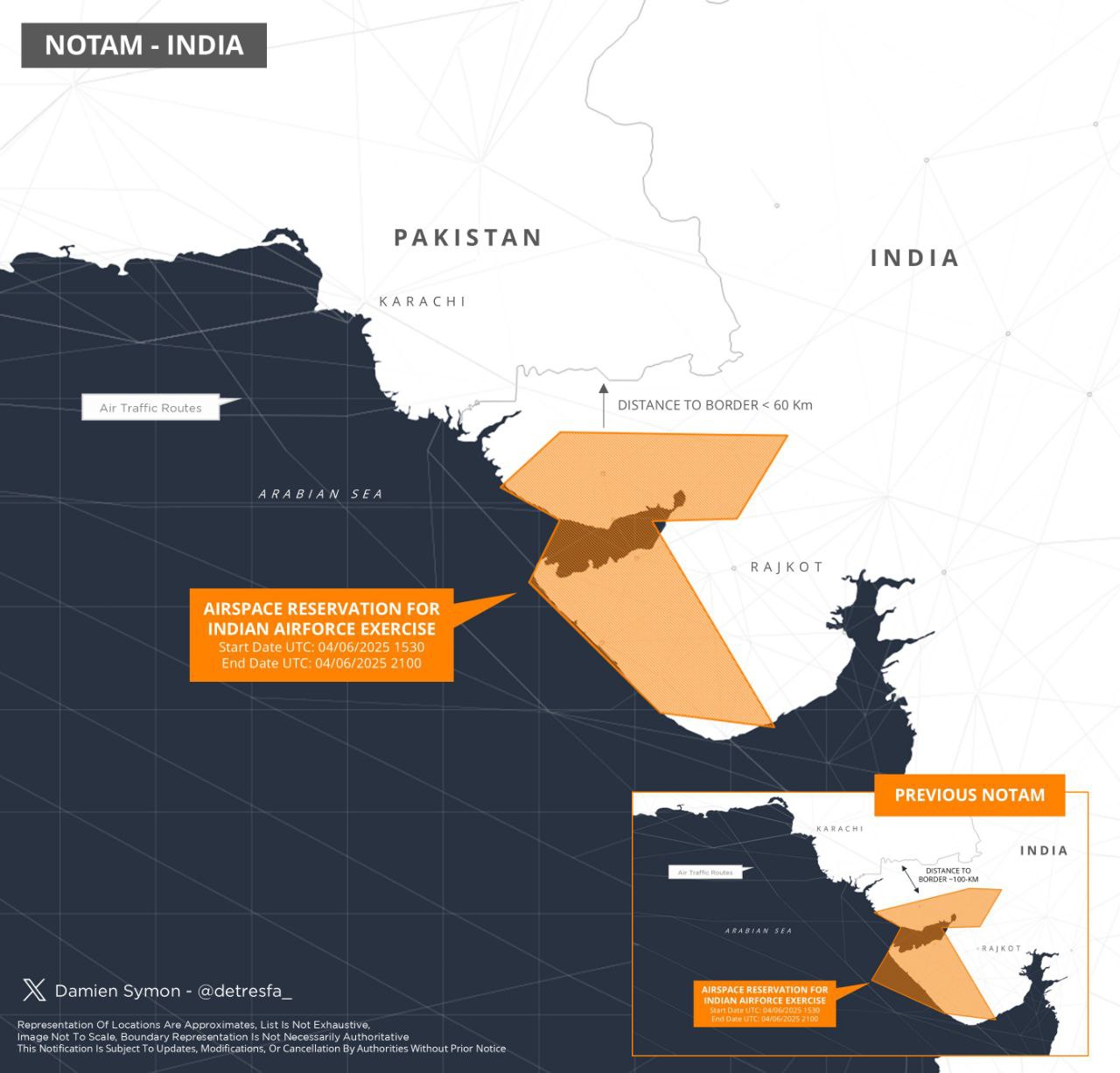
India
India has issued a Notice to Airmen (NOTAM) declaring a temporary airspace reservation for a planned Indian Air Force (IAF) exercise on 4 June 2025, signaling heightened operational activity near its western frontier with Pakistan. The NOTAM designates a triangular airspace corridor in the Arabian Sea region, roughly 100 km from the Pakistan border ( Latest NOTAM Distance from Pak Near 60 Km ), indicating the Indian military’s continued emphasis on readiness along the sensitive western axis. Details of the Airspace Closure The airspace reservation, effective from 1530 UTC to 2100 UTC (9:00 PM IST) on June 4, spans a critical area southwest of Rajkot, Gujarat. The polygon-shaped zone pushes westward over the Arabian Sea, falling within proximity to major air and naval routes near the Karachi Flight Information Region (FIR). According to the map published by open-source intelligence analyst Damien Symon (@detresfa_), the zone lies directly adjacent to Pakistan’s maritime boundary, raising the likelihood that this exercise involves either live-fire drills, aerial refueling operations, or coordinated bomber and UAV sorties simulating a maritime strike or border defense mission. Strategic Significance This NOTAM comes amid increased military procurement and air base activity observed on both sides of the Indo-Pak border in recent weeks. India's airspace reservation follows a wave of tenders recently issued by the Pakistan Air Force (PAF) for equipment overhauls, jammer installations, and security upgrades—hinting at precautionary or post-conflict restoration measures in their own infrastructure. The timing and placement of this IAF drill are strategic: Proximity to Karachi: The area lies just ~100 km from Pakistan’s largest city and a key military and naval hub. Naval Coordination Possible: The location, extending into the Arabian Sea, may also include cooperation with the Indian Navy, potentially simulating an integrated response to aerial or maritime threats. Pre-monsoon Operational Window: The date aligns with a pre-monsoon window often used for high-visibility exercises before weather disruptions begin. Broader Context The IAF frequently conducts such exercises to validate combat readiness, test new platforms, or signal deterrence. Given recent tensions and the rapid modernization of both air forces, this NOTAM also serves as a form of strategic messaging. These drills not only provide pilots and ground crews with critical experience but also test joint command structures under simulated wartime conditions. While no official statement has linked this particular airspace closure to any specific geopolitical event, its placement and timing are hard to ignore. The Indian armed forces continue to maintain a high state of vigilance along all fronts, and the southern sector—often overlooked compared to Kashmir or Ladakh—remains a vital operational theater due to its proximity to both land and sea routes critical to regional defense. As always, observers and aviation authorities have been alerted to avoid the designated zone during the specified hours, ensuring the Indian Air Force has a clear corridor for maneuvers that may involve high-speed, low-altitude flight profiles, or electronic warfare simulations.
Read More → Posted on 2025-06-04 10:59:39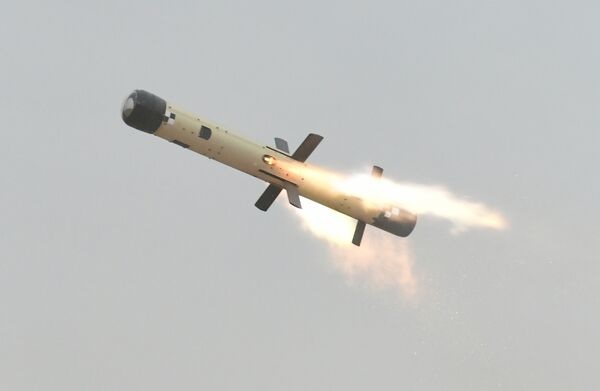
World
In a significant move reflecting growing political tensions over the war in Gaza, Spain has suspended the license of Israeli defense company Rafael’s Spanish subsidiary, Pap Tecnos, halting the planned production of 168 Spike LR2 anti-tank guided missiles. These advanced missiles were set to be delivered to the Spanish Army and Marine Corps under a contract valued at €285 million (approximately $325 million), first announced in October 2023 but never finalized. The Spanish government is now reassessing the program entirely, reportedly seeking alternative options for its military’s anti-tank capabilities. Government spokesperson Pilar Alegría confirmed the decision, framing it as part of Spain’s effort to fully disengage from reliance on Israeli military technology amid the ongoing war in Gaza. This latest step is one of several bold actions Spain has taken to protest Israel’s military campaign in the Palestinian territories. In recent months, Spain has emerged as one of Europe’s most vocal critics of Israeli actions in Gaza, calling for stronger European Union measures and a freeze on arms trade with Israel. Spanish Foreign Minister José Manuel Albares has been particularly active on the diplomatic front. Just weeks ago, he hosted a high-level meeting in Madrid with representatives from 20 European and Arab nations to explore pathways to peace and urged the EU to suspend its cooperation agreement with Israel. The missile deal cancellation follows an earlier decision by Spain to revoke a €6.8 million ($7.7 million) bullet purchase contract with Israeli weapons manufacturer IMI Systems. These moves align with Madrid’s increasingly assertive posture on the Israel-Palestine issue, signaling a clear departure from previous military-industrial cooperation. Spain’s criticism of Israel has also reached international legal forums. In June 2023, it became the first European country to express interest in participating in South Africa’s genocide case against Israel at the International Court of Justice. The decision was a milestone in Spain’s evolving foreign policy, positioning itself firmly in favor of Palestinian rights. In May 2024, Madrid officially recognized the State of Palestine, joining Norway and Ireland in a coordinated diplomatic announcement that drew immediate backlash from Israel. In response, Israeli officials hinted at potential diplomatic or economic reprisals against the countries involved. Spain’s actions are being closely watched in Europe and beyond, with analysts noting that its hardening stance could influence broader EU policy. While the future of the suspended missile contract remains uncertain, what’s clear is that Spain is reshaping its defense and diplomatic priorities in direct response to the conflict in Gaza — a shift with potentially long-term implications for EU-Israel relations.
Read More → Posted on 2025-06-04 10:53:24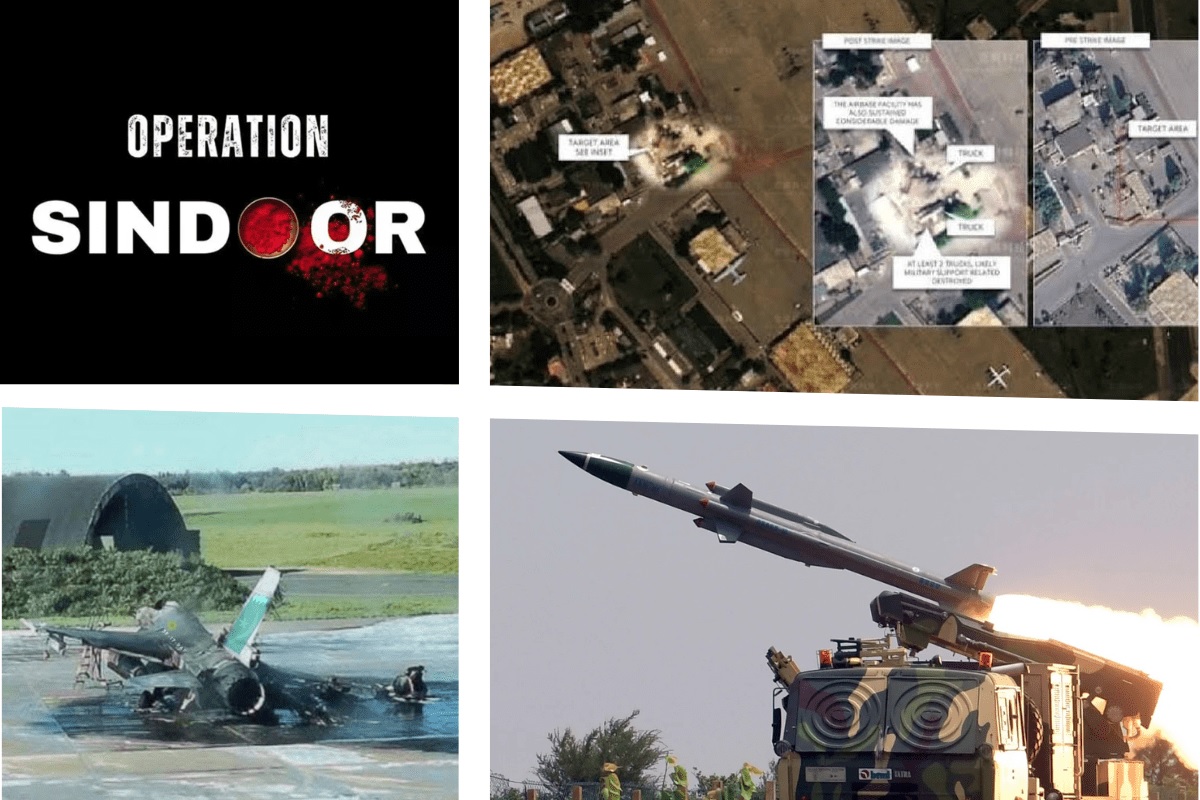
India
Operation Sindoor, carried out from May 6 to 10, 2025, stands as one of India’s most precise and impactful military responses to cross-border terrorism in recent history. Triggered by the brutal Pahalgam terror attack on April 22, 2025, which claimed 26 innocent lives, the Indian government launched this multi-domain operation aimed at crippling Pakistan’s terror infrastructure and military capabilities. A Retaliation Marking a Shift in Doctrine India’s strategy was clear: respond not just with condemnation, but with calibrated, targeted military action. Operation Sindoor was a joint military campaign involving the Indian Army, Air Force, and Navy under the Integrated Command and Control Strategy (ICCS), ensuring real-time coordination across land, air, and sea. This marked a turning point in India’s security posture—moving from reactive defense to proactive offense. Heavy Losses for Pakistan: Aircraft, Drones, and Missiles Destroyed In five days of intense operations, the Indian Air Force (IAF) dealt a severe blow to Pakistan’s military infrastructure: 6 Pakistan Air Force (PAF) fighter jets were shot down in aerial combat. 2 high-value surveillance aircraft, including an airborne early warning system and an electronic warfare jet, were destroyed. Over 10 unmanned combat aerial vehicles (UCAVs) were neutralised. A C-130 Hercules transport aircraft was eliminated, impairing logistics. Multiple Pakistani cruise and ballistic missiles were intercepted by India’s multi-layered air defense systems. These strikes weren’t random. They were guided by precise intelligence from multi-agency sources, ensuring surgical accuracy and minimal civilian damage. Visuals from satellite imagery and real-time feeds confirmed direct hits on major airbases like Nur Khan and Rahimyar Khan, destroying runways, hangars, and radar sites. Advanced Indian Weapon Systems in Action India’s airstrikes relied heavily on air-launched precision weapons, avoiding the use of surface-launched BrahMos missiles to maintain escalation control. Instead, systems like the Sudarshan precision-guided munition, SPICE-2000, and Scalp EG cruise missiles were employed with pinpoint accuracy. One surveillance aircraft, an SAAB Erieye AEW&C, was destroyed by a long-range cruise missile while flying over the Bholari airbase. Another high-value electronic countermeasure aircraft was taken out from over 300 kilometers away—showcasing India’s beyond-visual-range strike capability. In air-to-air engagements, IAF's Su-30MKIs and Rafales, equipped with Meteor and Astra missiles, dominated the skies, recording multiple mid-air kills confirmed by radar and optical tracking systems. Crippling Pakistan’s Unmanned Arsenal India’s forces specifically targeted Pakistan’s drone warfare capabilities. Over ten UCAVs, including Chinese-origin Wing Loong drones, were obliterated in a coordinated strike. These drones, used by Pakistan for surveillance and precision strikes, were destroyed inside hardened shelters near Mianwali and Sargodha airbases. A joint strike by Rafale and Su-30 aircraft decimated these hangars, eliminating a large part of Pakistan’s unmanned fleet and causing a technological setback in its drone warfare capacity. Missile Defence Success: Shielding Indian Assets Pakistan attempted retaliatory strikes using ground and air-launched missiles, many aimed at Indian military airbases. However, India’s missile defense systems, including S-400 Triumf, Barak-8, and Akash, intercepted and destroyed all incoming threats. None of the Pakistani missiles reached their intended targets. This flawless interception performance protected Indian infrastructure and exposed the ineffectiveness of Pakistan’s offensive capabilities, further tipping the balance in India’s favor. Disabling Logistics and Radar Infrastructure The destruction of Pakistan’s C-130 transport aircraft—a key logistics platform—severely disrupted its military mobility. The IAF also disabled radar stations and surface-to-air missile batteries across 13 different locations, paralyzing Pakistan’s air surveillance and response systems. Despite Pakistani denials, intelligence suggests additional aircraft and drones were destroyed inside hangars, but Pakistan’s refusal to allow independent verification makes these losses officially unconfirmed. Water Diplomacy: Suspension of Indus Waters Treaty In parallel, India delivered an economic blow by suspending participation in the Indus Waters Treaty, impacting Pakistan's water-dependent sectors. This bold diplomatic step demonstrated India's intent to apply pressure beyond the battlefield, making it clear that the price of terrorism would be paid in every sector. Ethical Warfare with Precision Unlike past operations, Sindoor was executed with high ethical standards, ensuring zero civilian casualties despite deep strikes into Pakistani territory. The emphasis on targeted military assets, backed by real-time surveillance, underlines India’s commitment to responsible use of force. Strategic Outcome: Pakistan Calls for Ceasefire By May 10, 2025, after losing valuable aerial assets, logistical capabilities, and unmanned systems, Pakistan requested a ceasefire. Its inability to inflict counter-damage and the fear of further losses forced this admission. India had established clear operational dominance while maintaining strategic restraint.
Read More → Posted on 2025-06-04 10:44:50
World
Former U.S. President Donald Trump has reportedly reached out to Japan for support in a new missile defense initiative known as the “Golden Dome.” According to recent reports, Trump spoke with Japanese Prime Minister Shigeru Ishiba earlier this month, discussing the possibility of Tokyo joining the project to develop advanced missile interception technologies. The Golden Dome is envisioned as a vast, high-tech missile shield designed to protect the United States and its allies from long-range missile threats, particularly from countries like China, North Korea, and Iran. Trump revealed that he has chosen a final design for the system, which is projected to cost around $175 billion. He has placed U.S. Space Force General Michael Guetlein in charge of the program and is pushing for its completion by the end of his potential second presidential term in 2029. While the system is still in the conceptual phase, it is already drawing comparisons to the Israeli Iron Dome, albeit on a much larger, more advanced, and space-integrated scale. The project aims to create a defensive umbrella using a combination of land-based, sea-based, and space-based missile interceptors capable of shooting down ballistic and hypersonic missiles during various stages of flight — including when they are still in space. Japan’s possible involvement in the Golden Dome project could be significant. The two countries have a long history of cooperation on missile defense, including the development of the SM-3 Block IIA interceptor — a missile designed to destroy incoming warheads in space. By partnering on the Golden Dome, Japan could both enhance its own national defense and gain leverage in ongoing trade and security negotiations with Washington. From the U.S. side, bringing in Japan would add both technical expertise and financial support, potentially helping to reduce the long-term costs of the system. The U.S. Congressional Budget Office estimates that the full cost of the Golden Dome project could rise to an eye-watering $831 billion over the next two decades. The report also suggests that beyond security, this cooperation could help cement stronger economic ties, as joint defense production and technology sharing often create long-term industrial and diplomatic bonds. While details remain limited, the Golden Dome proposal marks an ambitious step in missile defense planning — one that not only aims to reshape how the U.S. handles aerial threats but also how it aligns with its closest allies in Asia.
Read More → Posted on 2025-06-04 10:34:31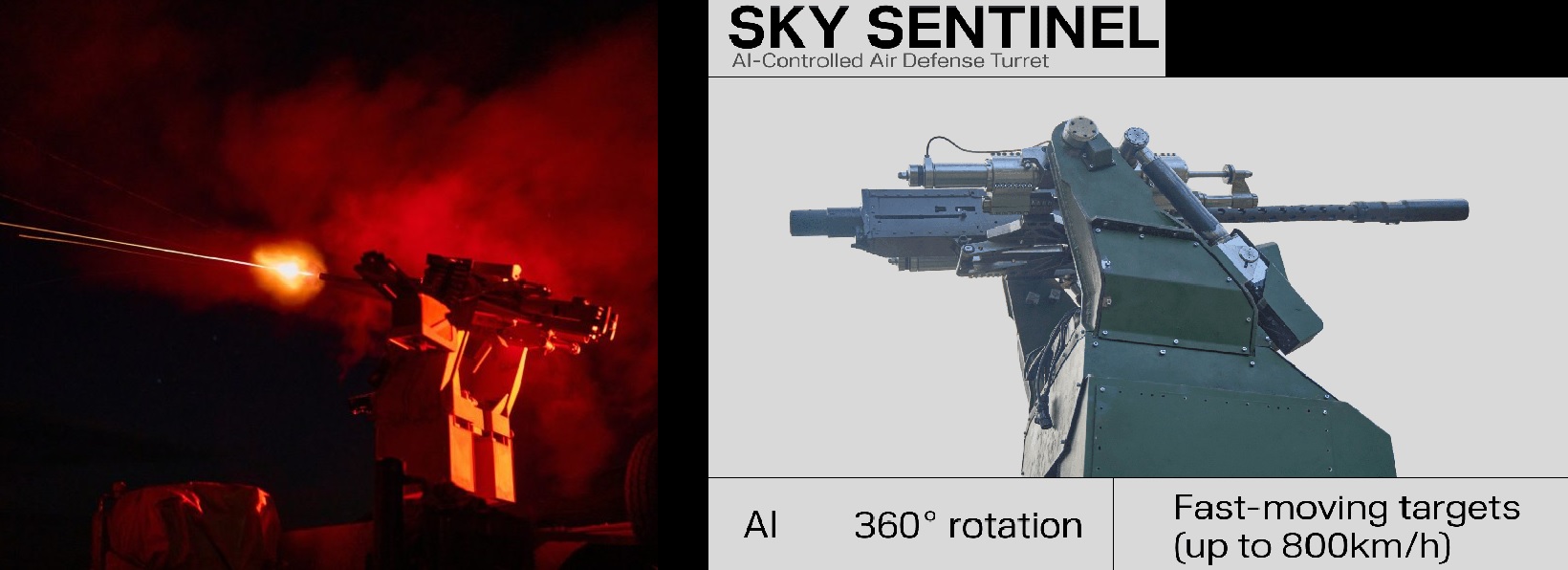
World
In a remarkable display of battlefield innovation, a team of Ukrainian engineers has developed an artificial intelligence (AI)-controlled air defense turret specifically designed to intercept erratic, low-cost attack drones and low-flying cruise missiles. This comes as Ukraine faces relentless barrages of Russian-launched Shahed drones, fired into its airspace daily, wreaking destruction on civilian and military targets alike. The Need for Smarter Air Defense With Russia reportedly launching up to 100 drones each day, Ukraine has been forced to build a layered defense network, combining Western-supplied systems like the Patriot missile batteries, traditional anti-aircraft guns, electronic warfare jammers, and interceptor drones. However, expensive systems like the Patriot — with a single missile costing around $4 million — are economically unsustainable for countering swarms of cheap, disposable drones. To address this imbalance, Ukrainian engineers turned to AI and automation, resulting in the creation of the Sky Sentinel — an affordable, self-operating turret capable of hunting down and destroying aerial threats without human intervention. Meet the Sky Sentinel At first glance, the Sky Sentinel resembles a conventional turret mounted with a heavy machine gun. But the real power lies in its AI-guided brain. Once activated, the system autonomously detects, locks onto targets, tracks their flight paths, calculates precise firing solutions, and engages — all without a human operator. It’s a significant milestone for Ukraine, marking one of the first known operational deployments of an AI-controlled, hard-kill air defense system at a fraction of the cost of modern missile-based solutions. Engineering Breakthrough Creating such a system came with its share of challenges. One of the primary engineering obstacles was eliminating “play” — a tiny mechanical slack in moving parts that could cause aiming inaccuracies. The developers meticulously designed the system to have zero mechanical slack in its rotation, elevation, and firing mechanisms, ensuring pinpoint precision. Every moving part, from the turret's base to its optics and trigger mechanism, was engineered to work in flawless synchronization, avoiding delays in both hardware and software. The team described it as solving “dozens of micro-challenges” to make sure the system operated as a seamless whole. Key Features and Specifications Weapon Type: Heavy machine gun mounted on a 360° rotating turret Control System: Fully autonomous AI-driven fire control Targeting: Real-time optical tracking with foreign-sourced rangefinders and targeting sensors Maximum Engagement Speed: Capable of intercepting targets flying up to 800 km/h (497 mph) Effective Against: Shahed drones, loitering munitions, low-flying cruise missiles, and small drones (successfully tested on aerial objects five times smaller than a Shahed) Cost: Approximately $150,000 per unit Deployment: Both for frontline protection and urban defense Confirmed Combat Success: Has already downed four Shahed drones during operational field trials Production Rate: Scaling up to dozens of units per month While the exact effective range of the Sky Sentinel remains classified for security reasons, future variants are being designed for wider mission profiles and potentially increased firepower. A Cost-Effective Shield Compared to expensive missile-based systems, the Sky Sentinel offers a practical, low-cost alternative for point defense. According to its developers, protecting an entire city would require deploying between 10 to 30 such turrets, making it a scalable and economically viable option for a country under sustained drone attack. As production ramps up, engineers acknowledge the added challenge of maintaining flawless performance in mass-produced units, particularly concerning the mechanical precision that makes the system so effective. However, the lead developer remains confident: “It’s absolutely doable.”
Read More → Posted on 2025-06-04 10:33:07Search
Top Trending in 24 Hours
-
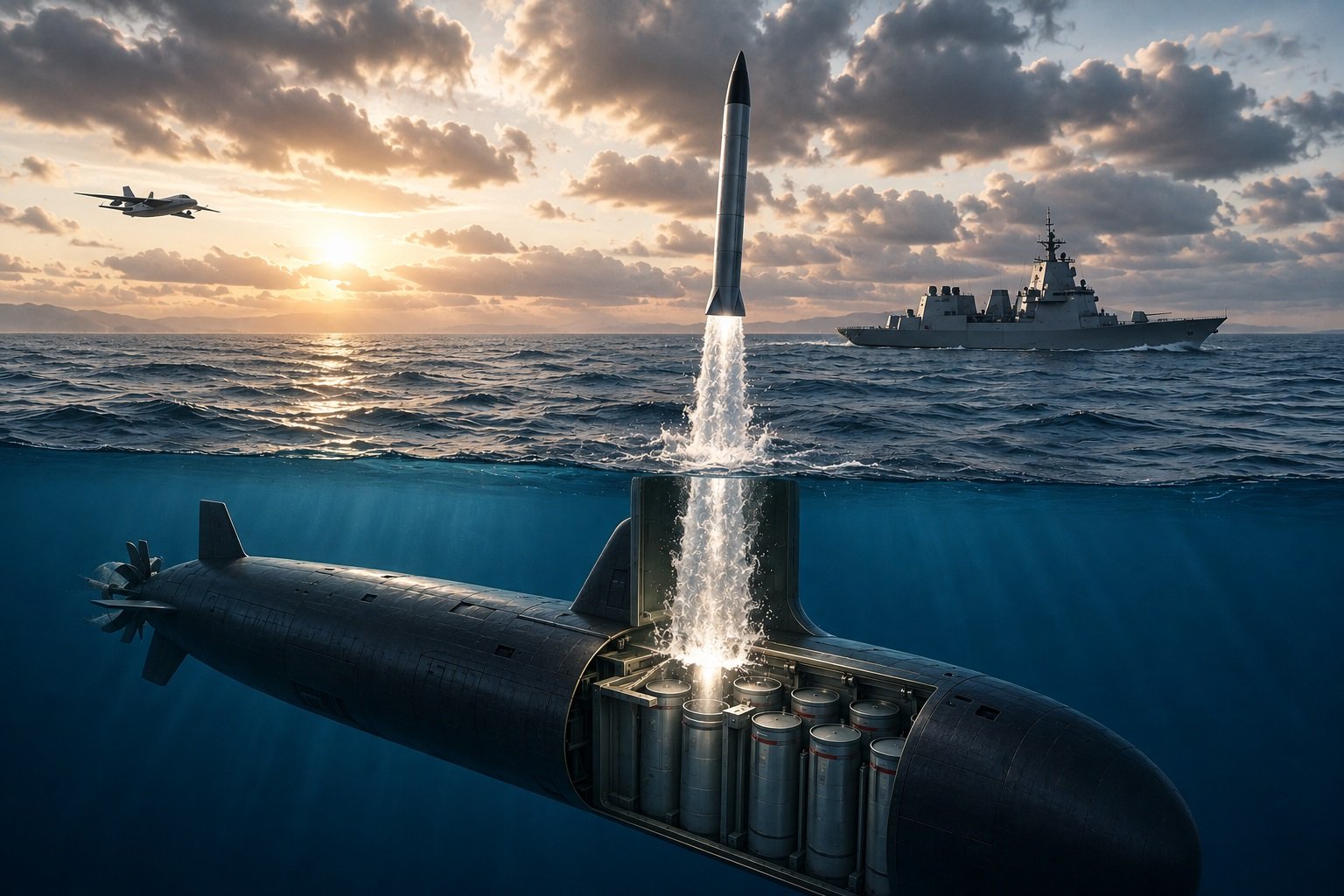 Japan Plans Submarine-Launched Hypersonic Missile Development in Fiscal 2027 Budget
-
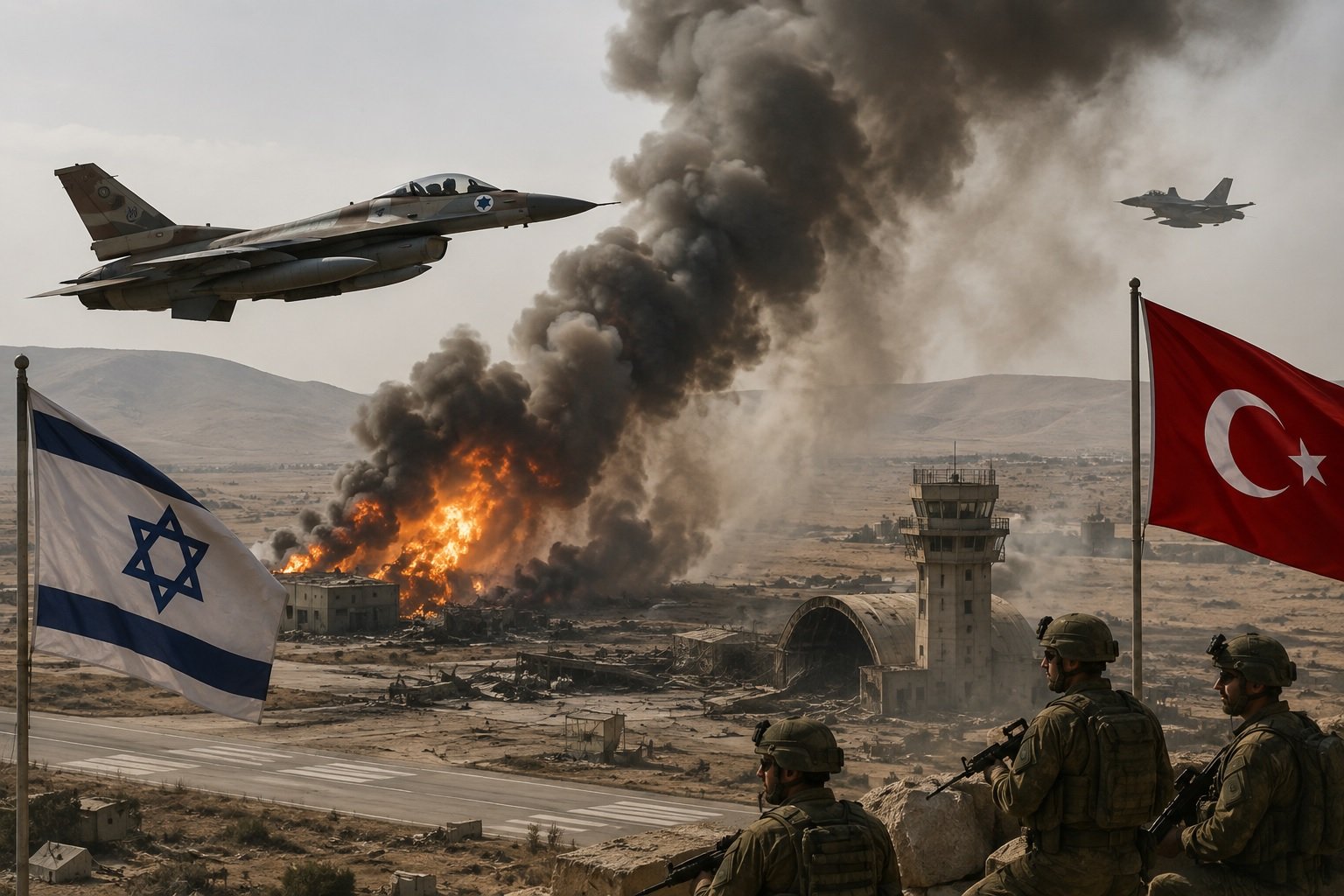 Israel-Turkey Tensions Rise After Israeli Strikes on Syrian Airbase
-
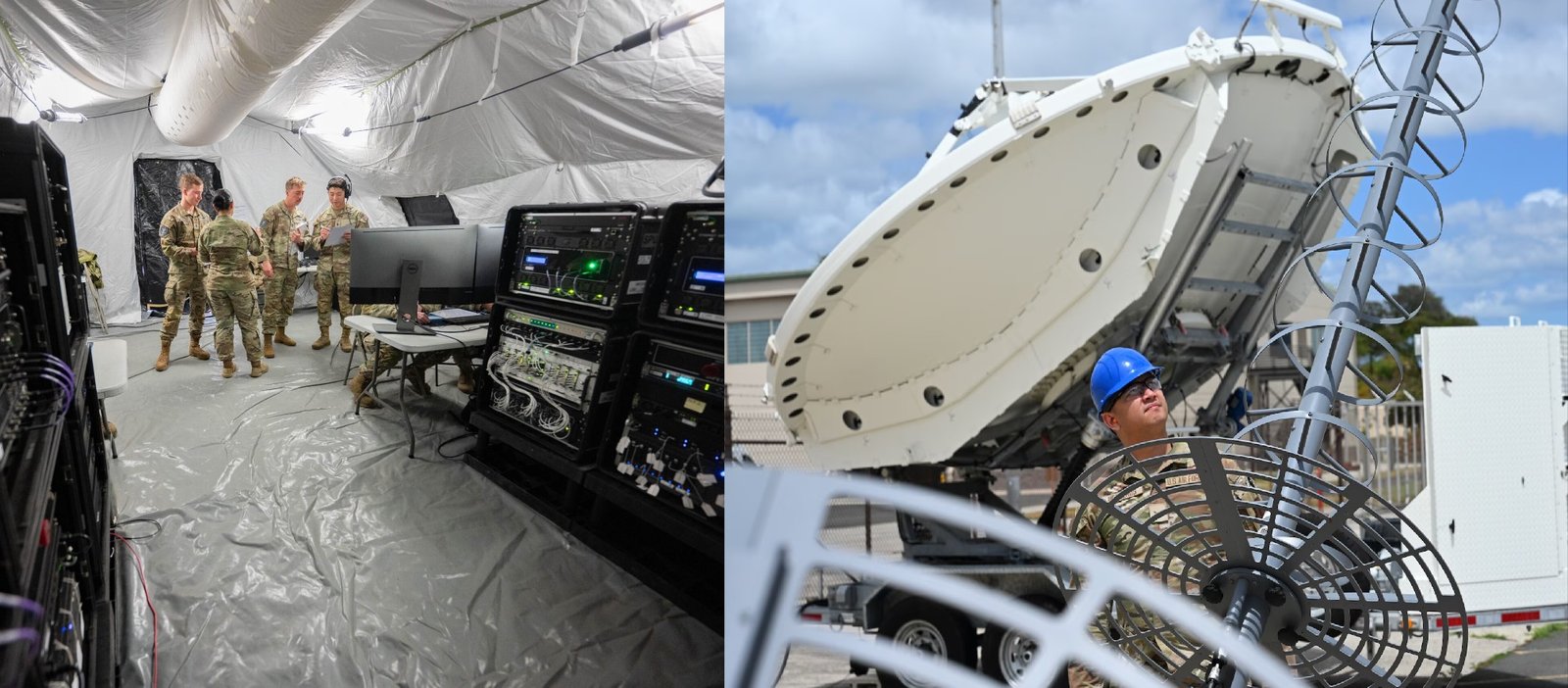 U.S. Space Force Activates 1stElectromagnetic Warfare Squadron Equipped With Meadowlands and Bounty Hunter
-
 Rocket One Launches Swarm Stage AI for U.S. Military Counter-Drone Training and Testing
-
 Lockheed Martin Demonstrates AI-Powered Sonar System With U.S. Navy at RIMPAC 2026
-
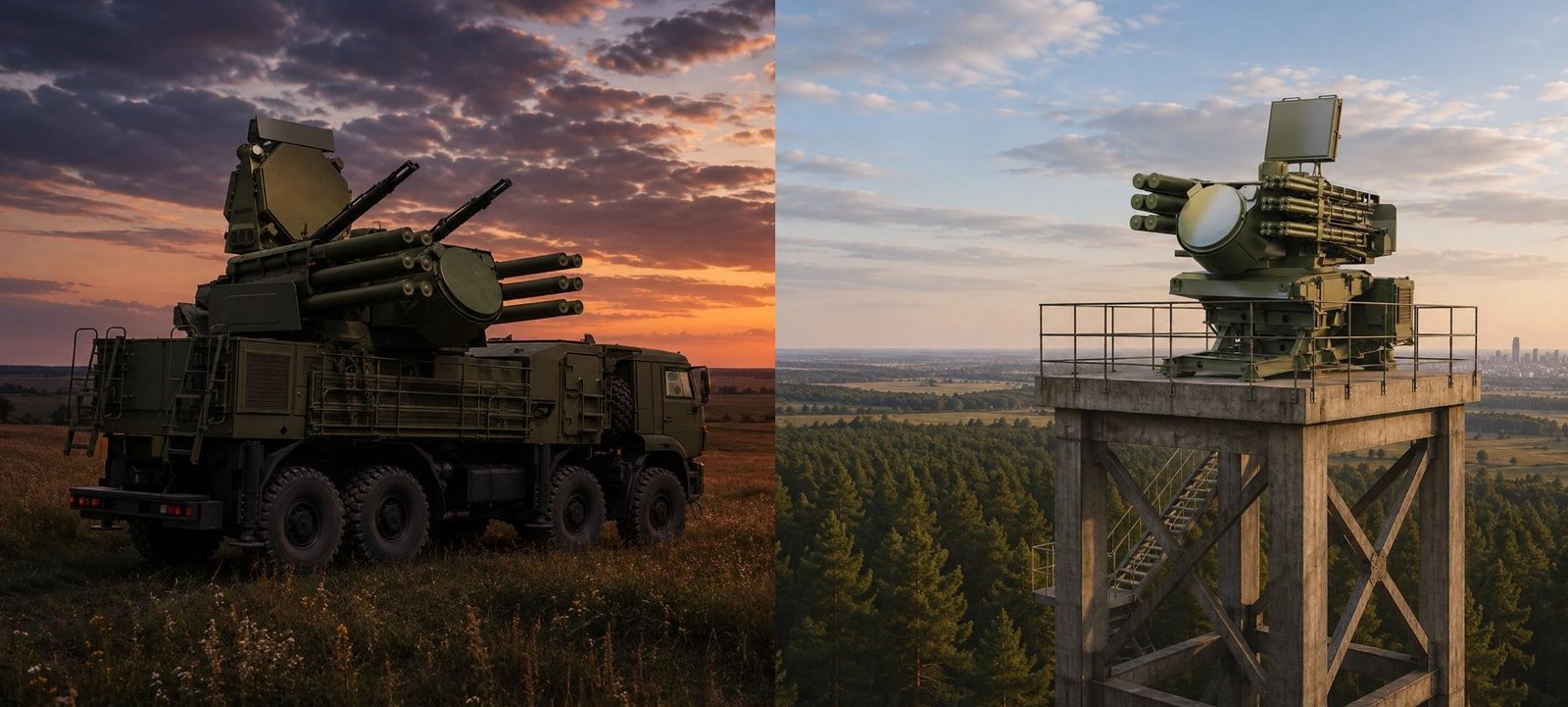 Russia Receives New Batch of Pantsir-S and Pantsir-SMD Air Defense Systems
-
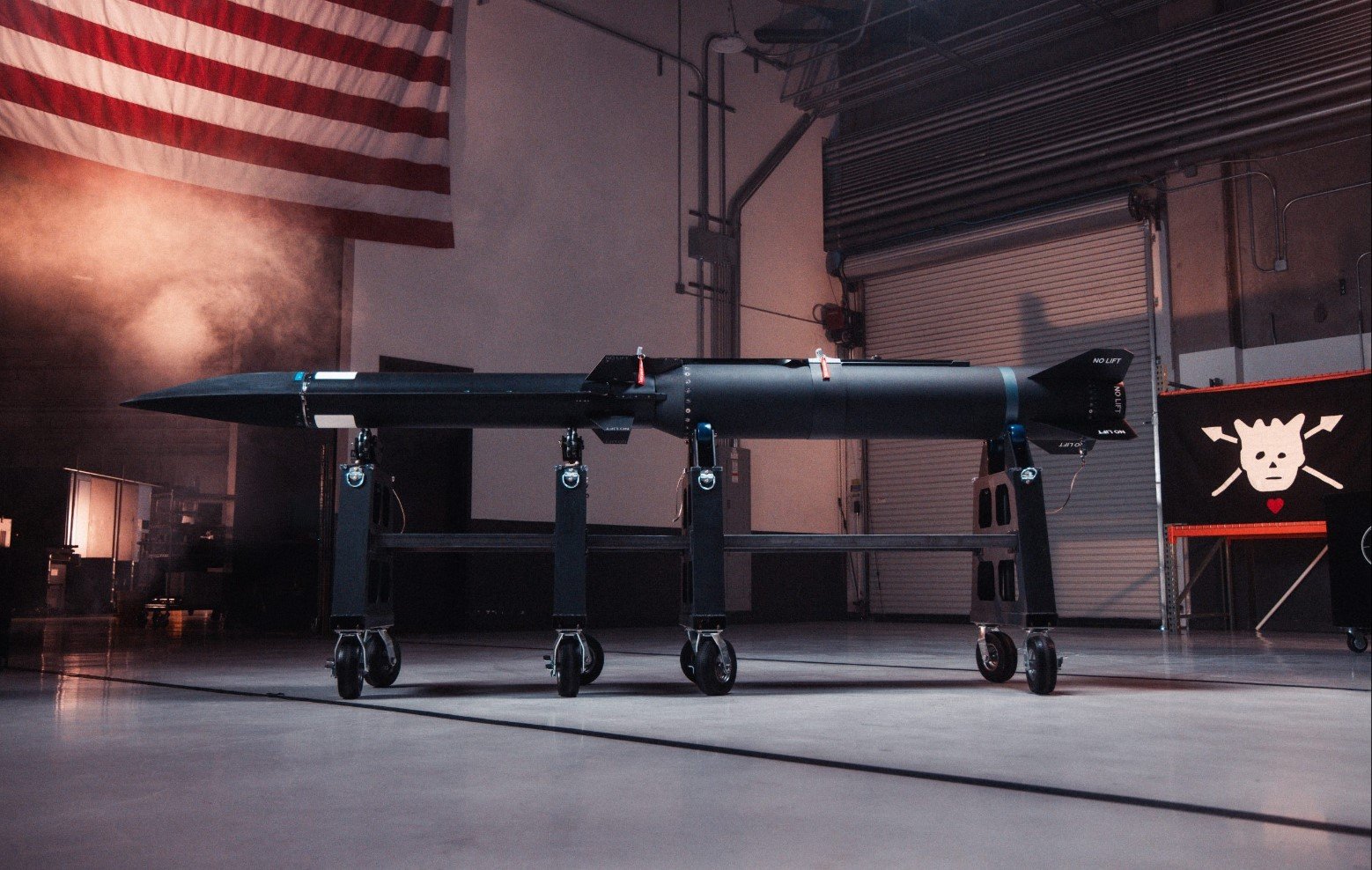 Castelion Secures $1 Billion Funding to Scale Production of Blackbeard Hypersonic Missile
-
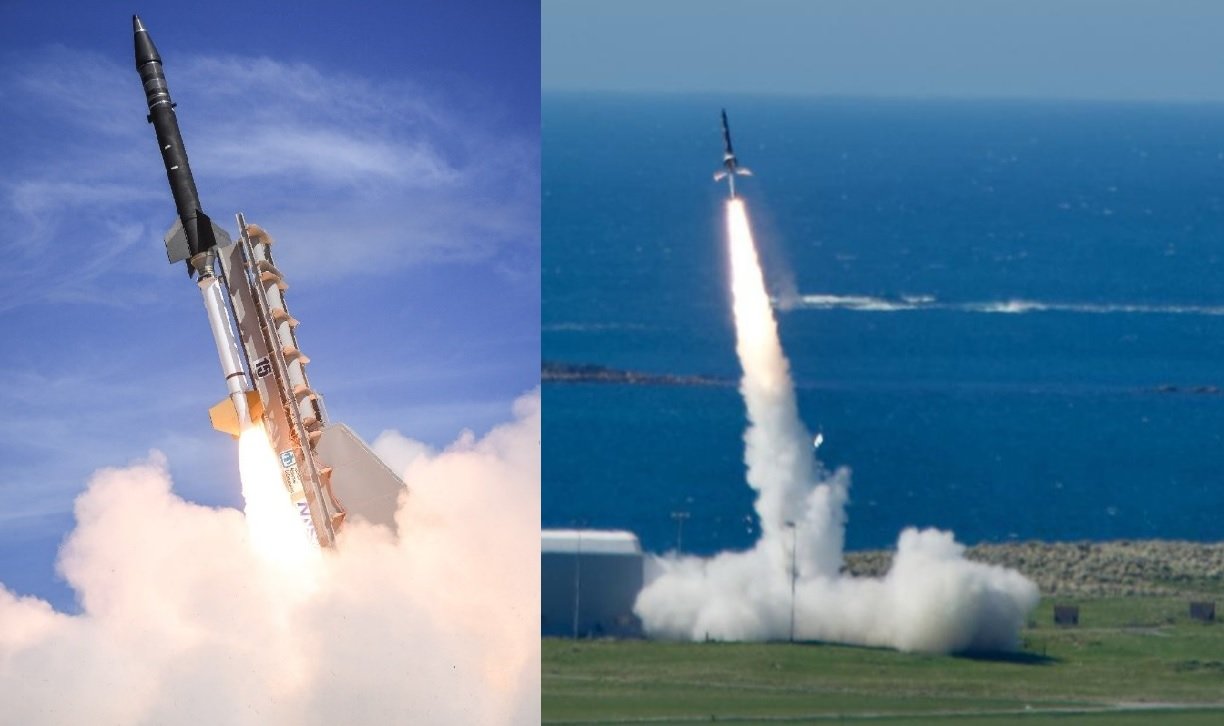 US Navy Launches ARAV-6 Missile Target During Multinational Pacific Dragon 2026 Exercise
Top Trending in 4 Days
-
 U.S. Navy Destroyer USS Benfold Spent Four Days Without Power in South China Sea After Generator Failure
-
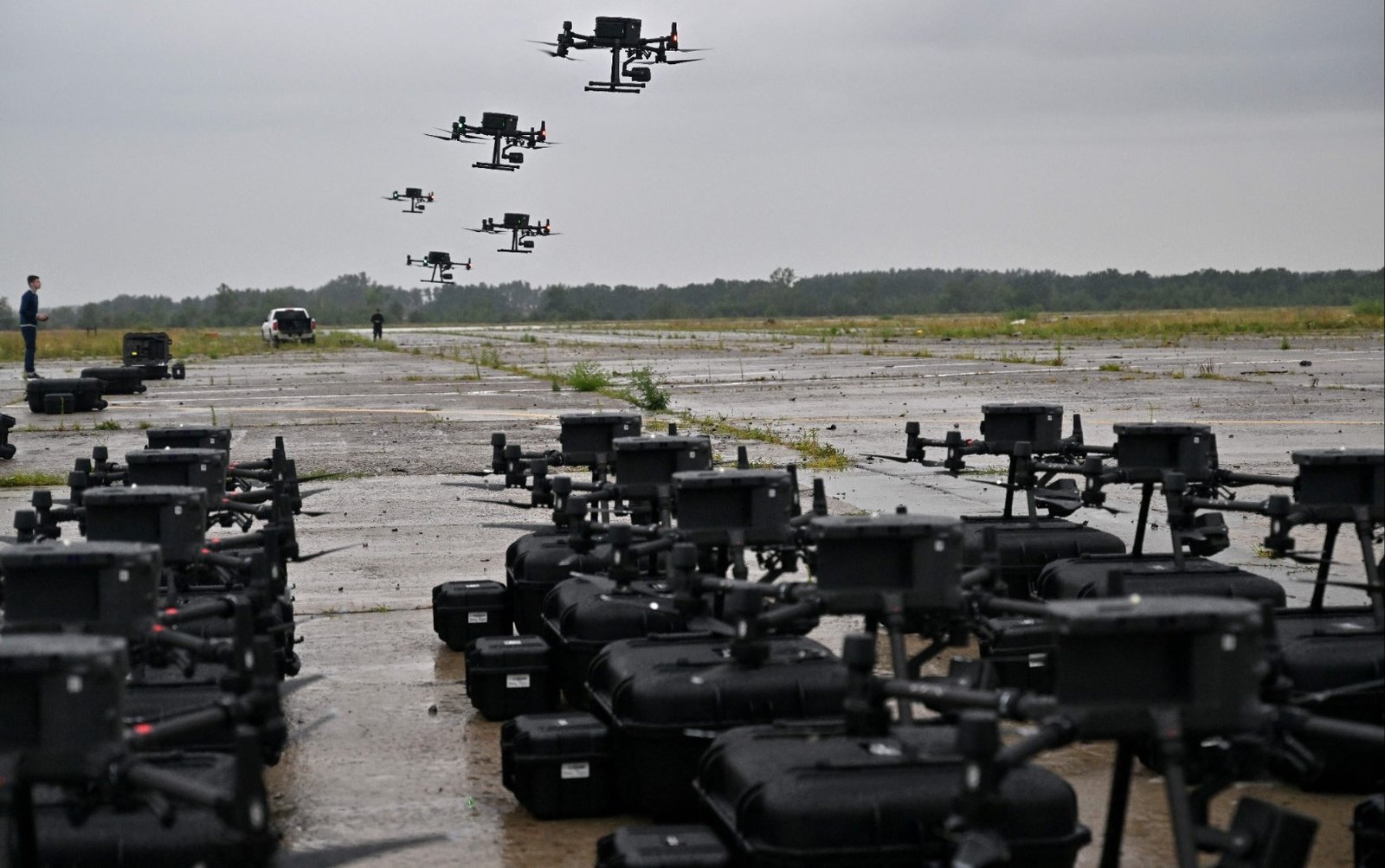 U.S. Air Force to Buy Chinese DJI Drones for Counter-Drone Training at Nuclear Missile Base
-
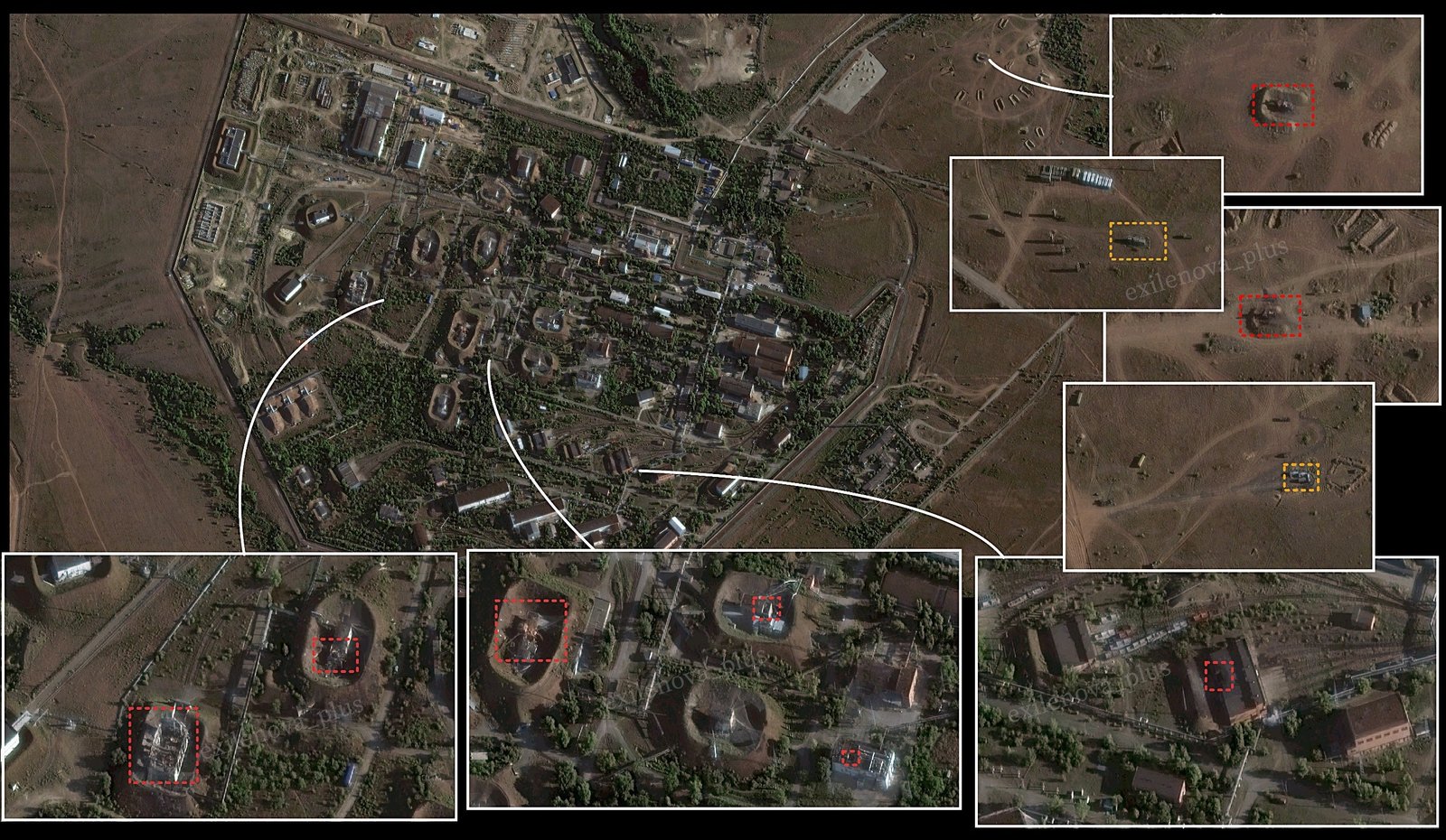 Satellite Images Show Ukrainian Drone Strike Hits Russian Rocket Fuel Plant and Air Defense Systems in Rostov Region
-
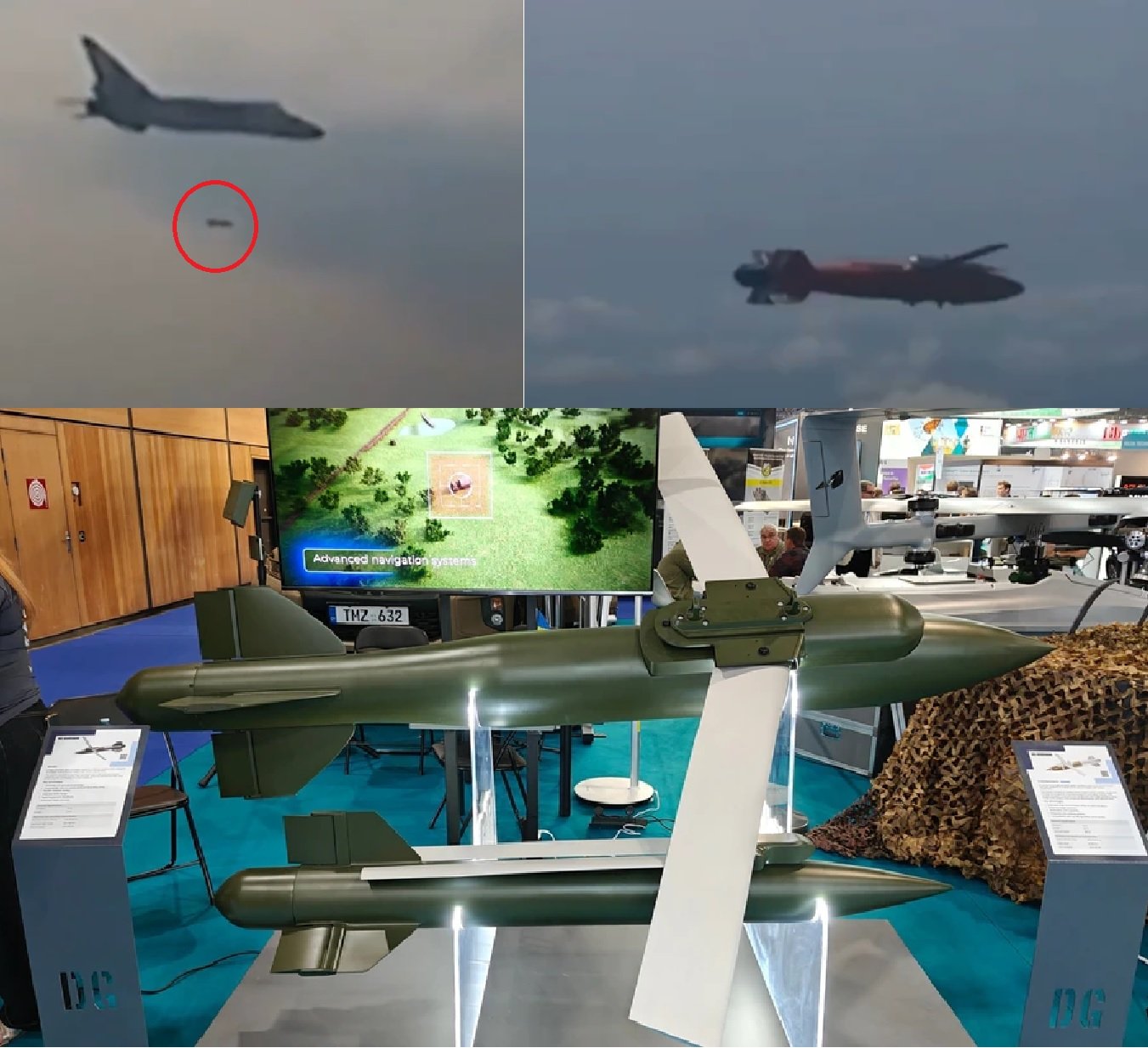 Ukraine Begins Procurement of Vyrivniuvach Guided Aerial Bomb
-
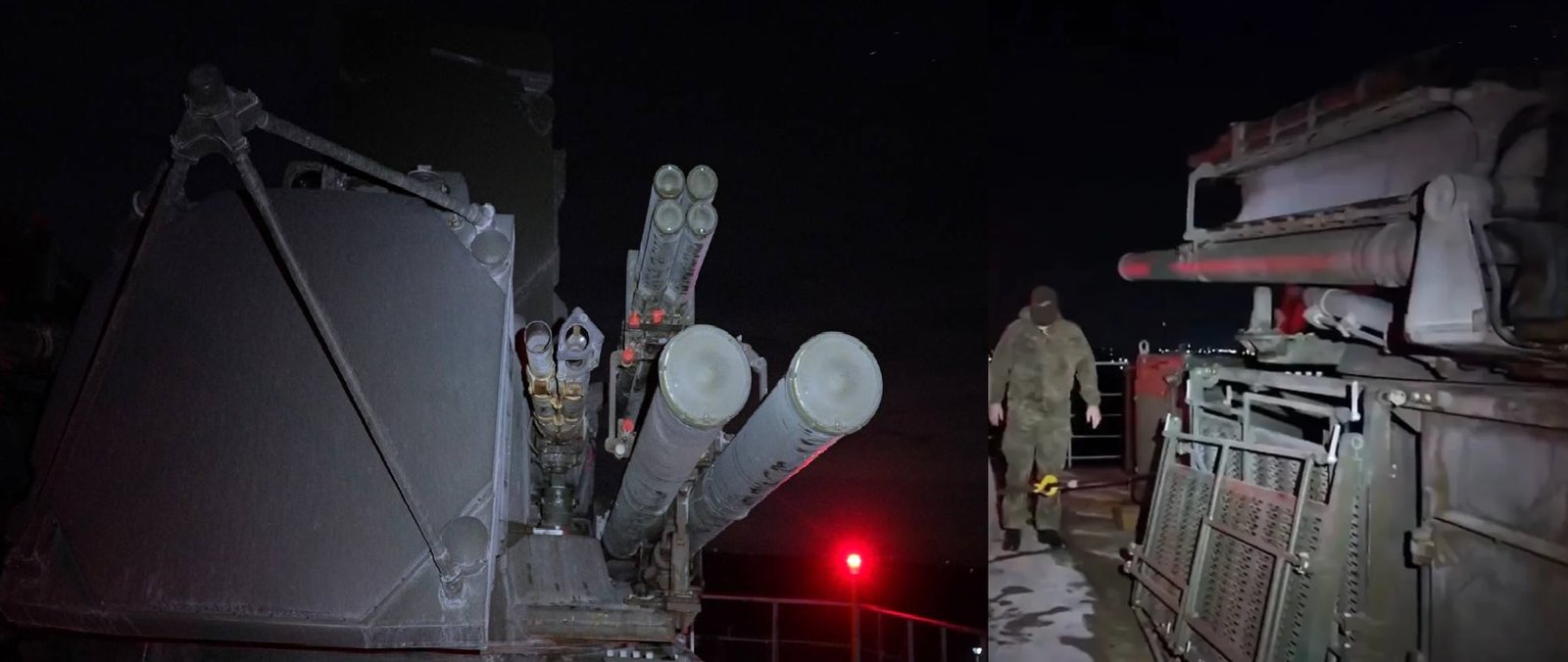 Russia Expands Moscow’s Anti-Drone Defense Network With Specialized 35-Meter Towers for Pantsir Systems
-
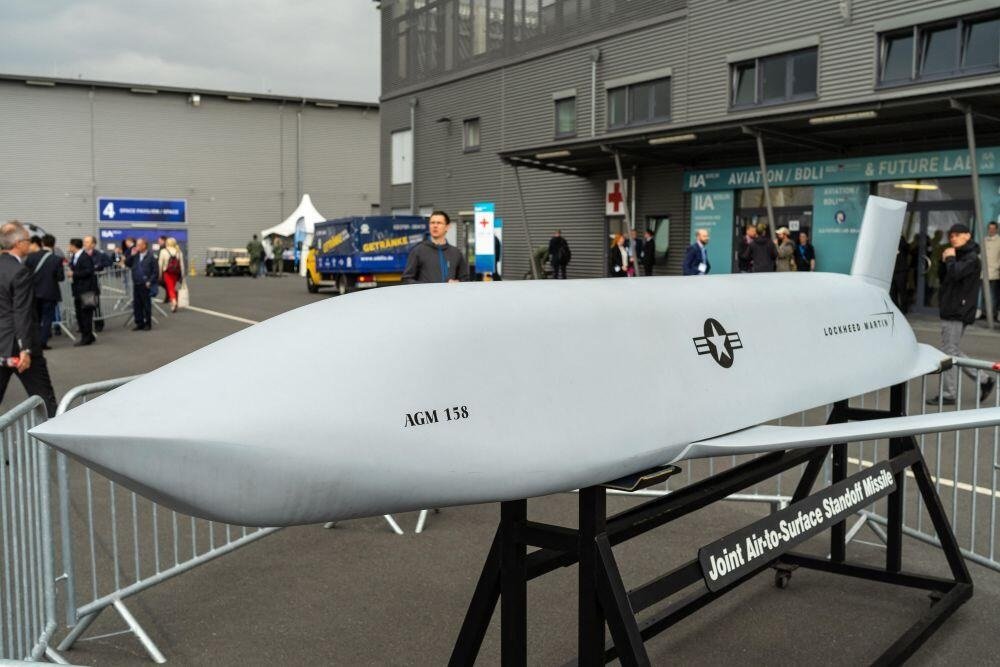 U.S. Air Force Selects GE-Kratos F143 Engine as Second Engine Source for JASSM Missile
-
 U.S. Missile Defense Agency Seeks Prototypes for New Mobile Radar to Track Hypersonic and Advanced Missiles
-
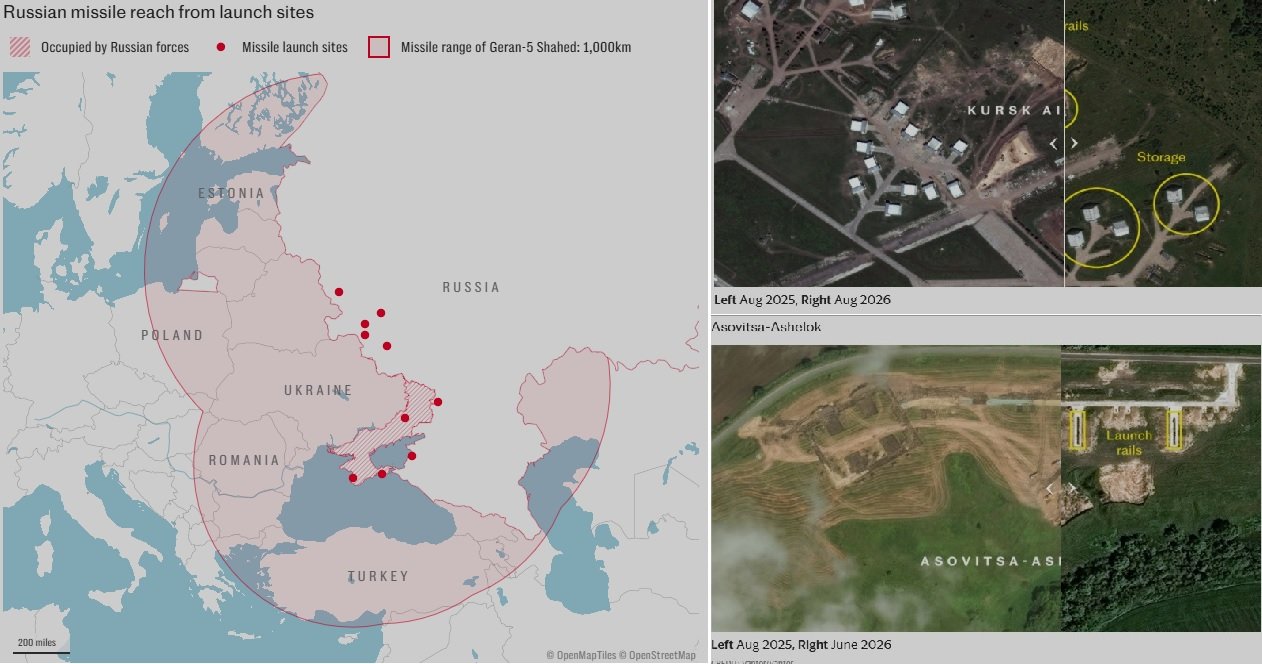 Russia Expands Drone Launch Network Near Ukraine and Belarus Borders, Putting NATO Territory Within Range
