World
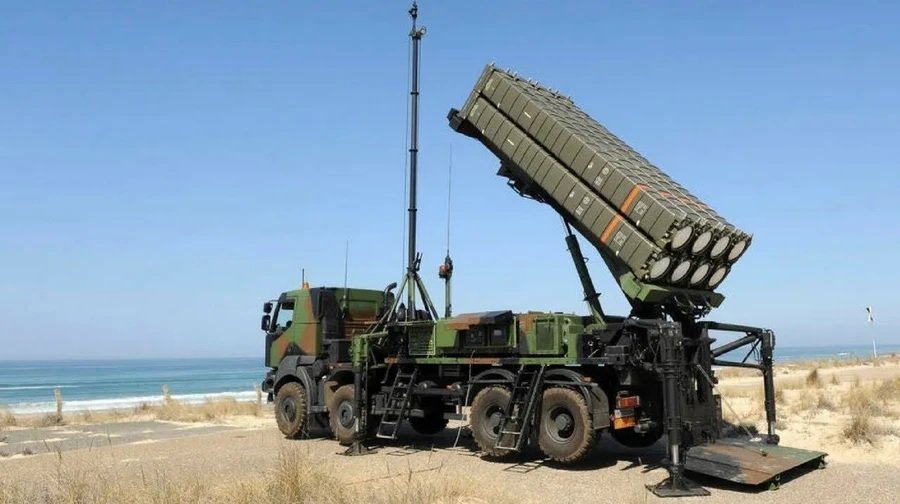
Paris / Kyiv — Ukraine expects to receive new air-defense radars and one French SAMP/T air-defense system this autumn, President Volodymyr Zelenskyy said on Sunday after a nearly two-hour conversation with French President Emmanuel Macron. Zelenskyy said France is expected to deliver new radars in the fall along with one SAMP/T system. A second SAMP/T system could also be delivered, depending on production rates. Ukraine has previously ordered four newer SAMP/T NG systems, while France is temporarily providing current-generation systems as the newer batteries are produced. Funding is linked to European support loans. A major challenge remains the limited supply of Aster 30 interceptor missiles used by SAMP/T. Zelenskyy said Ukraine has a contract for additional Aster 30 production, which will be financed through a European loan. Contracts for additional missiles are expected to be signed in September. He compared the shortage with the limited availability of interceptors for Patriot systems. Ukraine also expects licenses this year to produce three types of French weapons domestically. Zelenskyy thanked Macron and France for their readiness to support the cooperation. FREYJA Anti-Ballistic Missile Project Zelenskyy said the European FREYJA anti-ballistic air-defense project has moved from political discussions to technical-level work, with participating companies beginning practical cooperation. Ukraine is counting on the joint European program to strengthen its air and missile defense capabilities. Patriot Missile Cooperation Ukraine is also working with U.S. defense company Raytheon on a Ukrainian missile for Patriot systems. Raytheon has selected Ukrainian company Fire Point as its partner. The first technical meeting has already taken place, and Ukraine expects information on the project’s timeline and feasibility in the coming weeks. Zelenskyy also said he agreed with German Chancellor Friedrich Merz on the delivery of 600 PAC-2 missiles in 2027–2028. These missiles can intercept ballistic targets, although Ukraine needs larger quantities. Kyiv is also negotiating with the United States, which plans to increase Patriot missile production from the second half of 2027 and beyond. Ukraine’s Domestic Ballistic Missiles Two Ukrainian companies are currently developing domestic ballistic missiles, according to Zelenskyy. Mass production has not yet started because of technical issues that the companies are working to resolve. The latest French commitments follow agreements reached in July 2026, when France pledged to accelerate Aster 30 deliveries, support licensed production of Aster, SCALP and other munitions, and advance cooperation on SAMP/T systems as part of wider European air and missile defense efforts.
Read More → Posted on 2026-08-23 14:19:47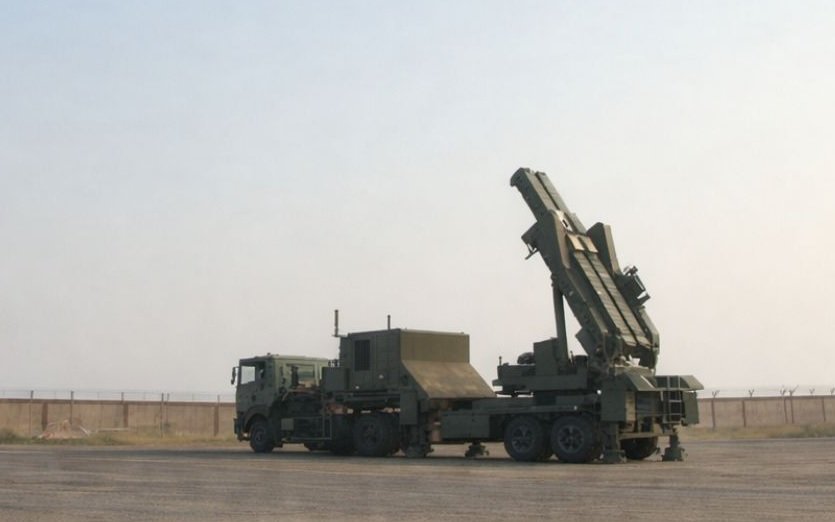
India
New Delhi — India is moving toward large-scale production of indigenous surface-to-air missiles, with around 2,000 QRSAM and Akash-NG missiles potentially entering domestic production if both proposed procurements proceed. The Indian Armed Forces could order around 1,000 QRSAM missiles from Bharat Dynamics Limited (BDL) under a contract estimated at ₹11,000–12,000 crore, forming part of a wider QRSAM programme worth around ₹30,000 crore. Bharat Electronics Limited (BEL) is the lead integrator, while L&T is involved with 8x8 launchers and Apollo Micro Systems supplies several subsystems. The DAC granted Acceptance of Necessity on July 3, 2025, while final CCS clearance remains pending. BEL expects a decision by September 2026. QRSAM has a reported range of 25–30 km and altitude coverage of around 6–10 km. Initial deliveries are expected over seven to eight years, with subsequent orders potentially taking three to four years once production is established. BEL is also preparing a 75-hectare production complex at Chitrakoot in the Uttar Pradesh Defence Industrial Corridor. The Ministry of Defence is also examining a requirement for around 1,000 Akash-NG missiles. Akash-NG completed final user evaluation trials in December 2025 and features a dual-pulse motor, active radar seeker, canisterised launch system and smaller ground footprint. Its demonstrated range is around 30 km, with further extensions reported toward 50–70/80 km depending on configuration. A major order could still be at least three years away. Meanwhile, Apollo Micro Systems is expanding into complete defence-system development. It agreed in July 2026 to acquire a 41.33% controlling stake in Premier Explosives for about ₹1,550 crore, while SEBI approved an open offer for another 26% stake at ₹698 per share. On August 21, AMS also subscribed to a 34% stake in ShauryAstra Defence Systems, which will focus on indigenous weapon systems, long-range strike platforms, unmanned systems, GNC, seekers, sensors, datalinks and mission software under the guidance of Dr. V. K. Saraswat. The developments could expand India's domestic air-defence manufacturing capacity, while export orders could help sustain production lines after domestic requirements are met.
Read More → Posted on 2026-08-23 13:57:06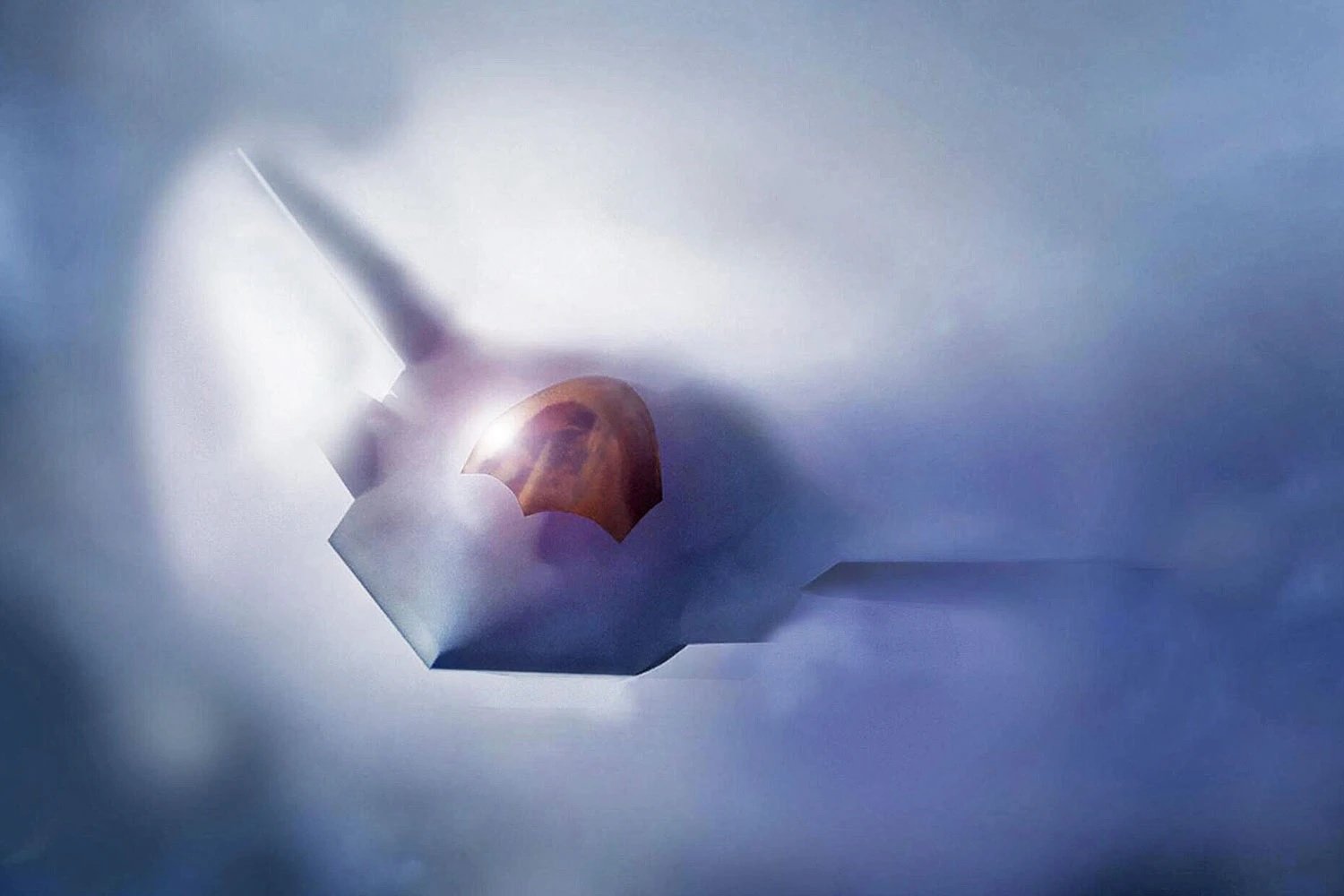
World
Tel Aviv, Israel — Israel is preparing to request information from the United States on Boeing’s F-47 sixth-generation fighter as it examines whether the aircraft could eventually become an option for the Israeli Air Force. The review is preliminary, and no procurement decision or formal acquisition process has been reported. According to Walla, subsequently reported by The Jerusalem Post, Israel’s Defense Ministry and Israel Defense Forces (IDF) plan to seek information on the F-47 and its capabilities. The inquiry comes alongside ongoing procurement of F-35 and F-15 fighter jets and amid regional diplomatic developments, including reported Israeli inquiries connected to discussions involving Iran. Israel Examines U.S. Export Policy The United States has historically refused to export the F-22 Raptor to foreign countries to protect its air-superiority technology. Israel is now examining whether the F-47 could face similar restrictions. The issue has gained attention after senior U.S. officials indicated that Japan could potentially participate in the F-47 program. Israeli officials are assessing whether this represents a genuine change in U.S. policy toward allied participation or was primarily a diplomatic signal related to tensions with China. There has been no official confirmation from the Israeli Ministry of Defense, the IDF or the U.S. government of formal discussions over an Israeli F-47 acquisition. F-47 Development and Capabilities Boeing is developing the F-47 under the U.S. Air Force’s Next Generation Air Dominance (NGAD) program. Boeing was selected for the Engineering and Manufacturing Development contract in March 2025. The aircraft is intended to succeed the F-22 and operate as part of a broader family of systems that includes Collaborative Combat Aircraft. Public U.S. Air Force information indicates that the F-47 is planned to have a combat radius of more than 1,000 nautical miles, or about 1,850 kilometers, and a top speed above Mach 2. The U.S. Air Force plans to acquire at least 185 aircraft. The aircraft is being developed under strict secrecy and is expected to use a new engine designed to provide high efficiency and extended range. Reports have described demanding engine requirements and development challenges. One report referring to the ability to generate thrust without fuel may be a translation issue or a reference to efficient high-speed cruise; sustained thrust without fuel is not physically possible. The F-47 is also expected to carry significantly more weapons than the F-35. Its range has particular relevance to Israel because a combat radius of more than 1,000 nautical miles covers distances associated with potential operations involving Iran, Iraq and Houthi-controlled areas of Yemen. AI, UAVs and Stealth The F-47 is being developed with advanced artificial intelligence, extensive connectivity and the ability to operate alongside unmanned systems. Reports indicate that it could control robotic systems and UAVs carried by the aircraft, while some experts have suggested that certain configurations could potentially support remote operation. The aircraft is also designed to connect with military systems across the air, land, sea and space domains. Its aerodynamic design and stealth characteristics are intended to support the U.S. Air Force’s future air-superiority requirements. The United States is also seeking to keep F-47 maintenance and operating costs below those of the F-22 and F-35. The eventual aircraft price will depend on the size of the U.S. order and whether Washington allows participation by additional countries. Development Timeline Experimental NGAD demonstrators had already completed hundreds of hours of flight testing before Boeing received the F-47 contract. The first production-representative F-47 flight is expected in 2028, while manufacturing of the first airframe has already begun. The aircraft remains years away from operational service. When the F-47 program was publicly announced in March 2025, then-President Donald Trump said allied countries had expressed interest and suggested that versions with reduced capabilities could potentially be offered. Japan has been mentioned in this context, but the extent of any foreign participation remains unclear. For Israel, the current step is therefore an information-gathering and policy assessment rather than a purchase decision. Israel continues to pursue its existing F-35I Adir and F-15IA procurement programs while examining whether the F-47 could become a future option.
Read More → Posted on 2026-08-23 13:09:14
World
TEHRAN — Iranian state television has broadcast footage showing senior military officials visiting an underground weapons manufacturing facility, offering a public look at Iran’s underground defense-production infrastructure. The visit took place on August 22 during Iran’s Defense Industry Day. Major General Ali Abdollahi, Chief of Staff of the Armed Forces, and Acting Defense Minister Brigadier General Seyyed Majid Ebn al-Reza inspected the facility, which Iranian reports described as one of several underground production lines operated by the Ministry of Defense. Iranian officials said the facility produces ballistic missiles and other defensive weapons. Abdollahi said military equipment production had increased in both quantity and quality over the past year, with newer systems offering improved capabilities compared with earlier versions. Iranian state media also reported that production capacity for attack drones had tripled since late February. pic.twitter.com/QseVTNKDfg — August 22, 2026 Almas Missile Production Line The broadcast showed an active production line for the Almas family of anti-tank guided missiles (ATGMs). Analysts examining the footage identified Almas-series missiles and launch tubes, while a planetary mixer used in solid-fuel production was visible in the background. Some portions of the broadcast were archival footage. The Almas is an Iranian-developed non-line-of-sight (NLOS) anti-tank missile with a man-in-the-loop guidance system, allowing an operator to guide the missile during flight. The system was developed through reverse engineering of Israeli Spike missiles captured by Hezbollah during the 2006 Lebanon conflict and later transferred to Iran. Serial production of the Almas family began around 2021. The missiles are in service with the Iranian Army and the Islamic Revolutionary Guard Corps (IRGC) and have also been supplied to regional groups, including Hezbollah. The family includes several variants, with reported ranges from about 4 kilometers for earlier models to longer distances for later versions. The missiles use tandem warheads and are designed for top-attack profiles against armored vehicles and fortifications. Iran’s Underground Defense Facilities Iran has previously displayed underground facilities, sometimes referred to as “missile cities,” used for storing and supporting ballistic missiles, drones and related systems. The latest broadcast focused on an active production facility rather than storage alone. Iran has long used underground infrastructure for sensitive military activities, including missile-related facilities, aircraft shelters and weapons production. The latest footage was presented by Iranian officials as evidence that domestic defense production continues despite recent regional conflicts and international sanctions. The broadcast comes amid continued regional military tensions and follows earlier conflicts involving Iran. Iranian officials used the visit to highlight the continued operation and expansion of the country's domestic military-production capabilities.
Read More → Posted on 2026-08-23 12:24:41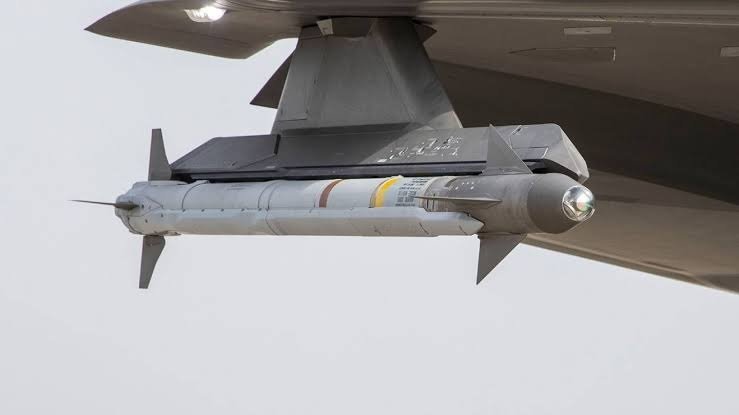
U.S
Washington, — The U.S. State Department has approved a potential $125 million Foreign Military Sale to South Korea for AIM-9X Sidewinder Block II tactical missiles and related equipment. The Defense Security Cooperation Agency (DSCA) has delivered the required certification to Congress, and the proposed sale still requires congressional notification and review before a final agreement can be concluded. South Korea has requested 103 AIM-9X Sidewinder Block II missiles and 10 AIM-9X Block II Tactical Guidance Units. The package also includes active optical target detectors, spare parts, training equipment, training aids and devices, weapon system support, and U.S. government and contractor engineering, technical and logistics support services. The principal contractor is RTX Corporation, formerly Raytheon Technologies, based in Arlington, Virginia. The U.S. government said it is not aware of any proposed offset agreement. Any offset arrangement would be determined through negotiations between South Korea and RTX. The implementation is not expected to require additional U.S. government or contractor personnel to be permanently assigned to South Korea. U.S. Cites Regional Security and Interoperability The State Department said the proposed sale supports U.S. foreign policy and national security objectives by strengthening the security of a major Indo-Pacific ally. It would expand South Korea's air defense capability, help deter aggression and maintain interoperability with U.S. forces. The U.S. assessment says South Korea should have no difficulty integrating the equipment into its armed forces. The sale is not expected to alter the basic military balance in the Indo-Pacific or negatively affect U.S. defense readiness. AIM-9X Sidewinder Block II The AIM-9X Block II is a short-range, infrared-guided air-to-air missile developed by Raytheon, now part of RTX. It is approximately 3 meters long, has a 0.13-meter diameter, a wingspan of about 0.35–0.45 meters, and a launch weight of roughly 84–85 kg, including a 9.4-kg high-explosive fragmentation warhead. The missile uses a solid-fuel rocket motor and can reach around Mach 2.5. Open-source reports cite an engagement range of up to approximately 35 km, although exact operational performance figures remain classified. The Block II variant uses a 128×128-pixel infrared imaging seeker, along with improved resistance to thermal countermeasures and electronic warfare. It also features a two-way data link and lock-on-after-launch capability, allowing the missile to receive information from the launching aircraft before its onboard seeker acquires the target. South Korea Already Operates AIM-9X South Korea has operated the AIM-9X since 2011, initially acquiring it for its F-15K Slam Eagle fighters. The F-15K was equipped with the Joint Helmet Mounted Cueing System (JHMCS), allowing pilots to cue missiles by turning their heads toward targets. The missile was later integrated with other Republic of Korea Air Force aircraft and, as of 2023, was in service with the F-15K, KF-16 Fighting Falcon and F-35A Lightning II. For the KF-21 Boramae, South Korea selected the German-made IRIS-T as its short-range air-to-air missile. Some reports have also indicated that AIM-9X Block II is being considered for integration on the KF-21 alongside IRIS-T. The proposed AIM-9X sale is therefore intended to add further missiles and support equipment to South Korea's existing inventory while maintaining compatibility with its U.S.-origin fighter fleet.
Read More → Posted on 2026-08-23 11:58:58
World
London — Hackers affiliated with the Iranian government reportedly shut down a small UK power plant for four days in July, marking what is believed to be the first known cyberattack to successfully take a British energy facility offline. The incident, first reported by The Telegraph, affected a relatively small generator. UK officials have not identified the facility for security reasons. Staff worked for four days to restore its systems and bring it back online. The shutdown had no impact on the wider UK electricity network or national energy generation. A government source said its generating capacity was “less than a rounding error compared to grid capacity.” The Department for Energy Security and Net Zero (DESNZ) confirmed that the incident involved a small-scale energy generator and said there was no risk to the wider energy system. The government described the UK energy system as highly resilient and said it was working closely with the energy sector to protect critical infrastructure. The incident was reported to the National Cyber Security Centre (NCSC), part of GCHQ. The government subsequently briefed chief executives of major power companies and issued cybersecurity guidance to businesses. Officials said the affected generator was below the threshold requiring larger generators to formally report cyber incidents. Possible Iranian Cyber Operation Officials believe the attack may have been intended as a proof of concept, demonstrating that Iran-linked hackers, including actors associated with the Islamic Revolutionary Guard Corps (IRGC), have the capability to penetrate and disrupt sensitive Western infrastructure. The UK attack occurred around the same time as a series of cyberattacks against water infrastructure across 12 US states, including Minnesota, Michigan, Georgia, South Dakota and New Jersey. Some attacks caused operational problems such as localized flooding, reduced water pressure and boil-water advisories. US authorities initially described those responsible as “malicious cyber actors,” while later government sources linked the campaign to Iran. US agencies have not publicly attributed every incident to Iran. UK Warns of Growing Infrastructure Threat The incident follows previous warnings from UK and US intelligence agencies about cyber threats from state actors, including Russia, China, Iran and North Korea, against critical infrastructure. NCSC Chief Executive Dr Richard Horne said hostile states accounted for around three-quarters of more than 200 cyber incidents affecting UK critical national infrastructure and related systems in the year to May 2026. He also said the NCSC handles about four nationally significant incidents each week, with most linked to state actors. A UK Cabinet Office risk assessment published a month before the power-plant incident estimated the likelihood of cyberattacks against domestic infrastructure at between 5% and 25%. It also warned that artificial intelligence could help automate attacks and make them faster to conduct. In March, NCSC Director for National Resilience Jonathan Ellison warned UK organisations to remain alert to cyber risks linked to rapidly changing geopolitical events in the Middle East. The incident also follows a wider pattern of cyber threats against European infrastructure. In September 2025, UK authorities arrested a suspect in connection with a major cyberattack that disrupted passenger check-in and boarding systems at London Heathrow and several other European airports. The UK government is updating cybersecurity regulations for the energy sector and developing a new energy resilience strategy expected later this year. No further operational details about the affected plant or the specific methods used in the attack have been publicly released.
Read More → Posted on 2026-08-23 11:43:40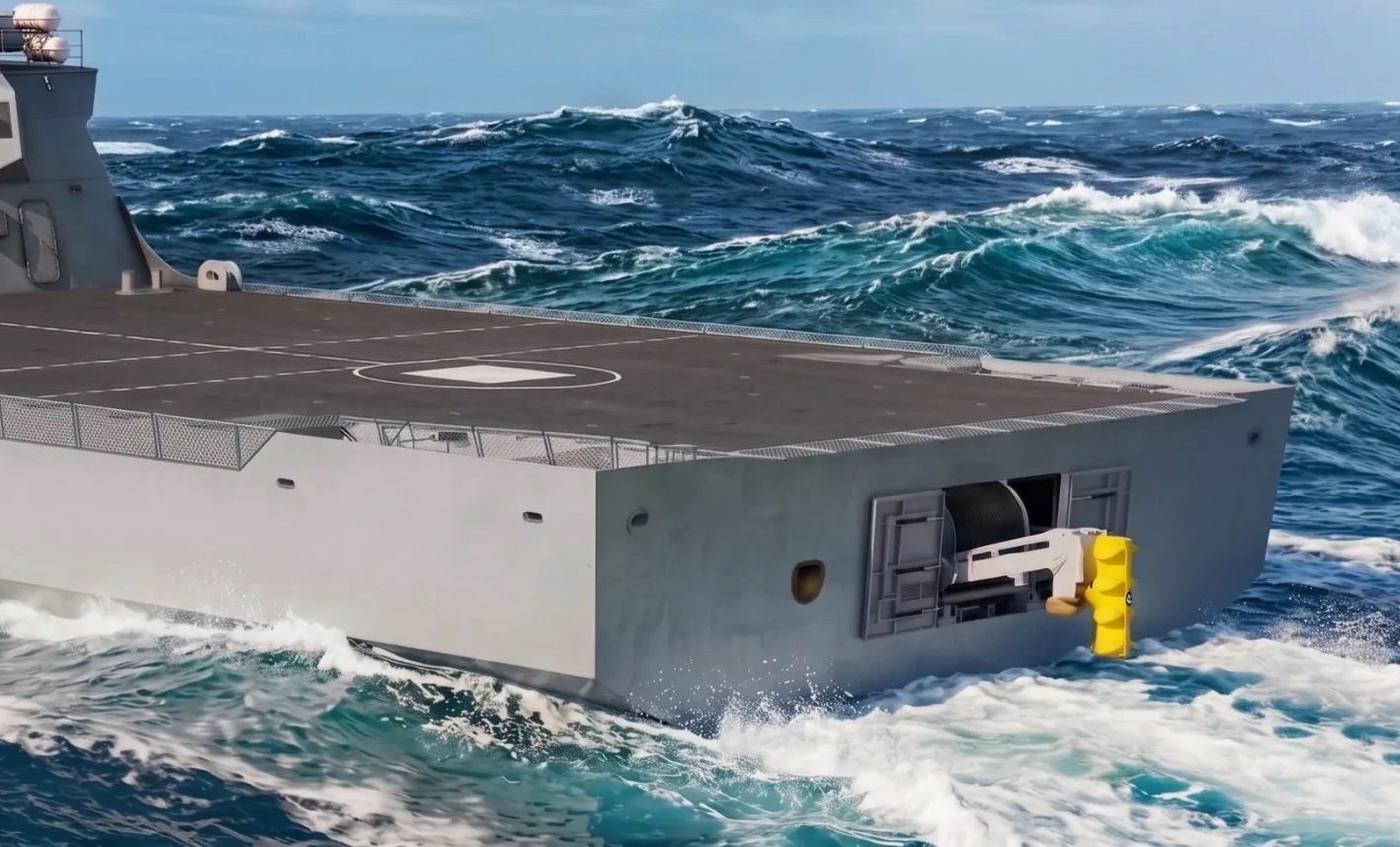
Europe
London — Britain is considering the use of portable fibre-optic sonar systems on civilian and commercial ships to expand underwater surveillance and detect Russian submarines and warships. The technology, developed by Dutch company Optics11, is known as OptiArray. It uses a fibre-optic cable fitted with underwater acoustic receivers that can be towed behind a vessel. The system has been tested by the Royal Navy and is being developed for operational use by the Dutch military. Optics11 says OptiArray can detect an oil tanker at around 100 km (62 miles) and a frigate at about 50 km. Some unmanned surface vessels can be detected at ranges of tens of kilometres. The Dutch Ministry of Defence says the system provides higher sensitivity than traditional arrays. Unlike conventional electronic towed arrays, the fibre-optic system uses light to detect acoustic signals and does not emit a detectable electromagnetic signal. It is also immune to electromagnetic interference. The technology can provide a richer acoustic profile for identifying underwater targets. The system can be packed into a portable container roughly 10 feet long, allowing it to be carried on the deck of ships capable of handling sea containers. Optics11 chief executive Paul Heiden said the system could be installed on civilian cargo ships as well as naval vessels, describing it as “anti-submarine warfare in a box.” Traditional towed-array sonar has generally been installed on specialist anti-submarine warfare ships, including Royal Navy Type 23 frigates. The portable design could allow a wider range of crewed and uncrewed platforms to carry underwater surveillance equipment. The Dutch Ministry of Defence awarded Optics11 a contract in July 2026 under its ASWINABO (Anti-Submarine Warfare in a Box) programme to deliver operational containerised systems. Earlier trials included testing a prototype aboard the Dutch submarine HNLMS Dolfijn. The system can also be deployed from land and placed on the seabed to monitor critical underwater infrastructure. Britain's interest comes amid increased Russian naval activity around UK waters and growing concern over subsea infrastructure. In April 2026, British and allied forces tracked a Russian Akula-class attack submarine and two specialist vessels associated with Russia's Main Directorate of Deep-Sea Research (GUGI) for more than a month in and around UK waters. Sonobuoys were deployed during the operation, and no damage to cables or pipelines was confirmed. The UK government has said the number of Russian vessels operating near UK waters has risen by about 30 per cent in recent years. More than 99 per cent of international data traffic travels through subsea fibre-optic cables, making their protection an important part of Britain's maritime security efforts. The Royal Navy's surface fleet has also faced pressure as older Type 23 frigates retire while newer vessels enter service. Portable sonar systems could therefore provide additional surveillance coverage without requiring every sensor to be permanently installed on a specialist warship. However, no formal UK procurement decision to equip civilian ships with OptiArray has been announced. The technology is currently being developed for operational use in the Netherlands while Britain examines its potential for expanding underwater surveillance. Source : Telegraph
Read More → Posted on 2026-08-23 11:32:05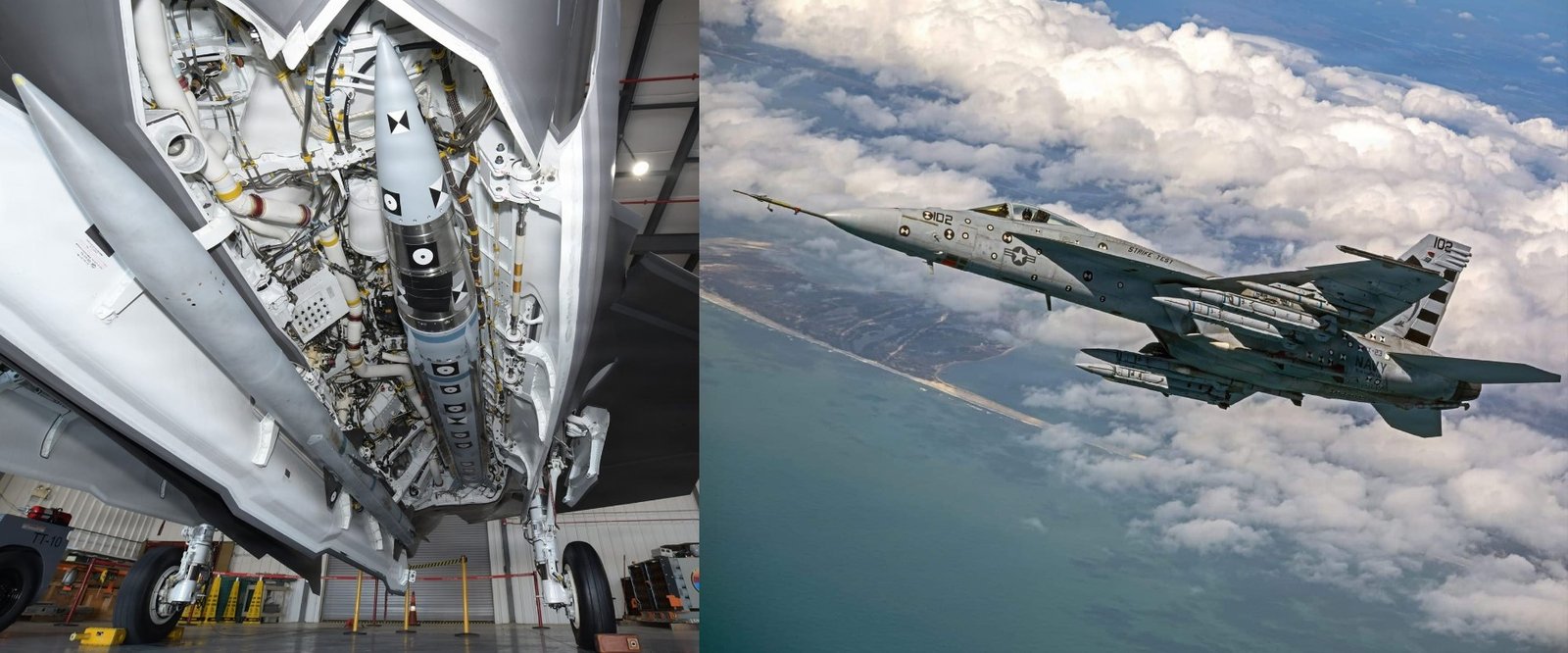
U.S
Reno, Nevada — The U.S. Navy has officially revealed the AIM-424 Long Range Air-to-Air Missile (LRAAM), also known as “Malice,” at the Tailhook Symposium in Reno, Nevada, on August 22, 2026. The Navy also added the missile to its official Fact Files, releasing its first public specifications and photographs. The weapon is being developed by Raytheon, an RTX company, and is already undergoing flight testing. The AIM-424 is designed to strengthen fleet defense against advanced long-range aerial threats and support the Navy’s “first look, first shot, first kill” approach by providing greater reach, survivability and tactical flexibility. The missile is intended for fourth-, fifth- and sixth-generation aircraft, including the F/A-18E/F Super Hornet, F-35C Lightning II and future F/A-XX fighter. AIM-424 Specifications The Navy lists the missile at 13.5 feet (4.11 meters) long, with a 13.5-inch (0.34-meter) diameter and a 26.2-inch (0.67-meter) wingspan. It weighs 1,500 pounds (680.4 kg) and uses a solid-propellant rocket motor with a blast-fragmentation warhead. Its stated range is in excess of 250 nautical miles (463 km). Aviation Week reported that the AIM-424 is a two-stage missile and is significantly larger than the AIM-120 AMRAAM. The released imagery shows the missile is also comparable in overall size to the AIM-174B, although the AIM-424 is shorter and has a narrower wingspan. Testing and Aircraft Integration Navy photographs show the AIM-424 being carried externally by an F/A-18E Super Hornet, including a configuration from April 2026 showing four missiles. Other imagery shows the missile installed inside the F-35C’s internal weapons bay, with an AIM-120 positioned on the bay door. Captive-carry and weapons-bay fit checks have also been documented. The missile's development traces back to the Long Range Engagement Weapon (LREW) concept publicly discussed in 2017. That earlier concept involved a two-stage air-to-air missile designed for internal carriage by a stealth aircraft. The AIM-424 is now being developed alongside the AIM-260 Joint Advanced Tactical Missile (JATM). Raytheon President Phil Jasper said the company's Advanced Technology team developed the AIM-424 to strengthen fleet defense and maintain air superiority against emerging long-range air threats. He said the missile provides increased range, lethality and combat effectiveness for naval forces. The Navy has not announced an initial operational capability or full deployment timeline for the AIM-424. Detailed performance information also remains classified. The missile's publicly stated range of more than 250 nautical miles is intended to give carrier aviation a longer engagement envelope against high-value aerial threats, including aircraft capable of carrying long-range anti-ship weapons. The Navy has also indicated that the AIM-424 has greater range and speed than the AIM-174B while retaining maneuverability despite its size.
Read More → Posted on 2026-08-23 11:15:55
Science
NANJING, CHINA — Researchers from Nanjing University, in collaboration with the National University of Singapore, have developed LightTok, an ultra-low-power vision sensor chip that converts light directly into AI-ready tokens inside the sensor. The findings were published this week in the journal Nature Sensors. Direct AI Tokenization at the Sensor Conventional vision systems capture light, convert analog signals into digital data, buffer and transfer the data, and then divide images into patches and embed them before producing tokens for Transformer models. These steps involve moving large amounts of often redundant data and consume significant energy, particularly in power-constrained edge devices. LightTok performs this process directly in the physical domain. Its photosensitive memory array uses single-layer molybdenum disulfide (MoS₂) floating-gate phototransistors along with peripheral addressing circuits. Each pixel can sense light, store information as non-volatile charge and perform analog computing. Peripheral circuits select regions of the array and divide the image into blocks. Voltage sequences then allow the stored optical information to perform multiply-add operations in the analog domain, with the resulting current becoming the output token. These tokens can be sent directly to a Transformer encoder for image recognition. Liang Shijun, a professor at Nanjing University, described the approach as eliminating data movement that contributes significantly to energy consumption, with light entering the sensor and tokens being produced directly. 14.3-Fold Energy Reduction In tests, LightTok achieved 87.3 percent accuracy on image-recognition tasks, close to conventional software baselines. The research reported that energy efficiency during tokenization improved by more than 10 times compared with traditional digital methods. In a standard Vision Transformer pipeline using the CIFAR-10 dataset, the physical tokenizer achieved a 14.3-fold reduction in energy use compared with a digital tokenizer. 32 × 32-Pixel Prototype The current prototype has a 32 × 32-pixel resolution, providing 1,024 photosensitive pixels. This is smaller than sensors used in smartphones and industrial cameras. Miao Feng, director of Nanjing University's Institute of Brain-Inspired Intelligence and a co-leader of the research, said the technology is compatible with standard CMOS manufacturing processes and can be scaled. The researchers said wafer-level growth of molybdenum disulfide could eventually allow LightTok to reach resolutions comparable to existing imaging devices. The design is inspired by the human retina, which performs early visual processing before sending information to the brain. Potential Applications The researchers identified potential uses in drones, autonomous satellites for remote sensing, and small embodied-AI systems that require continuous visual processing under tight power constraints. By generating AI-ready tokens directly at the sensing stage, LightTok is intended to reduce the energy required to acquire and tokenize visual information for edge AI and physical AI systems.
Read More → Posted on 2026-08-22 15:21:28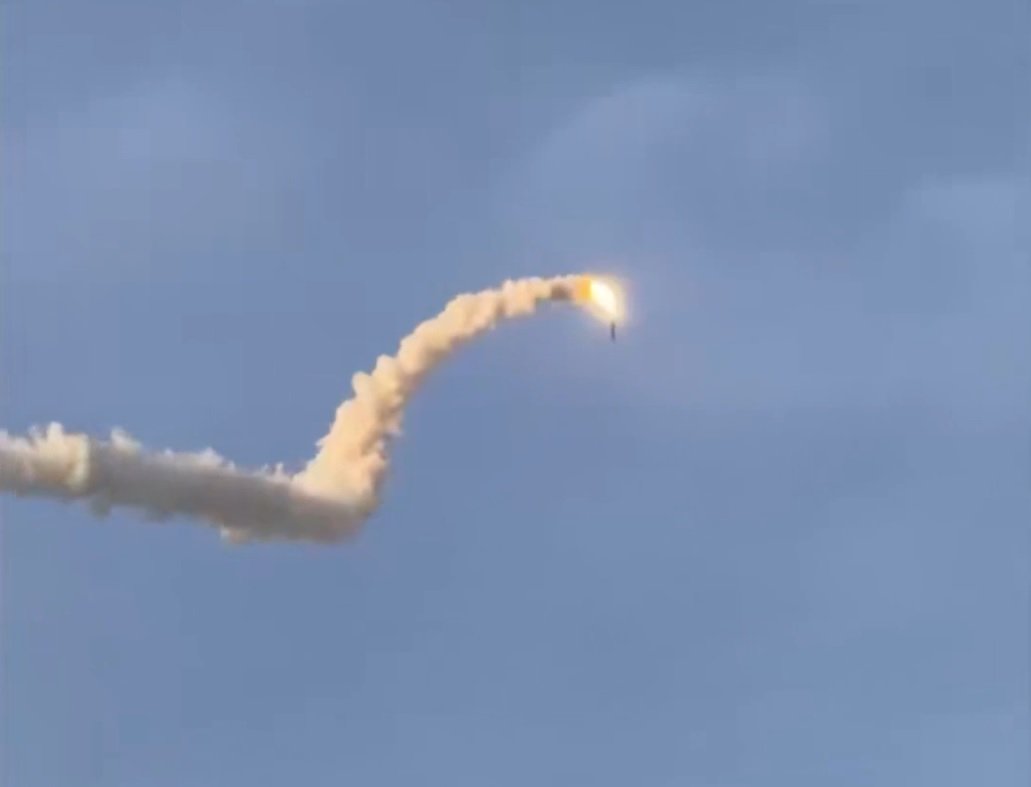
Space & Technology
Pingtung County, Taiwan — Taiwan’s first domestically developed satellite launch vehicle failed during its maiden flight test on Wednesday, August 19, 2026, after veering off course shortly after liftoff. The solid-fuel rocket, developed by the National Chung-Shan Institute of Science and Technology (NCSIST), was launched from the Jiupeng Base in Pingtung County at around 6:00 a.m. local time. NCSIST said the rocket developed a trajectory anomaly during the initial stage of flight. Ground telemetry detected abnormal rotation and a deviation from the planned flight path, prompting operators to activate the vehicle’s pre-planned self-destruct system. The rocket and debris fell in an uninhabited mountainous area within the designated safety control zone. No injuries or property damage were reported. Before the launch, authorities had established a safety exclusion zone covering a radius of 20 nautical miles (about 37 km) and extending to an altitude of 100,000 feet (about 30.48 km). NCSIST had also issued notices for sea and air firing activities at Jiupeng from August 19 to 21, 2026, including artillery and uncrewed aircraft system operations. Residents near the base reported seeing the rocket briefly climb before turning away from the sea toward the mountains. Some initially believed they were seeing a missile. Videos shared online showed the vehicle changing direction before falling, with smoke rising from the hillside. The Pingtung County Government called for further launch tests to be suspended and asked NCSIST to conduct a thorough review of its procedures. It also requested that future flight paths avoid Indigenous villages and other residential areas. NCSIST has sent personnel to the county government and the Mudan and Manzhou township offices to explain the safety measures and hear local concerns. NCSIST said engineers will analyse the telemetry collected during the brief flight to determine the cause of the failure and make necessary design changes. Possible areas under investigation include the propulsion or gyroscope systems and weight distribution, although the exact cause has not yet been confirmed. The project is a scientific research effort to develop a solid-fuel rocket capable of placing satellites into low Earth orbit. Project lead Lai Yu-hsuan said the work builds on NCSIST’s solid-rocket technology and has no other purpose. The program is separate from TASA’s liquid-fuel rocket program. No satellite was carried during the test. The objective was to collect flight data and validate the vehicle’s systems. This was the first flight test of Taiwan’s domestically developed launch vehicle. Taiwan has previously relied on foreign launch services for its satellites. Separately, the Taiwan Space Agency (TASA) is working toward domestic orbital launch capability, including plans for a rocket capable of carrying a 200-kilogram satellite into orbit by around 2034 and the establishment of a dedicated launch facility in Pingtung. NCSIST said it will use the data from the August 19, 2026 flight to refine the vehicle before any further tests.
Read More → Posted on 2026-08-22 14:55:51
World
Kyiv, Ukraine — North Korea has deployed a new contingent of military personnel to Russia, including around 400 drone operators, according to Major General Vadym Skibitskyi, deputy head of Ukraine’s Defence Intelligence (HUR). The deployment is part of the expanding military cooperation between Moscow and Pyongyang. Skibitskyi said around 8,500 North Korean personnel are currently deployed in Russia, mainly in the Kursk region. The contingent includes approximately 1,000 engineers and deminers and at least 400 UAV operators. According to Ukrainian intelligence, the drone operators are expected to conduct both reconnaissance and strike missions against targets in Ukraine. The North Korean troops are not expected to fight directly inside Ukrainian territory. Instead, they are being used to reinforce Russian rear positions and border areas, potentially allowing Russian forces to be used for operations inside Ukraine. The latest deployment follows the arrival of the first major North Korean contingent in Russia’s Kursk region in October 2024, when North Korean forces were sent to support Russian operations against Ukraine’s cross-border offensive. North Korea publicly confirmed its soldiers’ participation in the conflict in April 2025. Ukraine first reported North Korean forces using attack drones against its territory in October 2025. Ukrainian intelligence estimates that around 25,000 North Korean personnel have been deployed or rotated through Russian forces since the cooperation began. Ballistic Missile Support North Korea has also supplied Russia with ballistic missiles. Skibitskyi said that by August 2025, Pyongyang had delivered at least 150 KN-23 and KN-24 ballistic missiles. Another 120 missiles were reportedly promised, with around 40 already delivered by early August 2026. Ukrainian officials linked two of the newly delivered missiles to a strike near Kryvyi Rih on July 30, 2026, which killed several civilians, including children from one family. A separate North Korean missile unit of around 90 personnel has reportedly begun deploying to Russia’s Voronezh region under the 112th Missile Brigade. Plans reportedly include up to six launchers and 120 ballistic missiles, including KN-23, KN-24 and upgraded KN-30 variants. Ukrainian intelligence says these systems could reach targets in the Sumy, Kharkiv, Chernihiv, Poltava, Kyiv, Dnipropetrovsk and Zaporizhzhia regions. Possible Further Deployment Russia and North Korea signed a comprehensive strategic partnership treaty with mutual defence provisions in 2024. Skibitskyi said Russian President Vladimir Putin could request up to 50,000 additional North Korean troops when he meets North Korean leader Kim Jong Un in September 2026. North Korean officials have rejected claims about a large additional deployment, with Kim Yo Jong recently describing such reports as unfounded. North Korea has also provided artillery shells and workers for Russian drone-production facilities, while Russian technical support has reportedly contributed to North Korean drone development and missile improvements. The reported deployment of 400 drone operators represents another expansion of the military cooperation between Russia and North Korea, which now involves personnel, drones, missiles, artillery ammunition and technical assistance.
Read More → Posted on 2026-08-22 14:33:16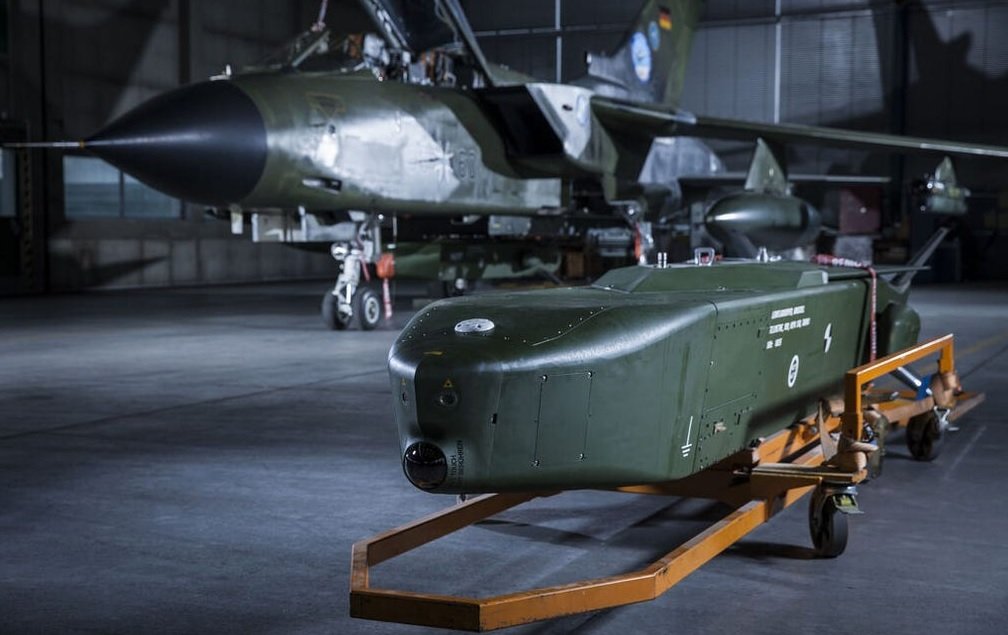
Europe
BERLIN — Germany plans to spend almost €12 billion to build a new long-range weapons arsenal aimed at strengthening deterrence against Russia, according to internal Defence Ministry documents seen by POLITICO. The planned weapons would allow German forces to strike targets hundreds or thousands of kilometres behind enemy lines, including command centres, airfields, missile launchers and supply hubs. The programme is described as a priority for Germany and NATO and is intended to provide conventional strike capabilities below the nuclear threshold. The funding has not yet been approved. The costs have been included in the government’s budget planning process, but the measures remain subject to approval by the German Bundestag. The Defence Ministry has said it can comment further only after parliament considers the proposals. Four-Part Long-Range Strike Plan Low-Cost Missiles From 2027 The first part of the plan is a cost-efficient, mass-producible cruise missile that Germany wants to begin fielding in 2027. The approach draws on lessons from the war in Ukraine, where missiles and drones have been used against targets deep behind the front line and mass attacks can place pressure on air-defence systems. Three candidates are identified: Anthem, produced by U.S.-Israeli startup Covenant Industries; BARS, developed by a Ukrainian company; and the FP-5 Flamingo, developed by Ukrainian company Fire Point. The Flamingo has a reported range of about 3,000 kilometres and an estimated cost of around $500,000 per missile, roughly one-fifth the reported cost of a Tomahawk. Germany is in contract talks with two suppliers and aims to receive missiles for qualification next year, with framework contracts for later mass production also being prepared. U.S. Tomahawk and Typhon Systems The second part involves U.S. systems. Chancellor Friedrich Merz said in July that Germany had reached an agreement with the United States to acquire Tomahawk cruise missiles and Typhon launchers. German planning calls for an initial capability using Typhon launchers armed with Tomahawks by the end of the decade. The U.S. systems are intended to fill Germany’s long-range strike capability gap while European alternatives are developed. Advanced German-British Weapons The final two parts involve Germany-UK cooperation under the Trinity House Agreement. The two countries are developing a next-generation stealth cruise missile and a hypersonic glide weapon, with planned ranges exceeding 2,000 kilometres. Initial capability is targeted for the middle of the next decade. These systems represent the longer-term European element of Germany’s deep-strike plans. Nearly €12 Billion Programme Internal planning documents allocate nearly €9 billion for development and procurement of the advanced systems, plus €182 million for keeping them in service. Another €1.8 billion is allocated for cruise-missile development and procurement, with €97 million for maintenance. These figures total around €11 billion, while separate Defence Ministry planning material puts the overall requirement at almost €12 billion. The programme reflects Germany’s shift toward a layered long-range strike capability, combining cheaper mass-producible weapons available sooner, U.S. systems for the interim period and more advanced European weapons for the longer term. The urgency is linked to the changing security situation in Europe, including Russia’s deployment of Iskander missile systems in Kaliningrad and medium-range weapons in Belarus, which have reduced warning times for European countries.
Read More → Posted on 2026-08-22 13:33:57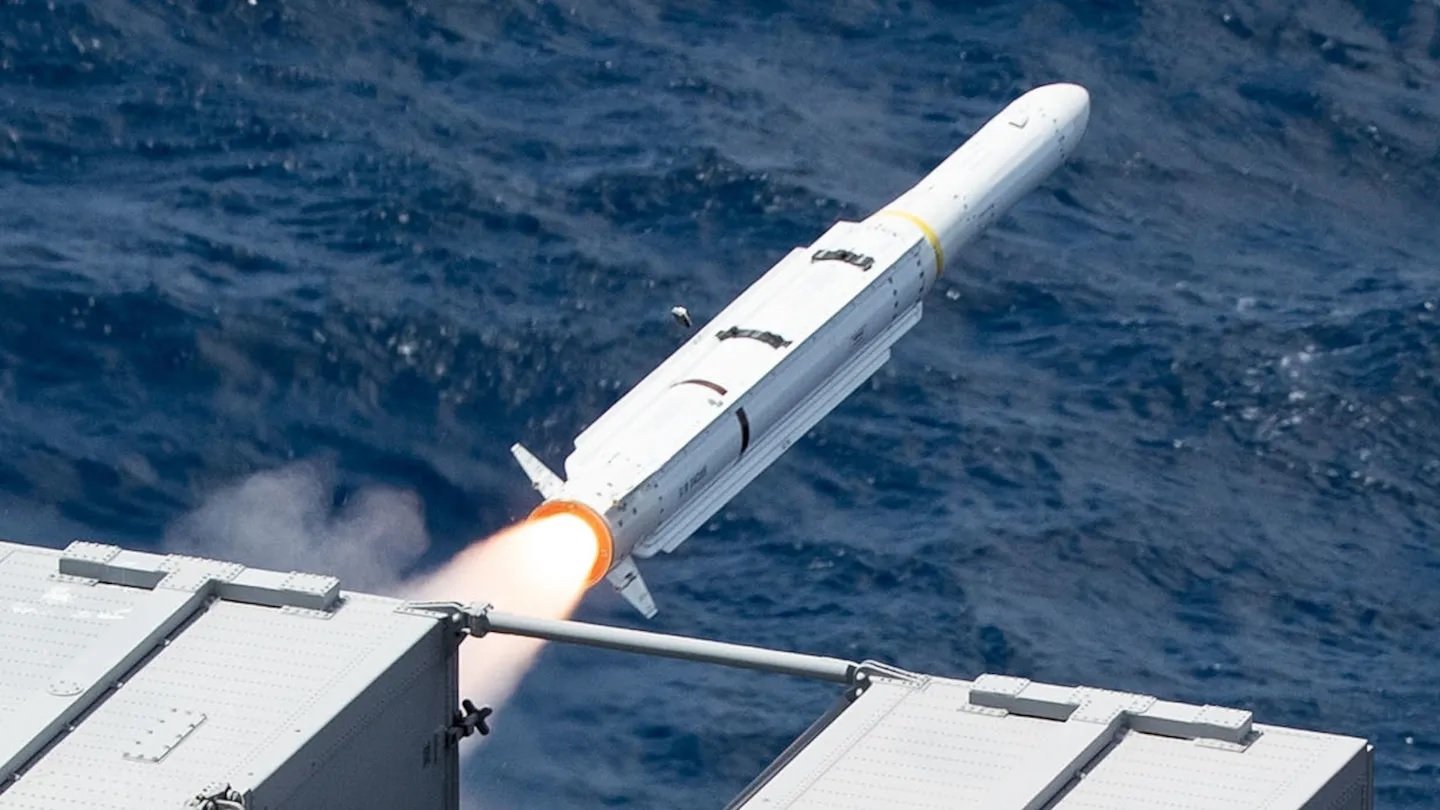
U.S
WASHINGTON — The U.S. Navy is seeking industry concepts for a potential new version of the Evolved SeaSparrow Missile (ESSM) as NATO partners look to develop a Next Significant Variant (NSV) with improved capabilities against evolving aerial threats. Naval Sea Systems Command (NAVSEA) issued a sources-sought notice on August 20, 2026, seeking companies able to design, build and support the NSV. Responses are due October 19, 2026. The notice is for market research only, carries no funding commitment and does not guarantee a future contract or prototype award. The ESSM is used by a 12-nation NATO consortium comprising Australia, Belgium, Canada, Denmark, Germany, Greece, the Netherlands, Norway, Portugal, Spain, Türkiye and the United States. The NATO SEASPARROW Project Office manages the program and is transitioning from Program Executive Office Integrated Warfare Systems 12.0 to Program Acquisition Executive Munitions NSPO. 10-Inch Missile and Mk 41 Compatibility The Navy wants the NSV to retain the current 10-inch diameter of ESSM Block 2. This is important because the missile can be quad-packed in Mk 41 Vertical Launching System cells, allowing four interceptors to be carried in one cell. The existing ESSM Block 2 uses the larger 10-inch body compared with the 8-inch Block 1, providing space for its dual-mode X-band radar seeker. The Navy wants the new variant to retain this physical limit so existing ship launcher and magazine arrangements do not require redesign. ESSM Block 2 has a stated range of about 50 kilometers (31 miles) and a speed exceeding Mach 4. Its dual-mode seeker can use the missile's onboard radar or rely on a launching ship's illumination radar. Wider Threat Requirements NAVSEA wants the NSV to handle targets with different speeds, altitudes and maneuverability, including low-speed to high-speed, sea-skimming to high-diving and non-maneuvering to high-G targets. The missile must also be able to track and discriminate between closely spaced targets and operate in contested environments involving radar, electro-optical and infrared countermeasures, as well as enemy jamming and decoys. Companies can submit complete missile designs or proposals for individual components such as seekers, propulsion systems, guidance electronics or warheads. Open Architecture and Technology Rights The proposed missile must use a Modular Open Systems Approach (MOSA), allowing adaptable and interoperable systems based on severable, standards-based components. The U.S. government is seeking at least Government Purpose Rights to technical data, source code and design documentation. The requirement is intended to provide the consortium with greater flexibility to support, upgrade or manufacture the missile without being dependent on a single supplier. All proposed technologies and data must be legally releasable to all 12 consortium members. Companies must also explain compliance with U.S. export controls, including ITAR, and domestic sourcing requirements such as the Buy American Act. Firms requesting detailed ESSM requirements must sign a non-disclosure agreement. Current ESSM Production and NSV Development Raytheon, an RTX business, is the prime contractor and design agent for ESSM Block 2. The company delivered its 500th Block 2 missile to the U.S. Navy in October 2025 and has increased production to more than 350 missiles annually, with plans to roughly double production again by mid-2026. The NATO SEASPARROW Project Office held an NSV industry day in January 2026 and previously sought industry information on a releasable seeker assembly for the same 10-inch missile body. Official program material identifies a goal of reaching Milestone B by September 2029, with modeling and simulation, model-based systems engineering and other studies continuing. The ESSM program has been a multinational NATO weapons effort for more than five decades. NAVSEA has not yet announced a formal follow-on solicitation timeline, estimated program cost, or whether the NSV will replace ESSM Block 2 or operate alongside it. The current notice may or may not lead to a future Federal Acquisition Regulation-based contract or prototype award under Other Transaction authority.
Read More → Posted on 2026-08-22 13:23:56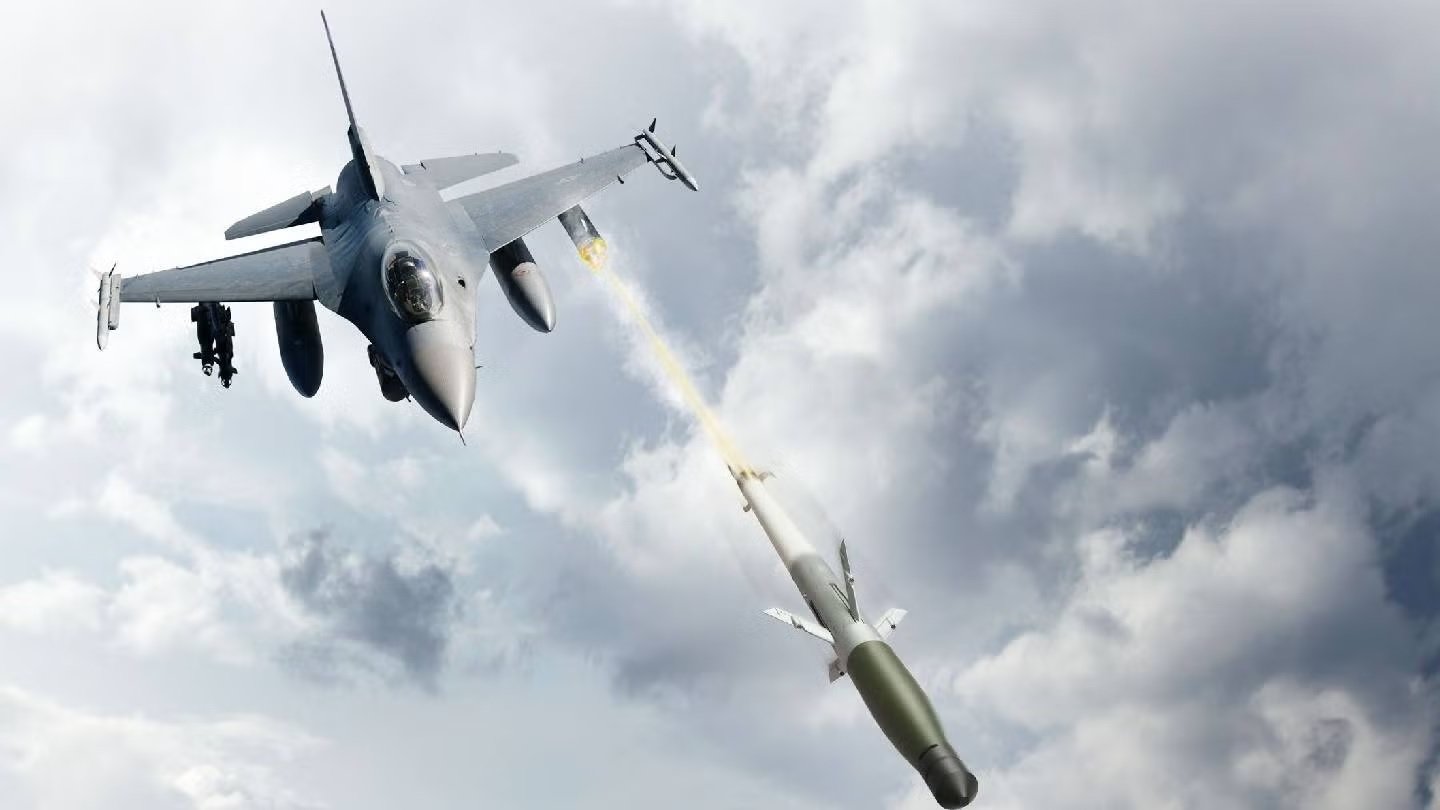
U.S
WASHINGTON — The U.S. Department of State has approved a possible $364 million Foreign Military Sale to Italy for the air-to-air variant of the Advanced Precision Kill Weapon System-II (APKWS-II). The Defense Security Cooperation Agency (DSCA) announced the approval on August 21, 2026, under Transmittal No. 26-92. Italy has requested 5,031 WGU-59B/B Single Variant Air-to-Air Guidance Sections, along with associated launchers, warheads, rocket motors, proximity fuzes, training equipment and support services. Package Details The proposed package includes: 5,031 WGU-59B/B APKWS-II guidance sections LAU-131 A/A 7-round rocket launchers Mk-152 high-explosive warheads MK66 solid-fuel rocket motors and inert training motors Proximity fuzes WTU-1/B practice warheads Other support equipment Publications and technical documentation Transportation U.S. Government and contractor engineering, technical and logistics support BAE Systems of Nashua, New Hampshire, is the principal contractor. The U.S. government said it is not currently aware of any proposed offset agreement. Any such agreement would be negotiated between Italy and the contractor. APKWS-II Air-to-Air System APKWS-II is a laser-guidance kit that converts standard 70mm (2.75-inch) Hydra 70 unguided rockets into precision-guided weapons. The guidance section is installed between the warhead and rocket motor. In the air-to-air configuration, laser receivers are positioned on the leading edges of the deployable wings, while proximity fuzes and optimized software support engagements against drones and other slow-moving aerial targets. The system can also be carried in multi-round launcher pods, allowing several guided rockets to be carried on a single launcher. Strengthening Italy's Air Defense The U.S. State Department said the proposed sale would strengthen Italy's homeland defense, improve its ability to address current and future threats, and enhance its contribution to NATO integrated air and missile defense. It would also support the protection of Italy and allied land forces. The U.S. government said Italy can absorb the equipment and services into its armed forces, while the sale would not alter the basic military balance in the region. Implementation would not require additional U.S. Government or contractor personnel to be assigned to Italy, and the proposed sale would have no adverse impact on U.S. defense readiness. The approval is for a potential sale, not a completed contract. Final quantities, configuration and costs would be determined through negotiations and contracting if Italy proceeds with the purchase.
Read More → Posted on 2026-08-22 13:06:18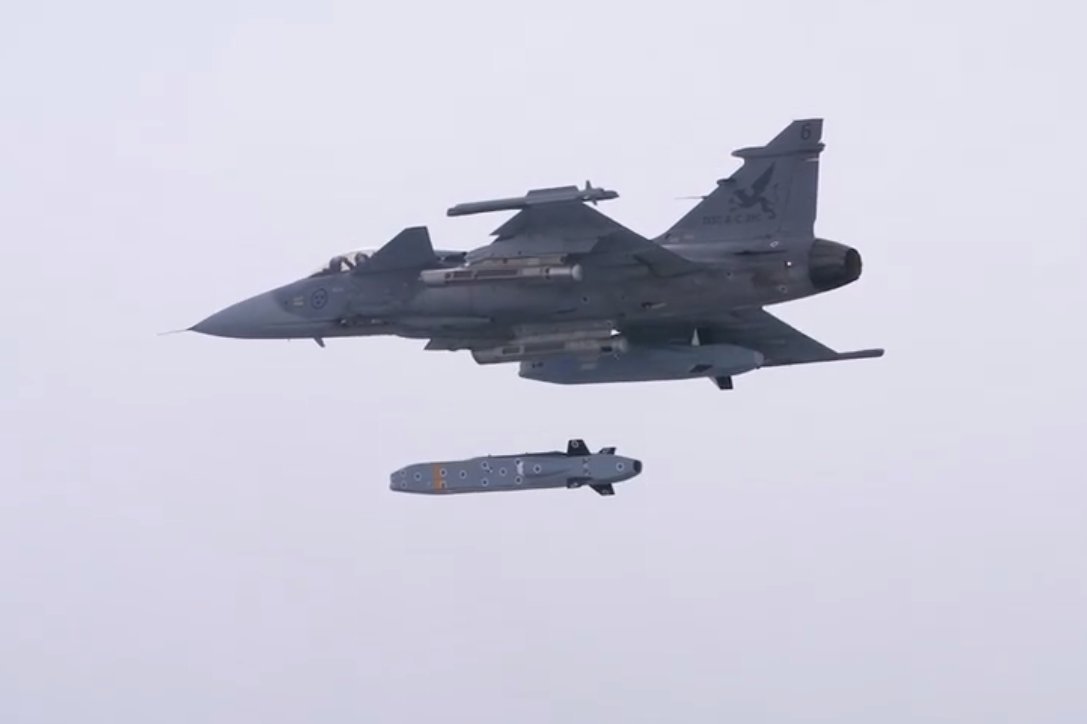
Europe
Vidsel, Norrbotten, Sweden — The Swedish Air Force has conducted the first launch of a Taurus KEPD 350 cruise missile from a Saab JAS 39 Gripen fighter aircraft, marking a new stage in Sweden’s integration of the long-range weapon. The test was conducted on August 21, 2026, at the Vidsel Test Range in Norrbotten, northern Sweden. The Swedish Air Force, known as Flygvapnet, announced the launch the same day, stating that a Taurus KEPD 350 had been launched from a Swedish JAS 39 Gripen for the first time. The service described Taurus as a long-range cruise missile that introduces a new deep-strike capability. Images and video released with the announcement and credited to the Swedish Defence Materiel Administration (FMV) show a Gripen C releasing the missile. The Taurus used during the test had a yellow marking associated with a live round. A second Taurus was also visible under the aircraft. No further details about the specific test profile, target or results have been released by Swedish authorities. Taurus KEPD 350 Capabilities The Taurus KEPD 350 is an air-launched stand-off cruise missile developed by Taurus Systems GmbH, a German-Swedish joint venture involving MBDA Deutschland and Saab. According to MBDA, the missile has a range of more than 500 kilometres, a mass of about 1,400 kilograms and a length of approximately five metres. It carries a roughly 480-kilogram MEPHISTO warhead designed for precision strikes against hardened and high-value targets. The missile uses a navigation system combining inertial navigation with GPS, terrain-reference navigation and image-based navigation. MBDA says Taurus is designed for very-low-level terrain-following flight and for operations against hardened and deeply buried targets. The MEPHISTO warhead uses a dual-stage design intended to provide penetration capability against hardened targets as well as effects against area targets. Its programmable fuze can determine the detonation point within a target structure. Sweden’s Gripen Integration Sweden announced in February 2025 that it would acquire and integrate the Taurus KEPD 350 with its Gripen fleet. The initial integration is focused on the Gripen C/D, with the Gripen E planned for a later stage. Public plans have pointed to operational introduction around 2028. The August 21 launch therefore represents an important flight-test milestone for Sweden’s Taurus integration programme. The test demonstrates that the weapon has progressed from integration work to an actual launch from a Swedish Gripen C. Sweden is also upgrading part of its Gripen C/D fleet. FMV plans have included upgrades for 60 Gripen C/D aircraft, with the aircraft continuing to operate alongside the newer Gripen E/F fleet. The Taurus capability is associated with the upgraded Gripen C/D configuration. Vidsel Test Range The launch was conducted at the Vidsel Test Range in Norrbotten. The facility is operated by the Swedish Defence Materiel Administration and provides a large restricted area for weapons and military system testing. The location has previously been used for Taurus development and flight testing. Saab records show that Taurus KEPD 350 test flights were conducted at Vidsel during the missile’s development programme. The latest launch is part of Sweden’s continuing work to introduce the Taurus KEPD 350 as a long-range stand-off weapon for the Gripen fleet. The Taurus KEPD 350 is already operated by the armed forces of Germany, Spain and South Korea. Its integration with the Swedish Gripen adds another national operator while expanding the range of air-launched strike capabilities available to the Swedish Air Force.
Read More → Posted on 2026-08-22 12:53:36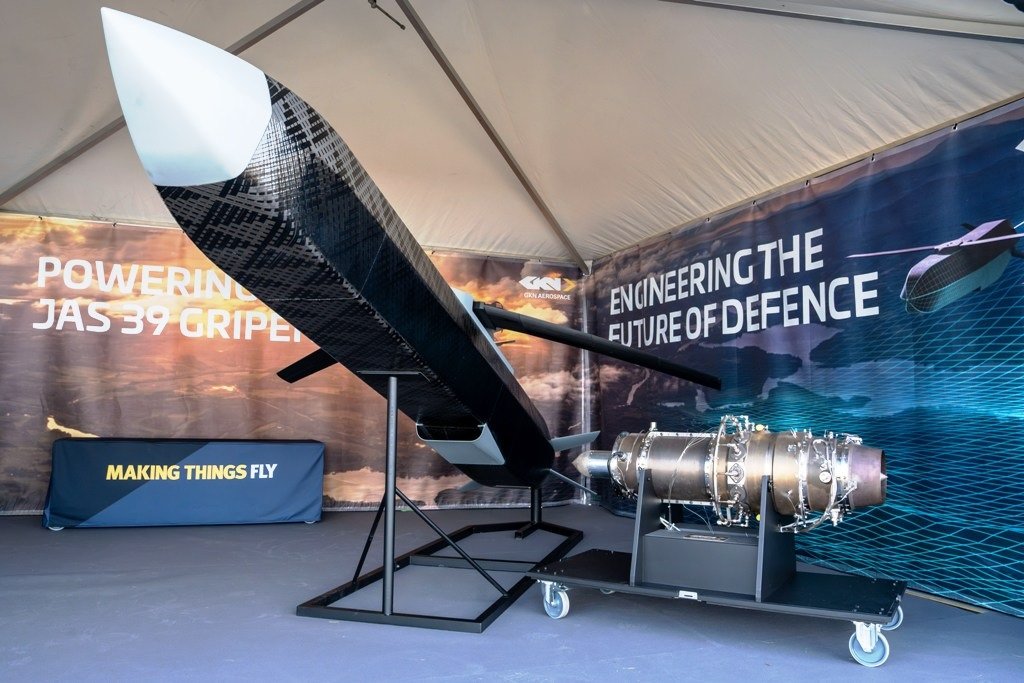
Europe
Trollhättan, Sweden — GKN Aerospace has unveiled its new uncrewed aerial vehicle (UAV) demonstrator less than a year after beginning a collaborative programme with the Swedish Defence Materiel Administration (FMV). The full-scale UAV mock-up and its newly developed dedicated turbojet engine were displayed on August 21 at Malmen Air Base in Linköping during The Armed Forces Air Venture 2026, held as part of celebrations for the Swedish Air Force’s centenary. The programme began in November 2025, when FMV awarded GKN Aerospace a contract worth approximately 150 million Swedish kronor (around £12 million). The 18-month programme covers the development of a clean-sheet UAV demonstrator, including its airframe, onboard systems and dedicated turbojet engine. The project is designed to explore rapid capability development, scalable production and future uncrewed aviation technologies. The UAV will serve as a flexible technology and process demonstrator, allowing the end customer to determine final capability priorities as the programme develops. The programme brings together GKN Aerospace teams in Sweden, the Netherlands and the UK. Programme leadership and engine development are based mainly at GKN Aerospace’s Trollhättan site in Sweden, while airframe development is centred in the Netherlands, with systems-integration support from the UK. GKN Aerospace is also examining additive manufacturing, or industrial 3D printing, for different parts of the system, including engine components. The dedicated turbojet is a clean-sheet design and has reached a startup milestone, with most of its development carried out in Trollhättan. Joakim Andersson, President Engines at GKN Aerospace, said the unveiling represents the first tangible result of work that began as an idea and ambition about a year ago. He credited the close cooperation between FMV, the Swedish Armed Forces and GKN Aerospace teams. Sara Eklöf, Senior Vice President Government Solutions at GKN Aerospace, said the milestone demonstrates what can be achieved through cooperation between engineering, manufacturing and customer teams, adding that the experience gained will be valuable for the programme’s next phase. The initiative builds on GKN Aerospace’s long-standing relationship with FMV and the Swedish Armed Forces. The company is the licensed original equipment manufacturer for the RM12 engine used by Saab Gripen aircraft and has extensive military-engine experience in Sweden. The programme is now moving toward further ground testing of the fuselage and onboard systems, along with preparations for flight testing. The planned 18-month programme is intended to culminate in flying demonstrations to validate overall system performance. The UAV is currently a technology and process demonstrator rather than a finished operational system. The programme is also expected to provide experience relevant to future Swedish fighter-system development and faster methods of developing military capabilities.
Read More → Posted on 2026-08-22 12:47:43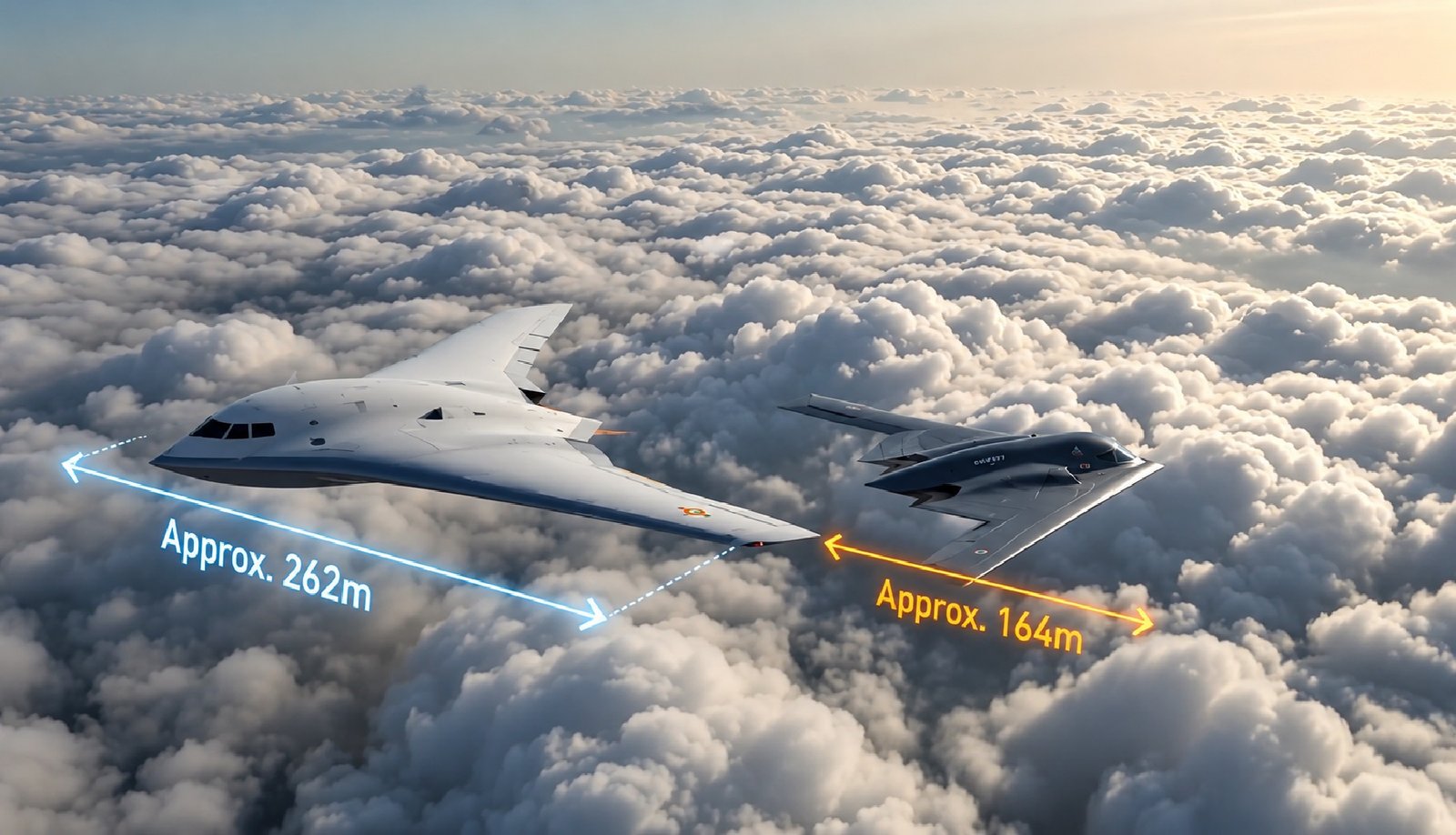
World
China — A research team from the China Aerodynamics Research and Development Centre (CARDC) has developed an aerodynamic model for a large flying-wing passenger aircraft designed to carry more than 800 passengers. The concept is part of China’s broader research into large commercial aircraft and alternative airliner configurations. Technical details of the design were published in the Chinese-language Journal of Aerospace Power in June. Flying-Wing Design Unlike conventional passenger aircraft, which have a separate fuselage, wings and tail, the flying-wing configuration combines much of the aircraft into a single lifting structure. The proposed aircraft has a wingspan of 85 metres (280 feet) and a length of 43 metres. It has a reference wing area of about 1,395 square metres (15,015 square feet), with a 37-degree leading-edge sweep and a 28-degree trailing-edge sweep. The target cruise speed is Mach 0.8, while the planned passenger capacity is more than 800. The wingspan would be approximately 1.6 times that of the U.S. B-2 Spirit, another aircraft that uses a flying-wing configuration. However, unlike the B-2, the Chinese design is intended for civil aviation. For comparison, the Airbus A380, currently the largest passenger aircraft in commercial service, typically accommodates about 555 passengers. Development by CARDC The project was developed by CARDC, a national aerodynamics research institute that has contributed to major Chinese aviation programmes, including the C919 narrowbody passenger aircraft and the Y-20 military transport aircraft. The research team, led by aerodynamics researcher Li Yonghong, described the high-aspect-ratio flying-wing configuration as having aerodynamic advantages, including a high lift-to-drag ratio and low induced drag. These characteristics are being studied for their potential to reduce energy consumption and support longer-range operations. The design was initially developed as a 250-seat aircraft comparable in capacity to aircraft such as the Airbus A330 and Boeing 767. It was later expanded into the 800-passenger class as part of research connected with China's efforts to develop large twin-aisle widebody aircraft. Wind Tunnel Testing A full-scale aircraft has not been built. The research has so far focused on a 1:52 stainless-steel scale model. The model measures approximately 0.8 metres in length and has a wingspan of 1.6 metres. It was tested in CARDC’s 2.4-metre transonic wind tunnel at speeds between Mach 0.4 and Mach 0.8. Researchers examined the model’s aerodynamic performance, boundary-layer transition, measurement accuracy, lateral and longitudinal stability, and structural deformation. The team reported a maximum lift-to-drag ratio of about 20 at speeds below Mach 0.7. At Mach 0.8, the lift-to-drag ratio was reported at 17.6. According to the researchers, the test results demonstrated strong aerodynamic performance and allowed the model to serve as a benchmark for research into large, slender flying-wing configurations. The data will also support further research into flow mechanisms, aeroelasticity and wind-tunnel testing methods. Part of China's Wider Commercial Aviation Programme The flying-wing project is being developed alongside other Chinese commercial aviation programmes. China’s C919 narrowbody passenger aircraft is already in commercial service, while development of the C929 long-range widebody aircraft is continuing. The C929 is designed for around 280 passengers and is targeted for a first flight around 2030. China is also studying the C949 supersonic passenger aircraft concept. The flying-wing passenger aircraft remains at the research and testing stage and does not yet have a public name. No full-scale prototype has been built. The current work is focused on aerodynamic research and testing, providing data for further studies of the configuration rather than representing a completed commercial aircraft. China’s R&D Investment The project is also part of a wider increase in Chinese investment in research and development. OECD data show that China spent about $1.028 trillion on R&D in 2024, compared with $1.009 trillion by the United States, giving China a reported $19 billion lead in total R&D spending that year. For the flying-wing project, however, the immediate focus remains aerodynamic research. The wind-tunnel results are expected to provide a technical basis for continued studies of the aircraft configuration and its aerodynamic and structural characteristics. The proposed 800-plus-passenger aircraft therefore remains a research concept rather than an aircraft ready for commercial operation.
Read More → Posted on 2026-08-22 12:10:38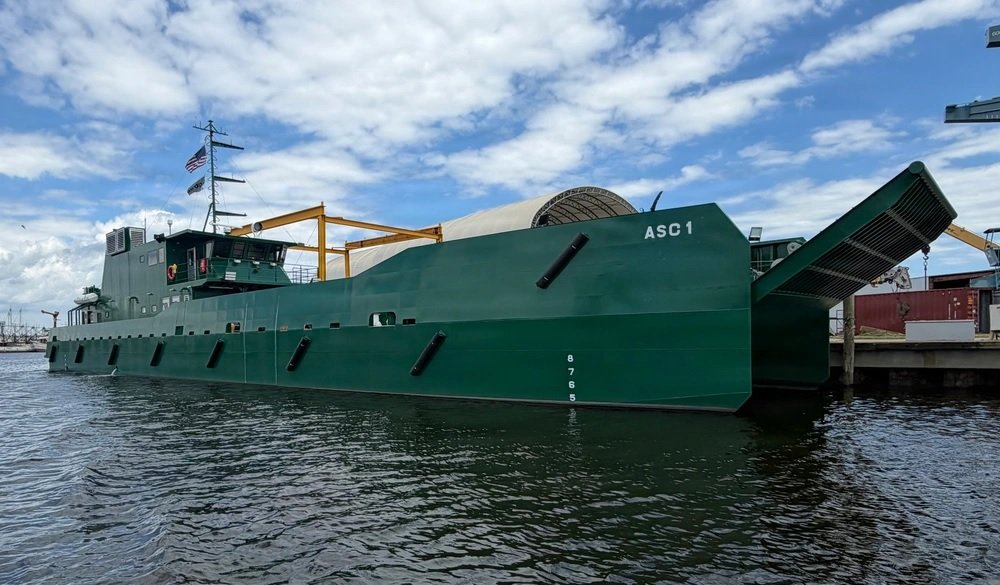
U.S
QUANTICO, Va. — The U.S. Marine Corps Warfighting Laboratory (MCWL) has completed technical acceptance of its first Ancillary Surface Craft (ASC) prototype, moving the approximately 150-foot vessel into limited technical assessments at Quantico, Virginia. The ASC is a roll-on/roll-off landing craft designed to transport personnel, equipment and fuel directly to unimproved shorelines, providing what the Marine Corps calls the “last tactical mile” of logistics support. It can carry up to 46 tons of cargo and 40 combat-loaded Marines. The shallow-draft craft is designed to operate in Sea State 5 and survive conditions up to Sea State 7. It has forward-looking sonar for navigating uncharted shallow waters, detecting submerged obstacles and assessing beach gradients before landing. It also has a fuel delivery and transfer system for vessel-to-vessel and vessel-to-shore operations. Birdon describes the vessel, also known as the Ancillary Surface Craft-Medium, as approximately 150 feet long, 30 feet wide and with a draft of about 4.9 feet. Earlier company material listed cargo capacity of up to 54 tons, while Marine Corps technical acceptance validated 46 tons. Supporting Distributed Marine Operations The ASC is intended to support the Marine Corps' Expeditionary Advanced Base Operations (EABO) concept, which calls for small, mobile forces to operate from temporary positions in contested maritime areas without relying on fixed ports, piers or causeways. The craft is intended to complement the larger Medium Landing Ship (LSM) being developed by the Navy and Marine Corps. With the LSM program facing delays, the Marine Corps has described the ASC and similar smaller surface craft as a bridging capability for sustaining distributed forces in the Pacific. The ASC is optimized for moving medium and light tactical vehicles and other supplies between shorelines that larger vessels may not be able to reach. “This prototype allows MCWL to immediately execute hands-on experimentation, test tactical concepts, and put real hardware in the hands of Marines,” said Col. Kenny Jones, Science and Technology Division Director at MCWL. He said testing the ASC's traditional bow-first beaching approach alongside other experimental platforms will help reduce programmatic risk and refine requirements for future naval forces. Prototype Construction and Testing The Marine Corps awarded Birdon America, the U.S. subsidiary of Australian maritime company Birdon, a contract for two ASC prototypes in 2024. Birdon partnered with C&C Marine and Repair in Belle Chasse, Louisiana, where construction began in 2025. The companies used automation-driven production methods intended to shorten construction time. The first ASC will initially operate with a hybrid crew of Marines and contracted mariners, with Birdon America craft masters and engineers and Australian Army crewing support working under MCWL oversight. The arrangement will also support Marine training for independent operation of small surface craft. Upcoming testing will examine the vessel's force-protection and self-defense configurations, while its primary mission remains logistics and maneuver. A Distinguished Visitor Day involving the ASC was held in Bayou La Batre, Alabama, on August 12, 2026, where Marine Corps personnel, industry partners and others observed the vessel. With technical acceptance complete, MCWL will now conduct hands-on testing to assess the ASC's performance and support the development of future requirements for small surface craft.
Read More → Posted on 2026-08-22 11:52:48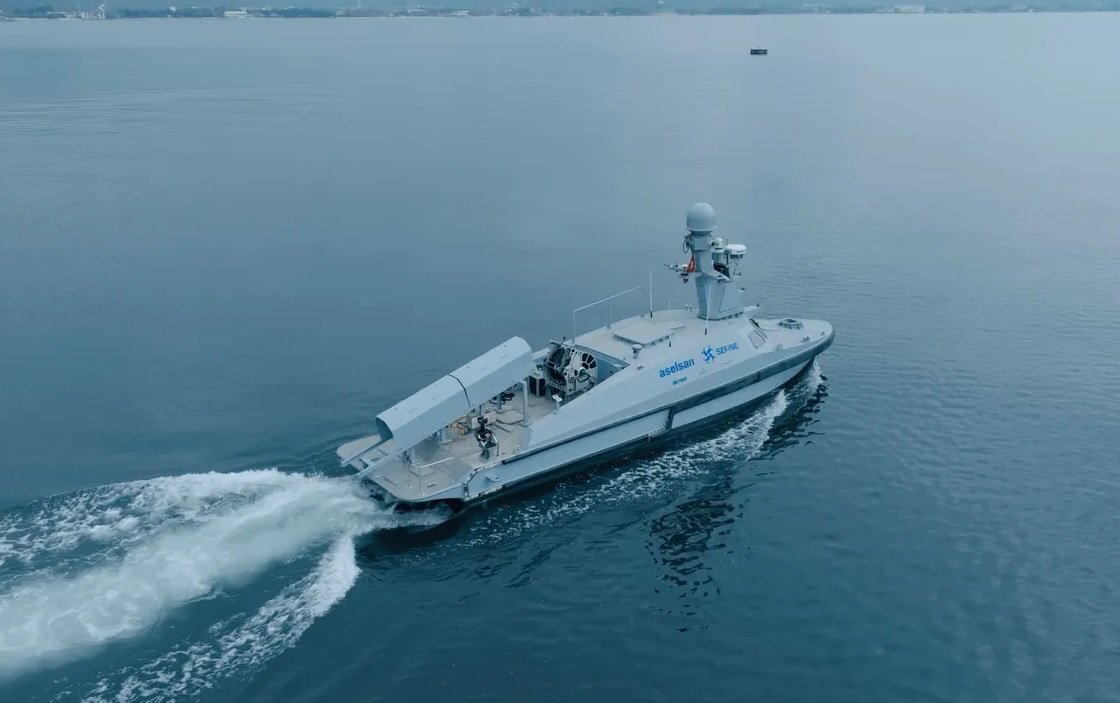
World
ANKARA, Türkiye — Türkiye’s MARLIN unmanned surface vessel (USV) has successfully completed mine-laying trials using the domestically developed MALAMAN smart bottom mine, adding a new mine-warfare capability to the Turkish Navy’s first operational unmanned naval platform. The trials, reported by Türkiye’s state-owned Anadolu Agency on August 17, 2026, involved deploying MALAMAN mines in both remotely controlled and fully autonomous modes. The work included the design and production of a dedicated mine carriage and release mechanism, along with mission-planning interfaces and algorithms for autonomous mine-laying. Validation and testing were conducted at Sefine Shipyard using training versions of the MALAMAN mine. MARLIN USV MARLIN was developed by Sefine Shipyard and ASELSAN under the coordination of Türkiye’s Presidency of Defence Industries (SSB). It entered Turkish Naval Forces service in January 2024 as Türkiye’s first USV in the naval inventory. The 15-metre platform has a beam of about 3.85 metres, a displacement of around 21 tonnes and a payload capacity of at least four tonnes. It can reach speeds of at least 35 knots and has an endurance of up to 72 hours. Its modular architecture allows different sensors, weapons and electronic-warfare equipment to be integrated. MARLIN has previously been tested and configured for anti-surface warfare, anti-submarine warfare and electronic warfare missions, and has also conducted missile-firing trials. MALAMAN Smart Mine MALAMAN is a Turkish-developed smart sea-bottom mine intended for deployment from surface vessels, submarines, aircraft and unmanned platforms. Its development involved KoçSavunma, MKE and TÜBİTAK SAGE. The mine uses pressure, magnetic and acoustic data for target detection and classification. It is designed for water depths of 5 to 100 metres and uses a pressure-resistant composite casing designed to blend with the seabed. MALAMAN has a diameter of 533 mm, making it compatible with submarine torpedo tubes. It is approximately 1.8 metres long and weighs about 600 kg, including around 400 kg of insensitive underwater explosive. The system entered Turkish Naval Forces inventory in 2026, while earlier work included fit checks with Türkiye’s REIS-class submarines and integration work for use from Turkish Navy landing ships. New Unmanned Mine-Laying Capability The integration gives MALAMAN another deployment option while allowing mine-laying missions to be conducted without exposing a crewed vessel. The successful remote-controlled and autonomous trials demonstrate different levels of operator involvement. The demonstration also expands MARLIN’s mission set into mine warfare alongside its existing surface warfare, anti-submarine warfare, electronic-warfare and other tested roles. It represents the first reported pairing of MARLIN with the MALAMAN smart bottom mine.
Read More → Posted on 2026-08-22 11:45:40
U.S
Washington, D.C., — The United States is advancing bipartisan legislation that would require the Netherlands and other key allies to further restrict ASML’s semiconductor manufacturing equipment sales and services to China. The Multilateral Alignment of Technology Controls on Hardware (MATCH) Act, introduced in April 2026, would give allied countries 150 days to align their export controls with U.S. rules. If they fail to do so, Washington could expand use of the Foreign Direct Product Rule (FDPR) to restrict foreign-made equipment containing U.S. technology, software or components. Targeting DUV Equipment and Services The legislation mainly targets deep ultraviolet (DUV) immersion lithography machines that ASML can still sell to China under current Dutch regulations. The Netherlands and the United States have already restricted China’s access to ASML’s most advanced extreme ultraviolet (EUV) systems and certain higher-end DUV equipment. The MATCH Act would also restrict installation, maintenance, spare parts, remote software updates and technical support for covered machines already operating in China. Major Chinese companies named for tighter restrictions include SMIC, Huawei, Hua Hong, CXMT and YMTC. U.S. lawmakers argue that existing gaps allow Chinese chipmakers to use older lithography equipment and multi-patterning techniques to produce advanced semiconductors, including chips used for artificial intelligence. ASML and Dutch Concerns China accounted for about 33% of ASML’s sales in 2025, making it the company's largest market that year. ASML has projected that China's share could fall to around 20% in 2026 as existing restrictions take greater effect. ASML is Europe’s most valuable listed company and depends on U.S. suppliers for important technology and components, including light sources produced by its U.S. subsidiary Cymer. This gives Washington significant leverage over the Dutch company. The proposed legislation has created friction between Washington and The Hague. Dutch Trade Minister Sjoerd Sjoerdsma has described forced cooperation as “undesirable” and has traveled to Washington to meet U.S. Commerce Secretary Howard Lutnick and members of Congress. The Dutch government has argued that export-control decisions affecting Dutch companies should remain under Dutch control and has opposed the bill’s extraterritorial provisions. Legislative Status The MATCH Act has bipartisan support and lawmakers have sought to attach it to the annual National Defense Authorization Act (NDAA). The broader NDAA temporarily stalled in the Senate on July 14, 2026, amid unrelated political disagreements over military funding connected to Iran. As of mid-August 2026, the MATCH Act remained under consideration and had not become law. Its proposed restrictions would expand existing U.S.-led controls by targeting remaining DUV equipment sales to China as well as servicing and technical support for machines already installed there.
Read More → Posted on 2026-08-22 11:38:10Search
Top Trending in 24 Hours
-
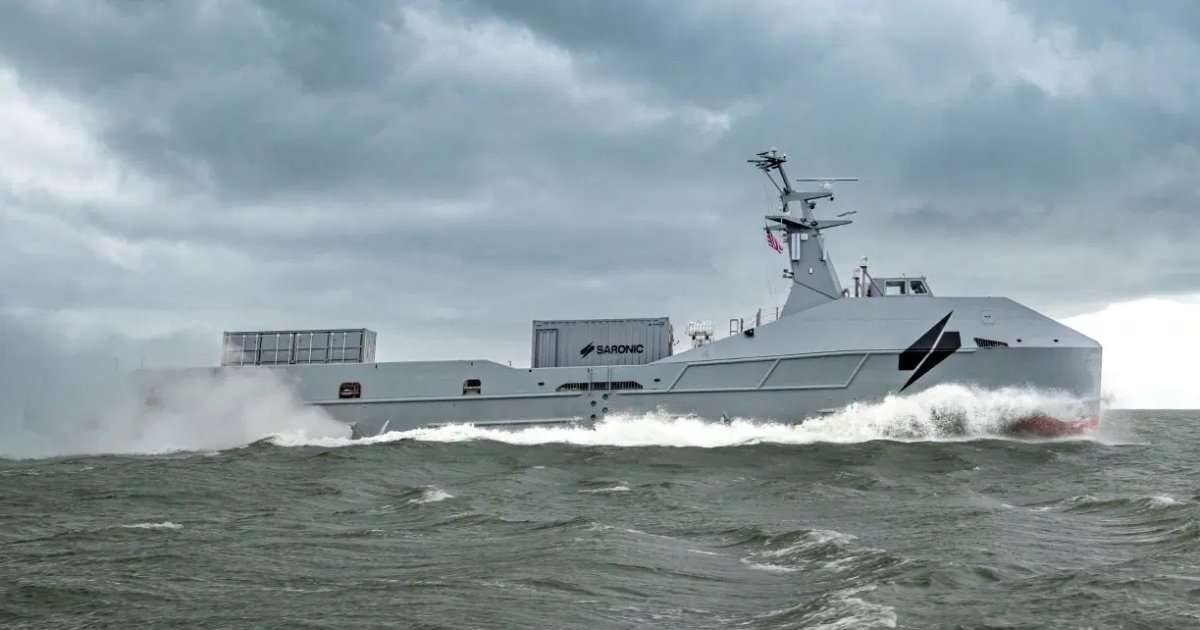 U.S. Navy Awards Production Agreements for 30 Medium Unmanned Surface Vessels, Including 10 Saronic Marauders
-
 Boeing Wins $20 Billion U.S. Navy Contract for F/A-XX Sixth-Generation Fighter
-
 Flydubai Flight to Israel Diverted to Saudi Arabia After Possible Attempted Terror Attack in Cockpit
-
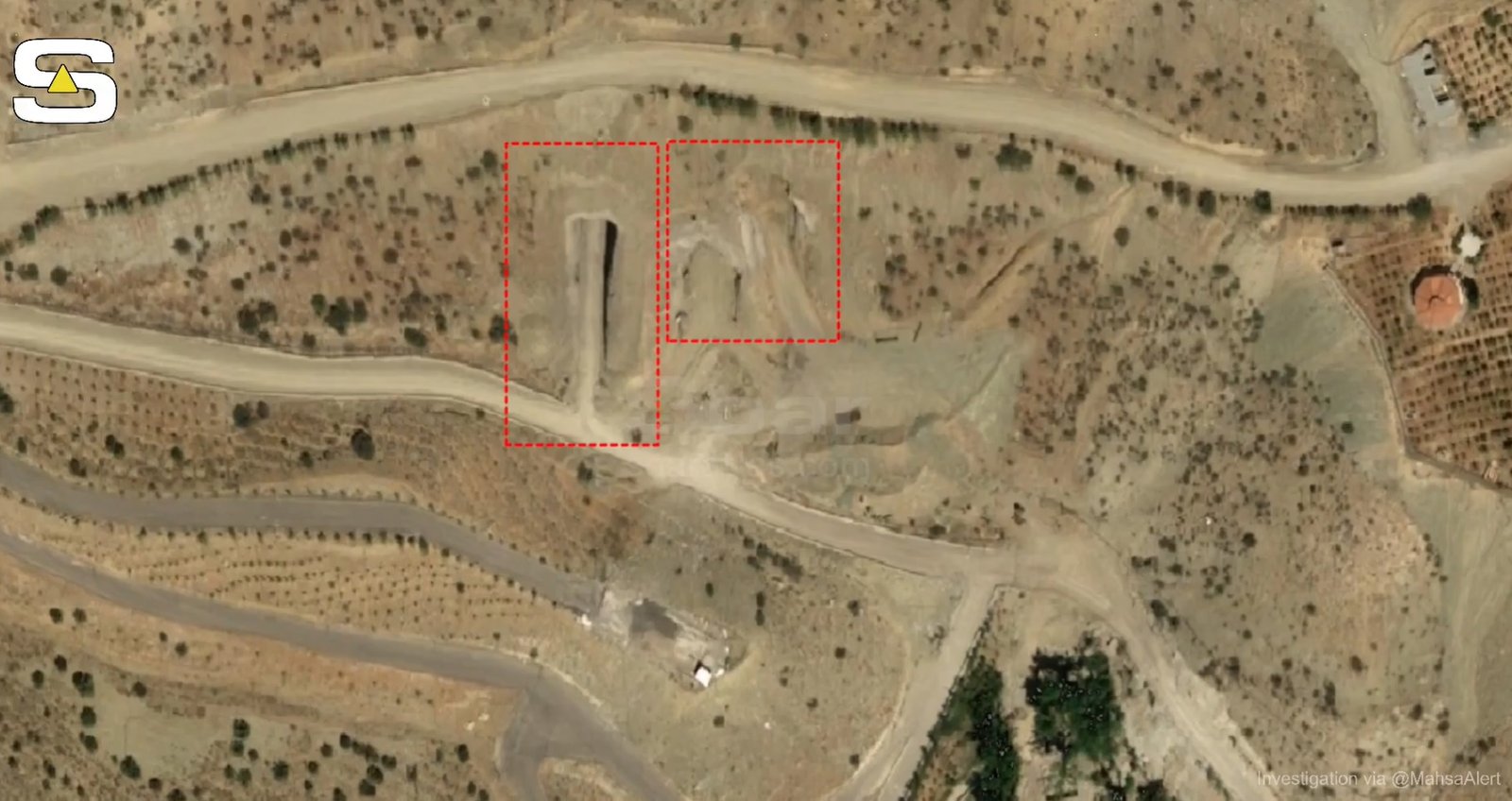 Satellite Imagery Shows Construction Changes at Hillside Site Linked to Iran’s Supreme National Security Council
-
 U.S. Army Selects Five Companies to Develop 1,000-Km Precision Strike Missile Prototypes
-
 NASA Adds Blue Origin’s Upgraded New Glenn 9×4 to Launch Services Contract
-
 U.S. Air Force Awards Boeing $2.38 Billion Contract for 22 F-15EX Fighter Jets
-
 U.S. Army Awards Heaviside Industries $99 Million Contract for MOTH RF Spectrum Analyzers
Top Trending in 4 Days
-
 Russia Says Su-75 Checkmate Could Cost Just $25–30 Million, Flight-Hour Costs 6 Times Lower Than F-35
-
 China Reports First High-Orbit Refueling of BeiDou Satellite, but Tracking Data Raise Questions
-
 Eight U.S. Marines Injured in Iranian Missile Strike on U.S Vessel in Strait of Hormuz
-
 U.S. and Russia Remove Human-Review Rules From Draft UN AI Weapons Framework
-
 UK Offers Nuclear Deterrence for Its Northern European Defence Partners
-
 U.S. Navy Begins Flight Testing Blackbeard Hypersonic Missile on F/A-18 Super Hornet
-
 Rheinmetall Develops Automated Reloader for Austrian Skyranger Air Defense System
-
 HII Expands Massachusetts Unmanned Systems Facility by 25 Percent to Support U.S. Navy Lionfish Production
