
World
SEOUL, — South Korean Defense Minister Ahn Gyu-back told lawmakers Thursday that North Korea is generally estimated to possess 80 to 120 nuclear weapons, while saying that Seoul cannot provide an exact figure. “We typically see that (North Korea has) around 80 to 120 (nuclear weapons), but I am very limited in providing a specific figure,” Ahn said during a meeting of the National Assembly’s National Defense Committee. He was responding to opposition People Power Party lawmaker Sung Il-jong. Ahn later clarified that the 80–120 figure comes from estimates by private research organizations and is not an official confirmation by South Korea’s military. The assessment partly reflects estimates of the plutonium North Korea is believed to have produced and possessed. The estimate differs sharply from a figure cited by U.S. President Donald Trump on Wednesday. Speaking to reporters at the White House, Trump said North Korea has “57 very powerful nuclear weapons.” It was the first time Trump had publicly cited a specific number for Pyongyang’s nuclear arsenal. Trump made the comment while discussing his relationship with North Korean leader Kim Jong Un and saying he expects to meet Kim later this year. Ahn acknowledged that the South Korean and U.S. figures “appear to be slightly different.” Independent assessments also vary. The Stockholm International Peace Research Institute (SIPRI) estimated in its 2026 Yearbook that North Korea had about 60 nuclear warheads at the beginning of 2026 and enough fissile material to produce at least 30 more. Earlier SIPRI-related estimates placed the number closer to 50. SIPRI also estimated that India possessed approximately 190 nuclear warheads at the start of 2026. The differences partly reflect how nuclear arsenals are measured. Some estimates count assembled nuclear warheads, while others also consider the amount of plutonium and highly enriched uranium available to potentially produce additional weapons. North Korea’s exact nuclear inventory remains difficult to establish because its nuclear program is highly secretive and much of its related infrastructure is underground. South Korea and the United States do not officially recognize North Korea as a legitimate nuclear-armed state. Ahn reiterated that Seoul “cannot officially acknowledge” North Korea’s possession of nuclear weapons and that denuclearization of the Korean Peninsula remains the government’s policy. The differing estimates come as discussions continue over possible U.S.-North Korean diplomacy, including reports of potential high-level contacts later this year.
Read More → Posted on 2026-08-20 15:33:39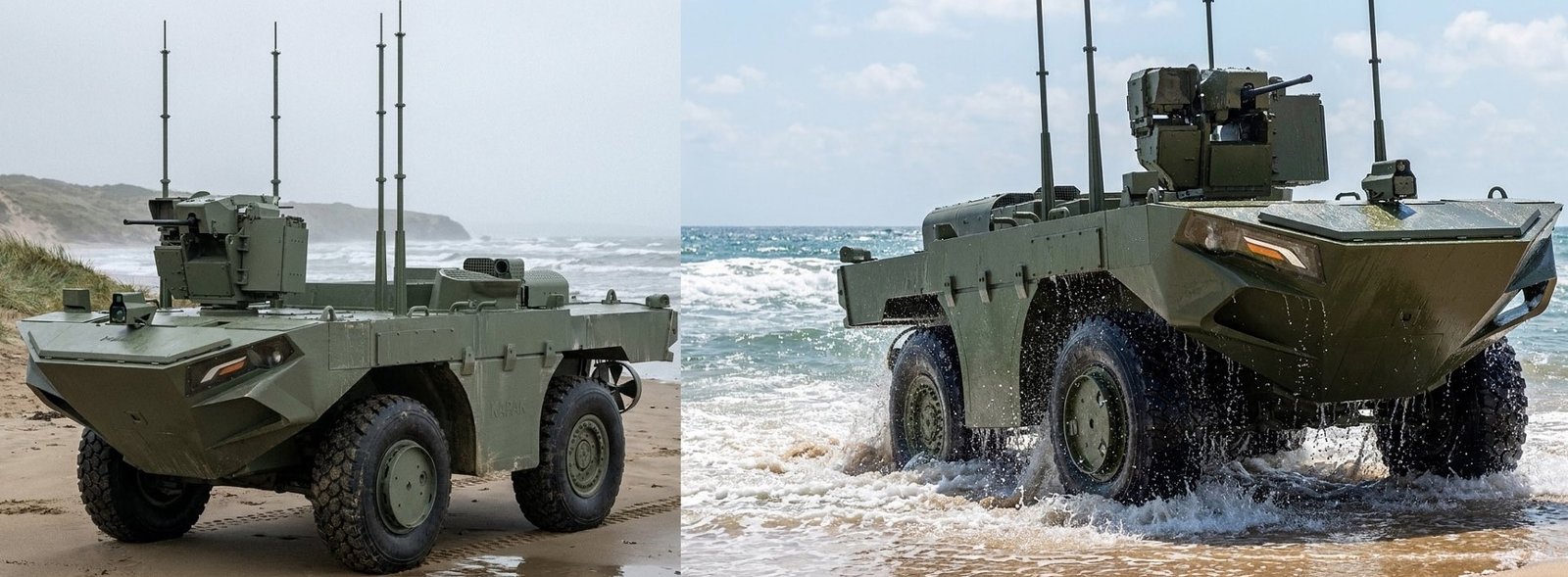
World
KOCAELİ, Türkiye — Turkish defense company FNSS has unveiled its new U-MAV (Unmanned Amphibious Assault Vehicle), also known as İ-ZAHA, at the TEKNOFEST Mavi Vatan (Blue Homeland) event at Gölcük Naval Shipyard Command in Kocaeli. The event runs from August 20 to 23. The 8-ton unmanned vehicle is designed to operate ahead of the Turkish Naval Forces Command’s manned Marine Assault Vehicles (MAV/ZAHA). FNSS says the U-MAV can make initial contact with shore defenses before manned vehicles land, reducing the exposure of personnel during the highest-risk phase of an amphibious assault. Mobility and Mission Options The U-MAV is powered by a 300-horsepower engine, giving it a power-to-weight ratio of 37.5 hp per ton. It can reach 7 knots in water and 70 km/h (43 mph) on land). Independent suspension and different tire options allow it to operate across varied ground conditions. FNSS also states that the platform has a low optical, thermal and acoustic signature. Its mission payloads can be changed in the field in about 40 minutes, supporting 10 configurations: fire support, mine clearance, combat engineering, electronic warfare, reconnaissance, deception, counter-drone operations, obstacle marking, logistics support and casualty evacuation. Autonomous Operation and Communications The U-MAV can operate in autonomous, remote-controlled or hybrid modes. It uses an encrypted mesh network, satellite and inertial navigation systems, and an identification friend-or-foe (IFF) module. Its inertial navigation system maintains a position estimate when satellite signals are degraded or jammed. Standard line-of-sight communications reach 3 km, with drone relays available to extend the range. If the datalink is lost, the vehicle first enters a safe hold state and then either returns to base along a pre-programmed route or continues its mission, depending on its configuration. An onboard mission computer processes camera feeds in real time and can transmit detection data instead of a continuous full-video stream when bandwidth is limited or communications are contested. Detected targets receive threat scores and status indicators and are tracked using timestamps. FNSS also says AI-supported cameras assist with orientation, target recognition and fire control. Armor Integrity System FNSS says the U-MAV is the first unmanned vehicle to integrate Armor Integrity, a structural monitoring system developed by Nurol Teknoloji. Sensors detect the location, direction and severity of impacts, calculate the remaining structural capacity of the affected armor and send the information to the operator and chain of command. If communications are lost, the damage data is stored locally and transmitted after the link is restored. Transport and FNSS Plans The U-MAV can be transported by road, rail and sea and is compatible with heavy-lift aircraft including the CH-47F Chinook, Mi-26, C-130 Hercules, A400M, C-17 Globemaster, C-5 Galaxy, An-124 and Il-76. FNSS CEO and board member Selim Baybaş said the vehicle combines the company's engineering capabilities, Marine Assault Vehicle experience and continuing R&D in unmanned and autonomous systems. He also highlighted FNSS's more than 35 years of industry experience and its ability to manufacture several platforms concurrently. FNSS has not disclosed the U-MAV's price, production timeline or any customer orders for the platform.
Read More → Posted on 2026-08-20 15:26:00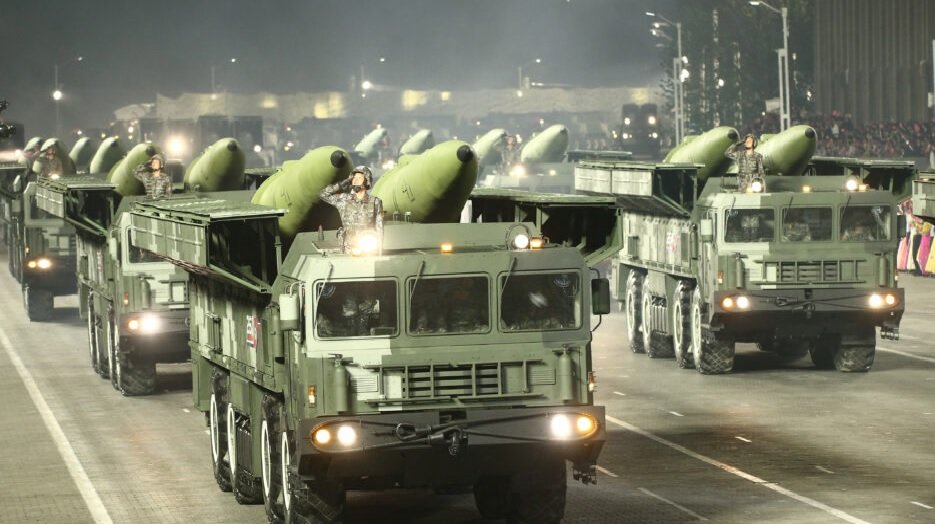
World
MOSCOW, Russia — Russia has received KN-30 ballistic missiles from North Korea that could be used in strikes against Ukraine, according to data from Ukraine’s Defence Intelligence (HUR) provided in response to a request from Ukrainska Pravda. The delivery marks the first publicly reported transfer of the KN-30 missile system to Russia. Russian forces have previously used North Korean KN-23 and KN-24 ballistic missiles during attacks on Ukraine. Russia Reportedly Holds Around 50 North Korean Missiles According to HUR data, as of July 2026, Russia had around 50 Kinzhal aeroballistic missiles in its active inventory. It also held approximately 50 North Korean ballistic missiles, consisting of KN-23, KN-24 and the newly reported KN-30 systems. Russian forces resumed the use of North Korean ballistic missiles in late July 2026 after a pause of nearly a year. Ukrainian intelligence linked the renewed use to fresh deliveries from North Korea, including a reported strike near Kryvyi Rih. The new KN-30 deliveries add another North Korean ballistic missile type to the systems already available to Russian forces. What Is the KN-30? The KN-30 is the Western designation for North Korea’s Hwasong-11C, also referred to as the Hwasong-11Da. It is an enlarged member of the Hwasong-11 family and is classified as a short-range ballistic missile. The missile uses a solid-fuel engine and is launched from a mobile ground-based launcher. It was first publicly displayed during a military parade in Pyongyang on January 14, 2021. Its first known flight test took place on March 25, 2021, when the missile demonstrated a range of at least 600 kilometers. Estimates place its operational range at around 600–900 kilometers depending on the payload. North Korea has claimed that the missile can carry a 2.5-tonne warhead. However, this payload figure has not been independently confirmed. North Korean Missile Unit Reportedly Deploying to Russia The missile transfers are reportedly accompanied by a broader expansion of military cooperation between Moscow and Pyongyang. In early August, Andrii Cherniak, a representative of Ukraine’s Defence Intelligence, said North Korea had begun deploying a specialized missile unit to Russia’s Voronezh region, which borders Ukraine. The unit is reportedly intended to conduct ballistic missile strikes against Ukrainian targets. According to the Ukrainian intelligence assessment, the unit includes around 90 North Korean personnel and is expected to be integrated into Russia’s 112th Missile Brigade. North Korea has reportedly delivered another batch of 40 KN-23 and KN-24 missiles together with personnel. Russia expects the deployment to involve up to 120 North Korean ballistic missiles and six launchers, although the final numbers are expected to be determined through high-level talks. North Korea previously supplied approximately 150 KN-23 and KN-24 missiles between late 2023 and August 2025. Russia’s Wider Missile Inventory HUR also provided updated estimates of Russia’s domestic missile stocks. As of August 5, 2026, Russia was assessed to have approximately: More than 600 Oniks anti-ship missiles More than 450 Kalibr sea-launched cruise missiles Around 400 RM-48U missiles for S-400 air defense systems, which can also be used against ground targets Around 130 9M723 ballistic missiles for Iskander-M systems More than 120 Zircon hypersonic missiles Up to 100 Kh-101 air-launched cruise missiles According to HUR, Russia’s defense industry is continuing to prioritize mass production of several missile systems, particularly the Iskander-M, Kh-101 and Kalibr, to maintain its ability to conduct long-range strikes. The reported arrival of the KN-30 gives Russia access to another North Korean ballistic missile type alongside the KN-23 and KN-24 systems it has previously used in the war against Ukraine. Source : militarnyi
Read More → Posted on 2026-08-20 15:07:33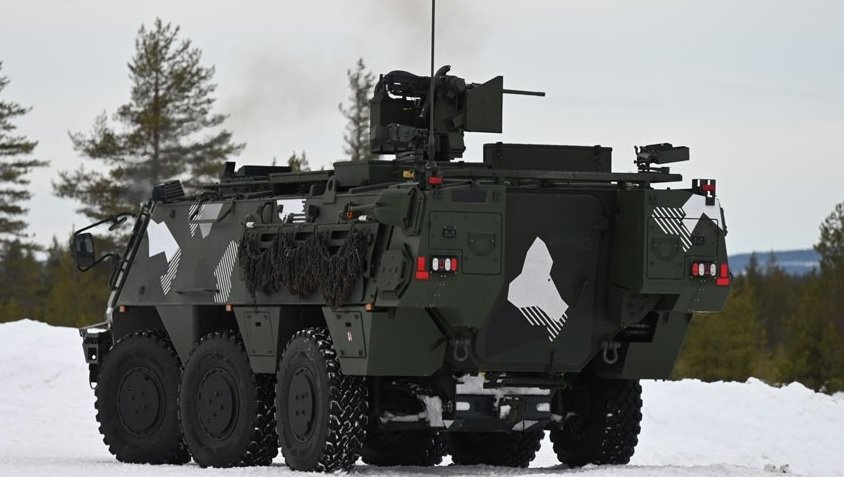
World
OSLO, Norway — Norwegian defense company Kongsberg has signed a contract worth NOK 1.1 billion (nearly $120 million) with General Dynamics Land Systems–Canada (GDLS-Canada) to supply additional Protector RS4 Remote Weapon Systems (RWS) for the Canadian Army. The systems will be integrated onto Canada’s Armoured Combat Support Vehicle (ACSV) fleet. The contract is a follow-on procurement under the existing ACSV program and builds on previous deliveries of Protector RS4 systems by Kongsberg for the same vehicle platform. “This contract confirms our customer’s confidence in the Protector systems and further strengthens our long-term partnership with GDLS-Canada,” said Kjetil Reiten Myhra, Executive Vice President of Kongsberg and President of the Defence Systems division. “We are proud that the RS4 continues to be selected as a key capability for the Canadian Armed Forces’ modern vehicle fleet.” Continued Kongsberg-Canada Cooperation The latest contract continues Kongsberg’s established relationship with the Canadian Armed Forces and GDLS-Canada. Canada has used Kongsberg remote weapon stations on its ACSV fleet for several years, with an earlier contract in 2020 covering Protector systems for the same program. Kongsberg said the additional systems will expand and improve the operational capabilities of the Canadian Army. The order also keeps Kongsberg as a remote weapon system supplier for ACSV vehicles produced by GDLS-Canada. In July 2026, the Canadian government announced plans to expand the ACSV fleet through the procurement of additional vehicles from GDLS-Canada under a larger multi-year arrangement. Protector RS4 Remote Weapon System The Protector RS4 is part of Kongsberg’s Protector family of remotely operated weapon systems. It is designed to allow vehicle crews to operate weapons from inside the protected vehicle while providing observation, targeting and weapon-control capabilities. The system can support different weapon configurations, including 5.56 mm, 7.62 mm and 12.7 mm machine guns, as well as 40 mm automatic grenade launchers. It can also incorporate optional anti-tank guided missiles. The RS4 uses an electro-optical sensor suite that can include day cameras, thermal imagers and laser rangefinders. These systems provide the crew with observation and targeting information while operating the weapon station remotely. Kongsberg states that the Protector family has more than 20 years of combat-proven experience, with more than 25,000 systems fielded globally. The RS4 is also designed to support capabilities including wireless control, multi-sensor fusion and counter-unmanned aircraft systems (C-UAS) software. These features allow the system to be adapted to different operational requirements and vehicle platforms. The new contract will provide additional Protector RS4 systems for Canada’s ACSV fleet, extending Kongsberg’s involvement in the program and continuing the use of remotely operated weapon stations on Canadian Army vehicles.
Read More → Posted on 2026-08-20 15:02:36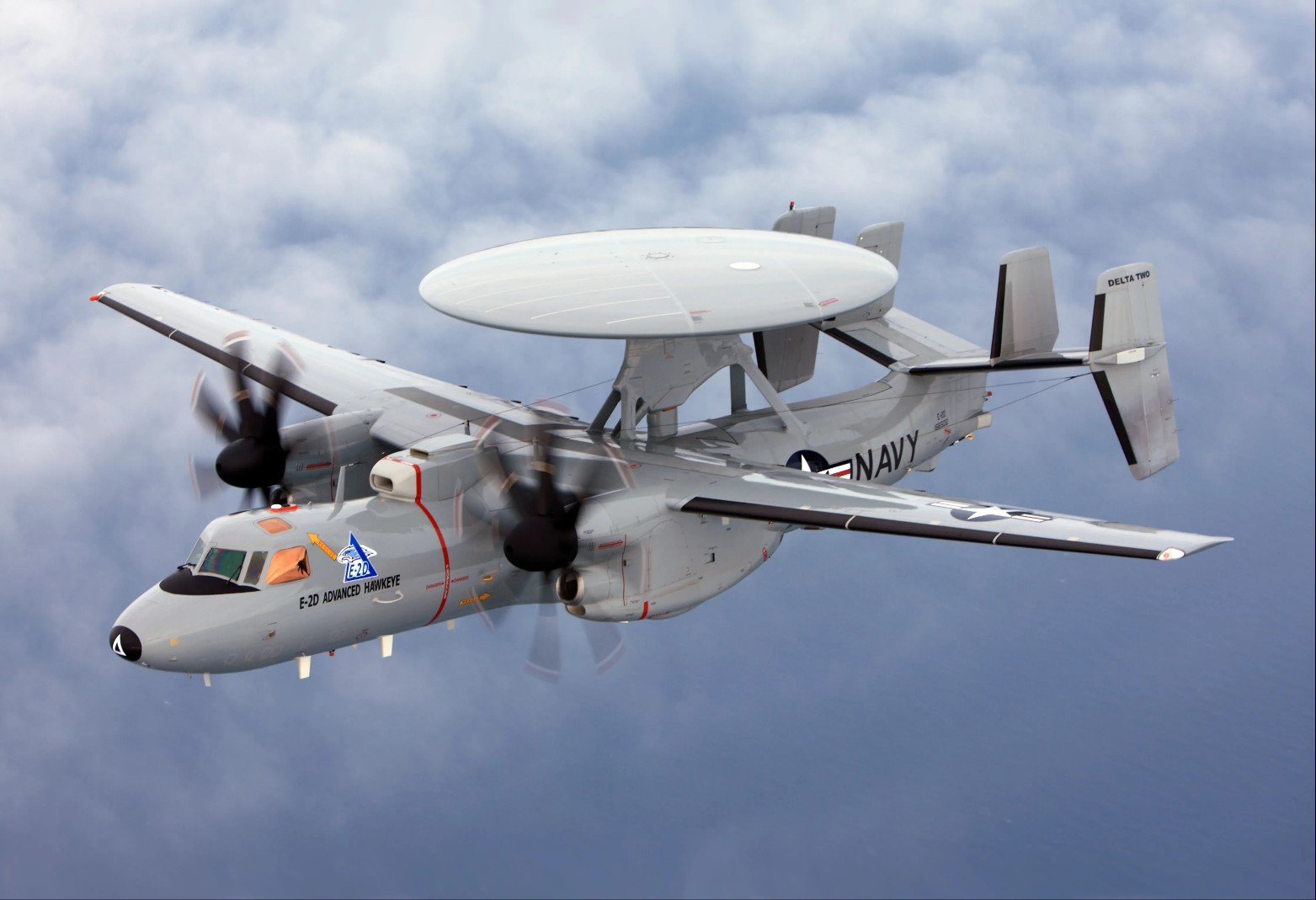
U.S
WASHINGTON, D.C. — Northrop Grumman and the U.S. Navy have completed a government-led Critical Design Review (CDR) for the Block II upgrade of the E-2D Advanced Hawkeye. The review was completed in May 2026 and officially announced this week. The successful CDR clears the program to move from detailed design into hardware and software integration, physical aircraft modifications and testing. Flight testing of the upgraded configuration is scheduled to begin in fiscal year 2029, with the first Block II aircraft expected to be delivered by the end of the decade. Major modernization of the E-2D The E-2D Advanced Hawkeye is a carrier-based airborne early warning and command and control aircraft used for missions including target detection, interceptor control, communications relay, and air and missile defense. The U.S. Navy describes the aircraft as a platform for airborne command and control and battlespace awareness. The Block II upgrade focuses largely on modernizing the aircraft's mission-system architecture, computing infrastructure and supporting systems. The aircraft's AN/APY-9 UHF-band active electronically scanned array (AESA) radar will remain unchanged under the upgrade. Instead, the systems responsible for processing and managing the radar and other mission data will receive major improvements. Key elements of Block II include: Open Mission Systems architecture: A modular architecture will allow future capabilities, including artificial intelligence and machine-learning tools, to be incorporated through software and containerized applications rather than requiring major hardware changes. Modernized cockpit: A redesigned cockpit architecture is intended to reduce pilot workload and improve crew effectiveness during complex battlespace management. Increased computing power: Newer processors will provide greater capacity to handle the growing volume and complexity of information exchanged between ships, aircraft, satellites and uncrewed systems. Enhanced cybersecurity: Additional cybersecurity improvements are incorporated into the Delta System Software Configuration 6 (DSSC-6) baseline. Commercial off-the-shelf components: The modernization makes use of commercial off-the-shelf products to address component obsolescence and support long-term fleet sustainment. The Navy has previously described the DSSC-6 effort as providing improved computing and electronic storage, better command-and-control connectivity, parts-obsolescence mitigation and a modular open-systems environment for future technology insertion. Production and retrofit work Northrop Grumman plans to integrate the Block II configuration into newly built E-2D aircraft on the active production line while also applying the upgrade to aircraft already in the Navy's fleet. This approach will allow new-production aircraft and existing E-2Ds to receive the modernization as the program progresses. With the CDR complete, engineering teams can now move into the physical integration and modification phase ahead of testing. Janice Zilch, vice president and program manager for the E-2D Advanced Hawkeye at Northrop Grumman, said the completion of the review reflects the work of the company's team and its partners. She said the upgrade is intended to strengthen the E-2D's capabilities, improve situational awareness, reduce crew workload and support future technology insertion. Northrop Grumman has also described the broader modernization effort as being aimed at improving operational availability, software resiliency, security and interoperability through new mission computers, displays and an open mission-systems approach. Continued E-2D production The Block II modernization comes as the U.S. Navy continues procurement and modernization of the E-2D fleet. The aircraft provides airborne early warning and command-and-control capabilities for carrier operations and broader naval missions. The Navy's FY2026 budget documents identify Northrop Grumman as the airframe prime contractor, with Rolls-Royce providing the engines and Lockheed Martin responsible for the radar. The E-2D program also supports more than 4,000 jobs across 411 supplier companies in 40 U.S. states, according to the information provided by Northrop Grumman. The company has delivered E-2D aircraft to the U.S. Navy and international customers, including Japan, while France has E-2D aircraft in production. The completion of the Block II Critical Design Review marks the transition of the upgrade from design definition toward aircraft integration and flight testing. The next major test milestone is scheduled for fiscal year 2029, followed by expected delivery of the first Block II aircraft by the end of the decade.
Read More → Posted on 2026-08-20 14:47:29
U.S
HONOLULU, Hawaii — Lockheed Martin and the U.S. Navy demonstrated a rapidly retrainable artificial intelligence and machine learning (AI/ML) sonar system during the Rim of the Pacific (RIMPAC) 2026 exercise off Hawaii. Known as SensorMAX, the system is designed to analyze subsurface acoustic data and assist crews in identifying underwater threats. The demonstration took place during RIMPAC 2026, which ran from June 24 to July 31. The U.S. Navy said the exercise involved 30 nations, more than 30,000 personnel, 30 surface ships, five submarines and more than 197 aircraft. AI-Based Acoustic Analysis SensorMAX is built on Lockheed Martin’s Spectral Foundation Model, which is designed to interpret spectral energy in a way similar to how large language models process language. The system can process data from different types of sensors, including acoustic sensors. During the RIMPAC demonstration, two MH-60R Seahawk helicopters equipped with the system conducted antisubmarine warfare missions against an undersea threat. The helicopters deployed sonobuoys, which collected acoustic information from the underwater environment and transmitted the data to SensorMAX. The system continuously monitored the sonobuoy data and provided information to the helicopter aircrews while also sending information to a ground station. Each aircrew could manage up to eight simultaneous sonobuoy surveillance feeds, which Lockheed Martin said was twice the capacity of legacy capabilities. Retraining the AI During Missions One of SensorMAX's main features is its ability to retrain its AI model when new acoustic signatures are identified. The process consists of four steps: capture, label, retrain and deploy. When a new sound is identified, operators label the acoustic signature and retrain the model using the new data. The updated model is then transmitted back to the aircraft as a small update package. Lockheed Martin said the retraining process takes less than five minutes per iteration. The company also said the classifier models are smaller than one megabyte, allowing them to be transferred rapidly. The system supports over-the-air (OTA) model updates through an encrypted data link. Lockheed Martin worked with FUSE Inc. on secure software delivery so trained models and mission software can be updated on deployed aircraft without interrupting operations. Portable and Platform-Agnostic System Lockheed Martin describes SensorMAX as lightweight, portable and capable of operating across different platforms. The company says the same processing capability can be used on aircraft, ships or land-based systems. The system is also designed for edge retraining. Lockheed Martin says new energy signatures can be used to train models on edge devices using consumer-grade GPUs, without requiring a large data center. The company said the RIMPAC demonstration showed how AI-based acoustic classification could support the Navy's efforts to use different sensors for underwater detection and provide crews with updated information during missions. Lockheed Martin Statement Devon Rodgers, vice president and general manager of Undersea Mission Systems at Lockheed Martin, said the RIMPAC demonstration showed the company's approach to combining commercial technology with defense engineering to accelerate capability development. “Today’s battlespace requires the defense industry to accelerate capability delivery and seamlessly integrate commercial technology; at RIMPAC 2026 our mission-focused engineers demonstrated exactly how we are meeting that challenge,” Rodgers said. The demonstration adds an AI-based acoustic analysis capability to the MH-60R's antisubmarine warfare mission and shows how models can be updated while deployed rather than relying only on pre-existing acoustic signatures. Lockheed Martin said the capability is intended to support faster detection and tracking of underwater threats and the Navy's broader work on crewed and uncrewed teaming.
Read More → Posted on 2026-08-20 12:16:21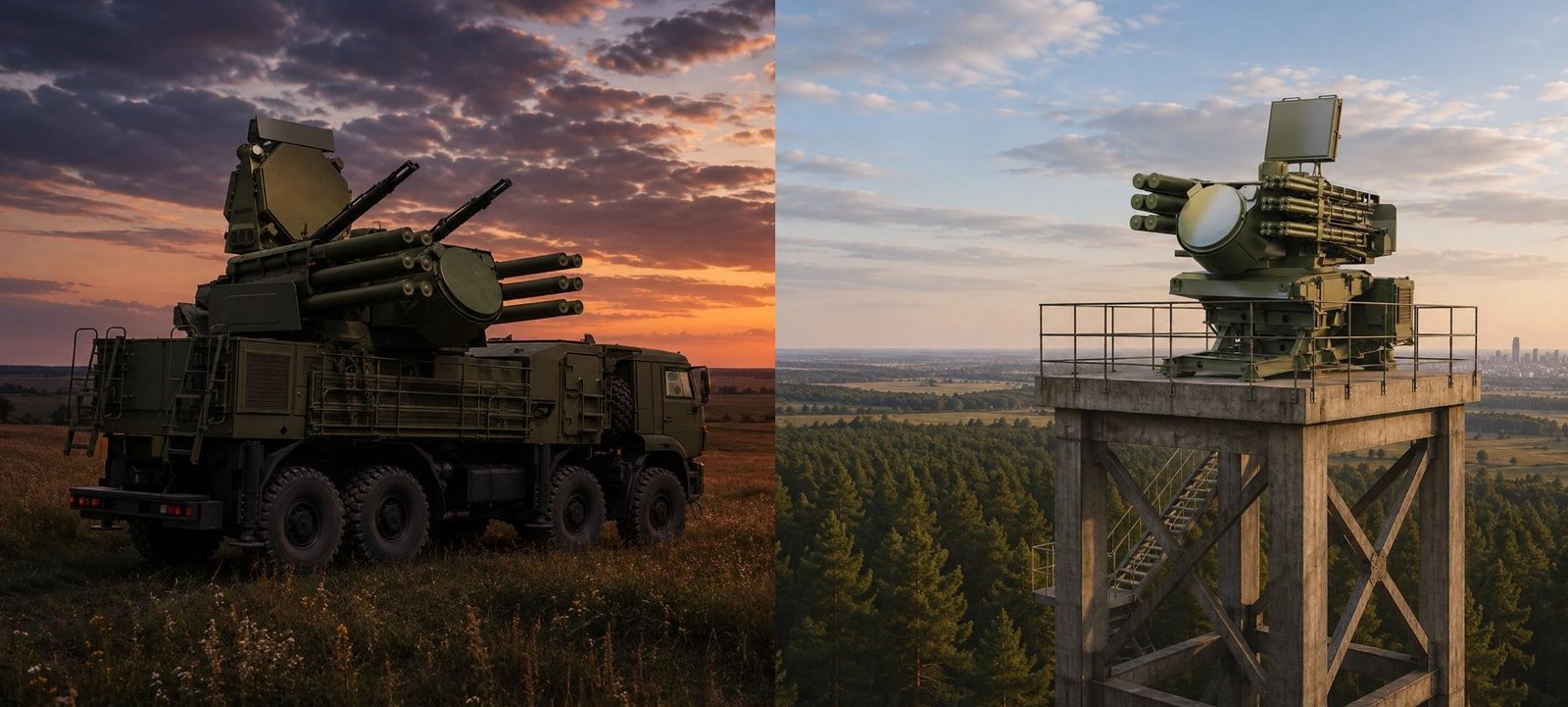
World
MOSCOW, Russia — The Russian military has received a new batch of Pantsir air defense systems from High-Precision Systems, part of the state-owned Rostec corporation. Rostec reported the delivery on its official Telegram channel, with its press service confirming it on August 19, 2026. The systems completed testing and were cleared for service by military acceptance representatives. The exact number delivered was not disclosed. The previous similar delivery took place in March 2026. The batch includes the mobile Pantsir-S missile-and-gun system and the stationary Pantsir-SMD, which is designed with a larger missile capacity for air defense missions. Pantsir-S The Pantsir-S combines missiles and guns on a single mobile platform. It carries two twin-barrel 30 mm 2A38M automatic cannons with a combined rate of fire of up to 5,000 rounds per minute and an effective range of up to 4 kilometers. It also carries 12 two-stage 57E6 solid-fuel missiles using radio-command guidance. In its baseline configuration, the missiles have an engagement range of 1.2 to 20 kilometers and can reach targets at altitudes of up to 15 kilometers. The newly delivered Pantsir-S was moved to its assigned deployment area, set up and placed on combat duty. A commander from the Russian Sever battlegroup, using the call sign Volk, said personnel were already familiar with the system after several years of operation. Pantsir-SMD The Pantsir-SMD removes the 30 mm automatic cannons and focuses on missile armament. It can carry 12 standard missiles with a range of up to 20 kilometers or up to 48 TKB-1055 anti-drone missiles. The TKB-1055, also known as Gvozd, has a range of up to 7 kilometers and an interception altitude of up to 5 kilometers. The system can also combine standard and TKB-1055 missiles in different configurations depending on the mission. The higher missile capacity is intended to improve the system’s ability to deal with attacks involving large numbers of drones. Deployment in Moscow Russian forces have deployed Pantsir systems to protect important sites from Ukrainian long-range UAV attacks. In May 2026, Pantsir-SMD systems were installed on the roofs of civilian buildings in Moscow, with similar deployments continuing in the following months, including on towers in and around the city. Rostec says Pantsir systems are used to protect military units, administrative sites, industrial facilities and other objects from aircraft, helicopters, cruise missiles, precision-guided weapons and drones. Coverage of all strategic directions across Russia remains a challenge, according to available reporting. The latest delivery provides Russian forces with both mobile Pantsir-S systems and stationary Pantsir-SMD systems, including the latter’s option for carrying a larger number of short-range anti-drone interceptors.
Read More → Posted on 2026-08-20 12:11:41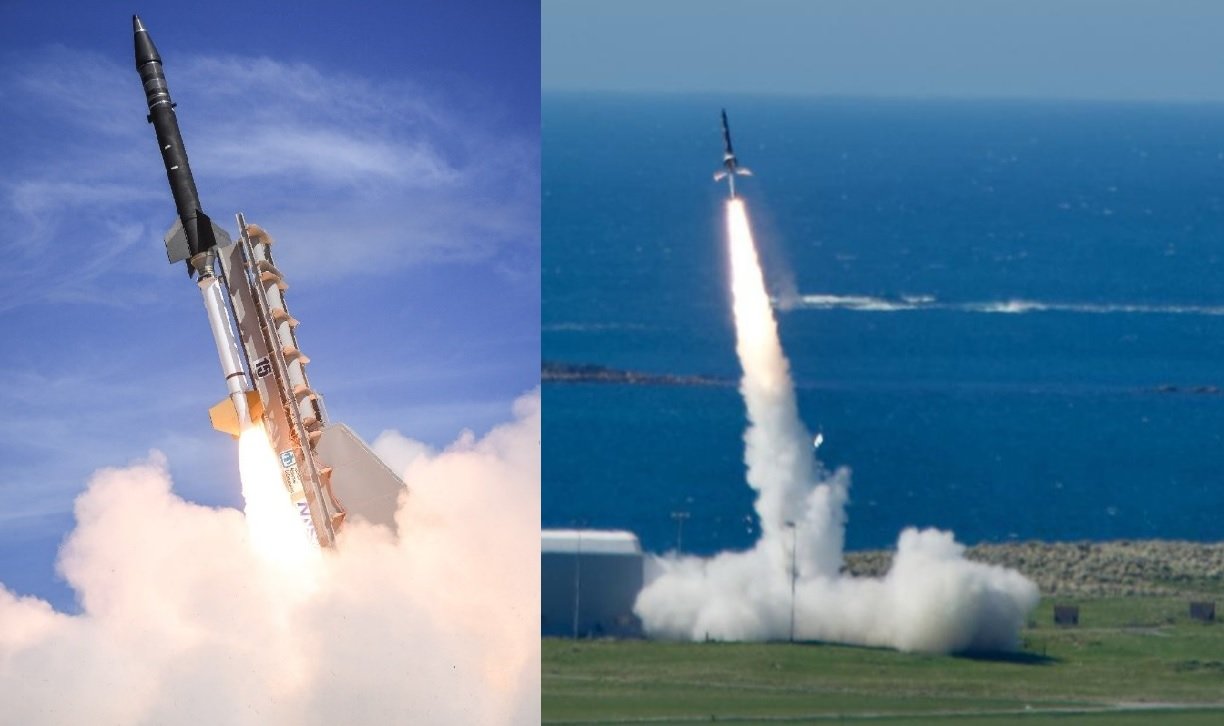
U.S
HAWAII — The U.S. Navy and forces from six partner nations conducted Pacific Dragon 2026, a multinational exercise focused on ballistic missile defense, integrated air and missile defense, and tactical data-link information sharing in waters around the Hawaiian Islands. Hosted and executed by the U.S. 3rd Fleet, the biennial exercise was held from August 6 to August 13, 2026, according to the U.S. 3rd Fleet. The exercise involved the United States, Australia, Chile, Italy, Japan, the Republic of Korea and Spain, with the U.S. Missile Defense Agency (MDA) also participating. Multinational Missile Defense Exercise Pacific Dragon 2026 was designed to improve the ability of participating forces to detect, track and report air and missile defense targets while coordinating ballistic missile defense operations through shared tactical data links. Chile and Spain took part in Pacific Dragon for the first time. The exercise included both in-port and underway phases. In-port activities included interoperability training, instruction at the Pacific Integrated Air and Missile Defense Center, and preparations for operations at sea. The 2026 exercise also introduced a multi-mission event that combined ballistic missile defense with broader integrated air and missile defense scenarios. Vice Adm. Marc Miguez, commander of U.S. 3rd Fleet, said the exercise strengthened interoperability, improved information sharing and refined the tactics and procedures required for allied and partner forces to operate together. ARAV-6 Target Launch A major part of the exercise was the launch of an Aegis Readiness Assessment Vehicle Six (ARAV-6) from the Pacific Missile Range Facility on Kauai on August 6. ARAV vehicles are ballistic missile targets used to represent threat missile trajectories during missile-defense testing and training. The ARAV family is designed to provide configurable short- and medium-range ballistic missile targets for defense testing. Kratos says the family has completed more than 50 successful defense missions. The ARAV program has its origins in work by engineers at the Naval Surface Warfare Center's White Sands Detachment, where sounding-rocket technology was adapted for use as ballistic missile targets. Kratos Defense & Security Solutions is part of the ARAV industrial team and provides components for several configurations. Kratos identifies three principal ARAV configurations: Type B, Type C and Type TTO. The company says the different configurations use different rocket stages and can be tailored to produce different ballistic trajectories. Kratos does not provide a separate public technical breakdown of the ARAV-6 configuration. ARAV targets have also been used in previous missile-defense exercises. In Pacific Dragon 2022, for example, an ARAV-B target was successfully intercepted by the guided-missile destroyer USS Fitzgerald using a Standard Missile-3 Block IA. Ships and Aircraft Participating Pacific Dragon 2026 included naval forces from seven countries. Participating warships were: USS Jack H. Lucas (DDG 125) — United States HMAS Sydney (DDG 42) — Australia Almirante Cochrane (FF-05) — Chile ITS Giovanni delle Bande Nere (P434) — Italy JS Kongo (DDG 173) — Japan ROKS Jeongjo the Great (DDG 995) — Republic of Korea SPS Álvaro de Bazán (F101) — Spain Aircraft involved included the Royal Australian Air Force E-7A Wedgetail and U.S. aircraft such as the P-8A Poseidon, F/A-18 Hornet, MQ-9 Reaper and BQM-177A subsonic aerial target. The exercise therefore combined naval missile-defense ships, airborne surveillance and control capabilities, maritime patrol aircraft, fighter aircraft, unmanned aircraft and aerial target systems in a common training environment. USS Jack H. Lucas Brings Flight III Capabilities The USS Jack H. Lucas was the U.S. Navy's representative during the exercise and is the Navy's first Flight III Arleigh Burke-class guided-missile destroyer. The ship is equipped with the Baseline 10 combat system and AN/SPY-6 radar, which the Navy identifies as part of its continued development of integrated air and missile defense capabilities. The participation of the Flight III destroyer provided the exercise with a ship equipped with the Navy's newer radar and combat-system configuration while multinational forces practiced sharing tactical information and coordinating missile-defense operations. Focus on Interoperability Pacific Dragon 2026 was not limited to a single missile-defense engagement. The exercise brought together ballistic missile defense and wider integrated air and missile defense activities, requiring participating forces to share information and coordinate operations across multiple platforms. The U.S. 3rd Fleet said the exercise improved interoperability among allied and partner maritime forces through shared tactical data links and coordinated ballistic missile defense operations. The event also provided an opportunity to refine the procedures used for regional integrated air and missile defense. The Missile Defense Agency's participation is part of the exercise's continuing focus on missile-defense testing and evaluation. Pacific Dragon provides a multinational environment in which participating forces can practice detecting and tracking targets, sharing tactical information and coordinating defensive operations. Pacific Dragon 2026 was the eighth iteration of the exercise and continued the U.S. Navy's effort to develop coordinated air and missile defense capabilities with allies and partners in the Indo-Pacific.
Read More → Posted on 2026-08-20 12:00:36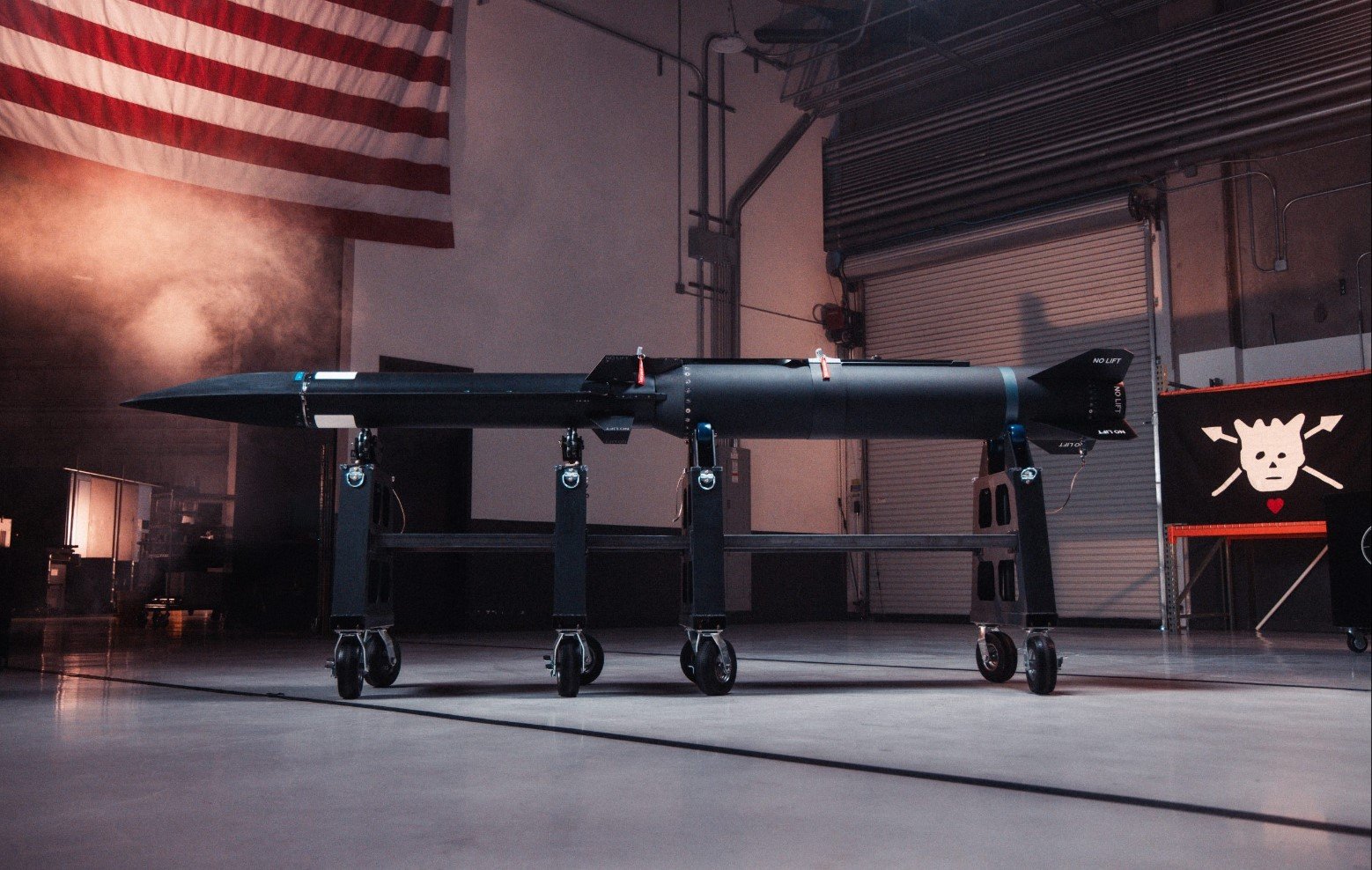
U.S
TORRANCE, Calif. — U.S. defense technology company Castelion has raised $1 billion in Series C financing, valuing the company at $13 billion. The funding will expand production of its Blackbeard hypersonic strike missile and accelerate development of longer-range precision-strike and defensive systems. The financing includes $800 million in equity and $250 million in committed financing for a revolving credit facility. JPMorganChase’s Strategic Investment Group, Andreessen Horowitz and funds managed by Carlyle co-led the equity round. New investor T. Rowe Price Associates joined existing investors Lightspeed Venture Partners, Lavrock Ventures, Altimeter, General Catalyst and Interlagos. Castelion has secured more than $500 million in U.S. military contracts over the past 18 months. Founded in 2022 by former SpaceX executives including Co-Founder and CEO Bryon Hargis, the company moved Blackbeard from a clean-sheet design to a formal program of record in less than four years, with military fielding targeted for 2027. The U.S. Navy is currently the primary customer. It awarded Castelion about $50 million in February 2026 for Blackbeard's early operational capability, approximately $105 million in April for integration, testing and certification on the F/A-18E/F Super Hornet, and a $23.4 million June order for 50 pre-production prototypes and associated shipping and storage containers. In May 2026, the U.S. Department of War signed a production framework agreement with Castelion. It covers a planned two-year procurement contract for a minimum of 500 Blackbeard missiles annually after testing and validation, with options to extend up to five years. The department has also indicated interest in seeking authorization and funding for more than 12,000 missiles over five years. Blackbeard is designed as a lower-cost hypersonic strike missile capable of speeds exceeding Mach 5. Reports have put its expected unit cost at around $384,000, with Castelion targeting production rates higher than traditional hypersonic missile programs. Project Ranger Expansion Much of the new funding will support Project Ranger, Castelion's 1,000-acre manufacturing campus in Sandoval County, New Mexico, near Rio Rancho. The company is investing $220 million in the physical site. The project includes 21 buildings for activities including solid rocket motor production, testing and final assembly. The facilities are scheduled to reach full production readiness by the end of 2026. The campus is expected to create approximately 300 high-wage manufacturing jobs and generate an estimated $650 million in local economic impact over the next decade. Castelion said the funding will also accelerate testing of a longer-range precision-strike weapon that has been under development for several years. It uses core technologies, components and manufacturing methods from Blackbeard and is intended to provide a lower-cost weapon that can be produced at higher rates. The company is also developing defensive systems using the same technologies and manufacturing methods, with the goal of reducing costs, increasing production rates and providing greater magazine depth for air and missile defense missions. “There’s a manufacturing renaissance underway and this round turbocharges American production of Blackbeard,” Hargis said, describing the missile as designed in California, built in New Mexico and supplied by businesses across the United States. Todd Combs, Head of JPMorganChase's Strategic Investment Group, said the firm is supporting companies working to strengthen the defense industrial base through more affordable and scalable defense technologies. Castelion said the Series C financing will be used to scale Blackbeard production, expand its precision-strike portfolio and advance its defensive systems.
Read More → Posted on 2026-08-20 11:46:28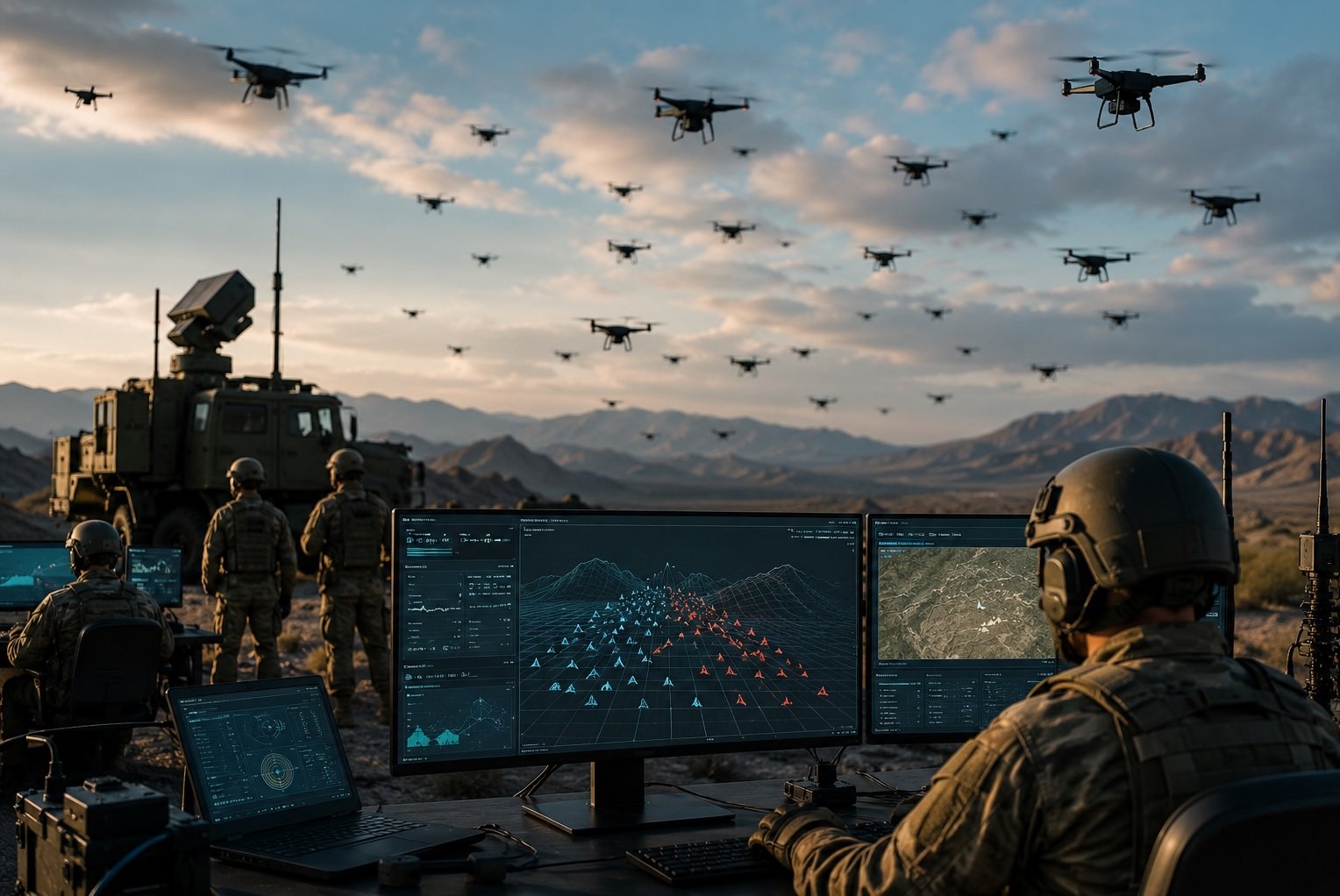
U.S
WASHINGTON, D.C. — Rocket One Inc. has introduced Swarm Stage AI, a large-scale drone-swarm threat-emulation platform designed to help U.S. military and defense organizations train, test and evaluate counter-unmanned aircraft systems (C-UAS) against coordinated drone attacks. The platform is not a new counter-drone weapon. Instead, Rocket One describes Swarm Stage AI as a training and evaluation system that can create realistic and scalable drone-swarm scenarios for organizations developing and operating counter-UAS capabilities. Commercial Swarm Technology Adapted for Defense Swarm Stage AI is based on swarm-coordination technology and intellectual property acquired by Rocket One from SkyStage, a commercial drone-swarm company. According to Rocket One, the underlying technology has been used to coordinate thousands of aircraft in synchronized operations. The platform includes more than 2,500 field-tested formations and flight assets, which can be used as a starting point for creating customized swarm scenarios. Rocket One says the technology has been adapted for defense applications and is designed, built and operated in the United States. AI-Based Threat Generation and Mission Preview One of the main features of Swarm Stage AI is its AI Threat Builder. It allows operators to define a threat scenario and generate coordinated behaviors for multiple drones. The platform also includes a 3D Mission Preview that allows users to visualize and review a planned swarm mission before conducting a flight. Rocket One says operators can examine approach paths, timing and deconfliction during the planning stage. The system also supports customized threat scenarios rather than limiting users to the formations already included in its library. Training Against Coordinated Drone Threats Rocket One is positioning the platform around the growing requirement for counter-UAS systems to deal with groups of drones rather than individual aircraft. Potential applications include testing radar and other sensors, evaluating drone detection and tracking systems, assessing command-and-control capabilities, and training personnel to respond to coordinated drone incursions. The company's platform is intended to provide a repeatable environment in which C-UAS technologies can be evaluated against large-scale simulated drone threats. Robb Knie, Chief Executive Officer of Rocket One, said that mass drone attacks are creating a new challenge for military defense systems and that systems designed to detect or defeat individual drones increasingly need to be prepared for coordinated groups arriving simultaneously. Knie said Swarm Stage AI is intended to provide the realistic training and testing environment needed to develop and evaluate counter-drone technologies. Availability for U.S. Defense Organizations Rocket One is offering capabilities briefings, demonstrations, testing and evaluation opportunities for U.S. military organizations, government agencies, defense contractors, C-UAS developers and authorized test and training facilities. The company says interested organizations can request a capabilities briefing through SwarmStage.ai. Rocket One has also made clear that the availability of Swarm Stage AI does not represent a contract, procurement commitment, endorsement, certification or selection by the U.S. Department of Defense, any U.S. military service or another government agency. Swarm Stage AI is operated as a Rocket One company focused on drone-swarm threat emulation and counter-UAS training. The platform's stated purpose is to provide defense organizations with a scalable environment for preparing against coordinated drone-swarm threats and evaluating the technologies intended to detect, track and respond to them.
Read More → Posted on 2026-08-19 16:07:39
World
DAMASCUS, Syria — Tensions between Israel and Turkey have increased following Israeli airstrikes on the Abu al-Duhur military airbase in Syria’s Idlib province. The strikes, carried out on August 18, damaged the runway and storage facilities at the base and came shortly after a Turkish military delegation visited the site to assess rehabilitation work. The incident has raised concerns in Washington over the possibility of an unintended confrontation involving Israel, Turkey and Syria. The United States is now working to improve communication between the three countries and revive a mechanism designed to prevent military incidents in Syrian airspace. Israeli Strikes on Abu al-Duhur Syrian state media reported that Israel carried out eight airstrikes on the Abu al-Duhur airbase in northwestern Syria. The attacks damaged the runway and storage facilities, while Syrian military sources and local residents reported no casualties. The airbase is located about 70 kilometers from the Turkish border. It had been largely inactive since the Syrian civil war, although the facility has been undergoing rehabilitation as Syria works to rebuild parts of its military infrastructure. A Turkish delegation visited the base on August 17 to review rehabilitation plans. The Israeli strikes took place hours after the delegation left, according to Syrian officials and other reports. Israel later acknowledged responsibility for the operation. The Israeli Prime Minister’s Office said Syria was close to violating an existing security status quo with Israel by allowing Turkish troops to deploy at the base near Aleppo. Israel said it had repeatedly warned Syria that such a deployment would pose a security threat and demanded a return to the previous arrangement. Turkey Rejects Israel’s Claims Turkey strongly condemned the Israeli strikes and rejected Israel’s explanation for the operation. The Turkish presidency described Israel’s claims as untenable and accused the Israeli government of using them to justify attacks against Syrian sovereignty. Ankara also said it would continue cooperating with Damascus. A Turkish source cited by Axios said there was no Turkish military presence at the base at the time of the strike. Turkey has become an important supporter of Syria’s new government following the fall of Bashar al-Assad in 2024. Ankara has supported efforts to rebuild Syrian state institutions and military capabilities, increasing concerns in Israel over Turkey’s expanding role in Syria. U.S. Warns of Possible Military Miscalculation The United States has expressed concern over the potential consequences of the Israeli operation. Tom Barrack, the U.S. ambassador to Turkey and special envoy for Syria, described the strike as an “unnecessary escalation.” He said the incident created a real risk of a rapid escalation involving Israel, Turkey and Syria. Barrack said Turkish forces were not aware that Israeli aircraft were heading toward the Syrian base or what their intended target was. He warned that Turkish forces could potentially have interpreted the aircraft movement as an attack against them and responded accordingly. He also said the United States was relieved that no one was killed and that the situation did not develop into a larger confrontation. U.S. Pushes for Deconfliction Mechanism Washington is now working to establish a more reliable communication mechanism involving Israel, Syria and potentially Turkey. Barrack said the United States is involved in quiet discussions aimed at relaunching a deconfliction cell between Israel and Syria, with Turkey potentially participating directly or indirectly. The proposed arrangement would provide a permanent communication channel intended to reduce the risk of misunderstandings between military forces operating in the region. The United States has previously supported discussions between the Syrian government of President Ahmed al-Sharaa and Israeli officials over border security and reducing tensions. Barrack said Syria has presented itself as a stable sovereign neighbor and that the Syrian government has indicated it does not seek conflict with Israel. Turkish Radar Adds to Israeli Concerns Another issue in the wider dispute is Turkey’s role in rebuilding Syria’s aviation and security infrastructure. In January 2026, Turkey supplied Syria with the ASELSAN HTRS-100 air traffic control radar system for Damascus International Airport. Turkish and Syrian officials have described the system as part of efforts to improve civilian aviation safety and air traffic management. The HTRS-100 combines primary and secondary surveillance radar functions and is designed to detect and track airborne targets around airports. Its primary surveillance component operates in the S-band, while the secondary system supports aircraft identification functions. Israeli concerns over the system have been reported because of its potential effect on Israel’s freedom of military operations in Syrian airspace. The Jerusalem Post reported in January that the Turkish radar deployment had raised concerns in Israel. However, Syrian aviation authorities have said the system is intended for civilian air traffic control and that it operates under the authority of Syria’s civil aviation administration. U.S. officials have similarly argued that Syria’s requirement for functioning civilian radar does not necessarily represent a security threat to Israel and that the issue can be addressed through further discussions. Growing Competition Over Syria The Abu al-Duhur strikes have brought the competing positions of Israel and Turkey in Syria into sharper focus. Israel has continued to conduct military operations in Syria to address threats it identifies to its security and wants to preserve its ability to operate in Syrian airspace. Turkey, meanwhile, has expanded its cooperation with Damascus and is supporting efforts to rebuild Syrian institutions and infrastructure. The United States is attempting to prevent these competing interests from producing a direct military incident between Israel and Turkey. The immediate focus is therefore on restoring reliable communication channels and preventing further miscalculations. The latest dispute also adds another complication to U.S.-supported efforts to reduce tensions between Israel and Syria. Washington has emphasized that continued communication among the parties is necessary to prevent an incident in Syria from developing into a wider regional confrontation.
Read More → Posted on 2026-08-19 16:00:28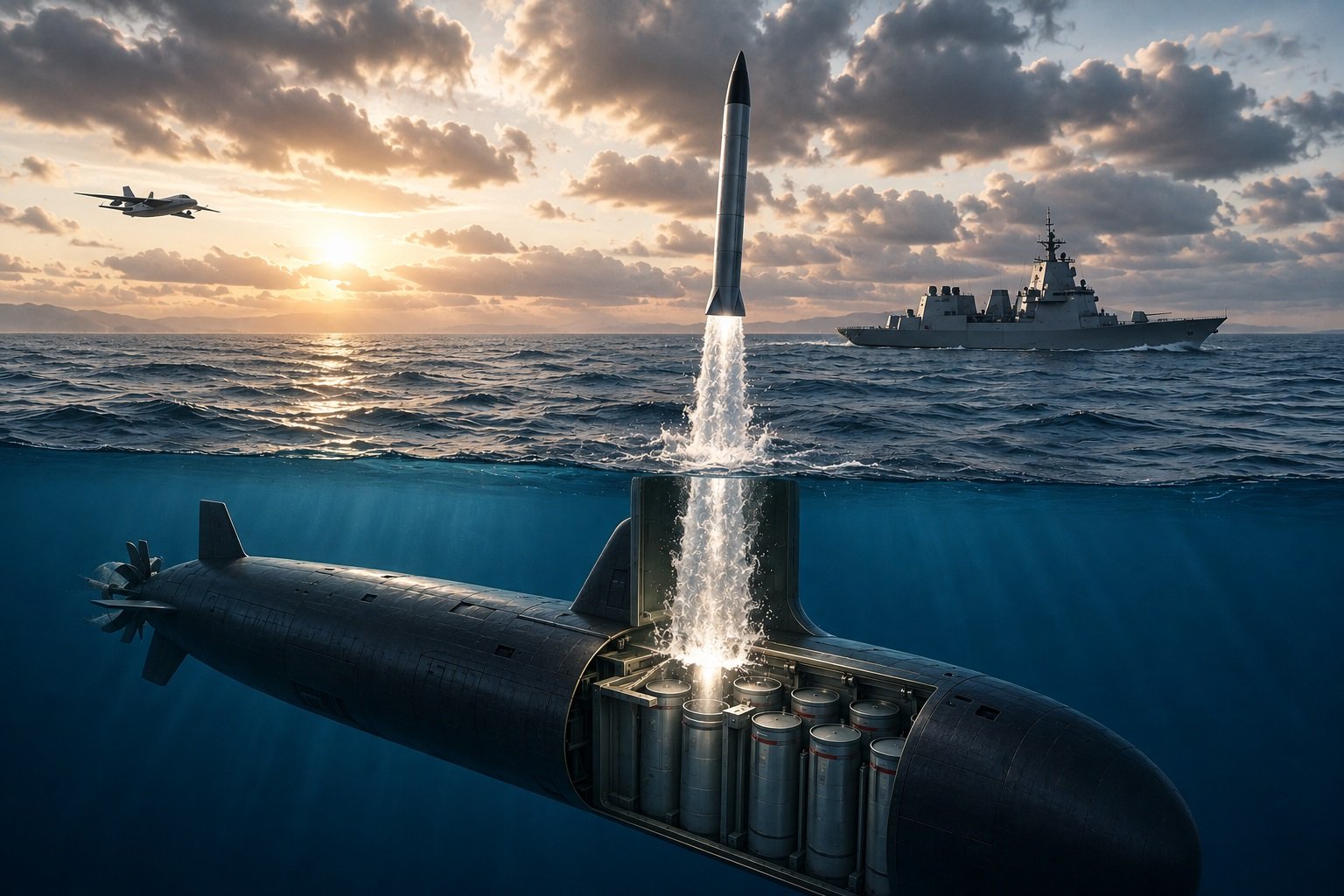
World
TOKYO — Japan’s Ministry of Defense plans to request funding in its fiscal 2027 budget to begin developing a hypersonic missile designed for submarine launch, according to Kyodo News and other Japanese media citing government sources. The program is part of Japan’s broader effort to strengthen its long-range and counterstrike capabilities. The official budget request has not yet been released, but the submarine-launched hypersonic missile is reportedly among more than 150 “item requests” that do not yet have specific funding amounts. The Defense Ministry’s overall request is expected to reach about ¥8.9 trillion ($56–60 billion). Because many programs remain unpriced, the final defense budget could rise to around ¥10 trillion when the budget is finalized later this year. Submarine Vertical Launch System Japan is also developing a Vertical Launch System (VLS) for future conventionally powered diesel-electric submarines. The VLS development program is scheduled for 2026–2029, with an estimated research cost of ¥3.9 billion ($24.8 million). Official renderings show each launch module with seven to eight cells, while a submarine could carry two or three modules, giving it 14–24 launch cells. The system is being designed to launch several types of long-range weapons, including a naval version of Japan’s Hyper Velocity Gliding Projectile (HVGP), cruise missiles and hypersonic weapons. Japan has been developing hypersonic weapons since around 2019. After positive interim research results beginning in 2023, the Defense Ministry moved ahead with production before the originally planned completion of certain development programs around fiscal 2031. In December 2025, Japan announced the start of mass production of new hypersonic guided missiles. The land-based HVGP, designated Type 25, entered service in March 2026. The boost-glide weapon uses a rocket to reach high altitude before its warhead separates and glides toward its target at hypersonic speed. A naval version is being considered for submarine deployment. Type 12 Long-Range Missiles The submarine VLS program will also complement Japan’s extended-range Type 12 Surface-to-Ship Missile program. In October 2025, the Ministry of Defense awarded contracts to Mitsubishi Heavy Industries for mass production of extended-range Type 12 missiles, known as 12SSM-ER or related variants. Depending on the variant, reported ranges are in the 1,000–1,500-kilometer class, with the ship-launched version expected to enter service around fiscal 2027. Separate development is also underway for submarine-launched cruise missiles that can be fired through the torpedo tubes of existing Soryu- and Taigei-class submarines. Future Japanese submarines, including concepts shown by Kawasaki Heavy Industries, are expected to incorporate the new VLS to provide greater flexibility for launching long-range weapons from underwater. Wider Defense Expansion The fiscal 2027 request also includes research into unmanned submarines capable of launching long-range missiles and development of low-cost attack drones using commercial components for faster and larger-scale production. The plans reflect Japan’s wider focus on artificial intelligence, unmanned systems, long-range weapons and sustained operational capabilities as it modernizes the Self-Defense Forces and strengthens its defense industrial base. Japan’s fiscal 2027 budget request is due to be submitted to the Finance Ministry by the end of August, with the final budget expected to be decided later this year.
Read More → Posted on 2026-08-19 15:53:46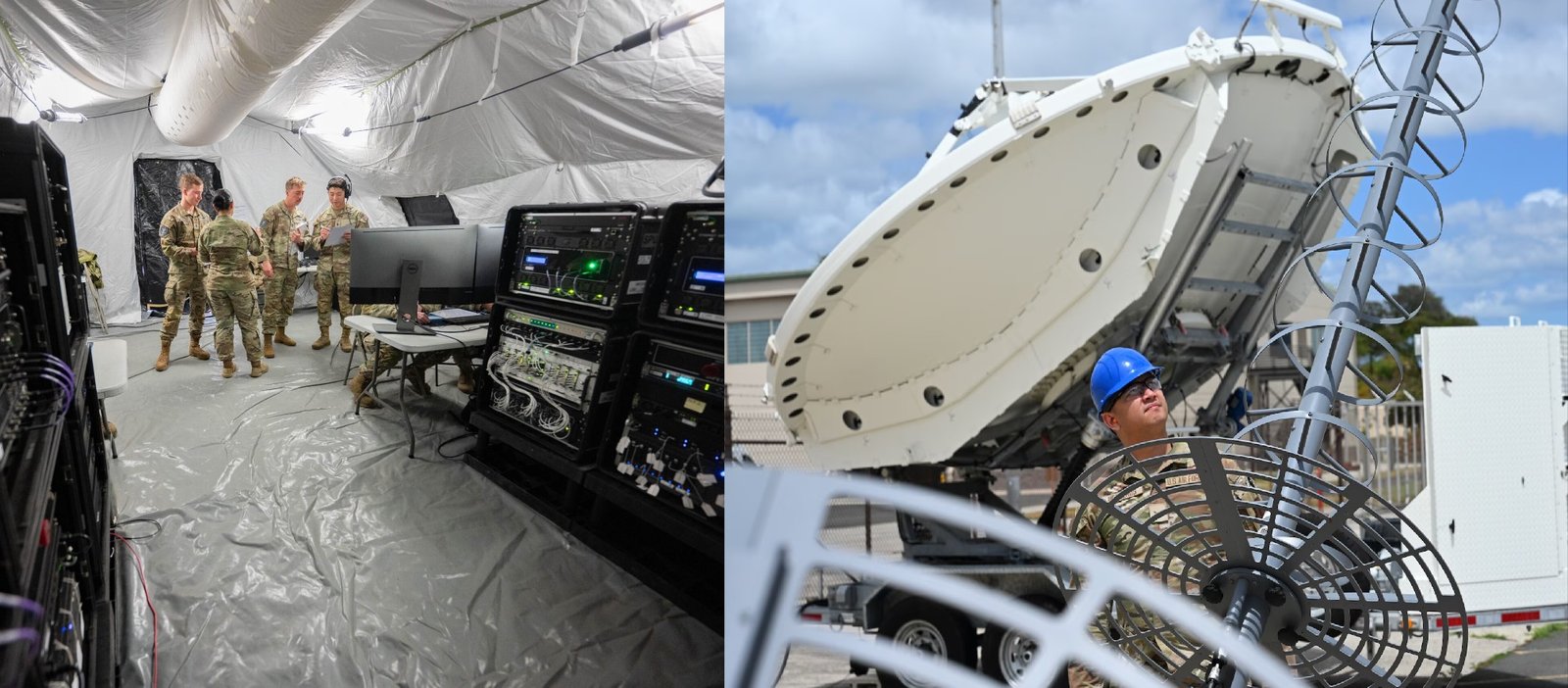
U.S
COLORADO SPRINGS, Colo. — The U.S. Space Force has activated the 1st Electromagnetic Warfare Squadron (1 EWS) at Peterson Space Force Base, Colorado, on August 3 under Mission Delta 3. Combat Forces Command announced the activation in an August 14 release. The 1 EWS is the Space Force's first electromagnetic warfare unit equipped with two different systems. Its personnel will operate the Meadowlands and Bounty Hunter systems and will be distributed across five operating locations. Meadowlands and Bounty Hunter Meadowlands, manufactured by L3Harris Technologies, is a mobile, ground-based space electronic warfare system designed to temporarily detect, identify, deny, disrupt and degrade adversary satellite communications and radars. Combat Forces Command accepted Meadowlands for operational combat missions in June 2026. Space Force officials described Meadowlands as a critical upgrade to the legacy Counter Communications System, with a smaller physical footprint and greater mobility. The Bounty Hunter system provides a deployable tactical defensive electronic warfare capability and acts as a listening post. It monitors, detects, characterizes, geolocates and reports electromagnetic interference and signal jamming directed at U.S. and allied satellite networks. Bounty Hunter has existed in various forms since the early 2010s. It was deployed to U.S. Pacific Command in 2018 and U.S. Central Command in 2019, reaching initial operational capability in 2020. Officials also said the system received additional upgrades last year. Retired Space Force Col. Charles Galbreath, director of space studies at the Mitchell Institute's Spacepower Advantage Center of Excellence, said combining the two functions and systems within a single squadron creates cohesive combat power and can support better execution of both missions. Former Air National Guard Personnel The 1 EWS is also primarily staffed by former Air National Guardsmen who transitioned to full-time active-duty roles. Last October, the missions of nine space-focused Air National Guard units, located from Hawaii to Alaska, were transferred to the Space Force. Five of those units were electromagnetic warfare squadrons. The Space Force selected 99 Guardsmen from the nine units to transfer into full-time roles, while additional personnel could follow in part-time positions. Lt. Col. Danielle Ryan, commander of the 1 EWS, said the squadron combines decades of electromagnetic warfare experience with newer tactics and personnel. The transition was enabled by the Space Force Personnel Management Act, included in the fiscal 2024 National Defense Authorization Act. The legislation created a unified personnel management system allowing Guardians to move between full-time and part-time status without the older procedures that could delay such transfers in other military services. Galbreath said the use of former Guardsmen reflects the expertise that existed in the Guard and Reserve and allows trained personnel to continue working in their specialties under a new status. Expanding Space Electromagnetic Warfare The 1 EWS is part of the Space Force's broader effort to maintain control of the electromagnetic spectrum, which is used for satellite command and control and the transmission of information from satellites. The Space Force is planning five Space Electromagnetic Warfare Tactical Operations Centers (SEWTOCs). Mission Delta 3 opened the first SEWTOC in Colorado Springs last September. The Space Force also released information showing that Guardians from the 16th Electromagnetic Warfare Squadron conducted training on the Bounty Hunter system at Peterson Space Force Base in April 2026. The activation of the 1 EWS brings Meadowlands and Bounty Hunter together within a single electromagnetic warfare squadron while adding experienced personnel transferred from the Air National Guard.
Read More → Posted on 2026-08-19 15:33:14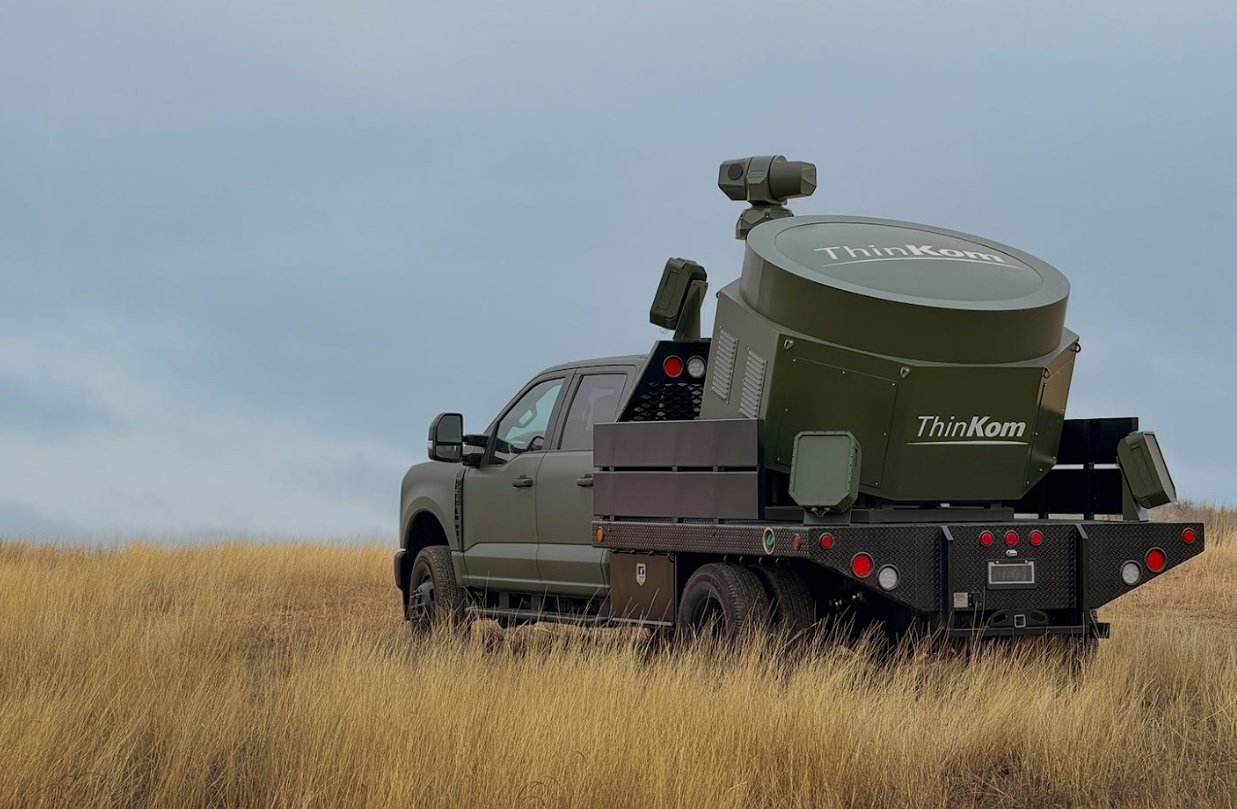
U.S
HAWTHORNE, Calif. — The U.S. Army has awarded ThinKom Solutions Inc. an Other Transaction Authority (OTA) prototype agreement with a ceiling of $49 million to deliver and evaluate a mobile high-power microwave (HPM) system designed to counter unmanned aircraft systems (UAS). The agreement was issued through the Portfolio Acquisition Executive (PAE) Fires’ Program Manager for Advanced Counter-Unmanned Aircraft System Effects (PM ACE). Initial funding covers the first of four requested prototypes of ThinKom’s Alecto™ HPM effector, with field testing planned for 2027. Under the agreement, ThinKom will integrate Alecto with government-supplied sensors, fire-control systems and a mobile tactical platform. The Army will evaluate the system as a non-kinetic directed-energy option for maneuvering forces, particularly against coordinated drone swarms. Alecto Counter-UAS System ThinKom first announced Alecto on April 30, 2026, as a self-funded mobile HPM system. The company entered the HPM directed-energy market in August 2025. Alecto uses short, high-power radio-frequency (RF) pulses to disrupt or disable the electronics of targeted drones. It is designed for fire-on-the-move operations against Group 1 and Group 2 UAS. The system combines ThinKom’s patented Variable Inclination Continuous Transverse Stub (VICTS) phased-array antenna with vacuum electronics. ThinKom says the combination produces peak power densities orders of magnitude higher than gallium-nitride-based active electronically scanned arrays. The company says Alecto's compact, low-profile design reduces size, weight and power (SWaP) requirements compared with traditional HPM systems. It is intended for smaller platforms including the Infantry Squad Vehicle (ISV) and unmanned ground vehicles (UGVs). ThinKom also lists horizon-to-horizon coverage, high precision with low sidelobes, a tablet interface, compatibility with key command-and-control networks, and compliance with U.S. military HERO, HERP and HERF electromagnetic radiation safety standards among the system's features. Previous Army Demonstration In March 2026, a ThinKom HPM system was demonstrated during the U.S. Army's Cross Domain Fires Concept Focused Warfighting Experiment. Mounted on a pickup truck and cued by Echodyne's EchoShield radar, it participated in sensor-to-shooter and counter-drone evaluations at Fort Sill, Yuma Proving Ground and White Sands Missile Range. ThinKom originally developed the VICTS antenna technology for satellite communications and says it has demonstrated the technology's ability to handle gigawatt-level power. Prototype Testing The first prototype will undergo government-led integration, testing and evaluation, with results from the 2027 field tests expected to inform future Army procurement decisions for directed-energy capabilities. The OTA agreement is strictly for prototyping and evaluation. It does not represent a final production decision or commit the Army to procure a specific number of systems. PAE Fires, headquartered at Redstone Arsenal, Alabama, manages the Army's integrated portfolio of offensive, defensive and integrated fires capabilities. Dan Roman, ThinKom's vice president for electronic warfare and high-power microwave programs, said Alecto is intended to provide soldiers with a high-capacity, low-cost-per-engagement counter-UAS option capable of operating while moving against Group 1 and Group 2 drone threats.
Read More → Posted on 2026-08-19 14:25:24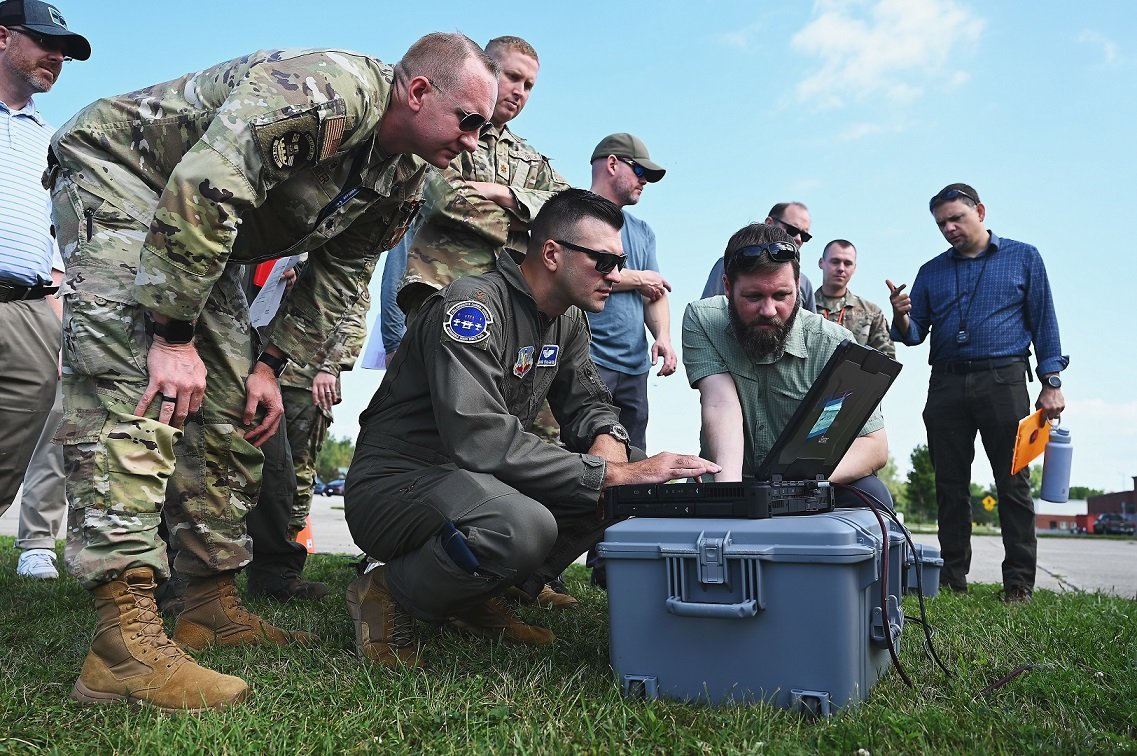
U.S
SPRINGFIELD, Ohio — The U.S. Air Force has completed its first round of prototype evaluations for the Portable Command and Control Enclave (C2E), a portable system designed to allow ground operators to control Collaborative Combat Aircraft (CCA) from remote and austere locations. The evaluations were conducted at Springfield Air National Guard Base and hosted by the Ohio Air National Guard’s 178th Wing. The Air Force Life Cycle Management Center’s Agile Development Office said the tests are an early step toward selecting a vendor to integrate the final C2E system. The results were announced on Aug. 13. Prototype Testing Multiple industry vendors brought prototypes for evaluation. The Air Force assessed the systems in two main areas: mobility and footprint, followed by software and connectivity. Evaluators first examined how easily the equipment could be transported and deployed in simulated austere conditions. Vendors then demonstrated software flexibility, agility and network connectivity under operational conditions. The 178th Wing provided facilities, personnel and logistical support for the tests. “The 178th Wing’s foundational support was key to the success of this phase, allowing our evaluators and industry partners to focus entirely on technical performance,” said Lt. Col. Gregory Bieler, Materiel Leader for CCA Software, Autonomy and Teaming. Ground Control for CCA CCA aircraft are semi-autonomous drones being developed to operate alongside crewed fighters and increase combat capacity at a lower cost than manned aircraft. They are expected to receive direction from human pilots, while control can also be provided from platforms such as the E-7 Wedgetail. The C2E program is focused specifically on ground-based control from rapidly deployable locations. Col. Timothy Helfrich, the Air Force’s portfolio acquisition executive for fighters and advanced aircraft, first publicly discussed the system in June. A service spokesperson described C2E as an application suite operating across different networks that allows the appropriate operator, with the required permissions, to operate a CCA. It is separate from the software used by pilots in the cockpit. For the first CCA increment, the Air Force selected Anduril Industries and General Atomics Aeronautical Systems, which are developing the FQ-44 and FQ-42, respectively. The first increment is planned to enter service by 2029 and will focus on air-to-air missions. Later versions may support air-to-ground strikes, reconnaissance and electronic warfare. The Air Force did not identify the companies that participated in the Springfield C2E evaluations. Separately, Anduril has demonstrated its Menace-T portable ground system using two portable cases and a rugged laptop. The company has shown it being used to upload mission plans, initiate autonomous taxiing and takeoff, task the aircraft during flight and handle post-flight data. Next Phase Data from the Ohio evaluations will help shape the Air Force’s acquisition strategy. A second C2E prototype phase is planned soon, with vendors expected to refine their systems and demonstrate cloud capabilities. After a final system integrator is selected, the equipment is expected to be provided to the Experimental Operations Unit, which is already testing CCAs. The system will support Agile Combat Employment operations before being integrated with production CCA aircraft. “Getting prototypes into the hands of our operational and acquisitions warfighters for a swift, combined evaluation is a direct embodiment of acquisition transformation,” said Col. Eric Reagan, director of the Agile Development Office. “This partnership allows us to accelerate the fielding of the best-value capabilities to the Department of War.” The first evaluation phase gives the Air Force test data for the next stage of the C2E program as it works toward a portable ground-control system for its future CCA fleet.
Read More → Posted on 2026-08-19 14:08:43
U.S
WASHINGTON — The U.S. Navy’s Rapid Capability Office, the Defense Innovation Unit (DIU) and PAE Aviation are investing $50 million to expand unmanned, runway-independent maritime strike capabilities centered on Shield AI’s X-BAT aircraft. The funding was announced in mid-August 2026. The investment comes under the Runway Independent Maritime Expeditionary Strike (RIMES) program, launched by the Navy and DIU in February 2026. RIMES aims to develop a long-range strike drone that can operate from surface combatants without the flight decks, catapults or arrested-landing systems required by conventional fixed-wing aircraft. The Navy’s roughly 74 to 75 active Arleigh Burke-class destroyers can operate helicopters but cannot launch or recover conventional fixed-wing strike aircraft. RIMES is intended to close this gap by enabling vertical takeoff and landing operations from ships with limited deck space. The $50 million award builds on earlier risk-reduction work by the PAE Aviation Rapid Capability Cell and Shield AI. The award uses the Middle Tier of Acquisition Rapid Prototype approach and an Other Transaction Authority (OTA) contract. X-BAT Capabilities Shield AI first unveiled X-BAT in October 2025. It is a jet-powered, vertical takeoff and landing (VTOL) uncrewed aircraft designed for air-to-air and air-to-surface strikes, electronic warfare, and intelligence, surveillance and reconnaissance (ISR) missions. The aircraft has a 39-foot (11.9-meter) wingspan, a range exceeding 2,000 nautical miles (about 3,700 kilometers) with a full mission payload, and a service ceiling above 50,000 feet (15,240 meters). X-BAT will initially use GE Aerospace’s F110-GE-129 engine fitted with an Axisymmetric Vectoring Exhaust Nozzle (AVEN). In July 2026, Shield AI and GE Aerospace completed integration and engine light-off testing of the system, supporting development of the aircraft’s vertical-flight capability. Shield AI says X-BAT can carry weapons in the 2,000-pound class in internal bays comparable in size to those on the F-35, along with external hardpoints. The aircraft is also designed to generate about 80 kilowatts of electrical power for sensors and electronic warfare systems. X-BAT uses Shield AI’s Hivemind autonomy software, which is designed to allow autonomous operations in environments where GPS and communications are denied, degraded or jammed, without requiring direct human input to execute complex missions. Building on V-BAT Experience X-BAT builds on technology developed for Shield AI’s smaller V-BAT unmanned aircraft, which is already supplied to the U.S. Navy, Marine Corps and allied services. The V-BAT has flown more than 170 sorties in Ukraine and currently supports a nearly $200 million U.S. Coast Guard contract for contractor-owned ISR services. X-BAT is also at least the second long-range VTOL concept to receive Navy support under RIMES. In June 2026, the program awarded a contract of undisclosed value to a Mach Industries and Whisper Aero team for the smaller Atlas aircraft, described as a roughly 6,000-pound platform with a 1,000-pound payload and hybrid-electric propulsion. Development Timeline Shield AI is targeting the first flight of X-BAT for later in 2026 and has projected full manufacturing and production capabilities by 2029. The Navy has not disclosed how many X-BAT aircraft it may ultimately procure or provided a specific timeline for deployment aboard destroyers. The $50 million investment is intended to accelerate development of an unmanned maritime strike capability that can operate without conventional runways.
Read More → Posted on 2026-08-19 13:58:56
U.S
The USS Abraham Lincoln (CVN-72), a Nimitz-class aircraft carrier carrying about 5,000 sailors and Marines, has been deployed for more than 260 days after leaving Naval Base San Diego on November 21, 2025. The carrier was later redirected to the Middle East to support U.S. military operations against Iran. It has spent more than 200 consecutive days at sea without a port visit, setting a modern record for the Navy. Reports from Navy Times, Stars and Stripes, MS NOW and crew families have raised concerns about shortages of food and basic hygiene supplies, including soap and toothpaste, along with water and plumbing problems, limited mail delivery and mental-health concerns. Some reports described sailors attempting or threatening to go overboard. The Navy has said it has not seen an increase in suicidal ideation or attempts and confirmed that one sailor went overboard in early August, was recovered, treated and transferred off the ship. The Navy has also said the carrier has clean water, functioning air conditioning and healthy meals. Officials said meal plans were adjusted when fresh resupply was limited, but no meals were missed. Bahrain Attack Disrupted Supply Routes The supply difficulties have been linked to Iranian missile and drone attacks on Naval Support Activity Bahrain, a key logistics hub for the U.S. Navy's 5th Fleet. The base suffered significant damage to command facilities, warehouses and other structures, disrupting established regional supply operations. The Navy subsequently shifted logistics to Naval Support Facility Diego Garcia in the Indian Ocean. The longer supply route has made resupply more difficult for carrier forces operating around the Gulf of Oman and Arabian Sea. The Navy has described the situation as a "highly contested environment" in which traditional Middle Eastern supply hubs were disrupted by combat actions, with food prioritized ahead of hygiene supplies and mail. Dispute Over Hegseth's Handling of the Damage MS NOW journalist David Rohde has argued that Defense Secretary Pete Hegseth did not fully disclose the extent of the Bahrain damage in public briefings, contributing to inadequate alternative supply arrangements. However, claims that Hegseth deliberately concealed the damage have not been established by documented evidence of a cover-up. Hegseth has rejected reports about deteriorating conditions aboard the Lincoln, calling them "completely misrepresented." He has defended the Navy's support for the crew and said he wants sailors rotated and the carrier brought home as soon as possible. President Donald Trump has also dismissed some concerns, saying the deployment was "not nearly long enough" and indicating that the ship would soon be relieved. Lawmakers Demand Answers Senator Richard Blumenthal and other Democratic lawmakers have called for answers about the deployment extension, supply shortages, water and plumbing problems, mental-health support, deck safety and mail disruptions. Families of Lincoln crew members have also raised concerns directly with Navy leaders. The situation has also prompted criticism from former Defense Secretary Leon Panetta, who described the reported conditions as inexcusable. USS George Washington to Relieve Lincoln The U.S. Navy is moving the USS George Washington from the western Pacific toward the Middle East to relieve the Lincoln as part of a planned carrier rotation. The George Washington recently operated in the western Pacific and visited Vietnam before beginning its movement toward the region. Officials have limited details about the exact timeline for operational-security reasons. The Lincoln has continued combat operations during its extended deployment, including operations involving a blockade of Iranian ports in the Strait of Hormuz. Its carrier strike group has conducted thousands of aircraft flights and expended significant quantities of ordnance. The extended deployment has highlighted the logistical and personnel demands of sustaining carrier operations when a major regional supply hub is disrupted. The Navy is now preparing for the Lincoln's relief while congressional inquiries into the crew's conditions and deployment continue.
Read More → Posted on 2026-08-19 13:37:33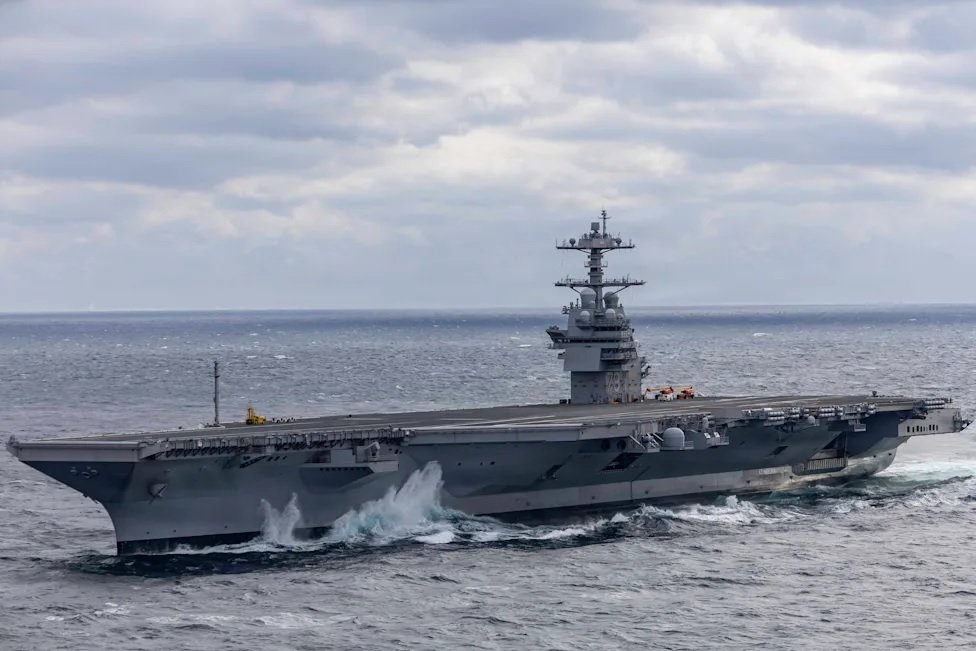
U.S
WASHINGTON — Raytheon’s SPY-6(V)3 radar has completed acceptance trials aboard the future USS John F. Kennedy (CVN 79), the U.S. Navy’s second Gerald R. Ford-class nuclear-powered aircraft carrier. The milestone follows a four-day underway evaluation off the Atlantic Coast from August 12 to 15. The successful trials move the 100,000-ton carrier closer to preliminary acceptance and allow the Navy to begin further underway testing of its combat and aviation systems. SPY-6(V)3 Radar Capabilities The SPY-6(V)3, also known as the fixed variant of the Enterprise Air Surveillance Radar (EASR), provides continuous 360-degree situational awareness. It supports aircraft carrier flight-deck operations and air traffic control while also providing ship self-defense against cruise missiles, hostile aircraft, anti-surface and anti-ship threats, and challenging electronic warfare environments. The radar uses three fixed array faces, each containing nine standardized Radar Modular Assemblies (RMAs). According to Raytheon, this architecture provides greater detection range, higher sensitivity and more accurate target discrimination than legacy radar systems. It also provides targeting data for Navy weapons, including Standard Missile variants. The wider SPY-6 family is designed to simultaneously track and support defense against ballistic missiles, hypersonic missiles, cruise missiles, hostile aircraft and surface threats. First Ford-Class Carrier With SPY-6(V)3 John F. Kennedy is the first Ford-class carrier to receive the SPY-6(V)3. Unlike lead ship USS Gerald R. Ford (CVN 78), which uses the SPY-3 and SPY-4 Dual Band Radar arrangement, CVN 79 combines the S-band SPY-6(V)3 with the X-band AN/SPQ-9B surface-search radar. The SPY-6 family uses common hardware and software based on standardized RMAs. Raytheon says this modular design allows different variants to be used across seven classes of Navy ships while simplifying maintenance and future upgrades. The Navy is integrating SPY-6 variants on Arleigh Burke-class Flight III destroyers, Constellation-class frigates, aircraft carriers and amphibious warships. Variants are also being backfitted onto existing Flight IIA destroyers and some legacy aircraft carriers. The SPY-6(V)1 is used on Flight III destroyers, the rotating SPY-6(V)2 on amphibious ships and Nimitz-class carriers, the fixed SPY-6(V)3 on Ford-class carriers and frigates, and the SPY-6(V)4 is intended for Flight IIA destroyer upgrades. The SPY-6 family is expected to equip more than 50 U.S. Navy ships over the next decade. CVN 79 Moves Toward Delivery Acceptance trials are crew-led evaluations intended to demonstrate to the Navy’s Board of Inspection and Survey that a ship meets contract specifications and can safely operate at sea. Capt. Mark Johnson, Program Manager for Aircraft Carrier New Construction, praised the CVN 79 crew following the recent testing. With acceptance trials complete, the carrier will move toward preliminary acceptance. This phase will allow the crew to build operational proficiency and conduct further evaluations while prime contractor Huntington Ingalls Industries (HII) completes the remaining advanced weapons elevators. CVN 79 completed its builder’s sea trials in February 2026 and is currently about 98 percent complete. The carrier is also being built to support full F-35C Lightning II operations upon commissioning. Final delivery of USS John F. Kennedy to the U.S. Navy is scheduled for spring 2027.
Read More → Posted on 2026-08-19 13:19:08
World
LONDON — British Prime Minister Andy Burnham has reaffirmed the United Kingdom’s full support for Ukraine after Russia warned of consequences over reports that British-made drones have been used in Ukrainian long-range strikes against targets inside Russia. Speaking to reporters during a visit to Wolverhampton bus station, Burnham said the UK would continue to support Ukraine “100%” and would remain committed to helping Kyiv defend itself against Russia’s invasion. “We are not fair-weather friends. We will be there in Ukraine’s hour of need, and that won’t change,” Burnham said. The Russian Embassy in London issued its warning after reports that drones produced by two British companies had been used in Ukrainian strikes over the past six months. The reported targets included oil refineries and logistics facilities in Russia. One of the drones was identified as the Nyan, a jet-powered system developed by Callen-Lenz, a subsidiary of BAE Systems. The system has a reported range of more than 150 miles and has been tested by the Royal Navy. The manufacturer of the second drone was not identified for security reasons; it reportedly has a range of more than 600 miles and is launched by catapult. Russia accused London of deliberately increasing its involvement in the conflict and warned that deeper British support for Ukraine would bring consequences. Russian Foreign Minister Sergei Lavrov separately said Moscow could regard direct British involvement in strikes on Russian territory as participation in the war. The UK Ministry of Defence has not confirmed that British-made drones were used in the specific reported strikes. However, the ministry said Britain remained committed to providing Ukraine with equipment needed for its defence and that Russia should have no doubt about the UK government’s position against Russian aggression. Britain has also committed to providing Ukraine with 150,000 drones by the end of 2026 as part of a £752 million funding package. The UK government said the package also includes more than 350 air-defence missiles and radars. The latest exchange adds to growing tensions between London and Moscow over Britain’s military support for Ukraine, while Burnham’s statement indicates that the UK intends to maintain its existing policy of supporting Kyiv.
Read More → Posted on 2026-08-19 13:04:00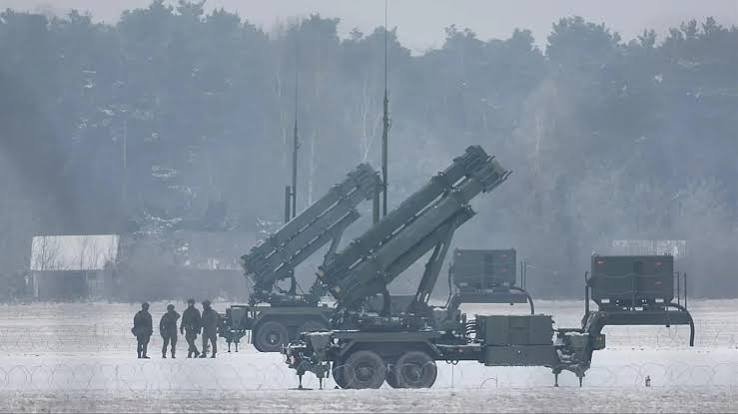
Europe
WARSAW, Poland — Poland’s Ministry of National Defence said on Wednesday, August 19, that the Polish Armed Forces maintain air and missile defence capabilities to protect designated targets, including cities, following public criticism that Polish urban areas lack adequate protection. The ministry said Poland does not permanently deploy missile batteries around every major city. Instead, its air-defence system is integrated, with assets deployed and used according to the current situation, threat assessment and defence priorities. Air-defence operations are currently particularly intensive in eastern and central Poland, involving several Polish systems and allied forces. Protection can cover key administrative and economic centres, critical infrastructure and concentrations of Polish armed forces. The military can also increase readiness levels or reposition assets depending on the nature and severity of a threat. Current deployment locations, readiness levels and operational plans were not disclosed. Patriot and Narew systems Poland’s main medium-range air-defence capability is provided through the Wisła programme, which uses the U.S.-made Patriot system integrated with NATO’s Integrated Battle Command System (IBCS). The first Patriot battery, operated by the 37th Air Defense Missile Squadron of the 3rd Warsaw Air Defense Missile Brigade in Sochaczew, achieved initial operational capability in December 2024 and full operational capability in December 2025. Poland plans to field eight Patriot batteries under the Wisła programme, with further deliveries scheduled between 2026 and 2029. The shorter-range Narew system provides another layer of defence against drones, aircraft, helicopters and other low-altitude threats around military bases, troop concentrations and critical sites. Interim Mała Narew units using CAMM missiles are already in service, while the full Narew configuration using CAMM-ER missiles, with a stated range of up to about 45 kilometres and planned IBCS integration, is expected to expand to 23 batteries. Poland’s layered network also includes very-short-range systems such as Pilica+. Dispute over Patriot missiles sent to Ukraine The ministry’s statement follows weeks of political debate over Poland’s transfer of Patriot interceptor missiles to Ukraine. On 7 July 2026, Poland published a full list of military donations to Ukraine since 2022, confirming the Patriot transfer for the first time. Prime Minister Donald Tusk later said that five PAC-3 missiles were transferred to Ukraine in spring 2026 as part of a broader effort coordinated with NATO and the United States. Former Defence Minister Mariusz Błaszczak accused the government of putting Polish skies, cities and families at risk by transferring missiles that Poland could need for its own defence. Deputy Defence Minister Cezary Tomczyk rejected the criticism, arguing that intercepting threats over Ukraine can also contribute to Poland’s security because threats approaching Poland from the east would typically first pass through Ukrainian airspace. Poland has distinguished the transfer of individual interceptor missiles from the relocation of complete Patriot batteries. In March 2026, Defence Minister Władysław Kosiniak-Kamysz rejected a U.S. request to redeploy a Polish Patriot battery and PAC-3 missiles in connection with operations related to the conflict involving the United States, Israel and Iran. He said Poland’s Patriot batteries are intended to protect Polish skies and NATO’s eastern flank. The Defence Ministry’s latest statement did not identify the sources of the criticism or disclose the current positions and readiness of individual air-defence units, but reaffirmed that Poland can adjust its air-defence deployment according to the threat and the country’s defence priorities.
Read More → Posted on 2026-08-19 12:18:16Search
Top Trending in 24 Hours
-
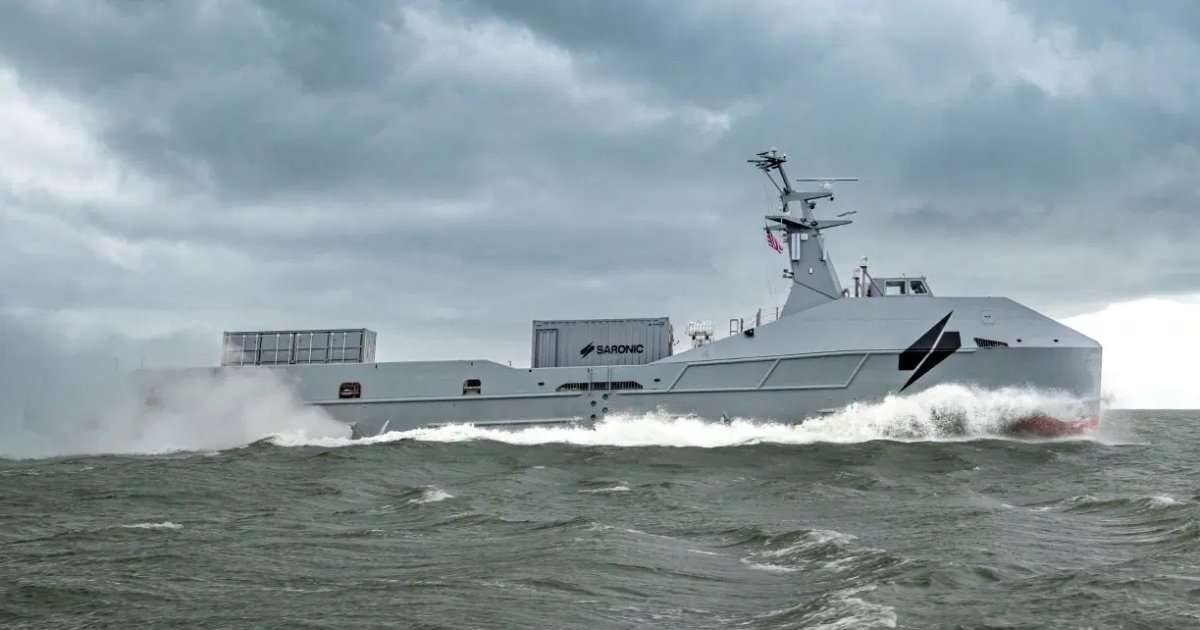 U.S. Navy Awards Production Agreements for 30 Medium Unmanned Surface Vessels, Including 10 Saronic Marauders
-
 Boeing Wins $20 Billion U.S. Navy Contract for F/A-XX Sixth-Generation Fighter
-
 Flydubai Flight to Israel Diverted to Saudi Arabia After Possible Attempted Terror Attack in Cockpit
-
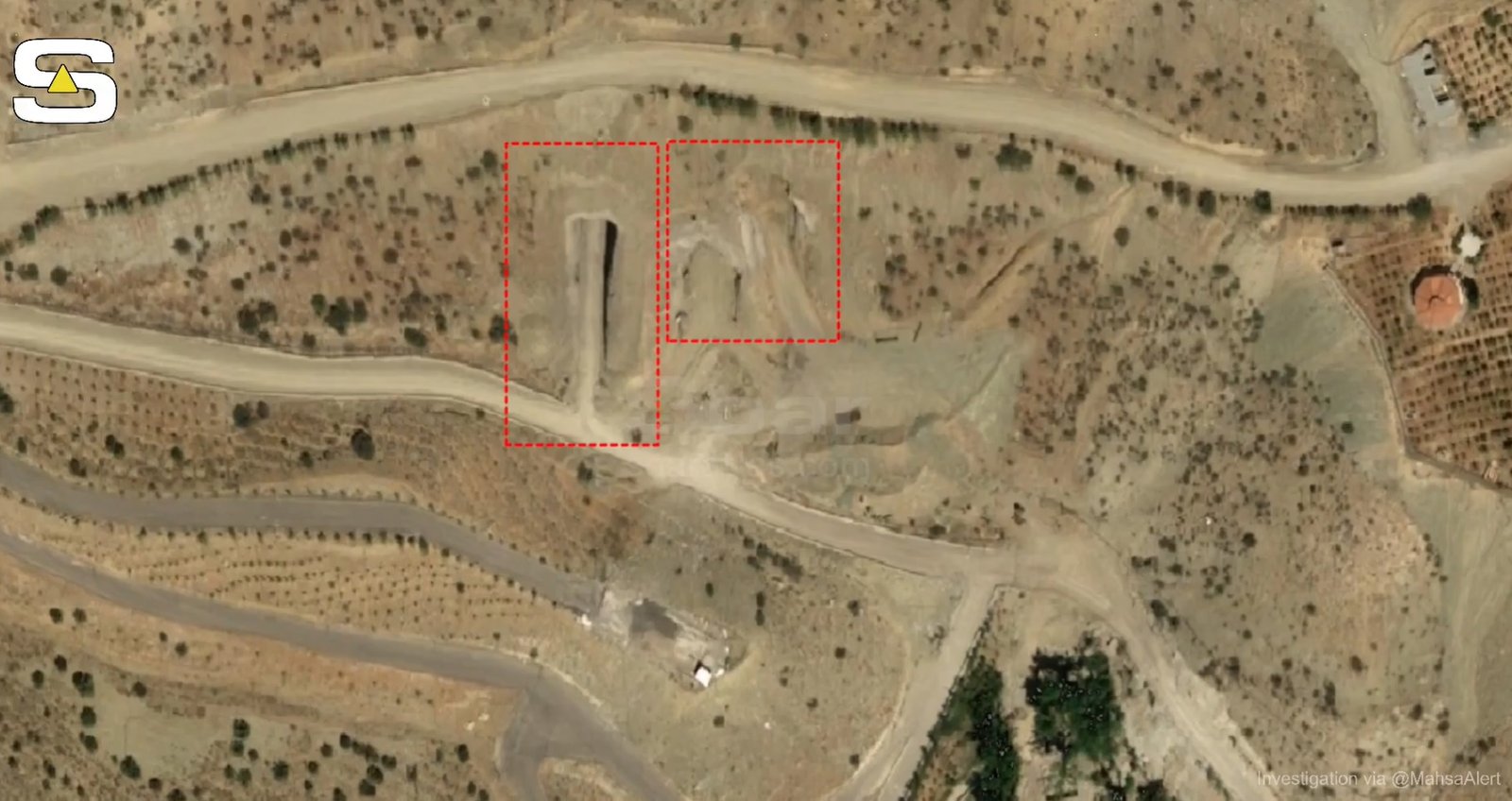 Satellite Imagery Shows Construction Changes at Hillside Site Linked to Iran’s Supreme National Security Council
-
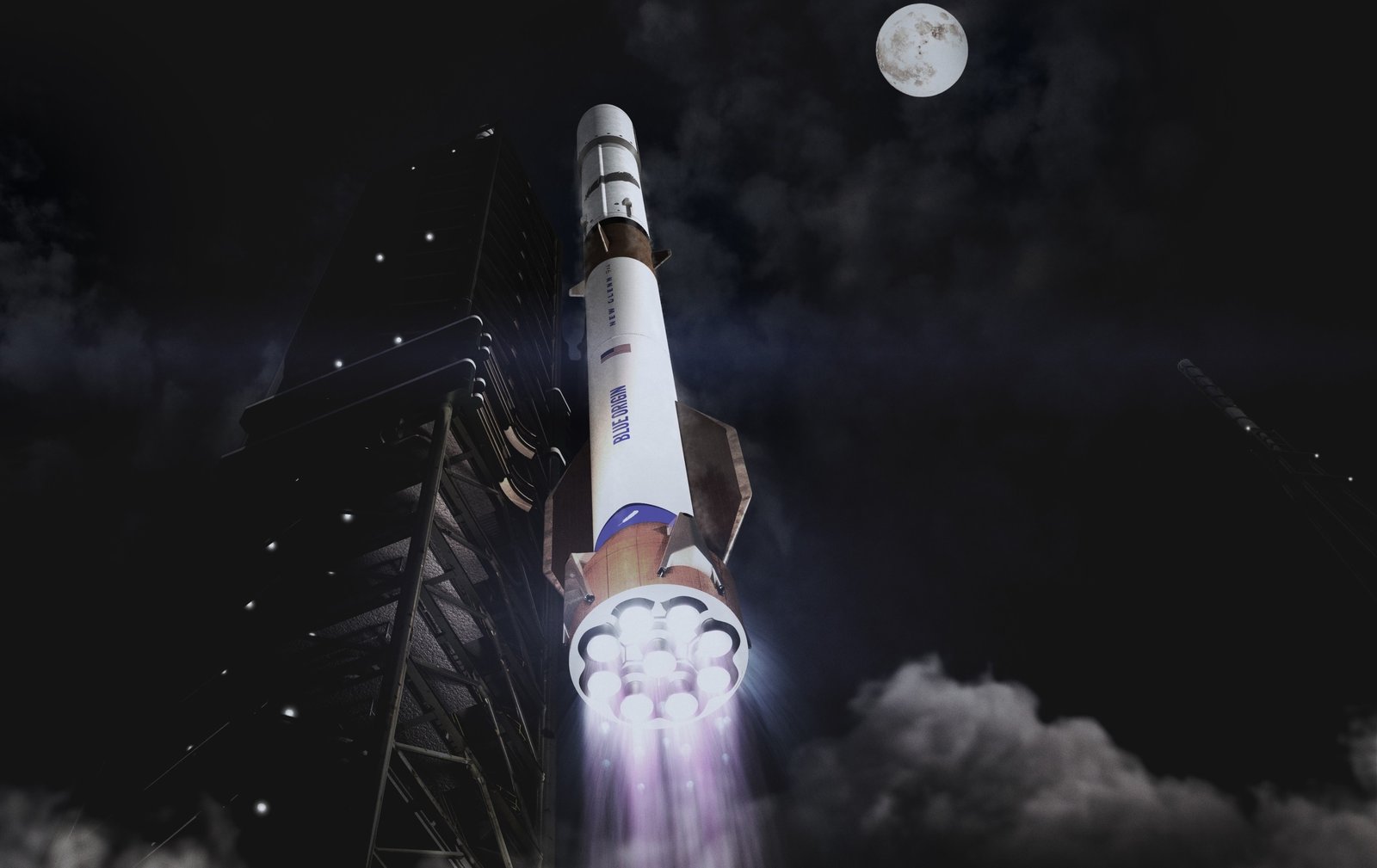 NASA Adds Blue Origin’s Upgraded New Glenn 9×4 to Launch Services Contract
-
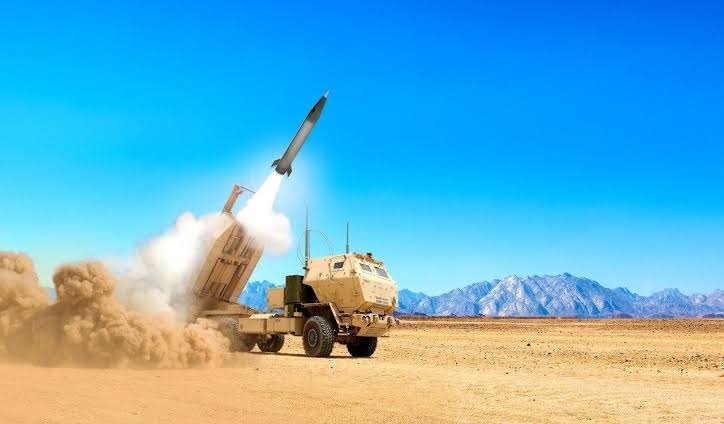 U.S. Army Selects Five Companies to Develop 1,000-Km Precision Strike Missile Prototypes
-
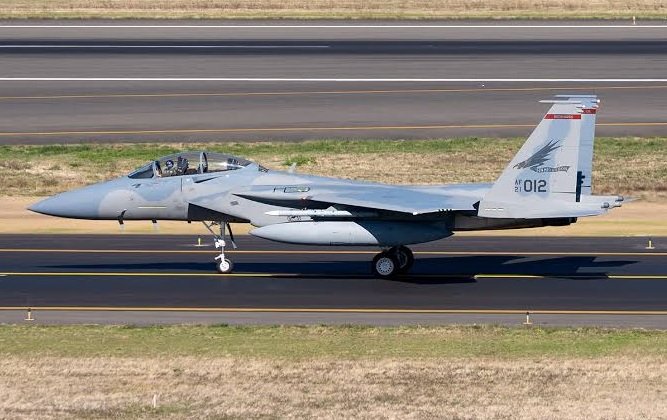 U.S. Air Force Awards Boeing $2.38 Billion Contract for 22 F-15EX Fighter Jets
-
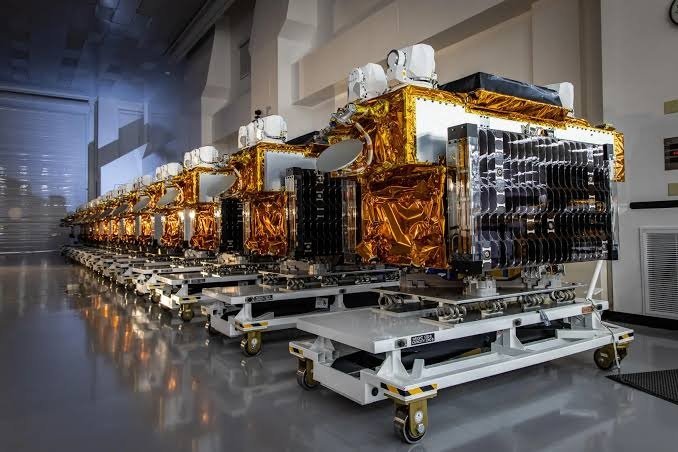 Northrop Grumman Delivers First 21 Satellites for Pentagon’s Next-Generation Military Network
Top Trending in 4 Days
-
 Russia Says Su-75 Checkmate Could Cost Just $25–30 Million, Flight-Hour Costs 6 Times Lower Than F-35
-
 China Reports First High-Orbit Refueling of BeiDou Satellite, but Tracking Data Raise Questions
-
 Eight U.S. Marines Injured in Iranian Missile Strike on U.S Vessel in Strait of Hormuz
-
 U.S. and Russia Remove Human-Review Rules From Draft UN AI Weapons Framework
-
 UK Offers Nuclear Deterrence for Its Northern European Defence Partners
-
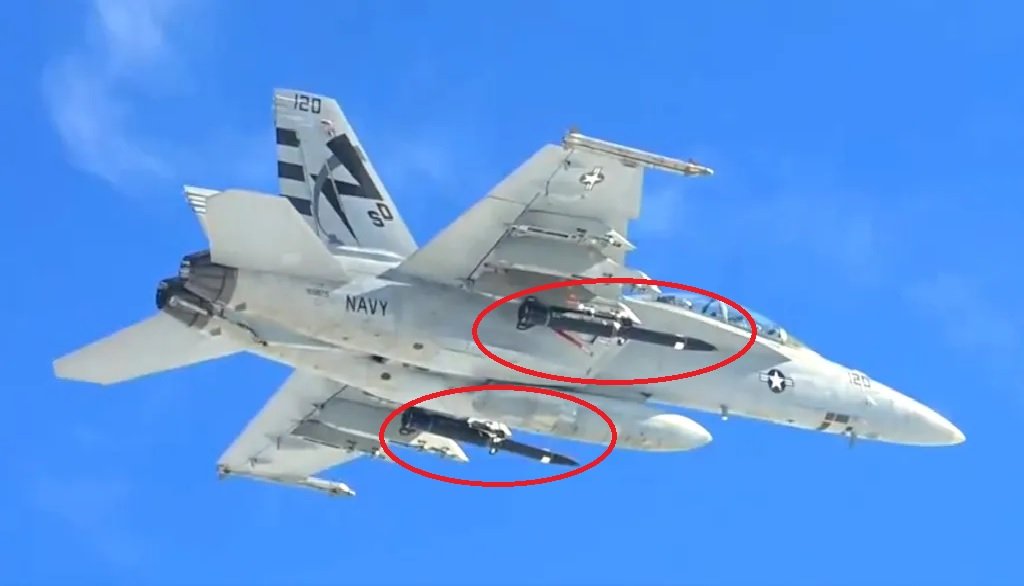 U.S. Navy Begins Flight Testing Blackbeard Hypersonic Missile on F/A-18 Super Hornet
-
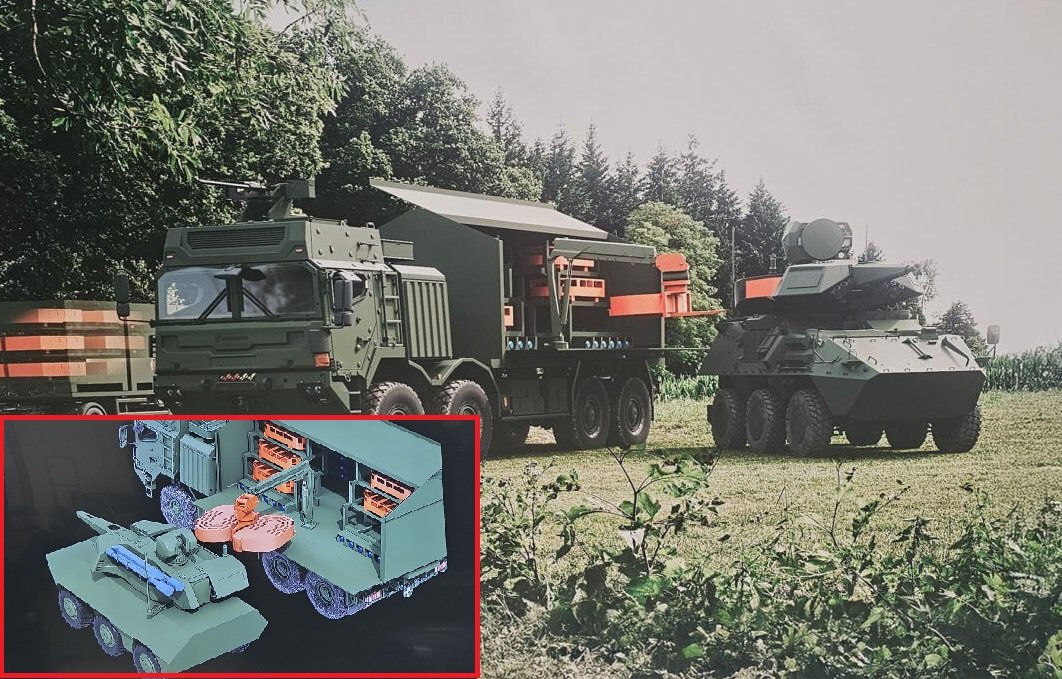 Rheinmetall Develops Automated Reloader for Austrian Skyranger Air Defense System
-
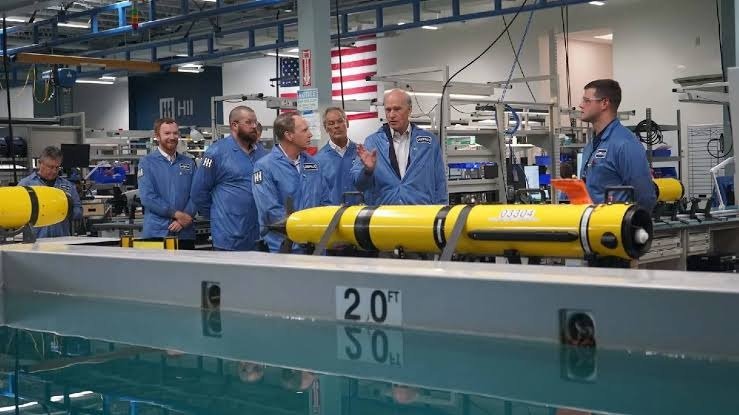 HII Expands Massachusetts Unmanned Systems Facility by 25 Percent to Support U.S. Navy Lionfish Production
