Japan is rapidly hardening its far-southwestern islands and sharpening its pledge to act if China attacks Taiwan, in a military buildup that Tokyo openly links to the growing risk of a Taiwan crisis.
Prime Minister Sanae Takaichi has repeatedly warned in parliament that “a contingency for Taiwan would be a contingency for Japan,” stressing that any Chinese attempt to seize the self-ruled island could trigger a Japanese response under its security laws and alliance with the United States. She has framed Japan’s role as defending peace and stability in the Taiwan Strait and vowed that Tokyo “will not stand by if our own security is directly threatened.”
Her comments have drawn sharp protests from Beijing, which accuses Japan of meddling in China’s “internal affairs,” but they have been warmly welcomed in Taipei, where officials say they are “very moved” by the public support.
Missiles on Yonaguni: Air Defense Just 110 km From Taiwan
At the heart of Japan’s new posture is Yonaguni, a small island at the western edge of Okinawa Prefecture, only about 110 km from Taiwan’s east coast.
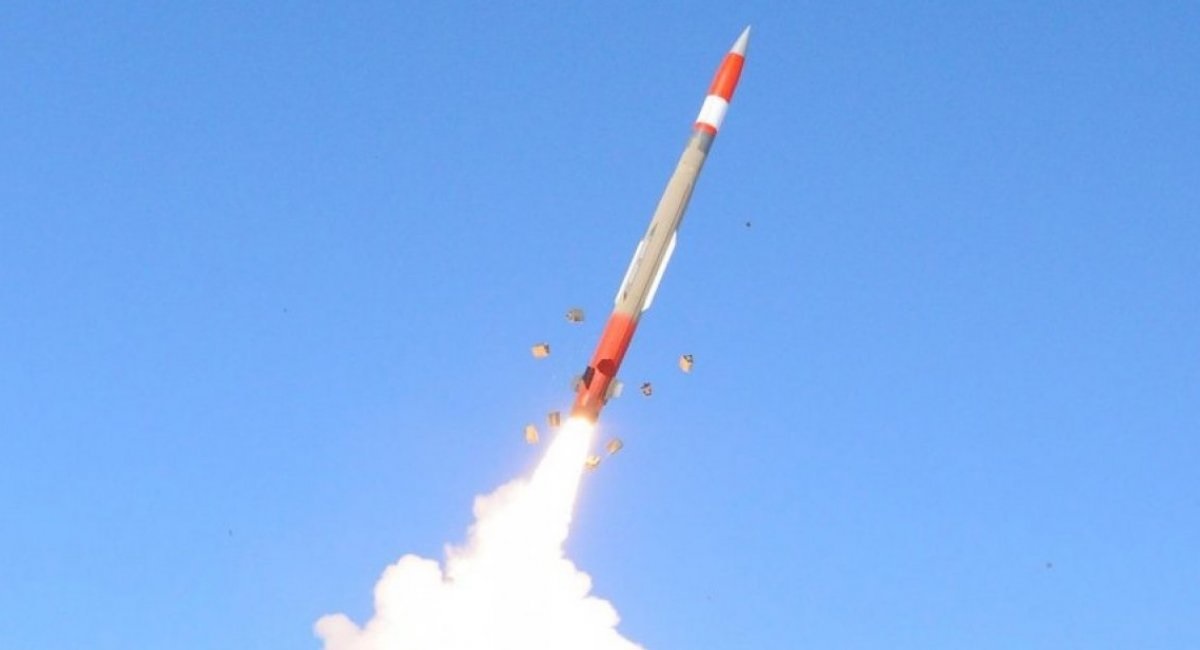
Tokyo has confirmed plans to deploy medium-range surface-to-air missiles on Yonaguni as part of a wider ring of air and missile defenses across the Nansei (Ryukyu) island chain. The unit will field upgraded Type-03 Chu-SAM systems capable of engaging aircraft and some ballistic threats out to roughly 48 km, giving Japan a denser shield over the narrow waters between Yonaguni and Taiwan.
Defense Minister Shinjiro Koizumi has described the deployment as strictly defensive, saying it is intended to “reduce the possibility of an armed attack on Japan” and deter aggression against its remote islands.
China has reacted angrily. Its foreign and defense ministries have denounced the plan as a “deliberate provocation” and warned that Japan will “pay a painful price” if it “steps out of line” over Taiwan.
New Electronic Warfare Air-Defense Unit Facing the Taiwan Strait
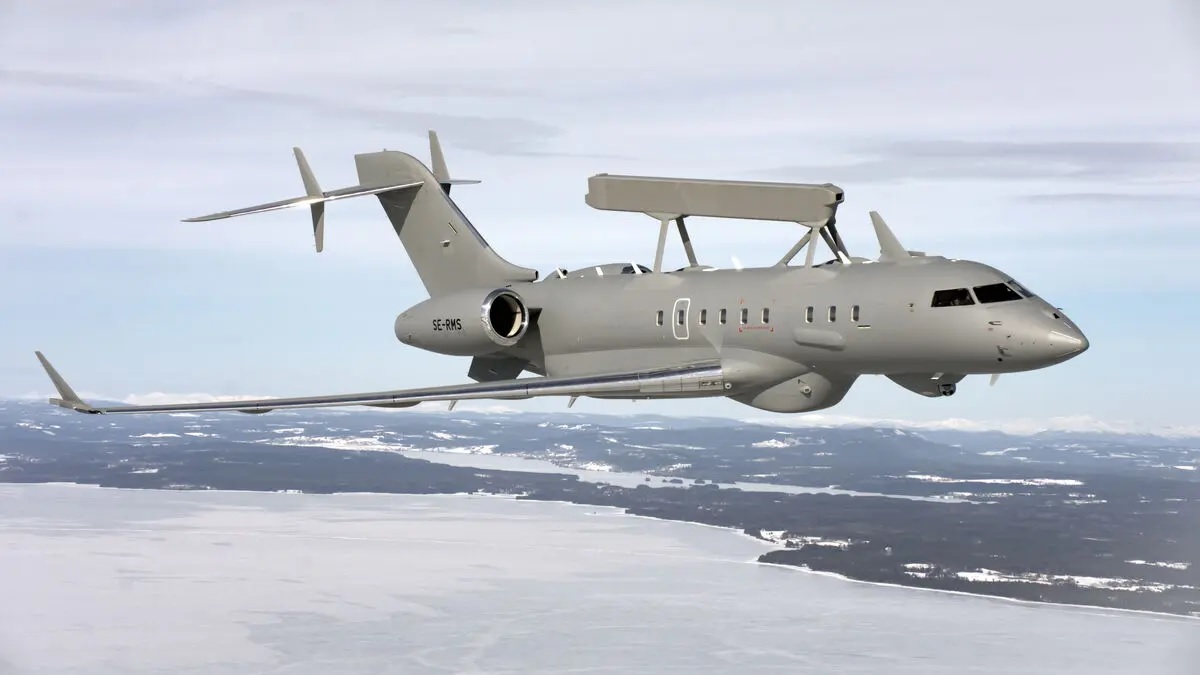
Alongside the missile batteries, Japan is preparing to station an electronic warfare (EW) air-defense unit on Yonaguni, also about 110 km from Taiwan.
According to Japanese and Taiwanese media reports, the unit will be equipped with systems designed to jam or deceive hostile radar and communications, forming a new layer in Japan’s air-defense network across Okinawa and the nearby islands. In a crisis, the EW unit would support air-defense batteries and fighter jets by disrupting incoming aircraft and missile targeting, complicating any Chinese attempt to operate freely over the East China Sea.
Officials in Tokyo emphasize that the equipment “is not intended to attack other countries” but to protect Japanese territory and support responses to a potential “Taiwan contingency.”
100-Kilowatt Shipboard Laser Enters Sea Trials
Japan is also moving into next-generation directed-energy weapons as part of preparations for a high-intensity conflict around Taiwan and the Ryukyu islands.
This month, the Japan Maritime Self-Defense Force began live sea trials of a new 100-kilowatt-class laser weapon system mounted on its test ship JS Asuka. The containerized laser module has been spotted installed on Asuka’s aft deck and is undergoing trials to track and engage drones, small boats and potentially incoming rockets or missiles.
Defense analysts say a 100-kW laser could eventually help ships defend against saturation drone and missile attacks, firing beams at the speed of light with a very low cost per shot—capabilities seen as crucial if Chinese forces try to overwhelm Japanese defenses in the confined seas around Taiwan and Okinawa.
The laser program follows earlier experiments with a railgun on the same test ship, underlining Tokyo’s push to field multiple new technologies, from hypersonic weapons to long-range cruise missiles, that would complicate Chinese planning.
A Historic Defense Budget Surge to Fund the Buildup
Japan’s posture around Taiwan is being enabled by a record surge in defense spending.
Under a Defense Buildup Program approved in 2022, Tokyo plans to spend about 43 trillion yen (roughly $300 billion) on defense between fiscal 2023 and 2027—an increase of over 50% compared with the previous five-year period.
Key elements include:
-
Raising annual defense outlays toward 2% of GDP by 2027, roughly in line with NATO’s benchmark, up from about 1% traditionally.
-
Record annual budgets for 2024 and 2025 to accelerate deployment of long-range Type-12 cruise missiles, U.S.-made Tomahawk missiles, and new missile-defense interceptors, many earmarked for Japan’s southwestern islands facing Taiwan.
-
Additional supplementary spending that could push Japan’s annual defense budget to around $70 billion, placing it among the world’s top military spenders.
Government documents explicitly cite China as Japan’s “greatest strategic challenge” and point to the risk that a conflict over Taiwan could quickly spill over into attacks on Japanese islands, air bases and sea lanes.
Tensions with China and Support From Taiwan
Beijing has reacted furiously not only to the Yonaguni deployments but also to Takaichi’s comments hinting that Japan might intervene militarily if China attacks Taiwan. Chinese officials accuse Tokyo of abandoning its post-war pacifism and “reviving militarism,” and have responded with trade and cultural restrictions, including limits on Japanese food imports and entertainment.
Taiwan, by contrast, has openly welcomed Japan’s stance. Taipei’s premier said the island was “very moved” by Takaichi’s statements and stressed that close cooperation between democratic partners is essential to deter war in the region.
Tokyo, Taipei and Washington are also conducting more frequent joint drills and contingency planning, including evacuation plans for more than 100,000 civilians from islands near Taiwan if fighting breaks out.
“First Line of Defense” in a Taiwan Crisis
While Japanese officials stop short of saying Tokyo would be the very first country to fire in Taiwan’s defense, their message is increasingly clear: Japan sees its southwestern islands as the front line in any Taiwan conflict and is preparing to act quickly if its territory or vital sea lanes come under threat.
With missiles and electronic-warfare units on Yonaguni, high-energy lasers at sea, and a rapidly expanding defense budget, Japan is signaling that it intends to be a central player in any future showdown over Taiwan—risking deeper confrontation with China, but betting that visible resolve will help keep a war from starting in the first place.
——— End of Article ———