World
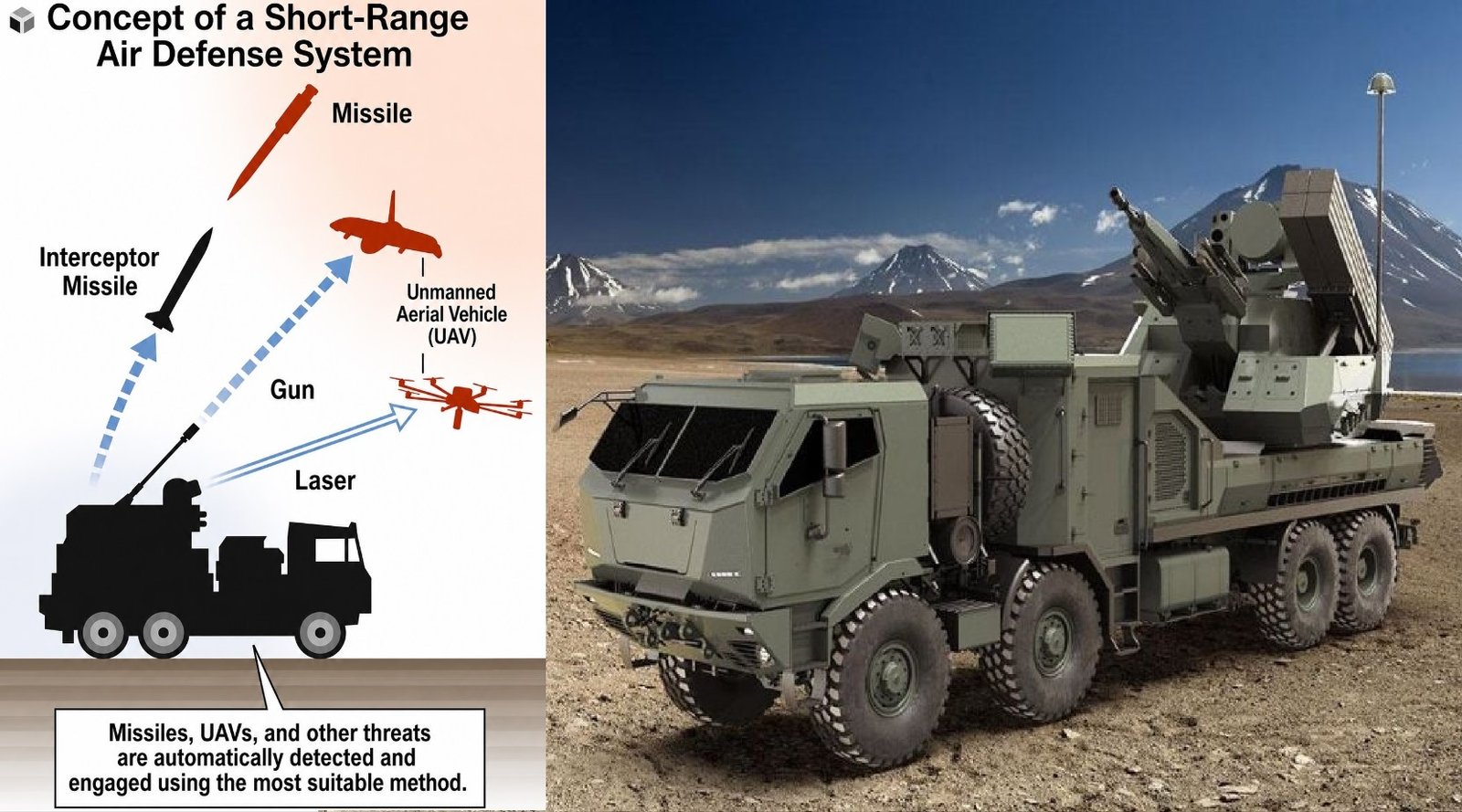
Tokyo — Japan’s Ministry of Defense has started planning a new close-range air defense system called the Close Range Air Defense System (CRADS) to counter large numbers of small drones and other airborne threats. According to a Ministry of Defense document reported by the Yomiuri Shimbun , CRADS will combine interceptor missiles, an automatic cannon and a laser weapon on a single self-propelled wheeled platform. The system is planned for the Japan Ground Self-Defense Force (JGSDF). The Ministry of Defense plans to include CRADS in its fiscal 2027 budget request as a “matter request,” meaning the specific funding amount has not yet been fixed. CRADS is designed to automatically identify incoming targets and select the most suitable weapon. Missiles would provide longer-range interception but are expensive and limited in number. The automatic cannon would provide a cheaper option with a larger ammunition supply but a shorter range. The laser would have an even shorter engagement range but would not require conventional ammunition, provided sufficient power is available. The combination is intended to help counter drone swarms and saturation attacks involving many missiles launched almost simultaneously, while reducing the use of expensive missiles against low-cost targets. The wheeled platform is intended to give CRADS greater mobility so it can move with ground forces. It is expected to initially complement the existing Type 93 short-range air defense system, which uses missiles based on the Type 91 MANPADS and is mounted on high-mobility vehicles. CRADS is part of Japan’s wider effort to modernize its short-range air defense. In parallel, the Ministry of Defense is developing another wheeled air defense system intended to eventually replace the Type 93. That program involves a surface-to-air missile based on an existing air-to-air missile design, with contracts awarded to Mitsubishi Heavy Industries and Toshiba. Available information points to the AAM-5 family as the likely basis, although the specific missile has not been officially identified in the information provided. Japan is also developing directed-energy weapons. The Ministry of Defense plans a fiscal 2027 demonstration project for a high-power microwave system designed to disrupt the electronic control systems of drones. Japan has also been developing vehicle-mounted high-power laser systems. Together, these programs are intended to provide the JGSDF with additional mobile and layered options against small drones, drone swarms and large-scale missile attacks.
Read More → Posted on 2026-08-25 12:25:10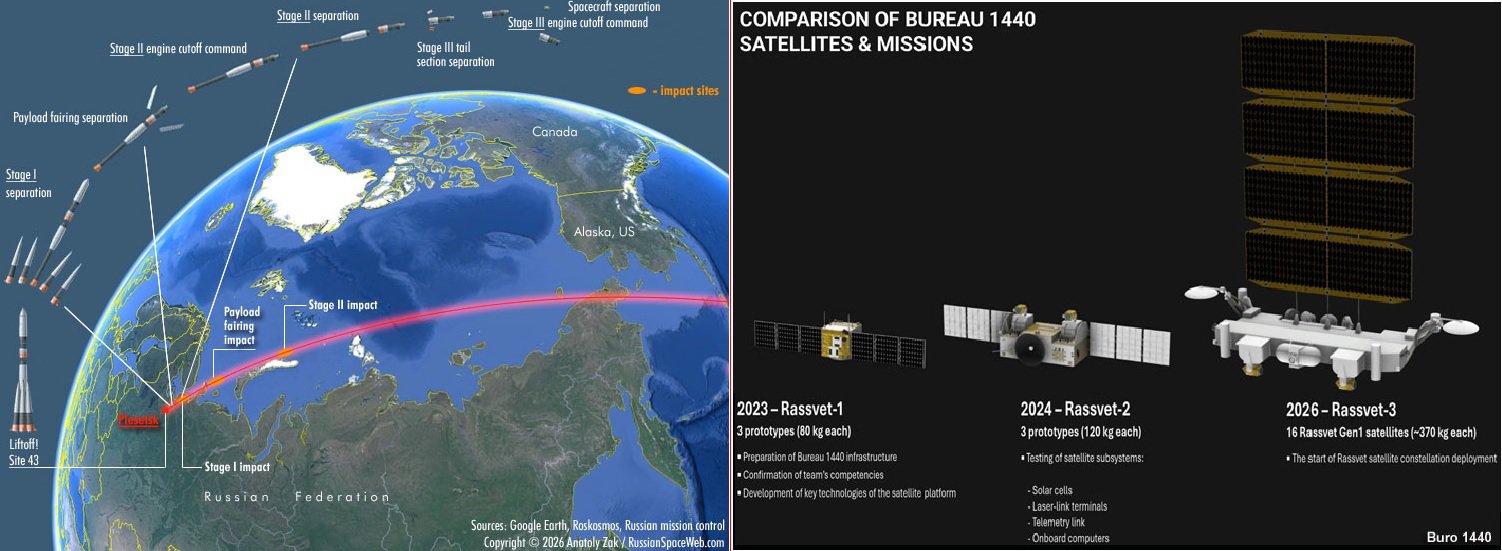
World
Moscow — Two satellites from Russia’s second Rassvet broadband constellation group are heading toward atmospheric reentry after failing to perform orbit-raising maneuvers, according to tracking data analyzed by Anatoly Zak of RussianSpaceWeb. The two satellites had fallen below 300 kilometers by late August and appear to be undergoing natural orbital decay caused by atmospheric drag. The development is another setback for Bureau 1440, the Russian company developing the Rassvet low Earth orbit (LEO) broadband network, which Russian officials have promoted as a domestic alternative to SpaceX’s Starlink. The affected spacecraft are part of 16 Rassvet-3 satellites launched on July 19 at approximately 17:51 UTC from the Plesetsk Cosmodrome aboard a Soyuz-2.1b rocket. The U.S. Space Force catalogued 17 objects from the mission — the 16 satellites and the rocket’s upper stage — in an initial orbit of about 289 by 327 kilometers with an inclination of 82.3 degrees. Bureau 1440 said on July 20 that all satellites had separated from the upper stage and established contact with mission control. The company said they would begin transferring to their target orbit after subsystem checks and activation. Neither Roscosmos nor Russia’s Ministry of Defense publicly acknowledged the July 19 launch. Tracking data showed that nine of the 16 satellites began orbit-raising maneuvers between late July and early August. By August 5, 11 satellites were climbing. However, by late August, three of those satellites had stopped maneuvering and began slowly losing altitude between 310 and 330 kilometers. None of the 16 satellites from the July batch had risen above 360 kilometers. Their altitudes were about 200 kilometers lower than those reached by surviving satellites from the March batch at a comparable point. The July group’s orbital plane is also more than 100 degrees different from that of the March group, based on their right ascension of the ascending node. The latest problem follows the loss of Object 4 from the first Rassvet batch. Launched on March 23, the satellite never performed an orbit-raising maneuver and reentered the atmosphere on June 6, after spending about 75 days in orbit. Rassvet is intended to provide Russia with an independent satellite broadband network. Bureau 1440 has stated plans to deploy about 250 satellites by 2027, when commercial service is planned to begin, and eventually expand the constellation to as many as 900 satellites by 2035. Other reports have cited a target of 292 satellites by the end of 2027. Each Rassvet-3 satellite has a mass of about 370 kilograms and is designed for near-polar orbits. The first Rassvet group is already providing limited coverage over Ukraine, according to Ukrainian satellite communications analysts. Volodymyr Stepanets told Militarnyi that the satellites provide at least two daily communications windows over Ukrainian territory, with each lasting more than an hour. Ukrainian adviser Serhii Beskrestnov, known as Flash, has estimated that Russia would need 200 to 250 satellites for stable, continuous coverage. The satellite problems have also coincided with security concerns around Plesetsk. Roscosmos Director General Dmitry Bakanov previously said Ukrainian forces attempted a drone attack on the facility during preparations for the March launch. Ukrainian drones were again detected in the surrounding Arkhangelsk region on August 23, one day before another classified Russian military satellite was launched from Plesetsk on August 24. As of August 25, Roscosmos, the Russian military and Bureau 1440 had not issued an official update on the status of the underperforming satellites from the July Rassvet launch.
Read More → Posted on 2026-08-25 12:05:42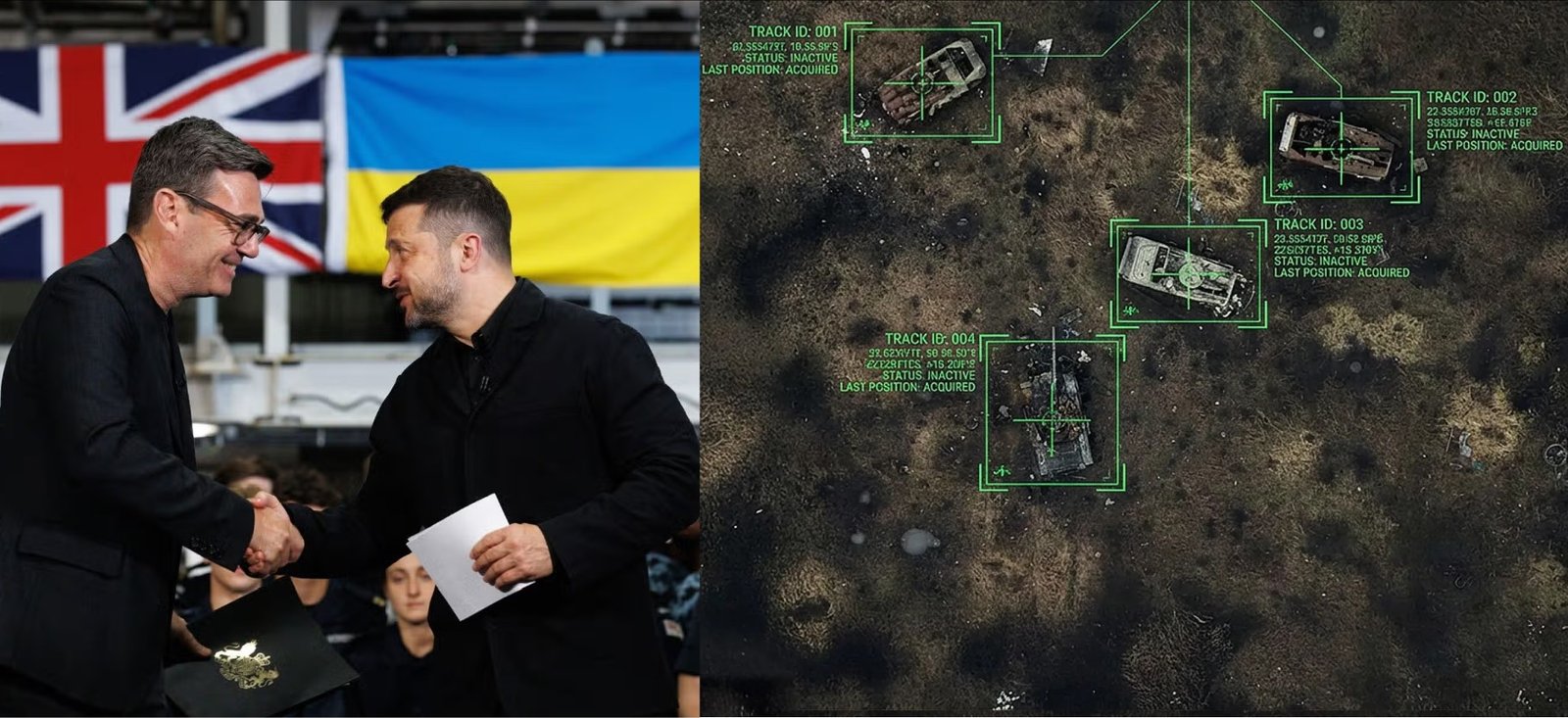
World
Kyiv / London — The United Kingdom and Ukraine have signed a new bilateral defence agreement giving Britain access to Ukraine’s Avengers AI Labs, making the UK the first international partner to gain access to the platform. The agreement was signed in Kyiv on August 24 by UK Prime Minister Andy Burnham and Ukrainian President Volodymyr Zelenskyy. It forms part of the broader UK-Ukraine 100 Year Partnership and initially focuses on defence and national security. The agreement will establish a joint AI cell bringing together engineers, academics, technology companies and military specialists from both countries. Britain will provide access to its universities, researchers and AI technology ecosystem, while Ukraine will contribute battlefield experience and operational datasets. Ukraine’s Battlefield AI Data Avengers AI Labs is built around Ukraine’s DELTA combat system and includes an annotated dataset of about 5 million real-world battlefield images. Data is collected by thousands of daylight cameras, acoustic sensors and infrared sensors operating across Ukraine’s battlefield. The system records and categorises objects including tanks, artillery, infantry, air defence systems, Shahed drones and reconnaissance aircraft. According to Ukraine’s Defence Ministry, AI models trained on the data support an automated target-detection system that analyses more than 100,000 drone video feeds each month and identifies about 70 percent of enemy targets in real time. British AI Projects Three British start-ups — Bristol-based Sintela, Oxford-based Mind Foundry and London-based Skyral — are already involved in pilot projects. One project is due to be deployed at a UK defence site. It combines Ukrainian data with British fibre-optic sensing technology to turn buried fibre-optic cables into an AI-enabled sensor network. The initial system is intended to help protect defence facilities from protesters and hostile actors seeking intelligence, with potential applications at airports, prisons, railways and energy facilities. A second project will focus on developing low-power AI chips for drones, robotics and autonomous systems. If successful, the technology could allow these systems to operate for longer and respond more quickly in difficult environments. SCALP Missile Production The UK government has also allowed defence company MBDA to release classified information on British-made components used in the SCALP long-range cruise missile. The decision supports plans to establish SCALP assembly lines in Ukraine. Burnham said the agreement would combine Ukraine’s operational experience with Britain’s AI expertise to develop technologies for battlefield and domestic security applications. Defence Secretary Wes Streeting said cooperation between British scientists, engineers and technology companies and Ukraine’s battlefield experience and data would strengthen both countries’ defence and security. AI Minister Kanishka Narayan described the partnership as “AI sovereignty in practice”, with frontline experience being used to develop systems for armed forces and critical infrastructure. Burnham’s Kyiv visit was his first overseas trip as prime minister. He also held talks with Zelenskyy and co-chaired a meeting of the Coalition of the Willing. The partnership covers government cooperation, industry projects linked to operational requirements and academic research into autonomy, AI assurance and cybersecurity. The declaration of intent is not legally binding, and further arrangements and additional areas of cooperation are expected in the coming months.
Read More → Posted on 2026-08-25 11:29:04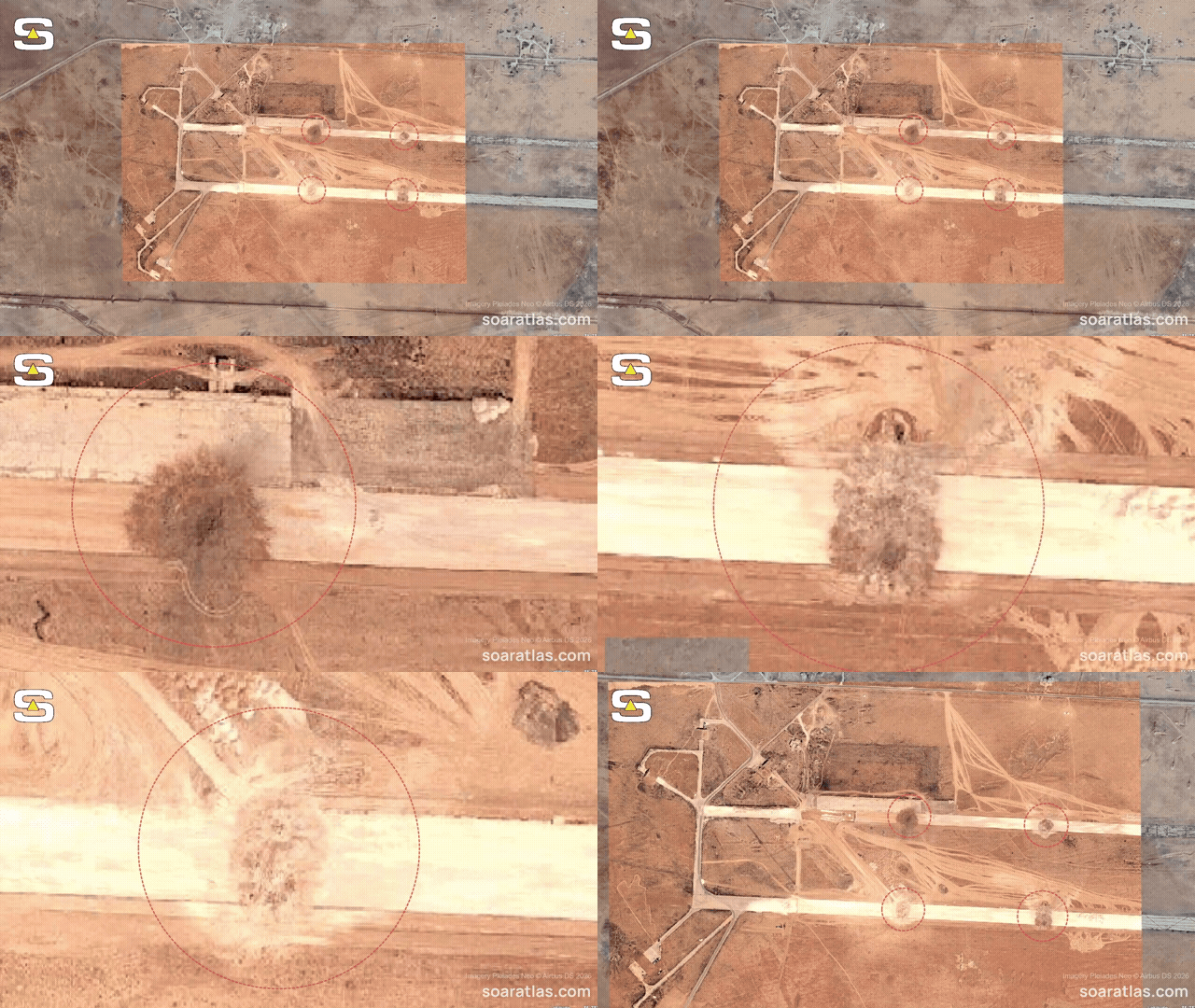
World
Idlib, Syria — High-resolution Airbus satellite imagery published by Soar Atlas shows damage caused by Israeli airstrikes on Syria’s Abu al-Duhur Military Airbase in northwestern Syria. The imagery shows several impact points along the recently renovated runway, confirming that the airfield infrastructure was among the main targets. The strikes took place in the early hours of August 18, when Syrian state media, citing a military source, reported eight separate Israeli attacks targeting the runway and storage facilities. No casualties were reported by Syrian military sources or residents living nearby. The base is located at approximately 35.734°N, 37.102°E in Idlib province, about 70 kilometers from the Turkish border and roughly 45 kilometers east of Idlib city. Satellite imagery shows at least five impact points on the runway, while some hangars, warehouses and other structures appeared intact. The facility had been out of service as a dedicated military airfield since around 2013, after changing hands several times during Syria’s civil war. Following the fall of Bashar al-Assad’s government in late 2024, Syrian authorities began rehabilitating the airfield and using it as a training centre. Israel Links Strikes to Turkish Military Plans Israel later confirmed that it carried out the strikes. Prime Minister Benjamin Netanyahu’s office said Syria was “on the verge of breaching” an agreed security status quo by allowing Turkish troops to deploy at an airbase near Aleppo. Israel said it had repeatedly warned Syria that such a deployment would threaten its security. Israeli officials said the operation was intended to prevent a planned Turkish military presence at the facility. Reports had indicated possible Turkish plans involving troops, radar systems or air-defense equipment. Netanyahu later said Israel’s message to Syria was clear: it should not allow a Turkish military presence there. Syria rejected Israel’s justification. Foreign Minister Asaad al-Shaibani told Axios that Damascus had assured Israel there were no plans for a Turkish military base or permanent Turkish forces at Abu al-Duhur. He said rehabilitation work was limited to restoring the airfield and facilities damaged during the war for use by the Syrian Air Force. Al-Shaibani confirmed that Turkish military officers had visited the base for training and military cooperation, but said the facility remained largely empty and was not fully operational. Turkey and U.S. Respond Turkey condemned the strikes as a violation of Syrian sovereignty and territorial integrity. The Turkish Foreign Ministry called for international action against what it described as Israel’s escalating aggression. Turkey’s Defense Ministry also said no Turkish military delegation was present at the base before or during the attack. Ankara has supported Syria’s efforts to rebuild its military capabilities since the fall of Assad’s government and has expanded military cooperation with the new Syrian authorities. U.S. special envoy for Syria and Iraq Tom Barrack, who also serves as ambassador to Turkey, described the Israeli operation as an “unnecessary escalation that does not advance regional stability.” He said the Syrian government under President Ahmed al-Sharaa had indicated a preference for de-escalation with Israel. Washington has been supporting regional dialogue and deconfliction efforts involving Israel, Syria and Turkey. The airstrikes were the first reported Israeli attack on Syrian government assets since March 2026. They have further increased tensions between Israel and Turkey, which both maintain significant security interests in Syria. Israel continues to maintain a security presence near its border with Syria, while Turkey maintains influence and military cooperation with the new Syrian authorities in the north.
Read More → Posted on 2026-08-24 15:56:44
U.S
WASHINGTON — U.S. President Donald Trump has announced that tariffs on all Canadian cars, trucks, automotive parts and steel will rise to 50% from January 1, 2027, escalating the trade dispute after U.S.-Canada negotiations collapsed over the weekend. In a Truth Social post, Trump accused Canada of “ripping off” the United States for years, citing Canadian tariffs on American agricultural products. He said these policies had contributed to a $60 billion U.S.-Canada trade deficit and called the situation unsustainable. Trump also said U.S.-built vehicles would face zero tariffs and argued that Canada depends heavily on the American market. The announcement follows the introduction on Saturday of 50% U.S. tariffs on about $20 billion of Canadian goods, including wine, dairy, cement, clothing, furniture and hockey equipment. The tariffs were imposed under Section 338 of the Tariff Act of 1930 and affect about 5% of Canadian exports to the United States. Energy, potash, fish and certain critical minerals were excluded. The United States currently applies a 25% tariff on Canadian automobiles, with adjustments for U.S. content under the USMCA, while steel tariffs are already at 50%. The planned 2027 measure would increase the auto rate and apply the 50% rate more broadly to automotive parts. Trade Talks Collapse Canadian Prime Minister Mark Carney suspended negotiations, saying last-minute U.S. demands were “unfair” and “uneconomic.” The United States had sought measures including a 4-million-ton quota on Canadian steel exports, changes to Canada's dairy supply-management licensing system and automotive rules under which only American-made content would qualify for tariff exemptions. The talks had appeared close to a possible agreement earlier in the week after Washington temporarily paused the $20 billion tariff package. However, the two sides failed to finalize a deal, and no new round of talks is currently scheduled. Canada Prepares Retaliation Canada plans to impose dollar-for-dollar retaliatory tariffs on U.S. goods from September 8. The measures are expected to target steel, dairy products, appliances, agricultural equipment, pulp and paper, and electronics, although the final details are still being prepared. The Canadian Federation of Independent Business estimates that 40% of small Canadian exporters will be directly affected by the initial U.S. tariffs, with nearly one-third expecting their revenues to fall by half or more. U.S. lawmakers from border states have also warned that the dispute could increase consumer prices and disrupt supply chains. The North American automotive industry is particularly exposed because manufacturers operate on both sides of the U.S.-Canada border. Industry observers have noted that previous major tariff announcements have sometimes been modified or delayed, but the announced January 2027 measures remain the current policy. Canada is one of the largest sources of U.S. imports, with bilateral goods trade worth hundreds of billions of dollars annually. The latest measures add to sector-specific U.S. tariffs that have been in place since 2025 and further increase pressure on both governments to reach a new trade agreement.
Read More → Posted on 2026-08-24 15:42:42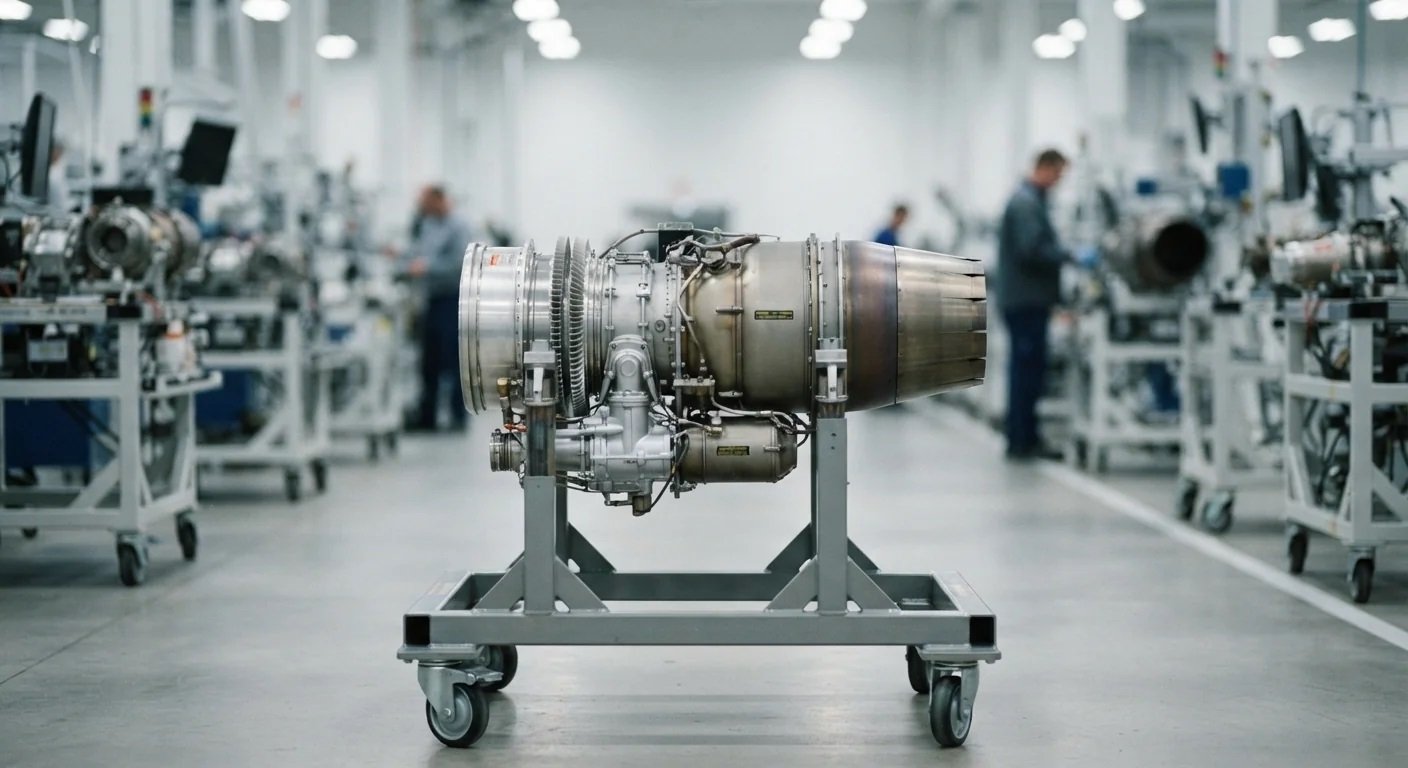
U.S
SAN DIEGO, — Kratos Defense & Security Solutions, Inc. is allocating part of its expanded Spartan engine production capacity to supply TDI-J85 turbojet engines for Boeing’s Joint Direct Attack Munition Long Range (JDAM LR) production program. Earlier this month, the U.S. Air Force awarded Boeing a $75 million Undefinitized Contract Action (UCA) to acquire the BSU-111/B Payload Delivery Unit (PDU) for JDAM LR. The weapon can travel more than 300 nautical miles (555 km) while carrying a 500-pound-class (226-kg) payload. JDAM LR combines the existing JDAM guidance kit with a wing kit and a compact turbojet engine. It is designed for precision conventional land strike, naval strike and maritime aerial-mining missions. The system is intended for aircraft already certified to carry conventional JDAM weapons, including the F/A-18 Super Hornet, F-15E, certain bombers and the MQ-9A Reaper. Boeing has invested nearly $100 million of its own funds in the program. During flight testing in early April 2026, a U.S. Navy F/A-18 Super Hornet launched JDAM LR off the California coast, with the test successfully demonstrating engine start, cruise and guided flight over nearly 200 nautical miles. Kratos J85 Engine The JDAM LR is powered by Kratos’ TDI-J85, part of the company’s Spartan family of low-cost, compact military turbojet engines developed for uncrewed aerial systems and tactical missiles. The J85 produces up to 200 pounds of thrust at sea-level static conditions. It is approximately 8.5 inches in diameter and 14.3 inches long, weighs about 30 pounds, and can operate at up to 40,000 feet and Mach 0.90. The engine includes an integral generator providing up to 1.5 kW of continuous electrical power. It can use JP-10, JP-8, JP-5, Jet-A and Jet-A1 fuels and supports pyrotechnic, windmill and electric starting methods. Kratos says the engines are 100 percent designed and produced in the United States. Production Expansion Production is taking place at Kratos’ 22,500-square-foot Propulsion Manufacturing Facility in Auburn Hills, Michigan. The facility is fully operational and configured for sustained full-rate production. It can manufacture all four engines in the Spartan family concurrently, covering thrust levels from about 30 to more than 200 pounds, with production capacity exceeding 50,000 engines per year. The facility opened in late 2025 and includes manufacturing, assembly and multi-station testing capabilities. Kratos has begun procuring long-lead components for Spartan engines to support a large production run for multiple customers and applications in 2027. The Boeing JDAM LR program is a key application, with the J85 originally designed with this use in mind. The company is also implementing a three-phase manufacturing infrastructure plan to further increase production capacity. Broader plans call for approximately 3,000 Spartan engines in 2027 and 5,000 in 2028 for missile, loitering-munition and related programs. Kratos Unmanned Systems President Steve Fendley said the company’s internally funded supply-chain investments are intended to support affordable mass production and resilient domestic supply chains. Kratos TDI Senior Vice President Joseph Kovasity said the Auburn Hills facility’s operational readiness marks the transition from engineering development to high-rate tactical manufacturing and provides a scalable, domestically sourced propulsion solution for JDAM LR. Kratos and Boeing first formalized cooperation on the powered JDAM concept through a 2023 memorandum of understanding. The current production support builds on that cooperation and Kratos’ investment in U.S.-based Spartan engine manufacturing.
Read More → Posted on 2026-08-24 15:30:27
World
KYIV — Ukraine has integrated interceptor drones onto a Mi-8 multi-purpose helicopter to engage Russian unmanned aerial vehicles (UAVs). Footage of the modified helicopter was released during President Volodymyr Zelenskyy’s Independence Day address on August 24. The footage shows an interceptor drone being launched from a hardpoint beneath the helicopter’s external suspension assembly. The launchers use metal guide rails, with at least three mounted on each side of the Mi-8, giving the helicopter a capacity for up to six interceptor drones. The aircraft also appears to have an optical station for detecting and tracking aerial targets. Reports have suggested that the interceptors could be controlled from the helicopter or remotely through a Starlink connection, although the exact control arrangement has not been officially confirmed. Some reports have identified the interceptor as the F7 LITAVR produced by Ukrainian company F-Drones, but this identification has also not been officially confirmed. На український гелікоптер Ми-8 інтегрували дрони-перехоплювачі для збиття російських безпілотників.Джерело: Офіс Президента pic.twitter.com/fZgeSnDOSH — Владислав (@Vladislav110528) August 24, 2026 Similar System Used on An-28 The Mi-8 configuration follows Ukraine’s earlier use of a converted civilian An-28 aircraft as a dedicated Shahed hunter. The aircraft carries at least three interceptor launch points under each wing, allowing up to six drones to be carried, and is equipped with an optical system for locating targets. By May 2026, the An-28 crew had reported destroying 213 enemy drones. The aircraft has also been associated with P1-SUN interceptor drones, developed by Ukrainian company SkyFall. Ukrainian Mi-8 crews have previously engaged Shahed-type drones using machine guns, including 7.62 mm PKT weapons and, in some cases, U.S.-supplied M134 miniguns. The addition of interceptor drones gives the helicopter another method of engaging UAVs. The specific Ukrainian unit operating the modified Mi-8 and the exact date when the system entered service have not been publicly confirmed.
Read More → Posted on 2026-08-24 15:21:12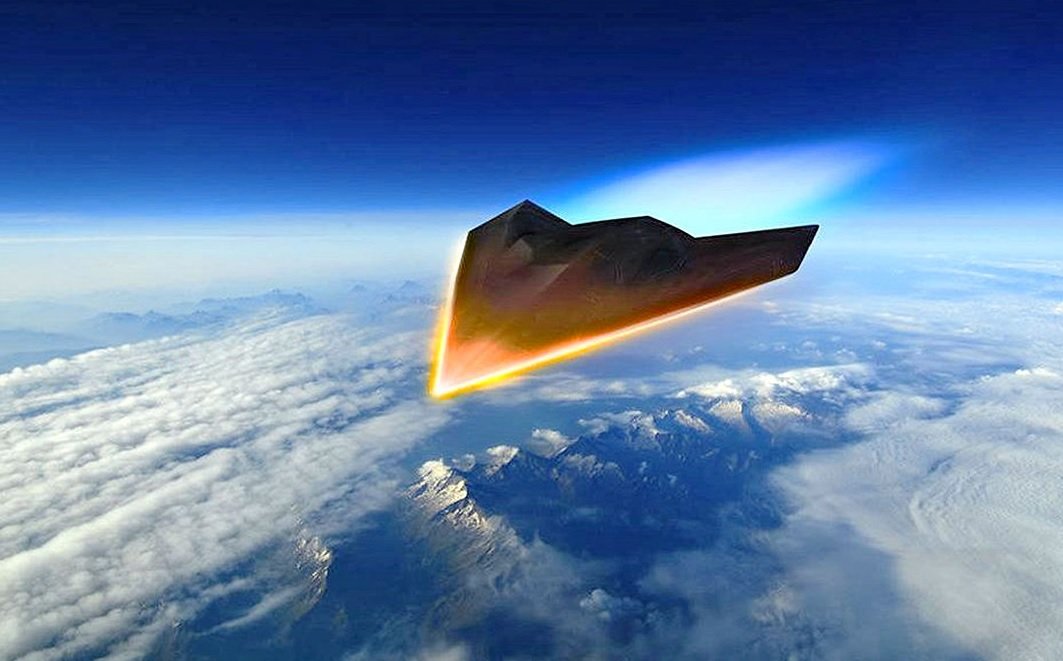
World
Beijing, — China has developed hypersonic glide vehicles (HGVs) capable of releasing air-to-air weapons during flight, according to a Bloomberg News report published on August 24. The reported capability is intended to target high-value airborne assets, including AWACS aircraft, aerial refueling tankers and command aircraft, at distances potentially measured in thousands of miles. The concept would allow China to threaten aircraft that support long-range U.S. and allied air operations without requiring Chinese fighters to enter contested airspace. These support aircraft normally operate farther from the front line because of their importance and vulnerability. Capability Builds on 2021 Test The development is linked to a July 2021 Chinese hypersonic weapons test over the South China Sea. During that test, a hypersonic vehicle reportedly released a secondary projectile while traveling at least five times the speed of sound. The Financial Times, citing U.S. intelligence sources, reported that the vehicle fired a separate missile as it approached its target. Some U.S. analysts assessed the projectile could have been an air-to-air missile, while others considered it a possible countermeasure. The test drew attention because the mid-flight release of a separate projectile from a hypersonic vehicle had not previously been publicly demonstrated under similar conditions. PL-17 and Hypersonic Reach China already operates the long-range PL-17 air-to-air missile, also referred to as the PL-20. Public assessments generally place its range in the 300–500 km class, and the weapon is intended primarily to engage high-value airborne targets rather than highly maneuverable fighters. The PL-17 has been associated with aircraft such as the J-16. An HGV-launched air-to-air weapon would move the launch point much farther from the target area than a conventional fighter-launched missile. China also fields the DF-17, a missile system designed to carry a hypersonic glide vehicle. The Pentagon has identified the DF-17 as an HGV-capable medium-range ballistic missile system. Hypersonic glide vehicles are boosted to high speed and altitude before gliding through the atmosphere at speeds above Mach 5 while retaining maneuverability. This combination can reduce defenders' reaction time and complicate interception. Broader Missile Modernization The reported development forms part of China's wider effort to expand the roles of its large missile inventory. Pentagon estimates cited in the Bloomberg report indicate that China had at least 3,150 ballistic missiles and 300 ground-launched cruise missiles in 2024. For the United States and its allies, the reported capability could increase the challenge of protecting AWACS aircraft, tankers and other airborne support platforms during operations across the Pacific. However, important details of the reported system remain undisclosed. China has not publicly released the exact range, guidance method, type of air-to-air weapon released, or operational status of the HGV-based system. The available information therefore confirms the reported development and its connection to China's earlier hypersonic testing, but does not establish the precise performance or deployment status of the new capability.
Read More → Posted on 2026-08-24 14:45:07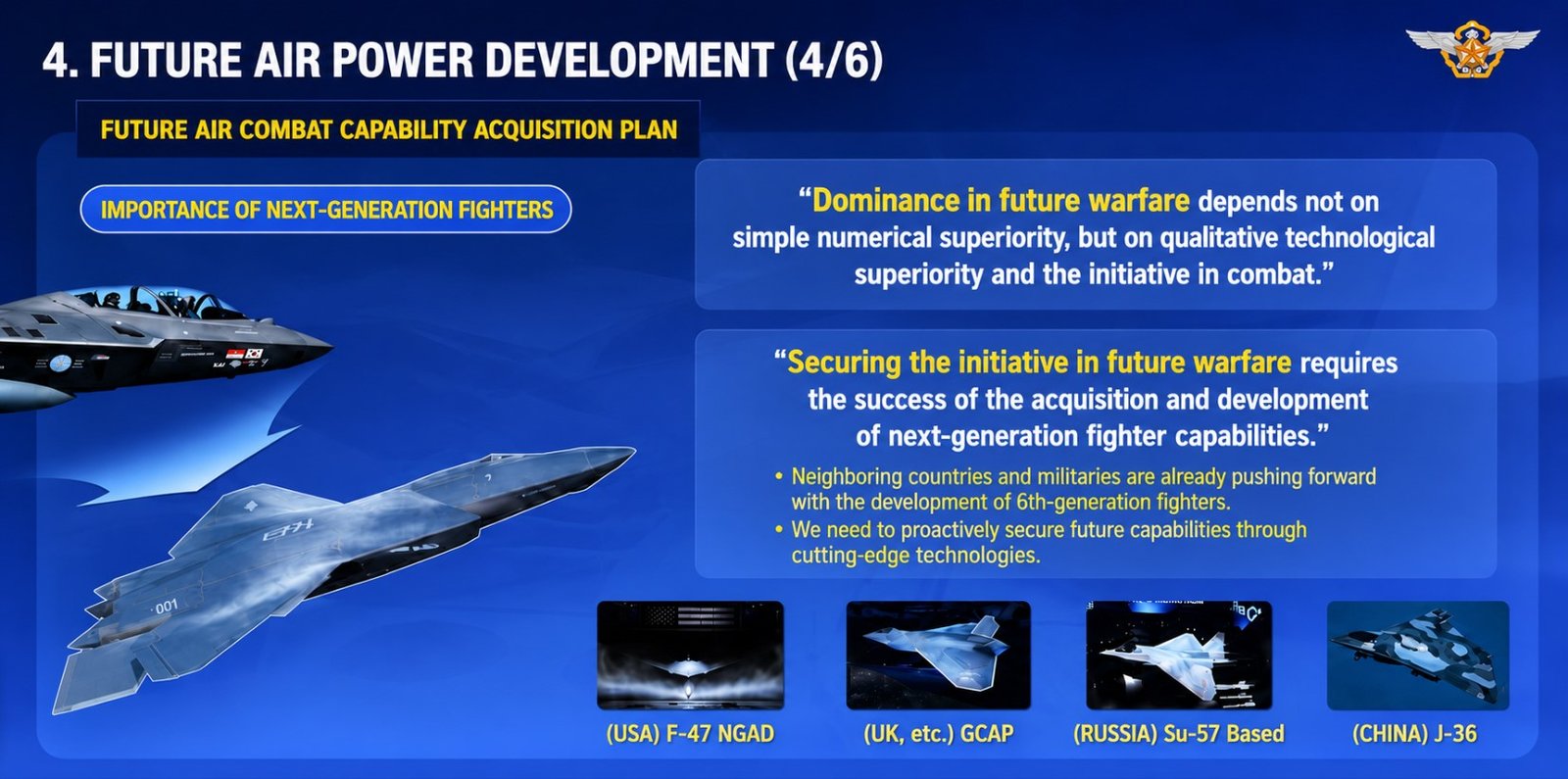
World
Seoul, — South Korea has launched a conceptual study for a next-generation fighter, with the Defense Acquisition Program Administration (DAPA) and Republic of Korea Air Force (ROKAF) issuing a tender on August 21, 2026. The study has a budget of KRW 900 million and will run for 14 months. It aims to define the operational concept and proposed Required Operational Capability (ROC) for a next-generation fighter by late 2027. The work will include aircraft configuration design and analysis, mission-effectiveness analysis and the establishment of a baseline fighter configuration. It will also develop short-, mid- and long-term technology acquisition roadmaps linked to defense technology planning. The study focuses on a future fighter based on manned-unmanned teaming (MUM-T), broadband stealth and artificial intelligence (AI). It will identify an aircraft configuration capable of meeting the proposed requirements. The resulting operational concepts, performance requirements and configuration proposals are expected to support future requirement proposals, preliminary studies and feasibility reviews. Stealth Technology Development The conceptual study will run alongside the Agency for Defense Development (ADD)’s Stealth Bridge Program, which is developing a full-scale testbed for integrating and demonstrating next-generation fighter structures, materials and sensor technologies. The Stealth Bridge Program covers stealth airframe structure design and core-area verification, aviation multifunctional composites and low-observable sensor technology, and technology for integrated radar cross-section control. Each element is planned to run for about 48 months, with the overall effort intended to support later fighter development through technology transfer to industry. Building on KF-21 Development South Korea's current fighter program, the KF-21 Boramae, provides the foundation for the next stage of fighter development. The 4.5-generation aircraft completed system development in 2026 and is entering ROKAF service, with initial Block I aircraft focused on air-to-air missions. Future KF-21 blocks are planned to add air-to-ground and other capabilities, while longer-term development includes stealth improvements, AI and MUM-T. The new conceptual study and Stealth Bridge Program are aimed at the step beyond the KF-21 toward a dedicated next-generation fighter design. The tender seeks qualified bidders to conduct the conceptual work under the stated budget and schedule. Its results are expected to provide foundational data for subsequent planning and development decisions on South Korea's next-generation fighter.
Read More → Posted on 2026-08-24 14:15:08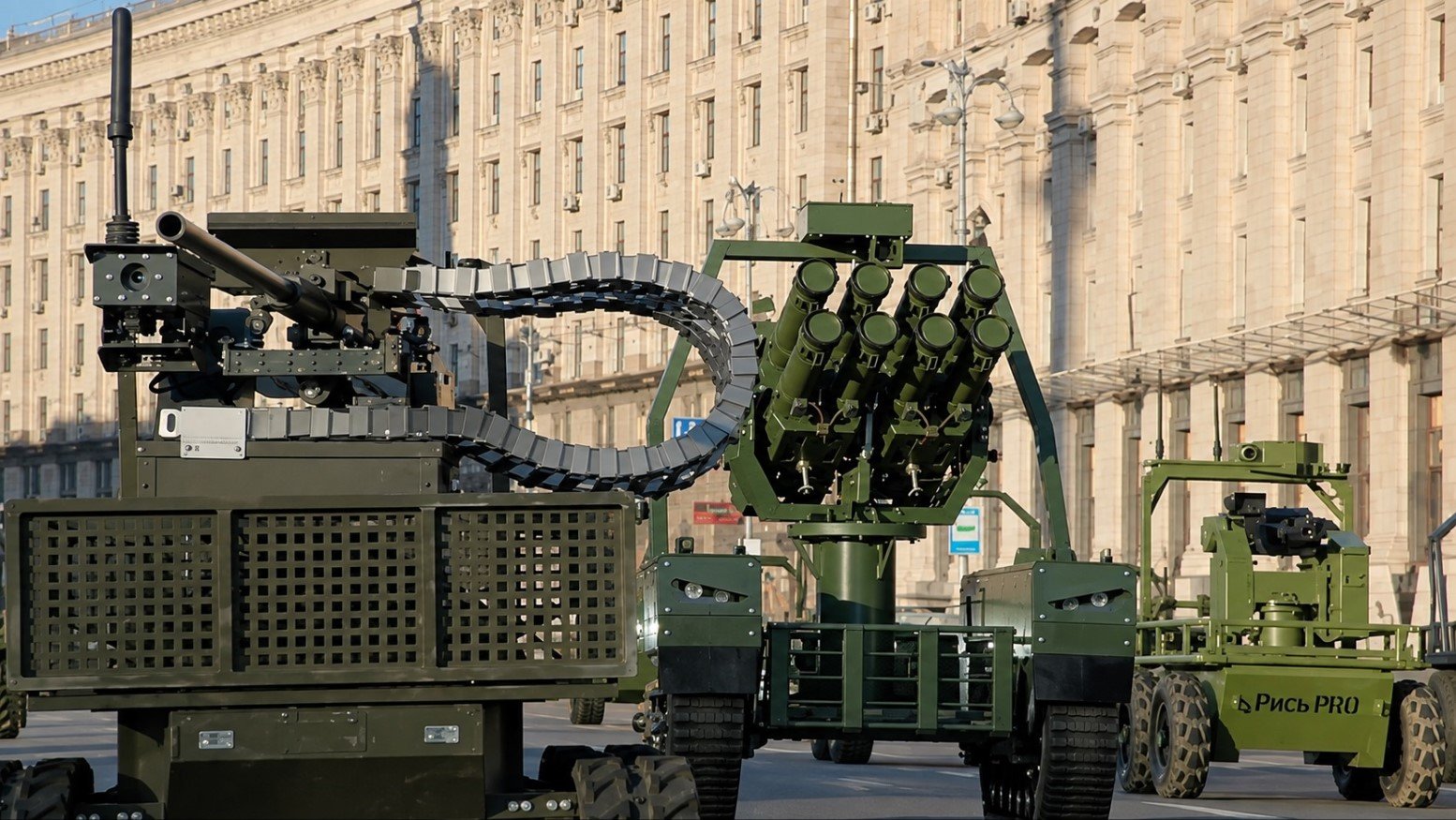
World
KYIV, Ukraine — Ukraine marked its 35th Independence Day with a military display featuring ground, naval and aerial unmanned systems. Organizers described it as the world’s first military parade made up entirely of unmanned platforms rather than traditional formations of troops and manned vehicles. Dozens of ground robotic systems moved along Khreshchatyk Street, including the Rys Pro and TerMIT platforms. The systems are designed for frontline tasks such as logistics, reconnaissance and combat, with some displayed configurations equipped with machine guns and multiple rocket-launch systems. Ukrainian forces also use robotic platforms for supply transport, medical evacuation and fire support. #WATCH On the occasion of the 35th anniversary of Ukraine’s independence, Ukrainian ground robotic complexes drove down Khreshchatyk, maritime drones sailed down the Dnipro, and military aircraft and combat UAVs flew across the sky — along with many other drones. pic.twitter.com/RwqCU7PTAV — August 24, 2026 The display continued on the Dnipro River, where unmanned surface vessels including Magura and Sea Baby were shown. The lineup included kamikaze, reconnaissance and vessels equipped with anti-aircraft missiles. Magura and Sea Baby systems have been used in operations against Russia’s Black Sea Fleet. In the air, Ukraine displayed interceptor drones designed to counter incoming aerial threats, along with reconnaissance and strike drones. French Mirage 2000s and F-16 fighter aircraft also appeared during the aerial demonstration. The event was shown during an online broadcast of Independence Day ceremonies, according to the Office of the President. President Volodymyr Zelenskyy highlighted Ukraine’s domestic unmanned-systems capabilities, saying the country has the technology and resources needed to defend its independence. He also pointed to maritime drones’ role in attacks against Russian military targets and ships and said Ukraine could become a security partner for allies by sharing experience and technology developed during the war. The parade follows Ukraine’s creation of the Unmanned Systems Forces as a dedicated military branch. Zelenskyy ordered work on establishing the branch in February 2024 and formally established it as a separate type of force in June 2024. Ukrainian officials have described Ukraine as the first country to create a military branch focused specifically on unmanned systems across air, land and sea domains. A grouping of the forces was formed on June 11, 2025, and in June 2026 Zelenskyy designated June 11 as the annual Day of the Unmanned Systems Forces. Independence Day commemorates Ukraine’s declaration of independence adopted by the Verkhovna Rada in 1991. The 2026 observance was the fifth since Russia’s full-scale invasion began in February 2022 and the 12th since Russian operations began in Crimea and Donbas in 2014. Ukraine has not held a conventional military parade on Independence Day since 2021. In the years following the full-scale invasion, Khreshchatyk Street was instead used to display destroyed Russian military equipment. This year’s event focused on Ukrainian-developed and operated unmanned systems already being used by the Defense Forces for combat, reconnaissance, logistics and evacuation missions. The systems displayed came from platforms already in active use on the front line and at sea, while the aerial demonstration also included certain foreign aircraft. On Independence Day, Unmanned Systems Forces commander Major Robert Brovdi also reported that Ukrainian drone units had struck 66 military and logistical targets deep inside Russian territory overnight.
Read More → Posted on 2026-08-24 14:08:40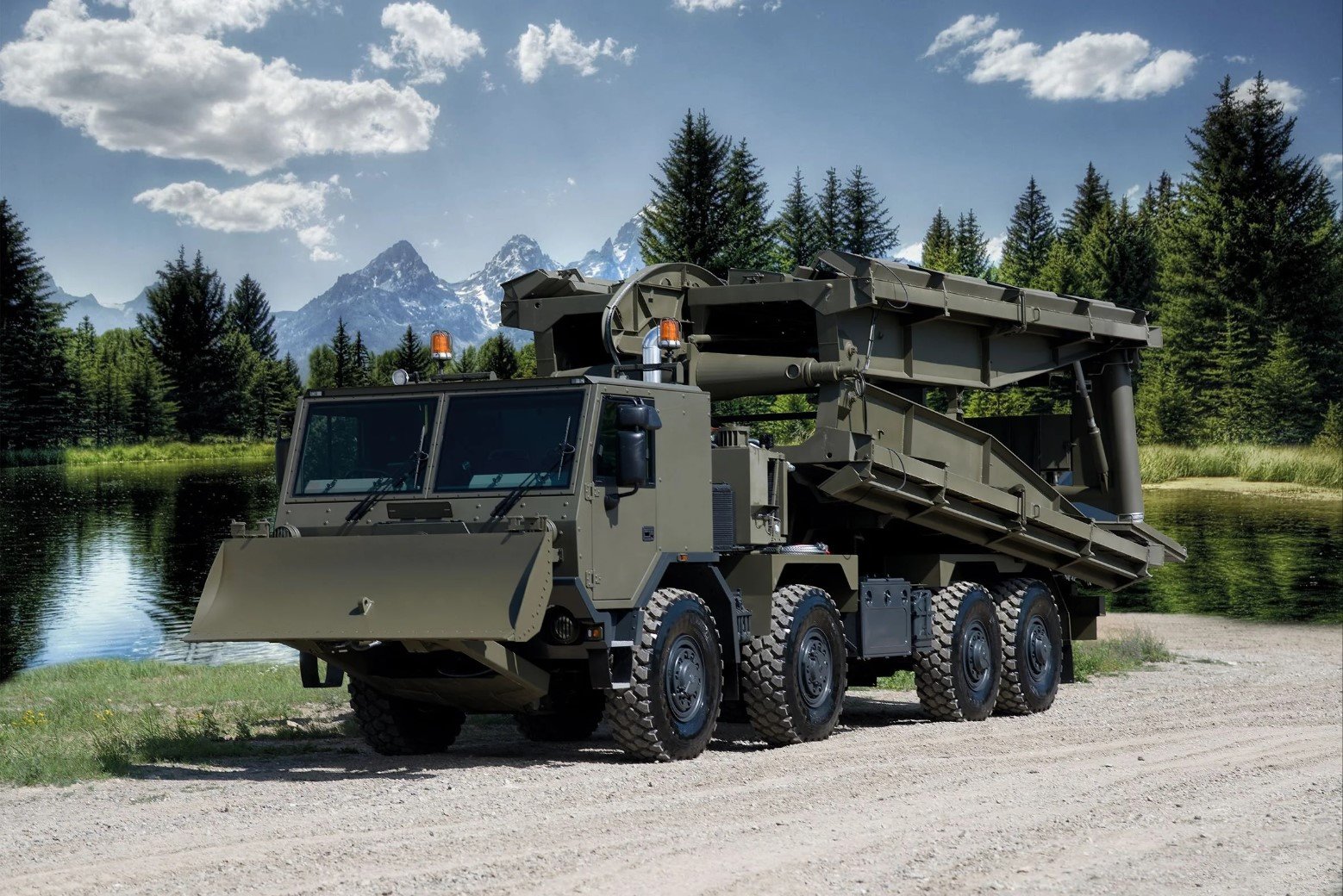
Europe
Prague, Czech Republic — Industrial-technology group Czechoslovak Group (CSG) has signed several contracts worth more than $50 million for the supply of bridge-laying vehicles to five customers in Europe, the Middle East and Southeast Asia. The contracts cover dozens of vehicles from the AM-70 and AM-50 series. Deliveries will be handled by Excalibur Army, a CSG company specialising in the development, production and modernisation of land-based military equipment. The orders are for specialised engineering vehicles designed to help military units and equipment cross watercourses, trenches and other natural or man-made obstacles. CSG said the contracts reflect continued international demand for engineering and support vehicles that provide mobility in difficult terrain and operating conditions. AM-70 EX Designed for Rapid Gap Crossing The AM-70 EX is designed for rapid deployment across both dry and wet gaps. According to Excalibur Army, a three-person crew can deploy a 13.5-metre bridge section within minutes. Individual bridge sections can be connected to create longer crossings. Up to eight sections can be linked to span gaps of up to 106 metres, while the system's supports can reach into trenches up to six metres deep. The modular design allows several vehicles and bridge sections to be used together when a longer crossing is required. AM-50 EX and AM-70 EX Load Classifications The two bridge-laying vehicle series provide different load capacities. The AM-50 EX has an MLC 50 load classification, while the AM-70 EX has an MLC 70 classification under STANAG 2021. These classifications allow the systems to support the movement of heavy military equipment. Both vehicles use a TATRA 8×8 chassis and have a stated top speed of 90 km/h. The chassis is intended to provide mobility over rough and difficult terrain. The AM-70 EX also uses a four-girder, scissor-type bridge construction. Excalibur Army states that its bridge sections are compatible with earlier AM-50, AM-50 EX and AM-50 B generations, allowing the newer system to operate alongside older bridge equipment. Depending on customer requirements, the vehicle cabin can be fitted with ballistic protection of up to Level 2 under STANAG 4569. CSG Sees Continued International Demand Richard Kuběna, Sales Director of the CSG Defence Systems division, said customers value the vehicles' combination of off-road mobility, rapid deployment and the ability to create longer crossings according to operational requirements. He also pointed to contracts across Europe, the Middle East and Southeast Asia as evidence of demand for the company's engineering and support vehicles in different climatic and operating conditions. Bridge-laying vehicles are part of CSG's broader land-systems portfolio, which also includes specialised logistics vehicles, artillery systems and armoured vehicles. The new contracts expand the group's order book in the engineering and support vehicle segment. The AM-70 EX has also been used for civilian emergency-response activities. Excalibur Army has supplied the system to the Czech Fire and Rescue Service, where the vehicle has been used to provide temporary bridge capability during emergency operations. The company also identifies civil rescue, construction and forestry applications for the system when equipped with a full bridge deck and curbs. The latest contracts add to Excalibur Army's international business in specialised engineering vehicles while expanding CSG's presence in the military mobility and support vehicle market.
Read More → Posted on 2026-08-24 13:53:11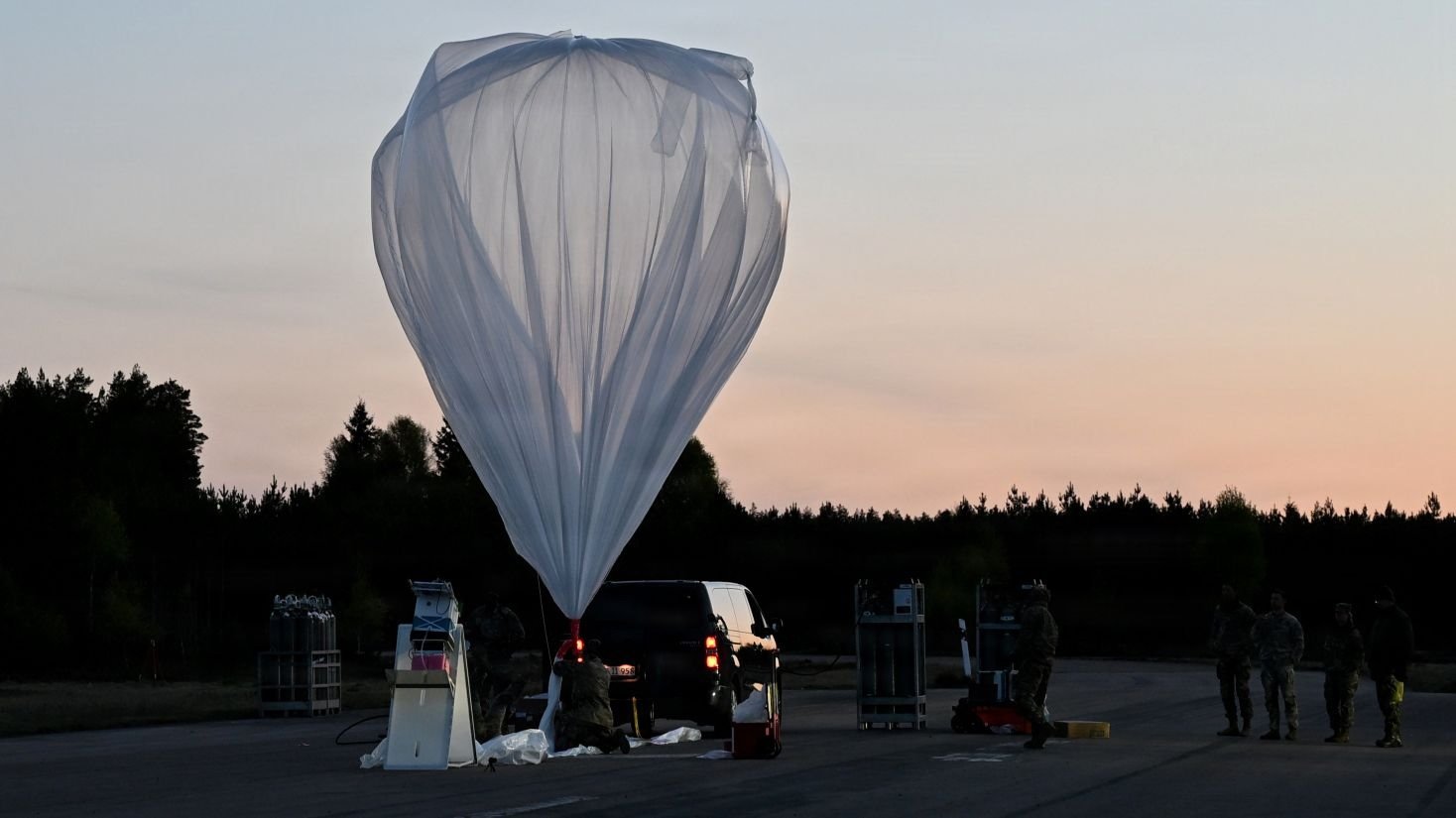
U.S
POWIDZ, Poland — The U.S. Army has completed a series of micro high-altitude balloon tests in Poland during Exercise Cold Raptor, evaluating the platforms for intelligence, surveillance and reconnaissance (ISR), communications relay and electronic warfare support. Launched from Powidz, a major U.S. military logistics and aviation hub in western Poland, the balloons traveled about 305 kilometers (190 miles) before being recovered near the Baltic Sea town of Ustka. Flying in the stratosphere at 18–21 kilometers (60,000–70,000 feet), the balloons operate above commercial airliners and weather systems. Each balloon stands about 10 meters (33 feet) when inflated and can carry payloads weighing 9–20 kilograms (20–45 pounds). The payloads include ISR sensors, communications equipment and navigation warfare technologies, while some Cold Raptor flights carried experimental systems for communications extension and domain awareness. According to Multi-Domain Command-Europe (MDC-E), the balloons provide "organic coverage and dynamic augmentation" as a cost-effective, launch-on-demand capability that can quickly strengthen battlefield sensing and communications when traditional networks face disruption. The exercise also tested decentralized operations, with launch teams in Powidz and separate crews remotely monitoring and controlling flight paths while maintaining continuous communications. U.S. and Polish soldiers jointly conducted recovery operations, while coordination with host-nation authorities and civilian aviation agencies ensured safe flights across Europe's tightly managed airspace. Cold Raptor supports NATO's Eastern Flank Deterrence Initiative and is part of a broader Army program that has completed more than 50 stratospheric balloon launches over the past year, including tests in California and launches from Sweden during Exercises Sword 26 and Aurora 26. The Army will now evaluate the Poland test data to guide future equipment development and procurement decisions, as it continues integrating high-altitude balloons with drones and electronic warfare systems in multi-domain operations.
Read More → Posted on 2026-08-24 13:32:02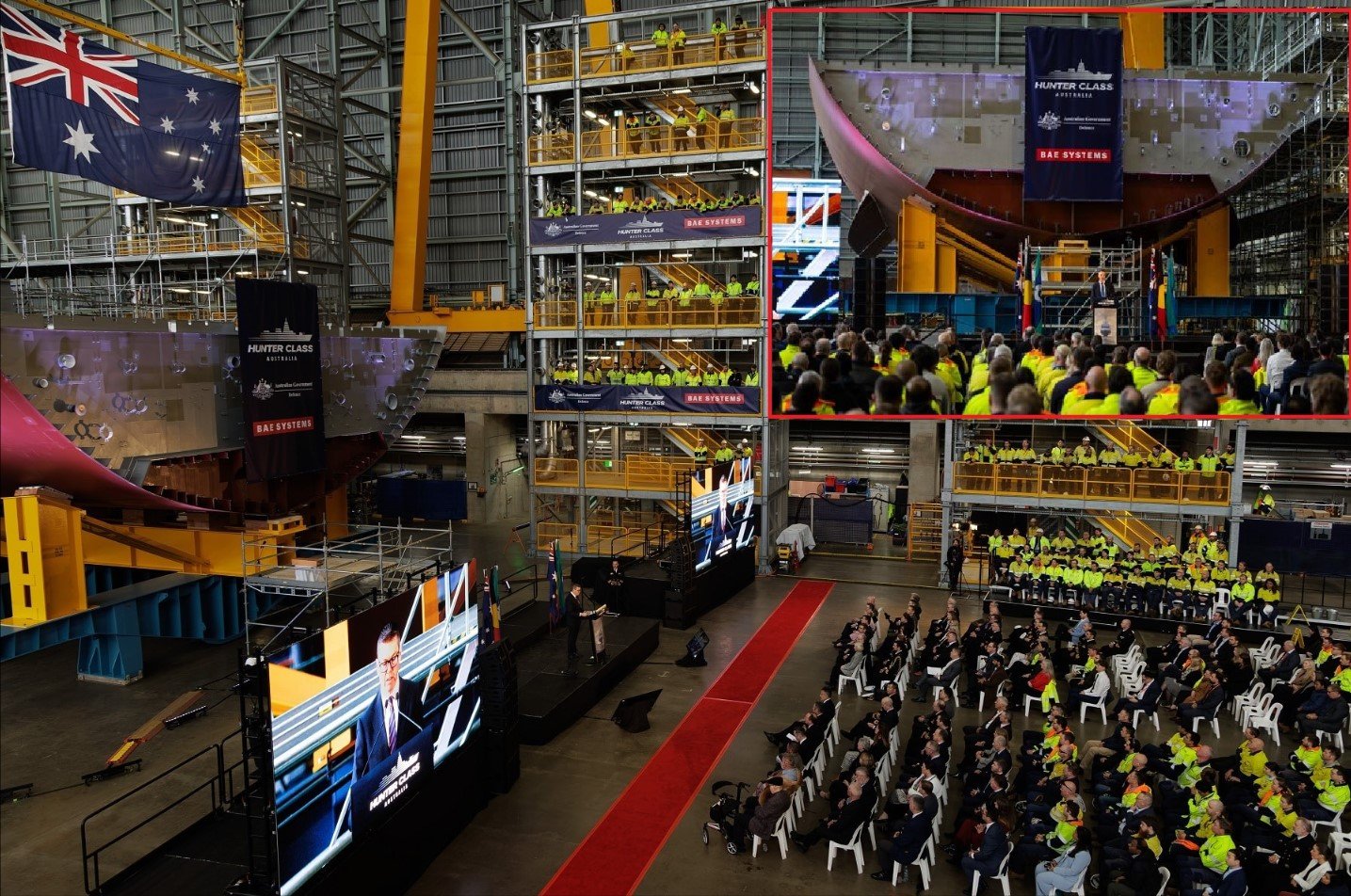
World
Adelaide — Australia has laid the keel of NUSHIP Hunter, the first Hunter-class frigate, at the Osborne Naval Shipyard in South Australia, marking a major milestone in the construction of the Royal Australian Navy’s next-generation anti-submarine warfare fleet. The ceremony on August 24 followed naval tradition, with Defence Industry Minister Pat Conroy and Chief of Navy Vice Admiral Matthew Buckley joining BAE Systems shipbuilders to place a coin beneath two structural blocks forming part of the ship’s keel. The two sections will now be joined with additional blocks to form the ship’s base. BAE Systems Maritime Australia is delivering the program under Australia’s continuous naval shipbuilding policy. Construction is currently under way on 20 of NUSHIP Hunter’s 22 primary blocks. The first steel was cut in June 2024, while work on the second ship, NUSHIP Flinders, is preparing to move into fabrication. Delivery of the Hunter class to the Royal Australian Navy is scheduled for the early 2030s. Australia plans to build six Hunter-class frigates, with contracts signed for the first three. The vessels will replace the Anzac-class frigates. The program was originally planned for nine ships but was later reduced to six following schedule delays and a projected A$15 billion cost increase. Type 26-Based Australian Frigate The Hunter class is based on BAE Systems’ Type 26 Global Combat Ship design but incorporates major modifications for Australian requirements. The Australian variant has a displacement of approximately 10,500 tonnes and combines Australian CEAFAR2 phased-array radar technology with advanced U.S. combat-system elements, including the Aegis combat system with an Australian interface developed by Saab Australia. The frigates are primarily designed for anti-submarine warfare and will be able to operate with allies and partners in complex maritime environments. They will also feature a modular mission bay, providing flexibility for missions beyond their primary submarine-hunting role. Deputy Prime Minister Richard Marles said the keel-laying demonstrates tangible progress toward a more capable and resilient surface combatant fleet and said the Hunter class will provide a “world-class anti-submarine warfare capability.” BAE Systems Australia – Surface Ships Managing Director David Shepherd said the ships’ weapons, sensors and modular mission bay will allow them to perform a wide range of missions. He also said the Hunter program has established foundations for a continuous naval shipbuilding and sustainment capability in Australia. Jobs and Industrial Impact The Hunter-class program directly supports more than 2,500 jobs, mainly in South Australia, with another 5,000 positions across the national supply chain. BAE Systems has almost 600 tradespeople assigned to the project at Osborne, including young workers trained through technical colleges. South Australian Premier Peter Malinauskas highlighted the program’s local employment impact, while Pat Conroy said the project is supporting thousands of high-skilled and well-paid jobs and demonstrates Australia’s skilled workforce capability for complex naval programs. The keel-laying therefore represents both the start of a major assembly stage for NUSHIP Hunter and continued development of Australia’s domestic naval shipbuilding capability at Osborne.
Read More → Posted on 2026-08-24 13:12:58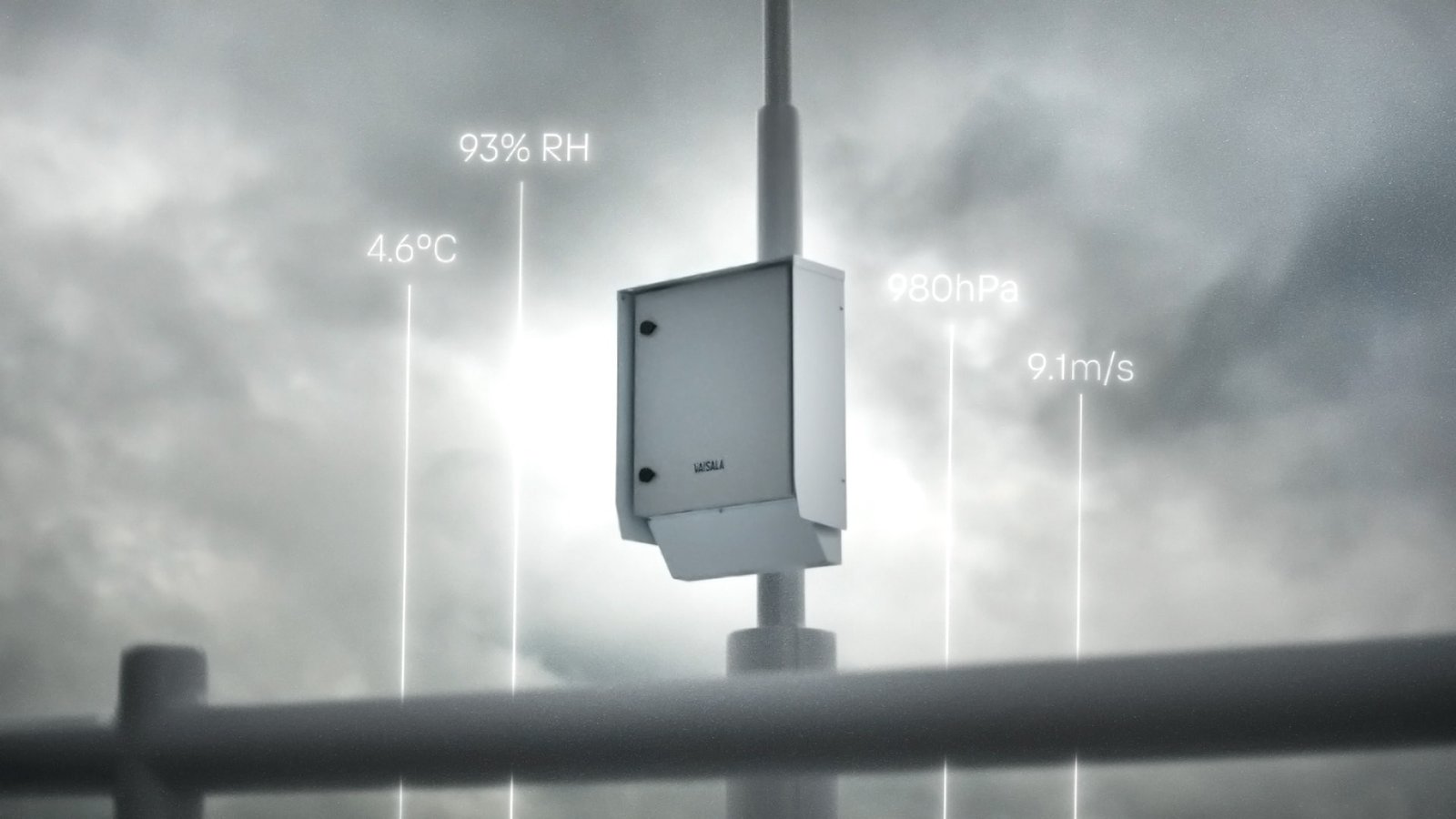
Europe
Helsinki, — Vaisala has launched the Maritime Automatic Weather Station AWS830, a modular system designed to provide real-time meteorological, oceanographic, environmental and motion data for naval, coast guard, research, offshore energy and icebreaking vessels, as well as offshore platforms operating in demanding marine and polar environments. Vaisala launched the AWS830 on April 9, 2026, with deliveries beginning in June 2026. The system succeeds the AWS430, which has been used on vessels and offshore structures for more than a decade. The AWS830 is designed to withstand shock, vibration, corrosion, high humidity, salinity and extreme temperatures, with demonstrated operation down to –50°C. It is available as an outdoor on-deck unit for exposed installations and a 19-inch server-rack version for protected equipment rooms. The system measures wind speed and direction, barometric pressure, air temperature, relative humidity, visibility, cloud base height and helideck motion. It can also be expanded with sensors for wave height, currents and sea surface temperature. Through Vaisala Elements Helideck Monitoring Software, operators can access remote wind profiling, lightning detection and weather forecasts. Cybersecurity and Modular Architecture Cybersecurity is a core part of the AWS830 design. The system is built around Vaisala's DMU801 Data Management Unit, which incorporates secure boot, signed firmware authentication and end-to-end encrypted communications. It also includes a configurable firewall to restrict exposed network services. Vaisala developed the system using a secure lifecycle aligned with IEC 62443 principles, including threat modelling and systematic security testing. Testing included simulated denial-of-service attacks and network storms, while the architecture applies zero-trust principles by requiring authentication at interfaces and protecting critical communications. The AWS830 supports both Vaisala and selected third-party sensors, allowing it to connect with existing ship navigation, automation and platform control systems. Its modular architecture allows additional capabilities to be added as operational requirements or regulations change. The system also uses Kaiku Designer, a visual configuration tool that allows operators to view data flows from sensors to processing functions and helps reduce configuration errors during commissioning. For aviation operations, the AWS830 supports Environmental and Helideck Monitoring Systems and meets relevant IEC and Civil Aviation Authority requirements, including CAP 437. Combined with Vaisala Elements software, it provides wind, weather and platform stability information needed for offshore helicopter operations. In naval applications, the collected data can support the coordination of supply vessels, helicopters, drones and other support traffic, while also providing information for safety procedures and aviation operations. Automated diagnostics and data validation continuously monitor system condition and data quality, helping maintain system availability and reduce unnecessary maintenance. Vaisala says the AWS830 builds on its maritime and aviation measurement experience while providing a cybersecure and scalable platform for offshore, naval, research and polar operations. Source : navalnews
Read More → Posted on 2026-08-24 13:01:55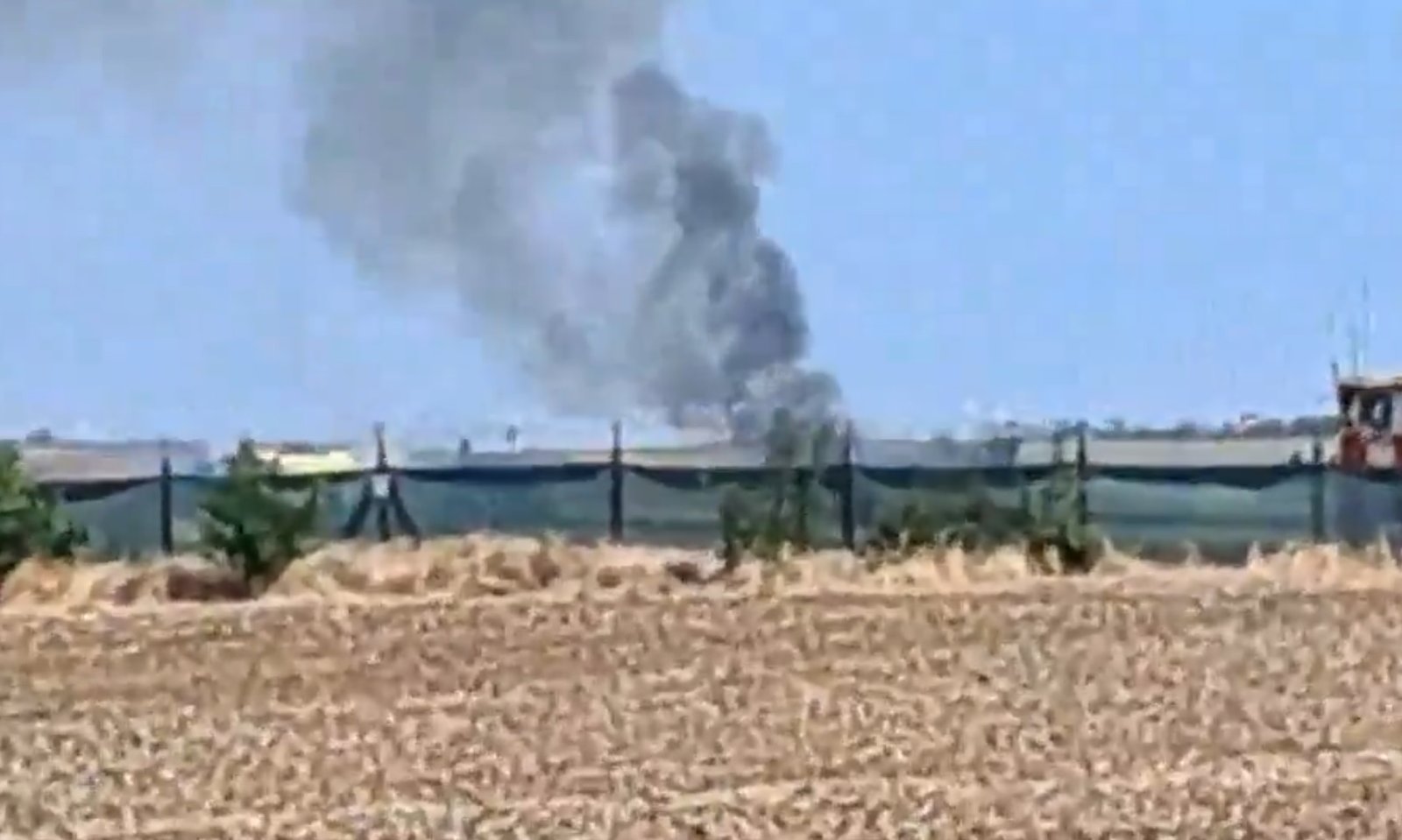
Europe
SZOLNOK, HUNGARY — A Hungarian Air Force Saab JAS 39 Gripen fighter jet crashed near Szolnok on Monday morning. The pilot ejected safely and survived without serious injury. No other injuries or damage to civilian infrastructure were reported. The crash occurred near the Hungarian Defence Forces’ military helicopter base outside Szolnok, around 100 kilometers southeast of Budapest. Szolnok Mayor Mihály Győrfi said the aircraft had taken off from Kecskemét and that the pilot was likely conducting a routine training flight. Defence Minister Romulusz Ruszin-Szendi said the pilot was alive and uninjured. He said the pilot had done everything possible to keep the aircraft over military property before ejecting. The pilot was taken to hospital for observation and was reported to be in stable condition. The defence minister and Chief of the General Staff also traveled to the crash site. The cause of the crash remains unknown and is under investigation. Reports of a possible hydraulic-system problem and a landing-gear malfunction have circulated in local media, but Hungarian authorities have not officially confirmed those details. The aircraft was carrying weapons, including missiles and cannon ammunition, according to the defence minister. Firefighters responded to the crash site and extinguished the fire. Hungary’s Gripen Fleet Hungary operates JAS 39 Gripen C/D fighters. Fourteen aircraft were acquired through a lease-purchase program launched in 2001, while four additional Gripen Cs were ordered in 2024 and delivered in 2026. The deliveries brought the fleet to 18 aircraft before Monday’s crash. Hungary has operated the Gripen since 2006, with the aircraft based primarily at Kecskemét Air Base. Following the loss of Monday’s aircraft, the fleet stands at 17 aircraft. Hungary also experienced a Gripen accident in 2015 at Kecskemét. The pilot ejected safely after an unsuccessful landing attempt, although that pilot sustained injuries. The investigation into the August 24 crash is continuing, and the official cause has not yet been announced.
Read More → Posted on 2026-08-24 12:42:54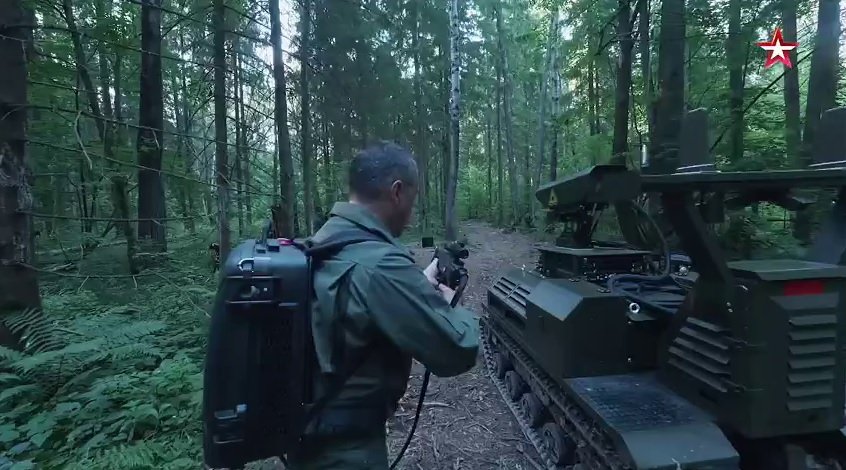
World
Moscow — Russian forces have demonstrated a portable laser system designed to neutralize mines and other explosive devices by burning through their casings and igniting the explosives inside without causing a detonation. The system was recently shown during tests featured on the Russian television program Military Acceptance on Zvezda. A related higher-powered laser has also been integrated with the Courier-2 (Kurier-2) ground-based robotic complex, which is designed to remotely destroy anti-tank and anti-personnel mines, grenade launchers and other explosive objects without detonating them. Russia has demonstrated a 1-kilowatt portable laser system designed to neutralize mines by burning through their casings without detonating them.The system can engage targets from 50–100 meters and is integrated with the Courier-2 unmanned ground vehicle for explosive clearance pic.twitter.com/TOQhVeX4P9 — The Defense News (@TheDefenseNews) August 24, 2026 Portable Laser System The portable version has a power output of 1 kilowatt, with its energy source carried in a backpack worn by the operator. The laser operates silently and can be controlled manually or remotely. According to a plant representative identified by the call sign “Lis,” the system allows sappers to engage targets from 50 to 100 meters away. This distance is particularly useful against mines equipped with sensors that detect nearby people or equipment, including vibration or magnetic-field detectors. Keeping the operator farther away from such devices can reduce the risk associated with approaching them. During the tests, the portable laser was first used in handheld mode against simple targets, including an old laptop battery, which ignited quickly. The system was then tested against a plastic-cased anti-personnel mine. The effect was slower when the laser was held manually, so the unit was fixed to a tripod. Stabilizing the laser allowed the beam to remain concentrated on a single point for about one to two seconds. The mine casing then ignited and the explosive material burned rather than detonating. Representatives involved in the demonstration said the portable systems shown were production-ready models that had entered manufacturing rather than experimental prototypes. Courier-2 Robotic Laser System The same basic principle has been applied to a higher-powered laser mounted on the Courier-2 unmanned ground vehicle. The stationary laser installation on the robot has approximately twice the power of the portable system and is heavier. The Courier-2 is a tracked ground-based robotic complex capable of remotely engaging anti-tank and anti-personnel mines, grenade launchers and other explosive objects without detonating them. During testing, the robot directed its laser at an un camouflaged anti-tank mine. The beam was first aimed at tree bark as part of the calibration process. It was then directed at the mine's fuse element. The laser entered the fuse and caused the simulated explosive material to burn without detonating. Thermal imaging during the demonstration recorded temperatures of around 1,000 degrees Celsius. After the fuse was disabled, the laser was directed at the mine's casing. The casing used in that demonstration was a 3D-printed model. The explosive material ignited after about four seconds. Once combustion began, the laser no longer needed to remain on the target, and the mine burned out completely within approximately two to four minutes. Laser Can Engage Targets Over Obstacles Another test involved a smaller target described as a “drop” at a range of 60 meters. A car was deliberately positioned between the Courier-2 and the target to obstruct the laser's direct path. The robotic vehicle is equipped with a lifting mechanism that can raise the laser to a height of 1.5 meters. This allowed the system to raise the laser above the vehicle and engage the target. According to the developers, from this elevated position the system can engage targets at distances of up to 500 meters. A smoke screen was also used during the demonstration. The laser was still able to ignite the target through the smoke used in the test. Representatives explained that the wavelength used by the system is not significantly affected by the particle size of the smoke employed in the demonstration. However, they also noted that denser aerosol systems can block laser beams more effectively. The Tucha protection system used on tanks was cited as an example of a system capable of providing greater obstruction to laser radiation. Straight-Line Laser Engagement Unlike conventional projectile weapons, the laser travels directly toward the selected point and does not follow a ballistic trajectory. Therefore, the system does not require a ballistic computer for the laser's engagement. The operator selects the aiming point and activates the laser emission. The beam operates outside the visible spectrum and is therefore invisible to the naked eye under normal conditions, although its path can become visible when passing through smoke. The system's operating principle allows explosive objects to be neutralized by heating and burning the explosive material rather than initiating a conventional explosion. Designed to Increase Stand-Off Distance The portable system and the Courier-2 robotic version are intended to allow explosive hazards to be engaged from a greater distance. This capability is particularly relevant when dealing with mines equipped with proximity or other sensors that could respond to the movement or presence of personnel and equipment. The systems are also intended for situations in which a conventional explosion could create additional hazards, including populated areas or other locations where surrounding structures and people could be at risk. The Courier-2 platform itself is a tracked unmanned ground vehicle capable of performing other tasks, including ammunition delivery, casualty evacuation and fire support. The laser-equipped configuration has undergone military testing for remotely clearing discovered explosive objects. The portable backpack-powered laser and the Courier-2-mounted system therefore provide two configurations of the same basic technology: a mobile system operated by personnel at a distance and a robotic system that allows the operator to remain away from the immediate area of the explosive hazard.
Read More → Posted on 2026-08-24 12:15:53
World
SEOUL — South Korean President Lee Jae Myung has ordered the Defense Ministry to accelerate development of the Jangbogo-N nuclear-powered attack submarine (SSN) program while reaffirming plans to complete the transfer of wartime operational control (OPCON) of South Korean forces from the United States before his term ends. Lee issued the instructions on August 18, shortly after U.S. President Donald Trump ordered a significant reduction in the annual Ulchi Freedom Shield exercise. Trump cited his relationship with North Korean leader Kim Jong Un and South Korea’s refusal to participate in potential U.S. military actions related to Iran. Seoul and Washington subsequently shortened the exercise and reduced some field-training activities. Lee said stronger South Korean defense capabilities would strengthen, rather than weaken, the U.S.-South Korea alliance. He also called for improved training for officers in integrated conventional, cyber and other military operations. Jangbogo-N Program South Korea formally launched the Jangbogo-N project on May 26, 2026, following a bilateral understanding reached after the October 29, 2025, summit in Gyeongju. The United States agreed to support the project, including efforts related to nuclear fuel. The program calls for three to four conventionally armed nuclear-powered submarines of about 8,000 tons. The first submarine is planned for launch in the mid-2030s and entry into service in the late 2030s. The submarines will use low-enriched uranium enriched below 20 percent. Nuclear propulsion is intended to provide long submerged endurance and sustained speeds above 25 knots. The submarines will carry conventional weapons, with detailed final weapons specifications yet to be publicly confirmed. The program is planned around a roughly 40-year lifecycle, covering development, construction, operations, maintenance, fuel management and eventual decommissioning. South Korean officials expect it to create more than 40,000 jobs. Domestic Construction South Korea plans to build the submarines domestically, with Hanwha Ocean and HD Hyundai Heavy Industries expected to play major roles alongside the country's nuclear sector and defense research organizations. Trump had previously suggested that the submarines could be built at Hanwha’s Philadelphia shipyard. However, South Korea has chosen a domestic construction approach because the U.S. facility does not have the specialized nuclear-submarine infrastructure required for SSN construction. The Defense Ministry issued a draft special law on August 11 covering the acquisition, operation and nuclear-safety management of nuclear-powered submarines. Seoul aims to establish the necessary legal framework during 2026, while dedicated project teams have also been created within the Defense Ministry and Defense Acquisition Program Administration. Nuclear Fuel Issues The existing 2015 U.S.-South Korea civil nuclear cooperation agreement does not fully cover military naval propulsion. A separate arrangement is therefore required for issues including fuel supply, enrichment, fabrication, transportation, loading, safeguards and spent-fuel management. South Korea has stated that it will remain within the Nuclear Non-Proliferation Treaty and cooperate with the International Atomic Energy Agency (IAEA) on safeguards. The country previously examined a nuclear-submarine project in 2003 under Project 362, including reactors using higher-enrichment uranium. The effort was abandoned after undeclared enrichment experiments attracted IAEA scrutiny and U.S. concerns. Washington subsequently opposed South Korean nuclear-submarine ambitions for more than two decades because of proliferation concerns. That position changed after the 2025 Trump-Lee summit. Current Submarine Fleet Until Jangbogo-N enters service, South Korea will continue operating about 21 conventional submarines: nine 1,290-ton KSS-I Jang Bogo-class, nine 1,860-ton KSS-II Son Won-il-class submarines equipped with air-independent propulsion, and three 3,750-ton KSS-III Dosan Ahn Chang-ho-class submarines equipped with vertical-launch missile cells and lithium-ion batteries. To maintain capability during the transition, Seoul launched a 468.9 billion won modernization program in November 2025 for selected KSS-II submarines. The program includes upgrades to combat systems and sonar and is scheduled to continue through 2033. The Jangbogo-N program is being pursued alongside the planned OPCON transfer and broader efforts to strengthen South Korea’s ability to conduct independent military operations while maintaining its defense alliance with the United States.
Read More → Posted on 2026-08-24 11:50:01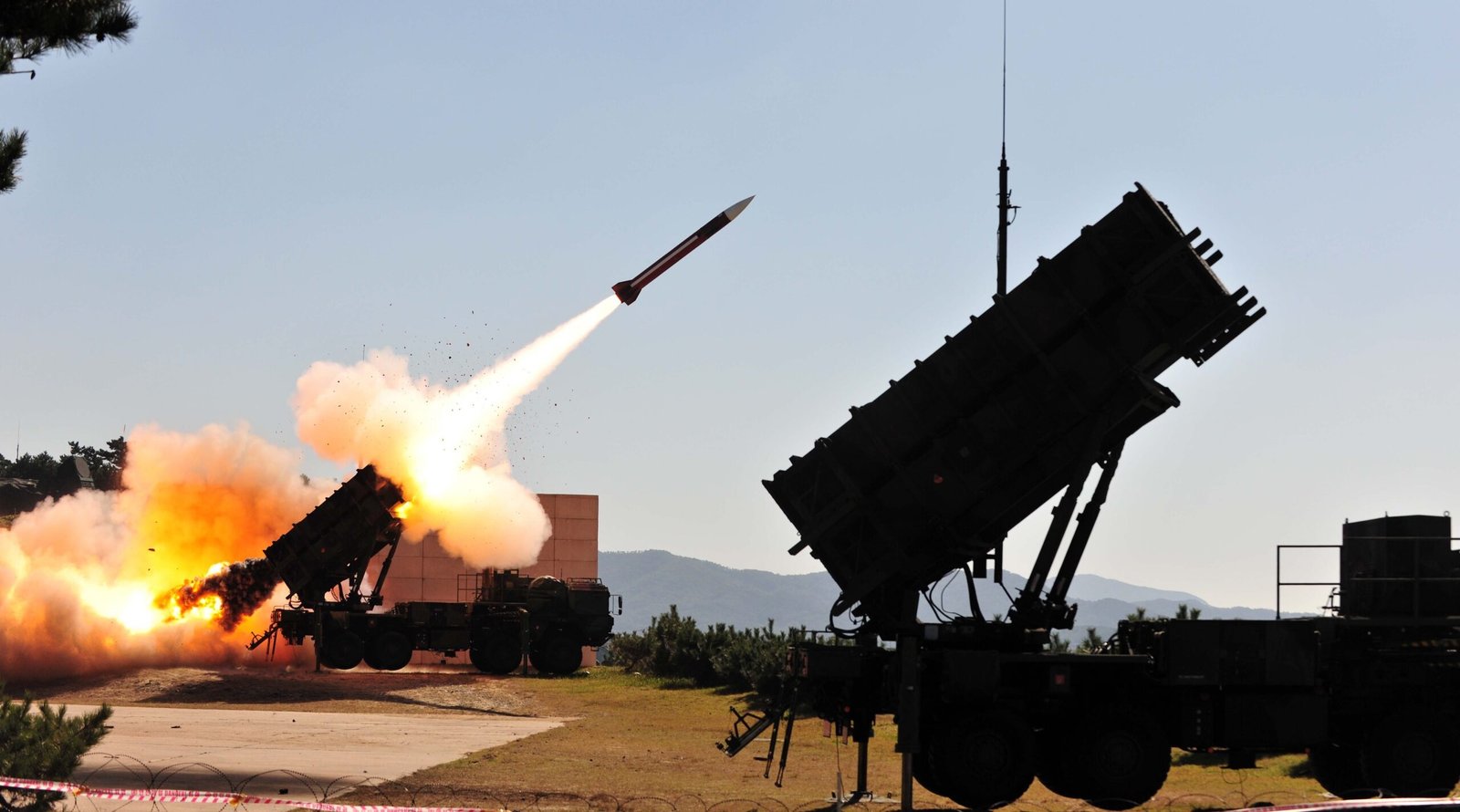
World
Brussels, — The European Commission has approved €6.1 billion (approximately $7.1 billion) in new defense procurement funding for Ukraine. The package will support the purchase of air and missile defense systems, missiles, ammunition and radars. The approval was announced on Ukraine’s Independence Day and comes as Russia has increased its use of ballistic missiles and jet-powered drones. The European Commission said Ukraine recorded 376 missile strikes in July alone. European Commission President Ursula von der Leyen said Europe’s support for Ukraine remains concrete and that the new funding will help the country protect its people and defend its skies. EU Commissioner for Defence and Space Andrius Kubilius said the funding will allow Ukraine to procure the missiles and air-defense systems needed to protect its population and defend its sovereignty. Procurement and Delivery Most of the equipment will be sourced from European Union defense companies. The Commission has called for faster deliveries by releasing existing stocks, reprioritising current orders and increasing factory production. The latest €6.1 billion approval adds to €16 billion in procurement programmes already authorised under the initiative. Of that amount, €8.35 billion has already been disbursed. Part of €90 Billion Ukraine Support Loan The funding comes from the broader €90 billion Ukraine Support Loan for 2026 and 2027. The program allocates €60 billion for defense and €30 billion for general budgetary assistance. The European Parliament and the Council established the loan through a regulation adopted in February 2026, while Ukraine submitted its financing strategy in March. On April 23, 2026, the Council approved up to €45 billion for 2026, including €16.7 billion in budget support and €28.3 billion for defense industrial capacity. Contract Review and Oversight Ukraine can request payments after submitting signed contracts with defense companies. The European Commission will review each contract before releasing funds to ensure that purchases match plans agreed by Ukraine and EU Member States and that the money is used only for approved military equipment. All funding decisions remain subject to agreed conditions and ongoing monitoring. The defense component of the loan also supports the reconstruction and modernisation of Ukraine’s technological and industrial base, including its gradual integration into the European Defence Technological and Industrial Base. Since 2022, the EU and its Member States have provided €220.2 billion in overall financial, humanitarian and military support to Ukraine. This total includes €3.8 billion generated from the proceeds of immobilised Russian assets.
Read More → Posted on 2026-08-24 11:33:17
World
KYIV, Ukraine — Ukrainian President Volodymyr Zelenskyy said Russia currently has around 600–630 ballistic missiles and could potentially produce up to 1,300 ballistic missiles a year. Speaking to journalists, Zelenskyy said Russia is targeting a production rate of about 100 ballistic missiles per month, but has not yet reached that level. He said Ukraine has a clear understanding of Russia’s expected production volume through the end of winter and considers the potential figure of 1,300 missiles a year particularly concerning. Zelenskyy said Ukrainian forces are working to reduce Russia’s military-industrial capabilities by striking facilities connected to missile production and carrying out other operations aimed at disrupting ballistic missile output. He also said Ukraine has become more effective at intercepting Russian cruise missiles, with combat aviation, IRIS-T and Hawk air-defence systems contributing to the improvement. However, he said ballistic missiles remain more difficult to counter. Ukraine is also conducting operations intended to disrupt preparations for large-scale Russian missile attacks. Zelenskyy said Russia recently planned a strike that was not carried out, adding that this was not a coincidence and that Ukrainian operations are being used to prevent massive missile attacks. He described these as separate and complex operations that are beginning to show initial results. Zelenskyy further confirmed that Ukrainian forces had struck a Russian Iskander missile launcher near the Ukrainian border. He did not provide the exact date or location because of the sensitivity of the operation. He said the action is part of a separate effort to locate and target nearby Russian launch systems, particularly because Ukraine has limited supplies of anti-ballistic interceptors. Ukraine is therefore combining improved air defence with operations against Russian missile production facilities and launch systems to reduce the threat posed by Russia’s growing ballistic missile capability.
Read More → Posted on 2026-08-23 16:09:19
World
DUBAI, UAE — The United Arab Emirates has completed the installation of large steel-and-mesh protective structures over critical fuel storage tanks near Dubai International Airport (DXB), adding a passive defense layer against one-way attack drones. According to satellite imagery and footage published by OSINT researcher Egypt’s Intel Observer, construction at the Dubai fuel farm at 25°14'05.70"N, 55°23'10.49"E began in May 2026 and was largely completed by August 20. Similar structures have also been installed around strategic infrastructure in Abu Dhabi. The work follows a March 16, 2026 drone strike in which an Iranian one-way attack drone hit one of the approximately 10 fuel tanks at the Dubai airport fuel farm, located between Terminal A and the VIP Royal Air Wing terminal. The strike caused a major fire and a large smoke plume, temporarily disrupted airport operations and led to some flights being diverted to Al Maktoum International Airport. Civil Defence teams contained the fire, and no injuries were reported. Massive anti-drone frameworks have been erected over oil storage tanks in Abu Dhabi, UAE, after strikes by Iranian Shahed-136 kamikaze drones. pic.twitter.com/q0umDUcTZv — The Defense News (@TheDefenseNews) August 23, 2026 Large-Scale Protective Framework Unlike protective metal structures commonly placed around individual tanks, the UAE has constructed a large steel framework over the entire tank farm at the Dubai site. The framework uses heavy steel structures and mesh positioned above and around the tanks. The design creates greater distance between an incoming drone and the fuel tanks. If a one-way attack drone detonates against the mesh or before reaching the tank, the additional separation can reduce the effect of its explosive payload. The arrangement is particularly intended to provide protection against drones such as the Iranian Shahed-136. The structures are a passive layer and are not designed to stop ballistic or cruise missiles. They provide an additional barrier when active air-defense systems are dealing with repeated or large numbers of incoming drones. Wider UAE Air-Defense Measures The new structures come amid continued attacks on UAE infrastructure during the conflict that began in February 2026. According to UAE Ministry of Defence figures, its air-defense forces have engaged 2,265 drones, 551 ballistic missiles and 29 cruise missiles launched by Iran. Energy infrastructure, including facilities at the Port of Fujairah and the Habshan natural gas facility, has also faced attacks. The March 16 strike near Dubai International Airport highlighted the vulnerability of fixed fuel storage to one-way attack drones. The completed steel-and-mesh structures at Dubai and Abu Dhabi therefore provide a physical, passive layer of protection for critical fuel infrastructure alongside the UAE's existing active air-defense systems.
Read More → Posted on 2026-08-23 14:42:54Search
Top Trending in 24 Hours
-
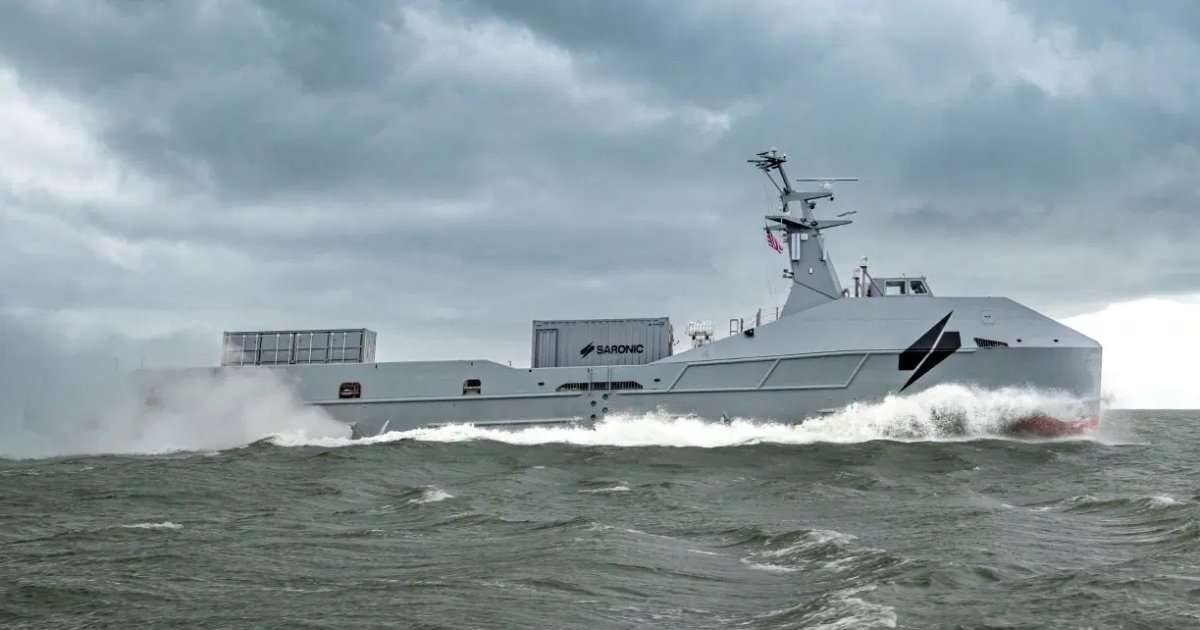 U.S. Navy Awards Production Agreements for 30 Medium Unmanned Surface Vessels, Including 10 Saronic Marauders
-
 Boeing Wins $20 Billion U.S. Navy Contract for F/A-XX Sixth-Generation Fighter
-
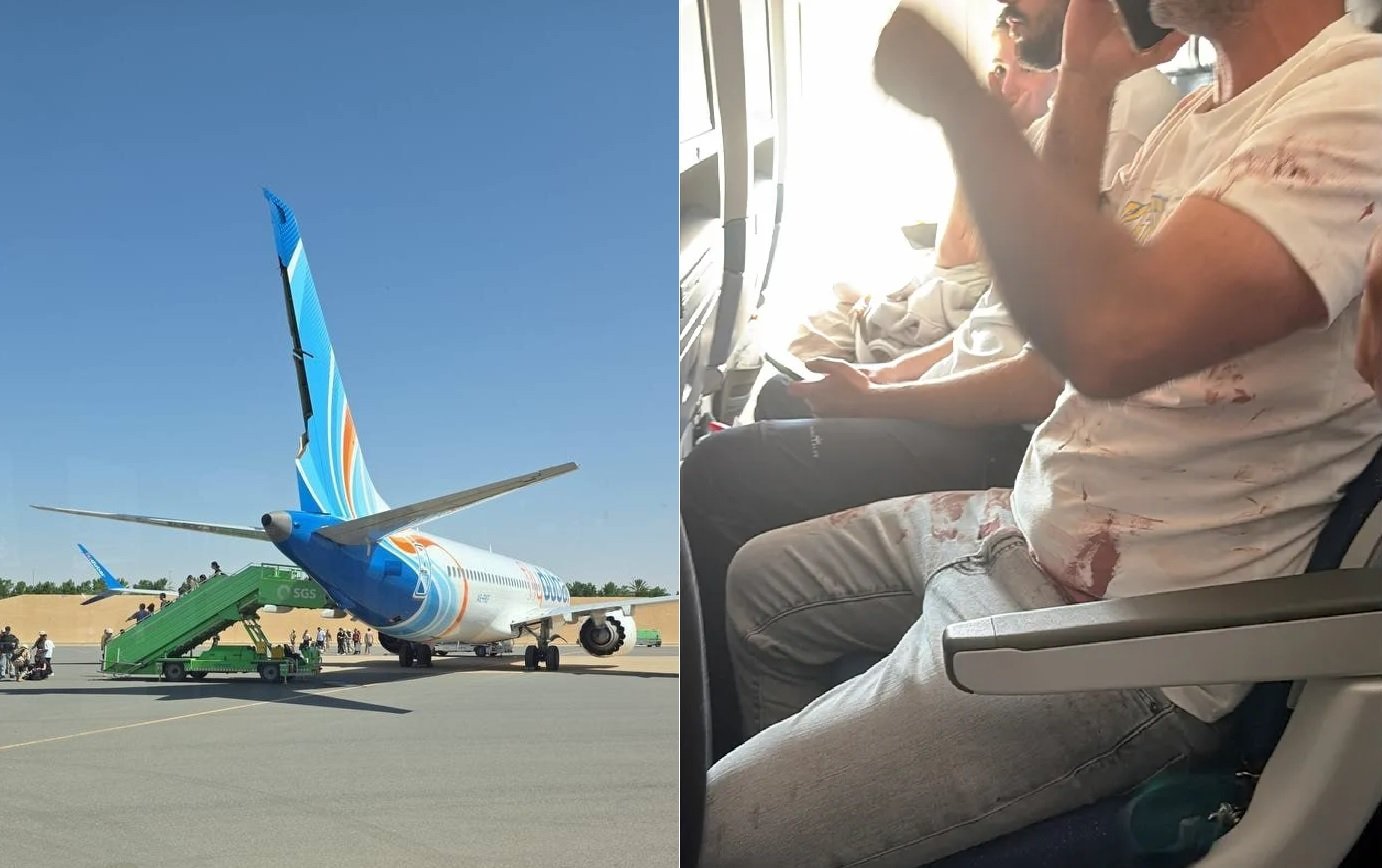 Flydubai Flight to Israel Diverted to Saudi Arabia After Possible Attempted Terror Attack in Cockpit
-
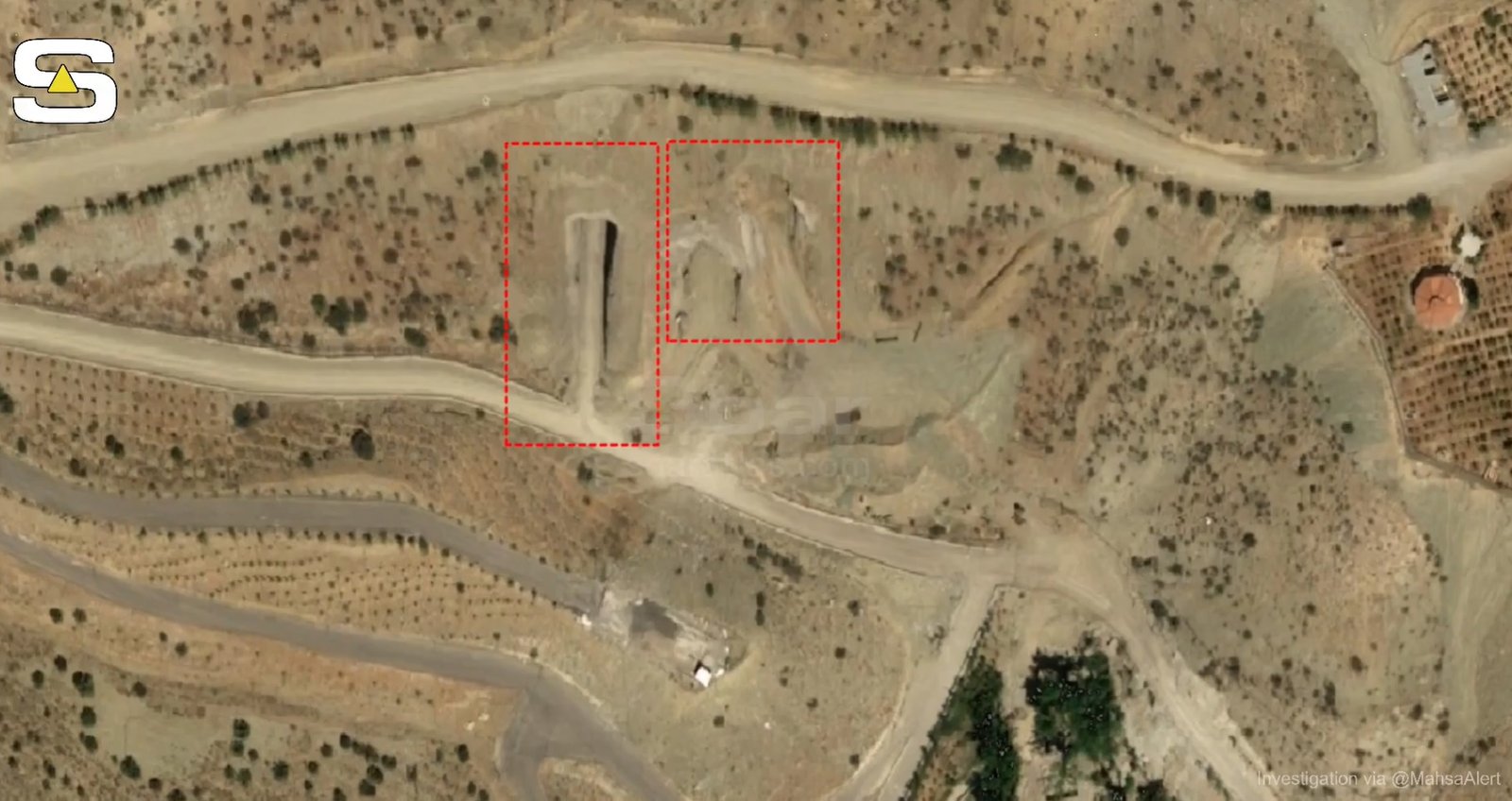 Satellite Imagery Shows Construction Changes at Hillside Site Linked to Iran’s Supreme National Security Council
-
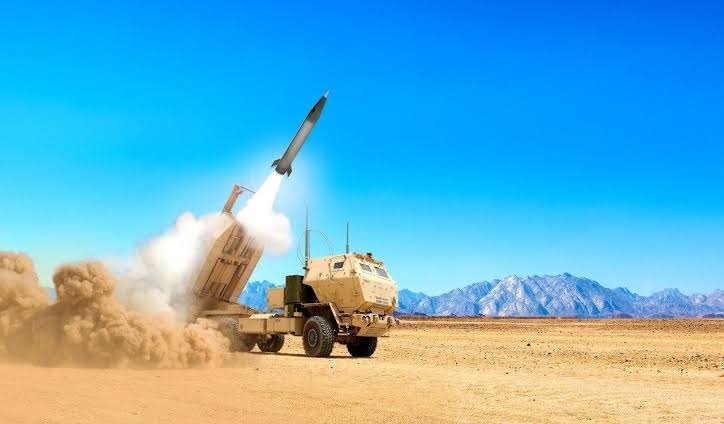 U.S. Army Selects Five Companies to Develop 1,000-Km Precision Strike Missile Prototypes
-
 NASA Adds Blue Origin’s Upgraded New Glenn 9×4 to Launch Services Contract
-
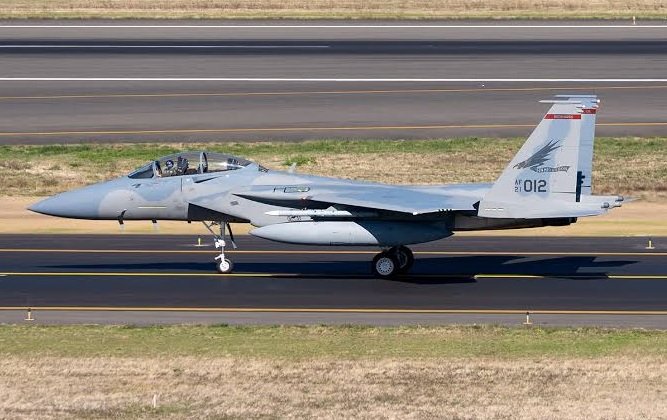 U.S. Air Force Awards Boeing $2.38 Billion Contract for 22 F-15EX Fighter Jets
-
 U.S. Army Awards Heaviside Industries $99 Million Contract for MOTH RF Spectrum Analyzers
Top Trending in 4 Days
-
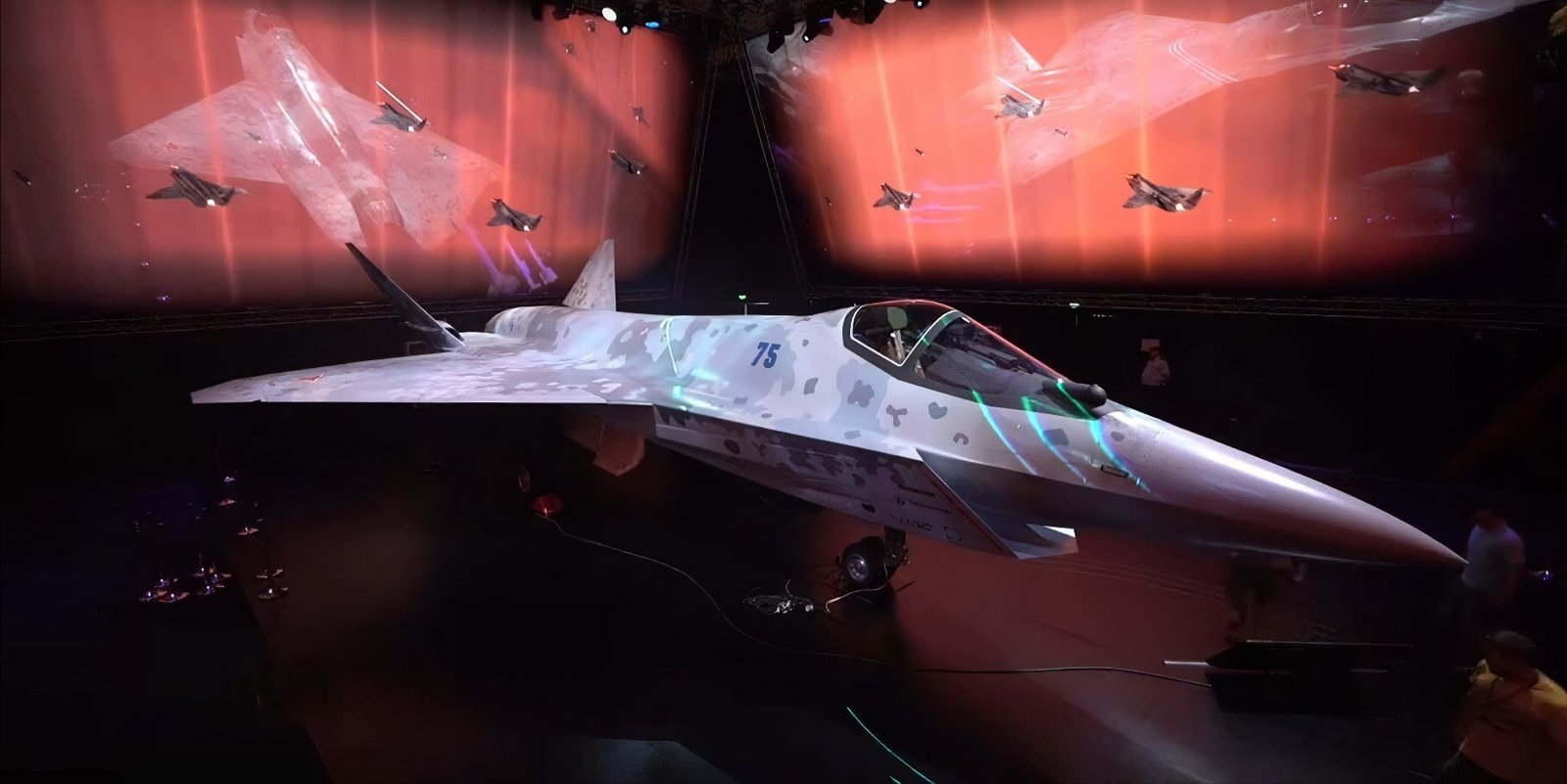 Russia Says Su-75 Checkmate Could Cost Just $25–30 Million, Flight-Hour Costs 6 Times Lower Than F-35
-
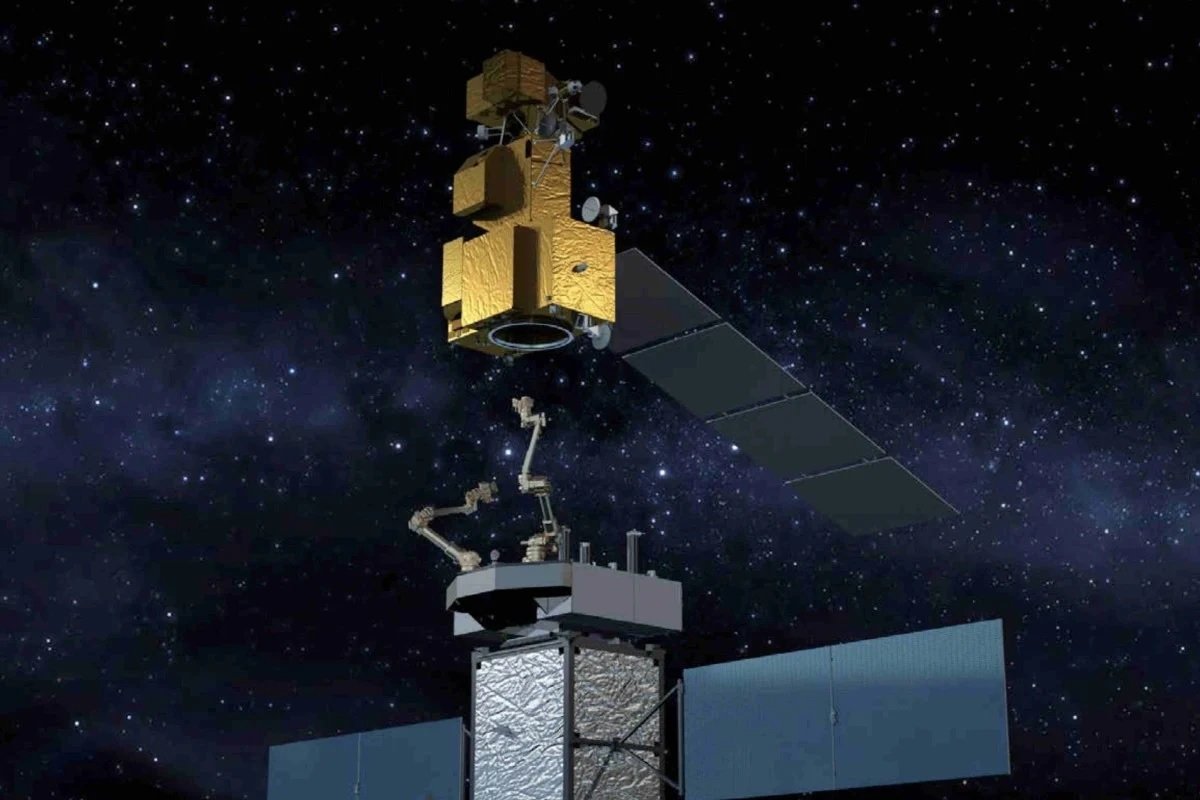 China Reports First High-Orbit Refueling of BeiDou Satellite, but Tracking Data Raise Questions
-
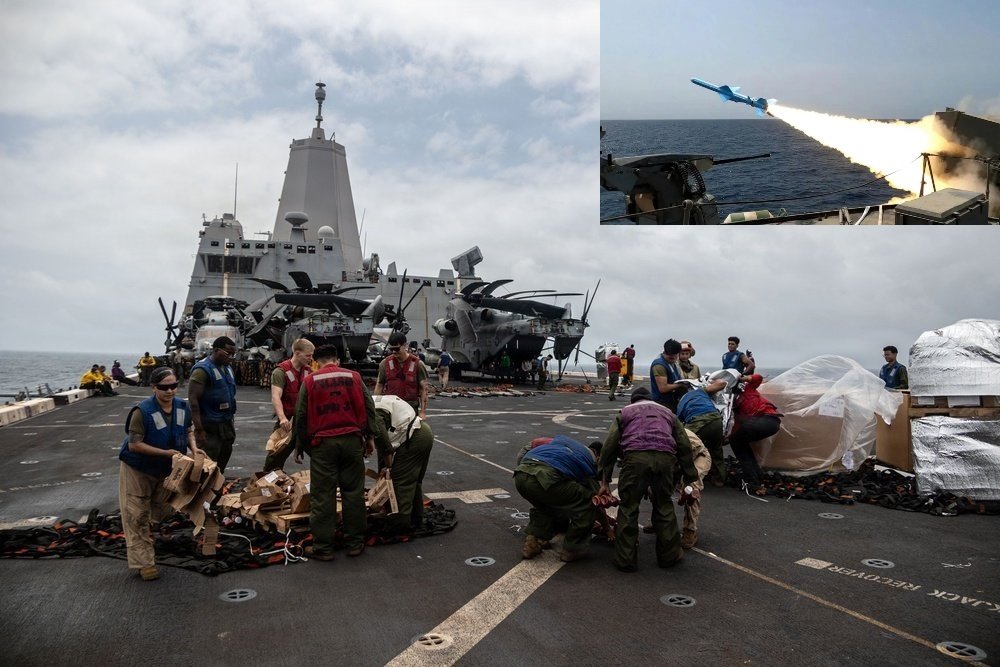 Eight U.S. Marines Injured in Iranian Missile Strike on U.S Vessel in Strait of Hormuz
-
 U.S. and Russia Remove Human-Review Rules From Draft UN AI Weapons Framework
-
 UK Offers Nuclear Deterrence for Its Northern European Defence Partners
-
 U.S. Navy Begins Flight Testing Blackbeard Hypersonic Missile on F/A-18 Super Hornet
-
 Rheinmetall Develops Automated Reloader for Austrian Skyranger Air Defense System
-
 HII Expands Massachusetts Unmanned Systems Facility by 25 Percent to Support U.S. Navy Lionfish Production
