Europe
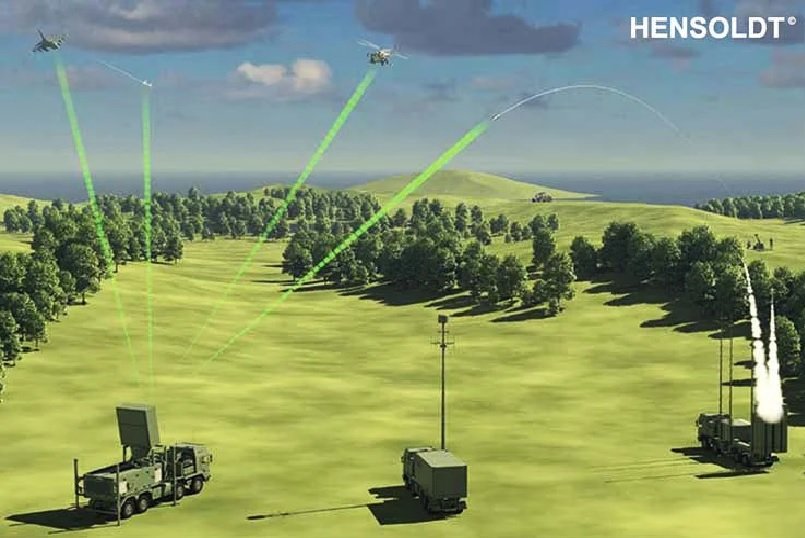
Ulm, Germany — Rheinmetall Air Defence and HENSOLDT have successfully demonstrated the integration of HENSOLDT’s Twinvis passive radar with Rheinmetall’s Skymaster command and weapon engagement system during the German Air Force’s Timber Express 2026 exercise. During the exercise, the air picture generated by Twinvis was connected to Skymaster, which then used the data to direct a deployed Skynex air defence battery against exercise targets. The demonstration was conducted under realistic NATO networking conditions. Sensor data from the systems was fused and correlated through NATO’s Link 16 network to create a common air picture. HENSOLDT reported that Twinvis successfully detected and tracked airborne targets during the exercise. Passive Radar and EMCON Twinvis is a passive radar system that uses existing signals from radio and television transmitters rather than transmitting its own radar signals. This allows it to detect and track airborne targets without producing a distinctive active radar emission. The passive approach supports emissions-control (EMCON) operations and can provide an additional sensor source for distributed air defence networks. Twinvis is designed for wide-area military airspace surveillance and can also be used for civil air traffic control applications. Sensor Fusion Through Skymaster The exercise demonstrated Skymaster’s ability to combine information from different sensors. The system merged data from active radars, passive sensors and electro-optical systems into a single air picture. Rheinmetall and HENSOLDT said this sensor fusion improves situational awareness and supports the surveillance and protection of high-value infrastructure, critical facilities and mobile military units. Passive sensors can also extend existing air defence architectures by providing additional tracking information without active radar emissions. Future Air Defence Applications The companies said the results provide a basis for integrating passive sensor technology into different future air defence configurations. The same networked approach could be applied to stationary Skynex systems, mobile Skyranger solutions and counter-UAS configurations such as Skyspotter. The demonstration involved German Air Force organisations, the Timber Express exercise management team and specialist teams from Rheinmetall Air Defence and HENSOLDT. The companies said the NATO-compatible integration showed that distributed active and passive sensors can be combined within modern air defence networks while maintaining an open architecture for future systems. Timber Express is an annual German Air Force exercise focused on testing real-time tactical data exchange between participating units and weapon systems. The 2026 exercise also included live-virtual-constructive elements, with synthetic aircraft and threats integrated into the training environment alongside real participants. HENSOLDT has also worked on civil applications of Twinvis, including studies with Germany’s air navigation service provider DFS for possible certification for air traffic control use. The system uses digital receiver technology and algorithms to process signals from multiple transmitters simultaneously and generate real-time tracks. The successful Timber Express 2026 demonstration provides a basis for combining Twinvis passive radar data with existing command-and-control and air defence systems in a networked architecture.
Read More → Posted on 2026-08-19 11:45:27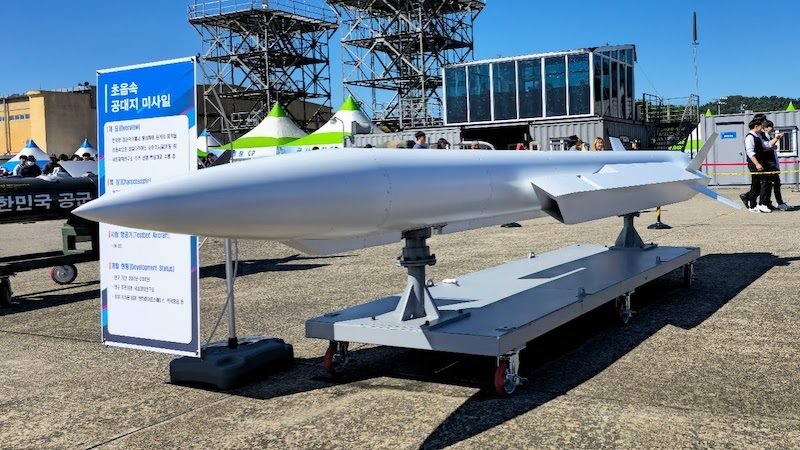
World
SEOUL, South Korea — South Korea has approved two major defense programs aimed at improving its naval strike and armored warfare capabilities: the domestically developed Ship-to-Ship Missile-II (SSM-II) and a large-scale performance improvement program for the K2 main battle tank. The Defense Acquisition Program Administration (DAPA) approved the basic program strategies for both projects during the 177th Defense Acquisition Program Promotion Committee meeting held on August 11 at the Ministry of National Defense in Seoul. SSM-II to Provide Longer-Range Anti-Ship Capability The SSM-II program is intended to develop a new domestic anti-ship missile with greater range and improved target detection and tracking compared with the Republic of Korea Navy’s existing SSM-700K Haeseong-I. The current Haeseong-I has a range of about 150 kilometers, while the SSM-II is planned to have roughly twice the range. DAPA said the new missile is being developed to provide improved long-range precision strike capability against surface targets. The program will be carried out through domestic research and development, with the Agency for Defense Development (ADD) leading the system development work. A total of approximately 1.63 trillion won is planned for development and production from 2028 through 2039. System development is planned from 2028 to 2033, followed by mass production from 2034. The development period will include integration with naval combat systems as well as testing and evaluation. The missile is planned to use a turbofan engine instead of the turbojet engine used on the existing Haeseong-I. It will also incorporate a stealth-shaped design. The supplied program details also identify network-enabled engagement capabilities, including the Link-K datalink, as part of the missile's planned capabilities. The SSM-II is expected to be deployed on South Korea's next-generation KDDX destroyers. DAPA has also indicated that the missile could eventually be offered together with South Korean-built warships as part of future export packages. The program is also referred to as the Haeseong-II project in some reporting. Its development is intended to provide South Korea with a longer-range domestic anti-ship weapon while improving detection and tracking performance. K2 Tank Upgrade Program DAPA also approved the performance improvement program for South Korea's K2 main battle tanks. The program is planned to run from 2028 through 2046, with approximately 3.448 trillion won allocated to the project. System development is scheduled to be completed by 2032, with upgraded tanks expected to begin entering service sequentially from 2033. The modernization will add an active protection system (APS) designed to detect and intercept incoming threats. The upgraded K2s will also receive jammers for drones and improvised explosive devices (IEDs) and a remote-controlled weapon station (RCWS). The changes are intended to improve the K2's ability to respond to threats such as anti-tank weapons and drones. Two Long-Term Defense Programs The SSM-II and K2 modernization programs will be developed over different timelines but both are based on domestic development and upgrades to existing South Korean military capabilities. The SSM-II will focus on extending the range and improving the detection and tracking capabilities of South Korea's ship-to-ship missile force, while the K2 program will add systems intended to improve the tank's protection and response against newer battlefield threats. Further technical specifications for the SSM-II are expected to become available as the formal development phase begins in 2028.
Read More → Posted on 2026-08-19 11:26:23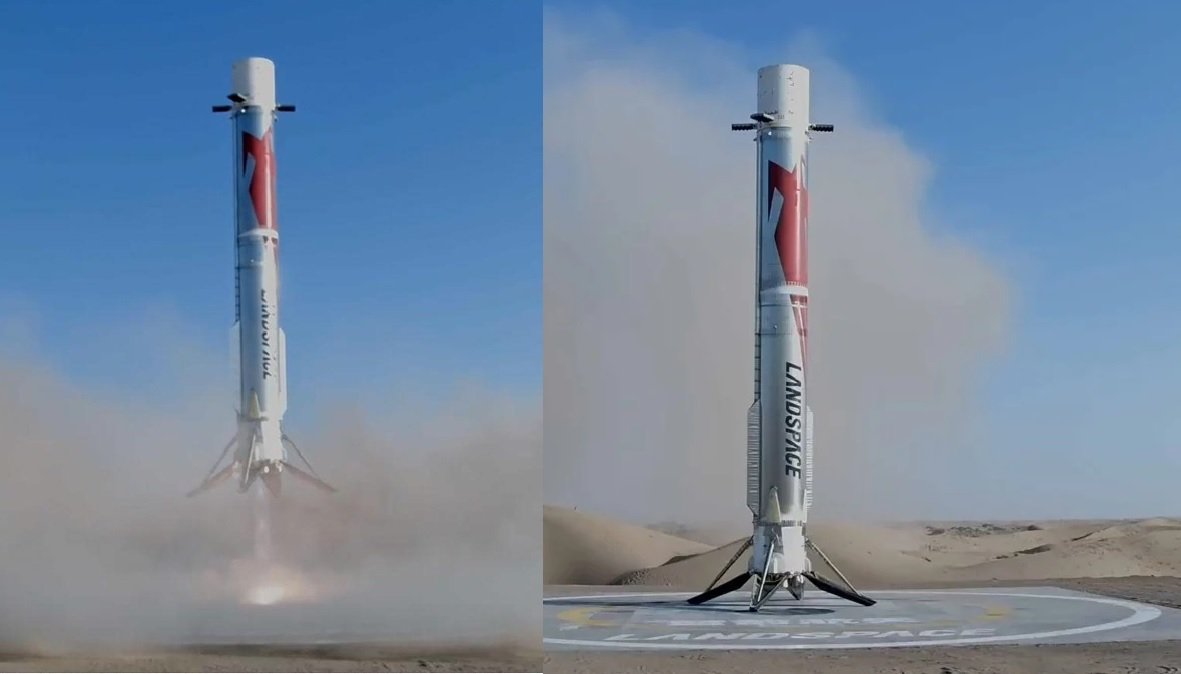
Space & Technology
BEIJING, China — China’s private aerospace company LandSpace successfully launched its Zhuque-3 Y2 rocket and recovered its first-stage booster on land on Wednesday, marking China’s first successful land-based recovery of an orbital-class rocket booster using deployable landing legs. The 66.1-meter-tall rocket lifted off at 7:35 a.m. Beijing Time from the Dongfeng Commercial Space Innovation Pilot Zone in northwest China, part of the Jiuquan Satellite Launch Center. About 137 seconds after liftoff, the first and second stages separated. The second stage successfully placed the Honghu-03 commercial internet satellite, developed by LandSpace affiliate Hongqing Technology, into its designated orbit. The first stage then carried out its planned return sequence, including high-altitude attitude adjustment, powered deceleration during re-entry, aerodynamic glide control using grid fins, a final landing burn and deployment of landing legs. The booster traveled about 390 kilometers downrange before making a vertical landing at the designated Zhuque-3 recovery site in Minqin County, Gansu Province, at around 7:41–7:43 a.m. Beijing Time. LandSpace confirmed the launch and recovery mission was a complete success. The achievement also marks the first time a Chinese launch vehicle has completed this type of vertical landing after an orbital mission. pic.twitter.com/ws1OLj1TpJ — Mao Ning 毛宁 (@SpoxCHN_MaoNing) August 19, 2026 Reusable Rocket Design Zhuque-3 is a two-stage, stainless-steel rocket with a diameter of about 4.5 meters. It uses liquid oxygen and methane propellants, while its first stage is powered by nine Tianque-12A engines. The rocket is designed for low-cost, high-frequency commercial launches, with the first stage intended to be reused up to around 20 times. LandSpace has indicated that it plans to inspect and potentially reuse a recovered booster within about six months. Second Zhuque-3 Flight The mission was the second flight of Zhuque-3. During its December 2025 maiden flight, the rocket successfully reached orbit, but the first-stage recovery attempt ended with an anomaly during the final landing burn. For the Y2 mission, engineers applied improvements based on the earlier flight, including refinements to the landing propulsion approach and enhancements to the onboard autonomous flight safety system. The successful recovery provides flight-verified data on the booster’s complete return process, from high-speed flight and re-entry to controlled landing. China’s Two Booster Recovery Methods The Zhuque-3 recovery follows the July 10, 2026 sea-based recovery of a Long March-10B first stage by state-owned China Aerospace Science and Technology Corporation (CASC), which used a net-capture system on a recovery vessel. China has now demonstrated controlled recovery of orbital rocket stages through both sea-based net capture and land-based vertical landing methods. LandSpace is also in the inquiry phase for an IPO on the Shanghai Stock Exchange’s STAR Market, aiming to raise 7.5 billion yuan with a profitability target for 2029. The Zhuque-3 mission moves LandSpace closer to its planned reusable commercial launch operations and supports China’s broader development of reusable launch technology aimed at reducing satellite launch costs and enabling more frequent launches.
Read More → Posted on 2026-08-19 11:12:51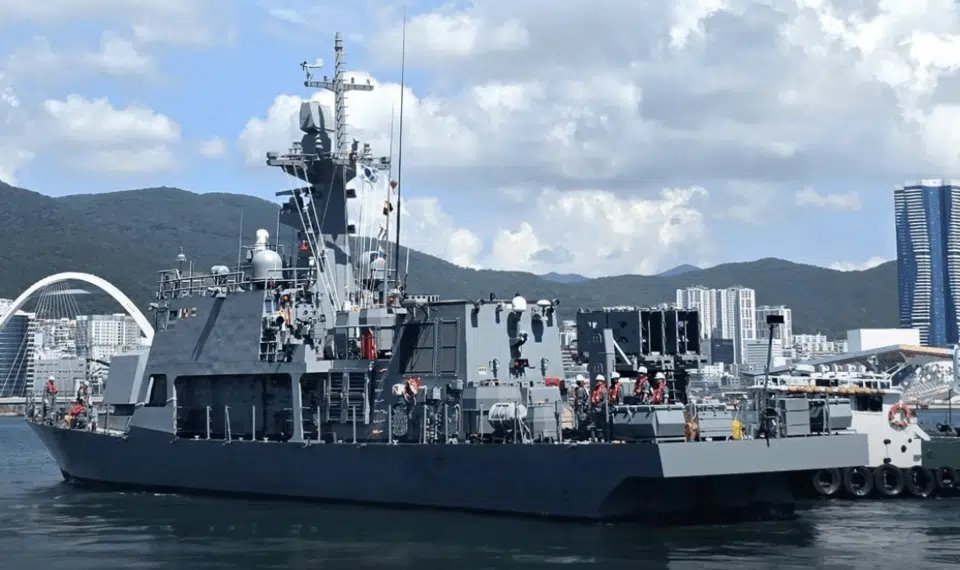
World
BUSAN, South Korea — South Korea’s Defense Acquisition Program Administration (DAPA) delivered the first PKX-B Batch-II fast patrol craft, also known as the Geomdoksuri-B or Patrol Killer Medium Rocket (PKMR), to the Republic of Korea Navy on August 14, 2026. The handover ceremony was held at HJ Shipbuilding & Construction’s Yeongdo Shipyard in Busan. The PKX-B program is designed to replace the Navy’s aging Chamsuri-class Patrol Killer Medium (PKM) boats. DAPA completed the Batch-I program between 2017 and 2022, delivering 16 vessels, while the Batch-II program began in 2022. The first four Batch-II vessels were launched together on December 8, 2025, and named Chamsuri-231, Chamsuri-232, Chamsuri-233 and Chamsuri-235. After completing sea trials, the lead vessel was handed over on August 14. The first Batch-II craft will complete the Navy’s operational deployment process before being assigned to the Northern Limit Line (NLL) area for territorial waters protection and coastal surveillance. DAPA plans to deliver the remaining three vessels from the initial group by the end of 2026, while the overall Batch-II program is planned to add up to 18 PKMR vessels. Upgrades in Batch-II Compared with Batch-I, the new vessels include several improvements based on operational experience. The control and firing functions of the 130 mm Biryong guided rocket system and 12.7 mm remote-controlled weapon system are now integrated into the ship’s combat system. The vessels also have improved anti-jamming capability for operations in electronic warfare environments. The electro-optical tracking system (EOTS) has received a major winter-operability improvement, with heater output increased from 200 watts to 600 watts. The change is intended to prevent snow, ice and freezing seawater from affecting sensor availability during winter operations. The search radar has also been modified to allow finer frequency-spacing adjustments to reduce interference between onboard systems. Other changes include a raised helm station to improve the helmsman’s forward visibility while seated and a fire damper in the ventilation duct of the 76 mm gun ammunition magazine to limit the spread of flames into the magazine during a nearby fire. Weapons and performance The PKX-B Batch-II craft measures approximately 44 meters in length and 7 meters in beam, with a displacement of about 230 tons. It uses waterjet propulsion with a combined diesel and gas (CODAG) configuration and can reach around 40 knots. The crew consists of approximately 20 to 23 personnel. Its armament includes a 76 mm Hyundai WIA naval gun, a 12-cell 130 mm Biryong guided rocket launcher, and remotely controlled 12.7 mm weapon stations. Sensors include an upgraded search radar, such as the SPS-560K, and the improved EOTS. Choi Sang-deok, head of DAPA’s Naval Ship Program Department, said the first Batch-II vessel has strong on-scene response capabilities that will help deter provocations. He also said construction and delivery of the remaining vessels will continue using proven domestic technologies to support coastal defense along the NLL. The PKX-B fleet will operate alongside the Yoon Young-ha-class PKX-A/PKG vessels and existing Batch-I PKMRs as South Korea continues to modernize its coastal patrol forces.
Read More → Posted on 2026-08-19 11:00:59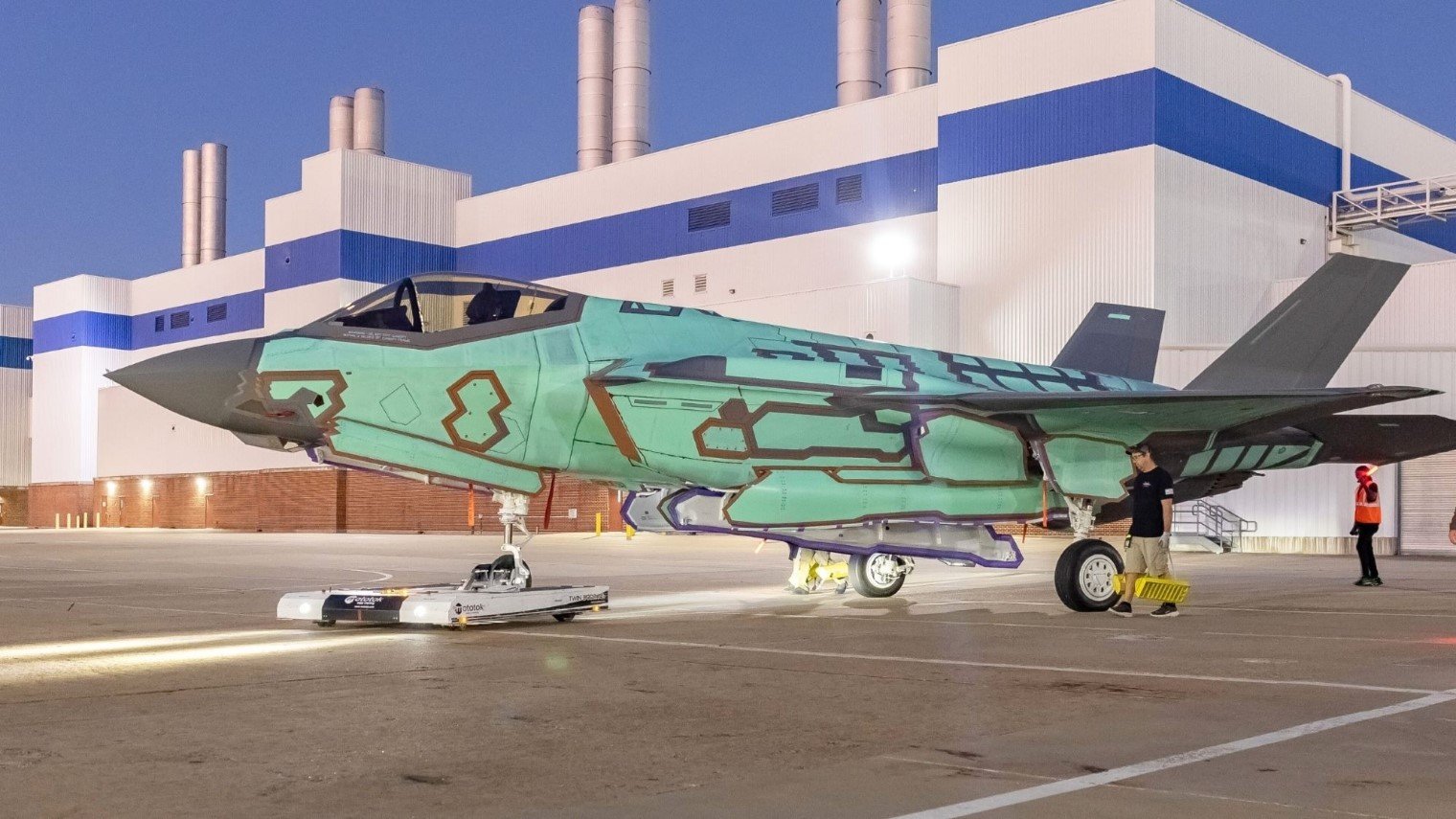
U.S
FORT WORTH, Texas — Lockheed Martin has completed the final assembly of Germany’s first F-35A Lightning II, marking another step in Germany’s plan to introduce the fifth-generation fighter into Luftwaffe service. The aircraft, designated MG-01, has moved from final assembly into the Aircraft Final Finishes stage at Lockheed Martin’s Fort Worth, Texas, facility. During this phase, the aircraft will receive its final exterior finish, including its specialized low-observable coating. The official rollout is scheduled for September 18, 2026. The Pratt & Whitney F135-PW-100 engine was installed on MG-01 in June, completing another major stage of the aircraft’s production. Lockheed Martin previously said the aircraft would receive its paint and final finishes, including its stealth coating, before first flight and the official rollout. Lockheed Martin also highlighted the milestone in a social media statement, saying: “Another milestone for Germany’s first F-35. Following final assembly, the aircraft moved to Aircraft Final Finishes, bringing it one step closer to supporting the Luftwaffe and Germany’s next generation of air power.” Eight Aircraft Form the Initial Batch Germany has ordered 35 F-35A Lightning II fighters. Seven additional German aircraft are currently moving through production at the Fort Worth facility, making MG-01 part of the first eight aircraft being produced for Germany. The first eight German F-35As are scheduled to remain in the United States initially for training. They will be delivered to Ebbing Air National Guard Base in Fort Smith, Arkansas, where German pilots and maintenance personnel will receive F-35 training. Germany has already established a dedicated F-35 training presence in the United States. The Bundeswehr says German personnel at Ebbing are involved in F-35A pilot training, while technical and logistical personnel also receive training in the United States. German personnel will train alongside personnel from other F-35 partner countries using the Arkansas training facility. Production of Germany’s F-35A Fleet Germany formally approved the purchase of 35 F-35As through the U.S. Foreign Military Sales process in December 2022. The German government signed the Letter of Acceptance for the aircraft on December 14, 2022. Production of the first German F-35 began with major assembly work at Lockheed Martin’s Marietta, Georgia, facility in December 2024 before the aircraft moved through the production process at Fort Worth. MG-01 entered final assembly in March 2026. The German Defense Ministry currently plans to receive the first F-35As at Büchel Air Base beginning in 2027, while the Tornado fleet is scheduled to be retired by 2030. The current program schedule calls for deliveries to continue through 2029, with initial operating capability planned for 2029 and full operating capability planned for 2030. Büchel Base Being Upgraded Büchel Air Base is undergoing extensive infrastructure work to prepare for the F-35A. The Bundeswehr is constructing an F-35 campus that includes facilities for aircraft maintenance, washing, hangaring, spare-parts storage and flight operations. The first groundbreaking for the F-35 infrastructure project took place on October 23, 2024, and the Bundeswehr says the campus is planned to be ready by November 2026. The infrastructure upgrades are required because Büchel was previously configured for the Panavia Tornado. The new facilities are being developed to support the F-35A and its operational and maintenance requirements. Replacing the Tornado in Germany’s NATO Role The F-35A is being introduced as the replacement for Germany’s Panavia Tornado IDS fleet. One of the major reasons for the acquisition is Germany’s continued participation in NATO’s nuclear sharing arrangement. Germany’s F-35A fleet is intended to take over the Tornado’s role in this mission. The aircraft will be configured to carry and employ U.S.-supplied B61 nuclear bombs for Germany’s NATO nuclear-sharing mission. The F-35A will also introduce fifth-generation capabilities to the Luftwaffe, including reduced radar detectability, sensor information fusion and networking with other aircraft. The Bundeswehr says these capabilities will improve the aircraft’s ability to operate within multinational NATO formations. With MG-01 now moving beyond final assembly, Germany’s first F-35A is approaching its planned rollout in September. The aircraft will then remain in the United States for the initial training phase before the first German F-35As are transferred to Büchel from 2027.
Read More → Posted on 2026-08-18 16:12:56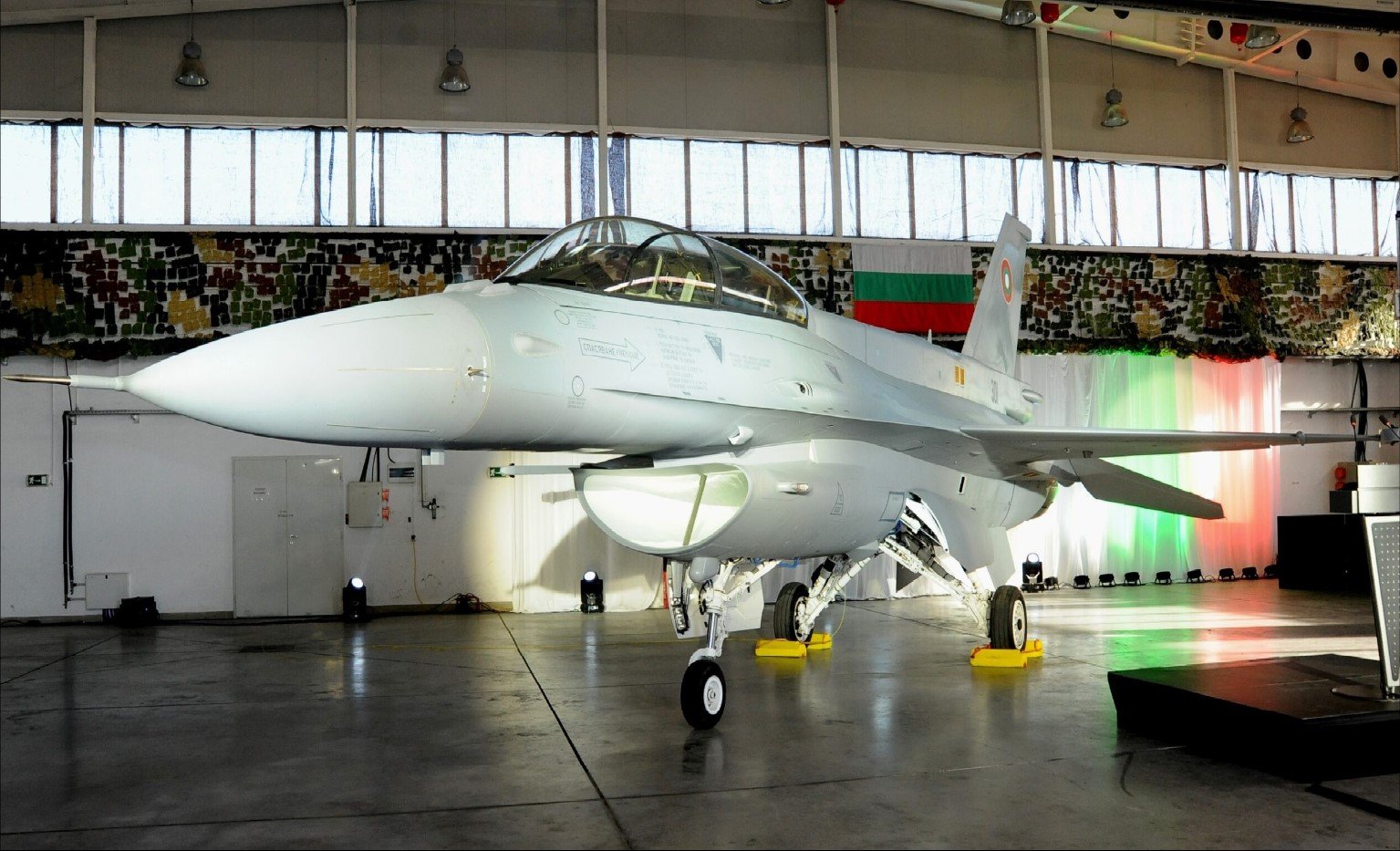
World
Sofia — Bulgaria’s second batch of eight F-16 Block 70 fighter jets is now expected to be delivered in the second quarter of 2030, about two and a half years later than the original late-2027 target. The revised timeline was discussed on August 14 during a meeting between Bulgarian Defence Minister Dimitar Stoyanov and representatives of Lockheed Martin. The company cited production difficulties at its F-16 assembly facility in Greenville, South Carolina, as the main reason for the delay. Lockheed Martin said the second-quarter 2030 date is not final and that it will take steps to accelerate production and deliver the aircraft earlier if possible. The schedule had already been revised once, with the expected delivery previously moved to around 2029. Stoyanov said Bulgaria expects the delay to be minimized and must not create any additional financial burden for the country. He also requested assurances that the final price of the second contract will not increase because of the delayed production, along with concrete measures to reduce the delay. Bulgaria ordered 16 F-16 Block 70 aircraft in two contracts. The first contract, signed in 2019, covered eight aircraft. All eight were delivered by December 2025 and formally presented at Graf Ignatievo Air Base. The second contract covers the remaining eight aircraft. The overall programme is valued at more than $2.5 billion. Bulgaria is now preparing the first eight aircraft for combat duty, with Stoyanov setting a goal of having them operational in 2027. He stressed the need for sufficient spare parts, maintenance components and support equipment, as well as more training opportunities for Bulgarian pilots at F-16 training centres. The delay has also increased Bulgaria’s need for an interim fighter capability. The country has already submitted a request to the United States for second-hand F-16s, and Stoyanov said the request has become more important because of the latest production delay. The F-16 programme is central to Bulgaria’s effort to replace its ageing Soviet-era MiG-29 fleet and improve interoperability with NATO forces. Bulgarian officials are continuing discussions with Lockheed Martin over the first batch while monitoring production of the second batch.
Read More → Posted on 2026-08-18 16:05:06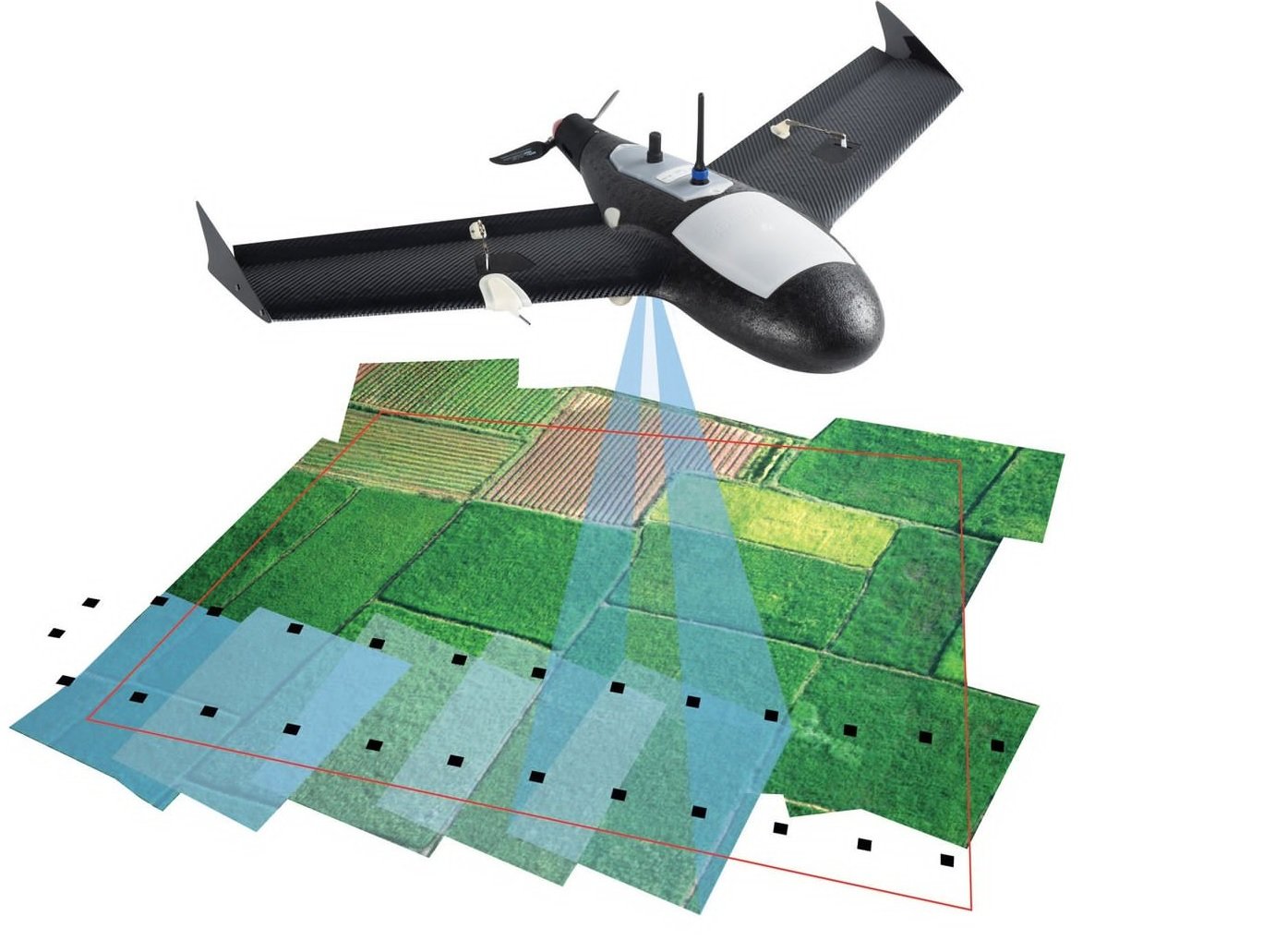
World
MOSCOW, Russia — Russian engineers have completed research and development of an autonomous navigation system for unmanned aerial vehicles (UAVs) that allows drones to determine their position using onboard cameras instead of satellite navigation or radio signals. The system was developed by Ploshchad, a resident of the Center for Unmanned Systems and Technologies (CBST), and Russian developers have already begun equipping drones with the technology, according to reporting by Izvestia published on August 17, 2026. How the Visual Navigation System Works The technology uses visual odometry, machine vision and a neural network to determine the drone's position. During flight, cameras mounted on the drone continuously observe the terrain below. The onboard neural network processes the video in real time and compares visible terrain features with a digital map stored in the drone before the flight. The reference map can be based on satellite imagery or aerial photography. By matching the terrain seen by the cameras with the stored imagery, the system calculates and continuously updates the drone's position. The approach also addresses the gradual accumulation of errors associated with conventional inertial navigation. According to the developers, continuous comparison with the terrain allows the system to correct such deviations during flight. The neural network can also identify a designated object by comparing what it sees with a predefined digital template. Why It Is Called "Martian" Navigation The approach is sometimes referred to as "Martian" technology because of its similarity to the navigation principle used by NASA's Ingenuity helicopter on Mars. Ingenuity operated without access to GPS. Its downward-facing cameras observed the Martian surface and used changes in visible terrain features to estimate movement. Communication with Earth also involved significant delays, making direct real-time control impractical. After the Ingenuity mission ended in 2024, related designs and code were made publicly available, contributing to wider interest in visual-odometry methods for terrestrial autonomous systems. The Russian system applies the same general principle to drones operating on Earth, but uses a pre-loaded digital map to match the terrain observed by the aircraft. Resistance to Electronic Warfare One of the main advantages of the system is that it does not require GPS or GLONASS signals, a radio link or continuous operator control for navigation. Military expert Yuri Lyamin told Izvestia that this makes the system resistant to electronic-warfare methods that interfere with satellite-navigation signals. Satellite navigation can be jammed or spoofed in areas where electronic warfare is active, while a navigation system based on onboard optical processing does not depend on those external signals. The system can also operate without antennas required for satellite-navigation reception or radio-based control, according to the reporting. The use of standard optical cameras is another factor highlighted by the developers. The technology does not require expensive specialized optical sensors, which can reduce the cost of adapting drones for visual navigation. Development Challenges Visual navigation is not a new concept. According to Dmitry Kuzyakin, chief designer of the Center for Integrated Unmanned Solutions, the basic approach has been known for more than a decade. The difficulty has been developing recognition algorithms capable of reliably processing terrain and objects during longer flights. Simpler optical-flow systems can track movement but have limitations in altitude and range, according to Kuzyakin. Izvestia reported that U.S. company Skydio had previously made significant progress with similar visual-odometry technology, including applications involving military drones. Russian developers now say they have demonstrated the technological capability to apply the approach to longer-range UAVs. Kuzyakin said the next important step is moving from development and demonstrated systems to mass production and delivery to operational units. Weather and Nighttime Limitations The system remains dependent on the ability of its cameras to obtain useful visual information. Its performance can decrease in dense cloud cover, heavy fog and precipitation. Night operations can also create difficulties because reduced visibility and contrast make it harder for optical systems to identify and match terrain features. These limitations mean that visual navigation does not eliminate the need to consider environmental conditions when operating autonomous drones. Potential Civilian Applications The technology is not limited to military UAVs. Optical navigation can also be used in commercial drone logistics, courier delivery and agricultural applications. These sectors can benefit from autonomous positioning systems that do not depend entirely on continuous satellite-navigation coverage. The ability to identify locations and objects through onboard cameras and machine-learning algorithms could also support autonomous operations in areas where satellite or communications signals are unavailable or unreliable. Part of Russia's Wider UAV Development The introduction of the visual-navigation system comes as Russia continues developing autonomous unmanned systems and other robotic technologies. The Russian Ministry of Defense has recently showcased various robotic complexes, drones and electronic-warfare equipment. These developments have included the AI-equipped "Skvorets-Intercessor" interceptor drone, reported to have a maximum speed of up to 350 km/h, an upgraded "Fir Tree" UAV equipped with a warhead, and new ammunition designed for Molniya-2 drones. The camera-based navigation system represents another effort to increase the autonomy of UAVs by reducing their dependence on satellite navigation, radio communications and continuous operator control. The information on the navigation system is primarily based on Izvestia's August 17, 2026 report, with the technical details provided in related Russian reporting on the development.
Read More → Posted on 2026-08-18 15:56:43
Red Cat’s Blue Ops and Havoc Partner to Integrate Collaborative Autonomy on Uncrewed Surface Vessels
World
SALT LAKE CITY — Red Cat Holdings, Inc. (Nasdaq: RCAT) and Havoc have announced a strategic partnership through Red Cat’s maritime division, Blue Ops, to integrate Havoc’s collaborative autonomy software and command-and-control capabilities into Blue Ops’ uncrewed surface vessels (USVs). The partnership will focus on the Variant 7 (V7) and other Blue Ops platforms as they are introduced. The companies aim to enable coordinated multi-vessel operations and expand autonomous capabilities for U.S. and allied defense customers. Open Architecture and Autonomy The integration will use Blue Ops’ Modular Open Systems Architecture (MOSA), which is designed to support the rapid integration of autonomy systems, sensors, communications, mission payloads and other technologies as requirements change. Havoc’s collaborative autonomy technology has already been deployed on behalf of the U.S. Department of War in multiple operational settings. “This partnership is exactly what our open-architecture strategy was built for,” said Barry Hinckley, President of Blue Ops. “Our goal is to build the best small USVs in the world while making it easy to integrate leading technologies from across the U.S. and our allies.” Variant 7 USV The Variant 7 is a roughly 7.8-meter mission-adaptable USV designed for intelligence, surveillance and reconnaissance, force protection, harbor and coastal security, and other payload-configurable missions. The V7 is currently ramping into full-rate production and is designed, built and assembled in the United States. It features a Steyr engine and a hybrid jet/inboard drive system, with a range of up to 800 nautical miles, more than 60 hours of continuous unmanned endurance, and payload capacity of up to 650 kg (1,433 lb). The vessel can reach speeds of more than 39 knots in its maximum combat configuration and supports the launch and recovery of integrated UAVs, connecting it with Red Cat’s existing ISR drone capabilities. Joint Testing and Market Expansion Blue Ops and Havoc plan to establish joint operational fleets at their headquarters in Florida and Rhode Island. The sites will support live demonstrations, testing, training and operational evaluation for U.S. and allied defense customers, including both single-vessel autonomy and coordinated multi-vessel operations. “Havoc’s primary strategy is to pair our leading-edge collaborative autonomy software with platform manufacturers who have already proven innovation, excellence, and scale,” said Paul Lwin, CEO and Co-Founder of Havoc. He said Blue Ops’ open and flexible maritime systems align with Havoc’s approach to deploying collaborative autonomy. Red Cat and Blue Ops plan to introduce Havoc’s autonomy and command-and-control capabilities to their government and commercial customers, while Havoc plans to market Blue Ops’ USV family to its own customer base. Red Cat develops robotic systems for military, government and public safety applications across air, land, sea and space. Blue Ops was launched in 2025 and focuses on modular USVs built in the United States. Havoc was founded in 2024 and is headquartered in Providence, Rhode Island, developing software that enables autonomous systems across sea, air and land to operate together, including during communications disruptions. No financial terms or contract value were disclosed. The partnership establishes a framework for continued technical integration, demonstrations and joint customer engagement as the companies develop autonomous maritime systems for defense and national security customers.
Read More → Posted on 2026-08-18 15:49:27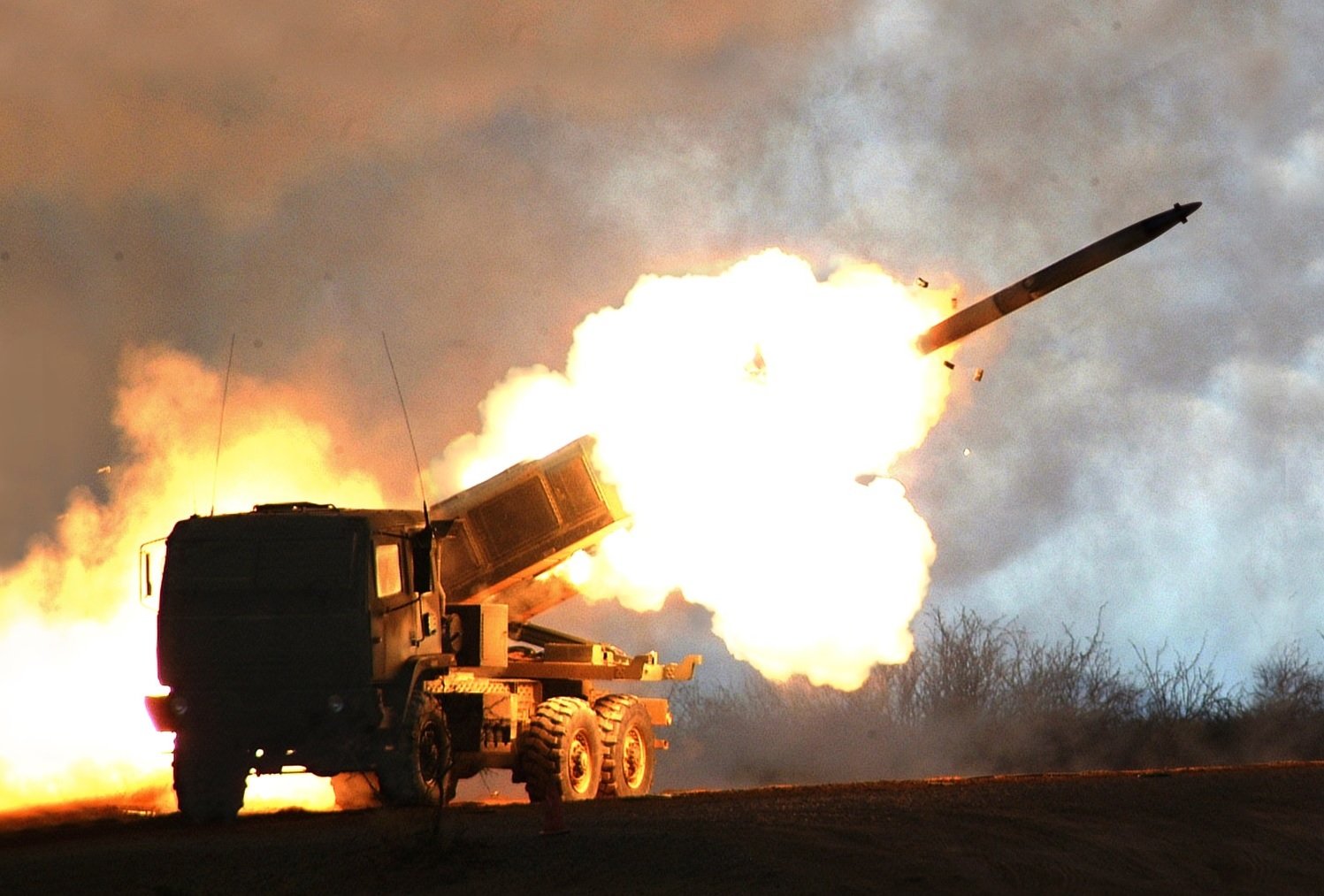
U.S
Washington, D.C. — The U.S. Army is seeking industry proposals for a major increase in Guided Multiple Launch Rocket System (GMLRS) production, with a requirement for 133,014 rockets from FY2028 through FY2034. The Army Contracting Command–Redstone Arsenal published the Sources Sought notice on August 17, 2026, under Notice ID PANRSA-25-P-7693. Companies have until September 1, 2026, at 4 p.m. CDT to submit capability statements. The Army is seeking an annual production rate of 19,002 GMLRS rockets in each fiscal year from FY2028 through FY2034. The first deliveries are scheduled to begin in February 2030. The requirement covers GMLRS unitary, alternative warhead (AW) and extended-range (ER) variants, as well as production tooling, engineering change proposals and other supporting activities. GMLRS Production Requirement GMLRS provides U.S. Army field artillery units with precision surface-to-surface fires against point and area targets. The rockets are launched from the M270-series Multiple Launch Rocket System and M142 High Mobility Artillery Rocket System (HIMARS). The GMLRS Unitary uses a 200-pound-class payload and is available in two primary configurations. The unitary warhead is intended for precision strikes with minimal collateral damage, while the alternative warhead uses pre-formed penetrators to provide area effects in accordance with current cluster-munition policies. The Extended-Range GMLRS (ER-GMLRS) increases the system's maximum range while carrying either the unitary or alternative warhead payload. Army Requests Detailed Industrial Plans The Army is asking companies to submit white papers explaining their capability, previous experience and technical approach for producing 19,002 rockets per year. Companies must explain how they would achieve the required production rate in the most efficient and cost-effective way. They are also asked to identify the risks and benefits of different production approaches and recommend contracting strategies that provide value to the government while reducing contractor cost risk. The capability statements must also address previous experience with similar work, technical skills, subcontractor management, facility and safeguarding requirements, and proposed facilities and supply-chain partners capable of supporting production beginning in FY2028. Companies must provide a tier-one schedule in Microsoft Project format showing the activities from contract award through delivery of the first GMLRS munitions to the Army. Seven-Year Production Target The Army's maximum production quantities are: Fiscal Year GMLRS Rockets FY2028 19,002 FY2029 19,002 FY2030 19,002 FY2031 19,002 FY2032 19,002 FY2033 19,002 FY2034 19,002 Total 133,014 Respondents must also provide a development and qualification plan for the system and its subcomponents to meet the Army's technical data package, specifications and drawing requirements. The government may provide integrator-level technical data packages and drawings, subject to the required security approval. Companies would be responsible for developing or obtaining technical data packages at the subsystem level and below. Broader Manufacturing Support The planned effort extends beyond recurring rocket production. The Army lists obsolescence management, engineering changes, systems engineering, program management, integrated logistics support, training data, support equipment and production tooling among the additional activities that may be required. Companies must also demonstrate that they can meet applicable facility and safeguarding requirements and identify qualified supply-chain partners with available capacity. The Army is conducting the notice as market research, not as a contract solicitation. The Sources Sought notice is not a Request for Proposal, Invitation for Bid or Request for Quote, and the government is not obligated to award a contract based on the responses. All responses must be unclassified. The Army said corporate or proprietary information properly identified by respondents will be protected from release outside the U.S. government. The deadline for submissions is September 1, 2026, at 4 p.m. CDT. Responses are to be sent to Army Contract Specialist Kyle Teegarden and Contracting Officer Mόnica Clemons.
Read More → Posted on 2026-08-18 15:33:08
World
ANKARA, Turkey — Talks between Turkey and the United Arab Emirates over the possible transfer of Turkey’s Russian-made S-400 air defense systems have stalled, leaving Ankara’s effort to regain access to the U.S. F-35 fighter jet program unresolved, according to a report by the Russian newspaper Kommersant. Turkey purchased the S-400 systems in 2017, and deliveries began in 2019. The purchase led the United States to remove Turkey from the F-35 program and impose sanctions under the Countering America’s Adversaries Through Sanctions Act (CAATSA). Washington has maintained that Turkey must resolve the S-400 issue before it can receive F-35 aircraft. U.S. Conditions Remain Unmet On July 22, the U.S. State Department told Congress that Turkey had not yet met the legal conditions required for an F-35 transfer. The conditions include Turkey no longer possessing the S-400 system or related equipment, providing assurances that it will not acquire such systems again, and meeting remaining requirements under U.S. law, including Section 1245 of the Fiscal Year 2020 National Defense Authorization Act. The position came weeks after U.S. President Donald Trump met Turkish President Recep Tayyip Erdoğan during the NATO summit in Ankara. Trump said he would consider restoring F-35 sales to Turkey, while Erdoğan said he expected a favorable decision and later said he expected Trump to keep his commitment regarding the aircraft. UAE Transfer Stalls Turkey has explored transferring the S-400s to a third country as a way to address the U.S. restrictions, with the UAE emerging as a possible destination. However, the negotiations have now reached an impasse. One reported complication is that the UAE has also been interested in the F-35, meaning ownership of the S-400 could create similar concerns for Abu Dhabi. Turkey also needs to address Russia’s position on any resale. Kremlin spokesman Dmitry Peskov said on July 10 that Moscow and Ankara were in contact over the future of the systems and described the matter as highly sensitive. Turkey’s Foreign Minister Hakan Fidan said in July that discussions were taking place within the Turkish government regarding a possible transfer to the UAE. However, Turkey’s Defense Ministry later said that work on the S-400 systems was continuing and that concrete developments would be announced when available. Deactivation Also Discussed With the UAE option stalled, another possibility is to deactivate or decommission the S-400 systems while keeping them in Turkey. However, this approach could face difficulties because the U.S. legal requirements refer to Turkey no longer possessing the system or related equipment. Other options, including placing components in storage or under external supervision, have also been discussed in reporting, but none has been confirmed as an agreed solution. For now, Turkey remains outside the F-35 program, while the S-400 issue continues to be the main unresolved condition. The UAE transfer talks have not produced an agreement, and Turkey has yet to satisfy the U.S. legal requirements needed for F-35 transfers. Source : t24
Read More → Posted on 2026-08-18 14:34:11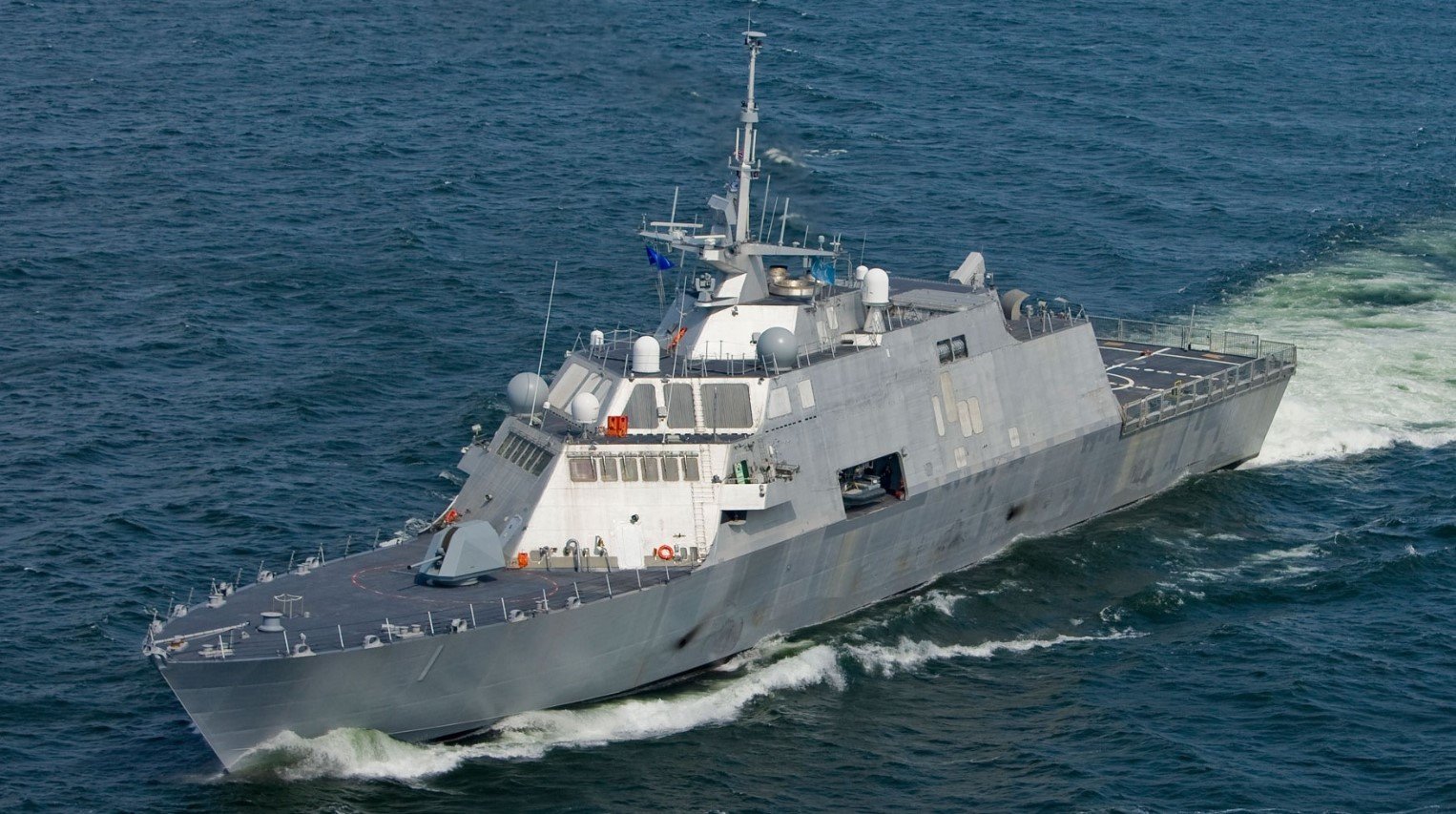
U.S
Washington, D.C. — The U.S. Navy has awarded Lockheed Martin a $73.86 million contract modification to procure, test and deliver Indra Rigel electronic warfare systems for four Multi-Mission Surface Combatant (MMSC) ships being built for the Royal Saudi Naval Forces. The award, announced on August 12, 2026, is valued at $73,864,423 and modifies existing contract N00024-18-C-2301. It covers the electronic warfare systems for Saudi Arabia's four MMSC vessels under the U.S. Foreign Military Sales (FMS) program. Contract and Production Details The contract is structured as a firm-fixed-price and cost-plus-fixed-fee agreement. The entire amount is funded by the Kingdom of Saudi Arabia through the FMS program and will be obligated at the time of the award. The funds will not expire at the end of the current fiscal year. Work will be carried out primarily in Madrid, Spain, which will account for 96% of the effort. The remaining 4% will be performed in Moorestown, New Jersey. The U.S. Navy's Supervisor of Shipbuilding, Conversion and Repair in Bath, Maine, is responsible for managing the contract. The work is scheduled to be completed by February 2031. Indra Rigel Electronic Warfare System The four MMSC ships will receive Indra's Rigel electronic support measures system. The system is designed to detect and analyze radar signals from other vessels, allowing the system to identify and classify platforms and assess the level of threat they represent. Indra says the system provides information that improves situational awareness and supports the survivability of the ships in hostile environments. The Rigel family is designed for detection, analysis, classification and identification of radar signals and can provide direction-finding information as part of its electronic support functions. Indra is working with SAMI-AEC, a subsidiary of Saudi Arabian defense company SAMI, to deliver the systems. The cooperation builds on previous work between Indra and SAMI-AEC involving electronic defense systems for Saudi Arabia's Avante 2200-class corvettes. Indra announced the agreement to equip the four MMSC ships with Rigel systems in February 2024. Saudi Arabia's MMSC Fleet The four MMSC ships are a derivative of the U.S. Navy's Freedom-variant Littoral Combat Ship. Saudi Arabia signed the Foreign Military Sales case for the ships in 2017, with Lockheed Martin serving as the prime contractor and Fincantieri Marinette Marine responsible for construction in Wisconsin. The program is known as Project Tuwaiq. Each MMSC is 118 meters (387 feet) long and has a stated range of 5,000 nautical miles. The ships are based on the Freedom-variant LCS hull and have been modified with additional combat systems for the Saudi requirement. Their weapons and combat systems include an eight-cell Mk 41 vertical launch system configured for MBDA Sea Ceptor missiles, Harpoon anti-ship missiles, a BAE Systems Mk 110 57mm gun and a Raytheon SeaRAM system. The ships also use Lockheed Martin's COMBATSS-21 combat management system, which is built from the Aegis Common Source Library. A Saab Ceros 200 fire-control radar and Indra's Rigel electronic support measures system are among the additional systems integrated into the Saudi configuration. Program Schedule The first ship, HMS Saud, entered the water at Fincantieri Marinette Marine in Wisconsin on December 20, 2025. It is the first of four MMSC vessels being built for Saudi Arabia. The MMSC program has experienced schedule delays. Naval News reported in December 2025 that the program had been affected by shipyard disruptions, workforce shortages, the time required to complete the ship design and design changes requested by Saudi Arabia. The new Lockheed Martin contract adds the Rigel electronic warfare systems to the equipment being delivered for the four Saudi MMSC ships, with work continuing through February 2031.
Read More → Posted on 2026-08-18 14:21:42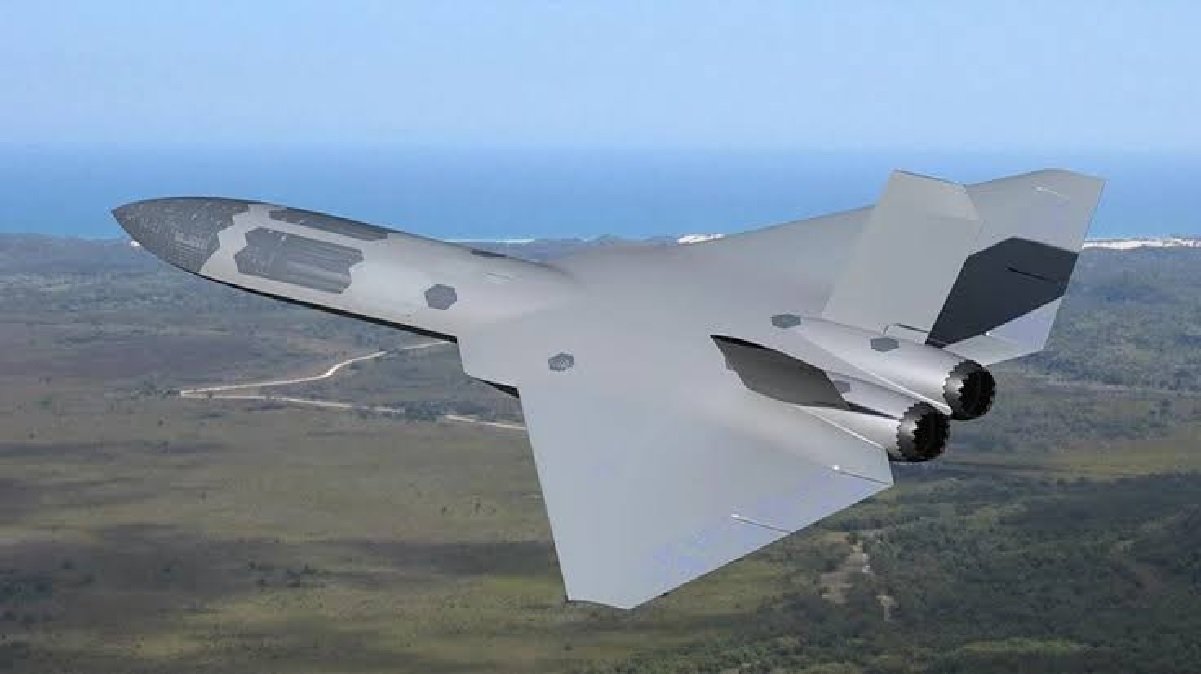
U.S
EGLIN AIR FORCE BASE, Fla. — The U.S. Air Force is seeking a new family of expendable aerial target drones capable of replicating a wide range of airborne threats, from low-cost drone swarms to advanced stealth fighters, strategic bombers and airborne early warning and control (AEW&C) aircraft. The Air Force's Aerial Targets Program Office at Eglin Air Force Base issued a Request for Information (RFI) on August 14. Industry responses are due by September 28. The proposed targets must be realistic enough to challenge modern sensors and weapons while being affordable and simple enough to be routinely expended during testing. The Air Force is specifically interested in commercial, modified-commercial, dual-use and non-developmental solutions that can offer advantages in cost, scalability and simplicity over legacy systems. Multiple Target Categories For advanced fighter threats, the Air Force wants targets capable of flying at Mach 1.6 and above at 40,000 feet, performing high-agility maneuvers, sustaining 5G and reaching instantaneous loads of up to 9G. They must also provide precise low-observable radar cross-section profiles, multispectral infrared signatures, active radio-frequency emissions and integrated electronic-attack capabilities. A separate category covers C-130-sized multi-engine aircraft, as well as larger aircraft such as strategic bombers and AEW&C platforms. These targets are expected to reproduce the physical scale, slow subsonic flight characteristics and representative propulsion, radar and infrared signatures of larger aircraft. The requirement also covers unmanned aircraft. Group 5 targets should operate at altitudes up to 50,000 feet, while Group 3 and Group 4 targets should fly at approximately Mach 0.5 to 0.8 and maneuver between 3G and 6G. Group 1 and Group 2 targets should fly below 150 knots and operate in swarms. Addressing Limits of Existing Targets The Air Force currently uses systems including the BQM-167A, a subscale aerial target, and converted QF-16 fighter aircraft. The BQM-167A provides a relatively affordable subscale target, but its size limits its ability to represent larger aircraft. The QF-16 provides full-scale fighter performance, but using converted fighter aircraft as expendable targets is different from operating purpose-built systems designed for production and expenditure in larger numbers. The new requirement is intended to cover the gap between these existing systems and provide targets representing modern stealth aircraft, large aircraft and massed small-drone threats. The Air Force has also pursued high-fidelity targets for advanced aircraft in the past, including the 5th Generation Aerial Target (5GAT) program. Testing Modern Weapons and Sensors The requirement is aimed at supporting testing across the weapons and sensor kill chain, including detection, tracking, seeker acquisition, guidance and terminal engagement. The Air Force wants targets capable of reproducing not only aircraft flight performance and physical size but also radar cross-section, infrared characteristics, radio-frequency emissions and electronic-warfare effects. The effort reflects the increasing variety of airborne threats that U.S. weapons and air-defense systems must be tested against. The proposed family would provide different target types for fighter aircraft, large aircraft, unmanned systems and drone swarms while maintaining an emphasis on affordability and scalability. The RFI is currently seeking information from industry and does not itself represent a contract award. Responses must be submitted by September 28, 2026.
Read More → Posted on 2026-08-18 14:02:28
U.S
WASHINGTON — U.S. President Donald Trump has called for South Korea to pay $10 billion annually toward the cost of maintaining U.S. troops in the country, raising the issue during a White House press conference while discussing his recent conversation with South Korean President Lee Jae-myung. Trump said he asked Lee to assist the United States with its military operation involving Iran, but the request was declined. He questioned why the United States should continue spending billions of dollars to defend South Korea, saying, “We have 39,000 soldiers over there, guarding you from Kim Jong Un, your next-door neighbor.” The official U.S. troop presence in South Korea is about 28,500 personnel, rather than the 39,000 figure cited by Trump. South Korea's Current Payment South Korea has shared the cost of hosting U.S. forces since 1991 through the Special Measures Agreement (SMA). The current agreement covers 2026 through 2030 and sets Seoul's 2026 contribution at ₩1.5192 trillion, with future payments adjusted according to South Korea's consumer price index and annual increases capped at 5 percent. The SMA covers expenses including local personnel working at U.S. bases, logistical support and construction of military facilities. Trump also said that during his first term he had sought a $10 billion annual payment from South Korea. He said Seoul had agreed to nearly $3 billion with further increases planned, but that the arrangement was later changed under the Biden administration. Public records, however, do not show a finalized $3 billion multi-year agreement from that period. Joint Military Exercises Reduced Trump has also directed Defense Secretary Pete Hegseth to substantially reduce U.S.-South Korean military exercises, criticizing their cost and describing them as inappropriate and hostile toward North Korea. He cited his relationship with North Korean leader Kim Jong Un and said North Korea had been respectful toward him. The annual Ulchi Freedom Shield exercise began on August 17 and was scheduled to run through August 27. Despite Trump's directive, South Korea said the exercise would proceed as previously scheduled. The U.S.-South Korea alliance is based on the 1953 Mutual Defense Treaty, while defense cost-sharing has remained a recurring issue between Washington and Seoul. Trump's latest demand would be a major increase from the contribution established under the current SMA.
Read More → Posted on 2026-08-18 13:18:17
World
NOVI, Mich. — Pratt Miller displayed its Expeditionary Modular Autonomous Vehicle (EMAV), also known as the EAMV MCA or Oshkosh RCV, equipped with an XM913 50mm cannon at the 18th annual Ground Vehicle Systems Engineering & Technology Symposium (GVSETS), held August 11–13 in Novi, Michigan. The new configuration upgrades earlier versions of the tracked, hybrid-electric unmanned ground vehicle. In 2021, Pratt Miller displayed the EMAV-MCA with a 30mm XM813 Bushmaster cannon. The current vehicle carries the XM913, a 50x228mm chain gun developed at Picatinny Arsenal and produced by Northrop Grumman. The XM913 is planned as the primary weapon for the U.S. Army's XM30 Mechanized Infantry Combat Vehicle, which is being developed to replace the M2 Bradley. The cannon uses a dual-feed system and can fire at rates of up to 200 rounds per minute. Its ammunition includes programmable airburst capability, and the Army is also examining the XM913 for counter-unmanned aircraft system missions against Group 1–3 drones. EMAV Capabilities The EMAV is designed as a compact, highly mobile robotic combat vehicle that can operate through local control, tele-operation or autonomous modes. Its base weight is approximately 3 tons, while different EMAV/RCV-L configurations have been reported at around 3–3.8 tons. Payload capacity is up to about 3–3.2 tons. The vehicle can reach speeds of up to 72 km/h and is designed to operate over difficult terrain, including 60% grades, 40% side slopes and vertical obstacles of about 61 centimeters. Its continuous-band rubber tracks and low center of gravity support mobility over rough and soft terrain. The hybrid-electric powertrain also allows silent electric-only operation for watch and mobility missions. Earlier specifications included power-export capability, while related reporting has listed a range of approximately 320 km. Its compact dimensions allow the EMAV to be transported inside MV-22 Osprey, CH-53 and CH-47 Chinook helicopters and C-130 aircraft. The modular flat deck can carry cargo, sensors or different weapon systems. XM913 Integration The 50mm cannon gives the EMAV a substantially larger weapon than the 30mm system previously displayed. The integration demonstrates the modular design of the platform, allowing it to carry a weapon originally intended for a larger manned combat vehicle. However, the larger XM913 turret also creates a larger profile on the compact vehicle. The size of 50mm ammunition may limit the number of rounds that can be carried, while the weapon and turret must be integrated without compromising the EMAV's mobility, payload capacity and overall survivability. The EMAV has previously been tested in U.S. Army and U.S. Marine Corps robotic vehicle programs, including the Army's Robotic Combat Vehicle-Light (RCV-L) effort. Pratt Miller developed the platform in partnership with QinetiQ North America for autonomy and control systems. The EMAV also formed the basis of Oshkosh Defense's RCV offerings. The XM913-equipped EMAV displayed at GVSETS 2026 is a demonstration of the platform's ability to integrate different weapons and mission systems. Its display does not indicate that the configuration has been selected for a specific U.S. military program. GVSETS, organized by the NDIA Michigan Chapter, brings together government, industry and academic organizations to discuss ground vehicle technology, autonomy, power systems and modernization of Army and Marine Corps vehicles.
Read More → Posted on 2026-08-18 13:01:58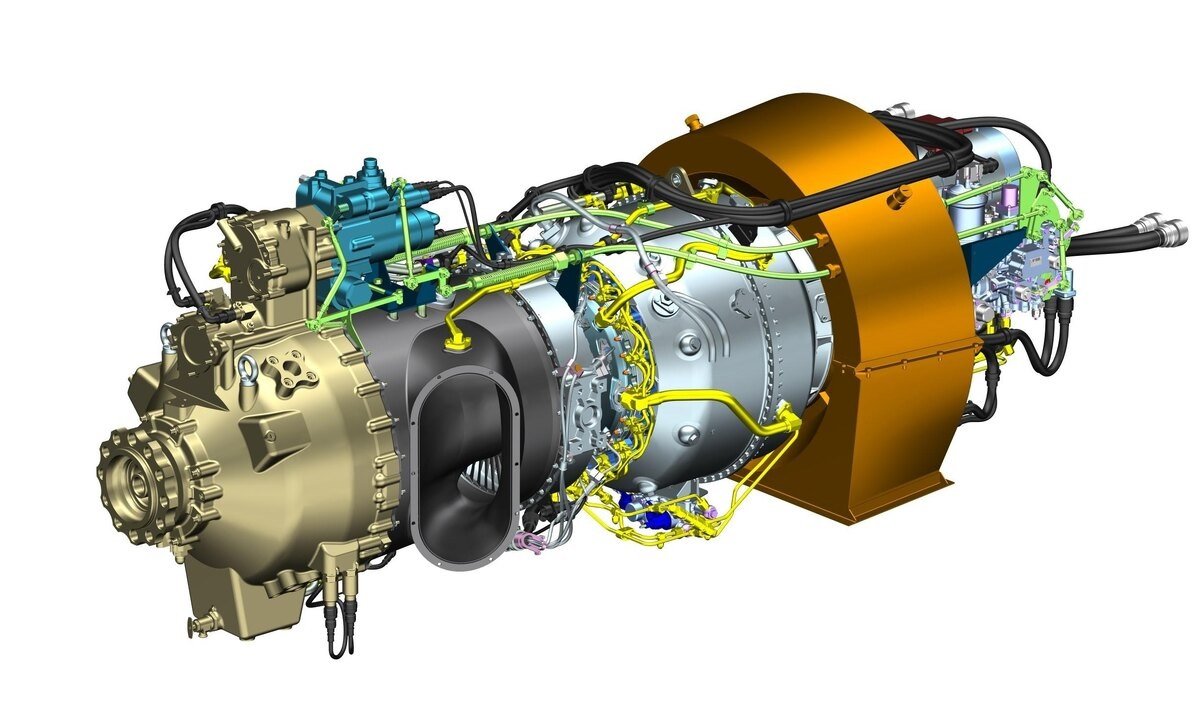
World
St. Petersburg, Russia — On August 18, Russia’s United Engine Corporation (UEC), part of the Rostec state corporation, announced that it has completed the design documentation and approved the mock-up of the new VK-1600S turboprop engine for small passenger and light aircraft. The VK-1600S is being developed by UEC-Klimov as a fixed-wing derivative of the VK-1600V turboshaft engine developed for the Ka-62 helicopter. The new engine is rated at 1,450 horsepower at take-off. Based on the VK-1600V UEC plans to use a significant number of existing components from the VK-1600V to reduce the time required to develop the aircraft version. According to the company, the VK-1600S and VK-1600V are expected to share 60–65 percent of their components, including the gas generator and other key assemblies. The adaptation for fixed-wing aircraft has required changes to the free turbine, while new gearbox and accessory-drive units have also been developed for the VK-1600S. The approach allows UEC-Klimov to use previously developed engine technology rather than developing the entire power plant from the beginning. Rostec has previously described the VK-1600V as an engine designed for helicopters in the 5–8-tonne take-off-weight class. FADEC and Operating Conditions The VK-1600S will use a full-authority digital engine control system (FADEC), or FADEC, with the BARK-15S control unit. The system is designed to support stable engine operation at altitudes from 300 to 4,500 metres, relative humidity of up to 100 percent, and temperatures ranging from –50°C to +55°C. The VK-1600 family already uses electronic engine-control technology. The VK-1600V, for example, uses the BARK-15V automatic regulation and control unit developed by UEC-Klimov. Demonstrator and Testing According to Anton Kolosov, chief designer of the VK-1600 programme at UEC-Klimov, work is now focused on completing the VK-1600S demonstrator and preparing a specialised test bench. The current development plan calls for completion of the test stand, manufacture of the demonstrator and bench testing by the end of 2026. After these activities, the programme is scheduled to move to the production of three engines for initial endurance and specialised testing. A flight-test programme using a flying laboratory is also planned. The overall development programme is scheduled for completion by the end of 2027, including type certification and the release of production design documentation. Planned Aircraft Applications The VK-1600S is designed for single-engine aircraft and is planned to operate with the AV-17 propeller. One of its intended applications is the TVS-2DTS, an all-composite aircraft developed as a successor to the Soviet-era An-2. The engine is also planned for installation on modernised An-2 and An-3 aircraft that remain in service in Russia. The programme is intended to provide a new turboprop power plant for this class of light aircraft and support the continued operation and modernisation of existing aircraft as well as the development of new designs. Development Contract The VK-1600S programme is being carried out under a 3.376 billion ruble contract signed between UEC and Russia’s Ministry of Industry and Trade in May 2025. The contract requirements include integration of the engine with the An-2, TVS-2DTS and other light aircraft. UEC describes the VK-1600S as the first Russian power plant developed in this class. Its development is based on the existing VK-1600V engine, while modifications to the turbine, gearbox and accessory systems are being made for fixed-wing applications. The programme is therefore moving toward a demonstrator and ground-testing phase in 2026, followed by prototype testing, flight evaluation and certification planned through 2027.
Read More → Posted on 2026-08-18 12:47:22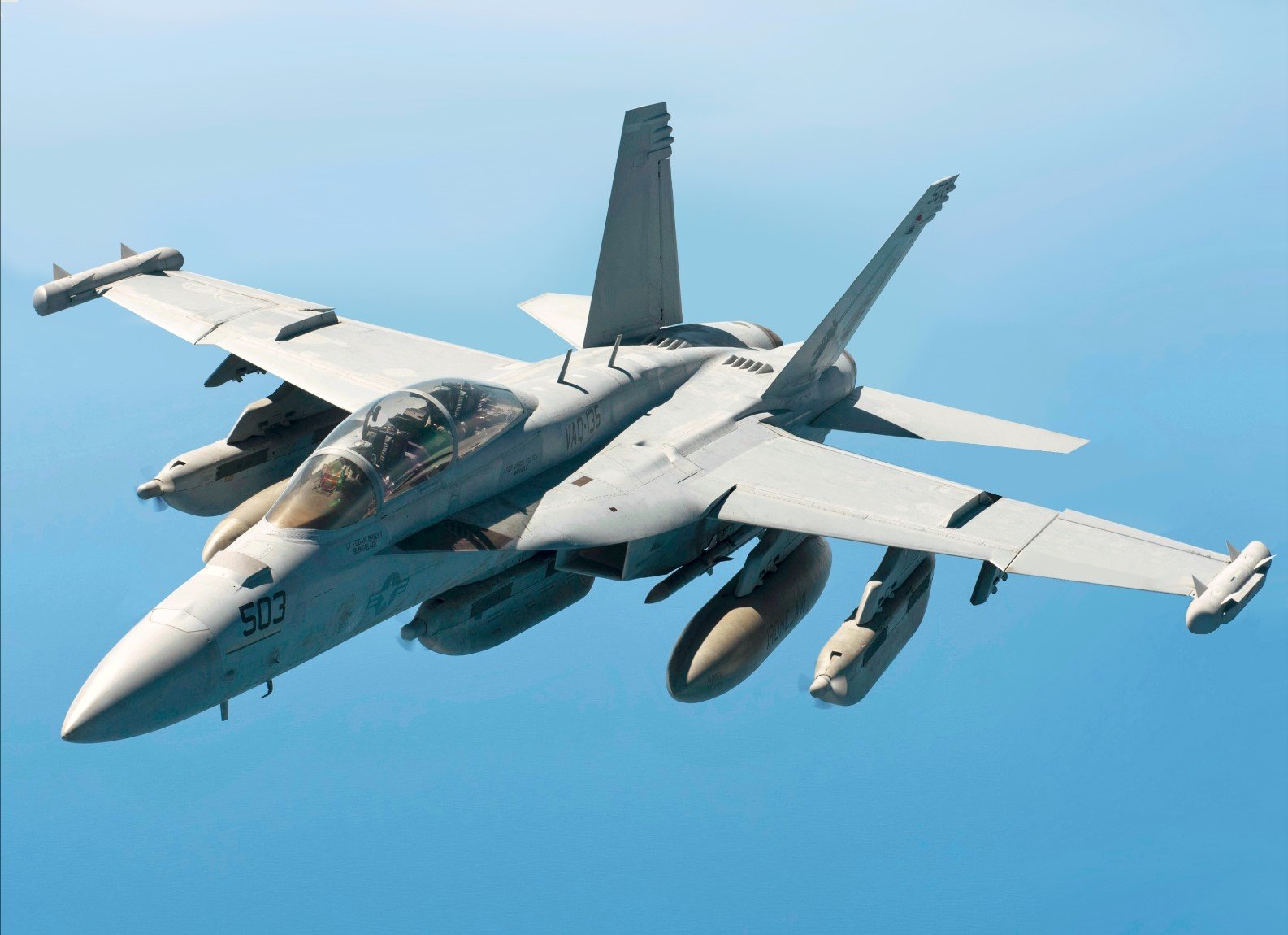
U.S
ST. LOUIS — Boeing is marking 20 years since the first flight of the EA-18G Growler, the U.S. Navy’s carrier-based airborne electronic attack aircraft. The anniversary comes as Boeing and the U.S. Navy continue upgrading the aircraft’s processing, detection and jamming systems to address modern electromagnetic threats. The first Growler, designated EA-1, flew from Lambert International Airport in St. Louis, Missouri, on August 15, 2006. Boeing test pilot Ricardo Traven and chief weapons system operator Rick Junkin were at the controls. “From the first flight, that I had the pleasure to pilot with my WSO Rick Junkin, it was obvious to us what a terrific capability and future this aircraft would blaze in the years that followed,” Traven said. From the EA-6B Prowler to the Growler Development of the EA-18G formally began in December 2003 under a five-year System Development and Demonstration contract between Boeing and the U.S. Navy. The aircraft was developed to replace the Northrop Grumman EA-6B Prowler. Based on the F/A-18 Super Hornet, the Growler is designed for electronic warfare missions including surveillance, jamming and suppression of enemy air defenses. It can operate from aircraft carriers and conduct both stand-off and escort jamming missions. Former U.S. Navy Growler pilot Paul “Disco” Ritter described the transition from the EA-6B to the EA-18G as a major change. “I started my career flying the EA-6B Prowler,” Ritter said. “It was an amazing machine — it was fun, like flying a farm truck. Transitioning to the Growler was like upgrading to a Ferrari.” The first EA-18G was delivered to the Naval Air Test Center at Patuxent River, Maryland, in September 2006. The first fleet aircraft went to Electronic Attack Squadron VAQ-129 in June 2008, and Growlers completed their first combat deployment in 2011. Boeing delivered the 100th aircraft to the U.S. Navy in May 2014. Combat Operations The Growler has supported U.S. and allied operations in several regions, including the Red Sea and the Middle East. During recent operations against Houthi forces, a Growler achieved a confirmed kinetic combat success by destroying a Houthi Mi-24 helicopter on the ground using an Advanced Anti-Radiation Guided Missile. The same deployment also saw a Growler achieve an air-to-air victory by shooting down a Houthi drone, marking an air-to-air combat success for a U.S. electronic warfare aircraft. The aircraft can collect threat information and provide targeting data, threat warnings and protection to other aircraft, including the F/A-18 and F-35. “The Growler provides added layers of protection for the entire air wing by gathering information on threats not seen in real time and provides that target data, threat warning, and protection to other aircraft like the F/A-18 or the F-35,” Ritter said. Next Generation Jamming Boeing is developing the Growler Block II capability suite to extend the aircraft’s electronic warfare capabilities. The modernization effort includes an Advanced Cockpit System, enhanced avionics, improved processing and detection capabilities, and support for Next Generation Jammer systems. The Next Generation Jammer, developed by Raytheon, is being introduced to replace the legacy ALQ-99 jamming pods. The system is designed to provide improved jamming capabilities and allow the Growler to engage multiple targets at the same time and operate at longer ranges. Boeing inducted the first EA-18G into its Growler Modification Program in March 2021. The program increases processing power, improves detection capabilities and enables compatibility with Next Generation Jamming capabilities. Australia Operates the Growler Australia became the first country outside the United States to operate the EA-18G. Boeing unveiled the first Royal Australian Air Force Growler in July 2015, and Australia acquired 12 aircraft. The EA-18G remains in service with both the U.S. Navy and Royal Australian Air Force as Boeing and the Navy continue modernization work aimed at improving the aircraft’s electronic warfare, detection, processing and jamming capabilities.
Read More → Posted on 2026-08-18 12:28:13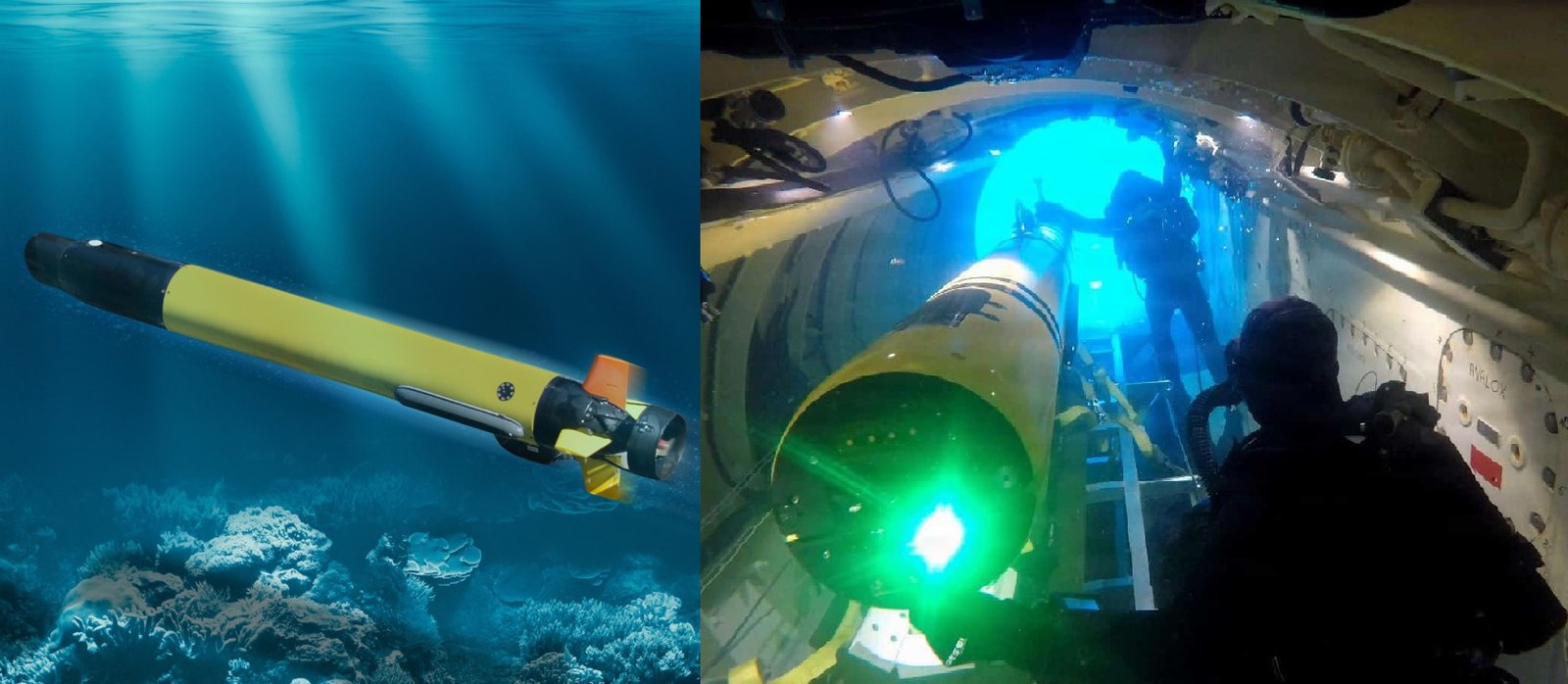
U.S
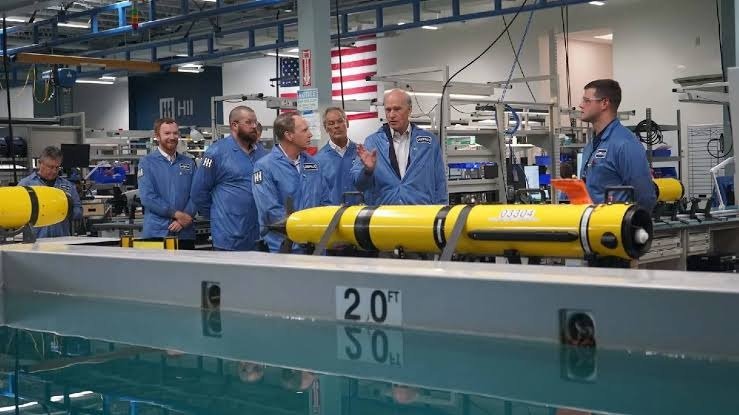
Pacific Submarine Force, U.S. Navy — The U.S. Navy’s Pacific Submarine Force is examining new roles for uncrewed undersea vehicles (UUVs), including operating them with aircraft carrier strike groups and using them to resupply submarines while they remain submerged. The discussions follow RIMPAC 2026, which included more than 35 experiments involving uncrewed systems and emerging technologies. The exercise involved 30 nations, about 30,000 personnel, more than 30 surface ships, five submarines and over 190 aircraft. After the at-sea phase of RIMPAC, Rear Adm. Chris Cavanaugh, commander of the U.S. Pacific Fleet Submarine Force, met with Rear Adm. Marcos Jasso, commander of Carrier Strike Group 9, aboard USS Theodore Roosevelt (CVN-71). Jasso assumed command of the carrier strike group in June 2026, and a Navy photo from the meeting was released on July 30. Cavanaugh said the Pacific Submarine Force is investing in unmanned capabilities to augment manned submarines and maintain its undersea advantage as technology develops. UUVs as Carrier Strike Group Extensions The two commanders discussed how UUVs could support carrier operations as tactical extensions of a carrier strike group. The vehicles could potentially conduct reconnaissance, strike missions, minesweeping and anti-submarine warfare. They could be launched directly from aircraft carriers or from helicopters and could also contribute to defenses against incoming torpedoes. Another concept involves using UUVs to transfer critical spare parts and components between aircraft carriers and submarines. The Navy faces difficulties resupplying submarines at sea, particularly in contested or denied environments where traditional submarine tenders could face limitations. Under the concept discussed, submarines could deploy and recover UUVs while remaining completely submerged. This would allow critical parts and materials to be transferred without requiring the submarine to surface or return to port, supporting operational security and potentially extending the time a submarine can remain on station. Revolver System to Increase Submarine Payloads The Navy is also developing the Revolver system for Virginia-class attack submarines to increase the number of smaller weapons that can be carried in existing 21-inch torpedo tubes. The system is designed to multi-pack smaller-diameter weapons, including the 6.75-inch Mark 58 Compact Rapid Attack Weapon (CRAW), which is being developed by RTX. Multiple CRAW torpedoes could be carried in a single standard tube, increasing the submarine’s available weapons without major hull changes. The combination of improved underwater resupply and increased payload capacity is part of the Navy’s wider effort to extend submarine operational endurance and expand available capabilities. UUV Production Expands The Navy is also moving toward greater production and fielding of UUVs as the technology matures. In July 2026, the Orca Extra Large Uncrewed Undersea Vehicle completed its first 1,000-nautical-mile transit in the East Pacific, according to Cavanaugh. Smaller systems are also entering operational use, including REMUS-family vehicles that can be launched and recovered through submarine torpedo tubes. Huntington Ingalls Industries (HII) has a multi-year production agreement with Hitachi Ltd. to provide more than a dozen REMUS 300 UUVs to Japan. The modular REMUS 300, which serves as the commercial basis for the U.S. Navy’s Lionfish program, is designed to support mine-hunting missions and interoperability with U.S. and allied forces. The Navy is continuing testing, evaluation and fielding of different UUV systems as it works to integrate unmanned vehicles more closely with manned submarines, aircraft carriers and other fleet assets.
Read More → Posted on 2026-08-18 11:53:46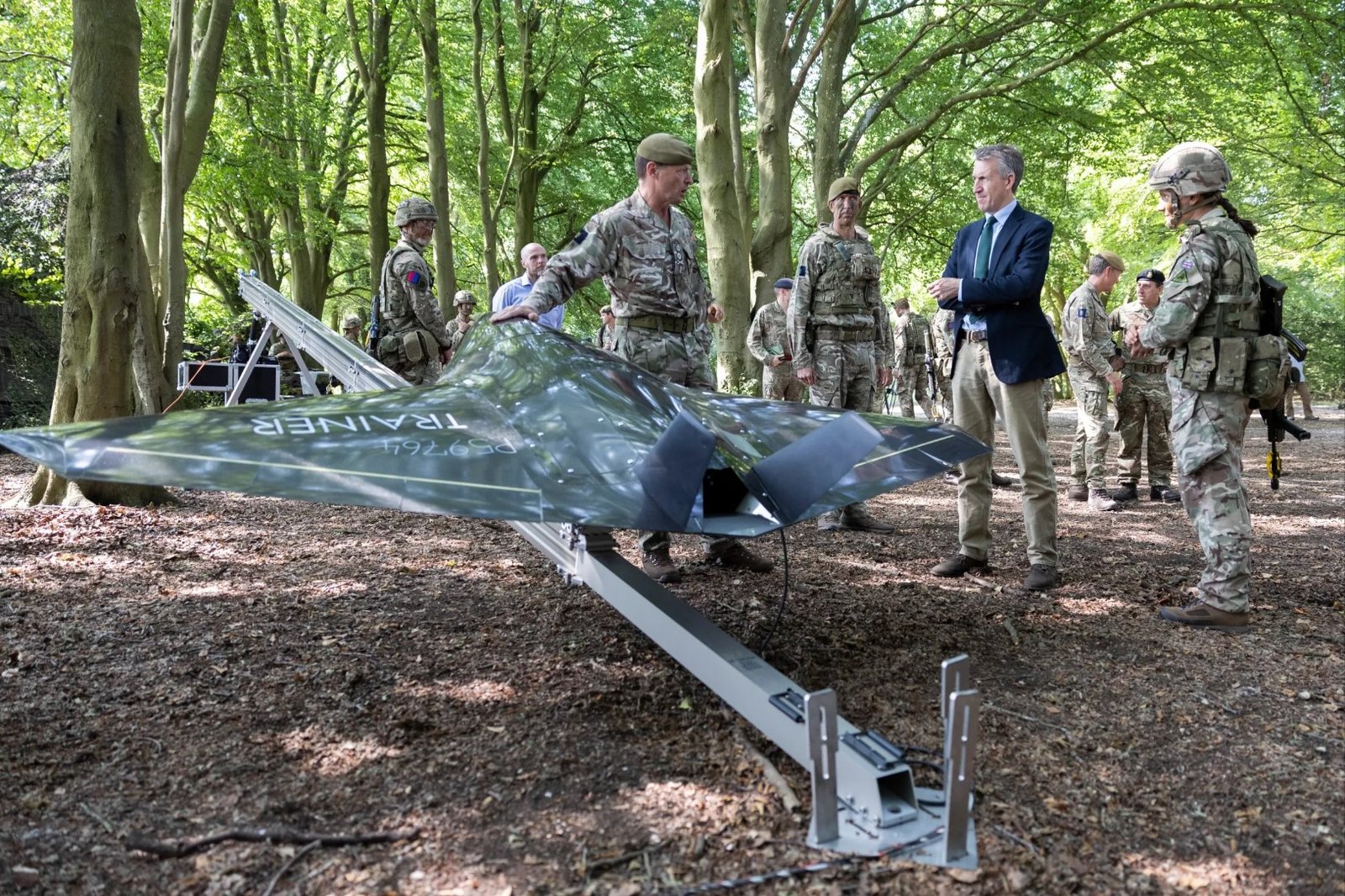
World
London, UK — Russia has warned the United Kingdom that it will face consequences over reports that British-made drones supplied to Ukraine have been used in long-range strikes against military and industrial targets inside Russia. The Russian Embassy in London accused Britain of “deliberately opting for an escalation” and described the UK as an “accomplice and co-perpetrator” in attacks on Russian territory. In a statement posted on Telegram, the embassy said London’s actions “will inevitably carry consequences for which it will have to answer.” It added that the deeper Britain becomes involved in the conflict and the greater its support for Kyiv, the higher the price it will pay. Reports of British-Made Drones The warning followed reports by The Times and The Sunday Times that British-made drones had been used by Ukrainian forces in long-range strikes inside Russia. One of the systems reportedly involved is the Nyan, developed by Callen-Lenz, a subsidiary of BAE Systems. A second British company involved in the supply chain has not been identified for security reasons. Reports said some British-made drones supplied to Ukraine have a range of more than 600 miles. Ukrainian forces have been using long-range drones against targets including oil refineries and logistics facilities. The UK Ministry of Defence did not confirm whether British-made drones were used in the specific strikes. A spokesperson said Britain “stands shoulder to shoulder with Ukraine” and remains committed to providing the equipment Ukraine needs to defend itself against Russia’s invasion. UK Military Support for Ukraine Britain has committed around £25 billion in support for Ukraine since Russia’s full-scale invasion in February 2022, including about £16 billion in military aid. In June, the UK announced a £752 million funding package to provide Ukraine with 150,000 drones and additional air-defence equipment by the end of 2026. Drone Attacks Intensify The Russian warning comes amid a major increase in Ukrainian long-range drone attacks against Russia. Russian officials said Ukraine launched almost 800 drones in related attacks across the country. Moscow Mayor Sergei Sobyanin said 180 drones were intercepted over the Moscow region, while Russian officials reported that more than 600 drones were heading toward the Moscow area. Regional Governor Andrei Vorobyov said drones struck several facilities, including a Wildberries warehouse, and that at least three people were injured, including a 10-year-old girl. At the same time, Russian forces continued attacks on Ukraine. Ukrainian officials said a Russian missile strike on Pechenihy in the Kharkiv region killed at least 10 people and wounded eight. The strike damaged private buildings, a cafe, post office, store and several vehicles. Russia has previously warned Western countries that military support for Ukraine could lead to retaliatory measures. The Russian Embassy did not specify what form the consequences mentioned in its latest warning could take.
Read More → Posted on 2026-08-18 11:43:53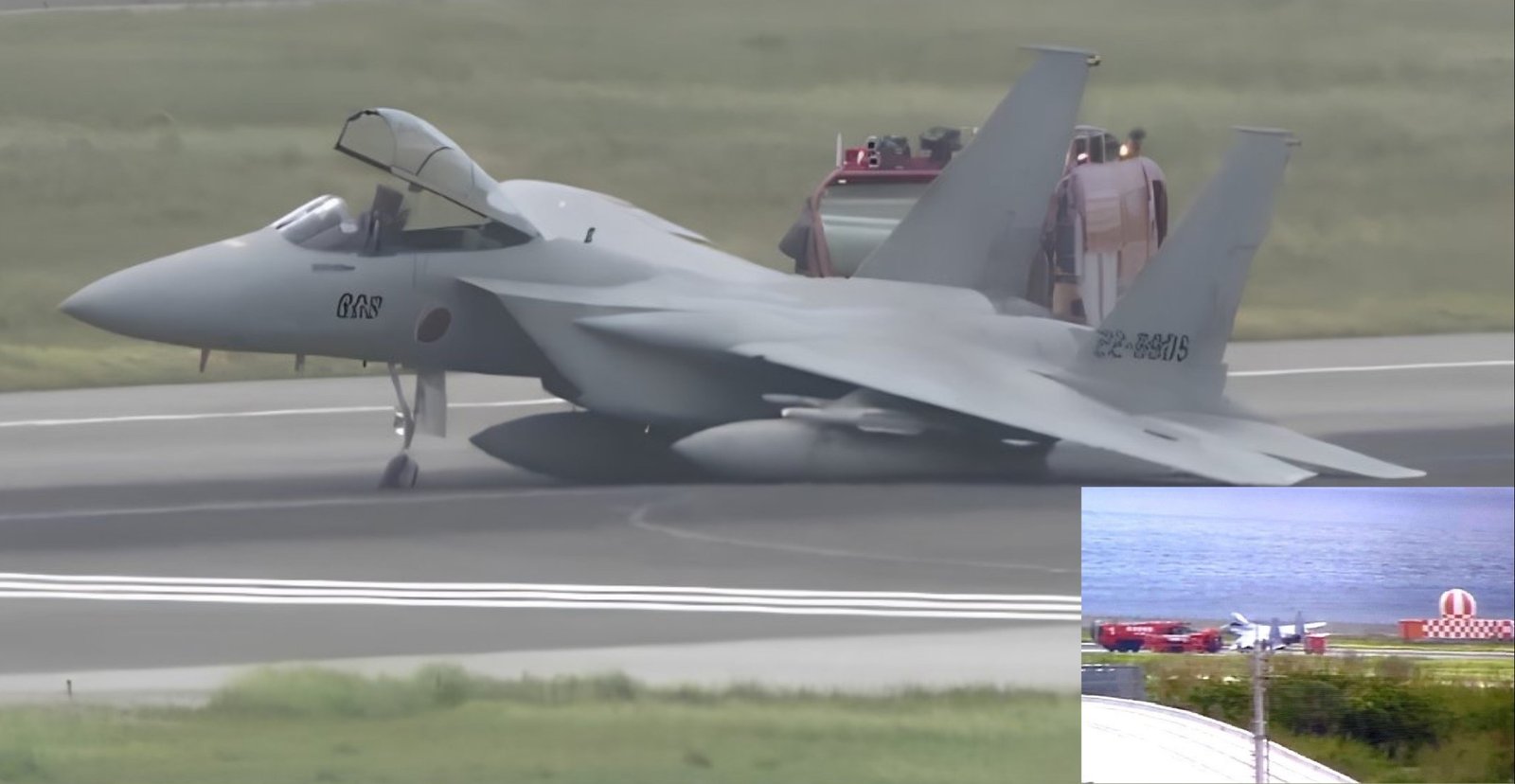
World
OKINAWA, Japan — A Japan Air Self-Defense Force (JASDF) F-15 fighter jet became immobilized on the runway at Naha Airport on Tuesday after its left main landing gear failed during landing. The pilot exited the aircraft safely and no injuries were reported. The single-seat F-15, based at nearby Naha Air Base, was returning from a scramble intercept mission when it landed on Runway B shortly before 1 p.m. local time. The landing gear failure caused the aircraft to tilt to the left, with its left wing contacting the runway. The jet skidded along the pavement, rotated about 180 degrees and stopped facing the opposite direction. NHK footage showed the fighter dragging its left wing along the runway while producing white smoke. Smoke and brief flames were also seen near the rear of the aircraft as it slowed. JASDF fire engines and emergency vehicles responded to the scene. Runway B was closed from around 12:55–12:57 p.m. until about 5:06 p.m. while the aircraft was inspected and removed. A crane later lifted the F-15 onto a truck. Runway A remained open for civilian operations, but about 40 flights experienced delays of up to 35 minutes, with some reports also noting further delays or cancellations. Okinawa Governor Denny Tamaki called the incident “gravely disappointing” and requested a prompt investigation and measures to prevent a recurrence. The JASDF is investigating the cause of the landing gear failure. Naha Airport is shared by civilian and military aircraft and hosts the JASDF’s 9th Air Wing. Its F-15Js conduct air-defense and scramble missions over Okinawa and surrounding islands. The JASDF operates roughly 200 F-15s nationwide. The aircraft is about 19 meters long with a wingspan of around 13 meters.
Read More → Posted on 2026-08-18 11:25:53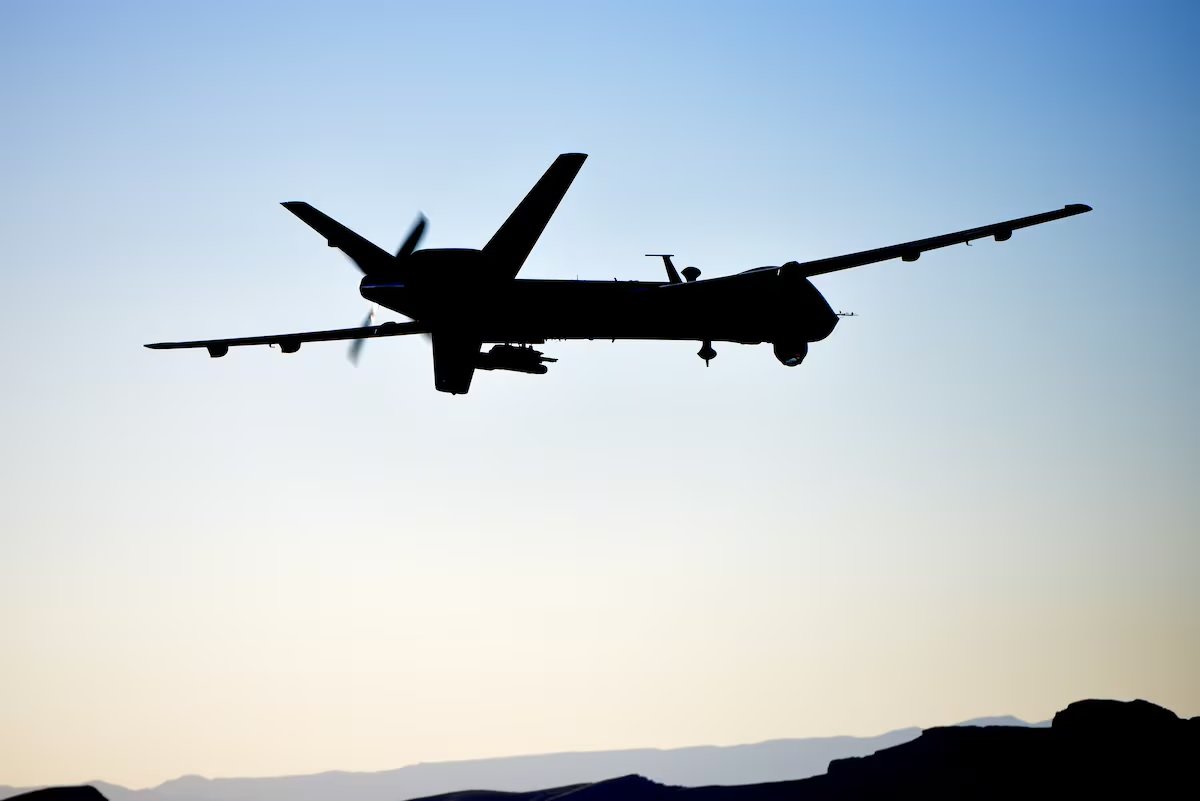
U.S
WASHINGTON — The U.S. Air Force is developing a cheaper and more adaptable successor to the General Atomics MQ-9A Reaper following the drone’s extensive use and losses during Operation Epic Fury against Iran in 2026. The service wants a modular unmanned aircraft that can be produced in larger numbers and operate in contested airspace where some losses are expected. Reaper's Role in Operation Epic Fury Air Force Chief of Staff Gen. Kenneth Wilsbach described the MQ-9A as the “most valuable player” of the operation during congressional testimony in May. He said the Reaper conducted more strikes than any other U.S. platform, although the exact number remains classified. U.S. forces struck more than 13,000 targets during roughly six weeks of fighting. The operation also exposed the Reaper’s vulnerability. Reports based on official and congressional sources indicated that around two dozen to nearly 30 MQ-9s were destroyed during the initial phase, with later figures showing higher cumulative losses. Some were destroyed by air defenses and others were hit on the ground at regional bases. The fleet reportedly fell from about 180 aircraft before the conflict to roughly 135. General Atomics ended MQ-9A production in 2025. A fully equipped MQ-9A can cost as much as $50 million depending on its sensor suite. Massed Modular Aircraft Program In July 2026, the Air Force partnered with the Defense Innovation Unit (DIU) on the Massed Modular Aircraft (MMA) initiative. The program seeks an unmanned aircraft that can be manufactured rapidly, deployed in larger numbers and treated as more attritable than traditional high-value systems. Air Force Chief Modernization Officer Lt. Gen. Christopher Niemi said the MQ-9A remains effective in the Middle East, but expensive sensor packages can significantly increase its cost. The MMA would allow equipment to be removed or changed for high-threat missions, reducing the financial impact of losses. The DIU solicitation requires the aircraft to carry at least 2,800 pounds of payload, have a 2,300-nautical-mile combat radius without aerial refueling, and self-deploy at least 8,000 nautical miles one way. It must reach at least 200 knots, or about 230 mph, and support full-scale prototype flight testing within 21 months of contract award. Other requirements include allowing one operator to control multiple aircraft, resilient hybrid satellite and mesh communications, operation from runways of 6,000 feet or shorter, and sufficient power and cooling for rapid payload changes. The Air Force is targeting Initial Operating Capability in fiscal year 2031, defined as the delivery of 20 mission-ready aircraft to an operational unit. Designed for Attrition and Modularity The MMA is intended to perform intelligence, surveillance and strike missions while also supporting larger formations of unmanned aircraft. The Air Force is considering missions including intelligence collection, weapons employment, electronic warfare and communications relay. The DIU said larger numbers of less expensive aircraft would allow the service to accept combat losses and place greater demands on adversary air defenses. The concept is based on the view that relying on low-density aircraft costing at least $30 million is difficult against layered defenses and lower-cost anti-aircraft systems. Modularity is central to the design. Sensors, weapons, fuel containers and other payloads should be rapidly changed according to the mission. The aircraft is also expected to use the Autonomy Government Reference Architecture employed by the Collaborative Combat Aircraft program to simplify integration of autonomy software. Development and Remaining MQ-9 Fleet No specific MMA unit-cost target has been finalized. The Air Force will assess industry proposals and operational requirements to determine a price that provides the required capability while remaining affordable enough to tolerate attrition. A concept-refinement phase is scheduled for the first quarter of fiscal year 2027, with multiple traditional and nontraditional defense companies expected to compete. A separate DIU request for information on low-cost attritable unmanned ISR systems also received strong industry interest. The MQ-9A will remain in service during development of the replacement. Col. John Dayton, the portfolio acquisition executive for intelligence, surveillance, reconnaissance and special operations forces, said the Air Force is repairing available Reapers and procuring a small number of remaining capital assets from General Atomics to restore capacity. The service has also examined General Atomics’ larger MQ-9B, which offers greater range and payload capacity, but the MMA effort is focused on a separate lower-cost aircraft. Source : nationaldefensemagazine
Read More → Posted on 2026-08-18 11:17:08Search
Top Trending in 24 Hours
-
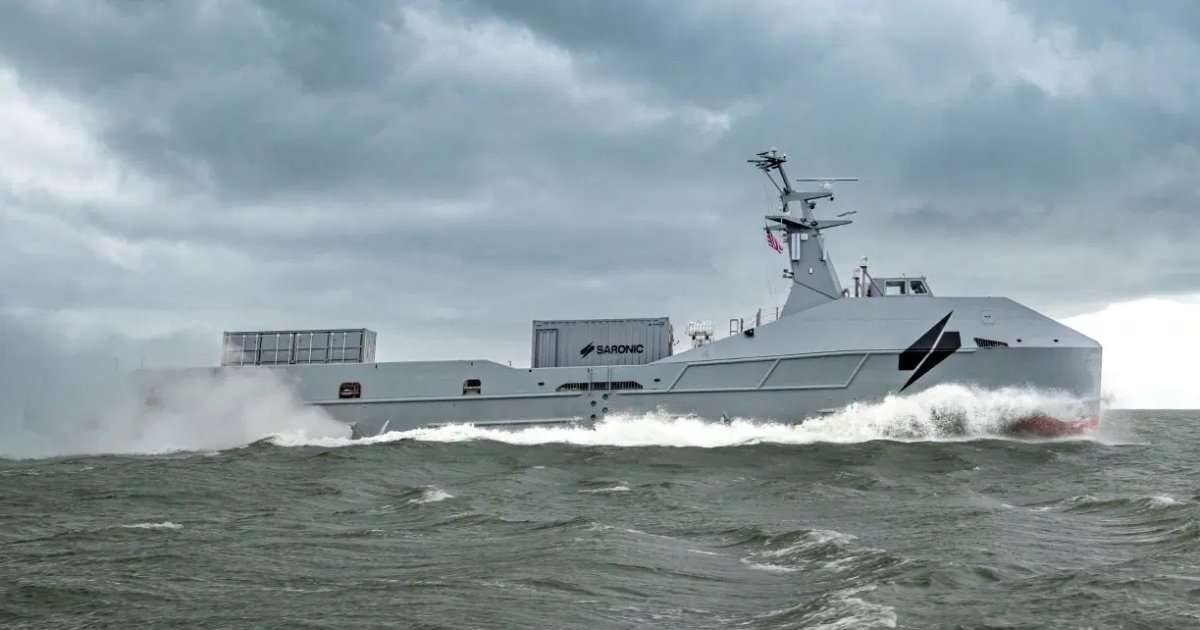 U.S. Navy Awards Production Agreements for 30 Medium Unmanned Surface Vessels, Including 10 Saronic Marauders
-
 Boeing Wins $20 Billion U.S. Navy Contract for F/A-XX Sixth-Generation Fighter
-
 Flydubai Flight to Israel Diverted to Saudi Arabia After Possible Attempted Terror Attack in Cockpit
-
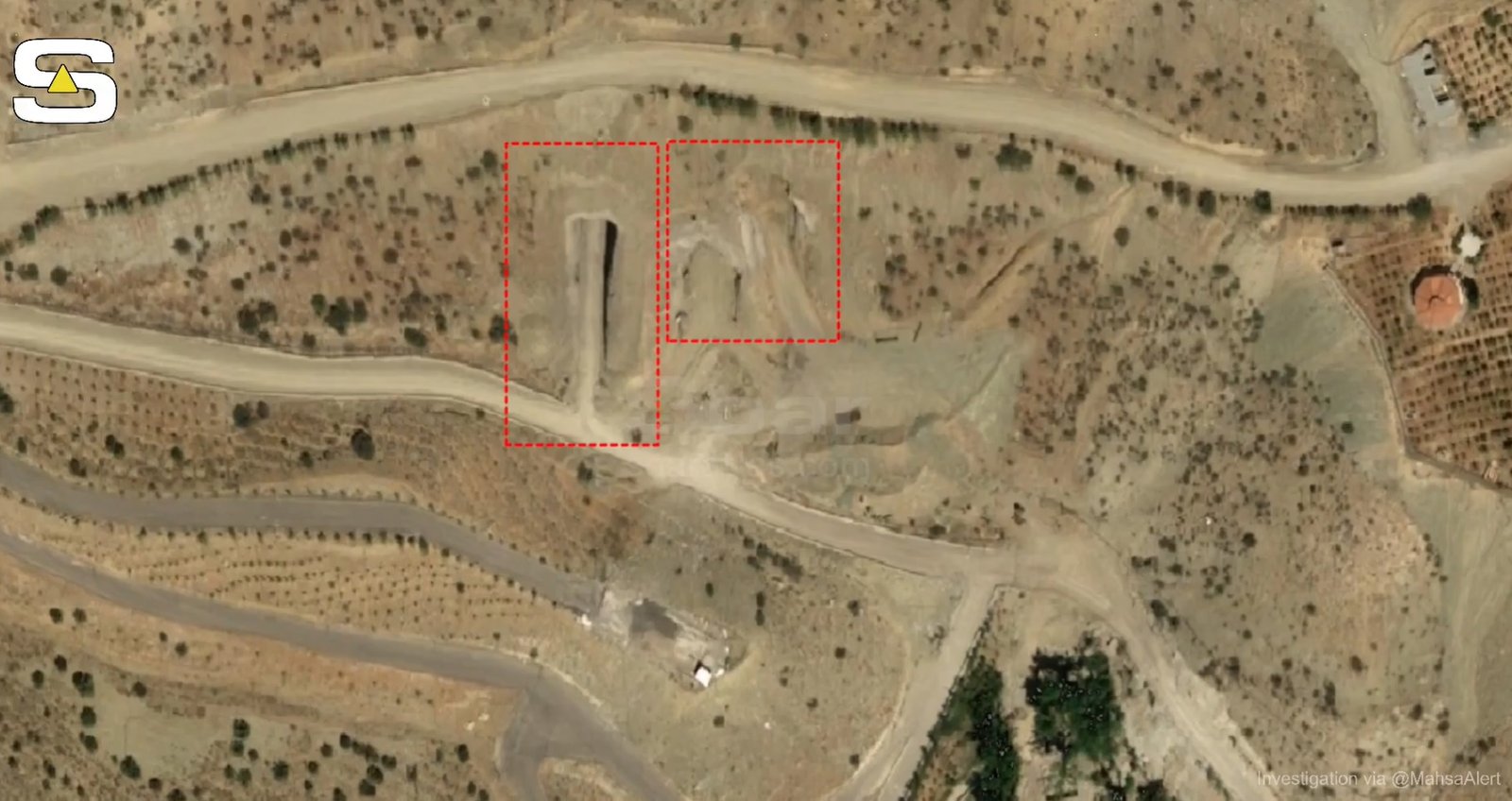 Satellite Imagery Shows Construction Changes at Hillside Site Linked to Iran’s Supreme National Security Council
-
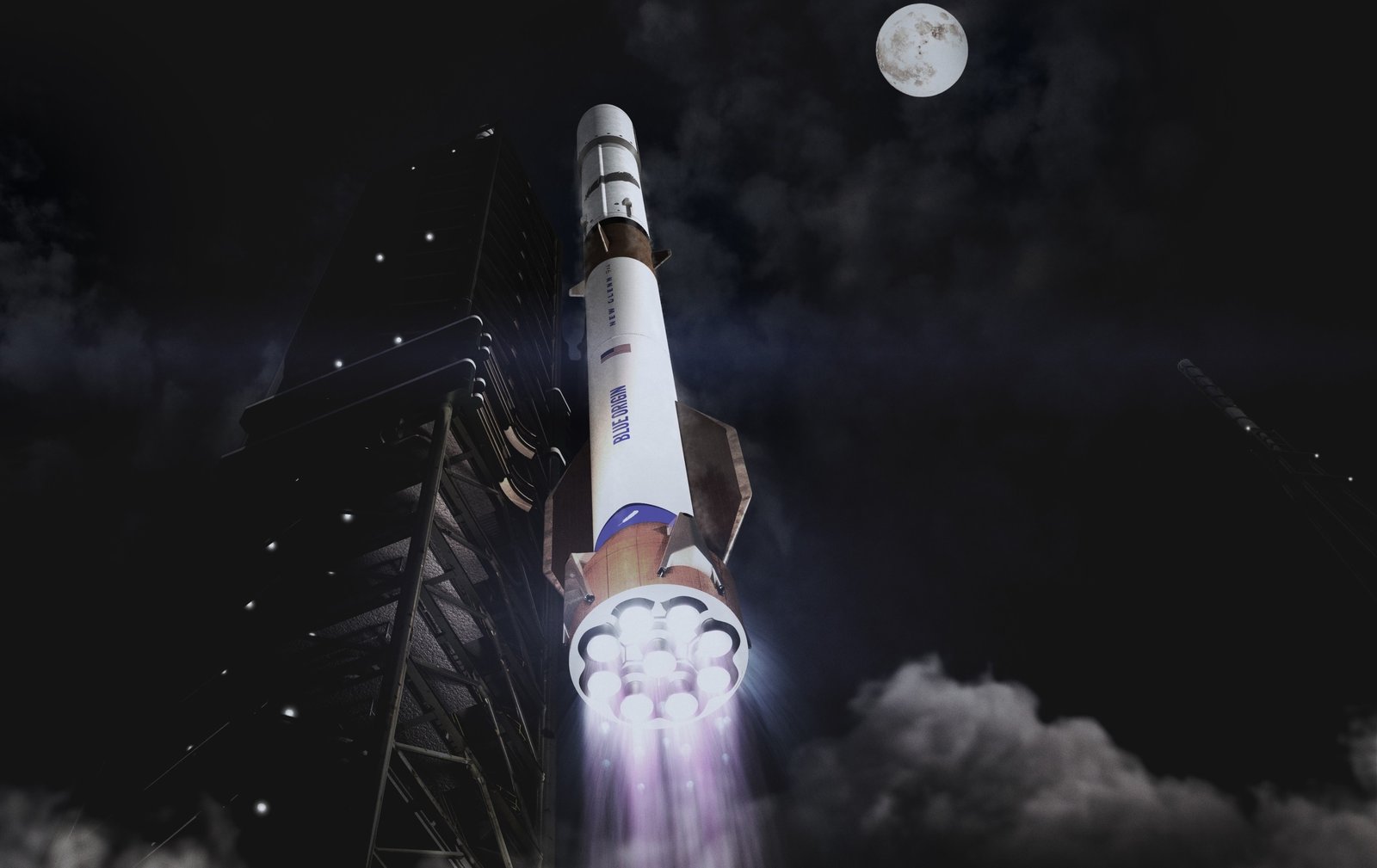 NASA Adds Blue Origin’s Upgraded New Glenn 9×4 to Launch Services Contract
-
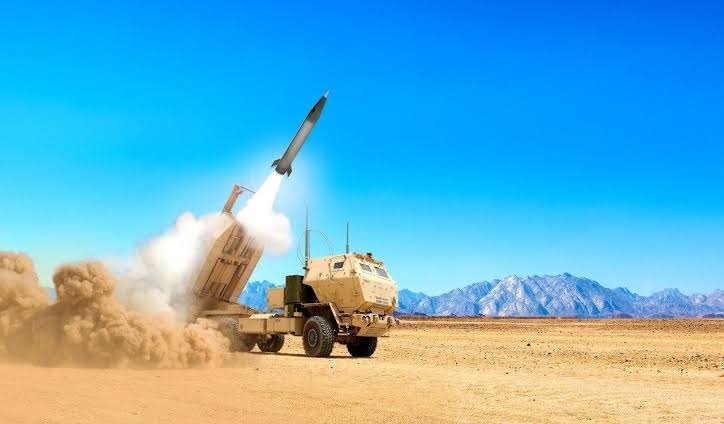 U.S. Army Selects Five Companies to Develop 1,000-Km Precision Strike Missile Prototypes
-
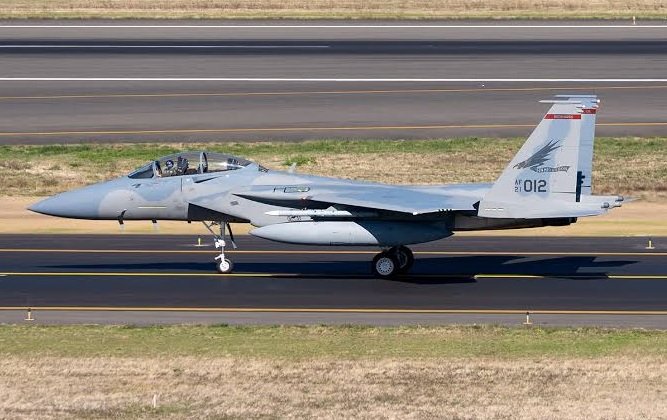 U.S. Air Force Awards Boeing $2.38 Billion Contract for 22 F-15EX Fighter Jets
-
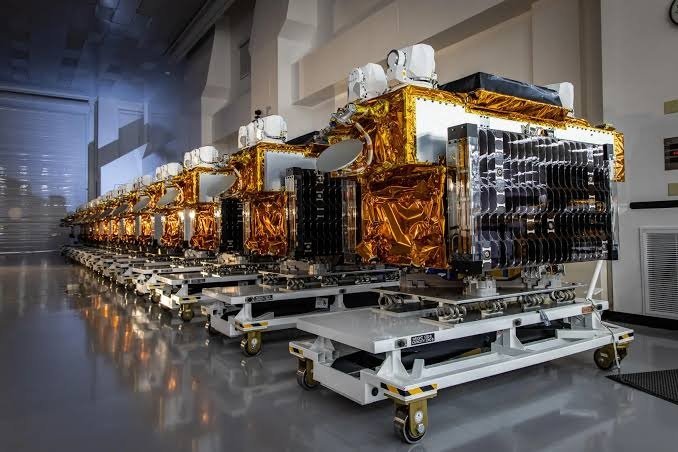 Northrop Grumman Delivers First 21 Satellites for Pentagon’s Next-Generation Military Network
Top Trending in 4 Days
-
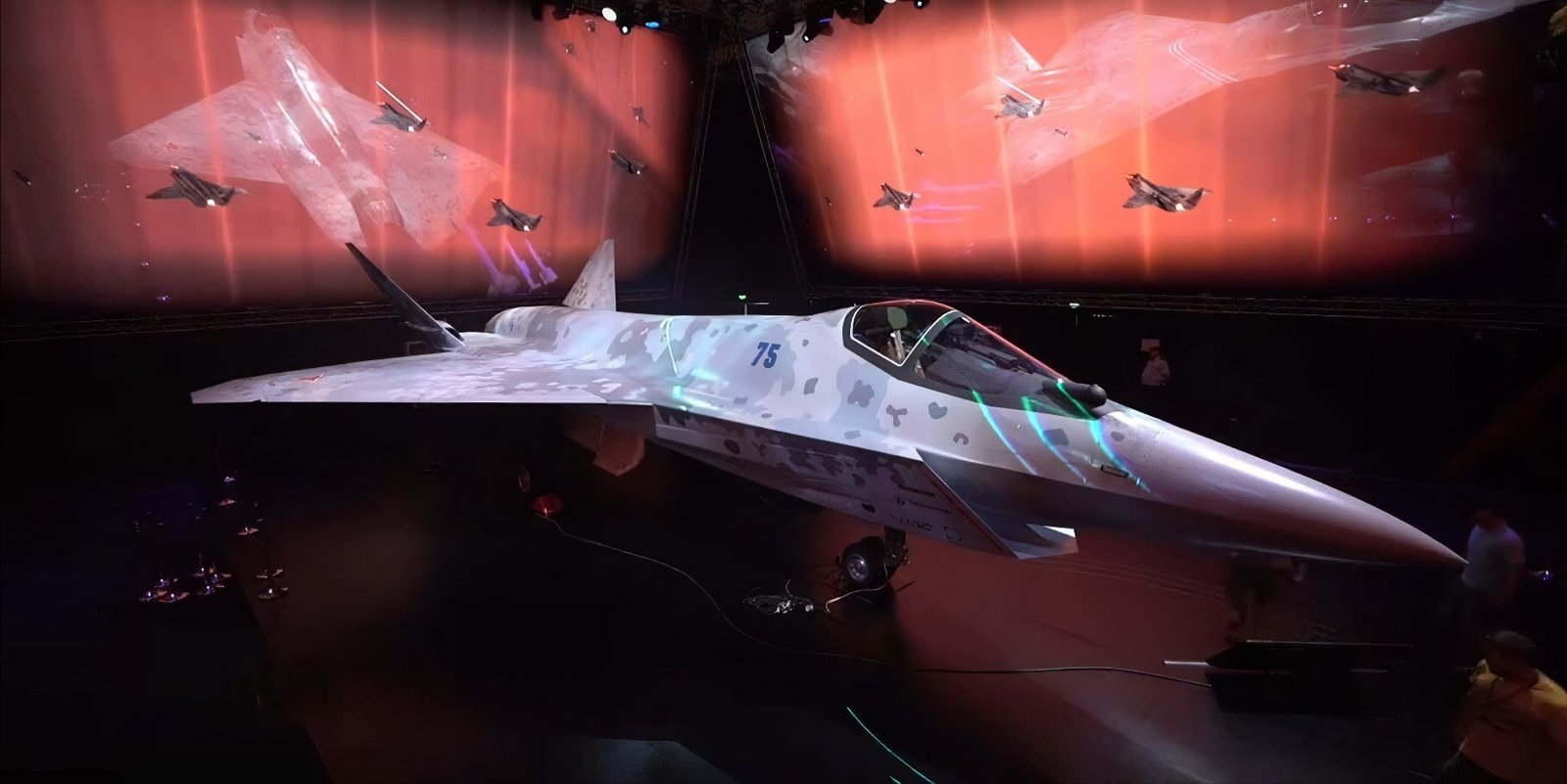 Russia Says Su-75 Checkmate Could Cost Just $25–30 Million, Flight-Hour Costs 6 Times Lower Than F-35
-
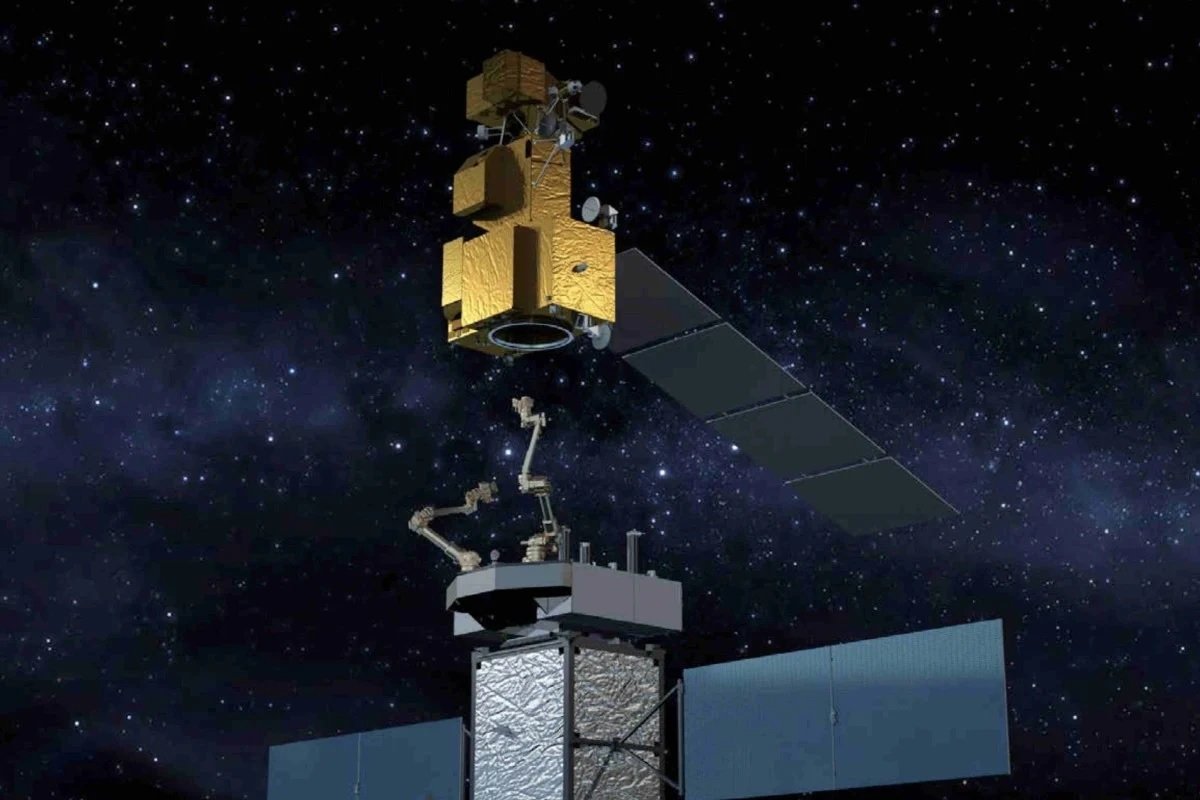 China Reports First High-Orbit Refueling of BeiDou Satellite, but Tracking Data Raise Questions
-
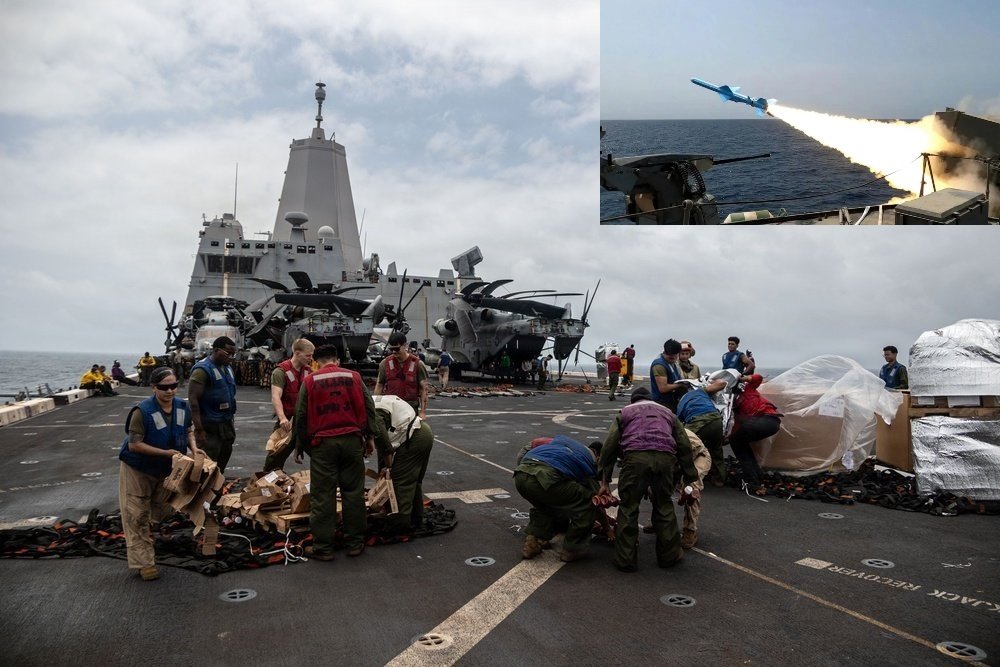 Eight U.S. Marines Injured in Iranian Missile Strike on U.S Vessel in Strait of Hormuz
-
 U.S. and Russia Remove Human-Review Rules From Draft UN AI Weapons Framework
-
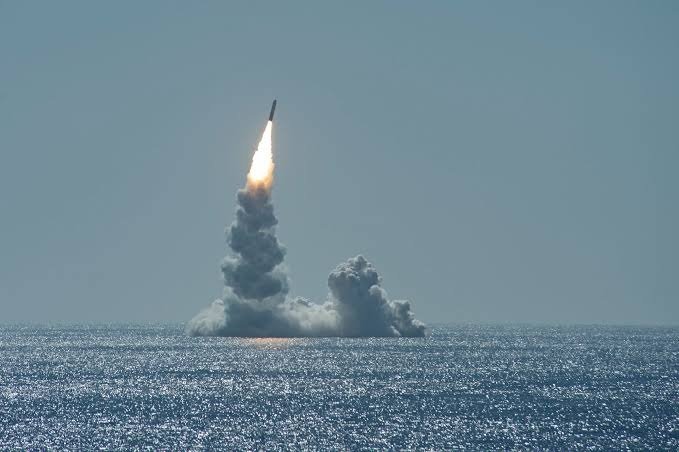 UK Offers Nuclear Deterrence for Its Northern European Defence Partners
-
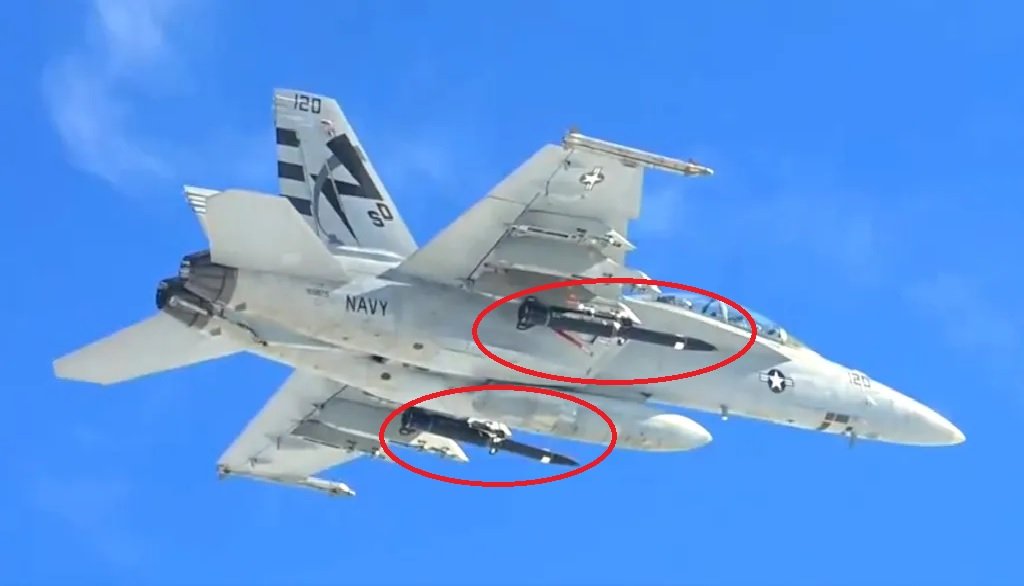 U.S. Navy Begins Flight Testing Blackbeard Hypersonic Missile on F/A-18 Super Hornet
-
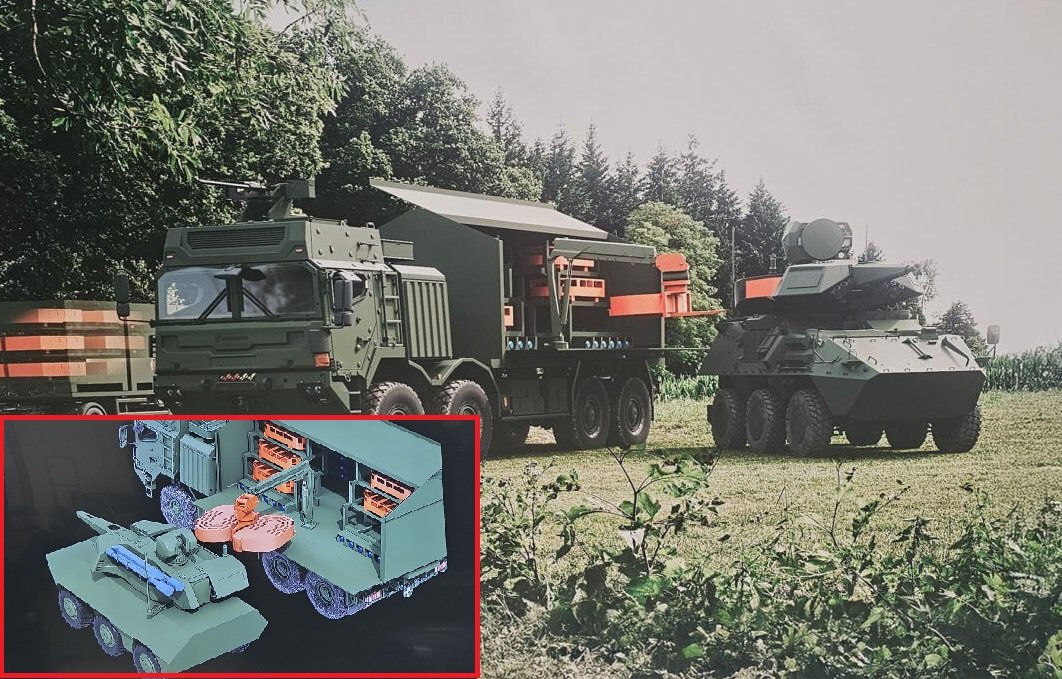 Rheinmetall Develops Automated Reloader for Austrian Skyranger Air Defense System
-
 HII Expands Massachusetts Unmanned Systems Facility by 25 Percent to Support U.S. Navy Lionfish Production
