Russian Tu-95MS and Chinese H-6K strategic bombers have carried out an approximately eight-hour joint patrol over waters near Japan and South Korea, prompting both Tokyo and Seoul to scramble fighter jets and lodge formal protests. The flight marks the latest in a series of coordinated air operations by Moscow and Beijing and comes amid a sharp downturn in Japan–China relations.
According to the Russian Defence Ministry, the mission involved at least two Tu-95MS and two H-6K bombers flying a long-range route over the Sea of Japan, the East China Sea and the western Pacific, as part of the countries’ 2025 military cooperation plan.
Route Through Japan’s Strategic Chokepoints
Japan’s Defence Ministry said the bombers first appeared over the Sea of Japan before heading toward the East China Sea, where they joined up and flew through the Miyako Strait, a key international waterway between Okinawa and Miyako islands that links the East China Sea to the wider Pacific.
Once past Miyako, the combined formation continued into the western Pacific south of Japan’s main islands before reversing course and retracing parts of the route. Russian and Chinese officials stressed that the aircraft remained in international airspace and described the mission as a “long-distance joint flight” conducted “in strict accordance with international law.”
The Russian side said the patrol lasted about eight hours, a figure echoed in Japanese and South Korean reporting.
Fighters Shadow Bombers – Including Likely F-35s
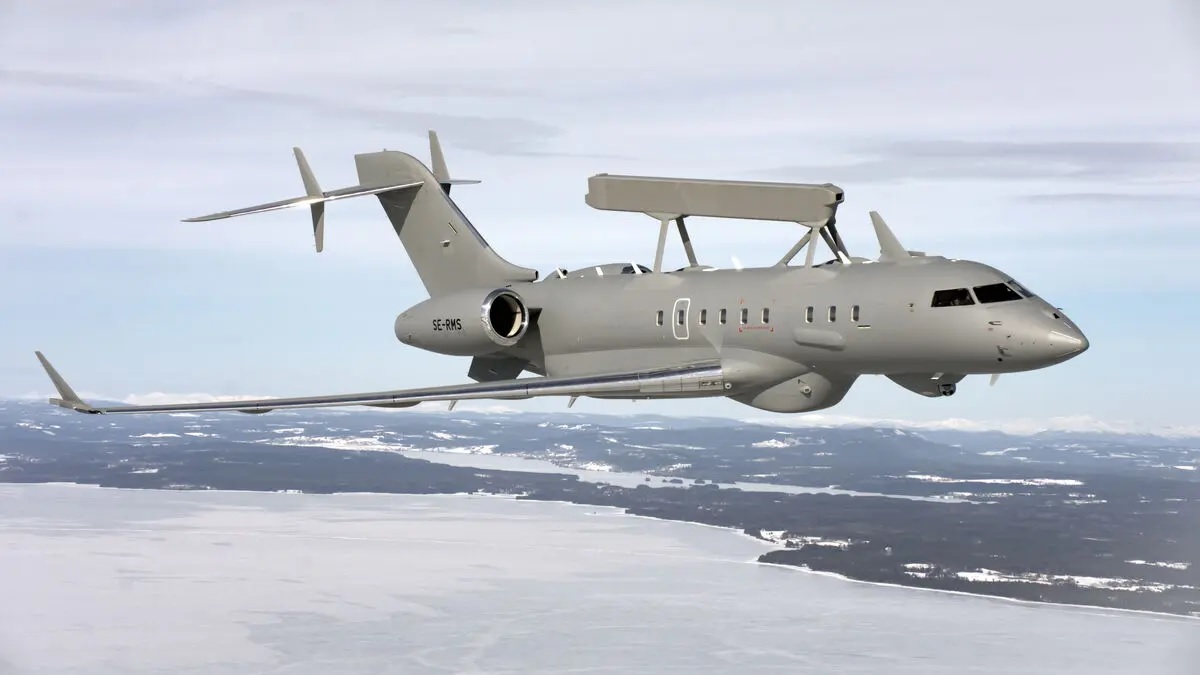
Throughout the flight, the bomber package was accompanied by a larger supporting force. Video and imagery released by regional defence ministries and local media show Chinese J-16 and J-11BS fighters, as well as a Russian A-50 airborne early-warning aircraft and Su-30 fighters, operating in conjunction with the bombers over different legs of the route.
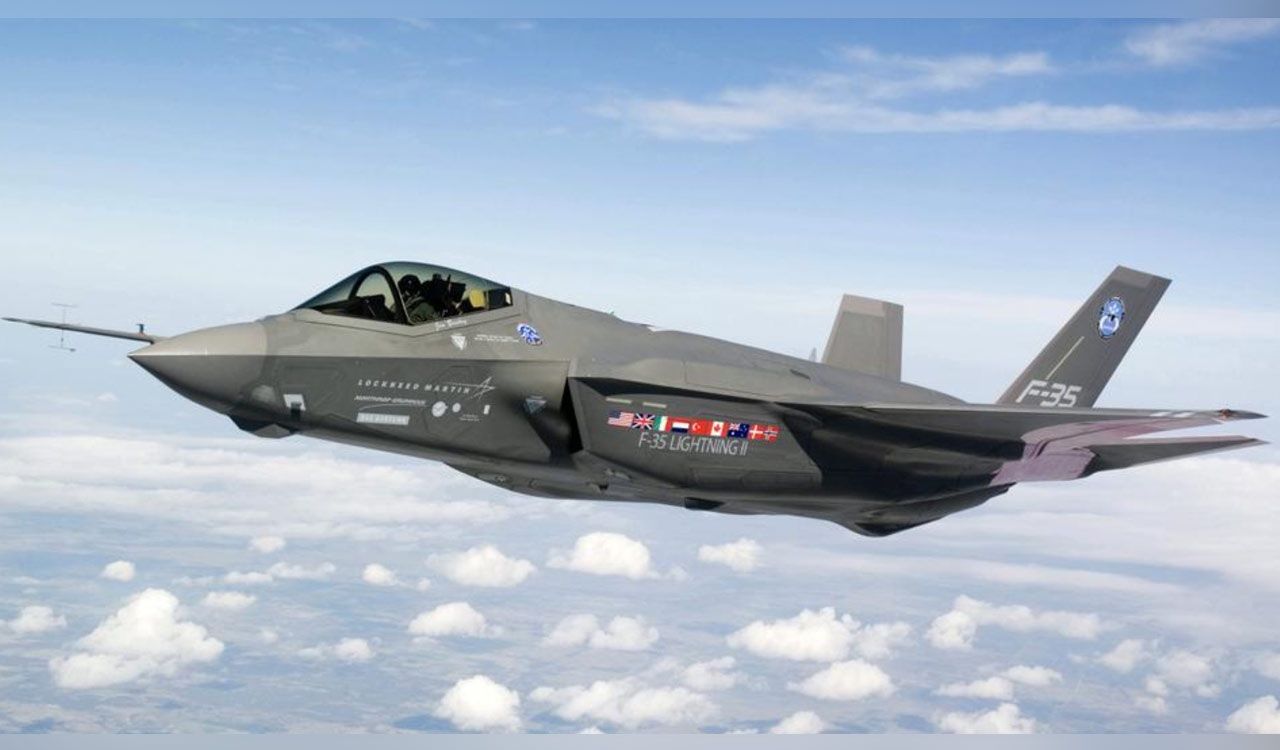
Japan scrambled fighters from the Japan Air Self-Defense Force (JASDF) to intercept and monitor the formation. Tokyo did not publicly specify aircraft types, but Japanese air units in the region include F-15J, F-2, and newer F-35A stealth fighters; photos circulated by regional media appear to show at least one Japanese F-35 shadowing the bombers at close range.
South Korea’s military separately reported that seven Russian and two Chinese aircraft entered its air defence identification zone (KADIZ), prompting Seoul to scramble its own jets and issue warnings by radio. Both Moscow and Beijing do not formally recognise the KADIZ, arguing that it has no basis in international law.
Tokyo Calls Patrol a “Show of Force”
Japanese Defence Minister Shinjiro Koizumi condemned the mission as a deliberate signal aimed at Japan. In a statement and posts on social media, Koizumi said the joint operations were “clearly intended as a show of force against our nation” and described them as a “serious concern for our national security.”
The JASDF, he added, “strictly implemented air defence identification measures,” with radar tracking and fighters maintaining visual contact as the bombers transited near Japanese airspace but did not enter it. Japan has lodged diplomatic protests with both Moscow and Beijing.
The patrol also unfolded just days after Tokyo accused Chinese carrier-based fighters of locking their fire-control radar onto Japanese aircraft near Okinawa—an allegation Beijing denies. That earlier incident had already heightened fears of a miscalculation in the crowded skies around Japan.
Second Joint Bomber Patrol of the Year – and the 10th Since 2019
Chinese and Russian statements framed the flight as part of a regular annual programme. Beijing’s Defence Ministry said it was the 10th joint strategic air patrol conducted by the two countries since such flights began in 2019, and the second bomber patrol of 2025 over the Pacific.
These patrols have often been timed to coincide with major regional events, such as Quad summits or large-scale U.S. and allied exercises, reinforcing the perception that they are as much political messaging as military training.
In addition to air patrols, China and Russia have conducted joint anti-missile drills on Russian territory and a series of “Joint Sea” naval exercises, including plans for a combined maritime drill near Japan announced earlier this year.
Strategic Bombers as Tools of Signalling
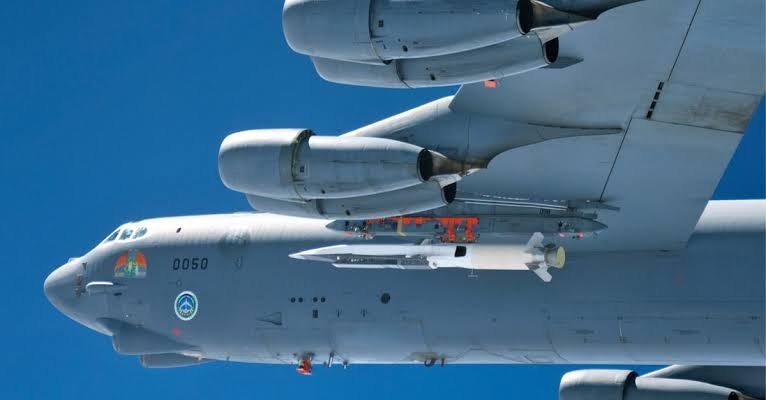
The aircraft involved underscore the strategic nature of the mission. The Tu-95MS “Bear” is a long-range, turboprop strategic bomber capable of carrying nuclear or conventional cruise missiles over intercontinental distances. The H-6K, a modernised Chinese derivative of the Soviet Tu-16, can also carry long-range land-attack and anti-ship cruise missiles and has become a central tool in Beijing’s strategy to project power into the western Pacific.
Together, such bombers can simulate coordinated missile strikes against naval task forces or land targets at ranges that test Japanese and U.S. early-warning, air defence and command-and-control networks. The presence of an A-50 early-warning aircraft and front-line fighters suggests the patrol was also used to rehearse complex multi-platform operations under realistic conditions.
Rising Tension Triangle: Japan, China and Russia
The flight comes at a time when Tokyo’s relations with both Beijing and Moscow are strained. Japan has adopted a more outspoken stance on Taiwan’s security, warning that a conflict in the Taiwan Strait would directly endanger Japanese territory and sea lanes. China has responded with harsh rhetoric and stepped-up air and naval activity around Japan, including more frequent transits by carrier groups and bomber flights.
Since Russia’s full-scale invasion of Ukraine in 2022, Japan has also aligned closely with Western sanctions and has expanded defence cooperation with the United States, South Korea and other partners. Moscow, in turn, has increased military activity in the Russian Far East, including bomber patrols and naval exercises near Japan’s northern approaches.
Tokyo’s latest defence white paper singled out Sino-Russian military coordination as a key concern, warning that their combined operations “could create a security situation more serious than the simple sum of their individual activities.”
Implications for the U.S. and Regional Security
While Washington has not publicly detailed its response to the latest patrol, U.S. officials have repeatedly stressed that the U.S.–Japan security treaty covers all Japanese territory, including the Nansei island chain stretching toward Taiwan. The United States routinely flies its own bombers and surveillance aircraft in the region and operates carrier strike groups and submarines throughout the western Pacific.
For now, the joint Sino-Russian patrol appears designed to send several overlapping messages: deterrence toward Japan and its U.S. ally, reassurance to domestic audiences in China and Russia that their militaries are standing up to Western pressure, and a demonstration to other regional states that Beijing and Moscow are prepared to coordinate at range and at scale.
But as the number and complexity of such missions grow—against a backdrop of radar locks, ADIZ disputes and dense military traffic—the risk of miscalculation also increases. Each new patrol reinforces the pattern of a slow-burn, multi-actor standoff in the skies of northeast Asia, in which a single misstep could rapidly escalate into a wider crisis.
——— End of Article ———