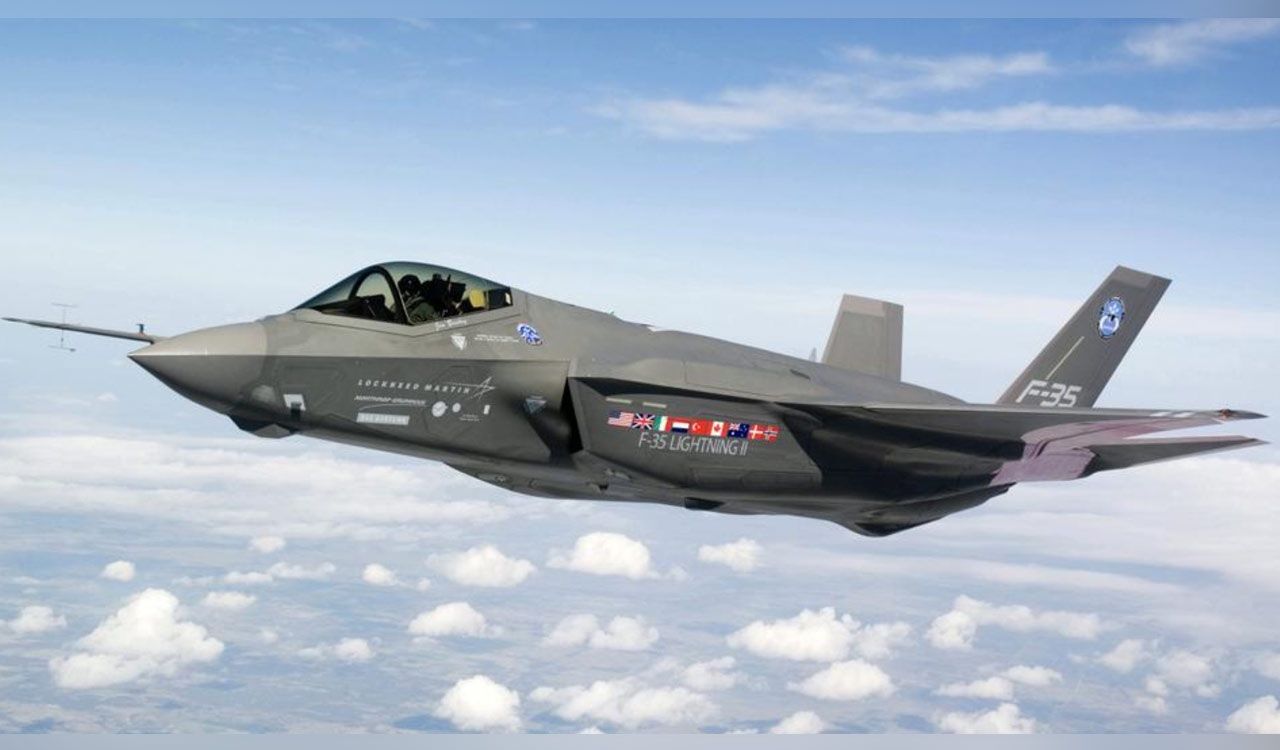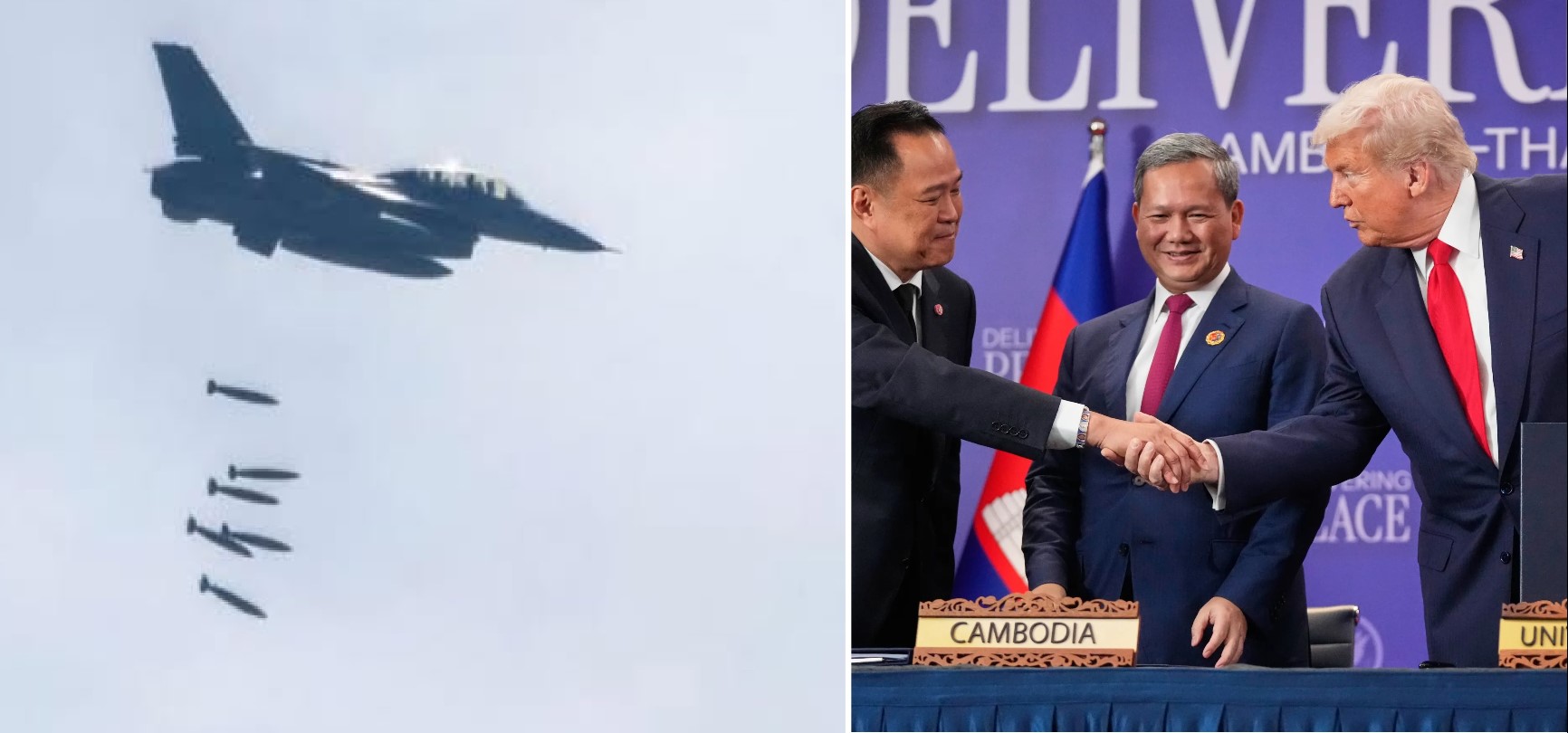
A fragile peace between Thailand and Cambodia collapsed this week after Thailand launched dozens of F-16 airstrikes into southern Cambodia on 8–9 December 2025, triggering the most serious escalation since the Trump-backed peace accord was signed in October. At least 14 people are confirmed dead, including civilians, and more than 500,000 residents have been displaced as both nations trade fire across the heavily contested frontier.
Thai defense officials say the strikes—now exceeding 20 sorties—target Cambodian artillery, rocket sites, and drone launch positions believed to be responsible for recent cross-border attacks. Cambodia, however, has accused Thailand of initiating unprovoked aggression and insists its forces only responded after repeated violations of the ceasefire line.
The renewed fighting has shattered the Kuala Lumpur Peace Accord, the agreement negotiated with support from former U.S. President Donald Trump and signed on 26 October. The deal had paused months of skirmishes that followed a brief but intense border war in July. But tensions never fully eased, with both sides accusing each other of failing to implement key withdrawal commitments.
Escalation After Border Clashes
According to the Royal Thai Army, the decision to deploy F-16s came after what they described as a Cambodian troop buildup and a series of artillery exchanges that killed or injured Thai soldiers. Bangkok said the strikes were necessary to “neutralize imminent threats.”
Cambodia has rejected this claim, saying Thai jets struck civilian areas near Oddar Meanchey, forcing thousands to flee. Cambodian officials say Thailand “fabricated a provocation” to justify its offensive.
Humanitarian Crisis Deepens
The sudden escalation has triggered a mass displacement crisis along the border:
-
Thailand has opened emergency shelters in schools, stadiums, and temples.
-
Cambodia has evacuated entire villages as artillery and rocket fire intensifies.
Aid agencies warn that relief supplies are running thin and that the number of displaced people could rise sharply if fighting continues.
Regional Tensions and Diplomatic Pressure
The conflict has drawn urgent responses from regional and international actors:
-
Malaysia, which mediated the peace deal, has called for “immediate restraint and dialogue.”
-
The United Nations has urged both sides to halt airstrikes and allow safe humanitarian access.
-
China and the United States have appealed for de-escalation, worried that the collapse of the accord could destabilize mainland Southeast Asia.
Despite these appeals, neither Bangkok nor Phnom Penh has shown willingness to halt military operations. Diplomats say backchannel communications are underway, but the political climate in both capitals is hardening.
A Peace Deal in Ruins
The renewed violence deals a significant blow to Trump’s efforts to position himself as a regional dealmaker. The Kuala Lumpur accord, once hailed as a breakthrough, quickly deteriorated as mistrust and unverified skirmishes eroded confidence.
Now, with fighter jets active, artillery booming, and hundreds of thousands displaced, the border crisis risks spiraling beyond what regional diplomacy can contain.
For civilians living along the frontier, the collapse of the peace deal has once again turned daily life into a scramble for safety—while both governments continue to insist the other fired first.
——— End of Article ———