World
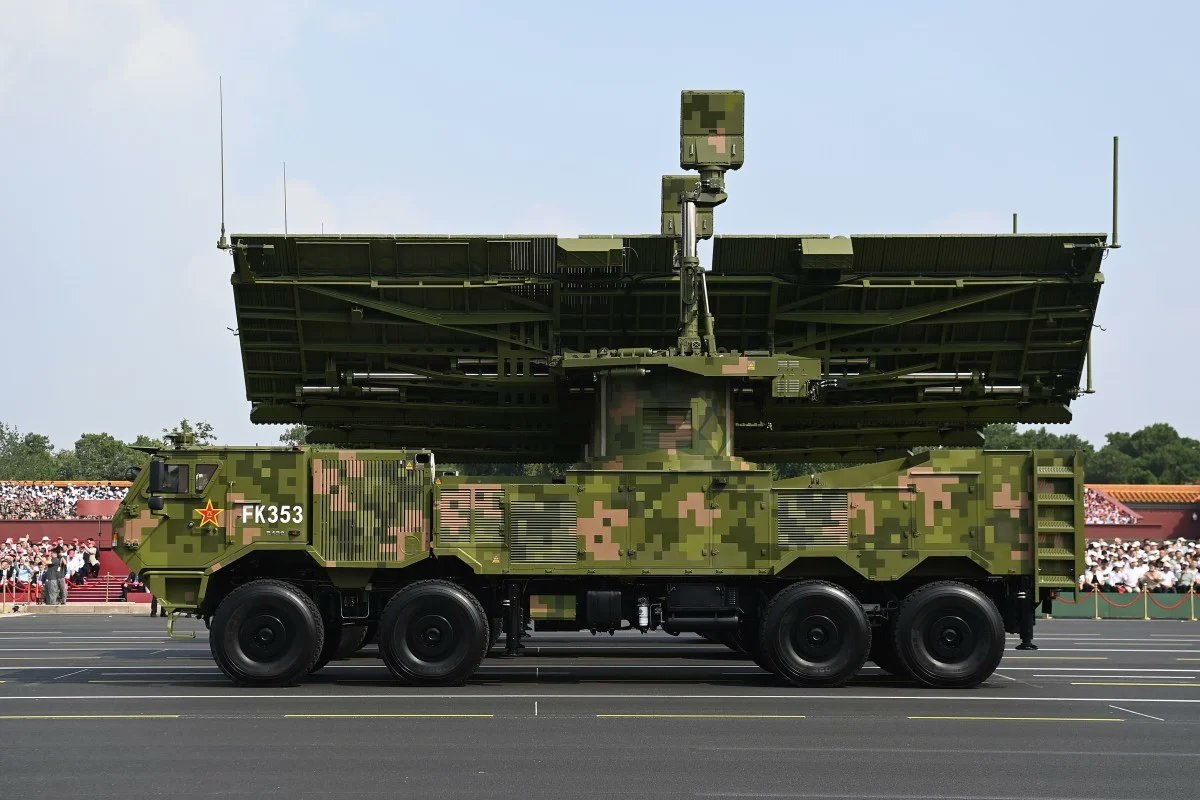
BEIJING — Chinese defense scientists have published new research outlining advances in high-power microwave (HPM) technology, including a system capable of generating up to 100 gigawatts (GW) of output. According to the study, the technology could provide a lower-cost method of disrupting or damaging low Earth orbit (LEO) satellite networks compared with conventional anti-satellite (ASAT) weapons. The findings were published this month in the peer-reviewed journal High Power Laser and Particle Beams. The paper was authored by a research team led by Zhang Jun from the College of Advanced Interdisciplinary Studies at the National University of Defense Technology (NUDT), offering a rare public look at China's military research in pulsed-power systems. The researchers wrote that China's pulsed-power technology has advanced rapidly in recent years due to sustained national strategic requirements. "Pulsed-power drivers for HPM generation have transitioned from laboratory prototypes to practical applications, evolving progressively from 'functional' to 'high-performance' and 'durable' systems," the paper states. 100-Gigawatt High-Power Microwave System According to the study, a single pulsed-power driver cannot independently produce sufficient energy because of insulation and engineering limitations. To address this, the NUDT team developed a system that synchronizes multiple compact pulsed-power modules into one integrated platform. The researchers said this approach allows each module to operate at maximum efficiency while improving the overall power-to-weight ratio. "Synchronizing multiple compact pulsed-power modules enables each unit to operate at peak efficiency while maximizing its power-to-weight ratio," the team wrote. Using this design, the researchers said they developed a 100GW-class ultra-high-power pulsed-power system capable of producing tens of gigawatts while remaining within practical size and weight limits. The paper also notes that the system could be further scaled to higher output levels in the future. New Power System for Extreme Conditions The study also describes supporting technologies developed alongside the HPM system. Among them is a lithium-ion capacitor hybrid power system, which the researchers say allows rapid activation while providing stable electrical output. According to the paper, the system can operate in temperatures as low as minus 40 degrees Celsius, making it suitable for use in cold-weather and polar environments. The publication also describes all-solid-state pulsed-power systems designed for different operational requirements. According to the researchers, Chinese institutions have developed multiple gigawatt-class HPM systems, and some have already been delivered to military users. Potential Impact on Low Earth Orbit Satellites High-power microwave weapons generate intense electromagnetic pulses that can interfere with or damage electronic systems. According to the paper, microwave pulses of around 1 gigawatt are generally considered capable of causing severe electronic interference or permanent hardware damage to satellites operating in low Earth orbit. The researchers state that a 100GW-class system could pose a significant threat to large satellite constellations, including SpaceX's Starlink, particularly if such networks are being used for military purposes. The paper also notes that using directed microwave energy for anti-satellite missions could offer a lower-cost alternative to traditional kinetic anti-satellite missiles while avoiding the creation of orbital debris. Broader Research in High-Power Microwave Technology The publication also references other Chinese developments in the field. Earlier in 2026, researchers at the Northwest Institute of Nuclear Technology in Xi'an reported the development of the TPG1000C system, which they said can continuously generate 20 gigawatts of output for up to one minute. The reported system weighs about five tonnes and is approximately four meters long. China has also displayed mobile ground-based HPM systems, including the Hurricane 2000 and Hurricane 3000, at the Zhuhai Air Show. These systems are designed primarily for shorter-range missions such as counter-drone operations. Future Development The NUDT researchers said future work will focus on improving beam control precision while reducing the size, weight, and manufacturing cost of HPM systems. The paper also states that China's research in pulsed-power technology has expanded significantly in recent years, with the researchers describing the country's work in the field as being among the world's leading efforts. The publication provides one of the most detailed public descriptions to date of China's ongoing research into high-power microwave technology and its potential military applications, particularly in electronic warfare and operations involving low Earth orbit satellite systems. Source: scmp
Read More → Posted on 2026-07-11 15:58:45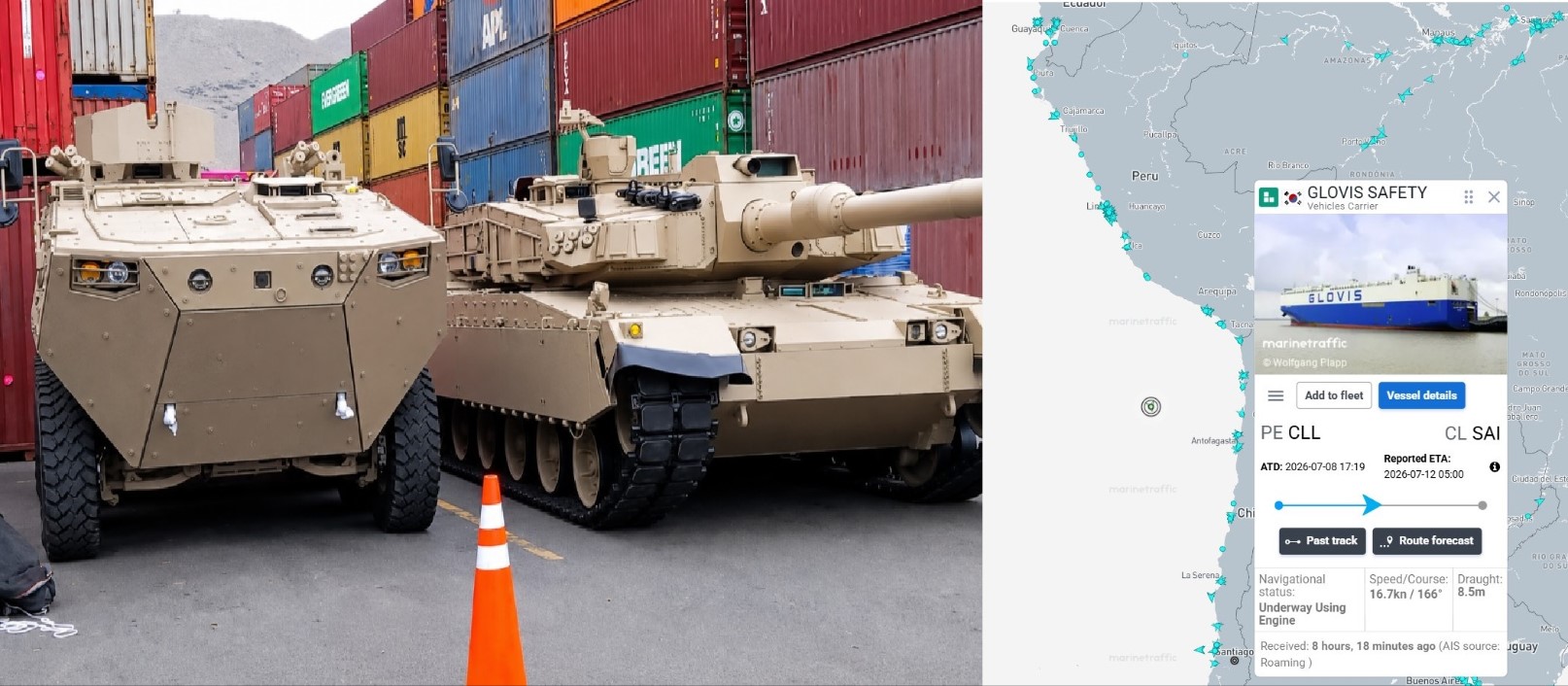
World
LIMA, Peru — The first batch of South Korean K2 Black Panther main battle tanks and K808 8×8 armored personnel carriers has arrived in Peru, marking a significant step in the country's armored force modernization program. The shipment reached the Port of Callao this week aboard the South Korean vehicle carrier GLOVIS SAFETY, according to vessel-tracking data and images shared by defense observers. The cargo includes at least two K2 Black Panther main battle tanks and six K808 armored personnel carriers (APCs). The delivery comes before the signing of the final implementation contract between Peru and South Korea and is intended to support testing and evaluation of the vehicles under local operating conditions. Early Delivery Ahead of Final Contract The arrival follows a strategic framework agreement signed on December 9, 2025, between South Korean defense manufacturer Hyundai Rotem and Peru's state-owned defense company FAME S.A.C. The agreement, valued at more than $1.4 billion, outlines Peru's planned acquisition of 54 K2 Black Panther tanks and 141 K808 armored personnel carriers, making it South Korea's largest land defense export to Latin America. While the framework agreement defines the scope of the program, the final implementation contract—which will establish delivery schedules, pricing, and legal terms—remains under negotiation. Reports previously indicated that the agreement was expected to be finalized between June and July 2026. Sending a limited number of vehicles before the full contract is a common practice in international defense procurement. It allows the customer to conduct operational trials before proceeding with larger deliveries. Testing in Peru's Operational Environment The newly delivered vehicles will undergo a series of field evaluations by the Peruvian Army. Planned testing includes cold-start trials, crew training, maintenance assessments, and high-altitude mobility tests in the Andes Mountains. The evaluations are intended to determine how the vehicles perform in Peru's diverse terrain and climate while allowing military personnel to gain experience operating and maintaining the platforms. The K2 Black Panther is expected to replace Peru's aging fleet of Soviet-era T-54 and T-55 tanks, which have been in service since the 1970s. K2 Black Panther Capabilities Developed by South Korea's Agency for Defense Development and manufactured by Hyundai Rotem, the K2 Black Panther is powered by a 1,500-horsepower diesel engine. The tank is equipped with an advanced hydropneumatic suspension system that allows the hull height to be adjusted to suit different terrain conditions. It can reach road speeds of up to 70 km/h. Its primary armament is a 120 mm smoothbore gun fitted with a domestically developed automatic loader, enabling the tank to maintain a high rate of fire while moving over uneven terrain and reducing crew workload during combat operations. The combination of high mobility and adjustable suspension is designed to support operations in challenging environments, including mountainous regions such as those found in Peru. K808 Armored Personnel Carriers Alongside the tanks, Peru received six K808 8×8 armored personnel carriers, which are designed for infantry transport and battlefield mobility. The standard K808 can travel at speeds of up to 100 km/h on roads and approximately 8 km/h in water during amphibious operations. Images of the newly arrived vehicles indicate possible design changes compared with standard K808s used by the South Korean Army. Defense observers have referred to the vehicles as a possible K808-PE configuration, citing differences in the front hull design and turret arrangement. The modifications may have been made to meet the Peruvian Army's operational requirements, climate, and equipment standards. However, Hyundai Rotem and the Peruvian Army have not officially confirmed the specifications or designation of the vehicles. Technology Transfer and Local Production A key element of the Peru-South Korea defense partnership is technology transfer and local industrial participation. Under the broader program, South Korean partners plan to invest approximately $270 million to establish a specialized armored vehicle assembly facility in Peru. According to the planned production schedule, fully assembled vehicles will be imported for training and operational use between 2026 and 2028. Beginning in 2029, production is expected to transition to licensed assembly in Peru. The long-term objective is to achieve 30 percent local content in the manufacturing process, strengthening Peru's domestic defense industry while supporting maintenance and future production capabilities. Part of Peru's Armored Modernization Peru has relied on older armored platforms, including the T-54, T-55, and M113 armored personnel carriers, for decades. The introduction of the K2 and K808 is intended to improve the army's mobility, protection, and operational capability. The current shipment provides Peru with the opportunity to evaluate the South Korean platforms under local conditions before the full acquisition program moves forward. As of now, neither the Peruvian government nor Hyundai Rotem has announced the signing date for the final implementation contract or confirmed the timeline for future deliveries. However, the arrival of the first K2 tanks and K808 armored vehicles represents an important milestone in the defense partnership between Peru and South Korea. Source: X
Read More → Posted on 2026-07-11 15:46:55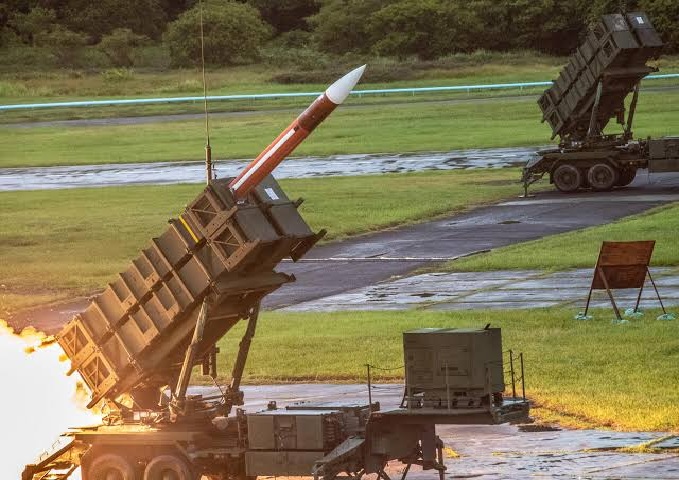
World
WASHINGTON — Ukraine is unlikely to establish domestic production of Patriot air defense missiles for several years, even if the United States grants permission to manufacture them, according to Charles Freeman, a retired American diplomat and former Assistant to the U.S. Secretary of Defense. Speaking to Russian state news agency RIA Novosti, Freeman said the complexity of the Patriot program and the time required to build production capacity mean that local manufacturing would not provide a near-term solution for Ukraine's air defense needs. Freeman noted that even in the United States, where the Patriot system is already in full-scale production, manufacturing a single Patriot system can take about two years. He said this illustrates the significant industrial, technical, and logistical challenges involved in establishing similar production capabilities in another country. According to the report, the United States also currently has no spare Patriot systems available for transfer to Ukraine, and that situation is not expected to improve in the coming years due to existing production commitments and global demand. The discussion comes after recent political talks during the NATO summit, where the possibility of allowing Ukraine to manufacture Patriot interceptors under a U.S. license received attention. U.S. President Donald Trump has indicated support for the idea of licensing domestic production, but defense experts say obtaining a license would be only the first step in a lengthy process. Ukrainian lawmaker Yehor Chernev has said that while legal and administrative work could begin relatively quickly, building a functioning production line would likely require at least 18 to 24 months for an initial pilot phase, with additional time needed before complete missiles could be produced. Even if major components were supplied from abroad, assembling and certifying the production process would remain a complex undertaking. Freeman also pointed to intellectual property and technology transfer as major challenges. The Patriot system is manufactured by RTX (formerly Raytheon) together with Lockheed Martin. Any domestic production in Ukraine would require agreements covering proprietary technologies, manufacturing rights, and technical standards, and it remains unclear under what conditions such approvals could be granted. Production of Patriot interceptors, including the PAC-3 Missile Segment Enhancement (PAC-3 MSE) variant, depends on a highly specialized global supply chain. Industry data shows that manufacturing a PAC-3 MSE interceptor takes around 24 months, while production of its solid-fuel rocket motor can require approximately 30 months because of limited manufacturing capacity and specialized components. Defense analysts also note that establishing Patriot production in Ukraine would require construction of certified manufacturing facilities, training a skilled workforce, integrating secure supply chains, and importing highly specialized components. Any production facility would also require significant air defense protection because it could become a potential target during the ongoing conflict. Germany's experience highlights the long timelines involved in Patriot-related manufacturing. After receiving political approval for a Patriot production line in 2024, manufacturing is not expected to begin until 2027. The Patriot air defense system has become one of Ukraine's most important assets for intercepting Russian ballistic missiles, cruise missiles, and drones. However, available systems remain limited, while demand from the United States and allied countries continues to exceed current production capacity. Although domestic Patriot production could strengthen Ukraine's defense industry over the long term, defense officials and analysts agree that it would not address the country's immediate air defense requirements. For the foreseeable future, Ukraine is expected to remain dependent on Patriot systems and interceptor supplies provided by its Western partners. Source: bostonherald
Read More → Posted on 2026-07-11 14:24:56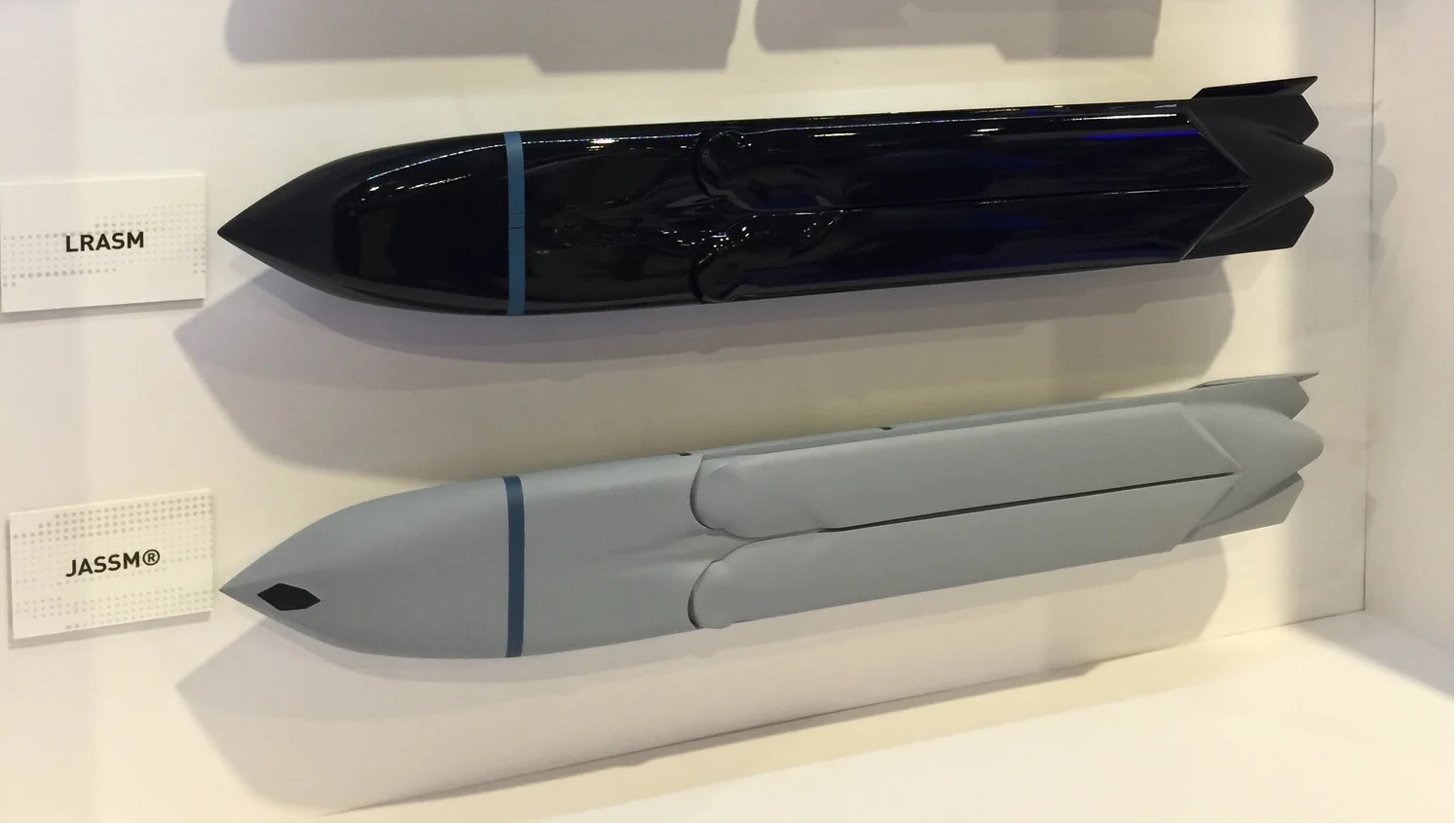
U.S
WASHINGTON — The U.S. Air Force has announced plans to acquire up to 11,200 Joint Air-to-Surface Standoff Missiles (JASSM) and Long-Range Anti-Ship Missiles (LRASM) over the next five to seven years, marking one of the largest planned procurements of these long-range precision weapons to date. The plan was outlined in a notice of intent published on Friday. It covers JASSM Lots 27 through 33 and LRASM Lots 13 through 19 and represents a significant increase in the Pentagon's planned inventory of both missile families compared with previous publicly disclosed targets. According to the notice, the procurement is part of broader efforts to rebuild missile inventories following recent military operations and to strengthen production capacity for future operational requirements, particularly in the Indo-Pacific region. The Pentagon is also encouraging defense suppliers to increase investments and expand manufacturing capacity to support higher production rates. Procurement Includes Production, Sustainment and Software Support The planned acquisition extends beyond missile production and includes several supporting elements designed to sustain the growing inventory. These include: Expanded missile sustainment and repair capacity Increased software support Higher production output at Lockheed Martin's manufacturing facilities in Orlando, Florida, and Troy, Alabama Deliveries are expected to begin approximately 27 months after the contract is awarded. Air Force officials stated that achieving the larger procurement targets will require a gradual manufacturing ramp-up and significant upfront investment. Government-owned production equipment is currently dedicated to fulfilling existing JASSM and LRASM contracts while Lockheed Martin continues expanding its supply chain and manufacturing capabilities. Lockheed Martin Expands Manufacturing Capacity Lockheed Martin said it has already invested heavily to increase production capacity for priority defense programs. According to the company, it has invested more than $7 billion since the first Trump administration to expand production capacity across key systems. Of that amount, approximately $2 billion has been dedicated specifically to increasing munitions production. The company said these investments include new facilities, production tooling, supplier expansion, and workforce development to support higher manufacturing rates. Contract Covers Current and Future Missile Variants The planned contract includes both current and future variants of the JASSM and LRASM missile families. Among the newest versions are: Variant Key Improvements Primary Role JASSM-XR Advanced anti-spoofing technology and improved survivability Long-range land strike LRASM-ER Extended range and upgraded sensor package Long-range maritime strike LRASM C-3 Updated sensors and secured data link U.S. Navy anti-surface warfare The JASSM-XR and LRASM-ER incorporate Lockheed Martin's latest anti-spoofing technology and enhanced survivability features designed to improve performance in contested environments. For the U.S. Navy, the LRASM C-3 introduces upgraded sensors, increased range capabilities, and a secure data link intended to improve anti-surface warfare operations. Recent Testing Demonstrates Expanding Capabilities The JASSM family continues to serve as one of the Pentagon's primary long-range precision strike systems and features prominently in planning for potential large-scale operations. Recent testing has demonstrated the missiles' integration across multiple aircraft platforms. On June 2, 2026, U.S. Airmen at Dyess Air Force Base, Texas, conducted a live validation test connecting an AGM-158C LRASM to a B-1B Lancer bomber. The event successfully verified communication between the missile and the aircraft's mission systems. During the Valiant Shield 2026 exercise, a B-2A Spirit stealth bomber launched an AGM-158C LRASM against the decommissioned amphibious ship ex-USS Juneau during a sinking exercise (SINKEX), demonstrating another operational employment scenario for the missile. Focus on Long-Range Precision Strike The AGM-158 JASSM is designed to strike heavily defended land targets from long stand-off ranges using low-observable characteristics and precision guidance. The LRASM is derived from the JASSM design and is optimized for engaging maritime targets using advanced autonomous targeting and seeker technology. Because both missiles share a common airframe and many components, they simplify production, maintenance, and logistics while providing the U.S. military with long-range strike options against both land and naval targets. The planned acquisition of up to 11,200 missiles significantly exceeds previous inventory objectives and reflects the Pentagon's broader effort to increase production of critical precision-guided munitions while expanding long-term readiness for potential high-intensity operations. Source: highergov
Read More → Posted on 2026-07-11 13:58:06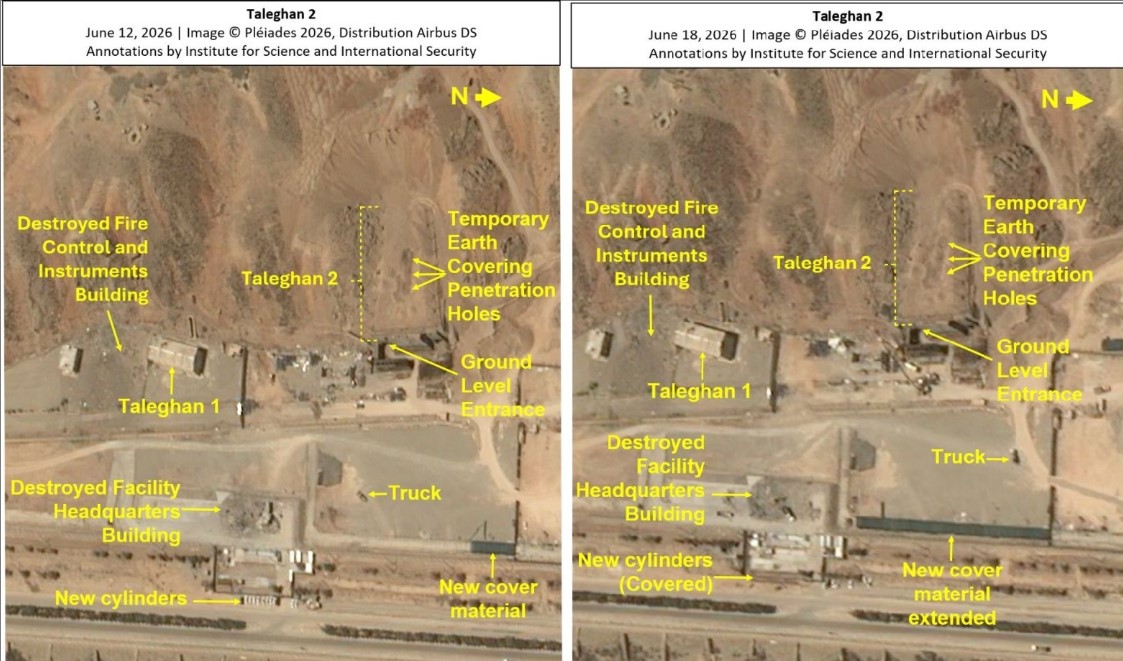
World
TEHRAN/WASHINGTON — Newly released commercial satellite imagery analyzed by CNN in collaboration with the Institute for Science and International Security (ISIS) indicates that Iran may have begun repairing and rebuilding several nuclear-related facilities damaged during U.S. and Israeli airstrikes earlier this year. The imagery, captured between June and early July 2026, has raised questions about whether the observed reconstruction work is consistent with a 14-point Memorandum of Understanding (MoU) signed between the United States and Iran in late June. Repair Activity Seen at Parchin and Pickaxe Mountain According to the analysis, one of the most significant developments has been observed at the Taleghan 2 facility inside the Parchin military complex, southeast of Tehran. The site has long been associated by Western analysts with nuclear weapons-related research, although Iran has consistently denied pursuing nuclear weapons. Satellite images show workers excavating around three bomb impact points created during earlier airstrikes. Initial cleanup involved placing temporary dirt coverings and protective screening over the damaged areas. Later images show steel reinforcing mesh installed before fresh concrete was poured to strengthen the hardened roof. Construction equipment, including cranes and concrete mixing trucks, was also visible operating at the site. Another location showing increased activity is Pickaxe Mountain, an underground facility located near Iran's Natanz uranium enrichment complex. The imagery shows construction vehicles regularly entering and leaving tunnel entrances. Analysts also identified a newly built security wall around the site, while tunnel portals appear to have been extended and covered with gravel and sand as part of ongoing engineering work. Military Bases Also Show Signs of Repairs Beyond nuclear-related locations, the satellite imagery also indicates repair work at several Iranian military facilities affected during previous strikes. At Tabriz Air Base, analysts observed that a runway crater caused by earlier attacks had been filled with concrete. Additional repair work has also been reported at several missile storage facilities and military bases. However, the latest available imagery does not show visible reconstruction work at Iran's major uranium enrichment facilities, including Natanz, Fordow, and Isfahan, which were also targeted during the conflict. Questions Over Compliance With U.S.-Iran Memorandum The reconstruction activity has drawn attention because it appears to have taken place while a 14-point Memorandum of Understanding (MoU) between Washington and Tehran was still in effect. The agreement, signed in late June 2026 following weeks of military tensions, reportedly included Iranian commitments not to develop or acquire nuclear weapons and to maintain the status quo at its nuclear facilities during the negotiation period. According to the CNN and Institute for Science and International Security analysis, repair work at locations such as Taleghan 2 appears to have started while the agreement remained active. Analysts cited in the report said such activity could raise questions about whether the work was consistent with the commitments outlined in the memorandum. The diplomatic arrangement later broke down after U.S. President Donald Trump stated that the agreement was no longer in effect, followed by additional U.S. military strikes against Iran earlier this week. Satellite Analysis Highlights Ongoing Recovery Efforts The imagery suggests that while earlier strikes disrupted operations at several nuclear-related facilities, Iran has begun clearing debris and restoring damaged infrastructure at selected locations. The Institute for Science and International Security said its assessment of the commercial satellite images points to substantial reconstruction work, particularly at the Taleghan 2 facility, including repairs to damaged structures and reinforcement of impacted areas. Experts also note that commercial satellite imagery provides valuable insight into activity at restricted sites, but it cannot by itself determine the exact purpose of construction work. They say independent verification by inspectors from the International Atomic Energy Agency (IAEA) would be necessary to fully assess the condition of Iran's nuclear facilities and any implications for its nuclear program. Iran continues to maintain that its nuclear program is intended solely for peaceful purposes, while several Western governments have expressed concerns over activities they believe could support nuclear weapons development. The latest satellite imagery adds new information to ongoing international discussions about Iran's nuclear activities and compliance with previous agreements. Source: CNN / isis-online
Read More → Posted on 2026-07-11 13:46:12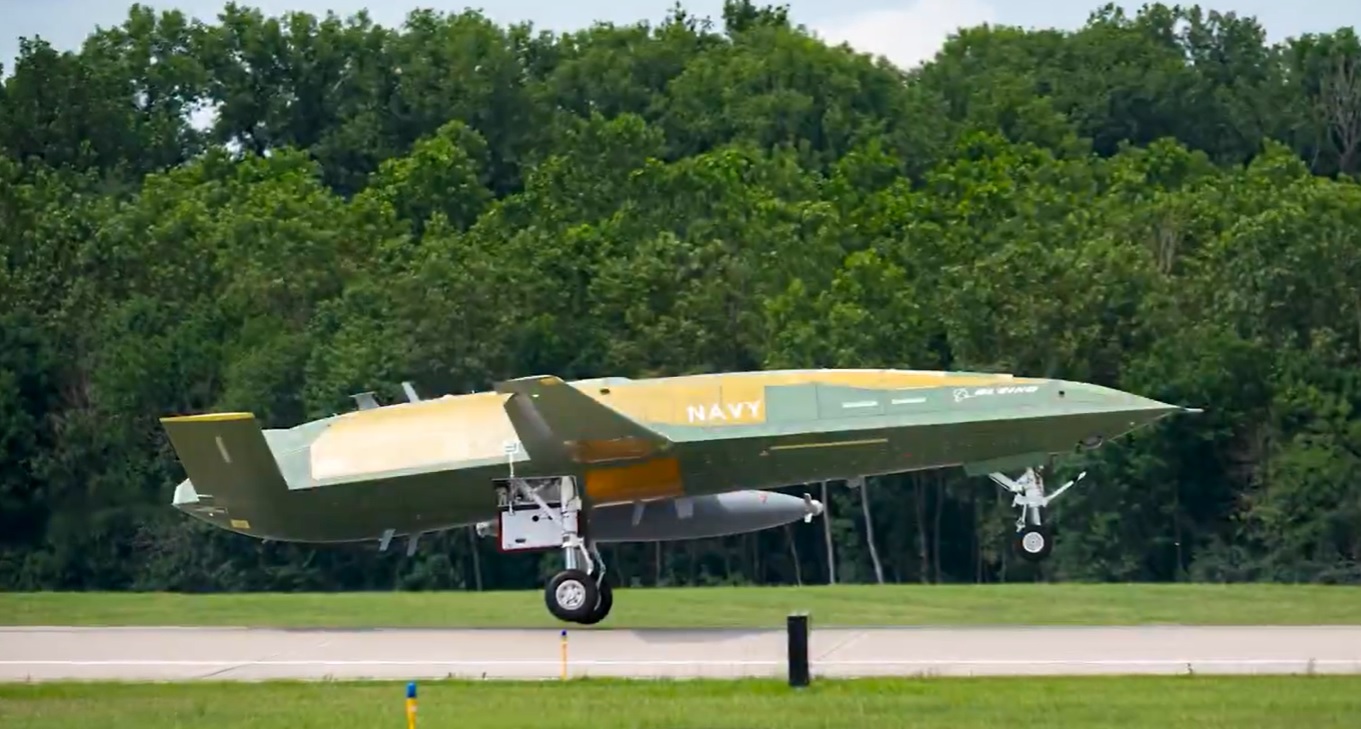
U.S
ST. LOUIS, Missouri — The U.S. Navy's first production Boeing MQ-25A Stingray uncrewed aerial refueling aircraft has successfully completed its second test flight, marking another milestone in the development of the Navy's first operational carrier-based unmanned aircraft. The flight, conducted on July 10, included the aircraft's first airborne landing gear cycles, during which the landing gear was extended and retracted while in flight. According to Boeing, the test confirmed the performance of the aircraft's autonomous flight control system and provided additional data needed as the MQ-25A moves closer to future carrier operations. The test was carried out from the Unmanned Carrier Aviation Mission Control System (MD-5) ground control station at MidAmerica St. Louis Airport in Mascoutah, Illinois. During the mission, Navy air vehicle pilots issued flight commands from the ground station while the MQ-25A autonomously managed its propulsion, onboard systems, navigation, guidance, and flight controls throughout the planned mission. Before the flight, Boeing and U.S. Navy teams installed a new software package that upgraded the aircraft's vehicle management system and mission computers. During the mission, Boeing engineers and Navy pilots monitored the aircraft's performance and collected data from the landing gear tests. Boeing said the successful airborne landing gear cycles helped verify the interoperability between the aircraft's mechanical systems and its autonomous flight control software. The MQ-25A Stingray is designed primarily to provide uncrewed aerial refueling for carrier-based aircraft. By taking over the aerial tanker mission, the aircraft will extend the operational range of the carrier air wing while allowing manned fighter aircraft, including the F/A-18 Super Hornet, to return to their primary combat missions instead of performing refueling duties. The production MQ-25A builds on experience gained from the earlier MQ-25 T1 test aircraft. During previous flight testing, the T1 demonstrator successfully refueled three different carrier-based aircraft using the Navy's hose-and-drogue system: the F/A-18 Super Hornet, E-2D Hawkeye, and F-35C Lightning II. Those demonstrations validated the aircraft's ability to safely refuel multiple types of naval aircraft in flight. Powered by a Rolls-Royce AE 3007N turbofan engine, the MQ-25A is designed to deliver up to 15,000 pounds of fuel at a distance of 500 nautical miles from the carrier. In addition to aerial refueling, the aircraft is designed to autonomously perform carrier deck operations, including taxiing, takeoff, and landing, while operating alongside manned aircraft in the demanding carrier environment. The MQ-25A program has continued to progress through a series of developmental milestones. The first production aircraft completed its initial taxi test in January 2026, followed by its first flight in April 2026. The latest second flight further expands the flight-test program by validating additional aircraft systems and software. Known as the Carrier-Based Aerial Refueling System (CBARS) program, the MQ-25A was developed to provide dedicated aerial refueling support for carrier air wings while introducing autonomous aircraft into routine carrier operations. The U.S. Navy is continuing flight testing with Boeing as it works toward achieving the aircraft's planned initial operational capability around February 2029. The successful completion of the second test flight adds new flight data that will support further testing and certification as the MQ-25A progresses toward operational service aboard U.S. Navy aircraft carriers. Source: Boeing
Read More → Posted on 2026-07-11 12:50:09
Europe
A new report by defense analyst Florian Hoffmann, published on the Missile Matters blog, suggests that Ukraine's FP-5 Flamingo cruise missile is showing improved operational performance following a series of recent long-range strikes inside Russia. While the latest operational record appears encouraging, Hoffmann says important questions remain about the missile's production capacity, accuracy, and its long-term impact on Russia's military-industrial base. The report focuses on Ukraine's overnight June 26–27 strike against the Titan-Barrikady Research and Production Center in Volgograd, which Hoffmann describes as arguably one of Ukraine's most successful individual long-range strikes inside Russia since the war began. According to Ukrainian sources cited in the report, five FP-5 Flamingo cruise missiles were launched during the attack, with three reportedly striking the Titan-Barrikady facility. The fate of the remaining two missiles has not been disclosed, although Hoffmann said interception by Russian air defenses or a technical failure is the most likely explanation. Volgograd Governor Andrey Bocharov acknowledged that a production facility had been damaged during the strike and said at least 10 people were injured. Hoffmann said ground-level imagery showed collapsed girders, flattened walls, and damaged industrial machinery, which he assessed to be consistent with the detonation of warheads carrying approximately half a ton of high explosive. According to the report, one missile struck Workshop 38, described as the plant's primary production building containing machine tools, cranes, and assembly equipment. A second missile reportedly hit Workshop 2, while a third impacted another workshop whose function has not been publicly identified. Production Impact Remains Unclear According to Hoffmann's analysis, the Titan-Barrikady facility plays an important role in Russia's missile industry. The report says the plant is involved in assembling launchers for the Iskander-M short-range ballistic missile and also contributes to Russian strategic missile programs, including the RS-24 Yars road-mobile intercontinental ballistic missile. Hoffmann said damage to Workshop 38 and other affected buildings could potentially delay production if critical machine tools or specialized manufacturing equipment were destroyed. However, he emphasized that the currently available evidence does not support a confident battle damage assessment, making it difficult to determine the strike's long-term effect on Russian production. The report also notes that previous Ukrainian strikes against major Russian defense-industrial facilities have generally caused localized disruption rather than lasting production bottlenecks. As an example, Hoffmann pointed to Ukraine's earlier Flamingo strike on the Votkinsk missile production plant. According to the analysis, Russian ballistic missile launch activity declined for roughly two months after that attack before returning to previous levels. Hoffmann said the continued frequency of Russian ballistic missile attacks suggests overall production capacity may currently remain largely intact. Even so, he noted that if Ukraine is able to increase both the scale and frequency of Flamingo strikes against Russian industrial targets, the cumulative impact on Russia's defense industry could become more significant. Ten Confirmed Flamingo Strikes Since 2025 Hoffmann's report identifies ten confirmed operational uses of the FP-5 Flamingo since the missile was first announced in August 2025, including the recent strike on Titan-Barrikady. He said the actual number is almost certainly higher because unsuccessful strikes often receive little or no open-source coverage or official confirmation. According to the analysis, the Titan-Barrikady attack marks the first confirmed case in which multiple Flamingo missiles clearly reached and struck within the intended target area. In most previously confirmed strikes, only one missile successfully hit its target. The report identifies the September 2025 strike on the Skif-M production plant as the main possible exception, where Ukraine may have achieved multiple hits. However, Hoffmann noted that the incident remains contested and has received limited public reporting. Targeting Appears to Be Focusing on Missile Production The report also suggests that Ukraine's targeting priorities have evolved since the Flamingo entered service. Early Flamingo strikes targeted an FSB security outpost, a thermal power plant, and a munitions depot. More recent operations have focused on facilities linked to Russia's missile production base, including the Votkinsk, VNIIR-Progress, and Titan-Barrikady plants. According to Hoffmann, this trend suggests the Flamingo's primary operational role is increasingly centered on disrupting Russia's missile manufacturing capability. He also noted that Ukraine appears to rely mainly on long-range drones rather than Flamingo missiles for strikes against Russian oil and gas infrastructure. Production Capacity and Accuracy Still Raise Questions Despite what Hoffmann describes as encouraging operational progress, the report says several uncertainties remain. Available data indicates Ukraine has launched no more than six Flamingo missiles in a single strike, while the three most recent confirmed attacks reportedly involved five missiles each. Hoffmann said these relatively small salvo sizes do not match manufacturer FirePoint's earlier claim that it could produce three missiles per day, suggesting actual production remains below the company's stated ambitions. The report also notes that confirmed Flamingo strikes have occurred on average every 4.5 weeks since August 2025. The last four confirmed attacks averaged approximately 3.5 weeks apart, while the most recent three took place within an eight-week period. According to Hoffmann, it remains unclear whether this reflects higher production capacity, reduced Russian air defense effectiveness, improved strike success, or a combination of those factors. Another question highlighted in the report concerns engine availability. Hoffmann said the current missile reportedly uses repurposed AI-25TL turbofan engines, but it remains unclear how many are still available for production. While FirePoint is reportedly establishing an in-house engine production facility, open-source information has not confirmed how far that effort has progressed. The report also identifies accuracy as an area requiring further improvement. Hoffmann said that in two of the last four confirmed Flamingo operations, the missiles reached the target area but failed to inflict significant damage because they likely missed their intended aimpoints. According to the analysis, future improvements could come through better guidance and sensor systems that reduce circular error probable (CEP) or through increased production, allowing Ukraine to launch larger missile volleys and improve the probability of hitting intended targets. Hoffmann's Overall Assessment While emphasizing that available evidence remains limited, Hoffmann concludes that the FP-5 Flamingo's recent operational record suggests the gap between the manufacturer's claims and the missile's actual battlefield performance may be narrowing. He describes the FP-5 Flamingo as Ukraine's most promising heavy cruise missile program currently in service and says it could become an increasingly important capability if Kyiv seeks to place larger Russian defense-industrial facilities and military supply chains under sustained pressure through long-range precision strikes. Source: Missile Matters — with Fabian Hoffmann
Read More → Posted on 2026-07-11 12:39:45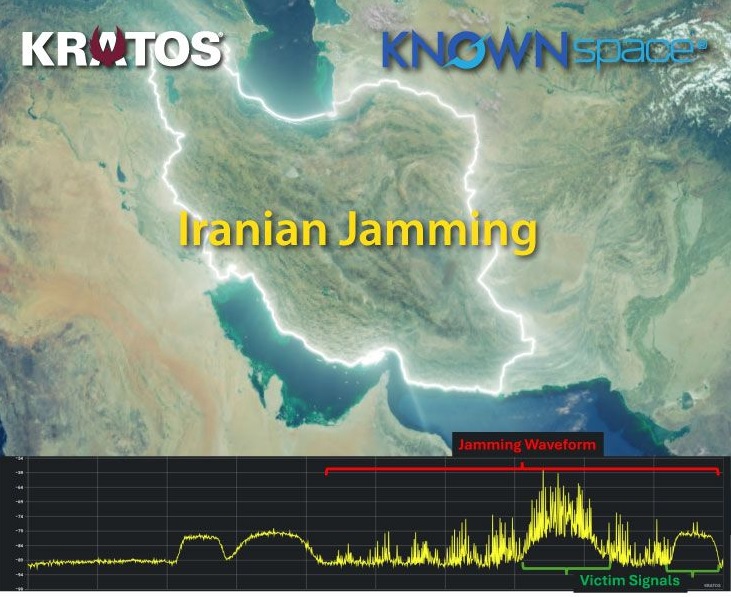
World
COLORADO SPRINGS, Colo. — Kratos Defense and Security Solutions has reported that its KnownSpace global sensor network detected a new wave of radio frequency (RF) jamming activity originating from Tehran early Wednesday morning, marking the first recorded Iranian electromagnetic interference (EMI) since such activity went quiet earlier this month. According to Kratos, the interference began at approximately 4:00 a.m. local time. The detection came shortly after the announcement that the recent regional ceasefire had ended, a development that analysts say could lead to increased electromagnetic interference (EMI) activity as regional tensions rise. The company said the latest jamming event had a limited immediate impact. The interference affected one satellite transponder and lasted for about one hour before the signal ended. Despite its short duration, Kratos said the event indicates that Iranian RF jamming infrastructure remains operational. The company assessed that the interference patterns are consistent with efforts to disrupt satellite communications (SATCOM) used by U.S., Israeli, and other allied military and civilian operators. How the Jamming Was Detected The activity was detected through the KnownSpace Global Sensor Network, a commercially operated space domain awareness system designed to monitor the radio frequency environment around satellites. Kratos operates more than 190 passive RF sensors across over 19 locations worldwide. Because satellite coverage over the Middle East also extends to these sensor sites, the network can monitor uplink and downlink radio frequency activity occurring within Iran without requiring sensors inside the country. To determine the source of the interference, Kratos analyzes signal spillover between adjacent satellites. When a jammer transmits energy toward a satellite's uplink frequency, a small portion of that signal spreads to nearby satellites. By measuring differences in signal arrival time and frequency across multiple satellites, analysts can geolocate the origin of the transmission, allowing Kratos to identify Tehran as the source of the jamming activity. RF jamming generally works by transmitting noise or unmodulated tones on the same frequency used by legitimate satellite communications. This interference can reduce signal quality or prevent receivers from processing the intended communications. Previous Monitoring of Iranian RF Activity KnownSpace provides continuous monitoring of geostationary satellite communications and is used to detect, locate, and analyze interference events. Kratos has previously used the network to monitor Iranian RF jamming campaigns affecting commercial communications satellites, with earlier geolocation results frequently pointing to areas near Tehran. Earlier in 2026, the company reported multiple RF interference events linked to Iranian sources. Those incidents involved several jamming techniques, including high-power modulated transmissions, bandwidth-matched interference, and sweeping signal patterns that affected multiple satellites. Continued Monitoring Kratos said it is continuing to monitor the electromagnetic spectrum to determine whether the latest one-hour interference was an isolated event or the beginning of a broader jamming campaign. The company noted that systems such as KnownSpace support both commercial and defense users by providing independent space domain awareness and tracking satellite communication interference without relying solely on classified monitoring systems. Source: Kratos Defense and Security Solutions
Read More → Posted on 2026-07-11 11:15:01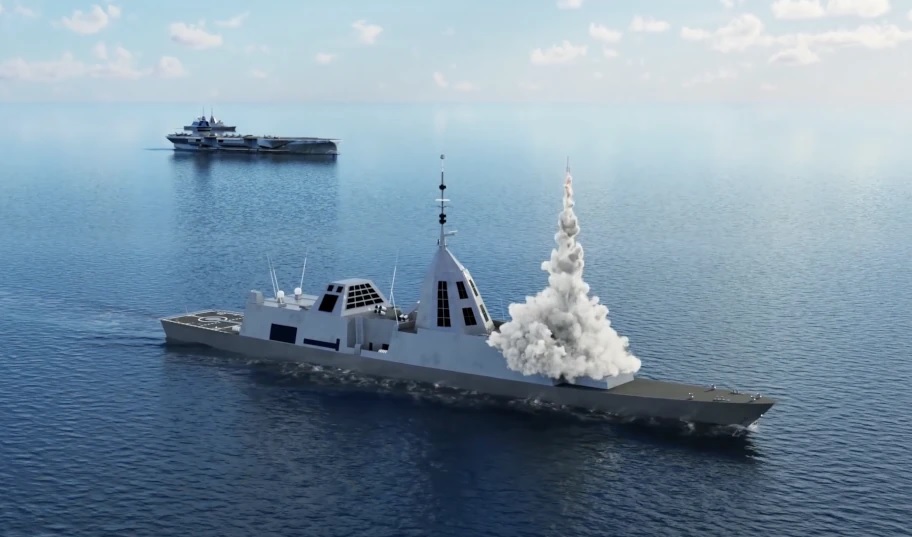
Europe
BRUSSELS, Belgium — The European Commission and MBDA have advanced the European Hypersonic Defence Interceptor System (HYDIS) program after the successful completion of the project's Final Concept Review on July 10, marking a significant milestone in Europe's effort to develop a future interceptor capable of countering hypersonic and advanced ballistic missile threats. Following the review, the four participating nations—France, Germany, Italy, and the Netherlands—selected a single interceptor concept, known as AQUILA, from two concepts that had been evaluated during the earlier Initial Concept Review. The decision allows the MBDA-led consortium to focus its work on refining AQUILA through the remainder of the three-year Concept Phase, which is scheduled to conclude in May 2027. The HYDIS program is intended to develop a European endo-atmospheric interceptor designed to counter hypersonic and ballistic threats while integrating with existing air and missile defense networks. Source: mbda-systems AQUILA Selected as the Preferred Interceptor Concept Over the past several months, the HYDIS consortium, led by MBDA, has carried out detailed work on solid rocket motor-based interceptor concepts with support from industrial partners, research organizations, academic institutions, and technology companies. The project team conducted extensive performance assessments using simulations that modeled different stages of the interceptor's flight. These studies evaluated interception capability, flight performance, and the system's ability to provide area protection against high-speed threats. The selected AQUILA concept combines technologies developed by several European defense companies. Italian propulsion specialist AVIO is responsible for the interceptor's solid rocket motor architecture, while ArianeGroup and ROXEL are developing the final-stage control mechanism. LYNRED is supplying the terminal infrared (IR) sensor used during the final engagement phase. MBDA is integrating these technologies into a complete interceptor system while drawing on experience gained from the ASTER family of air and missile defense interceptors. Integration with Existing Air Defense Systems Alongside interceptor development, the consortium has continued work on integrating AQUILA into wider air and missile defense architectures. Thales Netherlands has provided updated performance data for both naval and ground-based sensor systems, supporting the interceptor's integration into future defense networks. Meanwhile, GKN Fokker has advanced studies on compatibility with the Mk 41 Vertical Launching System (Mk 41 VLS), one of the most widely used naval missile launch systems. According to the consortium, AQUILA is being developed as a dedicated counter-hypersonic interceptor capable of operating alongside existing naval and land-based air defense systems. Technical Review Completed The technical studies completed during the concept phase were examined over a six-week review period by the Organisation for Joint Armament Cooperation (OCCAR) and representatives from France, Germany, Italy, and the Netherlands. The review process included technical discussions and a convergence week during which the participating nations and the consortium addressed outstanding questions before presenting the final results to the HYDIS Steering Committee on July 10. The successful completion of the Final Concept Review formally confirmed AQUILA as the concept that will move forward into the final stage of the current development phase. €140 Million European Defence Project HYDIS, officially contracted as HYDIS² in May 2024, has a total budget of approximately €140 million. The project receives €80 million in co-funding from the European Union through the European Defence Fund (EDF), while the participating member states provide the remaining funding. OCCAR serves as the Contracting Authority, managing the program on behalf of the European Commission and the participating countries. The consortium includes 19 industrial partners and more than 30 subcontractors from 14 European countries, bringing together expertise in propulsion, guidance, aerodynamics, sensors, weapon integration, and missile technologies. Major participants include MBDA, AVIO, ArianeGroup, ROXEL, LYNRED, ONERA, Bayern Chemie, TDW, DLR, OHB System, C.I.R.A., GKN Fokker, Thales Netherlands, and TNO. Competition with Europe's HYDEF Program HYDIS is one of two major European initiatives focused on developing future hypersonic defense interceptors. Its primary competitor is the HYDEF (Hypersonic Defence Interceptor) program, led by Spain's SMS with technical architecture developed by Germany's Diehl Defence. While MBDA's AQUILA concept builds on experience gained from the ASTER interceptor family, the HYDEF program draws on technologies associated with Diehl Defence's IRIS-T air defense systems. Both projects are preparing for future pre-development activities, with the European Defence Fund expected to support the selection of a single architecture for Europe's future endo-atmospheric hypersonic interceptor capability. Next Phase Through 2027 With AQUILA now selected, the MBDA-led consortium will concentrate its efforts on refining the interceptor's design until the completion of the Concept Phase in May 2027. The work will focus on strengthening the technical foundation required for future manufacturing and development phases while supporting Europe's long-term objective of establishing an indigenous capability to defend against emerging hypersonic and advanced ballistic missile threats through a collaborative multinational program.
Read More → Posted on 2026-07-11 11:01:59
U.S
WASHINGTON — The U.S. Navy has issued two Requests for Information (RFIs) to major South Korean shipbuilders to assess their ability to build destroyers and medium-sized fleet replenishment tankers, marking a significant step in exploring allied shipbuilding capacity to support future naval requirements. According to Naval News, citing initial reporting by South Korea's Yonhap News, the RFIs were issued last month as part of an information-gathering process and do not represent a contract award or procurement decision. One RFI covers destroyer-sized surface combatants, while the second seeks information on medium-sized fuel tankers intended for fleet replenishment. The U.S. government is seeking details on shipbuilding capabilities, including design expertise, production capacity, pricing, delivery schedules, and other market information, to evaluate whether South Korean shipbuilders could support future U.S. Navy programs. Three Shipbuilders Submit Responses Three of South Korea's largest shipbuilders have responded to the U.S. Navy's requests. Hanwha Ocean and HD Hyundai Heavy Industries (HD HHI) submitted responses for both the destroyer and fleet tanker RFIs, while Samsung Heavy Industries responded only to the request for medium-sized fleet replenishment tankers. According to industry officials cited by Yonhap News, the companies provided comprehensive information covering their shipbuilding track record, design workforce, engineering expertise, and annual shipbuilding capacity. Media reports indicate that Hanwha Ocean and HD Hyundai Heavy Industries were asked to provide information related to eight proposed destroyers, while the separate tanker RFI was also sent to Samsung Heavy Industries. Experience Building Modern Naval Warships Hanwha Ocean and HD Hyundai Heavy Industries have extensive experience constructing advanced surface combatants for the Republic of Korea Navy. Both companies have built the approximately 8,500-ton Sejong the Great-class Aegis destroyers, which use the Aegis combat system and are similar in size and capability to the U.S. Navy's Arleigh Burke-class destroyers. The shipyards have also produced Chungmugong Yi Sun-sin-class destroyers and exported frigates to countries including Peru and the Philippines. The U.S. Navy's RFI process is intended to evaluate these existing shipbuilding capabilities as it considers options for future fleet expansion. Part of Broader U.S.-South Korea Shipbuilding Cooperation The RFIs follow growing cooperation between the United States and South Korea in the shipbuilding sector. According to South Korean media reports, President Donald Trump asked South Korean President Lee Jae Myung during the G7 Summit whether South Korea could quickly build 10 U.S. warships. Reports also stated that the two leaders later agreed to begin working-level consultations on shipbuilding cooperation during meetings held alongside the NATO Summit. South Korea has committed $150 billion toward the U.S. shipbuilding sector as part of a broader $350 billion investment package in the United States. South Korea's government-backed policy banks have also begun steps to implement the financing plan supporting the initiative. South Korean shipbuilders have already expanded their presence in the United States. Hanwha Ocean acquired Philly Shipyard in Pennsylvania and has partnered with Vard U.S. Marine as a subcontractor for design work on the U.S. Navy's Next Generation Logistics Ship program. HD Hyundai Heavy Industries has established a strategic partnership with Huntington Ingalls Industries, while Samsung Heavy Industries has partnered with General Dynamics NASSCO to expand cooperation in U.S. shipbuilding projects. Supporting Long-Term Fleet Expansion According to South Korean estimates cited by Yonhap News, the U.S. Navy plans to expand its fleet from approximately 300 ships today to 381 ships by 2054. Achieving that goal would require building an average of 12 ships per year, or approximately 364 vessels over the next 30 years. The RFIs are viewed as part of broader efforts to identify additional shipbuilding capacity that could help meet future fleet requirements. Congressional Approval Still Required If the current RFI process eventually results in shipbuilding contracts, it could mark the first time since 1947 that foreign-built or foreign-designed combat ships enter service with the U.S. Navy. For nearly 80 years, U.S. Navy combat ships have been designed and constructed in domestic shipyards under long-standing U.S. legal and procurement requirements. Recent policy documents—including the National Defense Authorization Act (NDAA) for Fiscal Year 2027, the Navy's five-year shipbuilding plan, and the FY2027 budget proposal—include references to allowing greater flexibility for foreign-built ships. However, any move beyond the current RFI stage would require Congress to approve a national security waiver and provide the necessary funding before overseas construction of U.S. Navy combat ships could proceed. At this stage, the RFIs remain an initial market assessment rather than a procurement decision, and the U.S. Navy has not announced any contract awards or selected any shipbuilder for future programs. Source: maritime-executive
Read More → Posted on 2026-07-10 16:36:37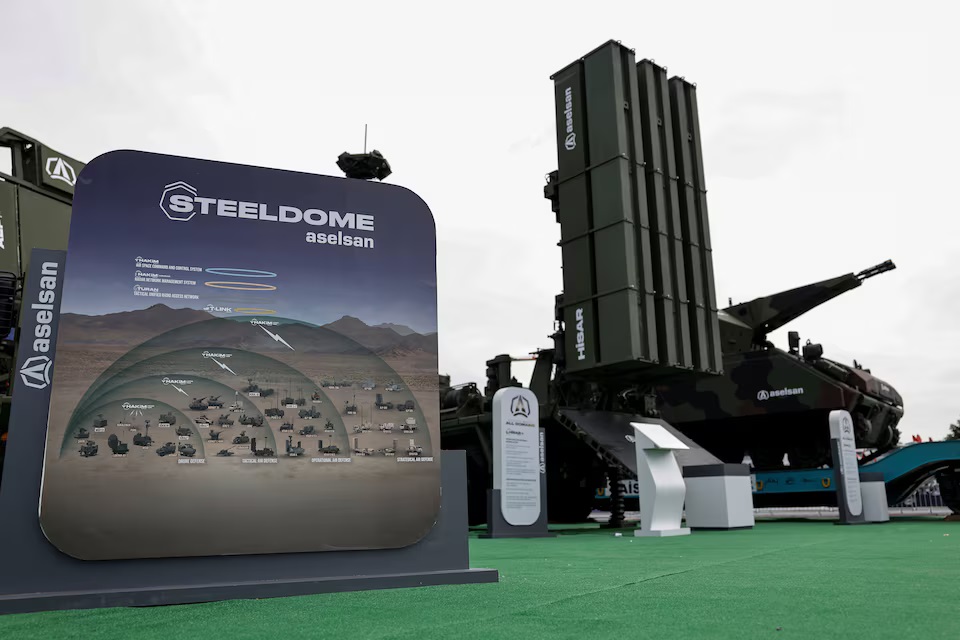
World
ISTANBUL — Turkish defense company ASELSAN has signed a contract worth approximately €1.47 billion ($1.68 billion) with Türkiye's Presidency of Defense Industries (SSB) to expand the serial production of the country's national air defense systems under the Steel Dome (Çelik Kubbe) program. The agreement, announced on Friday, July 10, is an addition to ASELSAN's ongoing serial production projects for air defense systems. According to the company's disclosure to Türkiye's Public Disclosure Platform (KAP), the contract is valued at €1,470,500,012.38. The new production agreement is expected to further strengthen Türkiye's multi-layered Steel Dome air defense architecture by increasing the manufacturing capacity of key air defense systems. ASELSAN CEO Highlights Steel Dome Expansion ASELSAN CEO Ahmet Akyol said the agreement will support the continued expansion of Türkiye's national air defense network. "We continue to strengthen the Steel Dome. With the support of our state, we will continue producing in high volumes and working resolutely for the security of our country," Akyol said. The contract follows Türkiye's continued investment in domestic defense production as the country expands its indigenous air and missile defense capabilities. Steel Dome Air Defense Architecture Steel Dome is Türkiye's integrated, multi-layered air defense system designed to detect, assess, and intercept a wide range of aerial threats across different altitudes and engagement ranges. The architecture combines multiple air defense systems into a single coordinated network. Its layered structure includes: Low-altitude defense: Systems such as Korkut, Hisar-A, Goker, and Gokberk are designed to counter threats including drone swarms and loitering munitions. Medium-altitude defense: Hisar-O provides protection against conventional aerial threats. Long-range defense: The Siper air defense missile system forms the upper layer of the architecture. The Steel Dome architecture reached its planned layered configuration after the long-range Siper air defense system entered service with the Turkish Armed Forces (TAF). Integrated Network and AI-Supported Command System Steel Dome connects air defense weapons, radar systems, electro-optical sensors, communications modules, and command-and-control centers through a unified network. This allows operational data to be shared in real time, creating a common air picture for military operators. The network is coordinated through Hakim, Türkiye's first domestically developed upper-level air command-and-control system, supplied by ASELSAN. Hakim processes real-time operational data and uses artificial intelligence-supported software to assist commanders in evaluating threats and coordinating responses. The system is designed to ensure that existing sensors, interceptor systems, and future air defense platforms operate together within a fully integrated command structure. ASELSAN Shares Rise After Contract Announcement Following the announcement, ASELSAN shares, traded on Borsa Istanbul under the ticker ASELS, rose on strong trading volume. The stock opened Friday's session near the previous closing price of ₺358.75 before initially declining to around ₺357.50. After the contract was disclosed, the shares moved higher as investor activity increased. The €1.47 billion agreement represents one of ASELSAN's largest recent production contracts and supports the continued expansion of Türkiye's domestically developed air defense capabilities through the Steel Dome program. Source: turkiyetoday
Read More → Posted on 2026-07-10 15:39:25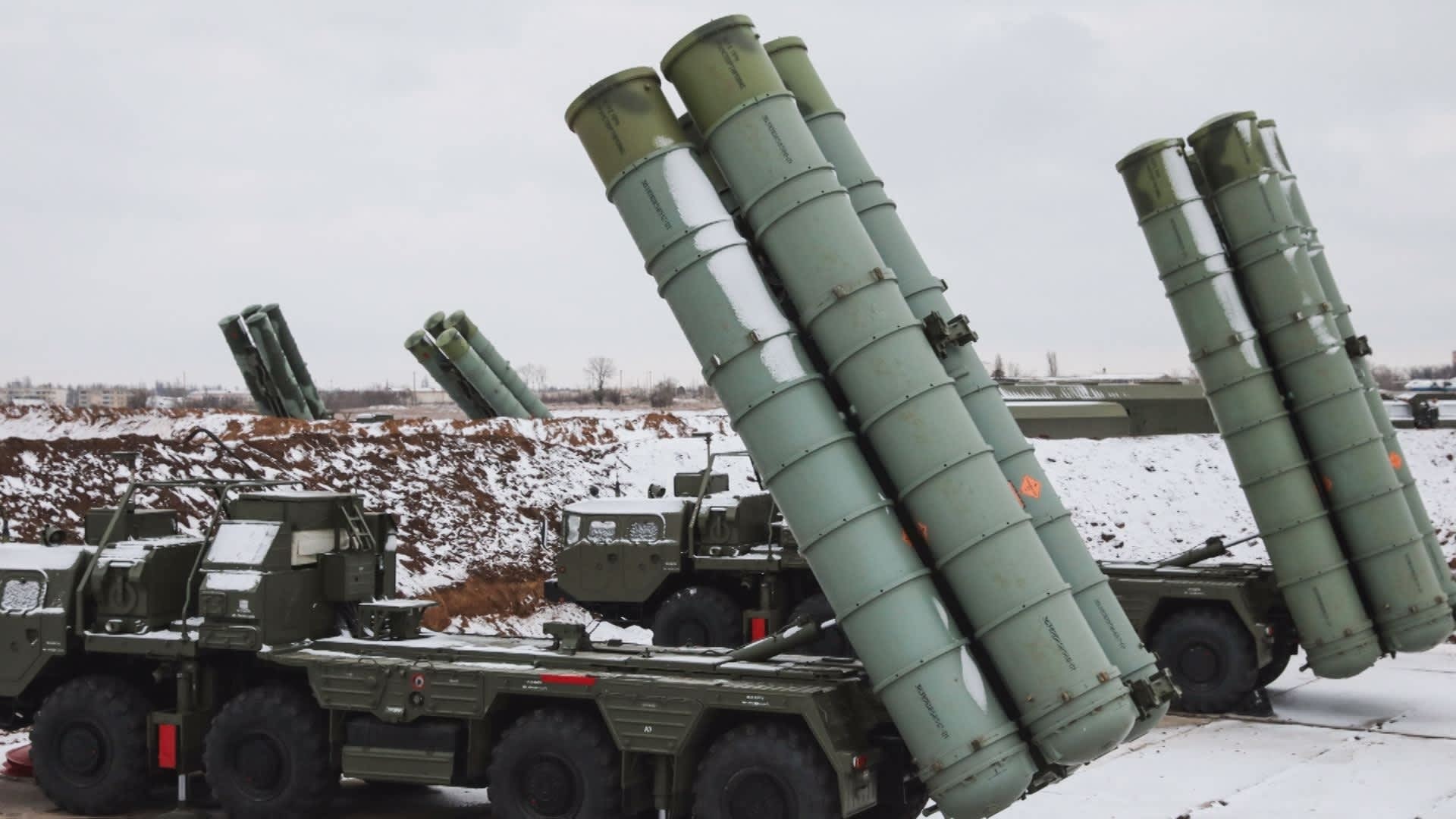
World
ANKARA, Türkiye — Türkiye has asked Russia for permission to transfer its Russian-made S-400 air defense missile systems to a third country, according to Turkish officials and media reports, in a move aimed at helping resolve a long-running dispute with the United States over the Russian weapons system. The request was made in recent weeks, just months after President Recep Tayyip Erdoğan proposed returning the S-400 systems to Russia, an idea that did not gain support, according to Turkish officials familiar with the discussions. Turkish newspaper Hürriyet reported that Türkiye could announce plans to resell the S-400 systems to an unnamed Gulf country as early as Friday. The report said the proposed transfer is intended to encourage the United States to lift sanctions imposed on Ankara and support efforts to restore defense cooperation, including a possible return to the F-35 fighter jet program. Kremlin Confirms Contacts With Türkiye MOSCOW confirmed on Friday that it is in contact with Türkiye regarding the future of the S-400 systems. Asked whether Türkiye had requested Russia's permission to transfer the missile systems to another country, Kremlin spokesperson Dmitry Peskov said: "I can say one thing here: this is an extremely sensitive issue. However, we have been in contact with the Turkish side on this matter, and we will continue to maintain contact with them on this issue." Peskov did not comment further on the reported proposal or whether Russia would approve such a transfer. Background to the Dispute Türkiye purchased the Russian S-400 air defense system despite objections from the United States and other NATO allies. In 2020, Washington imposed sanctions on Türkiye under the Countering America's Adversaries Through Sanctions Act (CAATSA) and removed the country from the multinational F-35 fighter jet procurement and manufacturing program, citing concerns over the deployment of the Russian-made air defense system. The S-400 issue has remained one of the main points of disagreement between Ankara and Washington in recent years. Report Says Transfer Could Support F-35 Talks According to Hürriyet, transferring the S-400 systems to a third country could help address U.S. concerns that led to the sanctions and Türkiye's removal from the F-35 program. The newspaper reported that the potential buyer would be an unnamed Gulf nation but did not identify the country. Neither Turkish authorities nor the Kremlin have confirmed the identity of any prospective buyer. Russia's approval would likely be required before any transfer could proceed, although neither Moscow nor Ankara has publicly discussed the terms of any possible agreement. No agreement has been announced, and discussions between the two countries remain ongoing. Source: bloomberg
Read More → Posted on 2026-07-10 15:11:27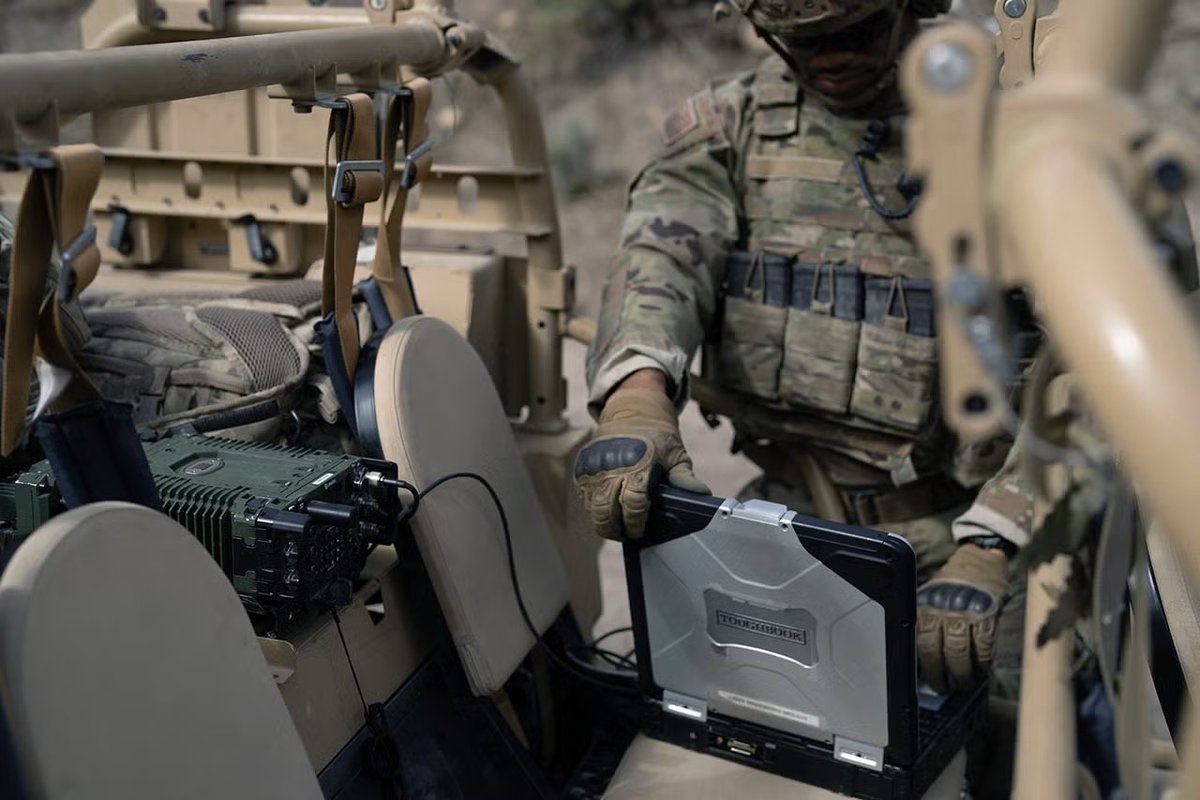
U.S
ROCHESTER, N.Y. — L3Harris Technologies has received $84 million in orders from the U.S. Army to supply Next Generation Command and Control (NGC2) AN/PRC-158C Falcon manpack systems, expanding the Army's efforts to modernize tactical communications. The AN/PRC-158C systems are equipped with high-throughput Mobile Ad hoc NETworks (MANET) and highly resilient waveforms designed to provide reliable communications across a wide range of operational conditions. The latest award marks L3Harris' second contract supporting the Army's NGC2 program. It follows an initial $24 million order awarded in October 2025, bringing the company's recent NGC2 awards to a combined $108 million. Supporting the NGC2 Transport Layer The AN/PRC-158C manpack systems will become part of the transport layer within the Army's Next Generation Command and Control (NGC2) architecture. The transport layer consists of networks, communication pathways, and data-delivery technologies that move information between sensors, shooters, and command-and-control systems, enabling faster and more secure information sharing during military operations. The communication systems are designed to support multi-transport gateways, which are required to enable the broader NGC2 network. Key Capabilities According to L3Harris, the AN/PRC-158C systems provide several communication capabilities, including: High-throughput Mobile Ad hoc NETworks (MANET) Highly resilient communication waveforms Air-to-ground networking Advanced routing In Line Encryption Sensitive But Unclassified (SBU) Encrypted waveforms These capabilities are intended to improve secure connectivity across multiple operational environments while supporting the Army's evolving command-and-control requirements. L3Harris Statement Chris Aebli, President of Mission Critical Communications, Communications & Spectrum Dominance at L3Harris, said the company's Falcon Advanced Data Node gateways have been fielded worldwide and are designed to adapt to changing operational requirements through their software-defined architecture. "Our Falcon Advanced Data Node gateways are battle-tested, fielded around the world and, with their software-defined architectures, ready for the constantly evolving challenges and threats facing soldiers," Aebli said. He added that L3Harris continues to invest in system capabilities and production capacity to meet customer requirements while supporting the U.S. Department of Defense's commercial-first acquisition approach. Strengthening Army Communications The Next Generation Command and Control (NGC2) program is intended to improve how the U.S. Army shares information across operational networks by connecting sensors, shooters, and command elements through secure and resilient communications. The latest contract continues L3Harris' role in supporting the Army's tactical communications modernization as it develops a more connected and adaptable command-and-control network. Source: l3harris
Read More → Posted on 2026-07-10 14:55:28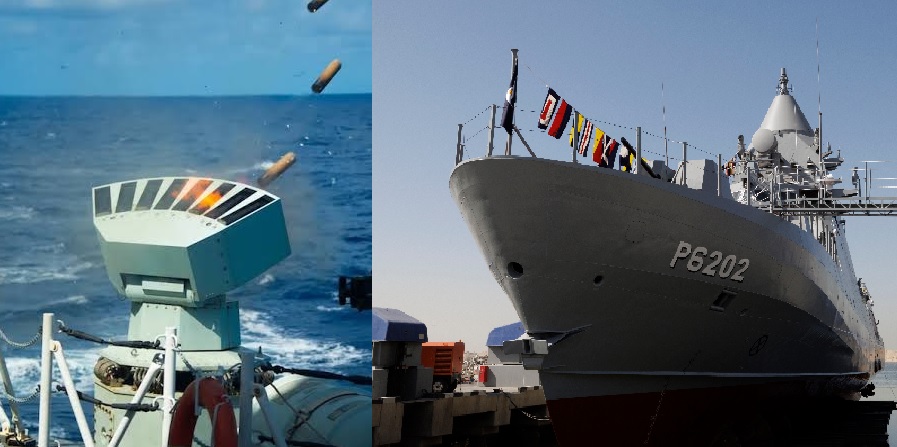
World
DÜSSELDORF, Germany — German defense company Rheinmetall has received its first order from the Kuwaiti Naval Forces to supply its Multi Ammunition Softkill System (MASS), marking the first delivery of the naval decoy launcher system to Kuwait. The systems will be installed on eight new Al Dorra-class guided-missile boats as part of Kuwait's largest naval shipbuilding program in more than 15 years. According to Rheinmetall, the order for the MASS launchers is valued in the low double-digit million-euro range, while the accompanying contract for Omnitrap decoy ammunition is worth a high single-digit million-euro range. The total contract value was booked in the second quarter of 2026. The contract also includes system integration and verification activities. Deliveries are scheduled to begin in the second quarter of 2026 upon receipt of the order and are expected to be completed in the second quarter of 2029. MASS to Equip Eight Al Dorra-Class Vessels Under the agreement, Rheinmetall will equip all eight Al Dorra-class guided-missile boats with the MASS decoy launcher system. The vessels are described by the company as versatile open-sea stealth patrol vessels. The Al Dorra-class boats are being built by Abu Dhabi Ship Building (ADSB) on behalf of the United Arab Emirates-based EDGE Group, which serves as the prime contractor for the project. The procurement represents Rheinmetall's first delivery of the MASS system to Kuwait and supports the country's ongoing naval modernization efforts. Omnitrap-ER Decoy Ammunition Included In addition to the launcher systems, the Kuwaiti Armed Forces have ordered Omnitrap-ER decoy ammunition. According to Rheinmetall, the latest generation of Omnitrap decoys features an extended range and an improved trajectory, enabling the precise deployment of decoys against state-of-the-art imaging radar and infrared-guided threats. Designed to Counter Modern Naval Threats Rheinmetall states that the Multi Ammunition Softkill System (MASS) is designed to protect ships and boats against a wide range of threats, including anti-ship missiles and laser-guided weapons. The system deploys multispectral decoys from a single fully computerized, trainable launcher. These decoys provide protection across multiple wavelength ranges, including: Radar Ultraviolet Electro-optical sensors Lasers Infrared According to the company, the system is designed for operations on the high seas, coastal waters, and rivers. Modular System for Different Naval Platforms Rheinmetall says the modular design of MASS allows it to be installed on a wide range of naval platforms, from offshore patrol vessels to frigates. The system can be integrated into existing command and weapon control systems with minimal effort or operated as a standalone solution, providing flexibility for different vessel types. The contract marks Rheinmetall's first supply of the MASS decoy launcher system to Kuwait and expands the deployment of the company's naval soft-kill protection system as the Kuwaiti Naval Forces prepare to introduce their new Al Dorra-class guided-missile boats into service. Source: rheinmetall
Read More → Posted on 2026-07-10 14:24:38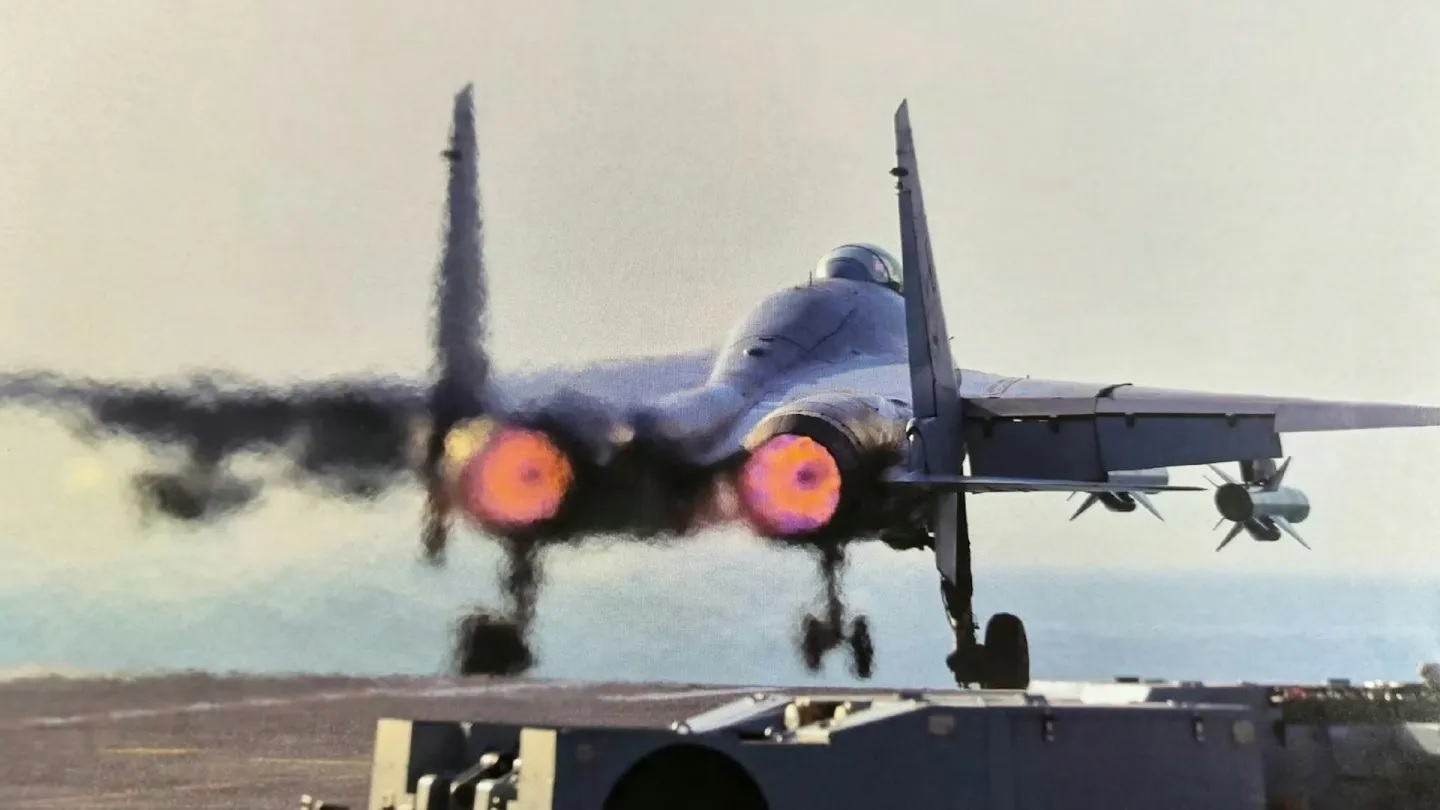
World
SHANGHAI, China — A newly released image has provided the clearest evidence so far of a Chinese J-15T carrier-based fighter launching from the aircraft carrier Fujian while carrying four YJ-83K anti-ship missiles. The photograph shows the aircraft in full afterburner moments before leaving the flight deck, highlighting the increased payload capability made possible by China's first aircraft carrier equipped with an electromagnetic aircraft launch system (EMALS). The image marks the first known visual confirmation of a J-15T taking off with four heavy anti-ship missiles. The four YJ-83K missiles together weigh approximately 6,400 pounds (around 2,900 kilograms), excluding any additional stores that may not be visible in the image. Earlier images of the J-15T prototype had shown the aircraft carrying only a single YJ-83K training round. Heavier Payload Made Possible by EMALS The J-15T was developed to operate from the Fujian, the People's Liberation Army Navy (PLAN) first aircraft carrier equipped with catapult-assisted takeoff but arrested recovery (CATOBAR) operations using an electromagnetic aircraft launch system (EMALS). China's previous aircraft carriers, Liaoning and Shandong, use short takeoff but arrested recovery (STOBAR) operations with ski-jump ramps. While effective, the ski-jump launch method limits the maximum takeoff weight of carrier-based aircraft, restricting the amount of fuel and weapons they can carry. With EMALS, the J-15T can launch with significantly heavier payloads, allowing the aircraft to make better use of its full carrying capacity. Besides carrying more weapons, the additional launch weight could also be used for extra fuel, increasing operational range, or for different mission-specific weapon configurations. Previously, the heaviest strike load publicly observed on STOBAR-operated J-15 fighters consisted of two YJ-83K anti-ship missiles along with four air-to-air missiles. Air-defense configurations typically included four PL-12 medium-range and two PL-8B short-range air-to-air missiles. The newly observed four-missile configuration represents a notable increase in strike payload compared with previous J-15 operations from ski-jump carriers. 空母福建のカタパルト発進するJ-15Tと空母山東のスキージャンプ発進するJ-15の比較 pic.twitter.com/2SrUkIZdU8 — OedoSoldier (@OedoSoldier) September 22, 2025 Comparison of a STOBAR J-15 carrier launch and a CATOBAR J-15T launch from Fujian YJ-83K Anti-Ship Missile The YJ-83K is a radar-guided, turbojet-powered, subsonic anti-ship missile widely used by China. It is broadly comparable in role to the U.S. AGM-84 Harpoon. According to available specifications, the missile has: An estimated range of about 112 miles (180 kilometers) A 360-pound (163-kilogram) semi-armor-piercing high-explosive warhead A sea-skimming flight profile, cruising at approximately 65 to 100 feet before descending to around 16 to 24 feet during the terminal attack phase A launch weight of roughly 1,600 pounds (725 kilograms) per missile With four YJ-83K missiles onboard, the J-15T carries a substantial anti-ship strike load during catapult-assisted launches. Upgraded J-15T Variant The J-15T is an upgraded version of China's carrier-based J-15 fighter, designed specifically for CATOBAR operations while retaining compatibility with STOBAR operations when required. One of the major changes in production aircraft is the introduction of domestically produced WS-10H turbofan engines, replacing the Russian-built AL-31F engines used on earlier J-15 variants. The aircraft is also capable of carrying other weapons, including PL-10 short-range and PL-15 medium-range air-to-air missiles, depending on mission requirements. Reports have also shown the J-15T carrying a buddy refueling pod and, in some images, larger anti-ship missile configurations during testing. Benefits for Other Carrier Aircraft The increased launch capability provided by Fujian's electromagnetic catapults is expected to benefit more than just the standard J-15T strike fighter. The J-15DT, a two-seat electronic warfare variant designed for a mission similar to the U.S. Navy's EA-18G Growler, requires higher takeoff weights because it carries multiple external electronic warfare and jamming pods. CATOBAR operations allow the aircraft to launch with heavier mission equipment and fuel loads. Reports have also suggested that a CATOBAR version of the two-seat J-15S may be developed as either a carrier trainer or a multirole strike aircraft. If introduced, it would also benefit from the increased launch performance provided by the Fujian's EMALS. Expanding China's Carrier Aviation Capabilities The newly released image highlights how the combination of the J-15T and the Fujian's electromagnetic catapult system is expanding the operational capabilities of China's carrier aviation. By allowing carrier-based fighters to launch with heavier fuel and weapon loads than was possible from ski-jump carriers, the CATOBAR system provides greater flexibility for strike, air-defense, and electronic warfare missions. The image offers the strongest visual evidence to date that the J-15T is beginning to operate with substantially heavier combat payloads from China's newest aircraft carrier. Source: The War Zone
Read More → Posted on 2026-07-10 14:02:10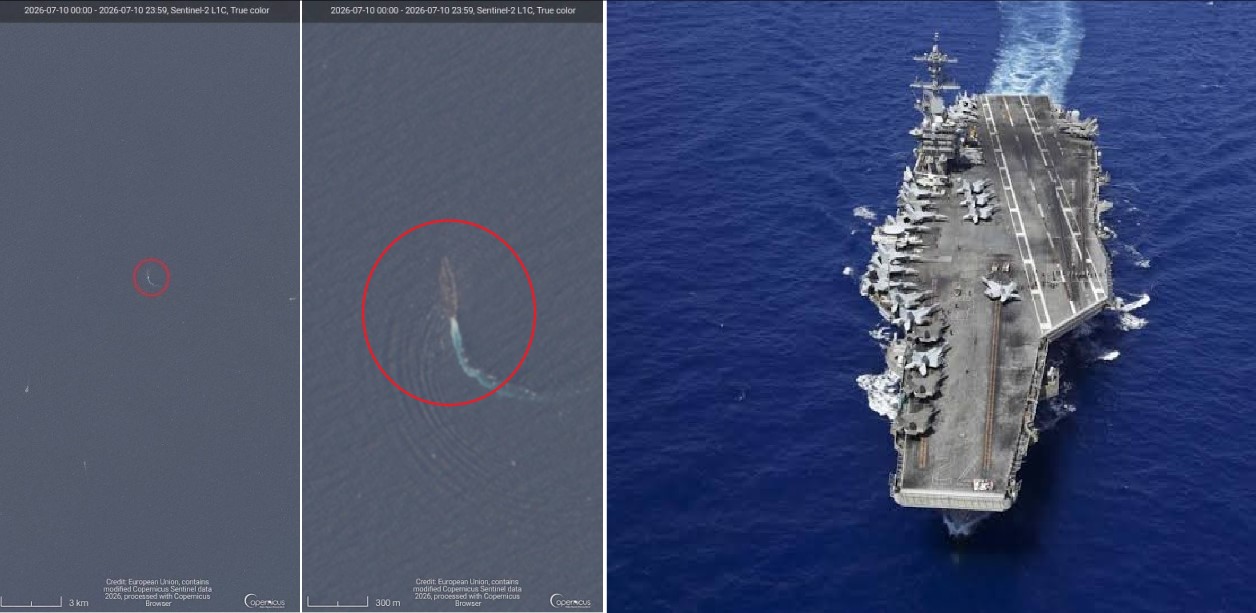
World
Open-source satellite imagery shared by MoloMonitor on Friday morning shows the U.S. Navy aircraft carrier USS Abraham Lincoln (CVN-72) sailing north in the Gulf of Oman, with no escort vessels visible in the immediate area of the image. According to MoloMonitor, the carrier's approximate location was 23°00′59.7″N 60°04′07.3″E. The position places the vessel in waters where analysts note it is within range of certain Iranian coastal missile systems. The latest imagery marks a change from earlier satellite observations. Images from July 5 had indicated that the carrier had moved into the Arabian Sea, roughly 207 kilometers south of its current reported position. The new imagery suggests the ship has since returned to the Gulf of Oman. The USS Abraham Lincoln is a Nimitz-class nuclear-powered aircraft carrier and has been deployed in the Middle East for more than 200 consecutive days. It was redirected from the South China Sea to the U.S. Central Command (CENTCOM) area of responsibility in late January 2026. During the deployment, it has supported Operation Epic Fury and served as the flagship of Carrier Strike Group 3 (CSG-3). The carrier is capable of displacing about 104,300 long tons, measures more than 1,090 feet (332 meters) in length, and can operate up to 90 fixed-wing and rotary-wing aircraft. It is currently embarked with Carrier Air Wing 9 (CVW-9), including F-35C Joint Strike Fighters assigned to Marine Fighter Attack Squadron 314. The absence of escort ships in the satellite image has drawn attention because U.S. Navy aircraft carriers typically operate as part of a carrier strike group that includes guided-missile destroyers and other support vessels. However, satellite imagery provides only a snapshot of a specific location and time, and escort ships may be operating beyond the captured frame or at a greater distance. The U.S. Navy has not issued an official statement regarding the carrier's precise location or its current escort configuration.
Read More → Posted on 2026-07-10 13:49:58
World
A joint investigation by The Insider, Der Spiegel, and Le Monde has revealed classified documents outlining an extensive military-technical cooperation program between Russia and China, including a proposed multi-layered strategy to counter SpaceX's Starlink satellite communications network. The investigation is based on documents obtained by journalists, including four presentations delivered at the Third China-Russia Forum on Military-Technical Cooperation held in Guangzhou, China, in November 2023, and a signed bilateral working protocol following negotiations in Moscow in June 2023. According to the report, the Guangzhou forum was a regularly scheduled bilateral meeting that had never been publicly disclosed. Five Areas of Military Cooperation According to the leaked documents, Russia and China discussed cooperation across five major defense sectors: Space weapons and satellite destruction capabilities Integrated air and missile defense systems Autonomous loitering munitions operating in swarm mode Next-generation combat armored vehicles Military aviation The documents suggest that both countries are seeking to expand cooperation by combining Russian operational experience with Chinese industrial and technological capabilities. Presentation Focused on Countering Starlink One of the presentations obtained by investigators was dedicated entirely to measures aimed at countering Starlink, the satellite communications network operated by SpaceX. The presentation was delivered by Huang Hui and Ren Jie, researchers from the China Aerospace Science and Technology Corporation (CASC), China's primary state-owned space contractor responsible for the Long March launch vehicle family and a significant portion of the country's military satellite infrastructure. The document, classified for internal use, describes Starlink as having evolved beyond a commercial broadband system into communications infrastructure supporting military operations. It highlights the constellation's distributed architecture, arguing that the absence of a central relay node makes it difficult to disable through conventional means. According to the presentation, Starlink's large number of satellites in low Earth orbit and its use of radio spectrum create what the authors describe as a "space blockade," which they argue limits opportunities for competing satellite systems. Three-Level Proposal Against Starlink The presentation outlines a three-level approach for Russia and China to counter the Starlink network. Legal and Diplomatic Measures The first level proposes coordinated legal and diplomatic efforts aimed at slowing Starlink's expansion. According to the documents, Russia and China would argue that the growing number of satellites in low Earth orbit increases the risk of orbital collisions. The proposal recommends forming an international coalition to seek regulatory restrictions on further deployment of the Starlink constellation through international regulatory organizations. Frequency Competition and Electronic Countermeasures The second level focuses on radio spectrum and orbital resources. The documents propose that Russia and China jointly apply for frequency bands and orbital slots required for future Starlink expansion in an effort to complicate further deployment through international regulatory processes. The presentation also recommends creating a joint electronic countermeasure architecture using power suppression and adaptive interference technologies to selectively disrupt Starlink communications in specific geographic areas. It proposes integrating Chinese and Russian counter-satellite programs under common technical standards. Cyber Operations and Physical Countermeasures The third level combines cyber and physical measures. According to the presentation, researchers propose cyber operations targeting civilian Starlink user terminals through methods including spoofed access, malware infection, and exploitation of software vulnerabilities. The stated objective is to spread malicious code through the network and cause what the document describes as "network paralysis." The presentation also discusses developing low-cost interceptor systems based on a "one-against-many" concept. According to the authors, the goal would be to create weapons inexpensive enough to destroy satellites faster than SpaceX could replenish the constellation through continued launches. The document further recommends expanding cooperation with other interested countries in what it describes as a technical alliance against Starlink. Secret Military Negotiations in Moscow The investigation also reveals previously undisclosed negotiations held in Moscow in June 2023. According to the signed working protocol, a Chinese military delegation led by Colonel Tong Xiaofeng, Deputy Director of the Bureau of Technical Cooperation under China's Central Military Commission, met with representatives from Rosoboronexport, Almaz-Antey, and NPO Almaz. The Russian delegation included senior officials such as Andrey Kovalev, Deputy Director of Rosoboronexport's Research and Technology Department, and Pavel Sozinov, General Designer of Almaz-Antey. During the visit, the Chinese delegation also toured the Tikhomirov Research Institute of Instrument Making (NIIP) in Zhukovsky, which develops radar systems including the Belka radar used on Russia's Su-57 fighter aircraft. Joint Air and Missile Defense Program According to the protocol, both countries agreed to cooperate on the development of an integrated low-altitude air defense and terminal-phase ballistic missile defense system. The proposed system is intended to intercept medium-range ballistic missiles, maneuvering warheads, and hypersonic missiles. The technical objectives outlined in the documents include intercepting ballistic missiles with ranges of up to 4,000 kilometers, engaging maneuvering targets capable of 25g lateral acceleration, and intercepting hypersonic threats at altitudes of up to 40 kilometers. The protocol also calls for joint research into cross-domain missile defense technologies, coordinated use of ground, air, and electronic warfare assets, and automated control of multi-role missile systems. It states that Russia would provide a draft contract and commercial proposal to China by August 2023, with negotiations continuing later that year in Beijing. Exchange of Battlefield Experience and Technology The investigation also describes discussions held during the Fourth China-Russia Forum on Military-Technical Cooperation, which took place in Yekaterinburg in December 2024. According to a presentation by Li Rong of the PLA Academy of Military Sciences, China proposed a structured exchange in which Russia would provide battlefield data and operational experience gained during the war in Ukraine. The documents state that China has developed approximately 160 types of loitering munitions produced by more than 50 manufacturers, but lacks large-scale combat experience in their operational use. In return, China proposed providing artificial intelligence technologies and mass-production capabilities to jointly develop a new generation of autonomous swarm drones. The documents also discuss expanding cooperation on supply chains affected by international sanctions. According to the presentation, China would provide microchips and electronic components, while Russia would supply raw materials and other components that are more difficult for China to obtain. Additional Areas of Cooperation Other presentations reviewed during the investigation examined lessons from the war in Ukraine for future armored vehicle development. According to the documents, Chinese researchers analyzed the destruction of Russian armored vehicles using anti-tank guided weapons, drones, and precision strike systems. The findings were presented as a basis for developing future armored combat vehicles equipped with artificial intelligence, active protection systems, unmanned turrets, and integrated drone swarm capabilities. A separate presentation from the Aviation Industry Corporation of China (AVIC) outlined proposals for expanding cooperation in military aviation through joint laboratories, technology sharing, intellectual property cooperation, and collaborative research. The findings, published by The Insider in partnership with Der Spiegel and Le Monde, describe a structured and expanding military partnership between Russia and China spanning space, missile defense, drones, armored vehicles, aviation, and advanced military technologies. Source: Insider
Read More → Posted on 2026-07-10 12:42:12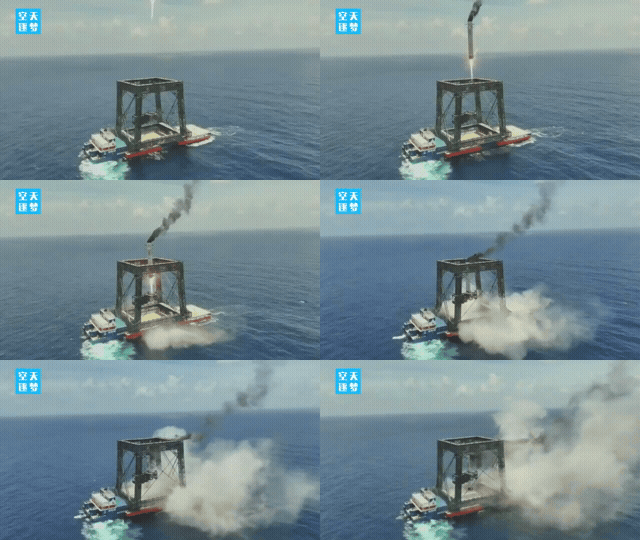
Space & Technology
HAINAN, China — China has successfully completed the first controlled recovery of an orbital-class rocket booster with the maiden flight of the Long March 10B, marking a major milestone in the country's reusable launch vehicle program. The mission also became the world's first orbital-class rocket recovery to use a net-and-hook capture system instead of traditional landing legs. The Long March 10B lifted off at 12:15 p.m. local time (0415 UTC) from the Hainan Commercial Space Launch Site, carrying its payload into low Earth orbit. After successfully completing the primary mission, the rocket's first stage separated from the second stage and began a controlled return to Earth. About six minutes after stage separation, the booster performed a powered vertical descent and landed on the Linghangzhe recovery vessel in the South China Sea. Instead of deploying landing legs, the booster used four specially designed landing hooks that engaged with a tensioned cable net installed on the offshore recovery platform, allowing the stage to be secured safely. The recovery method differs from the approach used by SpaceX's Falcon 9 rockets. While SpaceX lands boosters vertically using deployable landing legs on ground pads or drone ships, the Long March 10B relies on a net-and-hook capture system without landing legs. According to Chinese developers, removing landing legs reduces the rocket's structural weight and can increase payload capacity. During its return, the booster used grid fins and reaction control systems to guide its trajectory before reigniting its engines to slow the descent. As it approached the recovery platform, the landing hooks connected with the platform's cable system. The Linghangzhe recovery vessel is equipped with tracking technology designed to guide the capture process and stabilize the booster during recovery at sea. The China Aerospace Science and Technology Corporation (CASC) confirmed that both the launch and first-stage recovery were completed successfully. The organization described the mission as China's first successful controlled recovery of an orbital-class launch vehicle's first stage. The Long March 10B is a commercial member of the Long March 10 rocket family and shares its first-stage design with the crew-rated Long March 10A, which is being developed to support China's Mengzhou crewed lunar program. The successful recovery provides important data for future reusable launch operations and supports China's plans for crewed lunar missions before 2030. CASC has stated that it plans to reuse the recovered first stage before the end of 2026 as development of reusable launch technology continues. With this achievement, China becomes the second country after the United States to demonstrate recovery of an orbital-class launch vehicle's first stage through controlled reentry and powered landing. While the United States pioneered reusable orbital boosters with SpaceX's Falcon 9 program, China's Long March 10B introduces a different recovery concept based on a net-and-hook capture system. The successful demonstration represents another step in China's efforts to develop reusable launch vehicles aimed at reducing launch costs and improving the efficiency of future space missions. It also provides a foundation for further development of reusable technologies across the Long March 10 rocket family, including vehicles intended to support future lunar exploration. Source: spacechina
Read More → Posted on 2026-07-10 12:27:41
World
STOCKHOLM — Swedish satellite communications company Ovzon has completed three High North Expeditions during 2025 and 2026, validating the performance of its Ovzon 3 satellite and mobile satellite terminals nearly 1,300 kilometers (800 miles) inside the Arctic Circle. The tests demonstrated reliable satellite communications in extreme northern environments on both land and at sea. The Arctic has become an increasingly important region for the Nordic countries, Europe, the United States, Canada, and NATO due to its growing strategic and operational significance. To evaluate the capabilities of its satellite network in these demanding conditions, Ovzon carried out a series of progressively more challenging expeditions beyond the coverage range typically associated with many geostationary satellite systems. During the expeditions, the company tested the Ovzon 3 satellite together with its Ovzon T6 and Ovzon T7 mobile satellite terminals across multiple operational scenarios. According to Ovzon, the trials confirmed consistent functionality and high-speed connectivity at extreme northern latitudes, where satellite communications often become more difficult because of satellite viewing angles and harsh environmental conditions. The testing showed that the satellite system maintained reliable communications throughout the expeditions, supporting operations in remote Arctic locations where conventional satellite services can face limitations. Tom Hopkins, Chief Operating Officer at Ovzon, said each expedition extended the company's operational reach farther into the Arctic while providing additional confidence in the satellite's capabilities. "Each expedition has taken us further north and given us greater confidence in what Ovzon 3 can do in the Arctic. The results speak for themselves – reliable, high-speed connectivity at latitudes where most satellite systems simply cannot deliver. This is exactly what NATO forces operating in the High North need. We intend to keep pushing the boundaries," Hopkins said. Ovzon Chief Executive Officer Per Norén said the company views the Arctic as an important long-term operational focus. "The Arctic matters – strategically, operationally, and for Ovzon as a company. What we have demonstrated across these three expeditions is not just that our technology works here, but that we are committed to the High North for the long term. We see significant demand from NATO nations for resilient communications in this region, and we are ready to deliver," Norén said. Ovzon's satellite communications offering is provided through its SATCOM-as-a-Service platform, which combines high-throughput satellite capacity, mobile satellite terminals, gateway services, and operational support. The services are designed for customers that require secure, reliable, and mobile communications, including defense, national security, and public safety organizations. The company's Ovzon T6 terminal is a rugged, laptop-sized broadband system, while the Ovzon T7 is an ultra-small, lightweight terminal designed for low-power operation. According to the company, both terminals performed successfully during the Arctic expeditions under demanding environmental conditions. The latest testing builds on earlier demonstrations, including a December 2024 trial that showed low-latency control of unmanned platforms using the Ovzon 3 satellite, as well as a 2025 overland expedition conducted more than 480 kilometers (300 miles) inside the Arctic Circle. Commercial operations for the Ovzon 3 satellite began in July 2024. Ovzon is headquartered in Sweden, operates offices in both Sweden and the United States, and is listed on Nasdaq Stockholm. The completion of the three High North Expeditions provides additional operational validation of the Ovzon 3 satellite system and its mobile terminals for communications in remote Arctic environments, where NATO members continue to increase their focus on resilient connectivity and operations.
Read More → Posted on 2026-07-10 12:18:02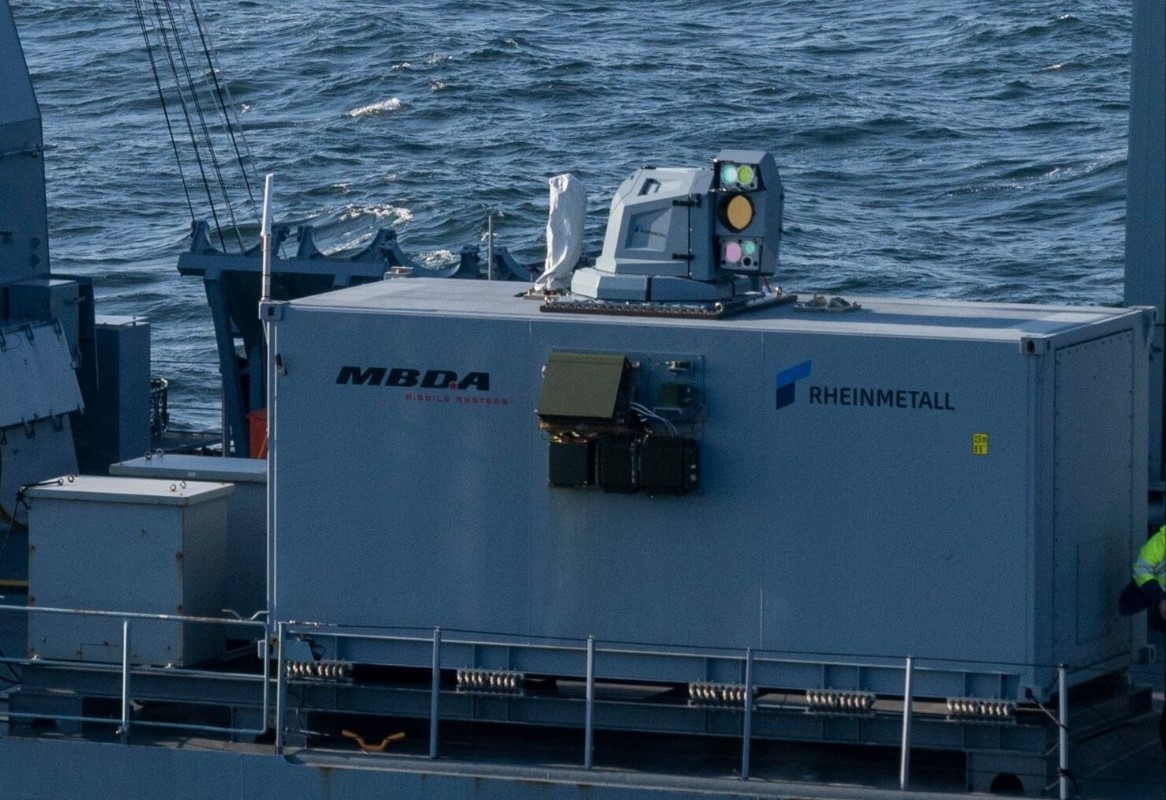
Europe
BERLIN — Germany has awarded a contract to MBDA Deutschland and Rheinmetall Waffe Munition to develop a high-energy laser weapon system for the German Navy, marking a major step in the country's efforts to strengthen its future naval defense capabilities with directed-energy technology. Germany's Federal Office of Bundeswehr Equipment, Information Technology and In-Service Support (BAAINBw) signed the contract on July 9, 2026, with the High-Energy Laser Naval Demonstrator Working Group (ARGE HEL). The ARGE HEL consists of MBDA Deutschland and Rheinmetall Waffe Munition, with the two companies currently establishing a joint venture to carry out the program. The laser weapon system is expected to become operational by 2029. The contract is valued in the mid three-digit million-euro range and covers the development of a complete maritime laser weapon system, including the entire operational chain from reconnaissance and target tracking to engagement. According to the companies, the joint venture will place particular emphasis on German supply chains and domestic systems expertise during development to help secure Germany's national sovereignty in this key technology. Complete System for the German Navy The laser weapon system is being developed to meet the operational requirements of the Bundeswehr and strengthen the German Navy's defense capabilities against airborne, maritime, and land-based targets. Roman Koehne, Head of Rheinmetall's Weapon and Ammunition Division, said the project demonstrates the technological maturity achieved by combining the complementary capabilities of Rheinmetall and MBDA into a complete system. He said the laser weapon system will provide significantly greater protection for personnel deployed aboard German naval vessels, particularly against drone threats. Koehne added that series production will largely take place in Germany, creating new training and employment opportunities. Demonstrator Successfully Completed Extensive Trials The development program builds on the successful High-Energy Laser Naval Demonstrator jointly developed by MBDA and Rheinmetall. In March 2026, the demonstrator repeatedly showcased its capabilities to senior German military delegations at the Bundeswehr Technical Centre for Weapons and Ammunition (WTD 91) in Meppen. Before those demonstrations, the system had already spent more than one year aboard the German Navy frigate SACHSEN, covering approximately 28,000 nautical miles across the North Sea, Baltic Sea, and Mediterranean Sea while demonstrating its effectiveness under operational conditions, including adverse weather. During more than a year of testing and operational use at sea and at WTD 91, the demonstrator successfully fired more than 1,000 shots against airborne, maritime, and land-based targets while also completing numerous target-tracking activities. Precision Laser Technology According to Rheinmetall, the system's refined beam quality and tracking capability allow the laser power to be focused with extreme precision, including against moving targets. The laser can concentrate its energy onto an area measuring just a few centimetres, creating a very high energy density that enables targets to be engaged more quickly, more precisely, and more effectively while using less laser power. Rheinmetall is responsible for the laser weapon station, beam guidance system, cooling system, and the integration of the complete system into its containerized platform. Domestic Production and Future Applications The companies said series production will largely take place in Germany, supporting domestic supply chains while strengthening national expertise in directed-energy technology. Thomas Gottschild, Managing Director of MBDA Deutschland and Executive Vice President Strategy & Future Growth at MBDA, said the laser weapon system is a flagship technology project designed specifically to meet the Bundeswehr's operational requirements. He said the system will significantly strengthen the German Navy's defense capabilities against airborne, maritime, and land-based targets. He also noted that the containerized laser effector could provide a cost-efficient solution for port security as well as other stationary and mobile land-based applications. Operational Goal by 2029 MBDA Deutschland and Rheinmetall have been cooperating on high-energy laser technology for several years, and the new contract moves the program from the demonstrator phase toward an operational capability. With development now underway, the German Navy is expected to receive the high-energy laser weapon system by 2029, providing a new directed-energy capability for maritime operations while supporting Germany's domestic defense industrial base. Source: rheinmetall
Read More → Posted on 2026-07-10 12:06:24Search
Top Trending in 24 Hours
-
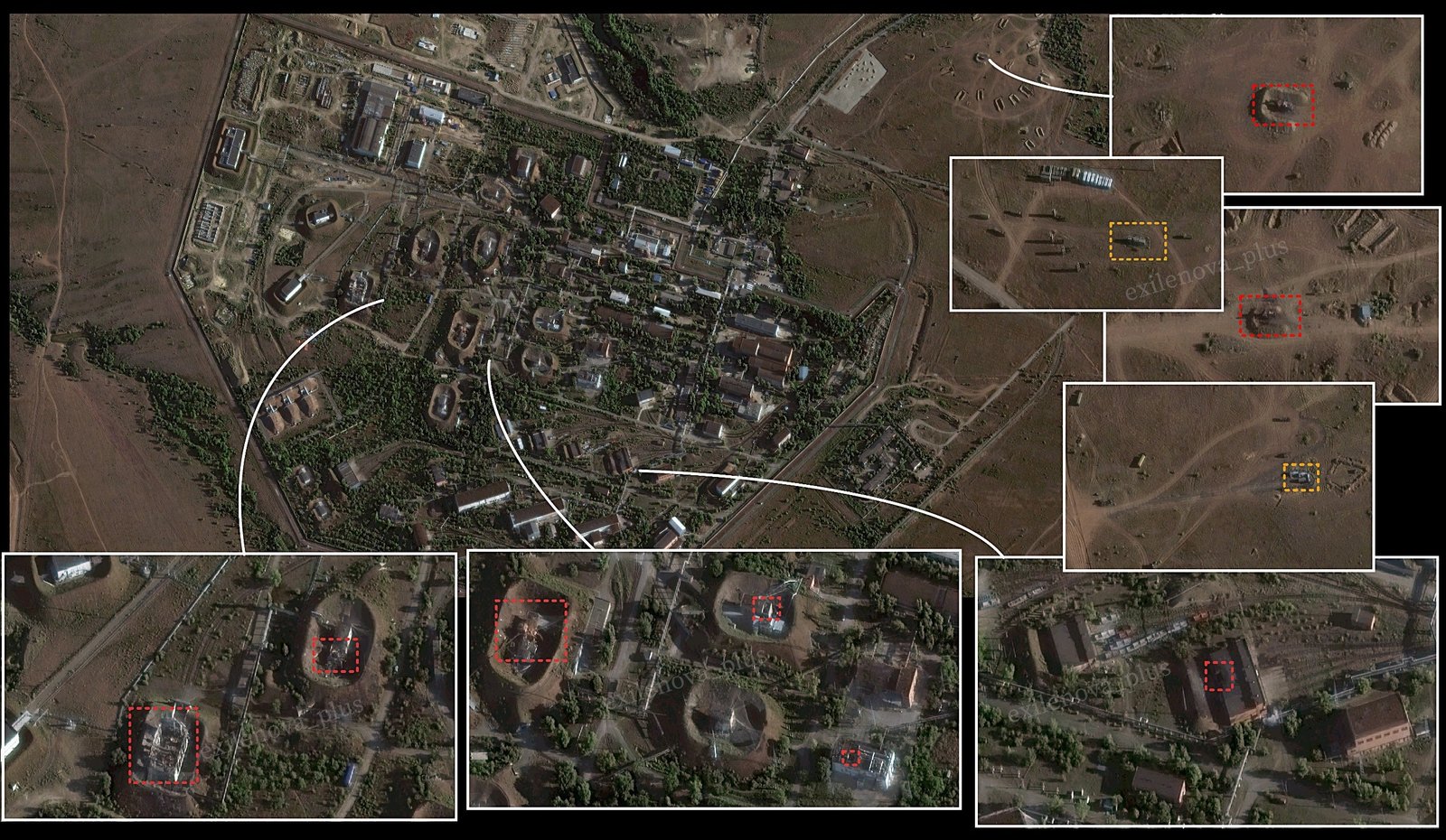 Satellite Images Show Ukrainian Drone Strike Hits Russian Rocket Fuel Plant and Air Defense Systems in Rostov Region
-
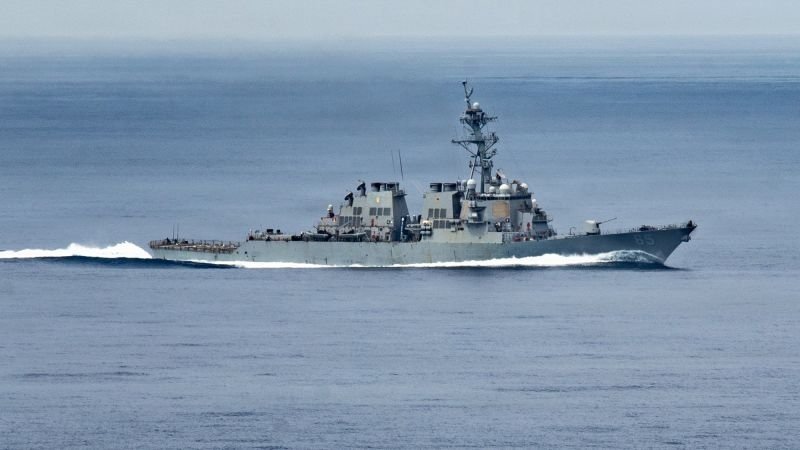 U.S. Navy Destroyer USS Benfold Spent Four Days Without Power in South China Sea After Generator Failure
-
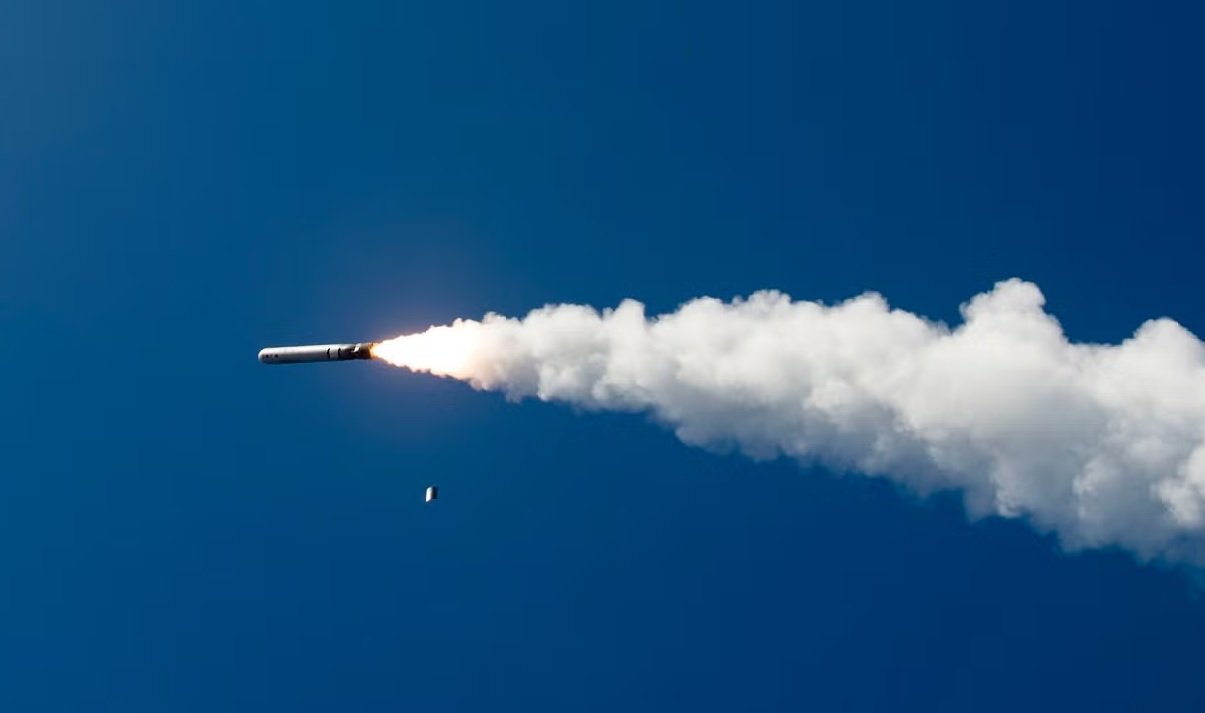 U.S. Navy Awards Raytheon $22.9 Billion Contract to Boost Tomahawk Production
-
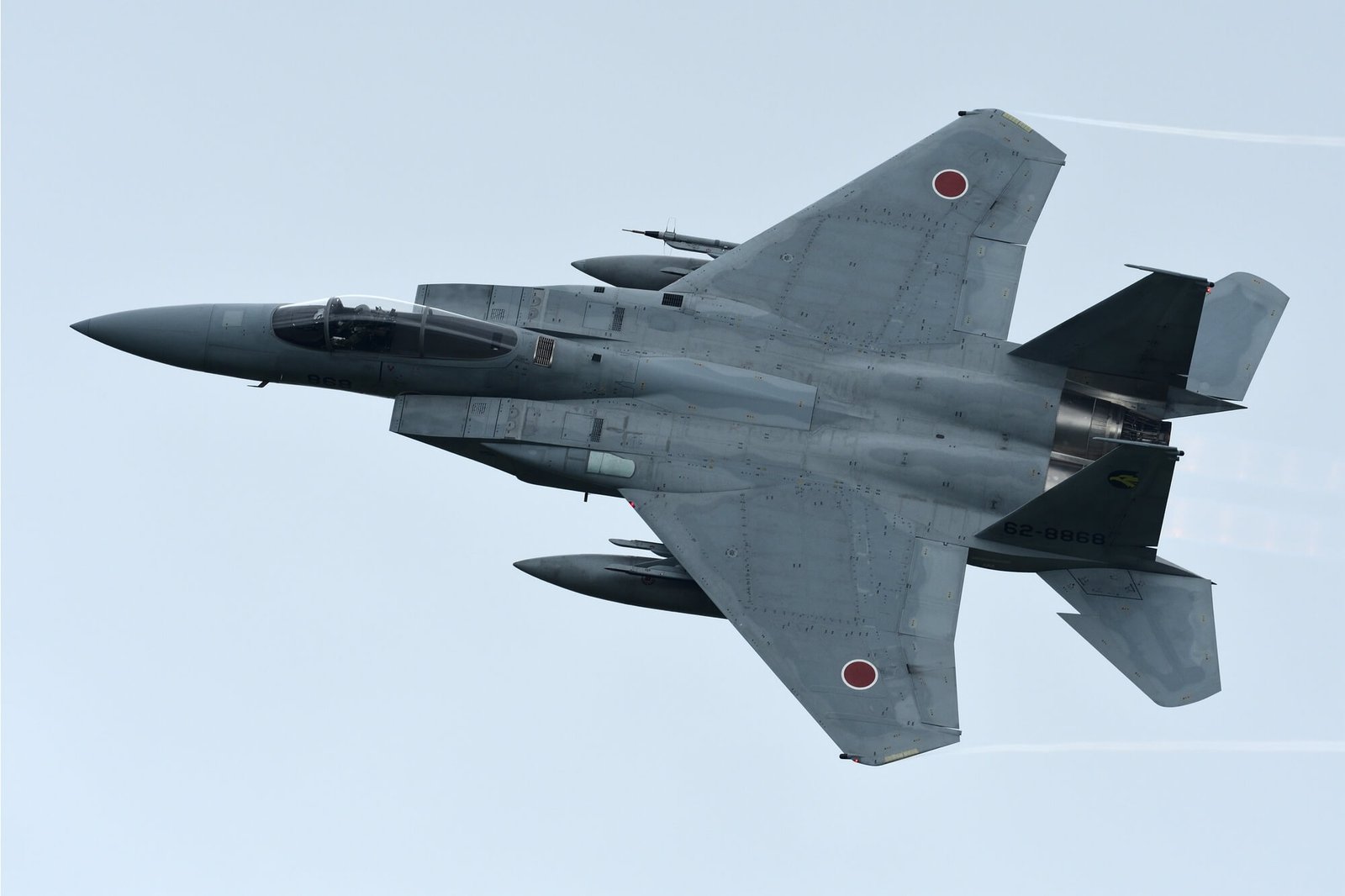 Japan Signs $267 Million in Contracts for F-15J Japan Super Interceptor Upgrade
-
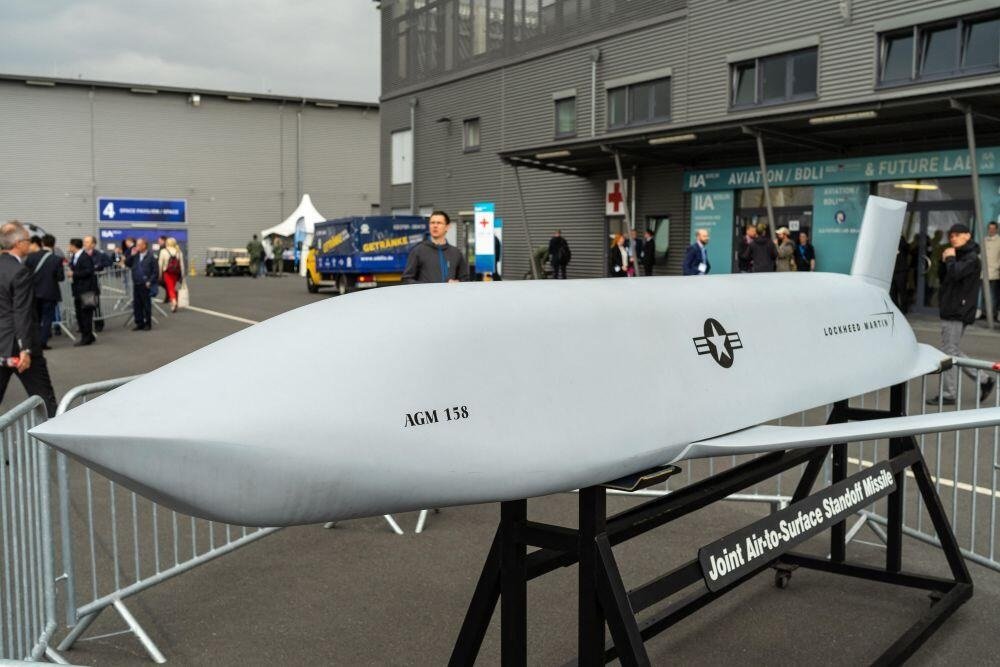 U.S. Air Force Selects GE-Kratos F143 Engine as Second Engine Source for JASSM Missile
-
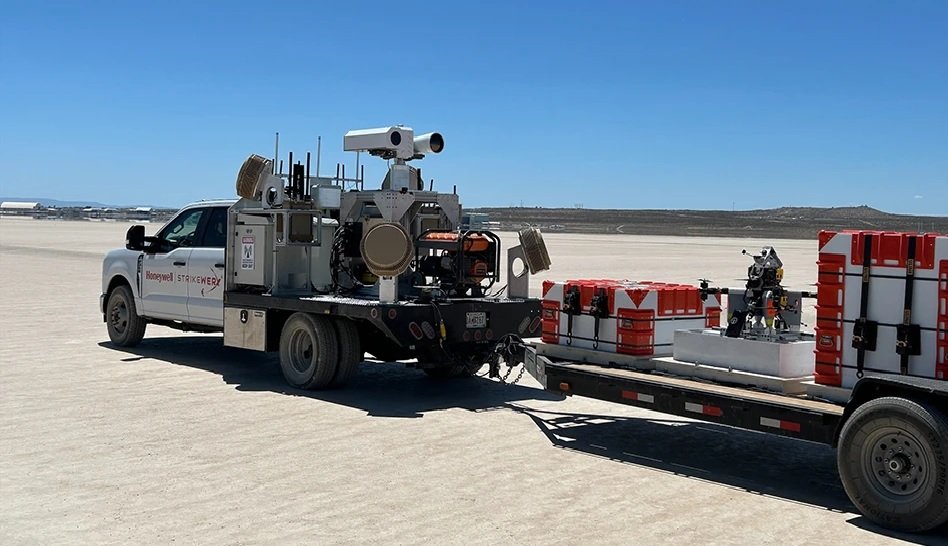 Honeywell Aerospace Tests AI-Powered SAMURAI Counter-Drone System at CENTCOM’s EXTiC 26-2
-
 MDA Space Deploys First Eight Replenishment Satellites for Globalstar Constellation
-
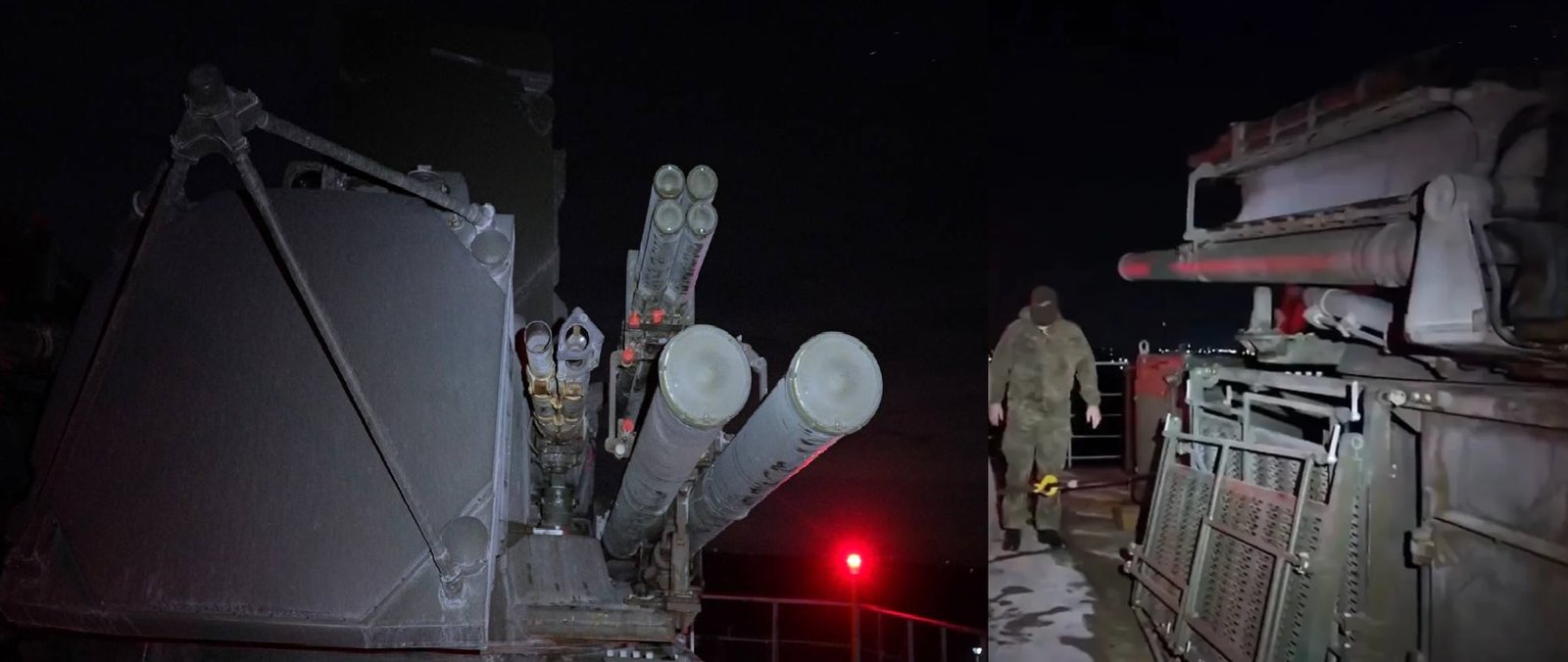 Russia Expands Moscow’s Anti-Drone Defense Network With Specialized 35-Meter Towers for Pantsir Systems
Top Trending in 4 Days
-
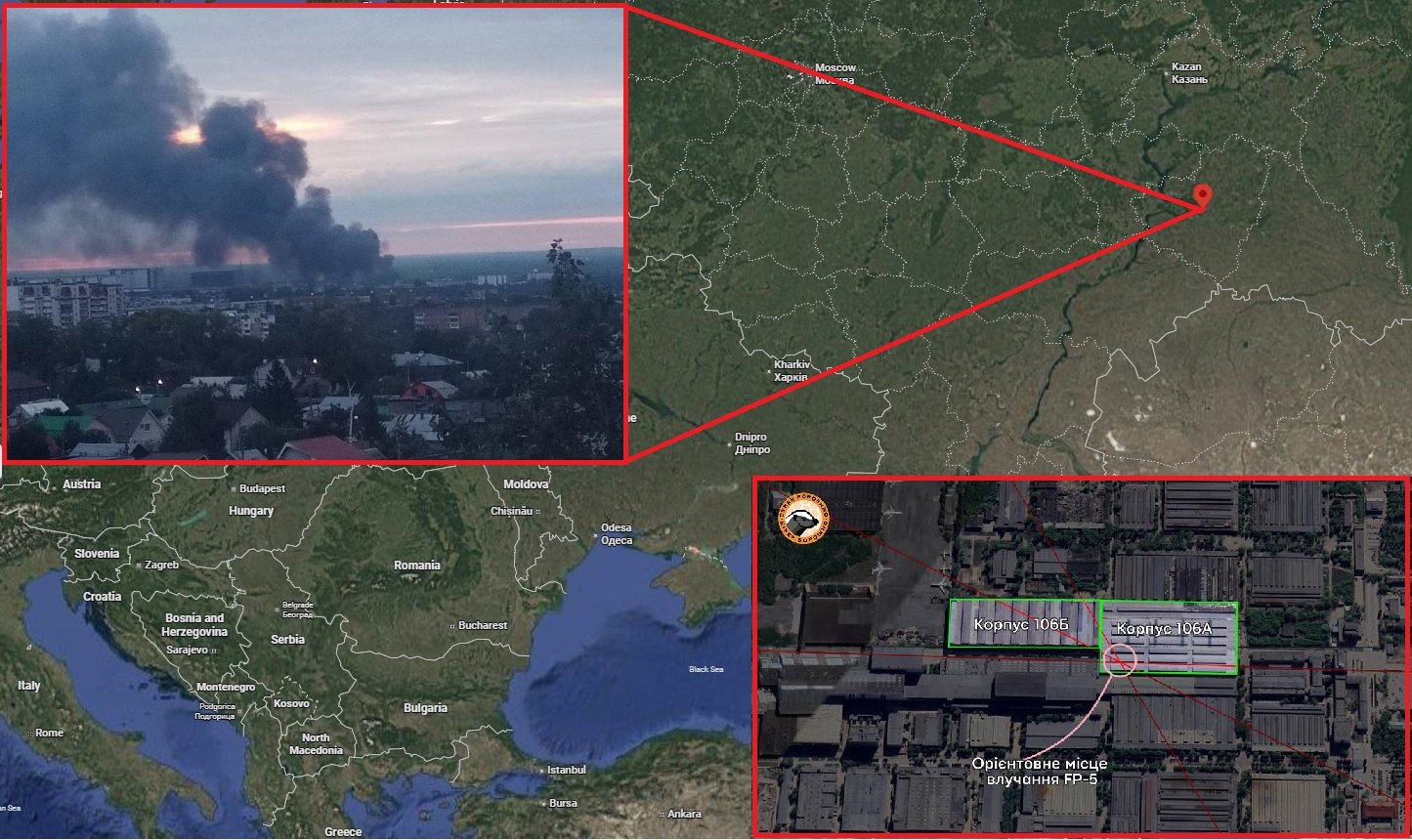 Ukraine Strikes Russia’s Progress Rocket Center in Samara With Long-Range Missile
-
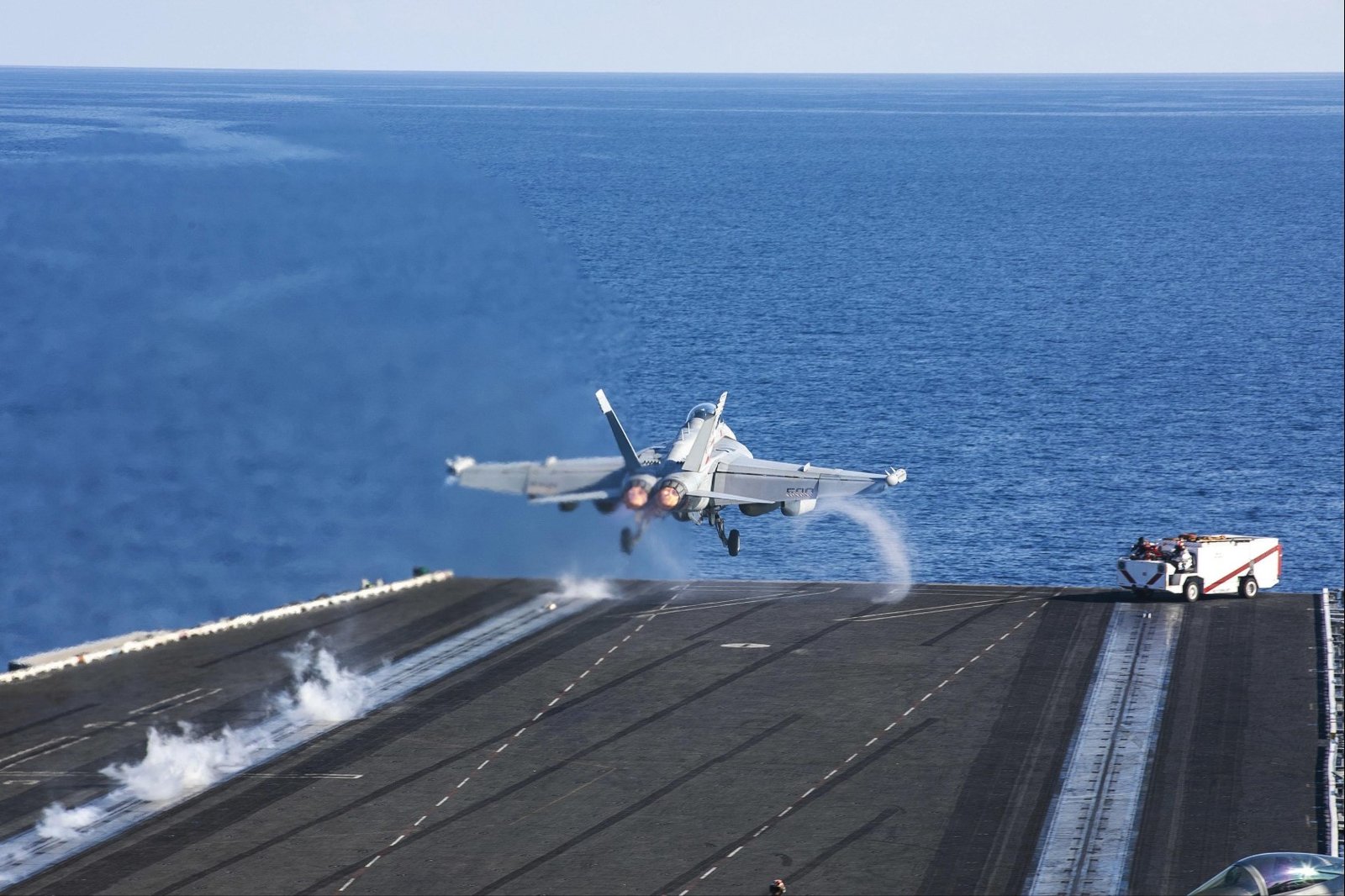 President Trump Orders Return to Steam Catapults From EMALS on Future Ford-Class Carriers Starting With USS Doris Miller
-
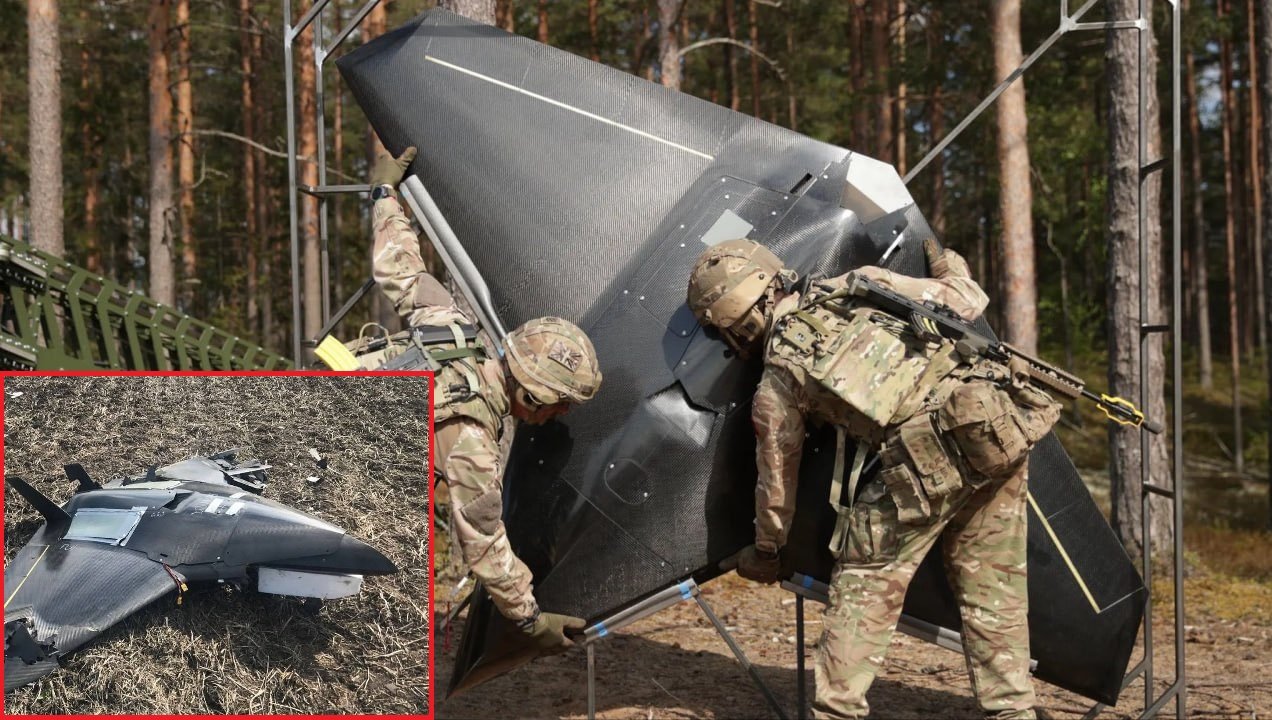 Ukraine Uses British-Made Nyan Drones in Deep Strikes Against Russian Targets
-
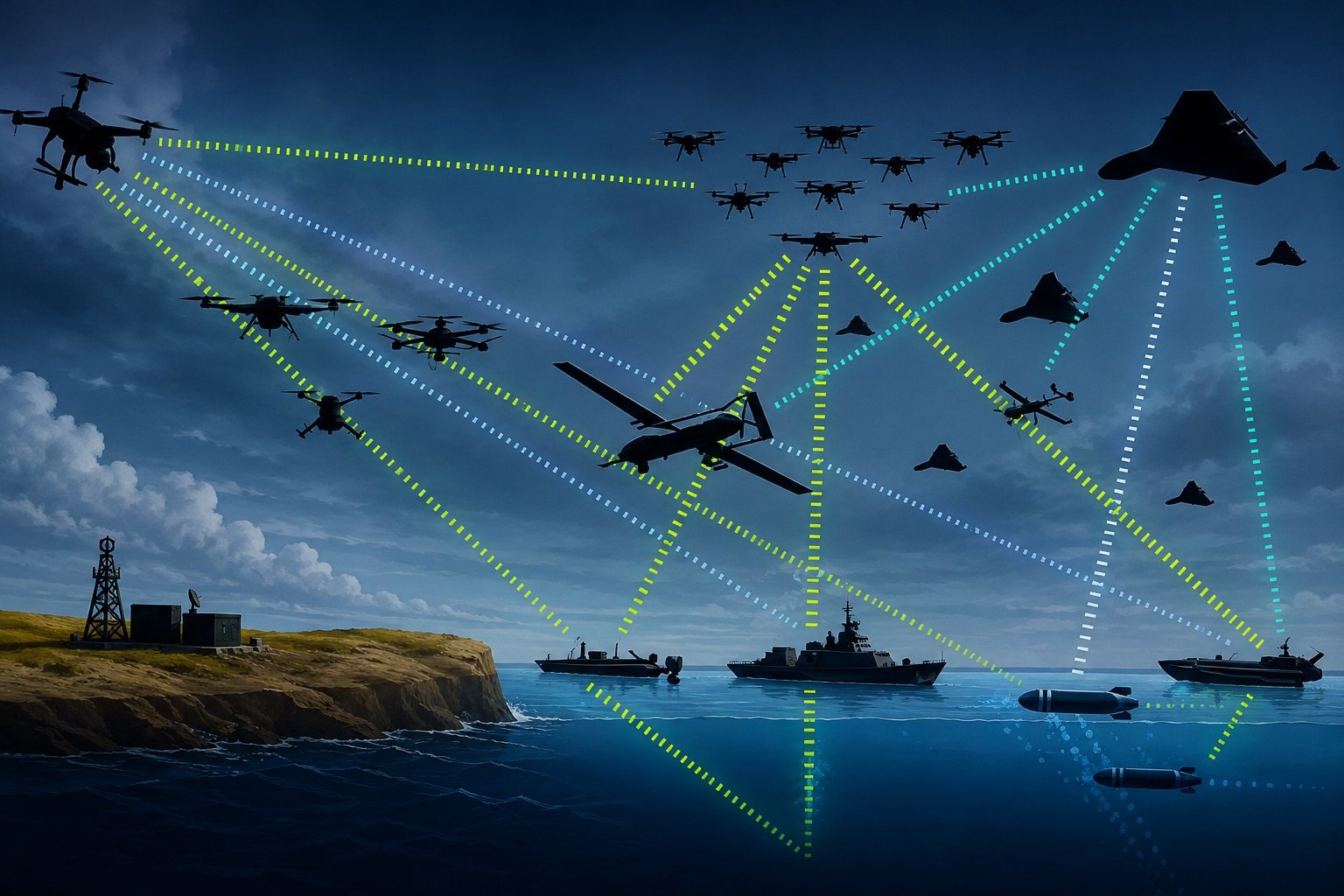 US CENTCOM Launches Task Force 'Falcon Strike' for Multinational Attack Drone Operations
-
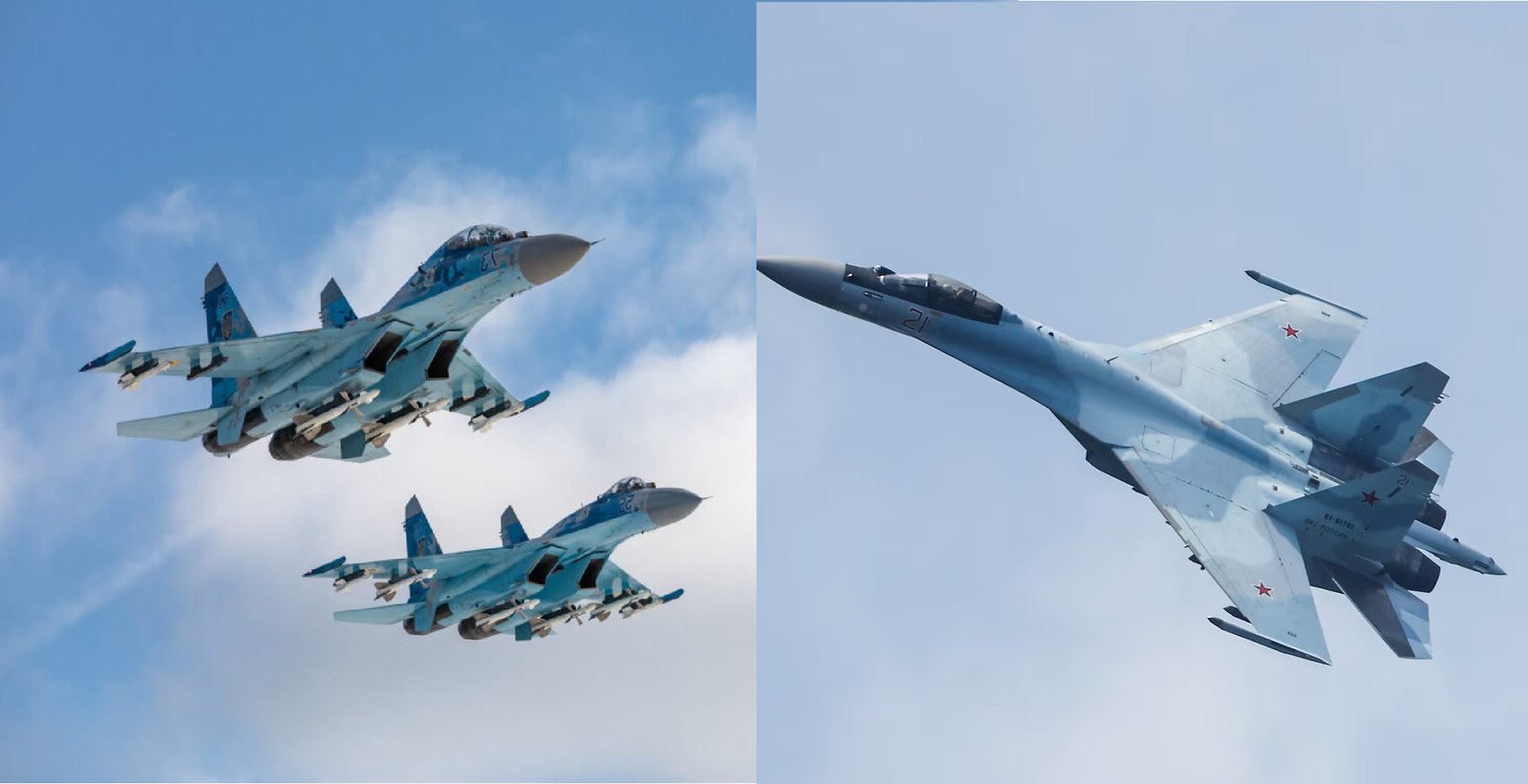 Russian Su-35S Pilot Reportedly Downs Two Ukrainian Su-27s in One Engagement
-
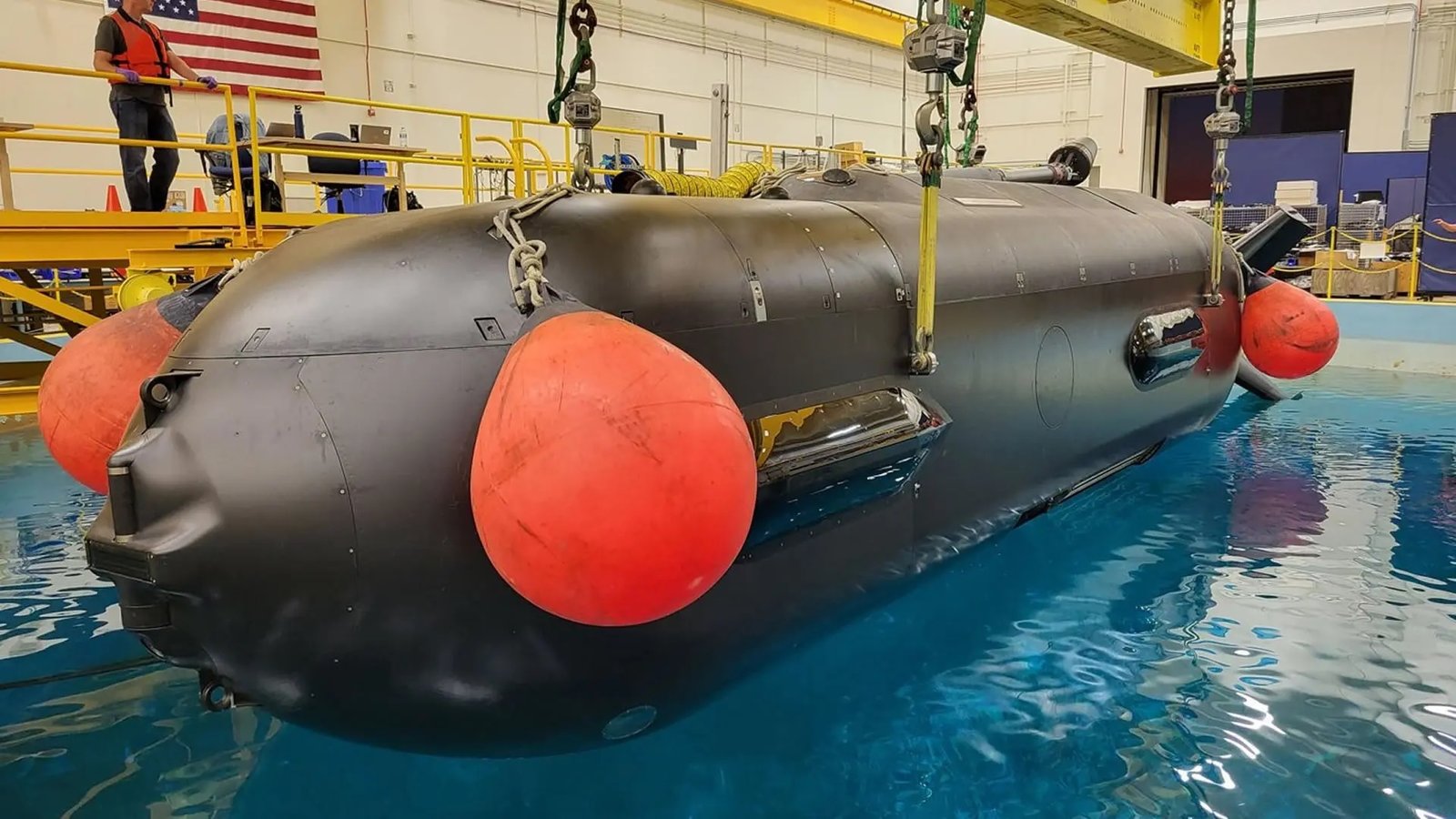 U.S. Navy’s Orca XLUUV Completes First 1,000-Nautical-Mile Pacific Transit
-
 U.S. Navy Reviews Ford-Class Carrier Redesign as $275 Billion Trump-Class Battleship Program Advances
-
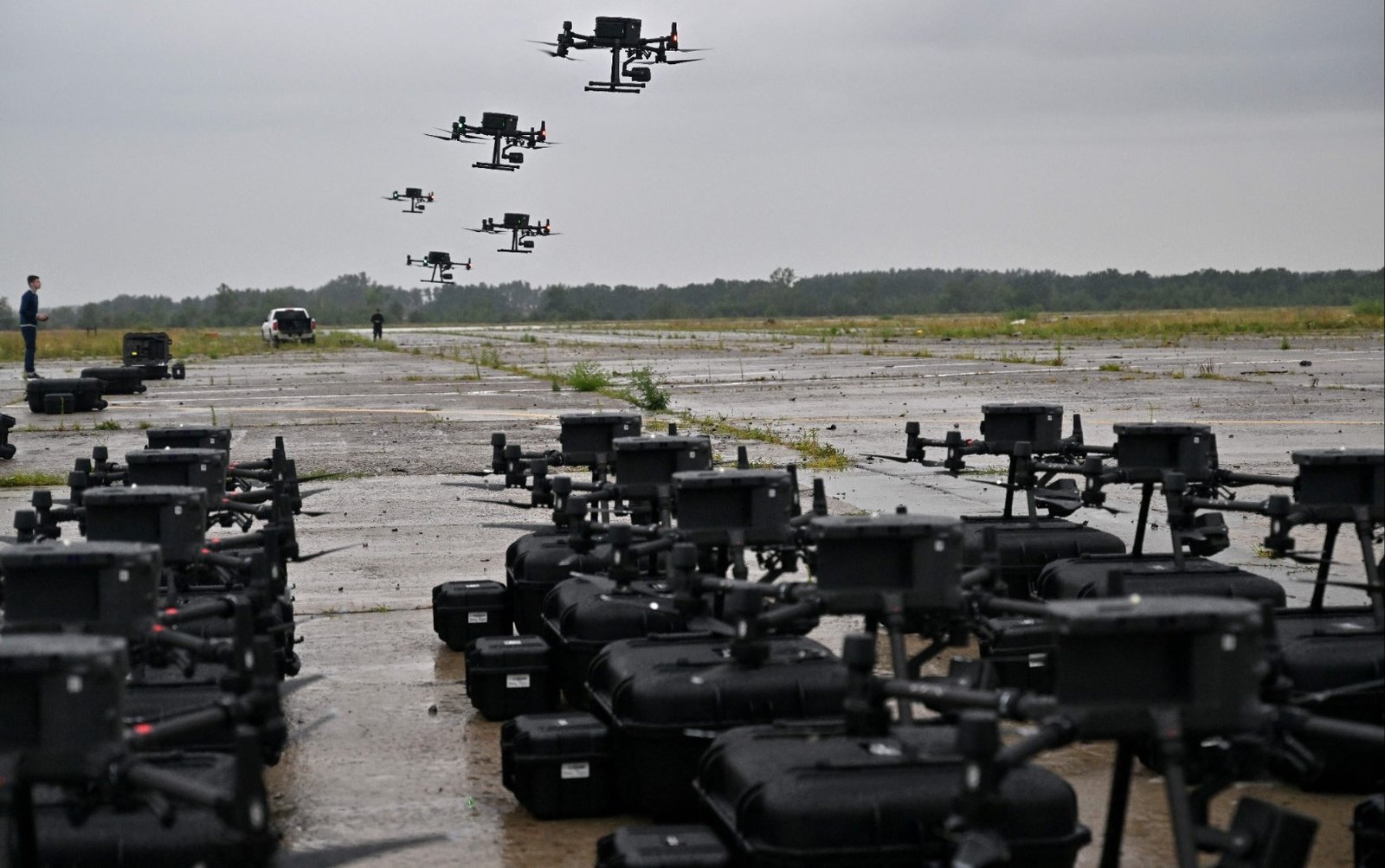 U.S. Air Force to Buy Chinese DJI Drones for Counter-Drone Training at Nuclear Missile Base
