
World
Hamas on Monday released the last 20 surviving Israeli hostages under a ceasefire deal brokered by US President Donald Trump, marking a major step toward ending the Gaza conflict. The handover took place as Trump arrived in Israel for a brief visit ahead of a regional peace summit in Egypt, declaring that the “war is over.” According to the Israeli military and the Shin Bet security service, seven hostages were first transferred to the custody of the International Committee of the Red Cross (ICRC) inside Gaza and were being brought to Israeli forces. Later in the day, Israeli officials confirmed that a total of 20 living hostages had been freed. The exchange forms part of a broader ceasefire agreement that also includes Israel’s release of nearly 2,000 Palestinian detainees, among them individuals convicted of attacks against Israelis. The mood in Tel Aviv’s Hostages Square turned emotional as news of the releases spread. Families of those freed and others still missing gathered in large numbers, celebrating through tears and song. Many expressed mixed emotions — relief for those returning home and sorrow for those who did not survive captivity. Israeli officials have said that not all of the deceased hostages’ remains are expected to be returned immediately. Under the terms of the agreement, Hamas is also expected to hand over the bodies of 27 captives who died in Gaza, along with the remains of a soldier killed in 2014 during a previous conflict. In return, Israel will free about 250 long-term prisoners as part of the initial exchange, while an additional 1,700 Palestinians detained during the recent fighting will be released gradually. The deal follows nearly two years of conflict that began with Hamas’s October 7, 2023 attack on Israel, when 251 people were taken hostage and more than 1,200 were killed, most of them civilians. Since then, multiple short truces and partial exchanges have taken place, but this is the first agreement to include all remaining living hostages. According to figures from Gaza’s health ministry, considered credible by the United Nations, more than 67,000 people have been killed during Israel’s subsequent military campaign, with over half believed to be women and children. In Gaza, the ceasefire brought a rare moment of calm. Displaced residents began returning to their devastated neighborhoods. “My eyes kept searching for landmarks I had lost — nothing looked the same,” said Fatima Salem, a resident of Gaza City’s Sheikh Radwan district. “We will pitch a tent next to the rubble of our home and wait for reconstruction.” President Trump’s visit to Israel was aimed at consolidating the ceasefire and preparing for an international summit in Egypt, where more than 20 world leaders are expected to discuss Gaza’s future governance and reconstruction. Speaking to reporters aboard Air Force One, Trump expressed confidence that the truce would hold. “I think it’s going to hold. People are tired of it. The war is over,” he said. In Jerusalem, Trump met with families of the freed hostages and addressed the Israeli parliament, calling the ceasefire “the start of a new era for the Middle East.” He outlined his 20-point plan for Gaza, which envisions a gradual Israeli withdrawal from parts of the territory and the creation of a multinational stabilization force coordinated through a US-led command center in Israel. The plan also includes establishing a new governing body for Gaza to oversee reconstruction and humanitarian relief. Negotiations over the final details of the exchange continued until late Sunday night, with Hamas insisting that several senior Palestinian leaders be included among those released. Israeli officials have reportedly resisted some of those names, leaving further phases of the prisoner exchange uncertain. Following his visit to Israel, Trump will travel to Cairo for the peace summit, co-hosted with Egyptian President Abdel Fattah al-Sisi. The meeting is expected to focus on post-war arrangements, Gaza’s reconstruction, and long-term regional security guarantees. Trump said he holds firm commitments from both Israel and Hamas, as well as from regional partners, regarding the next stages of the agreement. He added that he would be “proud” to visit Gaza himself once security conditions permit.
Read More → Posted on 2025-10-13 12:00:55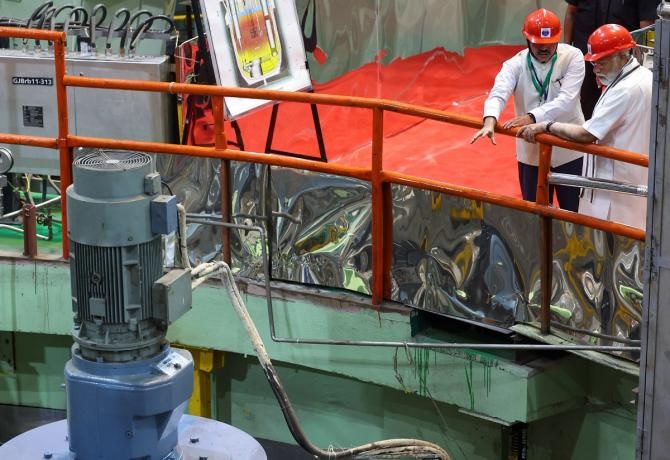
Space & Technology
India is set to begin fuel loading at its first Prototype Fast Breeder Reactor (PFBR) at the Kalpakkam Nuclear Power Plant in Tamil Nadu next week. This step marks a critical milestone in the country’s nuclear energy program, which aims to harness advanced reactor technology and utilize a closed fuel cycle for sustainable energy production. The PFBR is a sodium-cooled, pool-type fast breeder reactor with an electrical output of 500 MWe and a thermal output of 1,253 MWt. It uses Mixed Oxide (MOX) fuel, composed of uranium and plutonium, and is cooled by liquid sodium. The reactor is designed with a two-loop system and a steam reheat setup to optimize energy conversion. Its core has a diameter of 1,900 mm and a height of 1,000 mm, with each fuel subassembly containing 217 fuel pins of 6.6 mm outer diameter. The reactor operates with steam parameters of 763 K temperature and 16.6 MPa pressure. Once operational, the PFBR will be only the second sodium-cooled fast breeder reactor in the world. Russia operates the BN-800 fast breeder reactor at the Beloyarsk Nuclear Power Station, which has a net electrical capacity of 789 MWe. Both reactors aim to demonstrate the viability of a closed fuel cycle, where spent fuel can be reprocessed and reused, enhancing resource efficiency and reducing nuclear waste. Construction of the PFBR began in 2004, with an original commissioning target set for 2010. However, the project faced multiple delays due to technical and regulatory challenges, pushing the expected operational date to December 2024. The project’s estimated cost also nearly doubled from ₹3,500 crore to ₹7,700 crore. Despite these delays, authorities have confirmed that technical issues have been resolved, and fuel loading is now scheduled to proceed as planned. The successful operation of the PFBR is expected to pave the way for the third stage of India’s nuclear program, which focuses on utilizing thorium-plutonium fuels in advanced heavy water reactors. This stage is central to India’s long-term strategy of achieving energy security through a sustainable and closed nuclear fuel cycle. Fuel loading at the PFBR is a significant achievement for India, demonstrating the country’s growing capabilities in advanced nuclear technology and positioning it among the few nations operating fast breeder reactors.
Read More → Posted on 2025-10-12 16:58:06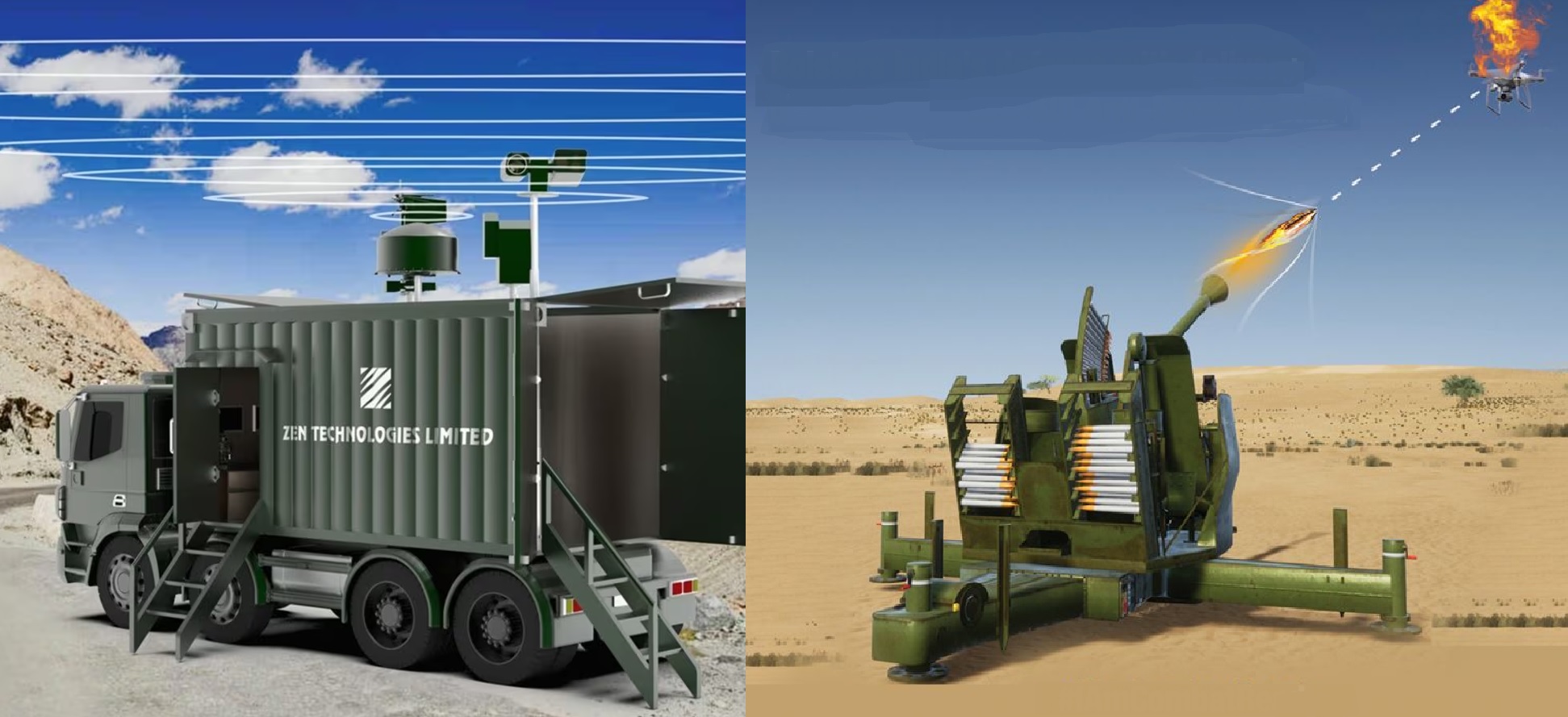
India
The Ministry of Defence (MoD) has awarded a contract to Hyderabad-based Zen Technologies Limited for the supply of indigenous anti-drone systems equipped with hard-kill capability. While some reports suggest the deal value is around ₹37 crore, no official filing confirms that figure. In recent years, Zen Technologies has signed several larger orders with the MoD for counter-unmanned aerial systems (C-UAS), including a ₹227.65 crore contract in September 2023 and another ₹155 crore order from the Indian Air Force in 2021. The new agreement continues the government’s effort to strengthen India’s domestic defence manufacturing base and to enhance counter-drone preparedness across the armed forces. Zen Technologies has developed its anti-drone systems entirely in-house, building on more than three decades of experience in defence simulation and sensor technologies. The system, known as the Zen Anti-Drone System (ZADS) or Zen ADS-HK, is designed to detect, track, and neutralize hostile drones using both electronic and kinetic methods. It integrates multiple sensors, including radio frequency (RF) detectors, radars, and electro-optical/infrared cameras, to identify aerial threats in real time. The information from these sensors is processed through a centralized Data Fusion and Command Centre, which classifies the target and determines the most effective response. The soft-kill component of the system uses radio frequency jammers to disrupt drone communication links and navigation signals. These jammers can simultaneously target multiple frequency bands, including ISM, GNSS, and mobile signals, effectively grounding or redirecting hostile drones. For cases where electronic jamming is insufficient, the system includes a hard-kill option. This capability allows the use of a kinetic weapon—typically a gun integrated with the targeting system—to physically destroy the drone. In certain configurations, the system can also deploy a drone catcher that uses a net to capture and neutralize the target safely. The Army Air Defence College in Gopalpur received the Zen ADS-HK variant in mid-2024, marking the beginning of its operational fielding. According to available technical information, Zen’s anti-drone system can detect drones at a range of about five kilometres and jam them up to four kilometres, depending on their size and flight altitude. The system’s electro-optical tracking unit combines a day camera, thermal imager, and laser rangefinder for precise target tracking under all weather conditions. The modular architecture allows the system to be mounted on vehicles or fixed sites, making it suitable for deployment at airbases, border locations, or high-security installations. The procurement of indigenous counter-drone systems reflects the growing importance of defending against small and swarm UAV threats. Incidents such as the drone attack on the Jammu Air Force Station in 2021 demonstrated the vulnerability of critical military sites to low-cost aerial threats. The inclusion of hard-kill features makes the Zen system more effective against drones that are resistant to jamming or operate autonomously without a live communication link. Zen Technologies’ success in this field underscores India’s progress toward self-reliance in advanced defence technology under the “Make in India” initiative. The anti-drone system project also supports the broader objective of equipping the armed forces with layered, modular, and scalable defence solutions to counter evolving aerial threats. Even though the precise value of the latest MoD contract remains unverified, its implementation marks another step toward strengthening India’s domestic capability to safeguard military and strategic infrastructure against emerging drone-based threats.
Read More → Posted on 2025-10-12 16:46:54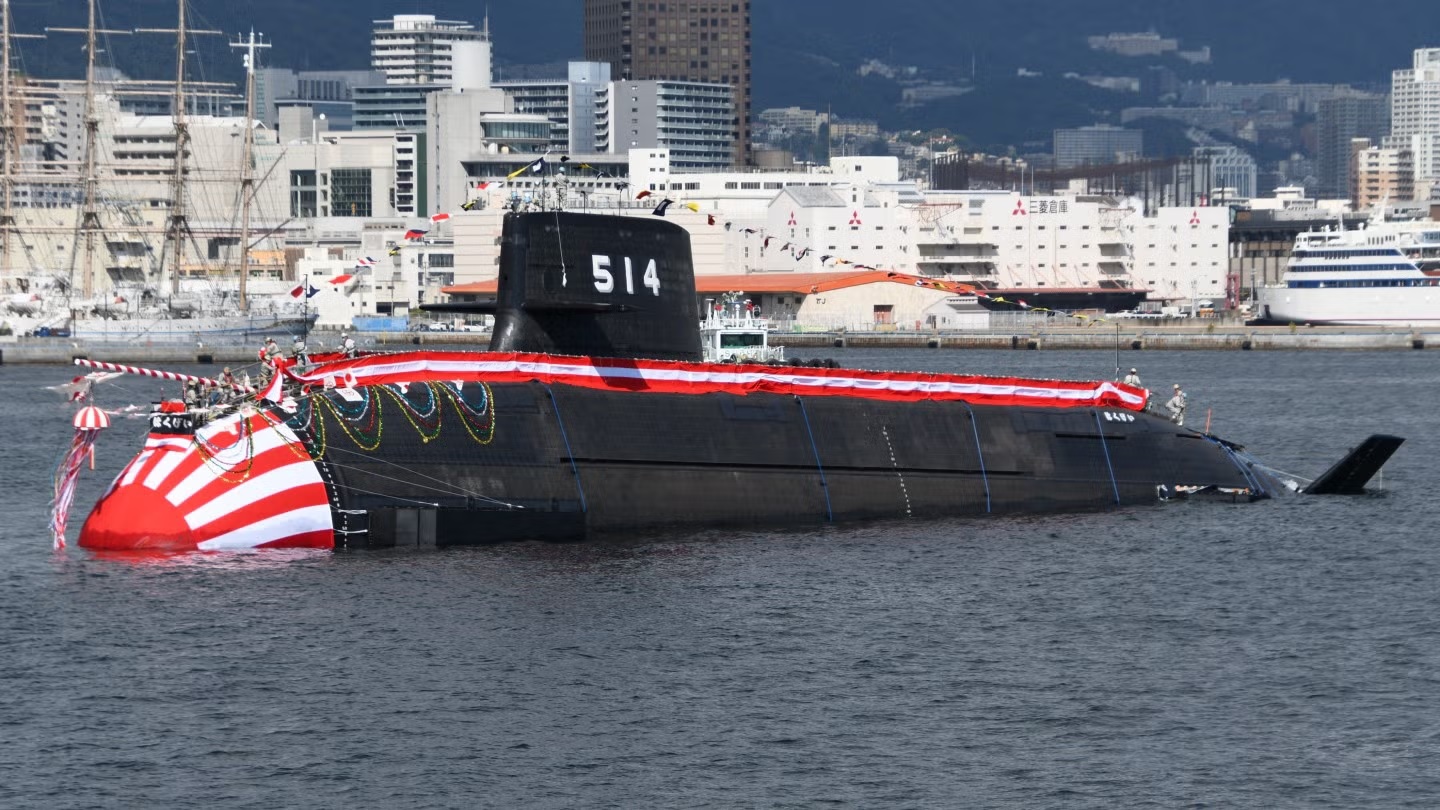
World
Japan’s Maritime Staff Office (MSO) announced that the naming and launching ceremony for the fiscal year 2022 submarine will take place on 14 October 2025 at Kawasaki Heavy Industries’ Kobe Shipyard. The submarine is expected to be SS-518, part of the Taigei-class series operated by the Japan Maritime Self-Defense Force (JMSDF). The launch continues Japan’s program to modernize its diesel-electric submarine fleet using lithium-ion battery technology. The Taigei-class is the latest generation of Japanese conventional submarines, developed after the Sōryū-class. These submarines are designed for longer underwater operation, with reduced need to surface or use snorkels. The use of lithium-ion batteries provides faster recharging, higher underwater speed, and quieter performance compared to older models. Kawasaki Heavy Industries and Mitsubishi Heavy Industries share responsibility for building these submarines. The launch of SS-518 adds another lithium-ion battery-powered submarine to the JMSDF fleet, following the lead boat JS Taigei (SS-513), commissioned in 2022. The Taigei-class has a displacement of about 3,000 tons, a length of approximately 84 meters, beam of 9.1 meters, and draught of 10.4 meters. It carries about 70 crew members and uses a diesel-electric propulsion system with large-capacity lithium-ion batteries. The submarine can reach submerged speeds of around 20 knots. The submarine is armed with six 533 mm torpedo tubes capable of launching Type 18 heavy torpedoes and UGM-84 Harpoon anti-ship missiles. It includes design improvements such as a “floating floor” structure and sound-absorbing coatings to reduce noise. The sonar system, identified as the ZQQ-8, offers improved detection of surface and underwater targets. The submarine has an “X”-shaped stern rudder for better maneuvering in coastal waters and an updated combat management system for coordination with other JMSDF assets. The addition of SS-518 will strengthen Japan’s submarine operations, particularly in monitoring nearby waters where Chinese and Russian naval activities are common. The Taigei-class emphasizes longer underwater endurance, reduced detection risk, and improved operational reliability for Japan’s undersea fleet.
Read More → Posted on 2025-10-12 15:57:18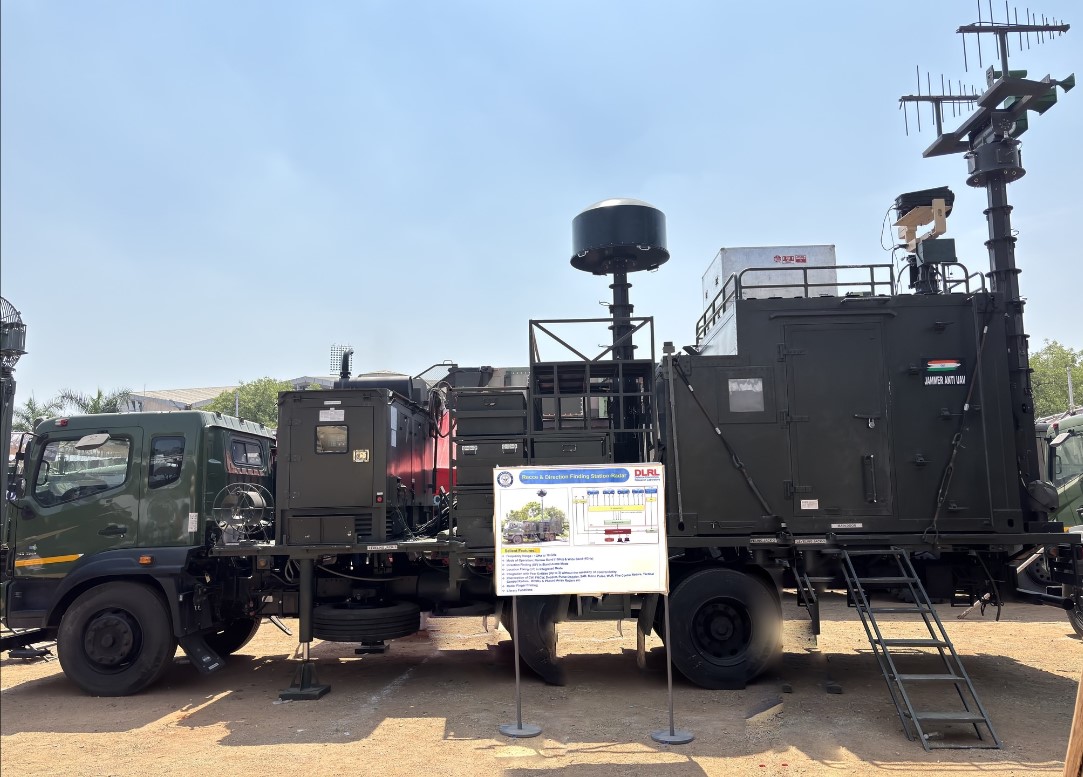
India
The Defence Acquisition Council (DAC) has approved a proposal worth about ₹5,150 crore for the procurement of the ‘Dharashakti’ Integrated Electronic Warfare (EW) System for the Indian Armed Forces. The approval, granted in October 2025, falls under the Buy (Indian – Indigenously Designed, Developed and Manufactured) category to support domestic defence production. The Dharashakti system is intended to strengthen electronic warfare capabilities across communication (COM) and non-communication (Non-COM) domains. In the communication segment, it will intercept, monitor, and protect radio-frequency signals, while also maintaining secure links under electronic interference. In the non-communication segment, it will detect and counter radar and electromagnetic emissions through jamming and electronic counter-measures. The system is being developed for deployment in desert and plain terrain, where it will be used to monitor and manage the electromagnetic spectrum in field conditions. It will include an electro-optical suite for observation and target detection, along with long-range communication systems that can resist interference and jamming. Officials have indicated that the project will help improve coordination and situational awareness for field units. Once inducted, Dharashakti will add to the existing network of electronic warfare systems operated by the armed forces and enhance overall spectrum management capability. The approval is part of ongoing defence modernisation efforts. In recent months, the DAC has cleared several procurement proposals for the Army, Navy, and Air Force, covering areas such as radars, unmanned systems, and air defence equipment. The Dharashakti system will move to the next stage of production and trials before being integrated into service.
Read More → Posted on 2025-10-12 14:54:23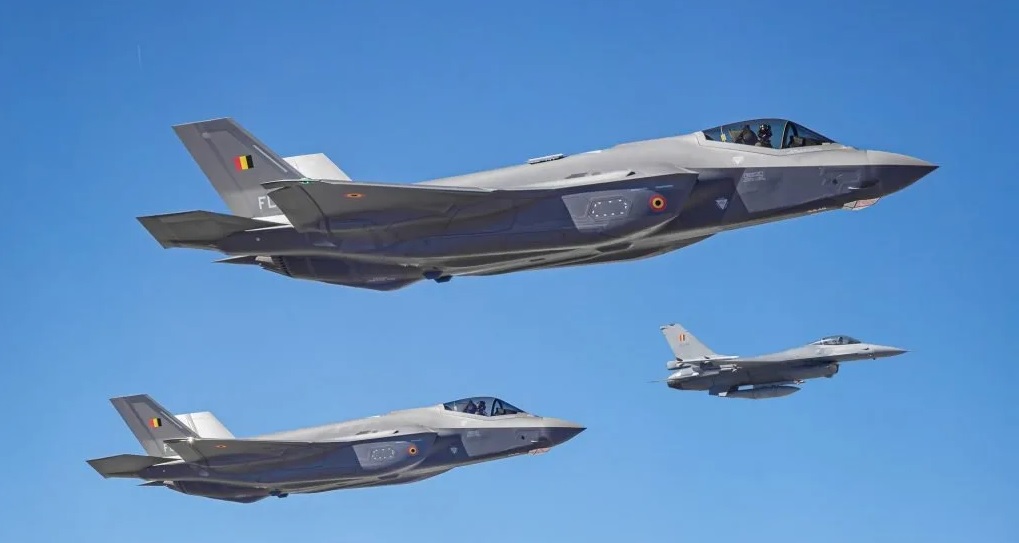
World
On Monday, October 13, 2025, Belgium received its first four F-35A Lightning II fighter jets at Florennes Air Base, marking a significant milestone in the country's defense modernization efforts. This delivery initiates the replacement of Belgium's aging fleet of F-16s with advanced fifth-generation aircraft, enhancing its capabilities within NATO's defense framework. F-35A Acquisition Deal and Budget In October 2018, Belgium officially selected the F-35A to replace its fleet of approximately 54 F-16s. The total purchasing price for the aircraft and its support until 2030 was $4.32 billion, $648 million less than the initially budgeted $4.97 billion. In July 2025, Belgium committed to purchasing an additional 11 F-35A jets, bringing the total fleet to 45. The investment for these 11 aircraft is estimated to cost between $1.08 billion and $1.62 billion, with an average unit price of around $86.4 million, including support and additional training. To support these acquisitions, Belgium's defense budget is set to rise from $11.66 billion to $19.66 billion, totaling $150.12 billion over the next decade. F-35A Arrival at Florennes Air Base The four F-35As, manufactured by Lockheed Martin, arrived at Florennes Air Base in Wallonia, Belgium, as part of the Belgian Air Component's transition to modernize its fleet. This transition is essential for maintaining operational effectiveness and interoperability with NATO allies. The aircraft were delivered from Lockheed Martin's production facility in Fort Worth, Texas, to Florennes Air Base. Impact on F-16 Transfers to Ukraine The arrival of the F-35As enables Belgium to fulfill its commitment to transfer 30 F-16 fighter jets to Ukraine by 2028. This decision aligns with NATO's collective defense objectives and supports Ukraine's defense capabilities amid ongoing regional tensions. The transfer of these aircraft is expected to commence in late 2025, following the completion of necessary training and logistical preparations. Belgium's Commitment to NATO and Ukraine Belgium's acquisition of the F-35A jets underscores its dedication to enhancing its defense posture and fulfilling international commitments. The decision to transfer F-16s to Ukraine reflects Belgium's support for NATO allies and its role in contributing to regional stability. The phased delivery of these aircraft will be coordinated to ensure seamless integration into the Ukrainian Air Force's operations. Future Outlook Looking ahead, Belgium plans to continue its modernization efforts by acquiring additional F-35As, with discussions underway to expand the fleet further. This strategic move aims to bolster Belgium's defense capabilities and maintain its contributions to NATO's collective security initiatives. In conclusion, the arrival of the F-35A jets at Florennes Air Base represents a pivotal development in Belgium's defense strategy, facilitating the planned transfer of F-16s to Ukraine and reinforcing Belgium's commitment to NATO and regional security.
Read More → Posted on 2025-10-12 14:39:19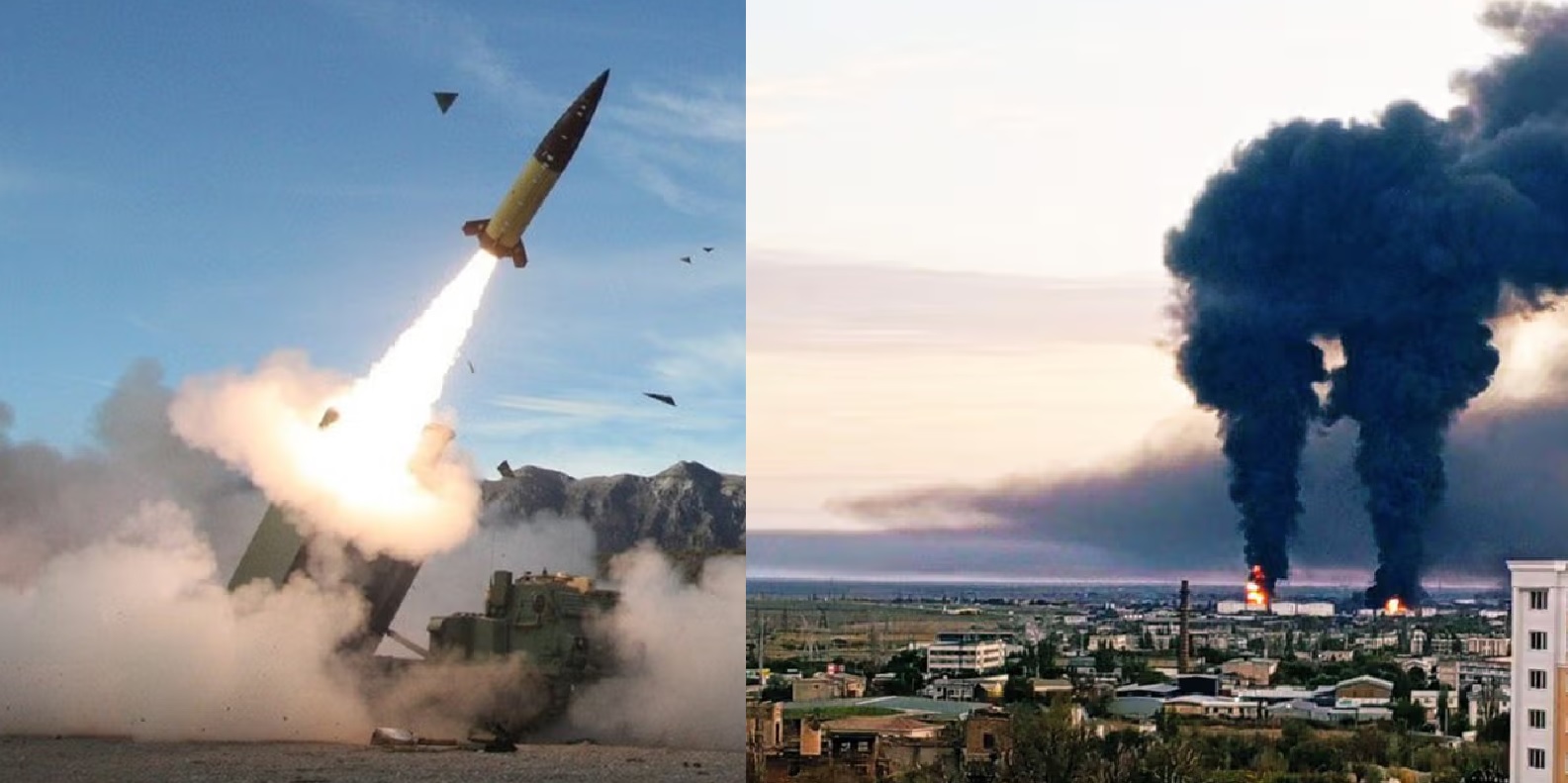
World
The United States has been assisting Ukraine in conducting long-range strikes on Russian energy facilities, aiming to weaken Russia's economy and compel President Vladimir Putin to negotiate. The coordinated effort, reported by the Financial Times on October 12, 2025, involves sharing intelligence that enables Ukraine to target energy infrastructure, including oil refineries, well beyond the front lines. Intelligence Sharing Enhances Strike Accuracy Since midsummer 2025, U.S. intelligence has been instrumental in guiding Ukrainian drone and missile attacks on Russian energy assets. This support includes providing information on the vulnerabilities of specific targets and assisting in route planning, thereby increasing the precision and effectiveness of the strikes. The campaign has led to significant disruptions in Russian oil refining operations, reducing refined fuel capacity by up to 20%, curtailing diesel exports, and forcing Russia to import fuel. These impacts have contributed to increased petrol prices within Russia Policy Shift Reflects Strategic Objectives The U.S. support for Ukraine's long-range strikes marks a shift in policy. Previously, the U.S. had been cautious about escalating the conflict. However, following a July 2025 call between U.S. President Donald Trump and Ukrainian President Volodymyr Zelenskyy, during which Trump reportedly questioned whether Ukraine could strike Moscow with U.S.-supplied long-range weapons, the U.S. administration became more actively involved in targeting and operational planning Impact on Russian Energy Sector The Ukrainian strikes have targeted key Russian energy facilities, including the Bashneft-UNPZ refinery. These attacks have significantly disrupted Russian oil refining operations, leading to a reduction in refined fuel capacity and a decrease in diesel exports. As a result, Russia has been forced to import fuel to meet domestic demand, and petrol prices have risen within the country The United States' intelligence support for Ukraine's long-range strikes on Russian energy infrastructure represents a strategic effort to weaken Russia's economy and pressure President Putin into negotiations. By providing critical intelligence, the U.S. has enabled Ukraine to conduct precise and impactful attacks on Russian energy assets, thereby influencing the course of the conflict.
Read More → Posted on 2025-10-12 14:16:10
World
On September 30, 2025, President Donald Trump spoke to top U.S. military commanders at Marine Corps Base Quantico amid a federal government shutdown that has lasted three weeks. He assured that American service members would receive their paychecks on October 15, despite the ongoing budget stalemate in Congress. Trump explained on Truth Social that his administration had “identified funds” to ensure timely payment. He instructed Secretary of War Pete Hegseth to “use all available funds” to facilitate the payroll, effectively bypassing the budget delay. According to the White House Office of Management and Budget, the administration plans to redirect around $8 billion from the Pentagon’s unused research, development, testing, and evaluation (RDT&E) funds from the previous fiscal year. These funds, which are available for two years, will temporarily cover military pay while the shutdown continues. This decision prevents service members from missing their first paychecks during the shutdown, a scenario that could have created public concern and political backlash. However, redirecting funds already allocated for other purposes may raise legal questions, as only Congress can authorize federal spending. Political dynamics add further complexity. Some Congressional Republicans have opposed passing a standalone bill to guarantee military pay, hoping pressure from voters will push Democrats to end the shutdown. While the Pentagon’s temporary solution uses leftover RDT&E funds, it may not be a long-term fix if the shutdown continues. There is also uncertainty about the Coast Guard, which is funded under the Department of Homeland Security. During past shutdowns, such as in 2019, Coast Guard members experienced delays in pay, showing that they remain vulnerable in this situation. Trump’s focus on military pay highlights the administration’s priority to support service members. At a recent Navy anniversary event, he said, “We will get our service members every last penny,” emphasizing the importance of timely compensation. The situation illustrates the tension between executive emergency measures and Congress’s constitutional authority over spending. While troops are expected to be paid next week, bypassing normal congressional procedures could lead to legal and political challenges if the shutdown continues.
Read More → Posted on 2025-10-12 14:08:59
World
Pakistan Claims It has captured 19 Afghan security posts along the Pak-Afghan border and targeted several militant hideouts in response to attacks by Afghan forces, according to Pakistani security sources. The operations were carried out in areas where Afghan forces reportedly fired on Pakistani posts and attempted cross-border infiltrations. Security sources stated that Afghan forces opened fire on Pakistani posts in Angoor Adda, Bajaur, Kurram, Dir, Chitral in Khyber Pakhtunkhwa, and Baramcha in Balochistan. Pakistani forces responded with prompt and effective retaliatory operations using artillery, tanks, light and heavy weapons, drones, and air support. “So far, Pakistan has captured 19 Afghan posts on the Afghan border from where attacks were being launched on Pakistan,” state broadcaster PTV News reported, citing security sources. Several Afghan soldiers were reportedly killed, and militant formations were forced to retreat due to the intensity of Pakistan’s response. Pakistani forces targeted Afghan military positions and militant hideouts, including Taliban and Daesh facilities operating under the protection of the interim Afghan government. Security sources said a Taliban tank position and the Second Battalion Headquarters of the First Brigade in Baramcha, reportedly used for deploying TTP militants, were destroyed, causing significant casualties and material losses. Additionally, Durani Camp No. 2, described as a central launch site for cross-border militant activity, was destroyed, with initial reports suggesting over 50 Taliban and foreign fighters were killed. Several Afghan posts, including Doran Mela, Turkmanzai, Afghani Shaheedan, and Jandoser in Kharlachi and Baramcha sectors, were also destroyed. Pakistan’s Interior Minister Mohsin Naqvi described the Afghan attacks on Pakistani posts as unprovoked and said Afghan forces fired on civilian populations, violating international laws. He emphasized that Pakistan’s forces responded decisively and remain alert to prevent further incursions. Security sources added that Afghan forces failed to provide covering fire for militants during the retaliatory strikes. Pakistani operations also targeted TTP and Daesh hideouts inside Afghanistan. Pakistani posts in Baramcha, Chagai district, came under fire as Afghan forces attempted infiltration into Pishin and Zhob districts, but these attempts were successfully repelled. State-run Radio Pakistan shared footage of Afghan posts on fire and Afghan soldiers surrendering in Kurram. Security sources reiterated that Pakistan’s response was strong, precise, and targeted at neutralizing terrorist threats along the border. Sources reported that Pakistani border posts in the Baramcha area of Chagai district, Balochistan, also came under attack, as Afghan forces allegedly opened indiscriminate fire with heavy weapons late on Saturday night.
Read More → Posted on 2025-10-12 11:22:14
World
Japan has unveiled the world’s first autonomous hydrogen-powered tractor, marking a major milestone in clean and automated farming technology. Developed by Kubota Corporation, the concept tractor was showcased during the Hydrogen Energy Park exhibition at the upcoming World Expo 2025 in Osaka. This innovative machine operates entirely on a hydrogen fuel cell system, producing zero emissions and functioning without a driver’s seat, as it can drive itself or be remotely operated. The hydrogen tractor is powered by a polymer electrolyte membrane fuel cell, which generates electricity by combining hydrogen and oxygen. The only by-product of this process is water, making it completely carbon-free. The tractor’s performance is said to be comparable to a 100-horsepower diesel tractor, but with far cleaner energy conversion and less vibration or noise during operation. With a single hydrogen refueling, it can reportedly run for about half a day, offering sufficient endurance for medium to large-scale farming operations. Designed for practical agricultural use, the autonomous system allows the tractor to operate unmanned, navigating fields and even moving between them autonomously. The machine integrates AI-powered sensors and cameras to detect humans, animals, or obstacles, ensuring safe operation by stopping automatically when something is detected in its path. The tractor has no steering wheel or cabin, highlighting its complete reliance on remote or autonomous control technology. Measuring approximately 4.4 meters in length, 2.2 meters in width, and 2.3 meters in height, it maintains the size and capability of a full-scale field tractor while incorporating an advanced hydrogen system. Kubota’s introduction of this hydrogen tractor reflects Japan’s broader efforts to promote decarbonization and hydrogen-based energy in multiple sectors, including agriculture. The company aims to address two major challenges facing Japan’s agricultural sector — reducing greenhouse gas emissions and dealing with labor shortages caused by an aging rural population. Autonomous and zero-emission tractors like this one could help farmers manage larger areas with fewer workers while supporting national sustainability goals. The choice of hydrogen fuel cells over battery-electric systems is based on their higher energy density and faster refueling time, which are crucial advantages for continuous agricultural work. Battery-electric tractors often face challenges related to long charging times and limited range, especially when used in remote or large fields. Hydrogen fuel cells, by contrast, allow for quick refueling similar to diesel while maintaining clean operation. However, there are still practical issues that need to be resolved before the tractor can be widely adopted. Kubota plans to conduct field tests across Japan to evaluate its durability, safety, and efficiency in real-world farming environments. The development of hydrogen refueling infrastructure in rural areas will also be essential to make such machines commercially viable. Ensuring safety in hydrogen storage and transport will be another key factor in its long-term deployment. The unveiling of this tractor is not just a technological demonstration but a significant step toward integrating automation and clean energy in agriculture. If successful, it could reshape how modern farms operate, setting a new global standard for environmentally friendly and intelligent agricultural machinery. With further testing and refinement, Japan’s hydrogen-powered autonomous tractor could become a model for future farming systems worldwide — combining zero emissions, high performance, and self-driving innovation in one groundbreaking design.
Read More → Posted on 2025-10-12 11:04:31
World
Retired Ukrainian Lieutenant General Igor Romanenko has said that the effectiveness of U.S.-supplied Patriot air defence systems in Ukraine has fallen sharply, from roughly 42% to 6% in recent months. Romanenko made the claim on Ukrainian television, attributing the drop to recent Russian missile upgrades that introduce advanced terminal manoeuvres through new guidance software. His comments have been reported in Ukrainian and regional outlets and picked up by several international news sources. Independent reporting by the Financial Times reached similar conclusions about a broader national decline in ballistic-missile interception rates. The FT reported that Ukrainian and Western officials observed interception performance drop from the high-30s percentage range in August to single digits by September, and linked that deterioration to changes in Russian missile behaviour consistent with software-level upgrades. Ukraine is reportedly sharing this engagement data with U.S. authorities and defence contractors to help restore performance. Ukraine has provided engagement and telemetry data from Patriot firings to the U.S. Department of Defense and to defence industry partners, including Raytheon (Patriot system manufacturer) and Lockheed Martin (interceptor producer). These partners are analysing the data to adjust fire-control algorithms and intercept logic to counter the new Russian missile patterns. Reports suggest that recent Russian missile updates focus on software-driven enhancements to terminal-phase flight profiles. Missiles now follow a standard ballistic path for most of their flight but perform abrupt dives or lateral shifts just before impact. These last-second manoeuvres reduce the reaction time available for interceptors, complicating the target tracking process. How software-driven manoeuvres weaken air defences Late-phase trajectory changes – When a missile suddenly alters its path during the terminal phase, it disrupts the interceptor’s predicted collision course. Patriot interceptors, like most systems, depend on pre-calculated trajectories; abrupt shifts leave too little time to re-adjust. Guidance and tracking confusion – Air defence radars and guidance systems use algorithms expecting ballistic or quasi-ballistic motion. Sudden deviations caused by new software create false tracking data, reducing the accuracy of intercepts. No need for hardware redesigns – Analysts note that these capabilities are achieved mainly through guidance software updates, not structural changes. Existing control surfaces or thrust-vectoring systems allow for rapid deployment of these improvements without redesigning the missile. Efforts to restore interception performance According to reports, Ukraine and its Western partners are working with Raytheon and Lockheed Martin to develop software and firmware updates for Patriot batteries. These updates aim to improve the interceptor’s predictive algorithms, enhance sensor fusion, and shorten the reaction cycle to counter unpredictable flight paths. Defence experts believe restoring high interception rates will require a combination of: Algorithmic updates to the Patriot’s fire-control systems. Enhanced radar data processing to detect late-stage manoeuvres sooner. Increased interceptor stockpiles to allow multiple engagements per target if necessary. The situation highlights how modern missile warfare increasingly depends on software evolution rather than purely hardware advances. The next phase for Ukraine and its allies will focus on adaptive algorithmic defence, where air defence systems learn from combat data to counter ever-changing missile tactics.
Read More → Posted on 2025-10-12 10:59:54
World
While the United States continues to criticize India for purchasing crude oil from Russia, several NATO member states have quietly increased their own imports of Russian energy, according to a recent Reuters report. Despite Western sanctions and strong political statements against Moscow, data reveals that European countries such as France, Belgium, the Netherlands, Croatia, Romania, Portugal, and Hungary have significantly raised their intake of Russian energy supplies. The figures highlight a clear trend of continued dependency on Russian energy within Europe. France’s imports of Russian energy have reportedly risen by 40%, while the Netherlands has recorded a 72% increase. Belgium saw a smaller rise of around 3%, but others showed far sharper growth: Croatia by 55%, Romania by 57%, and Portugal by an unexpected 167%. Hungary, which has maintained a more open energy relationship with Moscow, also recorded an 11% increase. At the EU level, overall dependence on Russian energy has been significantly reduced since 2022, with around 90% less reliance compared to pre-invasion levels. Nonetheless, in the first eight months of 2025, the EU still imported €11.4 billion worth of Russian energy, showing that complete energy independence from Russia remains a challenge. Much of this trade happens through indirect channels — refined petroleum products or shipments via intermediaries — which technically avoid direct violations of European Union sanctions. For example, Russian crude is often refined in third countries such as Turkey or India and then re-exported to European markets. This process allows European nations to access Russian-origin fuels while maintaining a formal stance of sanction compliance. Meanwhile, India has faced repeated criticism from U.S. and European officials for increasing its purchases of discounted Russian crude since 2022. Indian officials have consistently argued that their country’s energy imports are guided by national interest and economic necessity, emphasizing that Western countries themselves continue to engage with Russian energy in various forms. Energy experts point out that Europe’s dependence on Russian liquefied natural gas (LNG) remains particularly strong. Despite attempts to diversify, Russia remains among the top LNG suppliers to several European states. This highlights the ongoing challenge of replacing Russian energy supplies without severely affecting domestic energy prices and industrial stability. The data underscores a complex reality: while Western governments push for sanctions and call for global restraint in buying Russian energy, several NATO members continue to rely heavily on it for their national energy security. The situation has prompted questions about double standards in how global partners — particularly India — are treated when navigating their own energy requirements in a volatile global market.
Read More → Posted on 2025-10-12 10:48:31
World
Nineteen people were missing and an unspecified number were killed after a large explosion tore through a U.S. military explosives plant on Friday, authorities said, as emergency teams searched the damaged site for survivors. The blast occurred at an Accurate Energetic Systems facility in the Bucksnort area of Hickman County, Tennessee. Aerial footage broadcast by U.S. media showed smoldering debris and charred, mangled vehicles across the factory grounds. Officials warned the public to avoid the area because of the risk of secondary explosions. Humphreys County Sheriff Chris Davis said investigators were still searching and that 19 people were unaccounted for. “At this time we have been able to confirm that we do have 19 souls that we’re looking for,” he told reporters. He confirmed there were fatalities but declined to give a number: “There are fatalities. I don’t want to put a number to that… I can tell you right now we are looking for 19 individuals.” Davis described the scene at the building struck by the explosion as completely destroyed. “There’s nothing to describe. It’s gone,” he said, and added that debris from the blast had been scattered across roughly half a square mile. He called the site the most severe he had seen in his career and acknowledged the strain on responders and the community: “It’s hell on us. It’s hell on everybody involved.” Officials said it was not immediately clear what triggered the explosion. Emergency and federal agencies were at the scene conducting searches and investigations while officials sought to identify victims and determine the cause. Authorities also noted the difficult and hazardous conditions at the site while they continued recovery work. Tennessee Governor Bill Lee said he was monitoring the situation and that state agencies were working with local and federal partners. “We ask Tennesseans to join us in prayer for the families impacted by this tragic incident,” he wrote on the social media platform X. Accurate Energetic Systems, founded in 1980, is an explosives manufacturer that supplies products to the U.S. Department of Defense and commercial markets, according to the company’s public materials. The company did not immediately respond to requests for comment. The Pentagon recently awarded the company a $120 million contract for the procurement of TNT, officials said. As investigators continued work at the site, officials acknowledged the wait for families of the missing and said they were prioritizing communication and support for those affected. Sheriff Davis noted the emotional toll on responders and relatives and said authorities were making efforts to be “very compassionate” toward families during the search and recovery operation.
Read More → Posted on 2025-10-12 10:31:02
World
Aselsan has announced the successful modernisation of its KORAL 100 land-based electronic warfare (EW) system, an asset used by the Turkish Armed Forces. The upgrade brings together newly developed subsystems and technologies from Aselsan to broaden the system’s operational capabilities while ensuring compatibility with Türkiye’s multi-layer air defence architecture. The modernised KORAL 100 expands frequency coverage and delivers increased output power, allowing the system to address a wider range of electromagnetic threats. A new AESA antenna with advanced beam-steering capability is part of the upgrade; this enhances the system’s ability to direct energy more precisely and to adapt its responses to changing tactical situations. In practical terms, the KORAL 100 can now provide simultaneous jamming and deception against multiple targets, improving its utility in complex electromagnetic environments. Aselsan described the system’s updated electronic support/electronic attack (ES/EA) features as adaptive. “With its adaptive ES/EA capabilities, KORAL 100 increases detection, suppression and deception effectiveness against agile and layered threats while protecting friendly elements and ensuring information superiority,” the company said. Those capabilities are aimed at improving situational awareness and counter-measure effectiveness during operations where rapid detection and timely response are critical. The modernised KORAL 100 has been integrated into Türkiye’s Steel Dome multi-layer air defence architecture. In this role, the system contributes to Suppression of Enemy Air Defences (SEAD) missions and to the protection of critical infrastructure by disrupting enemy sensors and communications that support hostile air operations. Aselsan stated the KORAL 100 is “ready for today’s threats and built for tomorrow’s scenarios,” reflecting the company’s emphasis on a platform that can operate against current challenges while remaining adaptable to future developments. Beyond the technical improvements, the modernisation is intended to support coordinated operations across air-defence and force-protection networks. The combination of broader frequency coverage, higher output power, and AESA beam control should enable more flexible employment concepts, including layered EW support and concurrent protection of multiple high-value assets. By enabling simultaneous jamming and deception of multiple targets, the KORAL 100 increases the options available to mission planners conducting SEAD, convoy protection, or critical site defence.
Read More → Posted on 2025-10-12 10:03:38
World
Afghanistan said on Sunday that its forces killed 58 Pakistani soldiers and captured 25 border posts in overnight operations, marking one of the most serious escalations between the two neighbors in recent years. The Taliban government stated the actions were in retaliation for what it called repeated violations of Afghanistan’s territory and airspace by Pakistan. Zabihullah Mujahid, the Taliban government’s chief spokesman, said at a press conference in Kabul that Afghan forces conducted “retaliatory and successful operations” along the border after earlier airstrikes allegedly carried out by Pakistan inside Afghan territory. According to Mujahid, 58 Pakistani soldiers were killed and 30 others wounded during the overnight clashes. “The situation on all official borders and de facto lines of Afghanistan is under complete control, and illegal activities have been largely prevented,” he said. There has been no official confirmation from Pakistan regarding the reported casualties. However, Pakistani officials said Afghan forces opened fire in several northwestern border districts of Khyber Pakhtunkhwa province — including Chitral, Bajaur, Mohmand, Angoor Adda, and Kurram — prompting a strong response from Pakistani troops using heavy weaponry near Tirah in Khyber district and across the frontier in Afghanistan’s Nangarhar province. Earlier this week, Afghan authorities accused Pakistan of conducting airstrikes on Kabul and a market in eastern Afghanistan. Pakistan did not claim responsibility for the attacks but has previously carried out cross-border operations, targeting what it says are militant hideouts linked to the Tehreek-i-Taliban Pakistan (TTP). Islamabad has long accused Kabul of harboring TTP members responsible for attacks inside Pakistan. The Taliban government denies these allegations, maintaining that it does not allow Afghan soil to be used against other countries. In response to Saturday night’s fighting, Pakistan’s Prime Minister Shehbaz Sharif said that the country’s forces had given a “befitting reply” to what he called Afghanistan’s provocations and had destroyed several Afghan positions, forcing them to retreat. The violence disrupted major trade and travel routes between the two countries. The Torkham and Chaman crossings — the main points of commercial exchange — remained closed on Sunday, halting the movement of goods and travelers. The Afghan Defense Ministry warned that its forces were “fully prepared to defend the nation’s borders” and would respond strongly if Pakistan again violated Afghanistan’s territorial integrity. The latest clashes highlight the growing strain in bilateral relations since the Taliban returned to power in 2021. Despite earlier attempts at cooperation, tensions along the 2,611-kilometer (1,622-mile) Durand Line have persisted. Afghanistan has never formally recognized the border, drawn during British colonial rule, as an international boundary. Regional powers have voiced concern over the situation. Saudi Arabia’s Foreign Ministry issued a statement urging both sides to exercise restraint and resolve differences through dialogue. Riyadh recently signed a defense pact with Pakistan, which reportedly extends security cooperation between the two nations following heightened regional instability after Israel’s strike on Qatar. Analysts warn that continued military exchanges could destabilize an already volatile region, where militant groups operate across porous borders. Both sides appear unwilling to back down, raising fears of further escalation unless diplomatic channels are reopened.
Read More → Posted on 2025-10-12 09:49:05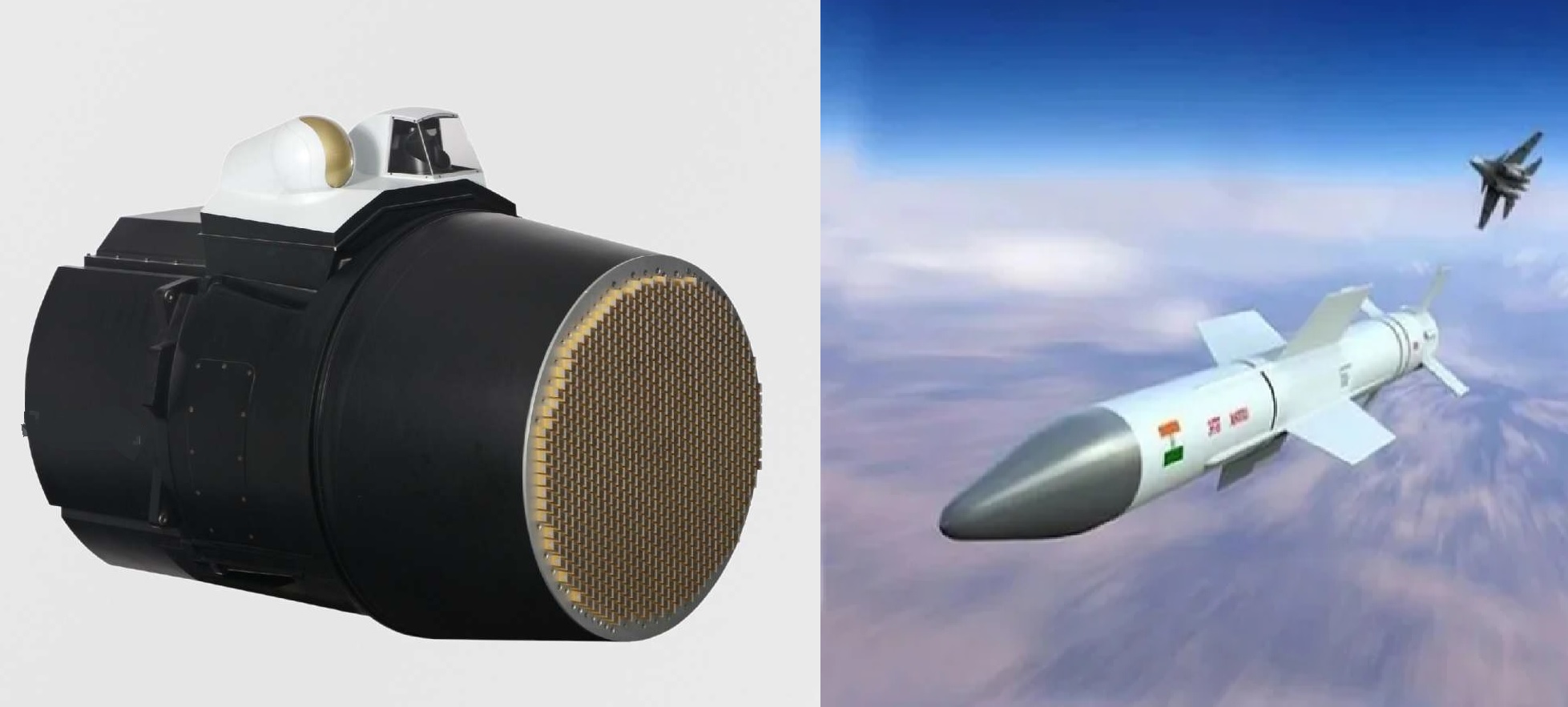
India
The Defence Research and Development Organisation (DRDO) is advancing the Astra missile family including Astra Mk-1, Mk-2, and Mk-3 with GaN-based seekers to provide the Indian Air Force with improved aerial capabilities. A key development in this program is the integration of Gallium Nitride (GaN)-based Active Electronically Scanned Array (AESA) seekers, replacing the current Gallium Arsenide (GaAs)-based seekers. While the existing GaAs systems offer precise tracking and guidance, GaN technology provides enhanced range, faster target acquisition, and better resistance to electronic countermeasures. The Astra Mk-3, the latest variant of this family, is a next-generation beyond-visual-range air-to-air missile (BVRAAM) designed to engage targets at extended distances with high accuracy. The current GaAs-based AESA seeker allows precise target tracking and communication with fighter aircraft via a two-way data link. This capability has been validated in trials, including launches from the Su-30MKI platform. Modern air combat requires the ability to detect and engage low-observable aircraft, which is where GaN technology improves performance. GaN-based seekers offer several technical advantages over GaAs systems. They operate at higher power levels, allowing the missile to detect targets at longer distances. GaN’s improved thermal efficiency supports continuous operation without overheating. The technology is more robust and durable, reducing maintenance requirements and improving operational readiness. GaN seekers also provide better sensitivity and resistance to electronic interference, increasing the missile’s capability against low-observable or stealth aircraft. This upgrade aligns with India’s goal of developing indigenous defense technologies. By incorporating GaN technology, DRDO ensures the Astra family maintains effective operation against both current and future aerial threats, including advanced fighter aircraft with reduced radar visibility. The combination of advanced guidance, propulsion, and now GaN seekers enhances the missile’s performance and operational capability. As the Astra Mk-3 progresses through development and testing, the integration of GaN-based AESA seekers improves its technical performance and supports India’s air defense requirements. The missile is expected to provide reliable target engagement in a range of operational conditions while supporting the objectives of indigenous defense technology development.
Read More → Posted on 2025-10-11 17:42:29
World
The KZ-350 is a twin-jet, single-use strike drone developed by Turkey’s MKE and shown at the Ateş Serbest-2025 exercise. Built for precision attacks, the KZ-350 is reported to use locally produced engines and to have a range of more than 300 kilometres. Airframe and propulsion are key features. The KZ-350 uses a slim, low-drag fuselage and two small jet engines for stable high-speed flight. Jet propulsion gives higher transit and terminal speed than propeller-driven designs, reducing time to target and exposure to some defensive systems. MKE highlights that the engine is domestically produced, which would simplify logistics and maintenance if confirmed. Reported numbers place the KZ-350’s reach at over 300 km. That moves the platform beyond short-range loitering munitions toward longer-range tactical roles. Range alone does not determine effectiveness: mission usefulness depends on payload weight, fuel efficiency, navigation systems and launch and control methods. On guidance, the KZ-350 is described as having autonomous navigation that can work without relying only on GPS/GNSS. Such capability would help the drone reach targets in contested environments where satellite navigation is degraded. Terminal precision depends on the seeker and onboard sensors, details of which have not been published. Operationally, a jet-powered, single-use UAV with extended range can be used for stand-off strikes, time-sensitive targets, and maritime missions. The platform’s speed and reach may allow launches from safer points, but actual combat performance will depend on warhead size, guidance resilience, and counter-EW measures. The KZ-350 reflects Turkey’s push for indigenous defence technology. Local engine production and a domestically designed airframe aim to reduce reliance on foreign suppliers and enable in‑country maintenance and upgrades. Full technical specifications and test results have not been released by MKE, so public descriptions remain limited to the details shown at the exercise.
Read More → Posted on 2025-10-11 17:30:54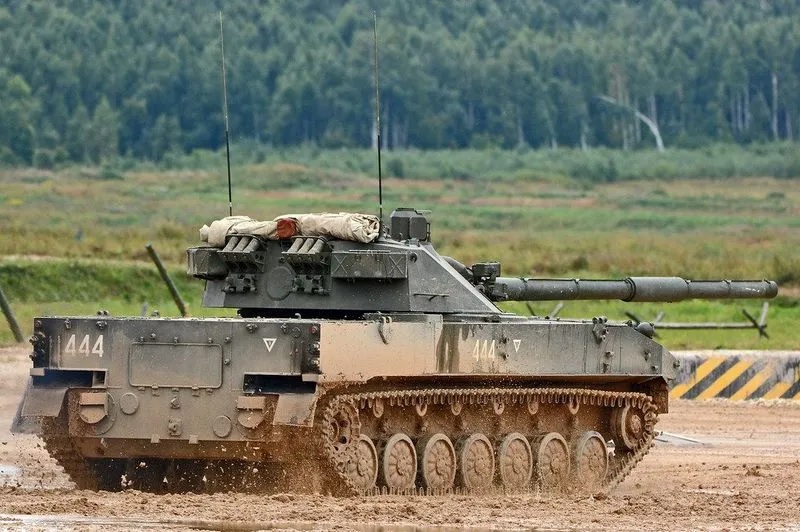
India
Armoured Vehicles Nigam Limited (AVNL), a public sector undertaking under the Ministry of Defence, is on the cusp of completing the design and development of its indigenous Bharat Light Tank by the end of 2025. The first prototype is slated for rollout by late 2026, marking a significant milestone in India's pursuit of self-reliance in defense technology. The Bharat Light Tank is being developed under the Indian Army's "Futuristic Light Tank (FLT)" program, which aims to enhance mobility and firepower in high-altitude and rugged terrains. The project is fully indigenous, aligning with the government's "Make in India" initiative. AVNL is collaborating with Western defense partners like John Cockerill and Elbit Systems to integrate advanced technologies into the tank's design. The tank’s specifications highlight its role as a lightweight yet potent platform. Weighing approximately 25–30 tonnes, it is designed to balance protection and mobility. It will have a crew of 3 personnel and feature a 105mm high-pressure rifled gun as its primary armament, complemented by a 7.62mm anti-aircraft machine gun, anti-tank guided missiles (ATGMs), and smoke grenade launchers. While engine details remain classified, the tank is engineered for rapid deployment in mountainous and challenging terrains, with enhanced armor to ensure crew safety. The development timeline sets 2025 for the completion of the design and development phase, with the prototype rollout expected by late 2026. Following this, user trials and eventual induction into service are planned, making it a key component of India’s armored warfare modernization. Strategically, the Bharat Light Tank is tailored for operations along the Line of Actual Control (LAC) with China and in the mountainous regions of Jammu & Kashmir. Its lightweight design ensures rapid mobility, while its firepower guarantees effectiveness against adversarial armored units. This initiative underscores India’s commitment to indigenous defense capabilities and reduces dependence on foreign military hardware. AVNL's Bharat Light Tank represents a significant advancement in India’s defense technology. With design completion slated for the end of 2025 and the prototype expected by late 2026, the tank is poised to become a cornerstone of India’s armored warfare strategy, strengthening national security while showcasing India’s growing prowess in indigenous defense manufacturing.
Read More → Posted on 2025-10-11 17:01:16
India
In a remarkable milestone for India’s transport sector, Indian Railways has emerged as the world’s second-largest rail freight carrier, surpassing both the United States and Russia in the fiscal year 2024–25. This achievement reflects the strategic emphasis India has placed on rail infrastructure, operational efficiency, and freight capacity, further strengthening its role in global logistics. Rail Freight Volumes During FY 2024–25, the freight transported by major rail networks around the world was as follows: China: ~4.0 billion metric tons (BMT) India: ~1.6 BMT USA: ~1.5 BMT Russia: ~1.1 BMT Despite trailing China, India’s volume has overtaken the U.S. and Russia, highlighting significant growth in domestic and industrial freight movement. Railway Network Length The total route-kilometers of these countries’ railway networks further illustrate the scale of operations: USA: ~293,564 km China: ~162,000 km Russia: ~85,494 km India: ~65,554 km Even with a smaller network compared to the U.S. and China, India’s railways have achieved high efficiency and optimal utilization of available tracks, contributing to its rise in global rankings. Factors Behind India’s Freight Growth Several developments have contributed to this success: Record Freight Loading: Indian Railways recorded an all-time high of 1.6 billion metric tons in FY 2024–25. Increased production of freight wagons has expanded capacity to carry a wider variety of cargo efficiently. Dedicated Freight Corridors (DFCs): The operationalization of DFCs has boosted train movement efficiency, reducing transit times and increasing freight handling capacity. Infrastructure Expansion: Recent government approvals for major multitracking projects have added hundreds of kilometers of track, further enhancing the network and enabling smoother freight operations. Digital Transformation and Cybersecurity: Modernization of IT systems, including improved cybersecurity measures, has enhanced operational reliability, shipment tracking, and network management, ensuring safer and more efficient freight operations. Global Context and Future Outlook India’s ascent to the second position in global rail freight is not just a domestic achievement but also a signal of its growing importance in international trade. With continuous investments in infrastructure, technology, and operational efficiency, Indian Railways is poised to maintain its growth trajectory, potentially closing the gap with China in the years to come. The accomplishment also highlights the strategic advantage of rail transport in handling bulk cargo efficiently, reducing logistics costs, and supporting India’s expanding industrial and commercial sectors. In conclusion, Indian Railways’ rise to the second spot globally underscores its transformation into a world-class freight carrier, reflecting a combination of visionary planning, technological upgrades, and infrastructure development that is redefining rail transport in India.
Read More → Posted on 2025-10-11 16:46:12
World
Ukraine’s VAMPIRE counter-UAS kit — using the APKWS laser-guided 70mm rocket as its interceptor — struck and destroyed a low-flying Russian Kh-69 cruise missile in flight. Ukrainian operators appear to have used the small, inexpensive guided rocket to sever the cruise missile’s flight path and detonate it before it could reach its target, marking the first publicly confirmed kill of a Kh-69 by this type of system. The engagement took place overnight on October 10 in the area of responsibility of the Air Command “East.” According to reports, the Ukrainian Air Force Command later published footage of the interception, showing the precise moment the laser-guided APKWS struck the missile midair — a rare visual confirmation of such a kill. Why this matters is obvious even before you look at the footage: the APKWS (Advanced Precision Kill Weapon System) is a converted Hydra-70 rocket fitted with a semi-active laser seeker. Each round costs on the order of tens of thousands of dollars — widely reported in the $20–25K range — while a modern air-launched cruise missile such as the Kh-69 is a multi-million-dollar weapon. That math turns this engagement into a clear cost-per-kill win for Ukraine’s layered air defenses. What VAMPIRE, APKWS and the Kh-69 Bring to the Fight VAMPIRE is a compact, vehicle- or boat-mounted counter-UAS and precision-strike kit developed by L3Harris. It pairs an EO/IR sensor turret and radar with a four-tube launcher that can fire APKWS rockets (or other guided 70mm munitions). Designed to be rapidly installed on pickup trucks, small craft or trailers, the system gives front-line units an organic sensor-to-shooter loop against drones and small, low-altitude threats. APKWS converts common 2.75-inch rockets into laser-guided weapons using mid-body guidance (the WGU-59/B kit) and a distributed aperture seeker. It was built to give aircraft and light platforms a low-collateral, precise weapon for small targets and has been adapted to ground and maritime launchers (including the Fletcher launcher and VAMPIRE) to counter UAS and other low-altitude threats. Its small warhead and precision make it especially useful when collateral damage and cost control are priorities. The Kh-69 is Russia’s newer, low-observable, air-launched cruise missile intended for stand-off strikes. It’s designed to fly at low altitude and use guidance suites (inertial/GNSS, possible electro-optical terminal seekers) to reduce detectability and defeat some traditional radar-based air defenses. It’s not a ballistic missile; it’s a subsonic cruise weapon that presents a challenging intercept geometry when hugging terrain. What Happened — and Why a Rocket Usually Meant for Drones Worked From open reporting and the released clips, operators appear to have lasered the missile or its plume/airframe and fired an APKWS from a VAMPIRE mount. APKWS homes on laser energy reflected from the target and guides by mid-body canards to strike or pass close enough for its warhead to fragment the target. Against a low-flying cruise missile, two technical factors helped the improvised intercept succeed: Visual/IR acquisition and laser designation: low altitude and the missile’s signature (plume or contrast) make it possible for EO/IR sensors to detect and for an operator to paint a terminal aiming point. Short engagement geometry: cruise missiles flying low and straight present predictable short-range intercept solutions where a guided rocket’s terminal maneuvering and high shot density can be effective. That combination — a laser-seeker rocket, a responsive launcher, and a human/EO laser designator — is what turned a counter-drone weapon into a short-range surface-to-air solution. Is This Unprecedented? Historical Precedents and Tests This is not an entirely new idea. In December 2019, U.S. Air Force test events demonstrated using APKWS-type rockets (and related laser rockets) to engage drone targets representing cruise missiles, exploring low-cost alternatives to expensive air-to-air missiles for specific threat sets. More recently, Ukraine has used VAMPIRE/APKWS packages operationally against drones and small cruise missiles; for example, footage and reports from January 2025 documented a VAMPIRE-mounted APKWS intercept of a Kh-59 variant over the Black Sea. The current Kh-69 kill is notable because the Kh-69 is a newer, stealth-optimized missile, and this is the first confirmed public report of that particular missile being destroyed by the VAMPIRE/APKWS pairing. Broader Implications — Tactics, Logistics, and Strategy Cost-Efficiency. One APKWS at ~$20–25K versus a single Kh-69 at $1–3M (estimates vary by variant and production batch) is a decisive microeconomic advantage: it allows defenders to spend scarce, expensive interceptors more selectively and rely on cheaper effects where appropriate. Media and analysts have already framed such intercepts as evidence that more affordable countermeasures can blunt high-cost attacks. Tactical Adaptation. VAMPIRE turns trucks and small craft into mobile, sensor-to-shooter nodes — a flexibility multiplier in dispersed warfare. Using APKWS in a surface-to-air role forces attackers to account for new, unexpected shot geometries and increases the risk envelope for low-altitude cruise missiles. That could push adversaries to change flight profiles, employ decoys, or reserve such missiles for higher-value, better-protected strikes. Limits and Caveats. This is not a silver bullet. APKWS has limited range (a few kilometers in practical surface launches), a small warhead optimized for lightweight targets, and depends on a laser designator — so bad weather, smoke, daylight/visibility conditions, or counter-lasing measures can reduce effectiveness. Stocks of APKWS and reload logistics also matter: sustained missile volleys could outpace available guided rockets. Finally, while the Kh-69 is low-observable, it’s not invisible; this intercept exploited an engagement window that will not always present itself. Operational Ripple Effects. If cheap guided rockets become a standard part of layered air defenses, we can expect: Increased procurement and production of APKWS or similar guided-rocket kits. More investment in mobile sensor-to-shooter systems (VAMPIRE-class) that can be widely distributed. Countermeasures from missile designers (e.g., faster terminal maneuvers, decoys, infrared suppression, sea/skimming profiles that complicate laser designation). A guided 70mm rocket bringing down a modern cruise missile is a stark demonstration of adaptation: inexpensive weapons, creatively employed, can blunt high-cost threats and reshape tactical thinking. The VAMPIRE/APKWS combination doesn’t replace dedicated air-defense networks, but it adds a resilient, low-cost layer that complicates an attacker’s calculus. For defenders with constrained stocks and budgets, that kind of asymmetric economics — trading tens of thousands to save millions and, more importantly, protect lives and infrastructure — is a meaningful battlefield advantage.
Read More → Posted on 2025-10-11 16:08:21Search
Top Trending in 24 Hours
-
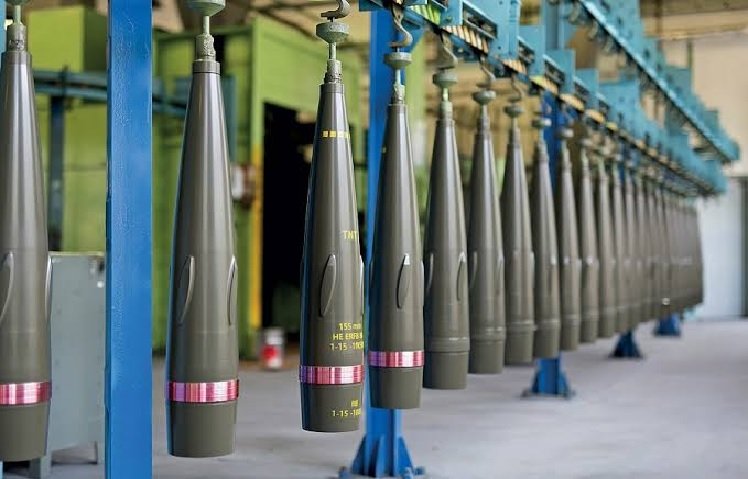 U.S. Army Awards $4.2 Billion Contract to Modernize Seven Ammunition Plants
-
 AST SpaceMobile Joins New U.S. Space Force Contract to Advance Space-Based Sensing
-
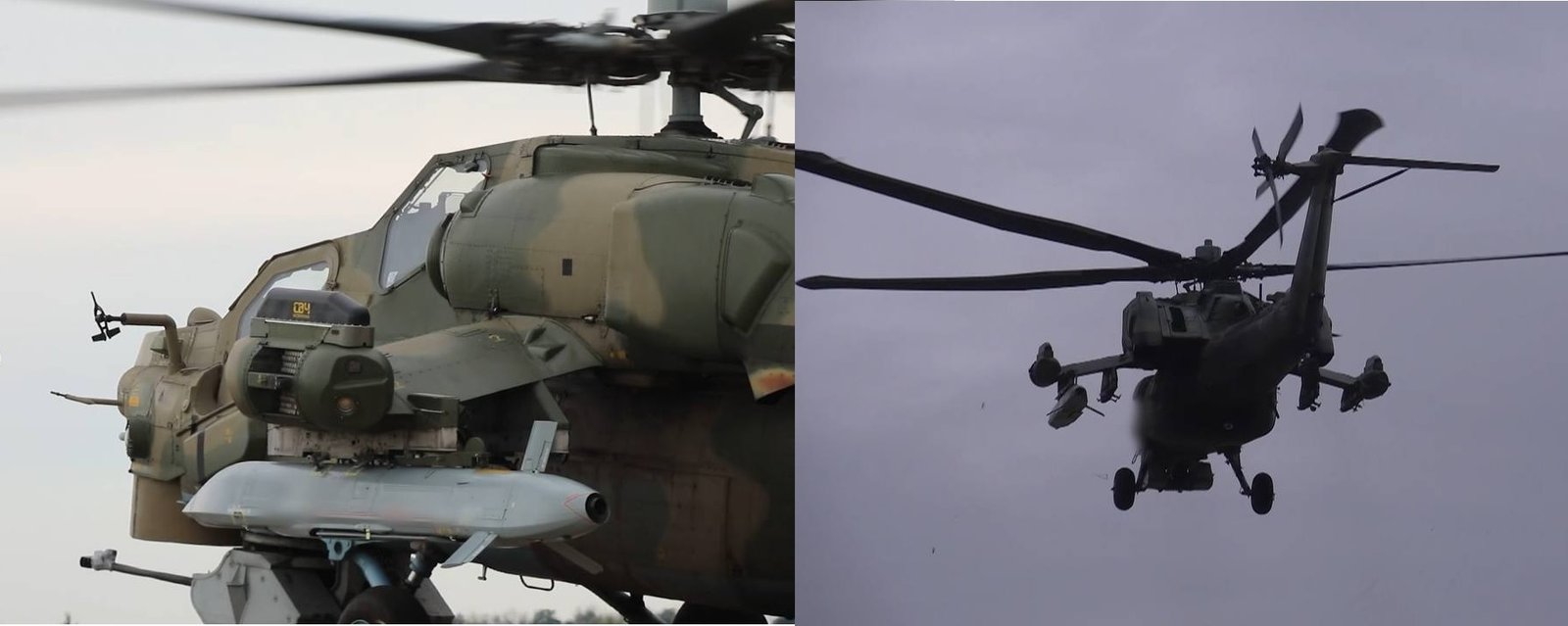 Russia Releases First Footage of Dan-T Cruise Missile Launch from Mi-28NM Helicopter
-
 U.S. Space Force Faces $1 Billion Challenge Over Incompatible Satellite Laser Links
-
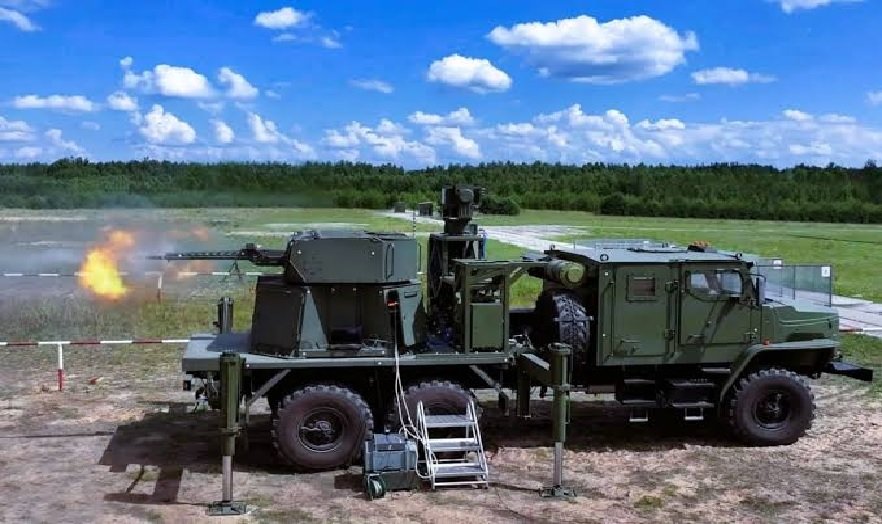 Rostec Unveils Mobile Version of Tsitadel Anti-Aircraft System on Truck Chassis
-
 Turkish MKE Unveils Naval TOLGA Twin 20mm Cannon System at Euronaval 2026
-
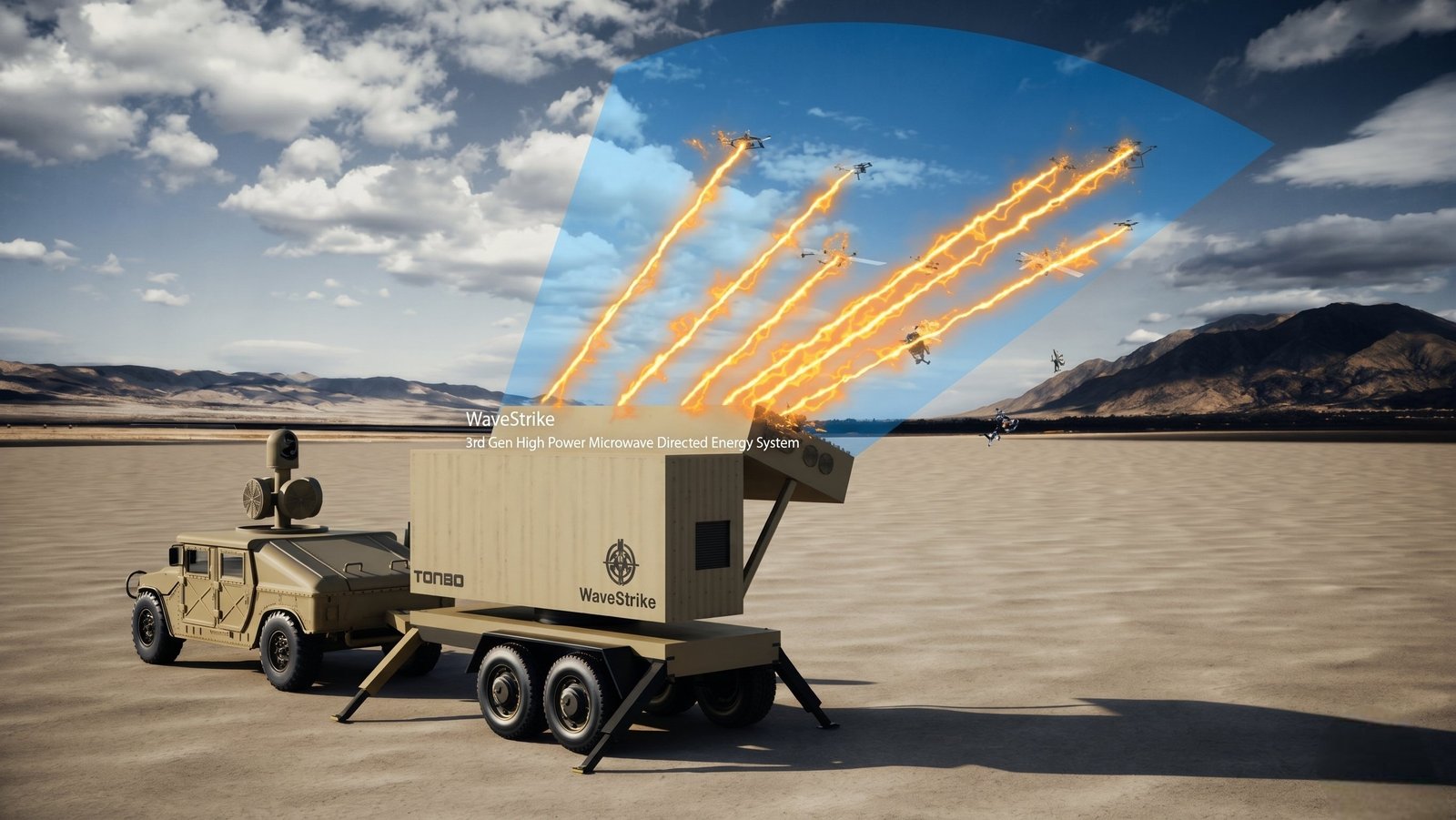 Tonbo Imaging Plans High-Power Microwave Manufacturing Facility in Bengaluru and 130-Acre Testing Centre in Vijayapura
-
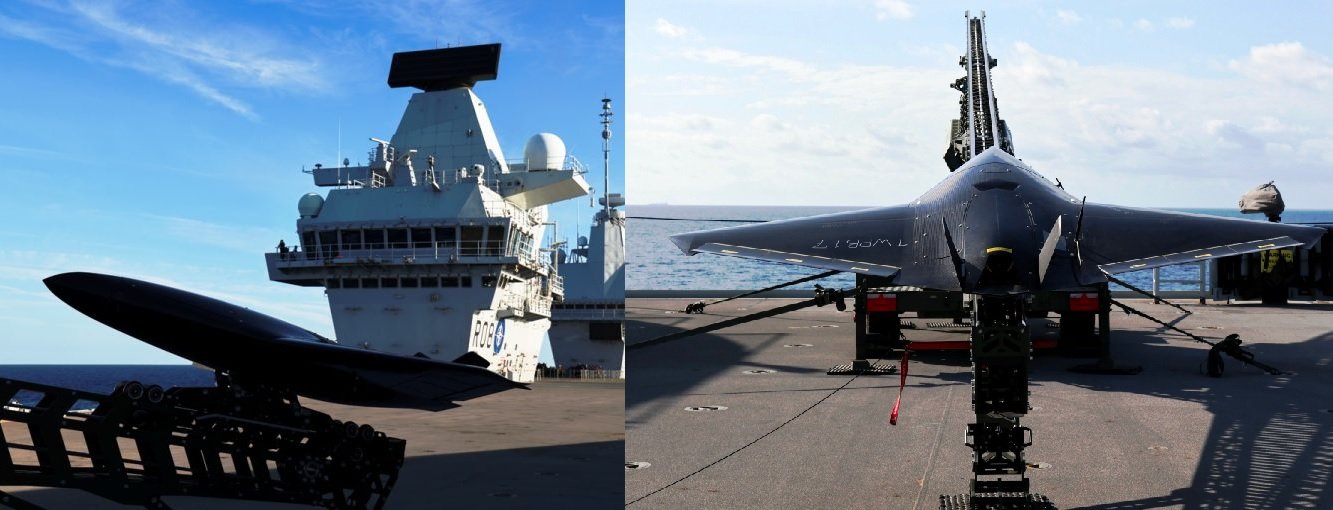 UK's Royal Navy Successfully Tests Nyan Strike Drones from HMS Queen Elizabeth
Top Trending in 4 Days
-
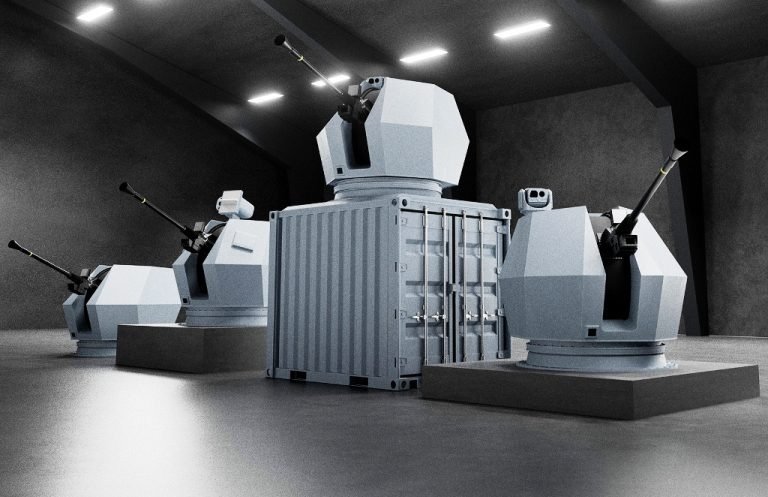 BAE Systems Unveils Modular 40mm Naval Gun Family at Euronaval 2026
-
 Ukraine Deploys Large-Scale Electronic Warfare Network "Dome" Over Kyiv to Disrupt Russian Shahed Drones
-
U.S. Army Awards $4.2 Billion Contract to Modernize Seven Ammunition Plants
-
AST SpaceMobile Joins New U.S. Space Force Contract to Advance Space-Based Sensing
-
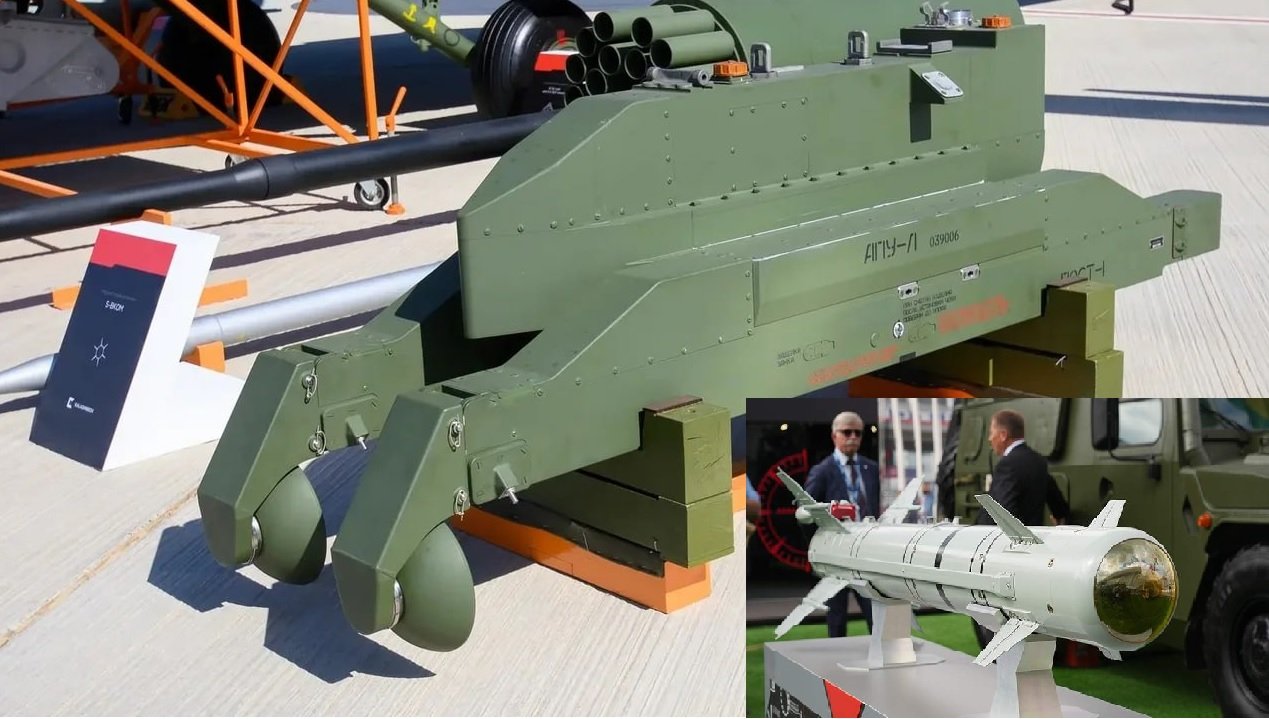 Russia Agrees to Supply Iran with 90 APU-L Missile Launchers for Mi-28 Helicopters
-
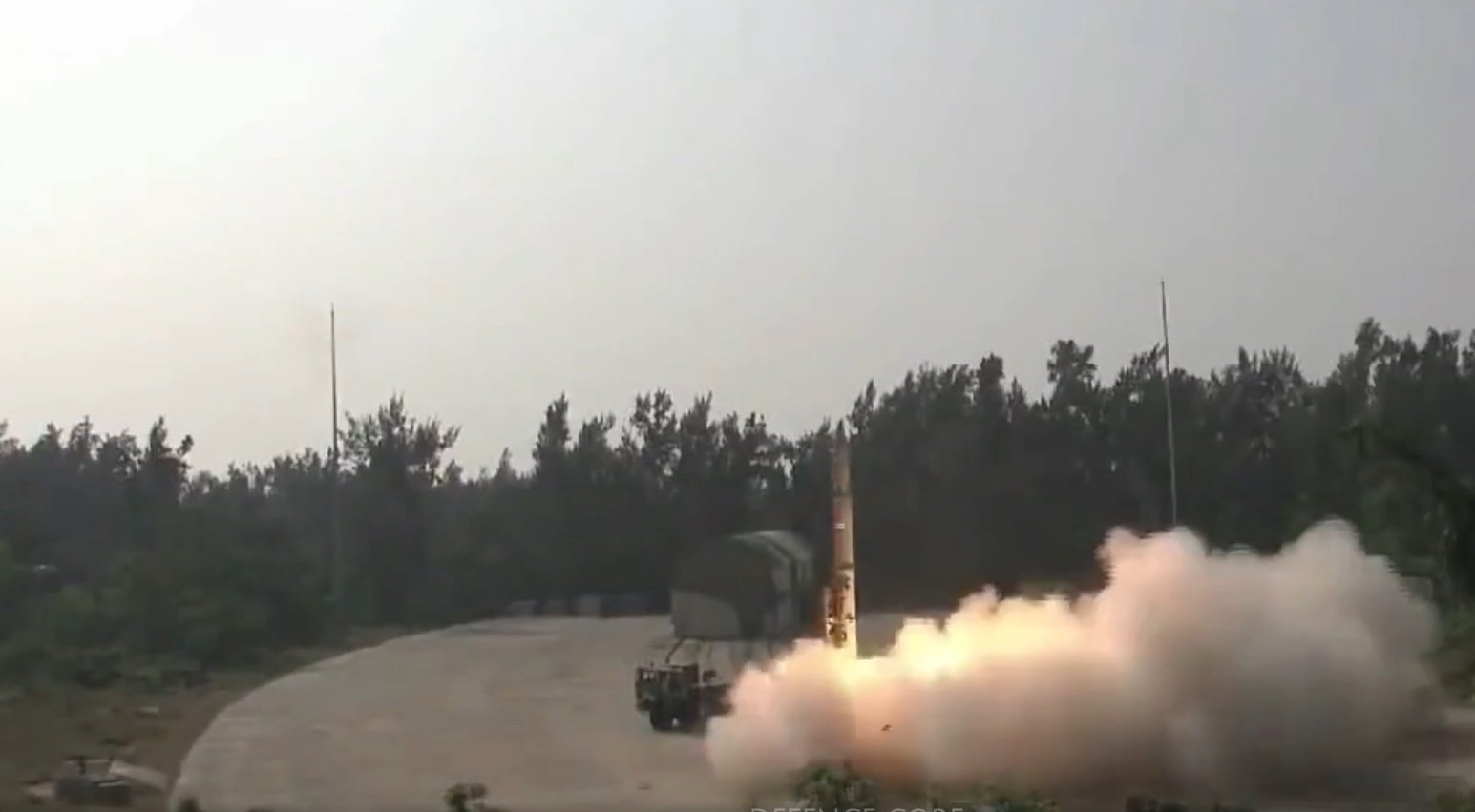 India Successfully Tests Pralay Quasi-Ballistic Missile with 500 km Range
-
 French DGA Receives Final Rafale F4.1 Aircraft to Test Future F5 Standard
-
 Thales Unveils Containerized Maritime Mission System at Euronaval 2026
