The United States has approved a possible Foreign Military Sale (FMS) to Canada worth an estimated $2.68 billion for a large package of precision air-strike weapons and support equipment, in a move that will significantly upgrade Ottawa’s strike capabilities and deepen U.S.–Canada defense cooperation.
The approval, announced by the Defense Security Cooperation Agency (DSCA) on December 4, 2025, covers a wide mix of Small Diameter Bombs (SDB I and SDB II), Mark 80-series general-purpose bombs, and Joint Direct Attack Munition (JDAM) guidance kits, alongside spare parts, training, and technical support.
Under U.S. law, this is a possible sale: the State Department’s green light and DSCA’s notification to Congress allow negotiations to proceed, but a final contract, configuration, and total value will depend on Canada’s budget decisions and the outcome of talks with industry.
What Canada Is Buying
According to DSCA, Canada has requested one of the largest single packages of precision munitions ever cleared for the country, including:
-
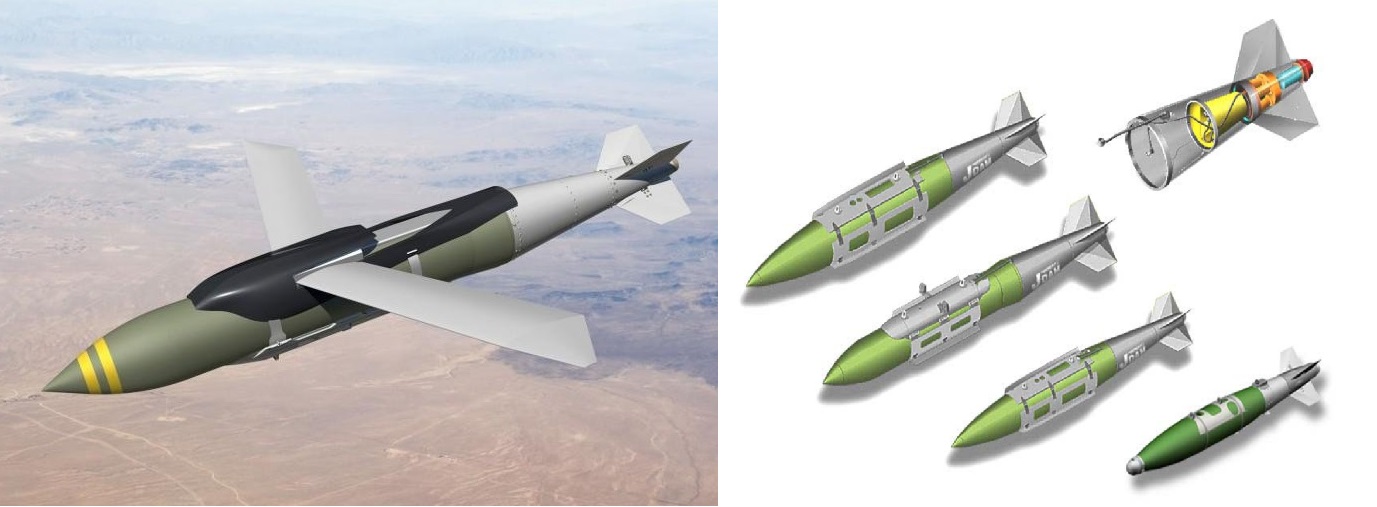
Up to 3,108 GBU-39 Small Diameter Bomb Increment I (SDB I) – compact, GPS-guided glide bombs designed to strike fixed targets with high precision while allowing aircraft to carry many weapons at once.
-
Up to 2,004 GBU-53/B SDB II “StormBreaker” bombs, plus 100 GBU-53 test vehicles – a newer, multi-mode guided weapon able to hit moving targets in all weather using radar, imaging infrared, laser and GPS guidance.
-
Up to 3,414 BLU-111 500-lb general-purpose bombs and 220 BLU-117 2,000-lb bombs, part of the Mark 80-series family that can be used in “dumb” or precision-guided configurations.
-
146 I-2000 penetrator warheads, designed to defeat hardened or buried targets.
-
750 inert GBU-39 practice bombs and 100 GBU-39 guided test vehicles for training and weapons integration.
-
5,352 KMU-572 JDAM guidance kits, 396 KMU-556 and 140 KMU-557 JDAM kits, which transform unguided Mark 80-series bombs into GPS/INS-guided JDAMs, allowing accurate, all-weather strikes at relatively low cost.
Beyond the munitions, the sale includes fuzes, practice bombs, support equipment, software, documentation, training aids, spare parts, and U.S. government and contractor technical services. These elements are critical for integrating the weapons onto Canadian aircraft, training crews, and sustaining the arsenal over time.
Boeing and Raytheon (RTX) as Prime Contractors
The principal contractors for the proposed sale are:
-
The Boeing Company (Arlington, Virginia) – developer of the original SDB I and manufacturer of JDAM guidance kits.
-
RTX Corporation (formerly Raytheon Technologies, also based in Arlington, Virginia) – prime contractor for SDB II / GBU-53/B StormBreaker and key provider of precision-guided weapons and support systems.
DSCA notes that the U.S. government is not yet aware of any offset agreements associated with the deal; any industrial participation or offset package would be negotiated directly between Canada and the companies. Implementation of the sale is not expected to require additional permanent U.S. personnel in Canada and is assessed to have no negative impact on U.S. defense readiness.
Boosting Canada’s Strike and Deterrence Power
Washington has framed the proposed sale as an important step in strengthening both U.S. foreign policy objectives and the military capabilities of a key NATO ally. According to the DSCA notification, the package is intended to improve Canada’s credible defense posture and enhance its ability to deter aggression in an increasingly complex security environment. The transfer also aims to deepen interoperability between Canadian, U.S., and allied forces, particularly in joint air operations where common munitions and shared logistics significantly improve efficiency and mission readiness.
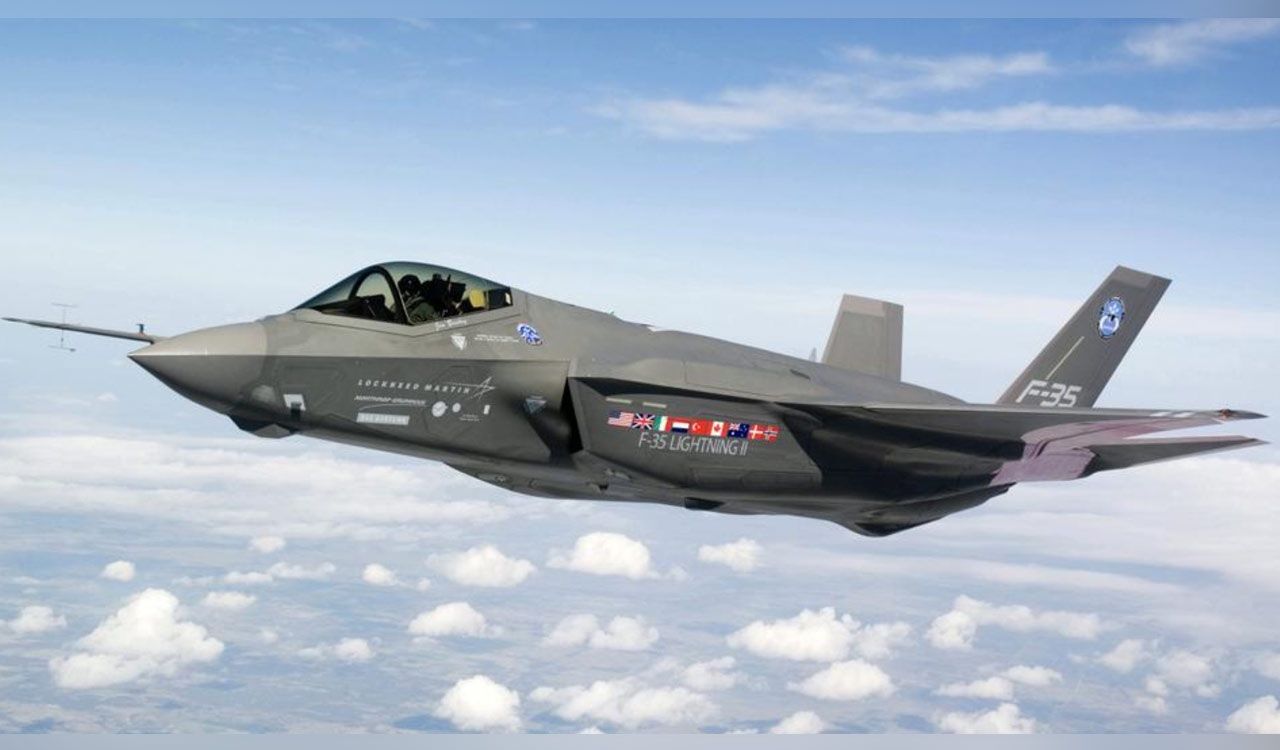
The deal further supports Canada’s role in continental defense, including its responsibilities under NORAD, while reinforcing its contributions to NATO, peacekeeping missions, and coalition operations abroad. It arrives at a time when Ottawa is engaged in a wide defense modernization effort, including the acquisition of F-35A stealth fighters and M142 HIMARS rocket artillery, as part of a broader shift away from legacy systems toward a more advanced and flexible force structure.
Once delivered, the new precision air-strike weapons are expected to be integrated into Canada’s existing CF-18 Hornet fleet and later into its incoming F-35A fighters. This will provide Canada with modern, long-range strike capabilities for both homeland defense and allied missions overseas, marking a significant upgrade in the Royal Canadian Air Force’s operational reach.
What Are SDBs and JDAMs – and Why Do They Matter?
The core of the package revolves around two families of weapons that have reshaped modern air warfare:
-
GBU-39 SDB I: A 250-lb class precision glide bomb developed by Boeing. Its small size and folding wings allow a fighter like the F-15 or F-35 to carry multiple SDBs internally, hitting many targets per sortie while minimizing collateral damage.
-
GBU-53/B SDB II “StormBreaker”: Developed by Raytheon (RTX), this advanced bomb adds a tri-mode seeker and data-link, letting it track and hit moving targets in poor visibility, including through dust, smoke, or bad weather. It is designed to be carried inside the weapons bays of the F-35.
-
JDAM kits (KMU-572, KMU-556, KMU-557): Guidance tail kits that bolt onto standard Mark 80-series bombs, turning them into JDAMs – GPS/INS-guided munitions that are far cheaper than cruise missiles but still highly accurate.
For Canada, this mix means it can tailor weapons loads to different missions: low-yield bombs for urban or limited-collateral strikes, heavier warheads for hardened targets, and a blend of SDB II and JDAMs for moving and fixed targets across a wide range of scenarios.
Political and Strategic Context
News of the sale comes as Ottawa faces pressure to increase defense spending and make good on long-standing NATO commitments, including the goal of spending 2% of GDP on defense. The weapons package complements Canada’s shift toward more capable air and missile forces, including participation in allied operations in Europe and the Middle East, and renewed attention to Arctic security.
In Washington, the sale underscores the United States’ use of the FMS system to arm close allies with high-end U.S. munitions, deepening interoperability but also tying partners into U.S. supply chains and export controls.
The proposal must now clear the U.S. Congress, which has the ability to block or condition major arms deals, and then be translated into final contracts between Canada, Boeing, and RTX. As DSCA emphasizes, the $2.68 billion figure reflects the maximum possible configuration; the final value is expected to be lower depending on what Canada ultimately orders and how negotiations conclude.
If completed, however, the deal will give Canada one of the most modern precision-strike arsenals among U.S. allies—capable of supporting everything from NORAD air defense and Arctic patrols to NATO operations abroad for years to come.
——— End of Article ———