Taiwan has unveiled its most ambitious military investment in decades, with President Lai Ching-te announcing a sweeping $40 billion special defense budget designed to harden the island against any potential attack from China. The move comes amid intensifying Chinese military activity around Taiwan and growing pressure from Washington for the island to accelerate its defense modernization.
A Budget Built to Deter
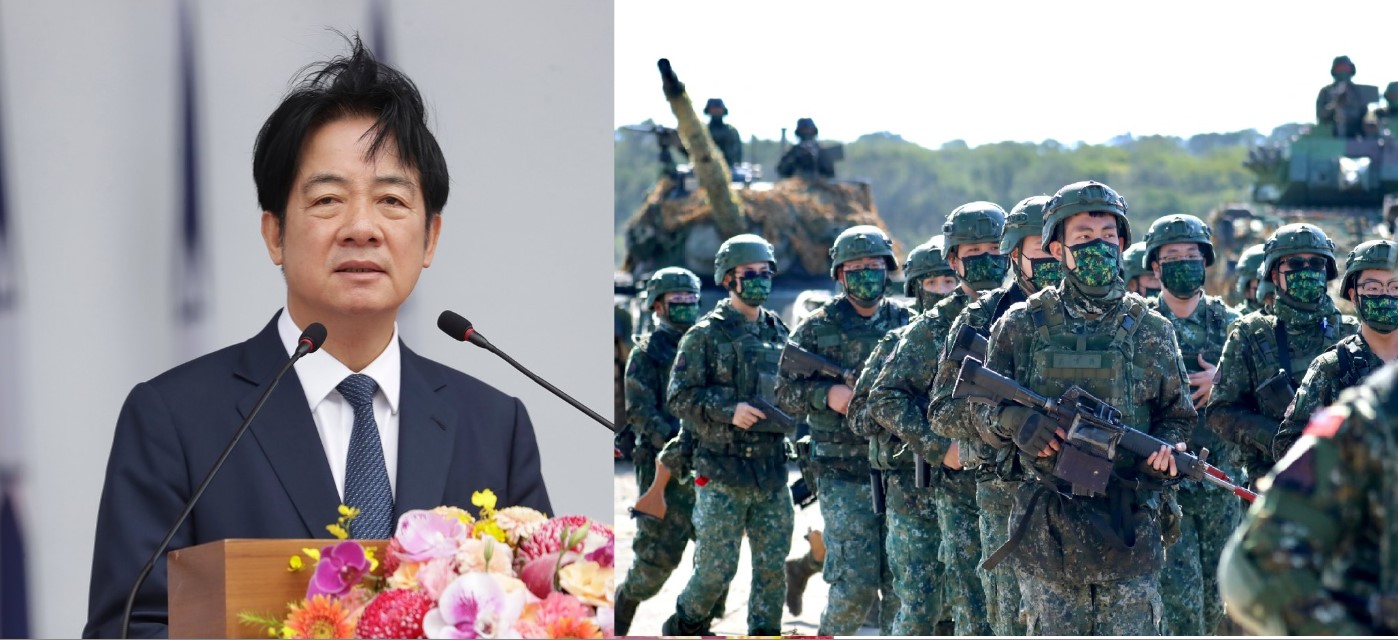
Speaking in Taipei on Wednesday, President Lai said the fund would support a strategic shift toward weapons that make invasion “too costly, too slow, and too risky for Beijing.”
“We keep peace by being too strong to invade,” Lai said, stressing that Taiwan must be capable of independent, sustained defense, even in the event of delayed foreign assistance.
The special budget — separate from Taiwan’s annual defense spending — focuses on:
-
Faster, longer-range missile systems
-
A massive expansion of drone forces
-
Large procurement from U.S. defense partners
-
Boosting domestic production for asymmetric warfare
-
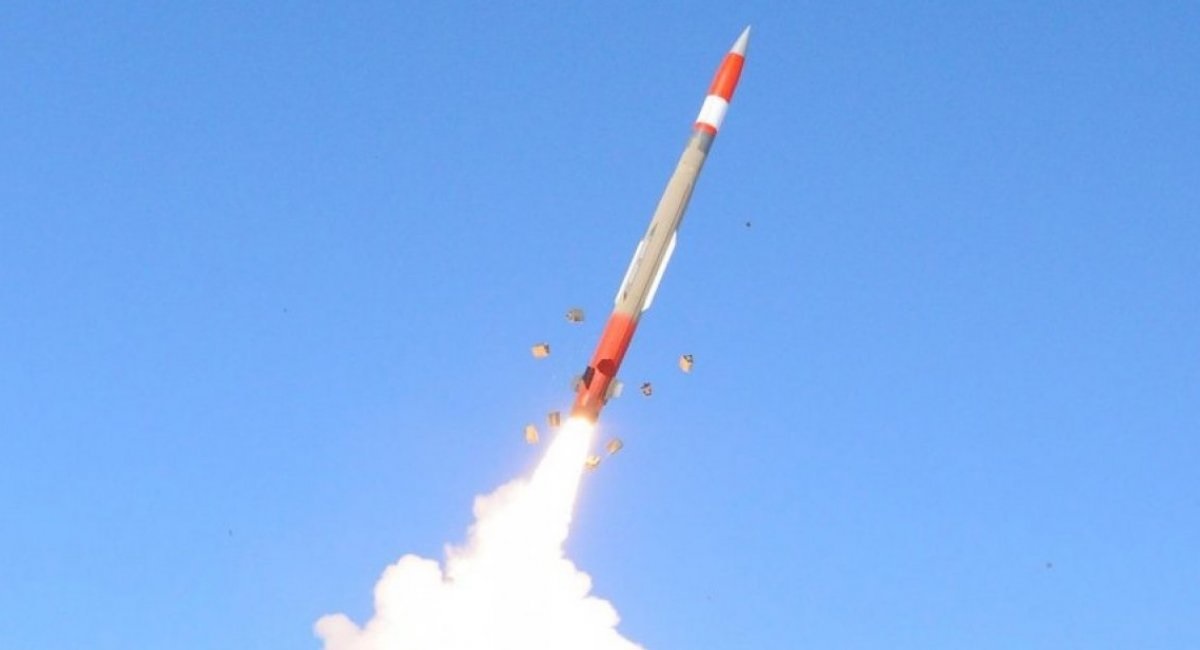
Construction of the new Taiwan Dome air-defense network
The package is expected to be approved by Taiwan’s Legislative Yuan, where Lai’s party holds significant influence.
The Taiwan Dome: A New Shield Over the Island
A central feature of Lai’s plan is the creation of the Taiwan Dome, a next-generation air-defense network that aims to give the island early warning and interception capabilities on a scale it has never possessed before. Engineers envision a dome-like protective layer formed by high-altitude radars, integrated command systems, and modern interceptors working in unison.
Taiwanese defense officials describe it as a system built to survive the first wave of any Chinese missile attack. Instead of relying on a few large bases, the Dome disperses its radars and launchers across Taiwan’s mountains, civilian centers, and coastal areas. This makes it far harder for Beijing to deliver a knockout blow. The Dome is also expected to fuse data from Patriot PAC-3 batteries, Sky Bow III systems, and future long-range interceptors—creating a continuous defensive umbrella that follows threats across the entire island.
In essence, Taiwan is trying to ensure that the first hours of any conflict are not dominated by China.
Missile Expansion to Strike Back at the Source
Beyond defensive systems, the new budget launches an unprecedented expansion of Taiwan’s missile programs. Lai’s government believes that deterrence is strongest when Taiwan can hold Chinese military assets at risk deep inside the mainland.
Taiwan is accelerating production of long-range cruise missiles capable of hitting launch sites, ports, and logistics hubs along China’s coast. Planners argue that if Beijing sees its coastal infrastructure as vulnerable, the calculus of war changes dramatically. Instead of Taiwan being the only target, China would be forced to consider the price of losing airbases, ammunition stores, and naval staging grounds.
This shift toward longer-range strike capabilities marks a significant evolution in Taiwan’s defense doctrine—even a symbolic message that the island will not remain passive if attacked.
A New Drone Era for Asymmetric Warfare
President Lai has also directed that Taiwan expand its fleet of unmanned aircraft on an unprecedented scale. Drones have proven decisive in wars from Ukraine to the Middle East, and Taiwan intends to use them as its frontline asymmetric weapon.
Factories across Taiwan are preparing to produce reconnaissance drones, ship-hunting drones, and loitering munitions that can wait above a battlefield and strike when a target appears. Military officials say drones offer the perfect mix of survivability and affordability; they can reveal PLA troop movements, harass amphibious landings, and force Chinese ships to operate more cautiously across the Taiwan Strait.
In an invasion scenario, a drone-filled sky could turn the Strait into a deadly zone of unpredictability for China.
Deeper Reliance on U.S. Defense Partners
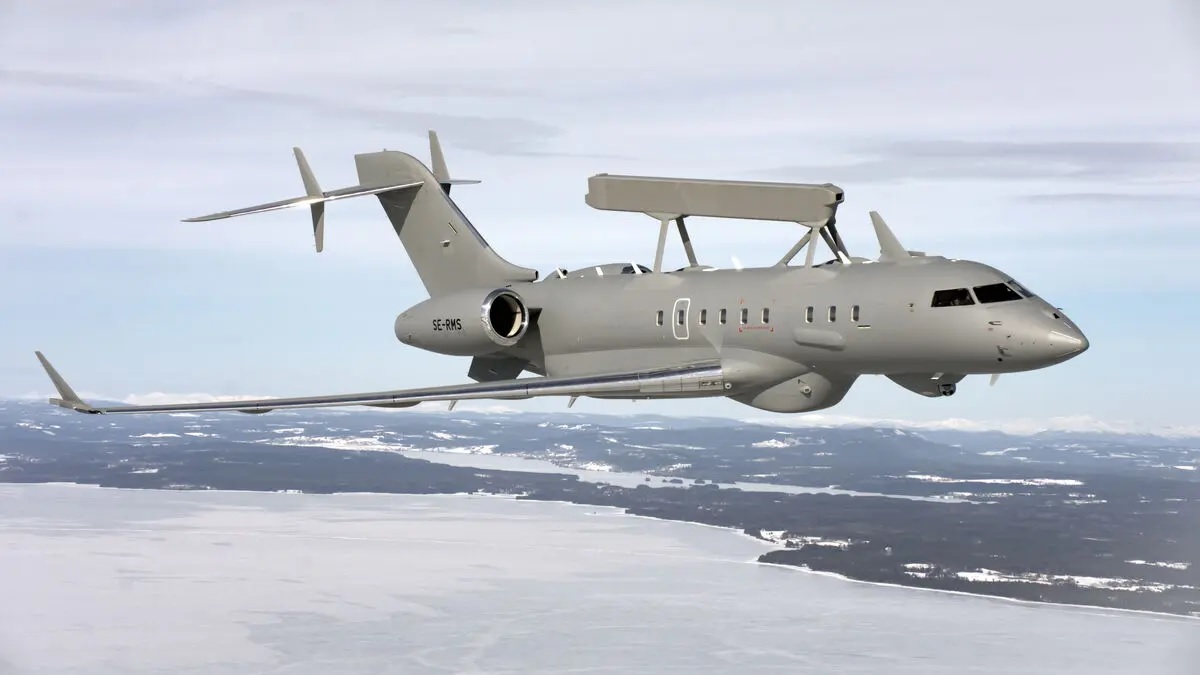
While Taiwan is determined to build more domestically, it is also leaning heavily on American defense giants to fill critical gaps. A portion of the $40 billion budget will go toward updated Patriot interceptors, counter-drone defenses, and new airborne surveillance platforms.
For Washington, this is precisely the kind of investment it has been urging Taiwan to make. U.S. officials have repeatedly warned Taipei that preparing for a prolonged conflict—one in which Taiwan must hold out long enough for allies to mobilize—is the only realistic strategy in the face of China’s rapid military expansion.
The surge in procurement signals deeper alignment between Taipei and Washington on how Taiwan should be defended.
How These Weapons Make a Chinese Attack Far More Difficult
Every element of Lai’s plan is built around raising the strategic, military, and political cost of any Chinese invasion attempt. Long-range missiles force China to consider the vulnerability of its own coastal regions. The Taiwan Dome complicates Beijing’s assumption that it can cripple Taiwan’s air defenses in the first wave of strikes.
Drones limit China’s freedom to move forces without detection. Mobile launchers and dispersed defense nodes ensure that Taiwan can still fight even after absorbing heavy strikes. And the geography of the Strait itself becomes hostile: China would be forced to send its soldiers, ships, and aircraft into a narrow corridor filled with sensors, missiles, and unmanned systems designed to inflict maximum damage.
Analysts say that if Taiwan succeeds in all these upgrades, any Chinese invasion could become a long, costly, unpredictable campaign—exactly the outcome Beijing wants to avoid.
Taiwan’s Strategy of Self-Reliance
The $40 billion fund is not only about weapons; it is also about building a defense industry capable of sustaining Taiwan during a prolonged conflict. Part of the money will support missile factories, drone assembly lines, shipyards, and hardened communication networks.
President Lai argues that Taiwan cannot depend entirely on external aid, particularly in the chaotic early hours of a crisis. By producing much of its own equipment at home, Taiwan strengthens its ability to resist alone if it must.
This reflects a broader shift in Taiwanese society. More citizens are serving in extended military training, more technology firms are participating in defense research, and more public awareness campaigns are preparing civilians for emergencies.
Rising Chinese Pressure and the Logic of Deterrence
China has intensified its military presence around Taiwan, sending daily waves of jets and ships close to the island. Beijing criticizes Taiwan’s new defense plan as “dangerous,” but Taiwan argues that the real danger lies in China’s expansion—not in Taiwan’s response.
The narrative from Taipei is simple: deterrence is not provocation. Maintaining the status quo requires strength, and peace requires preparation.
A New Phase in Cross-Strait Security
With this $40 billion announcement, Taiwan has made its intentions unmistakable. It will build the shields, the missiles, the drones, and the infrastructure needed to make any attack unthinkably costly.
In his closing remarks, Lai offered a statement that now frames Taiwan’s strategic future:
“Taiwan does not seek war. Taiwan seeks peace. But peace must be defended. And Taiwan will be ready.”
This new defense surge marks the beginning of that readiness—bold, determined, and built on the belief that strength is the only language Beijing cannot afford to ignore.
——— End of Article ———