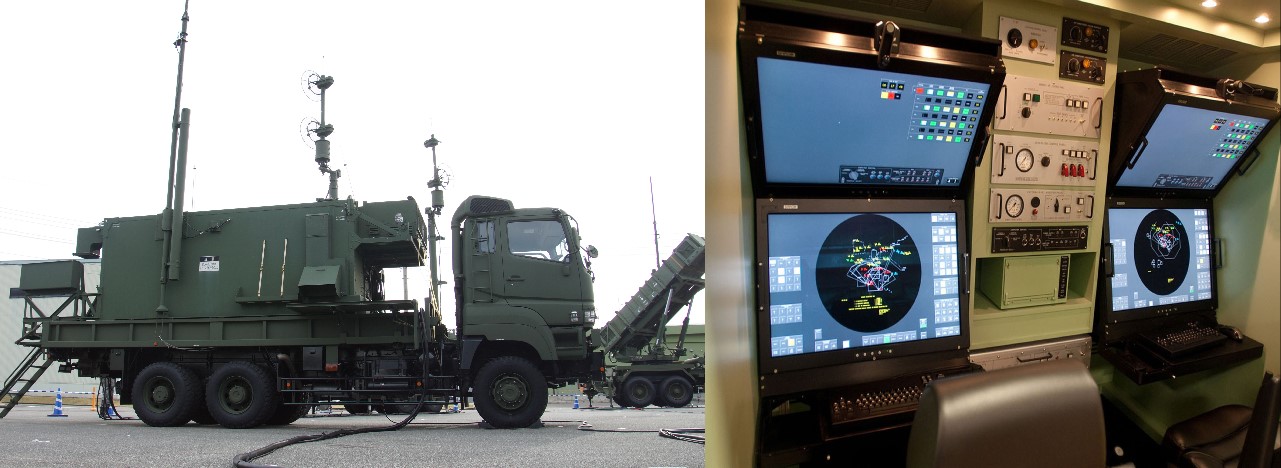
Germany has received its first two Patriot Engagement Control Stations (ECS) from Raytheon, marking a visible milestone in Berlin’s multi-billion-dollar effort to expand and modernise its ground-based air and missile defence in the wake of Russia’s war on Ukraine and rising missile threats across Europe.
The new ECS units are part of two Direct Commercial Sale (DCS) contracts, each covering four Patriot fire units, signed between Germany and Raytheon in March 2024 and July 2024. Each contract is valued at around USD 1.2 billion, taking the combined package to approximately USD 2.4 billion for eight fire units, or roughly USD 300 million per fire unit.
Framework of the Patriot Expansion
Raytheon, an RTX business, announced in March 2024 that it had secured a USD 1.2 billion contract to supply Germany with Patriot air and missile defence systems, including Configuration 3+ radars, launchers, command-and-control stations, spares and support.
In July 2024, the company revealed a second Patriot order from Germany, also worth USD 1.2 billion, effectively doubling the original package and expanding the framework agreement to eight fire units in total. German defence industry reporting indicates that all eight systems are planned to enter service between 2025 and 2029, giving the Bundeswehr a phased but continuous capability ramp-up.
The Engagement Control Station is the brain of a Patriot fire unit, housing the fire control computers, operator consoles and communications gear that link the radar, launchers and higher-level air-defence networks. Taking delivery of the first two ECS units is therefore a key prerequisite for standing up the initial new fire units and integrating them into Germany’s Integrated Air and Missile Defence (IAMD) architecture and NATO’s wider air-policing and missile-defence network.
Split Procurement of Interceptors: PAC-2 GEM-T and PAC-3 MSE
While the DCS contracts with Raytheon provide the hardware for the fire units – radars, launchers and control stations – Germany is obtaining interceptors separately through a mix of Direct Commercial Sales and U.S. Foreign Military Sales (FMS) channels.
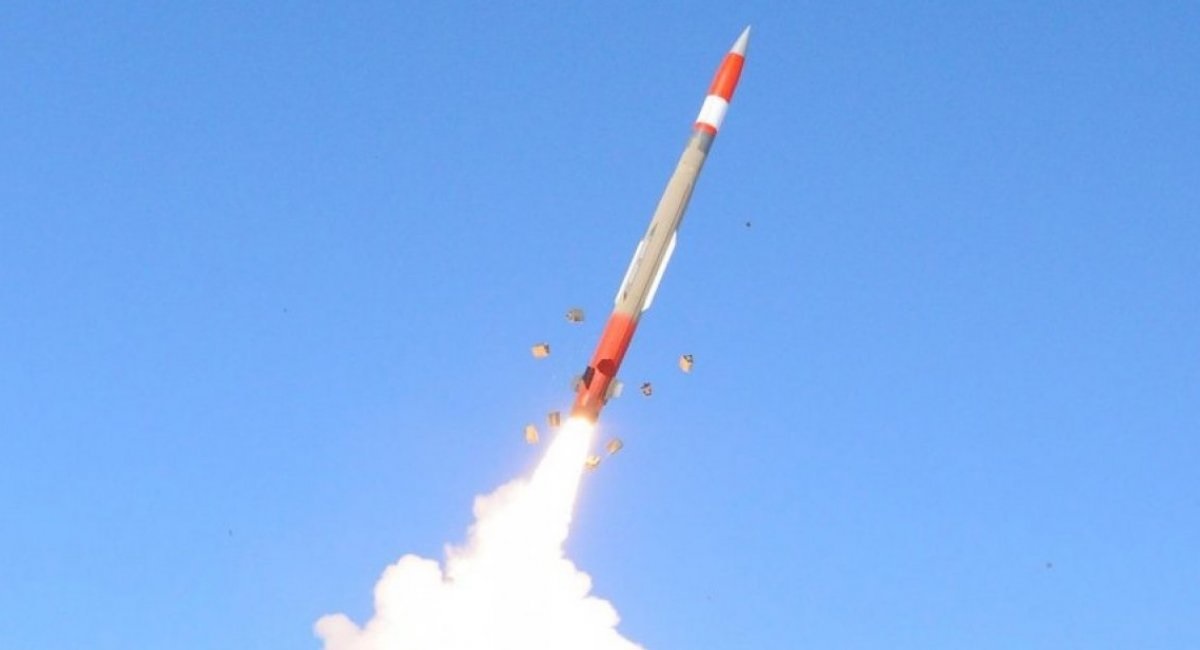
Berlin is buying PAC-2 GEM-T interceptors, which are optimised for aircraft and some cruise-missile engagements, via separate arrangements with Raytheon and its partners. In parallel, it is expanding its inventory of PAC-3 MSE (Missile Segment Enhancement) interceptors – the hit-to-kill missile designed for high-end ballistic and cruise-missile threats – through FMS.
In December 2024, the Bundestag’s Budget Committee approved EUR 763.5 million in funding for 120 PAC-3 MSE missiles, a purchase that was finalised through the FMS programme and reported in March 2025. That order alone underlines the cost and complexity of building a layered Patriot inventory, with each advanced interceptor valued in the multi-million-dollar range.
These interceptor buys complement Germany’s decision to replenish Patriot stocks after transferring systems and missiles to Ukraine, and to ensure sufficient reserves to support both national defence and NATO deployments on the alliance’s eastern flank.
Strengthening Germany’s and NATO’s Air Shield
The Patriot expansion comes as Berlin positions itself as a central pillar of European air and missile defence. Germany already fields several Patriot batteries and has repeatedly deployed them to Poland and other allies, both to protect critical logistics hubs for Ukraine and to reassure partners in the face of Russian missile and drone strikes.
The new eight-fire-unit package is expected to:
-
Backfill systems sent to Ukraine, ensuring Germany does not erode its own defence while supporting Kyiv.
-
Boost NATO’s integrated air defence, enabling more sustained rotations of Patriot units to the alliance’s eastern flank without leaving gaps at home.
-
Provide a modernised Configuration 3+ baseline, better suited to countering a mix of ballistic missiles, cruise missiles, aircraft and drones in contested environments.
The arrival of the first two Engagement Control Stations suggests that the initial new German fire units are moving from contract phase towards operational fielding, with further ECS, launchers, radars and support equipment to follow over the next several years.
From Contracts to Operational Capability
With two USD 1.2 billion Patriot system orders locked in, separate multi-hundred-million-euro interceptor buys, and the first ECS units now on German soil, Berlin is transitioning from procurement paperwork to the practical work of training crews, integrating sensors, and synchronising logistics.
As additional equipment is delivered between now and 2029, Germany’s Patriot force will evolve into a larger, more modern and missile-rich shield, capable of defending German territory, reinforcing NATO’s air defence posture, and sustaining long-term support to Ukraine and other partners – all anchored by the newly delivered Engagement Control Stations that form the command heart of each Patriot fire unit.
——— End of Article ———