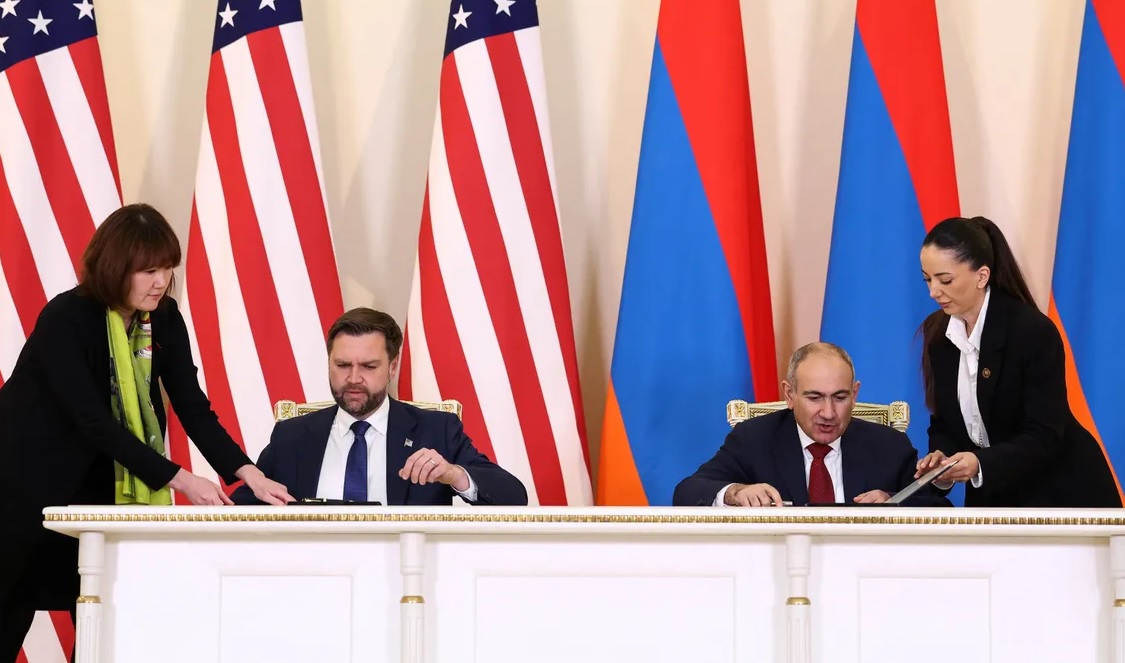
Yerevan : The United States and Armenia on Monday signed a joint statement concluding negotiations on a peaceful nuclear cooperation agreement, marking a significant expansion of bilateral relations in the energy, defense, and technology sectors. The agreement was finalized during talks between JD Vance and Nikol Pashinyan in Yerevan, the first visit to Armenia by a sitting U.S. vice president.
The nuclear accord, formally known as a Section 123 Agreement under U.S. law, establishes the legal framework required for the United States to license and export civilian nuclear technology, equipment, and services to Armenia. The agreement enables U.S. firms to participate in Armenia’s future civil nuclear projects while committing both sides to internationally recognized standards on nuclear safety, security, and nonproliferation.
Framework for Civil Nuclear Energy Cooperation
According to officials, the agreement opens the way for extensive U.S. involvement in Armenia’s energy sector, particularly in the development of next-generation nuclear power. Vice President Vance said the framework supports an estimated $9 billion in U.S.-linked investment over time, including roughly $5 billion in initial exports of American nuclear technology and related equipment, followed by approximately $4 billion in long-term fuel supply, servicing, and maintenance contracts.
The cooperation is expected to center on the deployment of small modular reactors using American technology. Armenian officials said such systems are being evaluated for their safety features, scalability, and suitability for Armenia’s energy needs. Prime Minister Pashinyan stated that the agreement supports Armenia’s goal of diversifying its energy mix while introducing modern and secure nuclear technologies.
Armenia is currently assessing options to replace the Metsamor Nuclear Power Plant, a Soviet-era facility that remains a cornerstone of the country’s electricity generation. While no vendor has yet been selected, the signing of the 123 Agreement allows U.S. companies to formally compete for the replacement project alongside potential suppliers from Russia, China, France, and South Korea.
Defense Procurement and Technology Cooperation
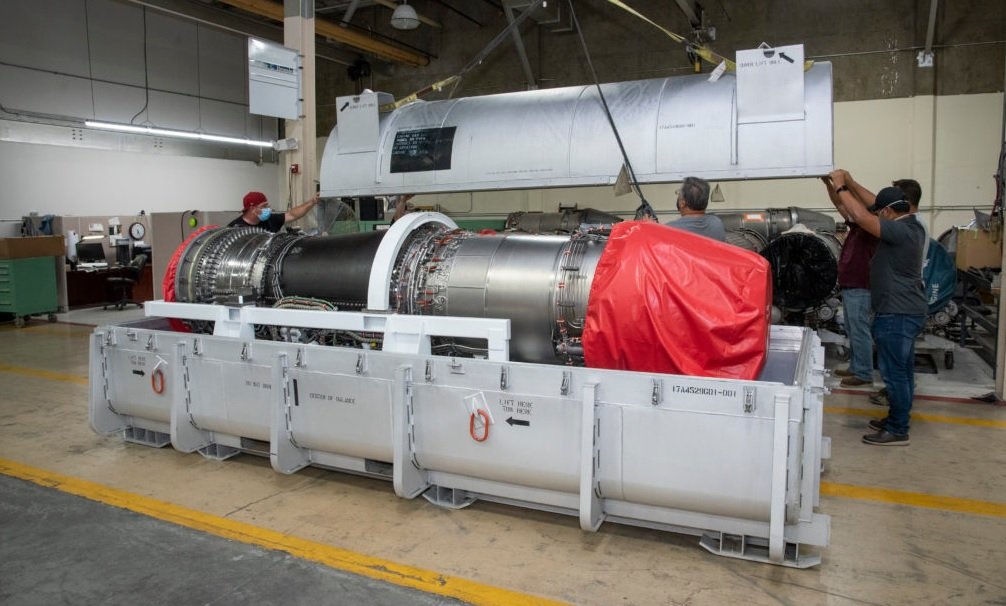
Beyond energy cooperation, the visit produced new agreements in the defense and technology fields. Prime Minister Pashinyan confirmed that Armenia will procure V-BAT reconnaissance drones from the United States through Washington’s Foreign Military Sales program. Vice President Vance said the drone package is valued at $11 million and is intended to enhance Armenia’s intelligence, surveillance, and reconnaissance capabilities.
U.S. officials also indicated that Washington is prepared to authorize the export of advanced computer chips to Armenia and expand investment in national infrastructure. These measures are aimed at supporting Armenia’s technological development and strengthening economic ties between the two countries.
Regional Security and Transit Discussions
Talks in Yerevan also addressed regional diplomacy and economic connectivity in the South Caucasus. Vance’s visit comes six months after a U.S.-brokered agreement was signed at the White House by the leaders of Armenia and Azerbaijan, intended to advance a long-term peace settlement following decades of conflict.
A key topic was the proposed “Trump Route for International Peace and Prosperity” (TRIPP), a transit initiative designed to link Azerbaijan with its Nakhchivan exclave through southern Armenia. The plan envisions new transport, trade, and energy corridors connecting Asia and Europe, with U.S. officials describing it as a potential driver of regional economic integration.
Next Diplomatic Steps
Following his engagements in Yerevan, Vice President Vance is scheduled to travel to Baku to continue discussions with Azerbaijani officials on the peace process and the proposed transit corridor. During the joint press appearance in Yerevan, Vance also publicly expressed support for Prime Minister Pashinyan ahead of Armenia’s upcoming parliamentary elections.
Officials from both governments described the visit and the signed agreements as part of a broader effort to deepen strategic cooperation, expand economic ties, and support stability and development in the South Caucasus.
——— End of Article ———