WASHINGTON / DUBAI : The United States has delayed preparations for a large-scale military offensive against Iran, shifting its immediate focus toward reinforcing air and missile defense systems across the Middle East amid concerns that existing defenses are inadequate to withstand a potential Iranian ballistic missile response.
According to reporting by The Wall Street Journal, senior defense officials have concluded that while U.S. forces are capable of executing limited, targeted strikes at short notice, the region is not yet sufficiently protected to support a broader campaign that could provoke a large-scale retaliation from Tehran. The assessment has prompted the Pentagon to recommend postponing any “decisive” military action until additional defensive assets are fully deployed and integrated.
Pentagon Assessment and Strategic Delay
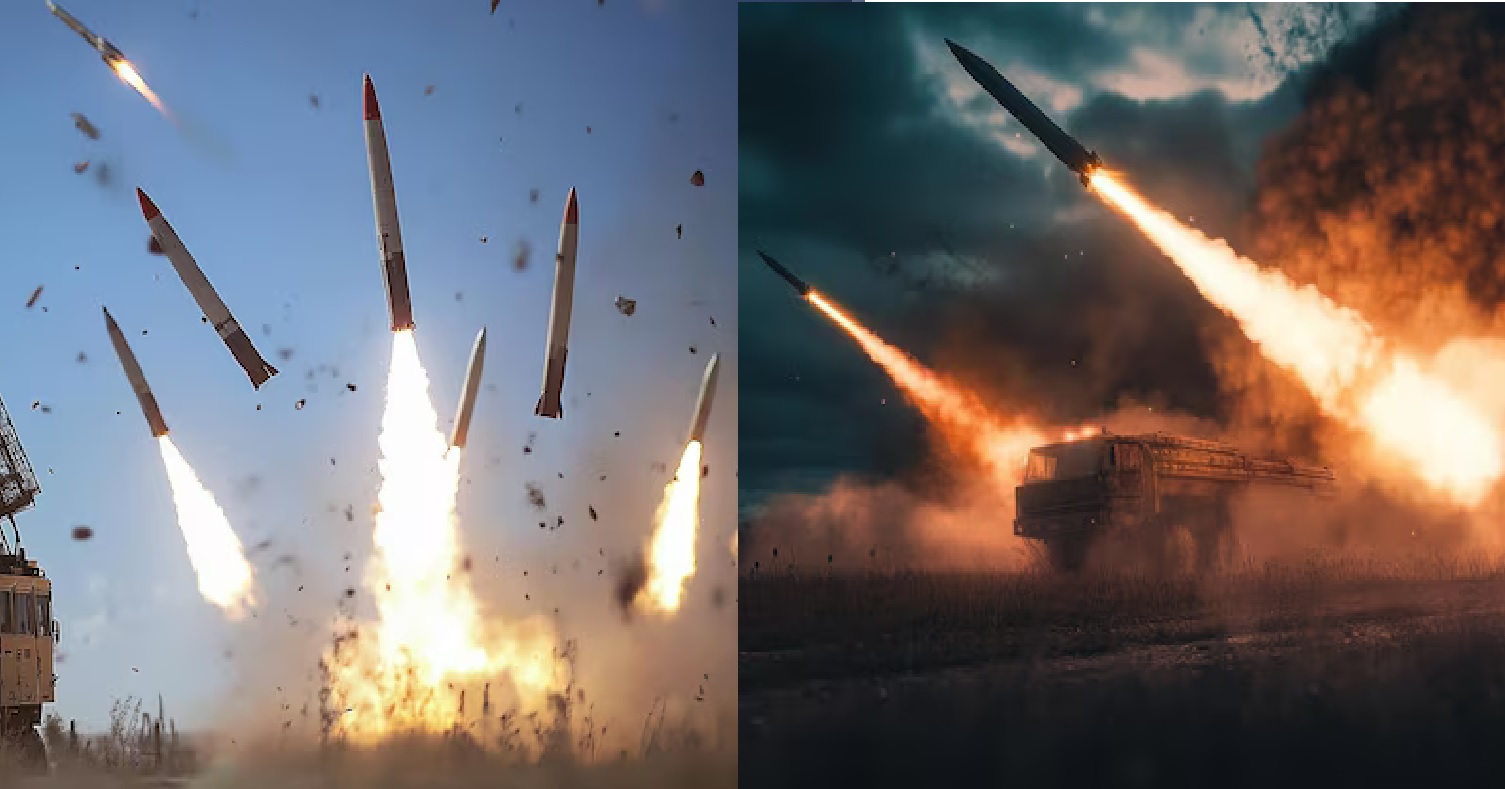
Officials briefed on the internal review said the Pentagon identified a significant mismatch between political expectations for a decisive operation and the military’s current ability to protect U.S. forces, regional partners, and critical infrastructure. Defense planners believe that a major attack on Iran would likely trigger a high-volume missile response, potentially involving hundreds of ballistic and cruise missiles launched simultaneously toward U.S. bases, Israel, and allied Gulf states.
While the administration under President Donald Trump has sought military options capable of imposing substantial costs on Iran’s strategic capabilities, military leaders have advised that such an operation carries elevated risks without a more robust defensive posture in place. As a result, large-scale offensive planning has been paused, though contingency plans remain active.
Accelerated Air and Missile Defense Deployments
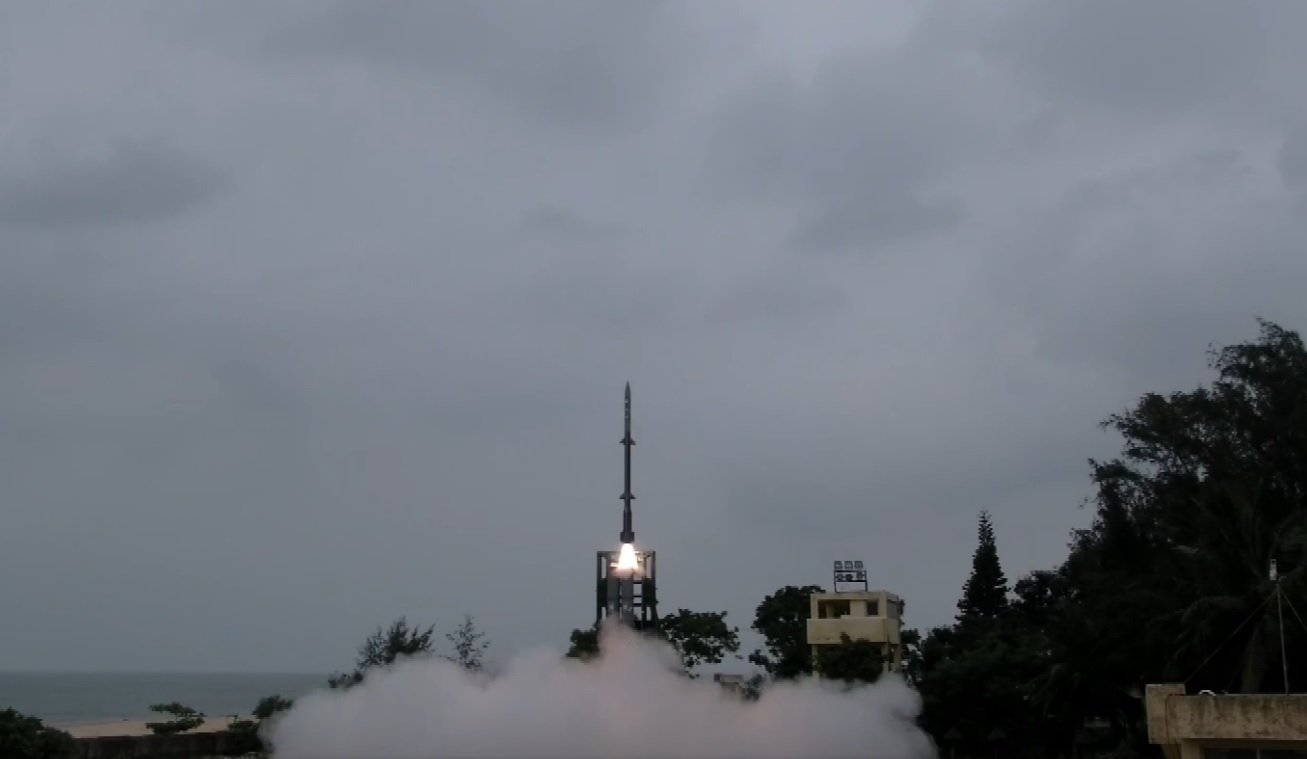
To address these vulnerabilities, the United States is accelerating the deployment of additional missile defense systems throughout the region. This includes the repositioning and reinforcement of Patriot missile system batteries and THAAD units at key locations across the Persian Gulf and neighboring areas.
These systems are designed to operate as a layered defense network, with Patriots focusing on lower-altitude and terminal-phase intercepts, while THAAD provides coverage against higher-altitude ballistic missile threats. Defense officials say the expanded network is intended to reduce the likelihood that a saturation attack could overwhelm interceptors, a scenario viewed as a primary risk in any confrontation with Iran.
Limited Military Options Remain Available
Despite the delay in broader operations, U.S. officials stressed that limited military actions remain an option. Assets already stationed in the region—including strike aircraft, naval platforms, and intelligence capabilities—are assessed as sufficient to conduct narrow, punitive strikes against specific Iranian military or paramilitary targets if directed by civilian leadership.
However, such actions would be designed to avoid triggering a wider conflict. Defense planners have emphasized that the threshold between limited strikes and a sustained campaign is significant, both in terms of required resources and the anticipated Iranian response.
Naval Movements and Force Protection Measures
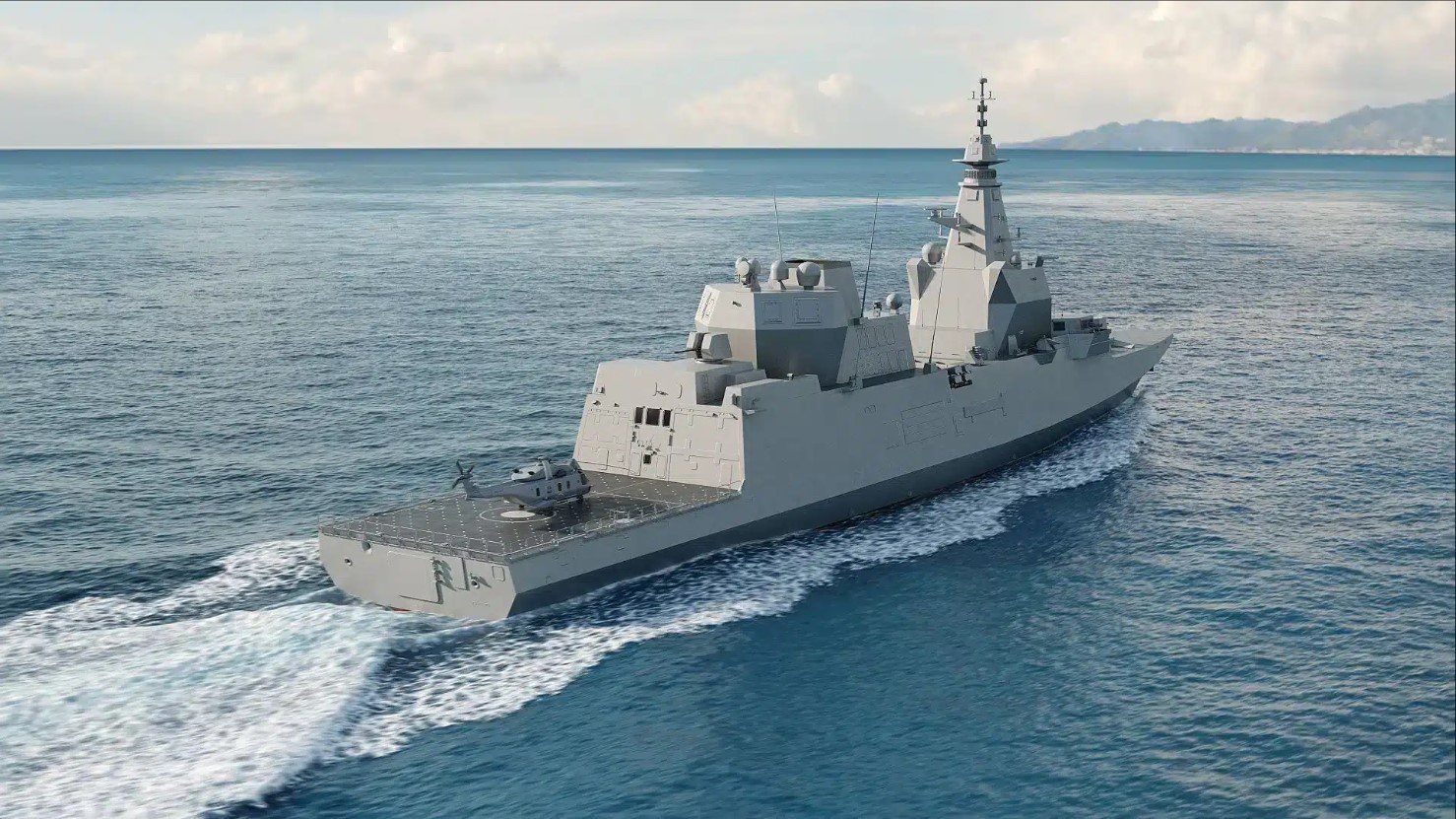
As part of broader force-protection adjustments, U.S. naval activity in the region has also shifted. Satellite imagery from the European Space Agency’s Sentinel-2 constellation shows the aircraft carrier USS Abraham Lincoln departing the Sea of Oman and moving southeast toward the Indian Ocean.
Military analysts say the repositioning places the carrier outside the effective range of many Iranian coastal anti-ship missile systems while preserving its ability to conduct long-range air operations if required. The move is consistent with efforts to reduce exposure of high-value assets during a period of heightened tension, without signaling an immediate withdrawal from the region.
Regional Implications and Ongoing Planning
The delay underscores the complexity of the U.S. security posture in the Middle East, where tens of thousands of American personnel are stationed across Iraq, Syria, and Gulf states. Officials have repeatedly cited the need to protect these forces, as well as allied populations and infrastructure, as a central factor in operational decision-making.
For now, U.S. military posture is expected to remain focused on deterrence and defense, with offensive planning proceeding in parallel but contingent on the successful expansion of regional missile defenses. Defense officials indicated that only once commanders are confident that an Iranian counterattack could be effectively managed would consideration be given to a broader military campaign.
Until then, Washington’s approach is likely to emphasize preparedness, alliance coordination, and defensive reinforcement rather than immediate escalation.
——— End of Article ———