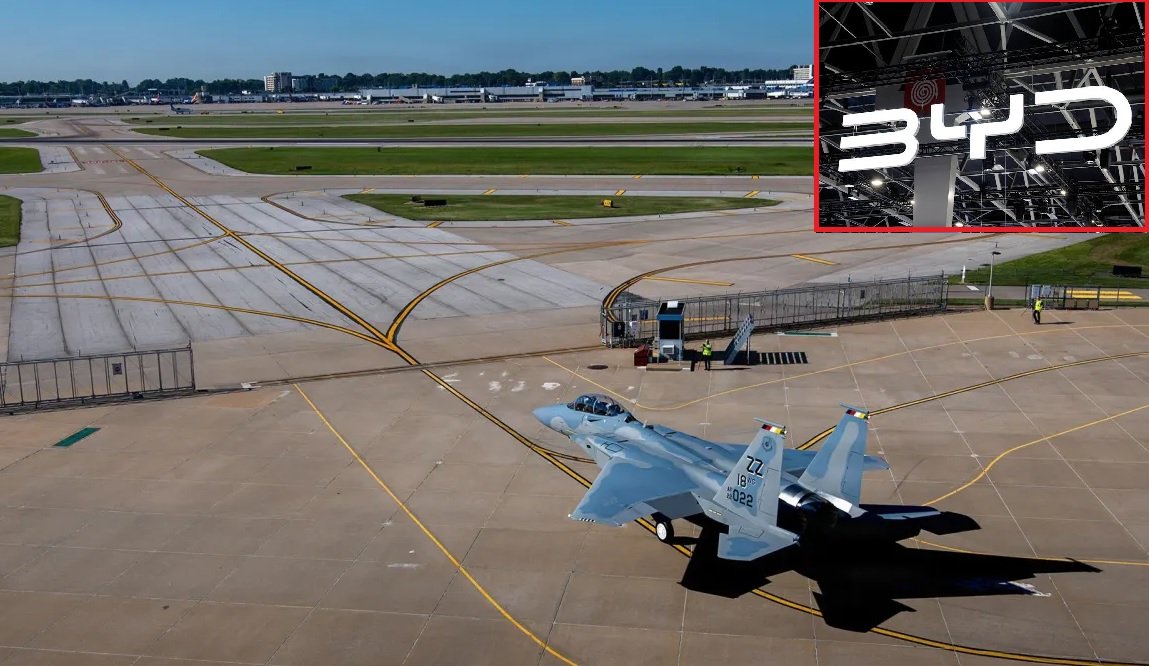
The United States Navy has awarded an $11-million contract to ELTA North America to design and produce a new generation of airborne communications jammers for integration into frontline fighter aircraft under the Stand-off Jammer (SOJ) Jets program, marking another step in the navy’s expanding focus on electromagnetic warfare dominance.
Under the contract, ELTA North America will design, develop, and fabricate high-frequency (HF) and ultra-high-frequency (UHF) stand-off jamming systems optimized to disrupt adversary voice and data communications while allowing U.S. aircraft to operate outside the most dangerous threat envelopes. The systems are intended to enhance aircraft survivability in heavily contested electromagnetic environments, particularly during high-intensity maritime and joint operations.
Unlike radar-centric jammers that focus on higher-frequency fire-control or search radars, ELTA’s new payloads will concentrate on handheld and tactical communications bands, which remain vital for enemy coordination, command and control, and battlefield synchronization.
Stand-Off Jamming and the SOJ Jets Concept
The navy’s SOJ Jets initiative is designed to strengthen airborne electronic attack (AEA) capabilities across carrier strike groups, expeditionary forces, and coalition operations. Stand-off jamming allows aircraft to interfere with enemy communications and sensors from long distances, reducing exposure to surface-to-air missiles and modern integrated air-defense systems.
The program reflects a shift away from relying solely on a small number of dedicated electronic attack platforms toward a distributed electronic warfare model, in which fighter aircraft can carry modular jamming payloads tailored to mission needs.
How It Fits With the Next Generation Jammer Program
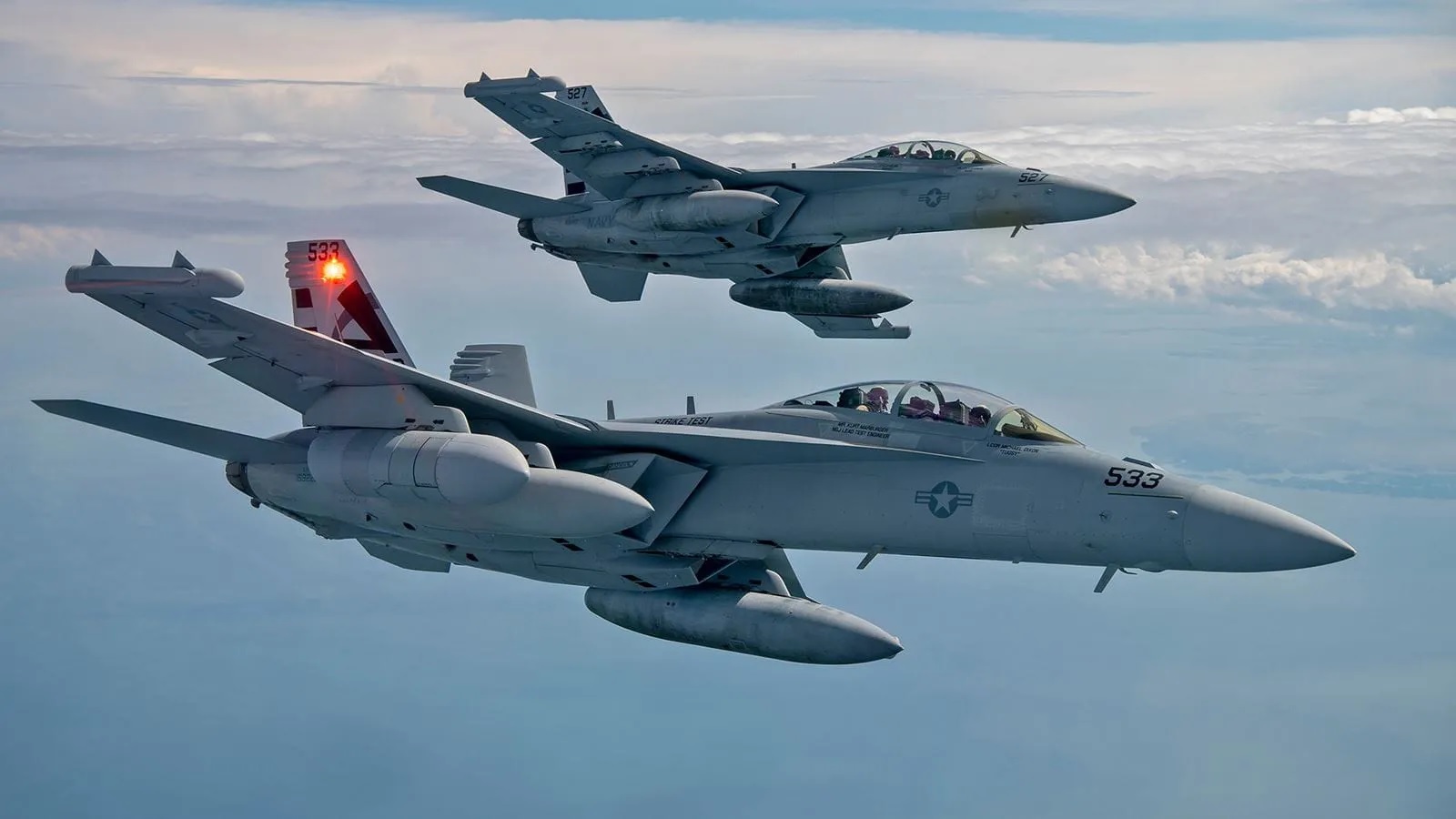
The SOJ Jets effort complements the navy’s broader Next Generation Jammer (NGJ) modernization drive, which is replacing legacy systems such as the AN/ALQ-99 Tactical Jamming System. In December 2024, the navy declared initial operational capability (IOC) for the NGJ Mid-Band, now deployed on the EA-18G Growler.
NGJ offers significantly higher jamming power, digital beam-forming, and software-defined flexibility, primarily targeting radar and advanced threat emitters. By contrast, the ELTA-developed SOJ payloads focus on communications denial, filling a critical gap by targeting enemy networks that persist even when radars are suppressed.
Training and Operational Ecosystem Expands
The growing emphasis on stand-off electronic attack is also evident in the navy’s use of contracted services. In November 2025, Textron Airborne Tactical Advantage Company secured a contract valued at up to $200 million through 2030 to provide stand-off jamming jet services, using modified business jets to help train U.S. forces and evaluate fleet electronic warfare responses.
Together, these initiatives signal a comprehensive approach that blends organic navy systems, modular payloads, and contracted adversary simulation to prepare for modern electronic warfare scenarios.
Strategic Implications
The $11-million ELTA North America contract underscores a broader doctrinal shift: communications are now as critical a target as radar. Even as modern forces adopt advanced sensors and data links, basic HF and UHF communications remain indispensable — and vulnerable.
By investing in stand-off communications jamming for fighter aircraft, the U.S. Navy is reinforcing its ability to disrupt adversary coordination, isolate battlefield units, and shape the electromagnetic environment long before kinetic weapons are employed. As peer competition intensifies, systems like those developed under the SOJ Jets program are set to become a central pillar of future naval air warfare.
——— End of Article ———