WASHINGTON, — The U.S. Navy has launched a market research effort to assess domestic shipyard capacity for its next-generation nuclear-powered attack submarine, designated SSN(X). The initiative aims to identify facilities, equipment, workforce and infrastructure capable of supporting the submarine's construction.
The Sources Sought Notice (N00135-27-SSNX) was issued under Naval Sea Systems Command (NAVSEA) by the Director of Submarine Programs (DSP), the Director of Design and Construction (D, D&C), and the SSN(X) New Attack Submarine Program Office (PMS 351). Published on October 9, 2026, the notice was intended for market research and planning, not a contract award or formal request for proposals. Responses were due October 15 through the Department of Defense Secure Access File Exchange (DoD SAFE).
Shipyard Requirements
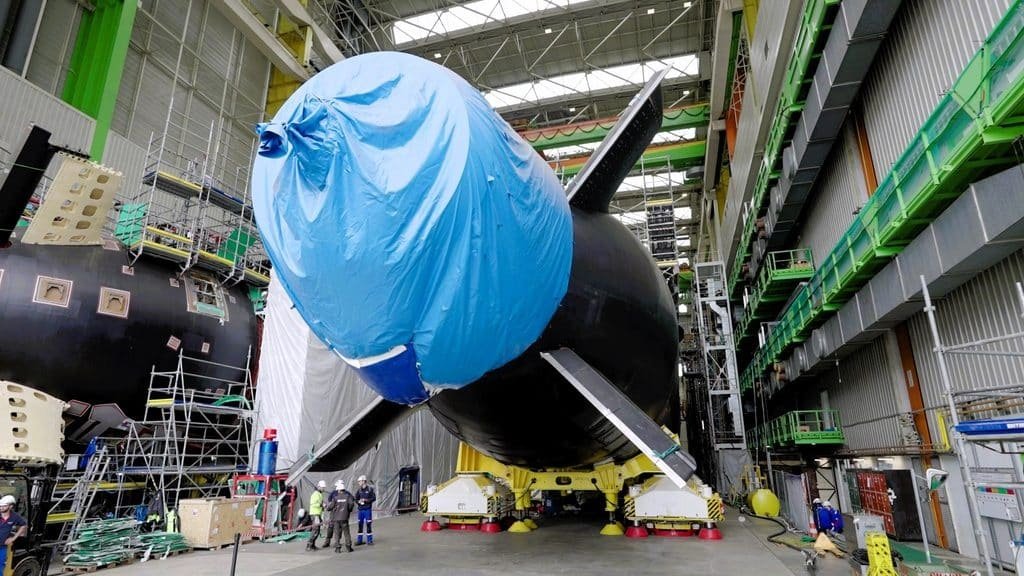
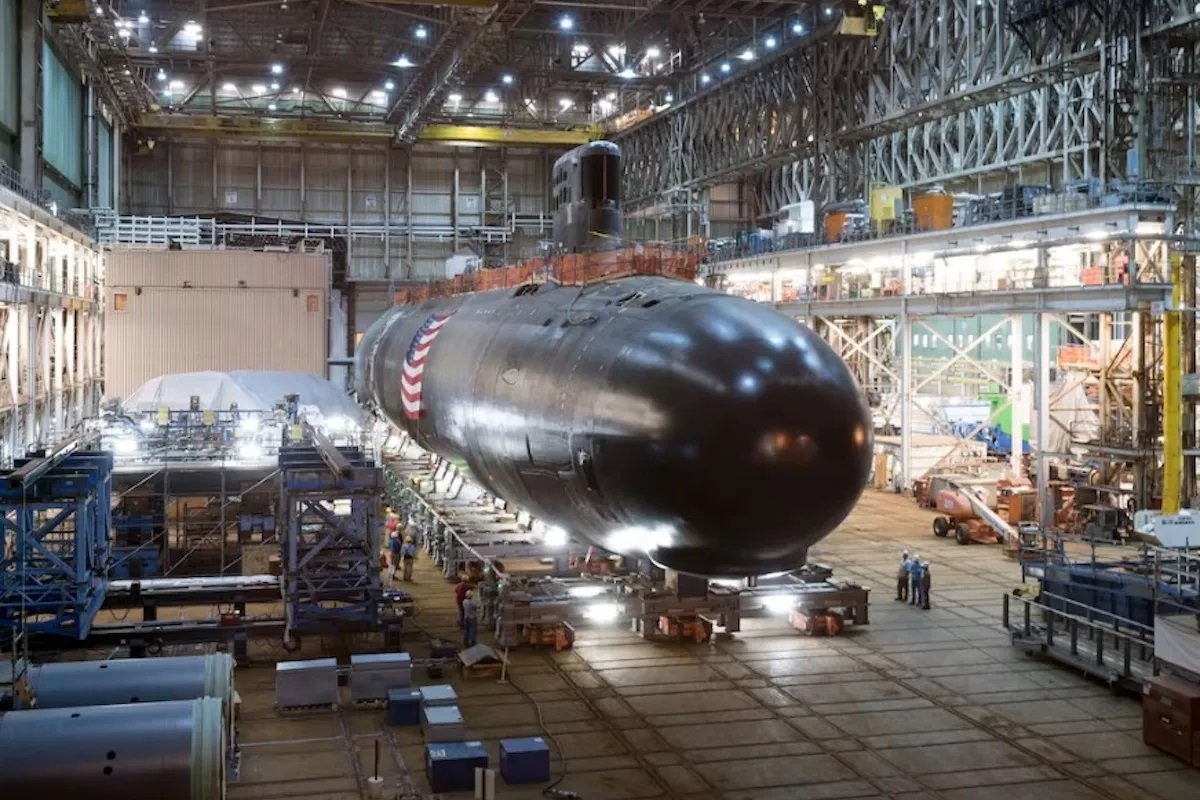
The Navy is seeking information on shipyards' ability to perform complete pressure hull fabrication, modular outfitting, precision systems integration, nuclear reactor compartment installation, post-delivery testing and final certification.
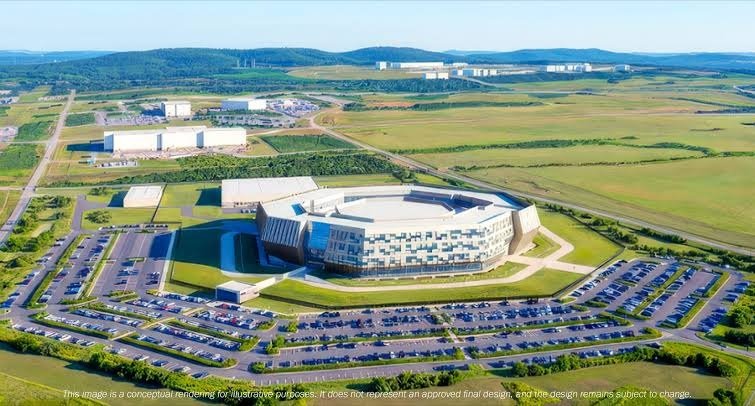
The assessment also covers certified graving or floating drydocks, heavy-module fabrication facilities, specialized tooling, gantry cranes and heavy-lift equipment, as well as the availability of qualified shipbuilding design personnel. The applicable industry classification is NAICS 336611, Ship Building and Repairing.
The assessment focuses on the existing U.S. nuclear-submarine industrial base, which includes General Dynamics Electric Boat, with facilities in Groton, Connecticut, and Quonset Point, Rhode Island, and Huntington Ingalls Industries' Newport News Shipbuilding in Virginia. Both organizations build Virginia-class attack submarines and support the wider nuclear-submarine construction effort. Electric Boat is the Virginia-class program's prime contractor. The notice does not select a shipyard for SSN(X).
SSN(X) Program and Planned Capabilities
The SSN(X) is intended to succeed the Virginia and Seawolf classes. Planned improvements include greater speed, increased horizontal payload capacity, vertical launch systems for cruise missiles, improved acoustic and other signatures, higher operational availability, and better coordination with unmanned underwater vehicles and off-board sensors.
Design work remains ongoing. Production has been projected to begin around 2034, with entry into service expected in the early to mid-2040s.
Industrial Capacity, Timeline and Cost
The Navy's submarine industrial base is already supporting Virginia-class attack submarine production and the higher-priority Columbia-class ballistic-missile submarine program. The Navy aims to increase production to at least two Virginia-class submarines and one Columbia-class submarine annually.
The SSN(X) assessment will help determine what additional infrastructure, assembly space, equipment and workforce capacity may be needed without disrupting existing construction programs.
The Navy's FY2025 budget submission shifted procurement of the first SSN(X) from fiscal year 2035 to FY2040 because of competing funding priorities and industrial-base constraints. The FY2027 budget request for the program is approximately $315 million, around $121 million below earlier expectations. FY2026 research and development funding requests included support for class development and next-generation nuclear propulsion work.
Estimated unit costs are between $6.7 billion and $8.0 billion, potentially making SSN(X) significantly more expensive than the Virginia class. Final costs and timelines remain subject to design development, funding and industrial capacity.
The Sources Sought Notice is an early planning step to assess whether U.S. shipyards can accommodate the next-generation submarine alongside ongoing construction programs. It does not constitute a construction contract or confirm the final shipyard arrangement.
——— End of Article ———