WASHINGTON, — May 30, 2026 : U.S. intelligence and defense officials are investigating the April downing of an American F-15E Strike Eagle over southwestern Iran after evidence indicated the aircraft was likely struck by a Chinese-manufactured shoulder-launched missile system, according to officials familiar with the matter.
The incident, which occurred on April 3 in Iran’s Kohgiluyeh and Boyer-Ahmad province, marked the first known combat loss of a U.S. crewed aircraft during the recent conflict and the first time in decades that a U.S. fighter jet was reportedly brought down by hostile enemy fire. U.S. officials believe the aircraft was likely hit while operating at lower altitude during combat operations.
Rescue Operation After Shootdown
Both crew members aboard the F-15E successfully ejected after the strike and established communication using onboard systems following the aircraft’s loss. According to Pentagon officials, the pilot was rescued within several hours during an initial recovery mission.
During that operation, Iranian forces struck a U.S. Black Hawk helicopter involved in the rescue effort, wounding crew members, although the helicopter remained operational and was able to continue flying.
The weapons systems officer avoided capture after taking cover in the foothills of the Zagros Mountains. U.S. forces recovered the officer alive on April 5 during a nighttime combat search-and-rescue mission involving dozens of aircraft, specialized commando personnel, and extensive air cover.
Suspected Chinese-Made Missile Under Investigation
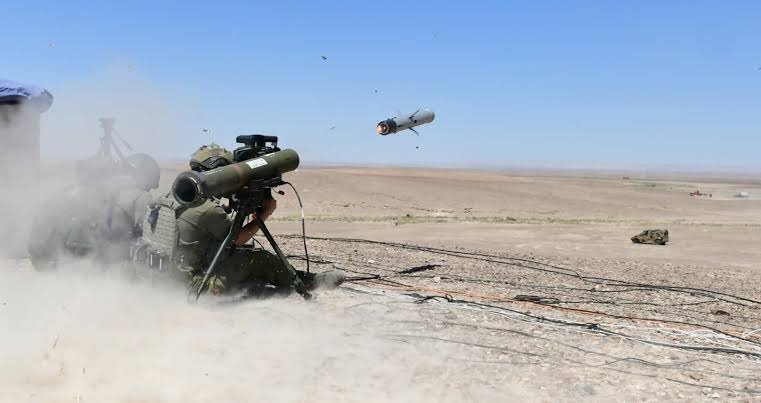
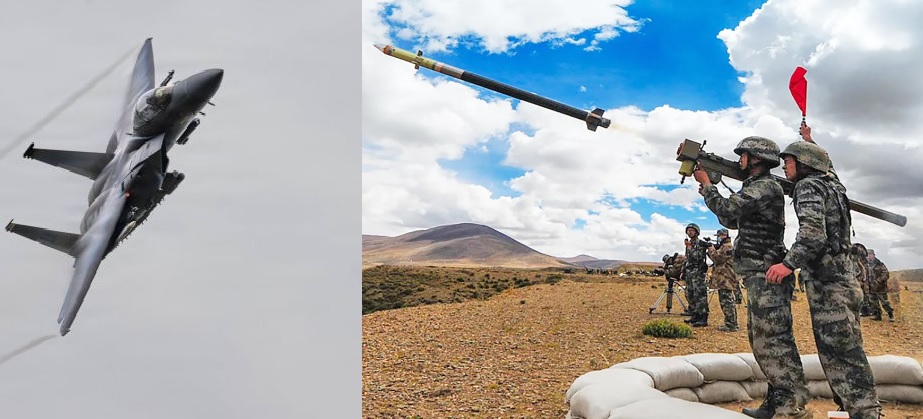
U.S. intelligence agencies are investigating indications that the F-15E was struck by a Chinese-manufactured man-portable air defense system (MANPADS), a shoulder-fired missile designed to target low-flying aircraft.
Such systems are typically around seven feet long, weigh approximately 40 pounds, and are designed to engage helicopters and fixed-wing aircraft operating at lower altitudes. Officials have not determined whether the suspected missile system was recently transferred to Iran or drawn from military stockpiles acquired years earlier.
Investigators have not reached a final conclusion regarding the specific weapon involved, and intelligence reviews remain ongoing.
Questions Over Chinese Radar Support
In addition to the missile investigation, U.S. officials are examining whether China supplied Iran with a YLC-8B UHF-band long-range early-warning radar system capable of detecting low-observable aircraft.
Developed by China’s Nanjing Research Institute of Electronics Technology, the YLC-8B is designed to detect targets with a radar cross-section of roughly one square meter at ranges between 270 and 330 kilometers and may track aircraft beyond 200 kilometers under certain conditions.
The radar operates in the UHF frequency band, which analysts say can reduce the effectiveness of radar-absorbent materials commonly used on stealth aircraft. Defense analysts note that such systems could strengthen Iran’s layered air-defense architecture by improving long-range detection capabilities against advanced aircraft, including the F-35 Lightning II and B-2 Spirit.
The system is also designed for rapid deployment and dismantling, reportedly requiring less than 30 minutes to become operational or relocated. However, U.S. intelligence agencies have not confirmed whether the radar was fielded or operational during the recent conflict.
U.S. Assessment and Chinese Response
A U.S. official familiar with the matter said Washington remains aware of Chinese support to Iran but assessed that such assistance “was not significant” and had “no decisive operational impact” on the overall course of hostilities.
Military planners and intelligence analysts continue reviewing operational data from the shootdown to evaluate how foreign-made missile systems, sensor networks, and defense supply chains could influence future U.S. aerial operations and regional military planning.
China’s embassy in Washington rejected allegations of direct involvement, stating that Beijing exercises strict oversight of military exports, complies with international obligations, and acts responsibly in defense-related cooperation. Chinese officials described claims surrounding assistance to Iran as unfounded.
Broader Concerns Over Chinese Support to Iran
The investigation comes amid wider scrutiny of alleged Chinese support to Tehran during the conflict.
Earlier, the U.S. State Department imposed sanctions on three Chinese satellite companies — The Earth Eye, Meentropy Technology (Hangzhou), and Chang Guang Satellite Technology — accusing them of providing imagery and geospatial intelligence that enabled Iranian forces to identify and monitor American military facilities during Operation Epic Fury.
The sanctions formed part of a broader package targeting 11 entities and three individuals in Iran, China, Belarus, and the United Arab Emirates. Beijing rejected those allegations.
The incident also adds complexity to U.S.-China relations as the Trump administration continues diplomatic efforts related to ceasefire negotiations with Iran while preparing for discussions with Chinese leadership. Previous U.S. intelligence assessments cited by media reports suggested China had explored supplying additional air-defense systems to Tehran, while some officials believed portions of that intelligence were publicly disclosed to expose or discourage such transfers.
——— End of Article ———