WASHINGTON, — March 26, 2026 : The U.S. Department of Defense is evaluating a potential shift in weapons allocation that could see air defense interceptor missiles originally designated for Ukraine redirected to the Middle East, as ongoing military operations against Iran place growing pressure on American munitions reserves.
According to multiple sources familiar with internal discussions, the proposal centers on interceptor missiles procured under the Prioritized Ukraine Requirements List (PURL), a NATO-backed initiative established in 2025. The program enables member states and partner countries to voluntarily finance the acquisition of U.S.-manufactured weapons and defense systems for Ukraine. Since its launch, PURL has played a central role in sustaining Ukraine’s air defense network, supplying approximately 75 percent of the missiles used by Patriot systems and nearly all munitions for other air defense platforms.
The debate comes amid an intensified operational tempo in the Middle East. Over the past four weeks, U.S. Central Command has reportedly engaged more than 10,000 targets in Iran. This surge in activity has significantly accelerated the consumption of high-value munitions. Officials indicate that roughly 800 U.S.-made interceptor missiles were expended in a three-day period alone, a figure that exceeds the approximately 700 interceptor missiles Ukraine used over the entire winter season.
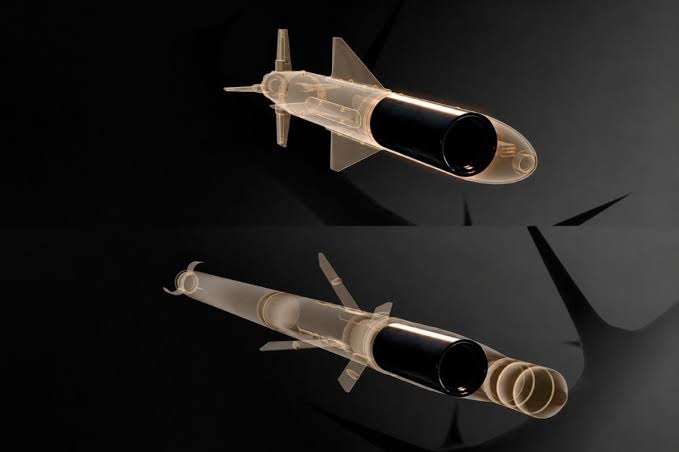
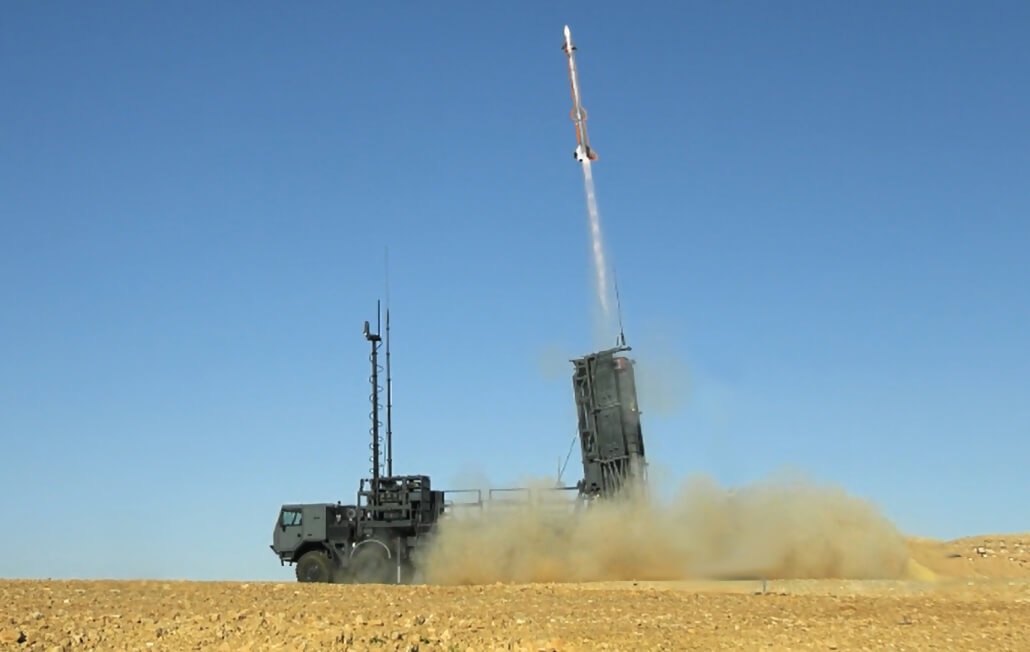
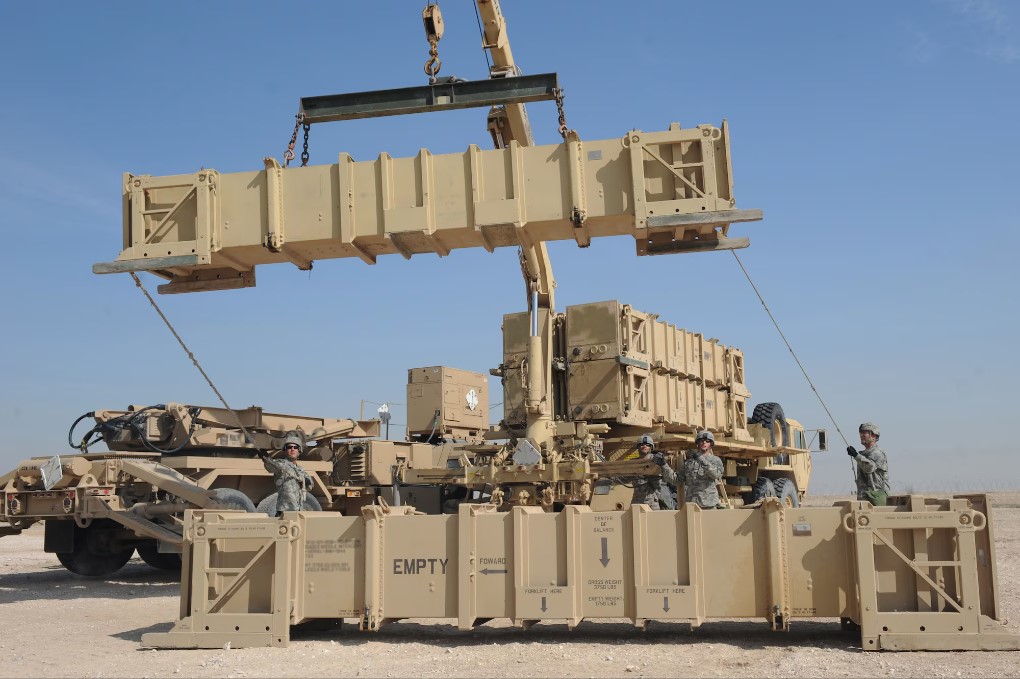
Interceptor missiles—particularly those used in Patriot and Terminal High Altitude Area Defense (THAAD) systems—remain among the most critical assets for Ukraine as it continues to defend against sustained Russian aerial attacks. Any disruption in supply could affect Kyiv’s defensive posture, particularly in protecting key infrastructure and urban centers.
Funding Mechanisms and Legal Constraints
The potential redirection involves complex funding arrangements and legislative oversight. In December 2025, the U.S. Congress enacted restrictions prohibiting the Pentagon from independently diverting weapons intended for Ukraine to other uses. However, provisions allow for such action in cases of urgent military necessity, provided lawmakers are formally notified.
In line with these requirements, two U.S. officials confirmed that the Pentagon informed Congress earlier this week of its intention to redirect approximately $750 million in NATO-contributed funds under the PURL framework. Instead of being used for additional deliveries to Ukraine, the funds are expected to support the replenishment of U.S. military stockpiles. One official noted that it remains unclear whether participating European nations fully understand how these contributions are being reallocated.
Further complicating the funding landscape is the Ukraine Security Assistance Initiative (USAI), a separate U.S. program that finances long-term weapons production through contracts with American defense manufacturers. In January 2026, Congress approved an additional $400 million for USAI after earlier plans to scale back the program. However, delivery timelines under USAI can extend over several years due to production cycles.
A Pentagon report submitted to Congress and reviewed by officials indicates that some European-funded PURL resources may have been used for purposes originally intended to be financed through USAI using U.S. funds. It remains uncertain whether this represents supplementary spending or a substitution of previously approved allocations.
Allied Concerns and Official Responses
A Pentagon spokesperson declined to comment directly on internal deliberations regarding the potential diversion but stated that the Department of Defense “will ensure that U.S. forces, as well as allied and partner forces, have everything they need to fight and achieve victory.”
NATO officials did not provide a direct response on whether the alliance had been formally consulted بشأن the possible reallocation. In a written statement, a NATO representative emphasized that member states “continue to contribute to PURL, and equipment is steadily arriving in Ukraine.”
European allies have expressed concern over the pace at which U.S. stockpiles are being depleted. One European diplomat noted that the United States is “running through munitions quickly,” raising questions about the sustainability of current supply arrangements and the broader impact on transatlantic defense readiness.
Ukrainian officials have acknowledged the evolving situation. Ukraine’s Ambassador to the United States, Olha Stefanishyna, stated that Kyiv remains in close communication with its partners regarding air defense requirements. She described the current period as one of “significant uncertainty” but indicated that initial disruptions linked to Middle East operations have been managed.
Future Aid Outlook and Internal Debate
Sources familiar with Pentagon planning suggest that future aid packages to Ukraine may undergo adjustments, with a reduced emphasis on air defense systems as the United States prioritizes rebuilding its own inventories and supporting allied stockpiles in the Persian Gulf region.
The issue remains under active discussion within the U.S. government. “The political debate is over how much to provide to Ukraine,” one source said, describing the deliberations as ongoing and unresolved.
Since its inception, the PURL initiative has facilitated more than $4 billion in pledged military equipment and munitions for Ukraine, underscoring its importance in sustaining Kyiv’s defense capabilities. However, the current reassessment highlights the growing tension between competing operational demands and finite defense resources as the United States navigates simultaneous security challenges in Europe and the Middle East.
——— End of Article ———