WASHINGTON — June 01, 2026 : The United States Army is seeking funding for 2,798 Patriot PAC-3 Missile Segment Enhancement (MSE) interceptor missiles under its Fiscal Year 2027 budget proposal, a procurement effort valued at approximately $12.2 billion that would rank among the largest missile defense acquisitions in the service’s history.
The proposal reflects a major shift in US military planning as Pentagon officials seek to strengthen missile defense inventories for prolonged, high-intensity conflicts in which advanced munitions could be consumed at far higher rates than previously anticipated. According to details reported by Army Recognition on June 1, the procurement represents a substantial increase in Patriot interceptor purchases and highlights a growing focus on sustaining air defense operations during extended missile and drone campaigns.
Budget Structure and Scale of Procurement
The interceptor acquisition forms part of the Army’s broader FY2027 budget request of approximately $252.8 billion, which prioritizes force expansion, modernization programs, industrial base development, and military readiness.
Funding for the proposed 2,798 Patriot PAC-3 MSE interceptors would be divided across two budget streams. Approximately $1.3 billion would come through standard discretionary funding, while $10.9 billion would be allocated through mandatory funding, covering 2,554 missiles and requiring separate congressional approval.
The scale of the proposal marks a significant increase from previous procurement levels. In comparison, the Army’s FY2026 budget funded 357 PAC-3 MSE interceptors, meaning the FY2027 request would increase purchases by nearly eight times.
At an estimated unit cost of approximately $5.3 million per interceptor, the proposal illustrates a broader Pentagon shift toward ensuring sufficient missile inventories for sustained operations rather than preparing primarily for limited engagements or isolated attacks.
Military planners increasingly assess that future conflicts may involve repeated and coordinated missile barrages over prolonged periods, making stockpile size as important as interceptor capability. Under such conditions, even advanced missile defense systems could face operational limitations if inventories cannot be replenished rapidly enough.
PAC-3 MSE Capabilities and Technology
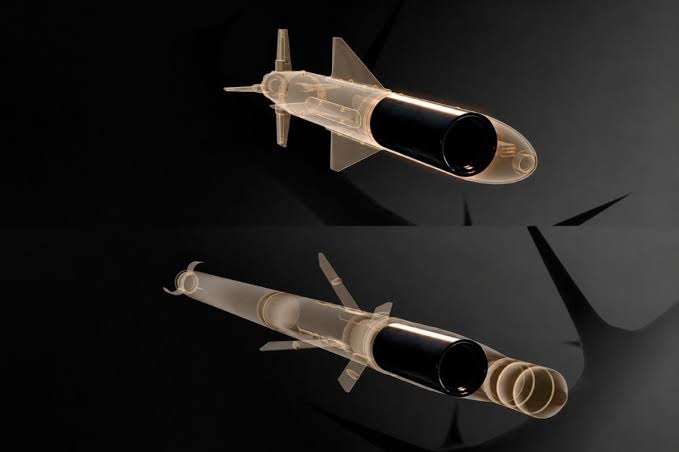
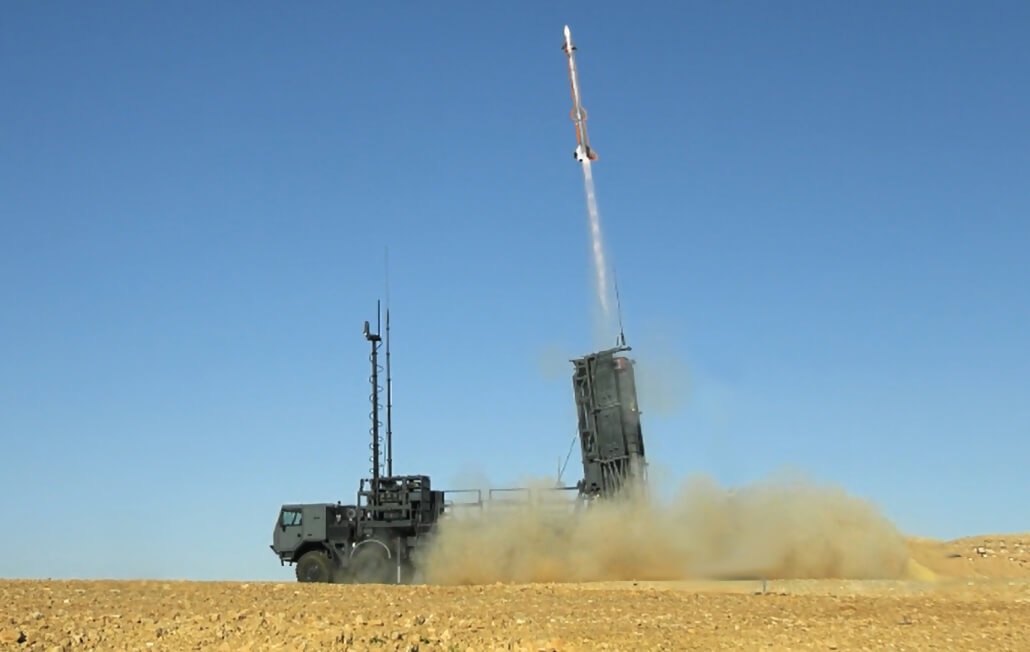
Manufactured by Lockheed Martin, the PAC-3 Missile Segment Enhancement interceptor is the most advanced missile currently deployed within the Patriot air and missile defense system.
Unlike older air defense interceptors that rely primarily on blast fragmentation to destroy incoming threats near a target, the PAC-3 MSE uses hit-to-kill technology, neutralizing threats through direct kinetic impact.
The interceptor incorporates a larger dual-pulse rocket motor designed to improve range and altitude performance, enhanced maneuverability, and upgraded guidance electronics. While optimized to defeat tactical ballistic missiles, the system also retains the capability to intercept cruise missiles, advanced aircraft, and other airborne threats.
Within the Patriot defense architecture, PAC-3 MSE interceptors operate as part of a networked system linking launchers, sensors, radars, and command-and-control systems.
The interceptor currently receives targeting information through legacy Patriot radar systems but is expected to benefit from integration with the Lower Tier Air and Missile Defense Sensor (LTAMDS), a next-generation radar developed to improve tracking and targeting performance against complex aerial threats.
Lessons from Ukraine and the Middle East
Recent combat experience in Europe and the Middle East has played a significant role in shaping the Army’s procurement strategy.
Patriot batteries continue to operate as critical elements of United States and allied missile defense networks, protecting military airbases, logistics centers, ammunition depots, command infrastructure, and civilian facilities against missile and drone attacks.
In Ukraine, officials have reported successful Patriot interceptions of advanced Russian missile systems, including the Kh-47M2 Kinzhal, demonstrating the system’s ability to engage high-speed aerial threats under combat conditions.
At the same time, the conflict has highlighted how quickly advanced interceptor stockpiles can be depleted during sustained operations involving repeated drone and missile strikes.
Military assessments have similarly noted operational pressures in the Middle East, where US and allied forces continue to maintain readiness against ballistic missiles, cruise missiles, drones, and other aerial threats requiring constant defensive preparedness.
These operational experiences have reinforced Pentagon concerns that advanced capability alone may prove insufficient if interceptor inventories are exhausted during prolonged combat.
Focus on Missile Stockpile Sustainability
US defense planners increasingly emphasize what military officials describe as “magazine depth” — the ability to maintain sufficient interceptor inventories throughout a conflict.
The concept reflects a broader conclusion emerging from recent military operations: effective air defense depends not only on advanced systems but also on the capacity to sustain long-duration operations through adequate stockpiles and industrial production.
Ukrainian President Volodymyr Zelenskyy recently highlighted this challenge while urging Washington to authorize licensed domestic production of Patriot interceptors in Ukraine.
Zelenskyy stated that monthly production of approximately 60 to 65 anti-ballistic missiles per month remains inadequate given battlefield conditions and called on both previous and current US administrations to expand manufacturing arrangements.
Wider Army Air Defense Modernization
The Patriot procurement proposal forms part of a broader Army modernization effort aimed at building a layered air and missile defense architecture.
Key modernization programs include the Indirect Fire Protection Capability (IFPC), Maneuver-Short Range Air Defense (M-SHORAD), the Terminal High Altitude Area Defense (THAAD), and LTAMDS radar integration.
Alongside the Patriot request, the Army’s FY2027 draft budget also includes plans to procure 857 THAAD interceptors as part of efforts to improve layered protection against increasingly sophisticated regional missile arsenals.
US military planning has increasingly focused on strengthening defenses for forward operating bases and allied facilities, particularly in regions such as the Indo-Pacific, where officials continue to monitor expanding missile capabilities, including those of the People's Liberation Army Rocket Force.
Congressional Approval Ahead
The proposed acquisition still requires congressional approval, particularly for the mandatory funding component supporting most of the interceptor purchase.
If approved, the $12.2 billion request would provide a major production boost for Lockheed Martin and represent one of the most significant missile defense procurement efforts undertaken by the US Army in decades.
The proposal reflects a broader Pentagon assessment that future conflicts are likely to involve sustained missile and drone attacks, requiring not only advanced defensive systems but also sufficient production capacity and large operational inventories to maintain readiness over extended periods.
——— End of Article ———