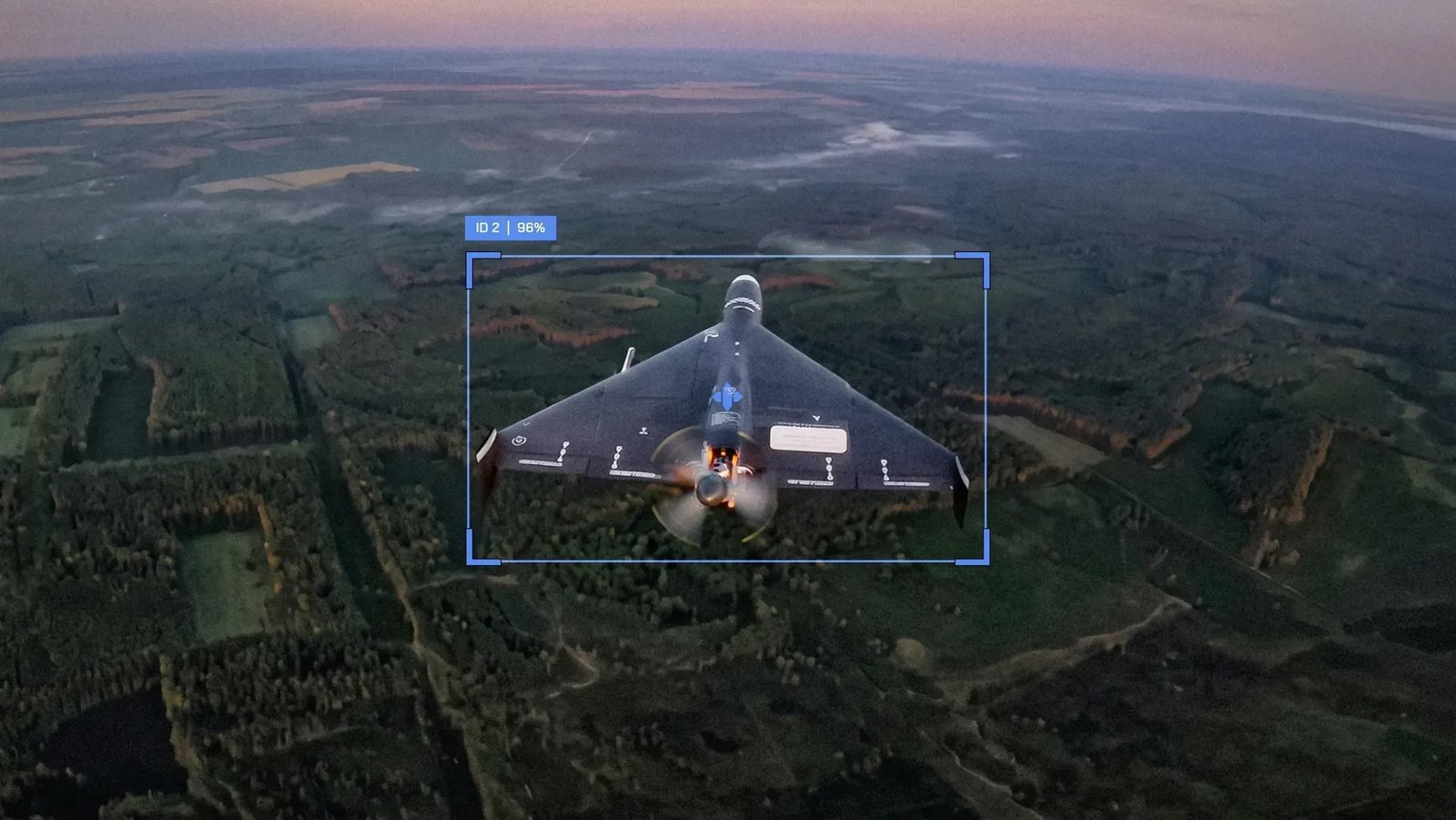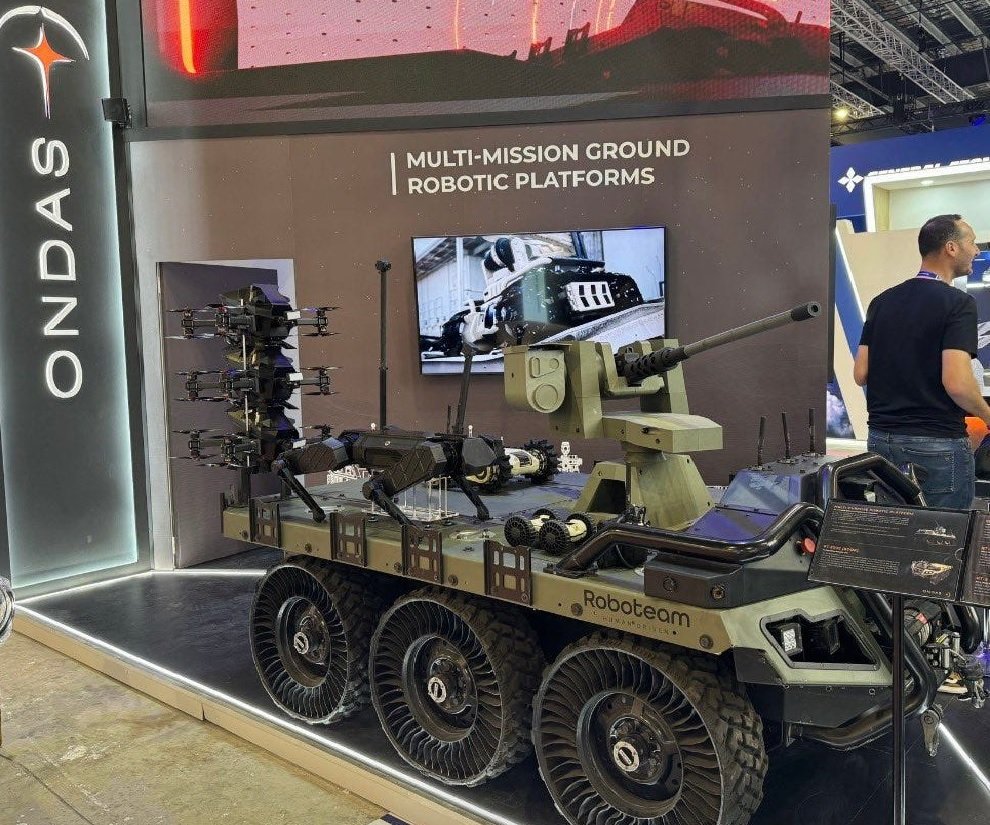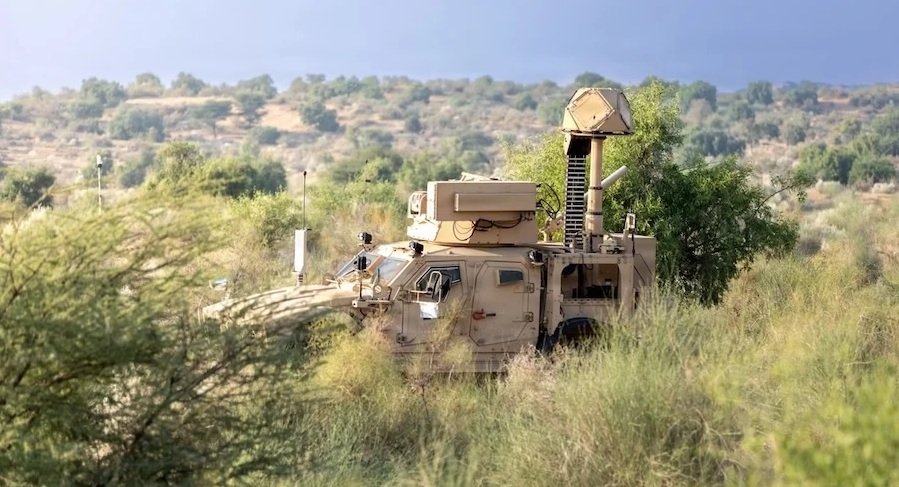
BIKANER, RAJASTHAN — U.S. Army soldiers from the 11th Airborne Division demonstrated the Mobile Low, Slow, Small Unmanned Aircraft Integrated Defeat System (M-LIDS) to Indian Army personnel during Yudh Abhyas 2026 at the Mahajan Field Firing Range in Rajasthan.
The M-LIDS remained under U.S. control during the demonstration. Indian troops observed its components and discussed counter-drone tactics with their U.S. counterparts but did not operate the system.
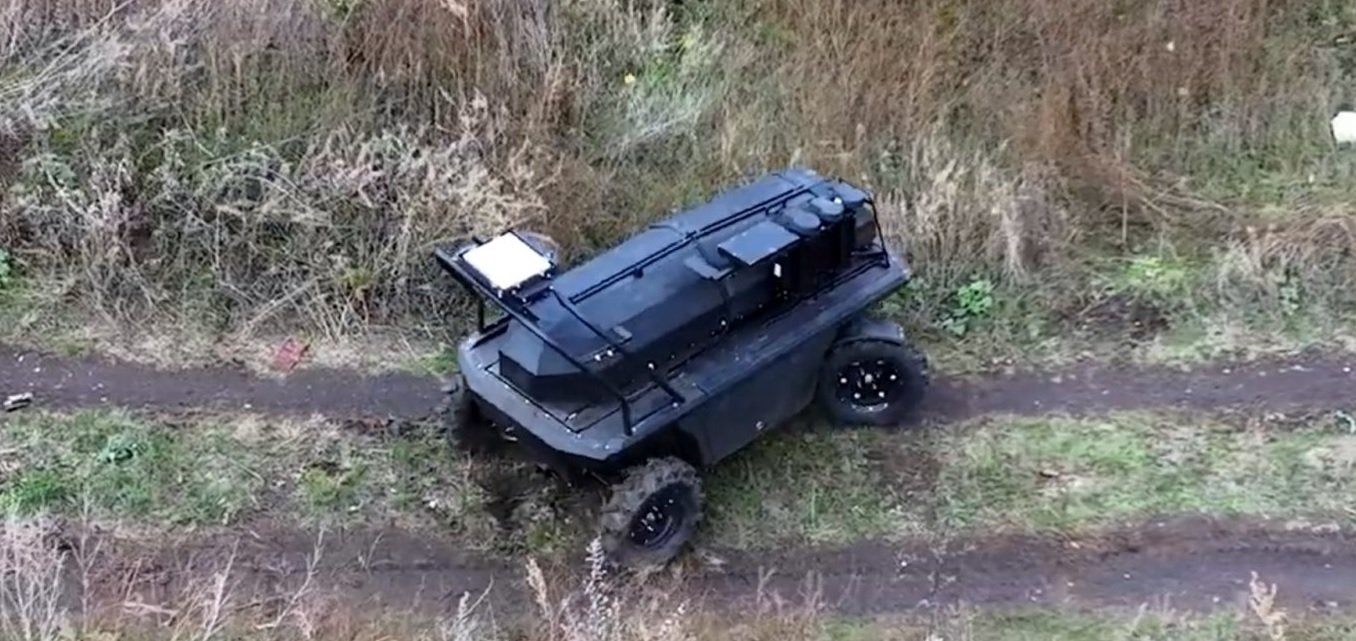
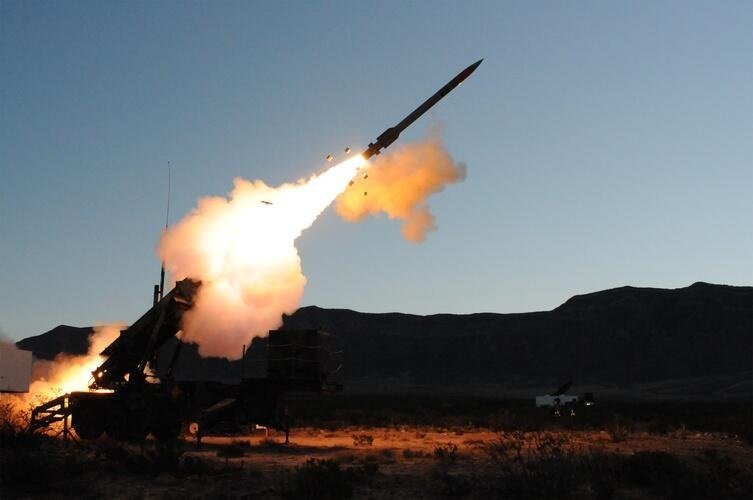
M-LIDS combines sensors, command-and-control equipment, electronic warfare tools and kinetic options mounted on mobile tactical vehicles. It is designed to detect, track, identify and defeat small, low and slow unmanned aircraft systems. The system uses a Ku-band radar, along with electro-optical and infrared sensors, while the Forward Area Air Defense Command and Control system combines sensor information into a local air picture. Operators can then select responses that may include electronic warfare or kinetic options.
During the exercise, U.S. soldiers practiced setting up and linking the system, establishing an air picture, tracking potential threats and selecting an appropriate response. Its mobile design allows it to reposition with the forces it is protecting. The heat, dust and open terrain of Rajasthan also provided conditions for the personnel and equipment during the training.
“Defeating the small UAS threat is not a single-nation fight; it requires interoperable forces that can share information, integrate capabilities, and act as one,” said Chief Warrant Officer 3 Mark Giauque, the division’s air and missile defense systems integrator. He said the ability to detect, identify and defeat enemy UAS would be important for maintaining freedom of maneuver and protecting forces.
Yudh Abhyas 2026
Yudh Abhyas 2026 is the 22nd edition of the annual U.S.-India bilateral exercise. It began on September 15 and is scheduled to end on September 28. For the first time, the exercise is being held simultaneously at the Mahajan Field Firing Range in Rajasthan and the Auli training area in Uttarakhand.
About 600 soldiers from each country are participating. The U.S. contingent comes from the 1st Infantry Brigade Combat Team of the 11th Airborne Division, based in Alaska, while the Indian contingent is led by the 14 Infantry Division.
Alongside the counter-drone training, U.S. and Indian artillery crews conducted combined training with M777 lightweight howitzers, including live fire, rapid movement to alternate positions and shoot-and-scoot drills. The wider fire-support training also involved India’s Pinaka multi-barrel rocket launcher and Dhanush guns. Other activities covered aviation, maneuver, medical and force-protection tasks.
The M-LIDS demonstration focused on observation, information sharing and counter-drone tactics, while the M777 training involved combined U.S.-Indian crews. It was the first reported deployment of M-LIDS to India as part of the exercise.
Training will continue through September 28, including mountain warfare, cold-weather operations, command-post exercises and combined live-fire events at the two exercise locations.
——— End of Article ———