EGLIN AIR FORCE BASE, Florida, — BAE Systems and SURVICE Engineering have successfully demonstrated a counter-drone capability using a modified TRV-150 uncrewed aircraft, which intercepted multiple one-way attack drones during US military trials in late September at Eglin Air Force Base, Florida.
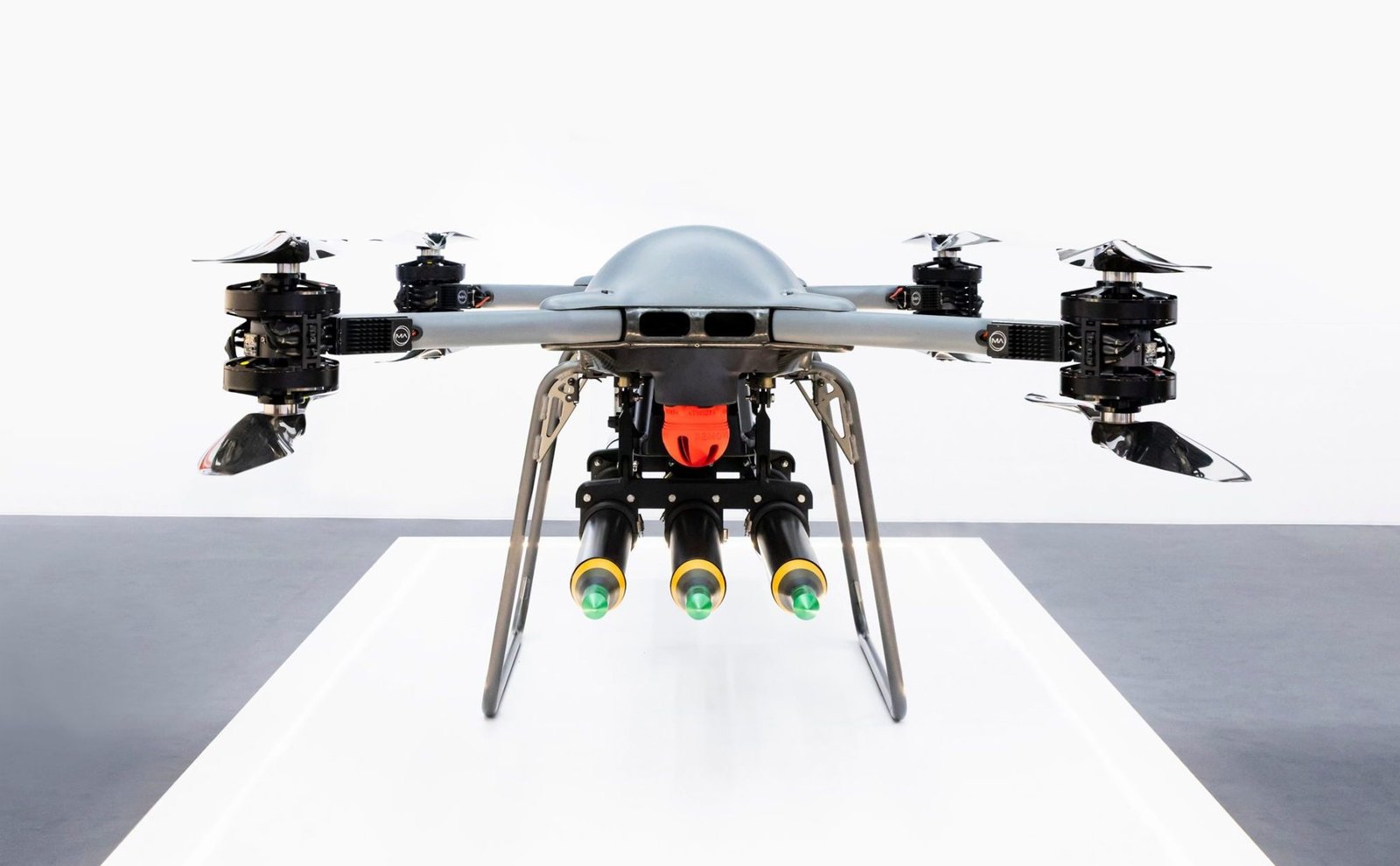
Conducted during the US Office of the Under Secretary for Research and Engineering's Mission Capabilities Joint Readiness Experimentation exercise, the trial used a production-ready three-pod launcher to fire 70 mm laser-guided Advanced Precision Kill Weapon System (APKWS) rockets at successive aerial targets in a single flight without landing or reloading. The demonstration showed how a cargo drone could be adapted into a potentially cost-effective counter-drone platform.
TRV-150 and APKWS Integration
The TRV-150 is a modified version of the British-built T-150, developed by BAE Systems subsidiary Malloy Aeronautics. Maryland-based SURVICE Engineering adapted the aircraft to meet US Army requirements, while BAE Systems' FalconWorks division developed and integrated the APKWS modification kit.
The multi-rotor, electric vertical take-off and landing (eVTOL) aircraft has a payload capacity of up to 150 pounds (68 kilograms). APKWS converts standard unguided 70 mm rockets into precision-guided munitions using a laser-guidance kit. The system is already used on platforms including the F-16 and F-18 fighter aircraft and the Apache helicopter, providing a lower-cost option for engaging selected aerial and ground targets compared with higher-end munitions.
Previous Tests and Company Statements
The latest trial builds on a July 2025 test at the US Army's Dugway Proving Ground in Utah, where an adapted T-150 fired a precision munition and engaged air and ground targets with no misses. That demonstration marked the first air-to-air engagement of an APKWS guidance kit from an uncrewed air system. In May 2026, a further test at Fort Rucker, Alabama, evaluated the three-shot launcher and the aircraft's flight-control response during firing.
Thomas Lancashire, head of UAS Business Development at BAE Systems' FalconWorks division, said the companies had moved quickly from concept to a system capable of engaging multiple targets in one mission. He added that delivering effective military capabilities quickly was as important as the technology itself.
Gregory Thompson, president of SURVICE Engineering, said supporting military personnel had been central to the company's mission for more than 45 years. He described integrating APKWS onto the TRV-150 as an example of its focus on precise and cost-effective military solutions.
Future Maritime Applications
The TRV-150 is already used for tactical logistics and resupply by UK armed forces, the US Marine Corps and the US Army. In 2025, it transported supplies between ships during the Royal Navy Carrier Strike Group's eight-month Indo-Pacific deployment.
Following the successful trials, BAE Systems and SURVICE Engineering plan to extend the aircraft's counter-drone capability to maritime environments, with the aim of helping protect naval assets and other customers against similar aerial threats at sea.
——— End of Article ———