WASHINGTON, — March 6, 2026 : U.S. officials have confirmed that three MQ-9 Reaper unmanned aerial vehicles operated by the United States Air Force have been lost since the start of Operation Epic Fury, a large-scale military campaign targeting Iranian military infrastructure across the Middle East.
Officials speaking to CBS News said the incidents occurred during the early phase of the operation, which began on February 28, 2026 and is being conducted under the command of the United States Central Command (CENTCOM).
While the precise locations and operational circumstances of the drone losses have not been fully disclosed, preliminary information has been provided regarding two of the incidents.
Drone Loss Incidents
According to U.S. officials, one MQ-9 Reaper was deliberately directed to crash into the sea off the coast of Iran. The decision to intentionally bring the aircraft down was reportedly made during the mission, although authorities have not released details explaining the operational reason for the action.
A second drone is believed to have been mistakenly shot down by air defense systems operated by Qatar in what officials described as a suspected friendly-fire incident. The event occurred amid heightened regional air defense activity following Iranian missile and drone strikes across several countries hosting U.S. military installations.
Information regarding the third MQ-9 Reaper loss has not been publicly disclosed. U.S. defense officials have not specified whether the aircraft was lost due to hostile action, mechanical failure, or other operational factors.
Role of the MQ-9 Reaper
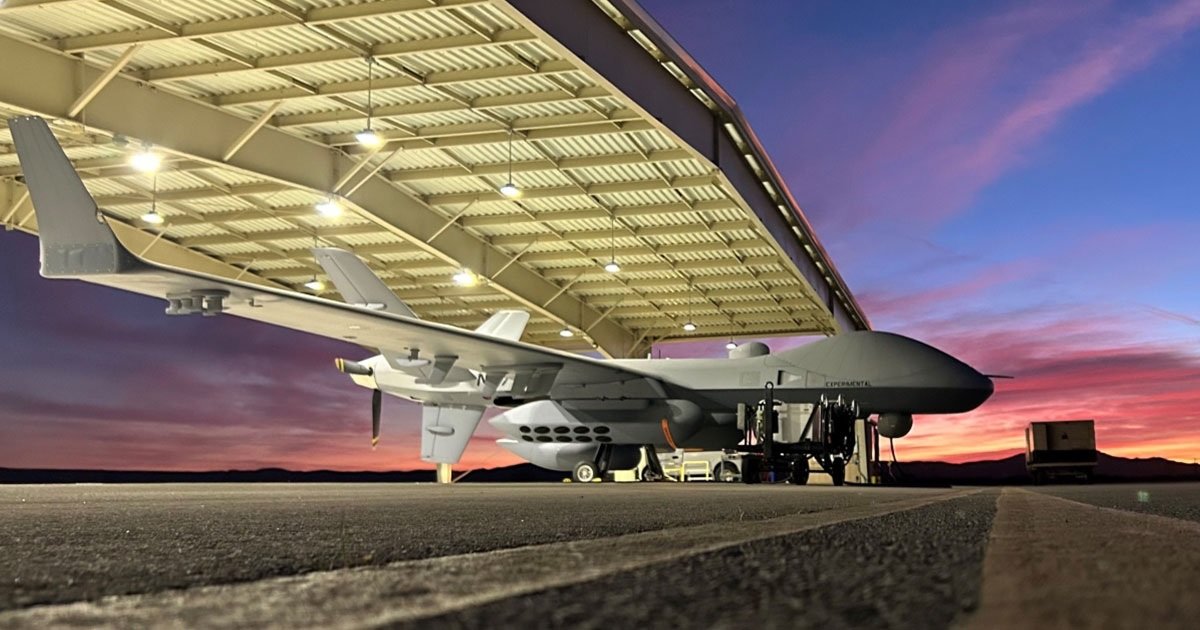
The MQ-9 Reaper is a remotely piloted aircraft used by the United States Air Force for intelligence gathering, surveillance, reconnaissance, and precision strike missions. The platform can carry a range of sensors and guided munitions and typically operates at medium to high altitudes for extended mission durations.
Each MQ-9 Reaper has an estimated unit replacement cost of approximately $30 million. Based on this valuation, the loss of three aircraft represents an estimated equipment cost of roughly $90 million.
Operation Epic Fury Campaign
Operation Epic Fury was launched on February 28, 2026 by CENTCOM as part of a coordinated aerospace campaign targeting Iranian military capabilities. The operation focuses on infrastructure linked to the Islamic Revolutionary Guard Corps, as well as air defense systems, missile launch sites, airfields, and weapons storage facilities.
The campaign involves a combination of strategic bombers, tactical fighter aircraft, and unmanned systems operating across multiple locations in the Middle East. Aircraft reported to be participating in the operation include Northrop Grumman B-2 Spirit stealth bombers, Lockheed Martin F-35 Lightning II fighter jets, and MQ-9 Reaper drones.
U.S. forces are also supported by regional missile defense networks including the Patriot missile system and Terminal High Altitude Area Defense (THAAD).
According to U.S. military officials, more than 1,700 targets have been struck during the initial stages of the operation.
Broader Operational Losses
The drone incidents form part of a broader set of reported losses and damage sustained during the campaign.
U.S. officials have stated that six American service members have been killed and additional personnel wounded in Iranian strikes targeting U.S. facilities in the region.
Damage has also been reported to a U.S. AN/FPS-132 early warning radar system located at Al Udeid Air Base.
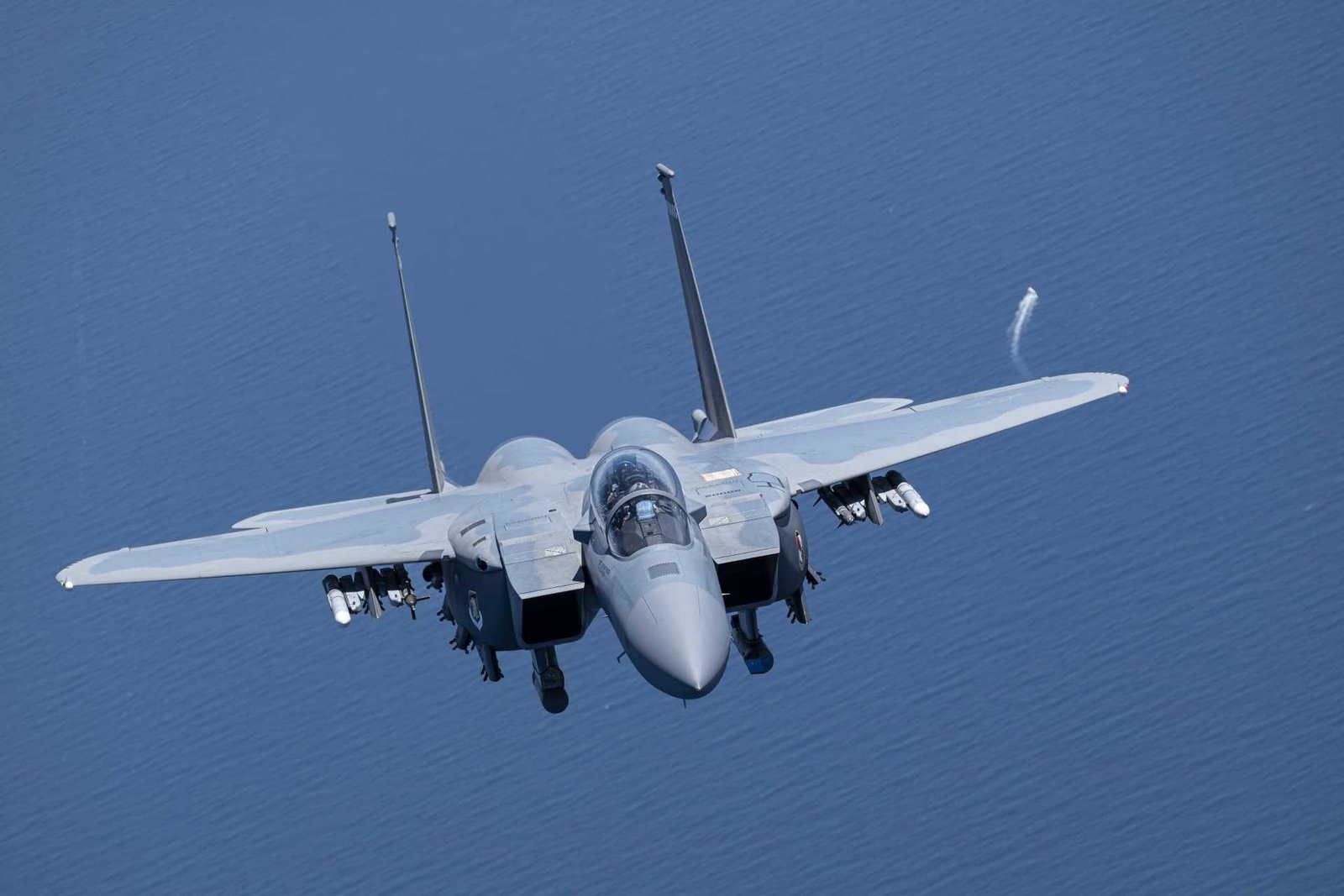
In a separate incident, three McDonnell Douglas F-15E Strike Eagle aircraft were lost in a friendly-fire engagement involving air defense systems operated by Kuwait.
Airspace Management Challenges
Military analysts note that the dense operational environment created by ongoing combat operations, missile interceptions, and heavy aircraft activity has increased the complexity of airspace coordination across the region.
Following the launch of Operation Epic Fury, Iran initiated retaliatory missile and drone attacks against several locations across the Middle East, including areas hosting U.S. forces in Gulf countries.
Regional air defense systems have been operating at elevated alert levels to intercept incoming threats, contributing to a congested and rapidly evolving airspace environment that increases the risk of identification errors.
Investigation and Recovery Efforts
The United States Department of Defense has not yet released the results of any formal investigations into the drone losses or the reported friendly-fire incident involving Qatari air defenses.
Officials have also not announced any timeline for potential recovery operations related to the aircraft believed to have crashed into waters off the Iranian coast.
The information regarding the three MQ-9 Reaper losses was reported by CBS News on March 6, 2026, citing U.S. officials familiar with the operational developments.
——— End of Article ———