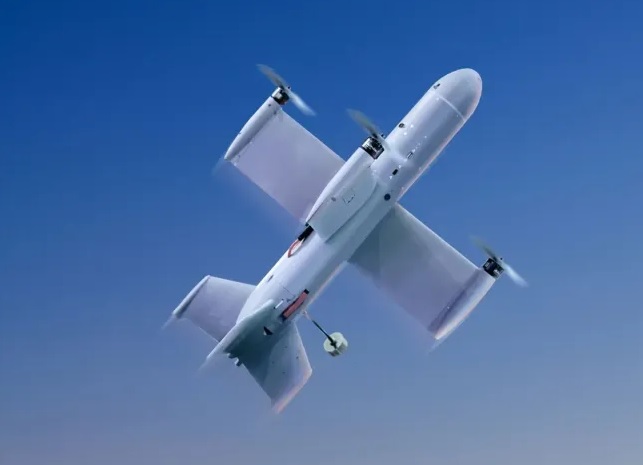
KYIV — March 8, 2026 : The United Arab Emirates, Qatar, and Kuwait have approached Ukrainian defense manufacturer TAF Industries with requests to purchase large quantities of interceptor drones designed to counter hostile unmanned aerial vehicles (UAVs). According to company officials, the United Arab Emirates has submitted a request for approximately 5,000 interceptor drones, while Qatar has requested 2,000 units. Kuwait has also expressed strong interest in acquiring similar systems, although the exact quantity under consideration has not been publicly specified.
The requests remain at the inquiry stage and no contracts have been signed. Discussions are ongoing regarding system integration, operator training, delivery timelines, and the potential structure of future agreements.
Growing Interest in Counter-Drone Systems
The inquiries from Gulf states reflect a broader shift in regional air-defense planning as countries seek more scalable and cost-efficient methods to counter the growing use of loitering munitions and one-way attack drones.
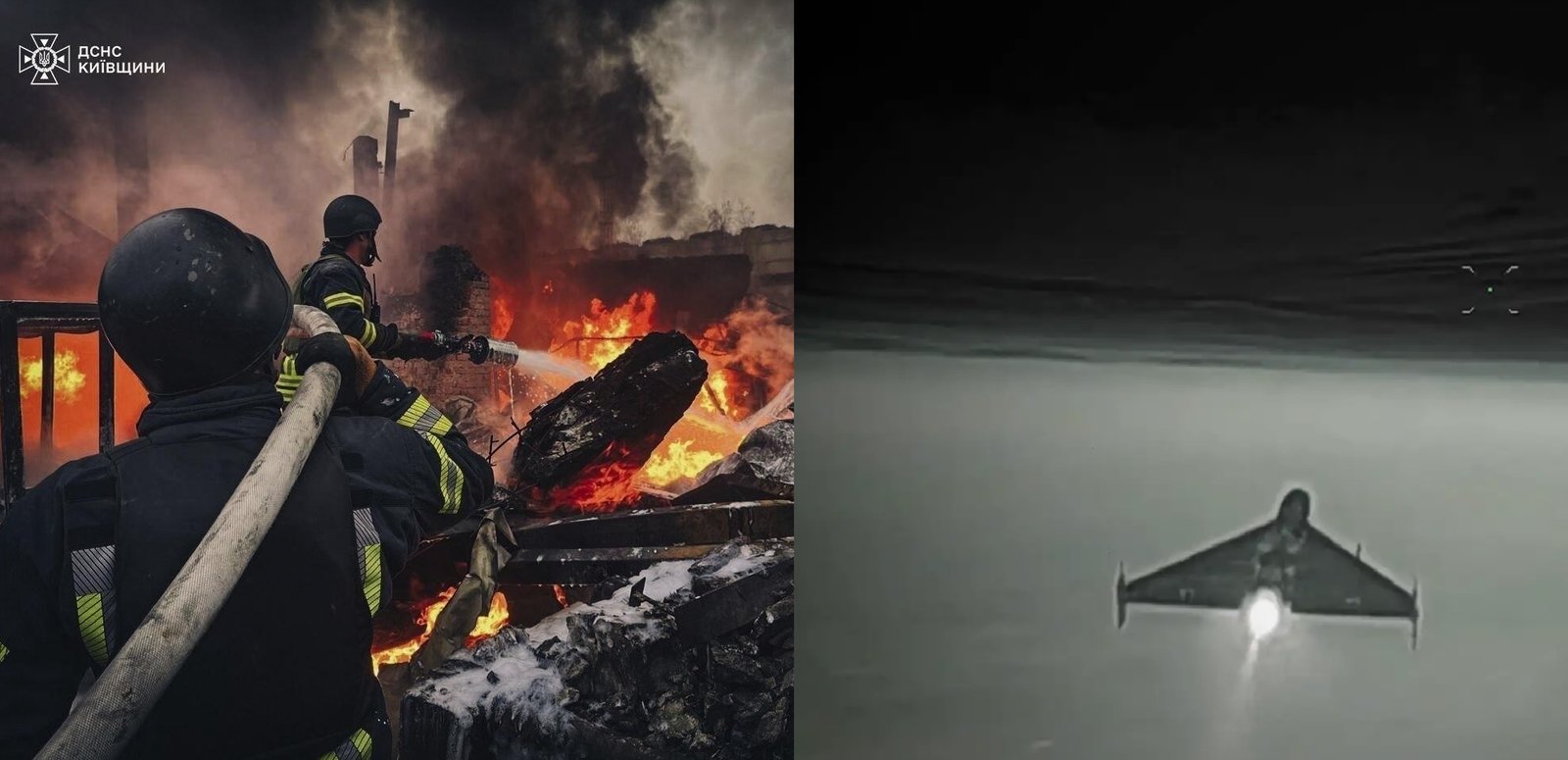
In recent years, Iranian-designed Shahed-type loitering munitions have been increasingly deployed across multiple theaters in the Middle East. Their relatively low production cost and ability to be launched in large numbers have created operational challenges for conventional air-defense systems.
Countries in the Persian Gulf have traditionally relied on advanced missile-based defense networks, including U.S.-made Patriot surface-to-air missile batteries, to protect critical infrastructure and urban areas. However, using multi-million-dollar interceptor missiles against low-cost drones—often costing only tens of thousands of dollars—has highlighted a significant economic imbalance.
This dynamic has encouraged defense planners to explore alternative interception methods that can be deployed at scale while maintaining lower operational costs.
Oleksandr Yakovenko, founder of TAF Industries, stated that Gulf states are not only interested in purchasing hardware but also in understanding how interceptor drones can be integrated into existing national defense networks.
“They want to understand how to integrate our drones into the entire defense system,” Yakovenko said. “Now every country understands that it needs interception systems, because it is not enough to have something like Patriot.”
TAF Industries and Ukraine’s Drone Sector
TAF Industries was established in 2022 and has grown rapidly during the ongoing war in Ukraine. The company has become one of the country’s largest drone manufacturers and currently produces more than 80,000 drones per month across over 30 product lines.
Ukraine’s wartime demand for unmanned systems has accelerated innovation in both offensive and defensive drone technologies. Interceptor drones developed by Ukrainian companies have been widely used to counter Russian reconnaissance drones and Iranian-designed Shahed attack drones.
Overall, Ukraine’s domestic drone sector has expanded significantly, with national interceptor drone production exceeding 1,500 units per day, according to industry estimates.
Interceptor Systems Under Consideration
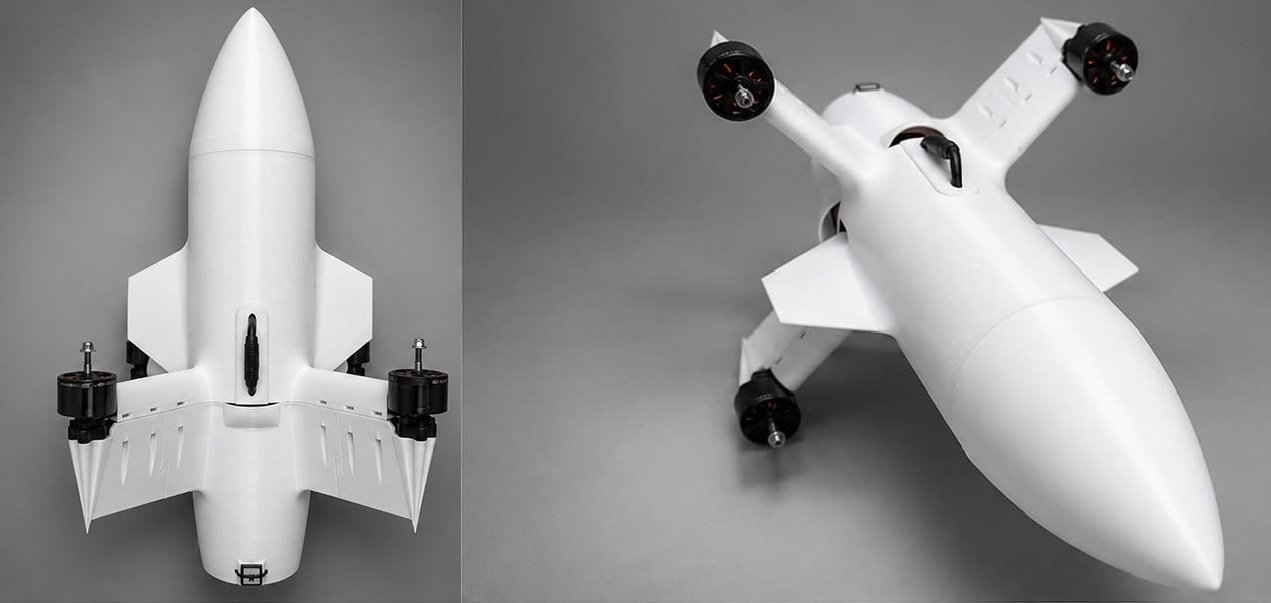
Two primary systems produced by TAF Industries are reportedly being considered by Gulf states: the Octopus-100 interceptor and the TAF I-10, an upgraded version of the Kolibri platform.
Octopus-100 Interceptor
The Octopus-100 is the company’s higher-end automated interceptor drone designed to engage hostile UAVs with minimal operator input. It includes an automatic terminal guidance module that allows the system to lock onto and track aerial targets during the final stage of interception.
The system has a combat radius of 30 kilometers, a maximum flight altitude of 4,500 meters, and can reach speeds exceeding 300 kilometers per hour. It has a flight endurance of approximately 15 minutes and carries a 1.2-kilogram payload.
The drone is designed to operate both during the day and at night and can function in environments affected by electronic warfare (EW) interference. The Octopus-100 has been certified by Ukraine’s Ministry of Defence for serial production.
TAF I-10 (Kolibri Platform)
The TAF I-10 interceptor is based on the company’s Kolibri FPV platform and is designed for manual operation by trained drone pilots.
The system has a combat radius of approximately 15 kilometers, a maximum altitude of 3,000 meters, and can reach speeds exceeding 200 kilometers per hour. Its endurance can reach up to 25 minutes, and it carries a 0.5-kilogram payload.
The drone uses secure communication channels and encrypted MilELRS protocols to maintain operational reliability in electronic warfare environments. Variants of the system can be equipped with daytime cameras, night-vision sensors, or digital targeting systems, depending on mission requirements.
Manual FPV-based interceptors are typically used to visually acquire and strike hostile drones at close range, providing a relatively inexpensive method for countering incoming UAV threats.
Integration Into National Air Defense Systems
According to TAF Industries, potential customers are evaluating how interceptor drones could be integrated into broader air-defense architectures alongside radar networks, electronic warfare systems, and missile-based interceptors.
Rather than replacing existing missile defense platforms, interceptor drones are being considered as an additional layer of protection, particularly for engaging low-cost aerial threats such as reconnaissance drones and loitering munitions.
This layered approach could allow missile systems to remain focused on higher-value targets such as ballistic missiles, cruise missiles, and large aircraft.
Training Requirements and Deployment Challenges
While manufacturing capacity is sufficient to meet potential international demand, company officials say that training qualified operators represents the primary challenge for rapid deployment.
Manually controlled interceptor drones require pilots capable of navigating high-speed aerial engagements against moving targets, often under electronic warfare conditions. Developing these skills requires specialized training programs and practical experience.
Yakovenko noted that preparing personnel to operate and integrate interceptor systems within an existing national defense network can take several months.
To support international customers, TAF Industries has begun expanding its operational footprint by establishing joint ventures across Europe and developing training programs that incorporate operational experience gained by Ukrainian forces during the war.
Regional Context
The inquiries from the United Arab Emirates, Qatar, and Kuwait come amid continued concern among Gulf states about the vulnerability of energy infrastructure, ports, and urban centers to drone and missile attacks.
Recent incidents involving Iranian-origin drones targeting regional facilities have increased demand for systems capable of countering large numbers of low-cost aerial threats.
In parallel with the discussions involving TAF Industries, separate talks involving the United States and Qatar have also examined the potential use of Ukrainian interceptor technologies for counter-drone defense.
At present, the requests from Gulf states remain preliminary and negotiations are continuing. TAF Industries has not disclosed potential contract values or delivery schedules. Further developments will depend on the outcome of technical evaluations, training arrangements, and integration planning with existing air-defense systems.
——— End of Article ———