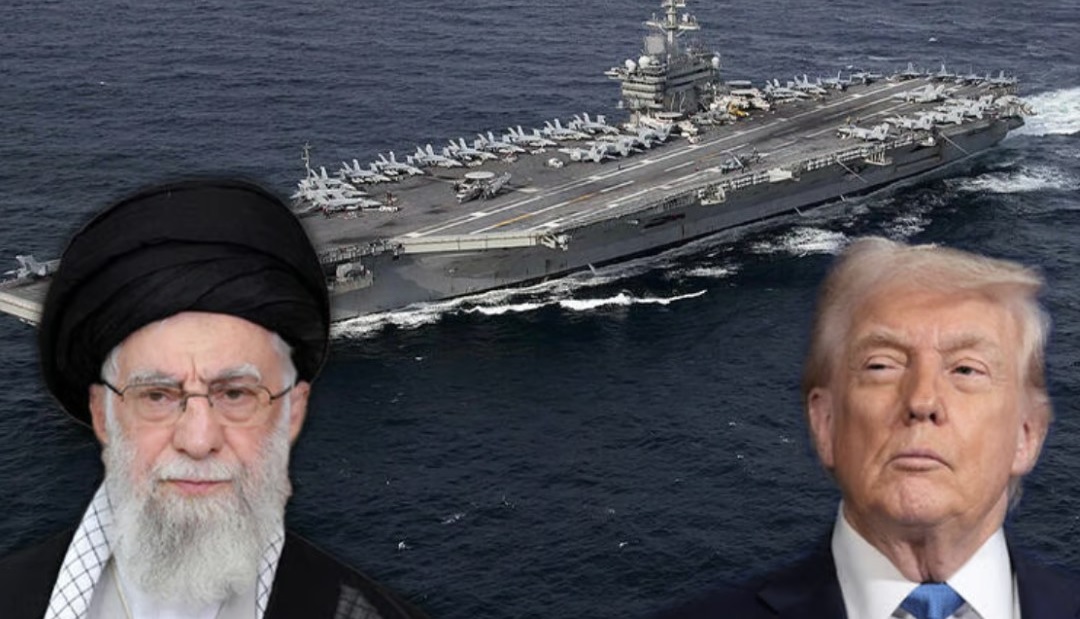
Washington, February 24, 2026 : The administration of U.S. President Donald Trump is weighing potential military action against Iran as internal deliberations intensify over how to pressure Tehran to curb its nuclear program without triggering a broader regional conflict, according to multiple reports published February 24.
Officials familiar with White House discussions say the president has expressed dissatisfaction with what he views as limited military leverage and has asked advisers to present strike options that could significantly degrade Iran’s nuclear and military capabilities. The objective, according to those accounts, is to compel Iranian leaders to return to negotiations under revised U.S. terms.
The discussions come amid stalled nuclear diplomacy and a substantial U.S. force posture in the Middle East designed to support both deterrence and potential contingency operations.
Military Assessment and Internal Deliberations
Senior military officials, including General Dan Caine, Chairman of the Joint Chiefs of Staff, have cautioned that limited or narrowly targeted strikes are unlikely to achieve decisive political outcomes. Reports first detailed by Axios and corroborated by CBS News indicate that in private meetings General Caine warned that an attack on Iran’s heavily fortified and dispersed assets would not constitute a singular, conclusive operation.
Military planners have outlined several concerns in their assessments to the president:
Any strike on Iranian territory would likely prompt retaliation by Tehran and affiliated armed groups operating in Iraq, Syria and Lebanon, potentially targeting U.S. personnel, facilities and regional partners.
Limited strikes could escalate into a sustained military engagement requiring additional U.S. troops, munitions and logistical resources.
Iran’s strategic depth, hardened nuclear facilities and extensive missile inventory differ substantially from past U.S. operations against less capable adversaries.
Officials have emphasized that while planners are obligated to provide options, they are also required to present the potential operational and strategic consequences of each course of action. A senior military official told CBS News that the Pentagon’s role is to offer unbiased advice, including assessments of escalation risks and force requirements.
President’s Public Response
Following media reports describing internal caution among military leaders, President Trump addressed the issue publicly on social media. He rejected suggestions that General Caine opposed military action.
“General Caine, like all of us, would like not to see War but, if a decision is made on going against Iran at a Military level, it is his opinion that it will be something easily won,” the president wrote. He added that Caine “has not spoken of not doing Iran, or even the fake limited strikes that I have been reading about, he only knows one thing, how to WIN and, if he is told to do so, he will be leading the pack.”
The White House referred further inquiries to the president’s public statements. No formal statement detailing internal deliberations has been issued by the administration.
Diplomatic Engagement
Despite the military planning, diplomatic efforts remain active. Special Envoy Steve Witkoff and senior adviser Jared Kushner are advising the president to allow additional time for negotiations. They are scheduled to meet Iranian Foreign Minister Abbas Araghchi in Geneva later this week.
In an interview with Fox News over the weekend, Witkoff outlined the administration’s position, questioning why Iran had not formally stated its willingness to forgo a nuclear weapon under current U.S. pressure measures. He said it had been difficult to move Tehran toward that position.
The outcome of the upcoming Geneva discussions is expected to factor into the president’s decision-making process regarding potential next steps.
U.S. Military Deployments
The United States has expanded its military presence in the region in recent weeks.
Two aircraft carrier strike groups — the USS Abraham Lincoln and the USS Gerald R. Ford — are positioned within operational range of Iranian territory. The deployments represent one of the largest recent U.S. naval buildups in the Middle East.
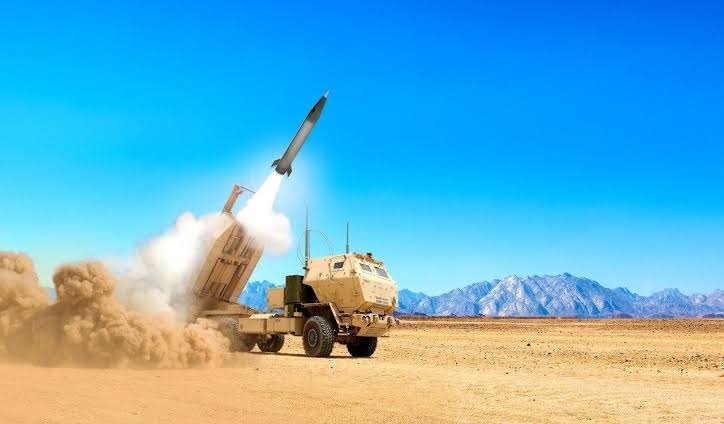
In addition, the Pentagon has reinforced regional air and missile defense systems, including Patriot batteries and Terminal High Altitude Area Defense (THAAD) systems, to protect U.S. forces and allied infrastructure.
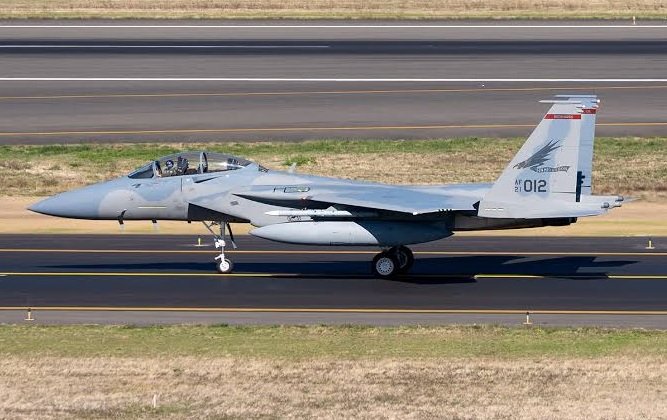
Twelve F-22 Raptor fighter aircraft have also been repositioned to the U.S. Central Command area of responsibility, strengthening air superiority and rapid-response capabilities.
The Defense Department has stated that the deployments are defensive in nature and intended to deter Iranian aggression. Officials acknowledge, however, that any offensive U.S. action would immediately test those defensive systems. Potential Iranian countermeasures could include missile strikes against U.S. bases or maritime actions affecting commercial traffic in the Strait of Hormuz.
Strategic Considerations
According to reporting from CBS News and other outlets including The New York Times, The Guardian and The Times of Israel, the core issue under discussion is whether military force can achieve the administration’s political objective of compelling Iran to accept stricter nuclear terms.
Military assessments indicate that air or missile strikes alone rarely compel immediate capitulation and can instead prompt retaliation or prolonged confrontation. Iran maintains a network of regional partner groups and possesses a large ballistic missile arsenal, factors cited by planners in evaluating escalation scenarios.
Officials have also noted that comparisons to previous targeted operations, such as the removal of Venezuelan leader Nicolás Maduro, may not be applicable given Iran’s size, military capacity and the hardened nature of its nuclear facilities.
Current Status
As of February 24, 2026, no decision has been announced regarding military action. Diplomatic talks remain ongoing, and contingency planning continues within the Pentagon.
The administration’s next steps are expected to depend in part on the results of the upcoming Geneva discussions and broader assessments of regional risk, deterrence posture and the likelihood that additional pressure could alter Tehran’s negotiating position.
——— End of Article ———