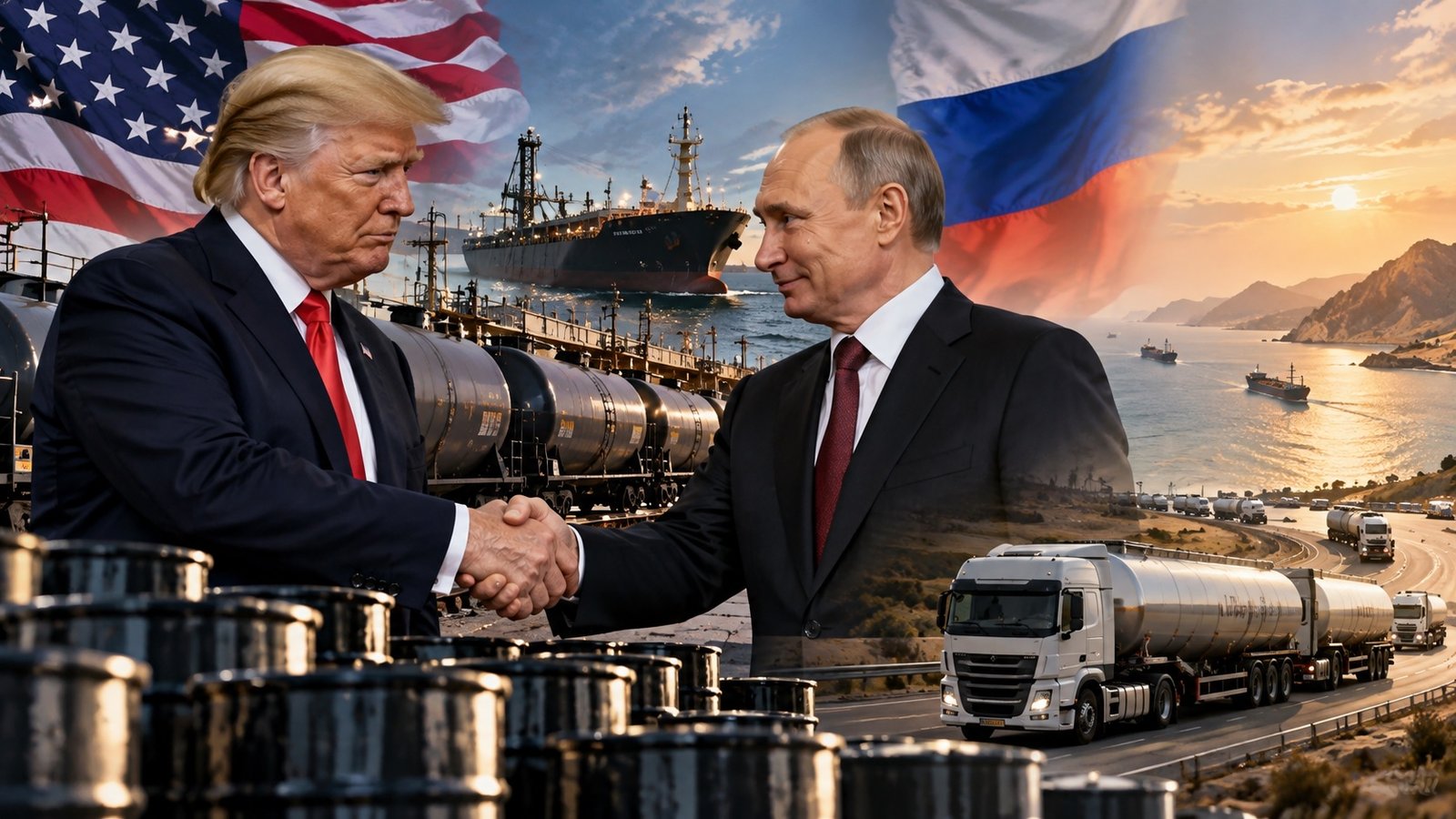
US President Donald Trump announced on Friday that the United States had reached an agreement with Russian President Vladimir Putin to bring more than 4.8 million metric tonnes of Russian diesel to US and global markets. The deal follows a phone conversation between the two leaders and comes as Washington seeks to lower fuel prices ahead of the November 3 midterm elections.
In a post on Truth Social, Trump described the conversation as “highly successful” and outlined the planned deliveries. Russia will initially supply more than 300,000 metric tonnes of diesel, followed by 500,000 tonnes in November, another 1 million tonnes shortly afterward and a further 3 million tonnes when Russian refinery conditions permit. The total is equivalent to approximately 36 million barrels.
Trump said the additional supply, combined with what he called US “total control” over the Strait of Hormuz, would help reduce global diesel prices. He identified lower fuel costs for American farmers, ranchers and truckers as a priority. US diesel prices reached approximately $6.28 per gallon around the time of the announcement, according to AAA data, amid energy market disruptions linked to the conflict involving Iran.
Temporary Sanctions Exemption
The US Treasury Department issued a temporary general license authorizing the sale, delivery, offloading and importation of Russian-origin diesel until April 7, 2027. The license provides a limited exemption from existing sanctions for covered transactions.
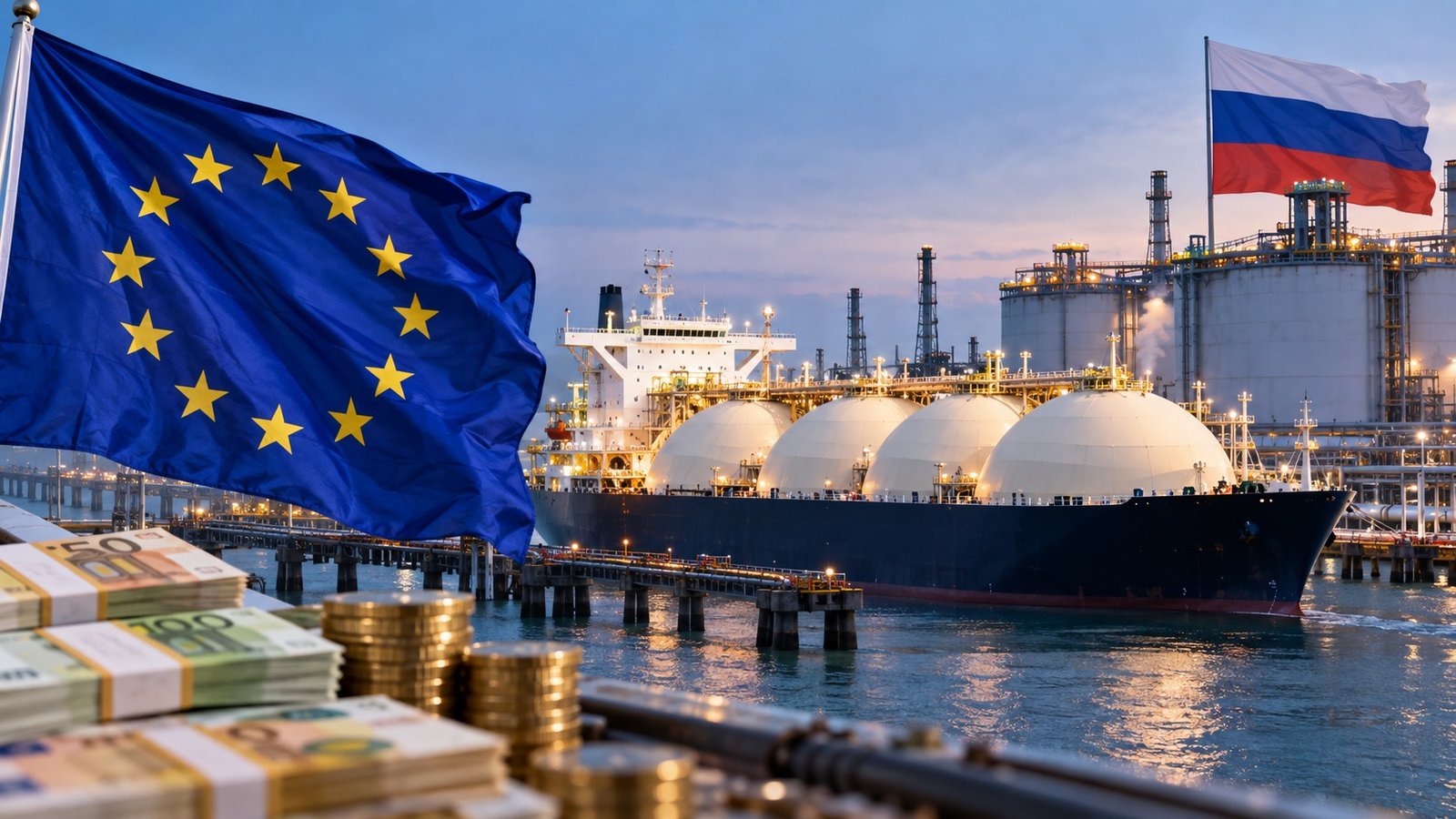
The agreement marks a shift from Washington's previous efforts to restrict Russian energy revenues following Russia's 2022 invasion of Ukraine. The United States had imposed sanctions on Russian energy interests and pressured other countries to reduce purchases of Russian oil.
Russia has faced additional pressure from Ukrainian strikes on its refining capacity and had introduced temporary diesel export restrictions earlier in 2026. Russian officials have indicated readiness to supply oil and petroleum products to international markets, while Putin's envoy Kirill Dmitriev welcomed energy cooperation.
The exact payment arrangements and delivery logistics have not been fully confirmed by the White House.
Impact on Global Energy Markets and India
The deal comes as the conflict involving Iran has disrupted energy markets and affected flows through the Strait of Hormuz, a major route for international energy shipments. Diesel shortages and higher prices have increased costs for freight operators, agricultural businesses and other fuel-dependent industries.
The initial shipment of around 300,000 tonnes is relatively small compared with overall US distillate demand and exports. The broader impact will depend on whether the subsequent deliveries arrive as planned and how global supply conditions develop.
The agreement also draws attention to Washington's earlier pressure on India to reduce Russian oil purchases. India became a major buyer of discounted Russian crude after Western countries restricted their own imports, with Russian oil exceeding 40 percent of India's crude imports during some periods.
The Trump administration imposed additional tariffs on Indian goods in 2025, partly citing India's Russian oil purchases. In early 2026, Trump announced a trade understanding under which he said India had agreed to stop or sharply reduce those imports, alongside adjustments to certain additional tariffs.
Later in 2026, Congress passed, and Trump signed, the Lindsey O. Graham Sanctioning Russia and Iran Act, authorizing potential tariffs of up to 100 percent on major buyers of Russian oil and gas, including India and China. India has maintained that its energy purchases are guided by affordability, domestic demand and energy security.
The new US arrangement highlights how Washington is adjusting its approach to Russian energy amid domestic price pressures, even as broader sanctions remain in place.
Ukraine Criticizes the Deal
Ukrainian President Volodymyr Zelenskyy criticized the agreement, describing it as a gift to Putin and arguing that the revenue could help Russia prolong the war rather than end it.
The phone conversation also covered the Ukraine conflict and bilateral matters, according to Putin's statement. The diesel arrangement comes amid continued diplomatic contacts between Washington and Moscow.
The actual delivery volumes, shipment schedule and market response will determine whether the agreement can significantly reduce diesel prices. While the temporary license runs until April 7, 2027, it does not guarantee that supplies will continue at the announced scale throughout that period.
——— End of Article ———